Art Studio Lighting
Enhance your artistic space with the perfect lighting solutions for your art studio. Illuminate your creative haven with a range of lighting options designed to provide optimal brightness and clarity for your projects. Whether you're a seasoned artist or just starting out, finding the right lighting can make a significant difference in your work environment. Explore our selection of art studio lighting to brighten up your space and bring out the best in your creations.
Sort
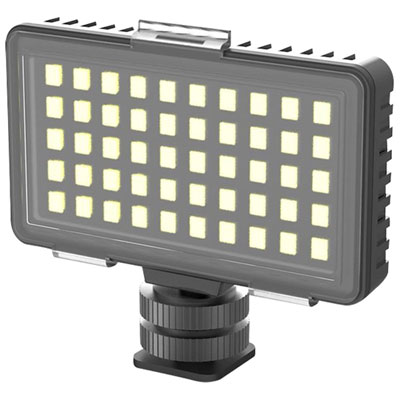
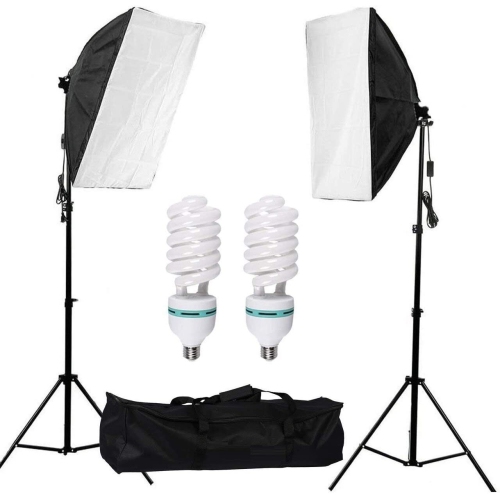

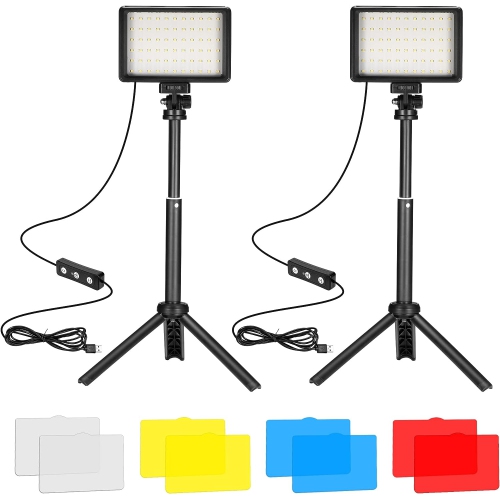
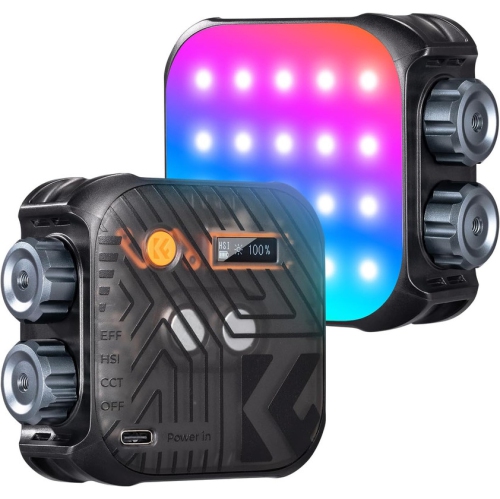
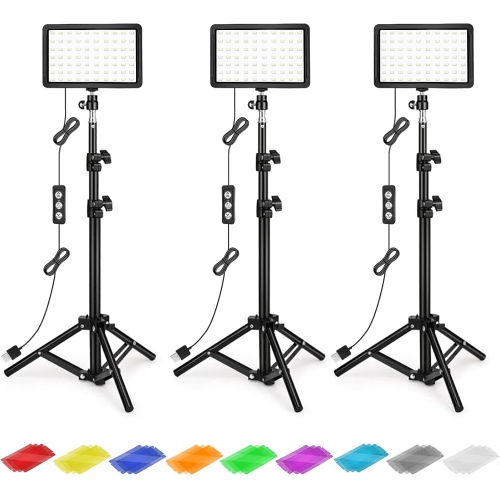
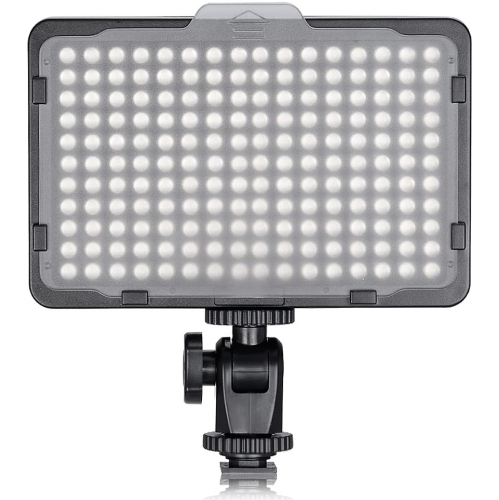
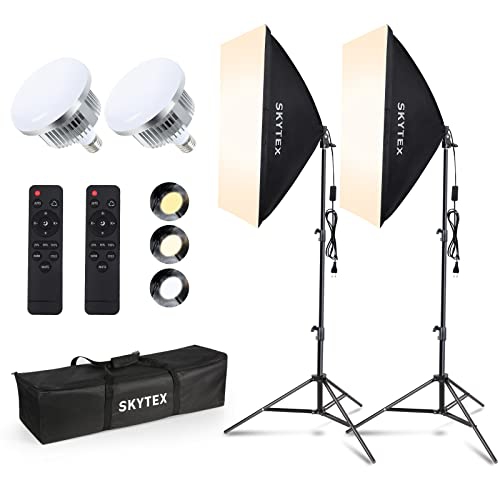
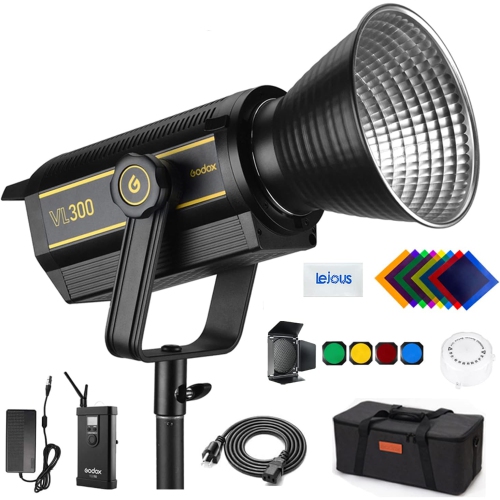
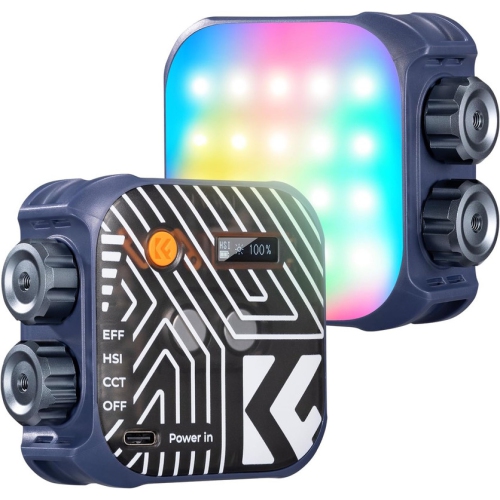
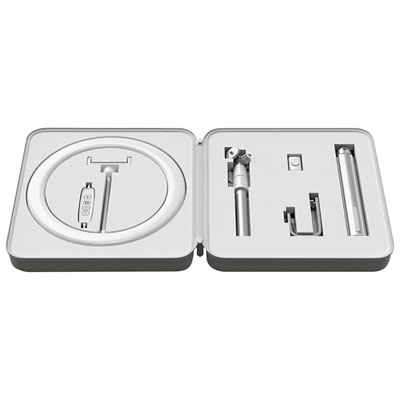
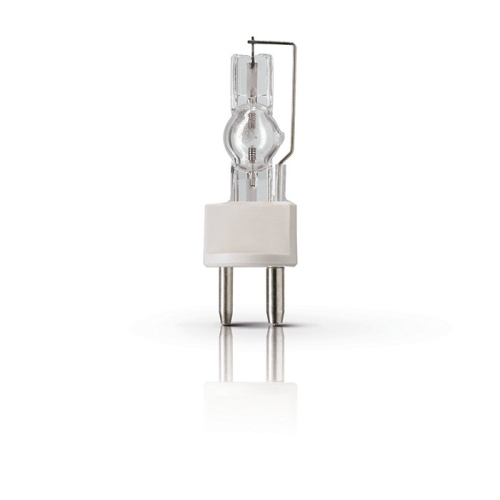
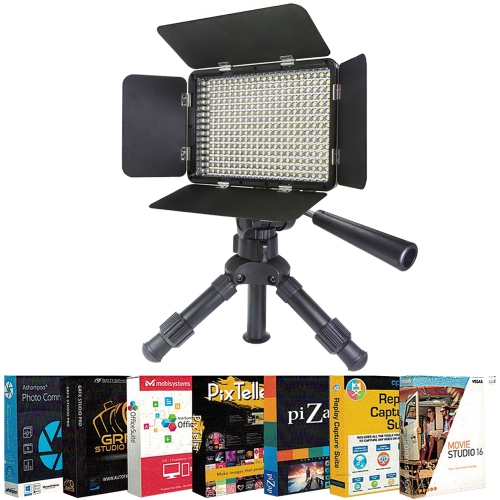
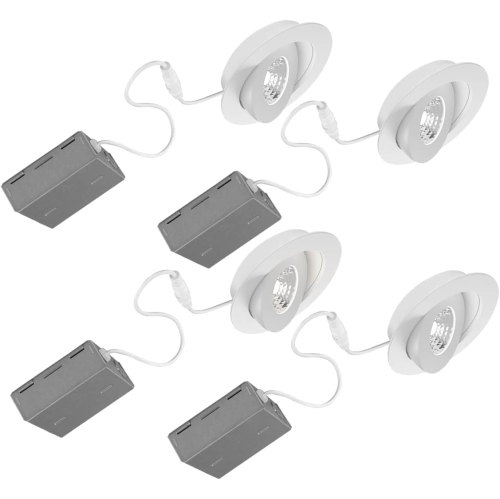
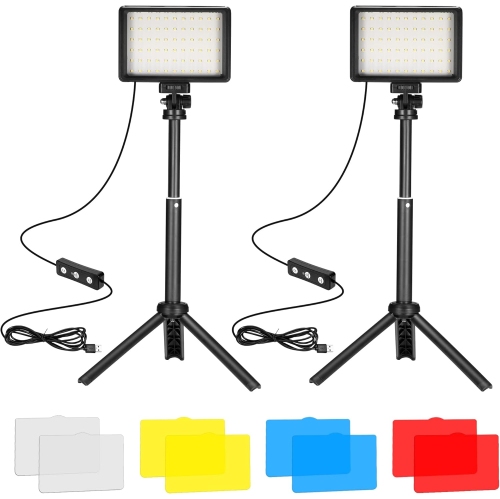
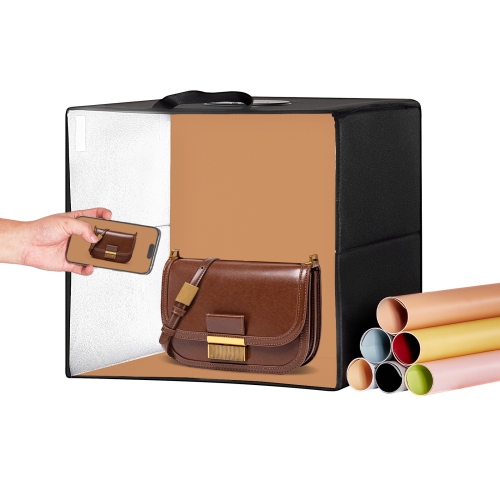
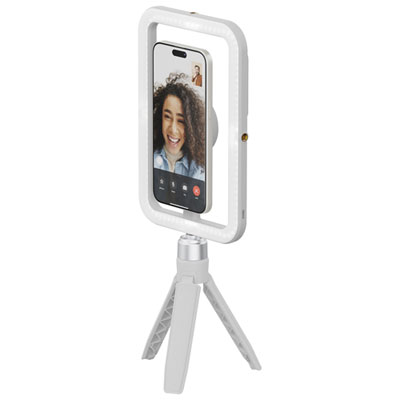
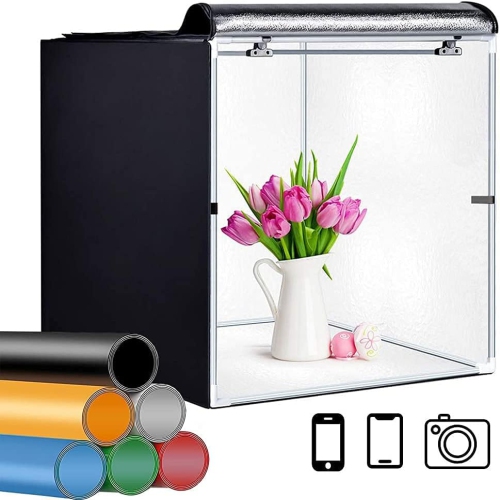
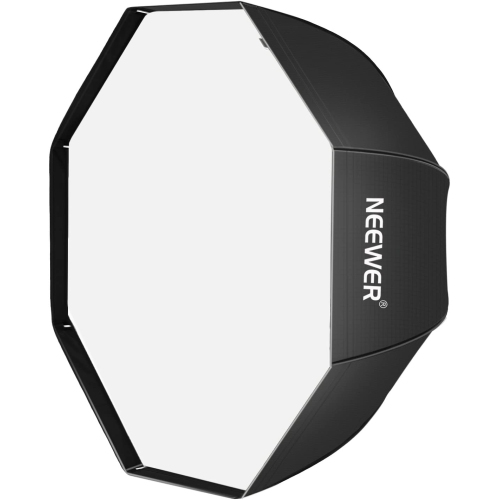
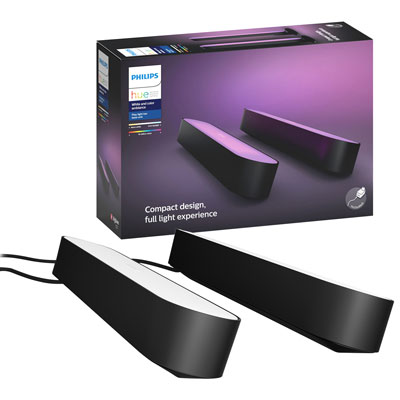
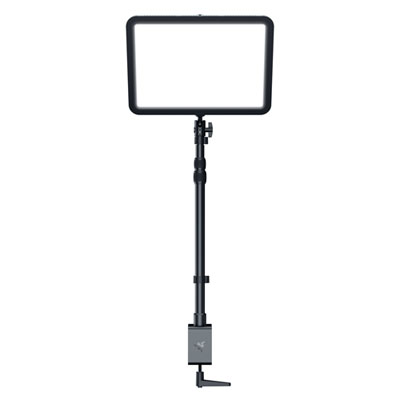
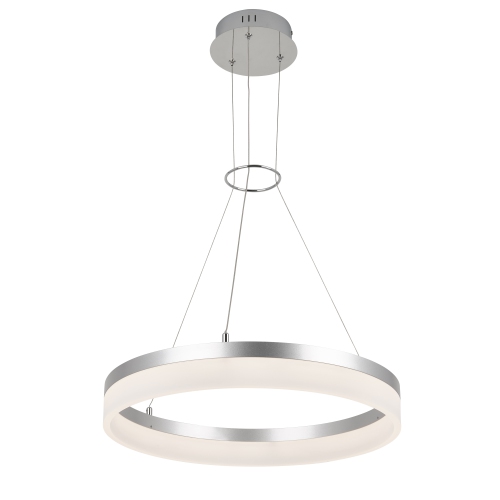
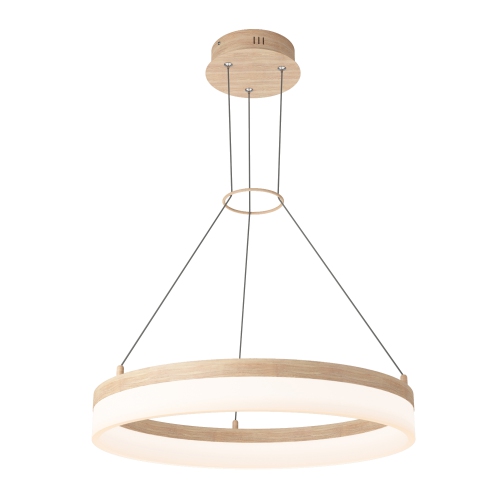
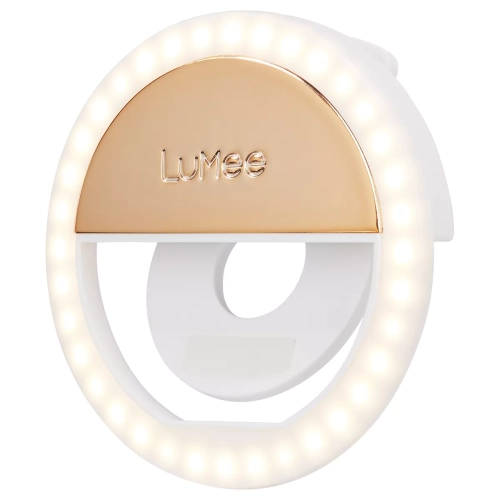
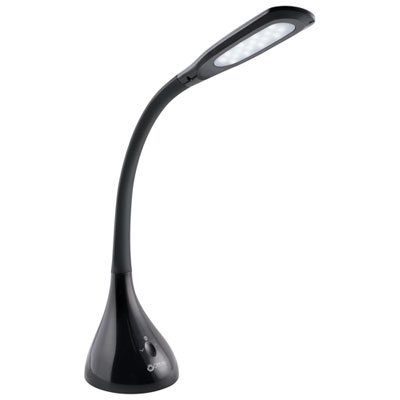
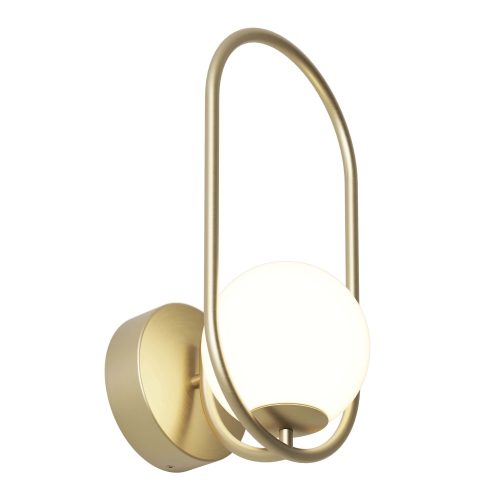
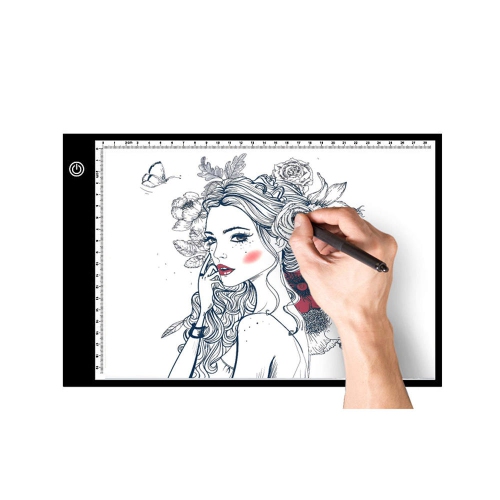
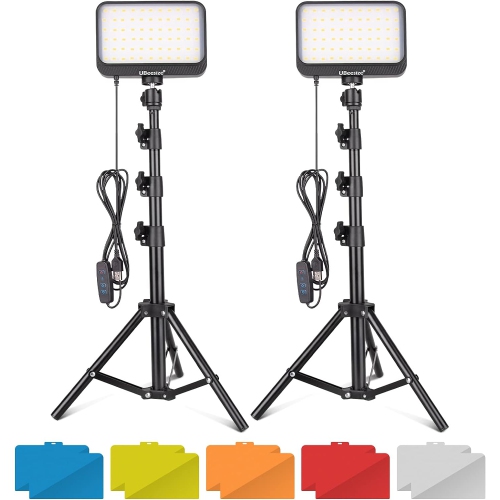
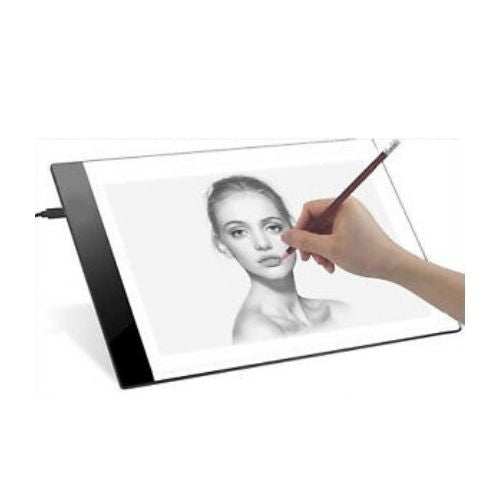
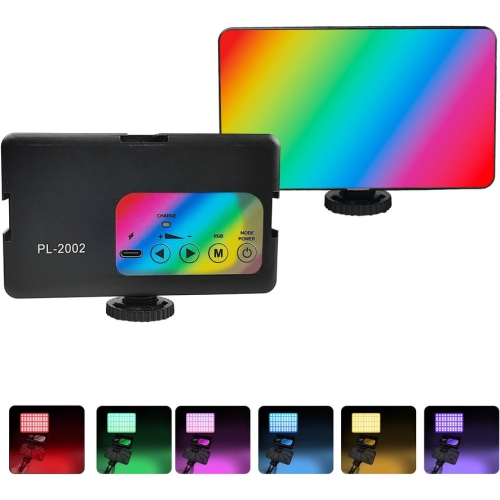
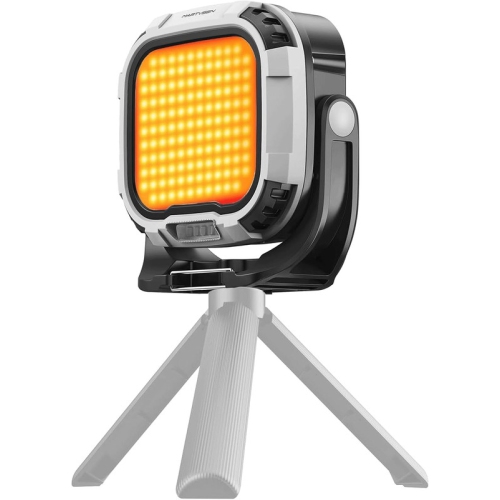
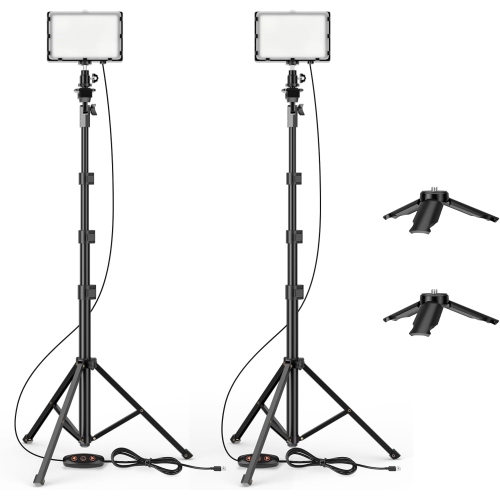
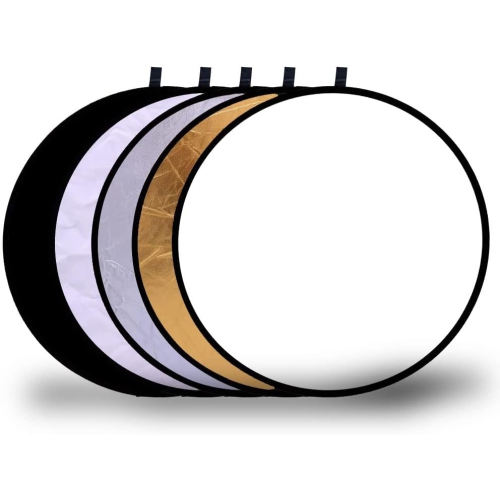
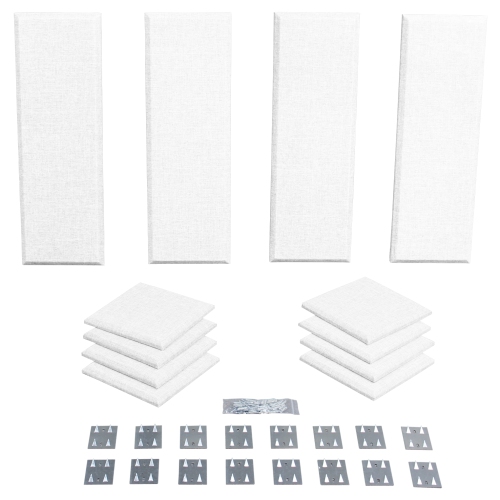
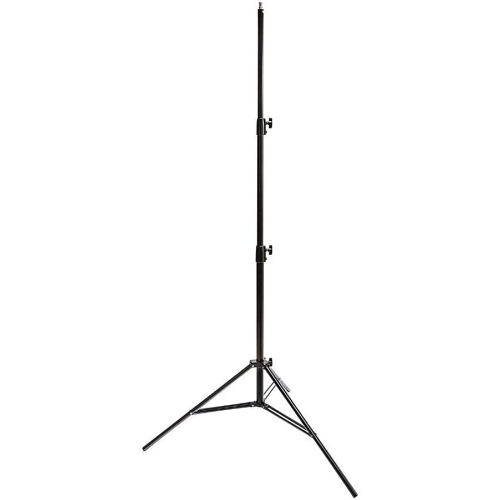
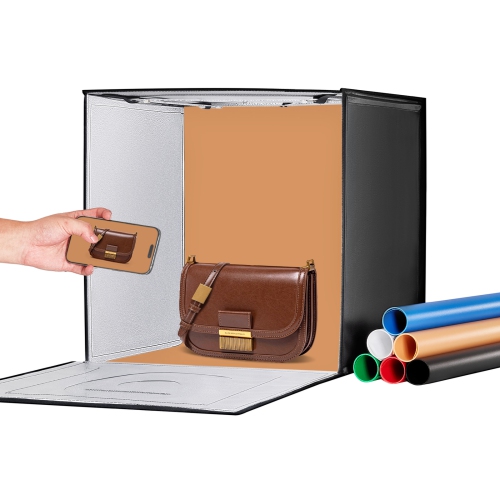
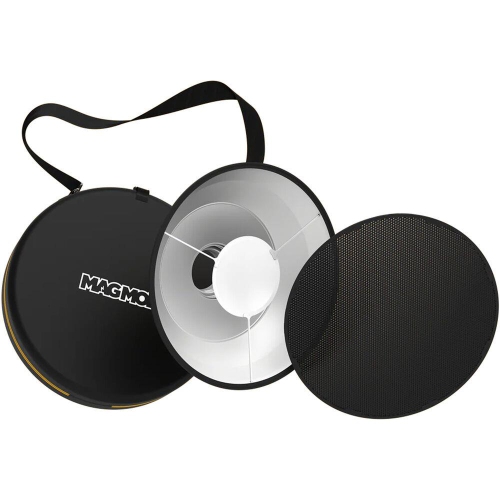
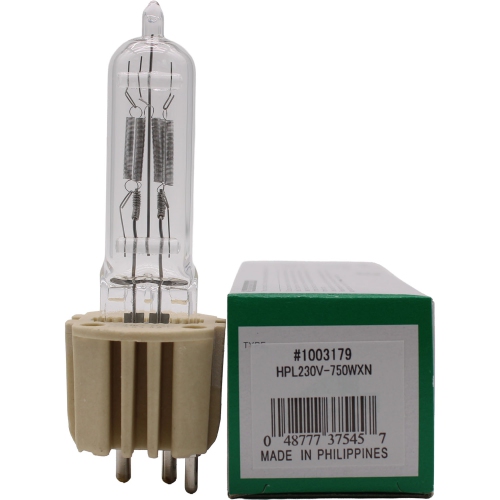
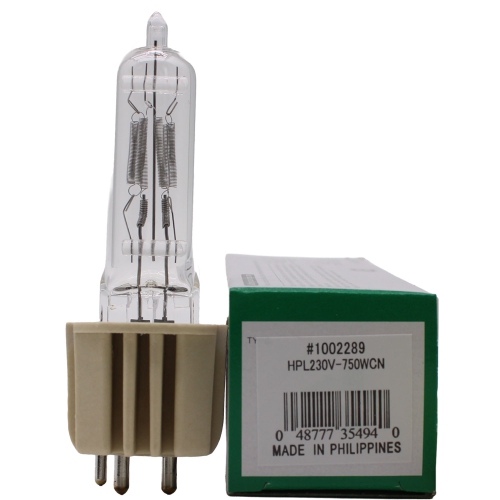
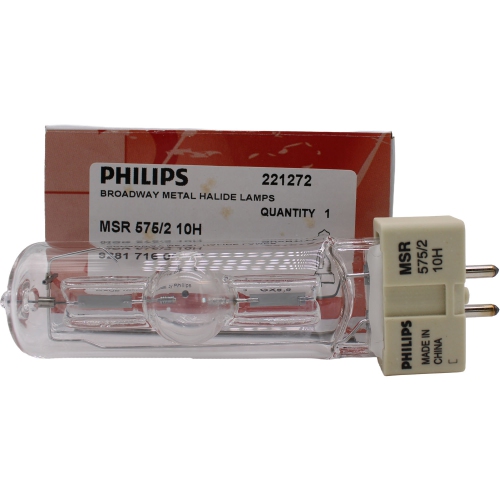
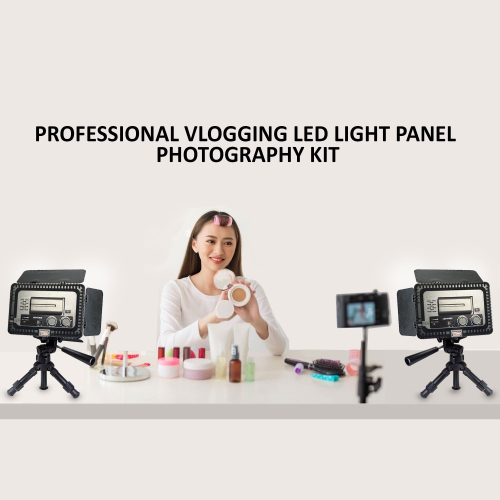
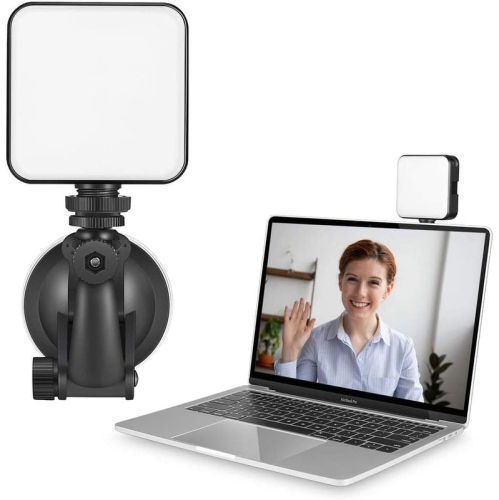
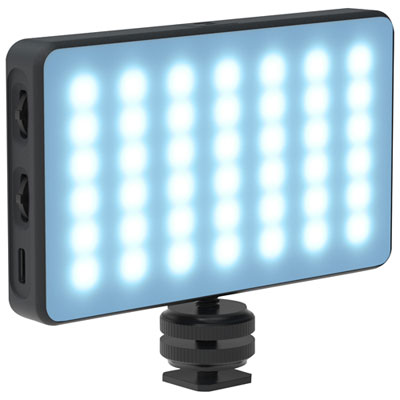
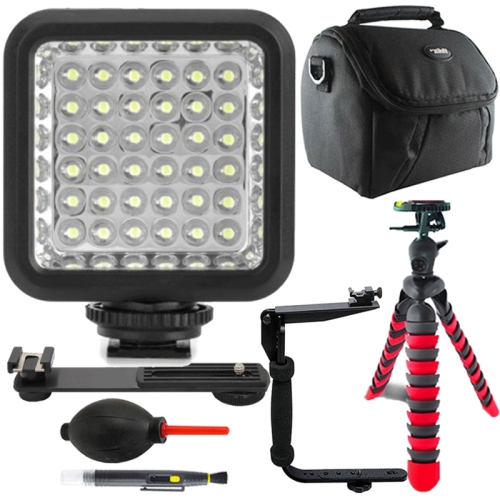
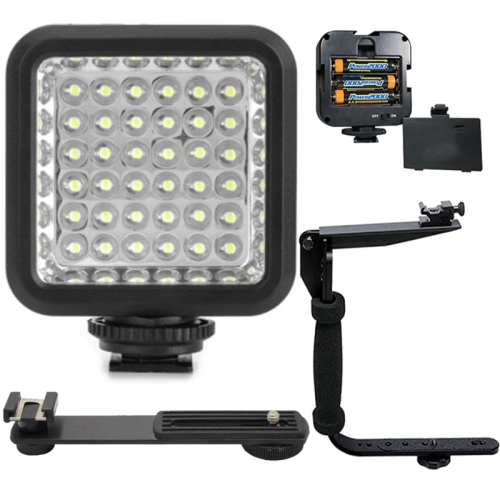
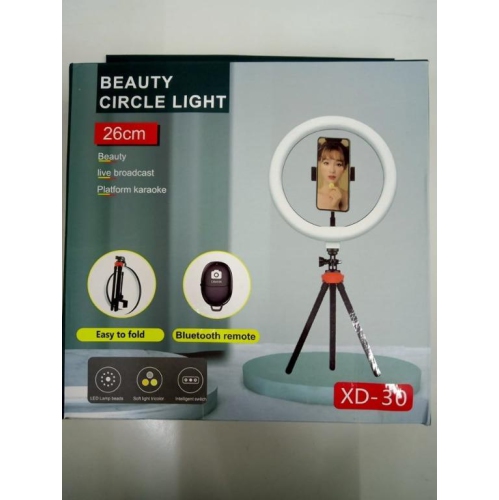
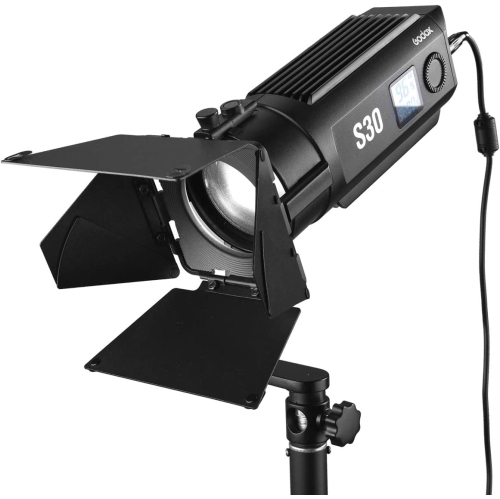
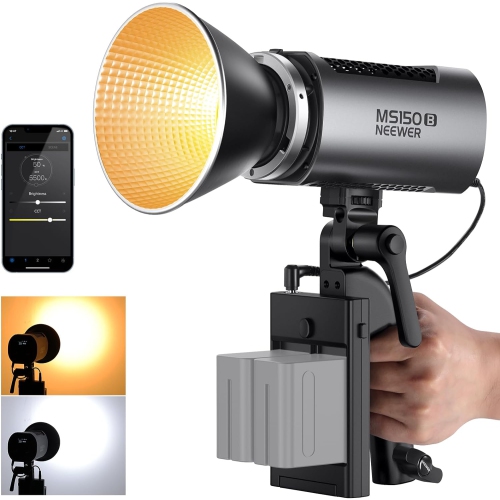
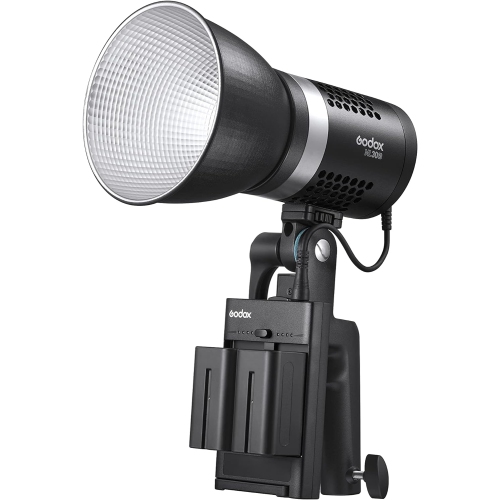
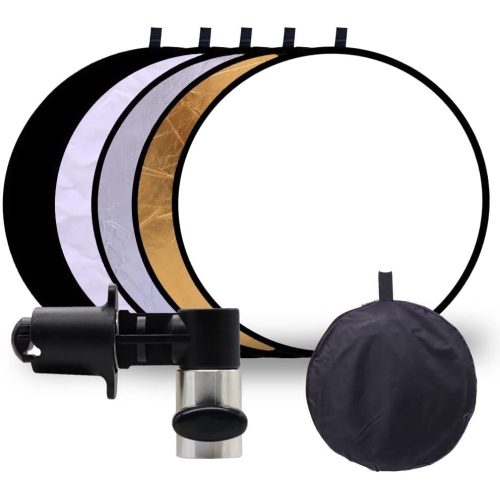

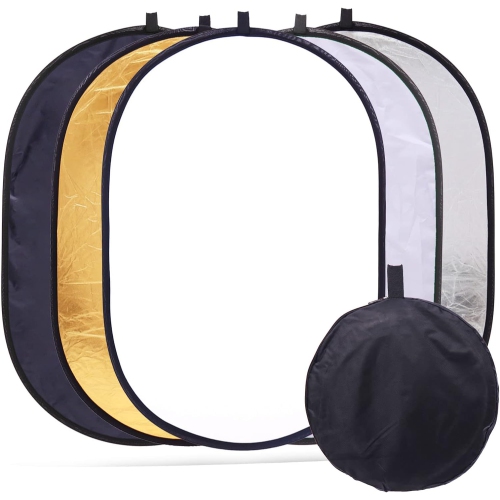
Consistent light helps reveal colour, texture, and fine detail
Art studio lighting can make a noticeable difference to the way you see colour, texture, edges, and fine detail while you work. Natural daylight is useful, but it changes throughout the day and may not be available in every room, especially during the cooler months when studios often rely more heavily on artificial light. A well-chosen lighting setup provides a more consistent view of your canvas, sketchbook, model, or work surface, helping you judge subtle differences between nearby shades and see the texture created by brushes, pencils, pastels, or sculpting tools. When comparing options, look for a colour temperature around 5000K, which gives a neutral daylight appearance without making whites look overly yellow or blue. Colour Rendering Index, or CRI, is another important specification. A CRI of 85 or higher can provide good general performance, while a CRI of 95 or above is especially valuable for painting, colour matching, photography of finished work, and any project where accurate pigment representation matters. Brightness also deserves attention. A small desk or task light may be suitable for a focused drawing area, while a larger studio may benefit from a broad overhead wash combined with targeted lighting at the easel or workbench. As a general reference, an average room may need roughly 8,000 total lumens for comfortable ambient illumination, although the ideal amount depends on ceiling height, wall colour, window placement, the size of the workspace, and the type of art being made. A light with adjustable brightness gives you more control when moving between detailed work, general setup, and relaxed creative sessions. For a broader selection of options, explore Studio Lighting to compare lighting designed for creative spaces and other controlled environments.
The shape and direction of the light are just as important as the specifications printed on the package. A broad, diffused source can spread illumination across a large canvas without creating harsh pools of brightness, while a focused lamp is useful for close-up work such as line drawing, miniature painting, model building, lettering, or detailed restoration. Position a primary light behind and slightly to the side of your working shoulder, aiming it across the surface at approximately a 35-degree angle. This can reduce glare on glossy paint, wet mediums, varnished surfaces, and reflective palettes. If you are right-handed, placing the main light on the left can help limit shadows cast by your hand; left-handed artists may prefer the opposite arrangement. A second, softer source on the other side can balance shadows without flattening every detail. Adjustable arms, swivelling heads, flexible goosenecks, and height-adjustable stands make it easier to adapt the setup as you move from a seated desk to a standing easel. Look for shades or diffusers that soften the output and check that the lamp does not shine directly into your eyes. Dimming is particularly helpful when a project involves both bright detail work and broader composition, and it can make a small multi-purpose room more comfortable when the studio is not in use. For a complete-room setup, evenly spaced ceiling fixtures or LED tubes can create a uniform wash, while a floor lamp or swing-arm task lamp can add light precisely where it is needed. If you work with photography, video, or online classes as well as traditional art, consistent colour temperature across all light sources can help your work appear more natural on camera and reduce distracting shifts from one area to another. It is also worth checking for low-flicker performance, a stable base, accessible controls, and a design that will not crowd easels, drying racks, cutting mats, or storage shelves.
Art studio lighting is suited to a wide range of creative workspaces and can be a thoughtful gift for painters, illustrators, printmakers, crafters, photographers, students, and anyone who spends long evenings making things by hand. A compact task lamp can be a practical choice for a student working at a bedroom desk, a hobbyist refining miniature figures at the kitchen table, or an artist who travels between rooms and needs a portable setup. A floor lamp may suit someone who prefers a standing easel or needs to illuminate a larger area without installing permanent fixtures. For a dedicated studio, several matching lights can help maintain a consistent appearance from the supply shelf to the main work surface, which is useful when comparing reference images, mixing paint, or checking a finished piece from a distance. Those working with oils, acrylics, watercolours, charcoal, coloured pencils, or mixed media may each have different priorities: a painter may value accurate colour and glare control, a drafter may focus on crisp shadow-free illumination, and a sculptor may want directional light that reveals contours and surface changes. During the darker part of the year, dependable lighting can make it easier to keep a regular creative routine after work or school, while adjustable fixtures remain useful when brighter daylight returns. Before choosing, consider the room’s dimensions, available outlets, ceiling height, natural light, mounting restrictions, and whether the lamp will stay in one position or move between projects. It is also sensible to leave space around warm fixtures, secure cables away from walkways, and select lighting with controls that are easy to reach while your hands are occupied. The right arrangement should feel comfortable over a long session, show colours faithfully, and support the way you already create rather than forcing your workspace into a particular style.
The shape and direction of the light are just as important as the specifications printed on the package. A broad, diffused source can spread illumination across a large canvas without creating harsh pools of brightness, while a focused lamp is useful for close-up work such as line drawing, miniature painting, model building, lettering, or detailed restoration. Position a primary light behind and slightly to the side of your working shoulder, aiming it across the surface at approximately a 35-degree angle. This can reduce glare on glossy paint, wet mediums, varnished surfaces, and reflective palettes. If you are right-handed, placing the main light on the left can help limit shadows cast by your hand; left-handed artists may prefer the opposite arrangement. A second, softer source on the other side can balance shadows without flattening every detail. Adjustable arms, swivelling heads, flexible goosenecks, and height-adjustable stands make it easier to adapt the setup as you move from a seated desk to a standing easel. Look for shades or diffusers that soften the output and check that the lamp does not shine directly into your eyes. Dimming is particularly helpful when a project involves both bright detail work and broader composition, and it can make a small multi-purpose room more comfortable when the studio is not in use. For a complete-room setup, evenly spaced ceiling fixtures or LED tubes can create a uniform wash, while a floor lamp or swing-arm task lamp can add light precisely where it is needed. If you work with photography, video, or online classes as well as traditional art, consistent colour temperature across all light sources can help your work appear more natural on camera and reduce distracting shifts from one area to another. It is also worth checking for low-flicker performance, a stable base, accessible controls, and a design that will not crowd easels, drying racks, cutting mats, or storage shelves.
Art studio lighting is suited to a wide range of creative workspaces and can be a thoughtful gift for painters, illustrators, printmakers, crafters, photographers, students, and anyone who spends long evenings making things by hand. A compact task lamp can be a practical choice for a student working at a bedroom desk, a hobbyist refining miniature figures at the kitchen table, or an artist who travels between rooms and needs a portable setup. A floor lamp may suit someone who prefers a standing easel or needs to illuminate a larger area without installing permanent fixtures. For a dedicated studio, several matching lights can help maintain a consistent appearance from the supply shelf to the main work surface, which is useful when comparing reference images, mixing paint, or checking a finished piece from a distance. Those working with oils, acrylics, watercolours, charcoal, coloured pencils, or mixed media may each have different priorities: a painter may value accurate colour and glare control, a drafter may focus on crisp shadow-free illumination, and a sculptor may want directional light that reveals contours and surface changes. During the darker part of the year, dependable lighting can make it easier to keep a regular creative routine after work or school, while adjustable fixtures remain useful when brighter daylight returns. Before choosing, consider the room’s dimensions, available outlets, ceiling height, natural light, mounting restrictions, and whether the lamp will stay in one position or move between projects. It is also sensible to leave space around warm fixtures, secure cables away from walkways, and select lighting with controls that are easy to reach while your hands are occupied. The right arrangement should feel comfortable over a long session, show colours faithfully, and support the way you already create rather than forcing your workspace into a particular style.
Top selling and popular products
-
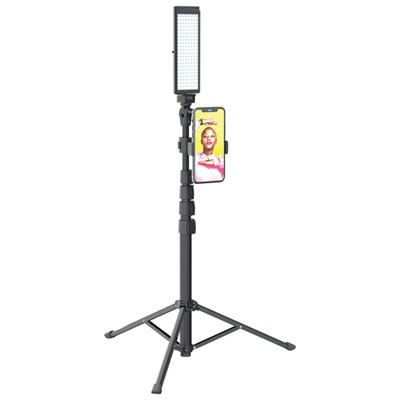 Your price for this item is $159.97
 -
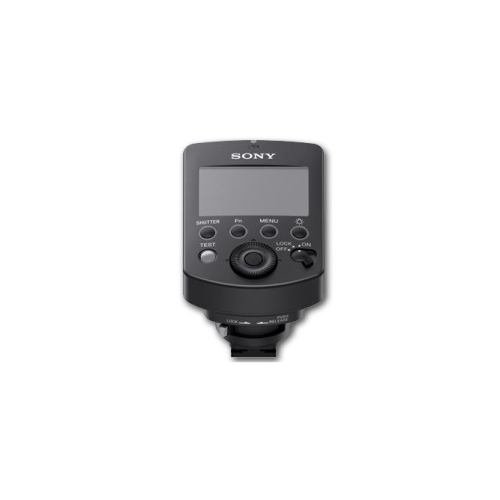 Your price for this item is $479.99
 -
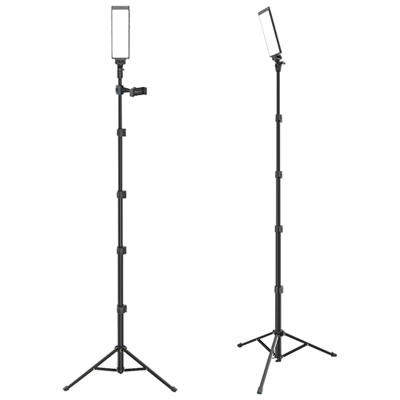 Your price for this item is $239.99
 -
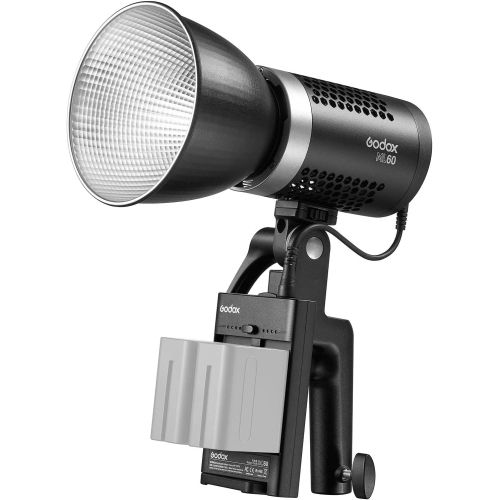 Your price for this item is $239.99
 -
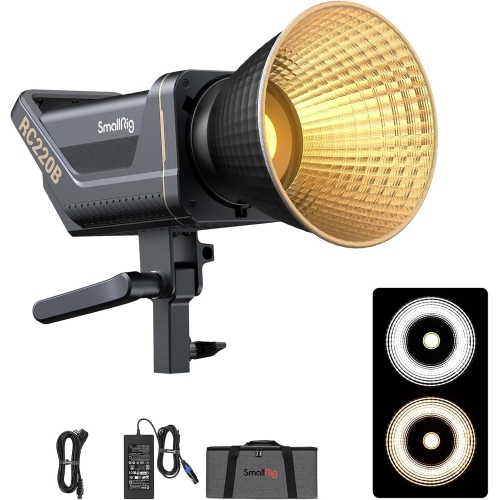 Your price for this item is $442.85
 -
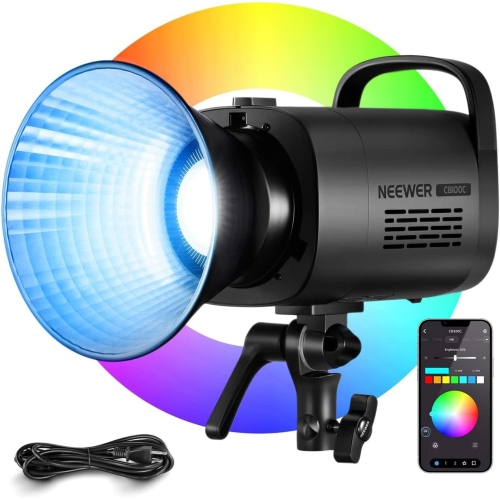 Your price for this item is $297.89
 -
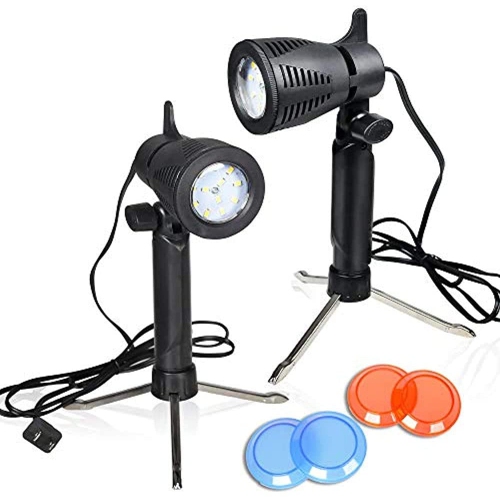 Your price for this item is $29.99
 -
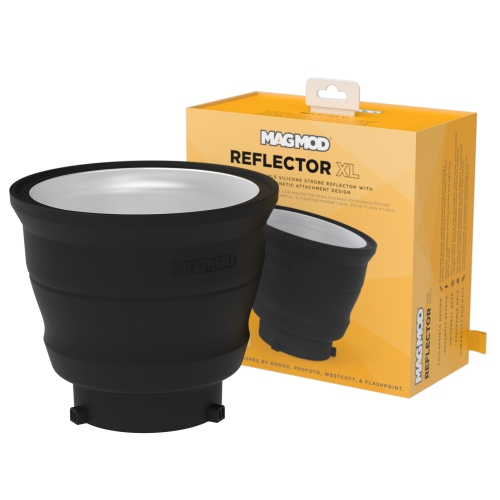 Your price for this item is $119.99
Discover more categories related to Art Studio Lighting
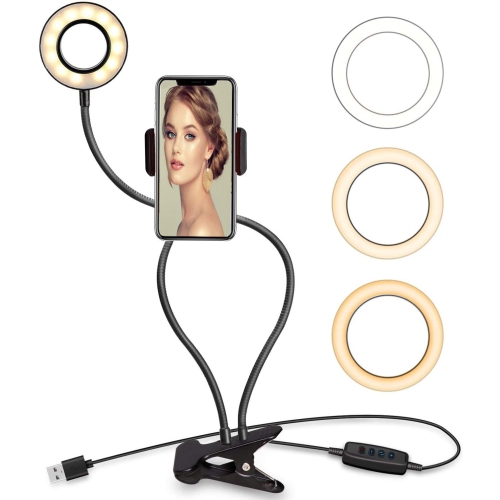
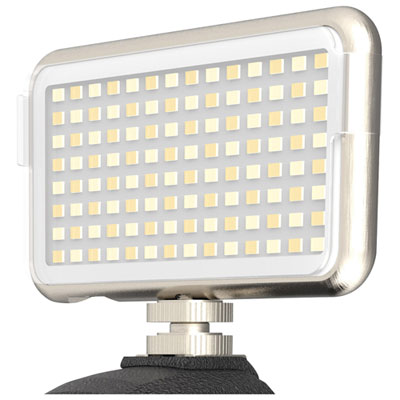
Top Collections:
Pokemon Centers, Kindle Devices, Best Budget Office Chairs, Apple iPhones 16, Best Laptops for Writers, iPhone 15 Apple, Canon G7X Cameras, Refurbished Apple Laptops, Alarm Clock, Motorola Razr Phones
Some products may be subject to Environmental Handling Fees
(EHF) depending on your province.
Learn more about EHFs.