Compact Studio Lighting for Art School
Compact studio lighting for art school offers versatile solutions designed to fit smaller spaces while supporting creative projects. Ideal for classrooms, workshops, and student studios, these lighting options help provide the right setup for drawing, painting, or photography assignments. Whether setting up a dedicated art space or enhancing an existing studio, compact studio lighting for art school provides flexible choices suited to a variety of artistic needs and room layouts. Explore options that make it easy to achieve the illumination required for vibrant and accurate work.
Sort
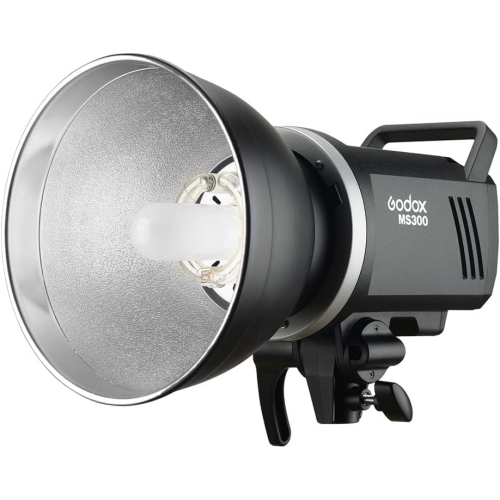
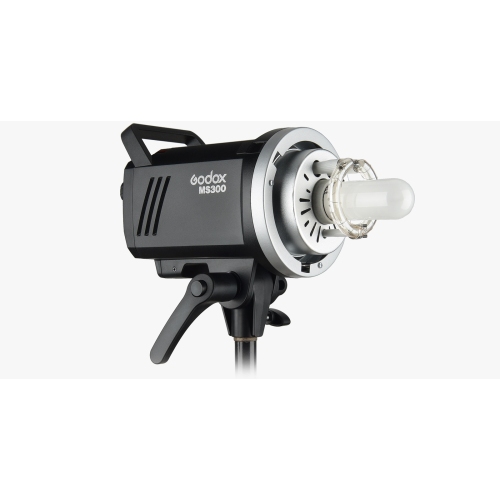
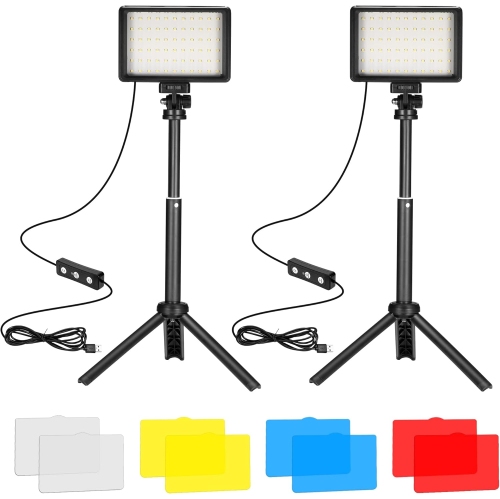
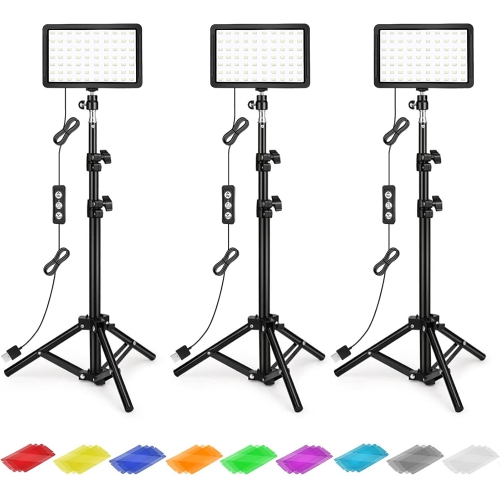
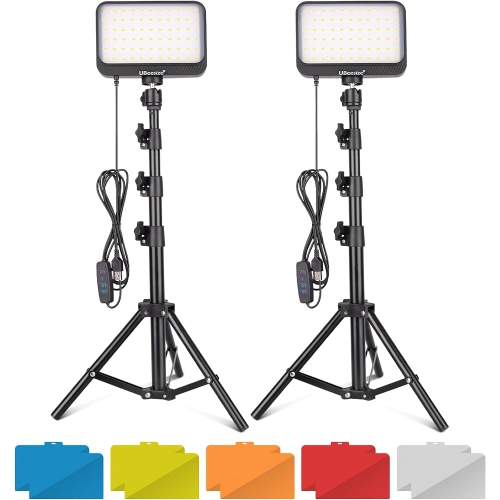
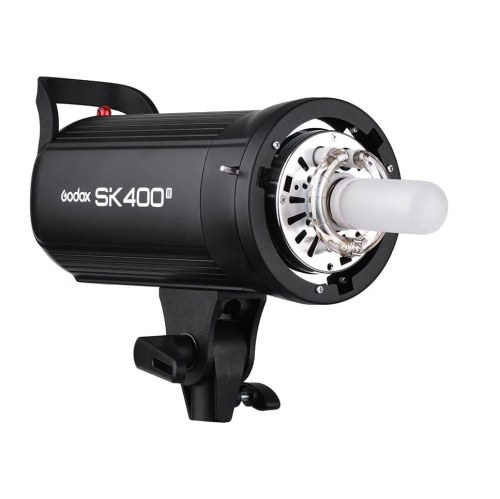
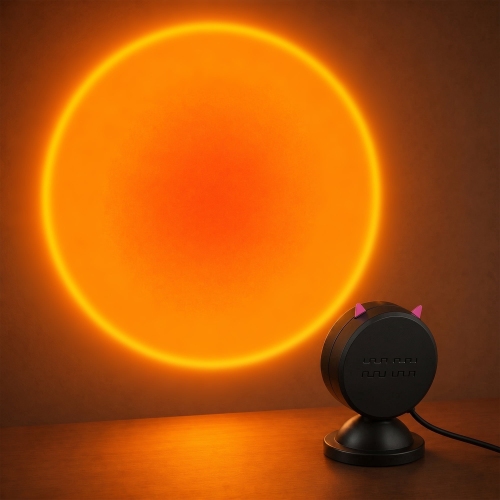
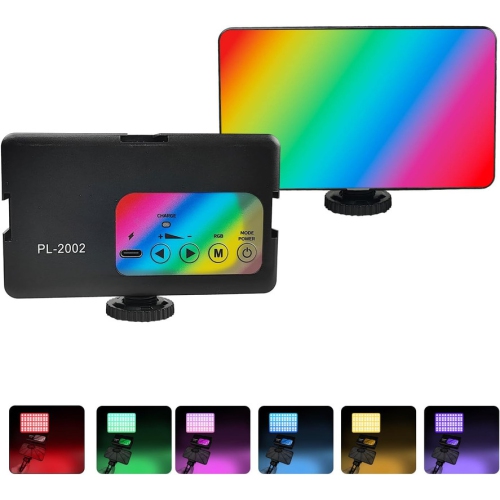
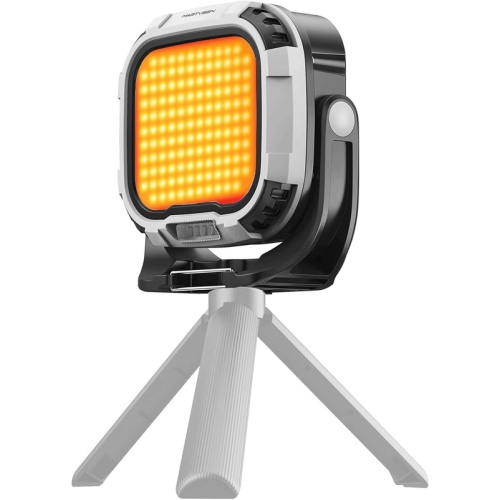
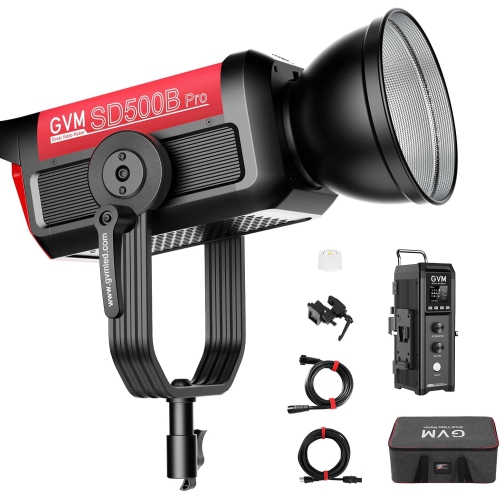
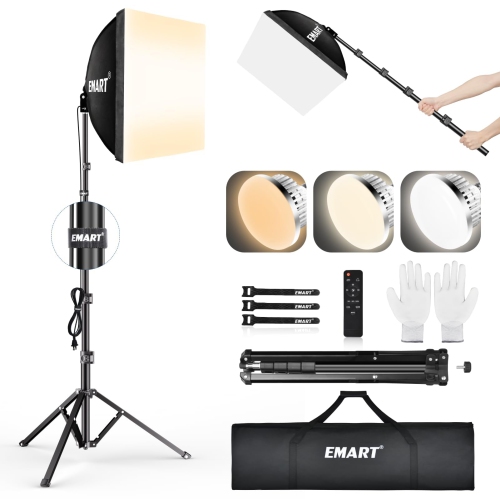

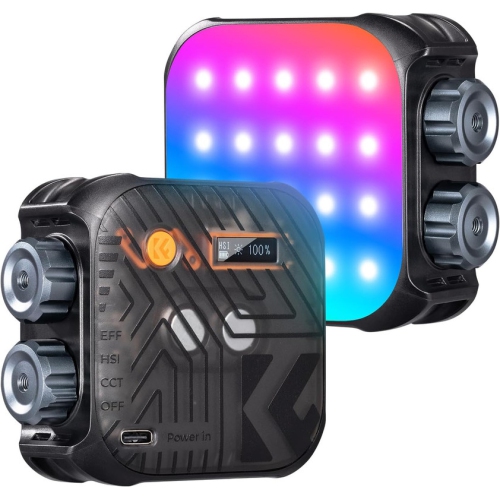
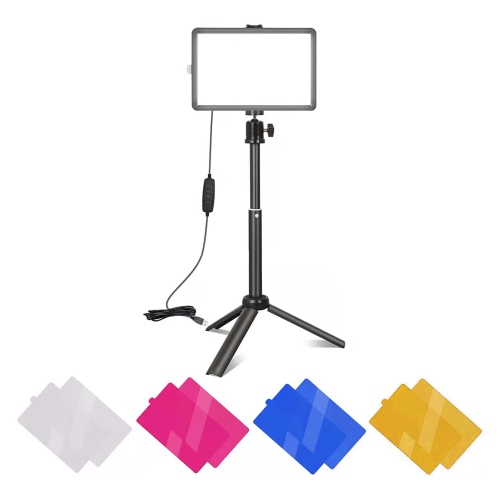

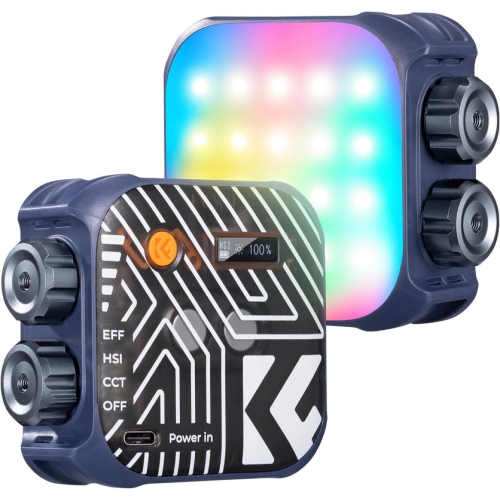
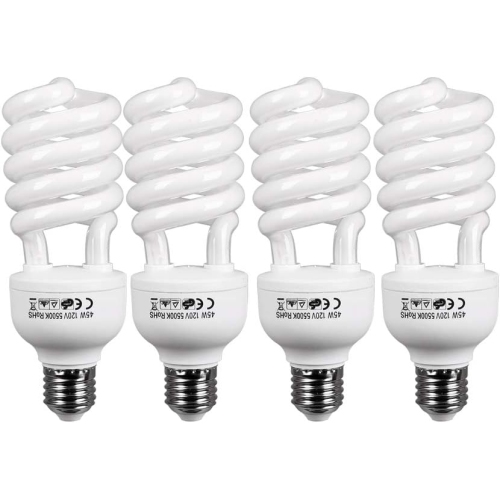
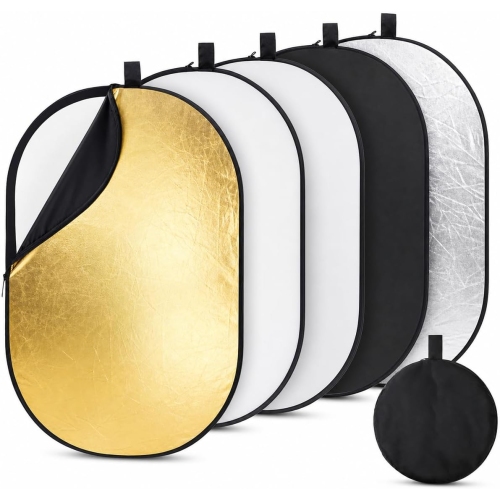
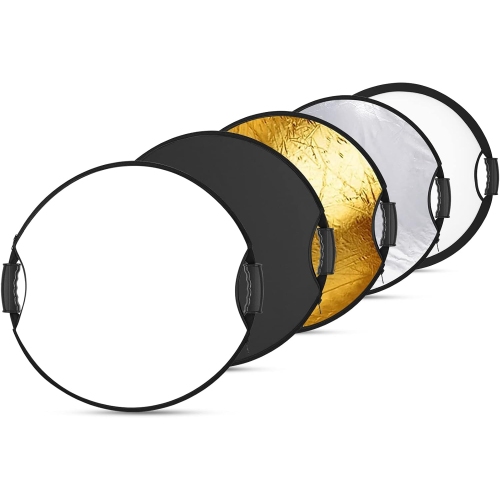
True colours from sketchbook to portfolio photo
Compact studio lighting for art school brings even, adjustable light to a drawing board, worktable or small photography setup without taking up much room. The most useful features for student work are accurate colour rendering, a mount that fits the work surface and enough diffusion to soften glare and hard shadows. Colour accuracy matters when a slight shift in tone changes how a piece reads, whether a student is comparing two nearly identical greys, mixing a skin tone or photographing a print for a portfolio. A colour rendering index (CRI) of 90 or higher is a useful starting point for this kind of work. Colour temperature describes something different: how warm or cool the light looks. A neutral white setting is a practical choice for comparing swatches or checking the balance of a painting, while an adjustable setting lets a photography student explore how warmer or cooler light affects a still life. When two lights illuminate the same piece, matching their colour temperatures helps prevent one side from looking warmer than the other in a photo. The overhead lights in a classroom can also affect the result, so a work light that looks neutral on its own may look different once it’s set up at a shared desk. Brightness matters, too, but more light isn’t always better. A dimmable lamp can give a student enough light to see the edge of a fine pencil line without bouncing a bright patch off smooth paper. For work that moves between making and photographing, separate controls for brightness and colour temperature make it easier to change the amount of light without changing its tone.
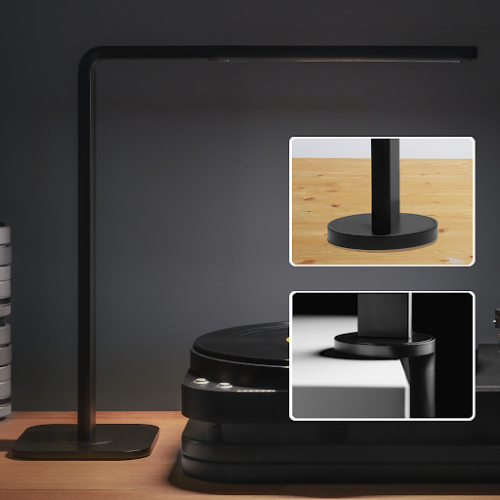
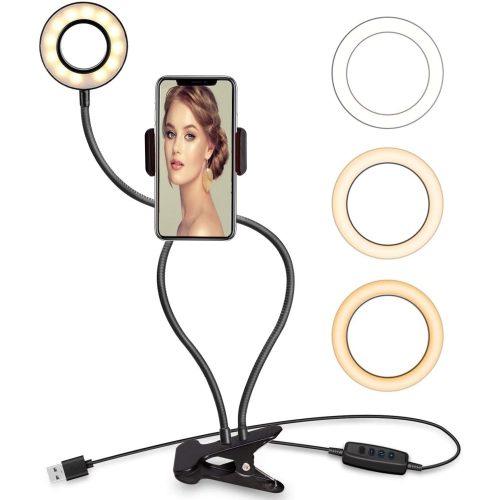
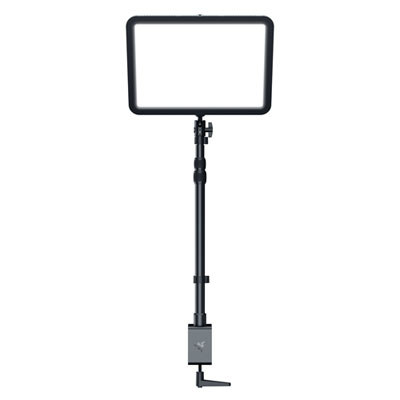
On a crowded studio table, the shape of the lighting setup can matter as much as the size of the light itself. A clamp mount leaves room for a cutting mat or sketchbook, provided the jaws fit the edge and have a flat surface to grip. A thick tabletop, rounded lip or support rail underneath can limit where a clamp will sit. A freestanding light is easier to move between desks, though the base needs enough room to sit flat without getting nudged every time a sheet of paper turns. Adjustable arms are useful for reaching over a large page or moving the light to the side opposite the drawing hand, where it’s less likely to cast a shadow across the pencil tip. Diffusion helps in a different way: a translucent cover spreads light across a broader area, softening the edges of shadows cast by hands, tools and small objects. A glossy print or glazed ceramic can still catch the reflection of a diffused light, so changing its angle often makes more difference than turning up the brightness. A light aimed across a clay study from the side can bring out tool marks and shallow ridges; for a flat illustration, soft light from both sides can help keep one edge from looking darker than the other. Portability also depends on the whole setup. A light that folds flat or runs on a battery can be practical for moving between classrooms, while a plug-in setup suits a desk with an outlet nearby and a place to tuck the cord clear of bags and chair legs. Many of the same fit and placement considerations apply to Studio Lighting For Small Apartment, especially when a desk doubles as a place to make work and photograph it.
Materials and construction help determine how well compact lighting holds up to daily adjustments and trips between studios. Lightweight housings are easier to carry, but a firm hinge and a steady mount matter more once the light is in place. An arm that gradually dips can move the brightest part of the beam off the page, and a stand that wobbles can make it harder to match the lighting from one portfolio photo to the next. Padded clamps help protect shared tabletops, while a stable base is useful in spaces where students can’t attach anything to the furniture. A built-in diffusion cover keeps the setup simple for someone who packs up at the end of each class. Removable diffusion gives photography students more control over the character of the light, though it also means another piece to keep clean and carry. Where charcoal dust, paper fibres or clay can settle on the housing, a smooth exterior is easier to wipe down after the light is switched off and unplugged. Following the care directions for the diffuser helps avoid scuffs, and loosely coiling the cord instead of wrapping it tightly around the arm reduces strain where it joins the housing. The right fit depends on what a student makes most often. An illustrator working on small sheets may want a light that can move close to the page without getting in the way of a ruler. A maker photographing objects for a critique may value a wider beam and more room to adjust its angle. For a student who works at the kitchen table after class, a light that’s quick to set up and put away may matter more than extra controls. Compact studio lighting can also make a practical gift for someone starting an art program or assembling a portfolio, particularly when the mount suits the desk they use and the light can travel with them between home and school.
Top selling and popular products
-
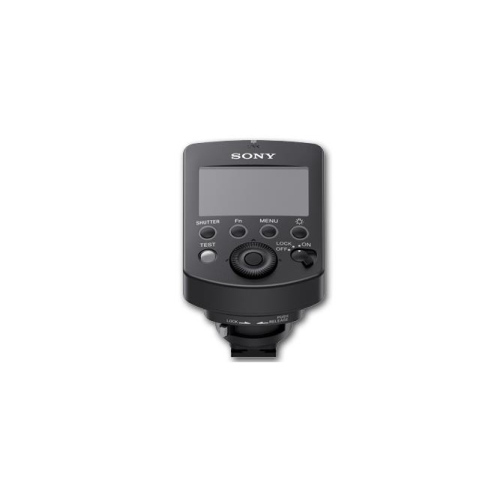 Your price for this item is $479.99
-
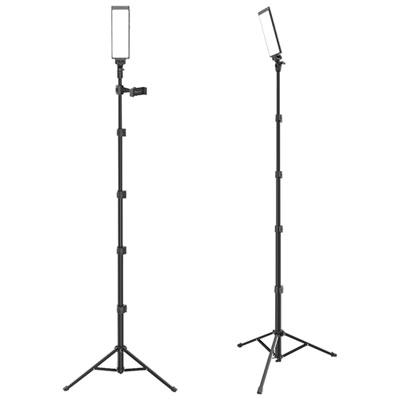 Your price for this item is $239.99
-
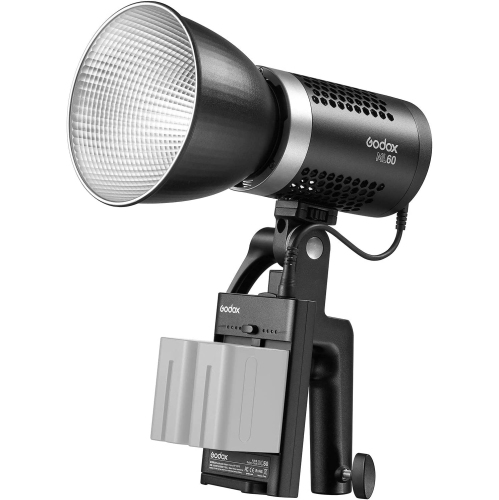 Your price for this item is $239.99
-
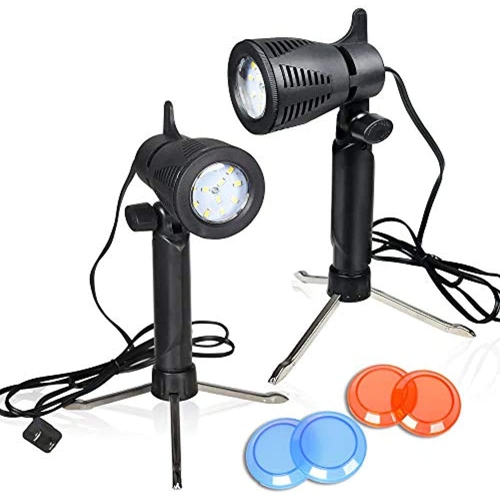 Your price for this item is $29.99
-
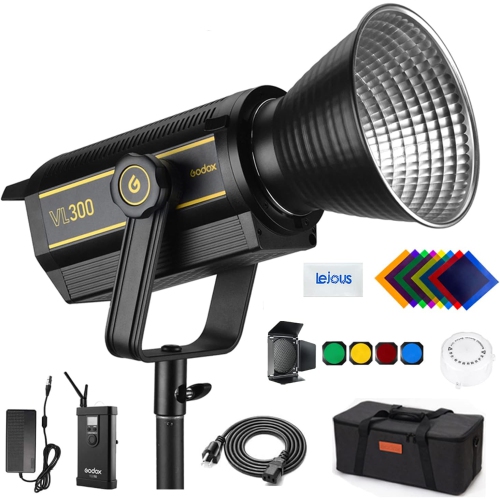 Your price for this item is $899.99
-
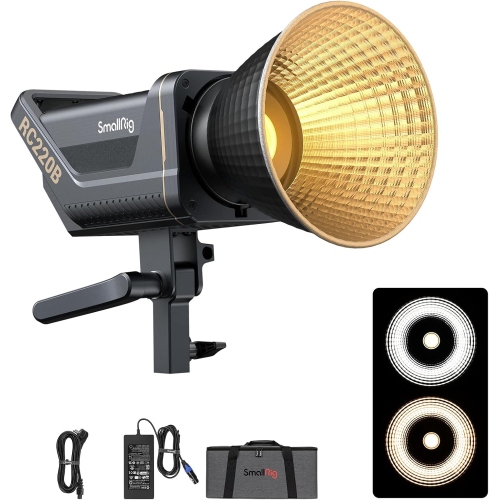 Your price for this item is $442.85
-
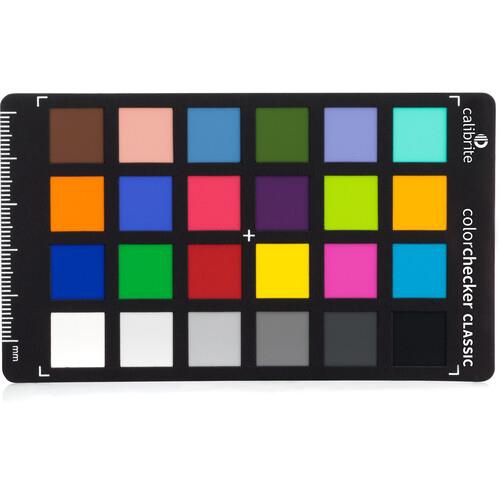 Your price for this item is $109
-
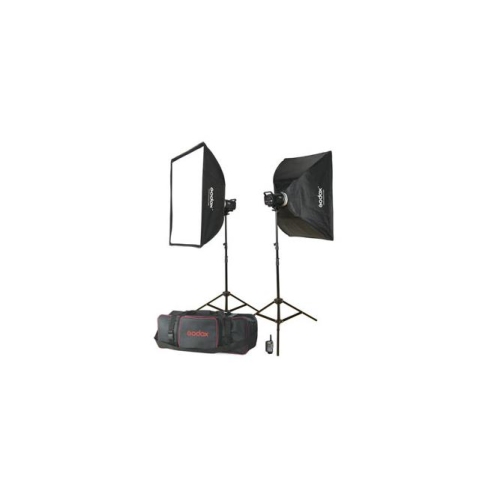 Your price for this item is $529.99
Discover more categories related to Compact Studio Lighting for Art School
Top Collections:
Best Black Friday Deals This Year, Best Black Friday Deals On Electronics, Kindle Devices, Pokemon Centers, Best Black Friday Deals On Apple Products, Best Cameras for Sports Photography, Dyson Airwrap, Pokémon 30th Celebration Cards, Apple iPhone 17 Pro, Canon G7X Cameras
Some products may be subject to Environmental Handling Fees
(EHF) depending on your province.
Learn more about EHFs.