Outdoor Tiles
Elevate your outdoor space with our selection of stylish and durable outdoor tiles. Whether you're looking to create a cozy patio retreat, a functional deck area, or a chic walkway, our range of outdoor tiles offers versatility and practicality to enhance any outdoor setting. From sleek modern designs to classic patterns, these tiles are designed to withstand the elements while adding a touch of sophistication to your outdoor living area. Explore our collection today and transform your outdoor oasis into a true extension of your home.
Sort

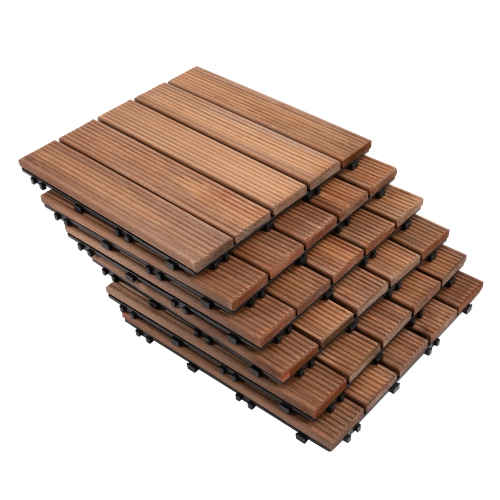
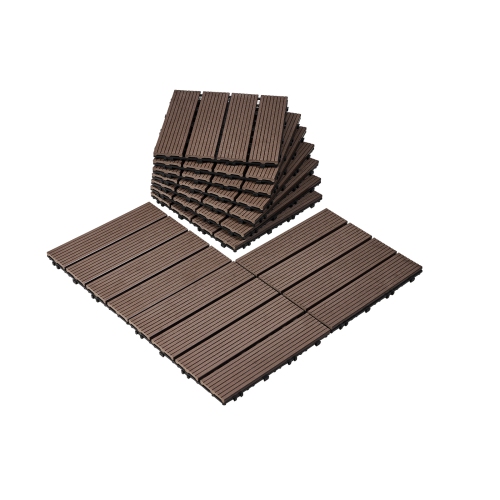
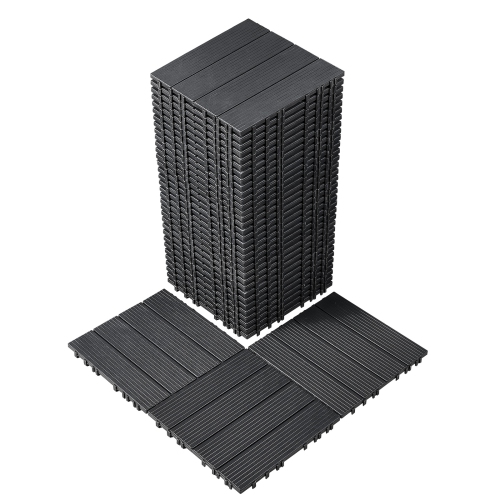

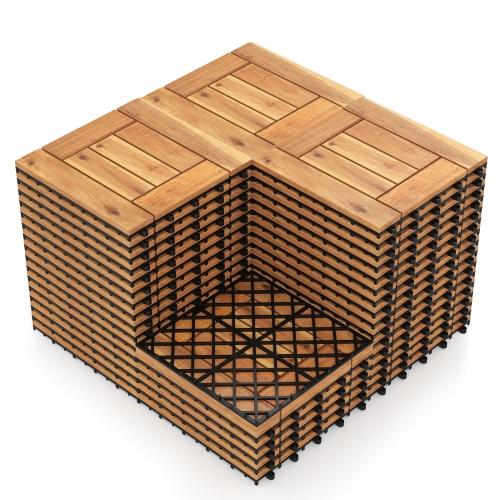
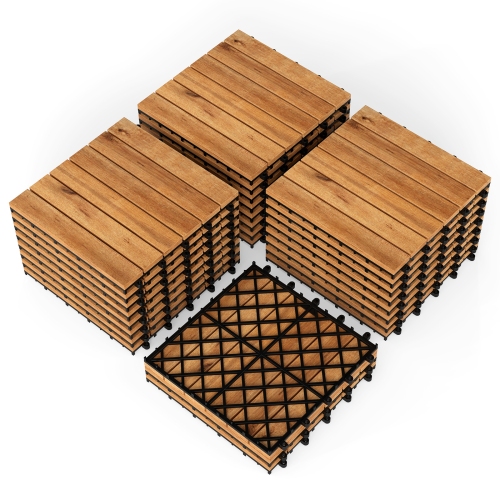
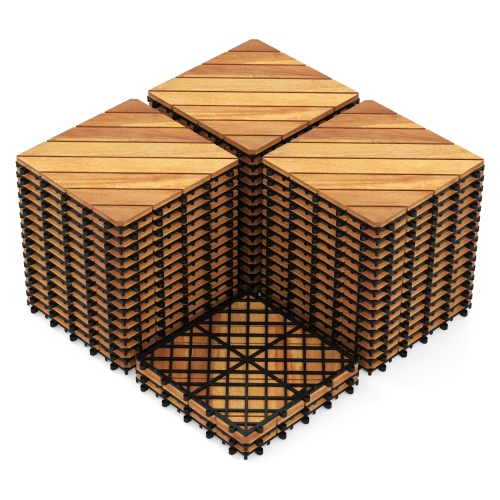
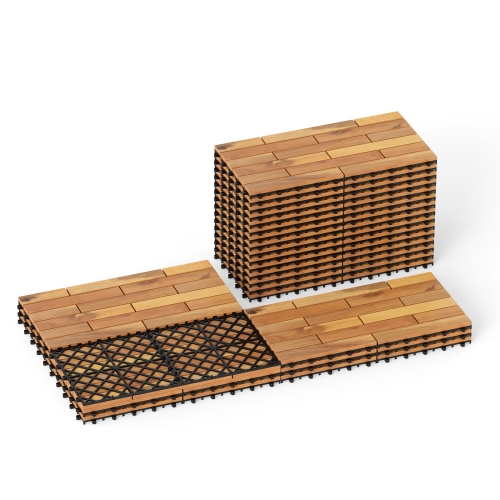
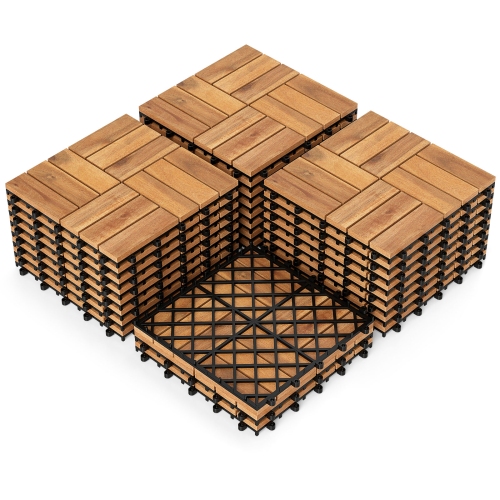
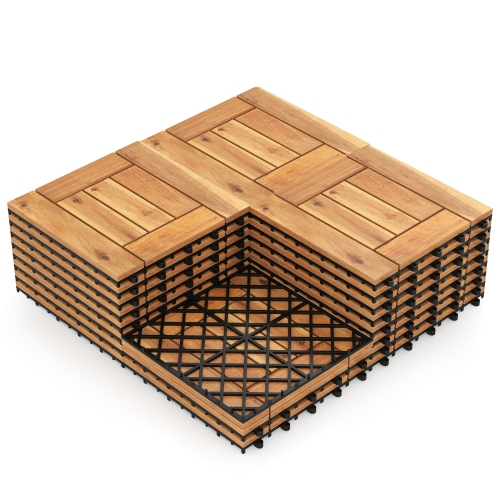
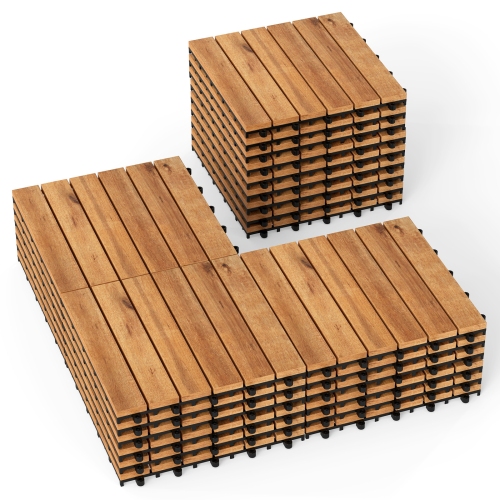
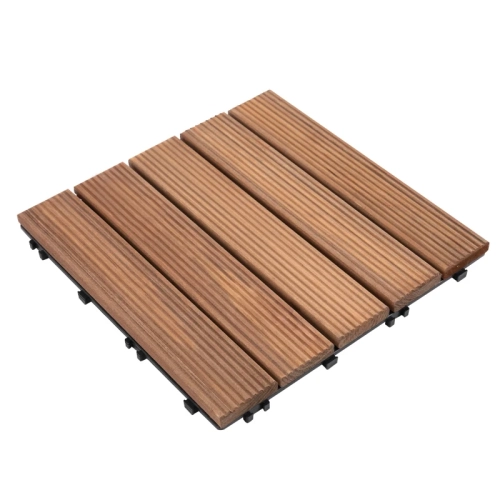
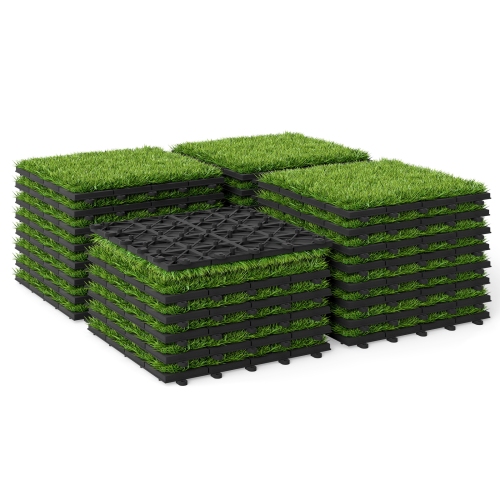
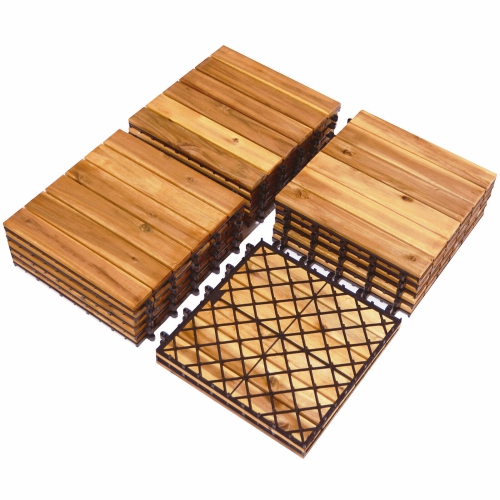
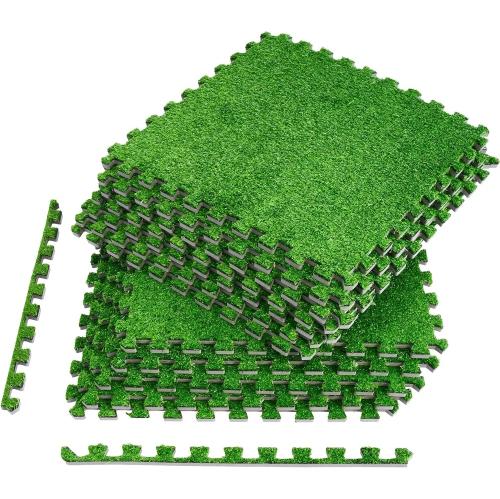
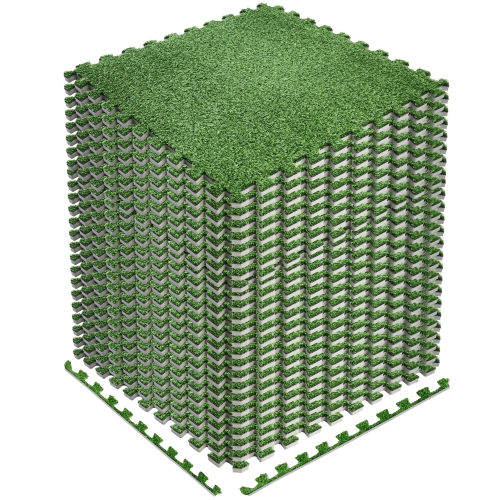
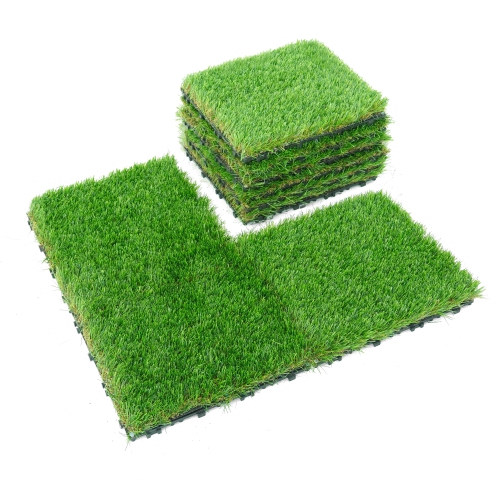
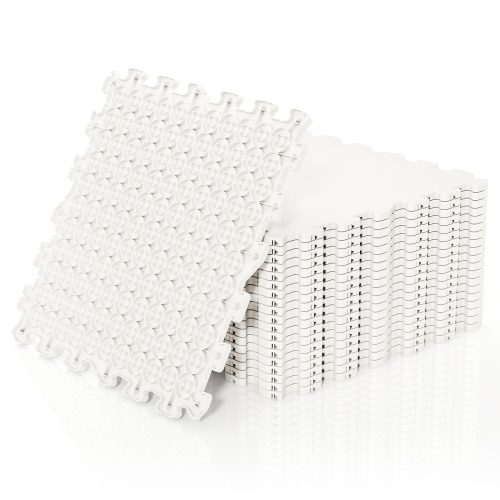
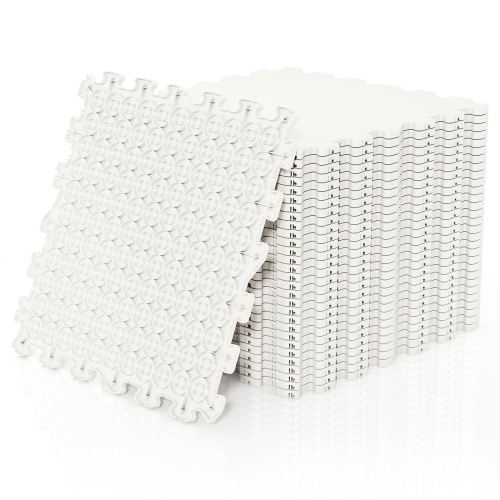
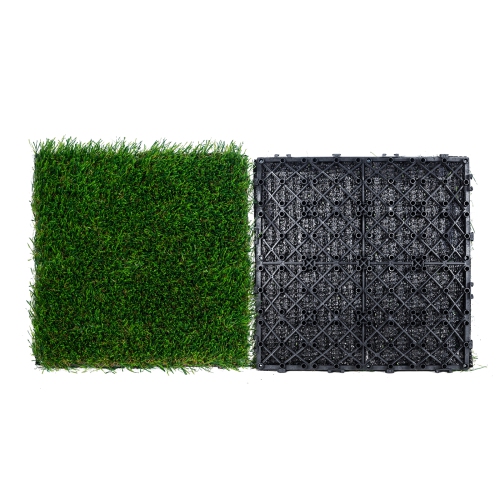
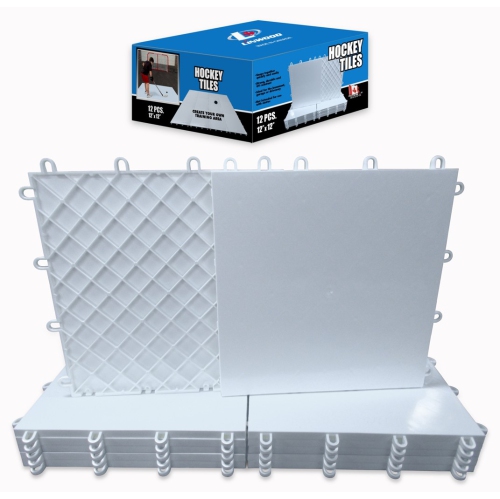
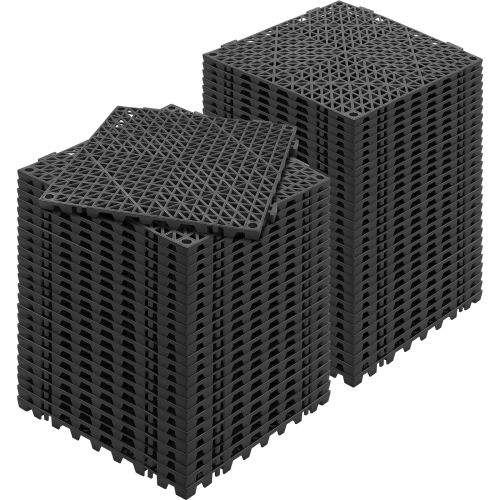
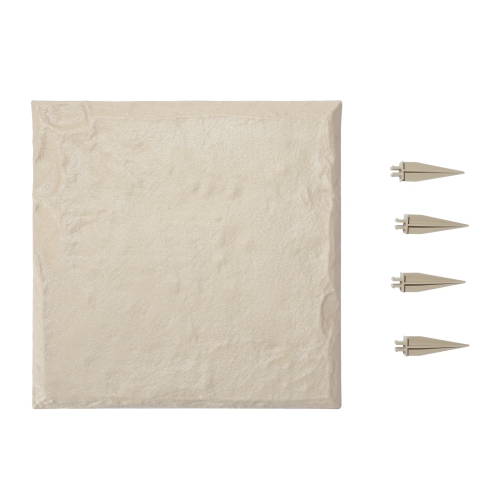
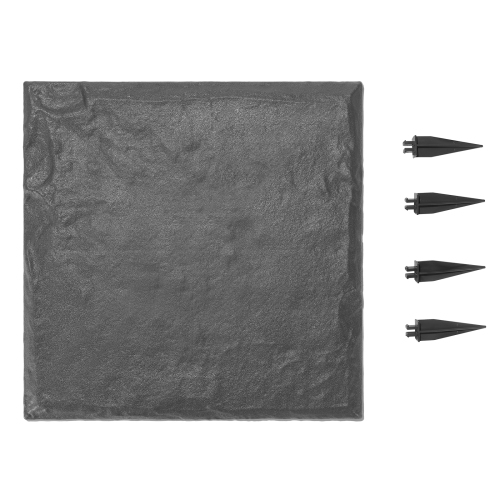
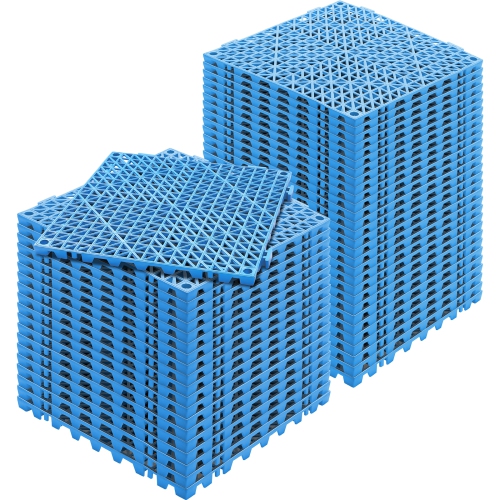
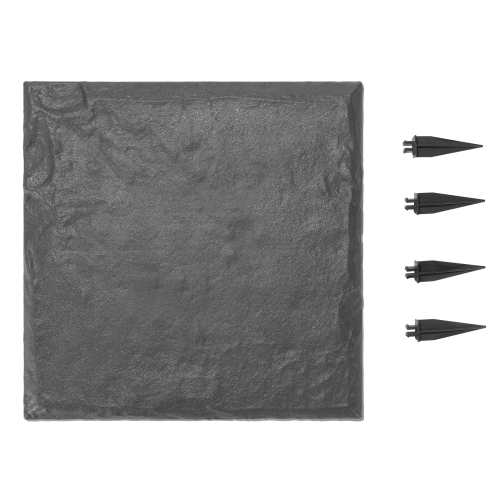
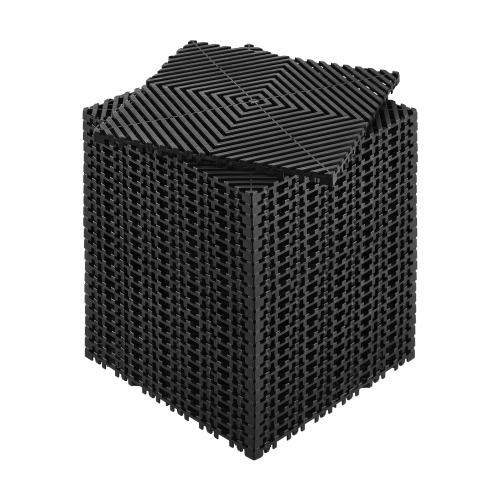
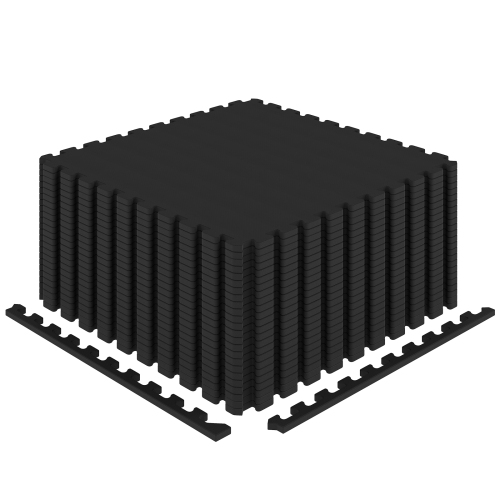
A lasting patio surface starts beneath the tiles
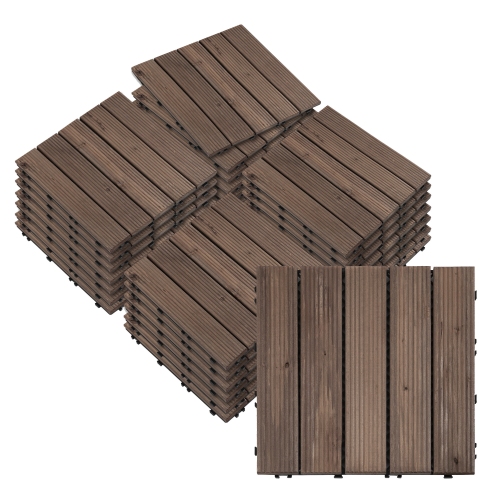
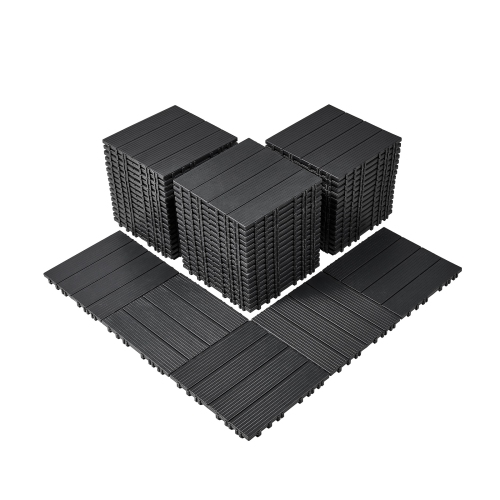
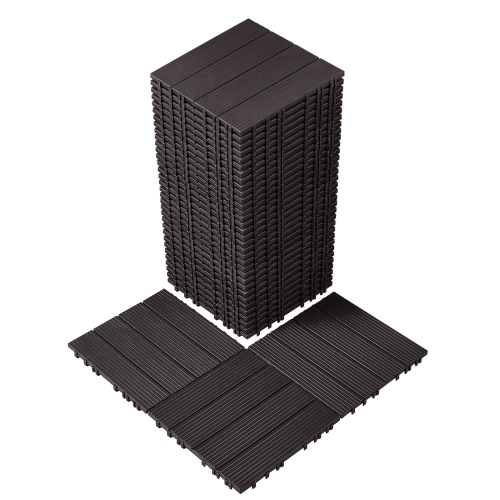
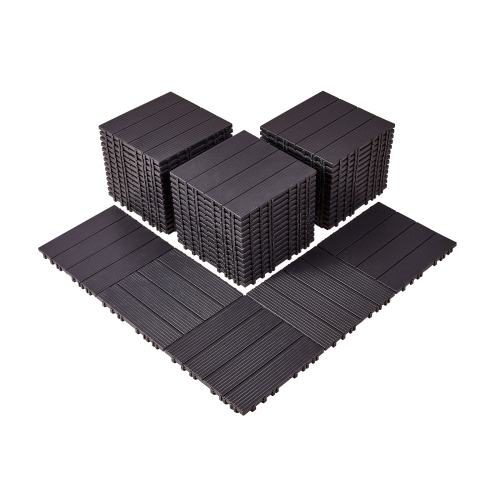
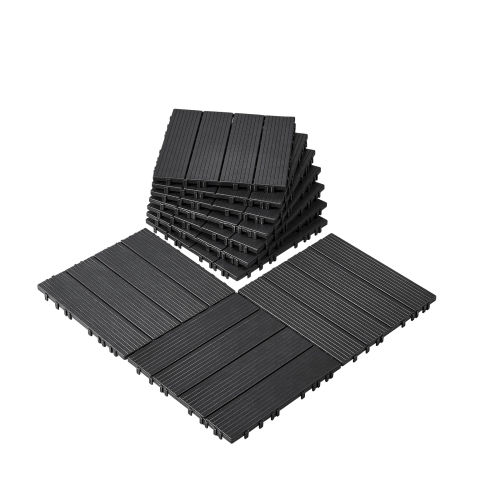
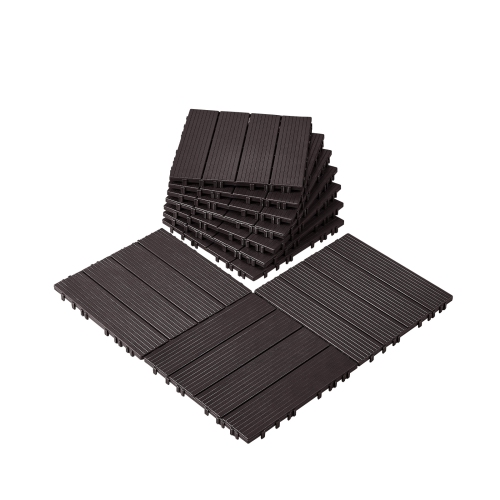
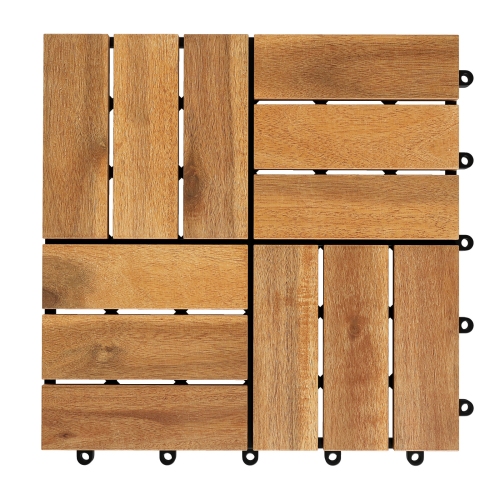
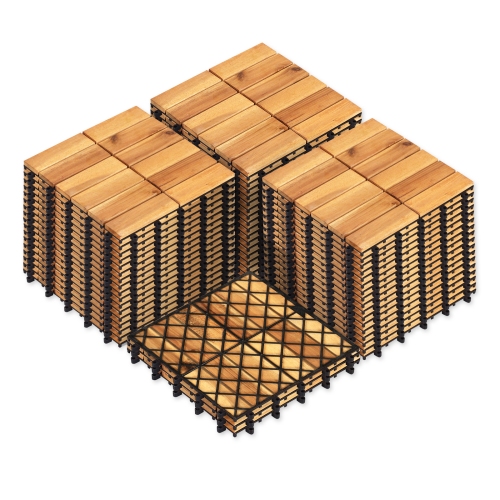
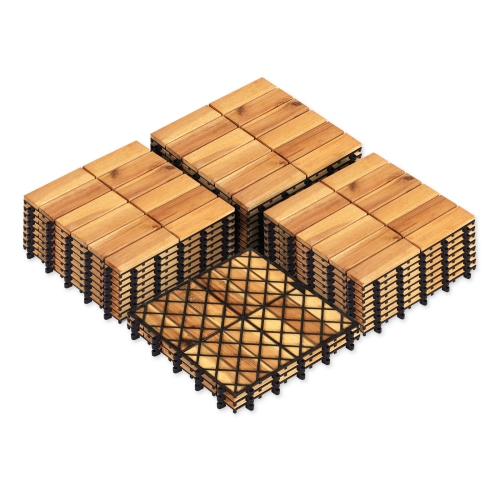
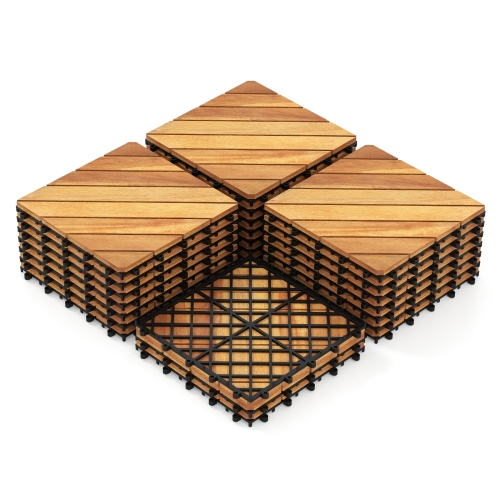
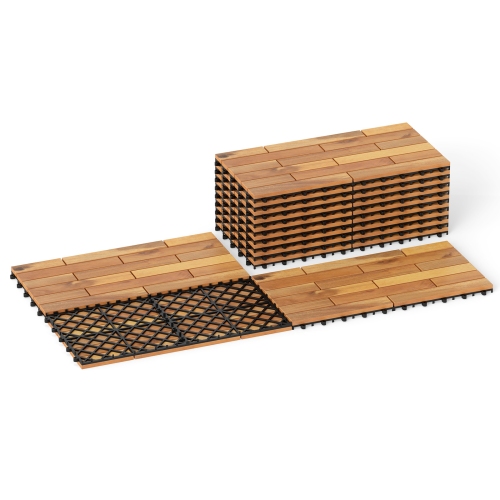
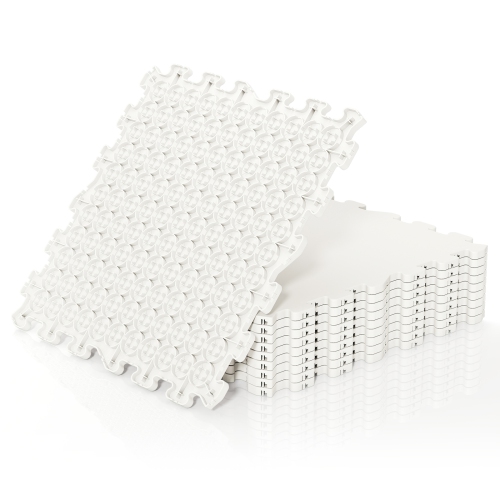
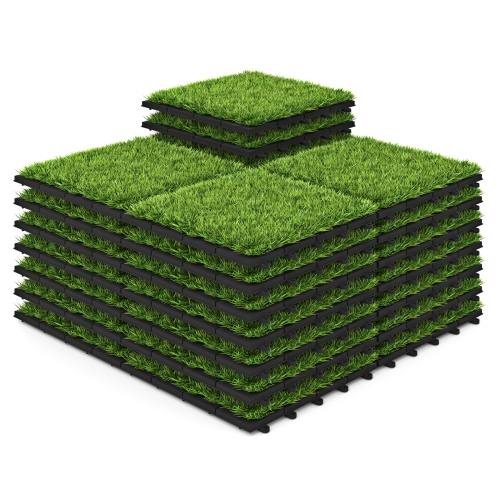
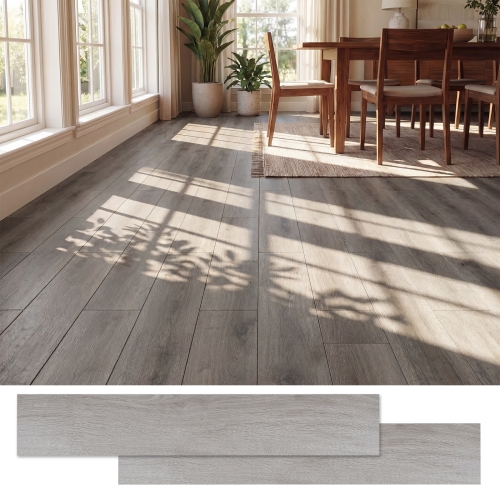
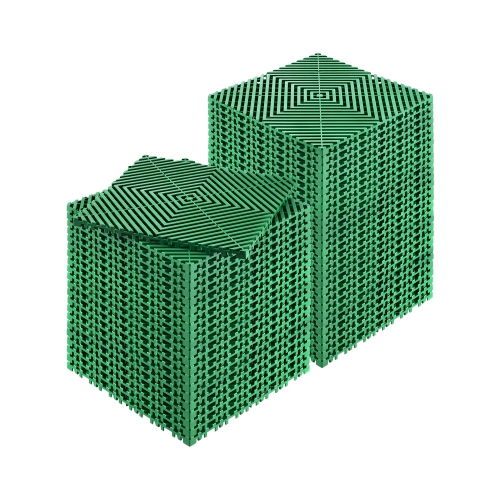
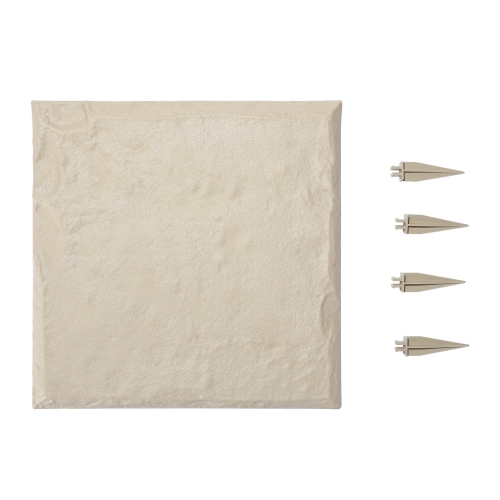
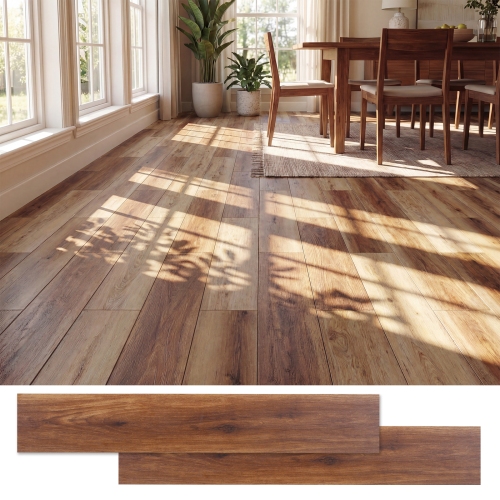
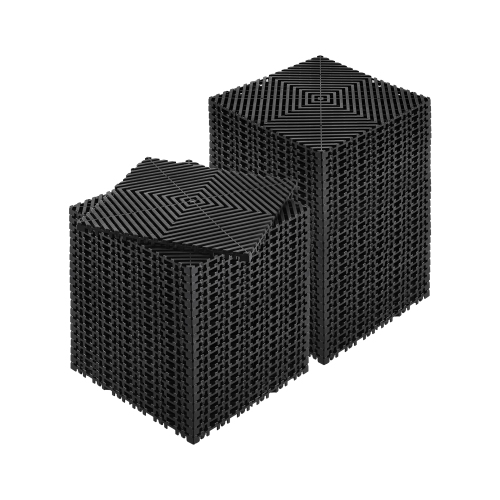
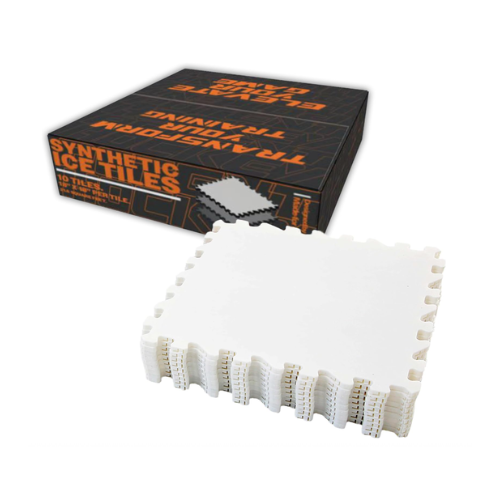
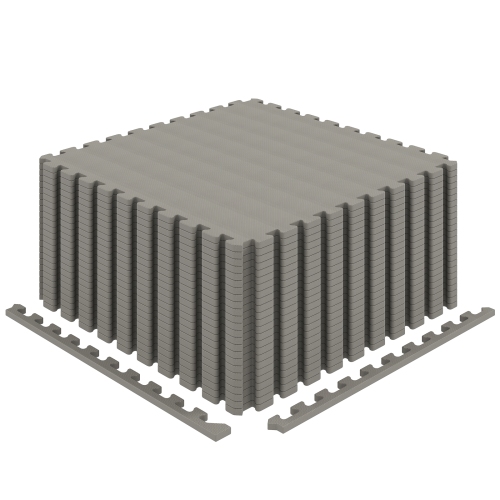
Outdoor tiles are floor coverings used to finish patios, balconies, terraces, and other exterior spaces, creating a more defined surface for dining, relaxing, and everyday foot traffic. The right choice depends on what lies underneath, how much moisture reaches the area, the level of wear expected, and the care each material requires. A sheltered balcony with a small café table has different needs from an open patio that connects a garden path to a busy back door. Porcelain, natural stone, wood, and composite tiles each bring a distinct look and feel, while their installation requirements can vary considerably. Porcelain offers low water absorption and a range of finishes, including stone-look and wood-look surfaces, but suitability for exterior use and resistance to freezing still need to be confirmed for the particular tile. Ceramic tiles also require an explicit outdoor-use rating; an interior floor tile is not automatically suitable outside. Natural stone brings individual grain, texture, and colour variation, with performance depending on the stone type, finish, and exposure. Some stones need sealing to help limit staining, and sealing does not make an unsuitable material frost-resistant. Wood deck tiles provide visible grain and a warmer feel underfoot, although their appearance can change with exposure and their maintenance needs differ by wood species and finish. Composite tiles offer another approach to a plank-style surface, with care requirements and resistance to fading varying by composition. Interlocking formats often combine a finished top layer with a supporting base, making them different from tiles installed with mortar and grout. For both formats, surface texture matters as much as appearance: a finish that looks appealing beside a patio sofa also needs to suit the way the space is used, especially near entrances or areas that regularly get wet. Material names alone do not establish durability, traction, or installation suitability, so the stated specifications are an important part of comparing outdoor tiles.
A sound base is central to how outdoor tiles feel underfoot and how well they last. A concrete patio may be suitable for a bonded installation when it is structurally sound, properly prepared, and designed to shed water, whereas cracks, movement, or trapped moisture can affect the finished surface. Interlocking deck tiles generally need a firm, level support beneath them; their connecting edges do not turn uneven ground into a stable floor. Bare soil, grass, and loose gravel are not interchangeable with a prepared base unless the tile system specifically permits that installation method. On a balcony, the existing waterproofing, drainage outlets, permitted load, and building rules all influence what can be installed. Removable tiles may appeal to renters or condo residents, but permission and compatibility still matter, particularly where a base could rub against a protective membrane. Tile thickness also changes the height of the finished floor. Clearance beneath a balcony door, access to drains, and the transition at an entry deserve attention before a surface is covered. Even a modest height difference can interfere with a door sweep or leave an awkward edge beside a walkway. Water needs a clear route away from the surface and the structure below, whether it passes through open joints in a raised tile base or runs across a properly sloped, grouted installation. In Canadian outdoor settings, repeated freezing and thawing makes moisture management especially important. A frost-rated tile is only one part of a suitable assembly; the setting materials, joints, support, and drainage must also suit the application. Likewise, a textured finish can improve footing in wet conditions without making any surface slip-proof, particularly when ice, leaves, or residue are present. Stable support matters beneath furniture, too. Narrow chair legs, a frequently moved dining bench, or a heavy planter can place concentrated pressure on a tile or its connecting base. Load limits, edge support, and secure transitions help distinguish a comfortable seating area from a surface that shifts or catches underfoot.
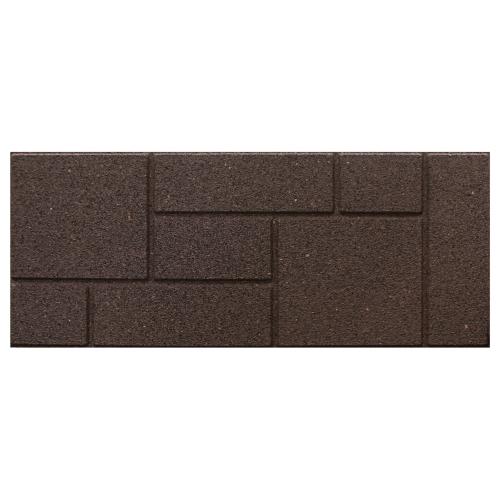
The visual appeal of outdoor patio tiles comes from how the surface works with the rest of the space, not just the colour of a single tile. Pale grey stone-look finishes can complement dark metal furniture, while wood tones can soften the appearance of a compact balcony with glass railings. Larger tile formats create fewer visible joint lines, although they can require more cutting around posts, corners, and irregular edges. Smaller modular tiles can suit tight spaces, but their repeating pattern is more noticeable across a broad patio. Actual dimensions are more useful than nominal sizing when calculating coverage, and an allowance for cuts or later repairs can prevent a mismatched patch. Where border pieces or transition edges are required, compatibility with the tile system matters. Surface detail also affects everyday upkeep: deeply textured tiles may provide useful grip but can hold grit, while open deck-tile bases can collect leaves underneath. Regular sweeping helps remove abrasive dirt before it is ground into the finish, and occasional lifting of removable tiles can provide access for cleaning where the installation permits it. Most surfaces benefit from a cleaning method matched to the material rather than a strong, all-purpose treatment. Acidic cleaners can damage some natural stones, abrasive tools can mark finishes, and pressure washing may harm wood fibres, grout, or connecting components if it is not approved. Wood may need periodic treatment to maintain its intended appearance, while certain stone surfaces need resealing according to their care instructions. Protective furniture feet can reduce scratches, and suitable trays beneath planters can help limit stains without obstructing drainage. For households with children, pets, or frequent guests, a surface that is straightforward to clean and comfortable to cross may matter more than a dramatic pattern. For a quiet reading corner, the priorities may be a level chair, a tidy edge, and a finish that complements nearby furnishings. Matching appearance, installation needs, and ongoing care helps outdoor tiles become a practical part of the space rather than simply a decorative covering.
Top selling and popular products
-
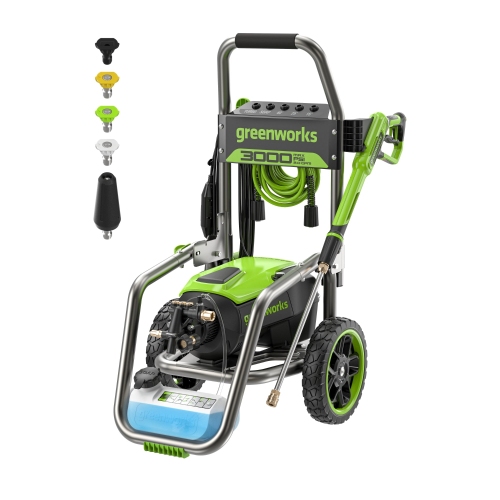 Your price for this item is $699.99
-
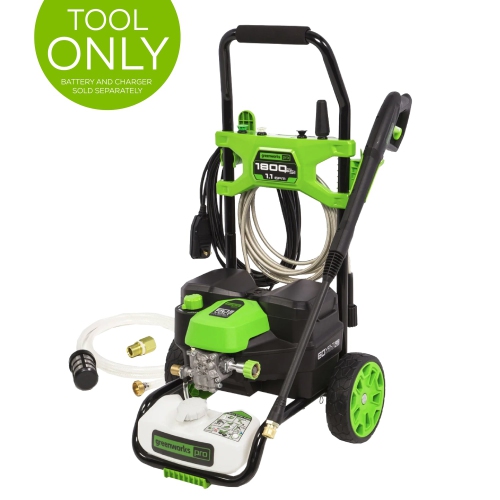 Your price for this item is $339.99
-
 Your price for this item is $899
-
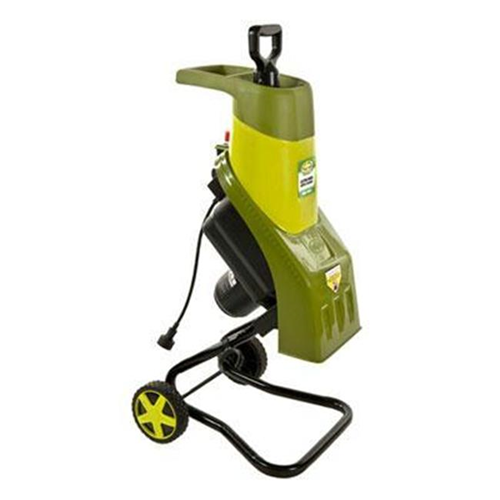 Your price for this item is $269.99
-
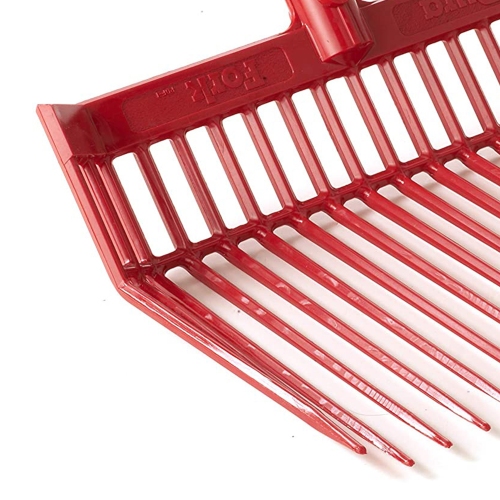 Your price for this item is $79.99
-
 Your price for this item is $103.99
-
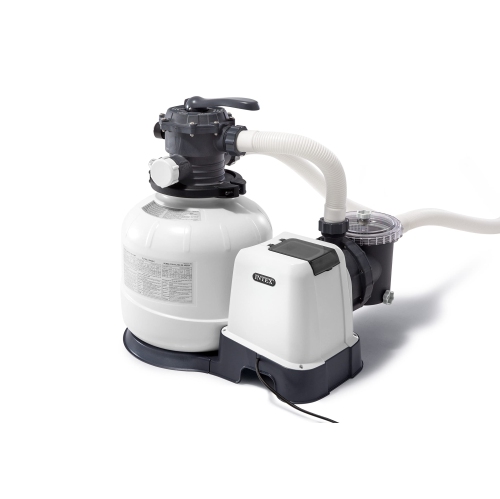 Your price for this item is $508.99
-
 Your price for this item is $604.99
Discover more categories related to Outdoor Tiles
Top Collections:
Best Black Friday Deals This Year, Best Black Friday Deals On Electronics, Kindle Devices, Dyson Airwrap, Best Cameras for Sports Photography, Best Budget Office Chairs, Canon G7X Cameras, PS5 Pro Consoles, Best Black Friday Deals On Apple Products, XBOX One S Consoles
Some products may be subject to Environmental Handling Fees
(EHF) depending on your province.
Learn more about EHFs.