Bathroom Cabinets With Drawers
Bathroom cabinets with drawers offer a practical solution for keeping toiletries, towels, and essentials neatly organized. Designed to maximize storage space while maintaining a sleek look, these cabinets make it easy to create a tidy and inviting bathroom environment. Whether you're updating your current setup or furnishing a new space, bathroom cabinets with drawers provide the perfect balance of functionality and style for any home.
Sort
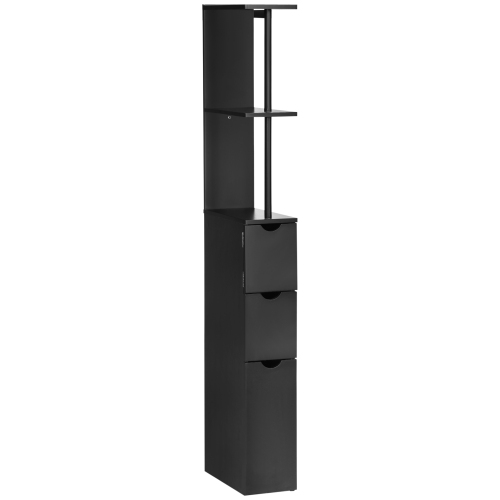

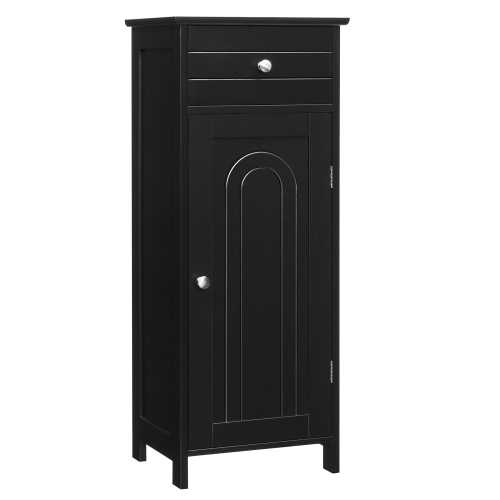
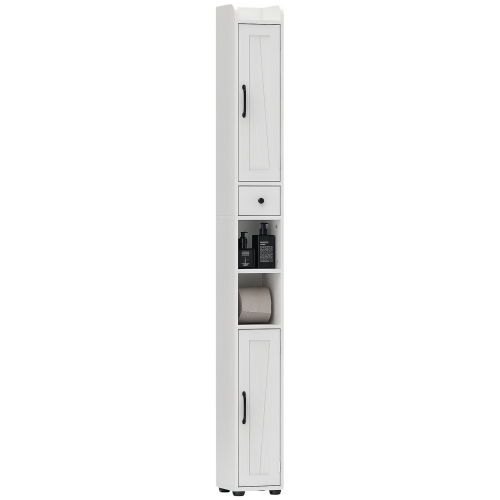
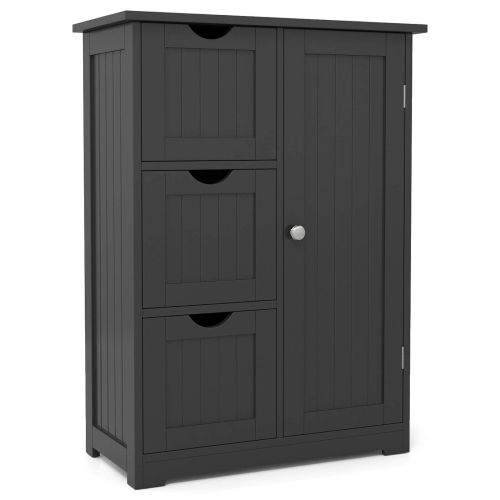
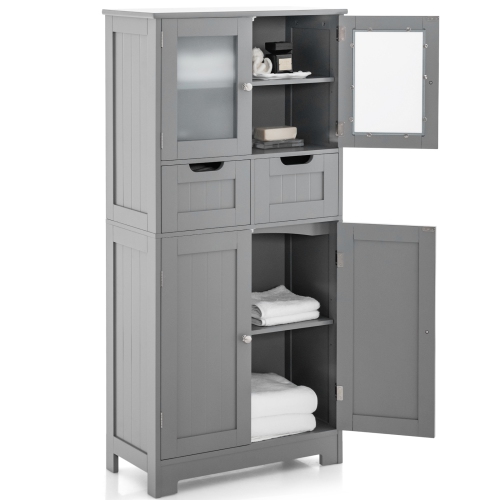
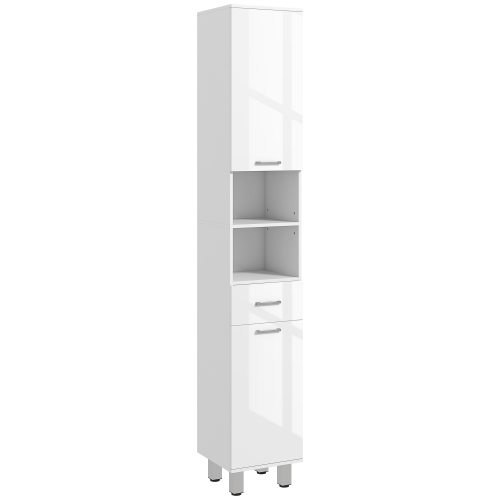
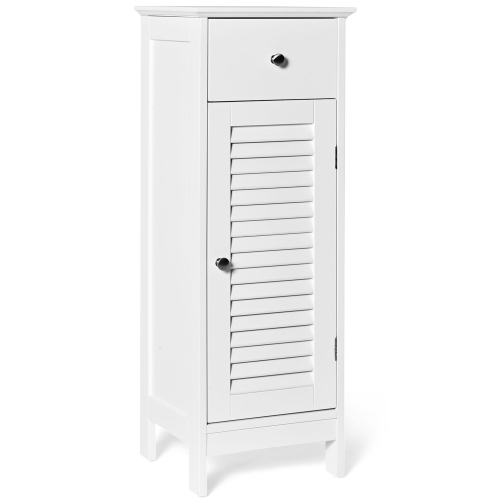
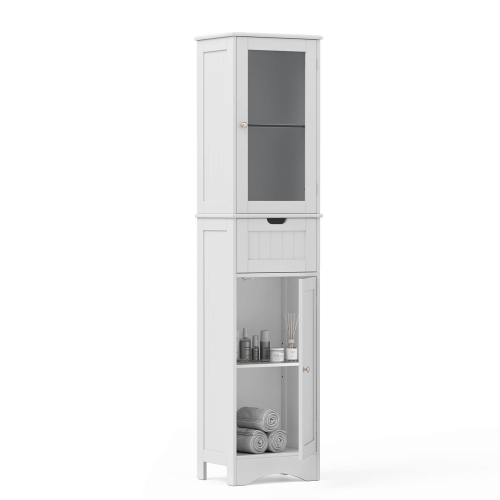
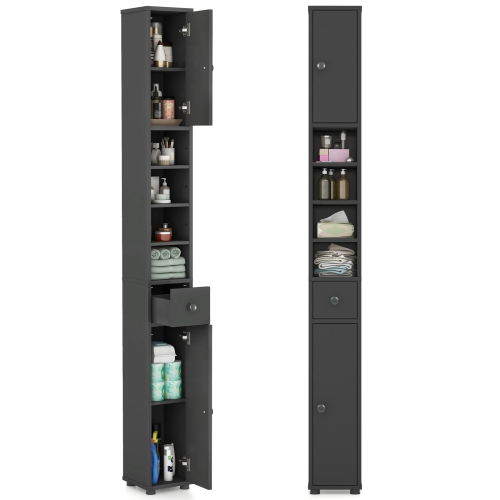
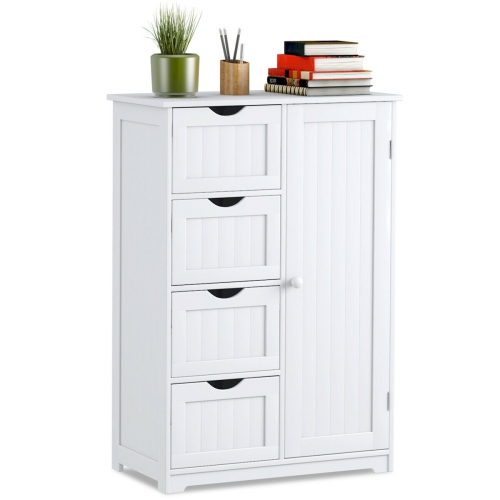
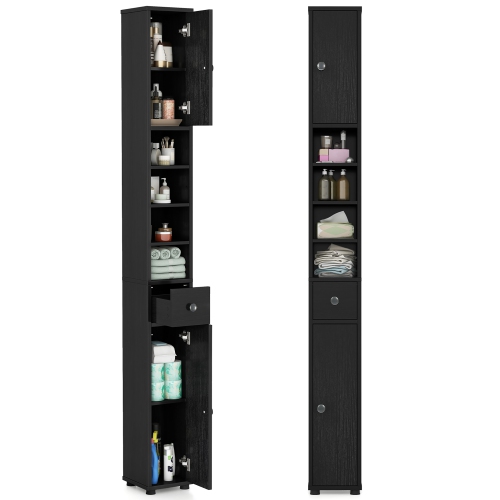
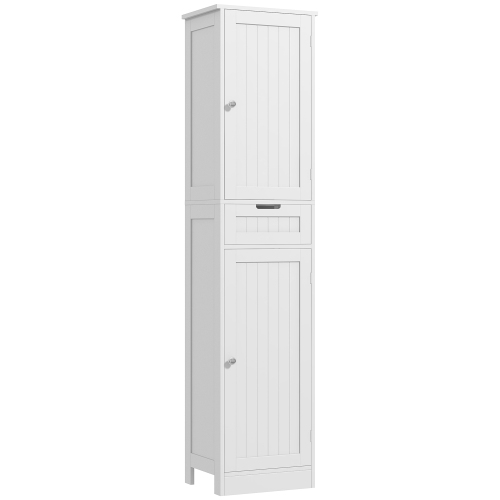
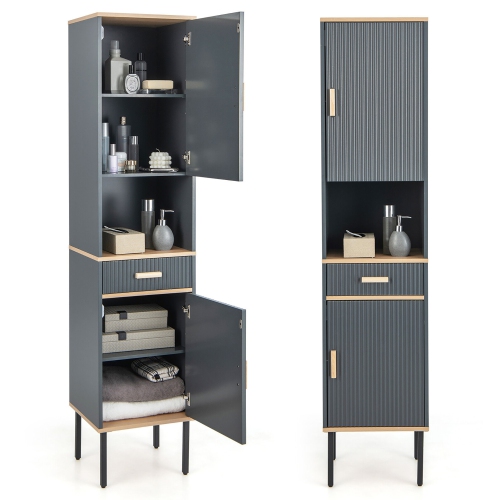
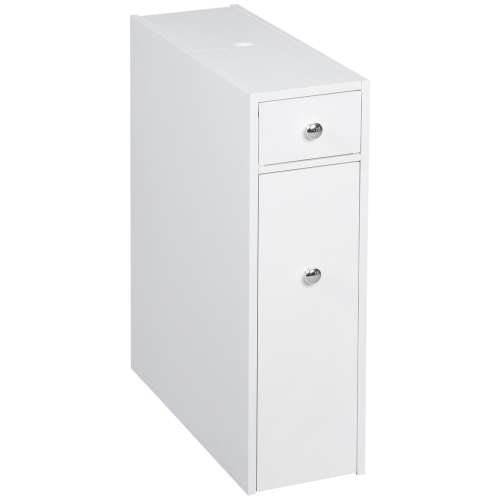
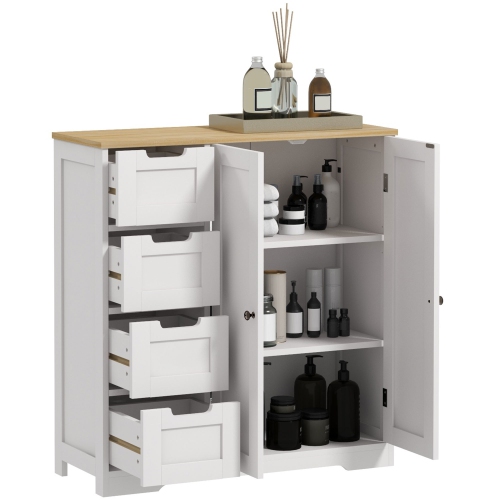
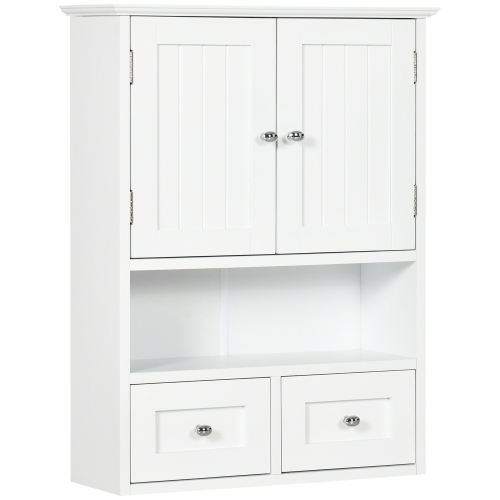
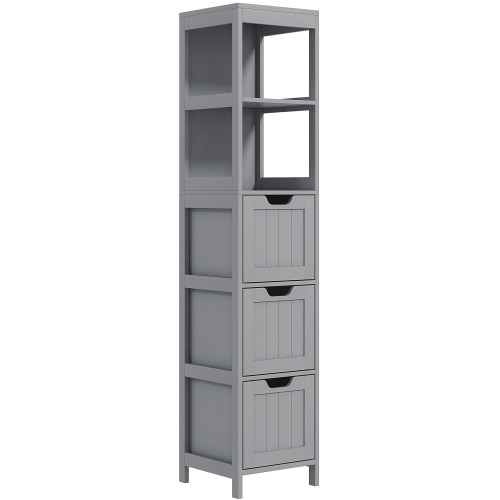
Bathroom storage that brings everyday essentials within reach
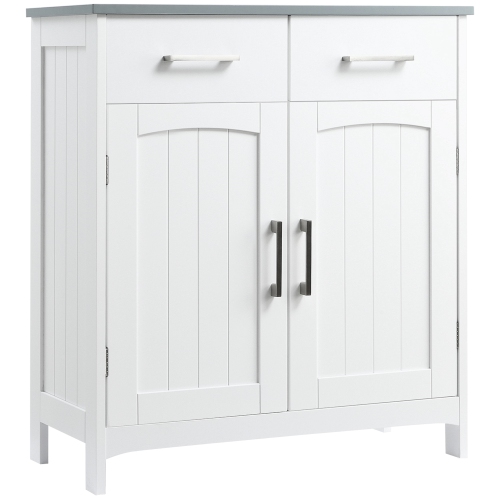
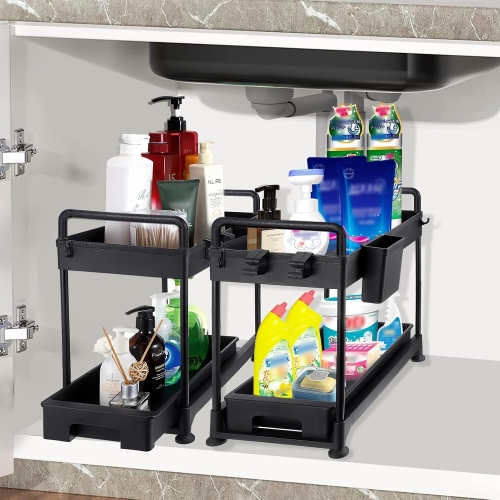
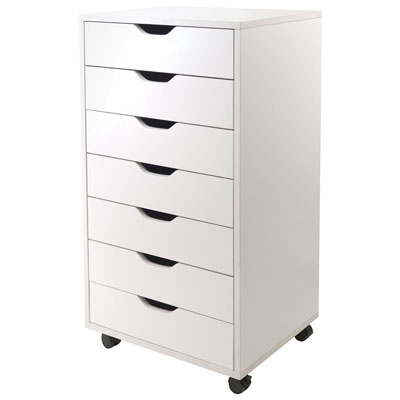
Bathroom cabinets with drawers combine enclosed storage with easy access to the toiletries, grooming supplies, and linens used every day. Unlike a cupboard with one deep shelf, a drawer brings its contents forward, making it easier to find a small tube of toothpaste or a spare washcloth without reaching behind everything else. These cabinets take several forms, including narrow freestanding towers, wider floor cabinets, wall-mounted units, and bathroom vanities with drawers arranged beneath or beside a sink. A slim tower can make use of an otherwise awkward gap beside a vanity, while a low cabinet can keep everyday essentials within comfortable reach. Wall-mounted designs leave the floor visible and accessible for cleaning, provided the wall construction and mounting hardware can support the cabinet and its contents. Under-sink designs need particular attention because the basin, drain, and supply lines affect how much usable drawer space remains. Some layouts have shaped drawers that fit around plumbing; others place full drawers to one side. The right arrangement depends as much on daily routines as on room size. In a shared bathroom, separate drawers can give each person a place for their belongings. In a compact ensuite, a combination of shallow drawers and a deeper bottom compartment can separate small grooming tools from folded hand towels or spare toilet paper. Guest bathrooms benefit from storage that makes extra supplies easy to find without leaving everything on the countertop. Drawer interiors matter here: tall fronts do not necessarily mean deep storage, and a cabinet’s outside width does not reveal the space lost to side panels and runners. Internal measurements help show whether a hair dryer, upright bottle, or stack of towels will actually fit. A useful layout keeps frequently used essentials near the top and heavier contents lower down, with enough space between objects to see what is there rather than turning each drawer into another place to search.
Materials and construction influence how bathroom drawer cabinets look, feel, and hold up to everyday use. Solid wood offers natural grain and can suit traditional or contemporary rooms, but it still needs a suitable finish and protection from prolonged contact with water. Engineered wood, including MDF and particleboard, is often used beneath painted, laminated, or veneered surfaces; performance depends on the panel, finish, and how well exposed edges and joints are sealed. Plywood construction can provide a sturdy cabinet structure, though no wood-based cabinet should be assumed to tolerate standing water. Metal components also need finishes suited to bathroom use, particularly around drawer runners, handles, and fasteners. Moisture-resistant does not mean waterproof, so a cabinet positioned beside a shower requires different consideration from one across the room from the bath. Finished edges, neatly joined corners, and securely fitted backs are worth attention because these details affect both stability and resistance to everyday splashes. Drawer runners influence the experience just as noticeably. Full-extension runners make the back of a drawer easier to reach, while soft-close mechanisms can reduce slamming; neither feature replaces the need to respect the stated load limit. Fit involves more than the cabinet’s footprint. The space in front must accommodate an open drawer without blocking the bathroom door, crowding the toilet, or striking another fixture. Baseboards can prevent a freestanding cabinet from sitting flush against the wall, and uneven flooring may call for adjustable feet where the design includes them. For a vanity, the sink dimensions and plumbing position also need to match the cabinet’s intended configuration. Tall cabinets should be secured as directed by the manufacturer, and wall-mounted installations need appropriate structural support. These details are especially important in busy family bathrooms, where drawers may be opened repeatedly and storage furniture must remain steady during normal use.
Style helps a bathroom cabinet with drawers feel like part of the room rather than an extra piece squeezed into it. Flat drawer fronts and simple pulls create a streamlined appearance, while framed fronts and more detailed hardware can work well with traditional fixtures. White and lighter wood tones can keep a small space visually open; darker finishes create contrast against pale tile but may show dust or water marks more readily. Matching every finish is not essential, though repeating a colour, wood tone, or handle shape can make separate elements feel connected. Coordinating bathroom storage with Cabinets With Drawers elsewhere in the home can create continuity, while leaving room for materials suited to each location. Practical details deserve equal weight. Handles should be comfortable to grip, drawer fronts should be easy to wipe, and the top surface should suit its intended use rather than being treated as a sink surround unless designed for that purpose. Removable organizers can keep cotton pads, dental supplies, and small bottles from sliding together, while washable liners may simplify cleanup if they are compatible with the cabinet finish. Closed drawers are useful for reducing visual clutter, but damp washcloths and wet grooming tools should be dried before being stored. Spills are best wiped up promptly with a soft cloth, followed by drying around seams and hardware; cleaning products and abrasive pads can damage some coatings, so the manufacturer’s care directions remain important. Households with young children may also need suitable drawer locks, particularly where medicines or cleaning supplies are stored. For someone furnishing a first apartment, refreshing a shared family bathroom, or adding storage to an established space, the most useful cabinet is one that makes ordinary routines simpler. A drawer that opens fully, a handle that is easy to grasp, and enough room for the things used each morning often matter more over time than an elaborate exterior.
Top selling and popular products
-
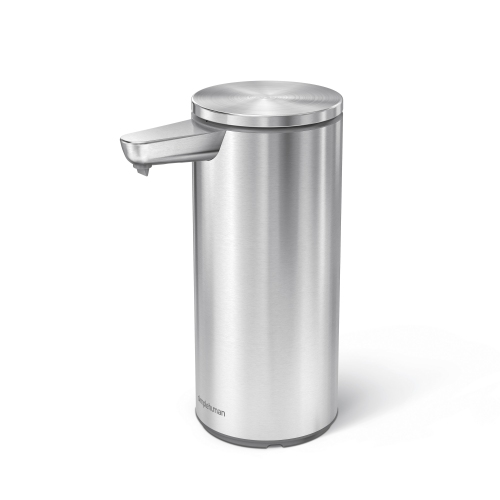 Your price for this item is $90
-
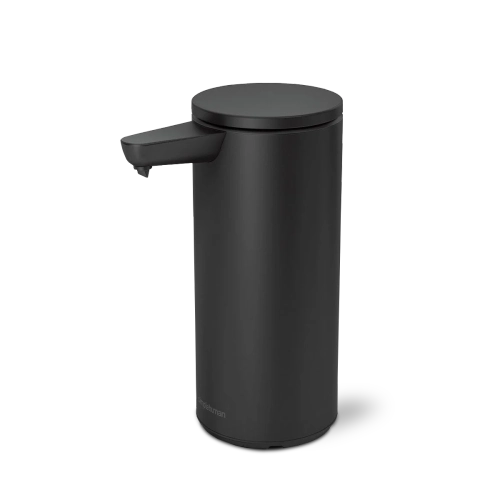 Your price for this item is $100
-
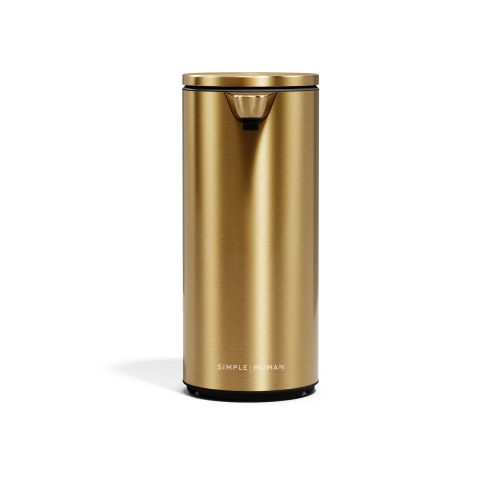 Your price for this item is $100
-
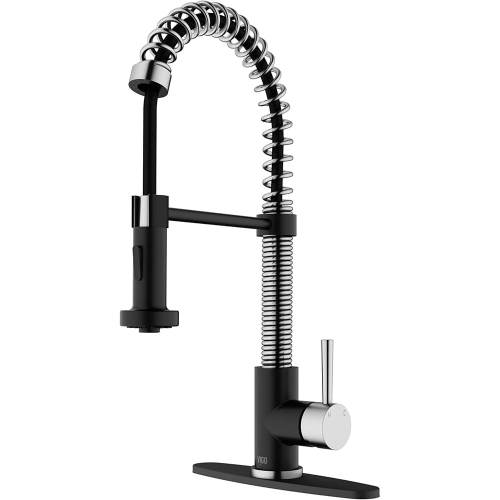 Your price for this item is $426.55
-
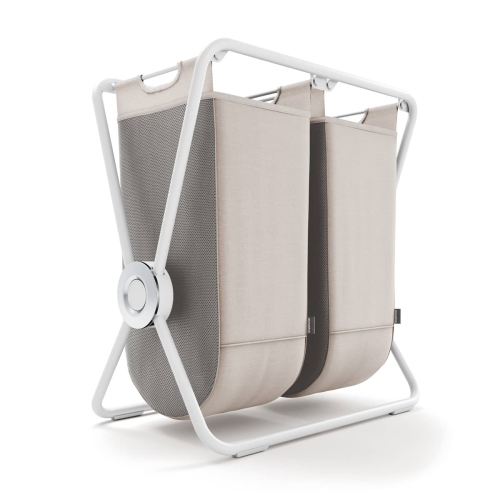 Your price for this item is $300
-
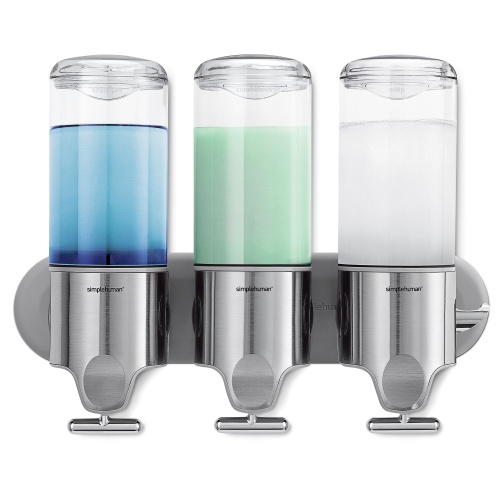 Your price for this item is $120
-
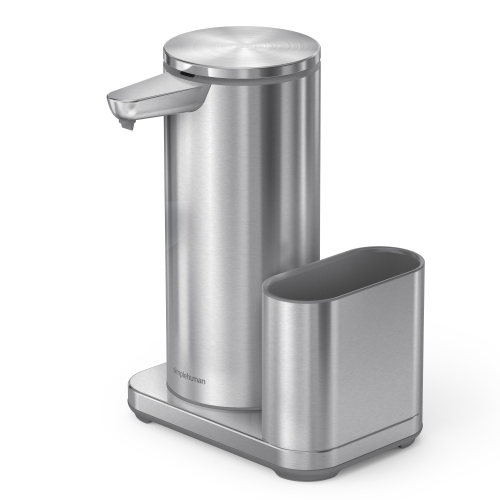 Your price for this item is $160
-
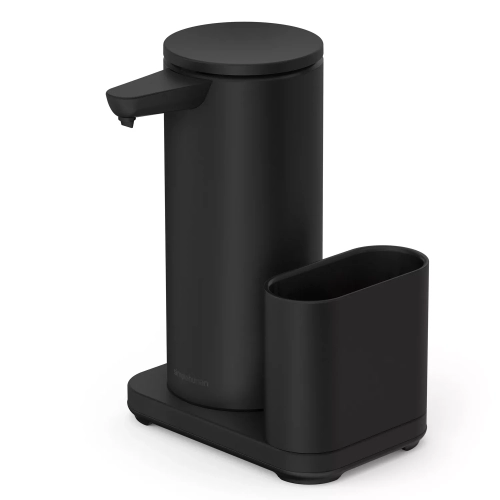 Your price for this item is $180
Discover more categories related to Bathroom Cabinets With Drawers
Top Collections:
Best Black Friday Deals This Year, Best Black Friday Deals On Electronics, Kindle Devices, Pokemon Centers, Best Black Friday Deals On Apple Products, Best Cameras for Sports Photography, Dyson Airwrap, Pokémon 30th Celebration Cards, Apple iPhone 17 Pro, Canon G7X Cameras
Some products may be subject to Environmental Handling Fees
(EHF) depending on your province.
Learn more about EHFs.