White Bathroom Cabinets With Drawers
White Bathroom Cabinets With Drawers offer a stylish and functional storage solution for any bathroom space. Their clean, bright finish complements a variety of décor styles, making it easy to organize toiletries, towels, and daily essentials. With multiple drawer options available, these cabinets help keep your bathroom neat and clutter-free while adding a touch of elegance. Explore a range of White Bathroom Cabinets With Drawers to find the perfect fit for your home and enjoy enhanced organization in your bathroom.
Sort
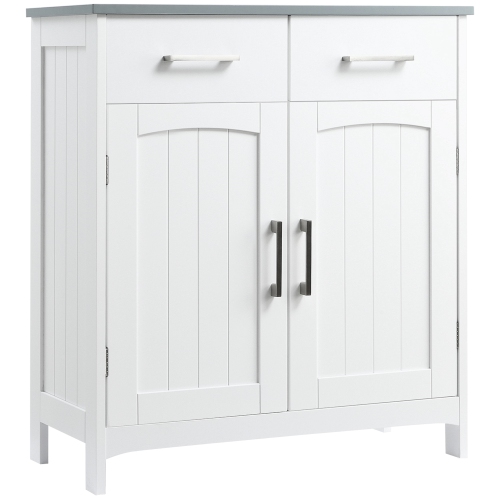
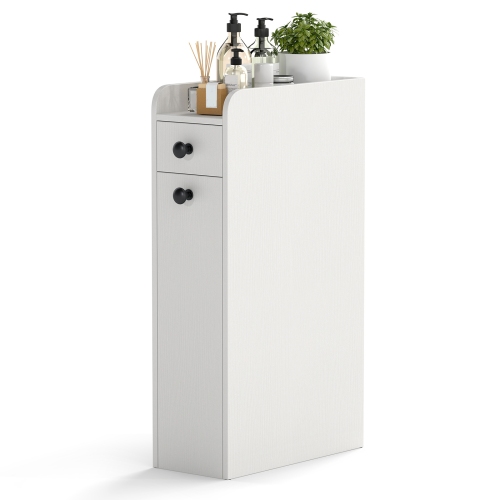
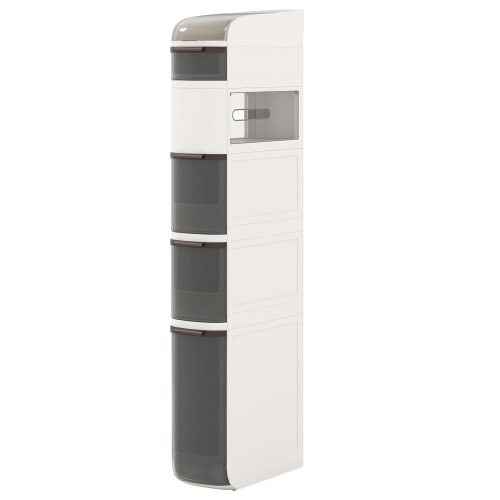
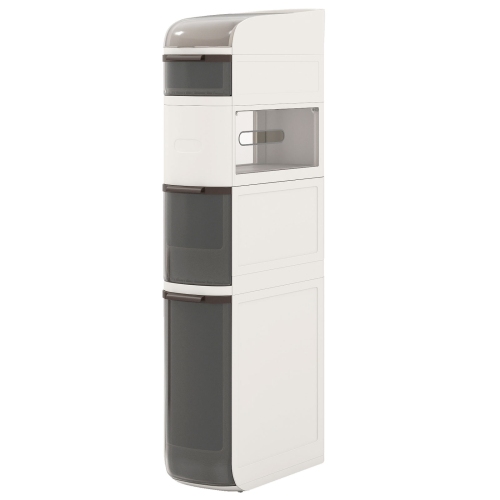


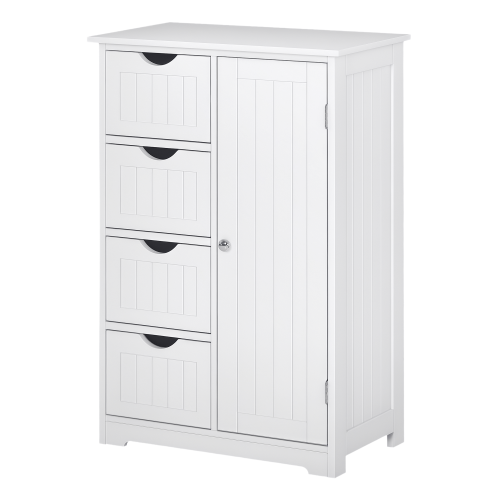
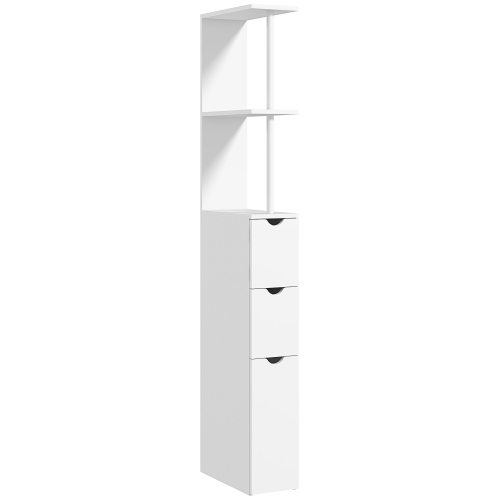
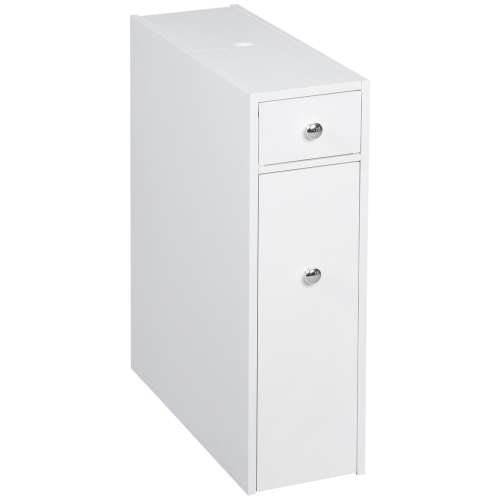
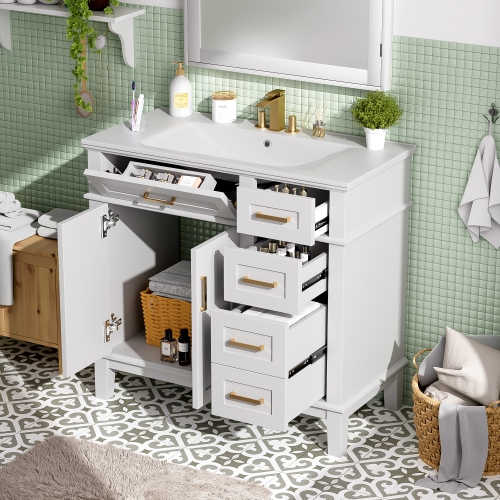
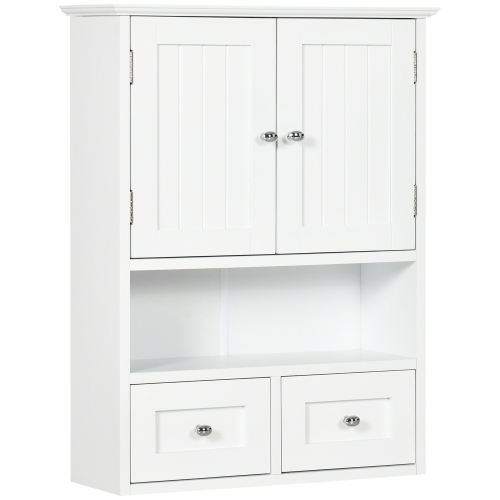
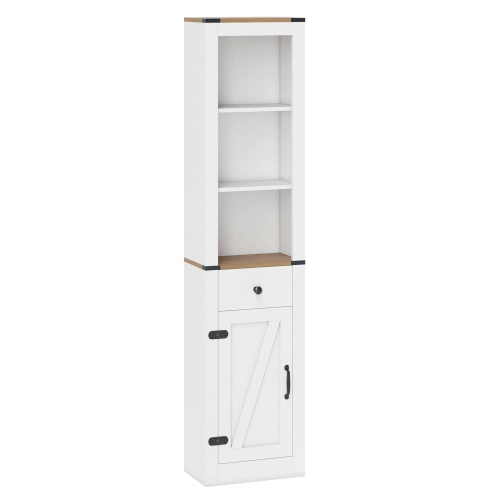
Why drawer layout matters as much as cabinet size
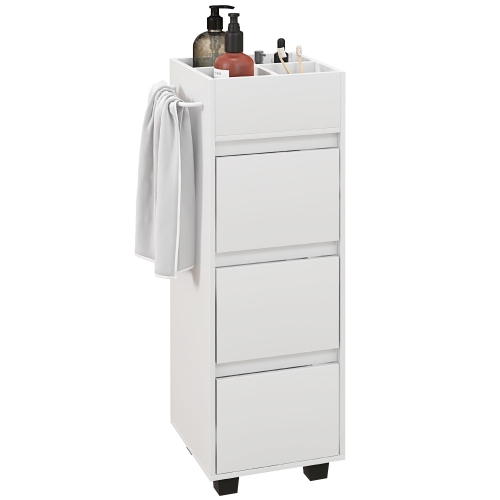
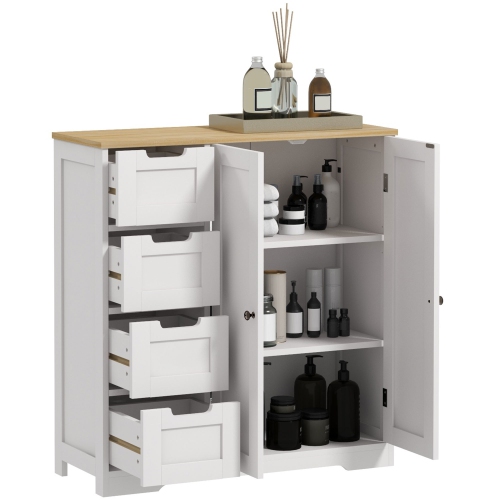
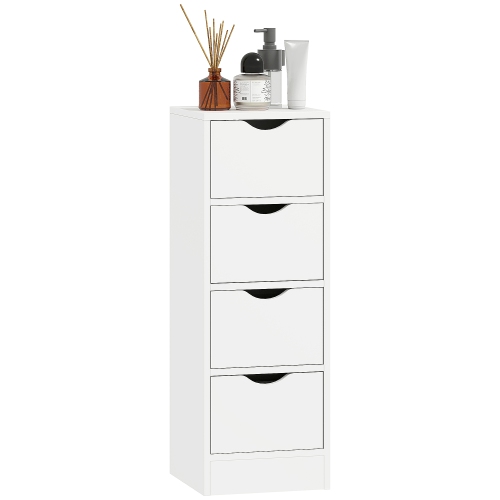
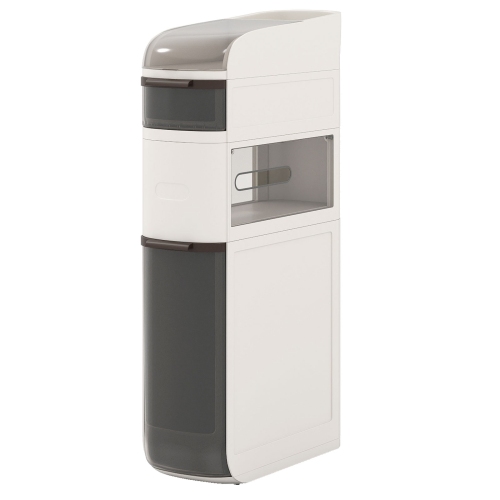
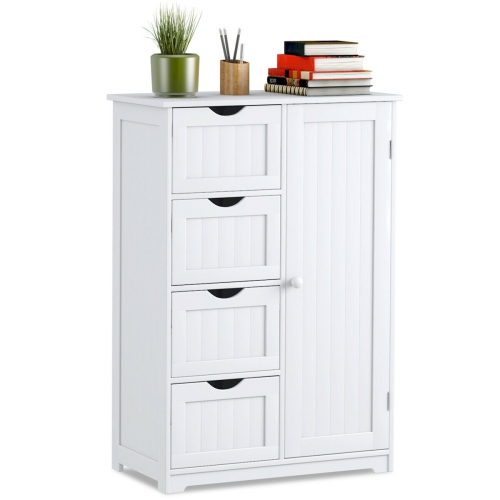
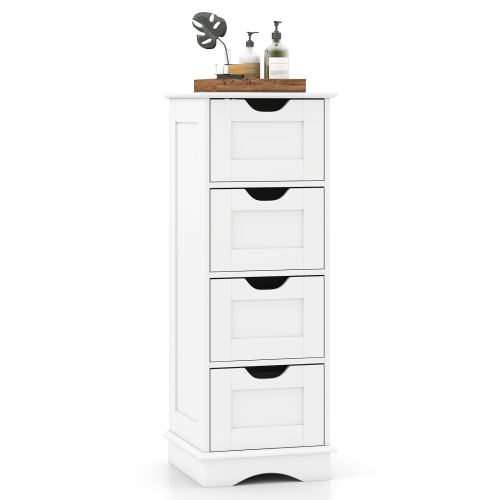
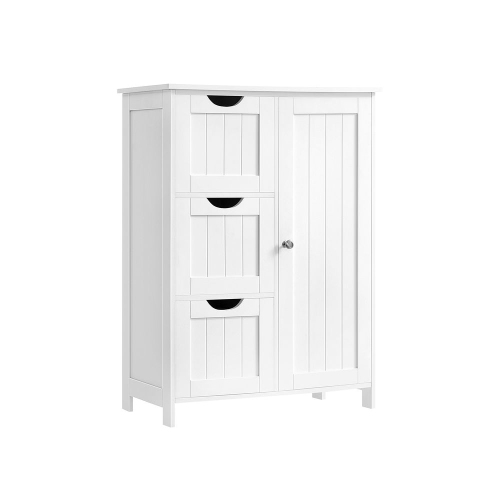
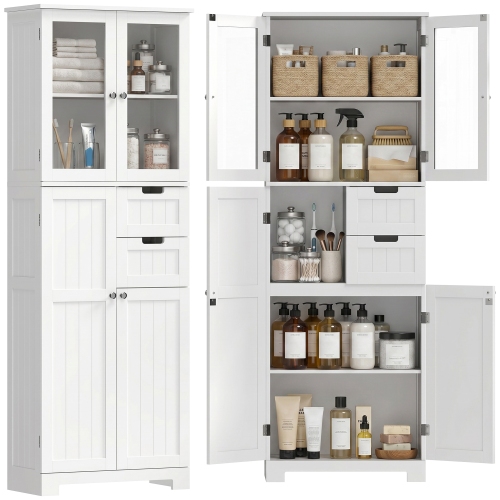
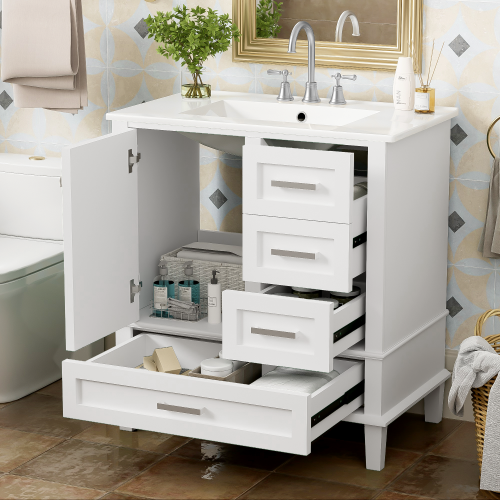
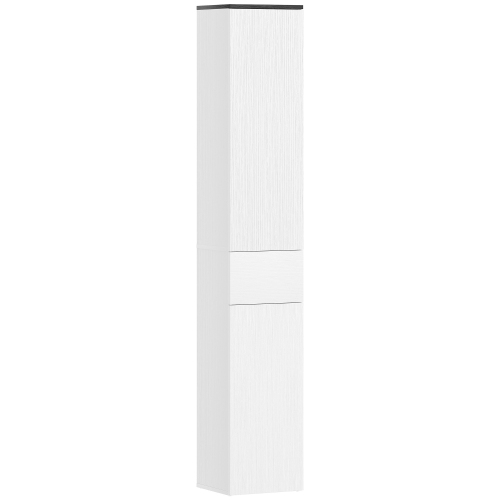
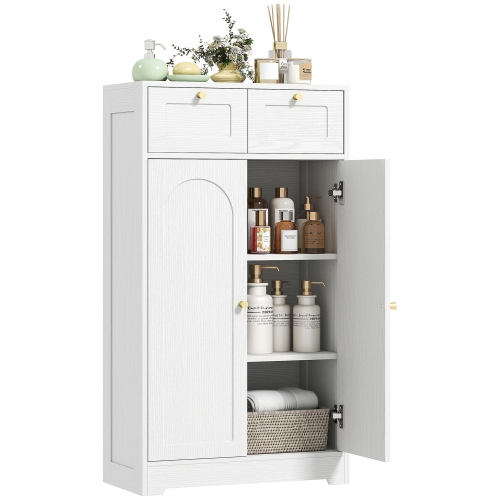
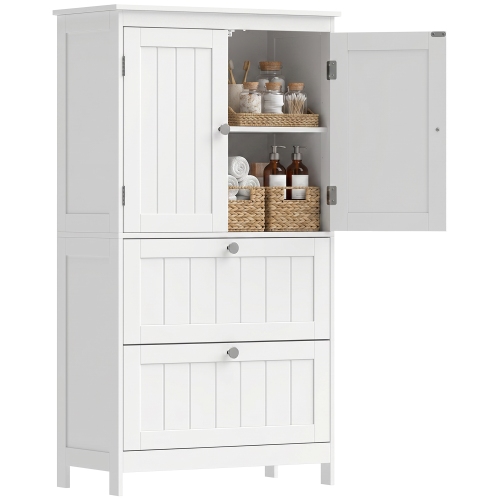
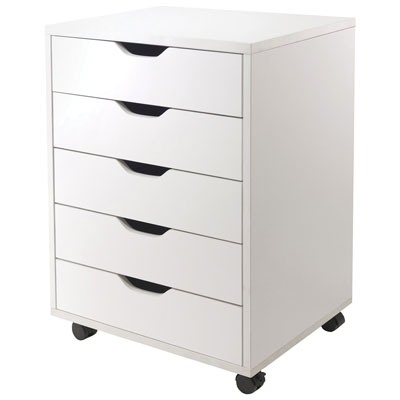
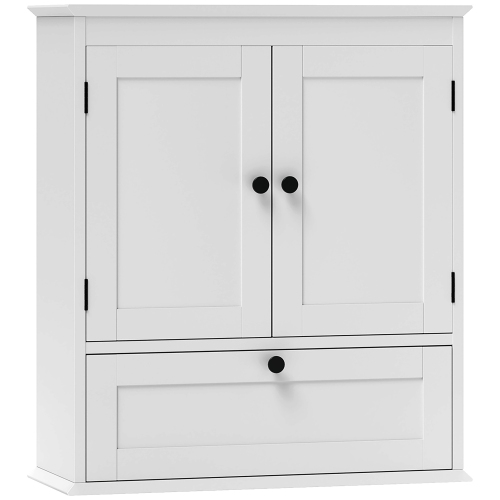
White bathroom cabinets with drawers offer closed storage for the things that tend to collect around a sink, from toothbrush supplies and spare soap to hairbrushes and grooming tools. The main styles are freestanding cabinets, tall storage towers and sink vanities, and each makes use of a different part of the room. A low freestanding cabinet can sit beside an existing vanity without changing the plumbing, with room on top for a small tray and drawers below for everyday supplies. A tall cabinet makes use of vertical space when there’s only a narrow strip of floor to spare. Designs that pair drawers below with shelves above can keep small items easy to reach while giving folded towels and taller bottles a place of their own. A vanity with drawers combines a sink and storage in one footprint, which is particularly useful in a small bathroom where a separate cabinet would crowd the walkway. Drawer layout makes as much difference as cabinet size. Two shallow drawers can make better use of space in a shared bathroom than a single deep one if each person needs a spot for a few daily essentials. Deeper drawers work well for a hair dryer or stacks of washcloths, especially when the drawer opens far enough to reach what’s at the back. White finishes also vary more than they might appear to at first glance. A crisp white cabinet can sit neatly beside cool grey tile, while a softer white often looks more at home next to natural wood or cream tile. When the cabinet will sit right beside a white sink or bathtub, it helps to compare the whites under the bathroom’s own lighting; a difference in tone is usually easier to see when two surfaces meet. If white is one of several finishes that could suit the room, the broader selection of Bathroom Cabinets With Drawers offers another way to compare layouts before settling on a finish.
A cabinet can fit neatly against a wall and still be awkward to use. Along with measuring the width, height and depth of the space, check how far the handles project and how much room an open drawer takes up. In a narrow bathroom, a drawer across from the toilet may open fully but leave no comfortable place to stand in front of it. A cabinet tucked behind the bathroom door may look like a good fit on paper until the door hits a handle. Baseboards, floor vents and electrical outlets can also limit how closely or where a cabinet can sit against the wall. For a vanity, check the location of the drain and water supply lines against the drawer layout. A drawer shaped to fit around the drain can make use of the space below the sink, but its usable width will be smaller than the drawer front suggests. Drawers placed to one side of the sink may offer more uninterrupted space for longer items. For a wall-mounted cabinet, confirm that the wall can support the cabinet and its contents and that the mounting points are suitable. Tall freestanding units may also need to be secured to the wall as directed by the manufacturer. In a rental, confirm which wall fixings are permitted before choosing a design that requires them. The height of the drawers matters as much as the height of the cabinet itself. A drawer just below the countertop keeps frequently used supplies within easy reach without repeated bending, while a lower drawer can hold towels or toilet paper that don’t need to be reached every day. Broad pulls with room to slip a few fingers behind them can be easier to grasp than small knobs, especially with damp hands. For a family bathroom, it can help to give children a low drawer for their own washcloths and keep medicines and cleaning supplies in a separate, secure place.
Materials, finishes and drawer hardware all affect how well a white bathroom cabinet holds up to daily use. Painted medium-density fibreboard, often called MDF, provides a smooth, even surface, but chipped edges and unsealed areas can swell if water gets in. Laminate is generally easy to wipe clean, though water left sitting along seams can still reach the material underneath. Plywood is another option for cabinet boxes, while solid wood may be used for frames or drawer fronts. Neither is waterproof, so look at how well the edges and joints are finished rather than relying on the material name alone. Those details matter most beside a sink where water can run down the drawer fronts, or beside a tub where splashes can collect around the cabinet base. A soft cloth and a cleaner suited to the finish are usually enough for routine care. Wiping up splashes promptly, letting damp towels dry before putting them away and using the bathroom fan during and after showers can all help keep moisture from lingering. On a white cabinet, the area around the handles is often the first place where fingerprints or toothpaste marks show. A satin finish can make those marks less noticeable than a high-gloss surface, while a flat drawer front takes less work to wipe down than one with deep grooves. Inside the cabinet, full-extension slides make it easier to retrieve a comb or spare tube from the back of a drawer, and soft-close hardware can keep drawers from slamming in a busy shared bathroom. A deep drawer that holds several full bottles can get heavy quickly, so check the drawer’s weight rating and use a shallow tray or divider for small items that would otherwise slide around. In a guest bathroom, a wide drawer can keep spare towels and toiletries together without crowding the countertop. In a bathroom used several times a day, the most useful storage is often the simplest: a shallow drawer for the morning routine and a deeper one below for the things that only come out when supplies need topping up.
Top selling and popular products
-
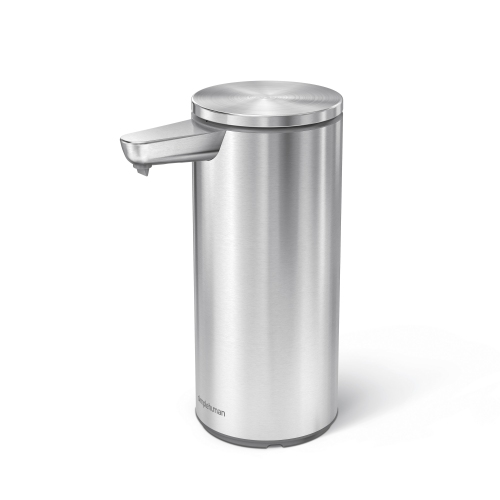 Your price for this item is $90
-
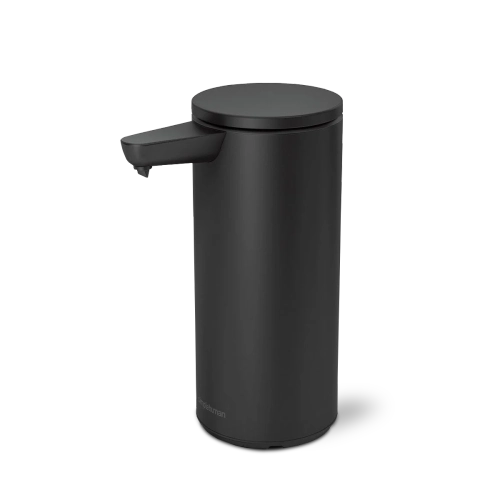 Your price for this item is $100
-
 Your price for this item is $100
-
 Your price for this item is $426.55
-
 Your price for this item is $300
-
 Your price for this item is $120
-
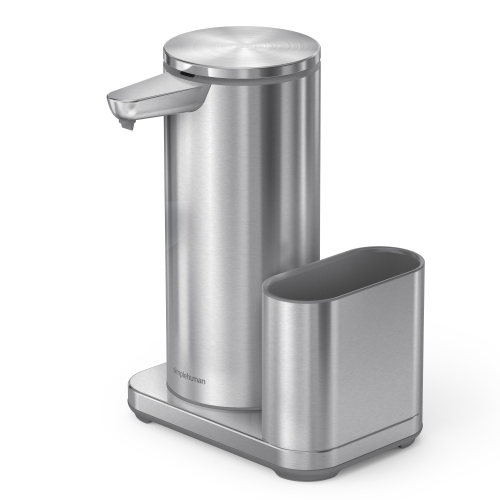 Your price for this item is $160
-
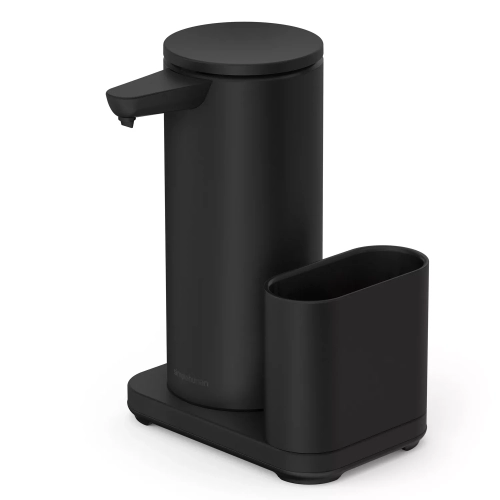 Your price for this item is $180
Discover more categories related to White Bathroom Cabinets With Drawers
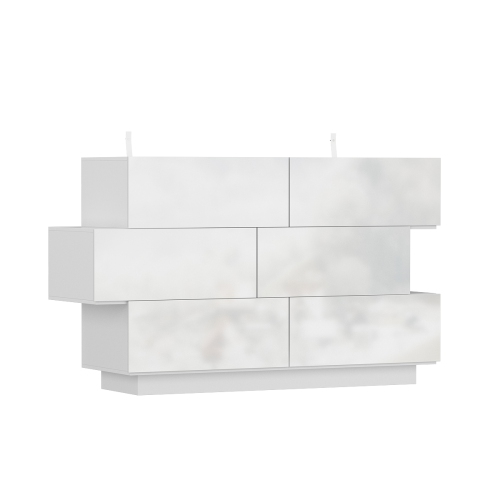
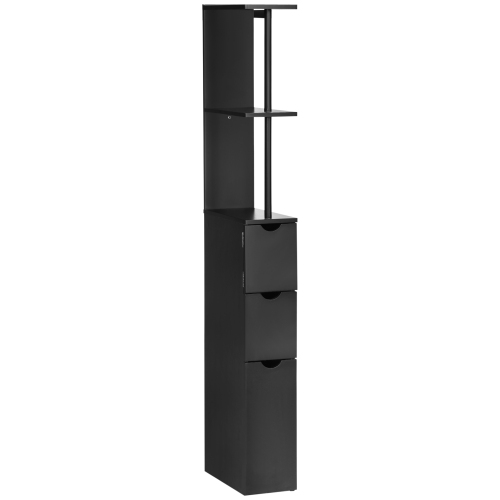
Top Collections:
Best Black Friday Deals This Year, Best Black Friday Deals On Electronics, Kindle Devices, Pokemon Centers, Best Black Friday Deals On Apple Products, Best Cameras for Sports Photography, Dyson Airwrap, Pokémon 30th Celebration Cards, Apple iPhone 17 Pro, Canon G7X Cameras
Some products may be subject to Environmental Handling Fees
(EHF) depending on your province.
Learn more about EHFs.