Bathroom Cleaning Tools
Transform your bathroom into a sparkling sanctuary with our wide selection of bathroom cleaning tools. Whether you're tackling tough grime or maintaining a pristine shine, having the right tools at your disposal makes all the difference. From scrub brushes to squeegees, our collection is designed to help you achieve a spotless finish with ease. Explore options that cater to every cleaning need, ensuring your bathroom remains fresh and inviting. Dive into our assortment and discover the perfect solutions to keep your space gleaming with minimal effort.
Sort


Why one brush isn't right for every bathroom surface
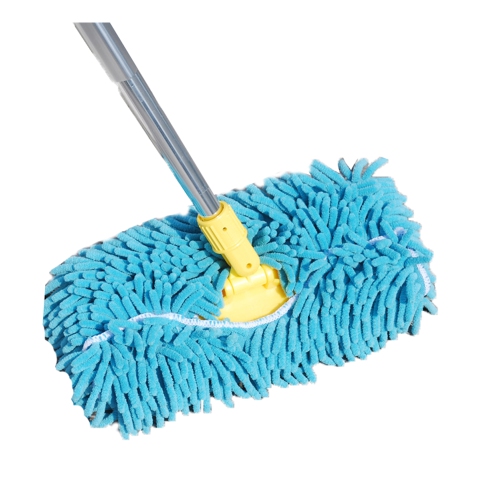
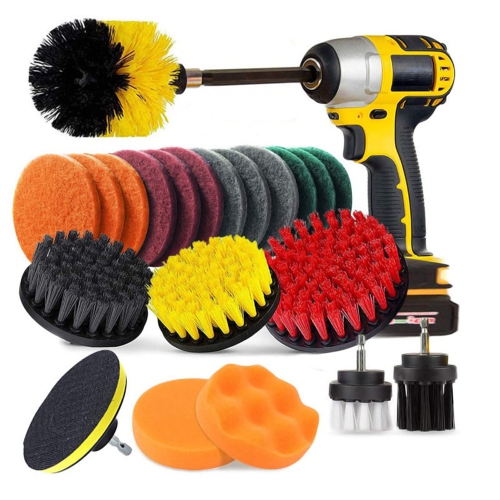
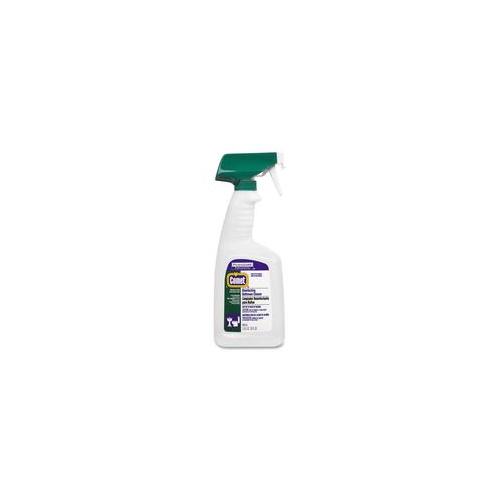
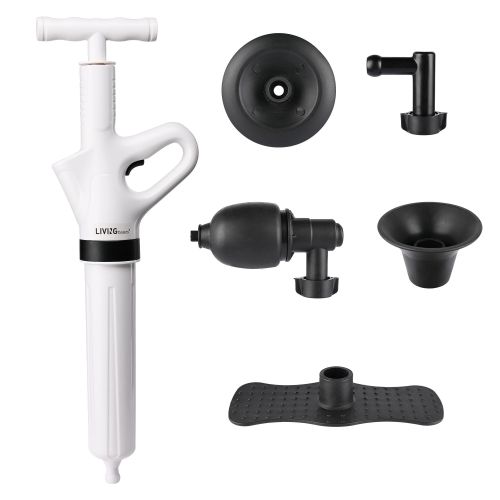
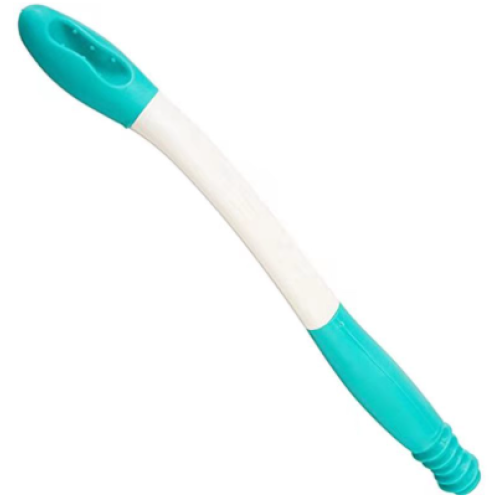
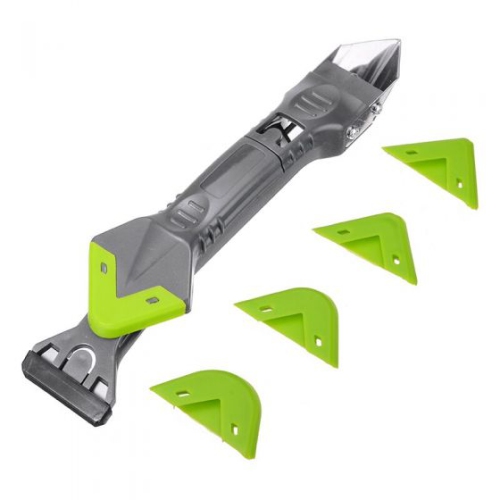
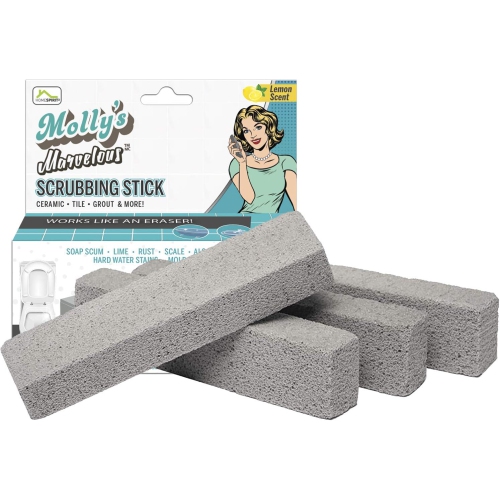
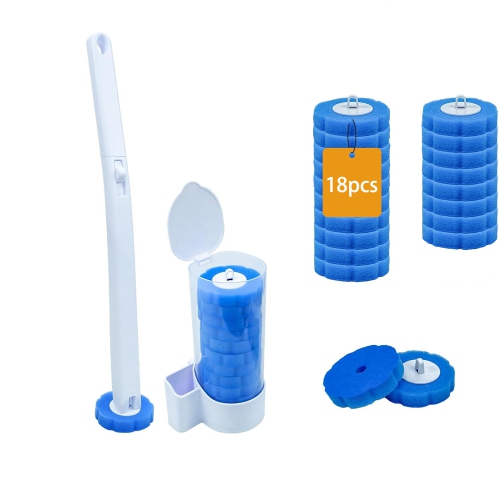
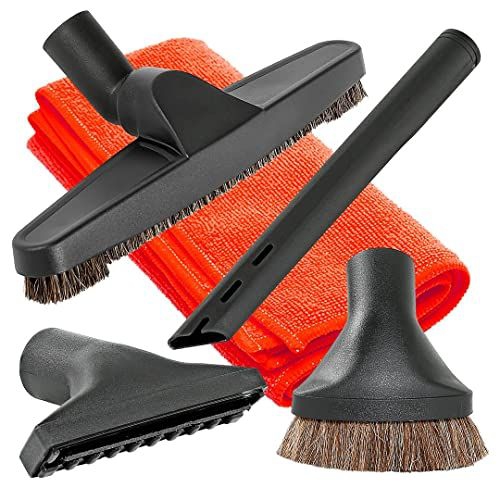
Bathroom cleaning tools include scrub brushes, grout brushes, squeegees, cleaning cloths, toilet brushes, and powered scrubbers, each suited to different surfaces and types of buildup. A broad brush covers the floor of a shower, while a narrow detail brush reaches the line around a faucet base or the groove beside a shower door track. Squeegees draw water off smooth glass and tile, helping reduce the droplets that can leave mineral marks behind. Soft, lint-free cloths lift moisture and residue from mirrors, chrome fixtures, and vanity surfaces without leaving the same streaks as a saturated rag. These differences matter in a room where glazed ceramic, acrylic, glass, metal, and sealed stone may sit only centimetres apart. The most useful assortment gives each surface appropriate contact rather than relying on one stiff brush for every task. Bristle firmness is a key consideration: firmer bristles can help loosen buildup on suitable tile and grout, while softer brushes and non-abrasive pads are generally better suited to delicate finishes. Surface manufacturers’ care directions remain important, particularly for acrylic tubs, natural stone, coated shower glass, and coloured fixtures that may scratch or lose their finish with unsuitable tools. Soap scum, hard-water deposits, and everyday splashes also call for different combinations of cleaning solution and physical action; a brush supplies agitation, but it does not make every cleaner safe for every material. For a compact powder room, small tools that fit around a pedestal sink and behind a toilet may be more practical than wide cleaning heads. A shared bathroom with a full tub and glass enclosure may benefit from broader coverage alongside a few detail tools. Bathroom-specific designs also complement general-purpose Cleaning Tools, especially where cloths, floor-cleaning equipment, and storage accessories serve several rooms. Keeping toilet-cleaning tools separate from those used on sinks and counters helps maintain clear boundaries between tasks, even when storage space is limited.
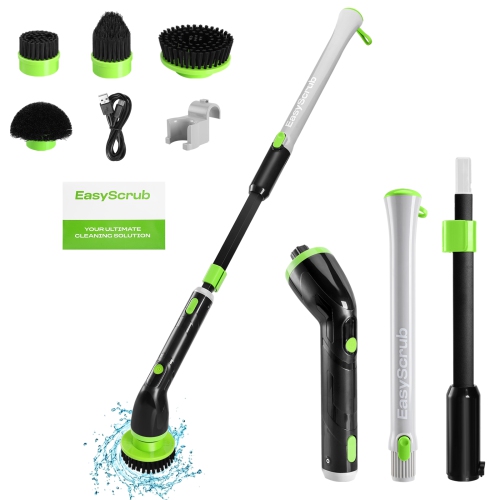
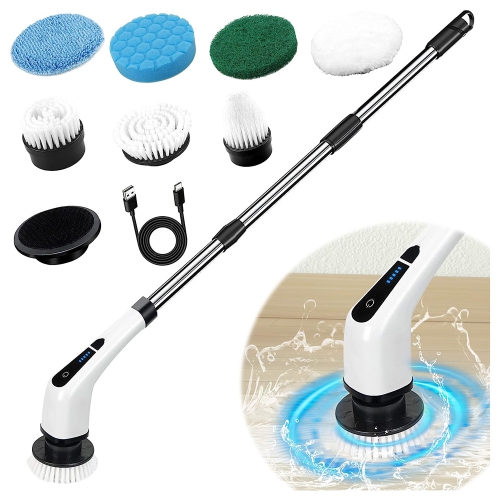
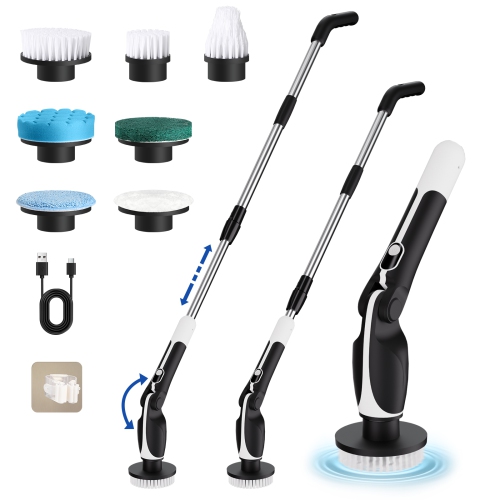
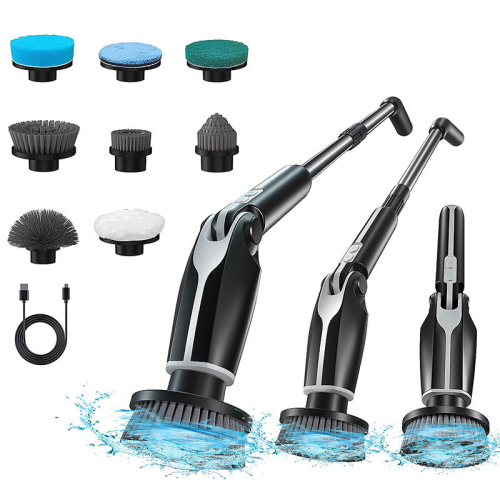
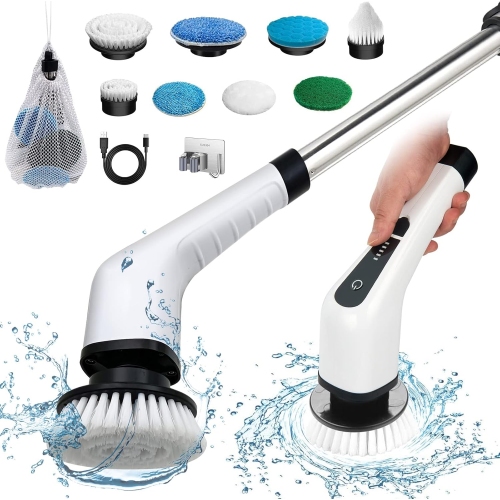
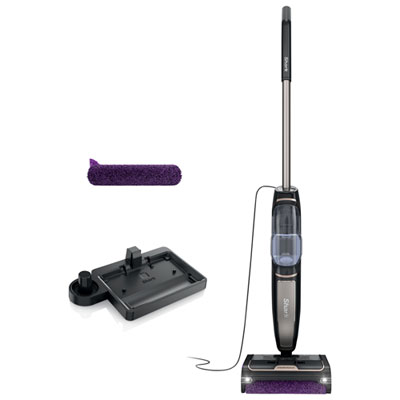
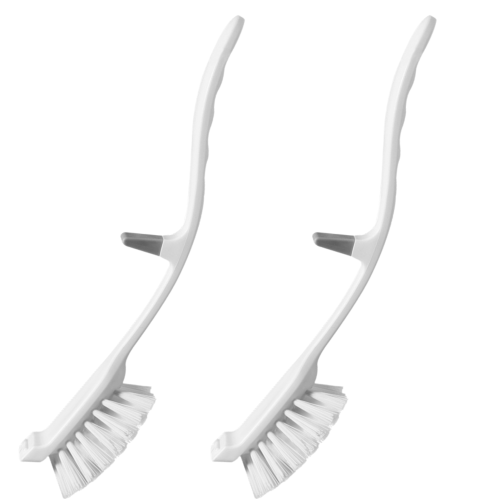
Shape, reach, and grip often make the biggest difference to how comfortable bathroom cleaning tools feel in use. An angled brush head can reach beneath a toilet rim, while a slim grout brush concentrates contact along the joints between tiles instead of spreading pressure across the whole wall. Rounded heads suit curved tub interiors, and flatter pads cover broad, open areas more evenly. A long or adjustable handle can reduce bending when cleaning a bathtub floor and extend reach across a shower wall, although the tool still needs to feel balanced at its full length. Handle locks should hold securely under normal scrubbing pressure, and a grip with a textured surface can be easier to control with wet hands or cleaning gloves. For someone who finds repetitive scrubbing tiring, an electric scrubber can provide rotating or oscillating movement while the user guides the head over the surface. Its weight, controls, and vibration are worth considering alongside its cleaning action, particularly for anyone with limited hand strength. Interchangeable heads allow one handle to serve different areas, but head shape and material still need to match the intended surface. A pointed attachment may fit a corner that a large round head cannot reach, while a soft pad may suit a smooth surface where bristles are unnecessary. Cordless designs remove the need to manage a trailing power cord during use, though suitability for splashes or wet areas depends on the stated water-resistance rating. A washable attachment does not necessarily mean the motor housing can be submerged, and charging components need to stay dry. With manual tools, there is no charging routine, and direct control over pressure can be useful around trim, sealant, or small fittings. Squeegees have their own fit considerations: a wider blade covers an open shower panel quickly, while a narrower blade is easier to manoeuvre around handles and framed edges. A flexible, even blade should contact the glass consistently, and a comfortable handle helps when drawing it down a tall panel. In tight spaces, easy access can matter more than maximum head size.
Materials, construction, and storage determine how well bathroom cleaning tools hold up between uses. Plastic bodies are lightweight and easy to rinse, while metal handles can offer a sturdy feel; any exposed metal needs a finish suited to repeated contact with moisture. Nylon or polypropylene bristles are common choices for brushes, but their stiffness, density, and attachment to the head influence performance as much as the material name. Bristles that stay upright provide more consistent contact than those that have flattened or spread apart. Replaceable brush heads, pads, or squeegee blades can keep a comfortable handle useful when its working surface wears out, provided replacements are compatible with the attachment system. Microfibre cloths are useful for wiping and finishing, and their care instructions may call for washing without fabric softener to preserve absorbency. Brushes and pads also need thorough rinsing to remove trapped hair, cleaner residue, and loosened debris. Ventilated holders give damp tools a chance to dry, while removable drip trays make it easier to clean the storage area itself. An enclosed holder may look tidy beside the toilet, but drainage and access for washing are just as important as appearance. Wall hooks and hanging loops can keep a squeegee within reach of the shower without taking up shelf space, with mounting requirements varying by wall material and attachment type. In a rental bathroom, the suitability of an adhesive mount for the surface is worth checking before installation. Colour-coded cloths or clearly separated holders can help housemates distinguish tools used for the toilet from those intended for mirrors and vanities. Households with children may prefer storage that keeps powered tools, detachable accessories, and cleaning solutions out of reach. For someone setting up a first apartment or furnishing a guest bathroom, a coordinated set can provide practical essentials without filling a cupboard with duplicate attachments. The strongest fit is a manageable collection that covers the room’s actual surfaces, feels comfortable to handle, and has a designated place to dry. Tools that are easy to retrieve, rinse, and put away are easier to work into an ordinary household routine, whether the task is clearing shower glass after use or loosening buildup around a drain.
Shape, reach, and grip often make the biggest difference to how comfortable bathroom cleaning tools feel in use. An angled brush head can reach beneath a toilet rim, while a slim grout brush concentrates contact along the joints between tiles instead of spreading pressure across the whole wall. Rounded heads suit curved tub interiors, and flatter pads cover broad, open areas more evenly. A long or adjustable handle can reduce bending when cleaning a bathtub floor and extend reach across a shower wall, although the tool still needs to feel balanced at its full length. Handle locks should hold securely under normal scrubbing pressure, and a grip with a textured surface can be easier to control with wet hands or cleaning gloves. For someone who finds repetitive scrubbing tiring, an electric scrubber can provide rotating or oscillating movement while the user guides the head over the surface. Its weight, controls, and vibration are worth considering alongside its cleaning action, particularly for anyone with limited hand strength. Interchangeable heads allow one handle to serve different areas, but head shape and material still need to match the intended surface. A pointed attachment may fit a corner that a large round head cannot reach, while a soft pad may suit a smooth surface where bristles are unnecessary. Cordless designs remove the need to manage a trailing power cord during use, though suitability for splashes or wet areas depends on the stated water-resistance rating. A washable attachment does not necessarily mean the motor housing can be submerged, and charging components need to stay dry. With manual tools, there is no charging routine, and direct control over pressure can be useful around trim, sealant, or small fittings. Squeegees have their own fit considerations: a wider blade covers an open shower panel quickly, while a narrower blade is easier to manoeuvre around handles and framed edges. A flexible, even blade should contact the glass consistently, and a comfortable handle helps when drawing it down a tall panel. In tight spaces, easy access can matter more than maximum head size.
Materials, construction, and storage determine how well bathroom cleaning tools hold up between uses. Plastic bodies are lightweight and easy to rinse, while metal handles can offer a sturdy feel; any exposed metal needs a finish suited to repeated contact with moisture. Nylon or polypropylene bristles are common choices for brushes, but their stiffness, density, and attachment to the head influence performance as much as the material name. Bristles that stay upright provide more consistent contact than those that have flattened or spread apart. Replaceable brush heads, pads, or squeegee blades can keep a comfortable handle useful when its working surface wears out, provided replacements are compatible with the attachment system. Microfibre cloths are useful for wiping and finishing, and their care instructions may call for washing without fabric softener to preserve absorbency. Brushes and pads also need thorough rinsing to remove trapped hair, cleaner residue, and loosened debris. Ventilated holders give damp tools a chance to dry, while removable drip trays make it easier to clean the storage area itself. An enclosed holder may look tidy beside the toilet, but drainage and access for washing are just as important as appearance. Wall hooks and hanging loops can keep a squeegee within reach of the shower without taking up shelf space, with mounting requirements varying by wall material and attachment type. In a rental bathroom, the suitability of an adhesive mount for the surface is worth checking before installation. Colour-coded cloths or clearly separated holders can help housemates distinguish tools used for the toilet from those intended for mirrors and vanities. Households with children may prefer storage that keeps powered tools, detachable accessories, and cleaning solutions out of reach. For someone setting up a first apartment or furnishing a guest bathroom, a coordinated set can provide practical essentials without filling a cupboard with duplicate attachments. The strongest fit is a manageable collection that covers the room’s actual surfaces, feels comfortable to handle, and has a designated place to dry. Tools that are easy to retrieve, rinse, and put away are easier to work into an ordinary household routine, whether the task is clearing shower glass after use or loosening buildup around a drain.
Top selling and popular products
-
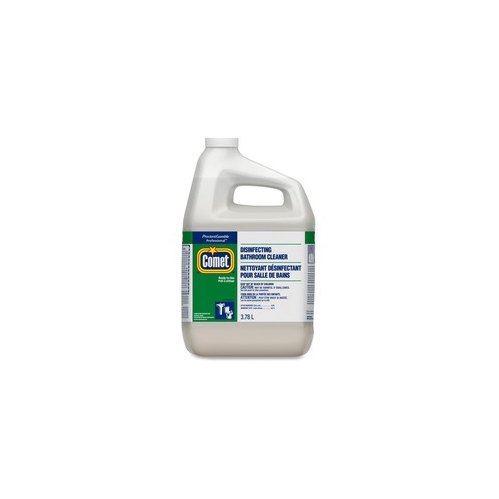
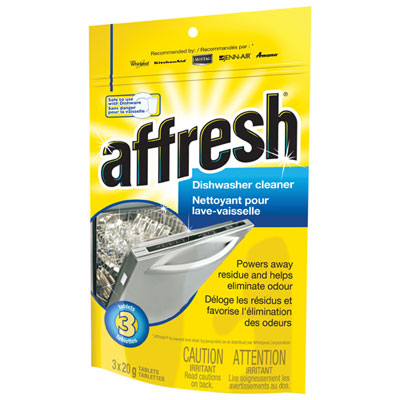 Your price for this item is $10.99
 -
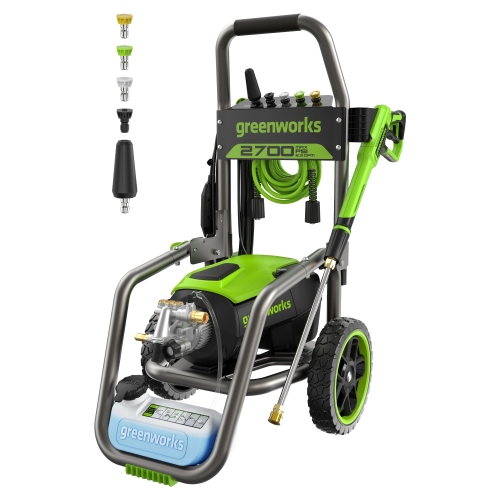 Your price for this item is $649.99
 -
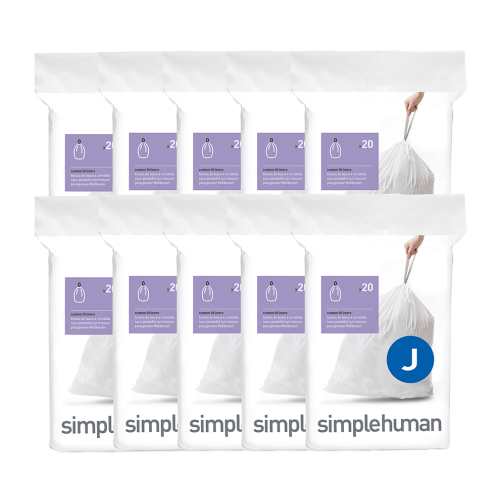 Your price for this item is $70
 -
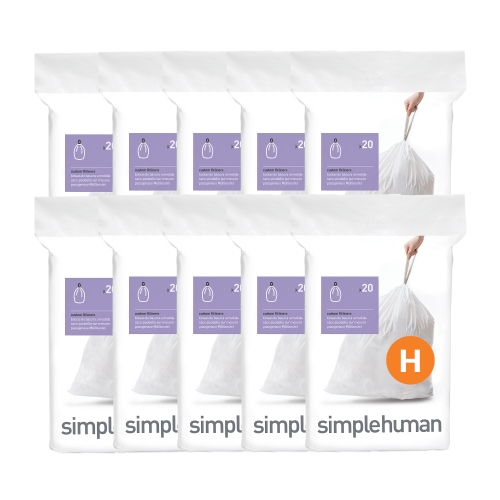 Your price for this item is $65
 -
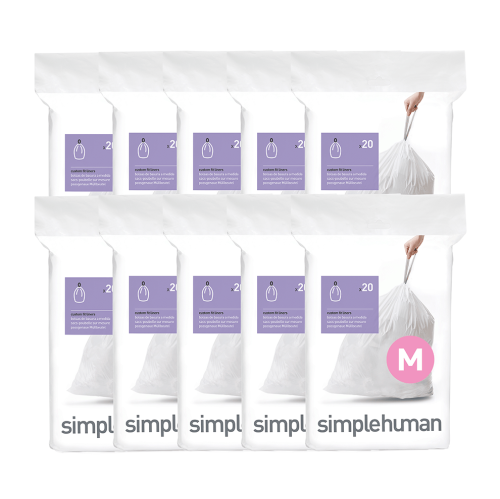 Your price for this item is $70
 -
 Your price for this item is $90
 -
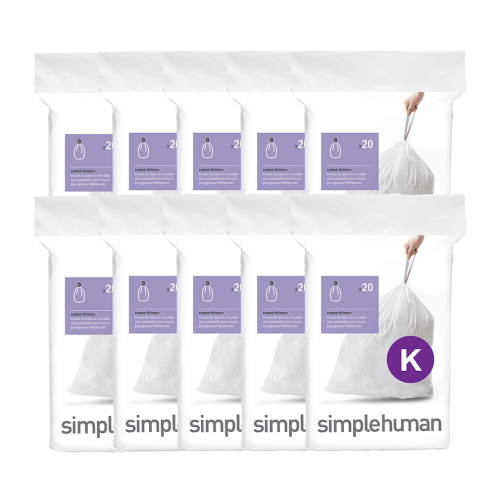 Your price for this item is $75
 -
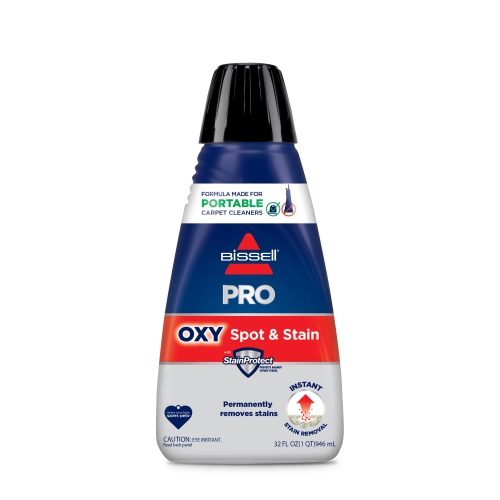 Your price for this item is $43.99
Discover more categories related to Bathroom Cleaning Tools
Top Collections:
Pokemon Centers, Kindle Devices, Best Budget Office Chairs, Apple iPhones 16, Best Laptops for Writers, iPhone 15 Apple, Canon G7X Cameras, Refurbished Apple Laptops, Alarm Clock, Motorola Razr Phones
Some products may be subject to Environmental Handling Fees
(EHF) depending on your province.
Learn more about EHFs.