Bathroom Cleaning Supplies
Keep your bathroom sparkling with our selection of top-quality cleaning supplies. From powerful disinfectants to gentle scrubbing tools, we have everything you need to tackle soap scum, grime, and bacteria in your bathroom. Whether you prefer eco-friendly options or tough industrial-strength cleaners, we have a wide range of products to suit your cleaning needs. Say goodbye to dirt and hello to a fresh, clean bathroom with our premium cleaning supplies.
Sort











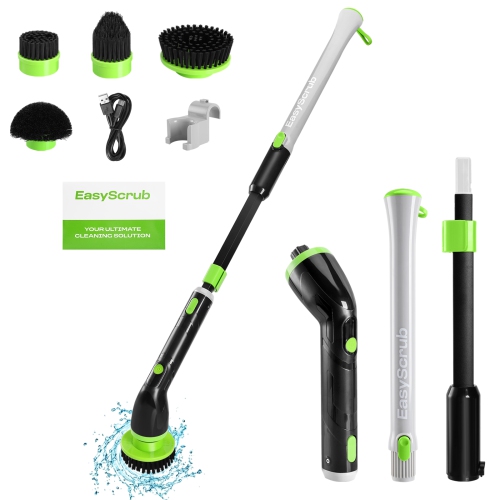


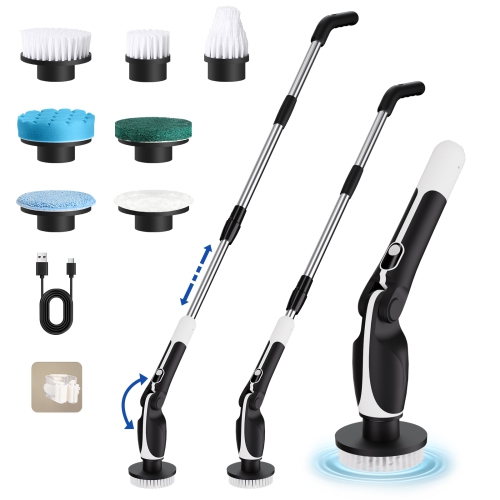
















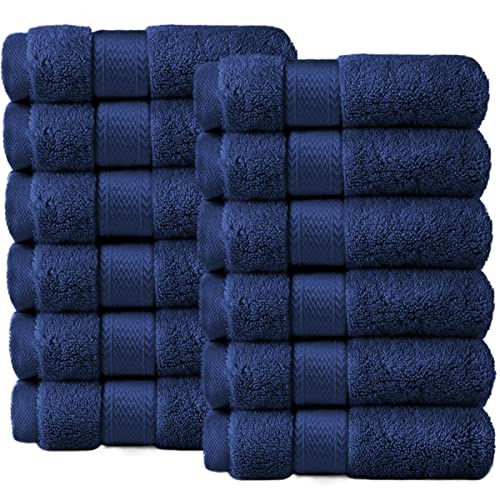


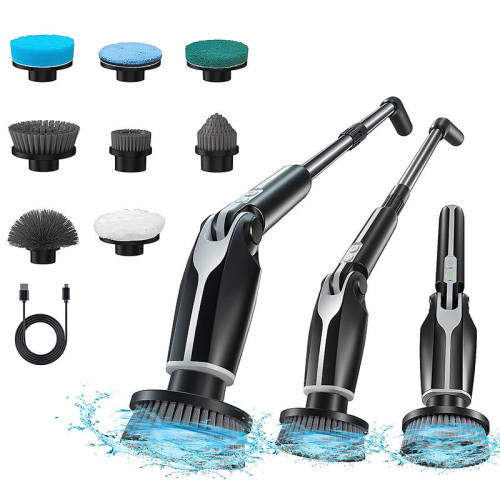


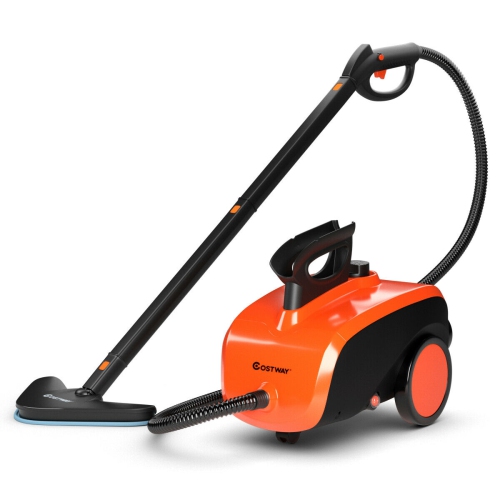
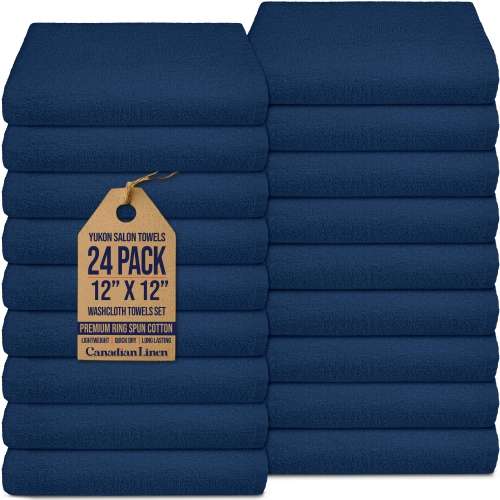

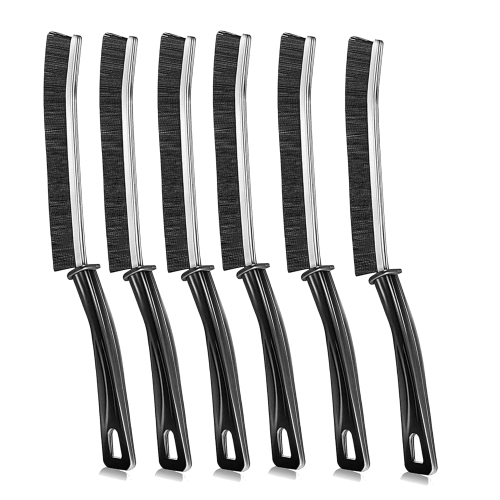
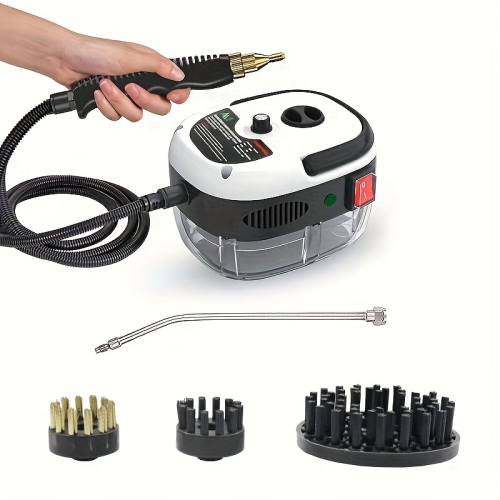

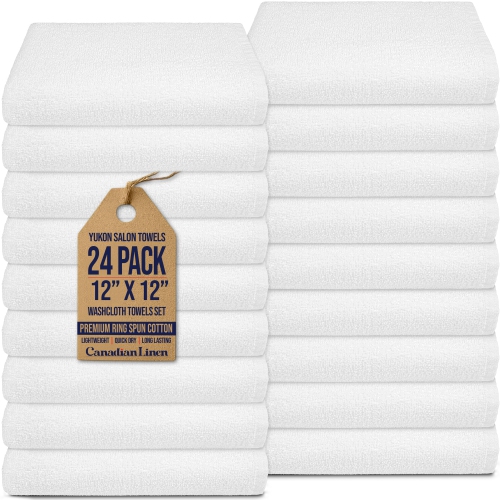
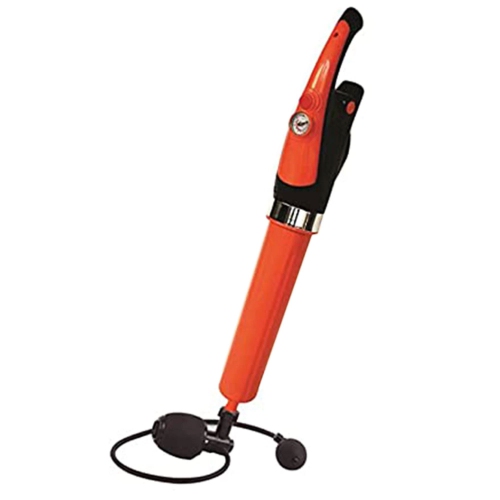
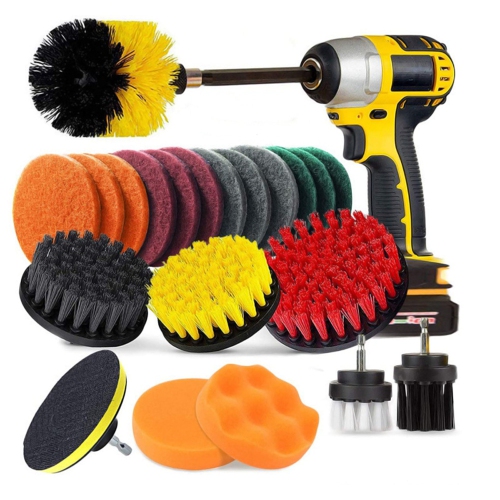
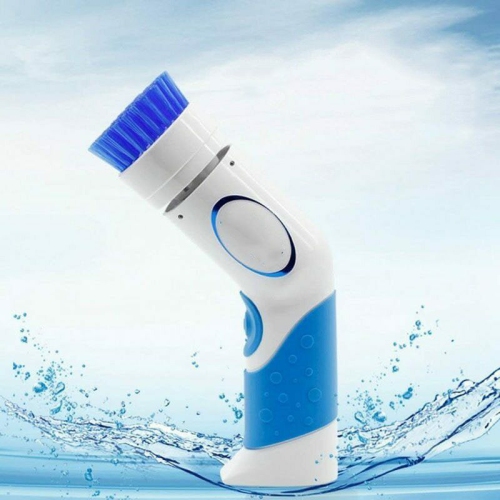


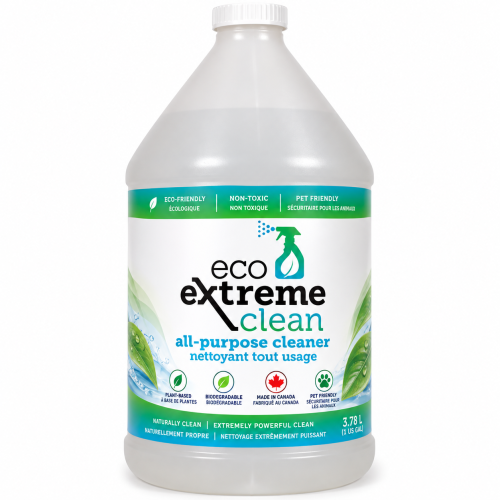
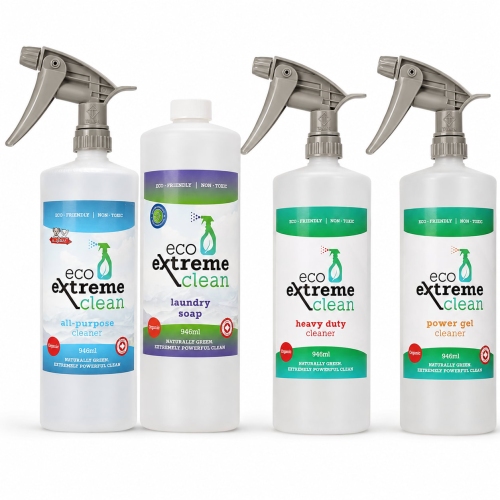


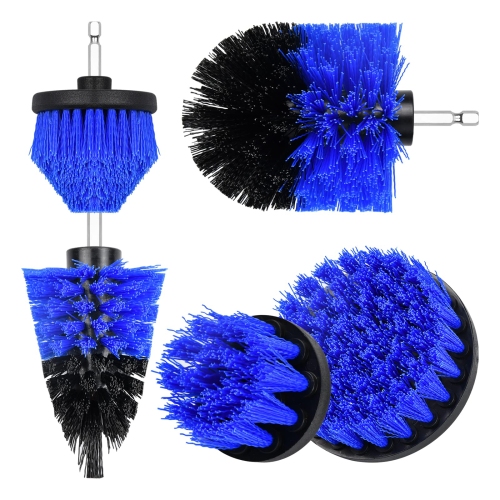


Different bathroom surfaces call for different cleaning approaches
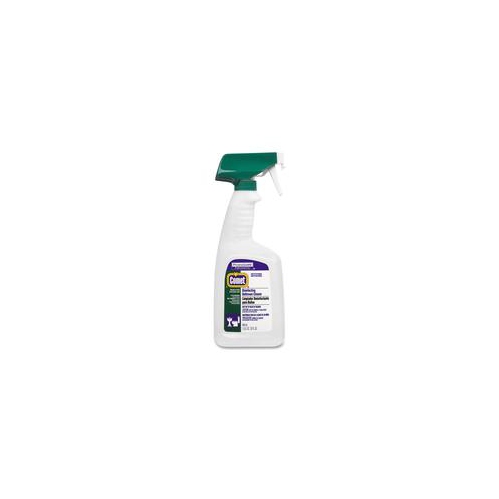
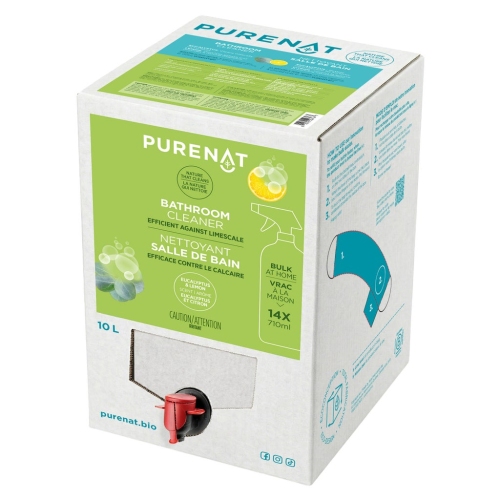
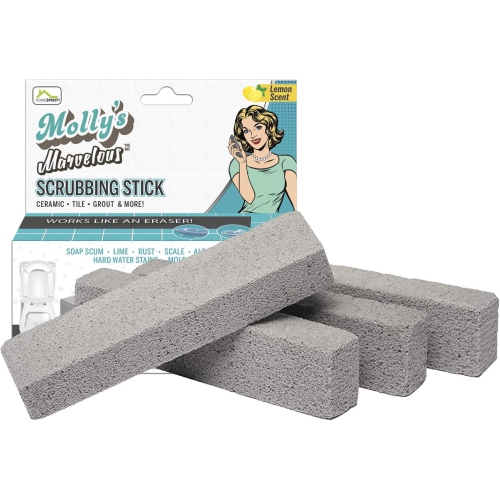
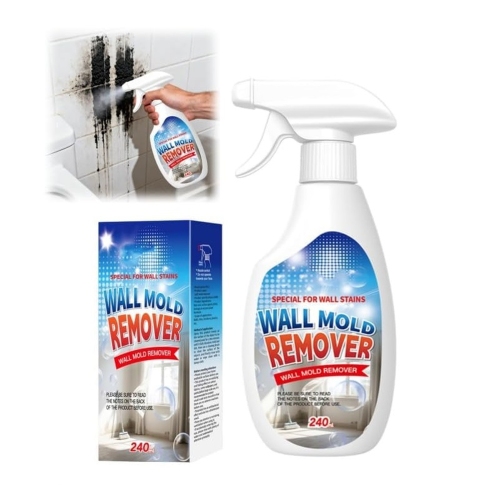
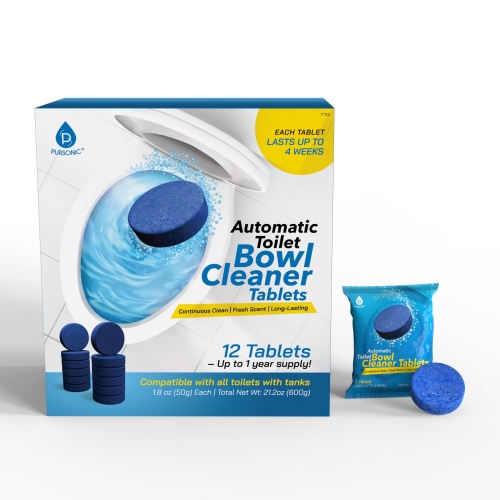
Bathroom cleaning supplies include surface cleaners, toilet bowl cleaners, tub and tile formulas, soap scum removers, disinfectants, brushes, cloths, and scrubbing pads. Each category serves a different purpose, from wiping toothpaste off a basin to loosening the chalky deposits that collect around taps. A well-matched selection accounts for both the mess and the surface underneath it: residue on a porcelain sink calls for different care than buildup on natural stone or a coated shower screen. General-purpose bathroom cleaners can handle many everyday marks, while specialty formulas target concerns such as mineral deposits, soap residue, or stains inside the toilet bowl. Cleaning and disinfecting are distinct tasks. Cleaning removes dirt and residue, while a disinfectant is formulated to act against the germs specified on its label when used as directed. A fresh fragrance, visible foam, or a shiny finish does not establish that a surface has been disinfected. Where disinfection is needed, the labelled contact time matters; the surface may need to remain visibly wet for a stated period rather than being wiped dry immediately. Material compatibility is just as important as cleaning strength. Acidic limescale removers can damage marble and other acid-sensitive stone, and abrasive formulas may scratch acrylic tubs, glossy finishes, or certain fixtures. Grout, sealants, painted cabinetry, and decorative hardware can also have separate care requirements. Manufacturer-approved cleaners help protect those finishes, particularly where a shower enclosure has a protective coating or a vanity combines several materials. Fragrance-free options may suit households that prefer less lingering scent, although the label remains the source for handling precautions. Bleach-based cleaners belong only on surfaces and in applications identified on their labels. Cleaning chemicals should never be mixed, especially bleach with ammonia or acidic cleaners, including vinegar. Clear directions, suitable ventilation, and any specified protective equipment matter more than a strong smell or an aggressive formula.
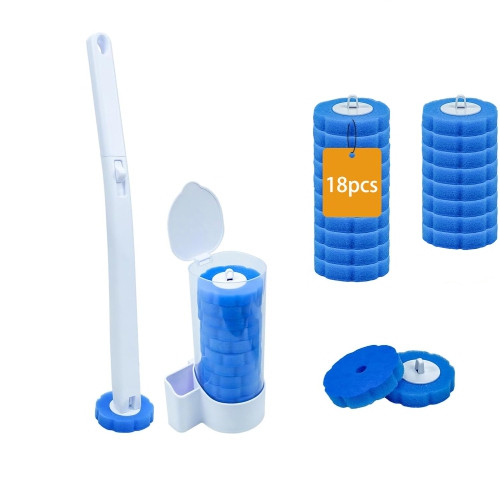
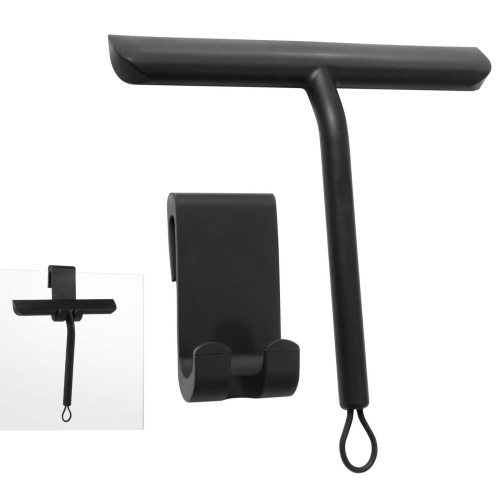
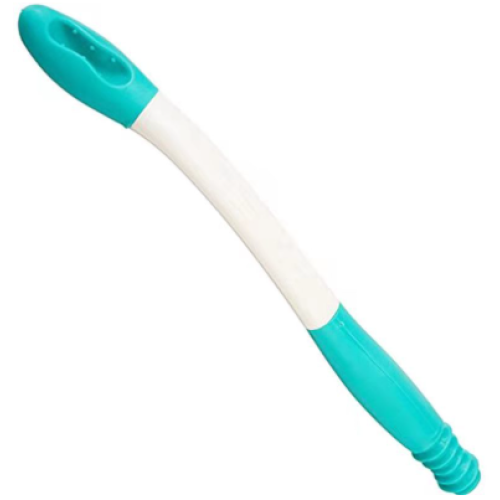
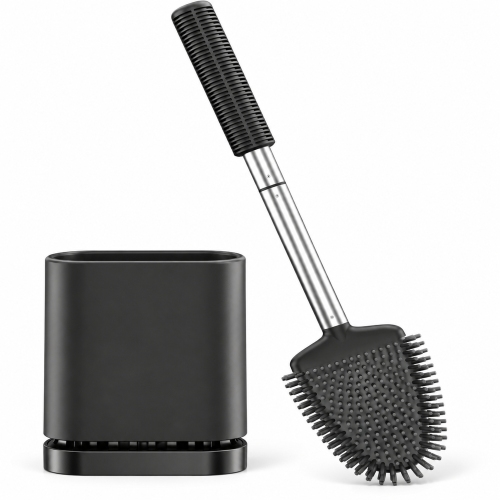
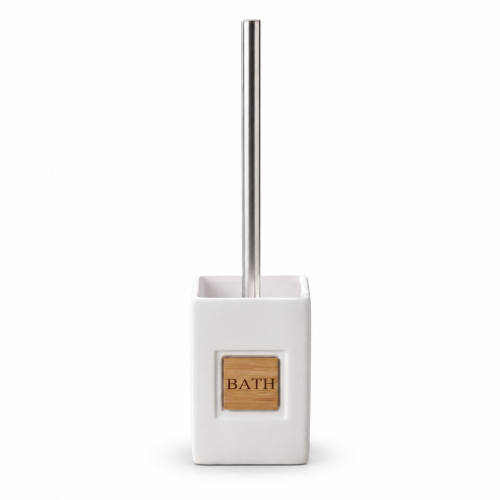
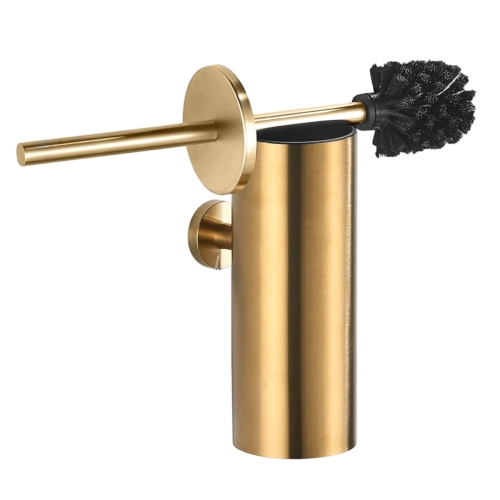
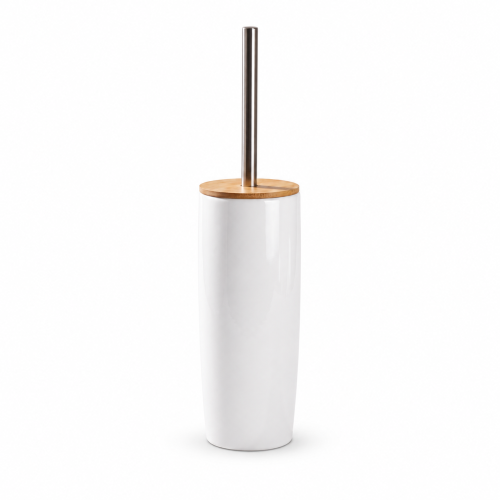
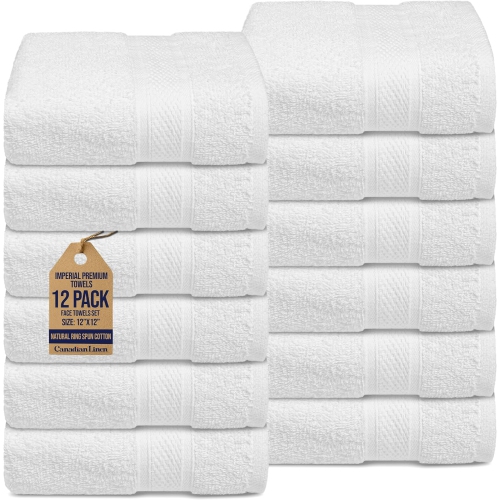
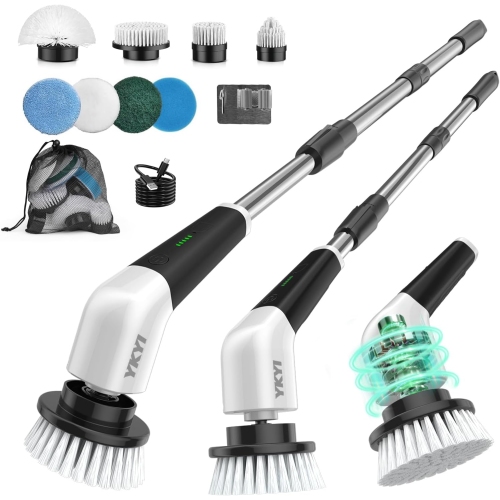
The tools used alongside cleaning formulas affect reach, effort, and the condition of bathroom surfaces over time. Soft microfibre cloths are useful for picking up everyday residue and finishing compatible taps or mirrors without the harshness of an abrasive pad. Non-scratch sponges and pads offer a broader wiping surface for sinks and tubs, though “non-scratch” does not mean suitable for every finish; surface care instructions still apply. Brushes bring more focused contact to textured shower floors, tile joints, and the narrow spaces around fittings. Bristle stiffness should match the task, since a firm brush that works on a durable textured surface may be too rough for a polished finish or deteriorating grout. A slim detail brush can reach around a tap base, while a wider brush covers a larger shower wall with fewer passes. Handle length and shape also make a practical difference. Longer handles can reduce bending when reaching a bathtub floor, and an easy-grip handle can feel more secure in wet hands. For people with limited reach or grip strength, tool weight, balance, and the force needed to operate a trigger are useful considerations. Shower squeegees help remove remaining water from compatible glass and smooth walls, reducing the droplets that can dry into visible spots. Their usefulness depends on a flexible, intact blade and a shape that fits the enclosure, including tighter corners or smaller panels. Toilet brushes serve a separate purpose and should remain dedicated to the toilet rather than being used elsewhere. Holders that are easy to clean and allow the brush to dry can make ongoing care more manageable. Across reusable tools, securely attached heads, comfortable handles, and washable components are practical durability features. Cloths need laundering according to their care labels, pads need rinsing and drying, and brush heads need attention when bristles become bent or worn. Trapped grit can scratch a surface, so a clean tool matters as much as the cleaner applied to it.
Bathroom size, layout, and the people using the space help determine which cleaning supplies make sense. A compact powder room may need supplies mainly for a basin, mirror, taps, and toilet, while a family bathroom adds bath edges, shower walls, floor tile, and more places where residue gathers. Shared bathrooms often benefit from clearly separated cloths and tools, with dedicated supplies for the toilet and others for the basin and shower. A colour-coded approach can make that distinction easier to maintain without relying on memory. Formats matter, too: a spray can suit a broad vertical surface when its label permits that use, while a gel may be designed to cling inside a toilet bowl. Concentrates require accurate dilution, and ready-to-use formulas remove that measuring step. Neither format is automatically suitable for every material or task. Packaging dimensions and storage arrangements deserve attention in a small vanity or narrow utility cupboard, but convenience should not come at the expense of safe handling. Chemicals belong in their original, labelled containers, securely stored away from children and pets, and never transferred into drink bottles or unmarked containers. Reusable tools need enough space to dry rather than staying compressed in a damp pile beneath the sink. In a home with several bathrooms, a portable caddy can keep the appropriate supplies together, provided it is stored safely between uses. Gloves intended for household cleaning may help protect hands, with fit, cuff length, and compatibility with the cleaning formula all worth considering. Bathroom supplies can complement Kitchen Cleaning Supplies as part of a household cleaning setup, while keeping cloths and brushes separate between food-preparation areas and toilets. The most useful assortment is one that matches the actual surfaces in the home, offers comfortable access to awkward spots, and supports regular care without unnecessary abrasion or chemical exposure.
Top selling and popular products
-
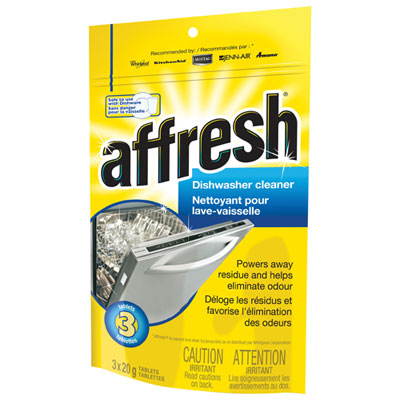 Your price for this item is $10.99
-
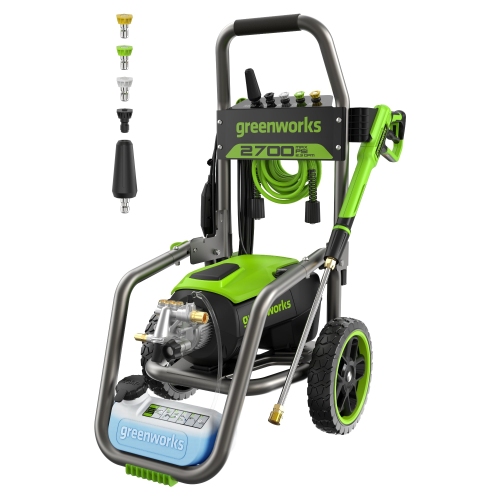 Your price for this item is $649.99
-
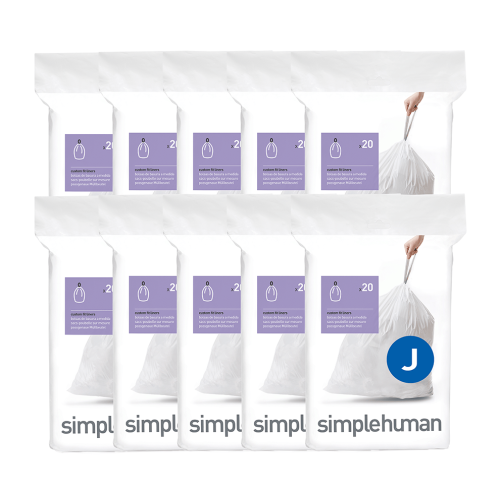 Your price for this item is $70
-
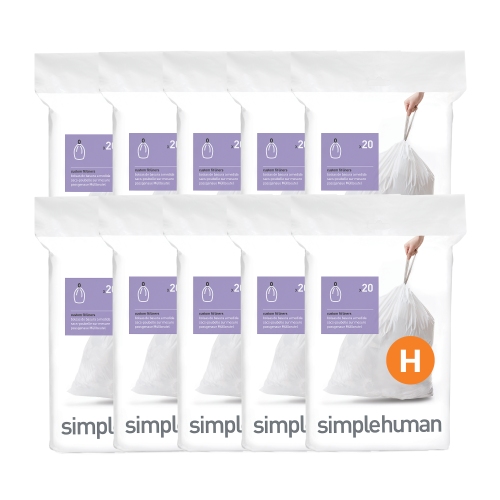 Your price for this item is $65
-
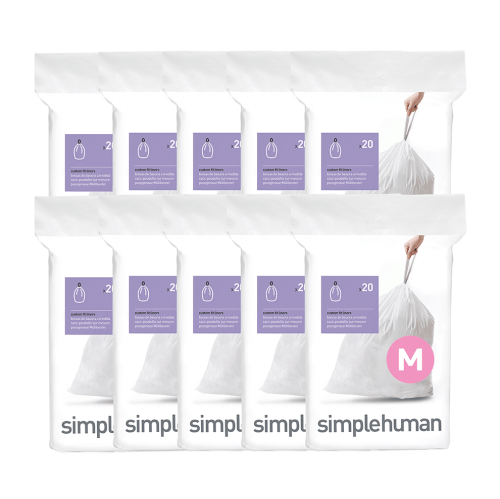 Your price for this item is $70
-
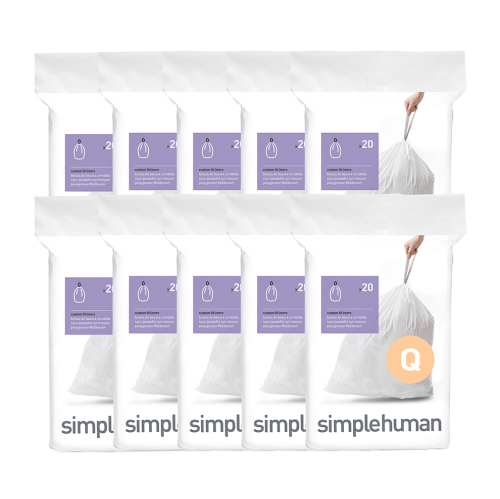 Your price for this item is $90
-
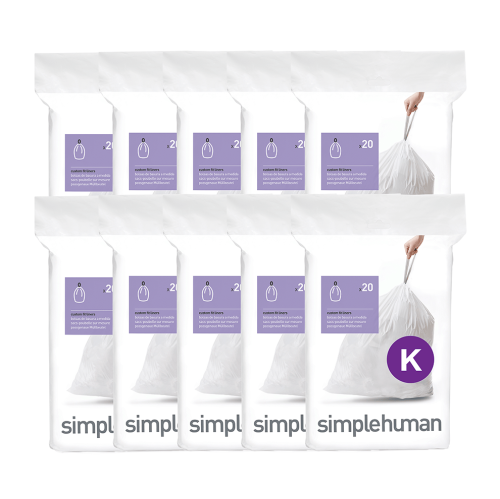 Your price for this item is $75
-
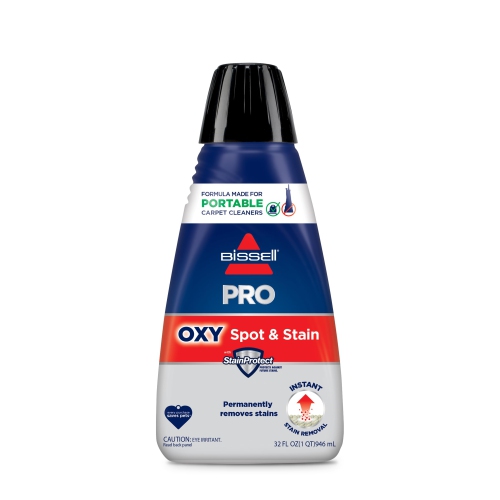 Your price for this item is $43.99
Discover more categories related to Bathroom Cleaning Supplies


Top Collections:
Best Black Friday Deals This Year, Best Black Friday Deals On Electronics, Kindle Devices, Pokemon Centers, Best Black Friday Deals On Apple Products, Best Cameras for Sports Photography, Dyson Airwrap, Pokémon 30th Celebration Cards, Apple iPhone 17 Pro, Canon G7X Cameras
Some products may be subject to Environmental Handling Fees
(EHF) depending on your province.
Learn more about EHFs.