Bathtub Scrubbers
Transform your bathroom cleaning routine with our selection of bathtub scrubbers, designed to make tackling tough grime and soap scum a breeze. Whether you're looking for ergonomic handles, durable bristles, or versatile designs, our range offers options that cater to every cleaning need. From deep-cleaning power to gentle maintenance, these scrubbers are perfect for keeping your bathtub sparkling clean with minimal effort. Explore our collection to find the ideal bathtub scrubber that fits seamlessly into your cleaning arsenal and helps maintain a pristine bathroom environment.
Sort
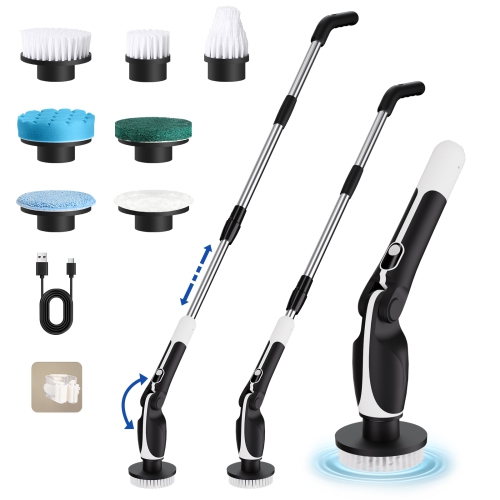


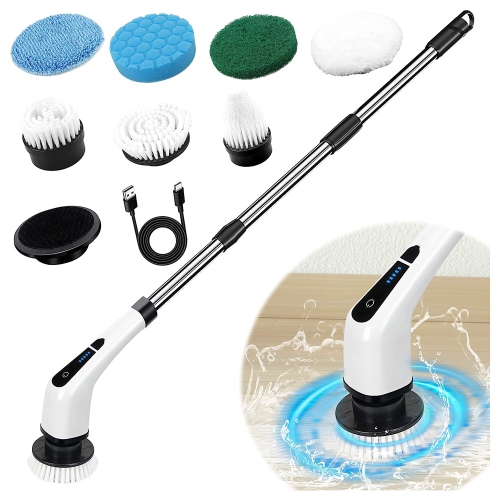
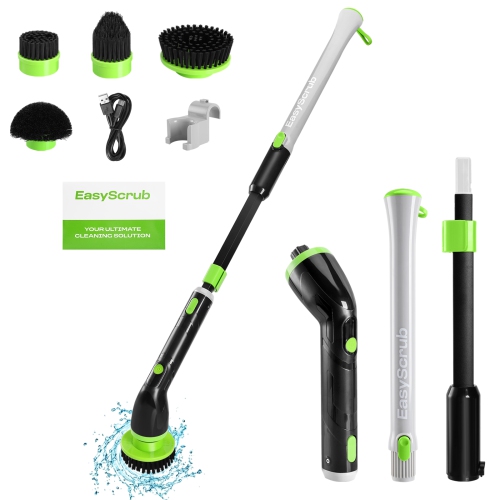
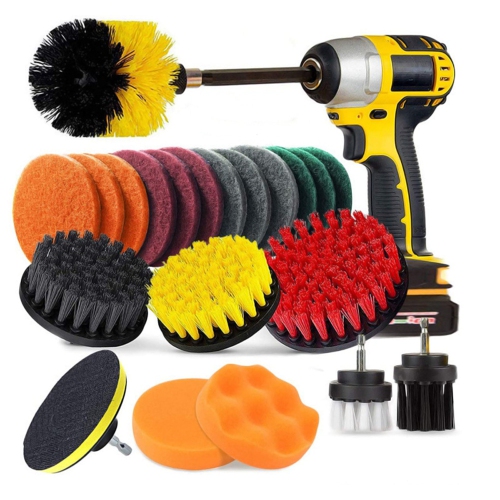

Why tub finish matters more than scrubbing power
Bathtub scrubbers are cleaning tools designed to loosen soap scum, lift everyday residue, and reach the curved surfaces and corners that can make a tub awkward to clean. The category includes handheld brushes, manual scrubbers with extended handles, and cordless electric spin scrubbers that rotate a brush head to reduce repetitive scrubbing motions. Each style suits a different kind of bathroom routine. A compact handheld brush offers close control around a drain or along the narrow ledge behind a faucet, while a long-handled scrubber can reach across a deep tub without requiring the same amount of bending. Surface compatibility matters more than how aggressive a brush looks. Acrylic and fibreglass tubs can be vulnerable to scratches, so soft bristles or pads specifically approved for those finishes are important. Porcelain-enamel surfaces also need suitable cleaning tools, particularly where the finish is worn or chipped. A cast-iron tub usually has an enamel coating; the underlying metal does not make its visible surface suitable for harsh abrasives. Labels such as “non-scratch” should still be checked against the tub manufacturer’s care recommendations, since a pad that suits one finish may not suit another. Brush shape makes a practical difference, too. Broad, relatively flat heads cover the tub floor and straight sidewalls, rounded heads follow curved corners, and smaller heads offer better access beside fittings. Flexible bristles can conform to contours, while very stiff bristles may be more appropriate for certain grout lines than for the tub itself. Soap scum, body oils, and mineral deposits are different kinds of residue, so a scrubber works best alongside a cleaner approved for the surface and the type of buildup. Heavy pressure is not a substitute for that compatibility. For households with frequent baths, a tool that reaches the whole basin comfortably can make regular cleaning more manageable before residue becomes a thick film along the waterline. The most useful bathtub scrubber is one whose head, handle, and cleaning action suit the tub rather than simply offering the largest brush or the strongest motor.
Manual bathtub scrubbers offer straightforward control, with no battery to charge and a direct feel for how much pressure reaches the surface. Short handles suit detailed work, while telescoping handles help with reaching the far side of a tub, the lower wall of a shower enclosure, or the area beneath a built-in soap ledge. Handle length needs to work with the room as well as the person using it: an extended pole can be helpful across a wide basin but awkward in a compact bathroom with little space between the tub and vanity. A secure locking mechanism helps keep an adjustable handle from shortening under pressure, and a pivoting head can maintain contact as the angle changes. Grip texture matters when hands are damp or soapy, though a comfortable grip should not require excessive squeezing. Cordless electric spin scrubbers add powered rotation, which can reduce the repeated wrist and arm movements involved in manual scrubbing. They still need to be guided across the surface, and their performance depends on brush design, motor torque, battery condition, and the residue being cleaned. A high rotation speed alone does not establish cleaning effectiveness; a head that stalls under ordinary contact may be less useful than one that maintains steady movement. Weight and balance also deserve attention, especially with the handle extended. A tool that feels light near the body can feel heavier when held across a tub for several minutes. Rechargeable designs vary in operating time and charging arrangements, so those details should suit the size of the bathroom and the expected cleaning session. Water resistance should be understood from the manufacturer’s stated limits, not assumed from the tool’s intended use. A splash-resistant housing is not necessarily safe to submerge, and charging ports, batteries, and charging accessories require the handling specified in the instructions. For people who find repeated bending or scrubbing tiring, an extended handle and powered head may offer a more comfortable approach, but neither removes the need for secure footing and controlled movement around a wet tub.
Durability comes from both construction and care. A bathtub scrubber encounters moisture, cleaning solutions, and repeated pressure, so sturdy handle joints, firmly attached heads, and bristles that retain their shape are useful qualities. Metal extension poles benefit from finishes suited to damp use, while plastic components should feel secure rather than flexing excessively at the connection points. Replaceable brushes and pads can extend the useful life of a handle or powered unit, provided the replacements are compatible with the attachment system. Different heads can also keep tasks separate: a soft brush used on the tub basin need not be the same brush used around tile joints or a shower threshold. The Tile Scrubbers collection is relevant for bathrooms where tiled walls and floors need attention alongside the bathtub, although suitability for grout does not automatically mean suitability for a glossy tub finish. After cleaning, residue left in the bristles can transfer back onto the surface, and trapped grit can turn a gentle brush into a scratching risk. Rinsing the head according to its care instructions and allowing it to dry thoroughly helps keep it ready for the next use. Removable heads are often easier to rinse and inspect, while a hanging loop or suitable storage position can keep damp bristles from resting against the floor. Pads that are fraying, bristles that have flattened, and loose connections are signs that a component may need replacing. Cleaners also need careful handling: bleach must never be mixed with ammonia or acidic cleaners, and stronger chemicals should not be used to compensate for an unsuitable brush. In a shared family bathroom, a straightforward tool with washable attachments can support a consistent cleaning routine; in a smaller home, compact storage may be just as important as reach. People maintaining a deep soaking tub may place greater value on an adjustable handle, while those cleaning a shallow basin may prefer the control of a shorter tool. Across these uses, comfortable handling, finish-safe contact, and easy maintenance are the qualities that make a bathtub scrubber practical over time.
Top selling and popular products
-
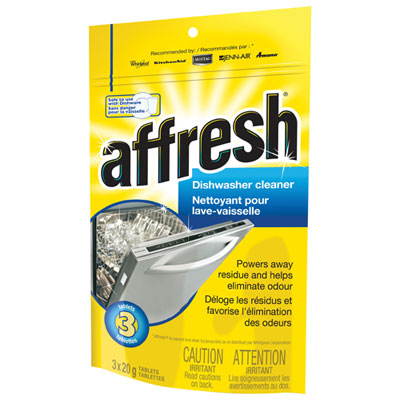 Your price for this item is $10.99
-
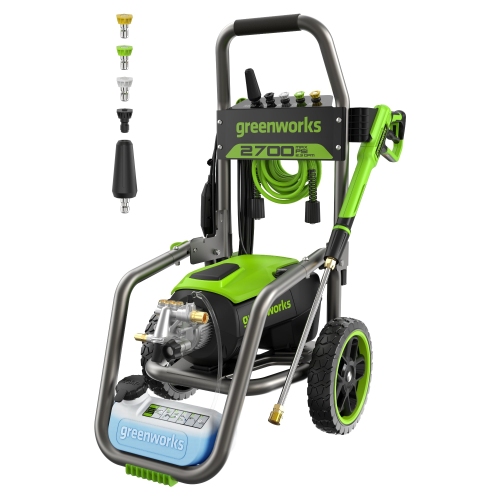 Your price for this item is $649.99
-
 Your price for this item is $70
-
 Your price for this item is $65
-
 Your price for this item is $70
-
 Your price for this item is $90
-
 Your price for this item is $75
-
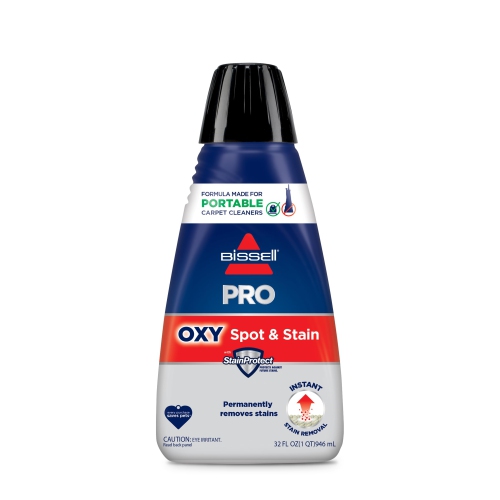 Your price for this item is $47.95
Discover more categories related to Bathtub Scrubbers

Top Collections:
Pokemon Centers, Kindle Devices, Best Cameras for Sports Photography, Pokémon 30th Celebration Cards, Apple iPhones 16, Canon G7X Cameras, iPhone 15 Apple, Flip Phones, Samsung Galaxy Phones, Alarm Clock
Some products may be subject to Environmental Handling Fees
(EHF) depending on your province.
Learn more about EHFs.