Tile Scrubbers
Tile scrubbers are essential tools for keeping your tiles looking pristine and maintaining a spotless home environment. Whether you're tackling stubborn grime in the bathroom, kitchen, or any tiled area, these versatile cleaning companions make the job easier and more efficient. With a variety of options available, you can find tile scrubbers suited to different surfaces and cleaning needs. Explore our selection to discover the perfect solution that combines convenience with effective cleaning power, helping you achieve sparkling tiles with minimal effort.
Sort
Cleaning grout lines and shower floors gets easier
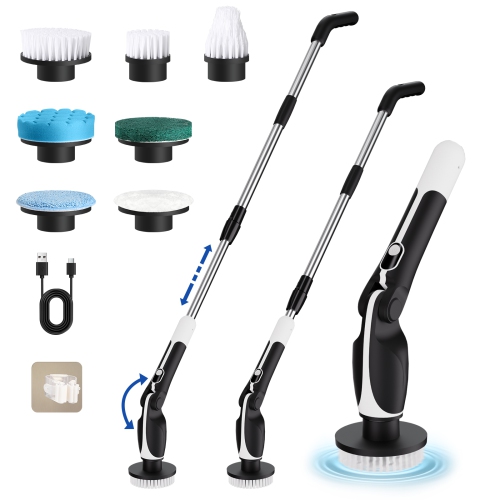
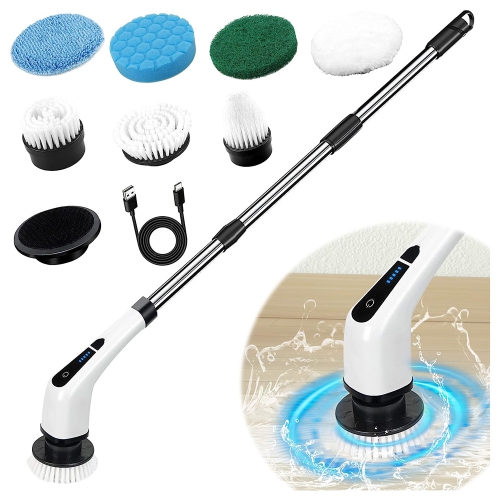
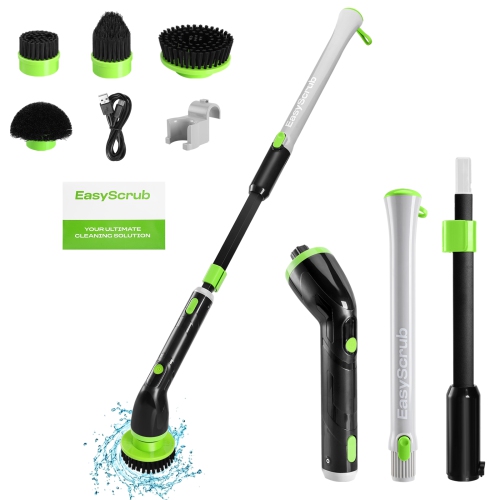
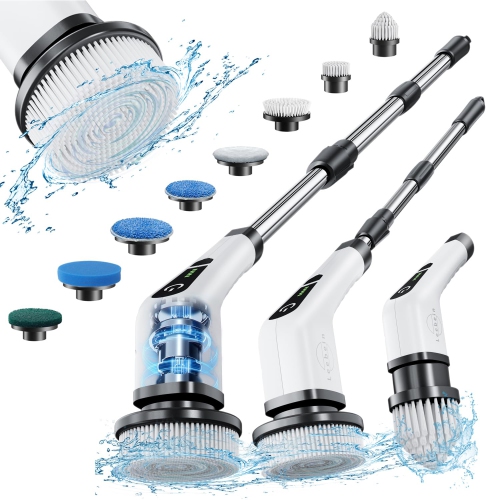
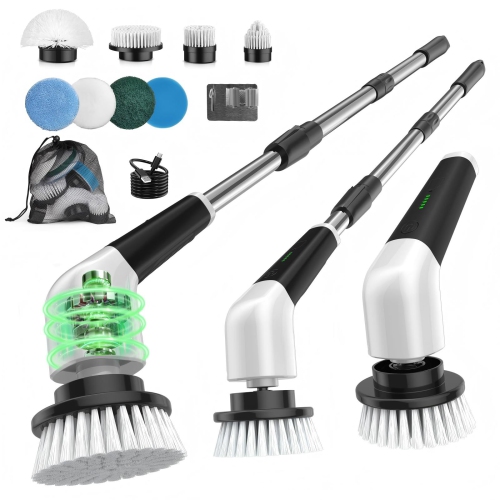
Tile scrubbers are practical cleaning tools designed to remove dirt, soap scum, grease and built-up grime from tile surfaces and the grout lines between them. Unlike a general-purpose cloth or sponge, a tile scrubber has bristles, pads or rotating heads that can reach textured surfaces and narrow joints where residue tends to collect. The right choice depends on the area being cleaned, the type of mess involved and how much physical effort you want to use. For a small backsplash, shower niche or section of wall tile, a compact handheld scrubber is easy to control and can get into corners without taking up much storage space. Look for a firm brush head with an angled, pointed or V-shaped profile when grout lines are the main concern; this shape helps concentrate pressure along the narrow channels where dust, hair products and discoloured residue often settle. A smaller head can also be helpful around taps, drains and the edges of a floor, where a larger tool may feel awkward. For everyday touch-ups, softer bristles or a non-abrasive pad may be preferable, particularly on glazed, polished or delicate tile. More rigid bristles are useful for textured porcelain, ceramic tile and heavily soiled grout, but they should be used with care on natural stone or any surface with a finish that may scratch. Checking the manufacturer’s care instructions for the tile and grout before cleaning is a sensible step, especially when using a new brush or cleaning solution. Apply the cleaner to a manageable section, allow it to loosen the residue as directed, then work in small overlapping strokes rather than scrubbing an entire room at once. Rinse away loosened grime and wipe the area dry so you can see whether another pass is needed.
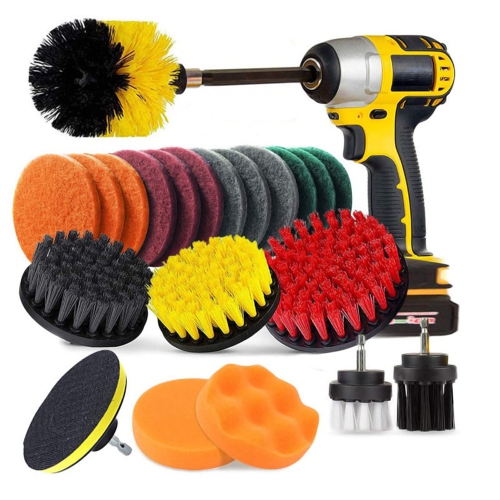
Long-handled tile scrubbers are especially useful for shower floors, bathroom walls and larger tiled areas because they allow you to clean while standing rather than crouching or kneeling. An adjustable handle can make it easier for different people in the household to use the same tool, while a swivel head can follow the angle of a wall or floor and reach behind fixtures. Some designs combine a brush with a squeegee, allowing you to scrub away residue and then pull excess water from the surface. This can be convenient after cleaning a shower, when leaving less water behind helps the area dry more quickly. For grout on a floor, consider a brush with sturdy bristles and a head that is narrow enough to track along the lines without wasting effort on the surrounding tile. A wider head may cover more ground on large-format tile, but it can be less precise around corners and fixtures. Electric spin scrubbers provide another option when repeated hand scrubbing becomes tiring or when a large surface needs attention. Cordless models with rotating or oscillating heads can help reduce the pressure required from your arm, while interchangeable heads may be suited to grout, flat tile, corners or broader surfaces. Battery capacity, charging time, handle comfort, water resistance and the availability of replacement heads are important details to review. A tool that feels balanced and comfortable is more likely to be used regularly, particularly during a thorough bathroom clean or when preparing a home for guests during the cooler months. Drill brush attachments can also be useful for demanding jobs, as they connect to a compatible power drill and use the drill’s motion to speed up scrubbing. They are best suited to people who already own the necessary drill and feel comfortable controlling a powered tool around wet areas. Keep electrical equipment and charging components away from standing water, and follow all instructions for safe use.
Choosing a tile scrubber is also about matching the tool to your cleaning routine. A household with a glass shower, textured floor tile and several grout-heavy surfaces may benefit from keeping more than one style available: a compact handheld brush for detail work, a long-handled scrubber for floors and walls, and a powered option for occasional deep cleaning. In a smaller bathroom, a slim tool with a hanging loop or compact storage profile can be easier to keep near cleaning supplies. Features such as a non-slip grip, replaceable heads, a flexible joint and easy-rinse bristles can make a noticeable difference after several minutes of use. Avoid assuming that the stiffest brush is always the best choice; excessive pressure or an overly abrasive head can wear grout, dull a finish or leave marks on sensitive materials. It is usually better to begin with the gentlest suitable attachment and increase intensity only when needed. Tile scrubbers can be useful for homeowners, renters, caregivers, busy families and anyone managing a high-traffic bathroom, entryway or kitchen. They can also make a thoughtful housewarming gift when paired with other practical home-care essentials, particularly for someone settling into a new apartment or taking on responsibility for a larger home. For cleaning projects that extend beyond tile, a related selection of Bathtub Scrubbers may help with curved surfaces and tub walls. Whether you choose a simple manual brush or a cordless powered scrubber, focus on the surfaces in your home, the reach and pressure you can use comfortably, and the type of bristle or head that will clean effectively without damaging the finish.
Long-handled tile scrubbers are especially useful for shower floors, bathroom walls and larger tiled areas because they allow you to clean while standing rather than crouching or kneeling. An adjustable handle can make it easier for different people in the household to use the same tool, while a swivel head can follow the angle of a wall or floor and reach behind fixtures. Some designs combine a brush with a squeegee, allowing you to scrub away residue and then pull excess water from the surface. This can be convenient after cleaning a shower, when leaving less water behind helps the area dry more quickly. For grout on a floor, consider a brush with sturdy bristles and a head that is narrow enough to track along the lines without wasting effort on the surrounding tile. A wider head may cover more ground on large-format tile, but it can be less precise around corners and fixtures. Electric spin scrubbers provide another option when repeated hand scrubbing becomes tiring or when a large surface needs attention. Cordless models with rotating or oscillating heads can help reduce the pressure required from your arm, while interchangeable heads may be suited to grout, flat tile, corners or broader surfaces. Battery capacity, charging time, handle comfort, water resistance and the availability of replacement heads are important details to review. A tool that feels balanced and comfortable is more likely to be used regularly, particularly during a thorough bathroom clean or when preparing a home for guests during the cooler months. Drill brush attachments can also be useful for demanding jobs, as they connect to a compatible power drill and use the drill’s motion to speed up scrubbing. They are best suited to people who already own the necessary drill and feel comfortable controlling a powered tool around wet areas. Keep electrical equipment and charging components away from standing water, and follow all instructions for safe use.
Choosing a tile scrubber is also about matching the tool to your cleaning routine. A household with a glass shower, textured floor tile and several grout-heavy surfaces may benefit from keeping more than one style available: a compact handheld brush for detail work, a long-handled scrubber for floors and walls, and a powered option for occasional deep cleaning. In a smaller bathroom, a slim tool with a hanging loop or compact storage profile can be easier to keep near cleaning supplies. Features such as a non-slip grip, replaceable heads, a flexible joint and easy-rinse bristles can make a noticeable difference after several minutes of use. Avoid assuming that the stiffest brush is always the best choice; excessive pressure or an overly abrasive head can wear grout, dull a finish or leave marks on sensitive materials. It is usually better to begin with the gentlest suitable attachment and increase intensity only when needed. Tile scrubbers can be useful for homeowners, renters, caregivers, busy families and anyone managing a high-traffic bathroom, entryway or kitchen. They can also make a thoughtful housewarming gift when paired with other practical home-care essentials, particularly for someone settling into a new apartment or taking on responsibility for a larger home. For cleaning projects that extend beyond tile, a related selection of Bathtub Scrubbers may help with curved surfaces and tub walls. Whether you choose a simple manual brush or a cordless powered scrubber, focus on the surfaces in your home, the reach and pressure you can use comfortably, and the type of bristle or head that will clean effectively without damaging the finish.
Top selling and popular products
-
 Your price for this item is $19.99
 -
 Your price for this item is $37.83
 -
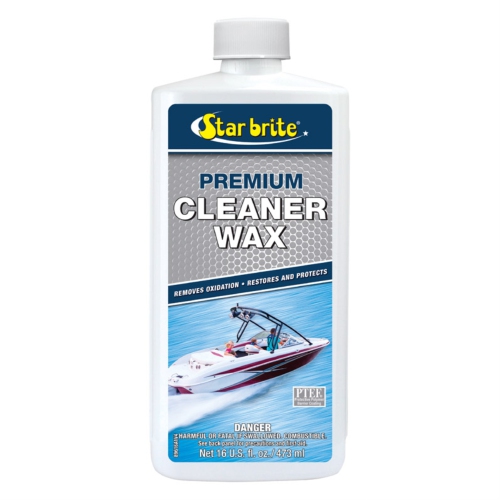 Your price for this item is $41.23
 -
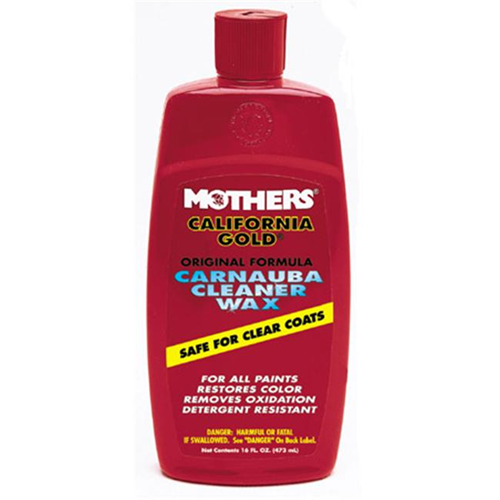 Your price for this item is $35.82
 -
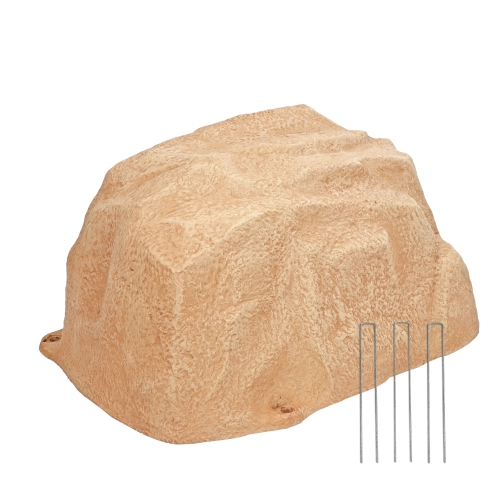 Your price for this item is $126.85
 -
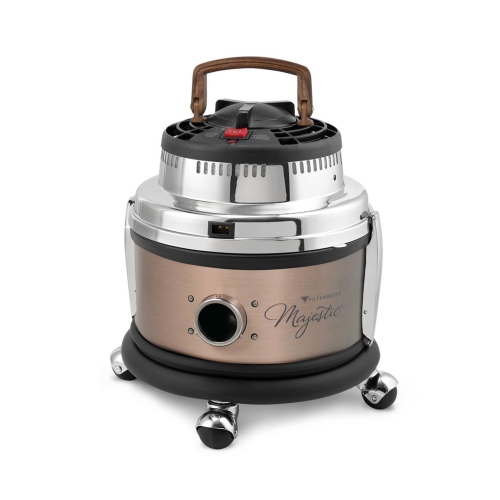 Your price for this item is $3299
 -
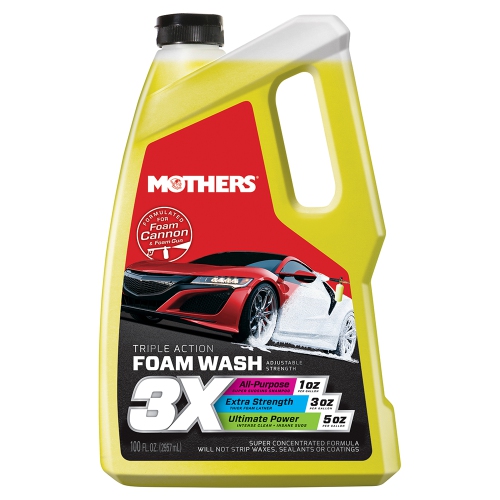 Your price for this item is $40.72
 -
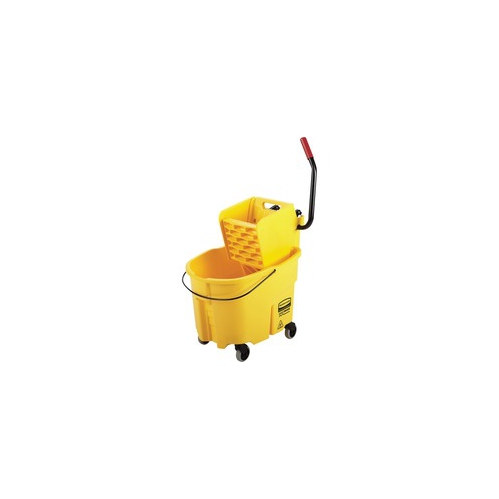 Your price for this item is $161.99
Discover more categories related to Tile Scrubbers

Top Collections:
Pokemon Centers, Kindle Devices, Best Cell Phones Under $500, Alarm Clock, Canon G7X Cameras, iPhone 15 Apple, Apple iPhones 16, Laptops for Students, iPhone 14 256GB, Budget Smartphones
Some products may be subject to Environmental Handling Fees
(EHF) depending on your province.
Learn more about EHFs.