Bedding for Bunk Beds
Bedding for bunk beds is designed to bring comfort and style to any shared or compact sleeping space. Whether outfitting a kids’ room, guest area, or dorm, the right bedding can help create a cozy and inviting atmosphere. Explore a wide selection of options to find the perfect fit for your bunk beds, with choices that cater to various colors, patterns, and sizes. Make every night restful and every room more functional with bedding for bunk beds that suits your needs and preferences.
Sort
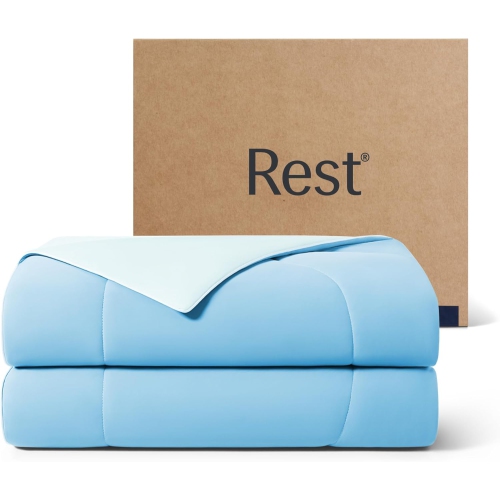
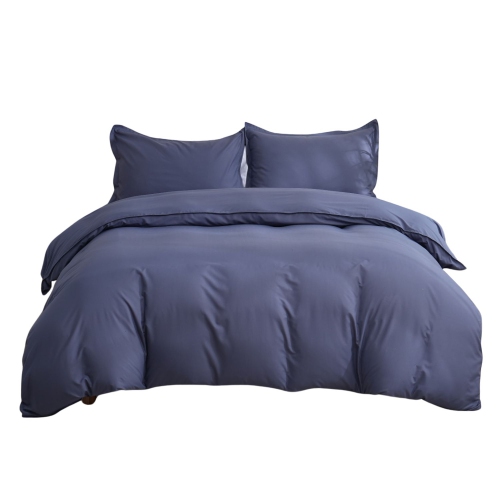
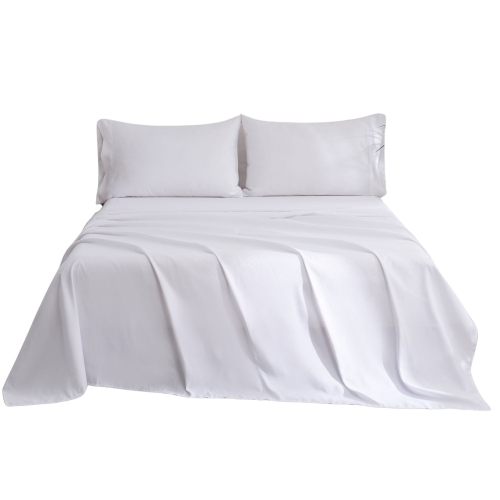

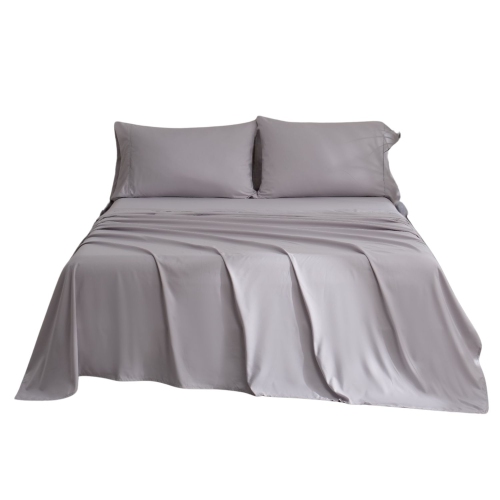
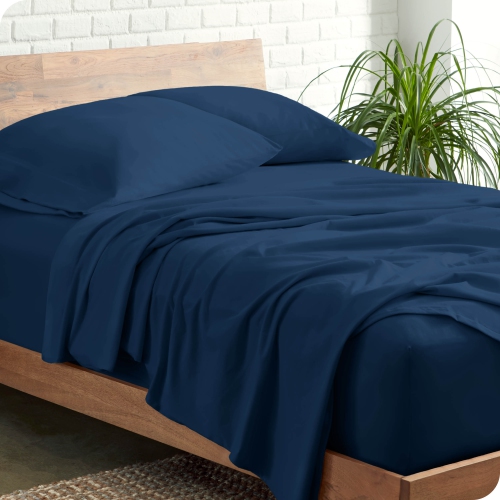
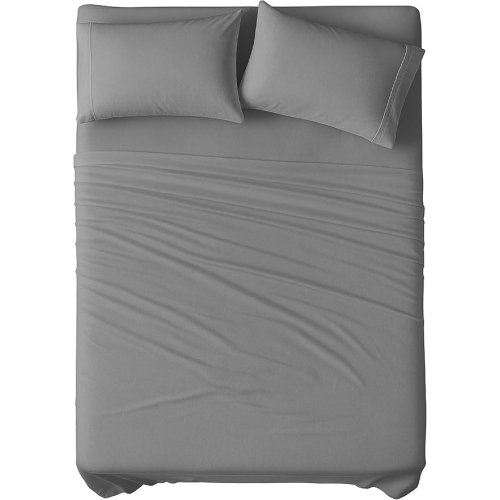
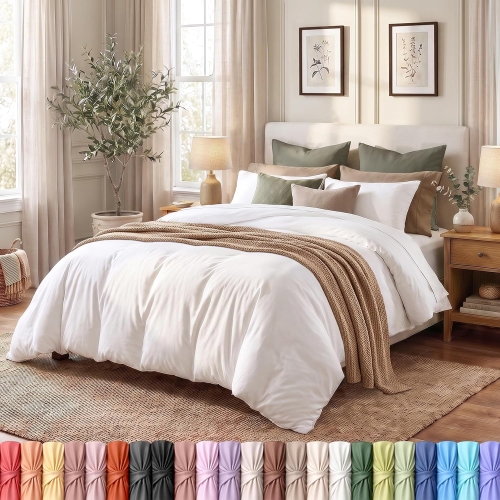
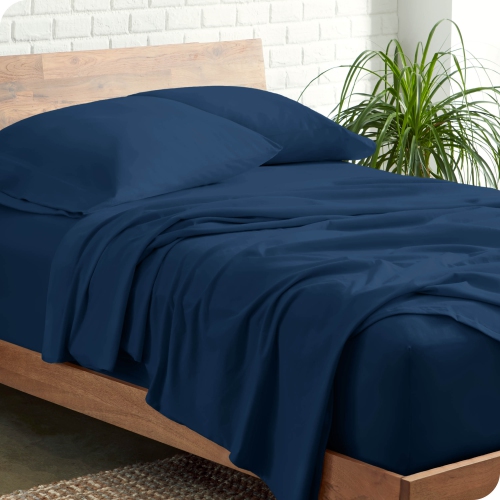
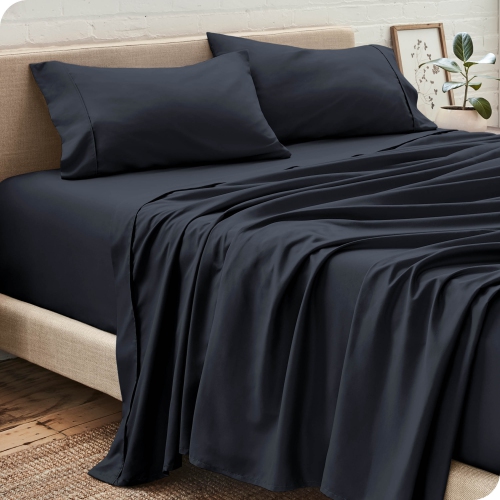
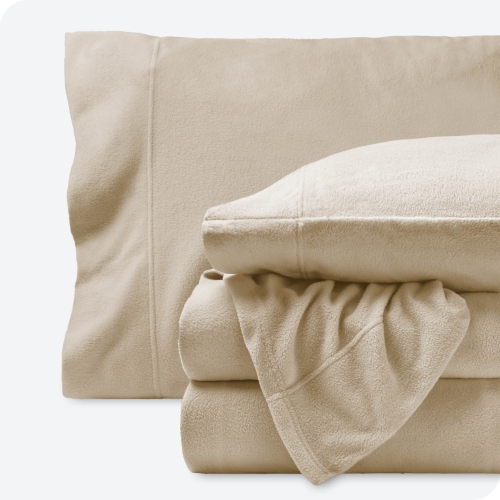
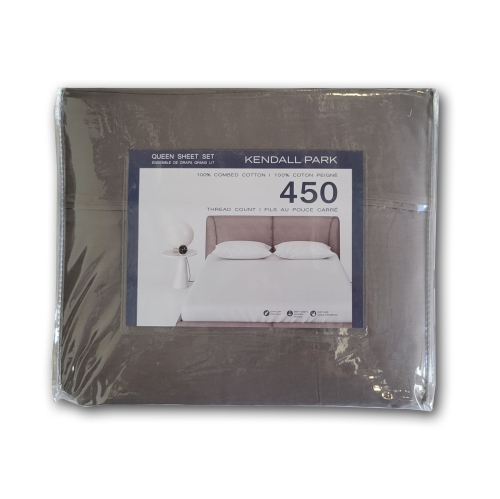
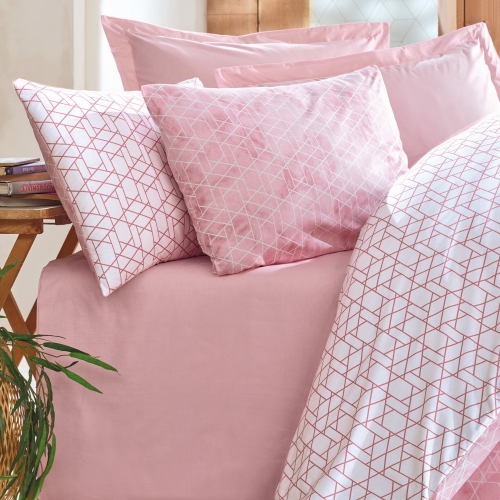
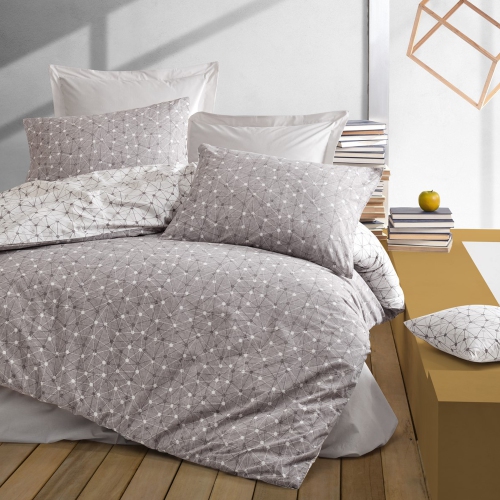
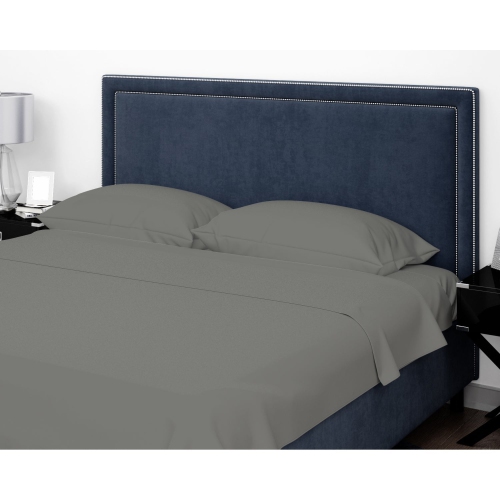


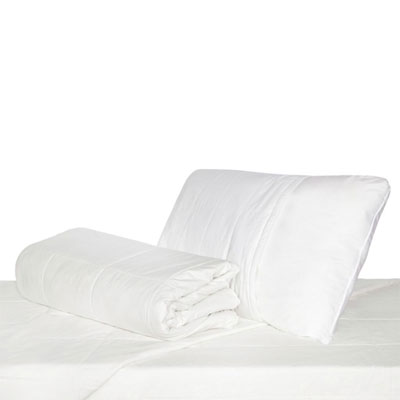

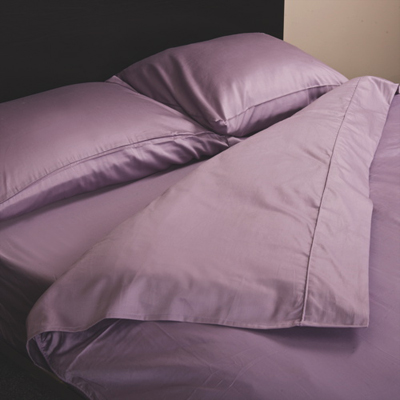

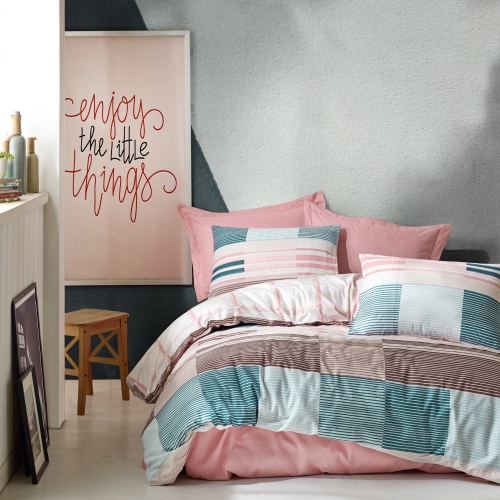
Close-fitting layers for easier changes in tight spaces
Bedding for bunk beds includes fitted sheets, tailored comforters, zippered bedding sets, and pillowcases sized to keep a compact sleeping space comfortable and manageable. The main difference from bedding for a conventional bed is access: reaching the far corner of an upper bunk or tucking a loose sheet beside a wall can take extra effort. Close-fitting designs help reduce the fabric that needs straightening and keep bulky edges away from the ladder. Zippered bedding systems typically combine a fitted base with a top covering that opens along one or both sides, although the layers and construction vary by design. Fitted comforters, sometimes called huggers, have shaped or elasticized lower corners that follow the mattress rather than hanging freely over its edges. Zip-on sheets offer a different benefit: a fitted base stays around the mattress while a removable sleeping panel can be unzipped for laundering. Conventional fitted sheets and separate blankets remain a practical choice, especially when each sleeper prefers a different combination of layers. Fit starts with the mattress itself, not simply the description of the bed frame. Bunk beds may use twin, twin XL, or double mattresses, and some frames pair different sizes on the upper and lower levels. Standard twin and twin XL mattresses differ in length, while mattresses used in trailers or custom-built bunks may have less familiar dimensions. Length, width, and mattress depth all affect how neatly bedding sits. A fitted sheet with pockets that are too shallow may pull free at the corners, while excess pocket depth can leave loose fabric beneath the sleeper. For standard twin mattresses, Twin Sheets for Bunk Beds focuses on a common bunk-bed size. Comforter dimensions matter separately from sheet size: a covering that fits the mattress width without a deep overhang is often easier to arrange within guardrails and beside a wall. Where a mattress sits tightly inside its frame, a flexible fitted edge can also be easier to handle than a thick, heavily padded border.
Fabric and construction influence how bedding feels through repeated use, as well as how much work it takes to wash and remake each bunk. Cotton is a familiar choice for sheets because it is breathable and absorbent, with different weaves creating distinct textures. Percale has a crisp, matte feel, while sateen is generally smoother with a subtle sheen. Cotton jersey has a stretchy, T-shirt-like texture that can make it easier to pull a fitted sheet around a mattress corner. Polyester microfibre typically feels soft and is often less prone to wrinkling, though its feel differs from woven cotton. Fibre content alone does not tell the whole story: fabric weight, weave, stitching, and finishing also affect comfort and durability. For a bunk that gets daily use, secure corner elastic, neatly finished seams, and reinforced zipper ends are useful details. A zipper should move smoothly without catching the surrounding fabric, and a covered zipper edge can help keep the fastening away from direct contact with skin. With zippered bedding, the laundry routine depends on whether the sleeping layers separate or must be washed together. Detachable sections can make smaller loads possible, while a thick, one-piece construction may require more space in the washer and dryer. Care labels provide the relevant washing and drying instructions, including whether a filling needs particular handling. Thorough drying matters for padded layers, especially where fabric gathers around fitted corners. A spare sheet set is helpful when bedding needs changing before the previous load is ready, and matching pillowcase sizes prevent a loose flap of fabric from crowding a narrow sleep surface. Mattress protectors add another consideration: a low-profile protector can sit beneath the sheet, but it should not make the fitted corners excessively tight. Protectors, sheets, and any permitted additional layers need to work with the mattress depth and the bed manufacturer’s requirements.
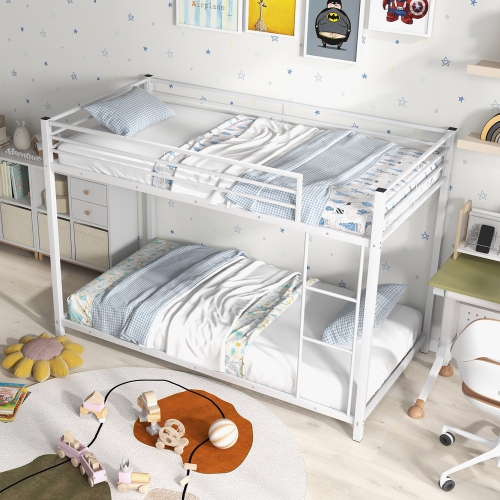
The best arrangement also depends on who sleeps in the bunk and how the room is used. In a shared children’s bedroom, different colours or patterns can give each sleeper a clearly defined space without changing the furniture. A reversible comforter offers two looks, while a simple solid colour is easy to coordinate when one sheet or pillowcase needs replacing. Smaller-scale patterns can suit a compact nook without making every layer look busy, and contrasting sheet colours can make it easier to see which edge belongs at the foot of the bed. For an older child learning to make a bed independently, an accessible side zipper or shaped comforter corners may simplify the task, provided the design suits the frame and the child can operate it comfortably. Teens may prefer separate sheets and a duvet cover for more control over the feel and appearance of their bedding. In a guest room, straightforward layers and washable fabrics make the space easier to prepare between visitors. Bedding can also be a useful gift for a child moving into a first bunk bed or a student settling into a shared room, particularly when the mattress dimensions and preferred colours are known in advance. Comfort should sit alongside safe use of the bed: upper bunks are not intended for children under six, and the mattress must meet the frame manufacturer’s size and maximum-thickness requirements. Bedding does not replace properly installed guardrails or a suitable mattress. Long ties, trailing fabric, and bulky decorative layers are best kept away from the ladder and access opening. A neatly fitted sheet, an appropriately sized covering, and a pillow suited to the sleeper can leave the sleeping area comfortable without unnecessary clutter. Whether the room holds siblings, visiting relatives, or occasional overnight guests, well-fitting bunk-bed bedding brings together a comfortable sleep surface, manageable laundry, and a bed that is easier to put back in order.
Top selling and popular products
-
 Your price for this item is $122.99
-
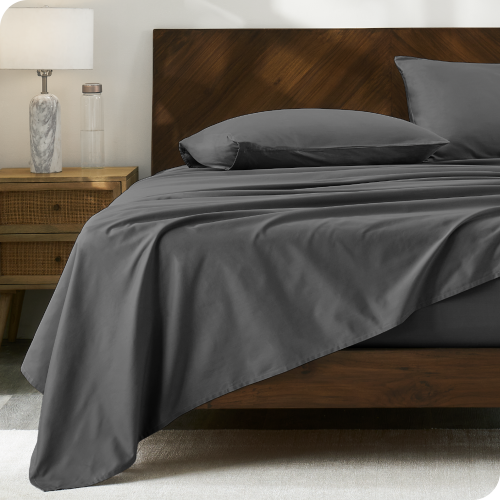 Your price for this item is $156.99
-
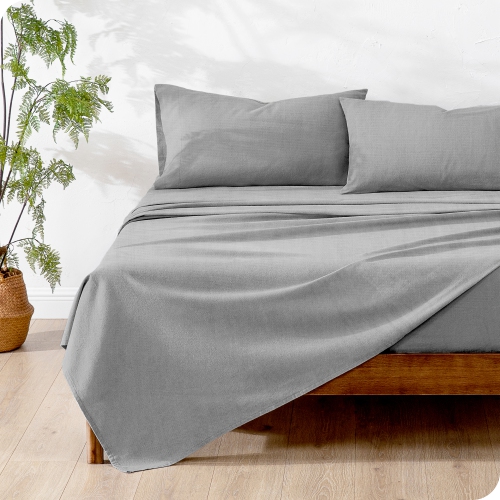 Your price for this item is $284.99
-
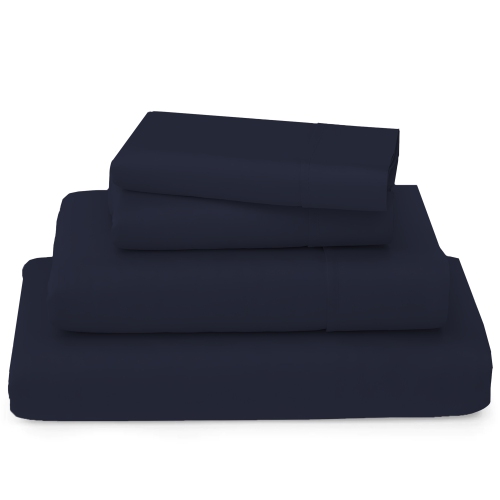 Your price for this item is $34.99
-
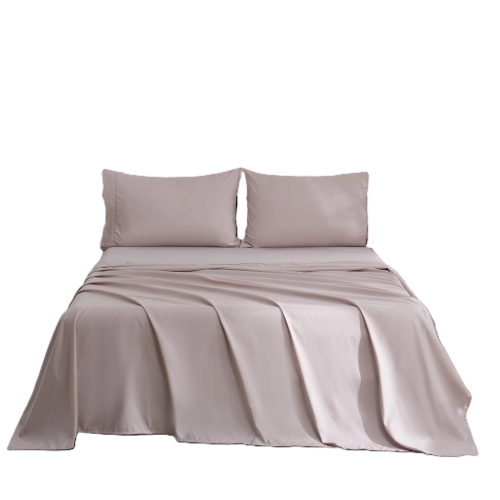 Your price for this item is $240
-
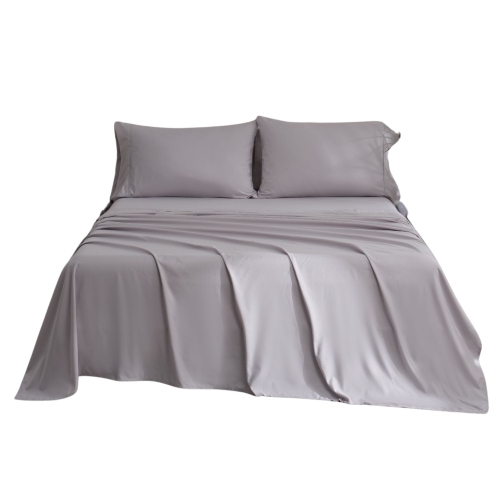 Your price for this item is $240
-
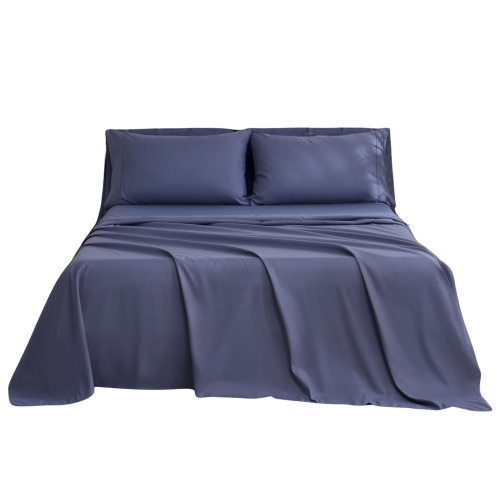 Your price for this item is $240
-
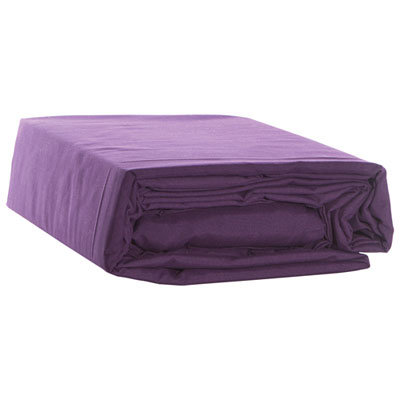 Your price for this item is $80.98
Discover more categories related to Bedding for Bunk Beds

Top Collections:
Best Black Friday Deals This Year, Best Black Friday Deals On Electronics, Kindle Devices, Best Black Friday Deals On Apple Products, Best Budget Office Chairs, Best Cameras for Sports Photography, Dyson Airwrap, Canon G7X Cameras, Best Laptops for Writers, Samsung Galaxy Phones
Some products may be subject to Environmental Handling Fees
(EHF) depending on your province.
Learn more about EHFs.