Twin Sheets for Bunk Beds
Twin Sheets for Bunk Beds are the perfect choice for adding comfort and style to any shared or compact sleeping space. Designed to fit snugly on twin mattresses, these sheets offer an easy way to refresh kids’ rooms, guest rooms, or dormitories. With a wide selection of colors and patterns available, it's simple to find the ideal set to match your décor and personal preferences. Explore options that make bedtime more inviting and help create a cozy retreat on any bunk bed setup.
Sort



Why mattress measurements matter more than bunk frames
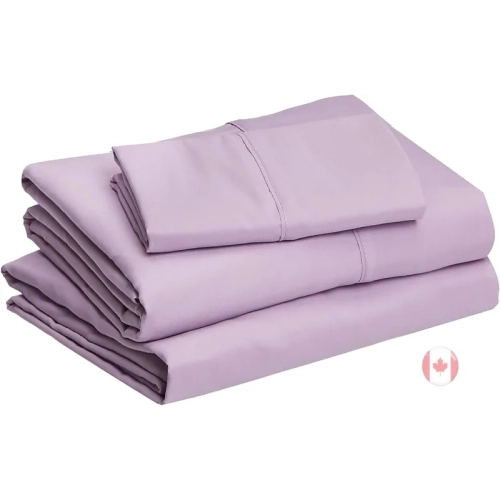
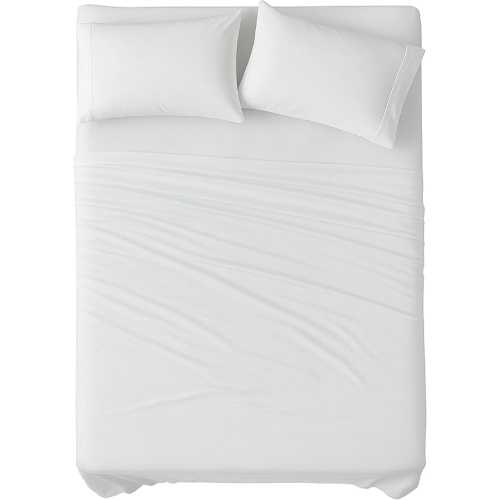
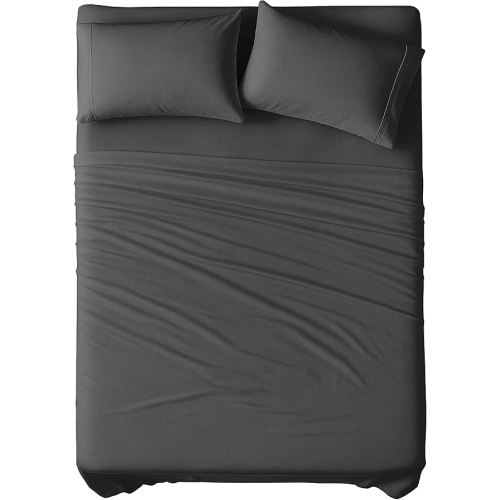
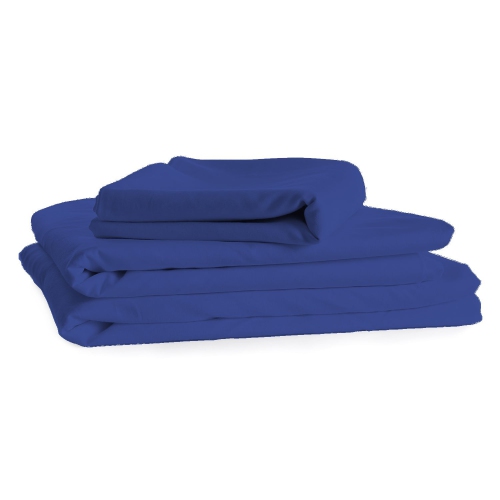
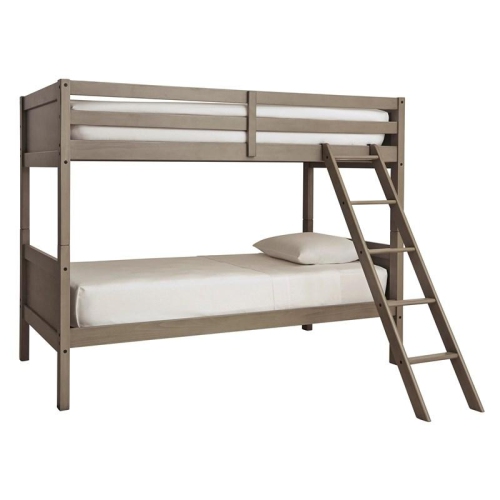
Twin sheets for bunk beds generally fit a standard twin mattress measuring approximately 38 inches wide by 75 inches long, provided the fitted sheet’s pocket depth matches the mattress thickness. The important measurements belong to the mattress rather than the bunk frame: a compact frame does not necessarily need a smaller sheet, and a twin XL mattress usually measures 80 inches long instead of 75 inches. Some mattresses have slightly different dimensions, making the mattress label a more reliable reference than the bed’s appearance. This matters in shared bedrooms, where an upper and lower bunk may look identical but have mattresses of different depths. A fitted sheet with secure elastic helps keep the sleeping surface smooth when someone rolls over, climbs into bed, or sits near the edge. Elastic around the full perimeter can help hold the corners in place, although correct sizing remains essential. A pocket that is too shallow may slip off, while excess fabric from a much deeper pocket can bunch beneath the sleeper. Mattress protectors and toppers can affect the depth that needs covering, so the fitted sheet must accommodate the complete sleeping surface. Any mattress or topper must also remain within the bunk frame manufacturer’s thickness limits, particularly where upper-bunk guardrail clearance is concerned. Tight access around rails and walls makes a well-fitting sheet especially useful: there is less loose fabric to gather and tuck into narrow gaps. Standard twin flat sheets can accompany the fitted layer, but their finished dimensions and overhang vary. For households that prefer to choose the bottom layer separately, Twin Fitted Sheets can be paired with existing pillowcases and bedding. Sheet sets may include a fitted sheet, a flat sheet, and a pillowcase, though the contents should be checked rather than assumed. Matching the sheet to the actual mattress helps create a neat surface without relying on excessive tucking or stretching the corners beyond their intended fit.
Material affects how twin bunk-bed sheets feel against the skin, how easily they can be changed, and how they hold up to regular washing. Cotton is a familiar choice for its absorbency and breathable feel, with the weave making a noticeable difference to the surface. Cotton percale typically has a crisp, matte finish, while cotton sateen tends to feel smoother and has a subtle sheen. Jersey sheets have a knitted construction and a soft, T-shirt-like feel, with some stretch that can make the corners easier to manoeuvre around a mattress. That flexibility does not replace checking the size, and the fabric should still lie smoothly once fitted. Polyester microfibre usually has a fine, soft surface and tends to resist wrinkling, which can suit beds that need frequent linen changes. Cotton-polyester blends offer another balance of texture, crease resistance, and everyday care, with the exact feel depending on the fibre proportions and construction. For someone sensitive to fabric texture, the difference between crisp woven cotton and a stretchy knit may matter more than a decorative border or an elaborate pattern. Thread count is only one detail for woven sheets; fibre quality, weave, stitching, and finishing also influence comfort and durability. A high number alone does not establish how soft a sheet will feel or how well its elastic will last. Secure corner seams, evenly finished hems, and resilient elastic are practical details for bedding that gets pulled into place around awkward upper-bunk corners. Fabric weight matters, too, since a substantial sheet may feel different from a lightweight one even when both share the same fibre label. Smooth fabrics with little surface texture can suit sleepers who dislike raised details, while brushed finishes offer a different feel. Colourfastness and clear care instructions are useful considerations for patterned bedding that will be washed repeatedly. The best material choice reflects the sleeper’s preferences alongside the household’s laundry routine, rather than a single fabric feature.
Twin sheets for bunk beds serve a range of spaces, from siblings’ shared bedrooms to guest rooms, cottages, and compact rooms where stacking beds leaves more floor space. In a shared bedroom, different sheet colours can give each sleeper a distinct bed without requiring completely different bedding. A striped fitted sheet on one bunk and a solid colour on the other can keep the room coordinated while making clean sets easier to sort. Smaller prints offer detail in the limited area visible between the mattress and the rail, while plain colours work easily with patterned blankets and pillowcases. For an occasional guest bed, familiar textures and straightforward care can be more useful than decorative extras. Sheets can also make a practical housewarming gift for someone furnishing a room with bunks, provided the mattress dimensions and preferred colours are known. Day-to-day care is particularly relevant because changing an upper bunk involves more reaching and less room to lift the mattress. Keeping a spare set folded together can make an unexpected change easier, especially when the beds are in regular use. Washing and drying according to the sewn-in care label helps preserve the fabric, colour, and elastic; care requirements can differ even among sheets made from the same fibre. Excessive dryer heat may shorten the life of elastic or contribute to shrinkage, so the recommended settings matter. Sheets should be fully dry before storage, and damaged seams or stretched corners are worth checking when the bedding is changed. A sheet that repeatedly comes loose may have worn elastic, an unsuitable pocket depth, or dimensions that do not match the mattress. For households managing several twin beds, keeping consistently sized linens together reduces the chance of stretching a standard twin sheet onto a longer mattress. Well-matched dimensions, a comfortable fabric, and manageable care requirements make twin sheets a useful foundation for bunk beds that are slept in, changed, and washed regularly.
Top selling and popular products
-
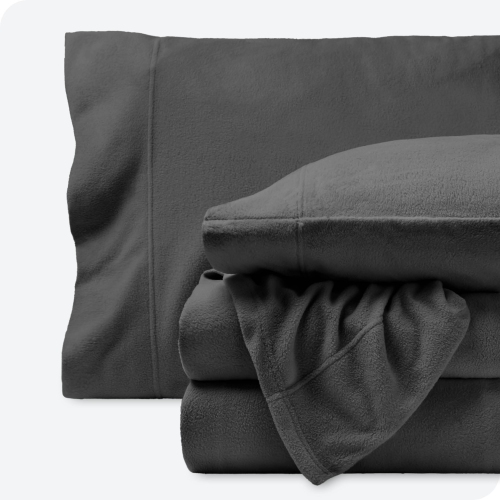 Your price for this item is $122.99
-
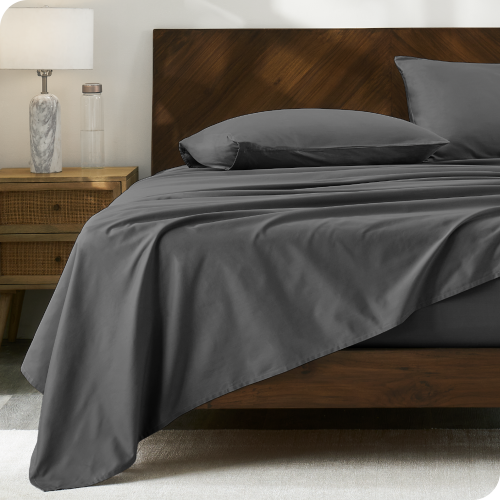 Your price for this item is $156.99
-
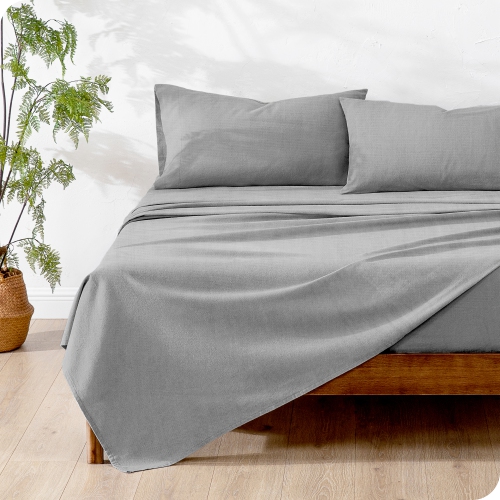 Your price for this item is $284.99
-
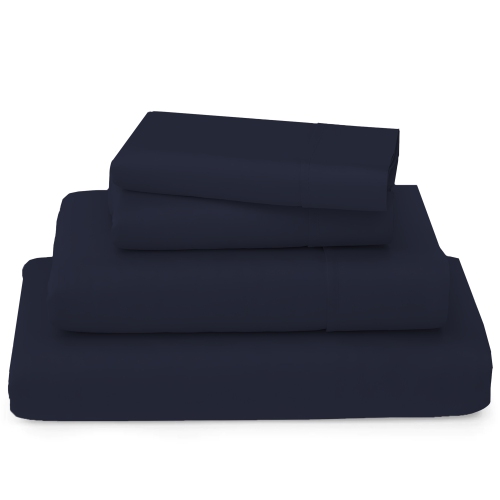 Your price for this item is $34.99
-
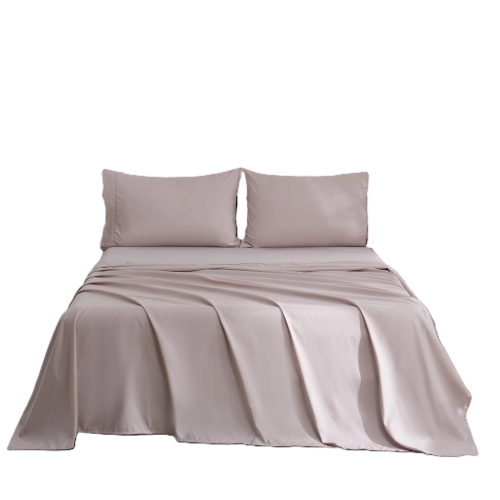 Your price for this item is $240
-
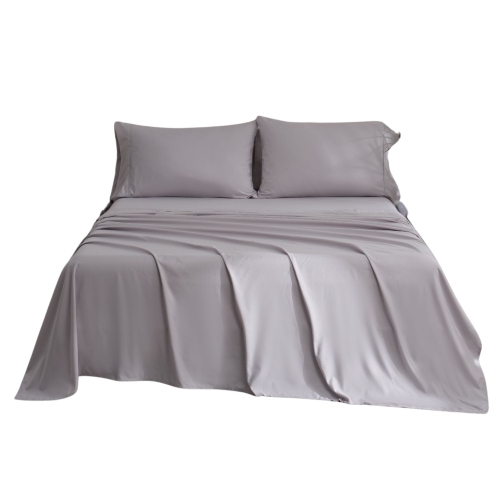 Your price for this item is $240
-
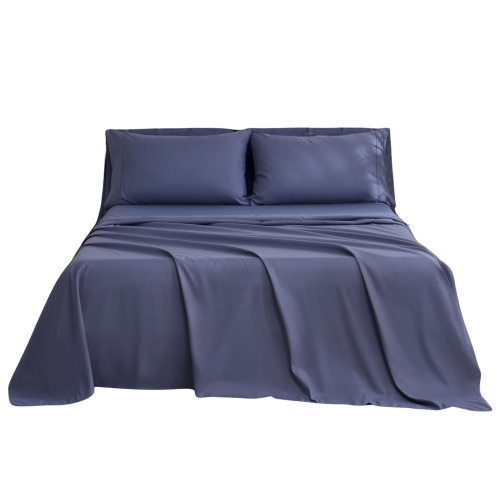 Your price for this item is $240
-
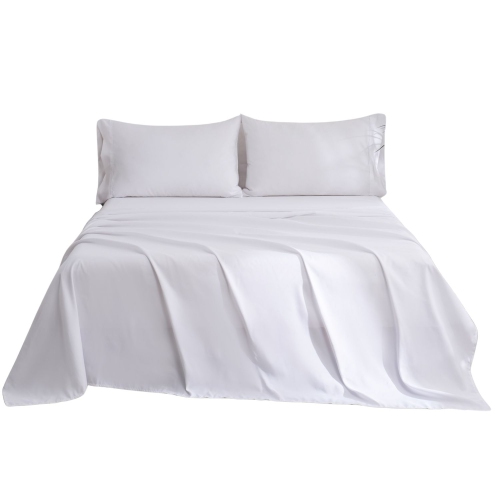 Your price for this item is $270
Discover more categories related to Twin Sheets for Bunk Beds
Top Collections:
Best Black Friday Deals This Year, Best Black Friday Deals On Electronics, Kindle Devices, Best Black Friday Deals On Apple Products, Best Budget Office Chairs, Best Cameras for Sports Photography, Dyson Airwrap, Canon G7X Cameras, Best Laptops for Writers, Samsung Galaxy Phones
Some products may be subject to Environmental Handling Fees
(EHF) depending on your province.
Learn more about EHFs.