Bedroom Reading Wall Sconces
Bedroom Reading Wall Sconces offer a stylish and practical solution for enhancing your nighttime reading experience. Perfect for creating a cozy and focused atmosphere, these wall-mounted lights are designed to free up space on your bedside table while providing targeted illumination exactly where you need it. With a variety of designs and finishes available, Bedroom Reading Wall Sconces make it easy to complement your bedroom décor and enjoy comfortable lighting for late-night books or relaxing evenings in bed.
Sort
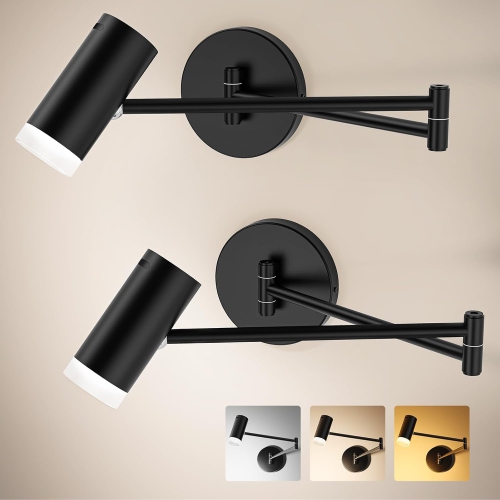


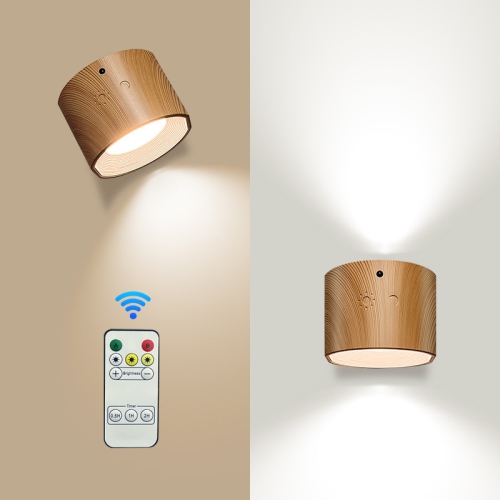

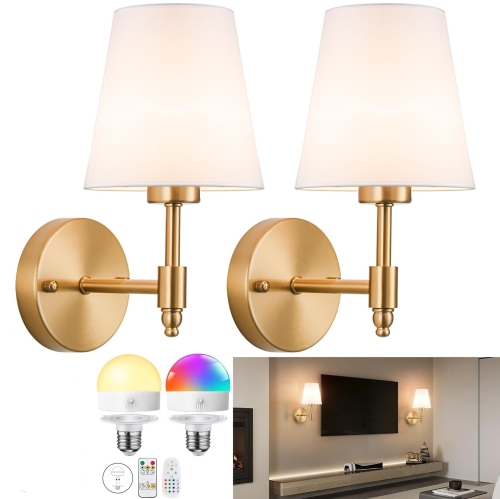
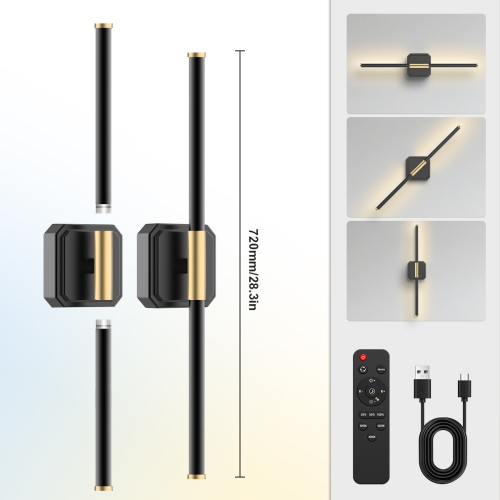

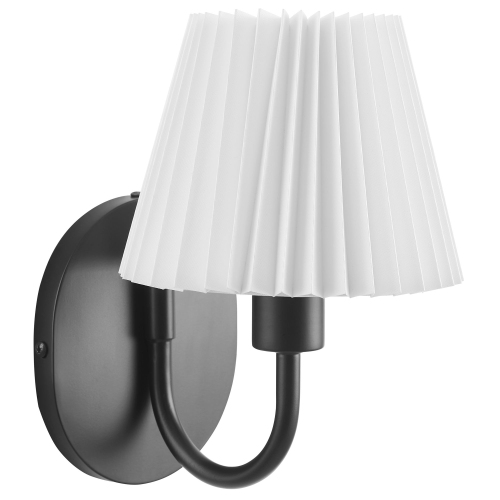


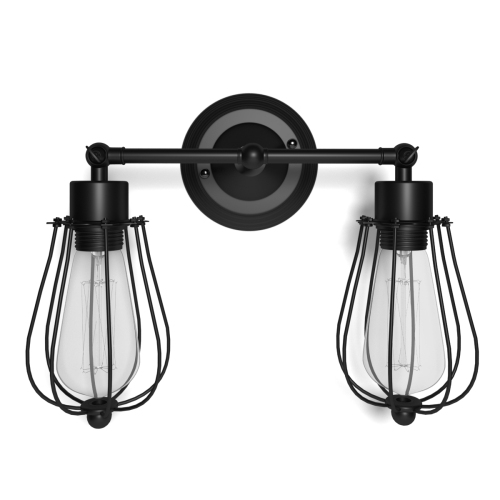
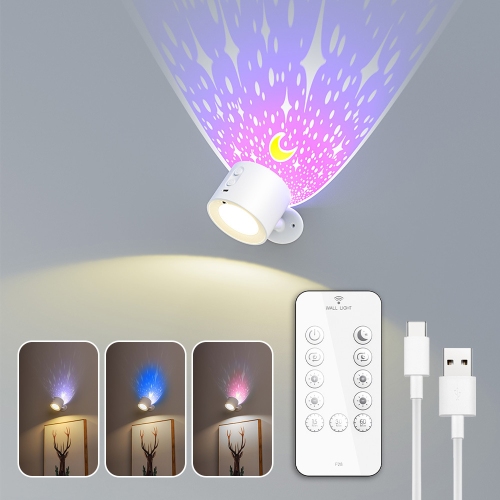
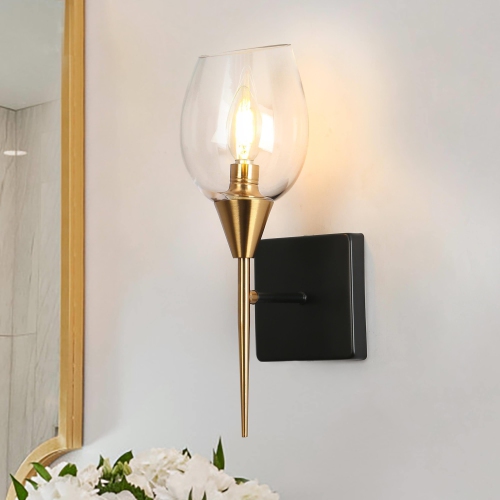
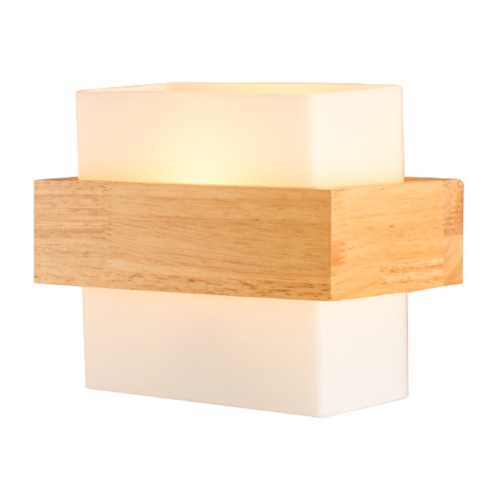
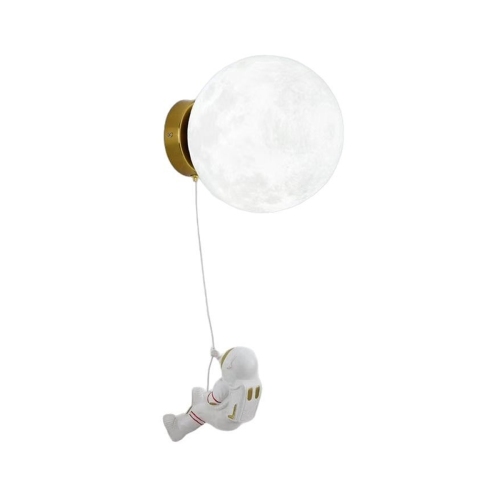
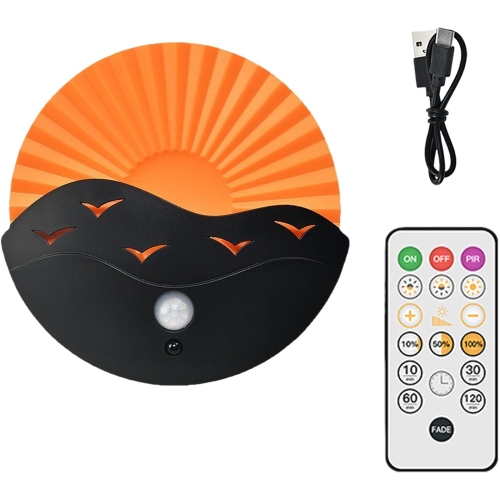

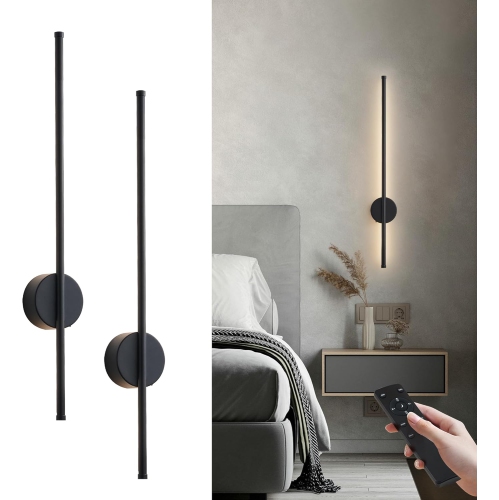

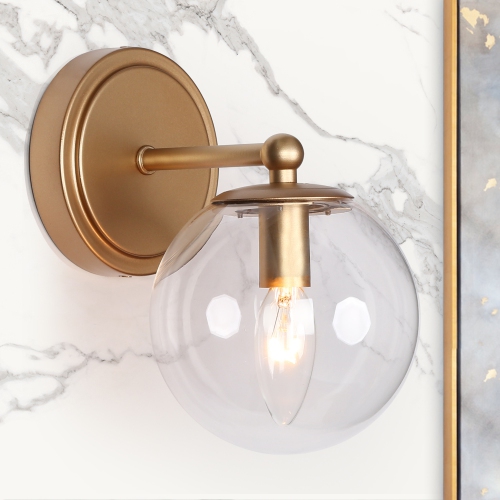
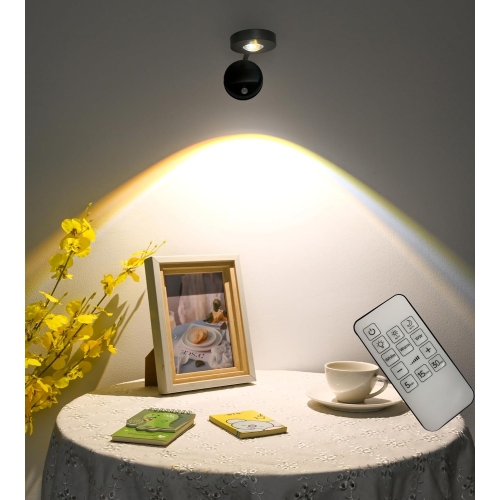
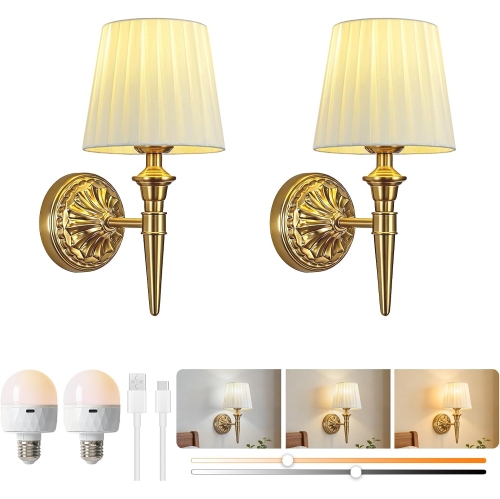
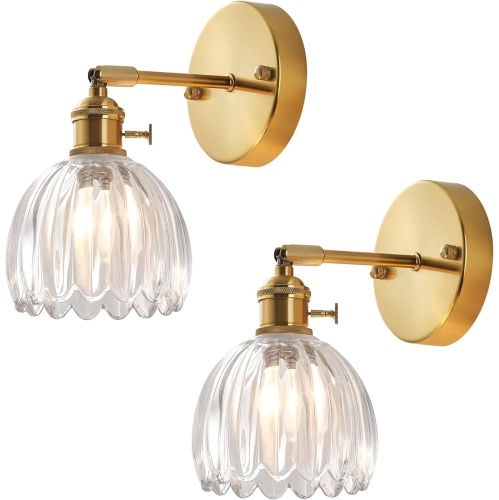
Focused light for reading without crowding your bedside table
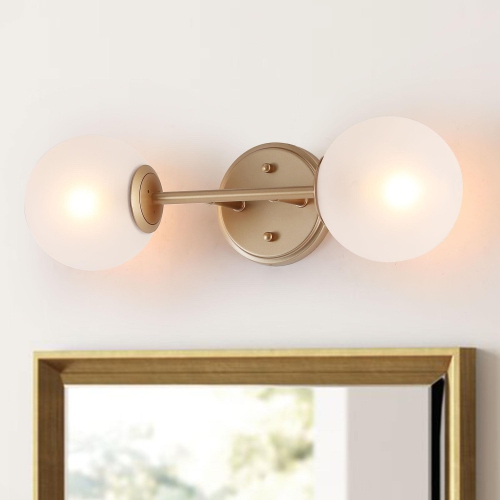
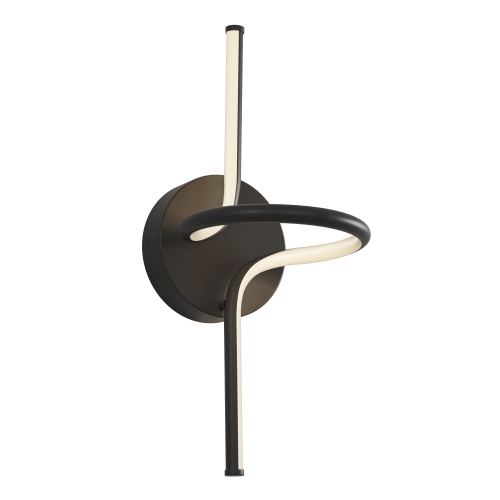
Bedroom reading wall sconces bring focused light to a book, magazine, or e-reader without taking up space on a bedside table. Mounted beside or above the bed, they leave more room for a glass of water, an alarm clock, and other nighttime essentials while keeping the light close to where it is needed. Their usefulness depends on how well they direct light onto the page: a shaded reading head can concentrate illumination on an open book, while a translucent shade spreads more light around the bedside area. Swing-arm sconces offer adjustable reach, making them useful for someone who alternates between sitting upright against a headboard and leaning into a stack of pillows. Pivoting heads and flexible arms provide smaller adjustments that help keep the beam on the page rather than across a partner’s pillow. A fixed sconce has a simpler profile but needs more deliberate placement because its direction cannot change as easily. In a shared bedroom, independently controlled fixtures allow each person to manage their own reading light, although even a narrow beam will cast some light into the room. These fixtures also suit a small bedroom where a table lamp would crowd a narrow nightstand, or a reading chair tucked beside a dresser. Within the broader range of Wall Sconces, bedroom reading designs put particular emphasis on adjustable direction, comfortable illumination, and controls that are easy to reach from bed. Some combine a shaded light for general bedside use with a separate reading head, offering two distinct functions in one wall-mounted fixture. Others use a compact spotlight that keeps the arrangement visually simple. The most suitable shape depends on whether the light will mainly illuminate a few pages before sleep, support longer reading sessions, or serve as the bedroom’s main bedside light. A fixture that looks elegant when switched off still needs enough reach and a suitable beam pattern to light the full width of an open book.
Light quality and placement make a noticeable difference to everyday use. Warm white light in the 2700K to 3000K range is a common choice for bedrooms because it gives the bedside area a softer appearance than higher colour temperatures. Colour temperature alone does not determine reading comfort, however; brightness, glare, page contrast, and the direction of the beam also matter. A dimmable fixture offers flexibility between reading and settling down, provided the light source and any dimmer are compatible. Lumens describe light output, whereas wattage describes power use, so wattage alone is not a reliable comparison of brightness across different light sources. An opaque metal shade can help shield the bulb from direct view, while frosted glass diffuses the light more broadly. Exposed bulbs may create distracting glare when they sit within the reader’s line of sight, particularly beside a low headboard. Mounting height is best considered in relation to the mattress, pillows, and the reader’s seated position rather than the floor alone. A height of approximately 60 to 66 inches from the floor can be a starting point for assessing fit, but it is not a universal rule: a tall bed or an unusually deep mattress can change the position substantially. The practical aim is to illuminate the pages without putting the light source directly in the reader’s eyes. Side-to-side placement also depends on the headboard width and the arm’s reach; a fixture beyond the headboard edge needs enough extension to bring the light comfortably over the reading position. Checking that position while seated against the usual pillows helps reveal whether an arm will reach far enough or a shade will sit too close to someone’s head. Wall plates need clearance from headboard posts, artwork, curtains, and shelving, and adjustable arms need room to move without striking nearby surfaces. Controls deserve the same attention: a switch on the backplate may look tidy but be awkward to reach behind a thick upholstered headboard, while a cord switch is useful only if it remains accessible.
Installation type, materials, and maintenance help determine how well bedroom reading wall sconces fit a home over time. Hardwired fixtures connect to the home’s electrical wiring and offer a clean appearance without a visible power cord; installation should follow the fixture’s instructions and applicable local electrical requirements, with a qualified electrician handling the work where needed. Plug-in sconces connect to a suitable outlet and can make bedside lighting easier to add where no wall lighting connection exists. They still require secure mounting, and the cord should follow a safe route without being pinched behind furniture or stretched across a walkway. Battery-operated and rechargeable designs avoid a permanent power connection at the fixture, but their usefulness for reading depends on brightness, runtime, and how conveniently they can be recharged. Runtime may vary with the brightness setting, making it especially relevant for someone who reads for extended periods. Adhesive or magnetic mounting arrangements have their own weight and surface limits; a removable light head does not necessarily mean the wall mount will leave no marks. Metal bodies and arms can provide a sturdy structure, while the quality of hinges and joints matters on fixtures that will be repositioned frequently. An arm that holds its angle securely is more useful than one that gradually drops toward the pillows. Brass-toned, matte black, and brushed finishes create different visual effects against painted walls, wood furniture, and upholstered headboards. Glass shades offer a smooth surface for gentle cleaning, while fabric shades bring a softer appearance and may need more regular dust removal. Care should follow the manufacturer’s directions, with the power disconnected and the fixture allowed to cool before cleaning or changing a bulb. Replaceable-bulb designs require the specified bulb base, dimensions, and maximum wattage; integrated LED designs have a built-in light source, so serviceability is worth considering. For a frequent reader, a couple furnishing a shared bedroom, or someone making a compact room more functional, the lasting appeal is practical: light that falls where it is needed, a bedside surface that stays usable, and a fixture that feels comfortable to operate every evening.
Top selling and popular products
-
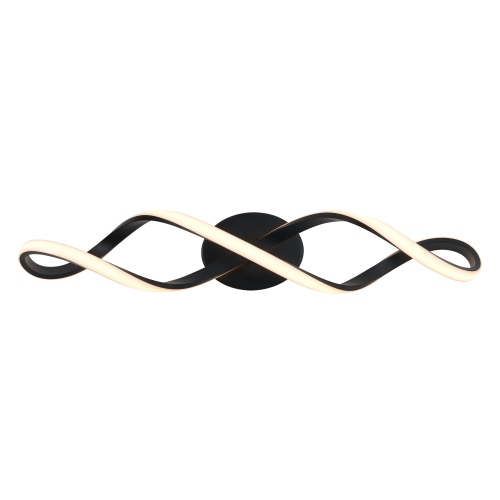 Your price for this item is $99.99
-
 Your price for this item is $223.99
-
 Your price for this item is $159
-
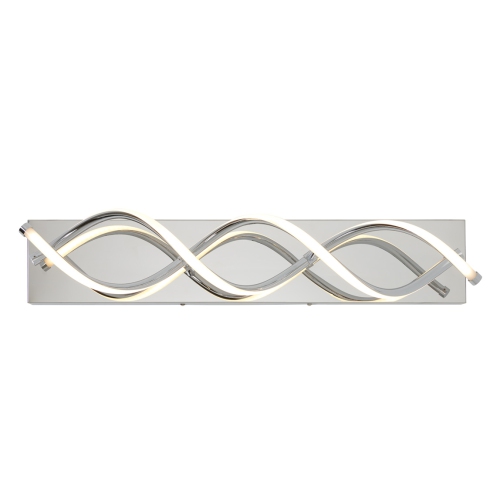 Your price for this item is $169.99
-
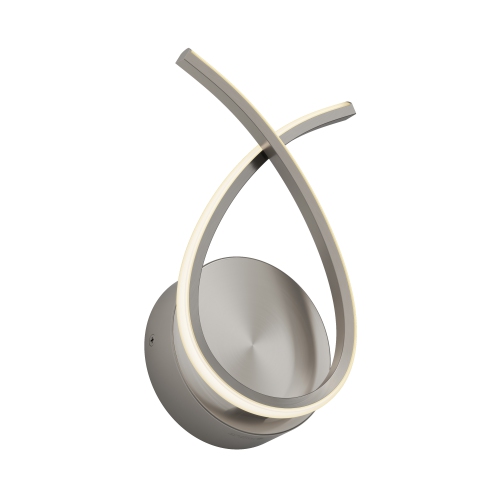 Your price for this item is $59.99
-
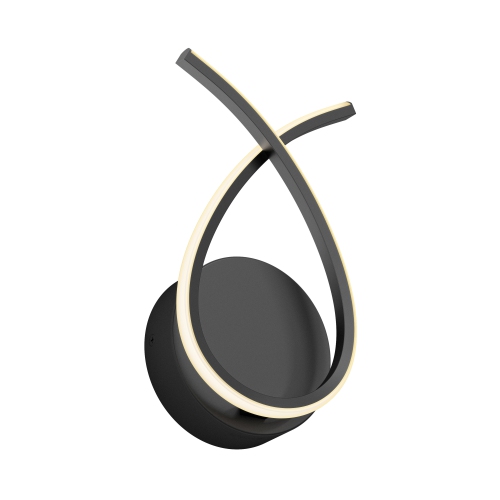 Your price for this item is $49.99
-
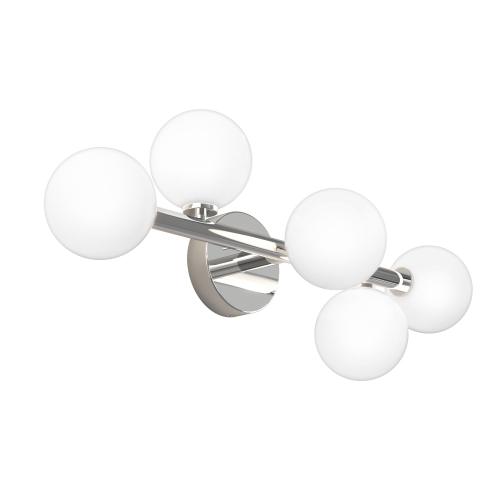 Your price for this item is $139
-
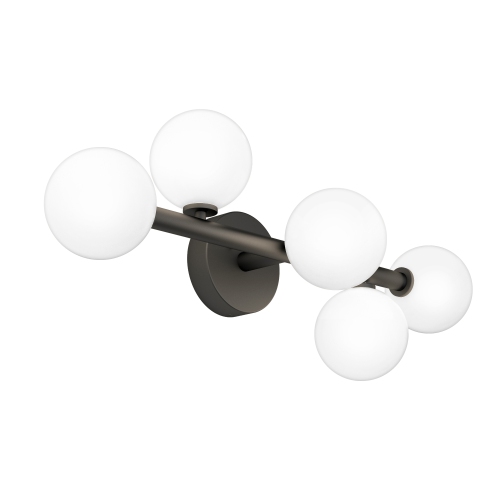 Your price for this item is $139
Discover more categories related to Bedroom Reading Wall Sconces
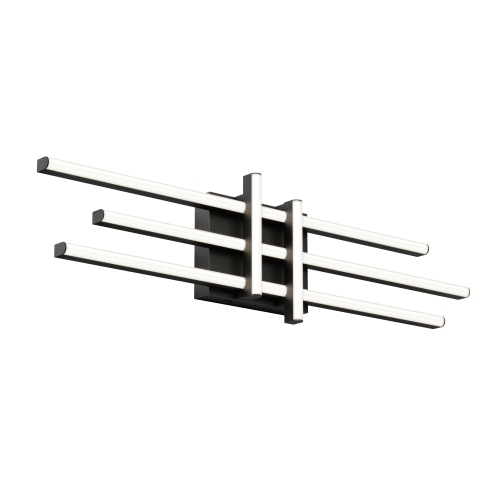

Top Collections:
Pokemon Centers, Best Cameras for Sports Photography, Kindle Devices, Samsung Galaxy Phones, Canon G7X Cameras, Pokémon 30th Celebration Cards, Refurbished Apple Laptops, iPhone 15 Apple, Laptops for Students, Budget Smartphones
Some products may be subject to Environmental Handling Fees
(EHF) depending on your province.
Learn more about EHFs.