Bedroom Window Shades
Transform your bedroom into a serene sanctuary with the perfect Bedroom Window Shades, designed to enhance both style and functionality. Whether you're aiming to create a cozy atmosphere or seeking to control natural light, these shades offer a versatile solution for any decor. Explore a variety of options that cater to your aesthetic preferences while providing the privacy and comfort you desire. From sleek and modern designs to timeless classics, Bedroom Window Shades are an essential addition to elevate your space and ensure restful nights and refreshing mornings. Discover the ideal shades that complement your unique taste and make every moment in your bedroom truly special.
Sort
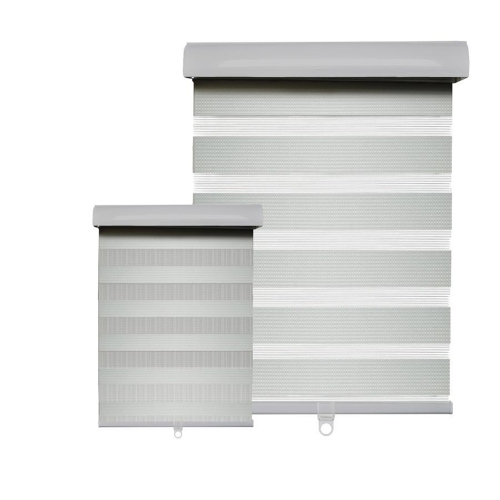
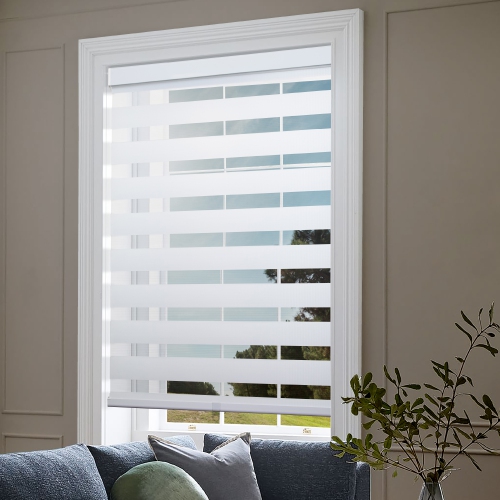

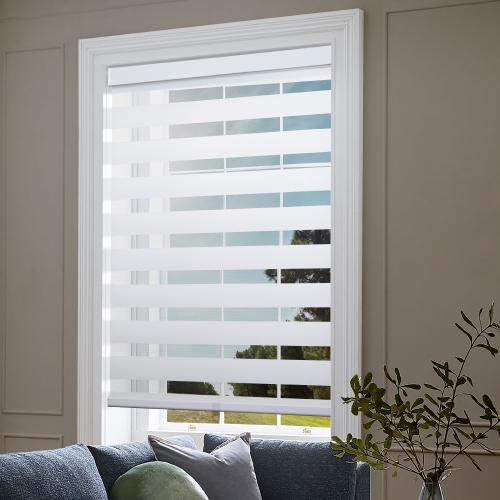
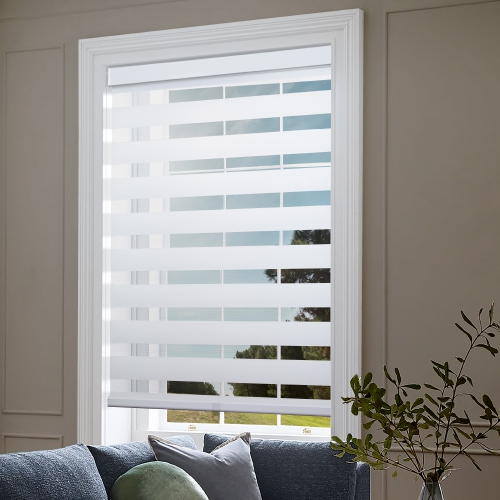
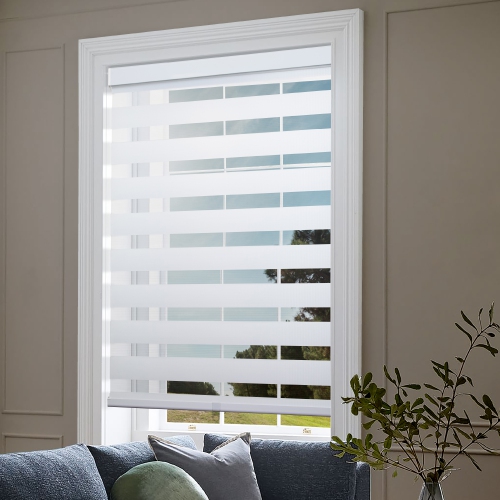
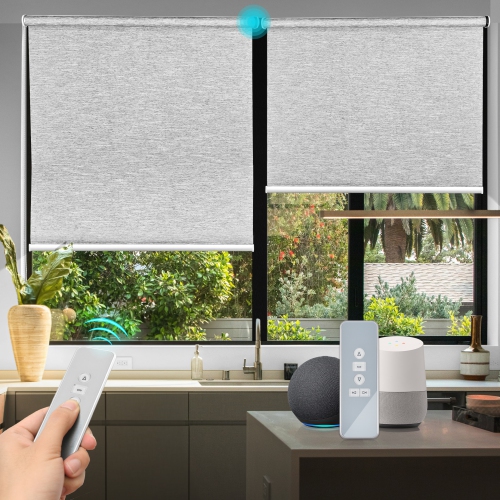
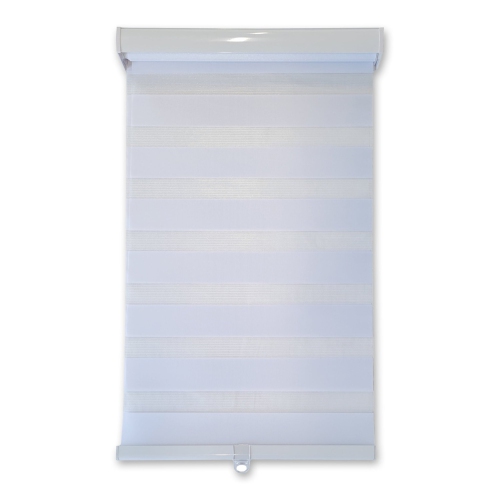
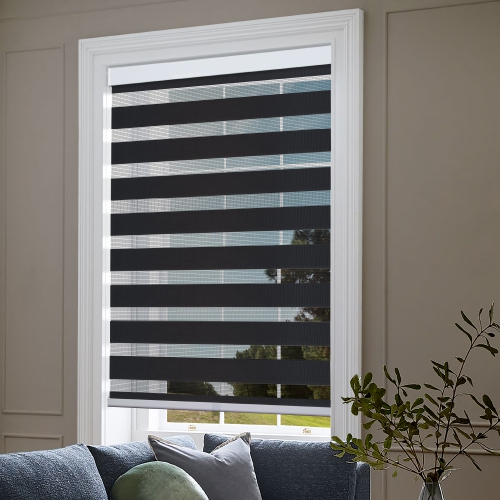
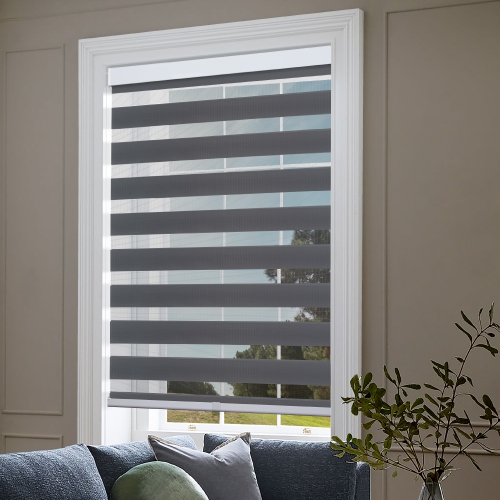
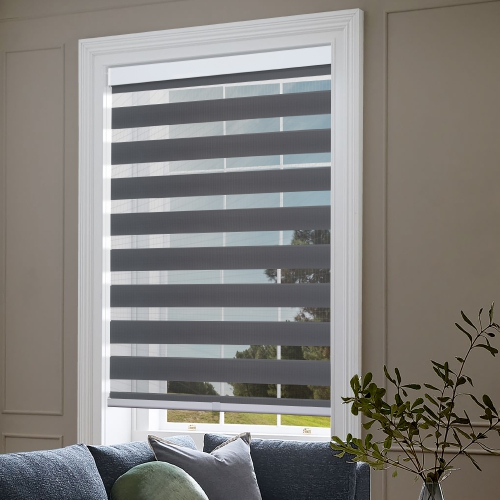
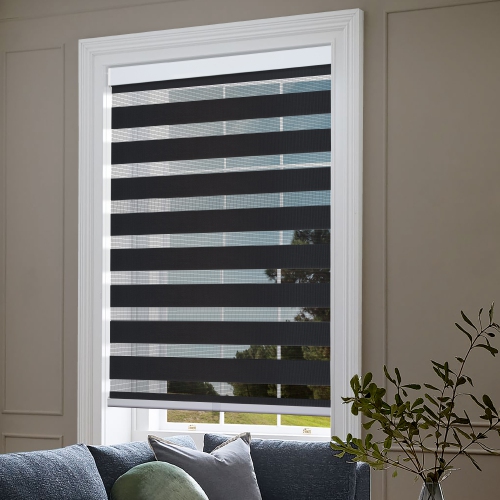
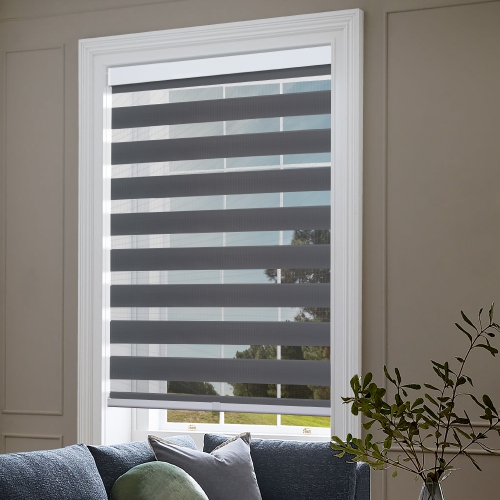
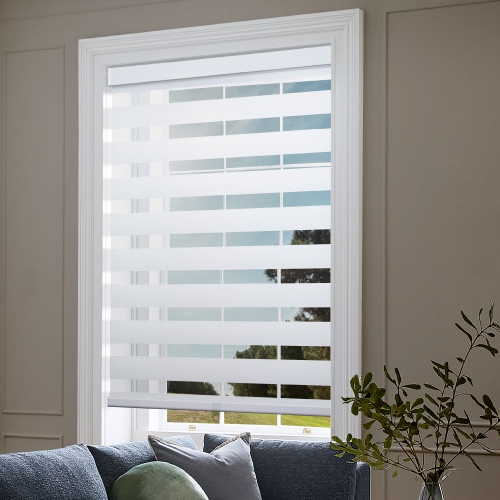
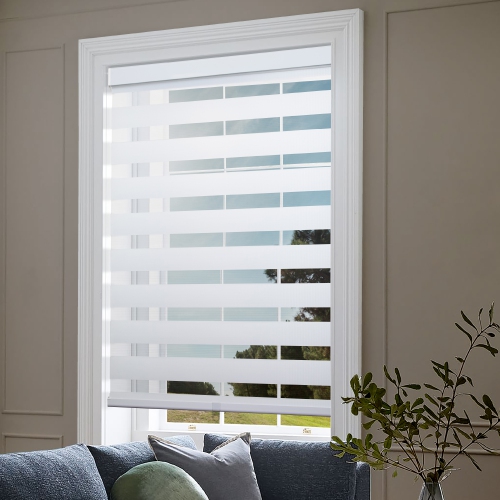
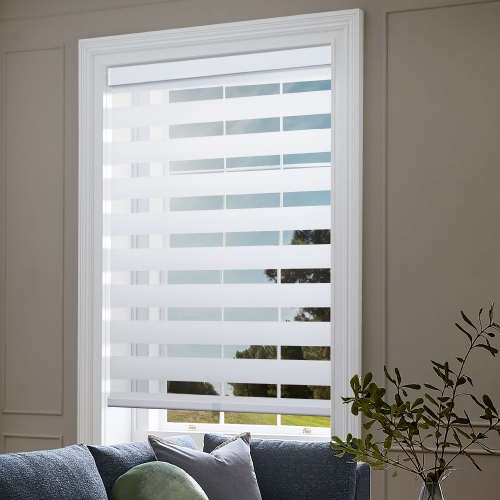
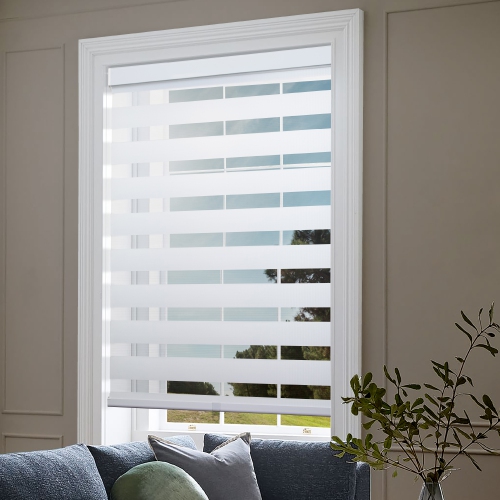
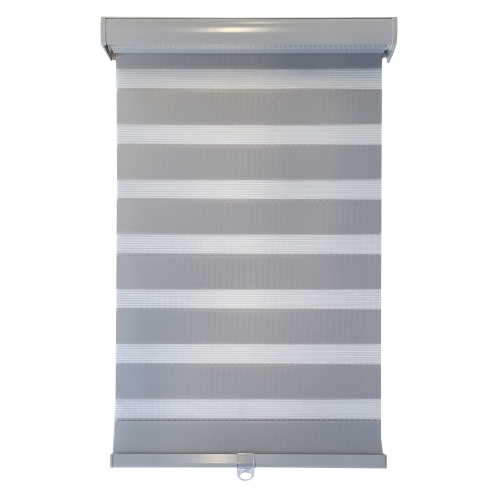

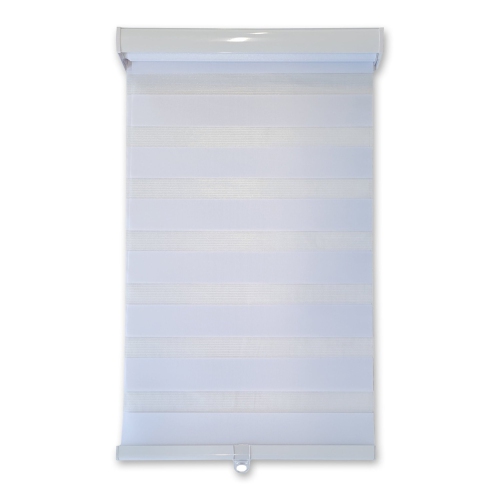
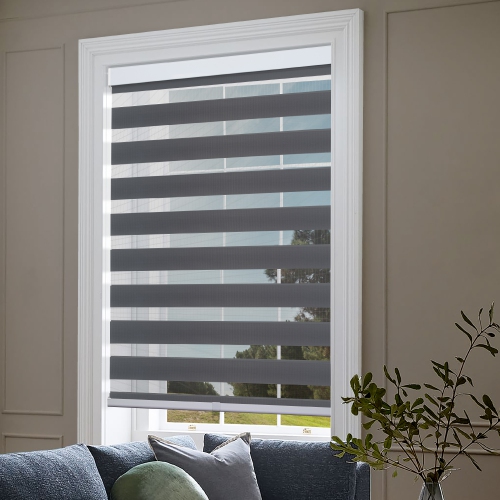
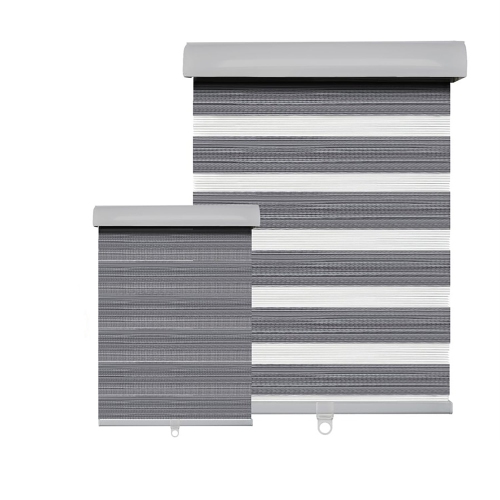
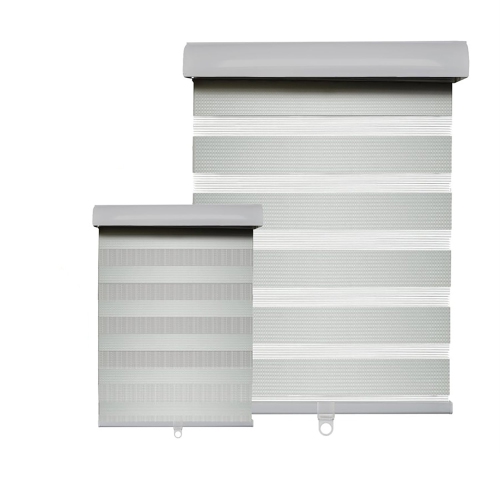
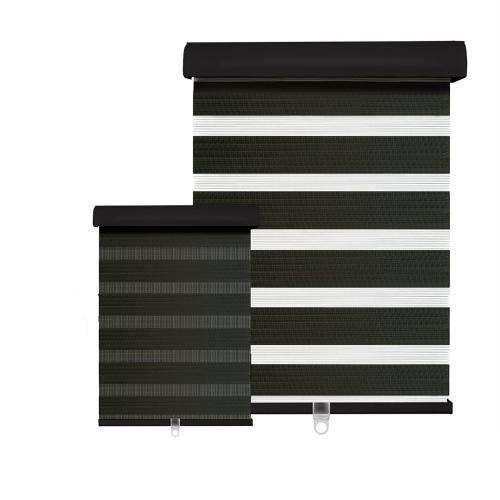

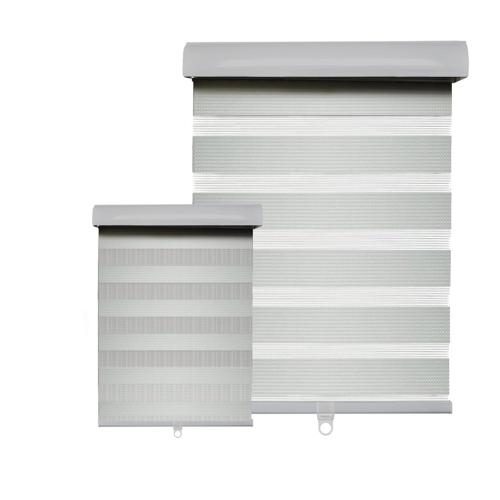
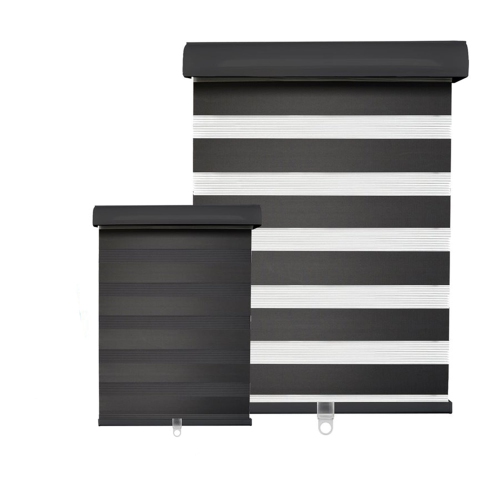
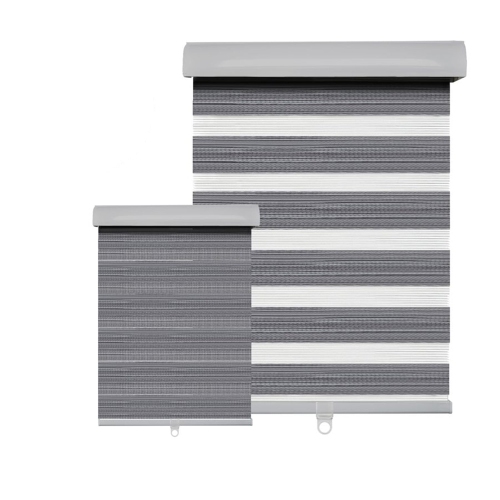
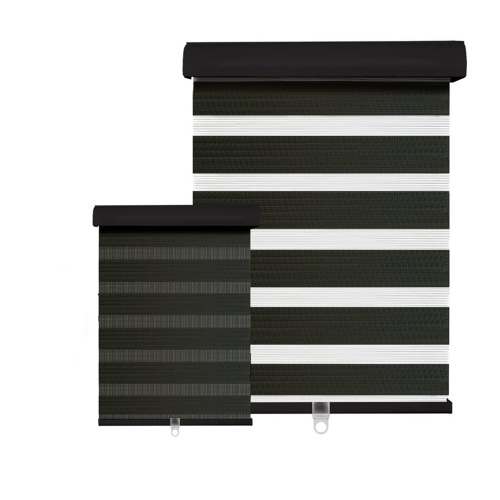
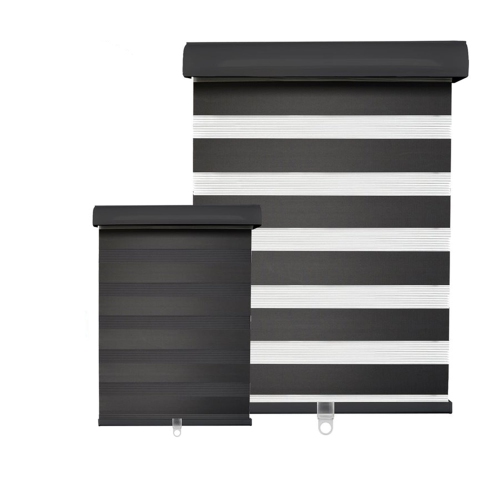
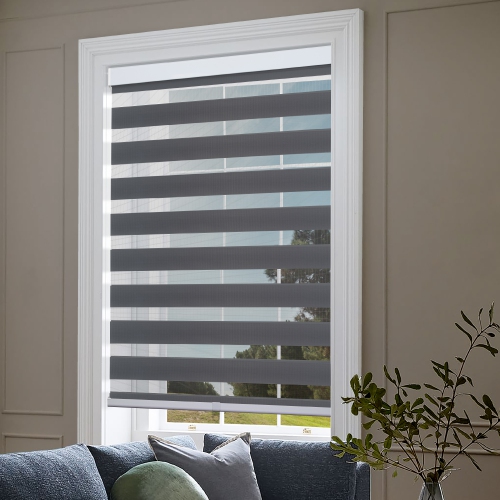
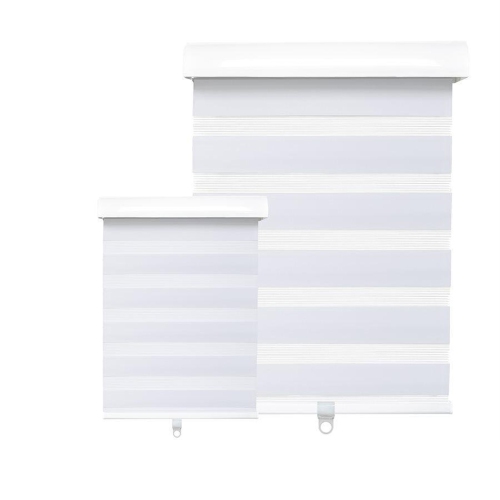

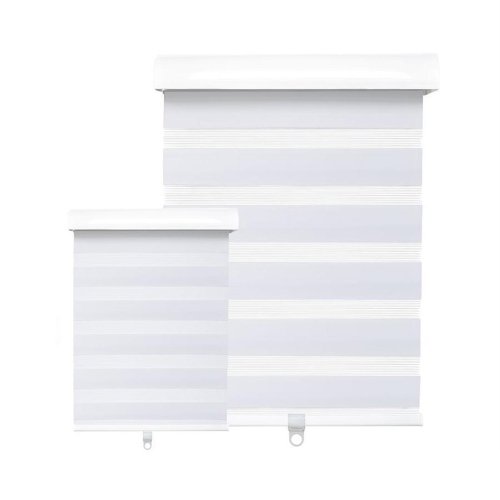
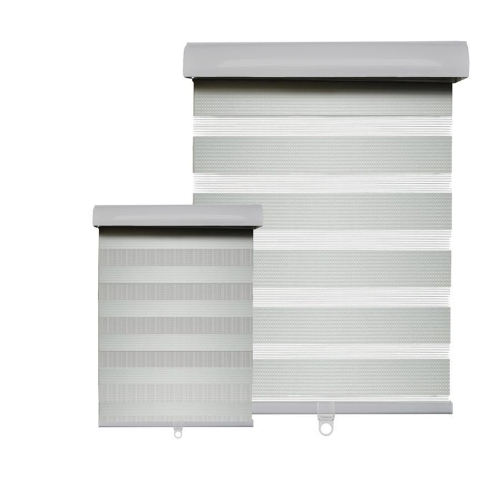
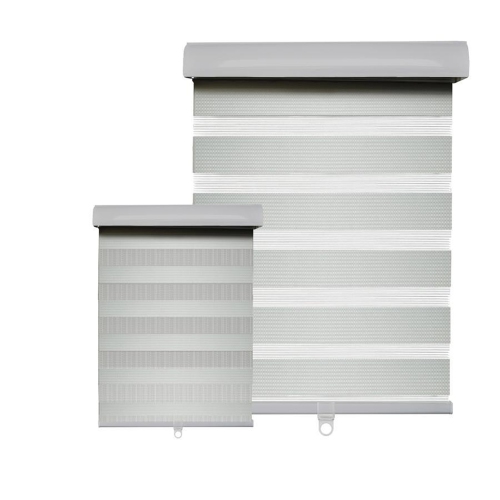
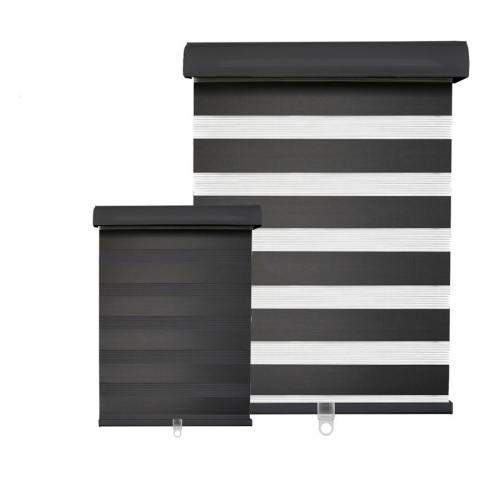
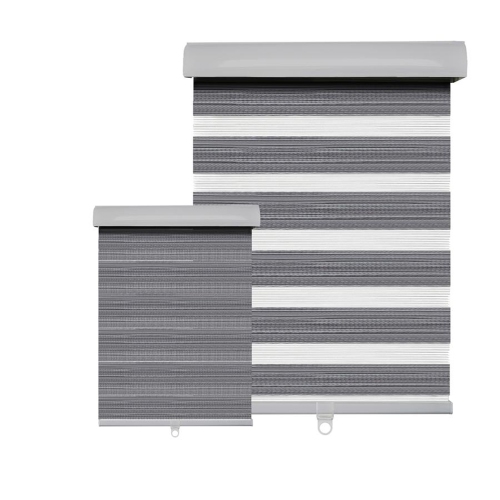
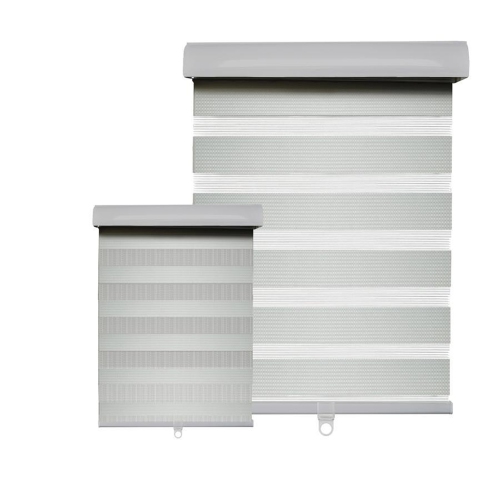
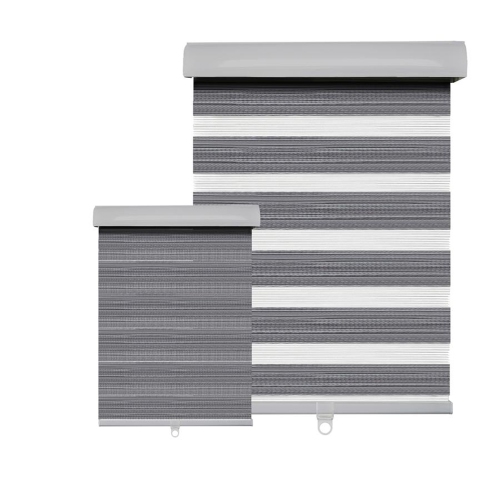
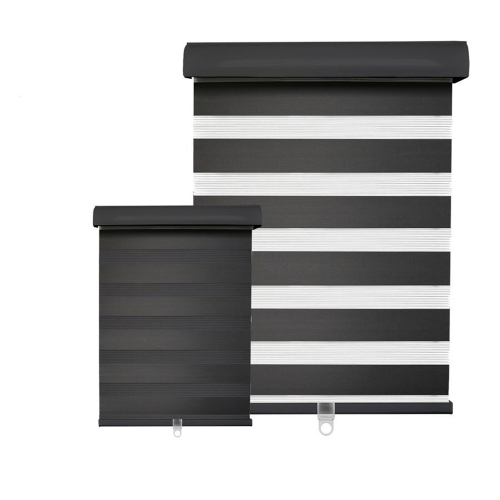
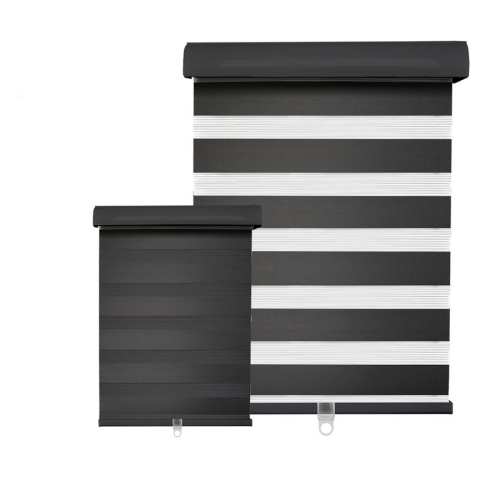

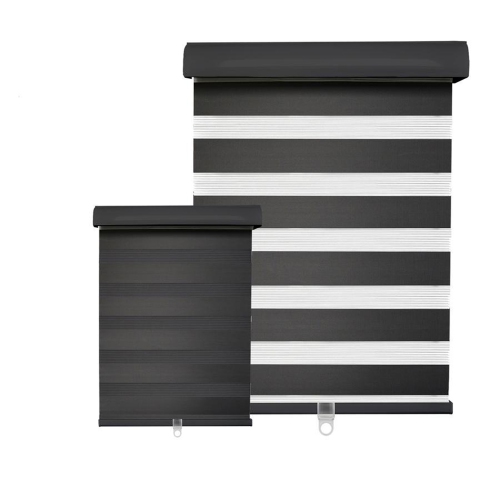
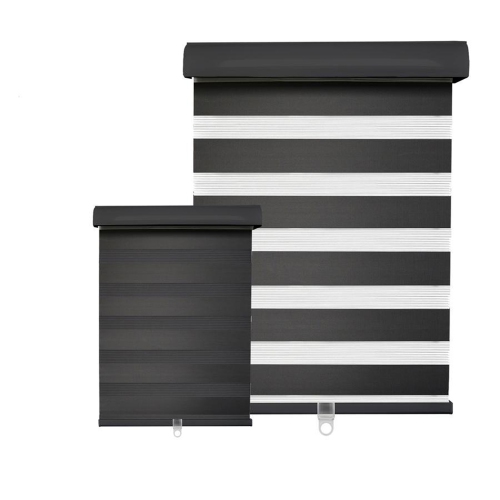
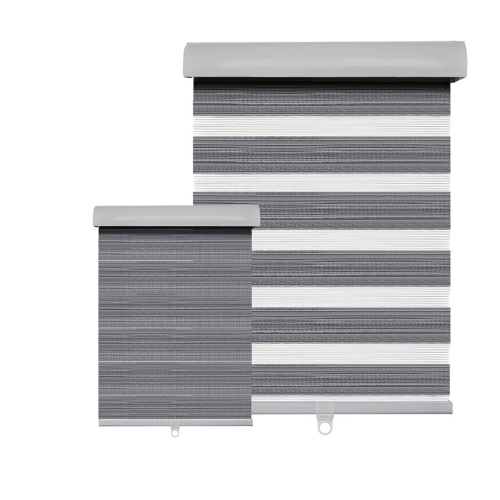
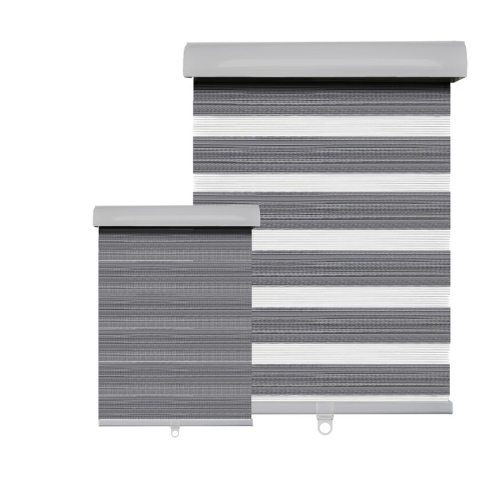
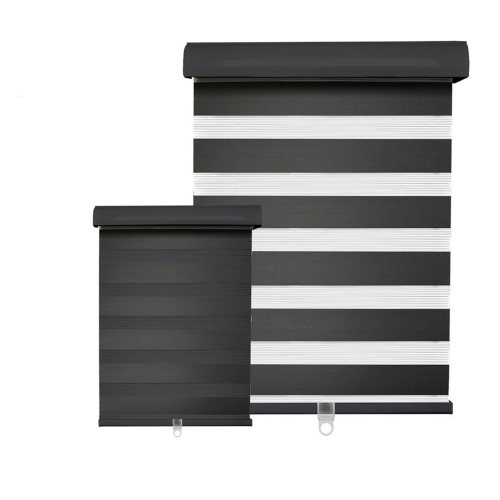

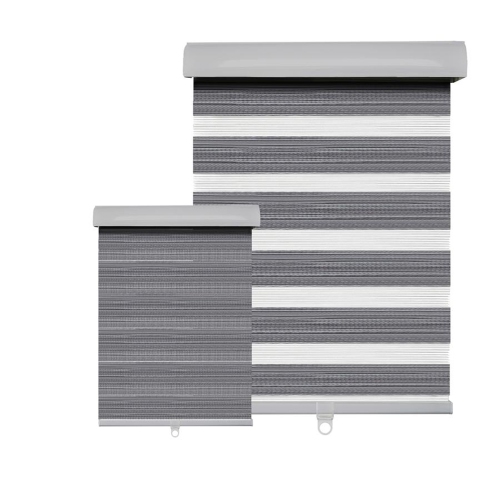
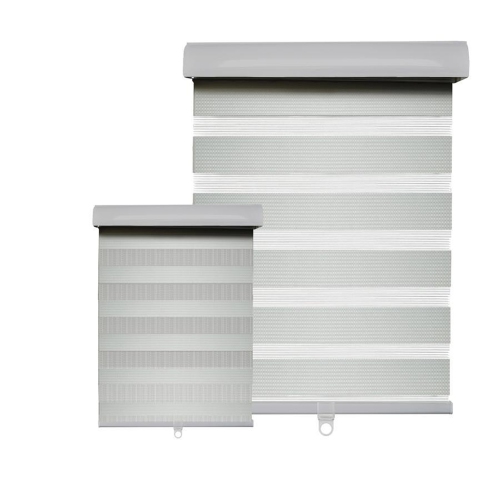
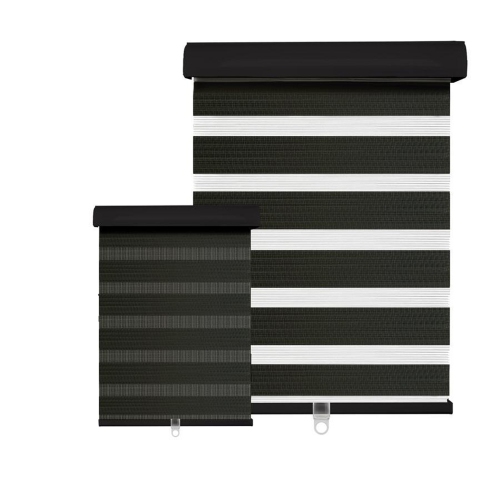
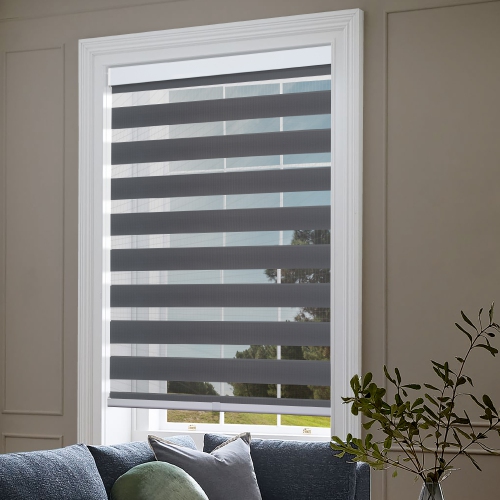
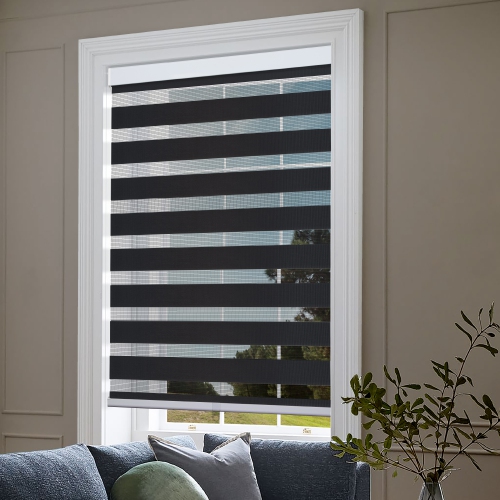
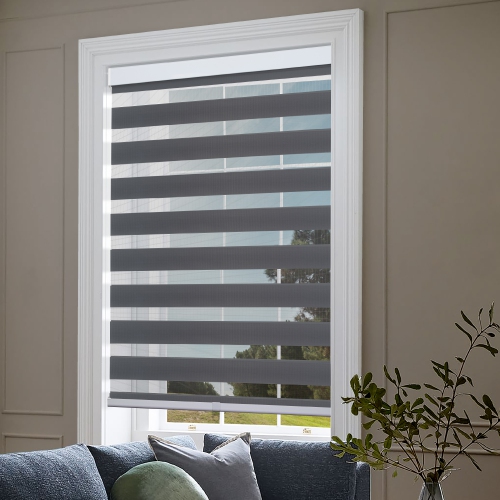
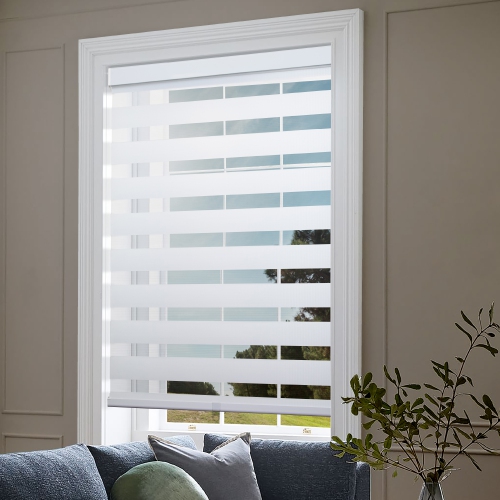
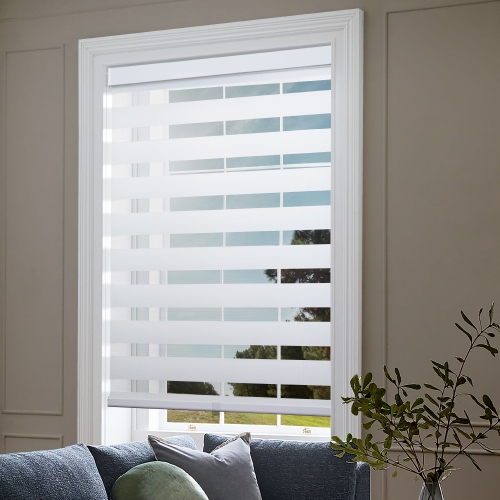
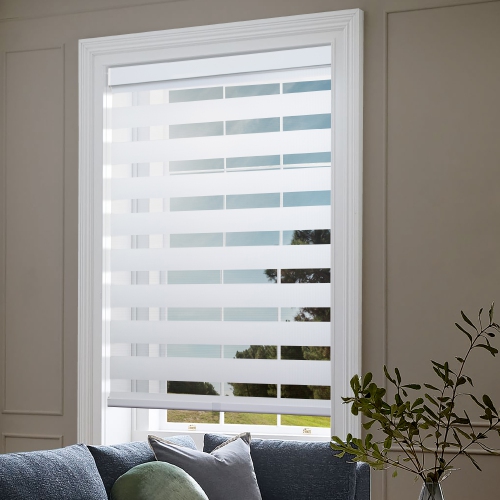
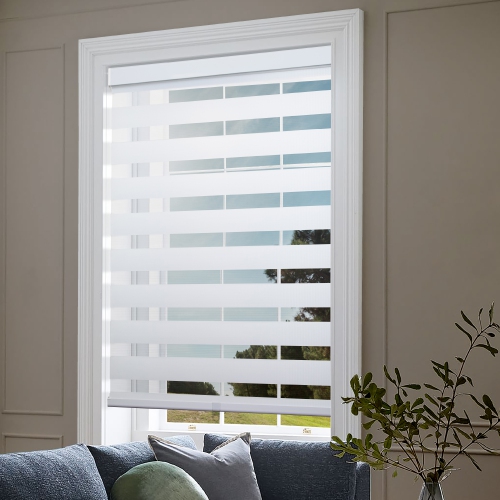
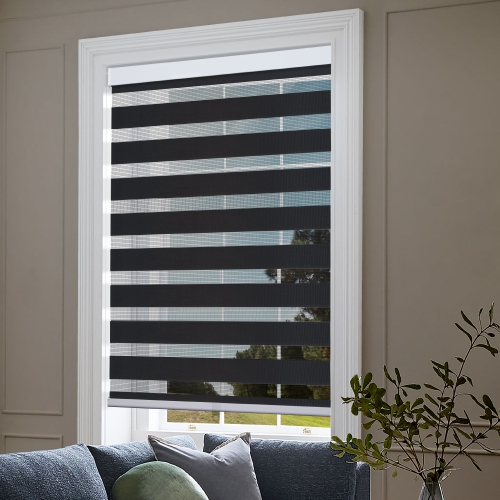
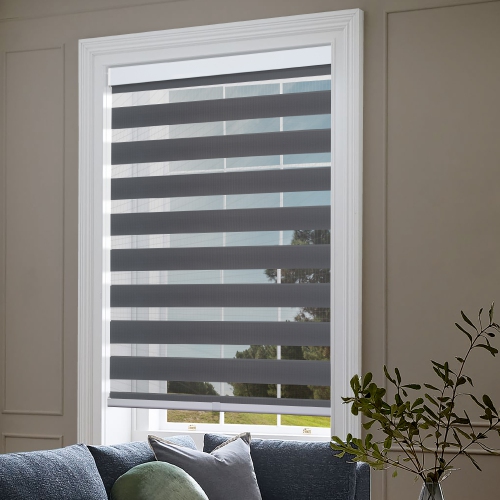
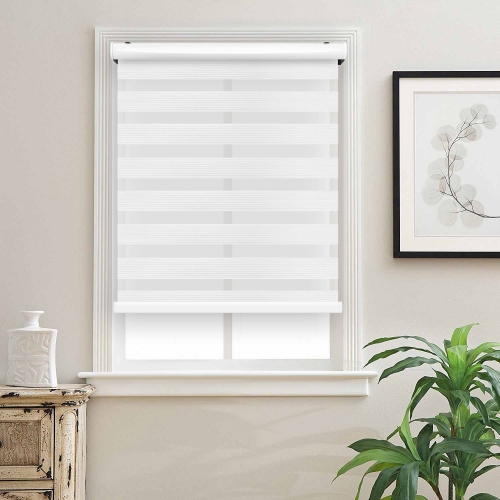
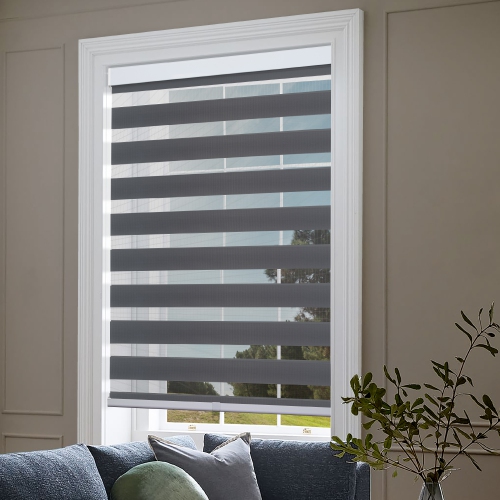
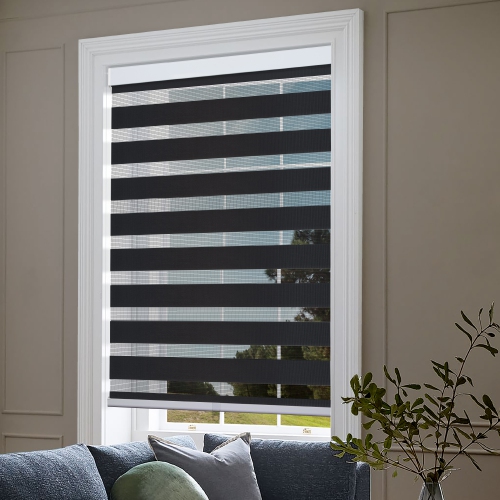
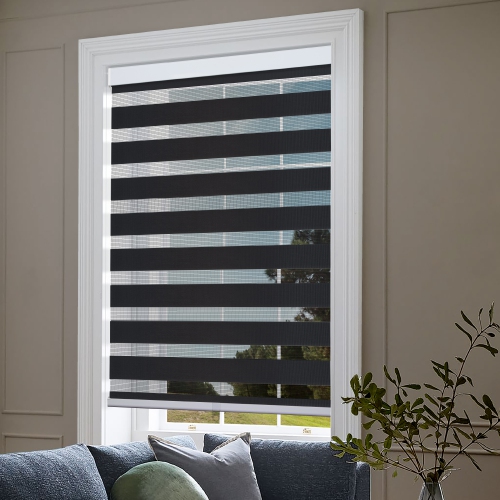
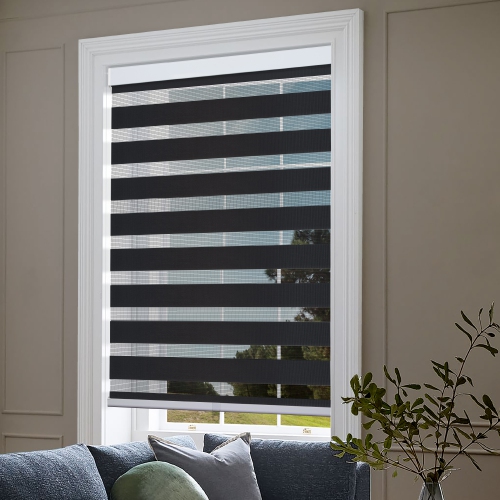
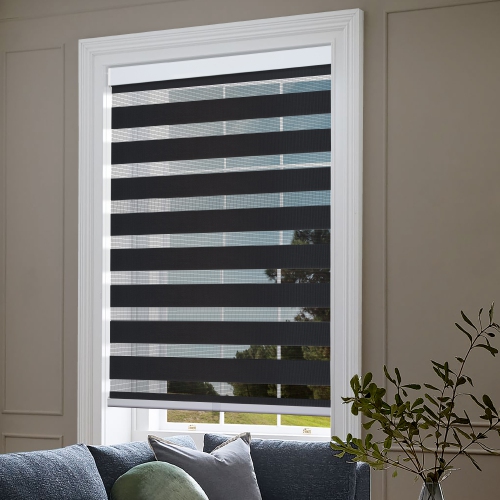
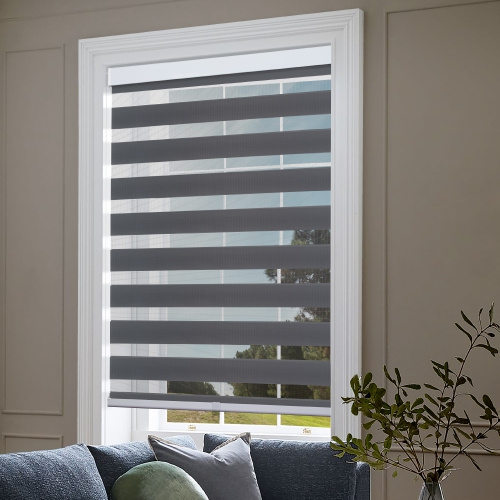
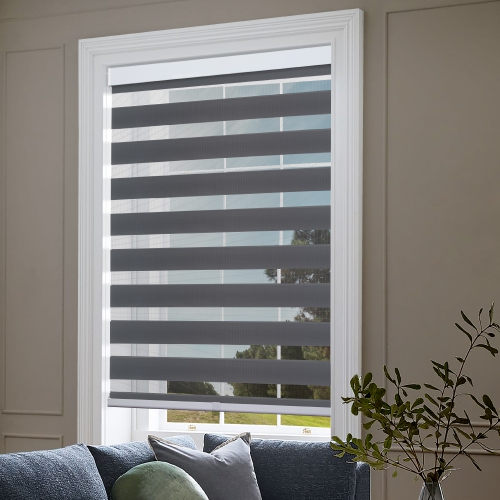
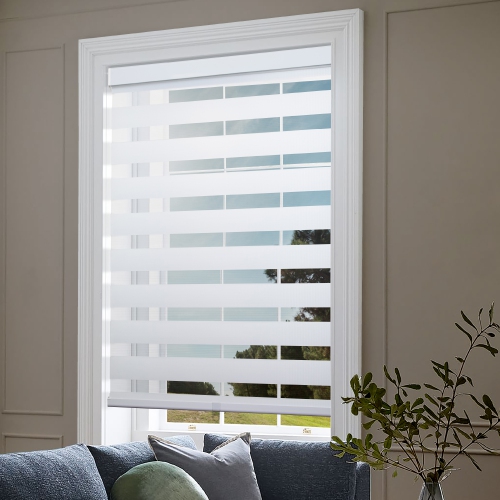
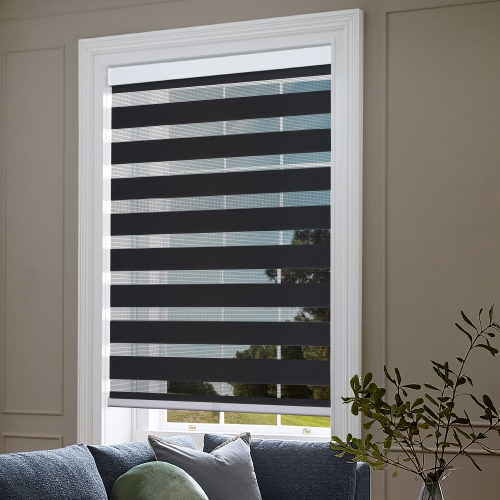
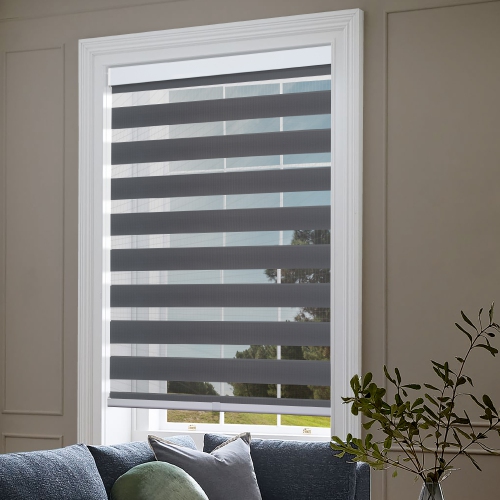
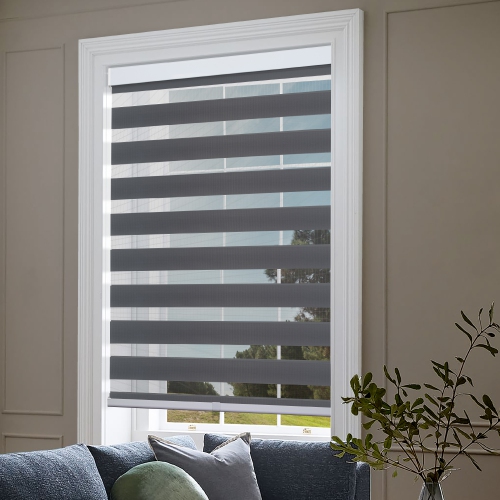
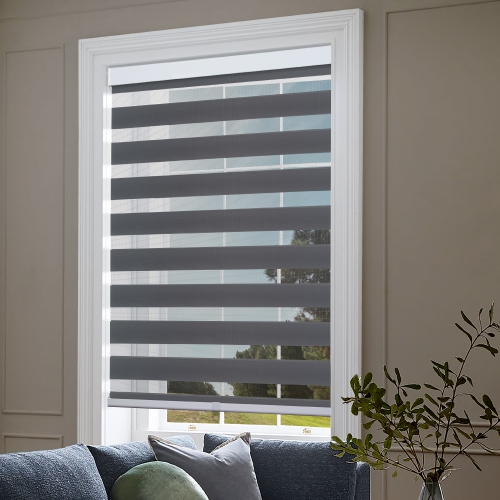
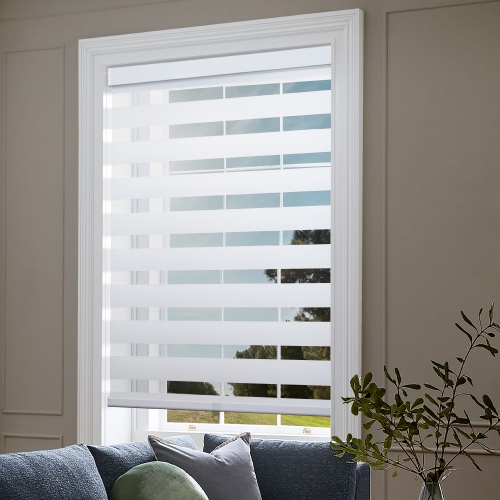
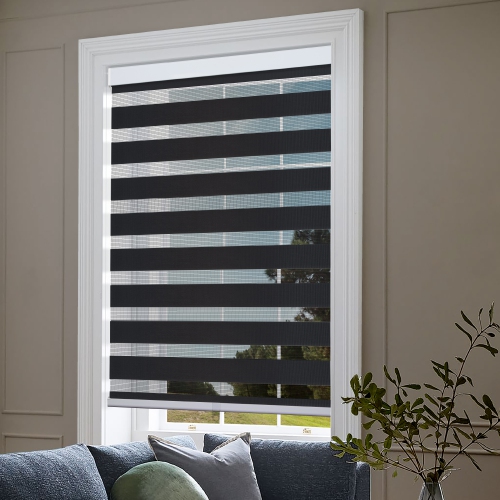



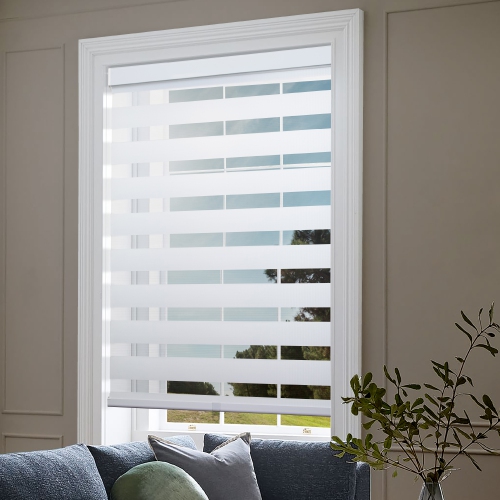
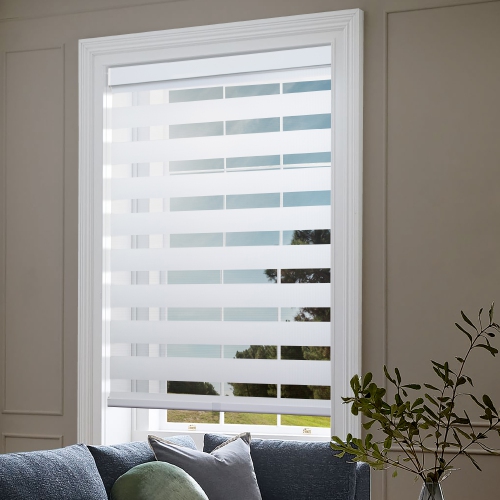
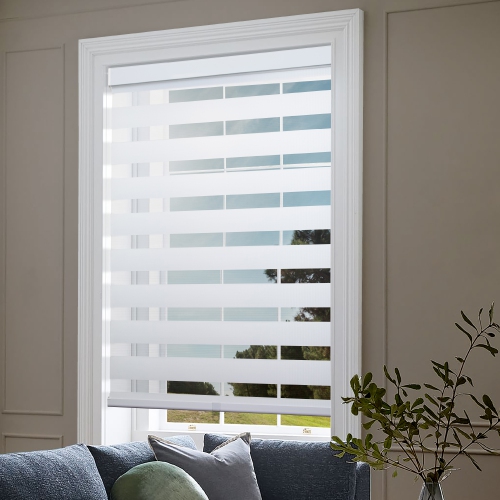
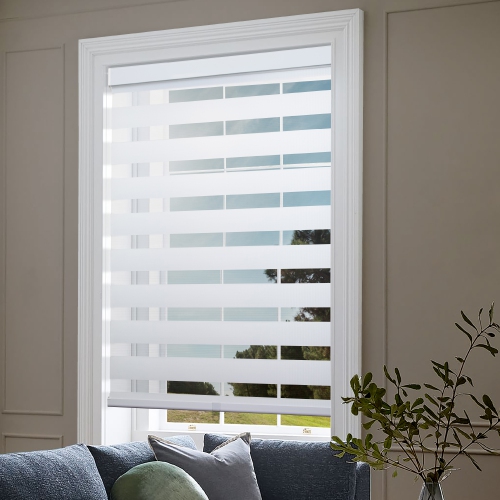
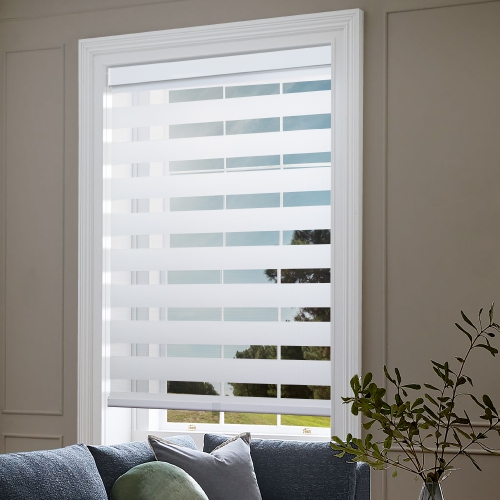
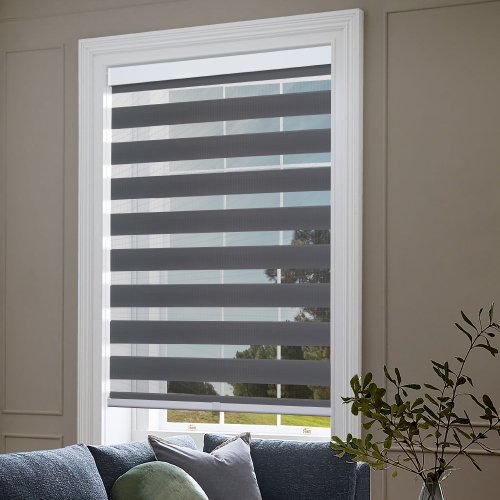
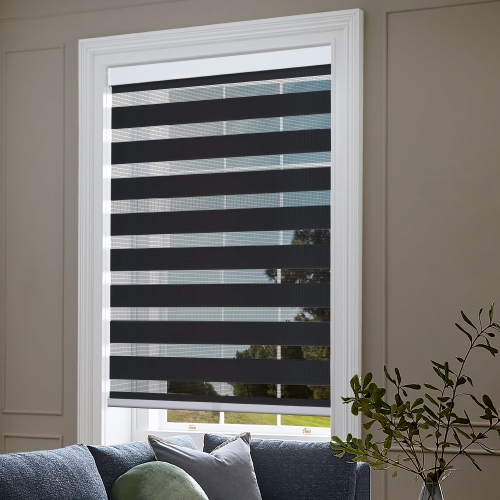
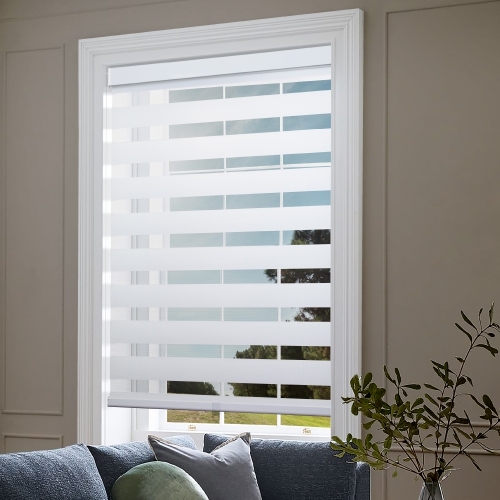
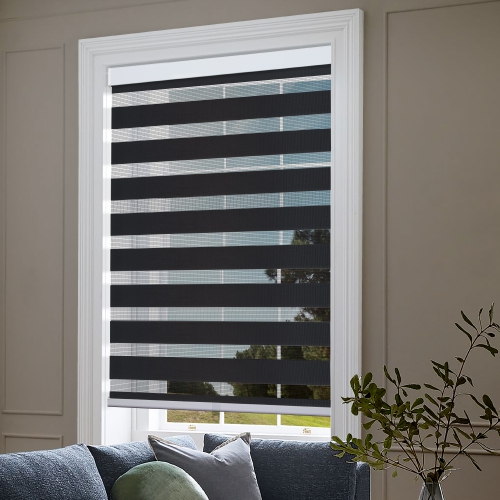
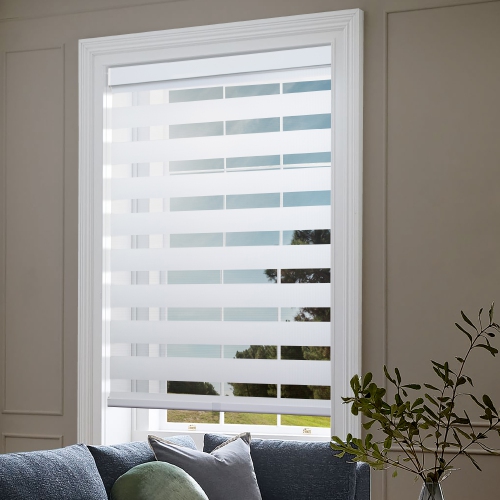
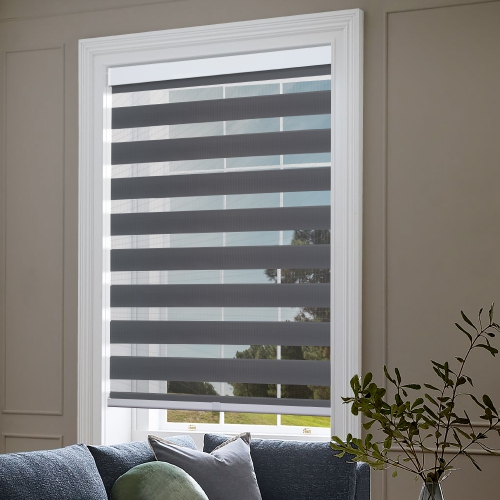
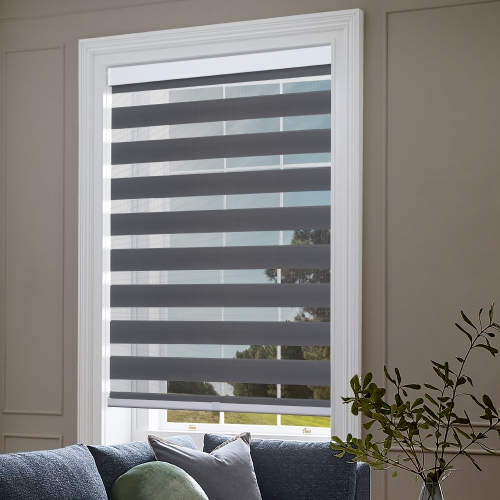
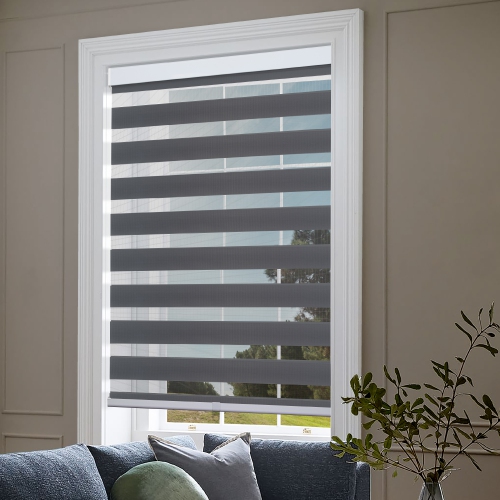
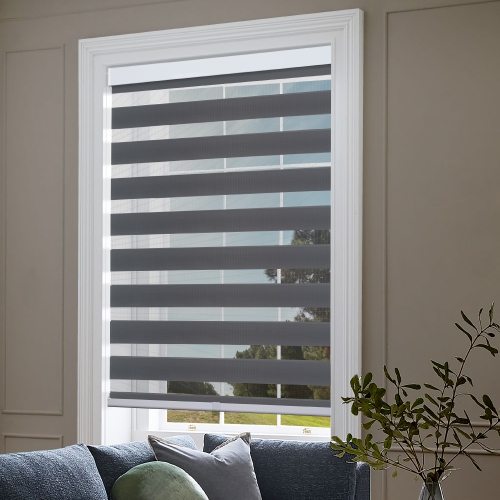
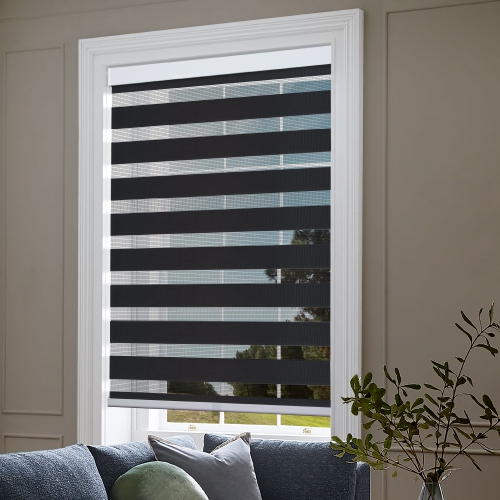
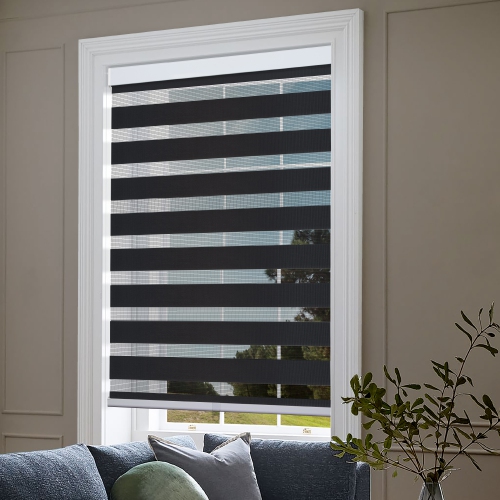
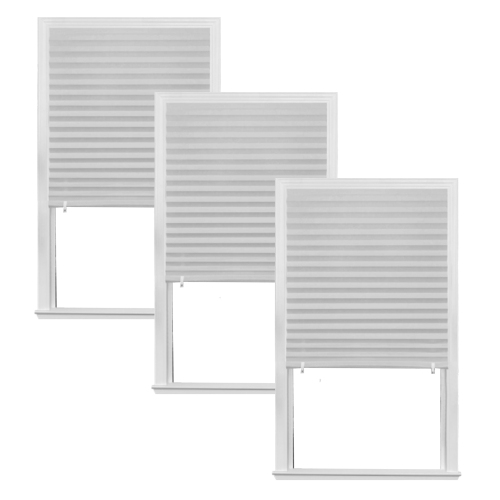
Light control and privacy from sunrise to bedtime
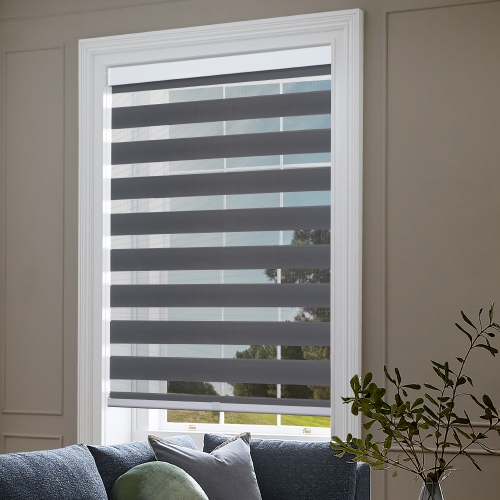
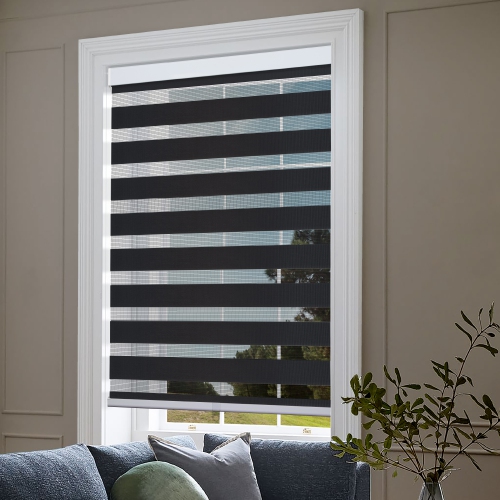
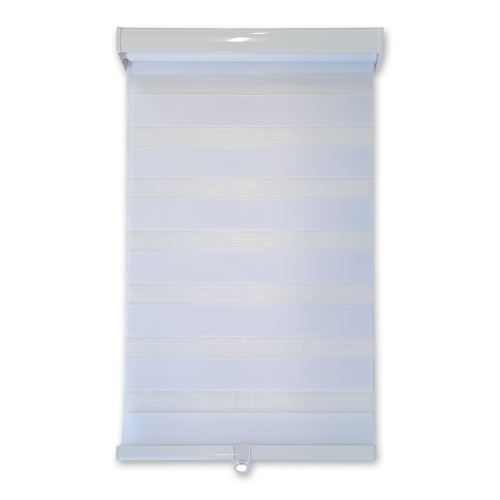
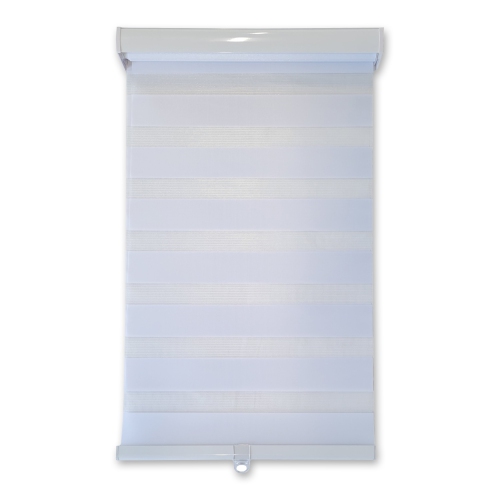
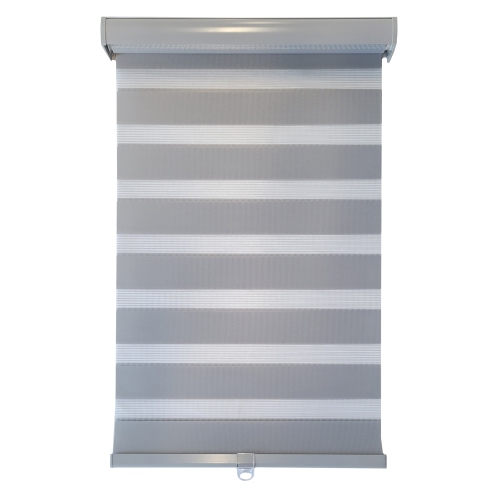
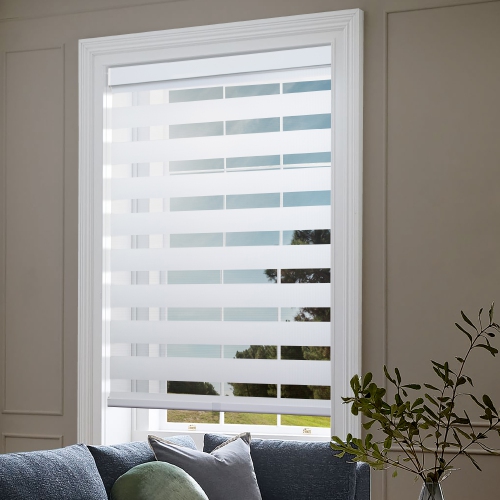
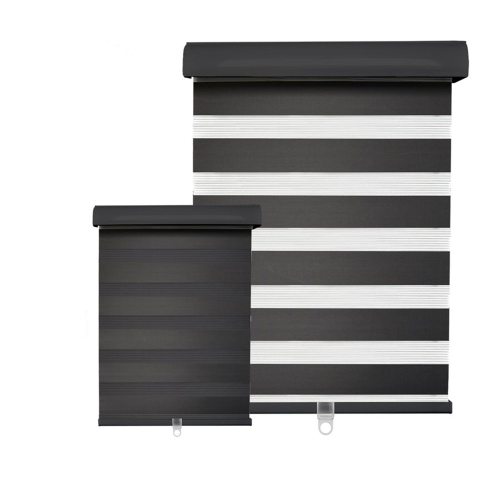
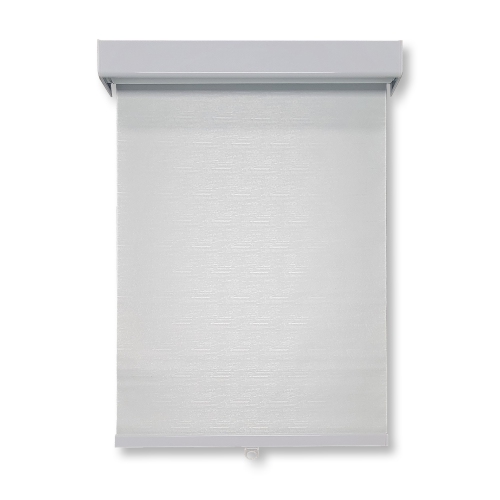
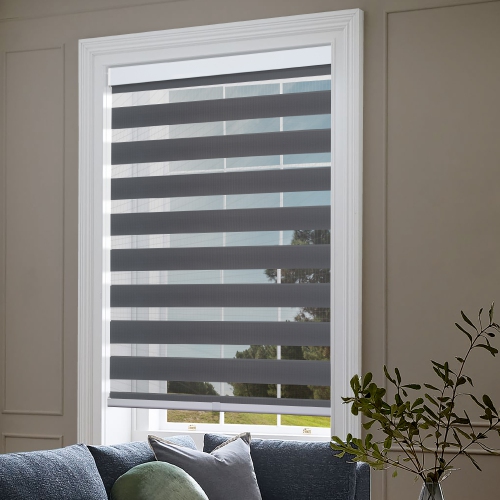
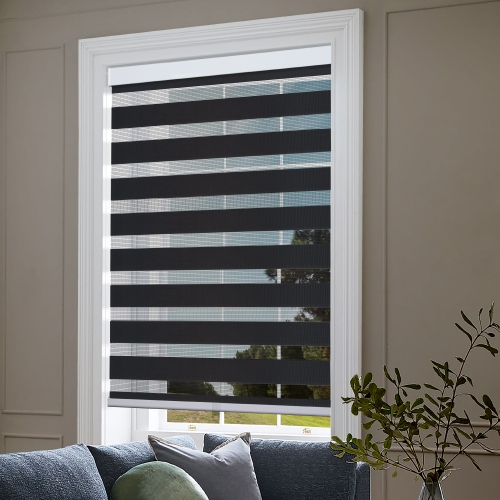
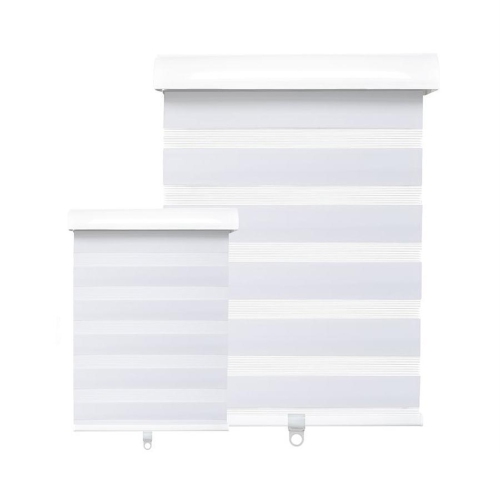
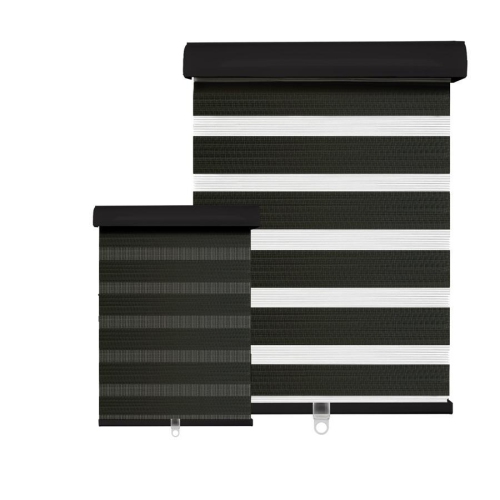
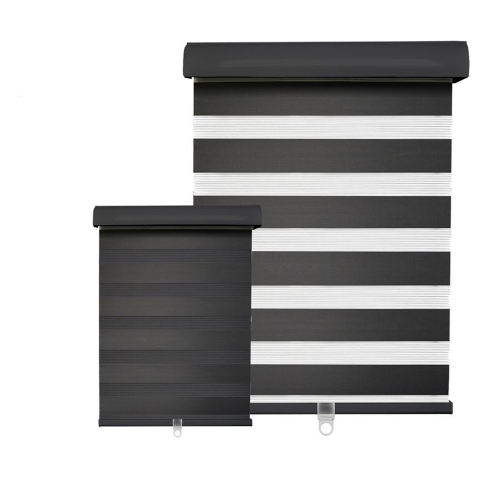
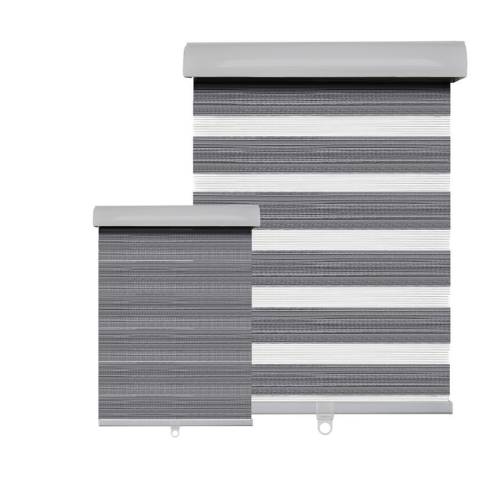
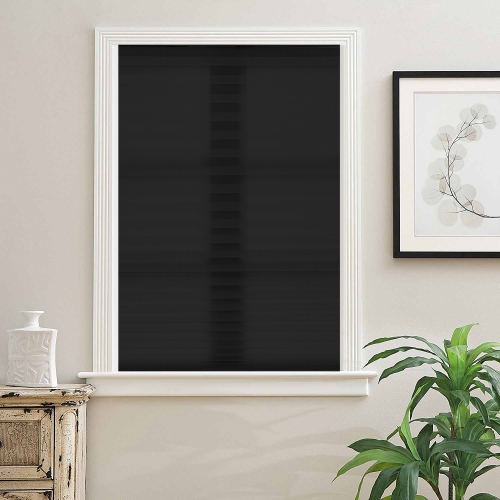
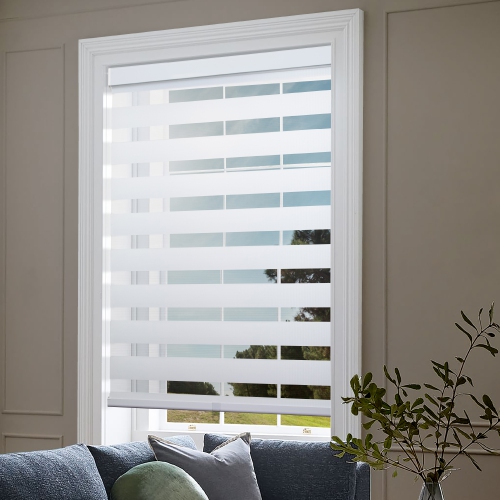
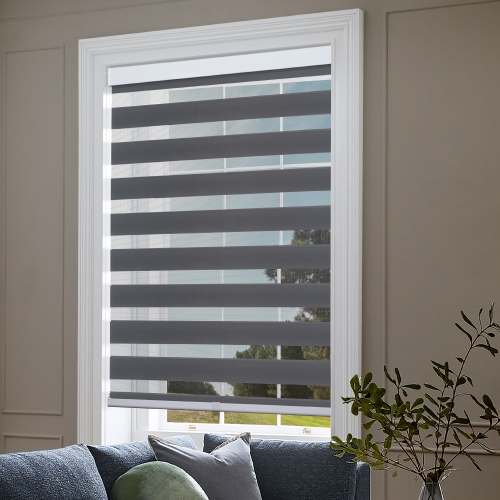
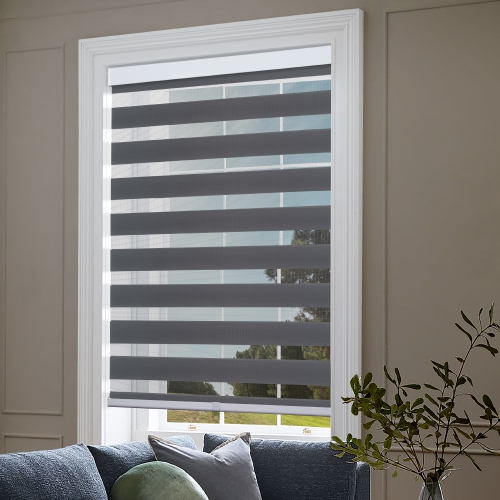
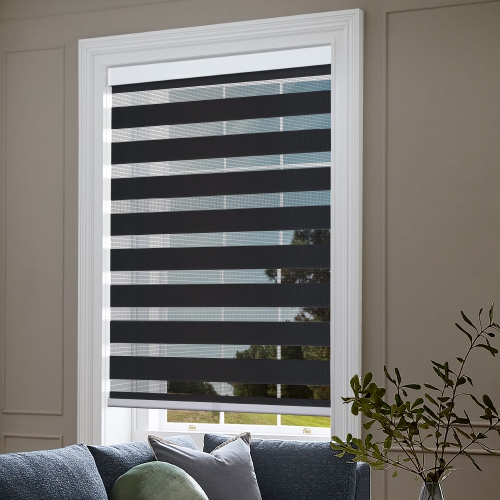
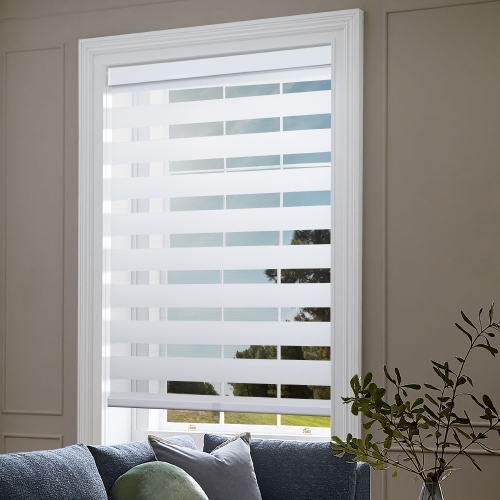
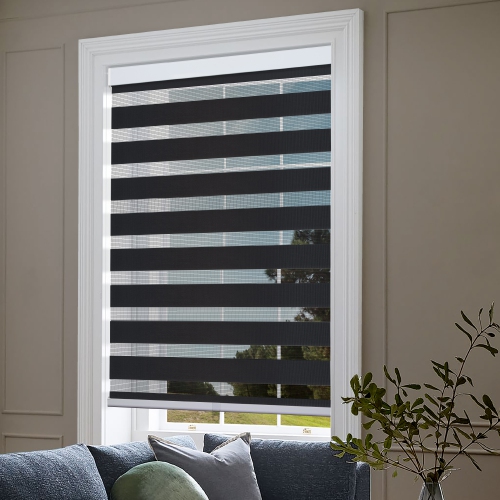
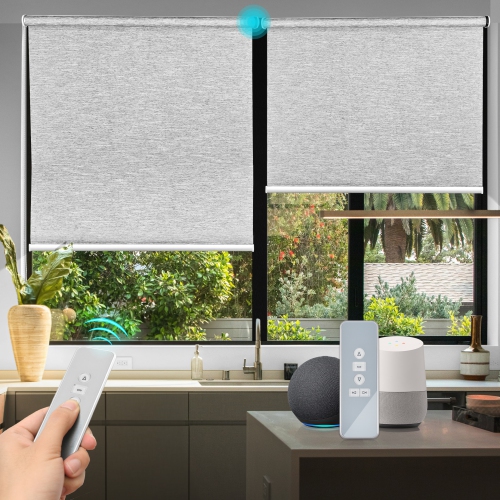
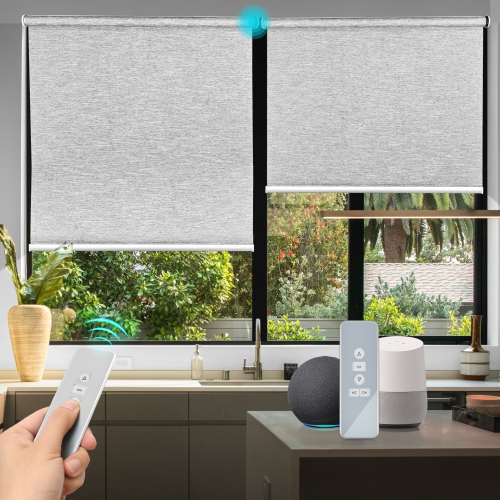
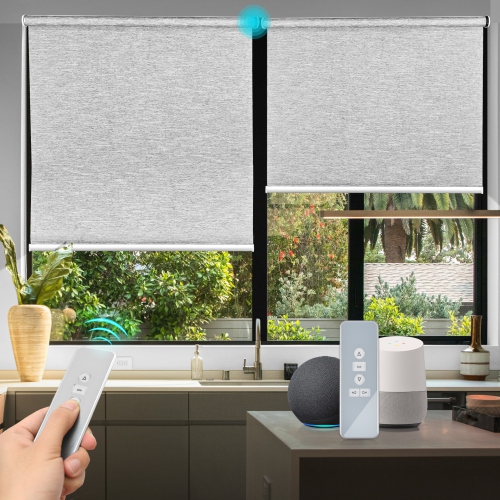
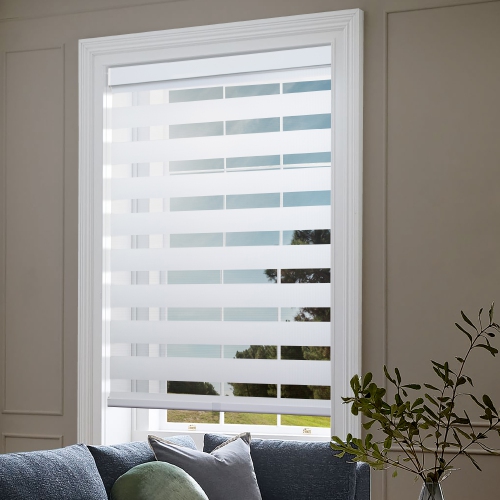
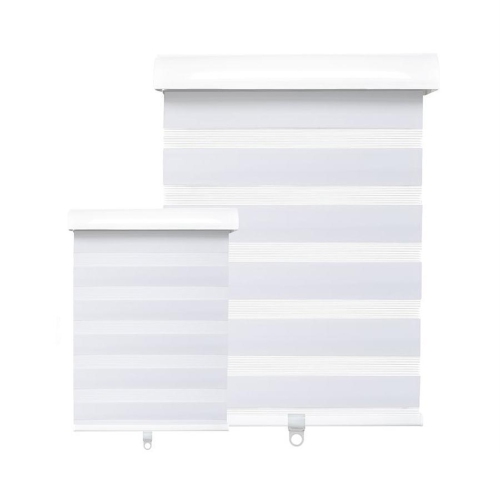
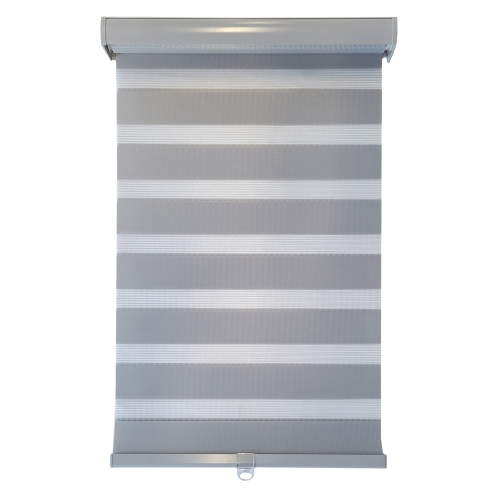
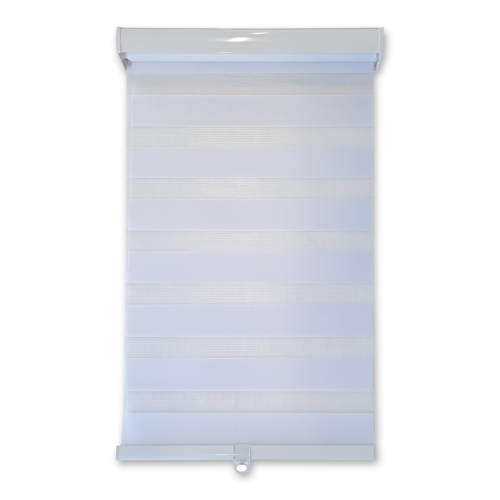
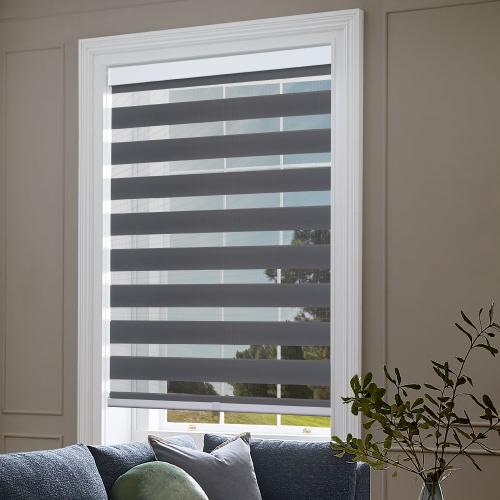
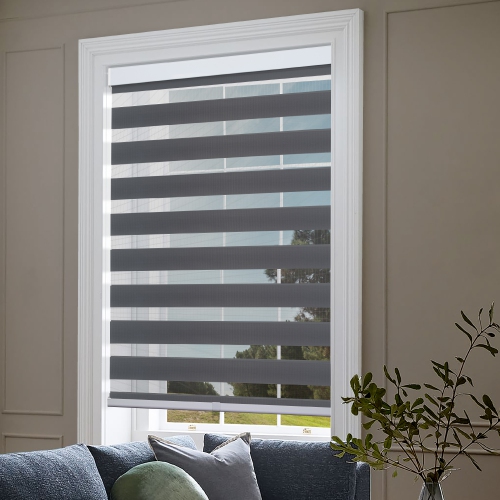
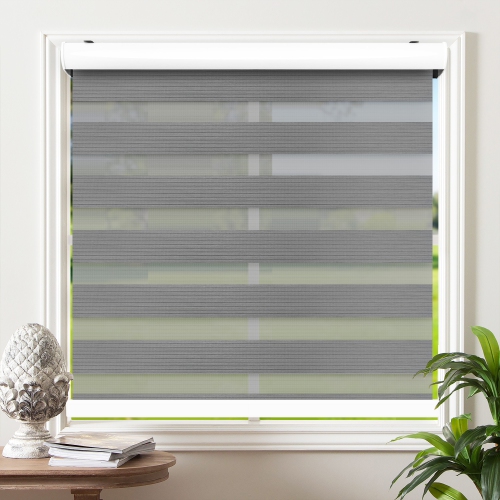
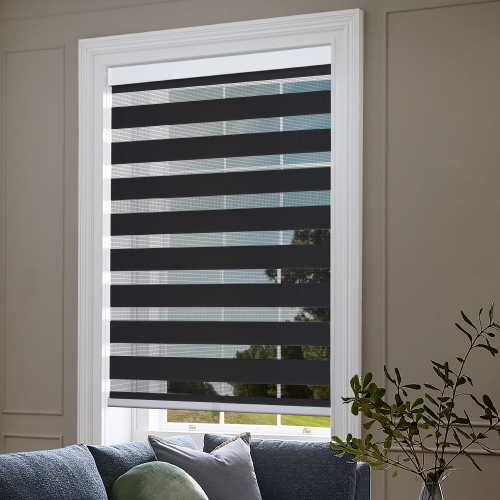
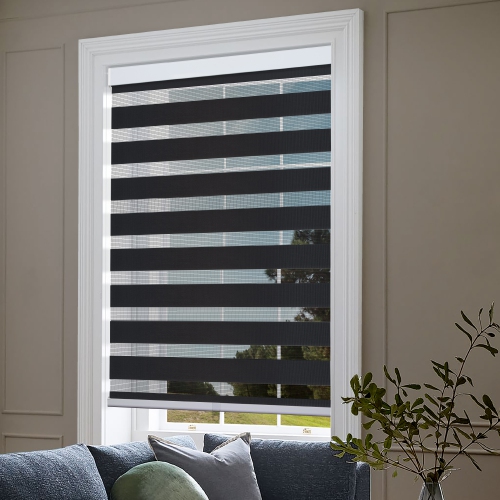
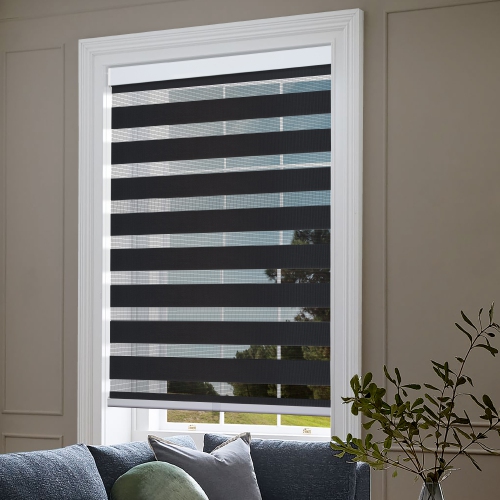
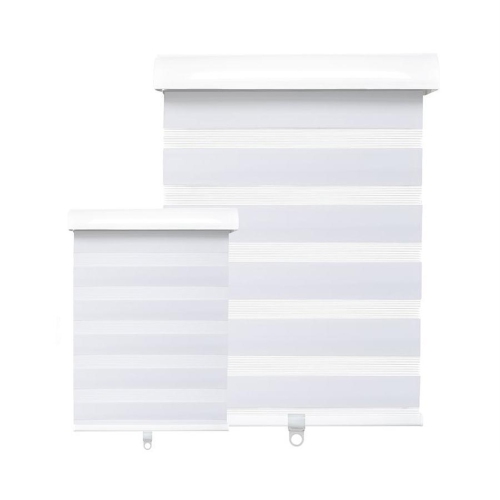
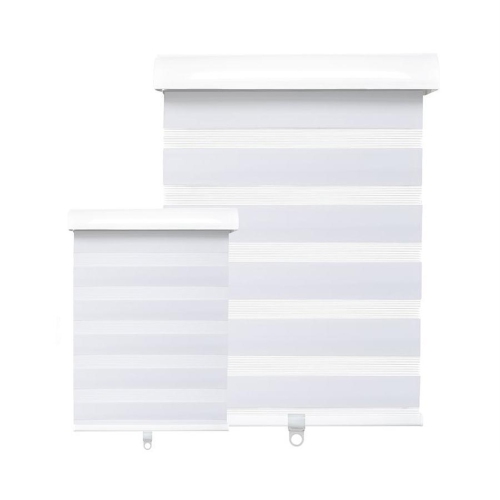
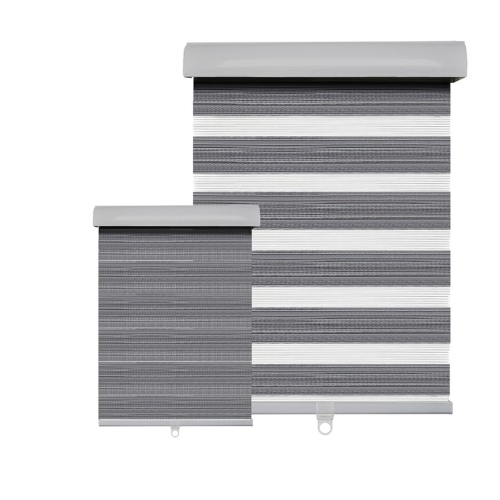
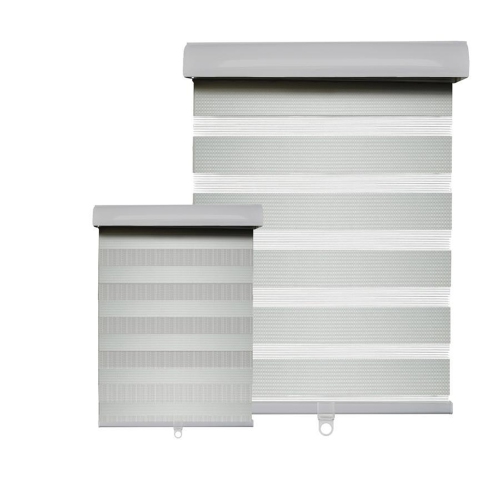
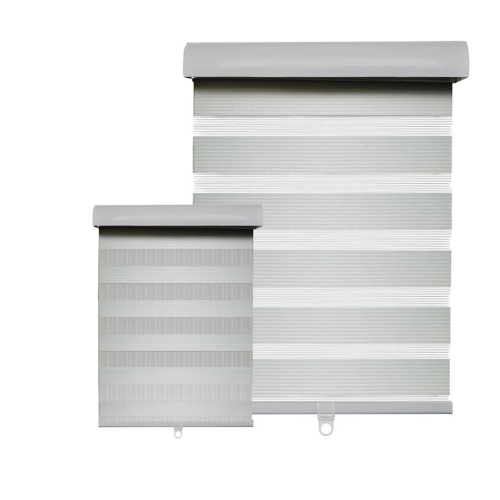
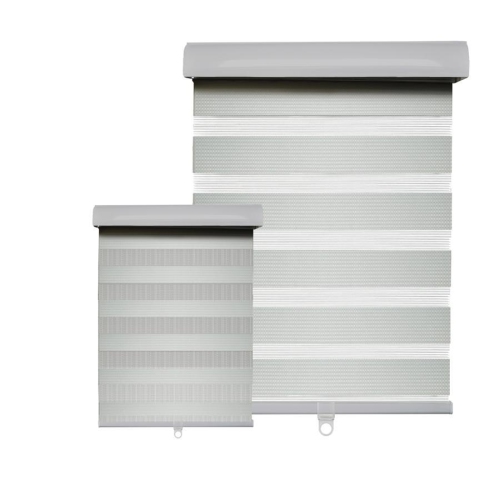
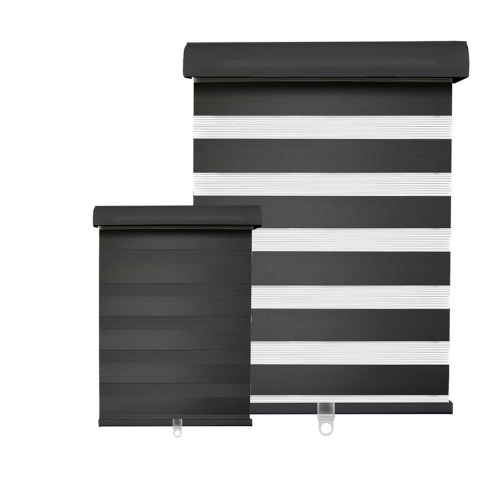
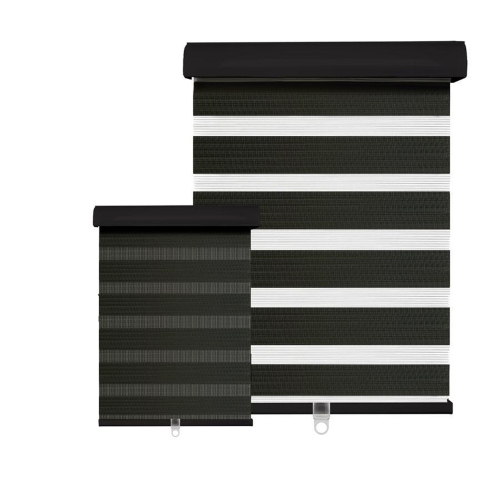
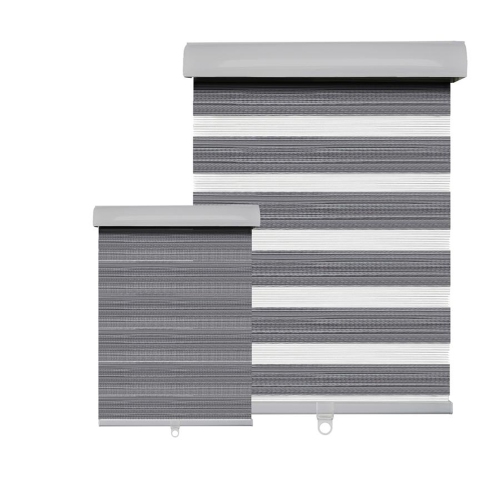
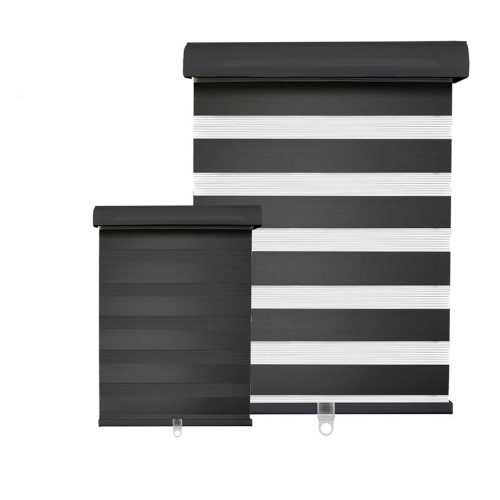
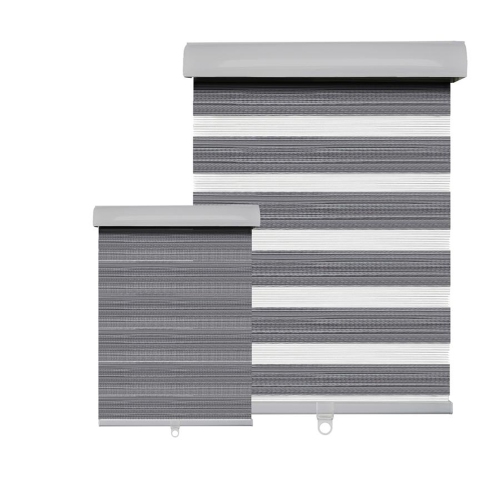
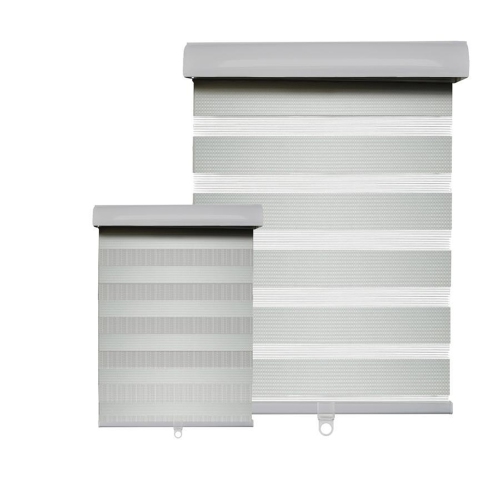
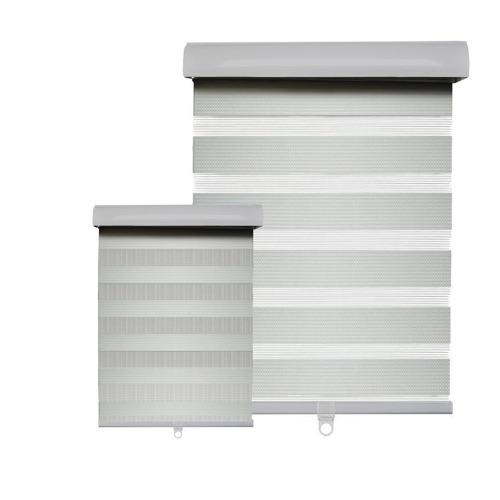
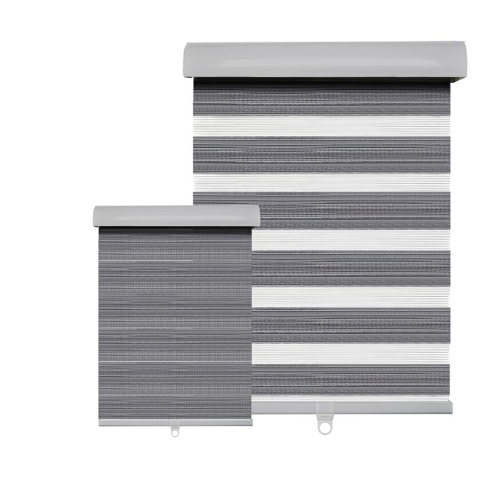
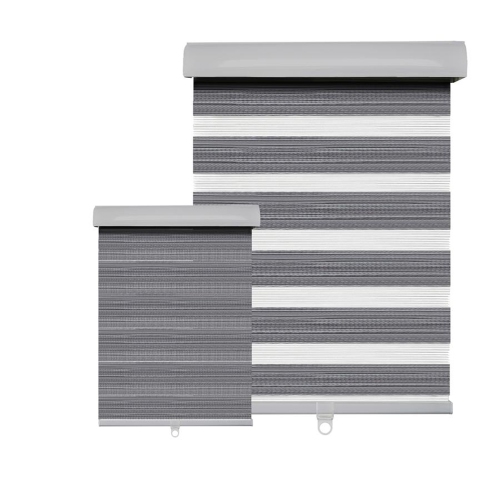
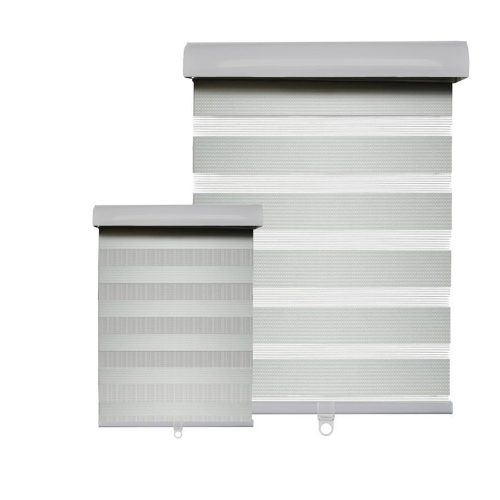
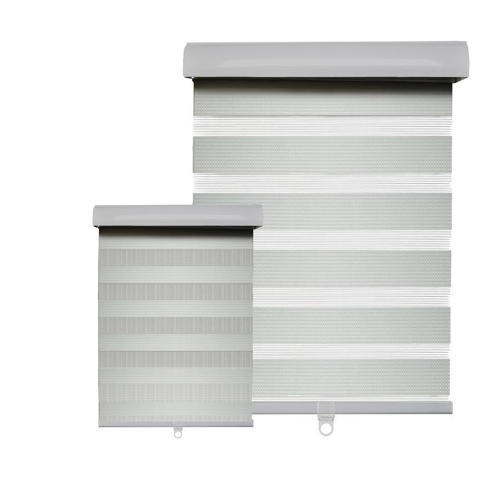
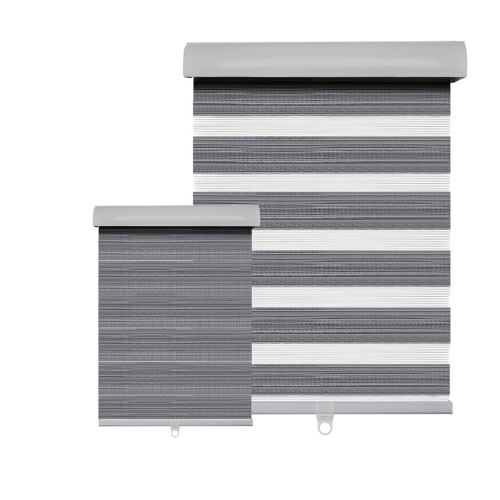
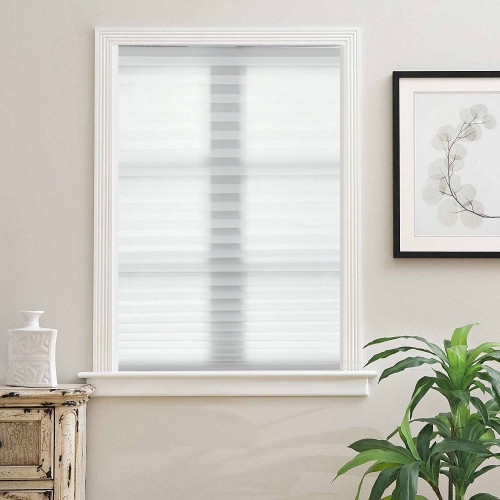
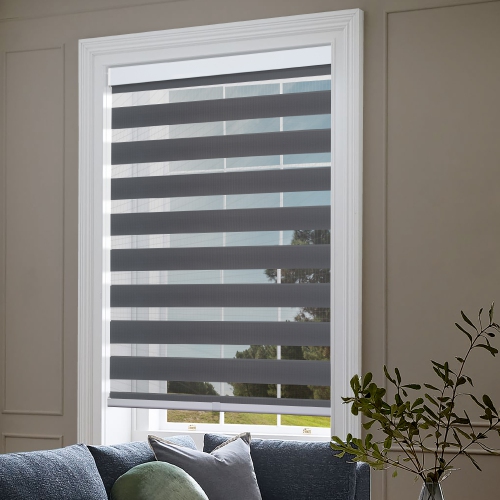
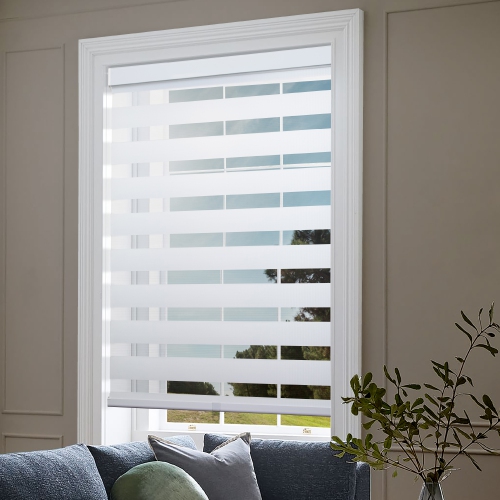
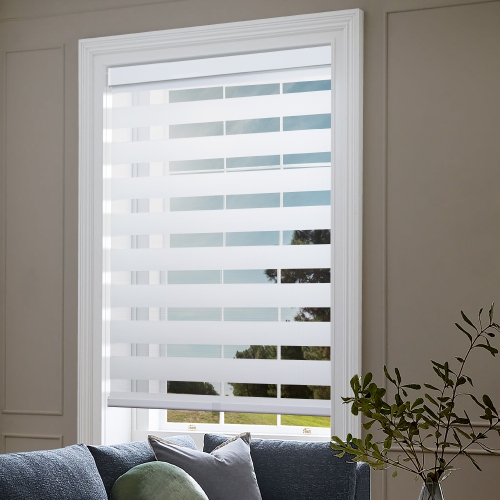
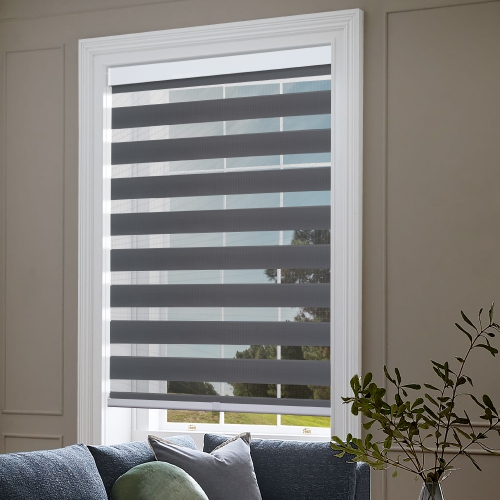
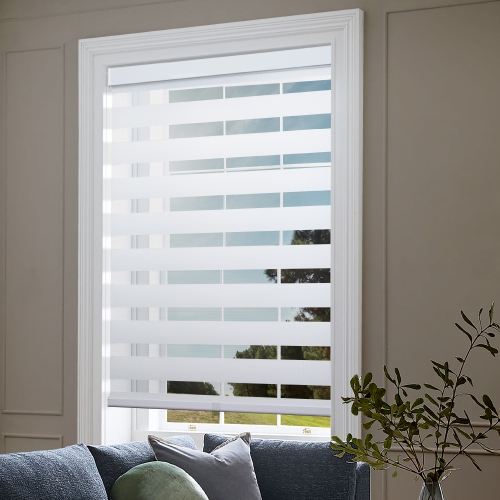
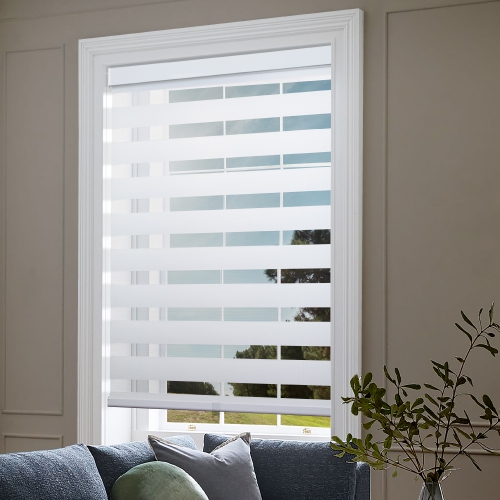
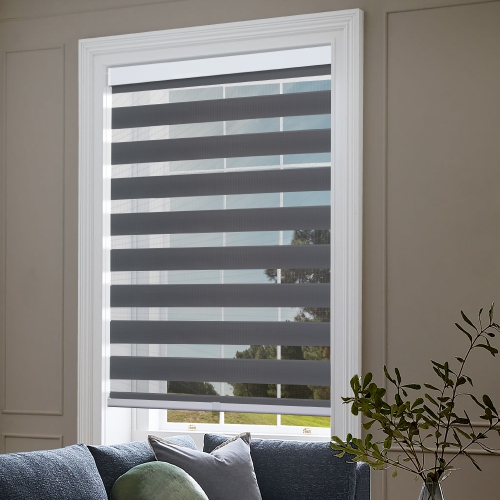
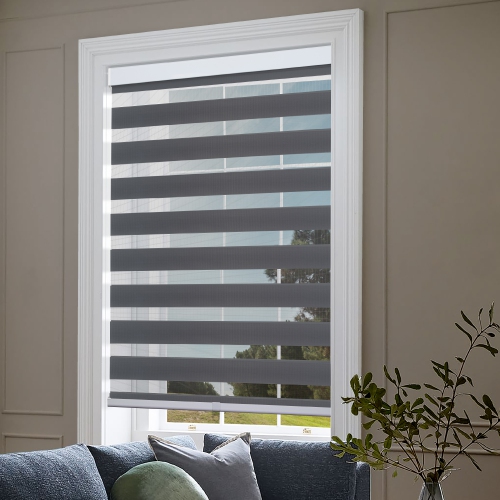
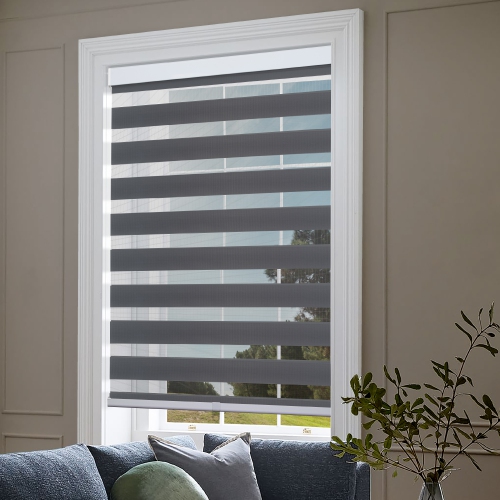
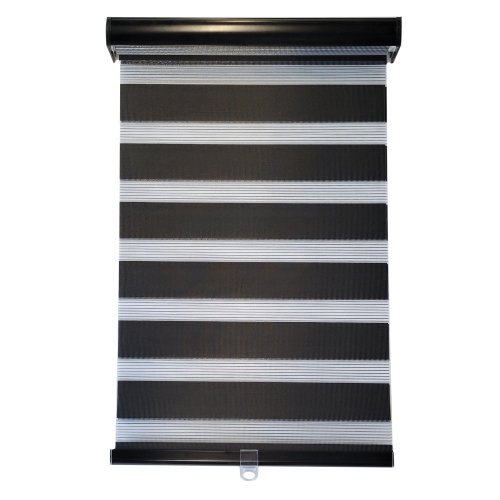
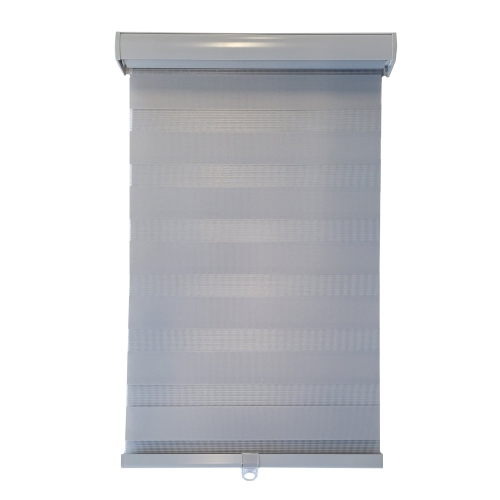
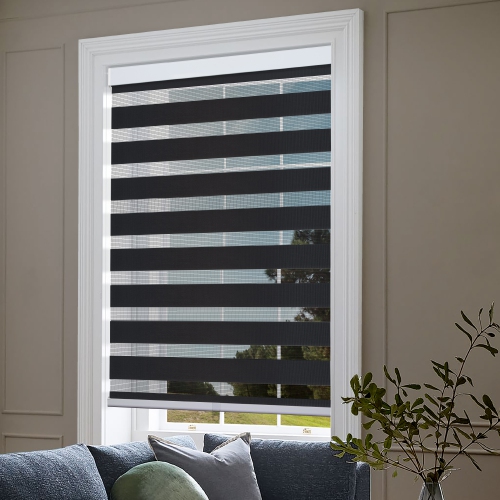
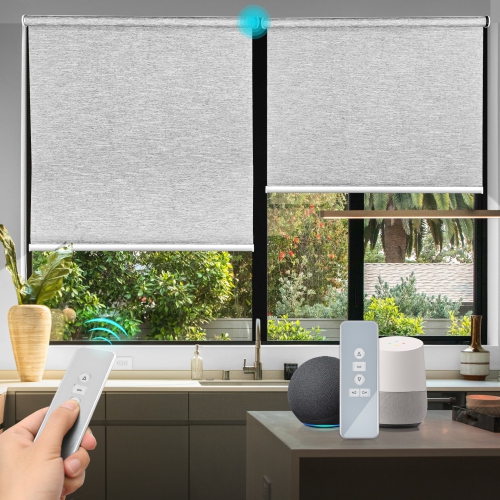
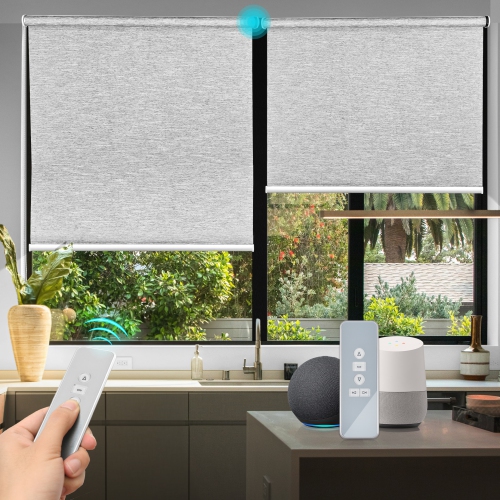
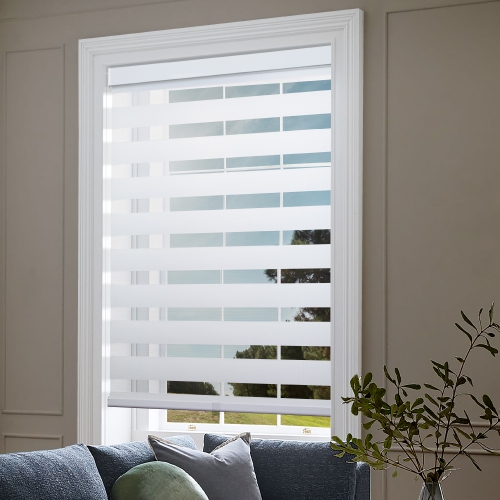
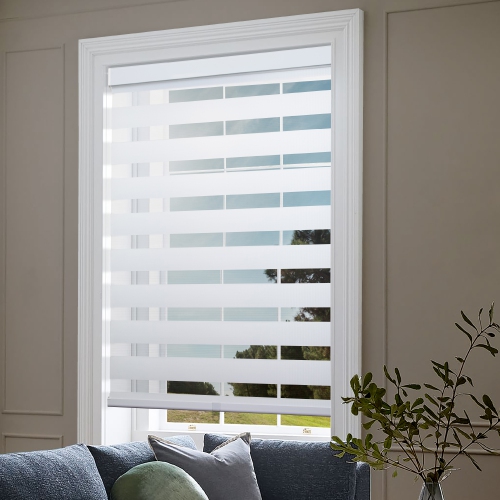
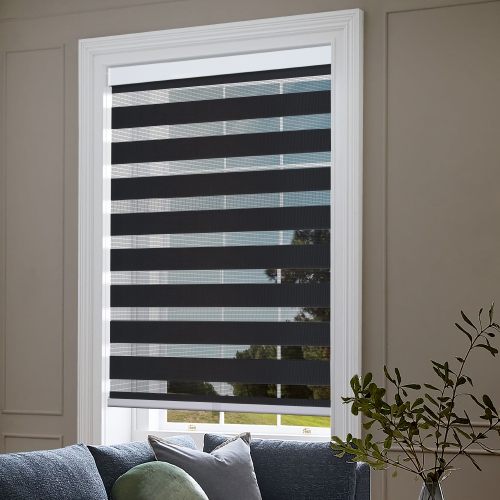
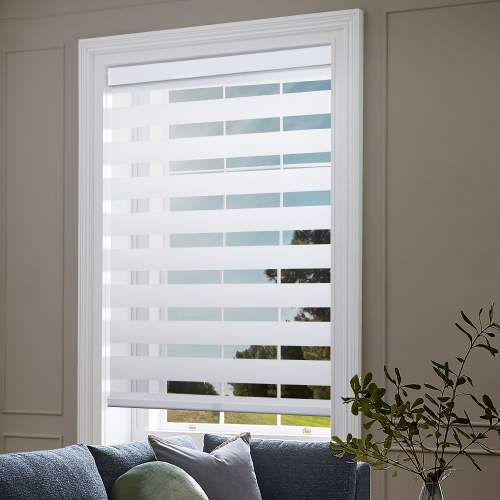
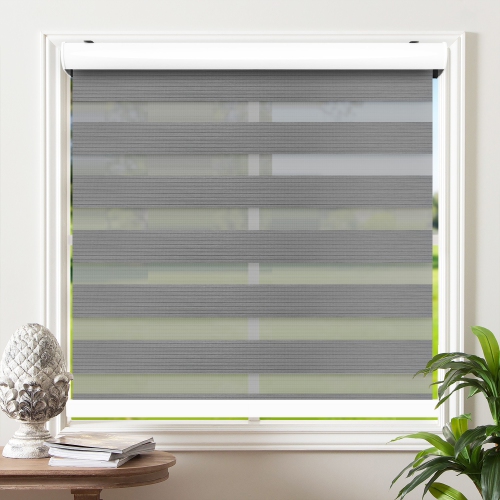
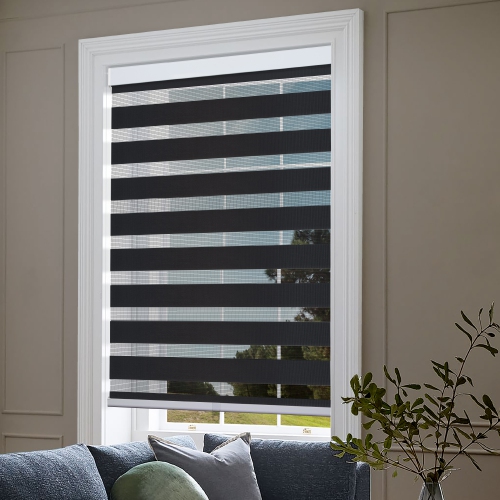
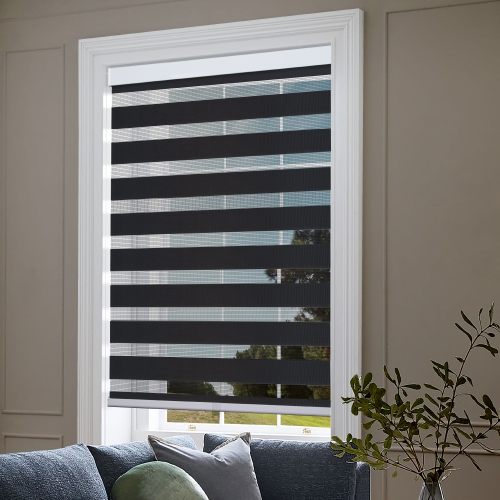
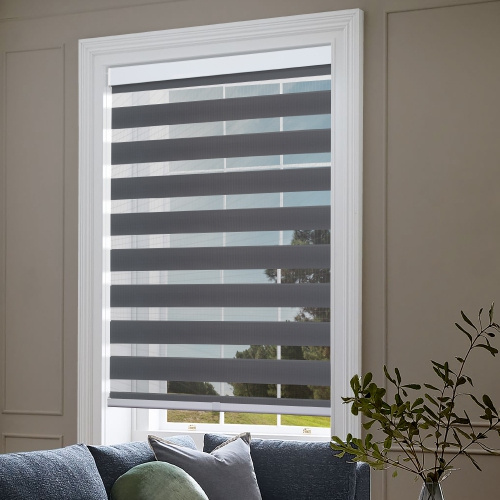
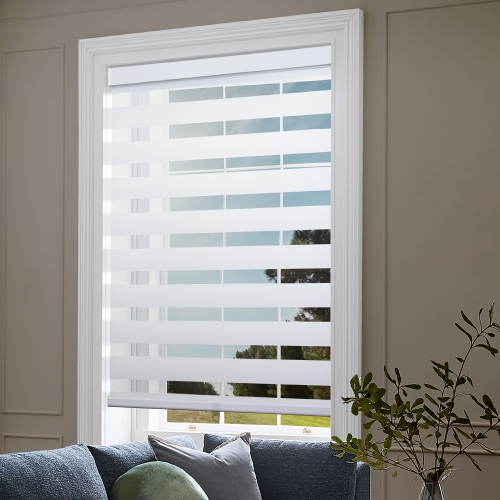
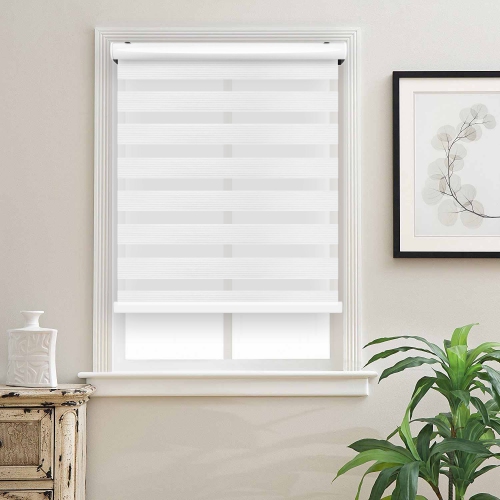
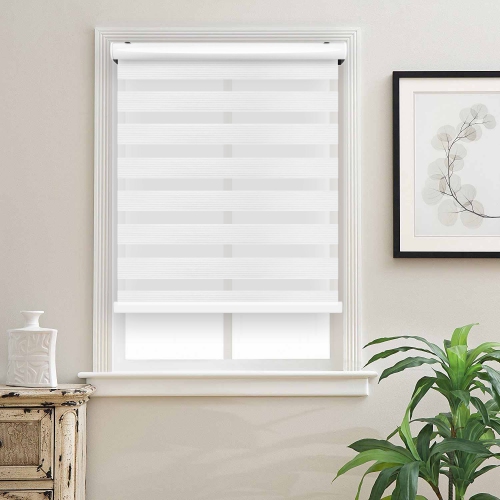
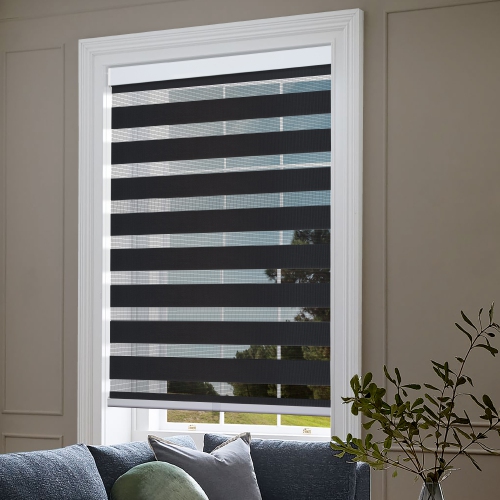
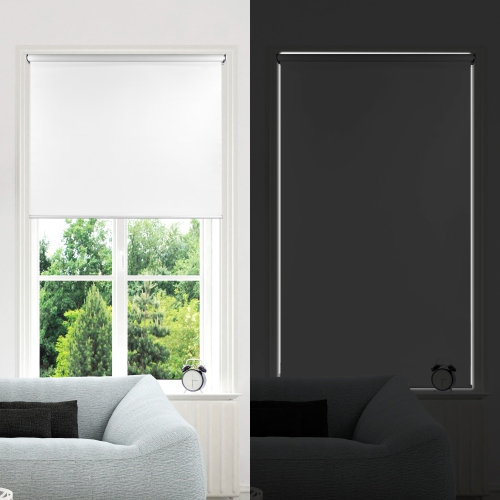
Bedroom window shades help shape how a room feels from the first hint of morning light to the moment the bedside lamp goes out. In a space used for sleeping, getting dressed, reading, and sometimes working, the right balance of light control and privacy matters throughout the day. A softly lit bedroom can feel inviting on an overcast afternoon, while a darker setting may be more comfortable for someone who sleeps after a night shift or prefers to avoid an early sunrise. Light-filtering shades soften incoming daylight without necessarily making a room dark, keeping the space bright enough for everyday routines while reducing harsh glare. Room-darkening materials block more light, although the amount varies with the fabric, construction, and installation. Blackout fabric is designed to stop light passing through the material itself, but light can still enter around the edges of the shade. That distinction is especially relevant when a window faces a streetlight or catches direct morning sun. Privacy also depends on more than colour: a fabric that obscures the view during daylight may reveal silhouettes when the bedroom is lit at night. Ground-floor bedrooms and windows facing neighbouring homes often call for greater opacity than windows overlooking an open yard. Roller shades offer a simple profile that suits both compact rooms and uncluttered interiors, while Roman shades bring the softer appearance of folded fabric. Cellular shades have a structured, pleated look and pockets that can add insulation at the window, with results depending on their construction and fit. Each style brings a different visual weight to the room. A smooth shade can sit quietly behind patterned bedding, while textured fabric can give a plain wall more depth. During the cooler months, window coverings can also make the area beside the bed feel less exposed, particularly when paired with curtains that frame the window without obstructing the shade’s movement.
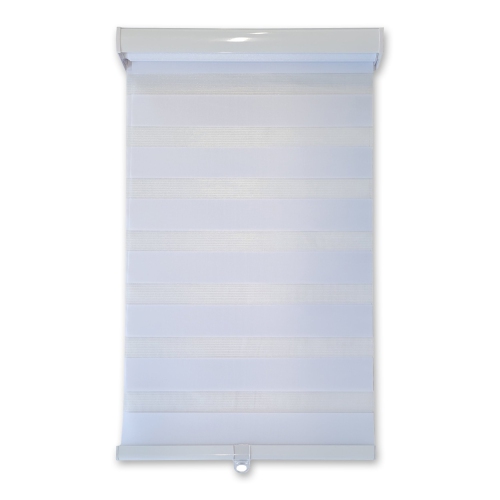
Material and construction influence both the appearance of bedroom window shades and how comfortably they fit into daily life. Polyester fabrics are often used for their dimensional stability and relatively straightforward care, though cleaning requirements differ between finishes and backings. Linen blends and linen-look weaves introduce visible texture that works well with wood furniture, quilted bedding, and a restrained colour palette. Natural fibres can have subtle variations in tone and weave, giving the surface a less uniform appearance. Woven wood and bamboo styles bring another kind of texture, but spaces between the fibres may allow light and views through unless an appropriate privacy liner is included. For a softer textile finish, Fabric Window Shades complement bedrooms where the window covering is intended to feel connected to the bedding and upholstered furniture. Fabric weight affects the way a shade hangs or folds, while a liner can change its opacity and its appearance from outside. Pale shades tend to keep the window area visually light; deeper tones can create a stronger outline against light-coloured walls. Colour alone does not determine light-blocking performance, so a dark sheer fabric should not be confused with a pale blackout fabric. Texture deserves attention as well: a coarse weave may look richly patterned in direct daylight, whereas a smooth surface offers a more consistent finish. Durability comes from the complete assembly, including the fabric edges, seams, headrail, mounting hardware, and lift mechanism. A shade raised every morning and lowered every evening needs smooth, repeatable operation, not just an appealing surface. In a guest bedroom, ease of use may matter more than having several adjustment options. In a frequently used primary bedroom, a fabric that holds its shape and a mechanism that keeps the bottom edge level can make everyday handling feel simpler. These details help a window shade remain a practical part of the room rather than something that needs frequent attention.
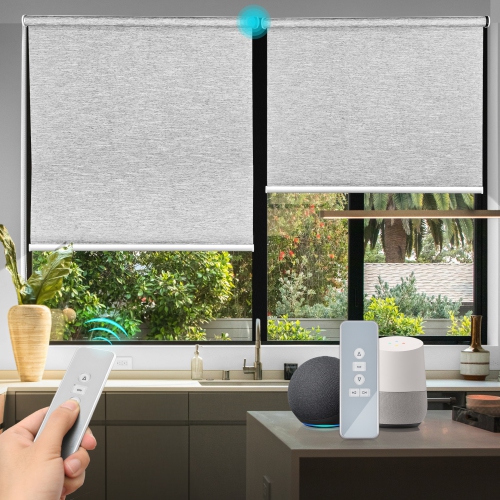
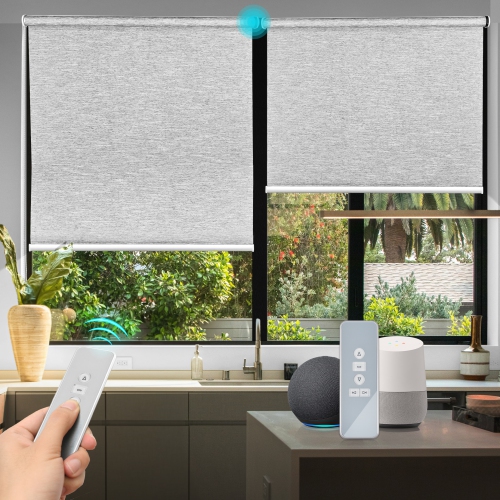
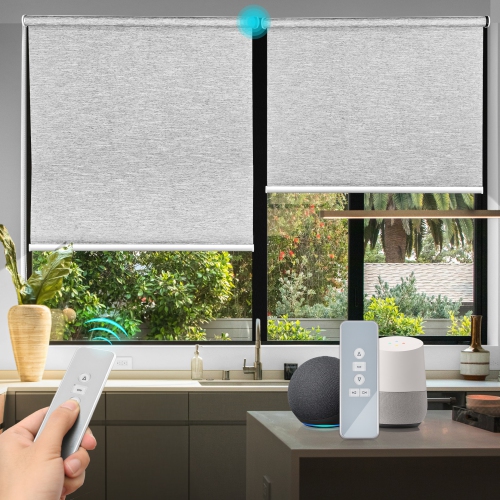
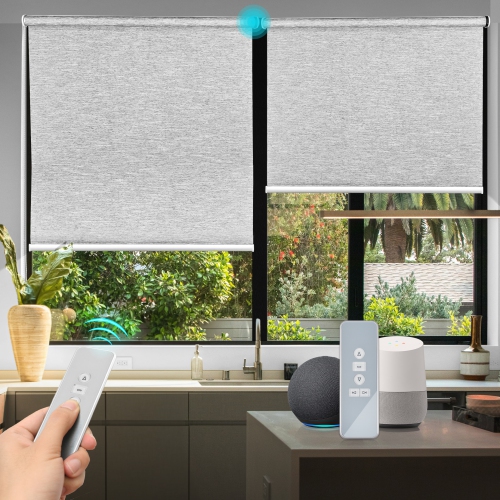
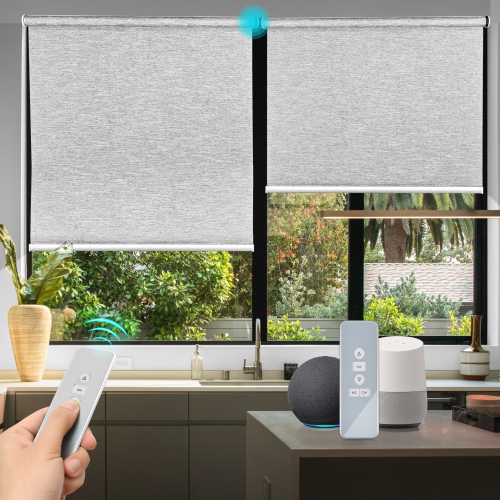
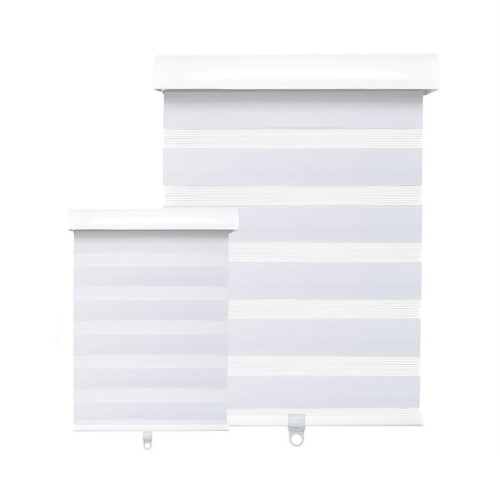
Fit has a direct effect on how bedroom window shades look and perform. An inside mount sits within the window recess, leaving the surrounding trim visible and creating a neat, contained appearance. It requires enough mounting depth and clearance for handles, locks, and any other hardware in the opening. An outside mount extends beyond the recess and can provide more overlap at the sides, which may help reduce stray light when the shade is lowered. Window openings are not always perfectly square, especially in older homes, and the width near the top can differ from the width near the sill. Manufacturer measurement instructions matter because some dimensions refer to the complete shade assembly rather than the fabric alone, and fitting allowances vary. The space above the window also affects how much glass remains visible when a shade is fully raised; folded fabric and stacked pleats occupy room differently from a rolled panel. Nearby furniture adds another consideration. A dresser under the window or a bed tucked close to the sill can make a lift mechanism awkward to reach. Cordless operation avoids hanging lift cords, while motorized operation can be useful for hard-to-reach windows or people with limited reach or dexterity. Smart controls vary, so compatibility with any existing devices, along with battery or power requirements, is part of the fit. In children’s bedrooms and homes visited by young children, cordless coverings are the safest choice, and cords from older coverings should be kept out of reach. Care needs are usually manageable when matched to the material: gentle dusting or vacuuming with a suitable brush attachment may be appropriate, while spot cleaning should follow the manufacturer’s directions. Soaking, scrubbing, or machine washing can damage coatings, adhesives, and structured folds unless expressly permitted. Window condensation also deserves attention during colder weather, since damp fabric should be allowed to dry and should not remain pressed against wet glass. With suitable dimensions, comfortable operation, and care that suits the household’s routine, bedroom window shades can support restful evenings, private mornings, and a room that feels thoughtfully finished.
Material and construction influence both the appearance of bedroom window shades and how comfortably they fit into daily life. Polyester fabrics are often used for their dimensional stability and relatively straightforward care, though cleaning requirements differ between finishes and backings. Linen blends and linen-look weaves introduce visible texture that works well with wood furniture, quilted bedding, and a restrained colour palette. Natural fibres can have subtle variations in tone and weave, giving the surface a less uniform appearance. Woven wood and bamboo styles bring another kind of texture, but spaces between the fibres may allow light and views through unless an appropriate privacy liner is included. For a softer textile finish, Fabric Window Shades complement bedrooms where the window covering is intended to feel connected to the bedding and upholstered furniture. Fabric weight affects the way a shade hangs or folds, while a liner can change its opacity and its appearance from outside. Pale shades tend to keep the window area visually light; deeper tones can create a stronger outline against light-coloured walls. Colour alone does not determine light-blocking performance, so a dark sheer fabric should not be confused with a pale blackout fabric. Texture deserves attention as well: a coarse weave may look richly patterned in direct daylight, whereas a smooth surface offers a more consistent finish. Durability comes from the complete assembly, including the fabric edges, seams, headrail, mounting hardware, and lift mechanism. A shade raised every morning and lowered every evening needs smooth, repeatable operation, not just an appealing surface. In a guest bedroom, ease of use may matter more than having several adjustment options. In a frequently used primary bedroom, a fabric that holds its shape and a mechanism that keeps the bottom edge level can make everyday handling feel simpler. These details help a window shade remain a practical part of the room rather than something that needs frequent attention.
Fit has a direct effect on how bedroom window shades look and perform. An inside mount sits within the window recess, leaving the surrounding trim visible and creating a neat, contained appearance. It requires enough mounting depth and clearance for handles, locks, and any other hardware in the opening. An outside mount extends beyond the recess and can provide more overlap at the sides, which may help reduce stray light when the shade is lowered. Window openings are not always perfectly square, especially in older homes, and the width near the top can differ from the width near the sill. Manufacturer measurement instructions matter because some dimensions refer to the complete shade assembly rather than the fabric alone, and fitting allowances vary. The space above the window also affects how much glass remains visible when a shade is fully raised; folded fabric and stacked pleats occupy room differently from a rolled panel. Nearby furniture adds another consideration. A dresser under the window or a bed tucked close to the sill can make a lift mechanism awkward to reach. Cordless operation avoids hanging lift cords, while motorized operation can be useful for hard-to-reach windows or people with limited reach or dexterity. Smart controls vary, so compatibility with any existing devices, along with battery or power requirements, is part of the fit. In children’s bedrooms and homes visited by young children, cordless coverings are the safest choice, and cords from older coverings should be kept out of reach. Care needs are usually manageable when matched to the material: gentle dusting or vacuuming with a suitable brush attachment may be appropriate, while spot cleaning should follow the manufacturer’s directions. Soaking, scrubbing, or machine washing can damage coatings, adhesives, and structured folds unless expressly permitted. Window condensation also deserves attention during colder weather, since damp fabric should be allowed to dry and should not remain pressed against wet glass. With suitable dimensions, comfortable operation, and care that suits the household’s routine, bedroom window shades can support restful evenings, private mornings, and a room that feels thoughtfully finished.
Top selling and popular products
-
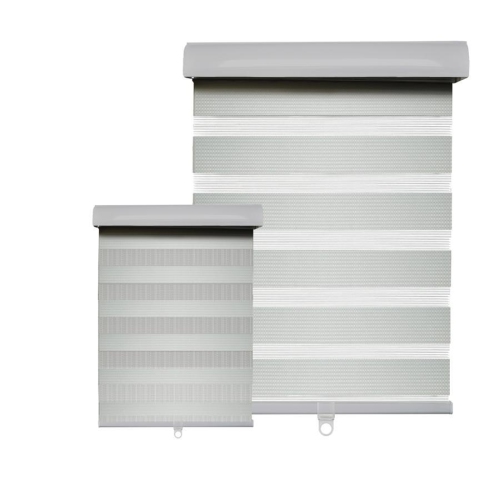 Your price for this item is $57.97
 -
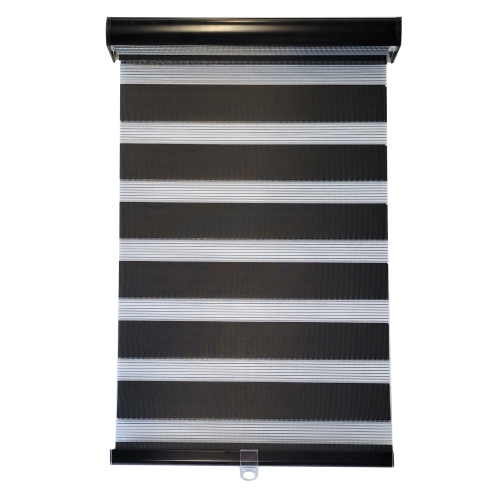 Your price for this item is $119.97
 -
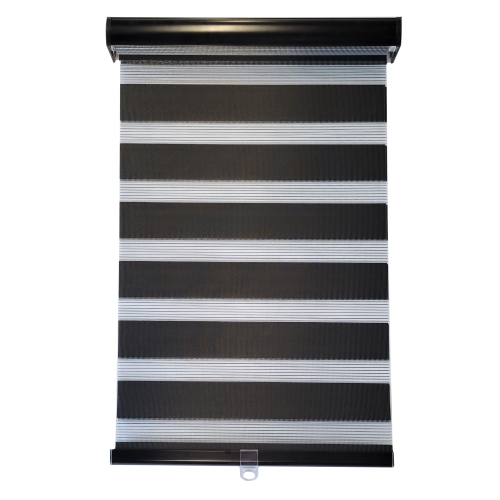 Your price for this item is $134.97
 -
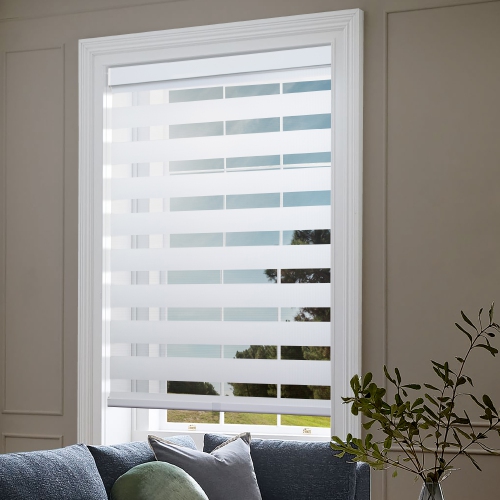 Your price for this item is $61.99
 -
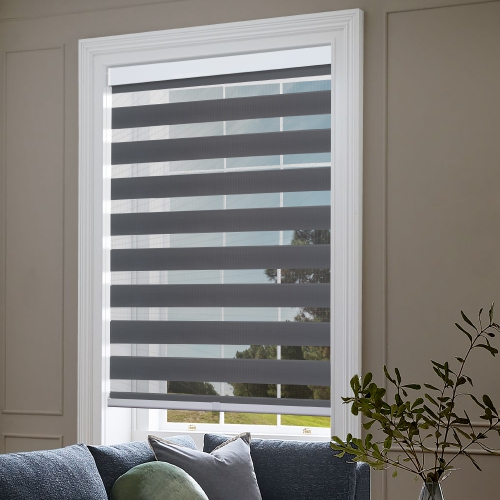 Your price for this item is $75.99
 -
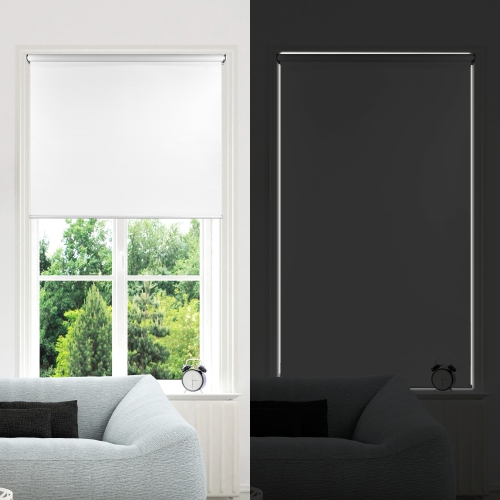 Your price for this item is $33.99
 -
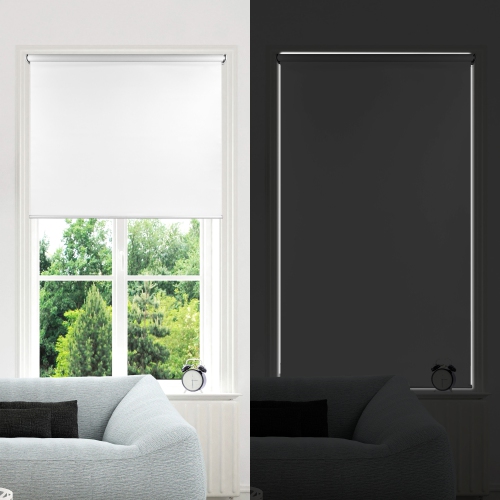 Your price for this item is $46.99
 -
 Your price for this item is $46.99
Discover more categories related to Bedroom Window Shades
Top Collections:
Pokemon Centers, Kindle Devices, Best Budget Office Chairs, Apple iPhones 16, Canon G7X Cameras, iPhone 15 Apple, Alarm Clock, Refurbished Apple Laptops, Flip Phones, Best Laptops for Writers
Some products may be subject to Environmental Handling Fees
(EHF) depending on your province.
Learn more about EHFs.