Fabric Window Shades
Enhance the ambiance of any room with fabric window shades, an elegant solution for controlling light and adding a touch of sophistication to your home décor. These versatile window treatments offer a seamless blend of style and functionality, making them a popular choice for modern and traditional interiors alike. Whether you're looking to create a cozy atmosphere or simply wish to protect your furnishings from harsh sunlight, fabric window shades provide the perfect balance between privacy and illumination. Explore our diverse selection to find the ideal match for your space, ensuring both aesthetic appeal and practical benefits.
Sort
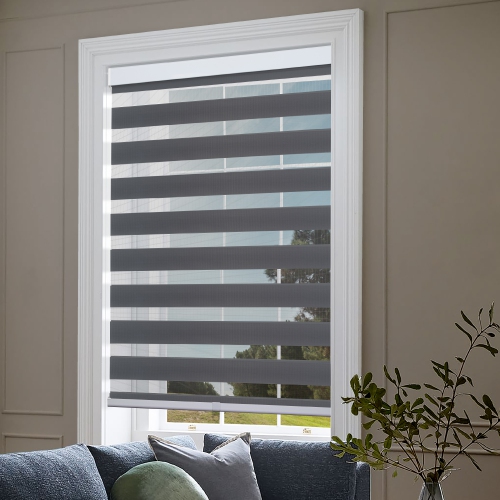
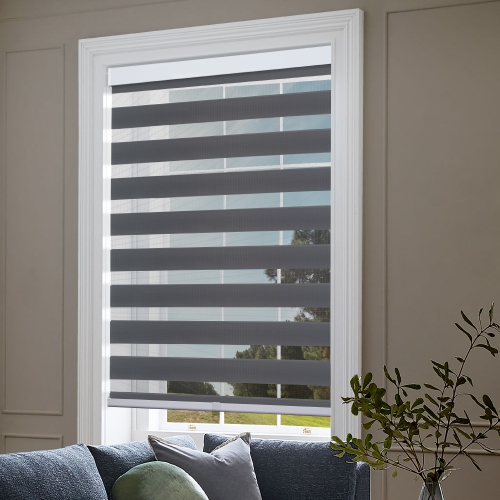
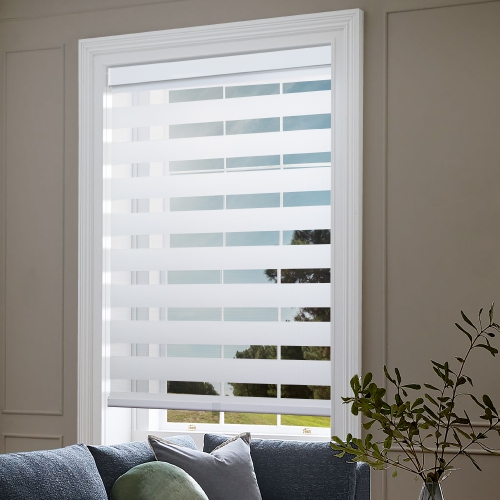
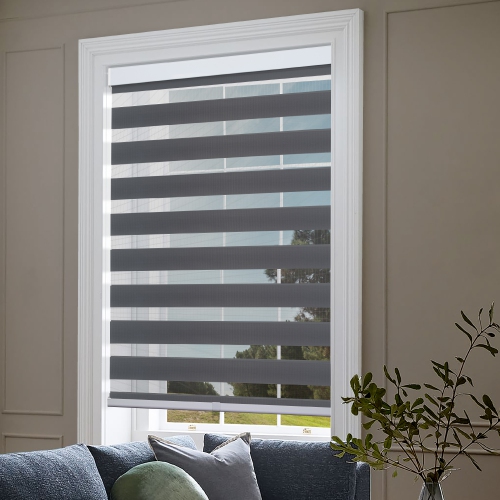
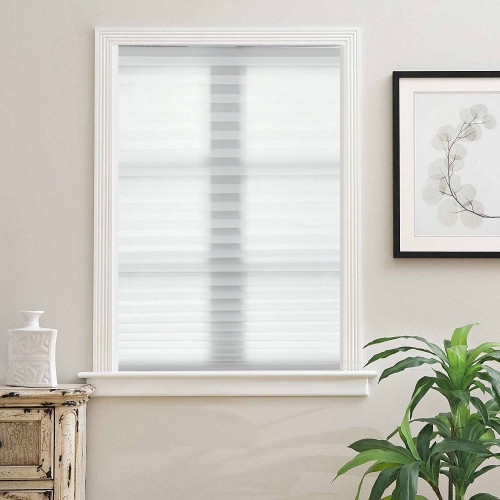

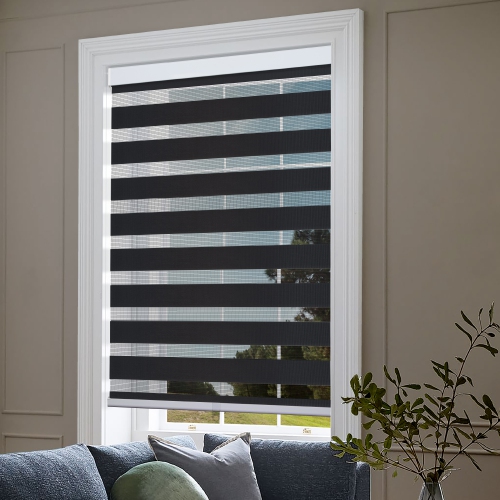
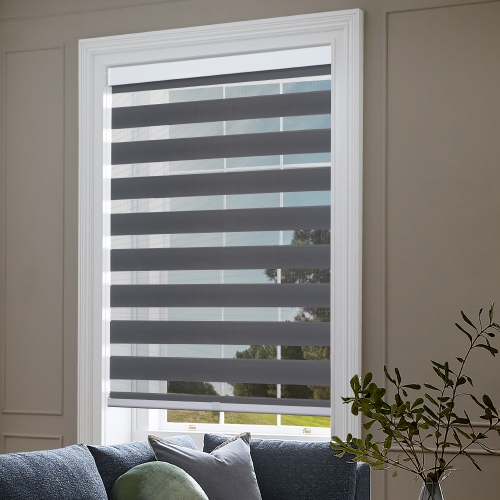
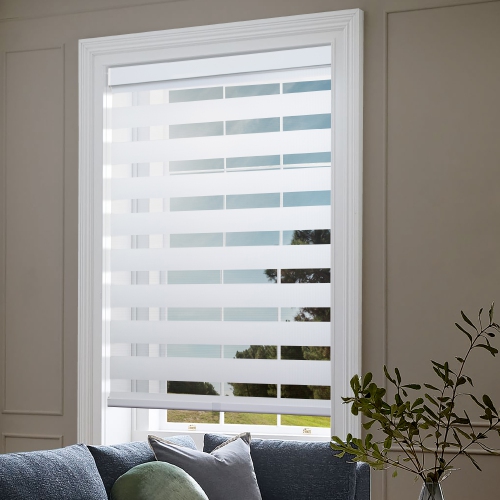
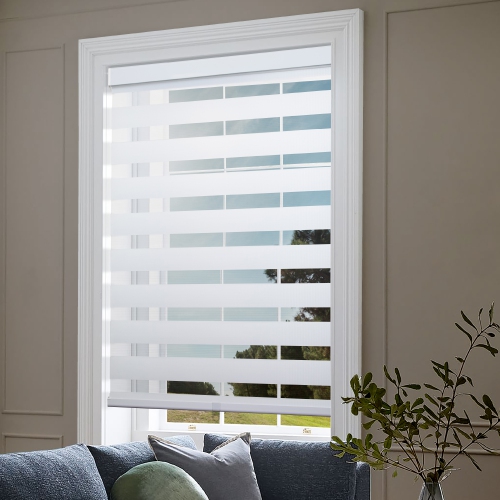
Soft textures and flexible light control for every room
Fabric window shades bring softness, texture, and practical light control to spaces that might otherwise feel stark or unfinished. Unlike hard blinds, fabric shades can make a window feel more integrated with the room, whether you prefer the tailored folds of Roman shades, the streamlined appearance of roller shades, or the neat, structured pleats of cellular and pleated styles. Roman shades fold into horizontal layers as they are raised, creating a classic look that suits dining rooms, bedrooms, reading corners, and traditional or transitional décor. Roller shades wind neatly around a top tube for a clean profile that works especially well in modern rooms, compact spaces, and windows where you want the covering to sit close to the frame. Pleated shades add crisp texture, while cellular shades use a honeycomb-like construction that helps moderate the feel of warm sunlight and cool drafts near the glass. Fabric choices can range from linen-look weaves with visible texture to smooth synthetic textiles that are easy to coordinate with existing furniture. Neutral shades in white, cream, grey, taupe, or natural-looking tones can soften bright walls without drawing attention away from artwork or architectural details. Deeper colours and subtle patterns can make a window a focal point, particularly in a bedroom or home office. When choosing fabric window shades, consider how the material will look in both daylight and evening light, since a fabric that appears cool and pale in a showroom may look warmer beside lamps or wood furniture at home. A quick look at your flooring, upholstery, wall colour, and metal finishes can help you select a shade that feels connected to the rest of the room rather than added as an afterthought.
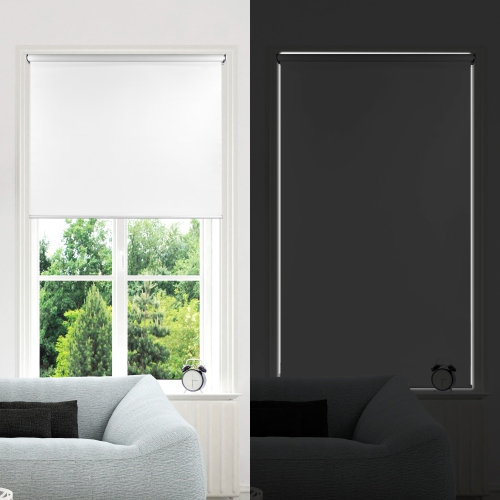
Light control is one of the most important decisions when shopping for fabric window shades. Light-filtering fabrics diffuse strong daylight, creating a gentle glow that can make a kitchen, living room, or home office feel bright without the sharp glare that can appear across a screen or tabletop. They are also useful in rooms where you want privacy during the day while still enjoying natural light. For bedrooms, nurseries, media rooms, and shift-work spaces, blackout fabrics or blackout linings can block much more light and help create a darker, calmer setting for sleeping or watching films. Keep in mind that the fabric itself is only part of the result: the shade’s width, the way it is mounted, and the small spaces around the edges can all affect privacy and brightness. An inside mount sits within the window frame for a tidy, built-in appearance, provided the frame has enough depth, while an outside mount can cover more of the surrounding area and may reduce light gaps. Measure the window carefully at several points because frames are not always perfectly square, and check the manufacturer’s instructions for the exact measurements required. If your windows have unusual dimensions, a wide span, or a distinctive shape, exploring Custom Window Shades can make it easier to achieve a balanced fit and a consistent look across adjoining windows. Also consider how often you will raise and lower the shades. Cordless designs offer a smooth, uncluttered appearance and are a practical choice for homes with young children or pets. Motorized options can be helpful for hard-to-reach windows, tall rooms, or a series of shades that you would like to adjust together. For a rental, dorm room, or short-term living arrangement, look for straightforward installation methods that suit your agreement and comfort level, including options that require little or no drilling where available.
Fabric window shades can be selected room by room according to the way each space is used. In a bedroom, a softly textured Roman shade with room-darkening coverage can add a restful, finished feeling, especially when paired with curtains or simple bedding in complementary colours. In a nursery, cordless operation, easy-to-clean fabric, and reliable light control may matter more than an elaborate pattern. A home office often benefits from a light-filtering roller shade that reduces glare while keeping the room welcoming during video calls, paperwork, or creative projects. In a living room, layered shades can provide flexibility: translucent fabric can be left closed for daytime privacy, while a darker lining or additional window covering can create more seclusion after sunset. Fabric shades are also useful in breakfast nooks, guest rooms, entryways, and reading areas where a small change in texture can make the entire space feel more considered. They can be a thoughtful housewarming gift for someone settling into a new home, particularly when you know the recipient’s preferred colours and window sizes, though measurements should be confirmed before choosing a fitted style. During the cooler months, closing shades after dusk can make a room feel cosier by reducing the chilly sensation near the window, while opening them during bright daytime hours lets the room take advantage of available sunlight. As the weather changes, rotating or adjusting the shades can also help protect furnishings from harsh direct glare. Before purchasing, review the care instructions, operating method, mounting requirements, fabric opacity, and finished dimensions. A shade that complements the room, fits securely, and matches the household’s daily routines will remain useful long after the initial decorating project is complete.
Light control is one of the most important decisions when shopping for fabric window shades. Light-filtering fabrics diffuse strong daylight, creating a gentle glow that can make a kitchen, living room, or home office feel bright without the sharp glare that can appear across a screen or tabletop. They are also useful in rooms where you want privacy during the day while still enjoying natural light. For bedrooms, nurseries, media rooms, and shift-work spaces, blackout fabrics or blackout linings can block much more light and help create a darker, calmer setting for sleeping or watching films. Keep in mind that the fabric itself is only part of the result: the shade’s width, the way it is mounted, and the small spaces around the edges can all affect privacy and brightness. An inside mount sits within the window frame for a tidy, built-in appearance, provided the frame has enough depth, while an outside mount can cover more of the surrounding area and may reduce light gaps. Measure the window carefully at several points because frames are not always perfectly square, and check the manufacturer’s instructions for the exact measurements required. If your windows have unusual dimensions, a wide span, or a distinctive shape, exploring Custom Window Shades can make it easier to achieve a balanced fit and a consistent look across adjoining windows. Also consider how often you will raise and lower the shades. Cordless designs offer a smooth, uncluttered appearance and are a practical choice for homes with young children or pets. Motorized options can be helpful for hard-to-reach windows, tall rooms, or a series of shades that you would like to adjust together. For a rental, dorm room, or short-term living arrangement, look for straightforward installation methods that suit your agreement and comfort level, including options that require little or no drilling where available.
Fabric window shades can be selected room by room according to the way each space is used. In a bedroom, a softly textured Roman shade with room-darkening coverage can add a restful, finished feeling, especially when paired with curtains or simple bedding in complementary colours. In a nursery, cordless operation, easy-to-clean fabric, and reliable light control may matter more than an elaborate pattern. A home office often benefits from a light-filtering roller shade that reduces glare while keeping the room welcoming during video calls, paperwork, or creative projects. In a living room, layered shades can provide flexibility: translucent fabric can be left closed for daytime privacy, while a darker lining or additional window covering can create more seclusion after sunset. Fabric shades are also useful in breakfast nooks, guest rooms, entryways, and reading areas where a small change in texture can make the entire space feel more considered. They can be a thoughtful housewarming gift for someone settling into a new home, particularly when you know the recipient’s preferred colours and window sizes, though measurements should be confirmed before choosing a fitted style. During the cooler months, closing shades after dusk can make a room feel cosier by reducing the chilly sensation near the window, while opening them during bright daytime hours lets the room take advantage of available sunlight. As the weather changes, rotating or adjusting the shades can also help protect furnishings from harsh direct glare. Before purchasing, review the care instructions, operating method, mounting requirements, fabric opacity, and finished dimensions. A shade that complements the room, fits securely, and matches the household’s daily routines will remain useful long after the initial decorating project is complete.
Top selling and popular products
-
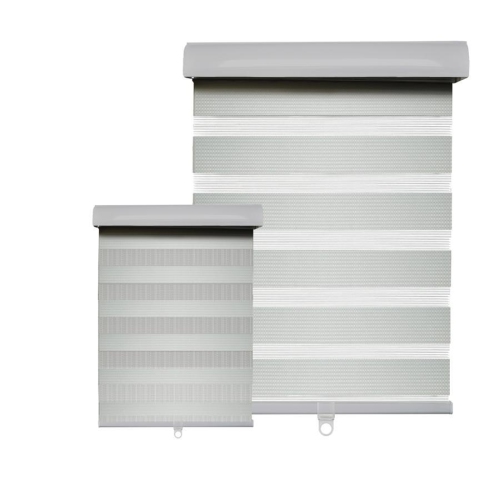 Your price for this item is $57.97
 -
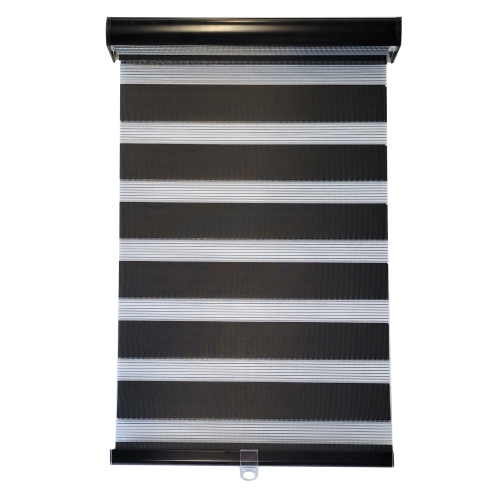 Your price for this item is $119.97
 -
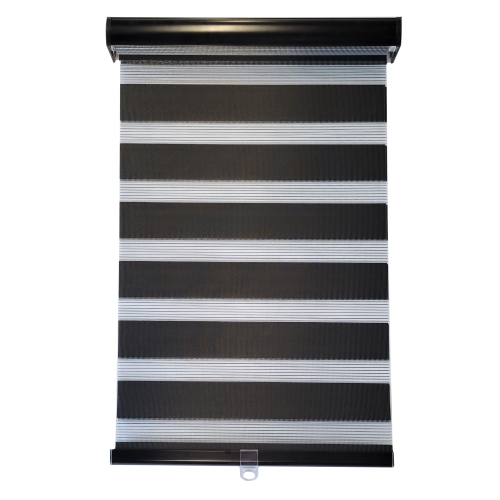 Your price for this item is $134.97
 -
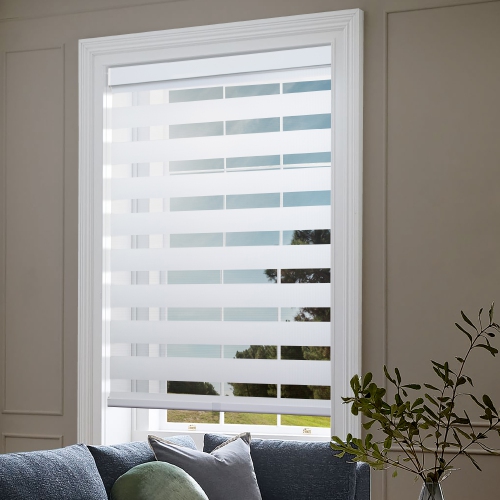 Your price for this item is $61.99
 -
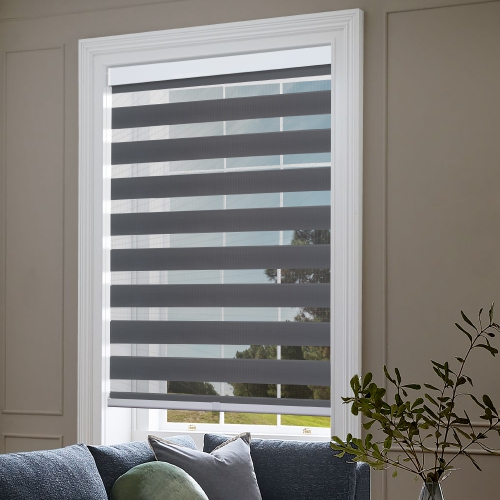 Your price for this item is $75.99
 -
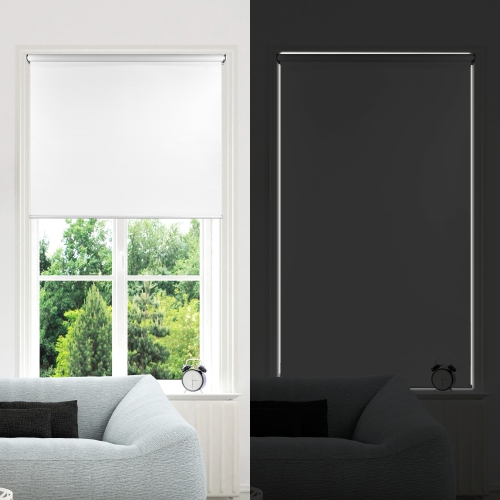 Your price for this item is $33.99
 -
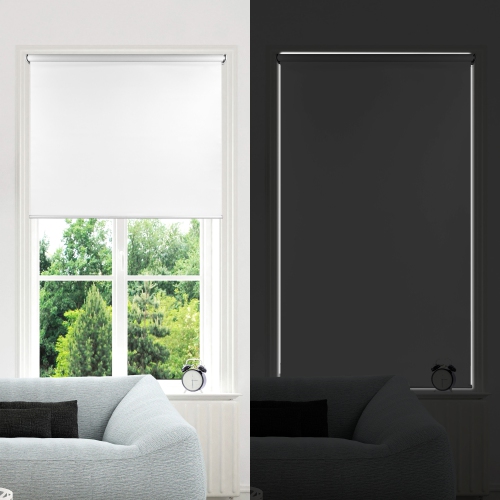 Your price for this item is $46.99
 -
 Your price for this item is $46.99
Discover more categories related to Fabric Window Shades
Top Collections:
Pokemon Centers, Kindle Devices, Best Budget Office Chairs, Apple iPhones 16, Canon G7X Cameras, iPhone 15 Apple, Alarm Clock, Refurbished Apple Laptops, Flip Phones, Best Laptops for Writers
Some products may be subject to Environmental Handling Fees
(EHF) depending on your province.
Learn more about EHFs.