Beds Without Box Spring
Upgrade your bedroom with our selection of beds without box springs, offering a modern and streamlined look while providing exceptional comfort and support. Say goodbye to the traditional box spring setup and explore our range of platform beds, adjustable bases, and slat-supported frames that cater to various styles and preferences. Whether you're looking to create a minimalist aesthetic or maximize under-bed storage space, these innovative bed options are designed to elevate your sleep experience and enhance the overall ambiance of your bedroom.
Sort


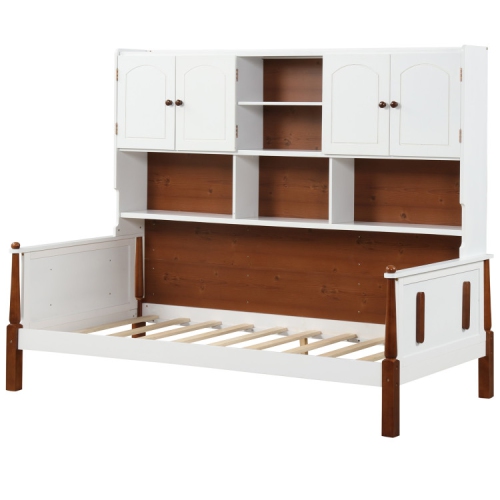
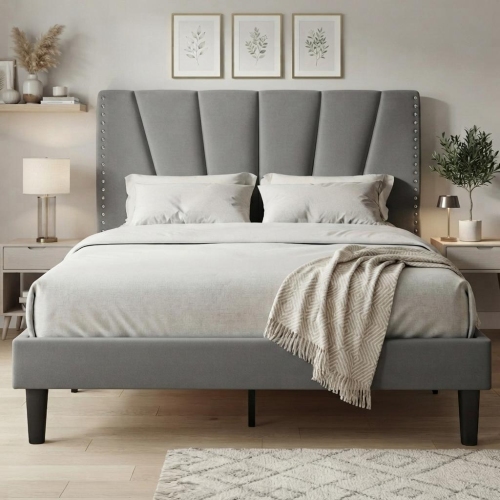
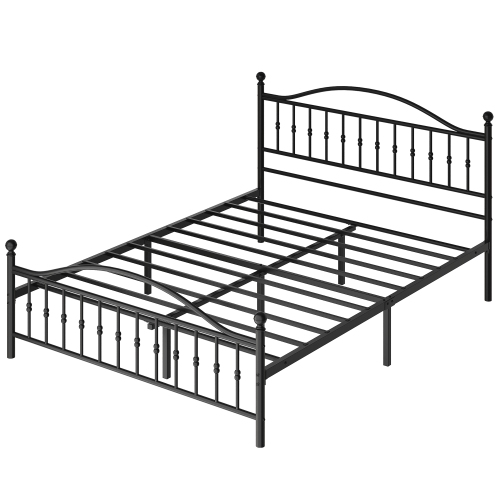
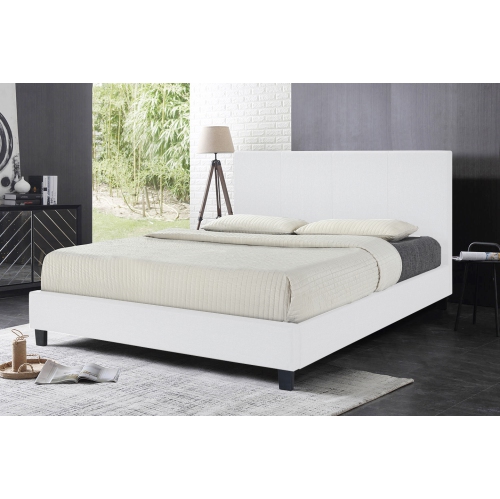
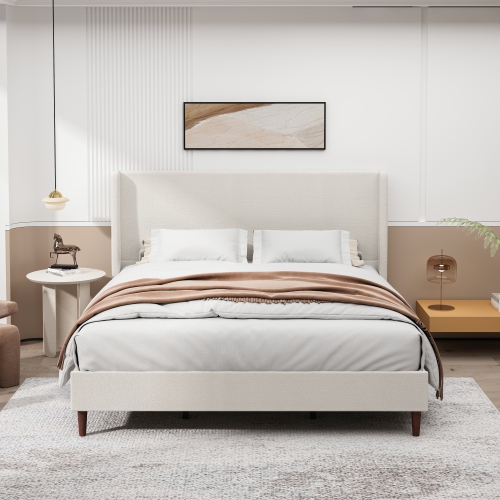
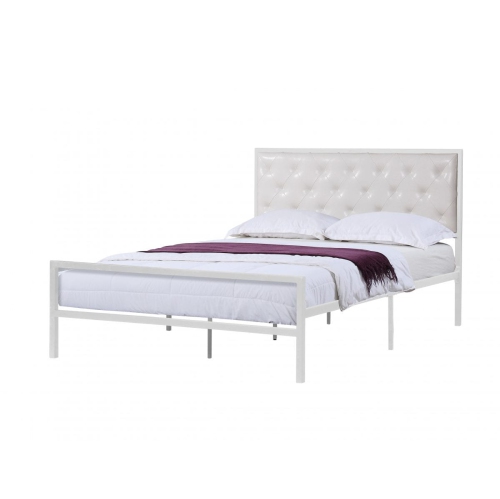
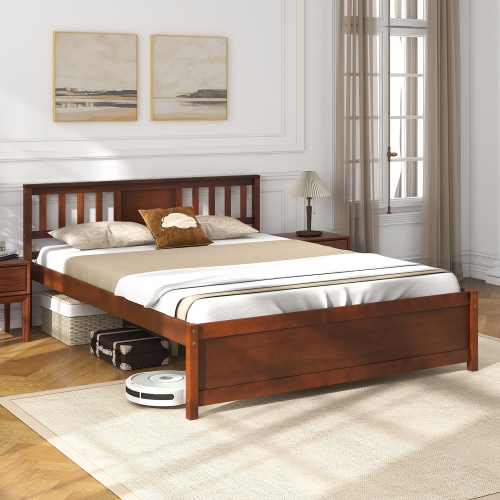
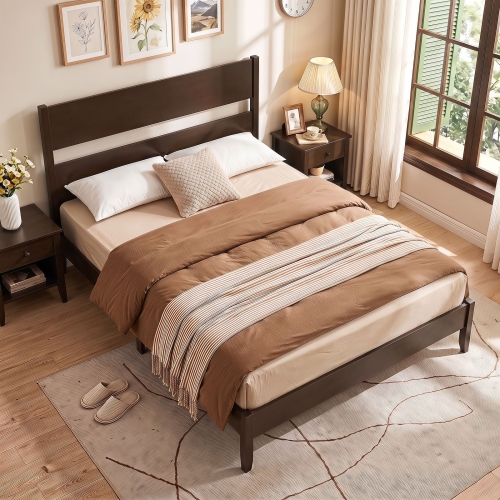
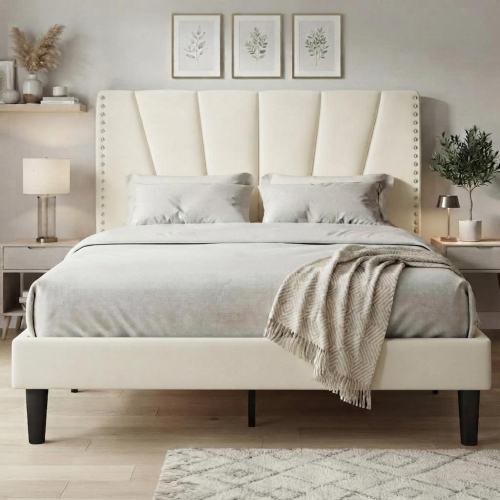
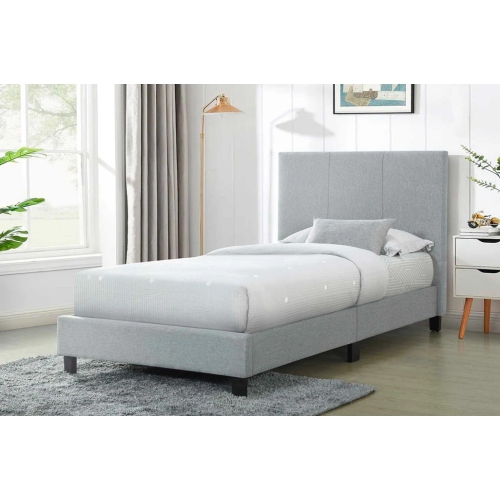
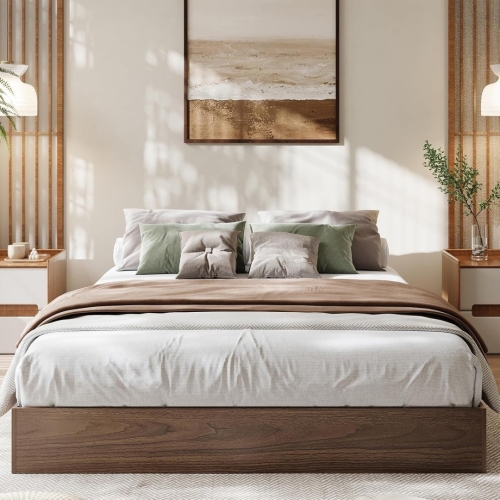
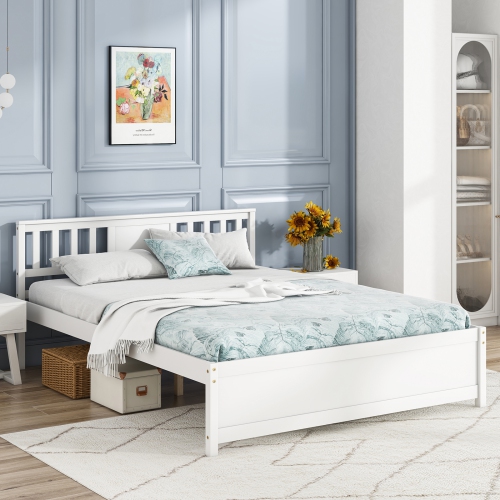
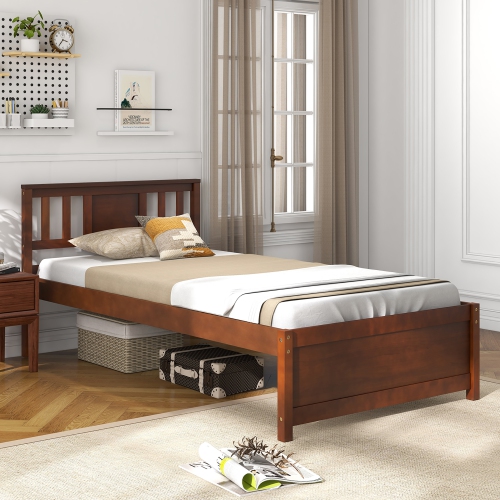
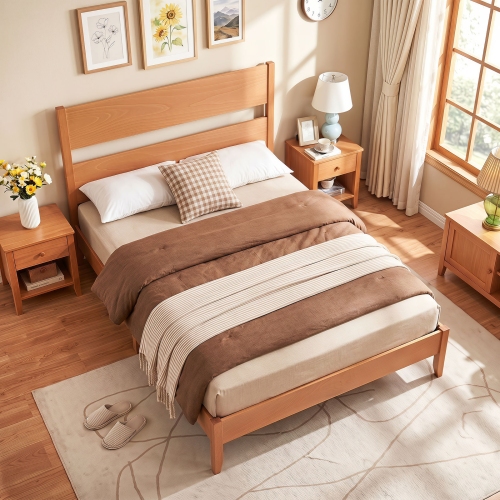
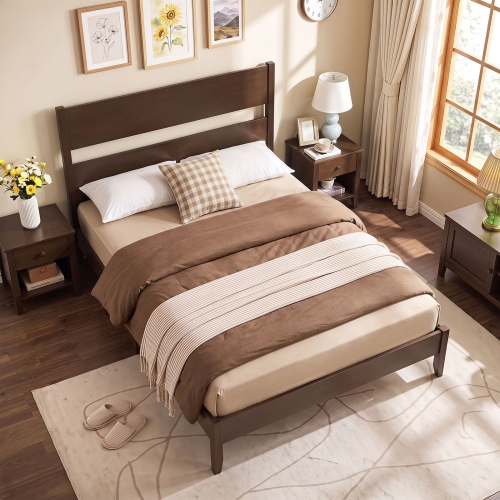

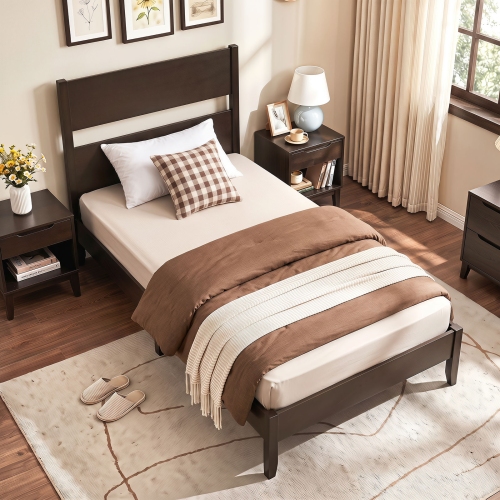
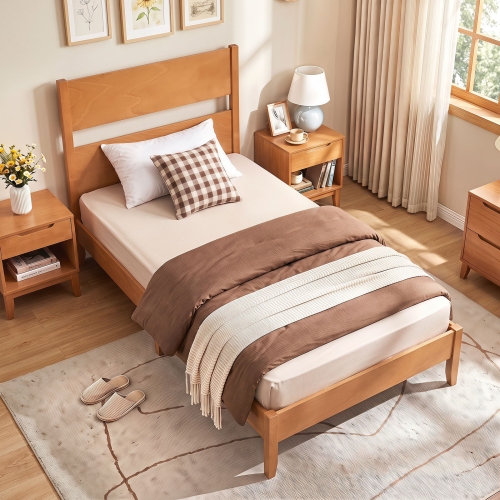
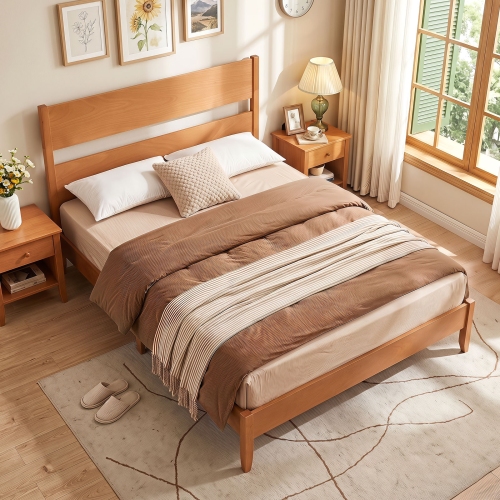
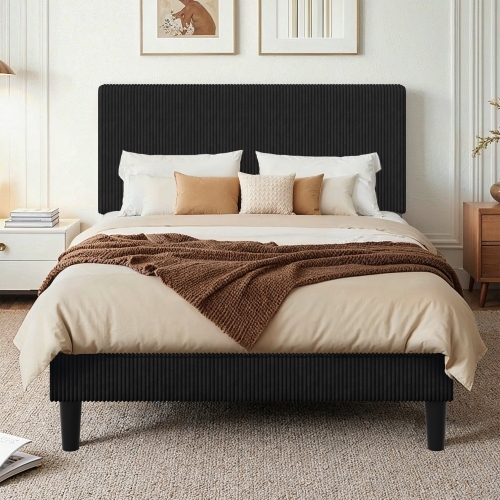
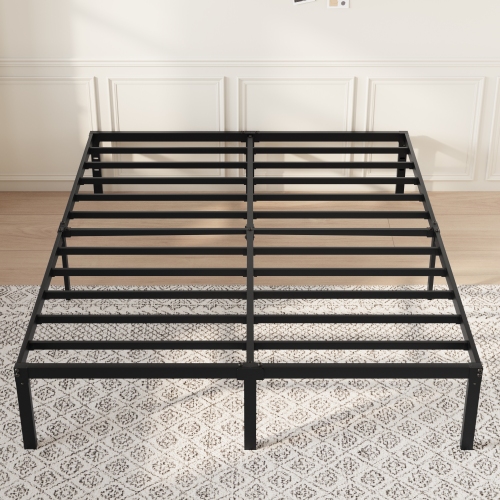
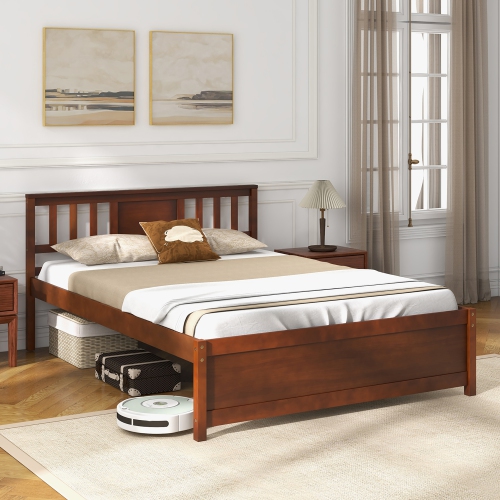

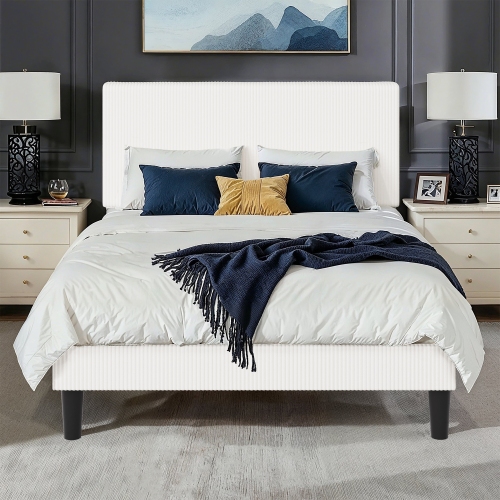
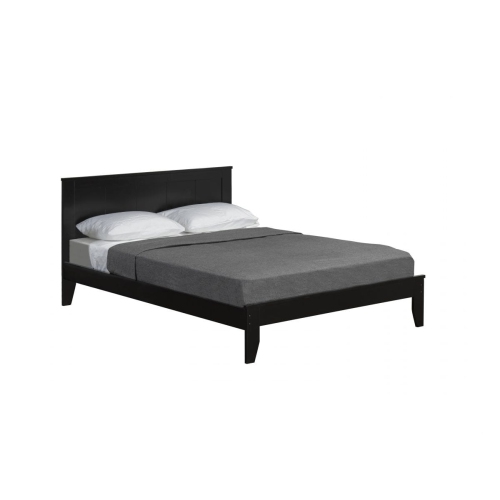
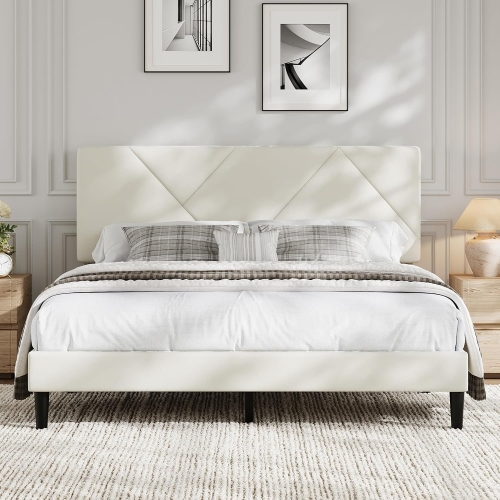
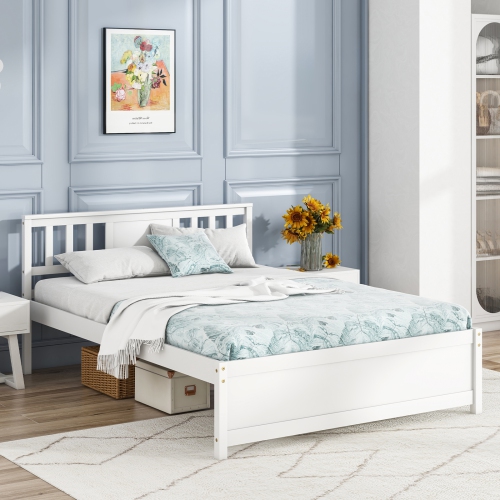
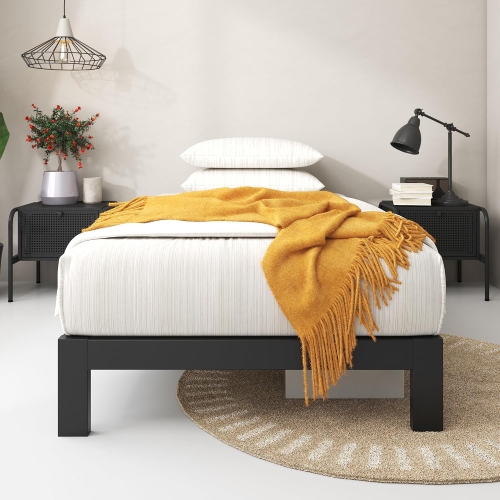
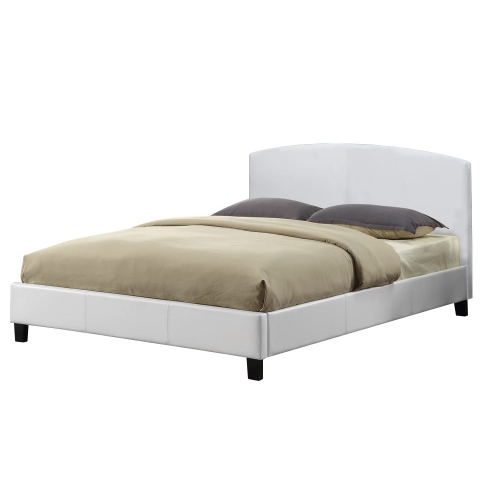
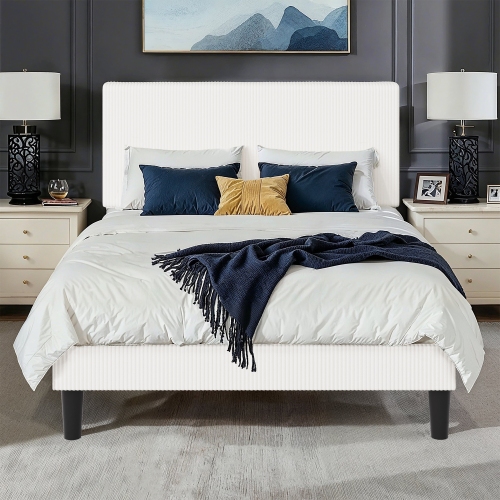
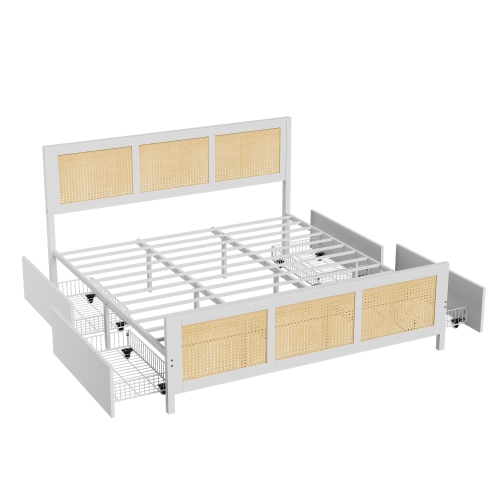
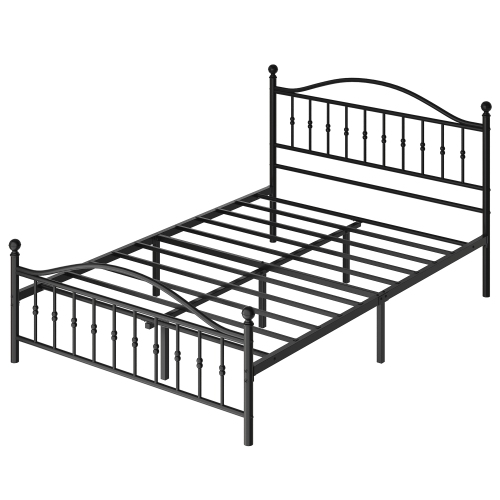
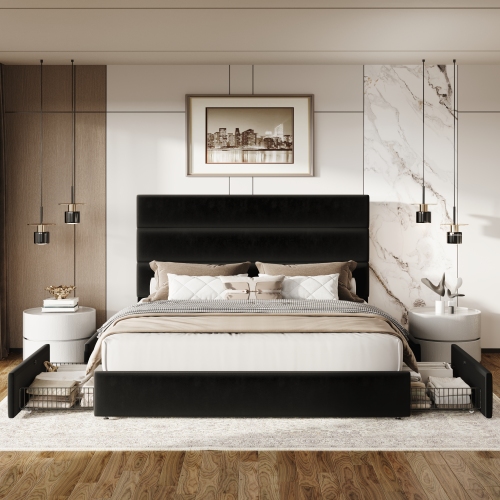
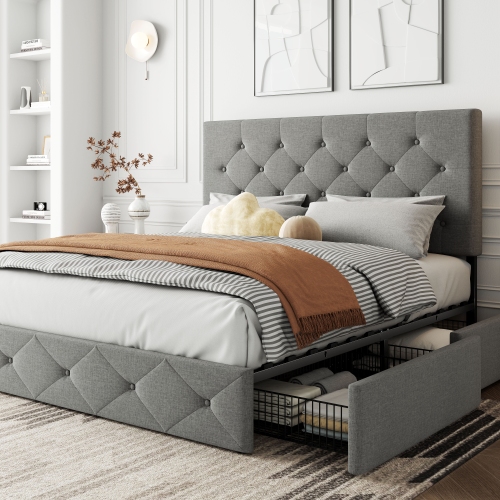
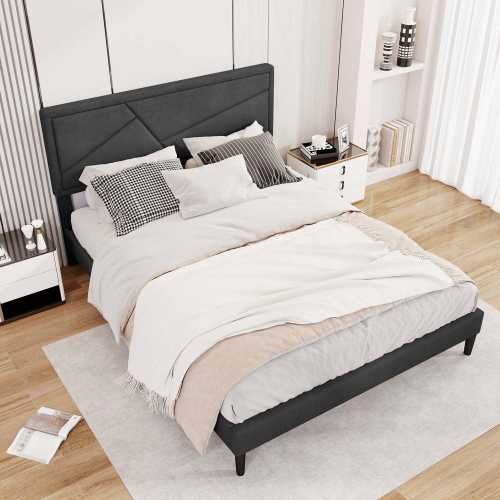

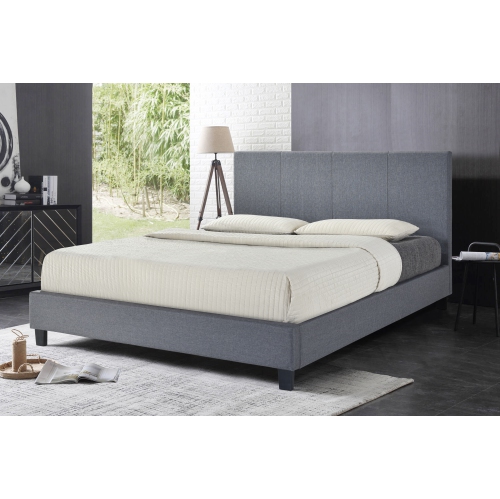
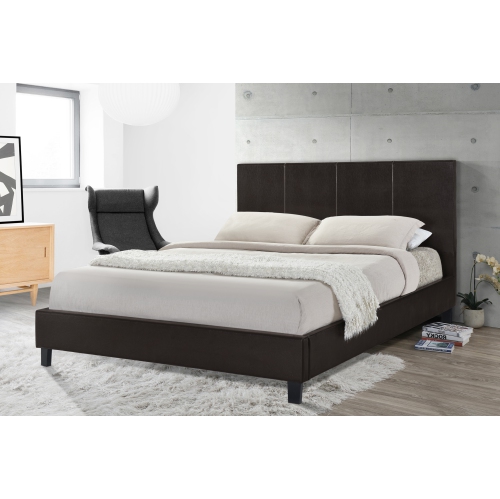
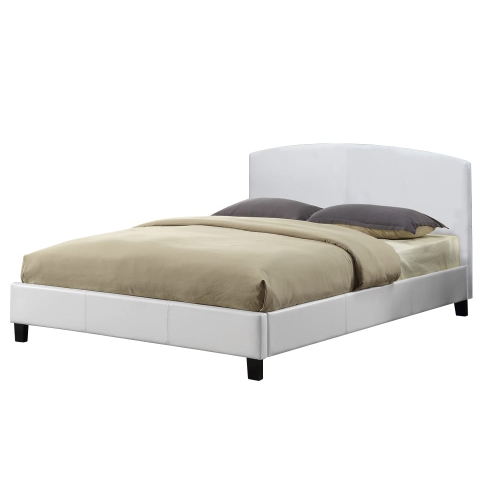
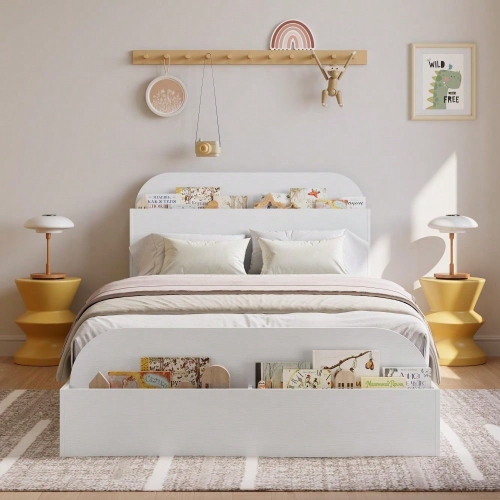
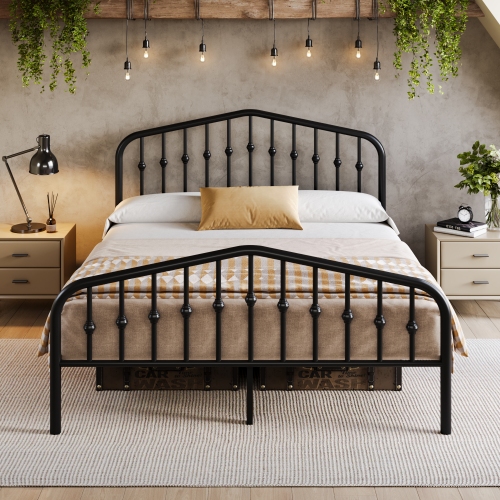
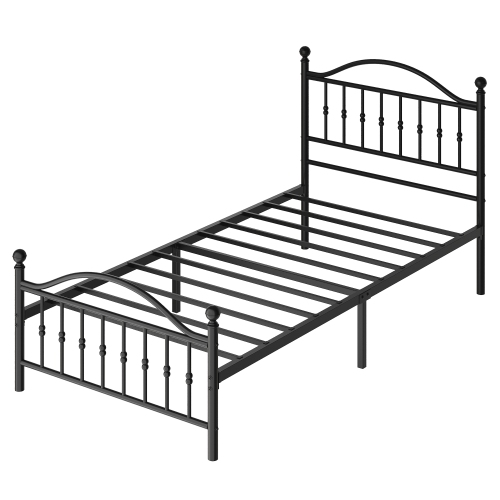
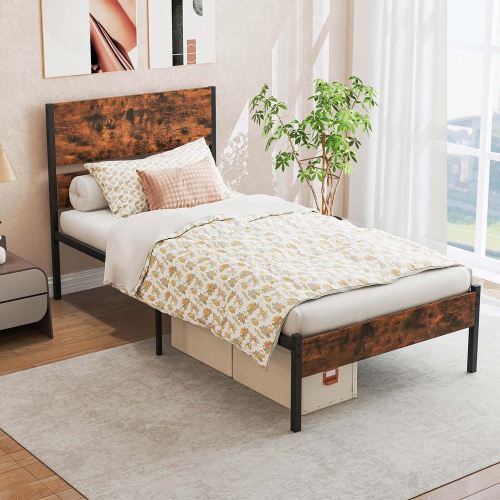
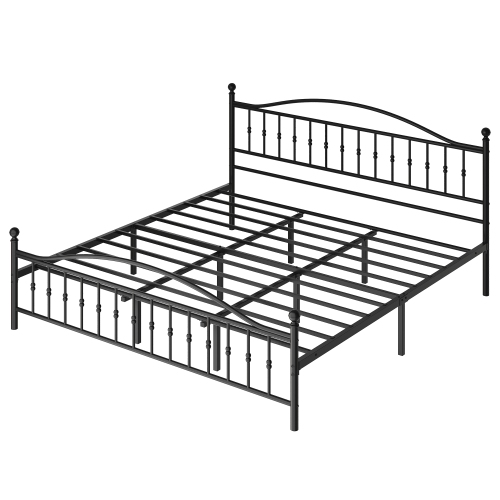
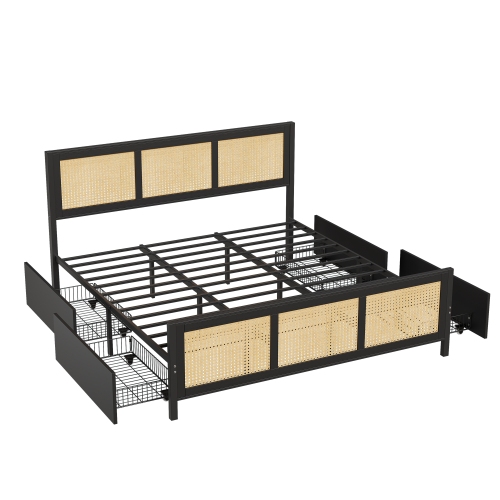
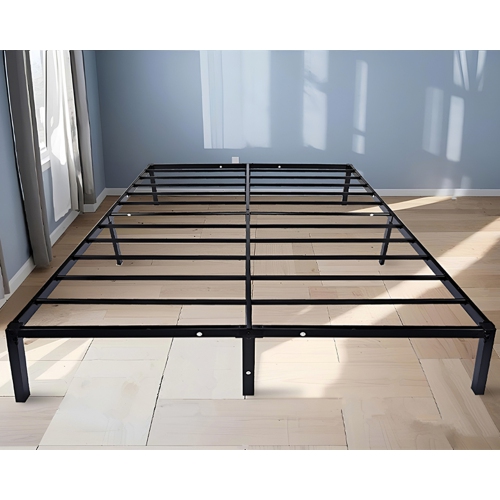
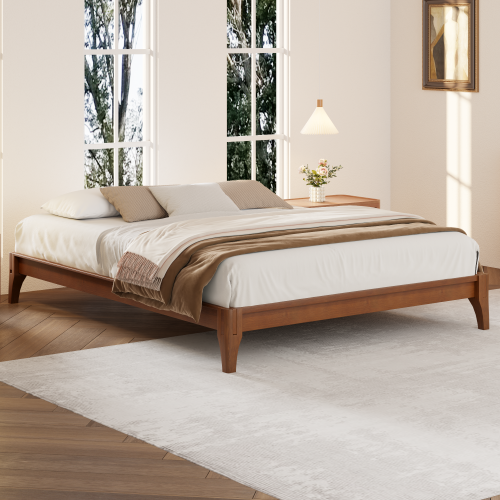
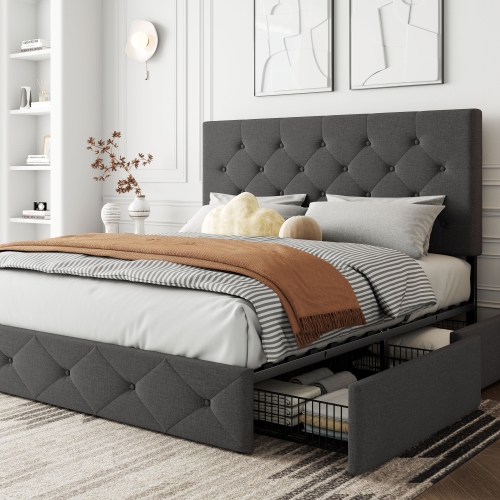
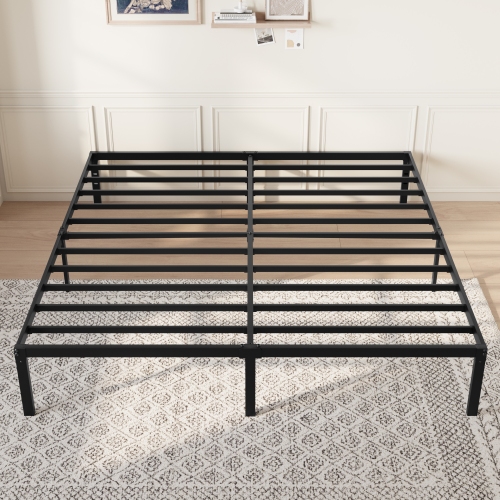
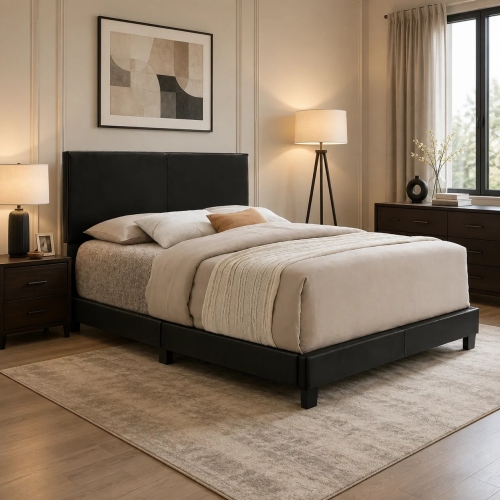
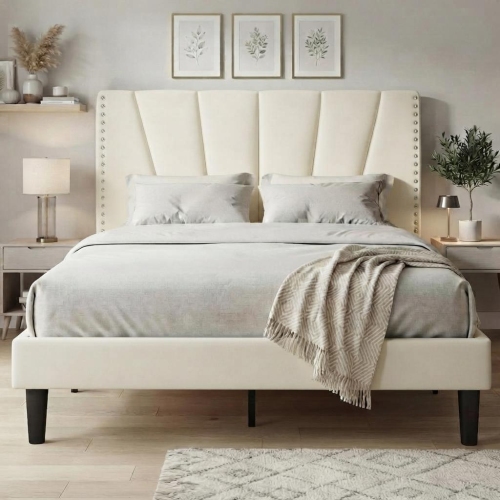
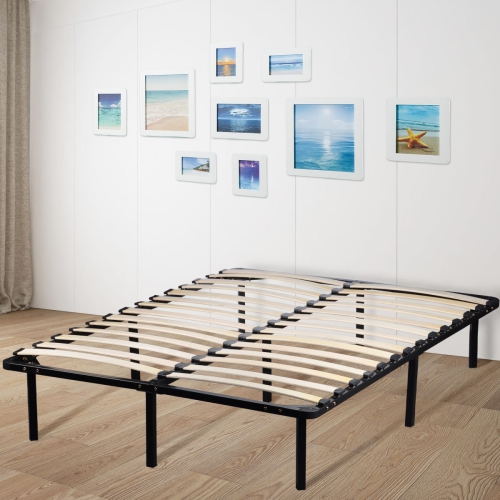
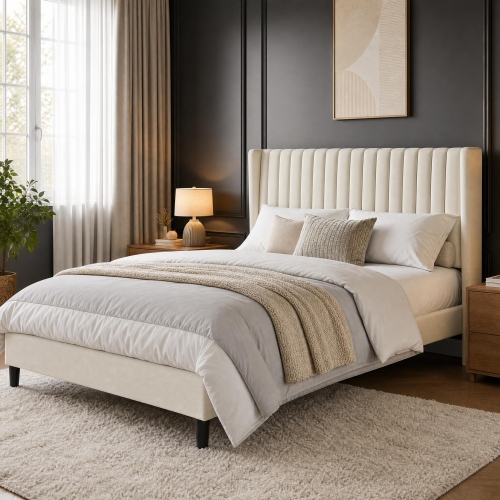
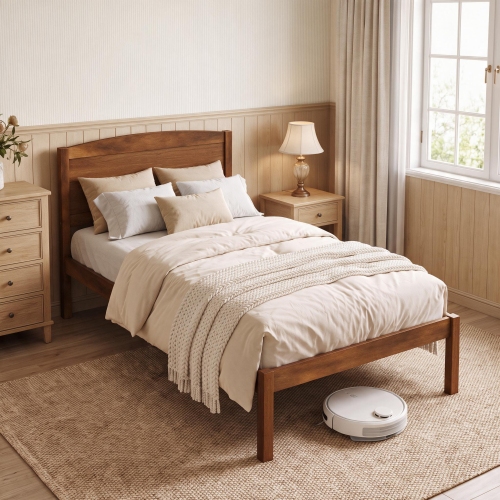
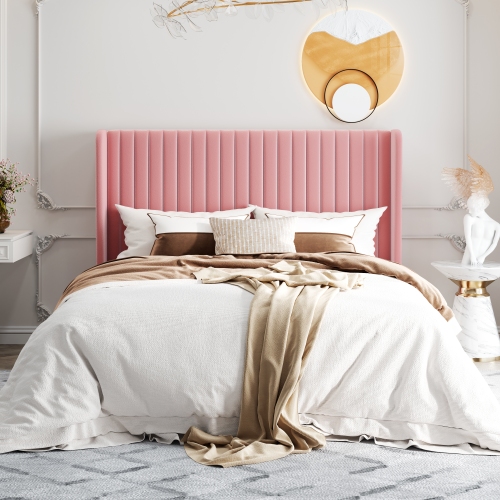

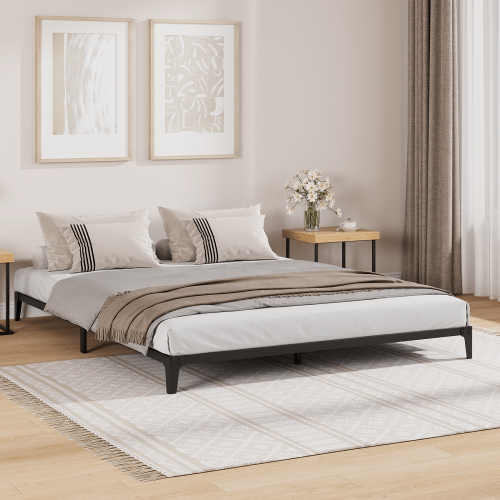
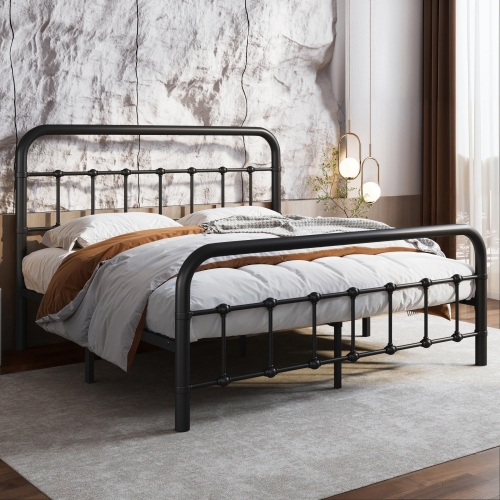
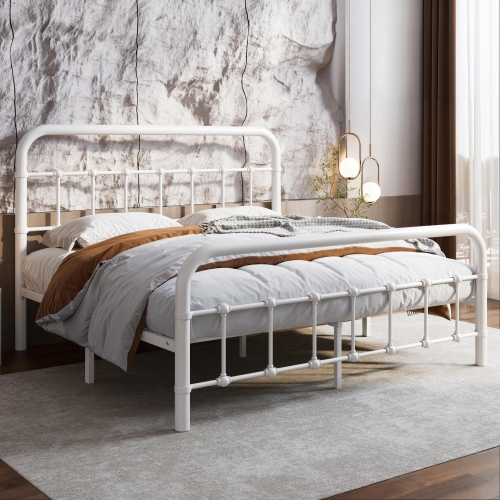
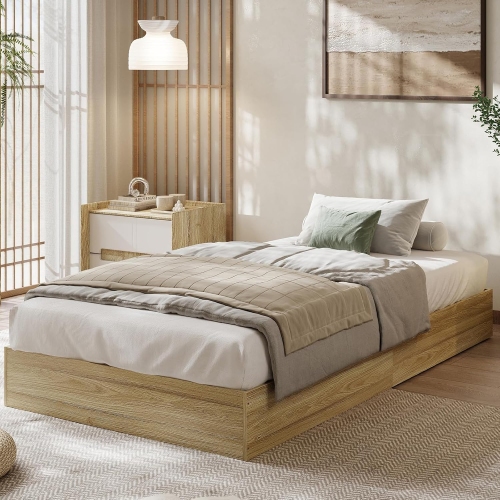
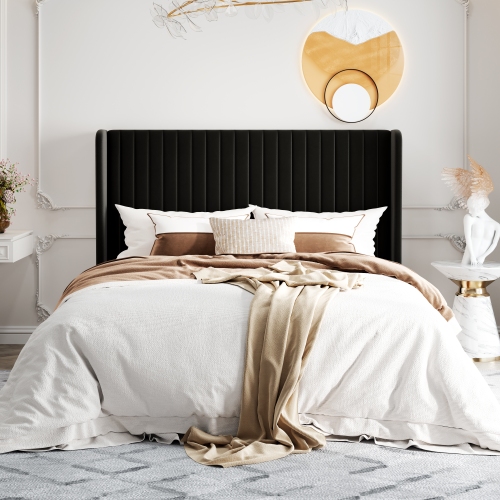
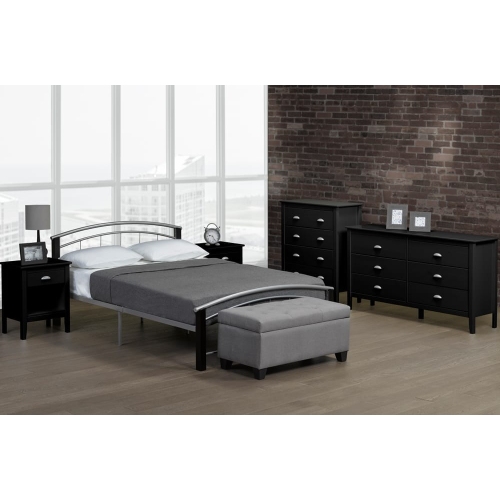
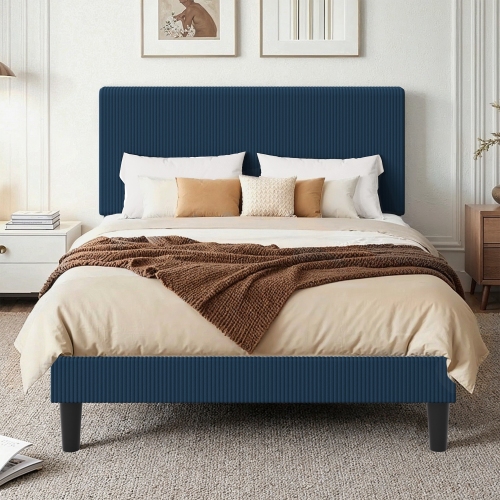
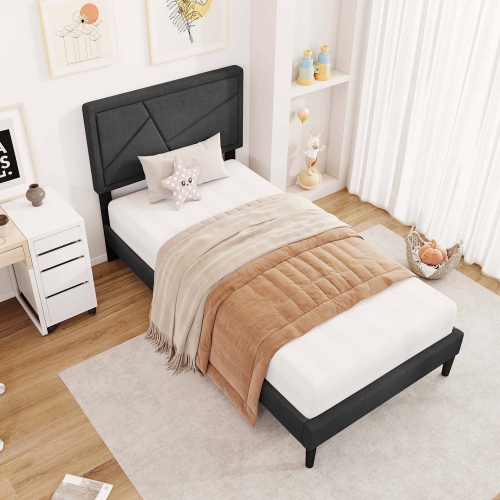
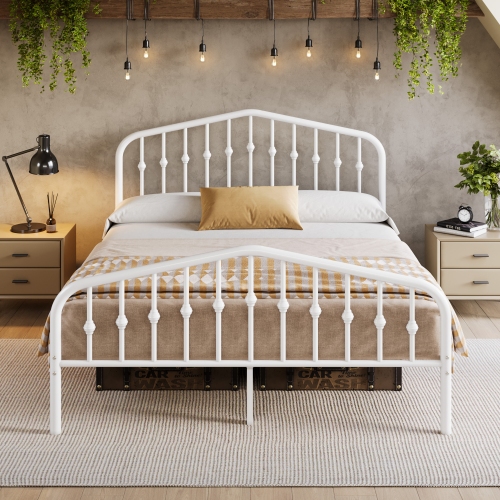
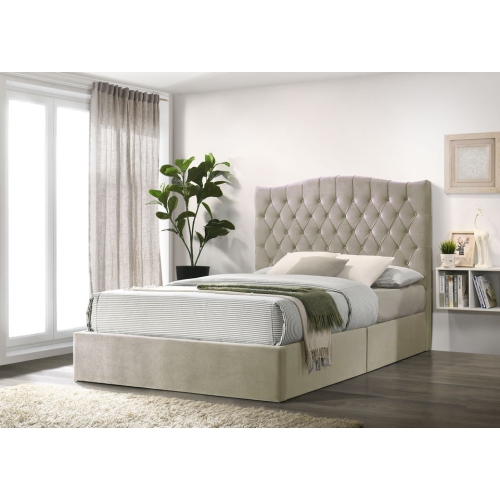
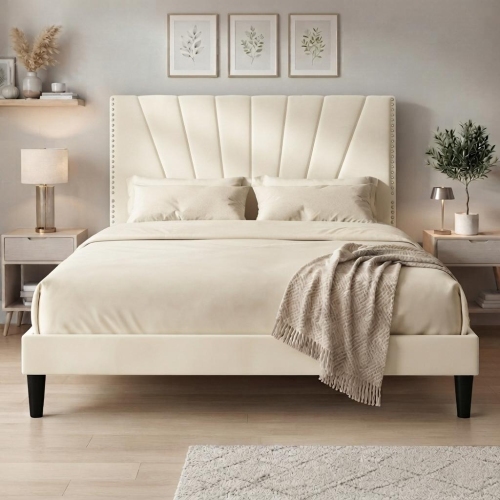
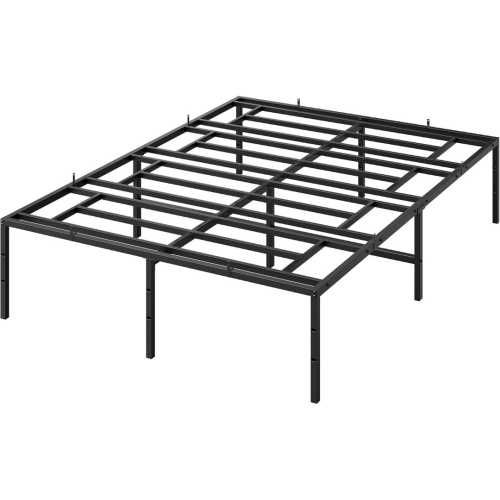
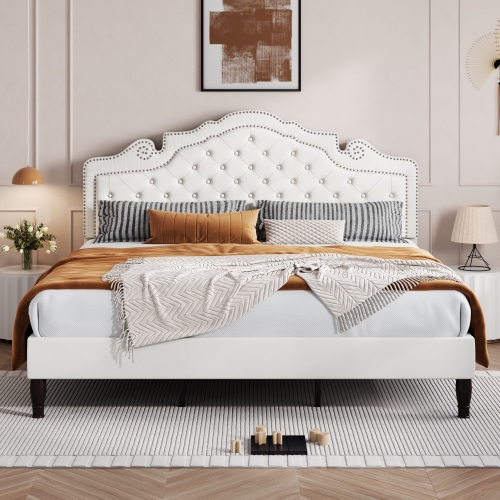
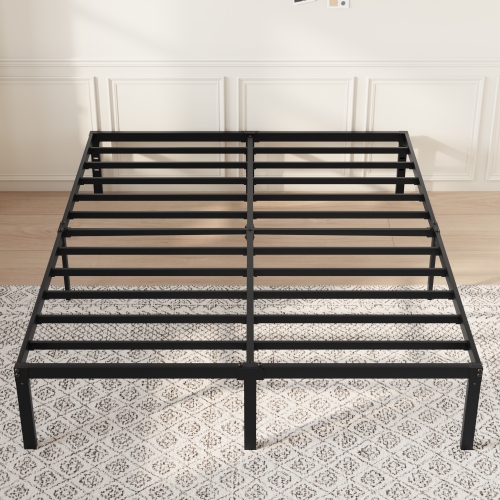
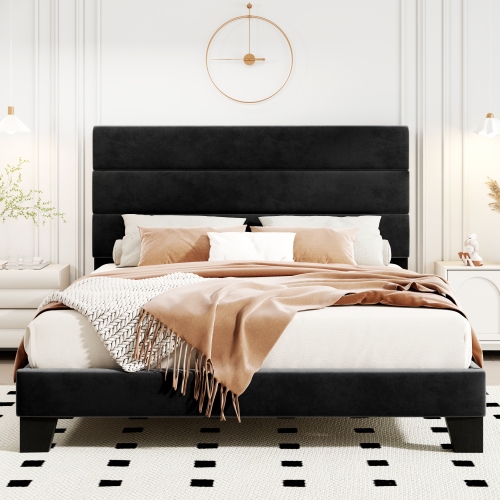
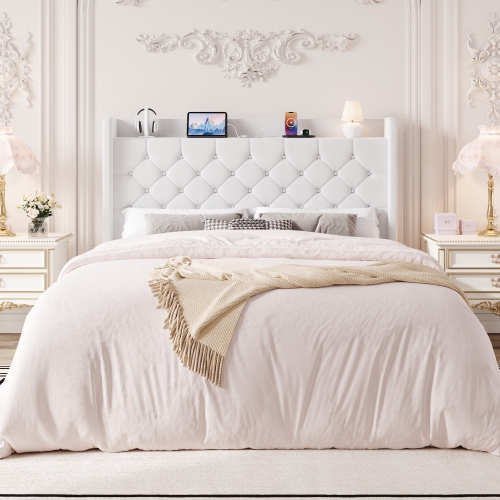
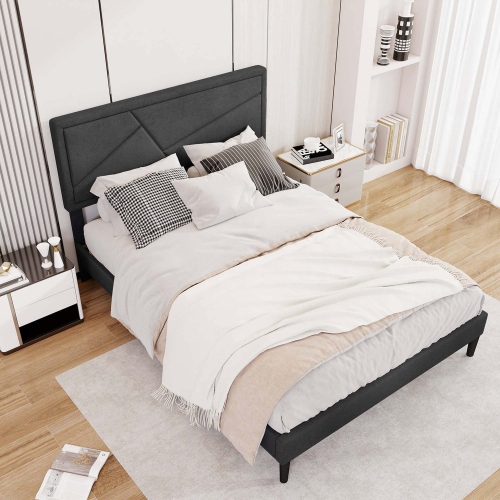
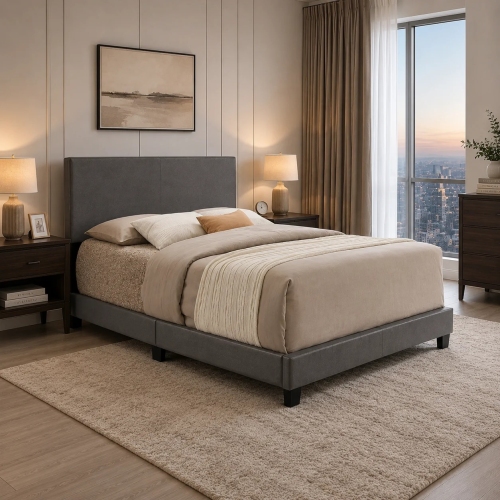
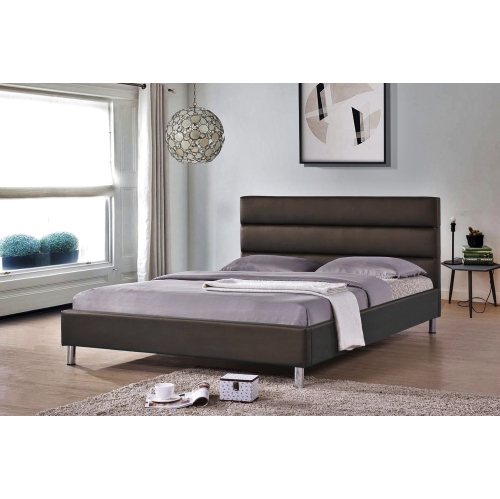
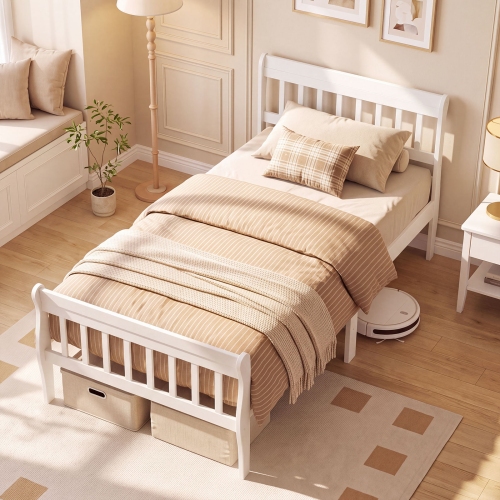
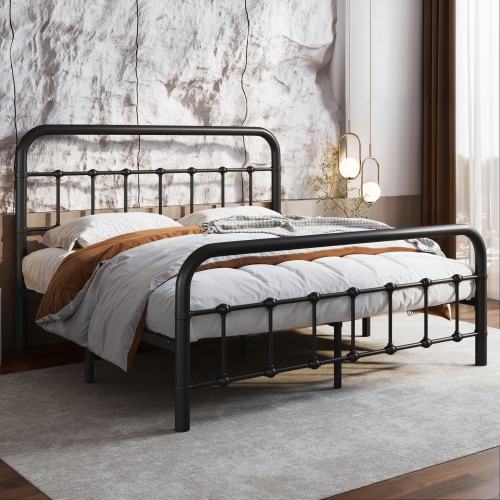
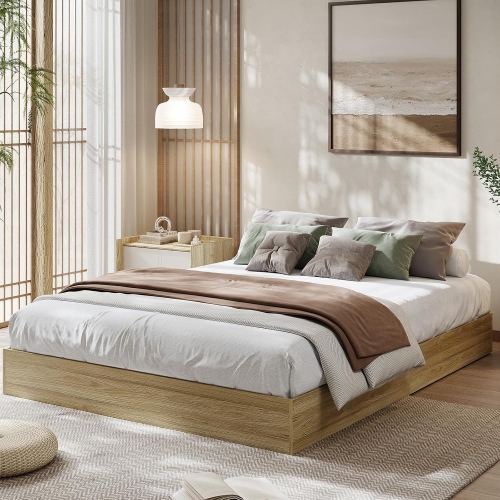
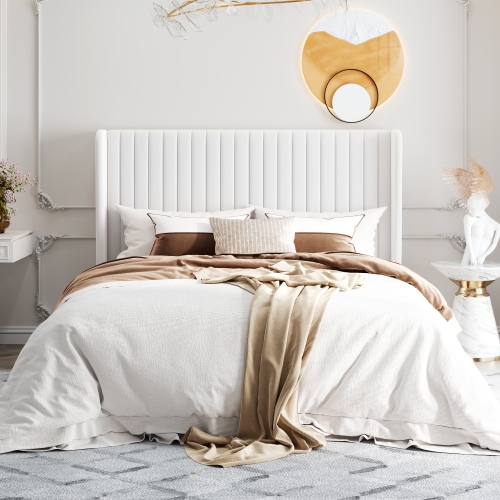
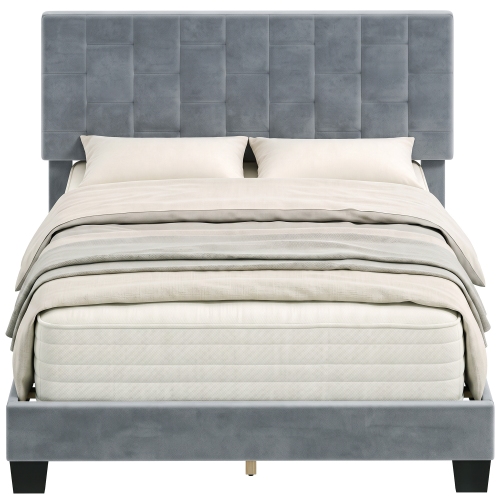
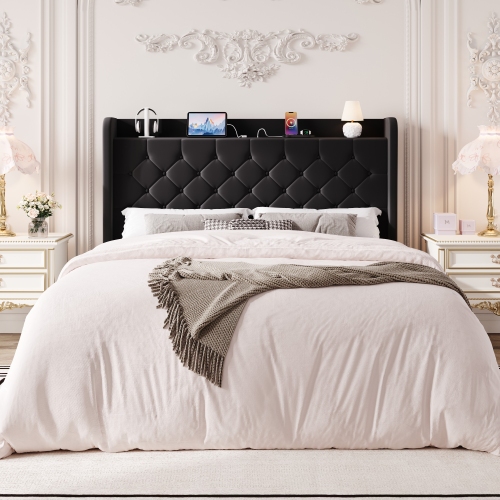
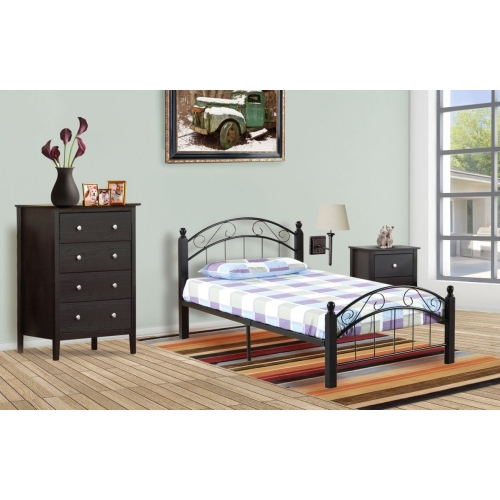
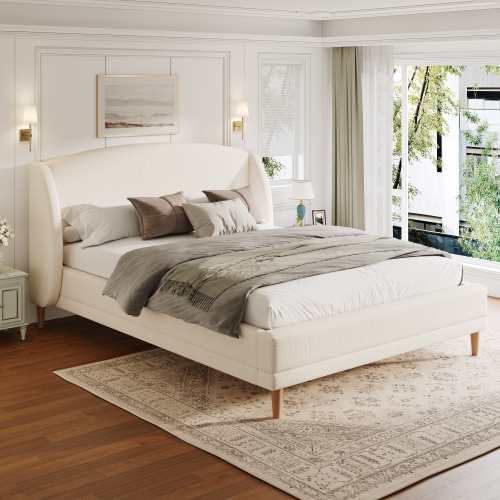
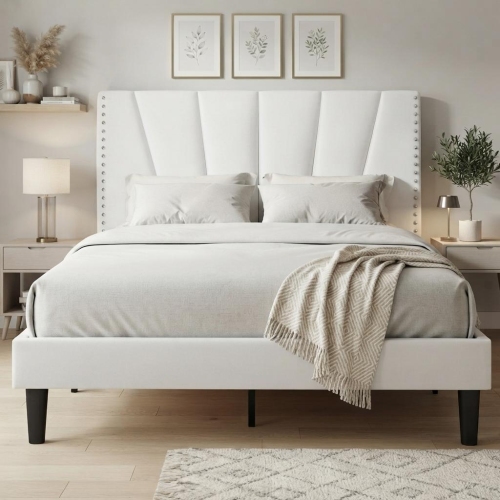
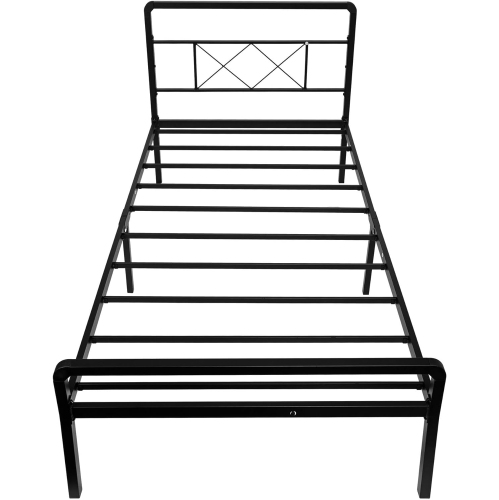
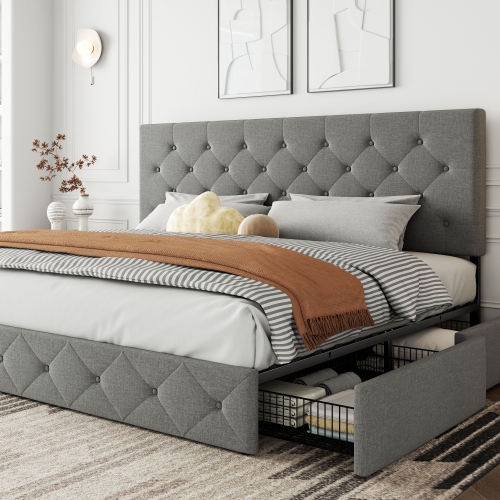
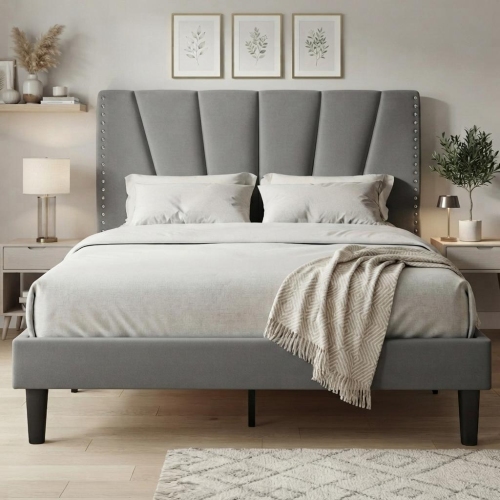
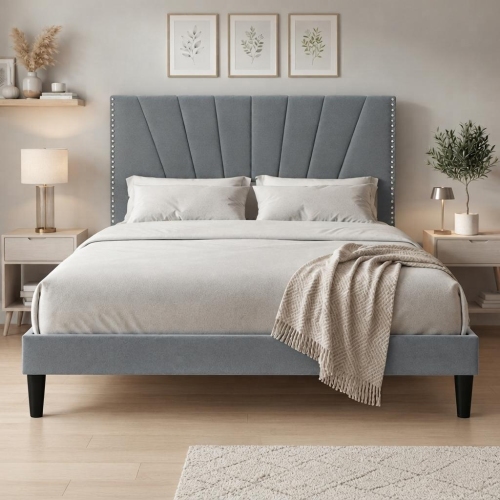
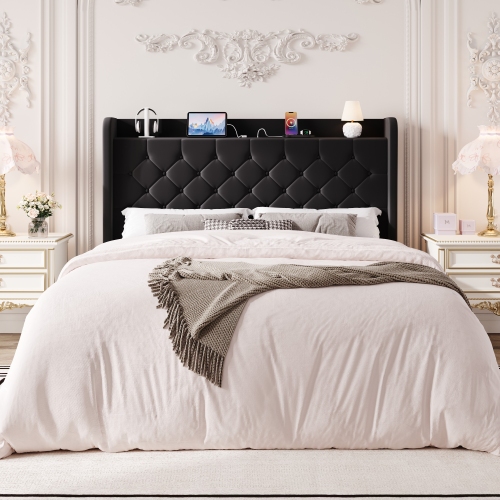
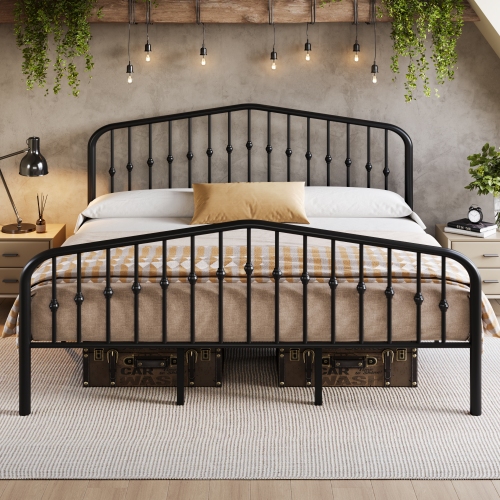
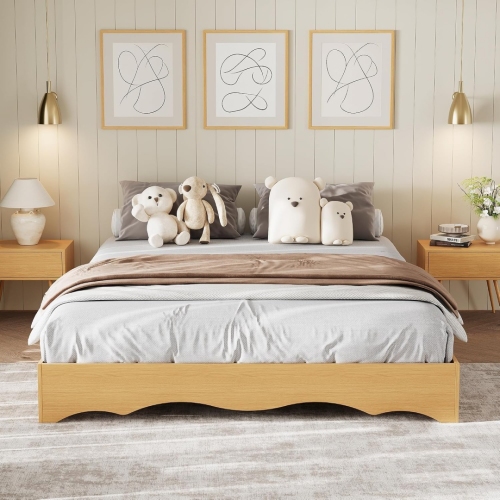
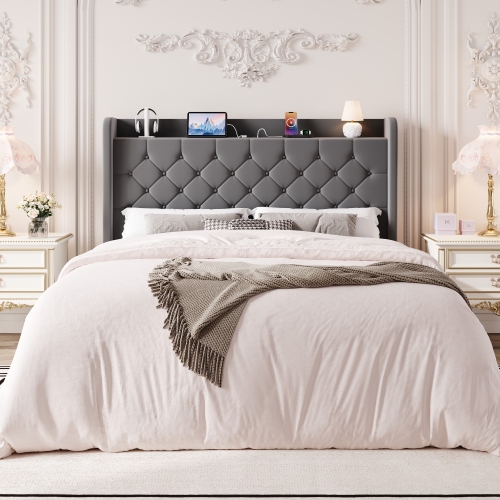
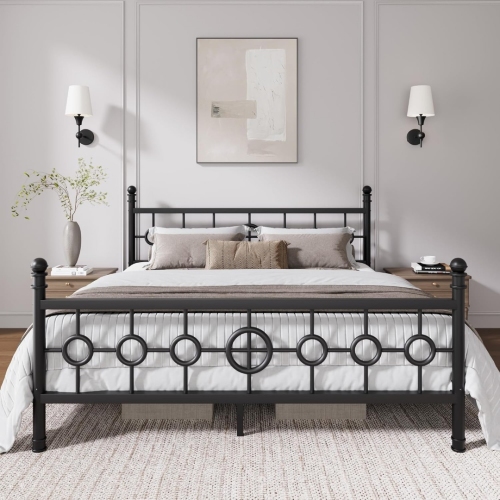
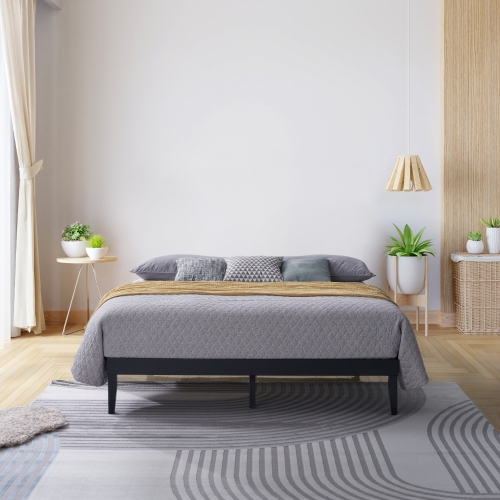
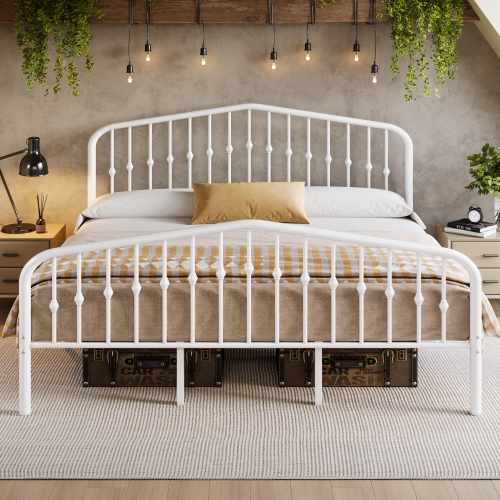
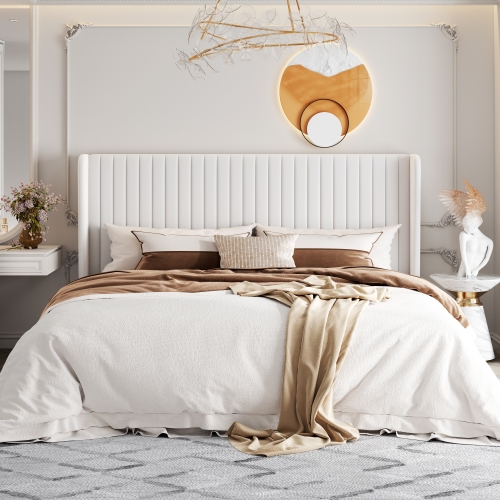
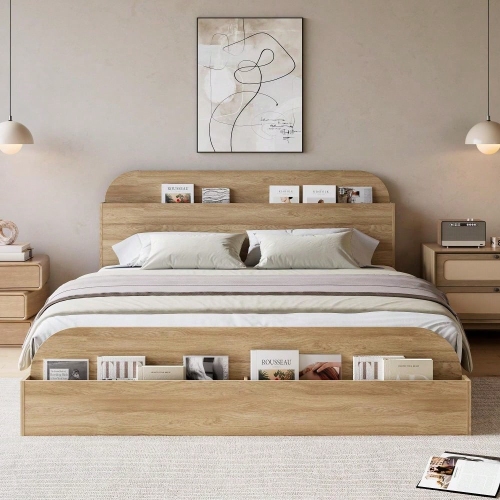
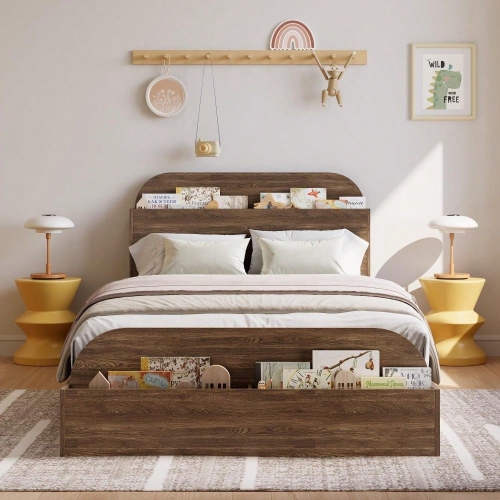
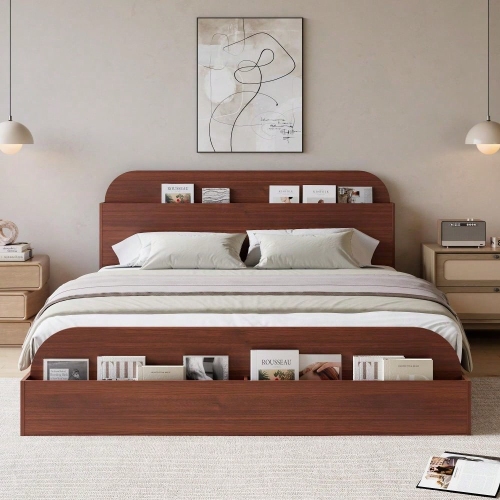
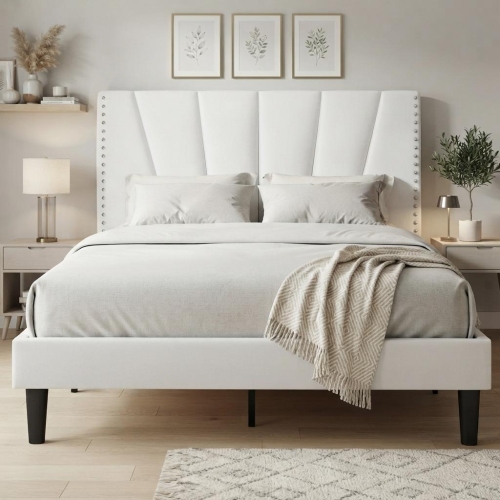
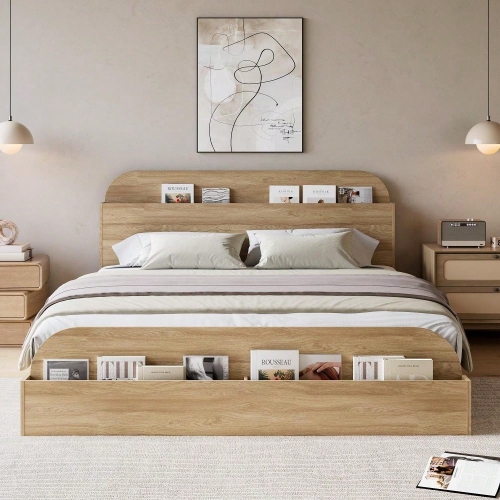
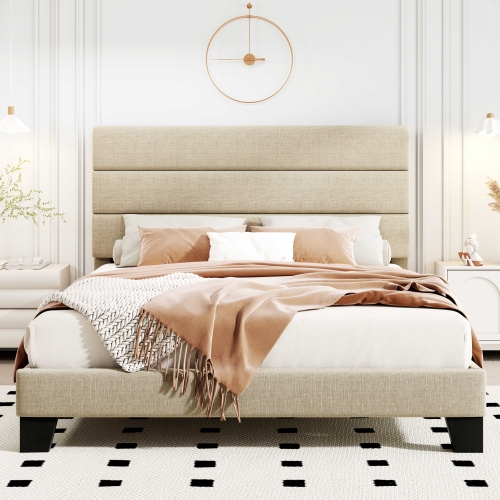
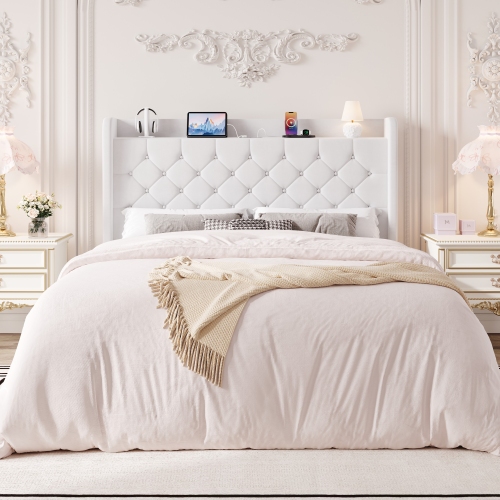
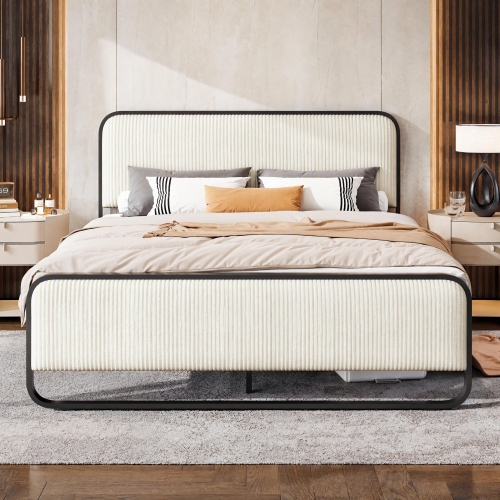
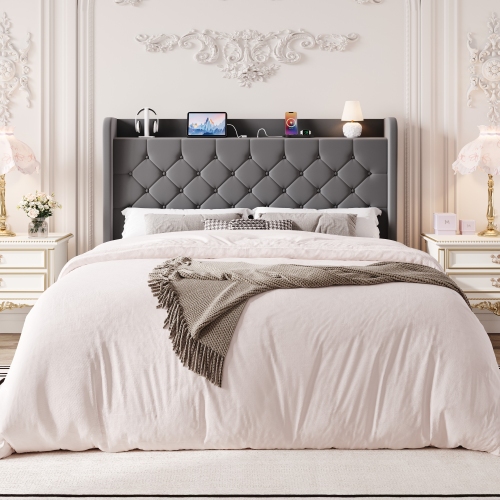
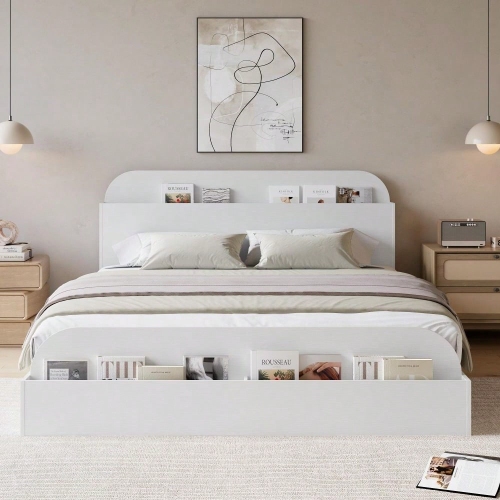
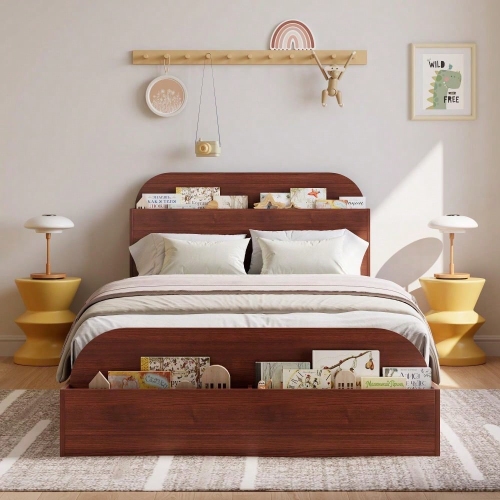
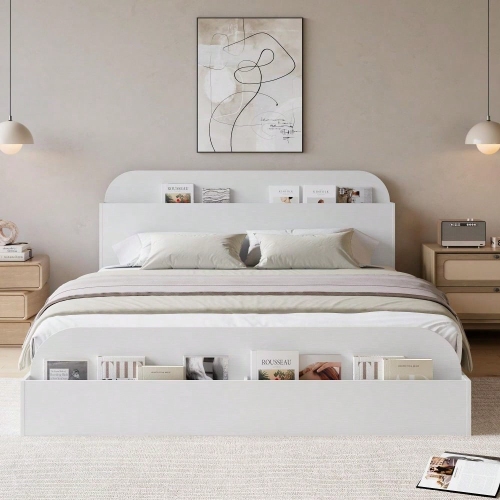

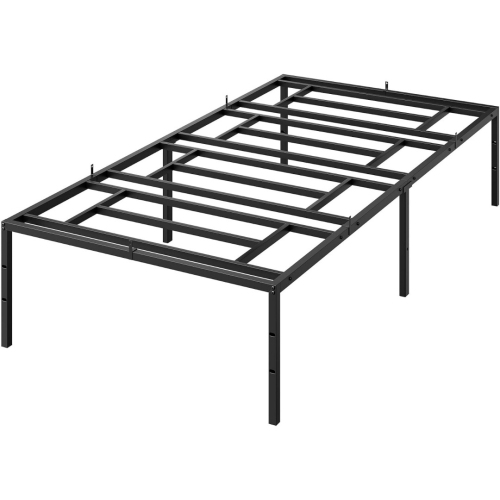
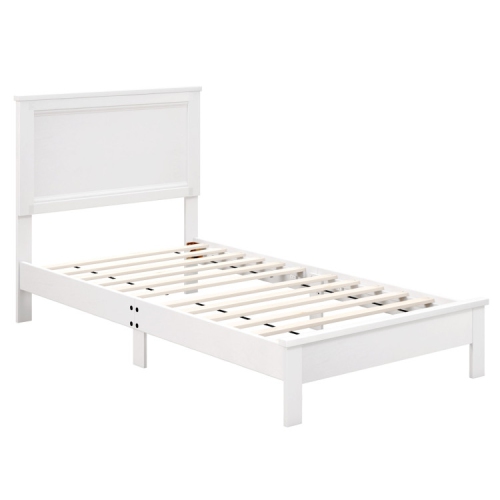
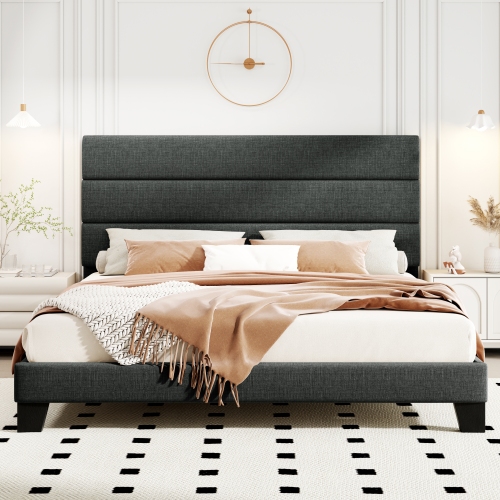
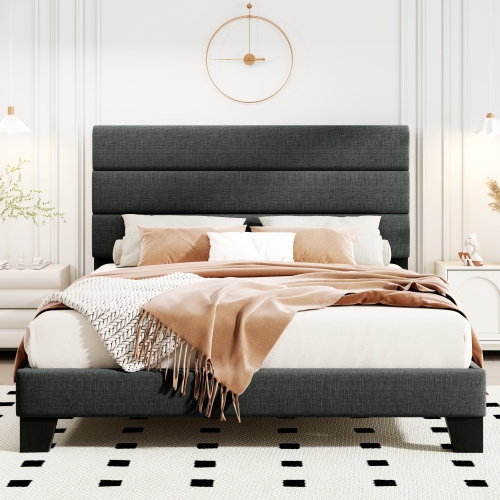
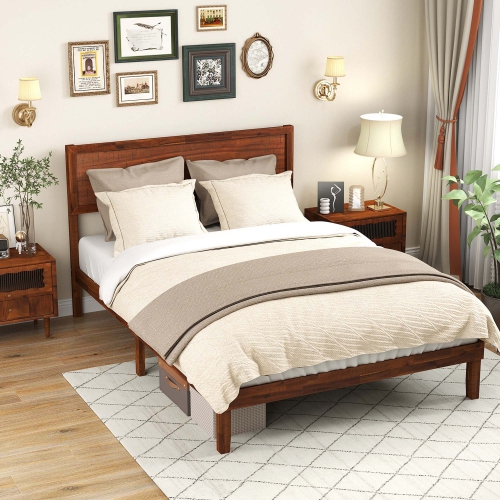
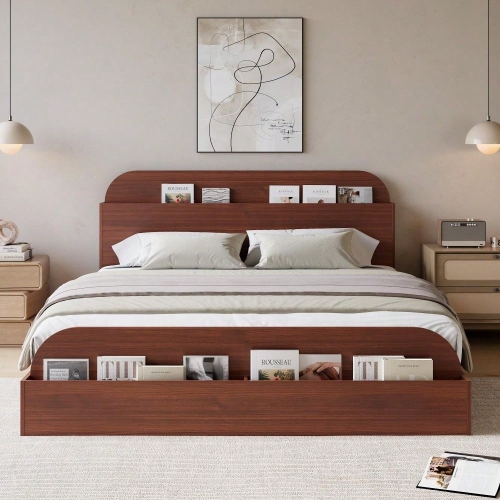
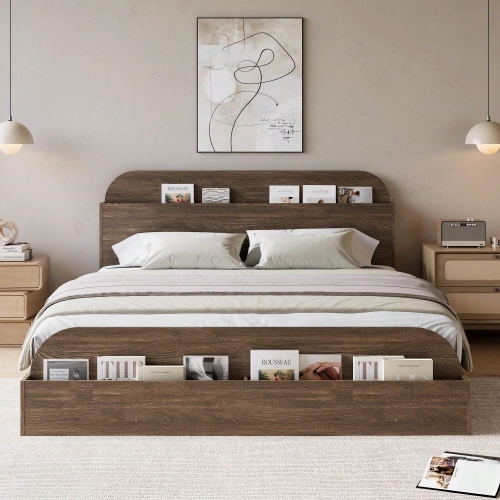
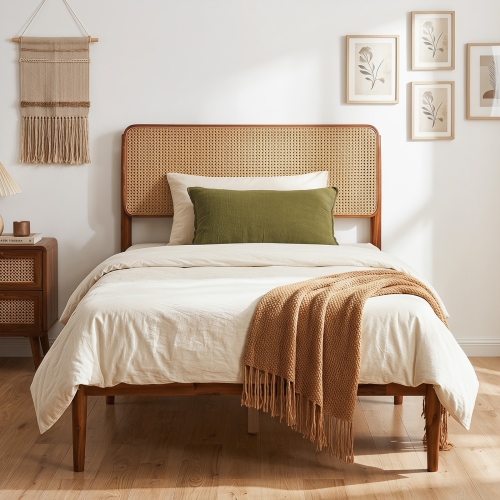
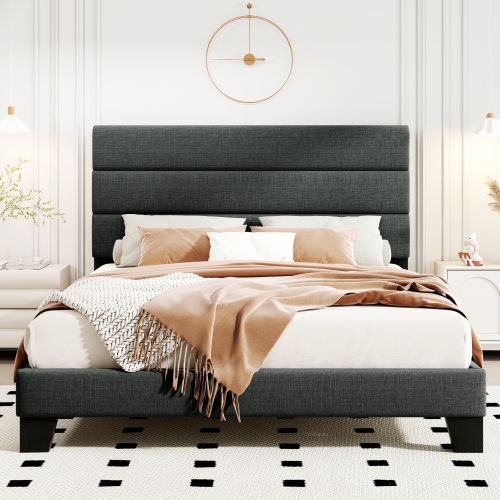
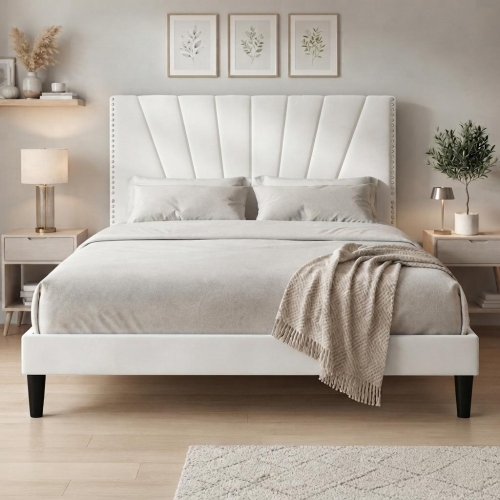
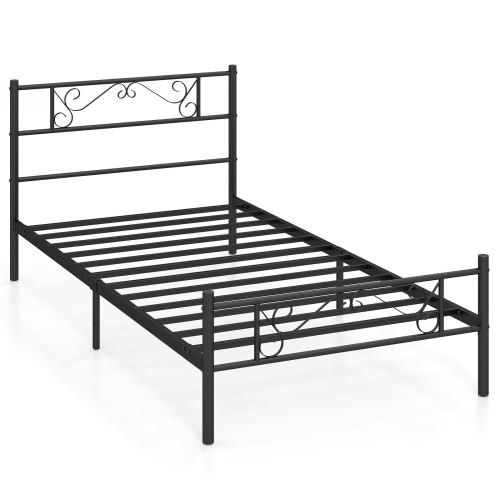
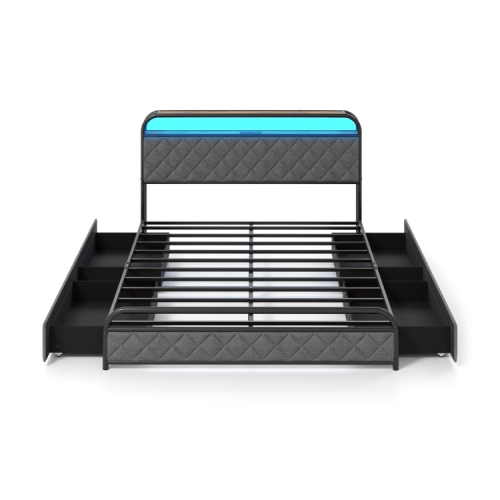
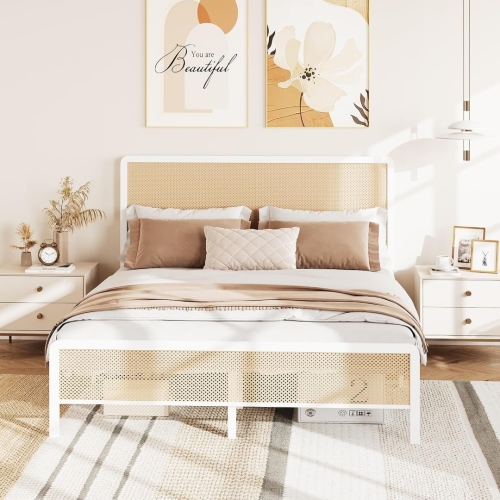
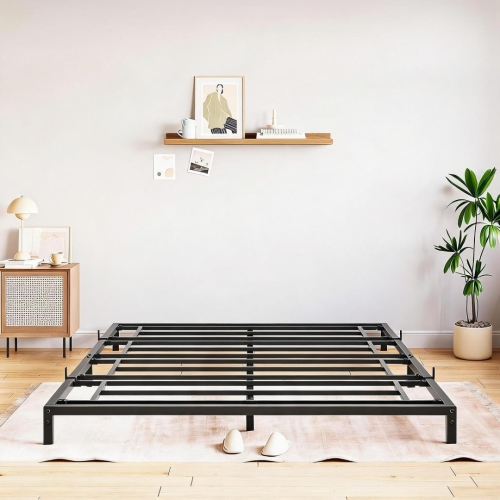
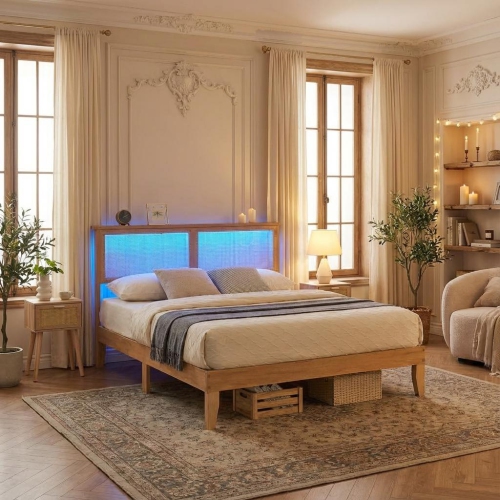
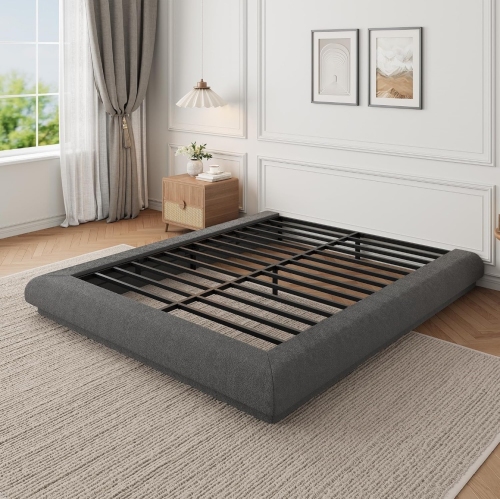
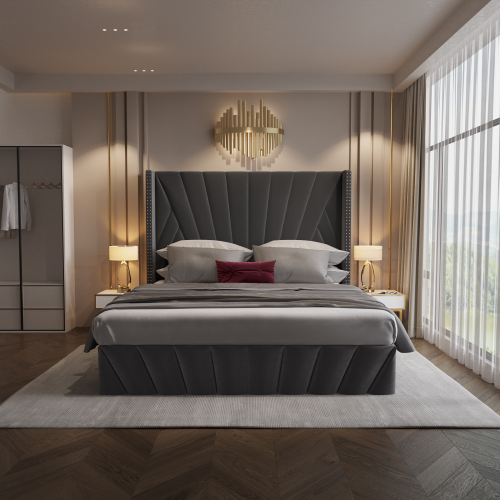
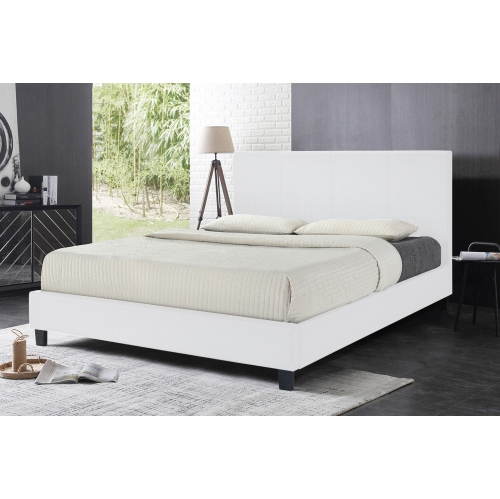
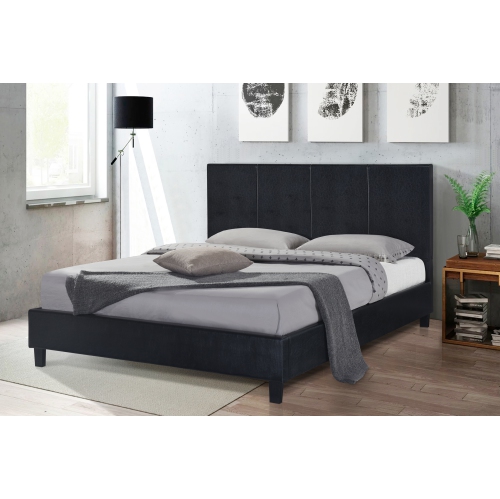
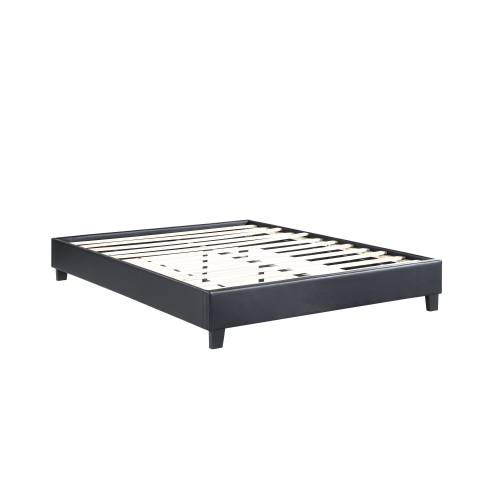
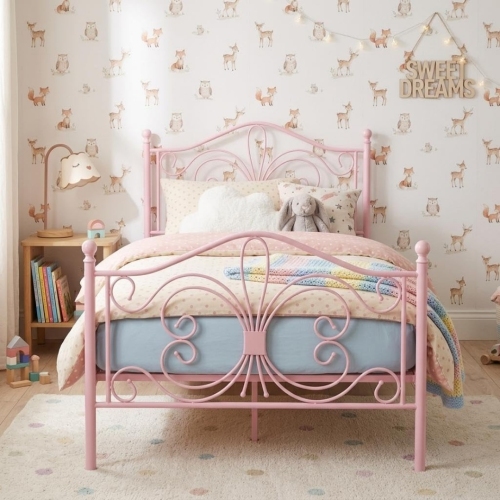
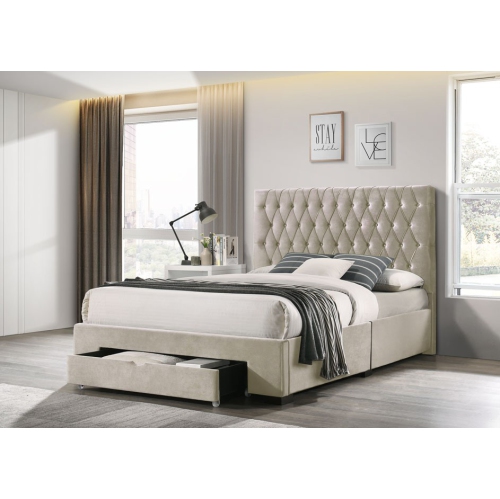

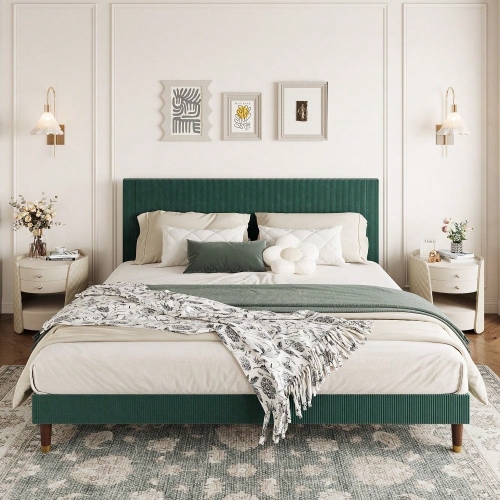
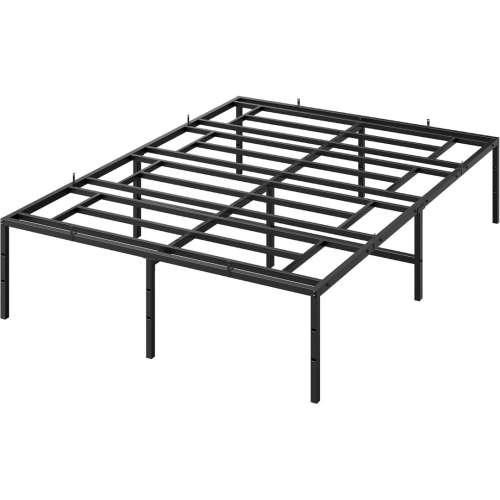
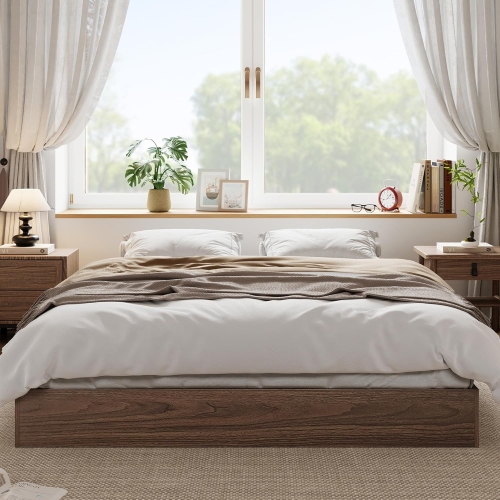
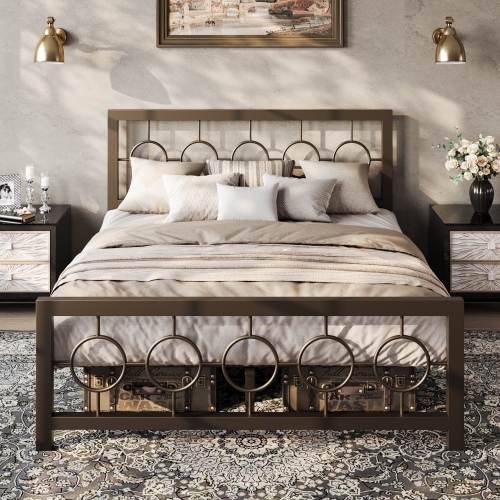

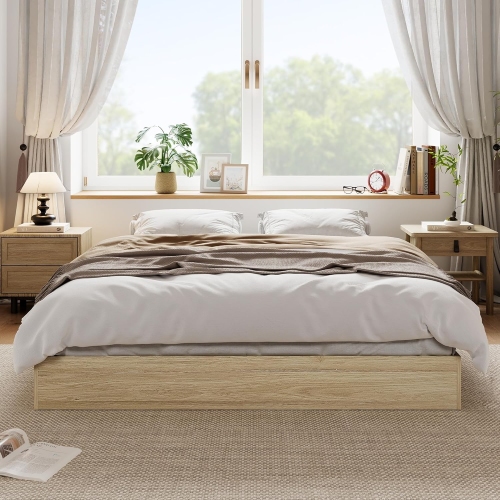
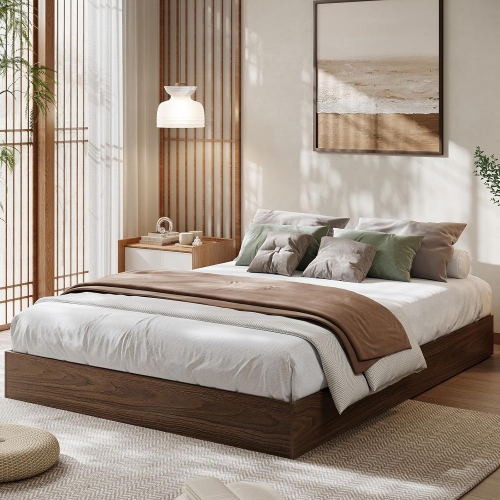
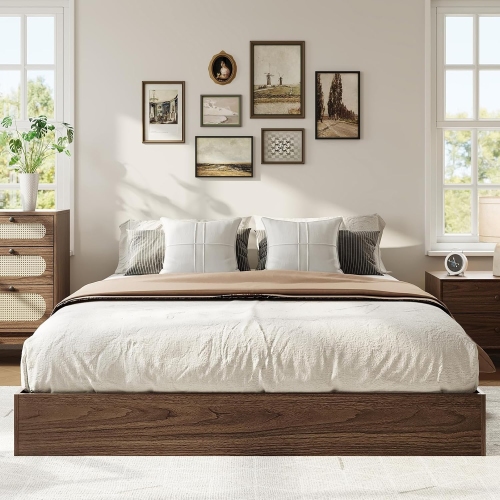
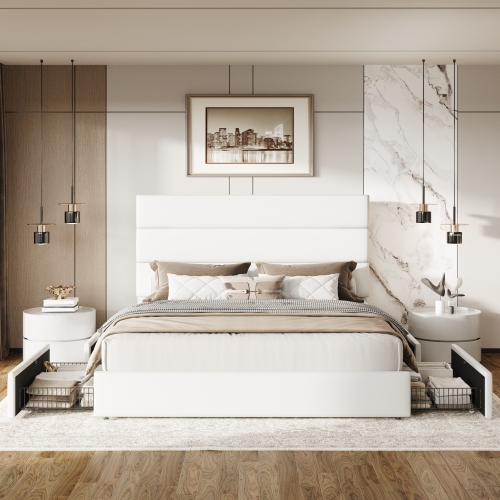
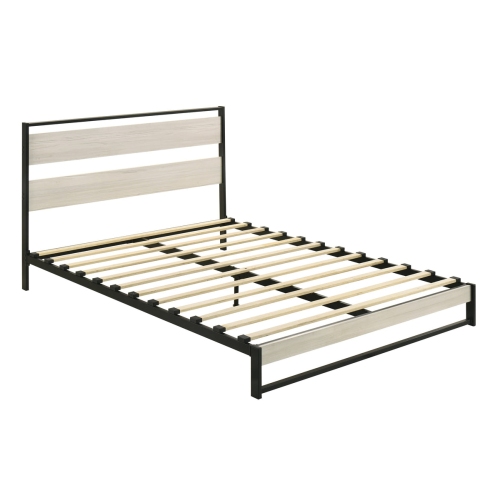
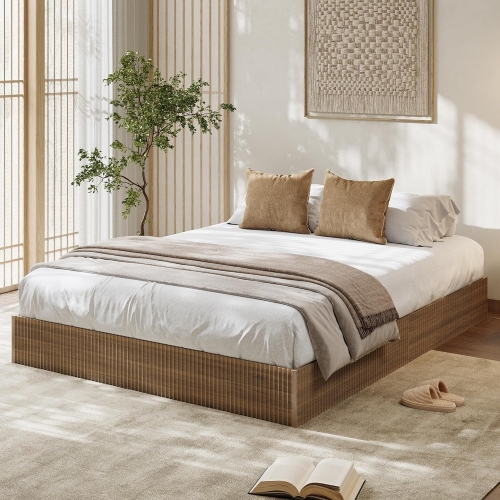
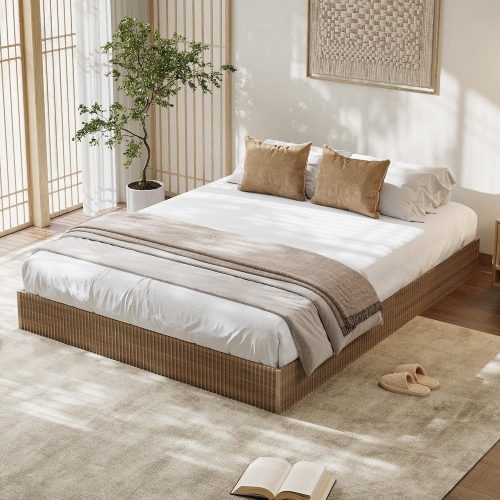
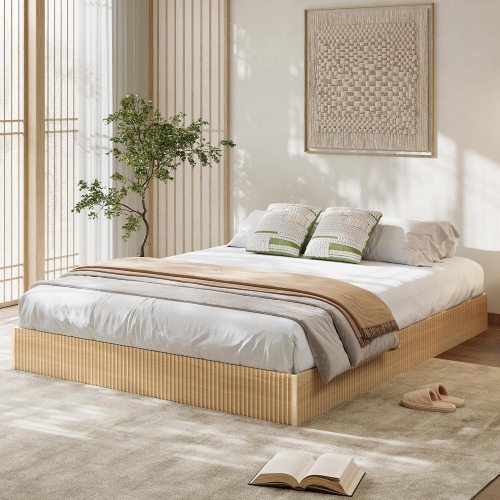
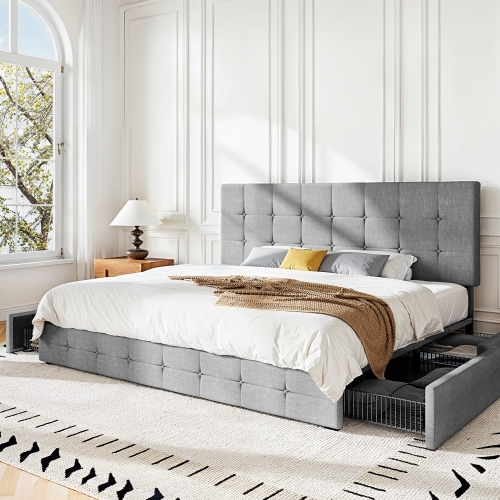
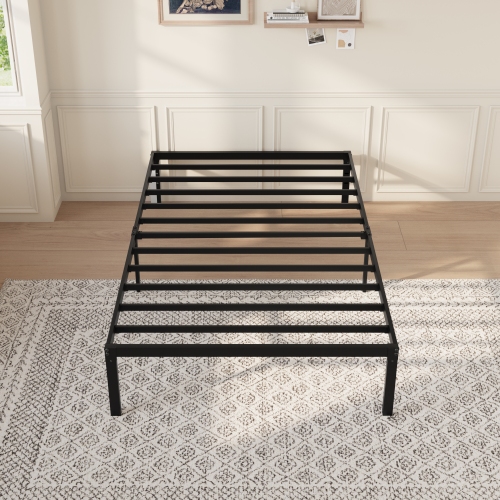
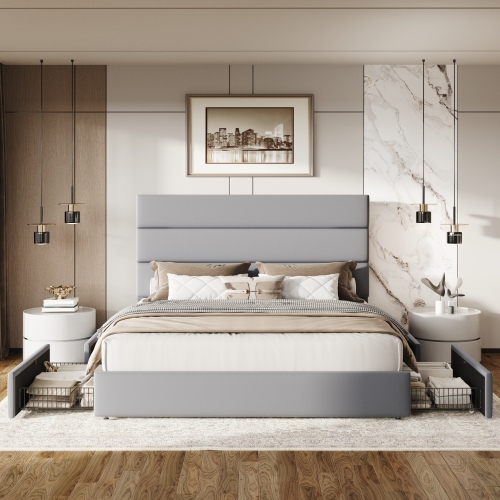
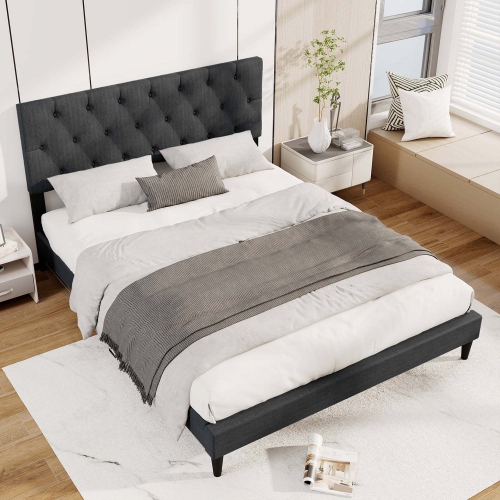
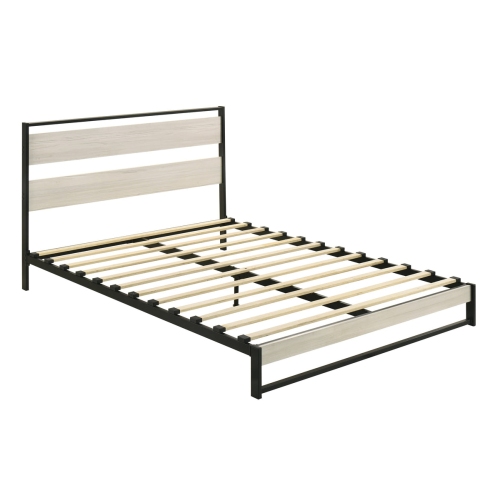
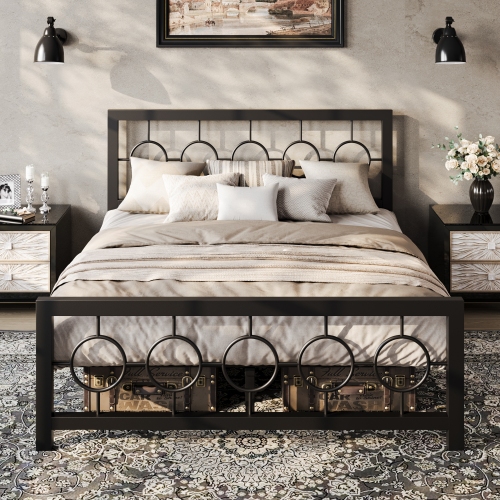
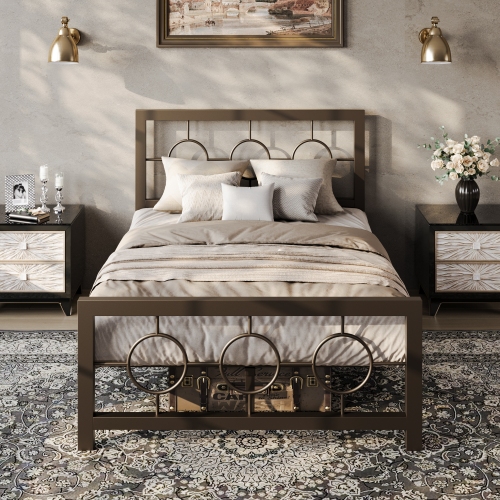
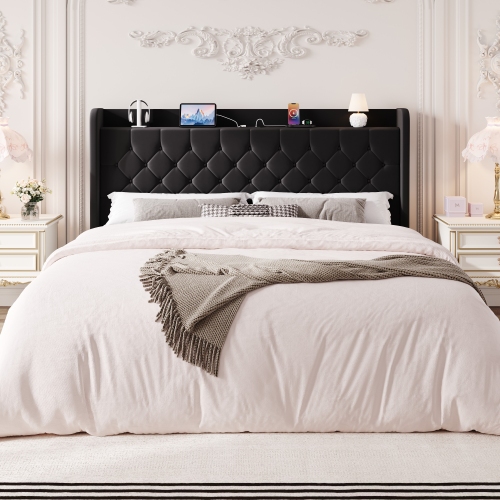
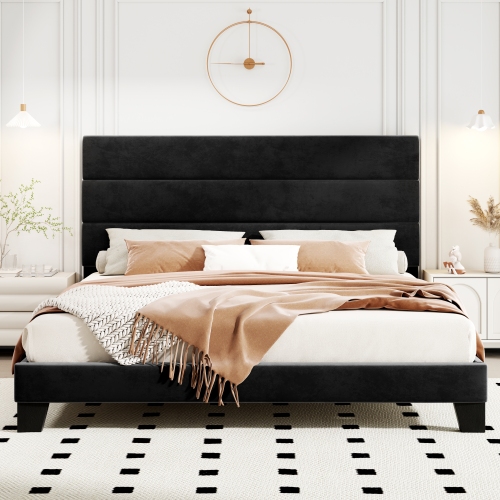
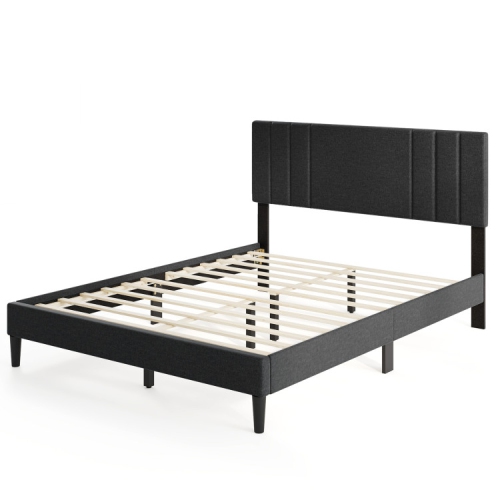

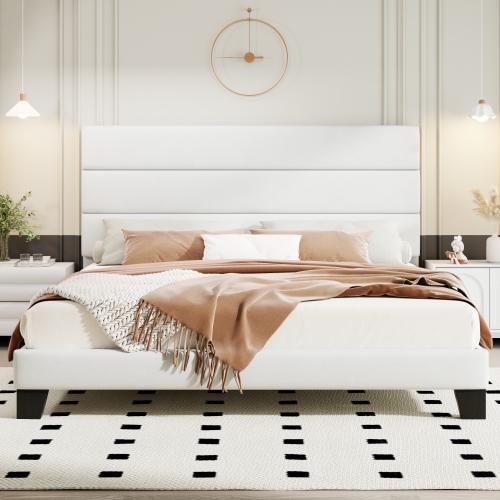
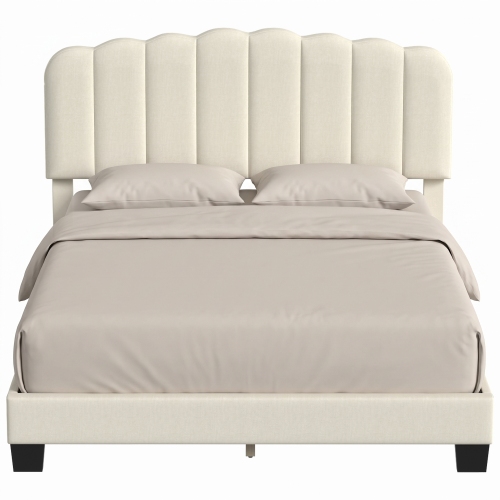
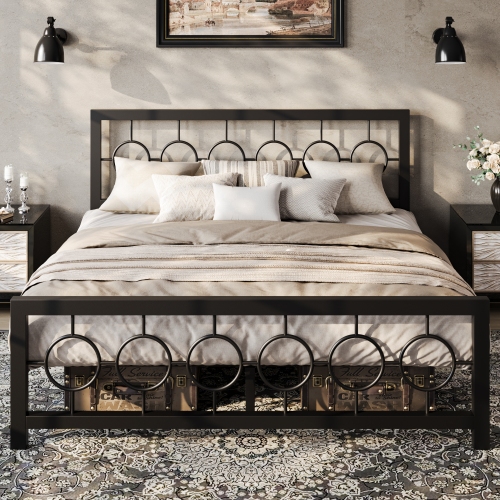
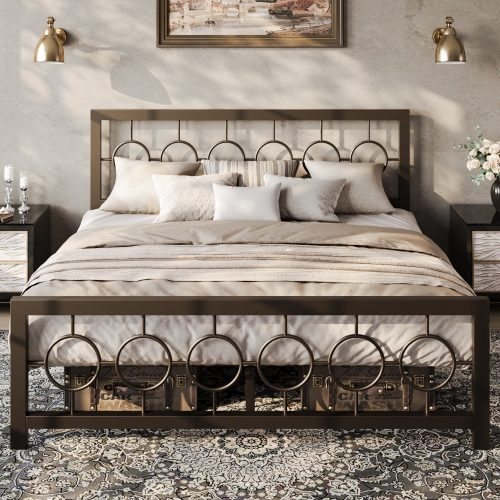
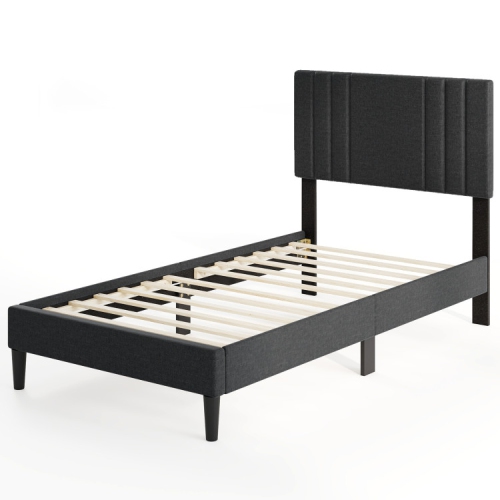

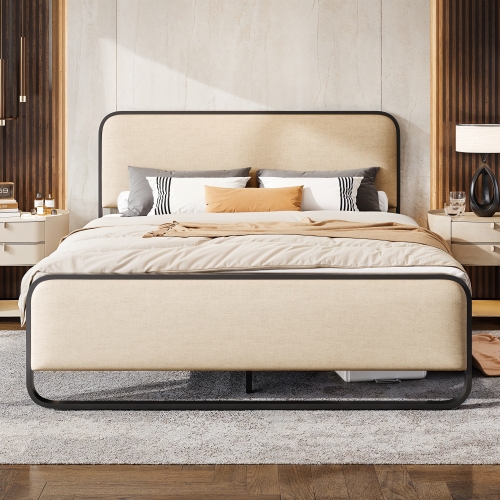

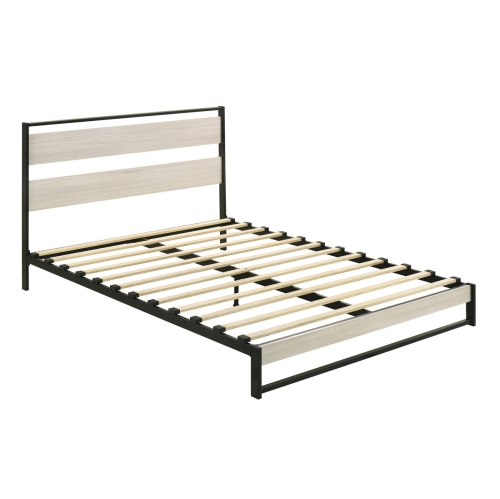
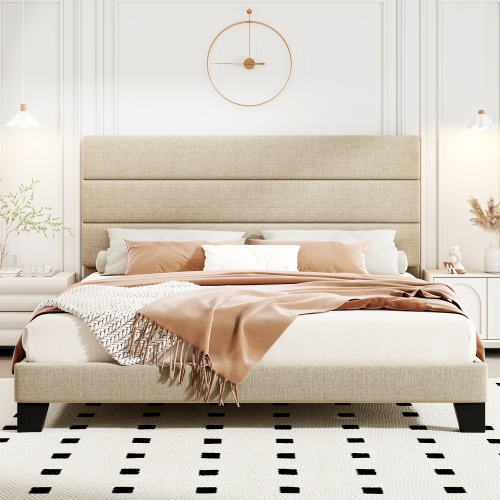
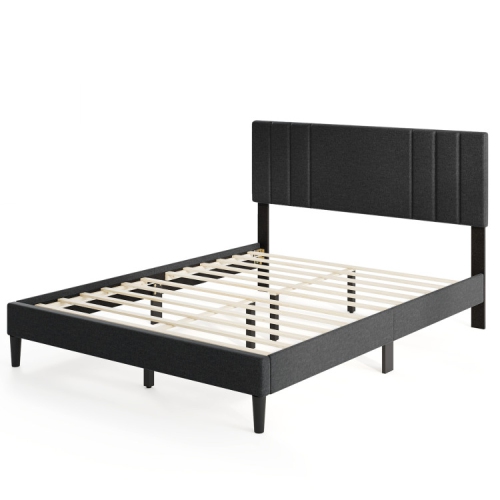
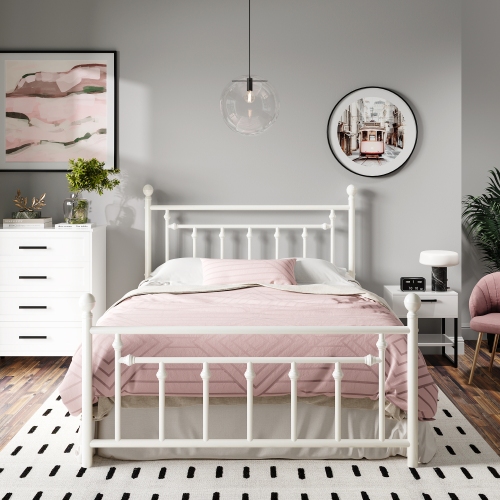
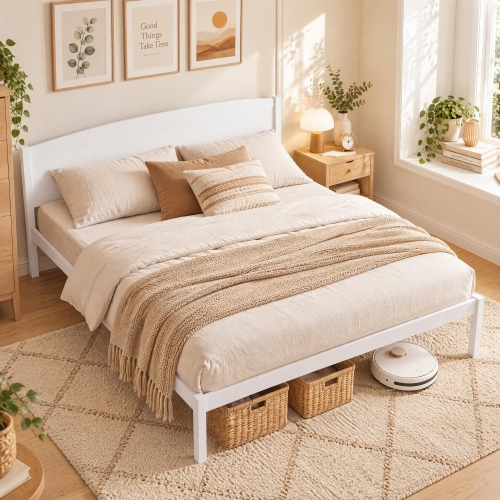
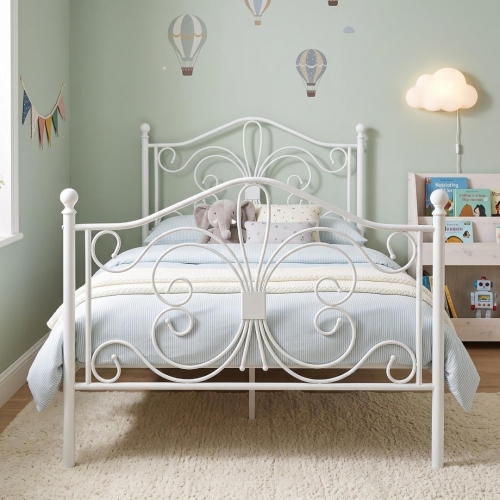
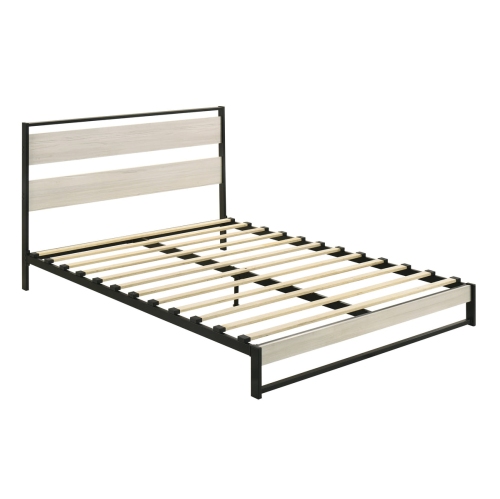
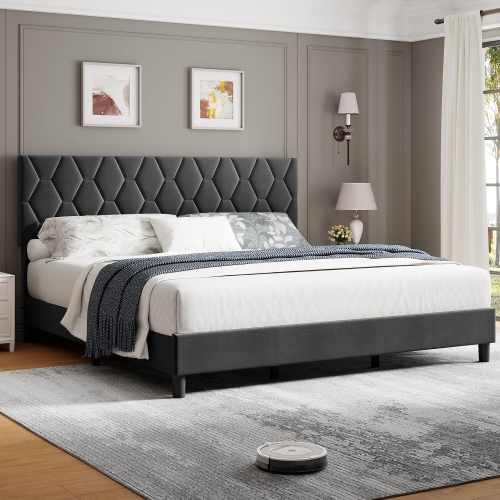
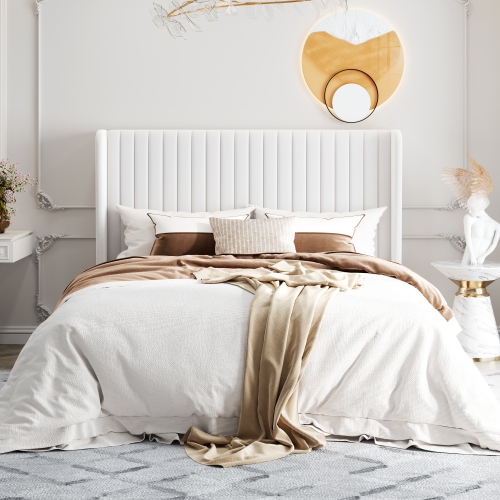
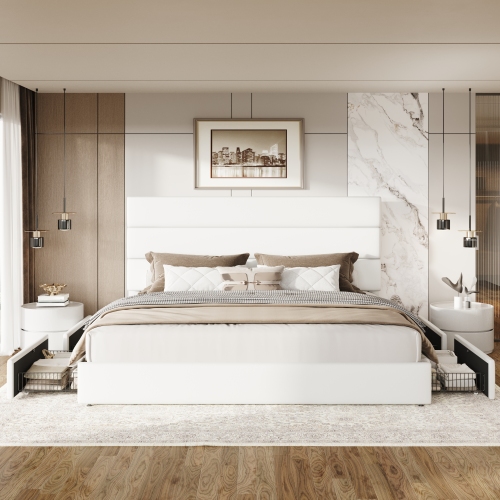
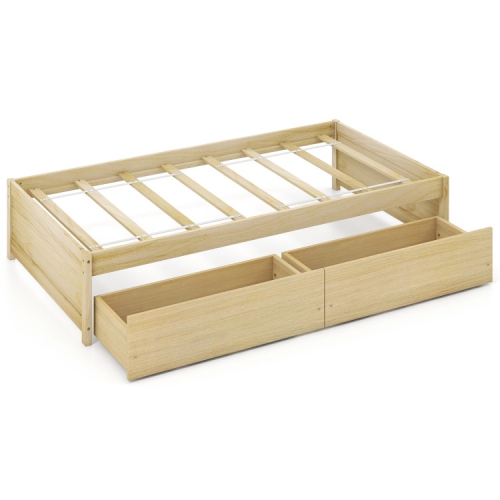
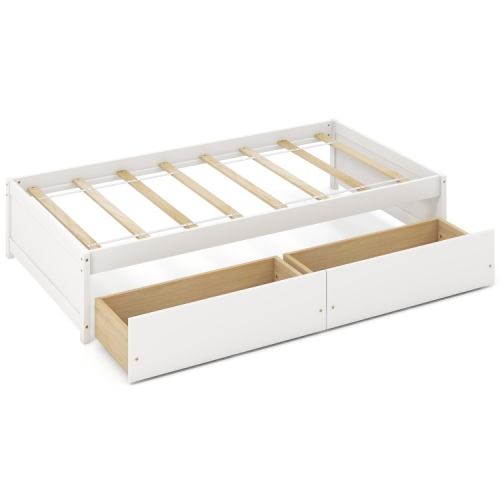
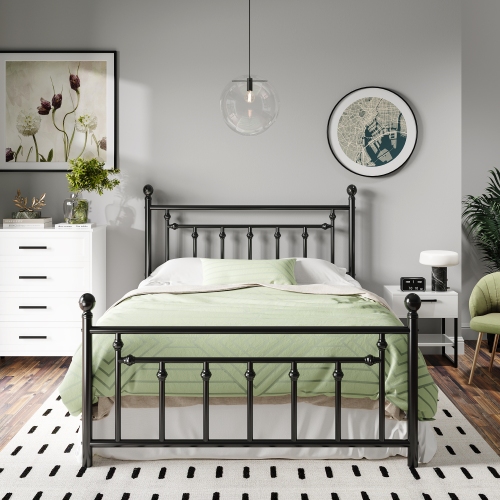
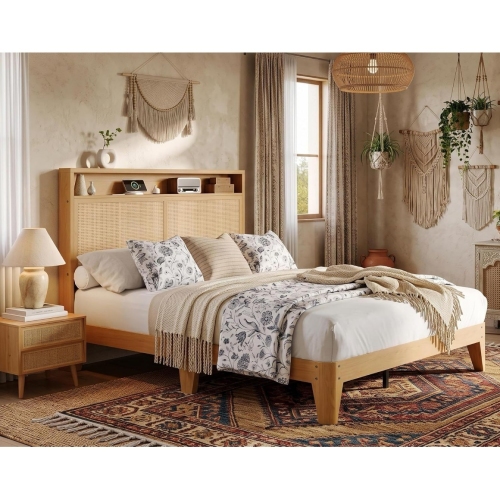
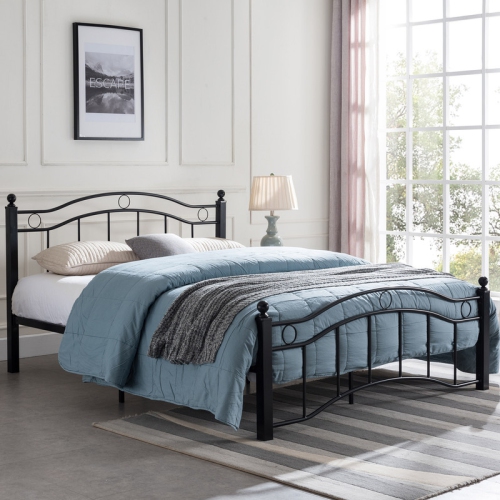
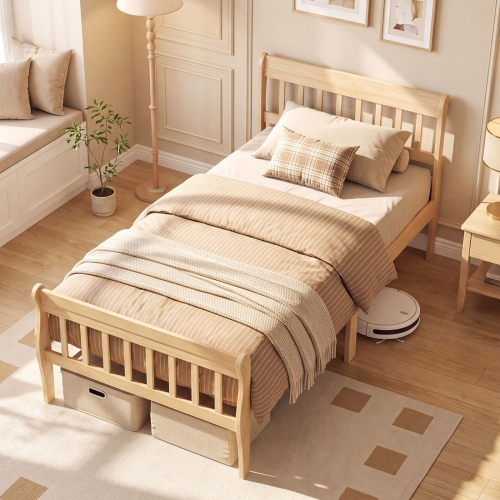

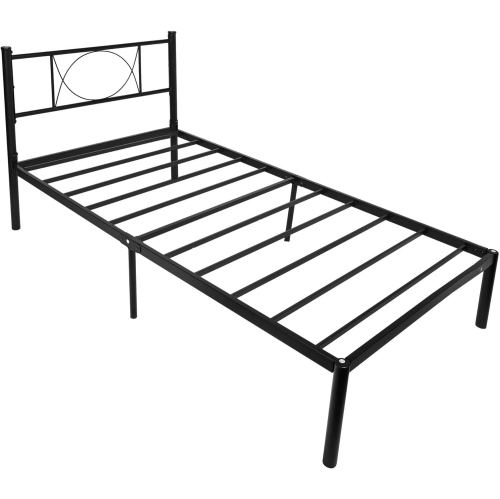
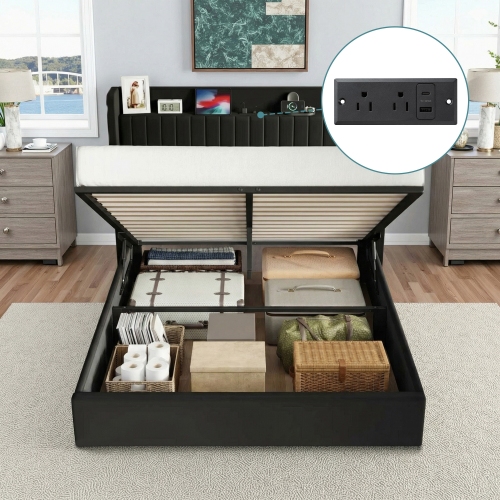

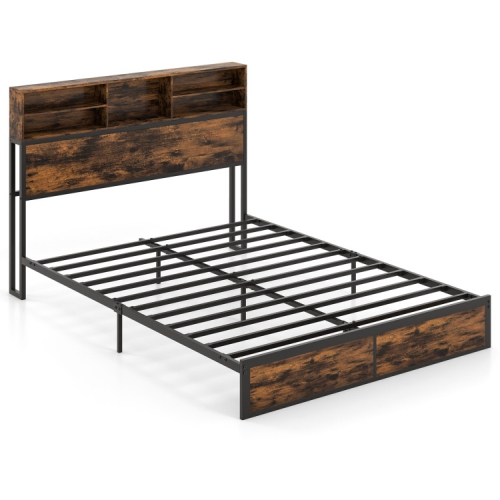
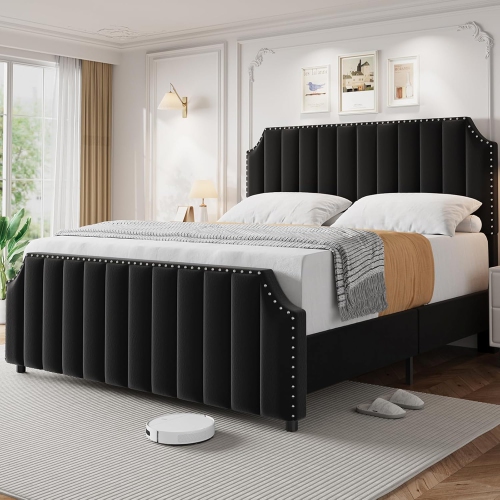
A simpler bed setup starts with proper mattress support
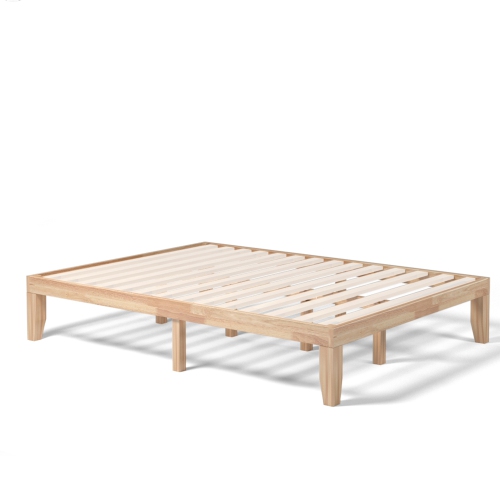
Beds without a box spring support a mattress directly on a built-in platform, a slatted base, or another support surface designed for that purpose. Most memory foam, latex, and hybrid mattresses do not need a box spring when used with a compatible bed base that provides flat, even support. This makes platform beds and other box-spring-free frames a practical choice for bedrooms where a simpler setup, a lower profile, or integrated storage is important. The distinction is in the construction: a basic perimeter frame with only a few crossbars usually needs an additional foundation, while a frame designed for direct mattress placement includes the necessary support across the sleeping surface. Slat spacing matters, particularly for foam and latex mattresses, because wide gaps can allow the mattress to dip between supports. Mattress manufacturers specify acceptable spacing and foundation requirements, so compatibility depends on more than whether the mattress fits inside the frame. A bunkie board can provide an additional support layer in some setups, but it must be suitable for both the mattress and the frame rather than used as a substitute for missing structural support. Solid platforms offer a continuous surface, while slatted designs leave openings beneath the mattress for air circulation. Both can work well when their construction meets the mattress manufacturer’s requirements. Twin and twin XL beds suit many smaller bedrooms, while double, queen, and king frames offer different balances of sleeping space and floor space. The stated mattress size is only part of the fit: upholstered edges, projecting legs, headboards, and footboards can make the overall bed considerably larger. Mattress thickness also affects the finished height. A low platform paired with a thick mattress can feel quite different from the same frame with a slimmer mattress, especially when sitting on the edge to put on socks or getting into bed at the end of the day.
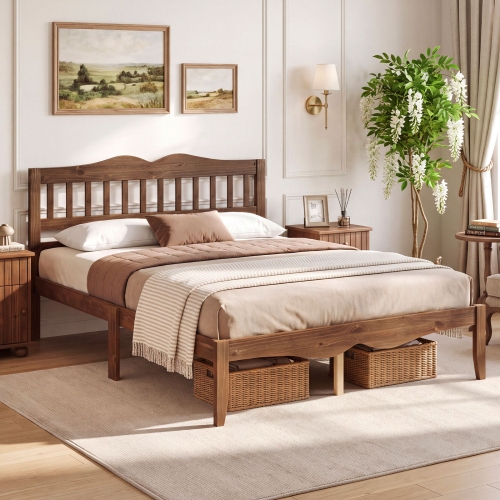
Materials and construction shape both the appearance of a bed without a box spring and how it holds up to everyday use. Wooden frames can bring visible grain and a substantial outline to a room, with finishes ranging from light natural tones to darker stained surfaces. Solid wood may show variations in grain and colour, while engineered wood can provide a more uniform finish; durability depends on the quality of the materials, joinery, hardware, and support system rather than the material name alone. Metal frames often have slimmer rails and an open appearance, which can leave more of the surrounding floor visible in a compact bedroom. Upholstered frames add a softer surface around the bed and may include a padded headboard for sitting up with a book. Fabric texture, seam placement, and cleaning requirements are useful considerations in homes with pets or where the bed sees frequent use. A frame without a headboard keeps the silhouette simpler and leaves space for artwork or a separately mounted headboard. For that pared-back look, wooden bed frames without a headboard combine the warmth of wood with flexibility in arranging the wall behind the bed. Structural details deserve as much attention as the finish. Secure slat attachments, well-fitted corner joints, and the specified centre supports help the frame carry weight as intended. Published weight limits should be read carefully, including whether they account for the mattress as well as the sleepers. Routine care is generally straightforward: wood and metal surfaces benefit from cleaning methods suited to their finishes, while upholstery may need regular vacuuming and spot treatment according to its care label. Periodic checks for loose fasteners, shifted slats, or supports that no longer sit firmly on the floor can help keep the bed stable and address movement before it becomes more noticeable.
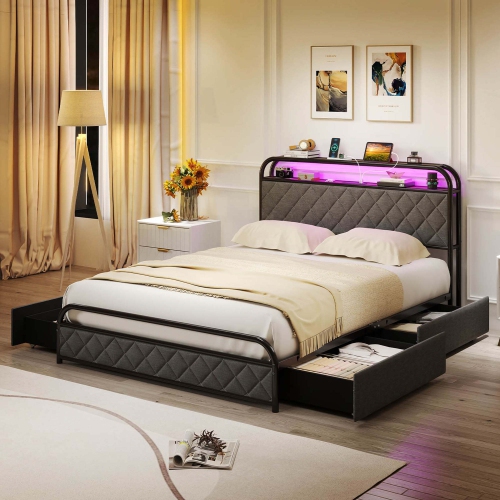
The space beneath and around the frame often determines how well a bed works in daily life. Raised platform beds can leave room for shallow storage bins, making them useful in apartments, shared homes, and bedrooms without generous closet space. Clearance measurements are more helpful than appearance alone, since side rails and centre legs can limit which containers will slide underneath. Drawer beds bring storage into the frame itself, but drawers need enough open floor space to extend past bedside tables, rugs, and nearby furniture. Lift-up storage beds use the area beneath the mattress differently and can suit rooms where side clearance is limited; their lifting mechanisms must be compatible with the mattress weight and used according to the manufacturer’s directions. Low-profile beds create a different arrangement, with less under-bed storage and a sleeping surface closer to the floor. That height may suit some sleepers, while others prefer a higher edge that makes sitting down and standing up more comfortable. In a guest room, a straightforward platform with clearly stated mattress requirements can make the setup easier to maintain between visits. In a frequently rearranged bedroom or a home where moves are likely, a frame that can be disassembled with accessible fasteners may be easier to manage than a large, permanently joined base. Delivery access also matters: narrow staircases, tight hallway corners, and smaller doorways can affect whether bulky components reach the room. Once assembled, the frame needs enough clearance for walking routes, opening closet doors, and making the bed without squeezing between furniture. Rounded corners, recessed legs, and a footboard-free design can change how open those routes feel, although the exact dimensions remain important. Taken together, the support surface, finished bed height, construction, and storage layout determine how comfortably a box-spring-free bed fits both the mattress and the routines of the people using it.
Top selling and popular products
-
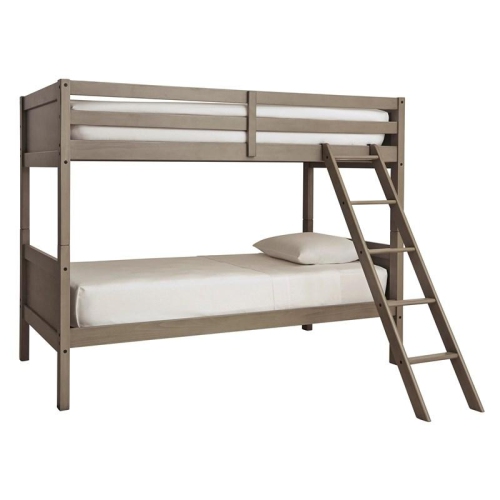 Your price for this item is $799.99
-
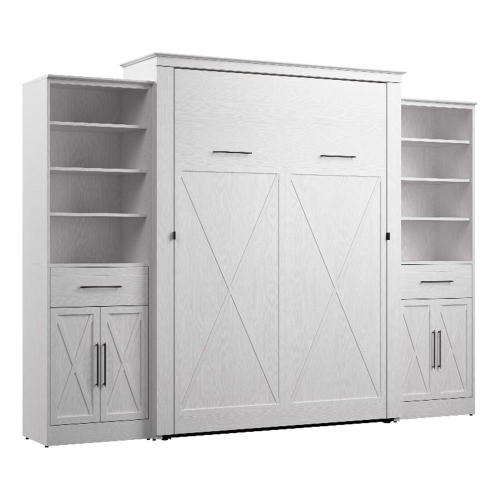 Your price for this item is $3519.99
-
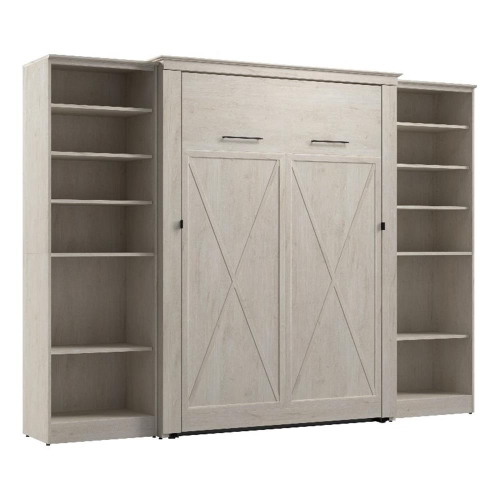 Your price for this item is $3099.99
-
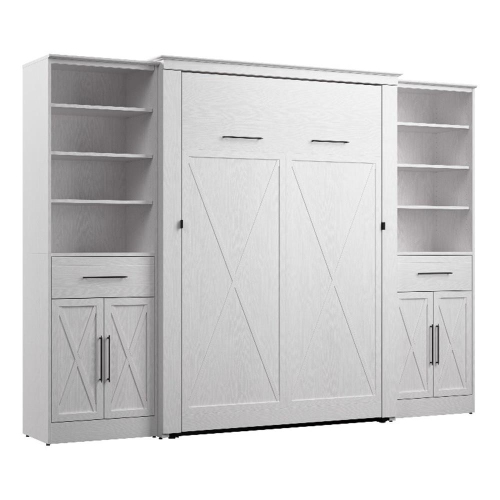 Your price for this item is $3349.99
-
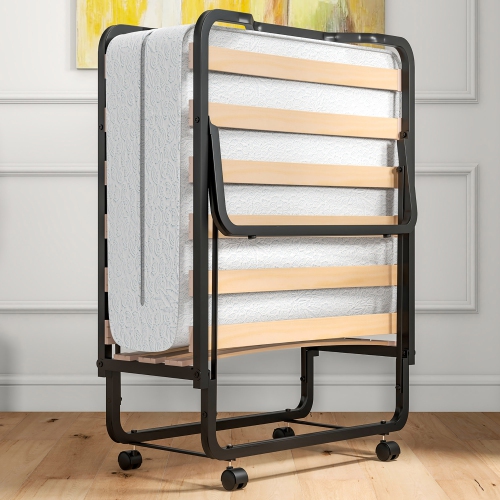 Your price for this item is $235.99
-
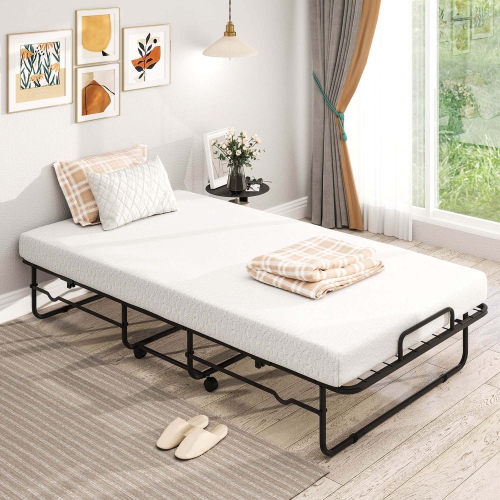 Your price for this item is $243.99
-
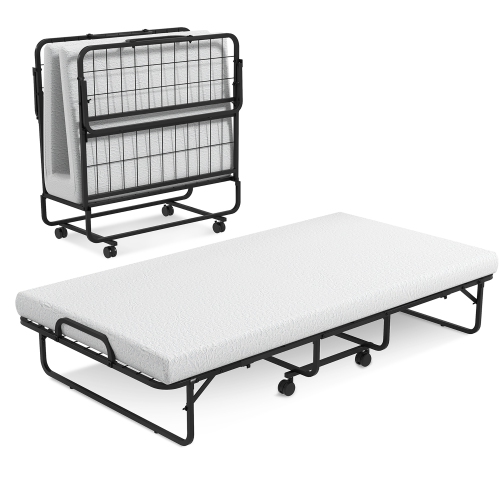 Your price for this item is $233.99
-
 Your price for this item is $364.99
Discover more categories related to Beds Without Box Spring
Top Collections:
Best Black Friday Deals This Year, Best Black Friday Deals On Electronics, Kindle Devices, Best Black Friday Deals On Apple Products, Best Budget Office Chairs, Best Cameras for Sports Photography, Dyson Airwrap, Canon G7X Cameras, Best Laptops for Writers, Samsung Galaxy Phones
Some products may be subject to Environmental Handling Fees
(EHF) depending on your province.
Learn more about EHFs.