Full Size Box Spring Bed Frames
Full Size Box Spring Bed Frames offer a supportive foundation designed to enhance your bedroom setup. Perfect for full size mattresses, these bed frames provide a sturdy base that helps maximize comfort and durability. Whether you're updating your guest room or furnishing a new space, Full Size Box Spring Bed Frames are an essential addition. Explore a variety of styles and finishes to find the ideal frame that complements your decor and meets your needs.
Sort



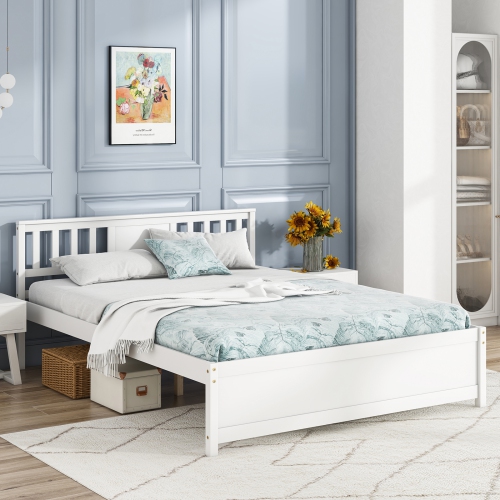
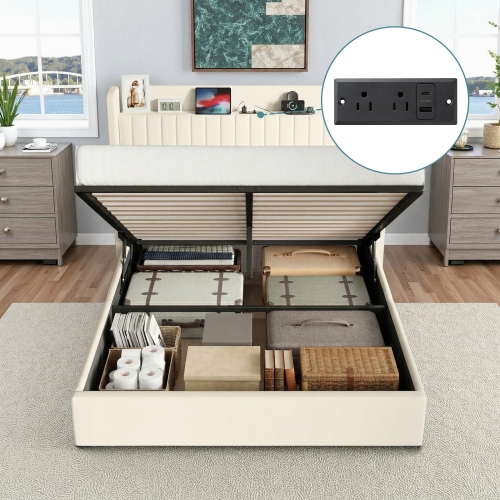
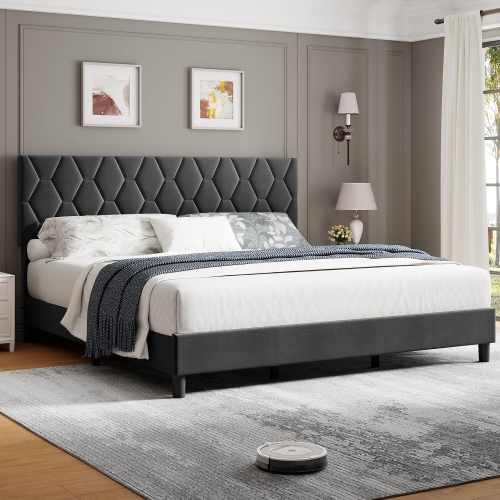
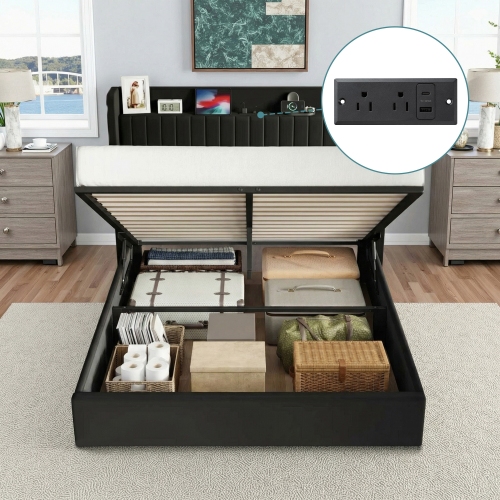
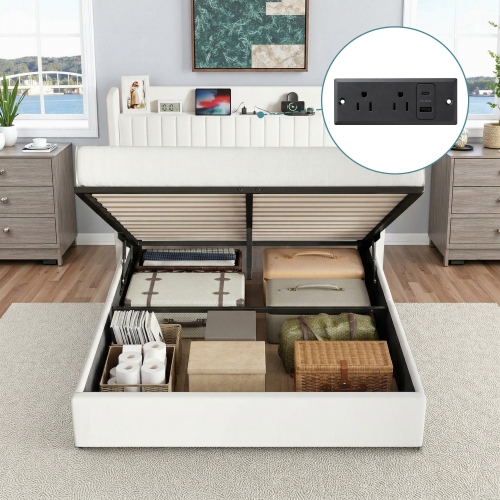
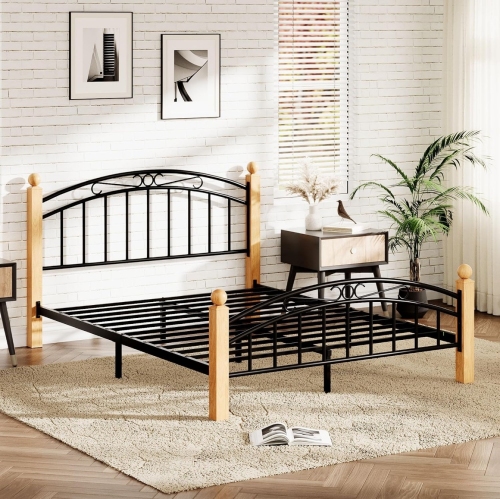
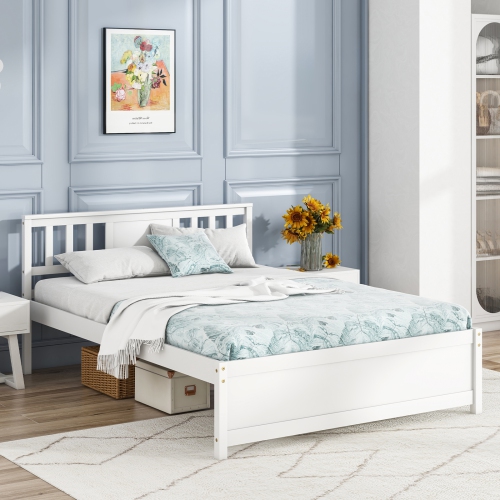
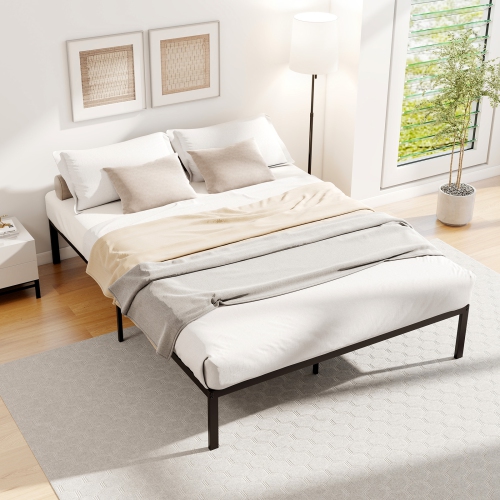
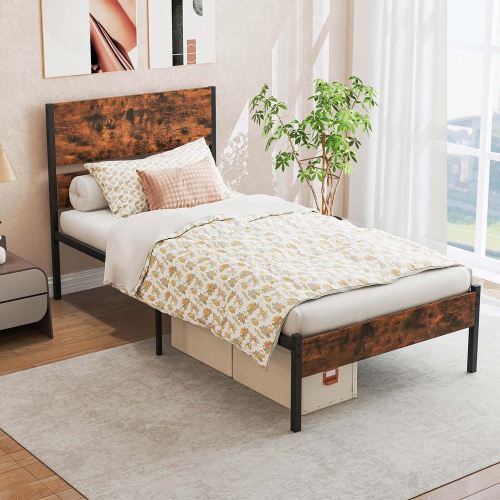
How your frame and foundation work together
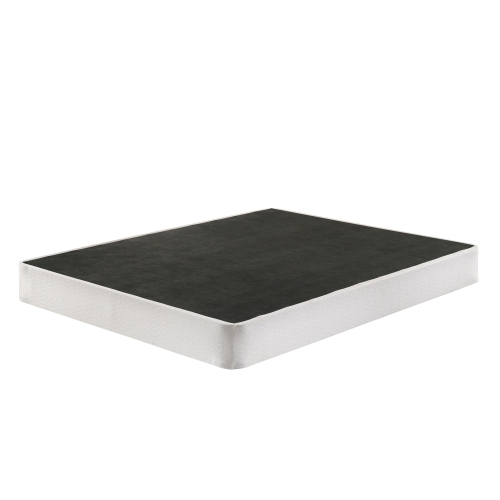
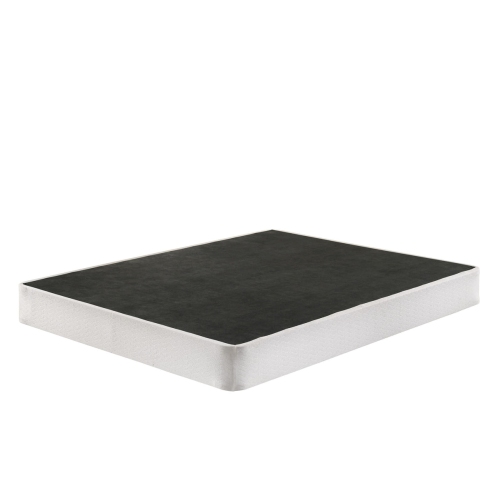
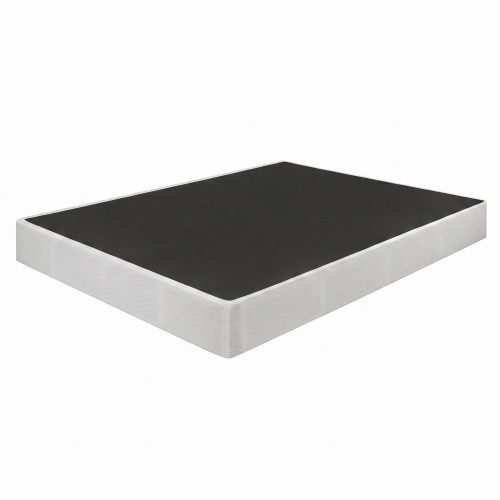
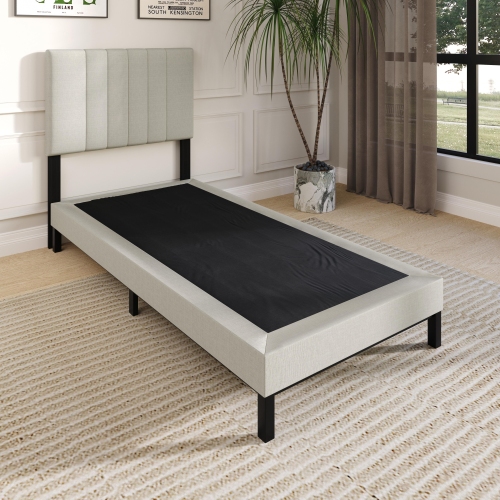
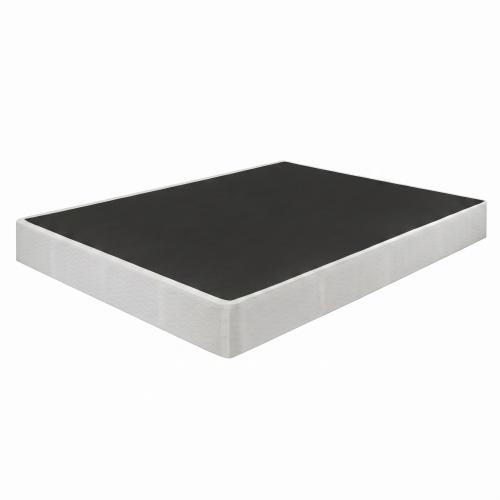
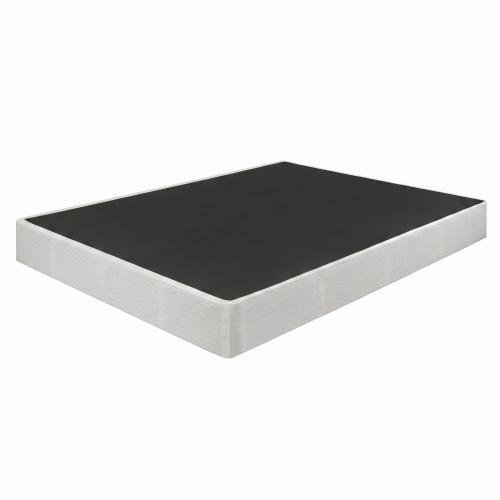
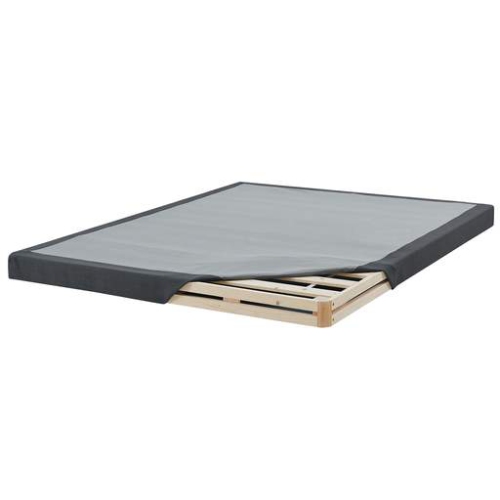
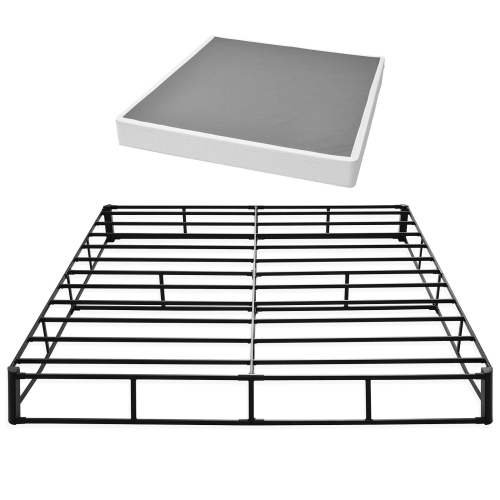
Full-size box spring bed frames provide a structured base for a mattress and its box spring or compatible foundation, creating a familiar bed setup with a raised sleeping surface. Often called double beds, full-size beds typically accommodate a mattress measuring approximately 54 inches wide by 75 inches long, although the frame’s outside dimensions can be larger. This size can suit a single sleeper who likes extra room to stretch out, a teenager moving to a larger bed, or a guest bedroom that also needs space for a desk or dresser. Two adults may find a full-size bed suitable for occasional use, but the narrower sleeping space is worth considering for everyday sharing. A frame designed for a box spring generally supports the foundation around its perimeter, sometimes with additional rails or supports through the middle. It should not be assumed to support a mattress directly unless its construction and stated requirements specifically allow that arrangement. The distinction matters because a traditional box spring, a rigid mattress foundation, and a platform base do different jobs. Traditional box springs contain a spring structure, while many modern foundations provide a firm surface without springs; the right pairing depends on the mattress manufacturer’s requirements. Memory foam, latex, hybrid, and innerspring mattresses can have different support needs, including limits on gaps between slats or requirements for centre support. Matching the frame, foundation, and mattress as a complete system helps avoid uneven support or an unsuitable setup. The finished bed height also deserves attention. A deep mattress on a tall foundation can create a noticeably high sleeping surface, while a lower-profile foundation can reduce that height without changing the mattress itself. For someone who prefers to sit at the edge before standing, the combined height matters more than the frame measurement alone. Adequate space beside the bed keeps drawers usable, allows bedding to hang naturally, and makes changing the sheets less awkward in a compact room.
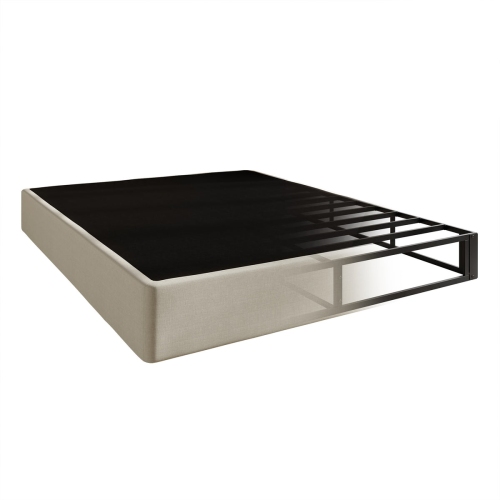
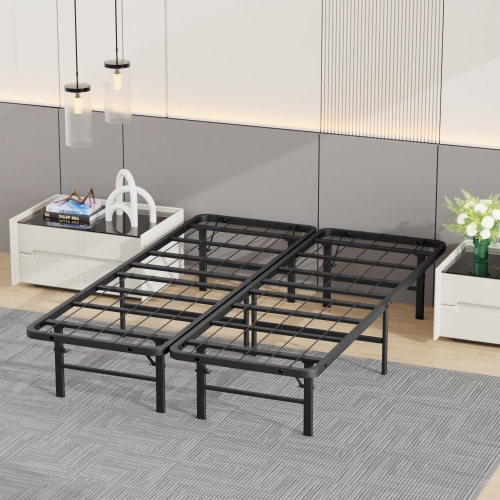
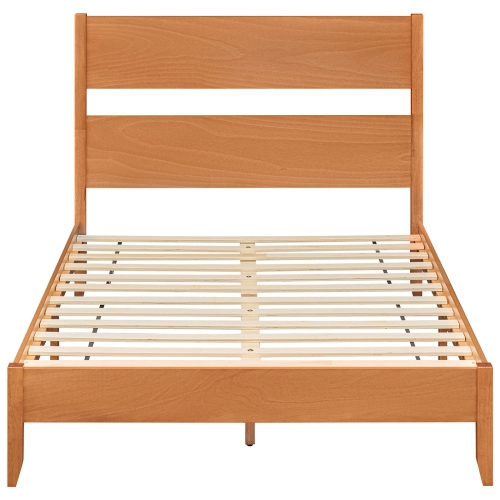
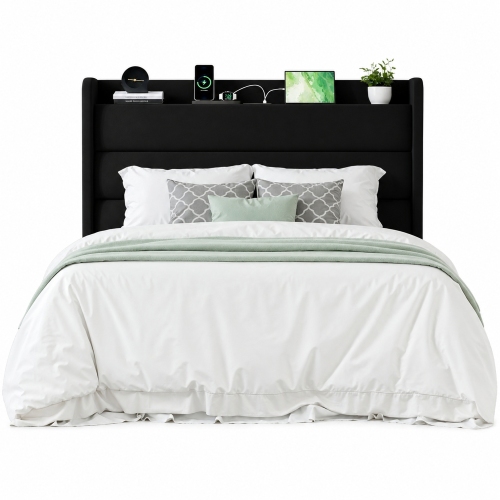
Construction influences how a full-size box spring bed frame feels in daily use, from the steadiness of the corners to the way its supports meet the floor. Steel frames often use a relatively open structure with side rails, crossbars, and legs, making the condition of the joints and the placement of the supports especially important. Wood frames can offer a more substantial furniture profile, with strength depending on the quality of the components, joinery, and supporting rails rather than appearance alone. Upholstered surrounds introduce fabric and padding around the structure, but the concealed frame still carries the load. A stated weight capacity should be assessed according to the manufacturer’s definition, including whether it accounts for the mattress, foundation, and sleepers together. Centre rails and supporting legs help distribute weight when required by the design, and each intended contact point needs firm, level support. On an uneven floor, adjustable feet may help stabilize the frame if they are part of its construction; improvised stacks beneath a leg can shift and create new problems. Casters can make repositioning easier for cleaning, while fixed glides keep the base in one place without rolling. Locking mechanisms, where included, should be engaged during use, and floor protectors need to suit both the feet and the flooring beneath them. Headboard and footboard compatibility is another practical detail. Bracket height, mounting-hole spacing, and the width of the attachment points can differ, even when both pieces are described as full size. Matching dimensions and connection requirements is more reliable than relying on the size label alone. Assembly also affects durability: securely fitted rails, correctly positioned supports, and properly tightened hardware help the frame work as intended. In a room where the bed is moved to reach an outlet or clean along the baseboard, accessible connections and manageable components can make routine upkeep less cumbersome. The route into the bedroom matters too, particularly around narrow stairs, tight landings, and doorways that leave little turning space for a rigid foundation.
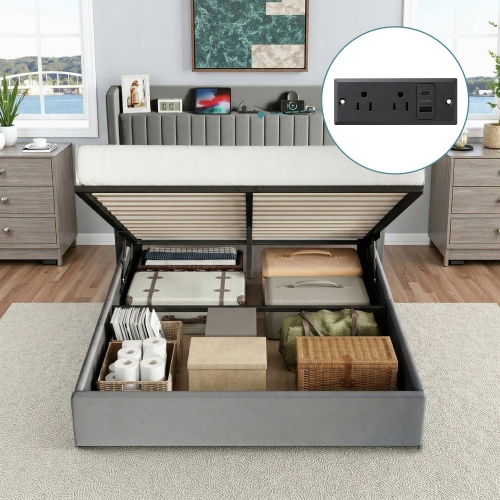
The most comfortable bedroom arrangement balances support with the everyday details around the bed. Clearance beneath a full-size box spring bed frame can leave room for shallow storage bins, but that space depends on the lowest rail or crossbar rather than the height of the sleeping surface. Bins need enough room to slide out without catching bedding, and stored belongings should not press against supports or interfere with adjustable components. A bed skirt can soften the appearance of a simple metal base and conceal the foundation, while an exposed wood or upholstered surround may provide the finished look on its own. Bedding proportions also change with the depth of the mattress and foundation: a coverlet that reaches neatly over a low setup may leave more of a taller base visible. In a multipurpose guest room, a modest frame footprint can preserve walking space and leave room for a bedside lamp, charging cable, and somewhere to set a glass of water. For a bedroom refresh or a first apartment, coordinating the frame with an existing headboard can retain a familiar piece of furniture, provided the attachment system is compatible. Browsing Full Size Mattress Frames can also help clarify the differences between bases intended for a separate foundation and designs intended to support a mattress directly. Ongoing care is usually straightforward but should follow the frame’s material and assembly instructions. Dust can collect along rails and behind a headboard, while upholstered sections may need gentle vacuuming with a suitable attachment. Cleaning methods should match the finish or fabric rather than using the same treatment across every surface. Any new creak or movement is worth tracing to its source, such as loose hardware, an uneven contact point, or friction between connected parts. Checking connections after a move and inspecting supports periodically can help keep the setup steady. With compatible components, thoughtful proportions, and regular attention to the structure, a full-size box spring bed frame can serve as a dependable foundation for an everyday bedroom or a welcoming guest space.
Top selling and popular products
-
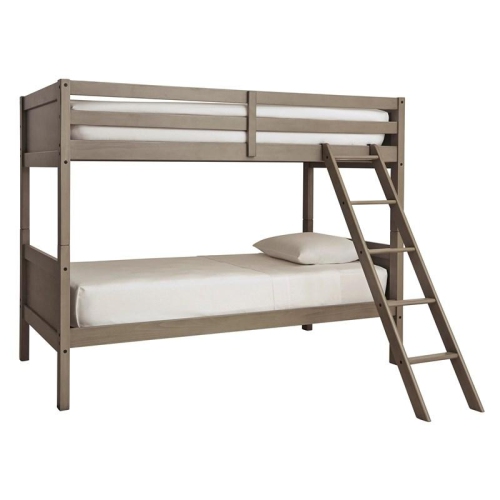 Your price for this item is $799.99
-
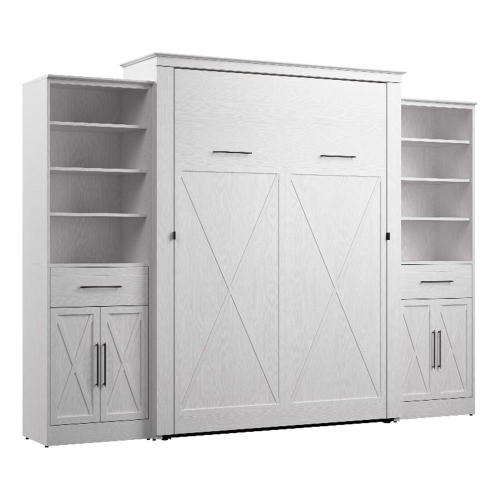 Your price for this item is $3519.99
-
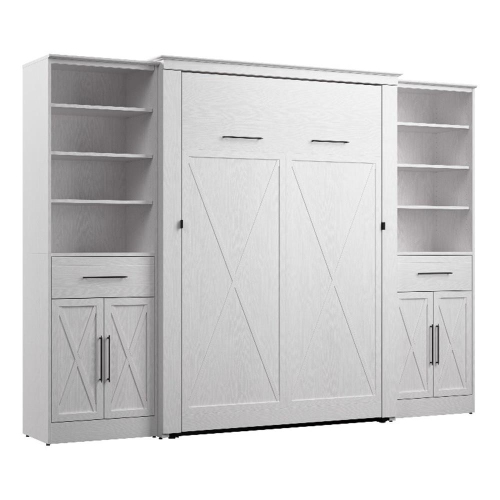 Your price for this item is $3349.99
-
 Your price for this item is $3099.99
-
 Your price for this item is $235.99
-
 Your price for this item is $233.99
-
 Your price for this item is $243.99
-
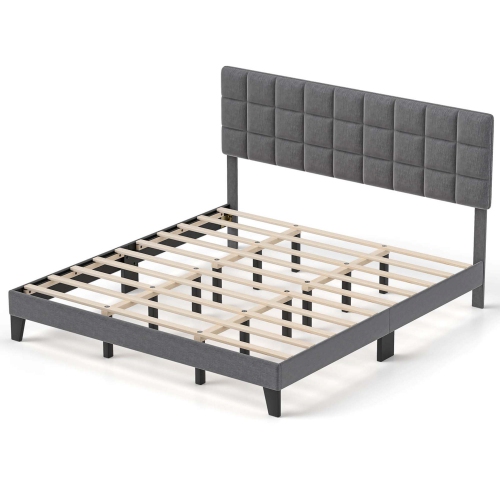 Your price for this item is $265.99
Discover more categories related to Full Size Box Spring Bed Frames
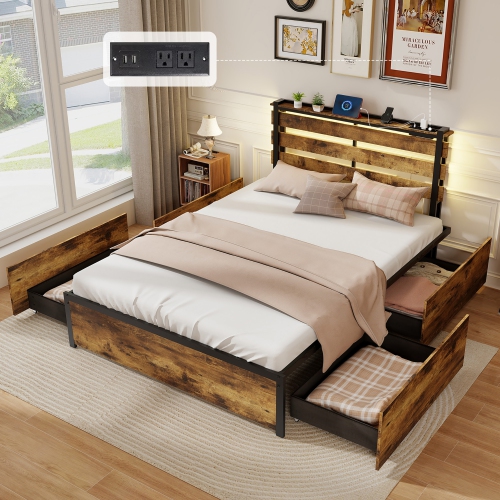
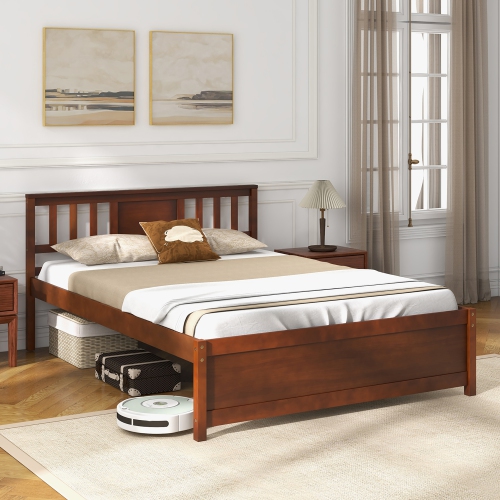
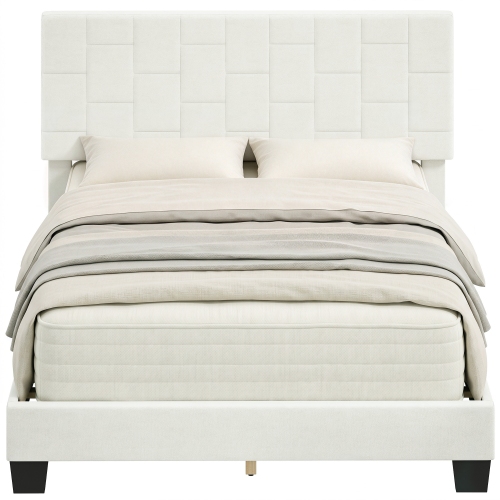
Top Collections:
Best Black Friday Deals This Year, Best Black Friday Deals On Electronics, Kindle Devices, Dyson Airwrap, Best Cameras for Sports Photography, Best Budget Office Chairs, Canon G7X Cameras, PS5 Pro Consoles, Best Black Friday Deals On Apple Products, XBOX One S Consoles
Some products may be subject to Environmental Handling Fees
(EHF) depending on your province.
Learn more about EHFs.