Beige Linens
Transform your living space into a serene oasis with the timeless elegance of beige linens. Renowned for their versatility and understated charm, beige linens effortlessly complement any decor style, from minimalist to traditional. Whether you're revamping your bedroom, sprucing up your dining area, or adding a touch of sophistication to your living room, these linens provide the perfect foundation. Their neutral tones create a calming ambiance while offering endless possibilities for layering and accessorizing. Explore our selection to find the perfect pieces that align with your aesthetic and bring warmth and comfort to your home.
Sort
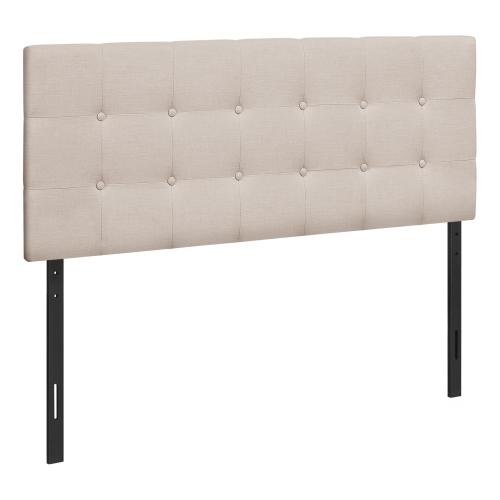

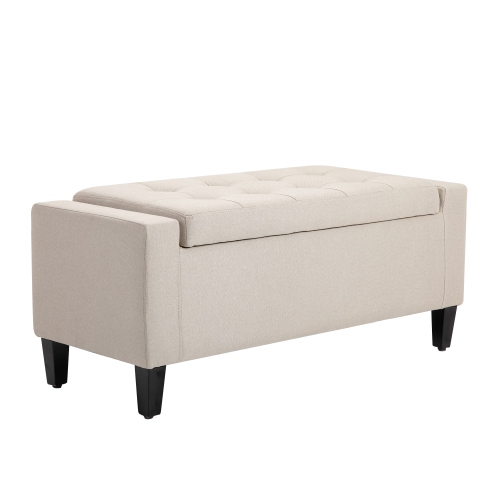
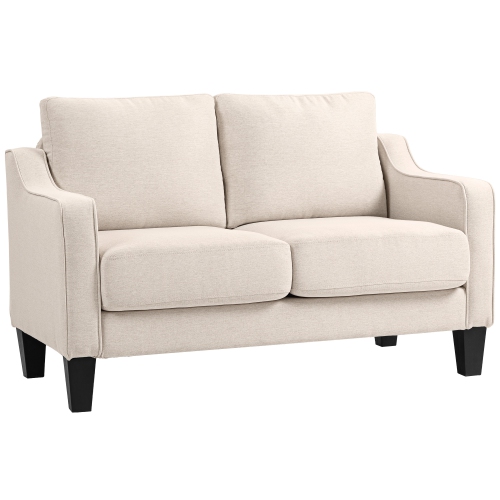
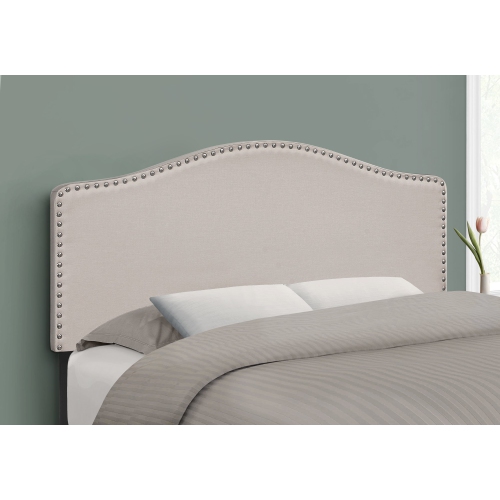
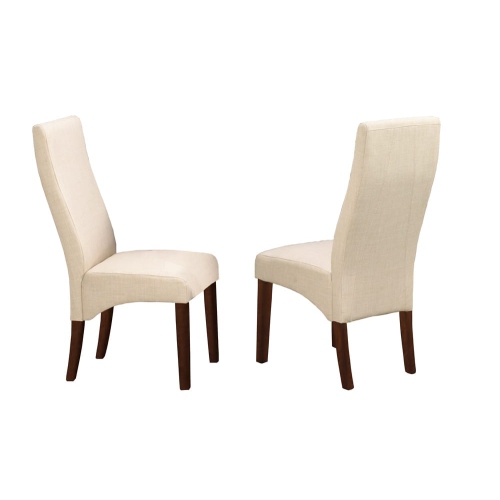


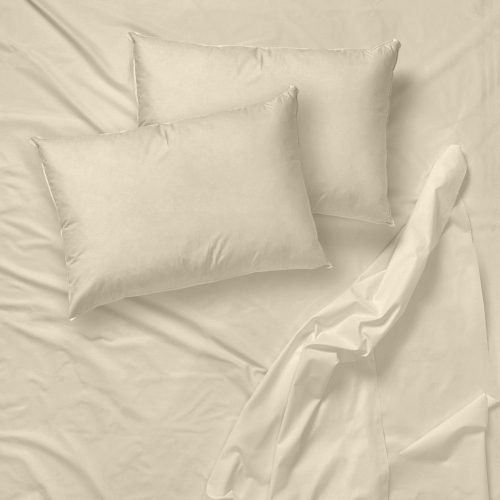

How weave and light change the look of beige
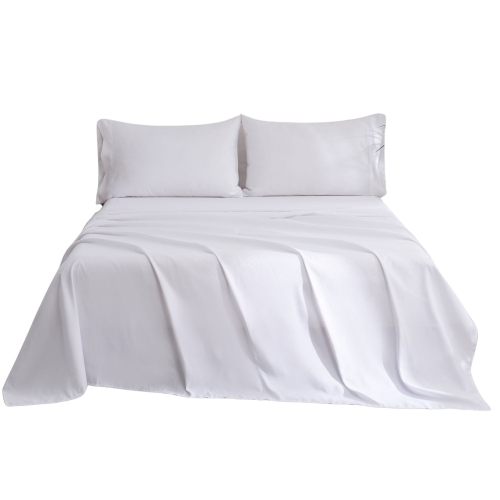
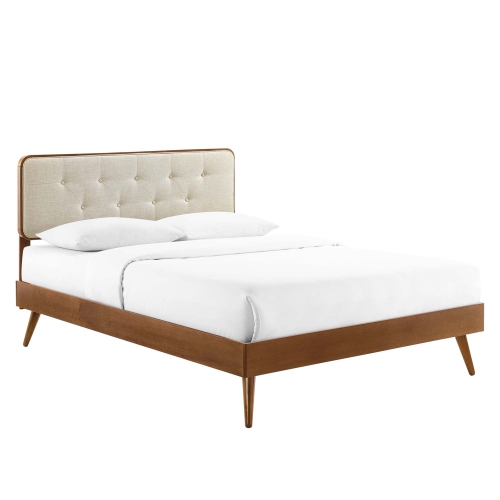
Beige linens are household textiles in shades that range from pale oatmeal and sandy beige to deeper mushroom tones. For bedding, table linens and curtains, the colour can add definition without the contrast of bright white. The term “linens” describes how these textiles are used, not necessarily what they’re made of: some are woven from flax, while others use cotton or a blend. Flax linen often has visible irregularities in the weave and a softly rumpled finish that becomes more relaxed with washing. Cotton percale tends to feel smooth and crisp, while cotton sateen has a smoother drape and a slight sheen. Blends vary in feel and can be less prone to creasing, depending on the fibres and weave. Those differences matter in daily use: a closely woven cotton can give a bed a neat, tucked-in look, while textured linen brings out the shading in beige without adding a pattern. Undertones make a difference, too. A golden beige can pick up the honey tones in a wood headboard, while a grey-leaning beige can sit comfortably next to charcoal upholstery or brushed metal. In a room with cream walls, a slightly deeper shade keeps the textiles from blending into the background. The same beige may look different laid flat across a bed than it does hanging in folds at a window, where light from behind can make the fabric appear paler. A photograph can help narrow down the shade, but details such as whether the fabric is heathered, meaning it’s woven with a mix of tones, or solid can tell more about how it will look from across the room. Two beige fabrics don’t have to match exactly: a clear difference in depth or texture, such as smooth sand-coloured bedding against a nubbly oatmeal curtain, usually looks more intentional than two shades that are almost identical.
Fit depends on where the linen will be used. For fitted sheets, mattress width and length are only part of the measurement. Depth matters, especially if a topper or thick mattress protector adds height. A pocket that’s too shallow can pull loose at the corners, while excess fabric can bunch where a sleeper turns. Duvet covers are easier to compare by their listed dimensions than by bed size alone, since the insert and cover may use the same size name without measuring exactly the same. At the table, the shape of the tabletop and the amount of fabric that hangs over each edge determine how the cloth sits. A shorter drop keeps fabric away from laps and chair seats at a busy kitchen table, while a longer drop gives a dining table a softer outline. On a table with an extension leaf, both the everyday and extended lengths are worth noting. Runners can frame a centrepiece without hiding the wood or stone beneath, but their width should leave enough space for plates and glasses if the table is narrow. For curtains, measure from the point where the fabric will hang rather than from the top of the window frame. Check whether the stated width is for one panel or the pair: the combined width needs to exceed the area being covered if the curtains are meant to hold their folds when closed. Floor-length curtains can draw the eye up around a tall window, but a shorter length may be more practical above a desktop or built-in bench. The colour on its own won’t tell much about privacy. A loosely woven beige fabric can soften glare and still show silhouettes when a room is lit from within, while a denser weave or lining can offer more coverage.
For linens that see frequent use, durability depends on the weave and construction as much as on the fibre. Secure hems help napkins keep their shape through repeated washes, and even stitching around fitted corners matters when bedding is stretched over a deep mattress. A very open weave may drape nicely at a window but snag more readily on a table where dishes and serving pieces are moved around. Thread count alone doesn’t show how well a fabric will hold up or how it will feel after laundering. Care labels are especially useful when comparing pieces for the same room: two fabrics with a similar look may have different washing and drying requirements, and a lined curtain may need different handling than an unlined panel. Following the drying directions can help limit shrinkage, which is particularly noticeable on fitted bedding and on curtain panels meant to hang at the same height. On beige table linens, pale crumbs may be less obvious than on a dark cloth, but cooking oil can leave a darker patch. Blotting a spill rather than rubbing it into the weave, then treating the mark according to the care label before drying, can make cleanup easier. For a housewarming or wedding gift, table linens can be a practical choice when the recipient’s style is known but mattress or window sizes aren’t. Napkins don’t depend on the dimensions of the table, and a textured beige can work with everyday stoneware as readily as with plain white dishes. For a guest room, easy-care bedding in a sandy neutral can tie together wood furniture and upholstery that weren’t bought as a set. If the room needs another touch of the same colour, Beige Decorations can bring it in through a finish other than fabric. A matte accent against smooth bedding or a softly woven cloth on a polished table gives the colour a different look without having to repeat the same shade throughout the room.
Top selling and popular products
-
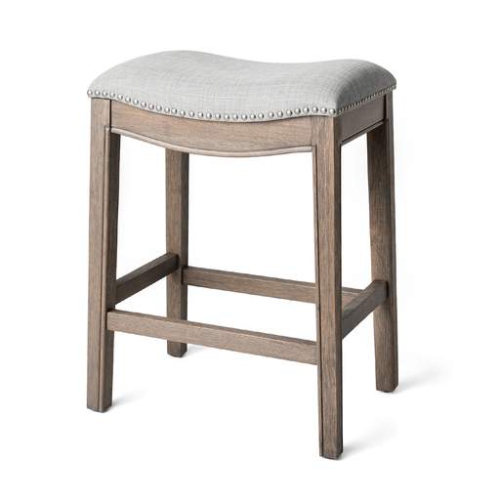 Your price for this item is $226.99
-
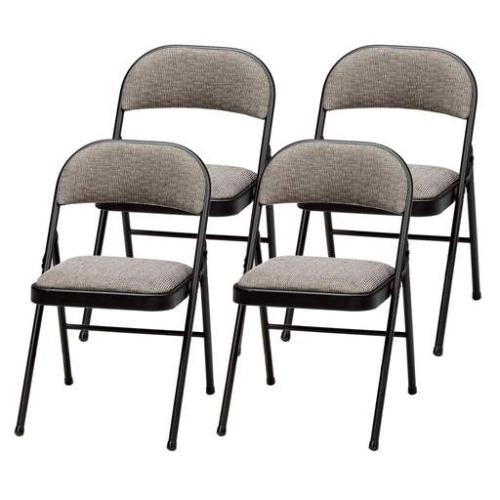 Your price for this item is $386.99
-
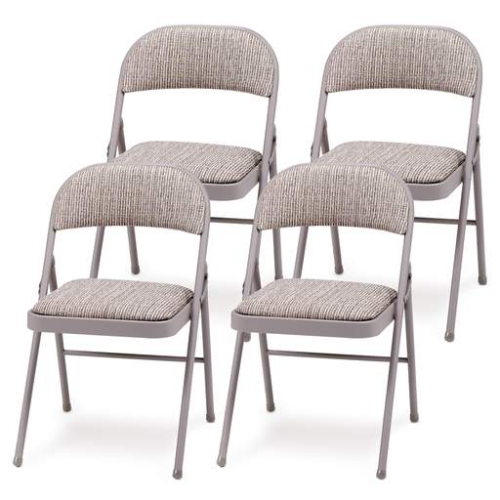 Your price for this item is $409.99
-
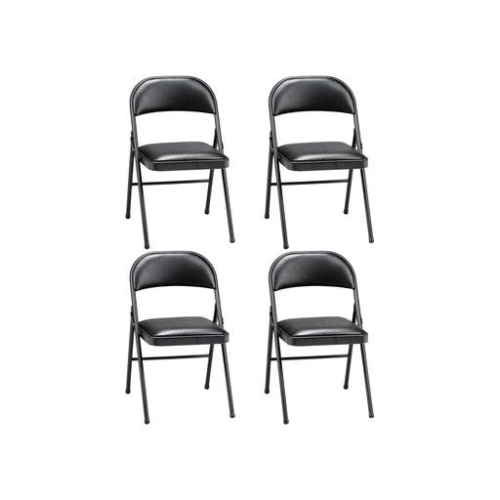 Your price for this item is $401.99
-
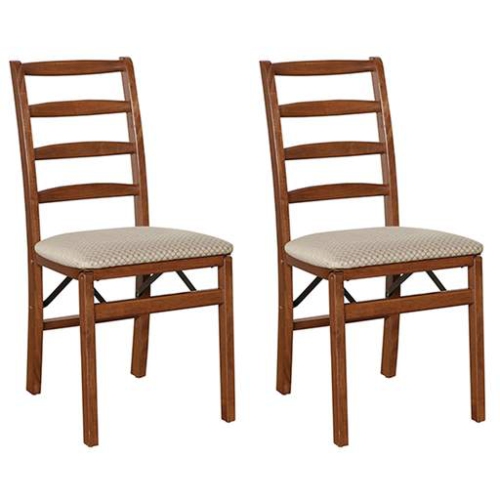 Your price for this item is $374.99
-
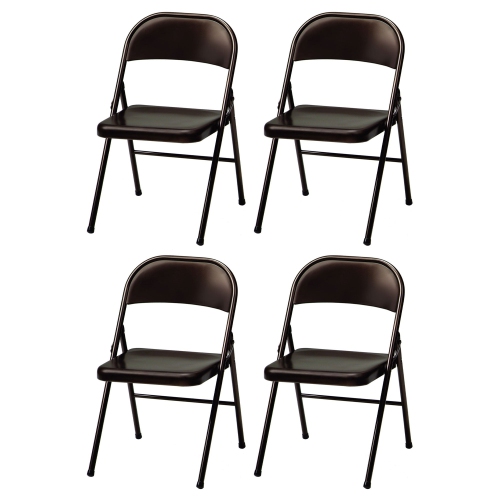 Your price for this item is $212.99
-
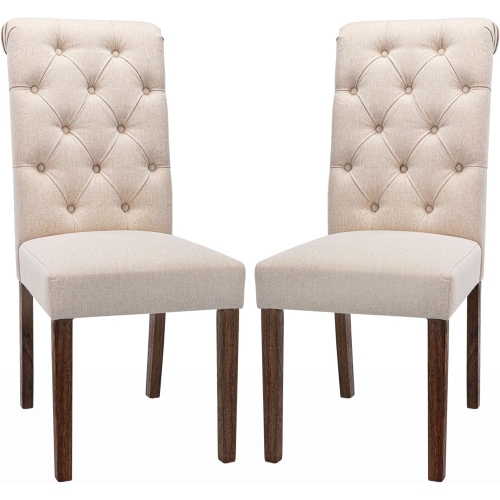 Your price for this item is $210
-
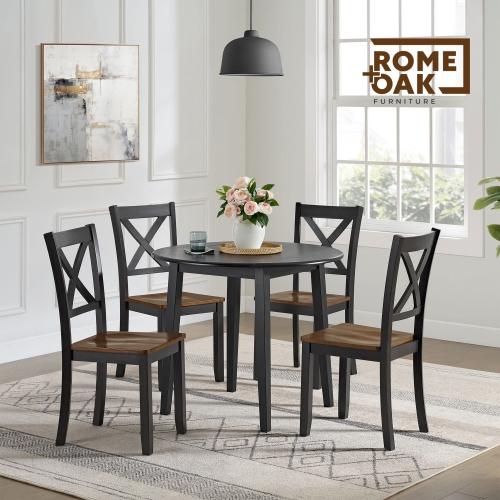 Your price for this item is $426.99
Discover more categories related to Beige Linens

Top Collections:
Best Black Friday Deals This Year, Best Black Friday Deals On Electronics, Kindle Devices, Dyson Airwrap, Best Cameras for Sports Photography, Best Black Friday Deals On Apple Products, PS5 Pro Consoles, Portable Snow Blowers, Canon G7X Cameras, Pokémon 30th Celebration Cards
Some products may be subject to Environmental Handling Fees
(EHF) depending on your province.
Learn more about EHFs.