White Linens
Transform your home into a serene oasis with the timeless elegance of white linens. Perfect for creating a fresh, clean look in any room, these linens offer a versatile foundation that complements a wide range of styles and decor. Whether you're refreshing your bedroom, upgrading your dining area, or adding a touch of luxury to your bathroom, white linens provide an effortless way to elevate your space. Discover the understated beauty and sophistication that only white linens can bring, enhancing your home's ambiance with their crisp, inviting charm.
Sort
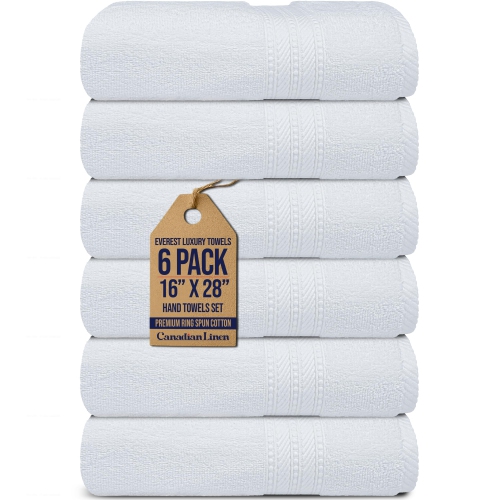
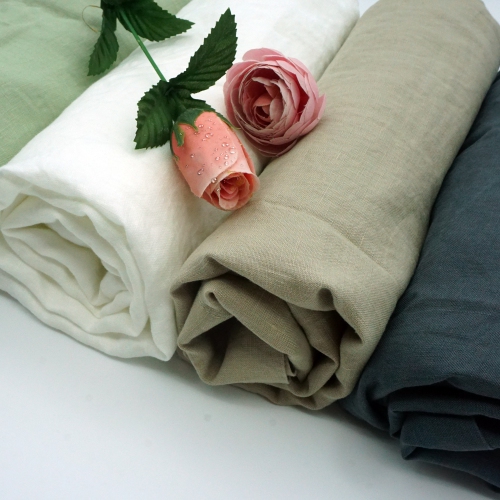
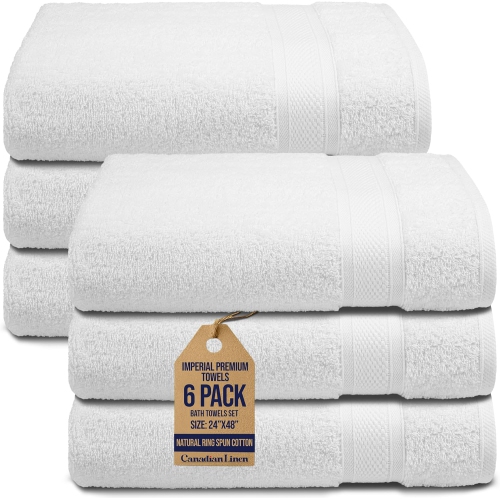


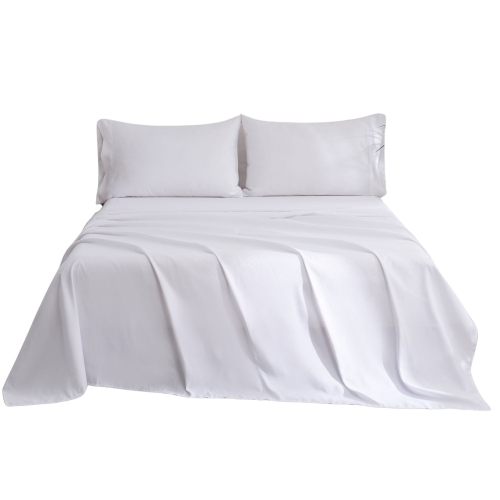
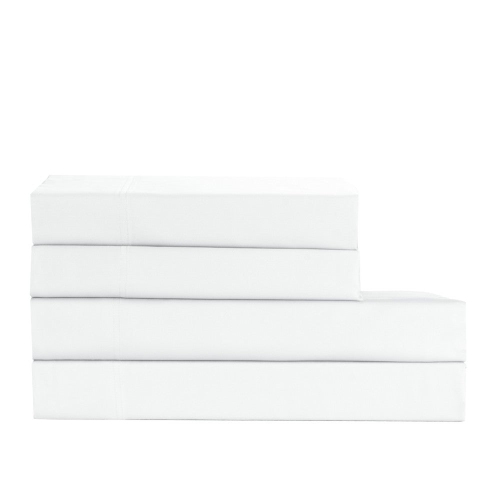
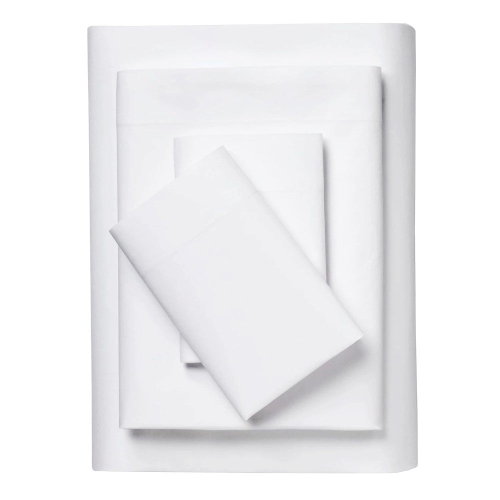
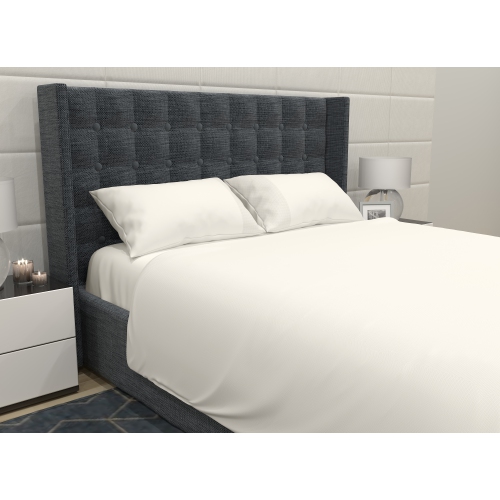
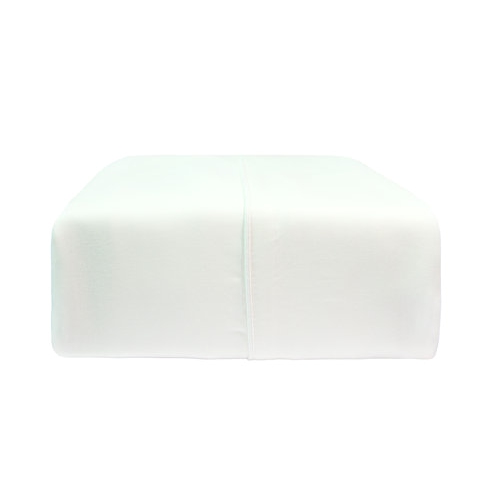

Why fabric and fit matter beyond the colour
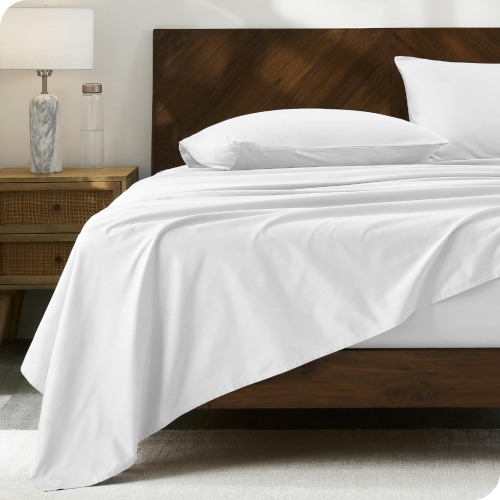
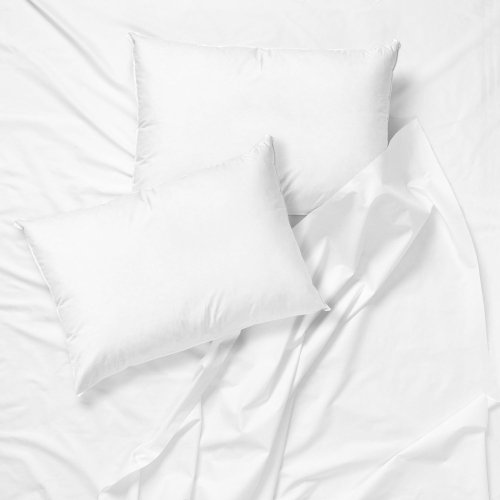
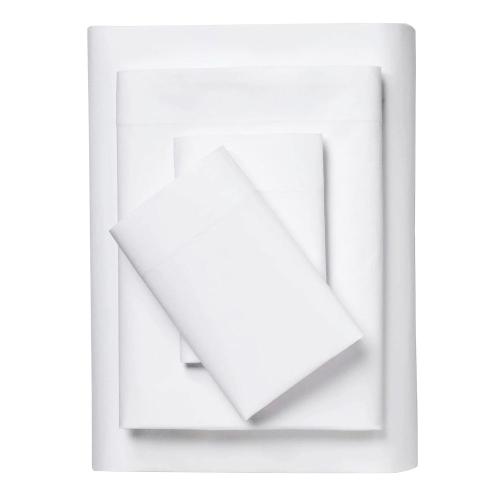
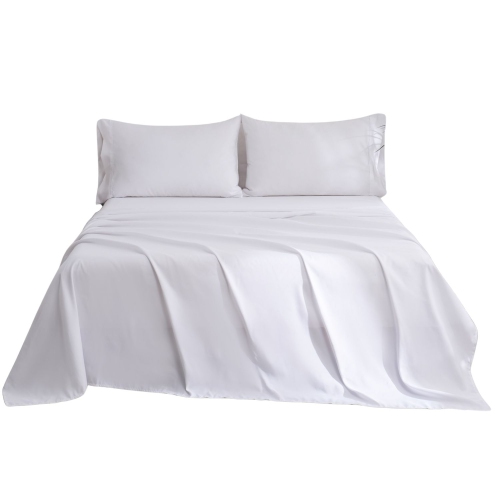
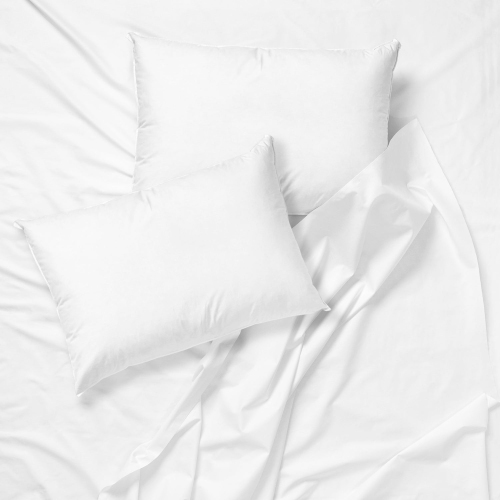
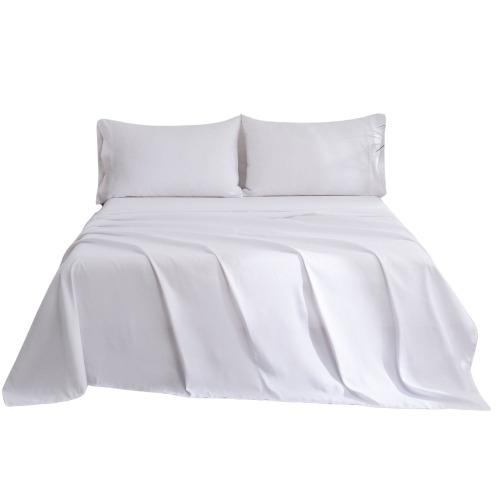
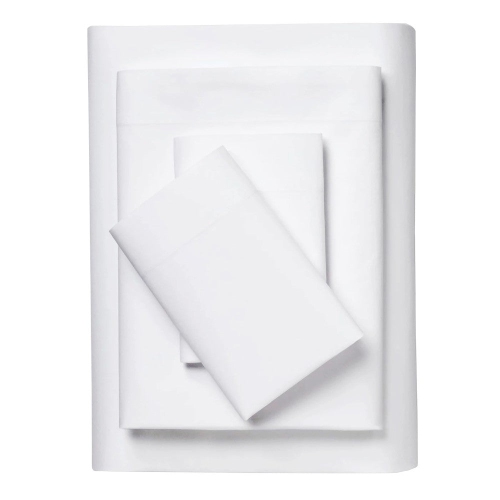
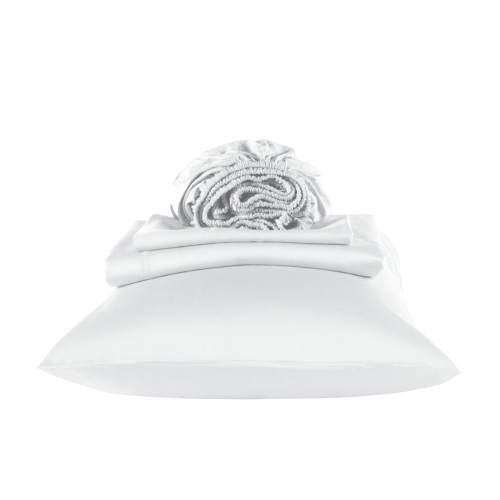
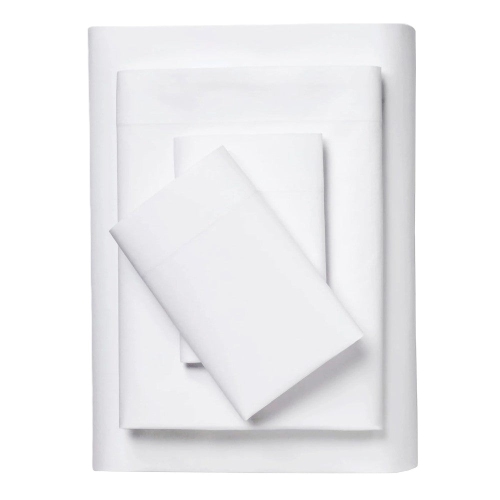
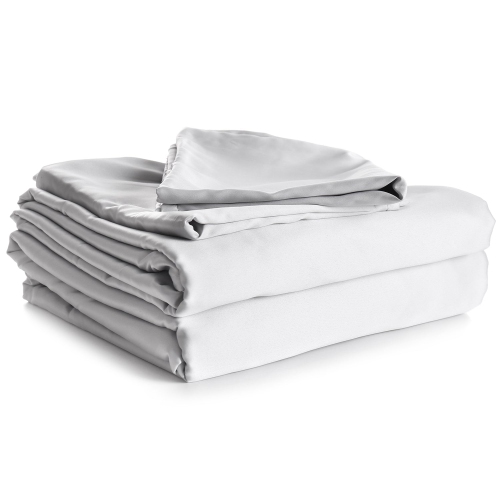
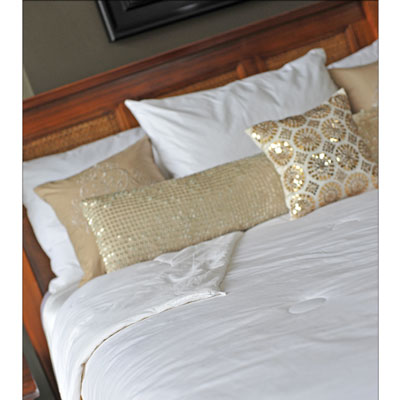
White linens bring a clean, understated look to bedrooms, dining areas, and living spaces, with texture providing much of their character. The term can describe household textiles generally, but linen as a fabric is made from flax fibres. That distinction matters: white sheets, tablecloths, and curtains may be woven from pure linen, cotton, blended fibres, or other materials, each with a different feel and care routine. Flax linen is known for its breathability, absorbency, and slightly irregular weave, which gives the surface subtle variation rather than a perfectly smooth finish. It often becomes softer with repeated laundering when cared for according to its label. Cotton can offer a smoother hand, while blends may balance linen’s texture with other qualities, depending on their composition. In a bedroom, the appeal of White Linen Bedding lies in the contrast between an uncomplicated colour palette and the tactile detail of the fabric. A loosely folded duvet cover, generously sized pillowcases, and neatly fitted sheets can look relaxed without appearing unfinished. Fabric weight and weave influence how substantial or airy bedding feels; thread count alone does not provide a complete picture, especially for flax linen. Fit is equally important. A fitted sheet needs enough pocket depth for the mattress, including any topper, while a duvet cover should correspond to the insert’s actual dimensions rather than relying only on a twin, queen, or king label. Pillowcase measurements also deserve attention, since standard, queen, and king pillows do not share the same proportions. Interior ties can help hold a duvet insert in place, and button, zipper, or envelope closures affect both appearance and everyday handling. White also varies between textiles: a bright, clear white may contrast with an ivory headboard, while an off-white fabric can blend into a room with cream walls. Coordinating undertones helps create a cohesive bed without requiring every layer to have exactly the same weave.
Beyond the bedroom, white table linens provide a neutral foundation that lets the shape of dinnerware, the grain of wooden chairs, or a simple arrangement of flowers stand out. Their usefulness extends from an everyday breakfast table to a family celebration, with fabric texture helping set the mood. A softly rumpled linen tablecloth feels informal and welcoming, while a pressed cloth with a defined hem creates a more tailored setting. Tablecloth fit depends on the tabletop’s dimensions, its shape, and the amount of fabric hanging over the edges. Measuring the table with any extension leaves in place gives a more useful starting point than choosing by seating capacity alone. A modest drop keeps fabric clear of laps and chair seats during daily meals; a longer drop creates a more dressed appearance but needs enough clearance to avoid pooling where people walk. Cloth napkins should feel comfortable against the skin and have enough surface area to sit securely on a lap. Even hems, tidy corners, and consistent stitching contribute to a finished look, particularly after repeated washing. White window linens bring the same emphasis on texture to another part of the home, although their practical requirements differ. A sheer weave can soften daylight while leaving outlines visible, so it should not be assumed to provide full privacy. Denser fabric or an appropriate lining offers more coverage, but light filtering and blackout performance are separate characteristics that should be confirmed in the textile’s description. Curtain measurements need to account for the rod position, finished length, and enough combined panel width to form folds when closed. Rod pockets, tabs, and other heading styles also influence how the fabric hangs and moves. Across bedding, dining textiles, and curtains, white works well with pale wood, dark metal, woven accents, and patterned furnishings, allowing the room’s other details to remain visible rather than competing with them.
The lasting appeal of white linens depends as much on everyday care as on their initial appearance. Care instructions should take priority over assumptions about the fibre, since dyes, finishes, trims, linings, and blended yarns can change how a textile should be washed or dried. Where machine washing is permitted, giving fabric room to move helps detergent rinse away and reduces tight creasing. Washing white textiles separately from colours helps prevent colour transfer, while prompt attention to spills can keep a small mark from becoming harder to remove. Stain treatments should suit both the fabric and the source of the stain; rubbing aggressively can distort the weave, and a care label should always be checked before using bleach. Excess detergent or fabric softener can leave residue, so more is not necessarily better. Linen’s natural creases are part of its appearance, but a smoother finish is possible when ironing is permitted, often while the fabric is slightly damp. Drying guidance also matters because excessive heat can contribute to shrinkage or damage certain finishes. Durable construction shows in secure seams, well-attached closures, and hems that remain even rather than twisting after laundering. A little surface variation is characteristic of flax linen, whereas loose stitching or strained seams deserves closer attention. For a busy household, ease of washing and manageable drying requirements may matter more than achieving a perfectly pressed finish. For a guest room, coordinating pillowcases and bedding can create a welcoming space that is straightforward to refresh between visits. White linens can also make a thoughtful housewarming or wedding gift when the recipient’s bed size, table dimensions, and preferred care routine are known. They are especially suited to someone who enjoys changing accent colours without replacing foundational textiles. Stored completely dry in a clean cupboard with room for air to circulate, these household fabrics can remain ready for regular use, whether that means making the bed, setting an extra place at dinner, or adding softness around a window.
Top selling and popular products
-
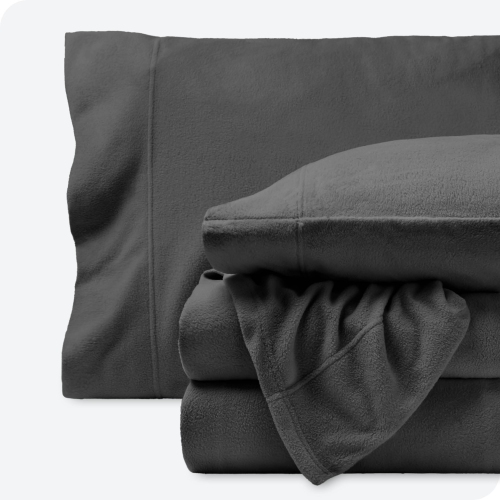 Your price for this item is $122.99
-
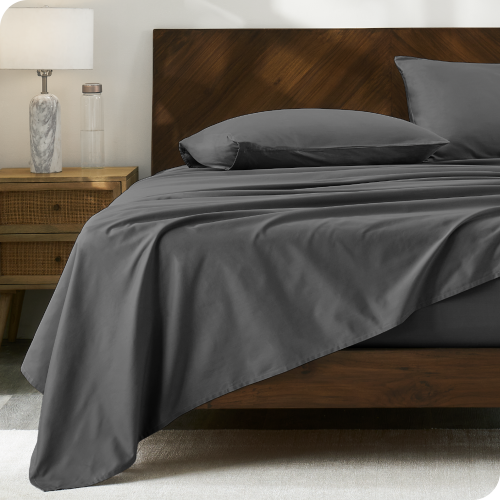 Your price for this item is $156.99
-
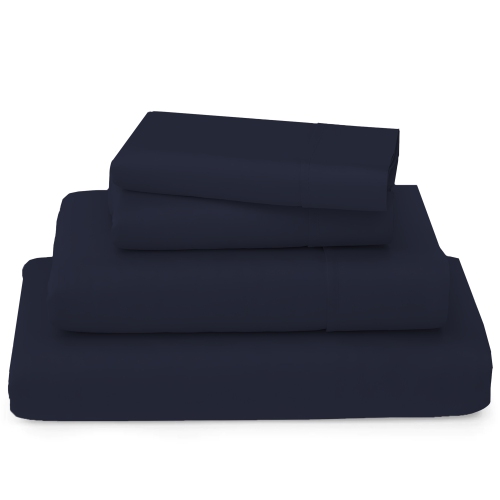 Your price for this item is $34.99
-
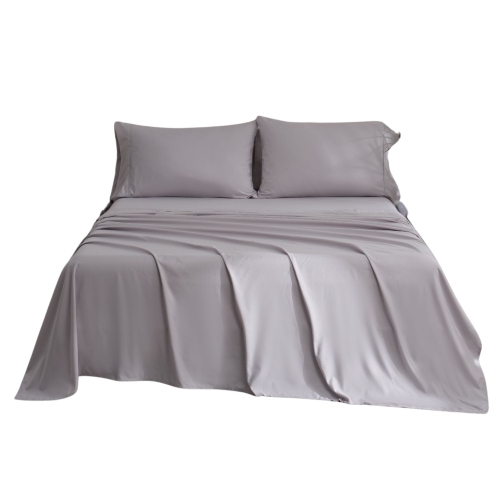 Your price for this item is $240
-
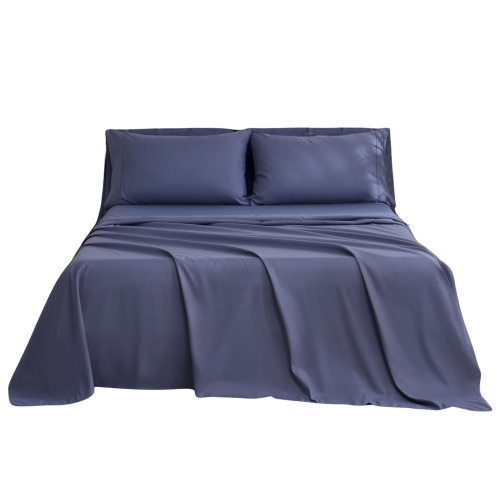 Your price for this item is $240
-
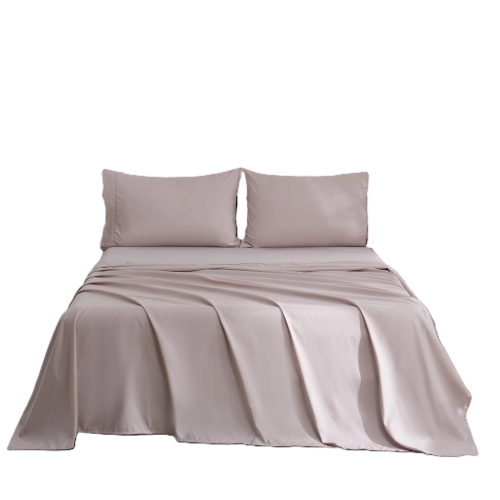 Your price for this item is $240
-
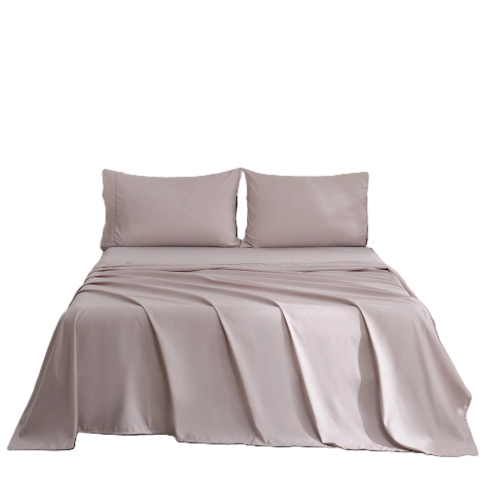 Your price for this item is $270
-
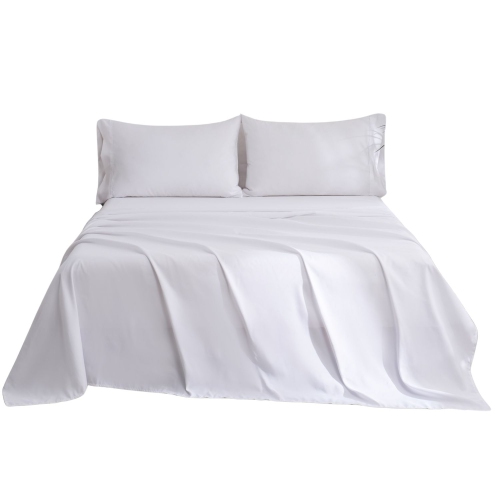 Your price for this item is $270
Discover more categories related to White Linens
Top Collections:
Best Black Friday Deals This Year, Best Black Friday Deals On Electronics, Kindle Devices, Dyson Airwrap, Best Cameras for Sports Photography, Best Black Friday Deals On Apple Products, PS5 Pro Consoles, Portable Snow Blowers, Canon G7X Cameras, Pokémon 30th Celebration Cards
Some products may be subject to Environmental Handling Fees
(EHF) depending on your province.
Learn more about EHFs.