Black and White Moroccan Rugs
Black and White Moroccan Rugs bring timeless elegance and striking contrast to any room, making them a versatile choice for a variety of décor styles. The bold patterns and classic color palette create a sophisticated foundation that complements both modern and traditional interiors. Whether you’re looking to add visual interest to your living space or create a cozy atmosphere in your bedroom, Black and White Moroccan Rugs offer a stylish solution that enhances any home environment. Explore a range of sizes and designs to find the perfect rug that fits your unique taste and space.
Sort



Why pattern and pile matter beyond the colour palette
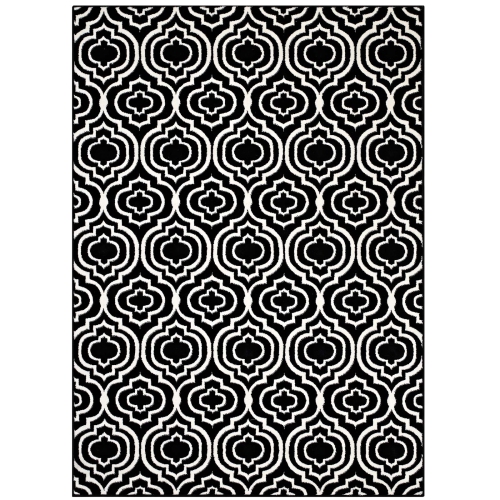
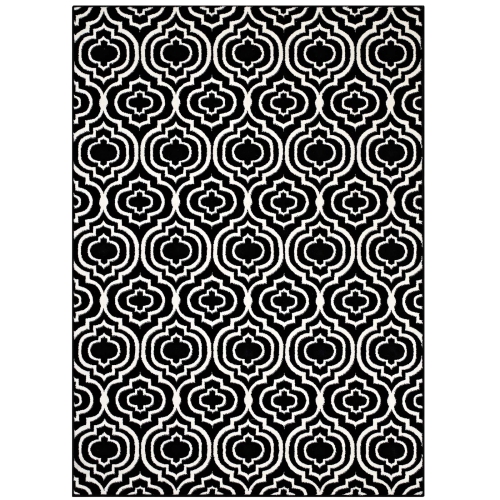
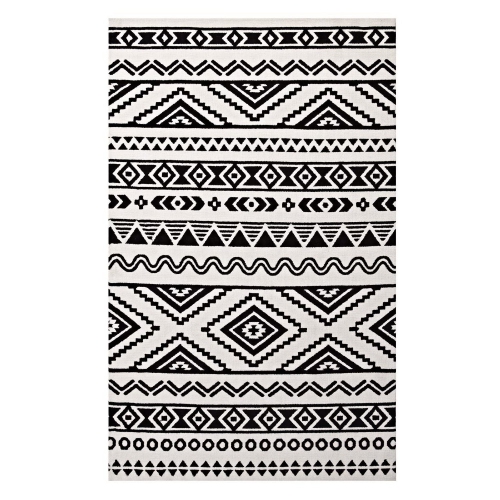
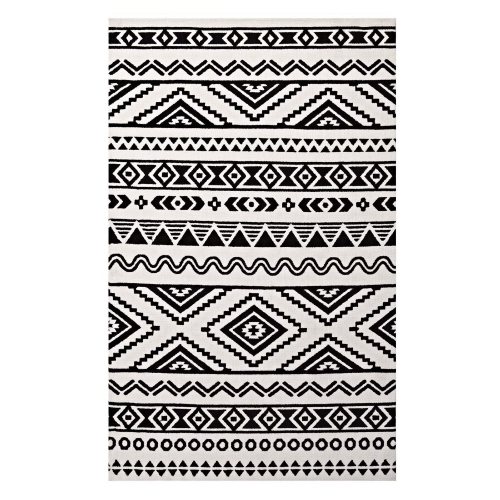
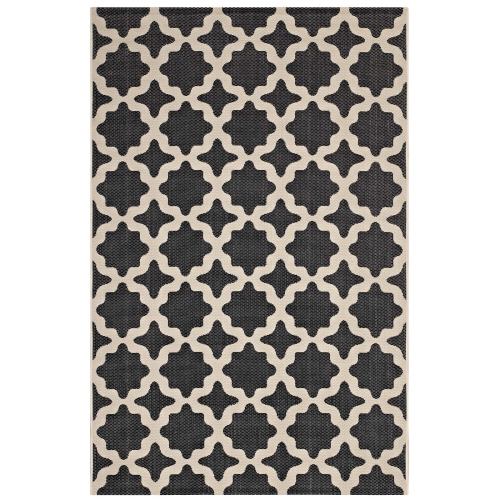
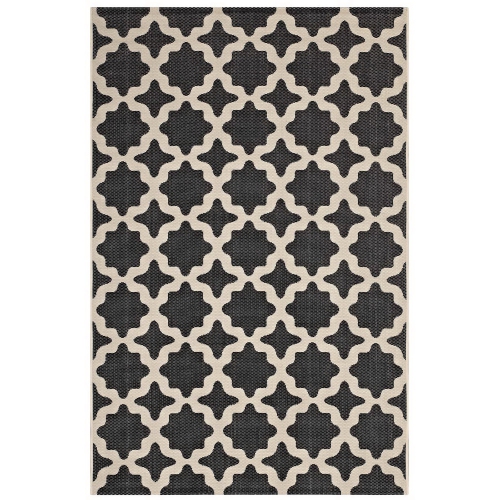
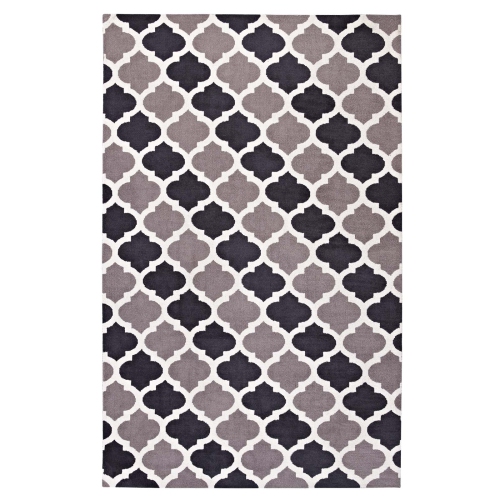
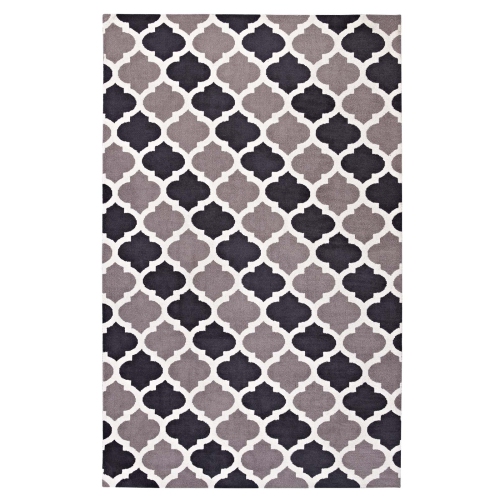
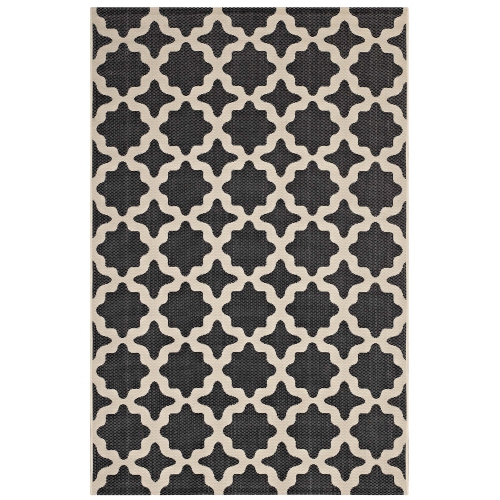
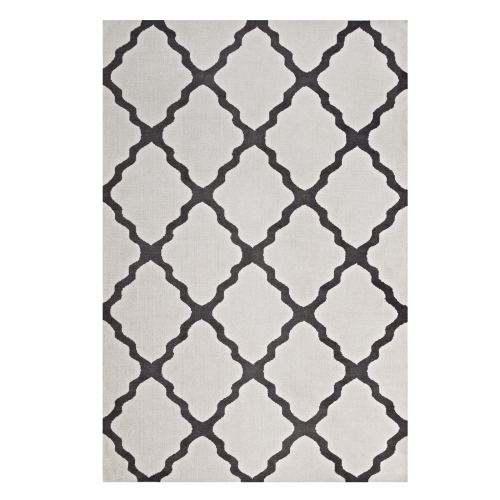
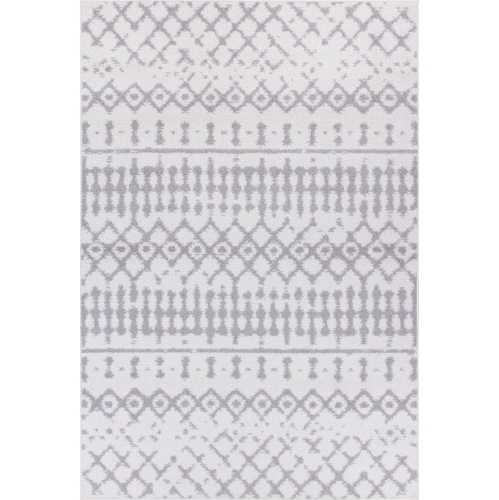
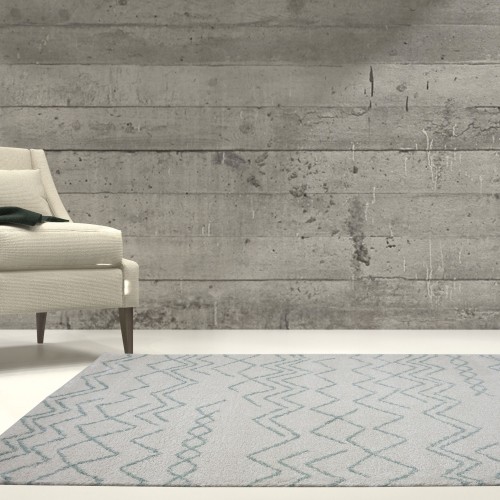
Black and white Moroccan rugs bring together a restrained colour palette and expressive geometric pattern, often using diamonds, intersecting lines, zigzags, or loosely drawn grids against a light or dark ground. The look draws on Morocco’s varied weaving traditions, including the wool rugs associated with Beni Ourain communities in the Atlas Mountains. Thick wool pile and dark diamond lattices on an ivory background are particularly recognizable, but Moroccan rugs encompass more than one construction or pattern. Contemporary Moroccan-inspired rugs may be handwoven, hand-tufted, or machine-made, so the appearance alone does not establish where or how a rug was produced. A softly irregular line can give a room a relaxed, hand-drawn quality, while a precise repeating pattern feels more structured. In a living room with a plain sofa and simple wood furniture, either approach adds detail without introducing another strong colour. Black lines can pick up the finish of a coffee table, curtain rod, or picture frame, helping separate furnishings feel connected. White, cream, and ivory backgrounds have different effects: a crisp white creates clear contrast, while warmer ivory can sit comfortably beside oak, tan leather, and oatmeal upholstery. The balance of light and dark also matters. A mostly pale rug keeps the floor visually quiet, whereas a dense black pattern gives the seating area a stronger outline. Large diamonds tend to read clearly across an open room; smaller motifs create a closer texture that works well around compact furniture. For a more layered appearance, Vintage Moroccan Rugs offer a related direction, where age, wear, and individual weaving details may shape the character of the design. Whether the room leans contemporary, rustic, or eclectic, the appeal of a black and white Moroccan rug lies in the relationship between its pattern, texture, and surrounding furnishings rather than colour alone.
Material and construction make a noticeable difference to how a rug feels and functions. Wool can provide a springy, substantial surface underfoot, particularly in a deeper pile, though some shedding is normal and care requirements vary. Cotton is often used in lighter woven constructions that have a flatter profile and a more casual feel. Polypropylene and polyester are common in machine-made Moroccan-inspired designs and can offer practical stain resistance, depending on the fibre, finish, and construction. No material is maintenance-free, and a washable label should be checked against the stated washing method and the capacity of the machine that will be used. A high-pile rug suits spaces where softness matters, such as beside a bed or beneath a living room seating arrangement. It can be less convenient beneath a rolling desk chair or dining chairs that move repeatedly across the same area. Flatwoven and low-pile rugs generally make chair movement easier and leave less depth for crumbs or grit to settle into. In homes with pets, tightly woven surfaces may be more practical than loose loops that can catch claws, while long fringes may need extra attention around playful animals and robotic vacuums. Size deserves as much thought as texture. In a living room, a rug that reaches beneath the front legs of the sofa and nearby chairs can connect the seating arrangement without covering the entire floor. A small rug centred beneath only the coffee table creates a different, more contained effect. Beneath a dining table, enough rug should extend beyond the tabletop for chairs to remain on it when pulled out for use. In a bedroom, the useful area is often the portion extending beside and beyond the bed, where feet meet the floor. Runners need clearance from doors, and rug corners should sit outside frequently used walking paths wherever possible. Marking the proposed outline with removable tape helps reveal whether the proportions suit the furniture and available floor space.
The practical character of a black and white rug becomes clearer in everyday use. A pale field can make dark lint, muddy marks, and drink spills easy to spot, while black sections may show light-coloured pet hair or dust. Pattern can soften the appearance of minor marks, but it does not replace regular cleaning. Vacuuming should suit the construction: a gentle suction setting may be appropriate for delicate wool, long pile, or fringe, while a rotating brush can be unsuitable for some weaves. The care label takes priority, especially where the rug has a backing, glued components, or fibres that react differently to moisture. Spills are best blotted promptly with a clean, absorbent cloth rather than rubbed into the pile. Any cleaning solution should be tested in an inconspicuous area, and the rug should dry fully before furniture is returned to place. Saturating a rug can affect its backing or the floor underneath, so washable and spot-clean-only constructions should not be treated as interchangeable. Professional cleaning may be appropriate for handmade wool rugs or pieces with uncertain care requirements. A suitable rug pad adds another practical layer, helping limit movement and providing cushioning when compatible with both the rug and the flooring. The pad should fit beneath the rug without projecting beyond its edges, and its materials should be approved for the floor finish. Doors still need room to swing freely over the combined thickness. Rotating a rug periodically can distribute foot traffic more evenly, particularly beside a sofa or along a common route through the room. Direct sunlight may also affect colour over time. For a shared home, a child’s room, or a gift for someone setting up a new space, dimensions and care preferences matter more than pattern alone. A generously textured rug can make a reading corner inviting, while a flatter weave may better suit a busy dining area. Matching those everyday habits to the construction helps the graphic appeal remain enjoyable beyond the first impression.
Top selling and popular products
-
 Your price for this item is $130.55
-
 Your price for this item is $129.15
-
 Your price for this item is $130.55
-
 Your price for this item is $129.15
-
 Your price for this item is $129.15
-
 Your price for this item is $130.55
-
 Your price for this item is $144.99
-
 Your price for this item is $103.99
Discover more categories related to Black and White Moroccan Rugs
Top Collections:
Best Black Friday Deals This Year, Best Black Friday Deals On Electronics, Kindle Devices, Dyson Airwrap, Best Cameras for Sports Photography, Best Budget Office Chairs, Canon G7X Cameras, PS5 Pro Consoles, Best Black Friday Deals On Apple Products, XBOX One S Consoles
Some products may be subject to Environmental Handling Fees
(EHF) depending on your province.
Learn more about EHFs.