Black Chest Dressers
Looking for a stylish and functional storage solution for your bedroom? Look no further than our collection of black chest dressers. These versatile pieces of furniture not only provide ample storage space for your clothing and accessories, but they also add a touch of elegance to almost any room. Whether you need extra storage in your bedroom, guest room, or even your living room, black chest dressers offer the perfect combination of practicality and style. Here are some great options available.
Sort
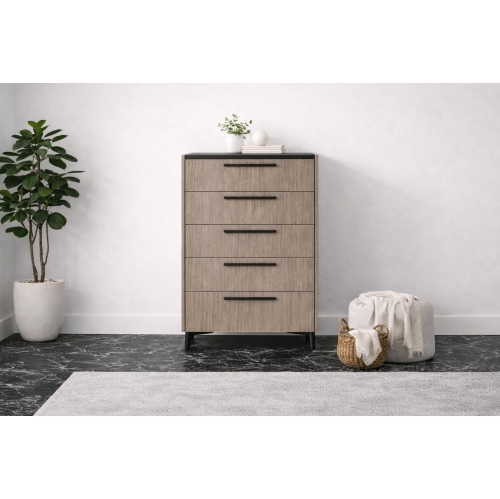
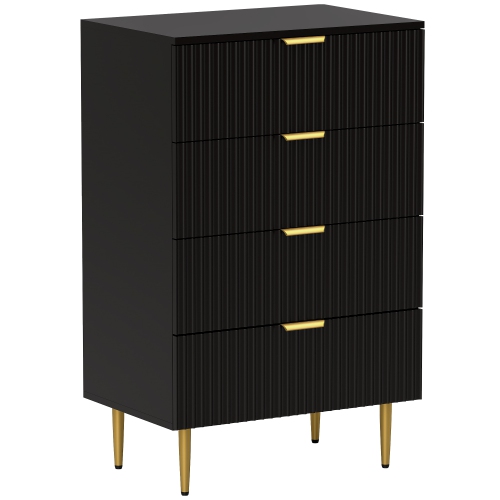
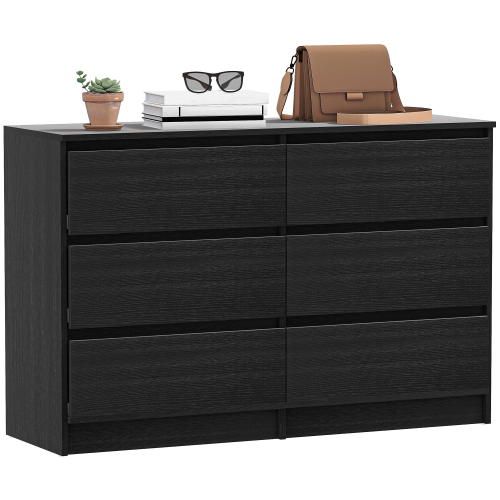
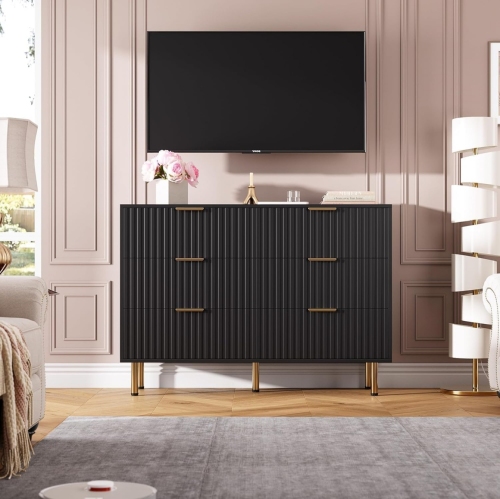
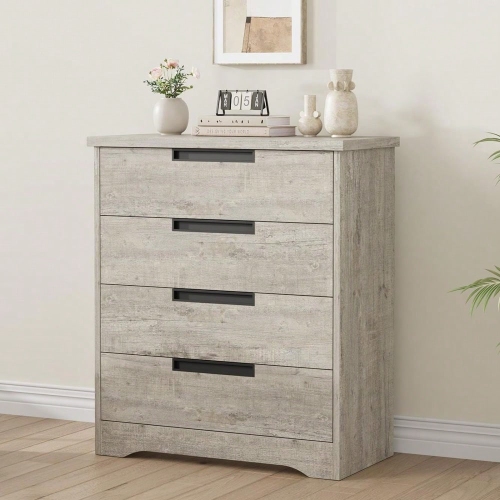
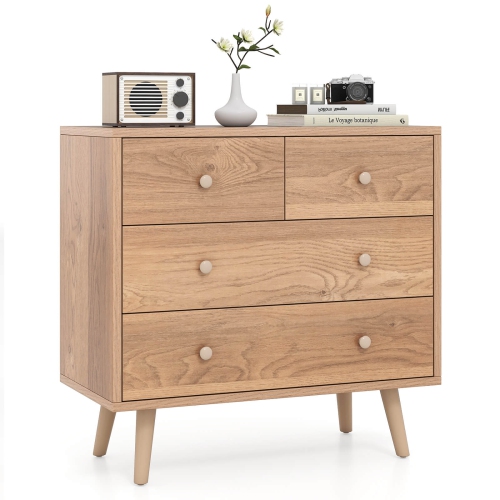
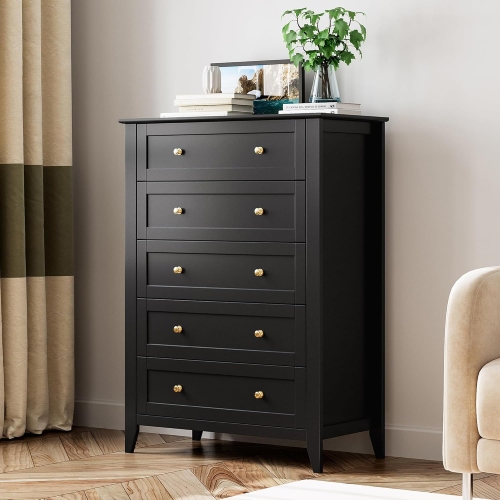
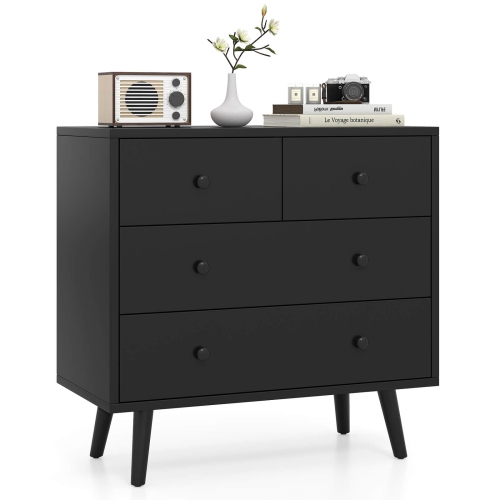
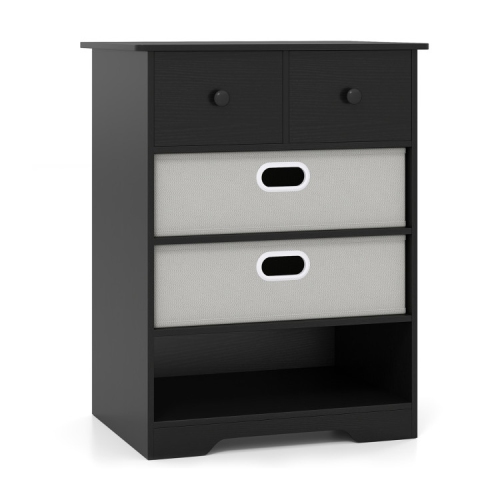
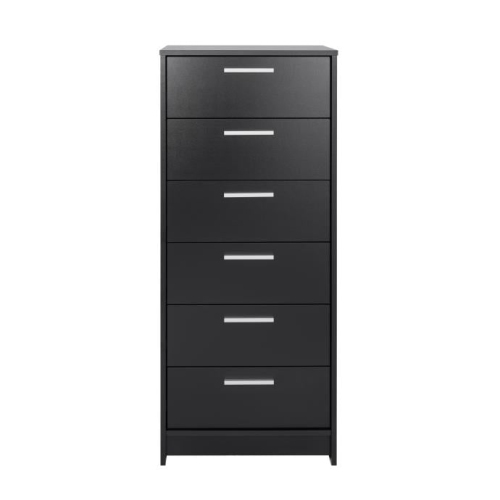
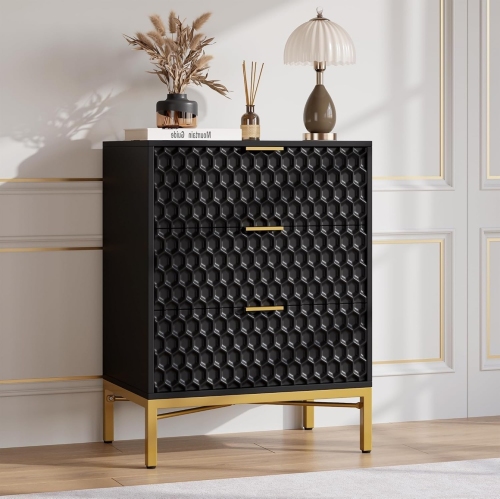
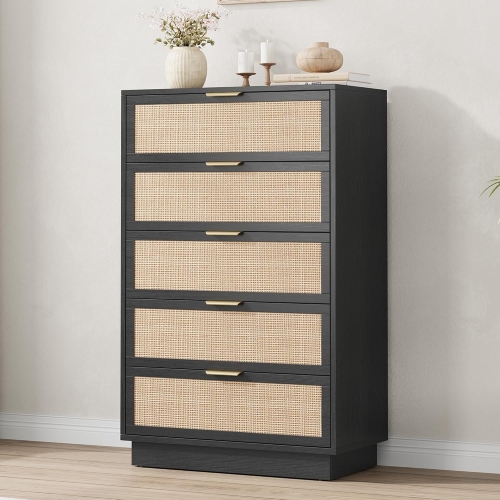
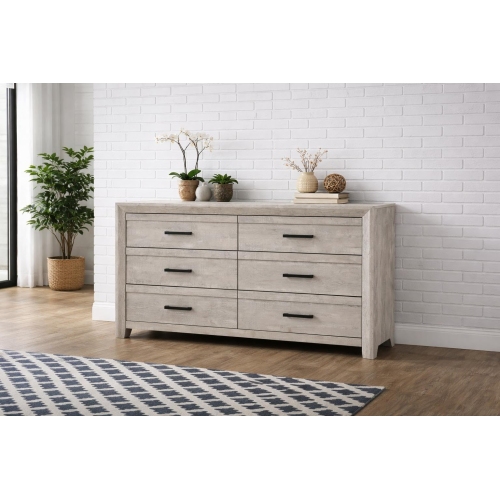
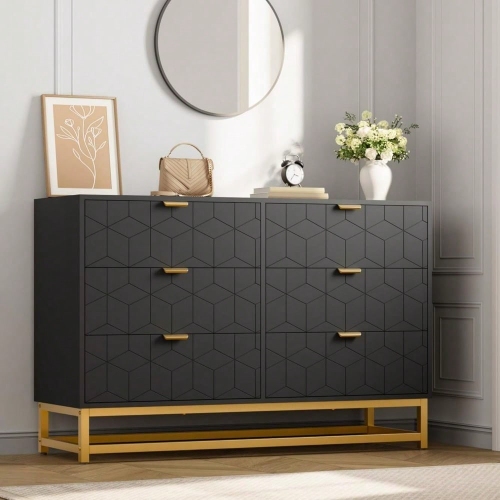
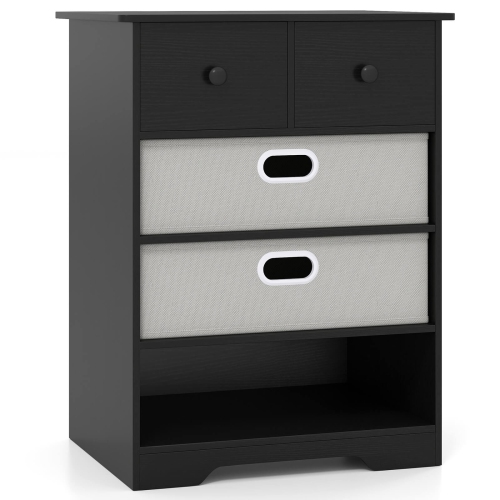
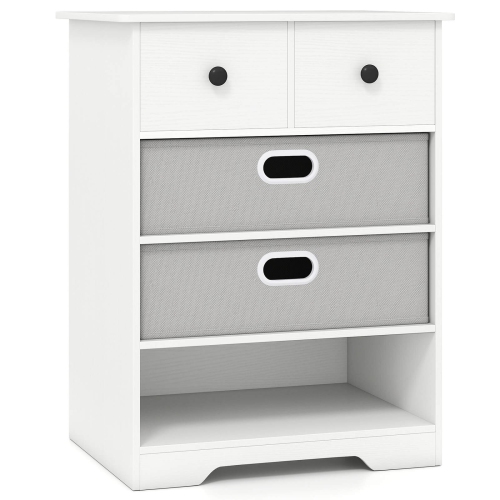
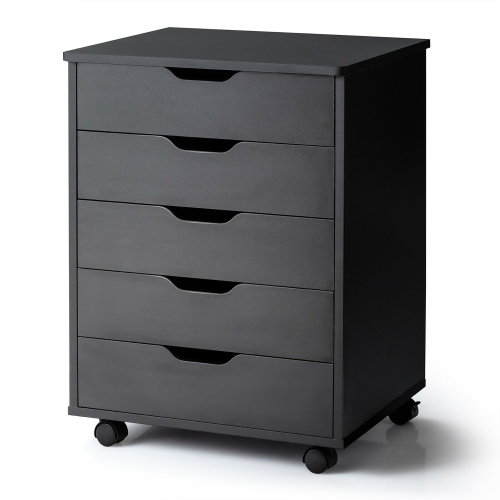
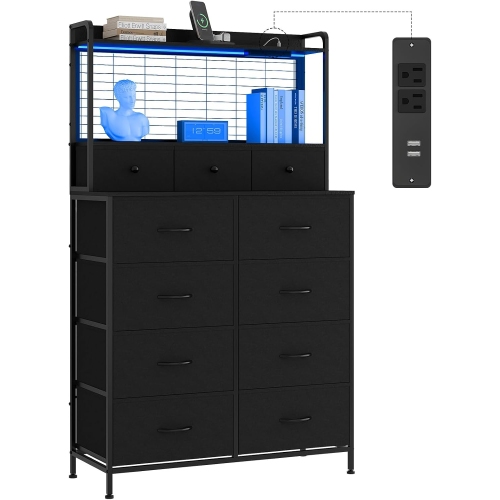
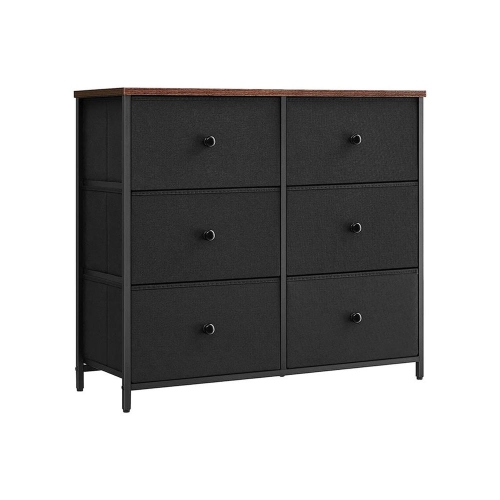
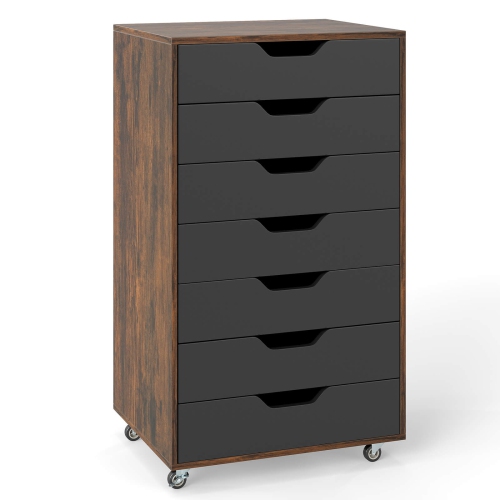
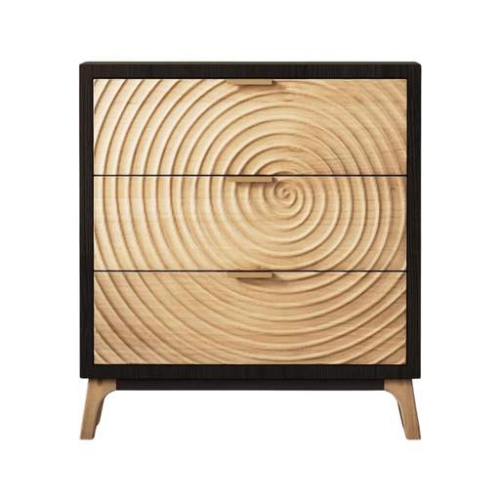
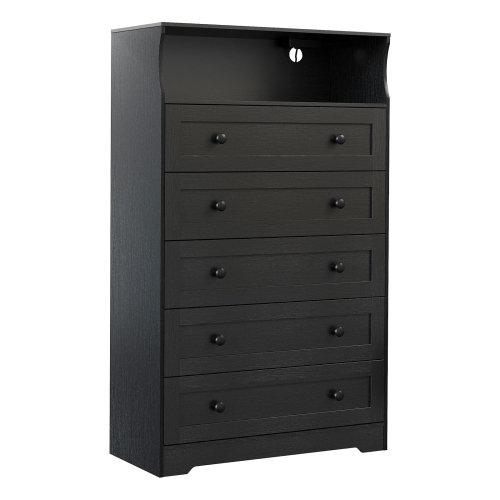
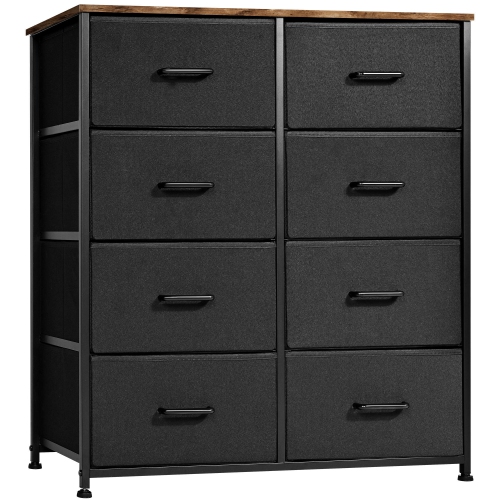
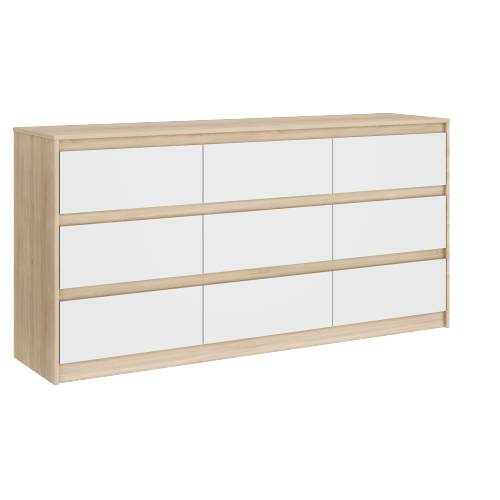
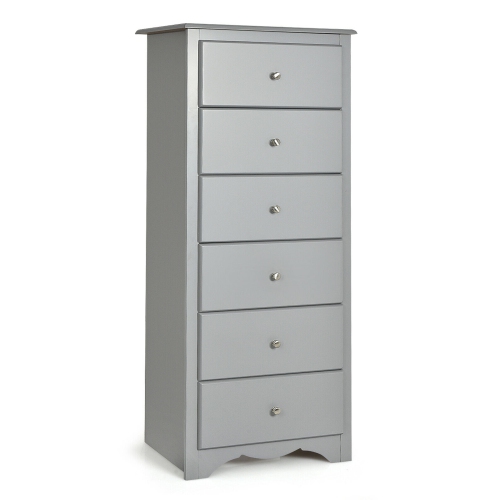
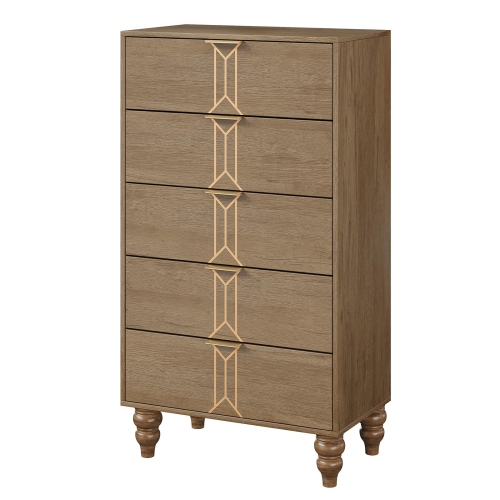
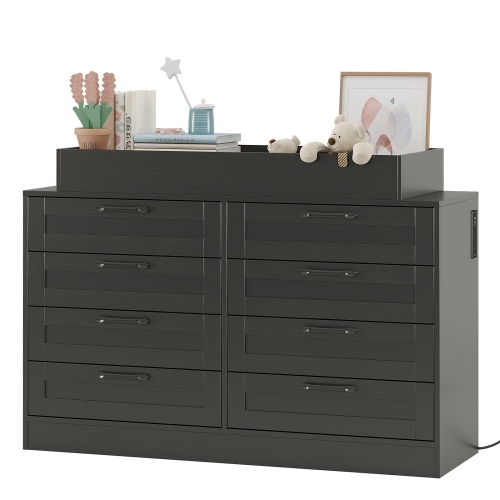
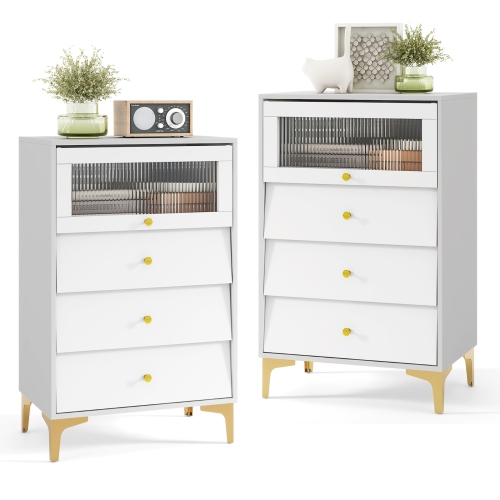

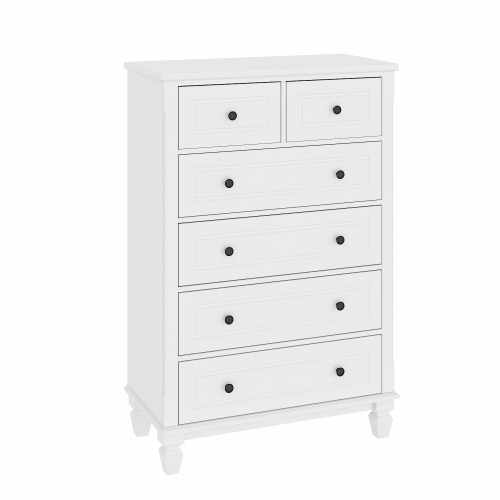
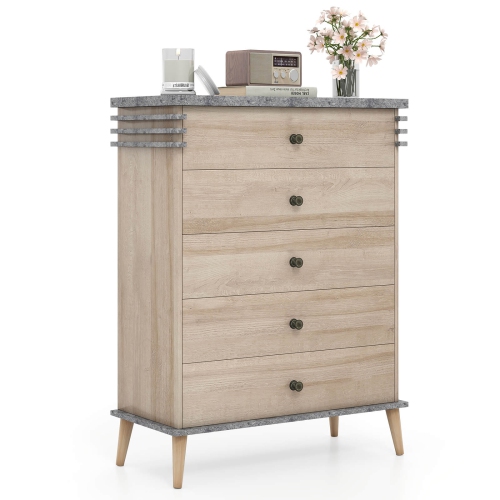
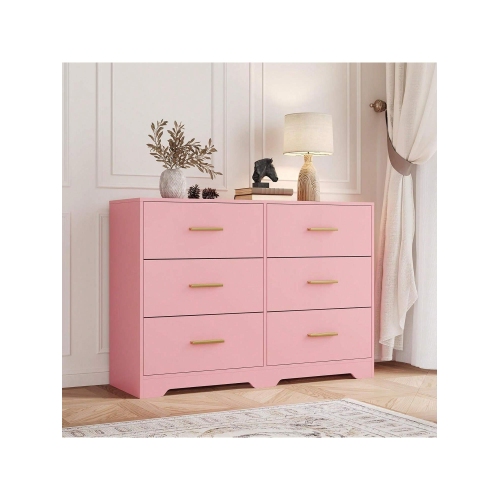
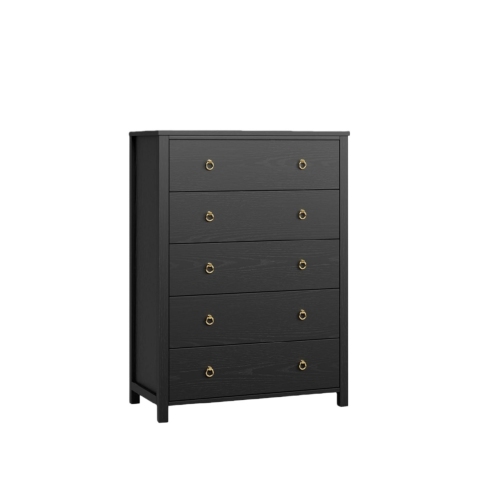
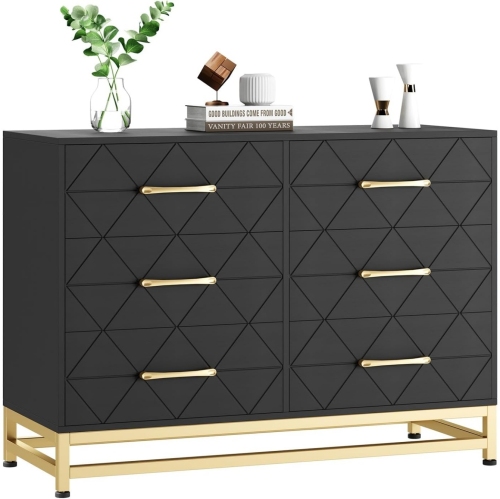
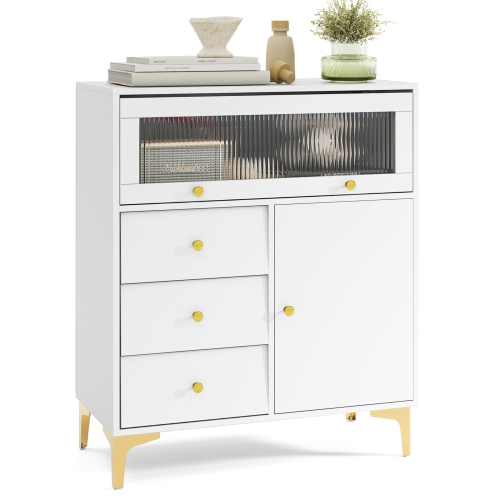
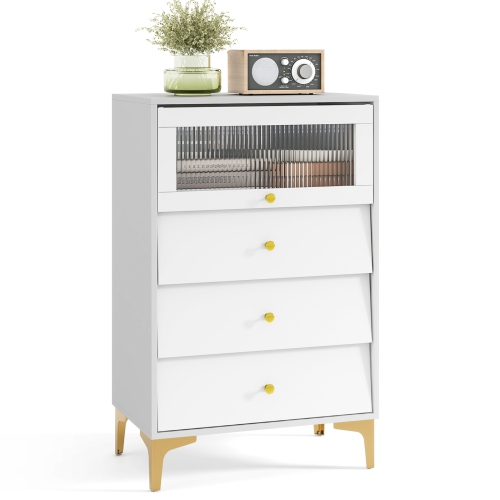
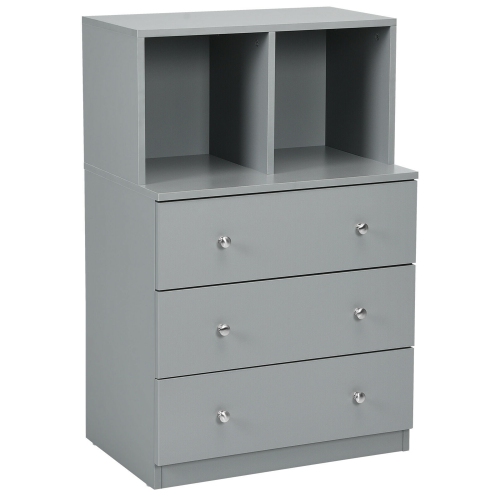
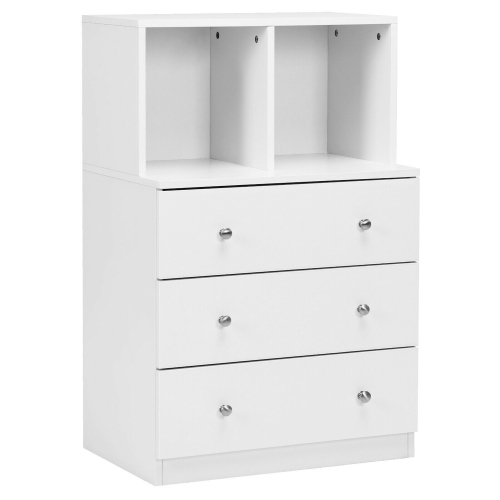
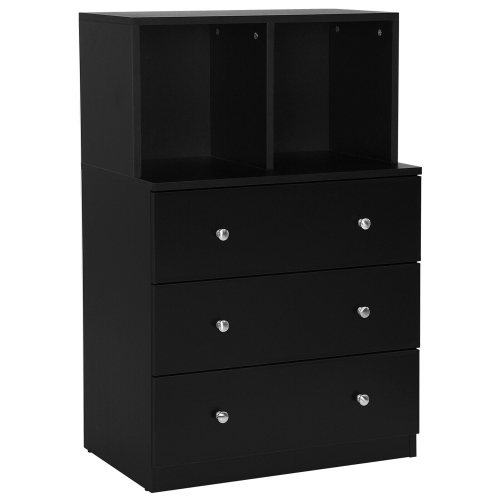
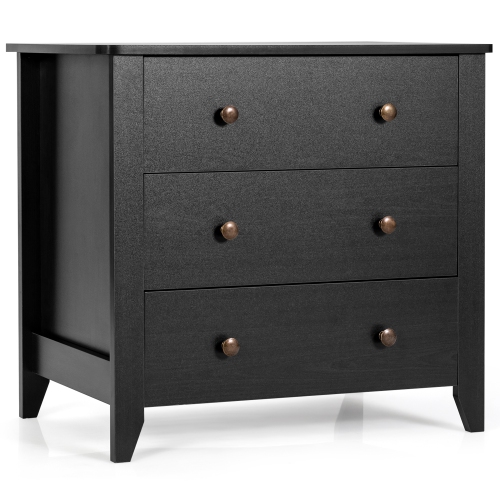
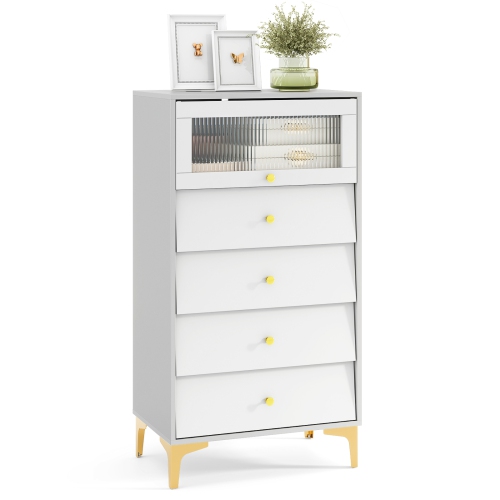
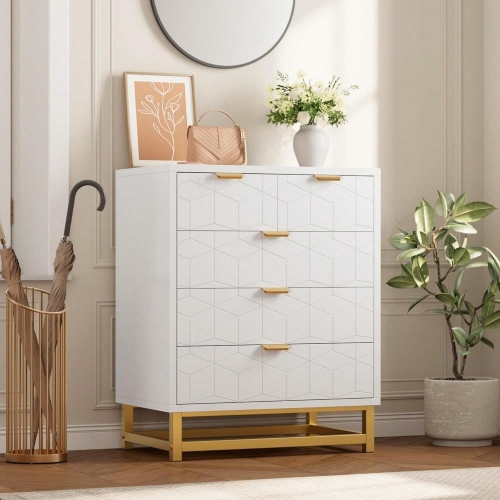
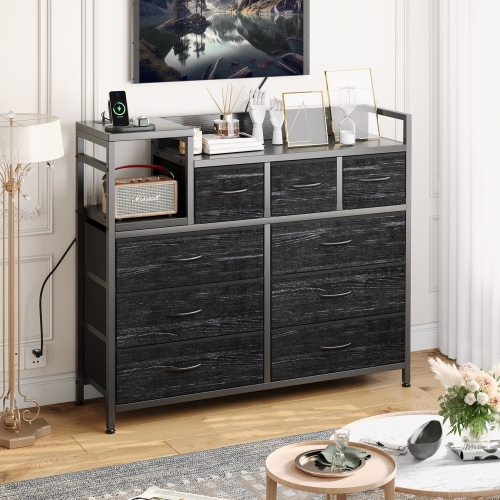
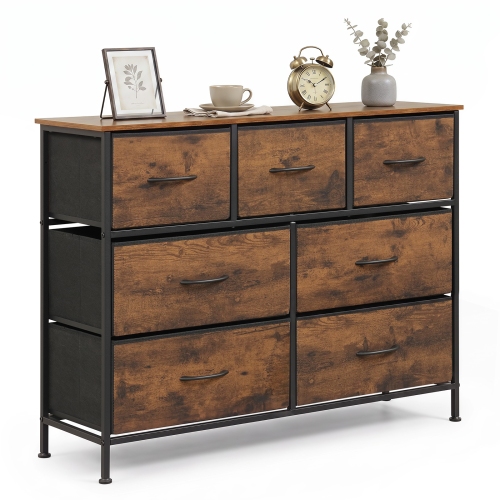

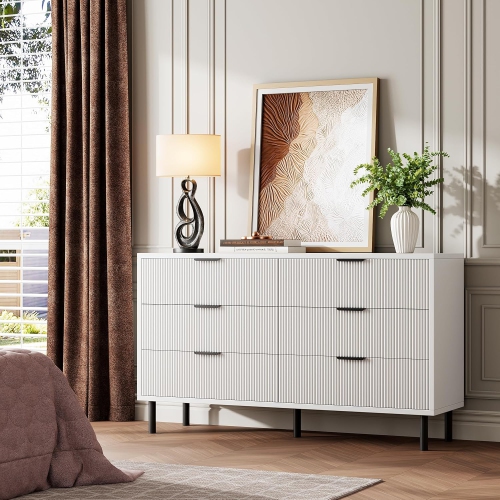
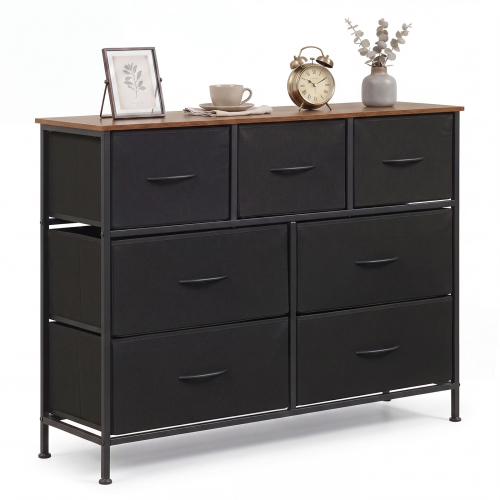
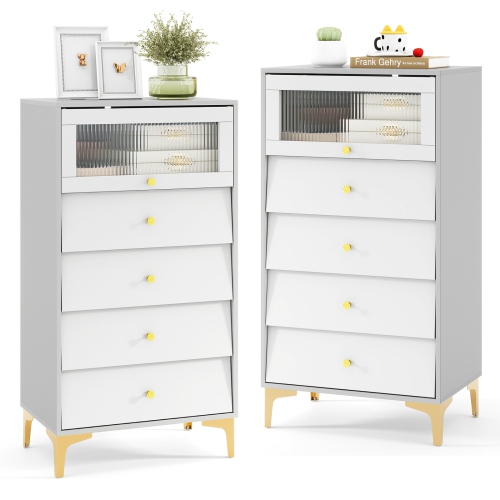
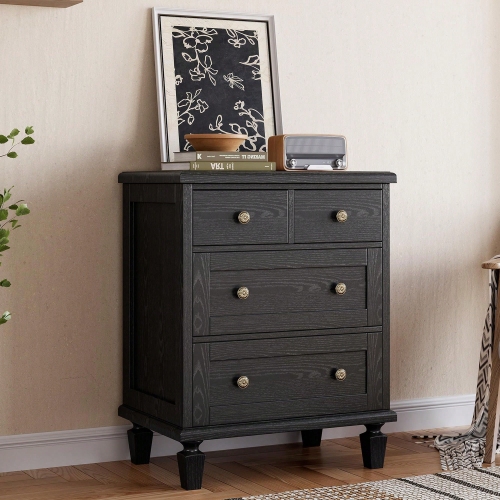
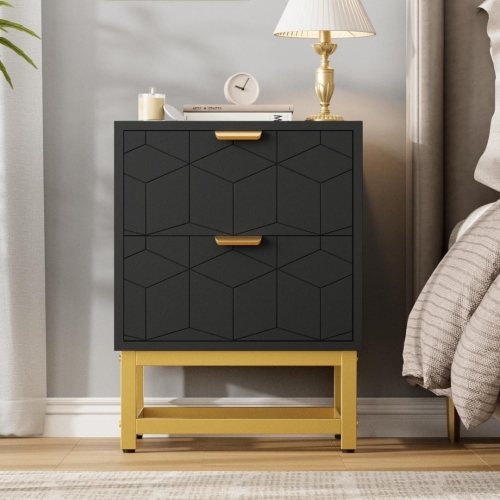
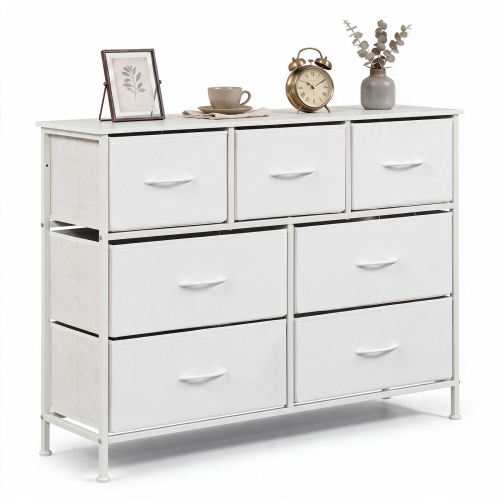
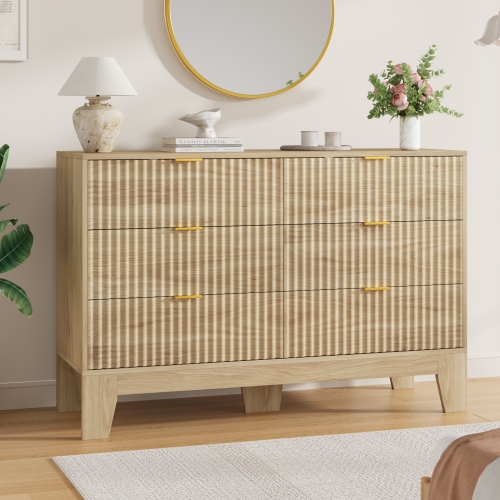
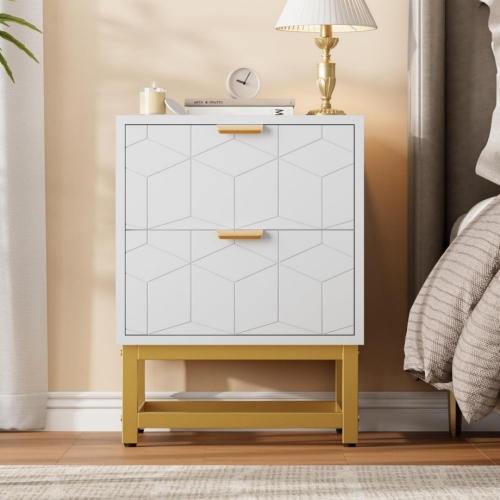
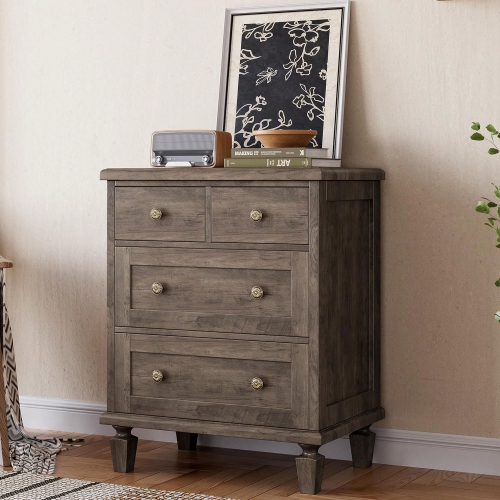
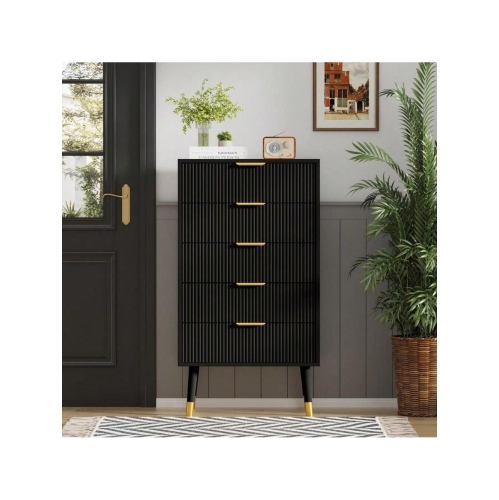
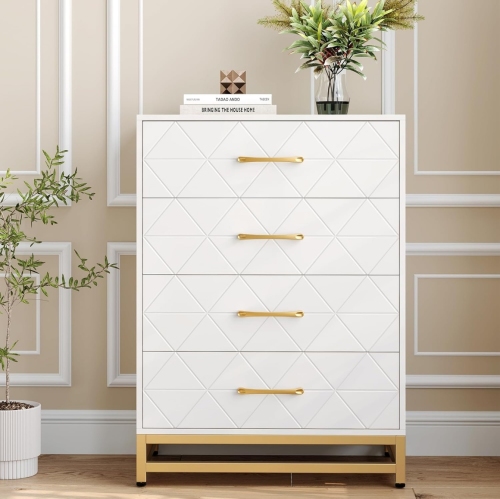
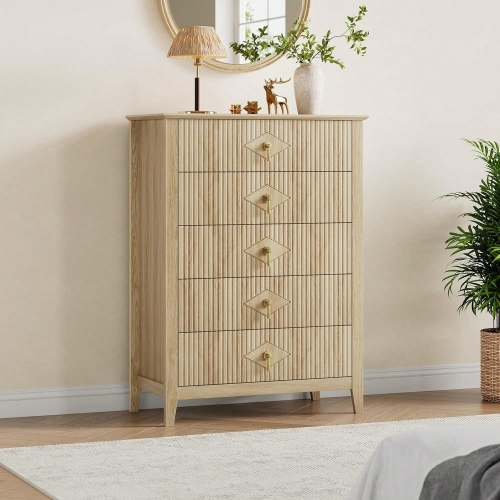
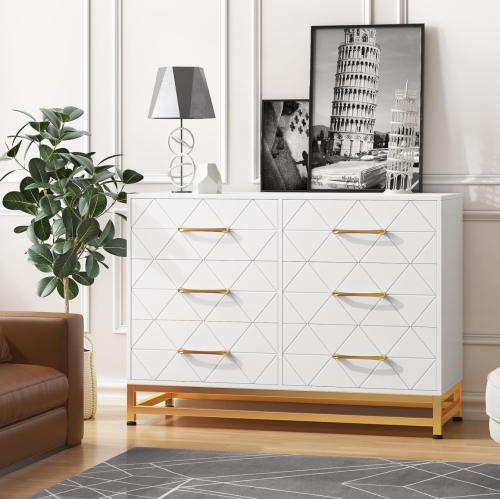
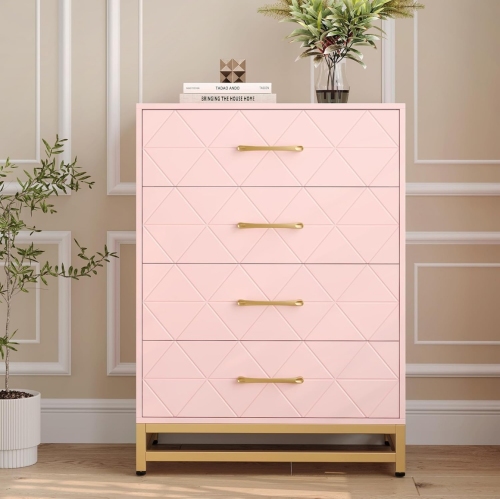
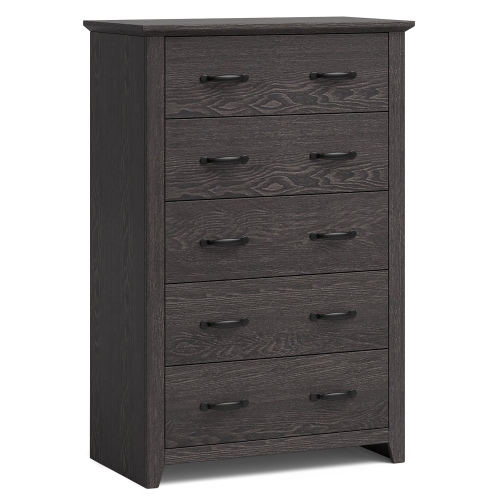
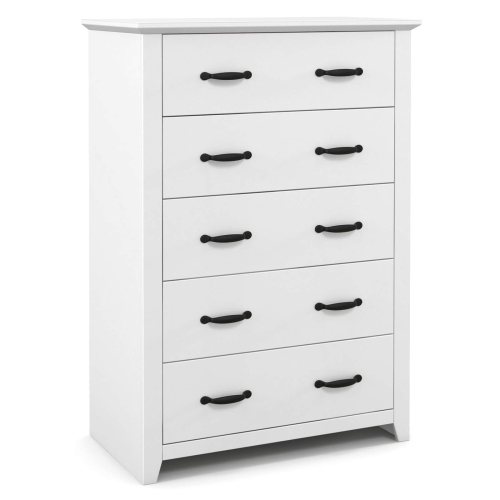

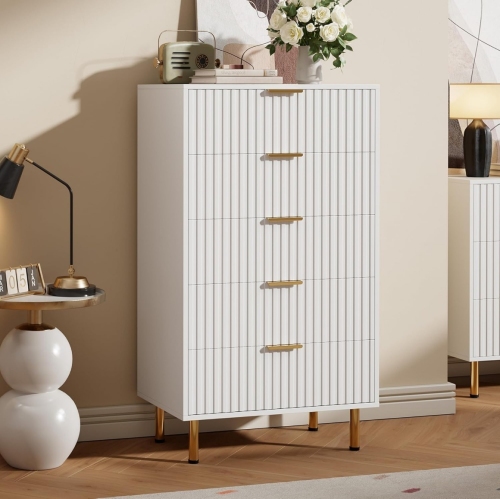
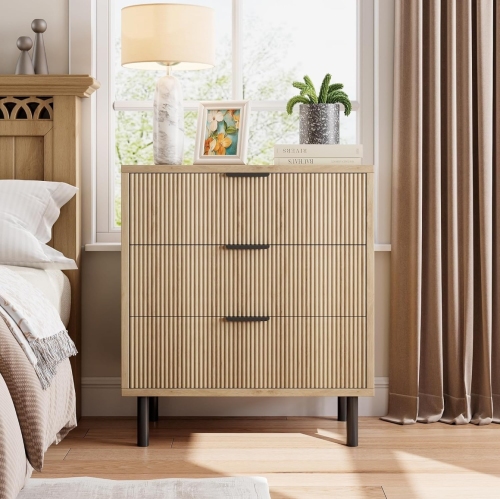
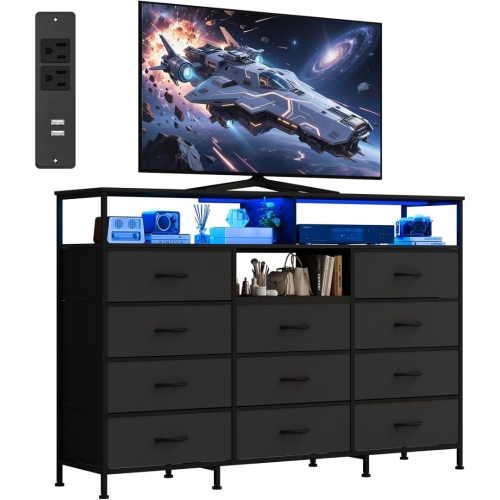
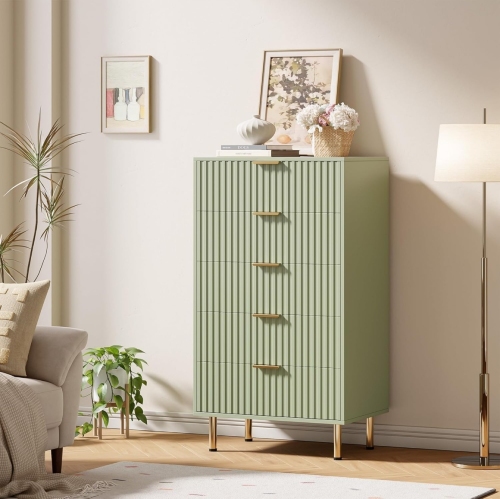

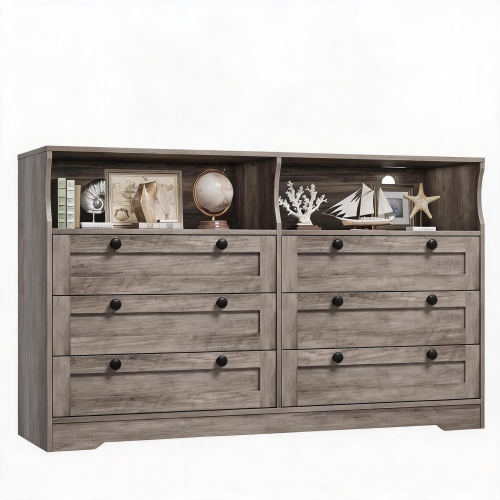
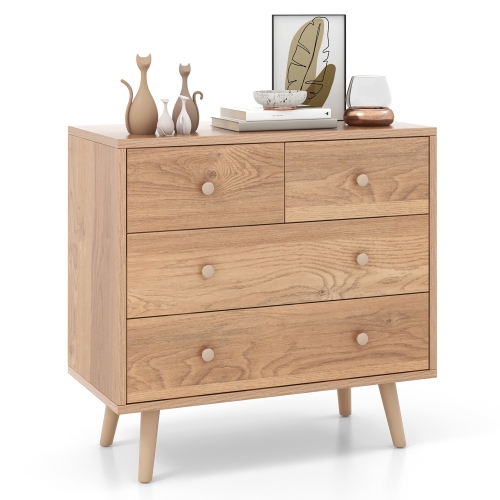
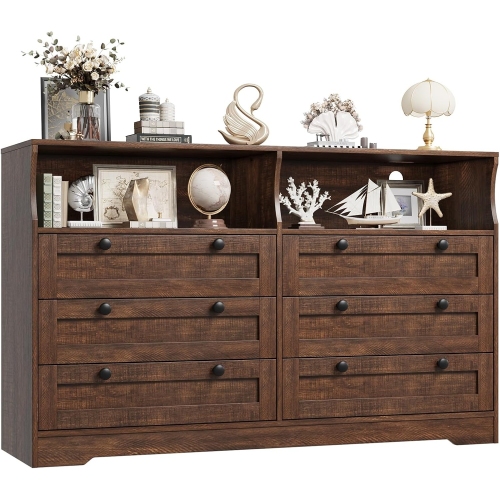
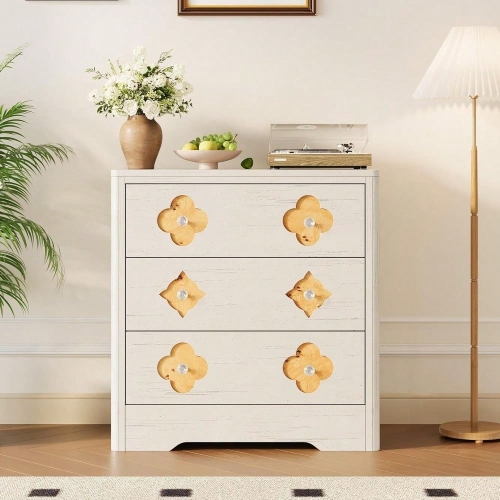
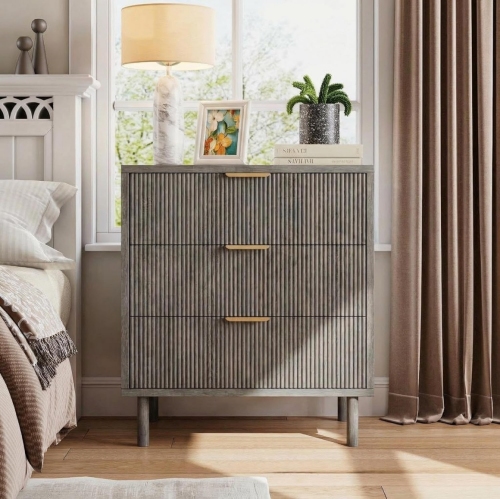
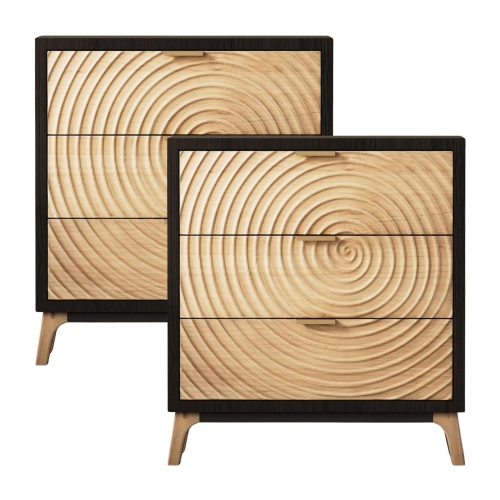
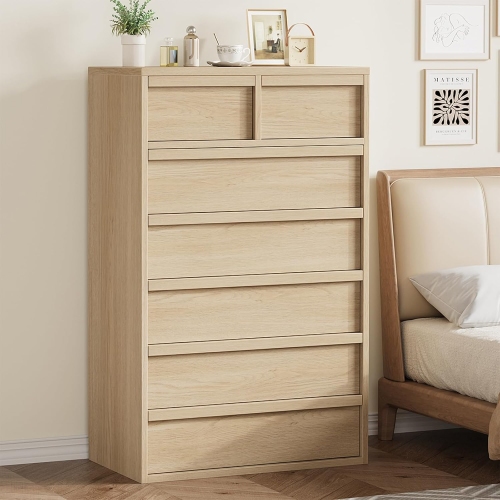
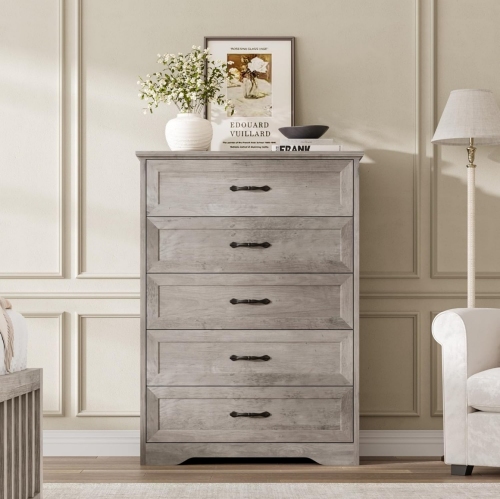
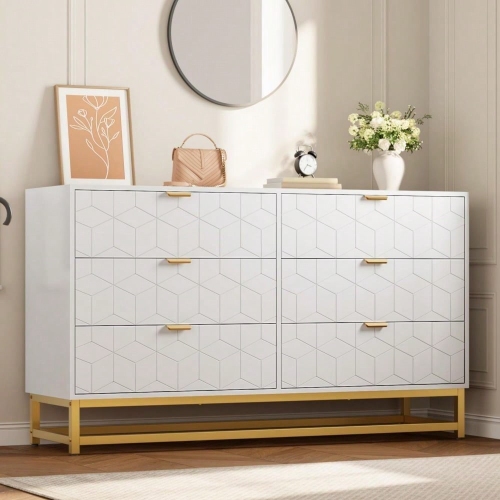
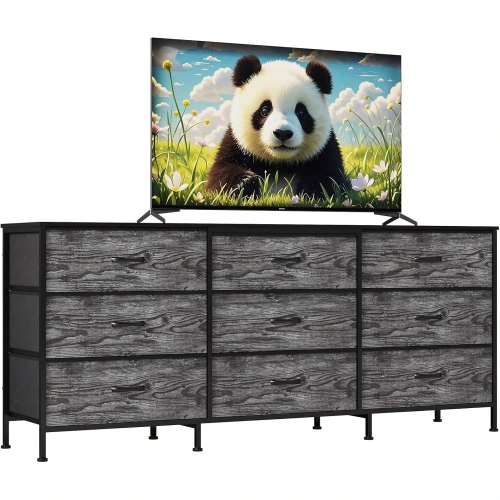
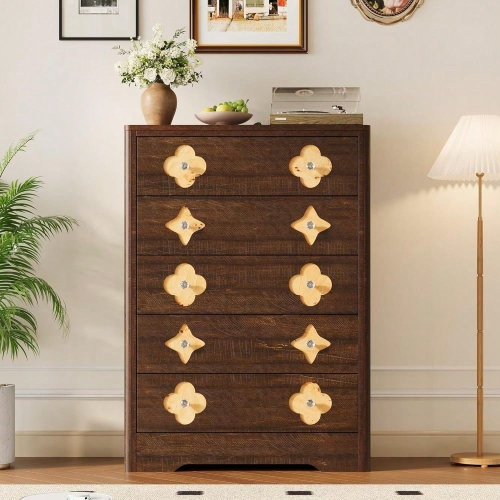
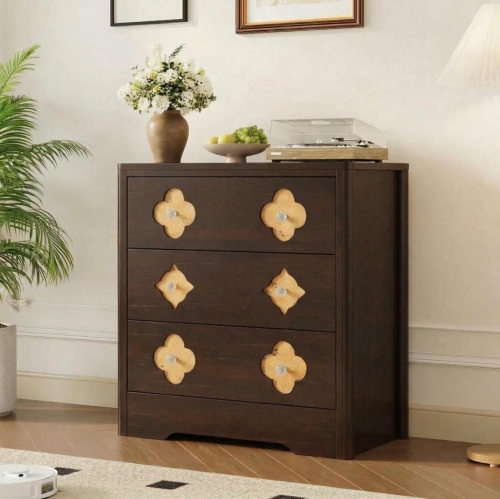
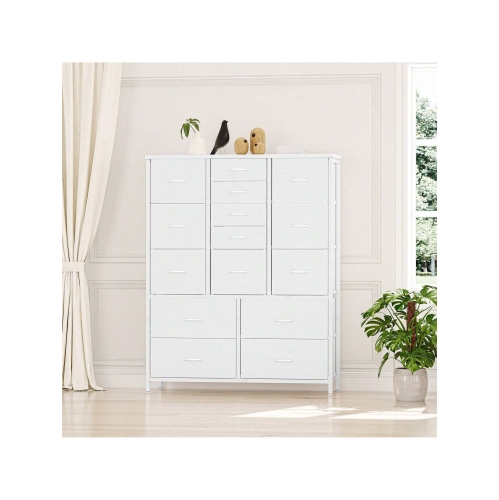
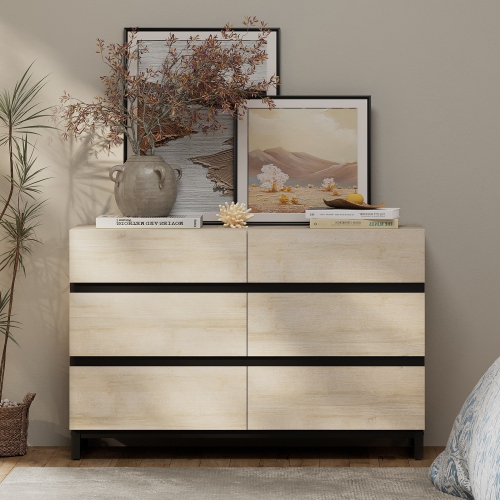
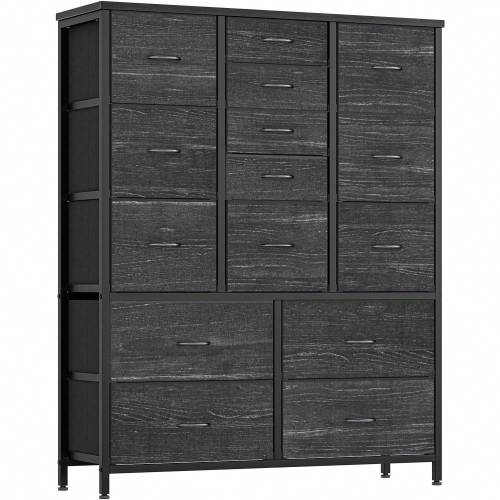

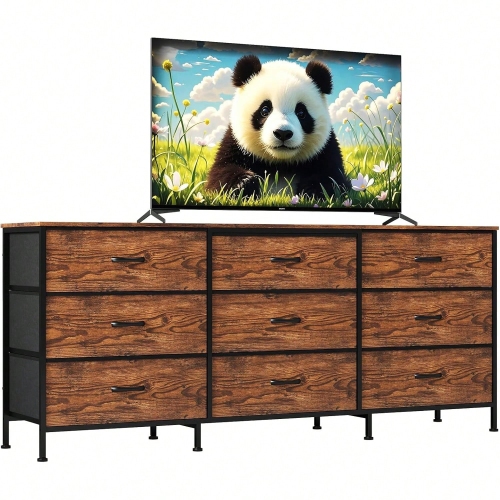
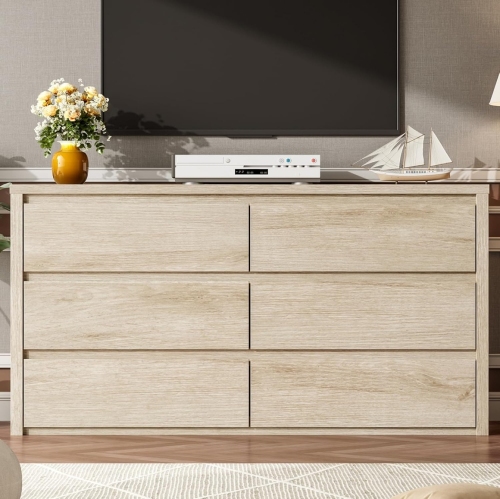
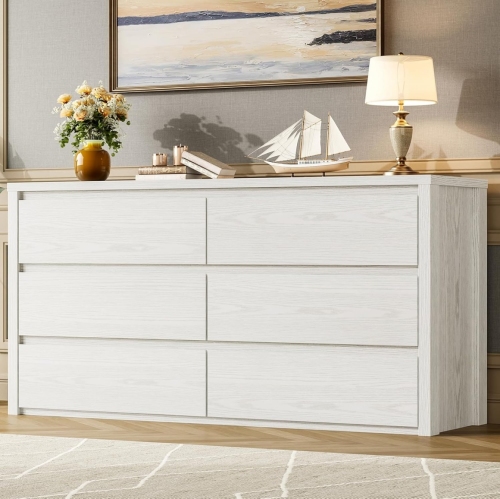
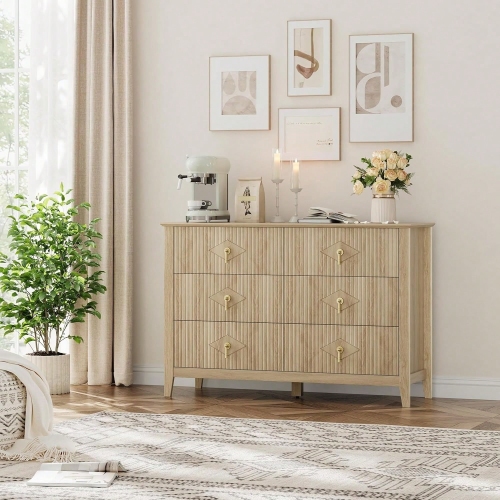
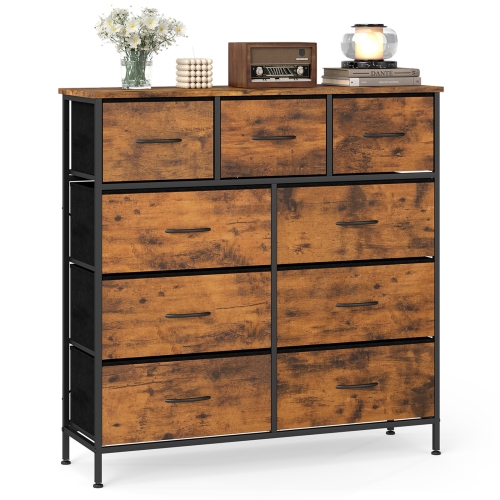
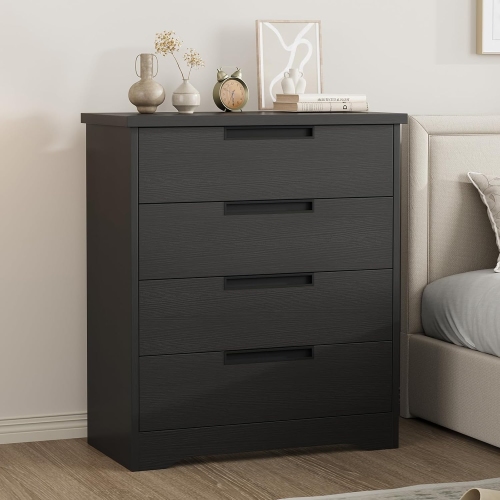
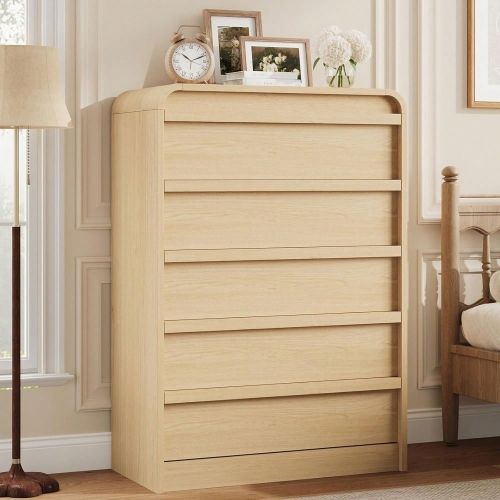
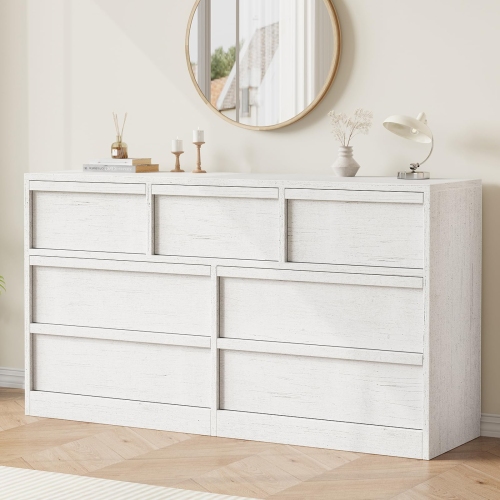
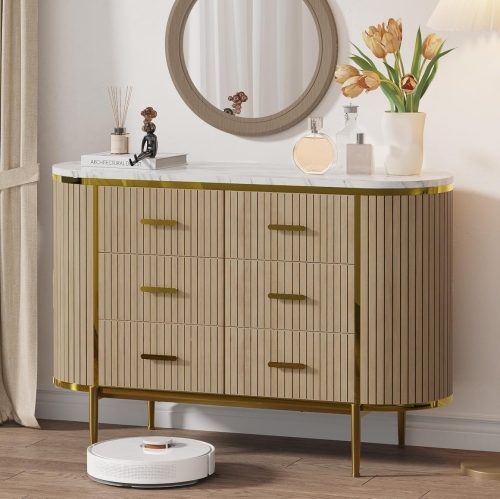
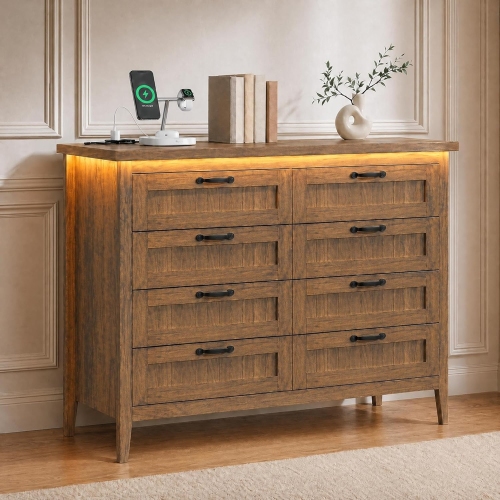
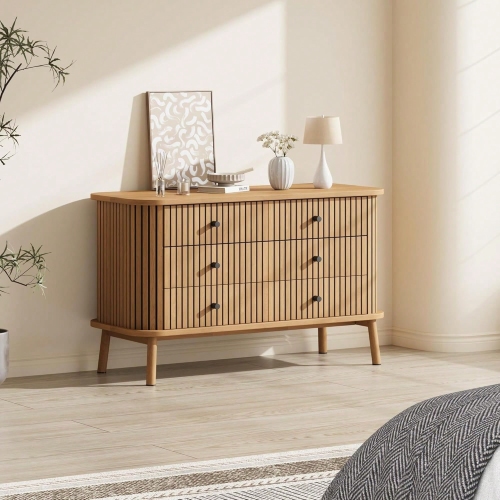
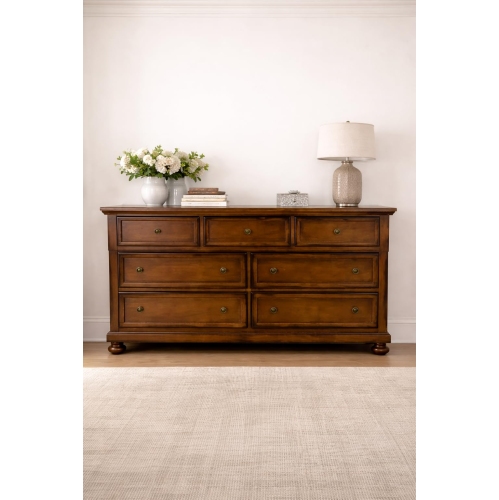
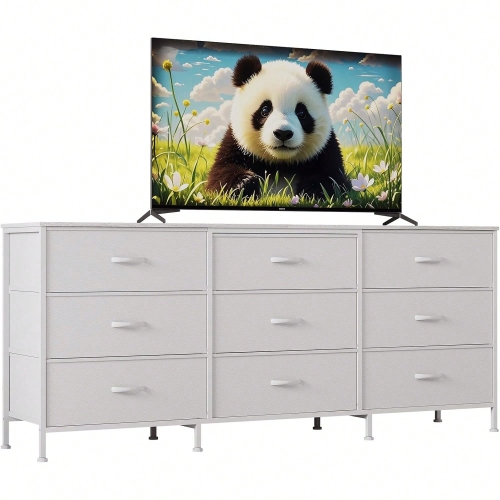
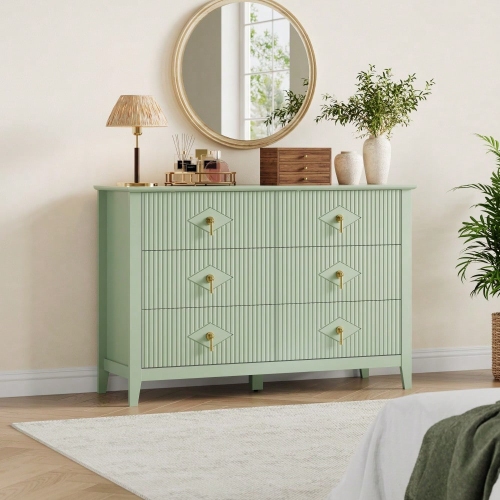
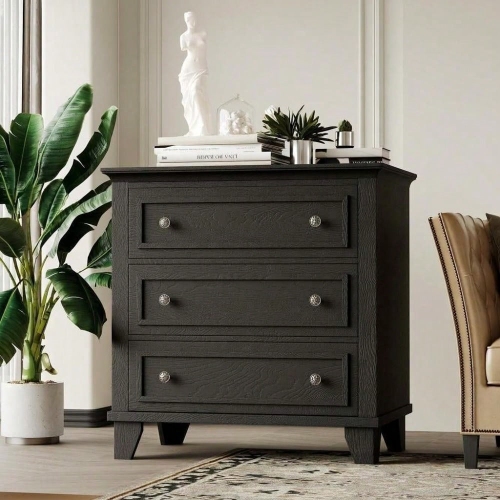
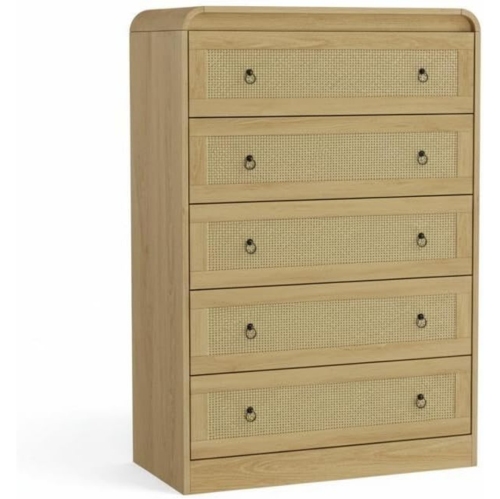
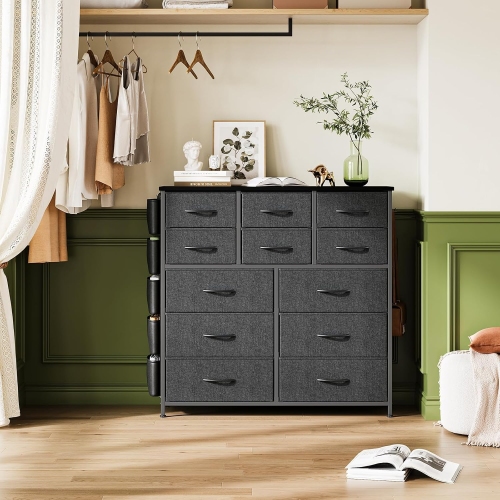
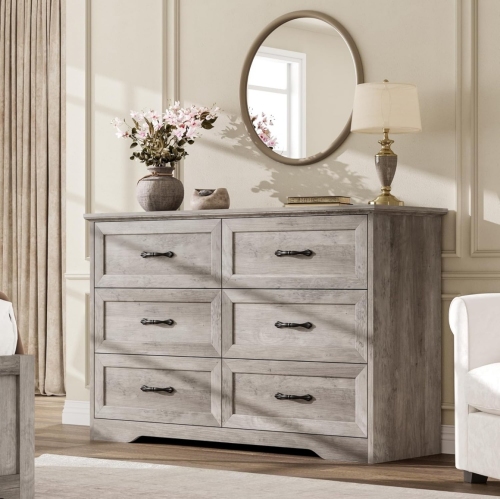
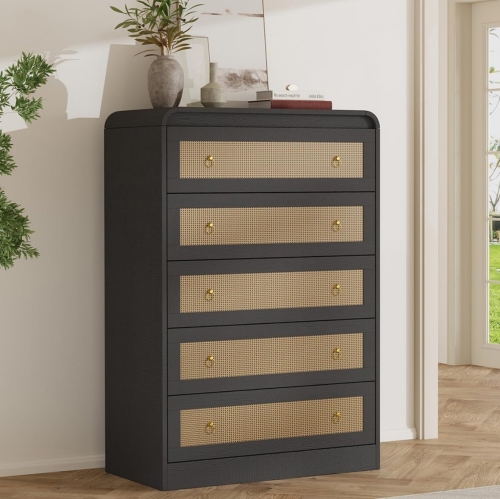
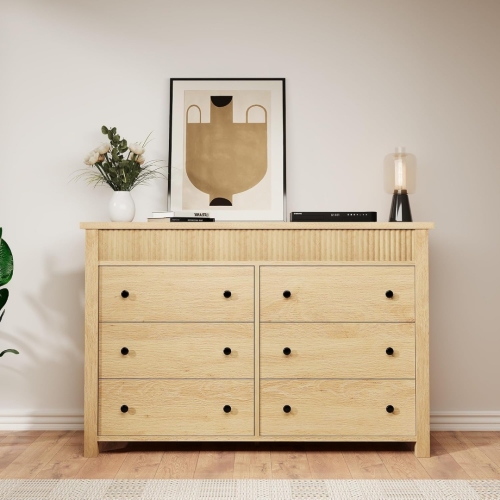
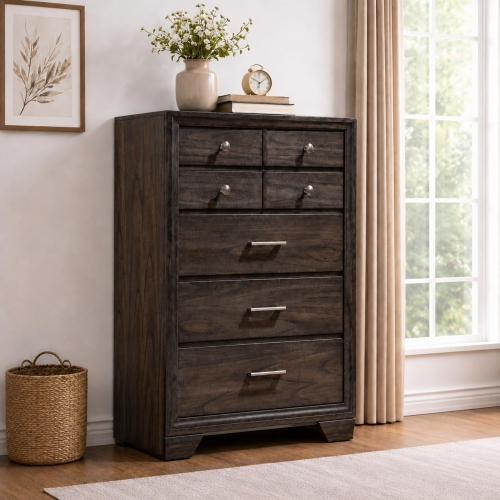
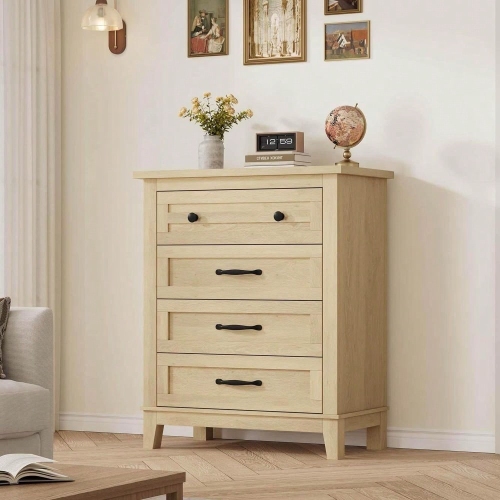
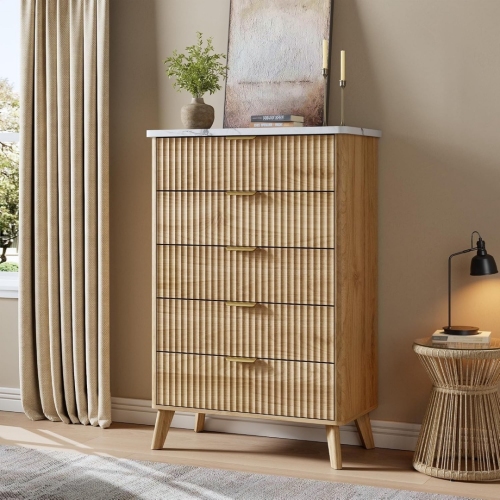
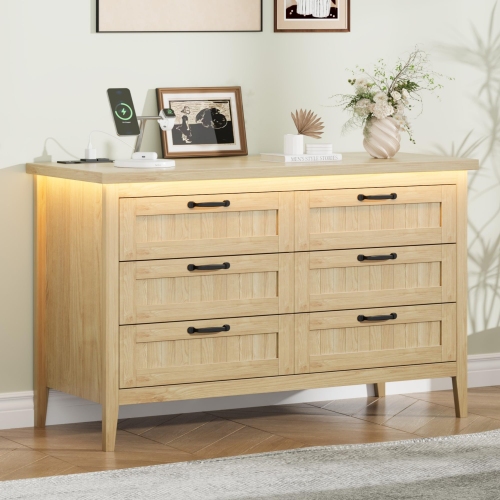
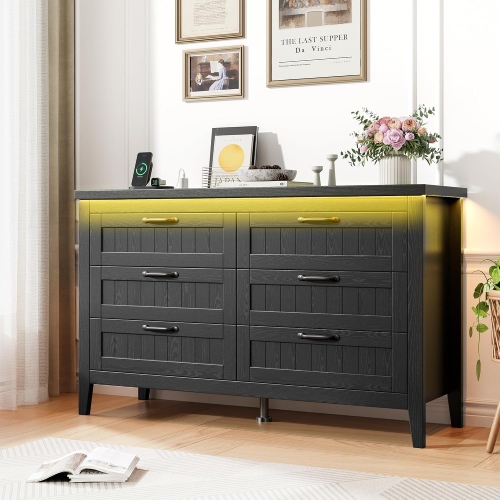
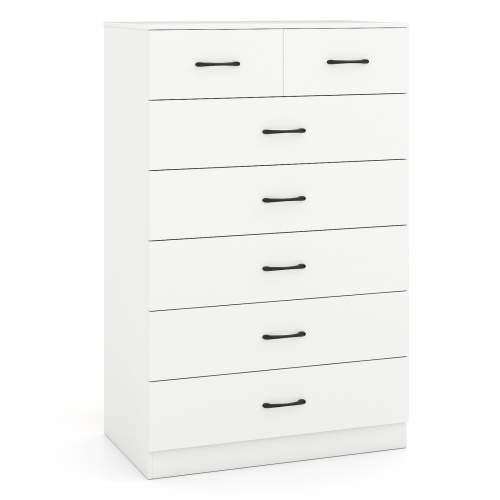
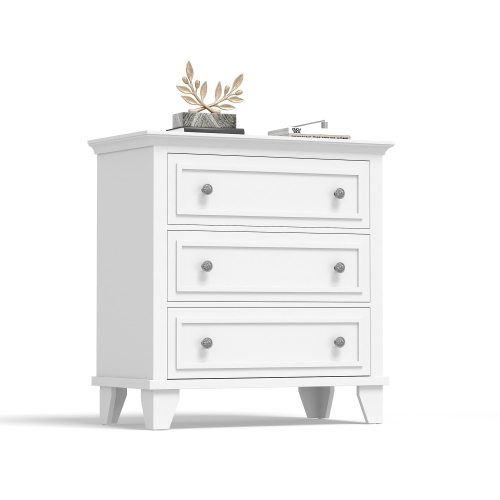
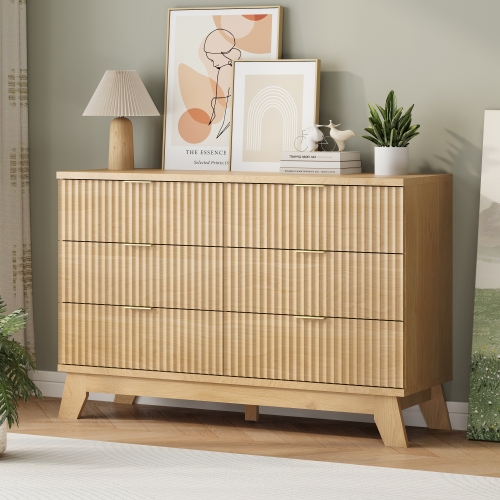
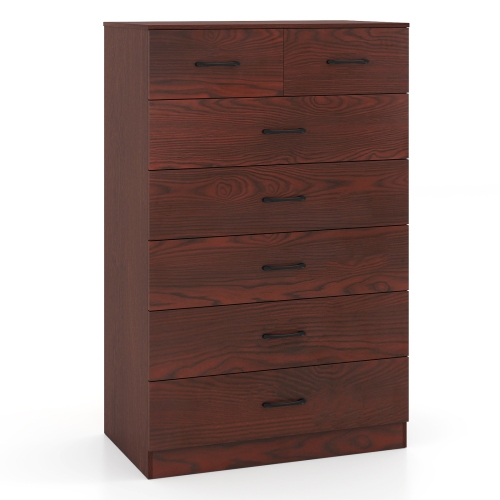
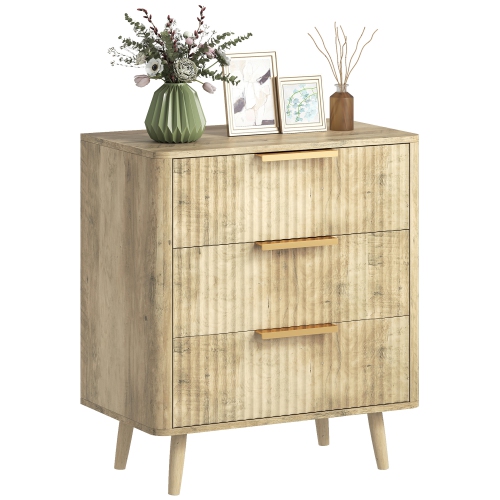
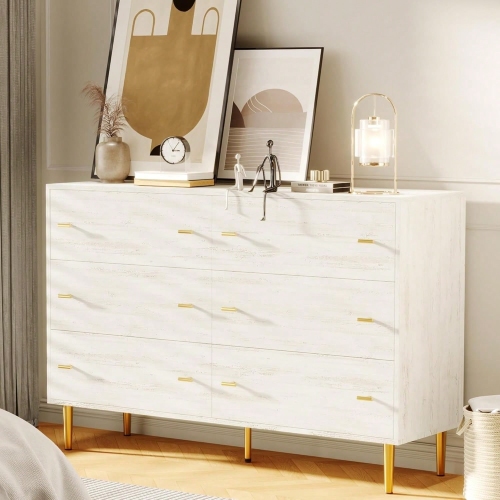
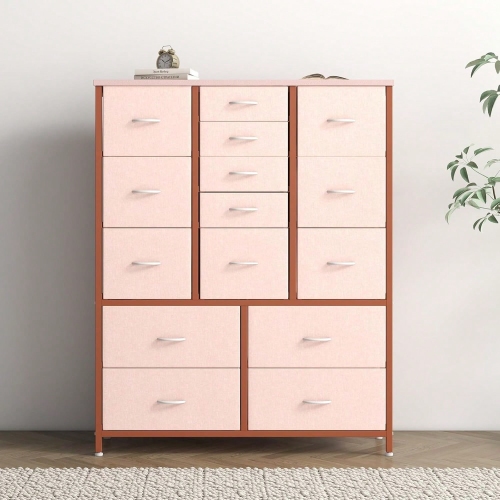
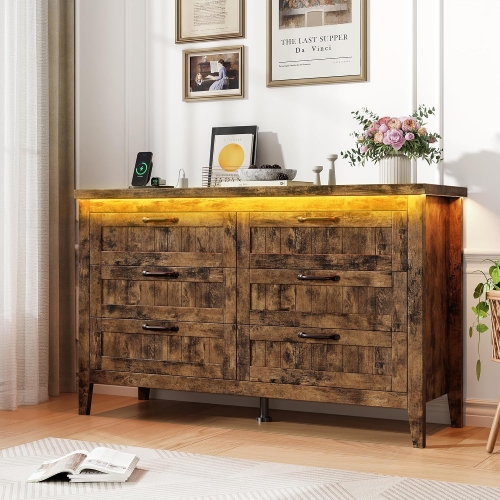
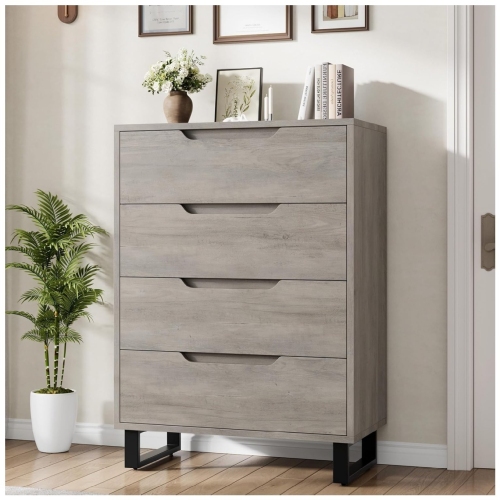
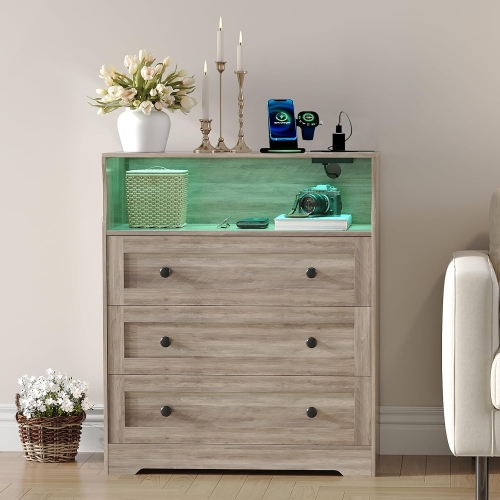
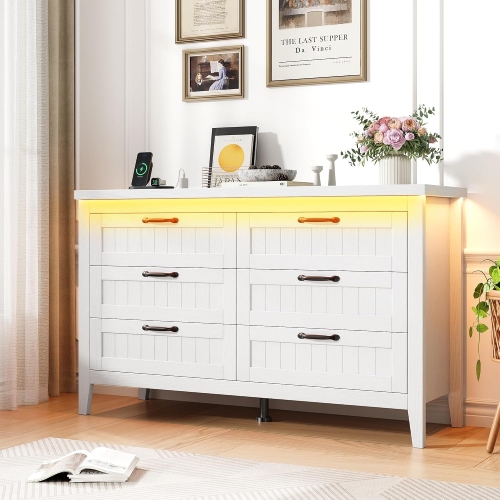
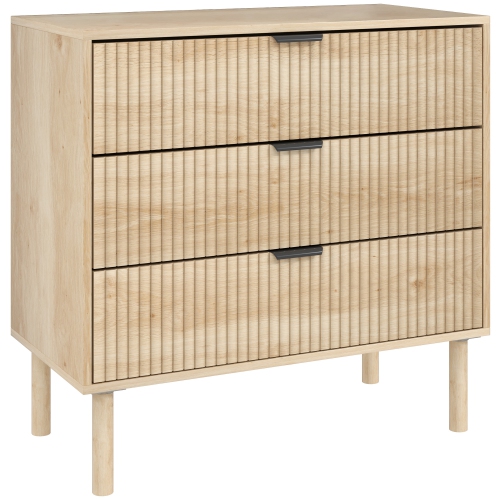
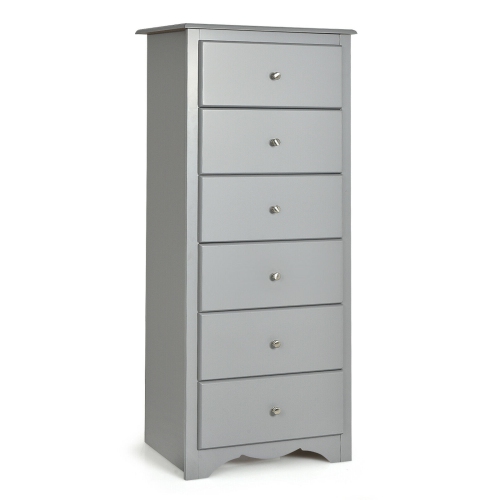
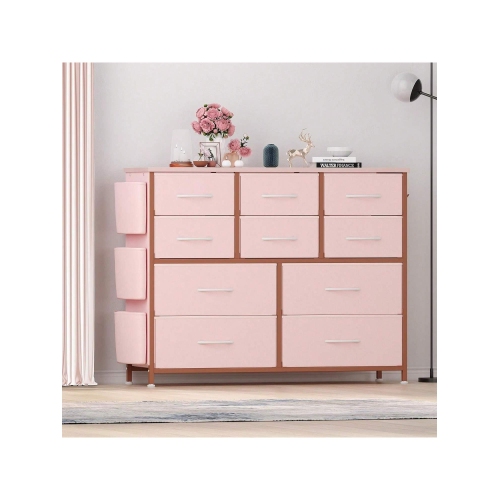
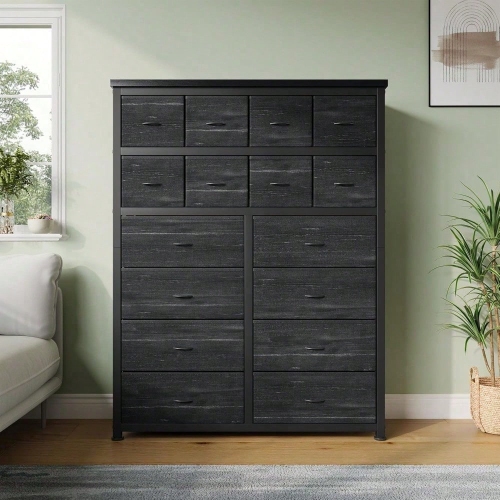
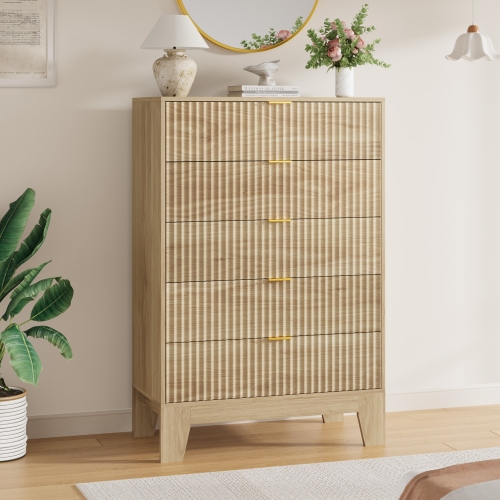
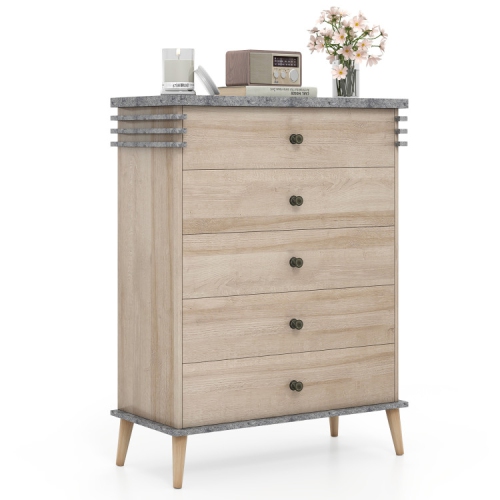
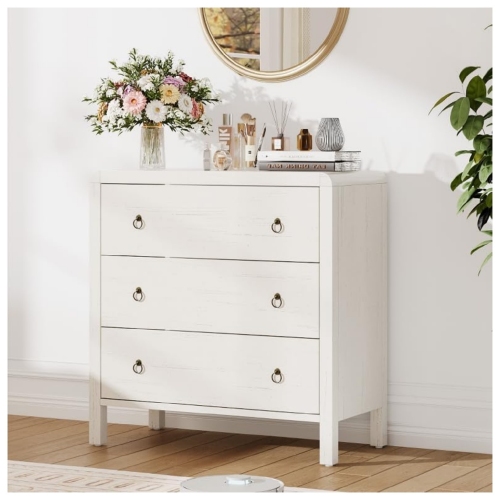
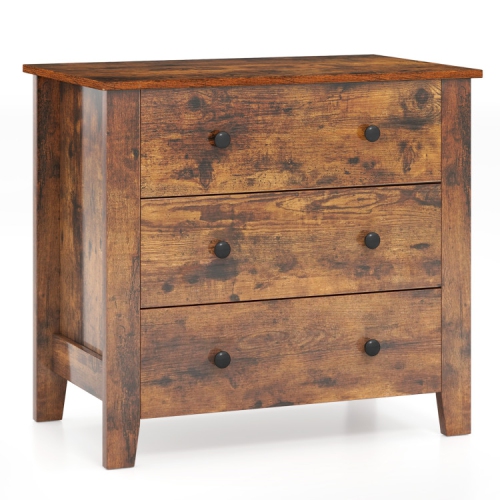
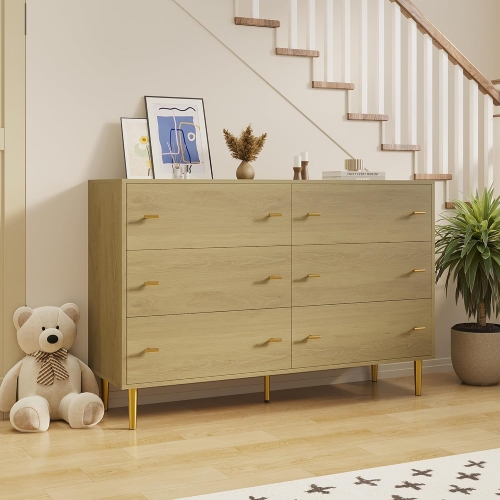
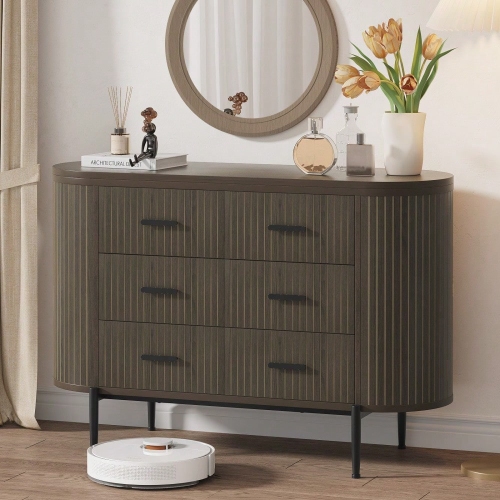
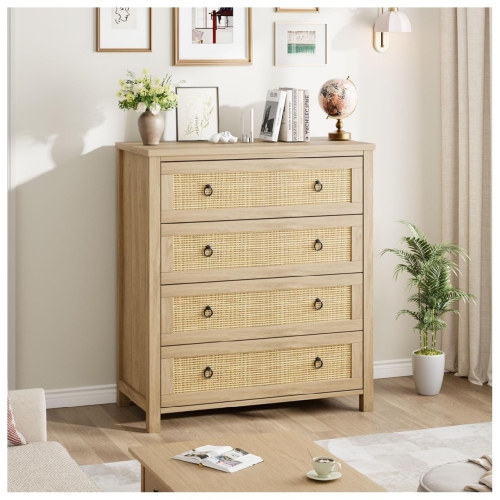
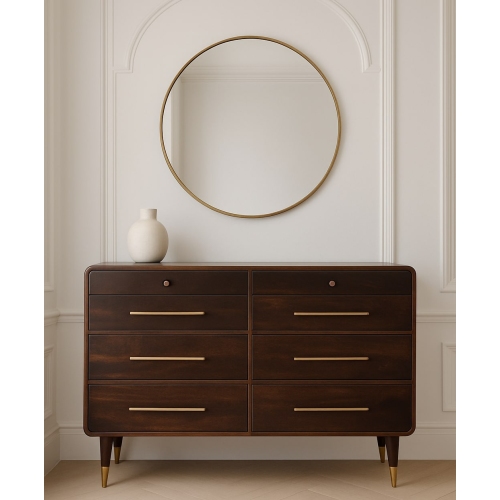
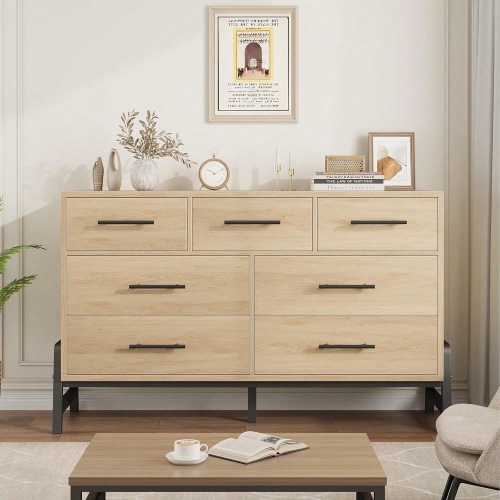
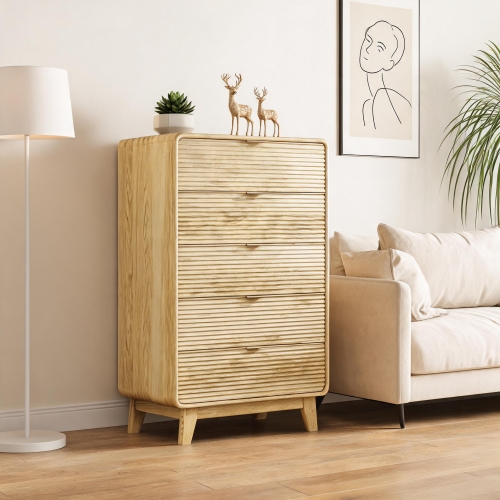
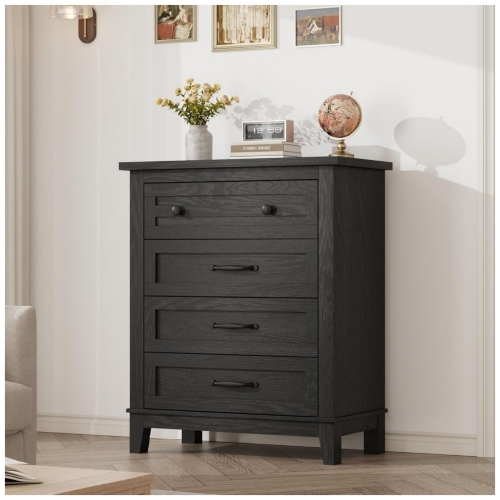
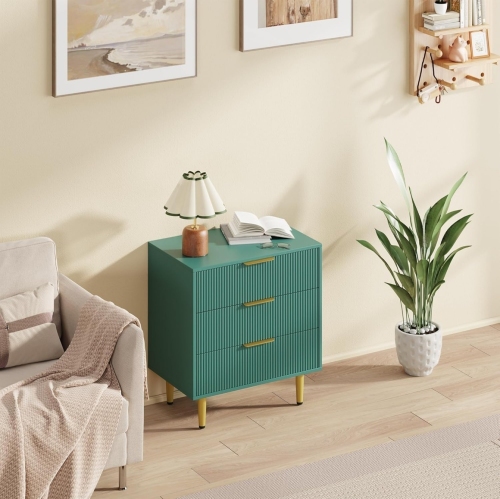
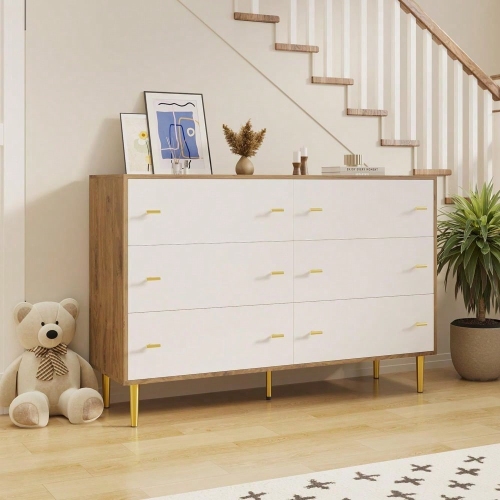
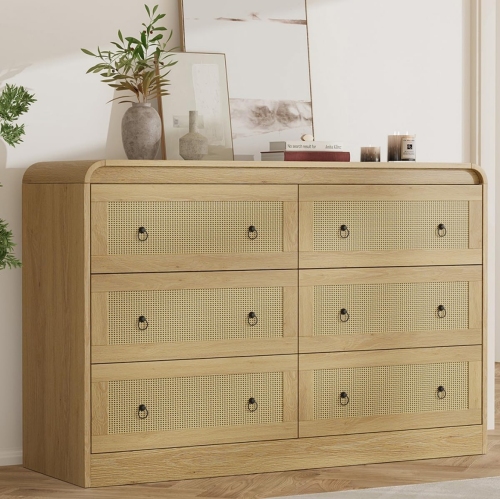
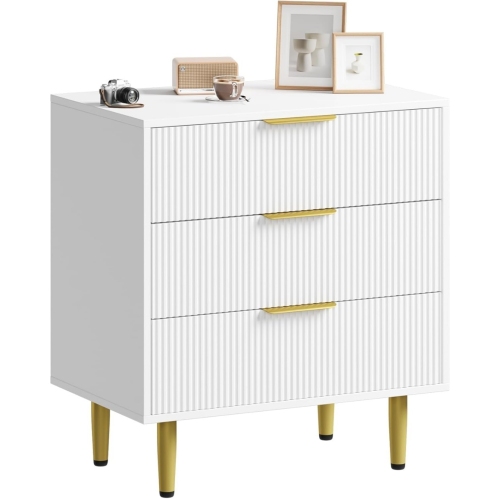
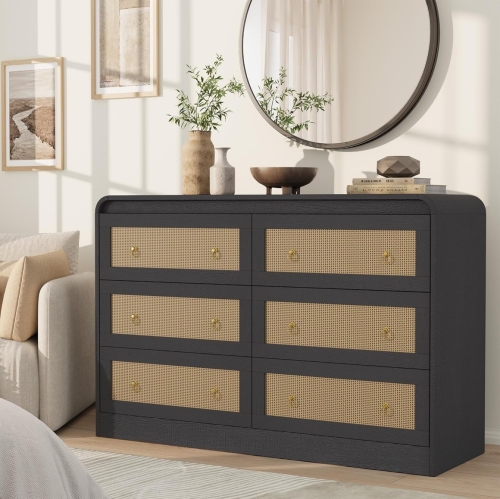
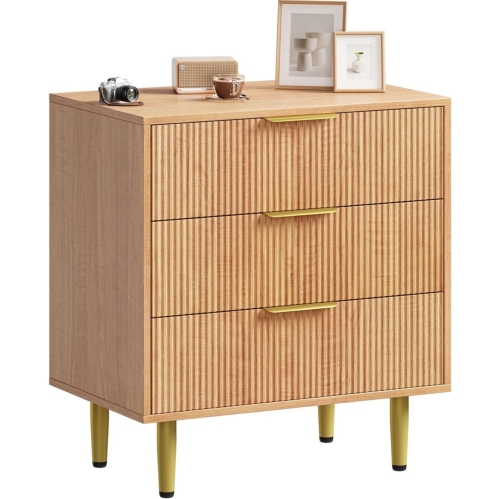

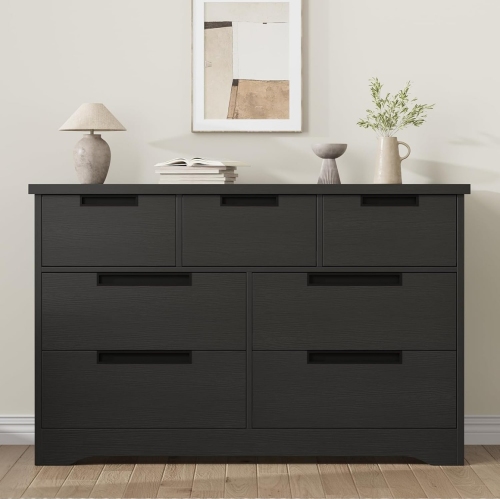
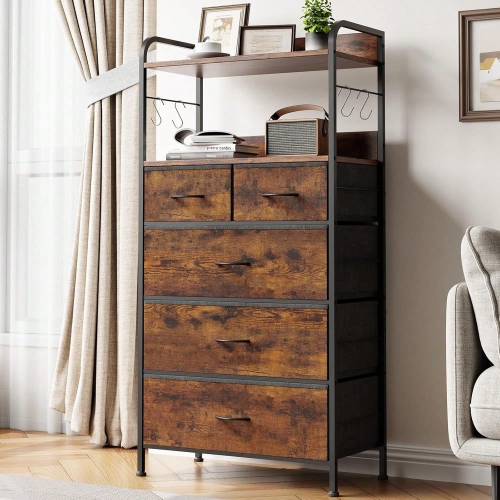
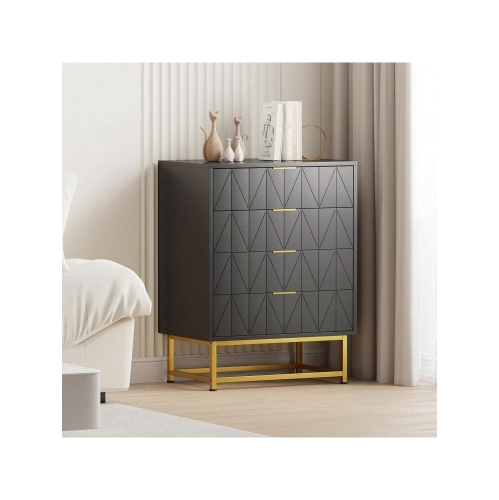
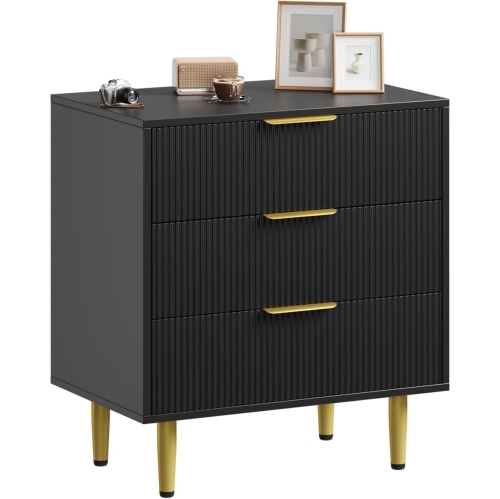
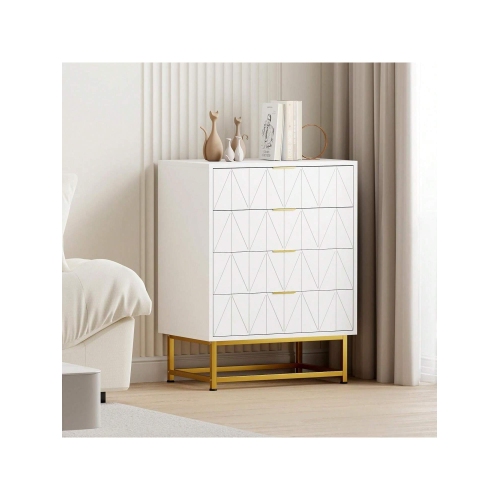
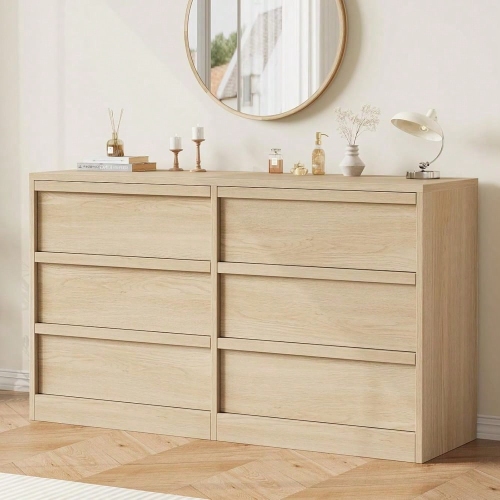
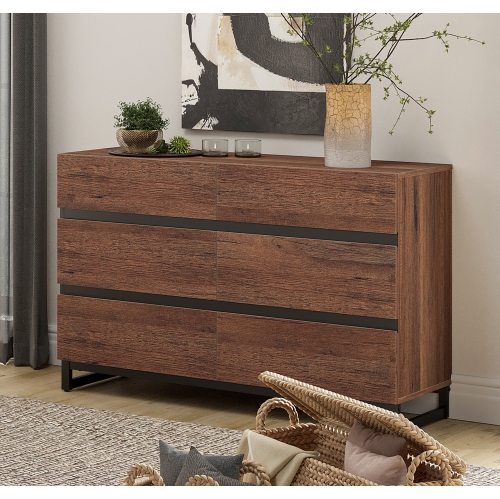
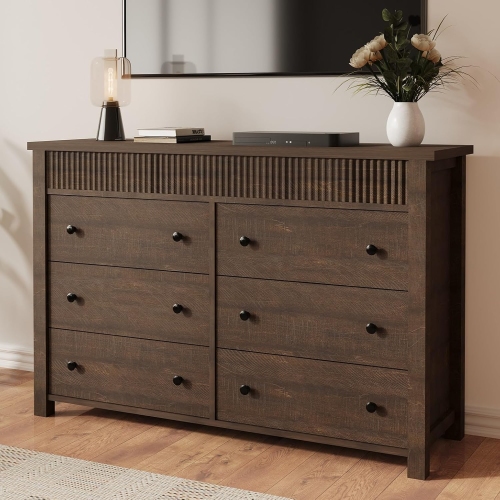
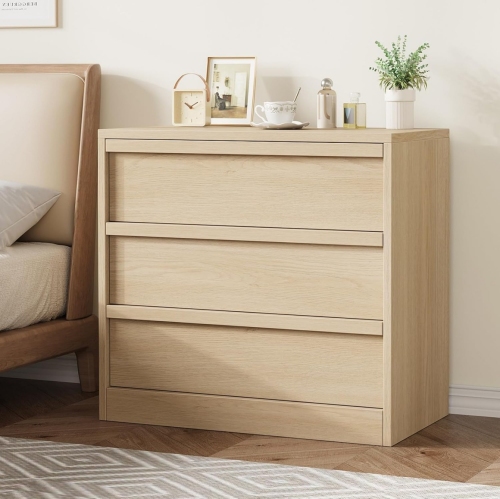
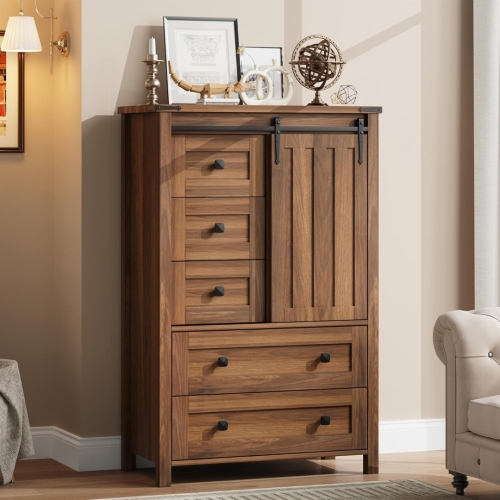
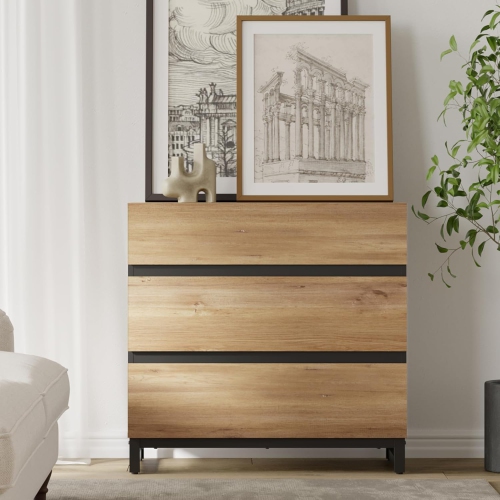
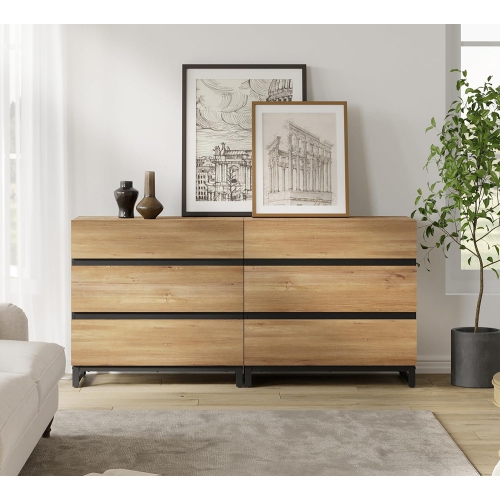
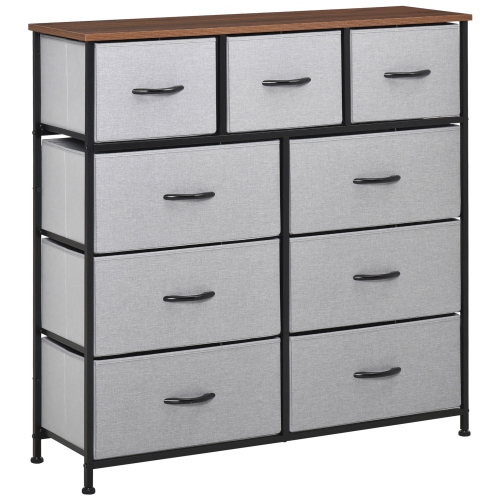
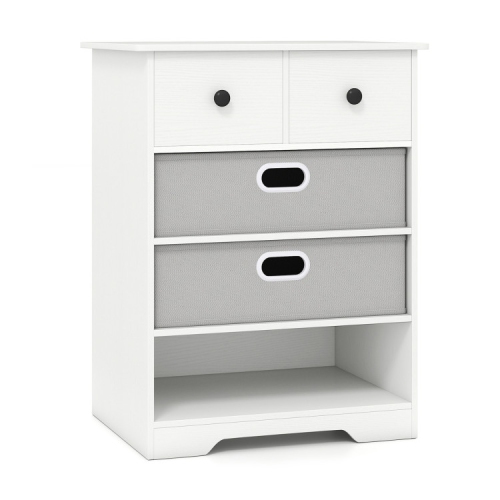
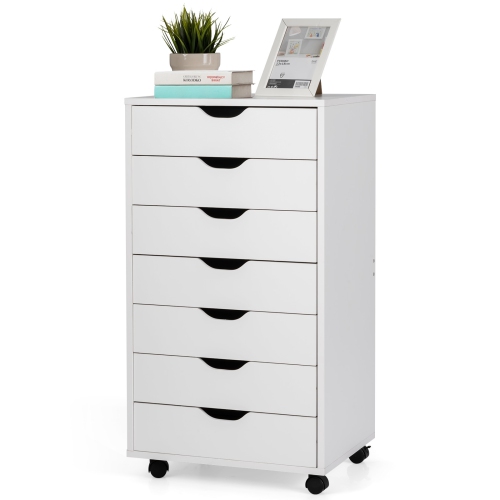
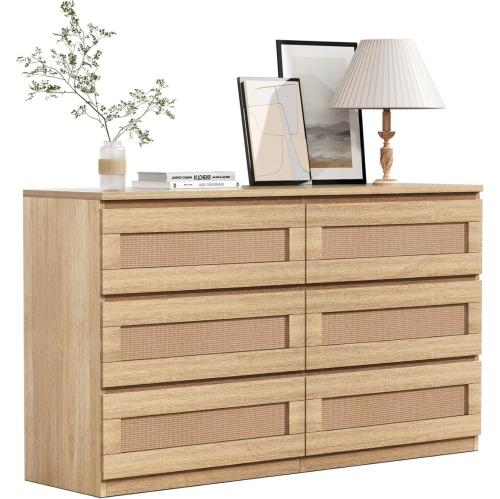
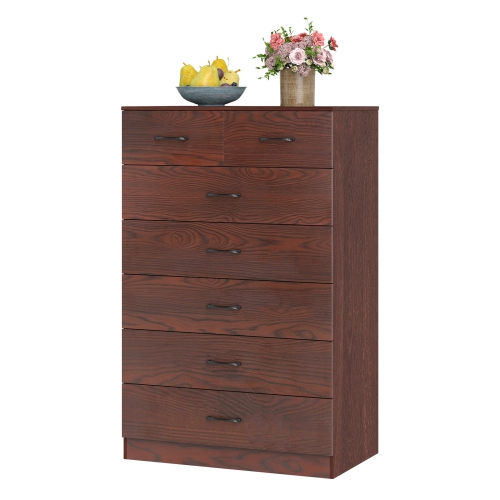
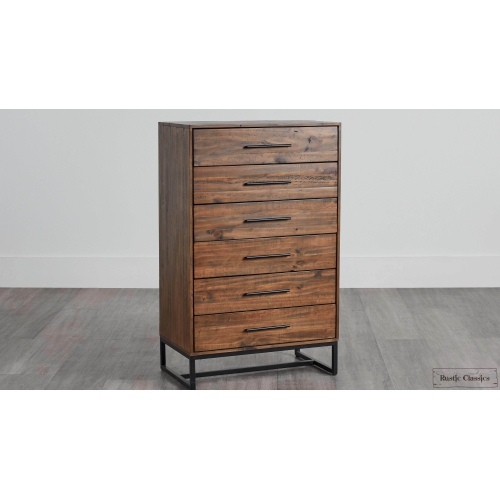

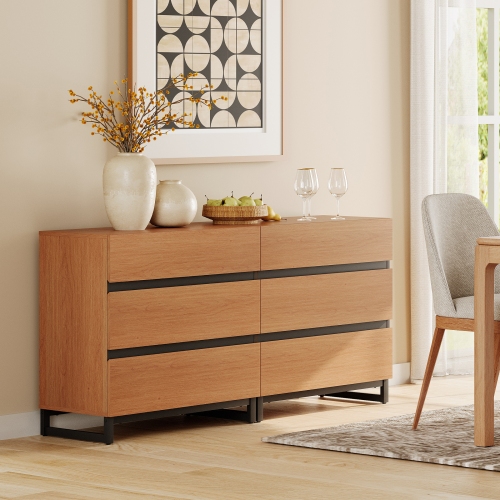
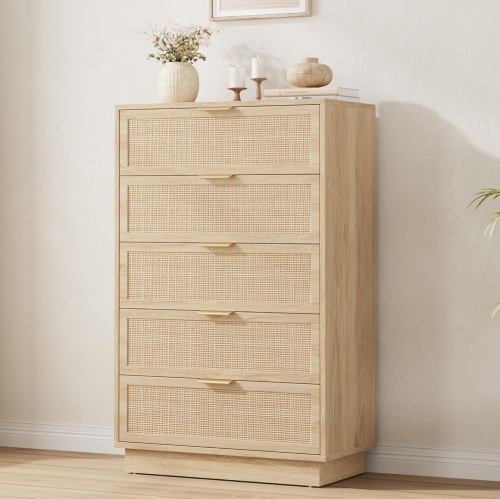
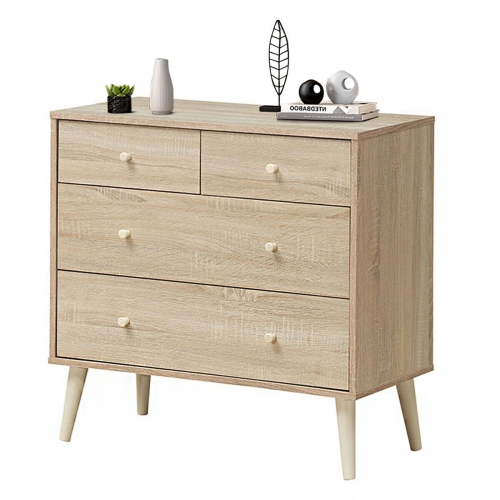
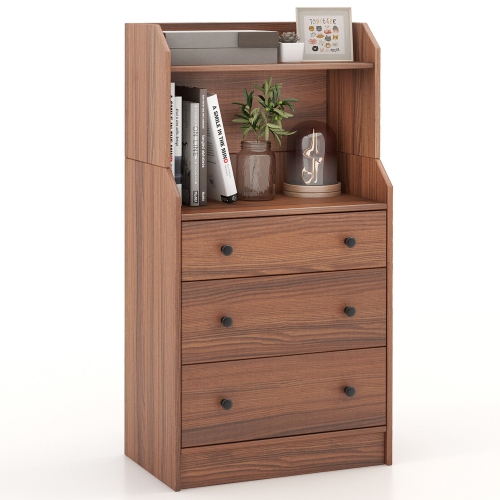
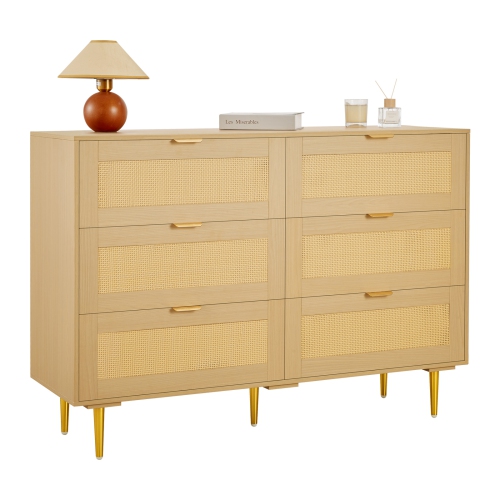
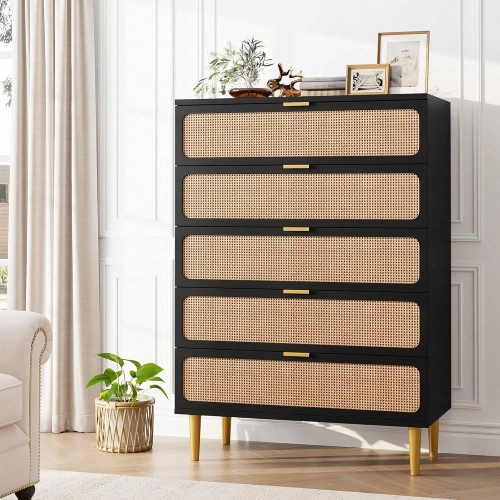
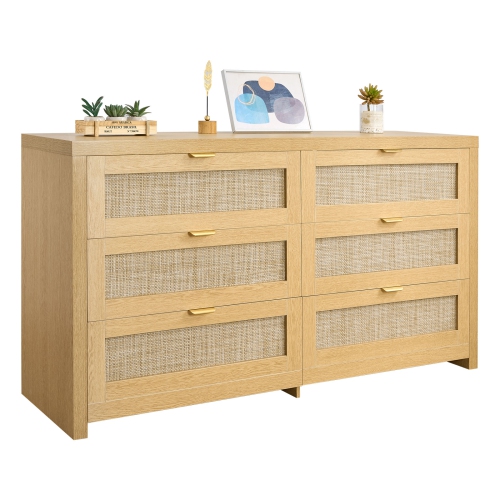
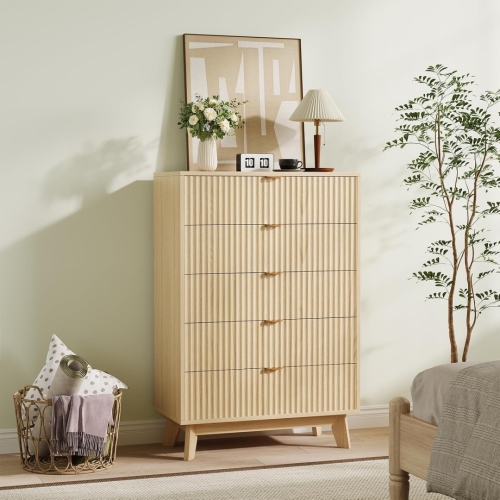
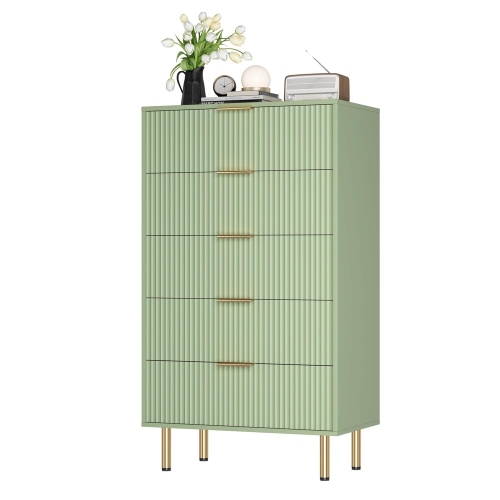
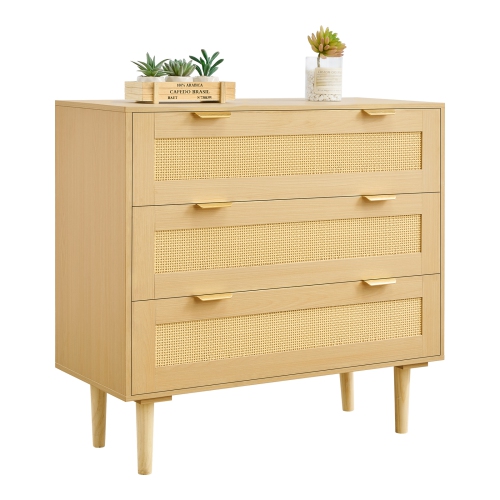
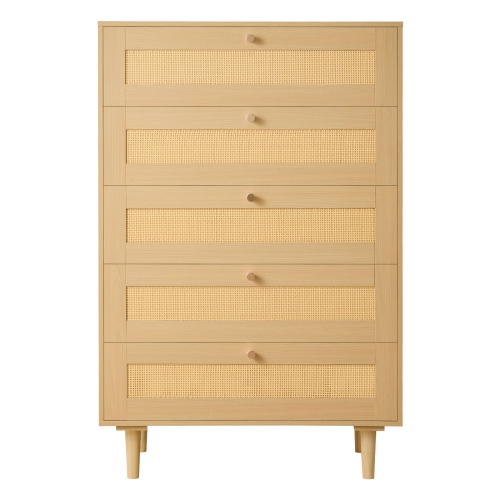
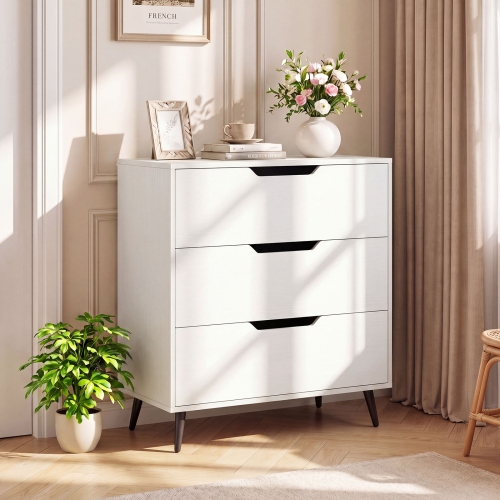

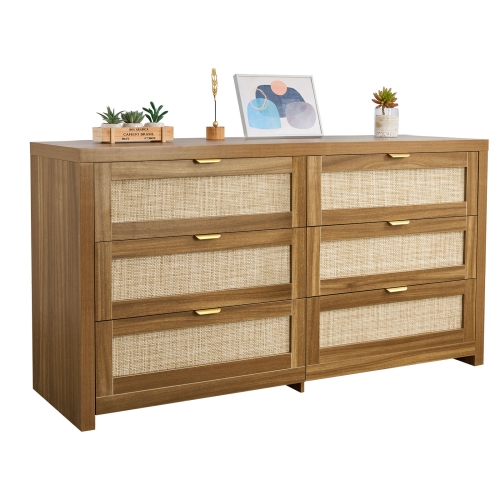
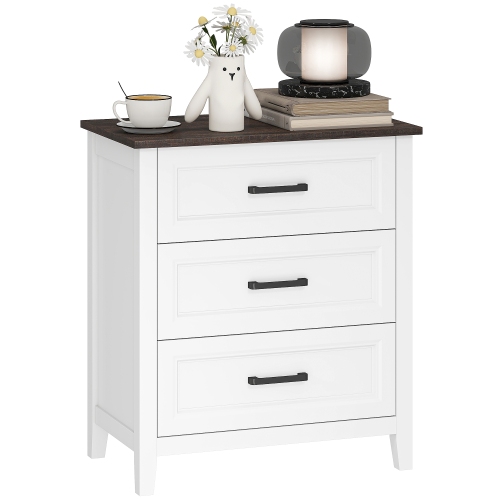

Space-saving drawer storage with a versatile black finish
Black chest dressers are drawer-based storage units with a black finish, commonly used to organize clothing, accessories, and household essentials. A chest generally has a taller, narrower shape than a traditional low dresser, making it useful where floor space is limited but several drawers are needed. Proportions vary, from compact chests that fit beside a wardrobe to broader designs with room for folded clothing and bedding. In a bedroom, a black chest can keep everyday clothing within easy reach while providing a surface for a small lamp, jewellery tray, or framed photograph. Elsewhere in the home, it can hold table linens in a dining area, craft supplies in a home office, or spare towels near a bathroom, provided the location suits the furniture’s materials and care requirements. The colour works across a wide range of decorating styles. A smooth, flat-front design with discreet pulls has a clean, contemporary appearance, while panelled drawer fronts, shaped legs, and decorative handles suit more traditional rooms. Mid-century-inspired chests often combine simple drawer faces with tapered legs, giving the dark finish a lighter visual profile. Matte black has a softer appearance than a glossy finish, while visible wood grain adds texture without introducing another strong colour. Against pale walls, a black chest creates a clear focal point; alongside dark furniture, it can help tie the room together. Brass-toned handles bring warmth, brushed metal adds contrast, and black hardware keeps the overall look understated. The surrounding furnishings also influence how prominent the chest feels. A black chest beside a light upholstered bed can provide balance without requiring every piece of furniture to match. In a room with natural wood accents, its dark finish offers contrast while allowing the grain and texture of those accents to stand out. This versatility makes black chest dressers suitable for primary bedrooms, guest rooms, shared living spaces, and smaller homes where one storage piece may serve several purposes.
Materials and construction affect the feel, weight, and everyday performance of a black chest dresser as much as its appearance. Solid wood can have distinctive grain and variation beneath a painted or stained finish, while engineered wood can provide a consistent surface and a range of drawer-front styles. Wood veneer adds a thin layer of real wood over a supporting core, so its care requirements depend on both the veneer and the protective finish. Laminate surfaces have their own cleaning requirements and should be maintained according to the manufacturer’s directions. Metal frames offer a different look, often with a slimmer outline, while fabric drawer units provide lightweight compartments for clothing and other light belongings. These types are not interchangeable: a fabric drawer intended for socks or scarves may not be suitable for a stack of heavy books, and a rigid wooden drawer still has a stated weight limit. Drawer dimensions are equally important. Several shallow drawers can separate underwear, accessories, and smaller garments more effectively than one deep compartment, while deeper drawers can accommodate bulky folded clothing or extra linens. Internal width and depth determine usable storage, not simply the number of drawers shown on the front. Smooth-running glides, comfortable handles, and well-aligned drawer fronts contribute to a chest that feels easy to use day after day. Some designs include soft-close mechanisms, drawer stops, divided compartments, or a mix of open shelving and enclosed storage. Each feature serves a different routine: divided sections can keep small accessories from spreading across a drawer, while an open shelf offers access to a basket or frequently used belongings. Assembly requirements also vary. A chest that needs assembly depends on correctly fitted fasteners and properly installed drawer runners for stability and smooth operation. Durability is therefore a combination of suitable materials, sound construction, correct assembly, and sensible loading. A well-organized interior helps, too. Separating clothing by type and avoiding tightly packed drawers reduces the need to pull or push forcefully whenever something is needed.
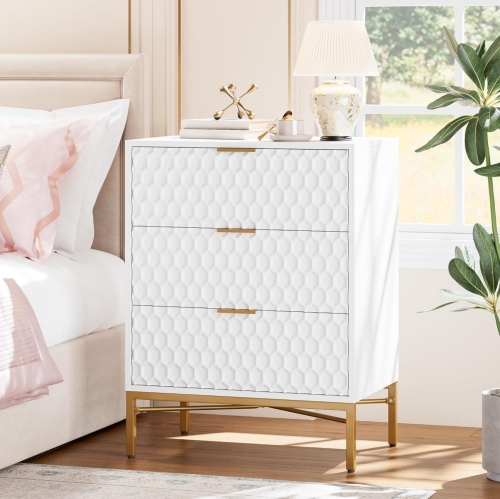
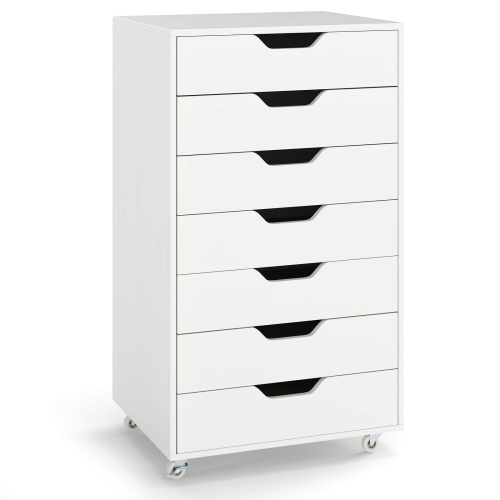
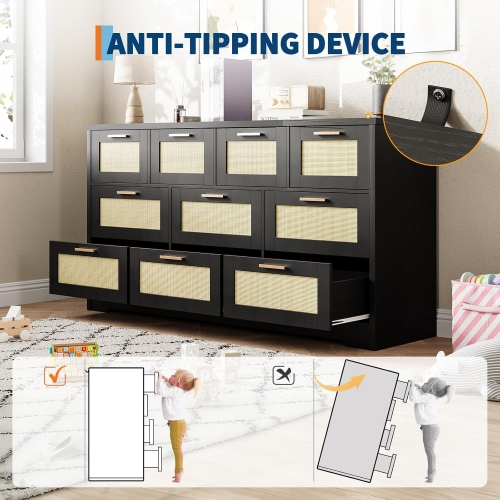
The right fit for a black chest dresser includes the space around it, not just the footprint beneath it. Overall width, depth, and height need to work with nearby beds, doors, wardrobes, and walking routes, with enough clearance for drawers to open fully. In a compact bedroom, a tall chest can make good use of a narrow section of wall, but its upper drawers should still be comfortably accessible to the person using them. A lower chest may be easier to reach and leave more wall space above for artwork, although it can occupy more floor area for a similar storage capacity. Baseboards, floor vents, wall outlets, and uneven flooring can all affect placement. Delivery access matters as well, particularly where furniture must pass through a narrow doorway, turn on a stair landing, or enter a lift. Once positioned, a chest should be assembled and secured according to the manufacturer’s instructions, including the use of supplied or specified anti-tip hardware. This is especially important in homes with children, but a stable installation matters in any household. Drawers should not be used as steps, and heavy belongings are best kept in lower drawers within the stated load limits. Routine care helps preserve the black finish. A soft cloth removes dust without harsh scrubbing; for cleaning, the method should suit the surface rather than relying on one treatment for every material. Abrasive pads and unsuitable cleaning products can mark a finish, and spills should be wiped up promptly. Felt pads beneath decorative objects can help protect the top from scratches, while a tray keeps small accessories together. Black surfaces can make pale dust and fingerprints noticeable, so simple, regular care helps maintain their appearance. For rooms where a lighter finish would better suit the surrounding furniture, White Chest Drawers offer a contrasting direction. Whether furnishing a first apartment, updating a bedroom, or adding practical storage to a guest room, a black chest dresser works best when its proportions, drawer layout, and construction support the way the space is actually used.
Top selling and popular products
-
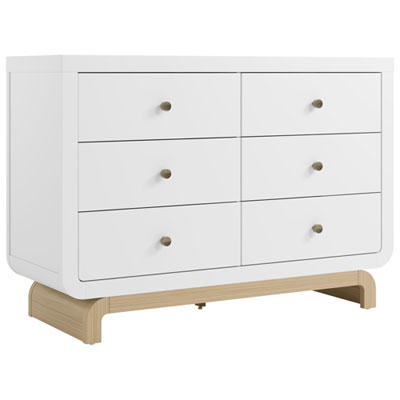 Your price for this item is $899.99
-
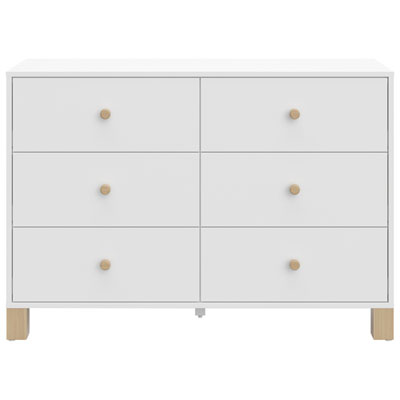 Your price for this item is $699.98
-
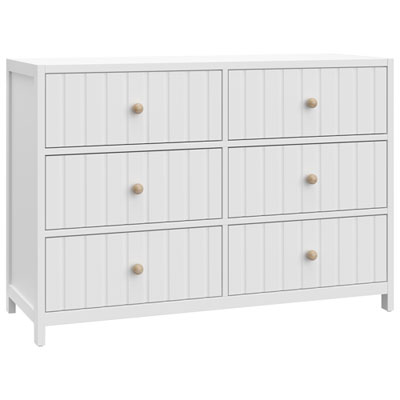 Your price for this item is $699.99
-
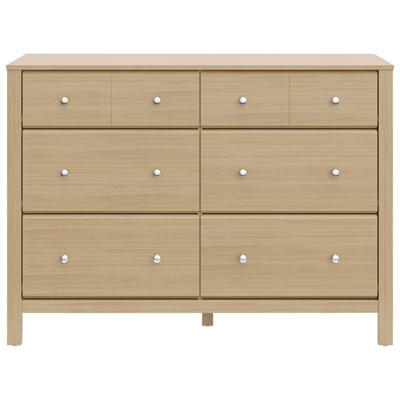 Your price for this item is $399.99
-
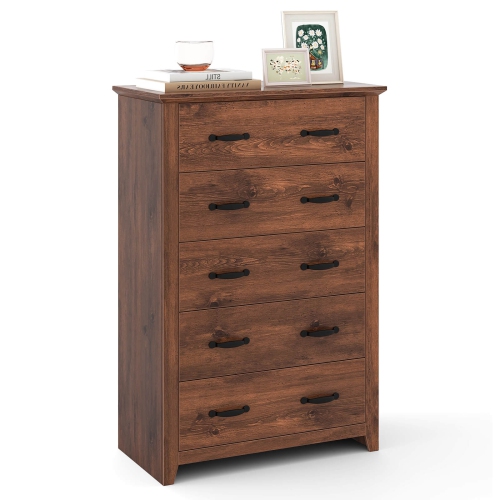 Your price for this item is $344.99
-
 Your price for this item is $499.99
-
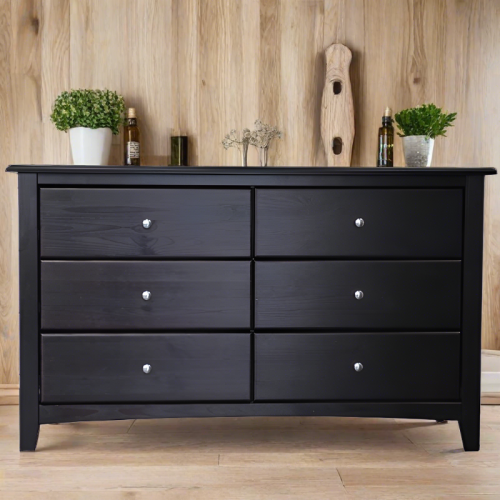 Your price for this item is $575.95
-
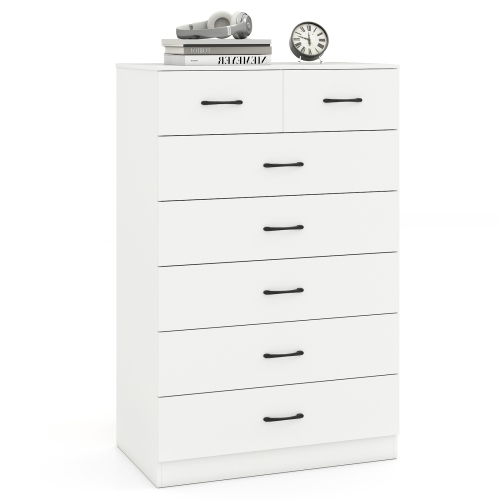 Your price for this item is $299.99
Discover more categories related to Black Chest Dressers
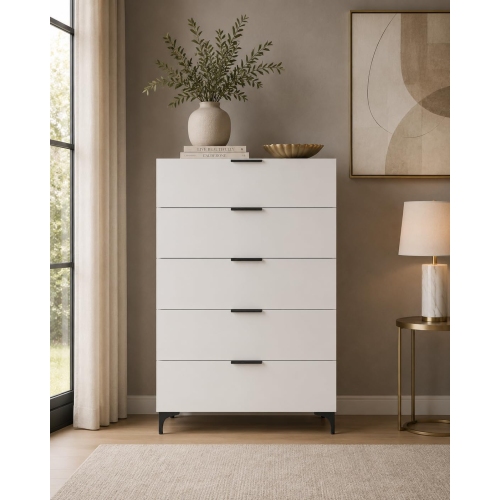
Top Collections:
Best Black Friday Deals This Year, Best Black Friday Deals On Electronics, Kindle Devices, Dyson Airwrap, Best Cameras for Sports Photography, Best Budget Office Chairs, Canon G7X Cameras, PS5 Pro Consoles, Best Black Friday Deals On Apple Products, XBOX One S Consoles
Some products may be subject to Environmental Handling Fees
(EHF) depending on your province.
Learn more about EHFs.