Wooden Chest Dressers
Add a touch of timeless elegance and ample storage space to your bedroom with our collection of wooden chest dressers. Whether you prefer a classic design or a more modern look, our wooden chest dressers are sure to have something that suits your taste. Here are some great options for you.
Sort

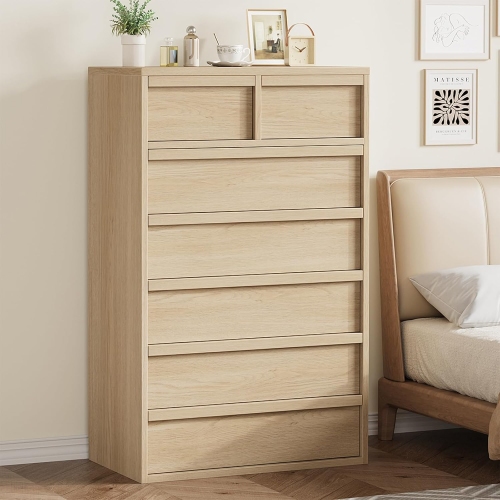

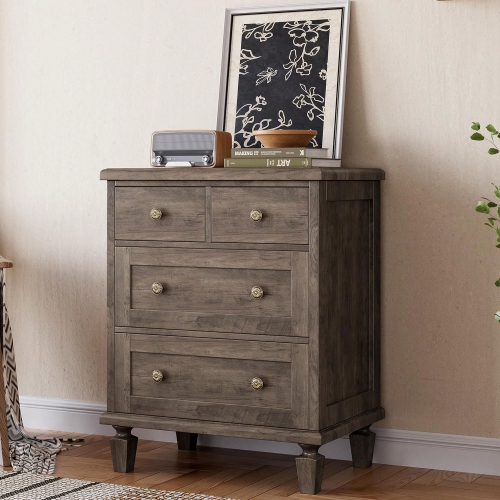
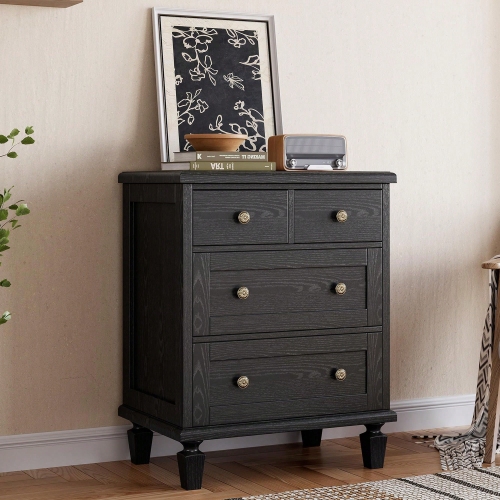
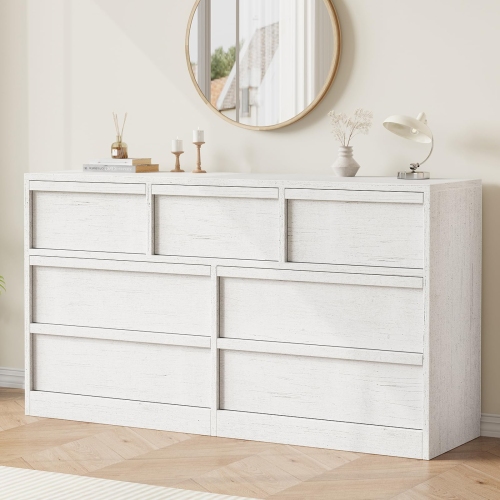
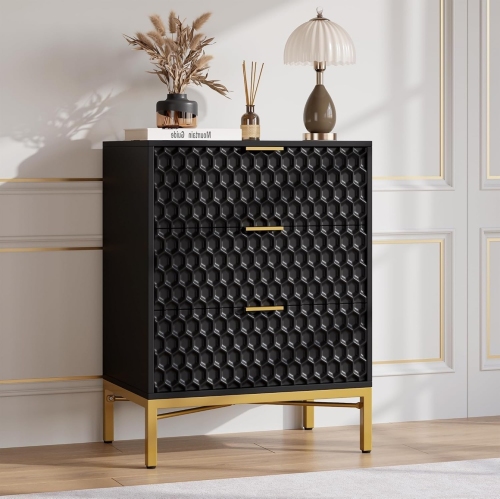


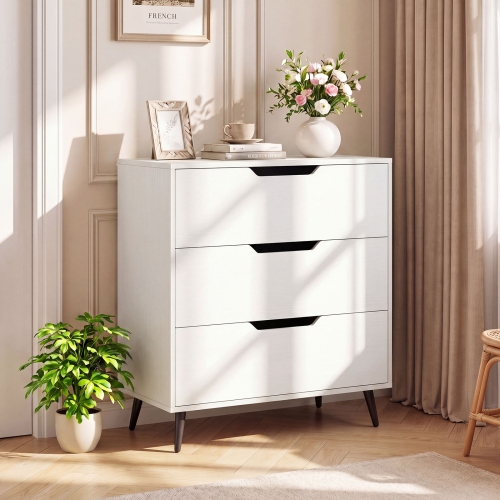
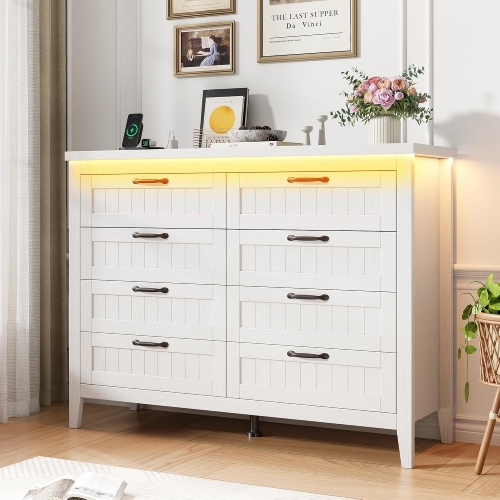
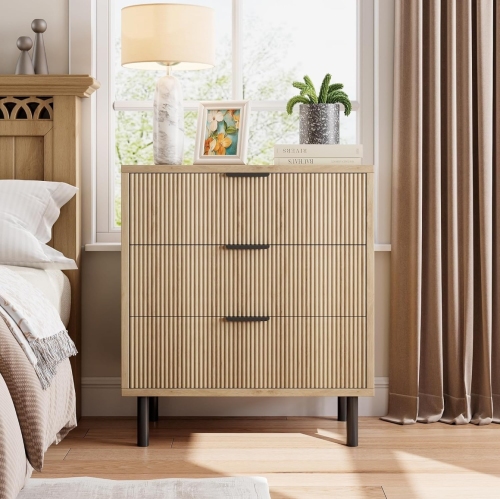
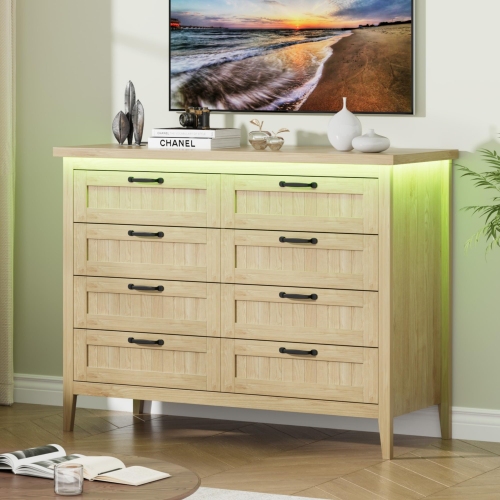
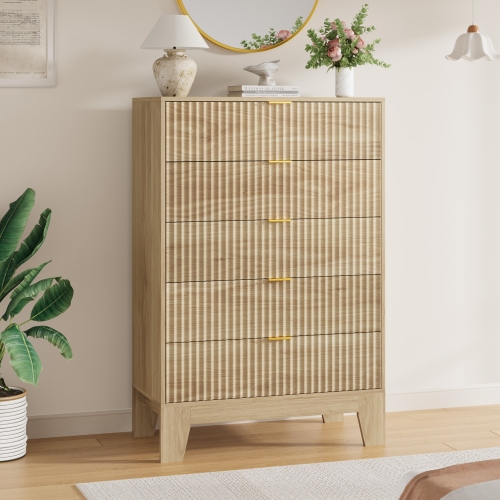
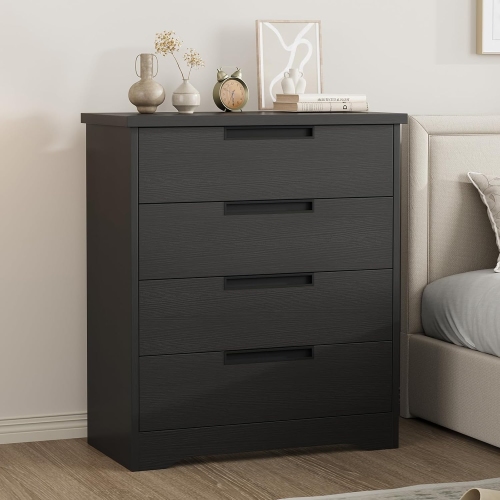


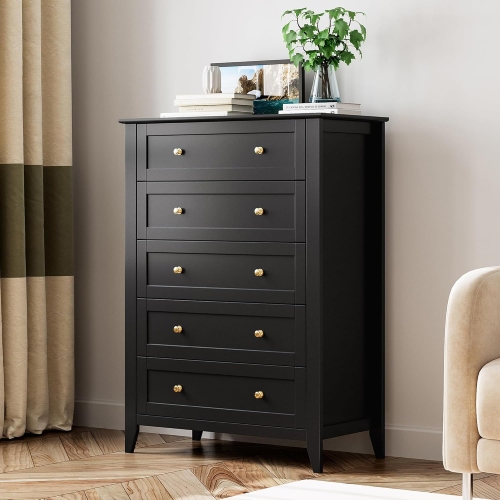
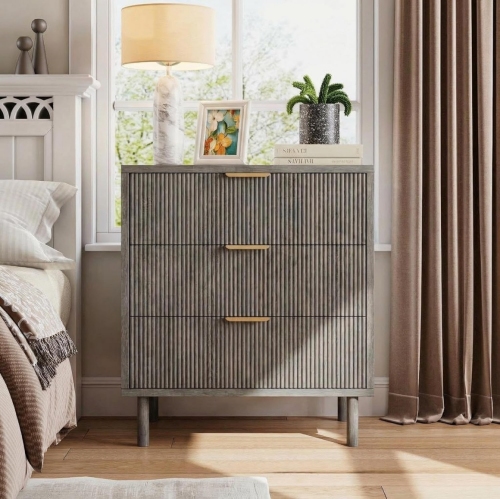
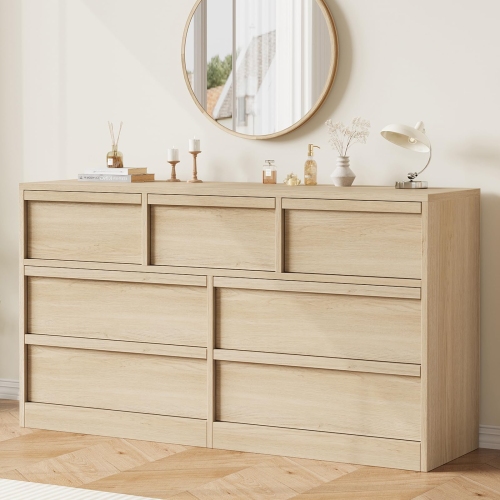
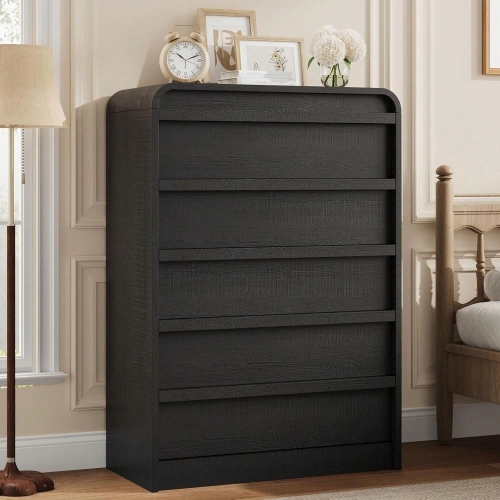
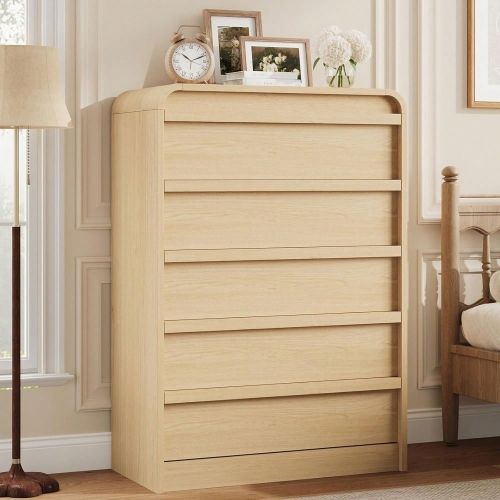
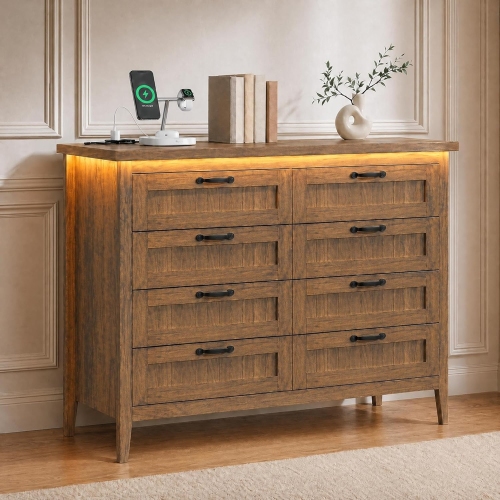
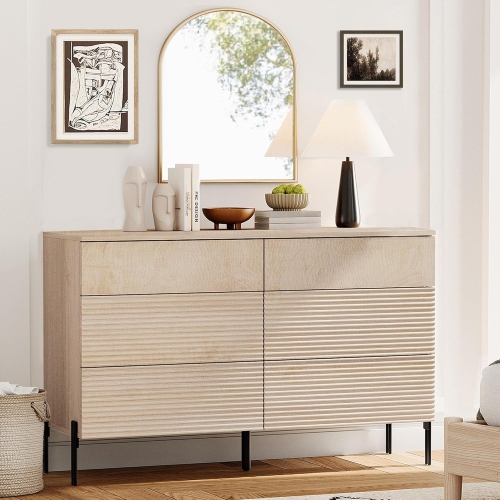
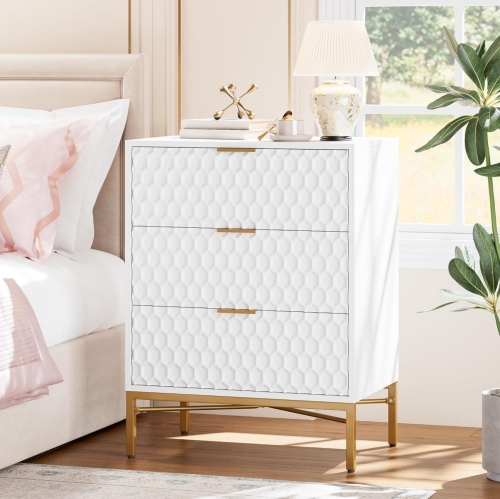
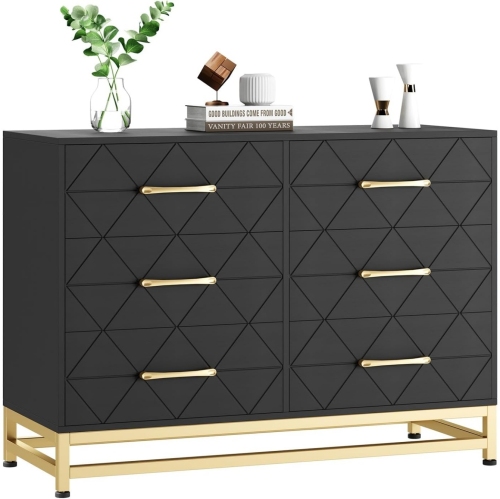
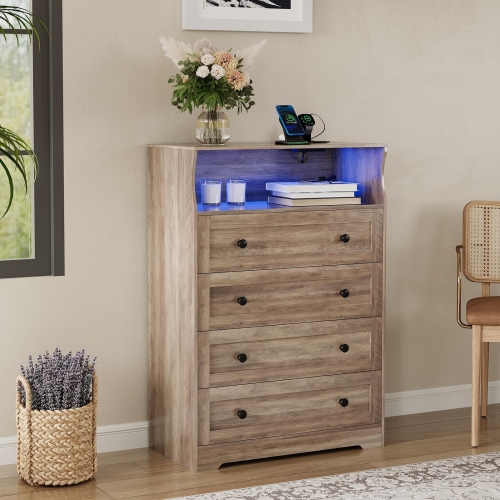
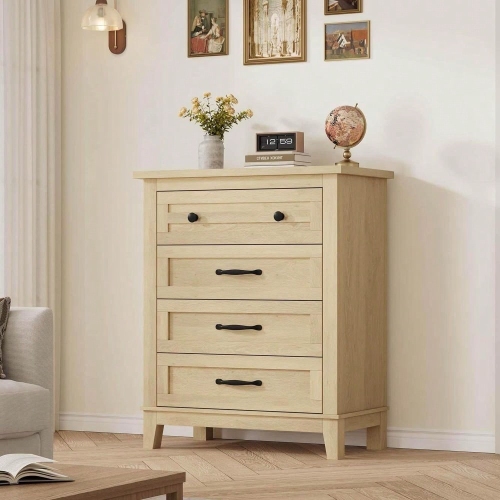


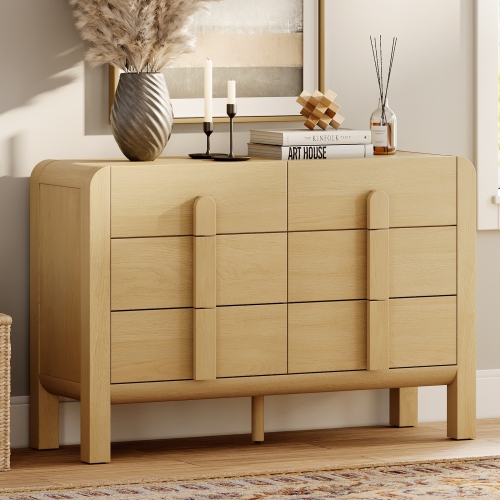
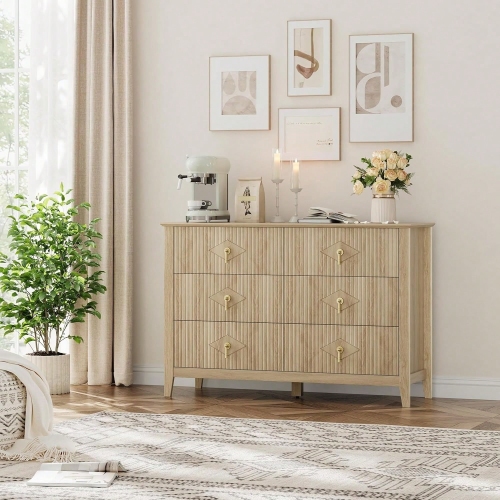


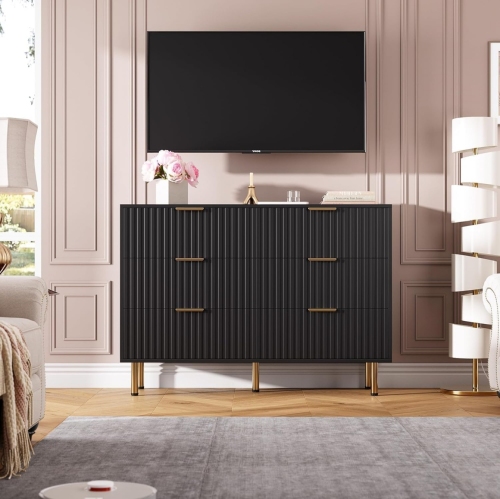
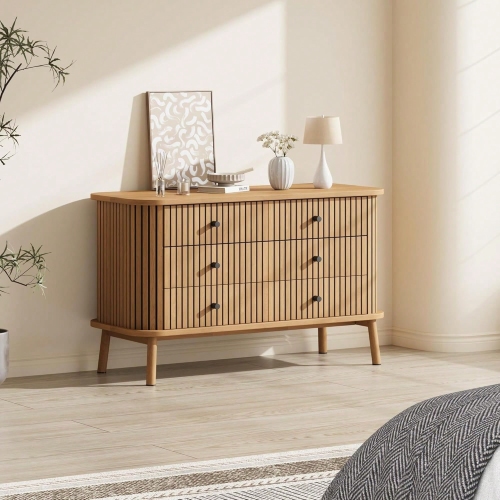


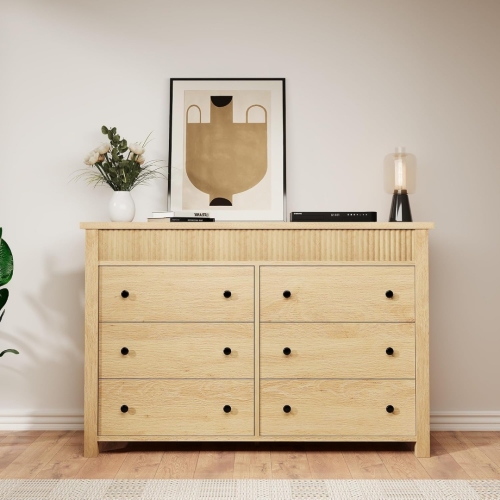
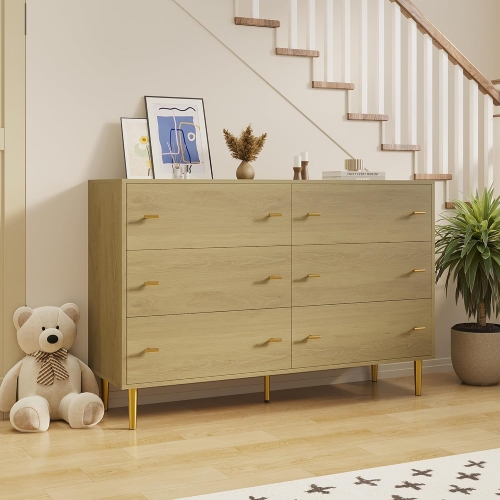

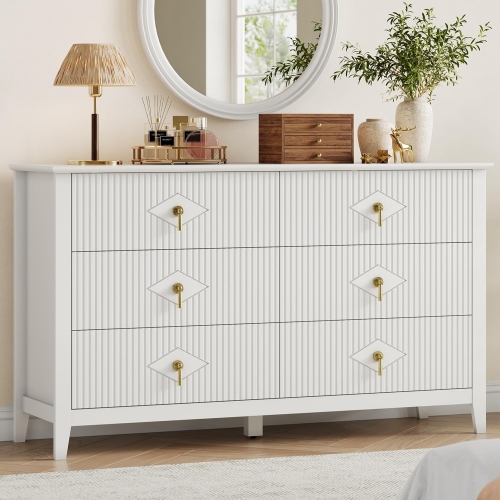
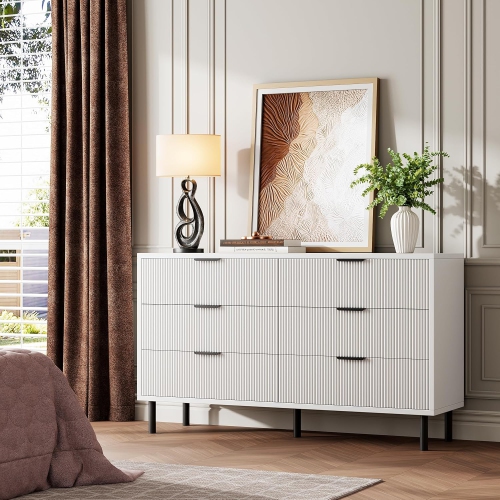
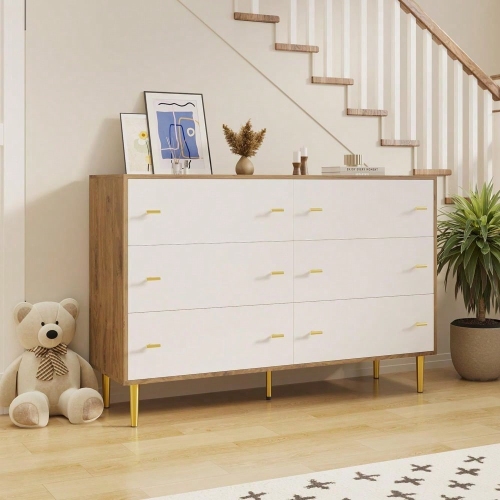
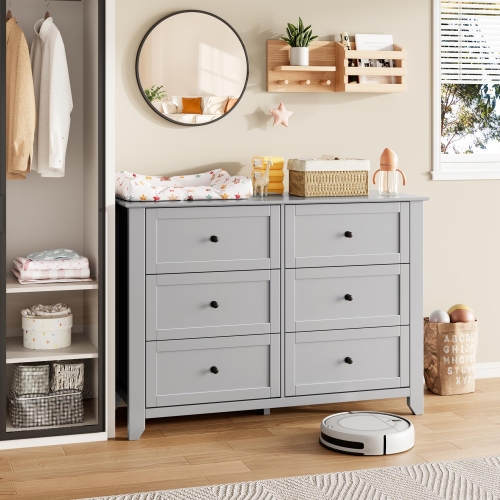




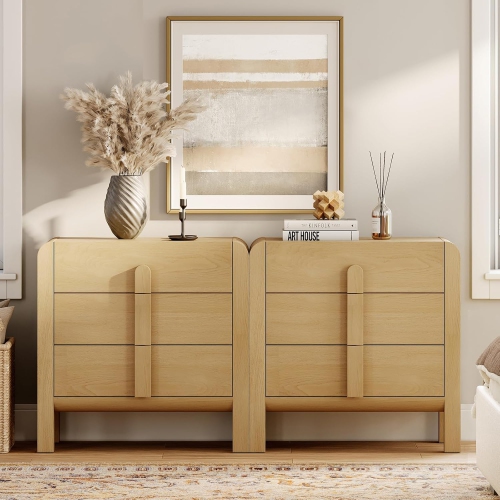
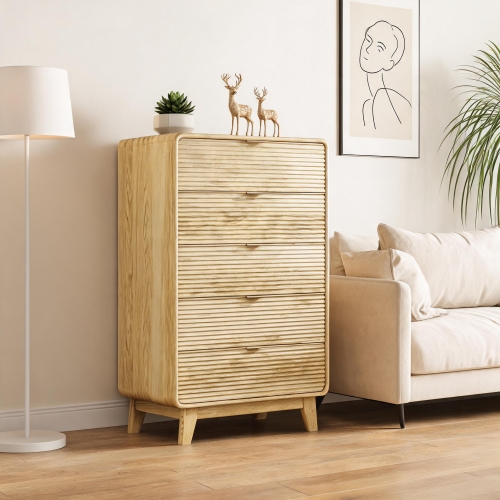
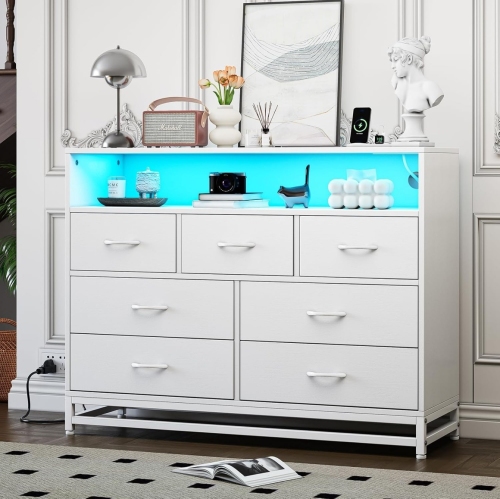
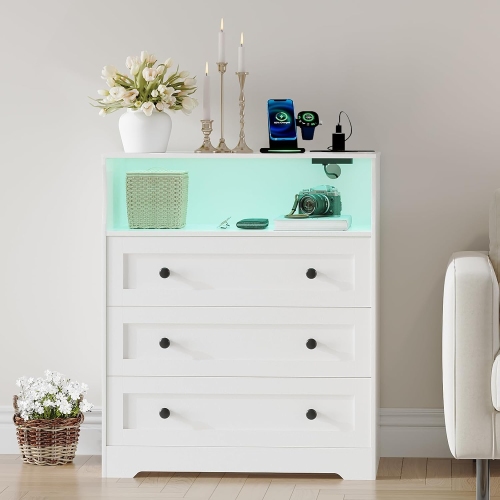






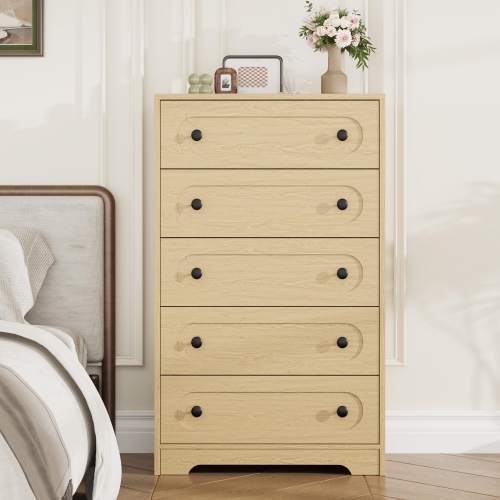
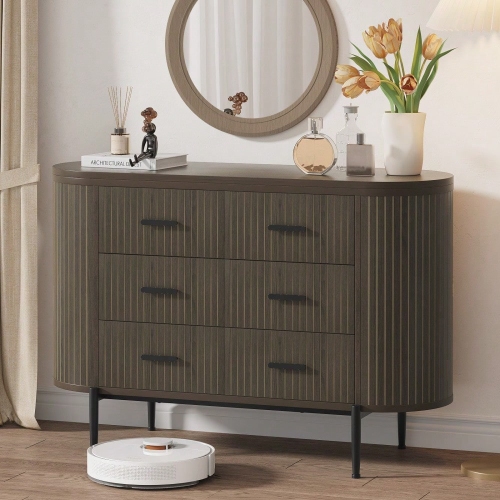
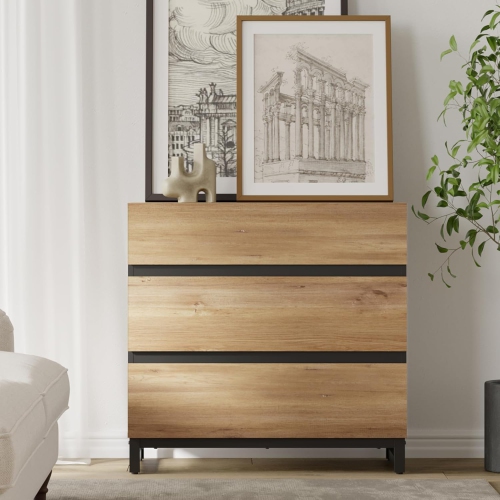


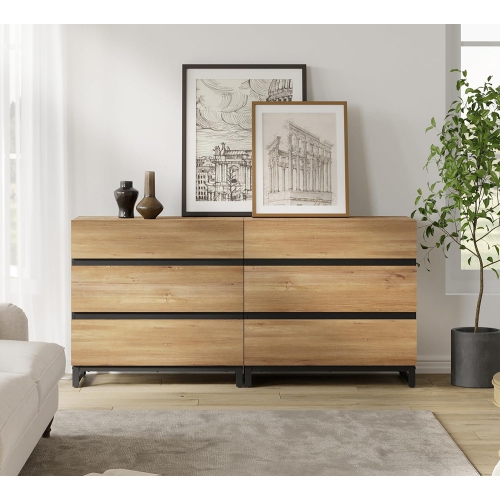
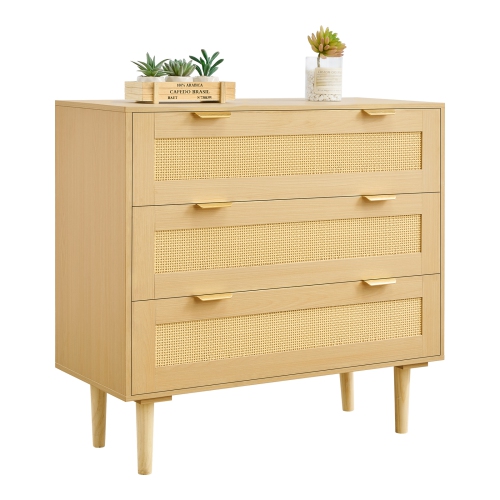
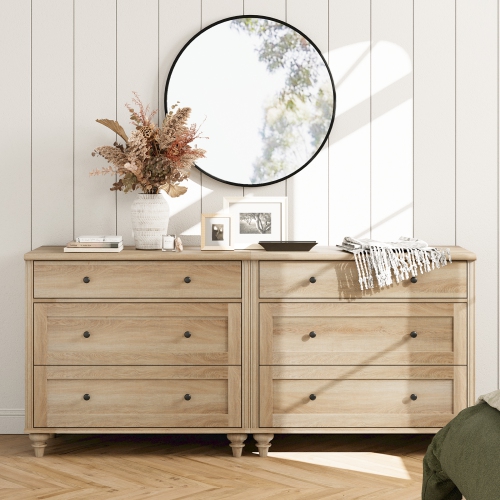
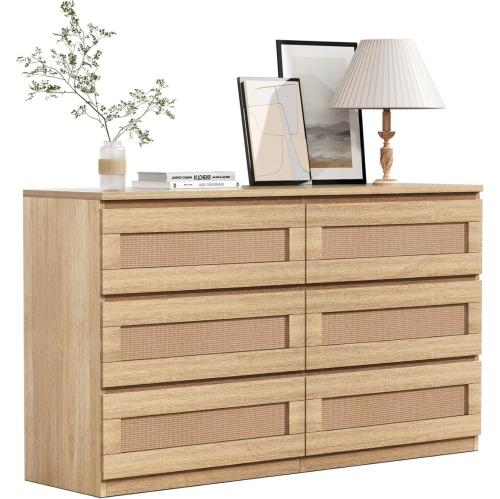

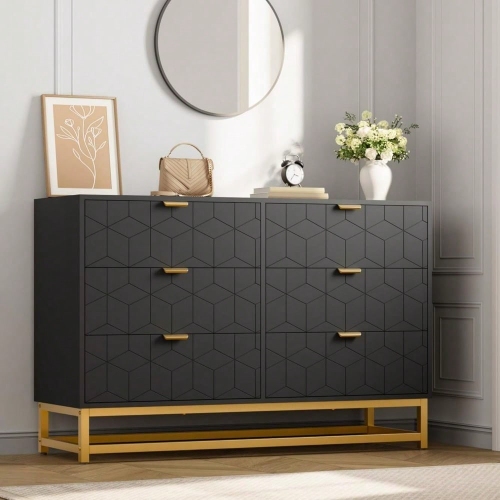
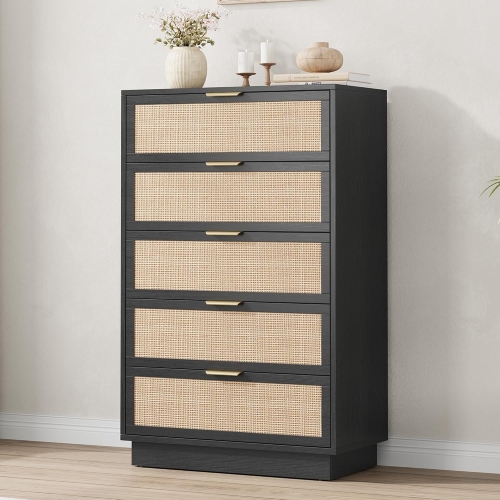
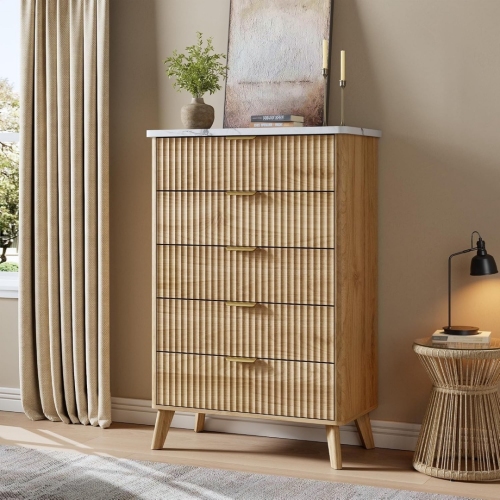
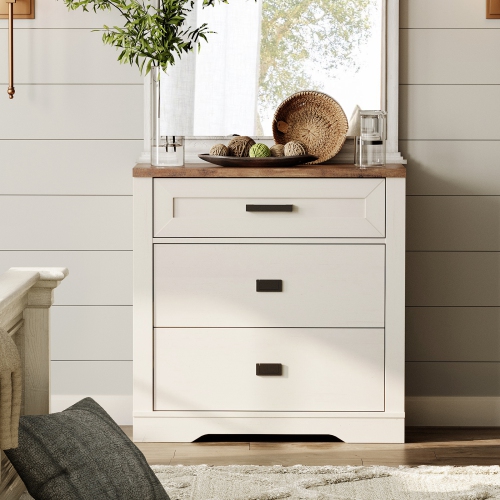
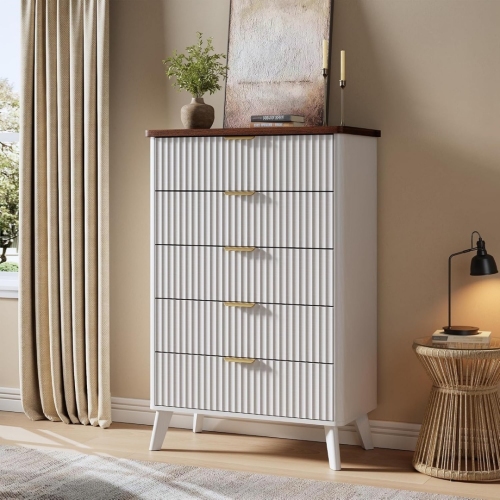

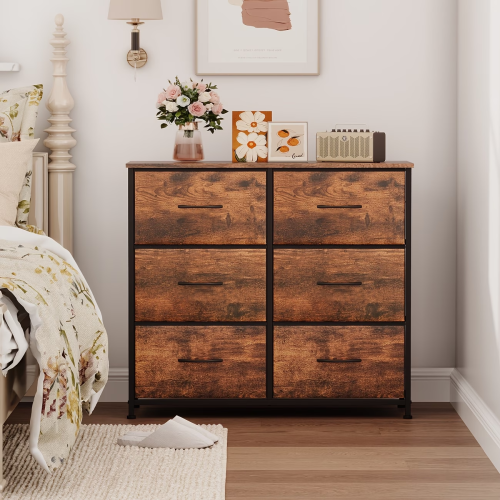
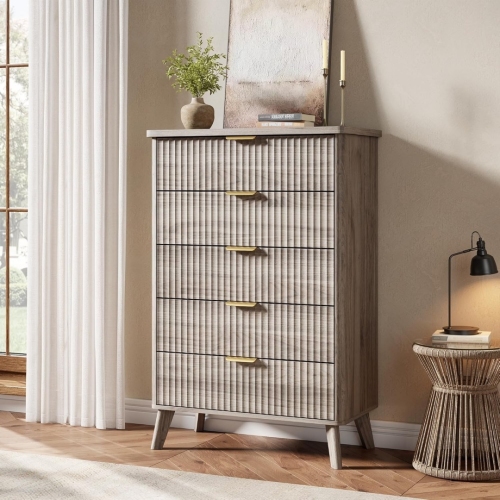
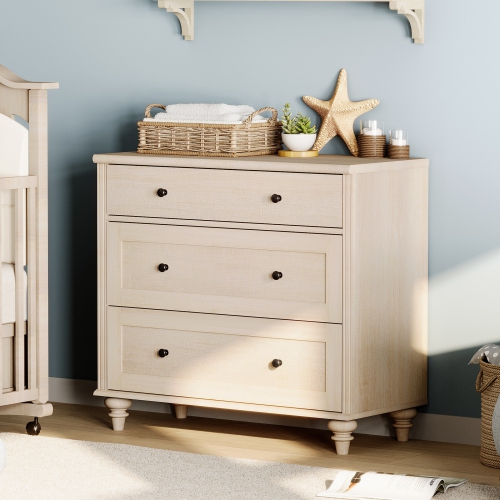
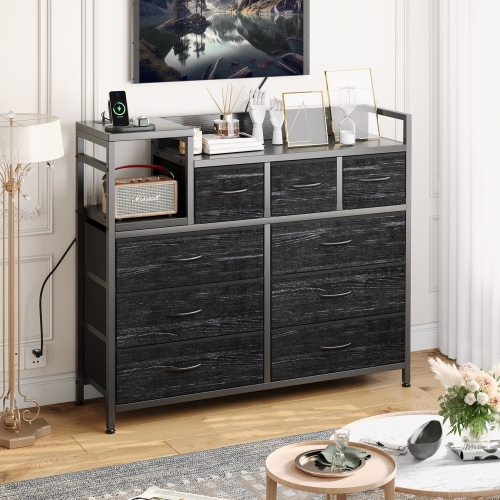



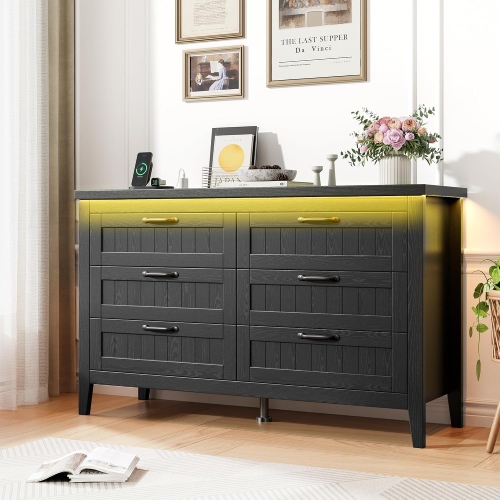
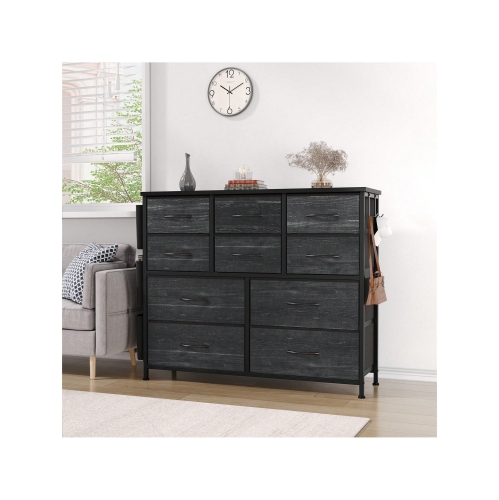
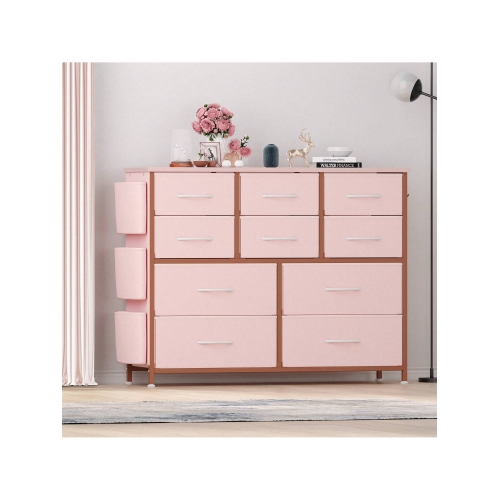

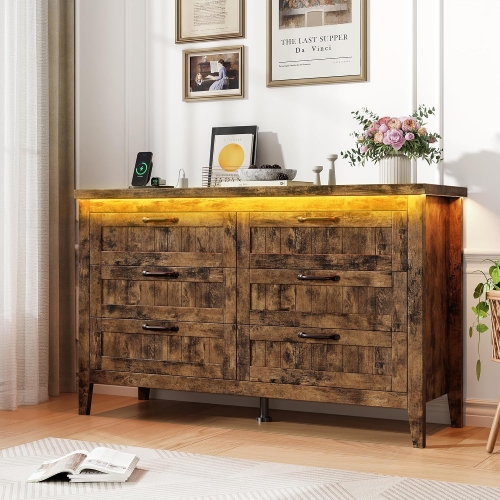
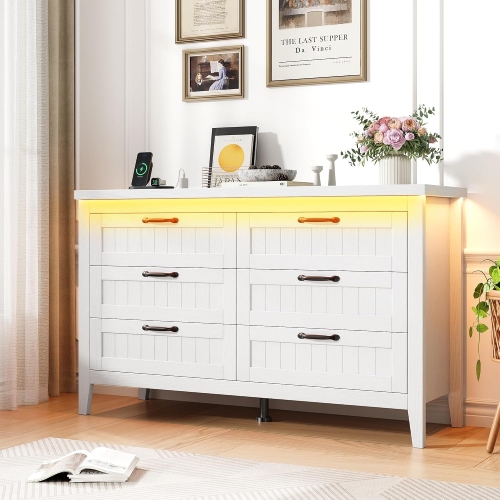


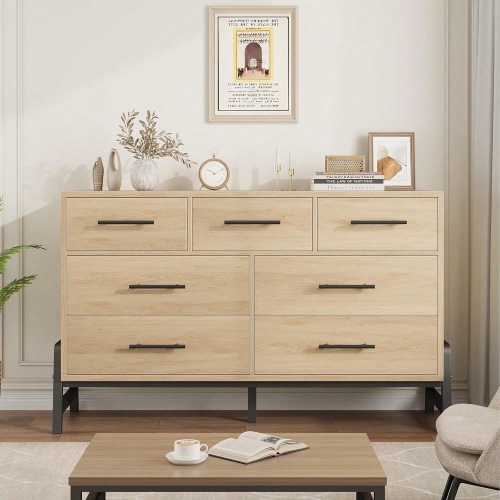
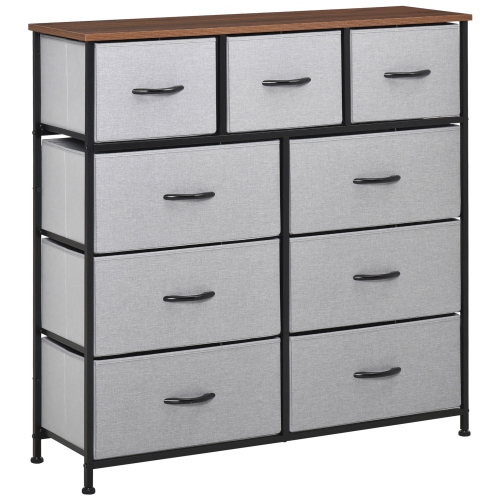

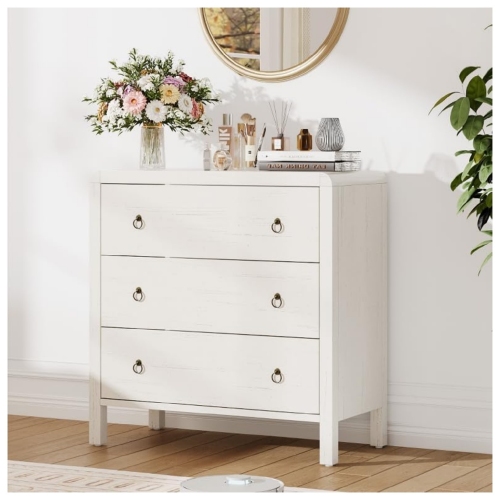
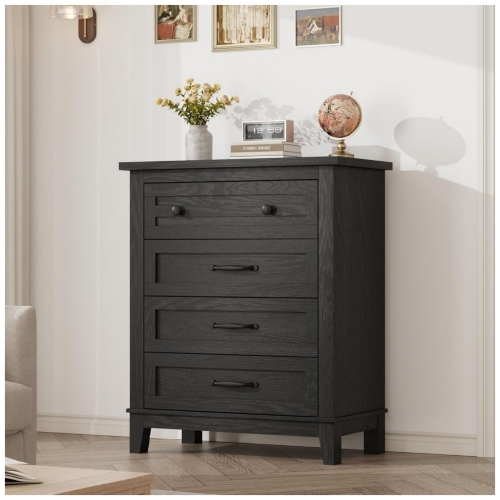
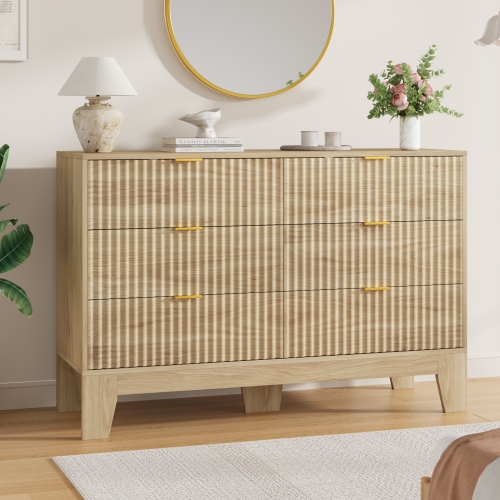
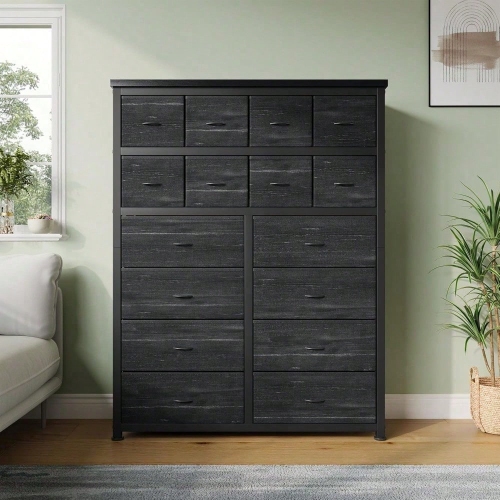
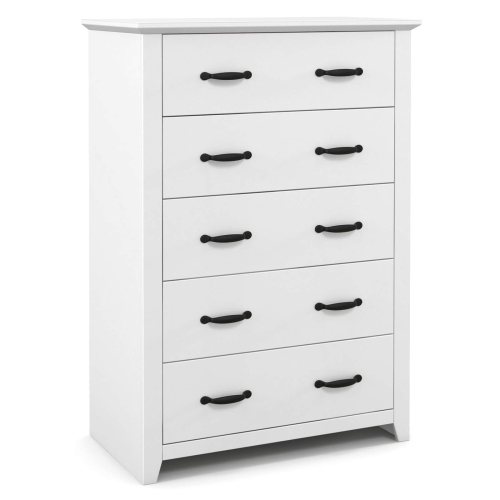
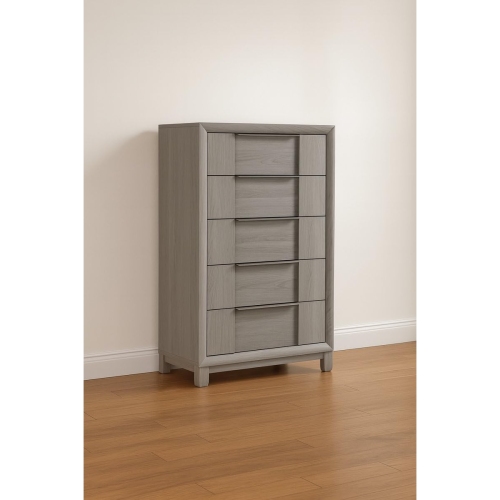
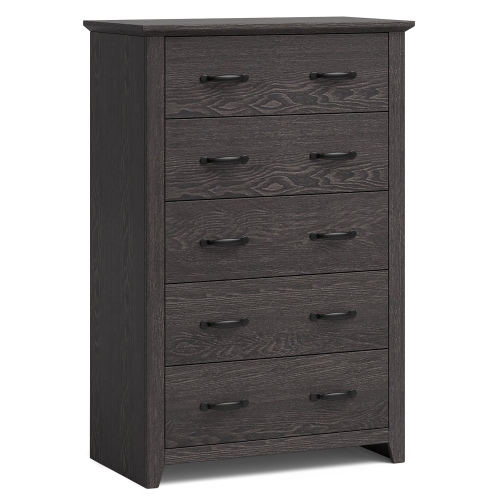


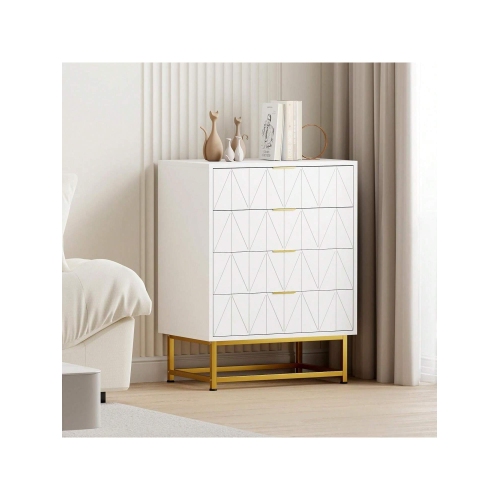
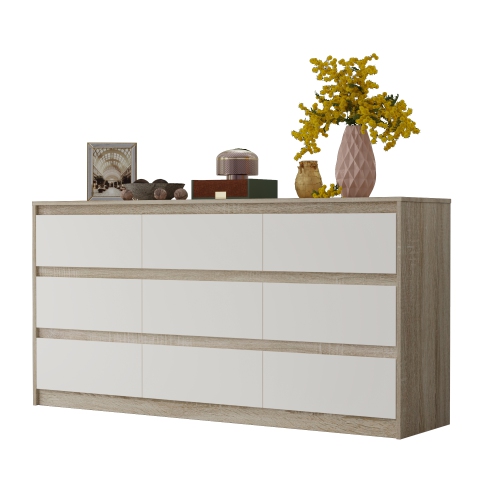
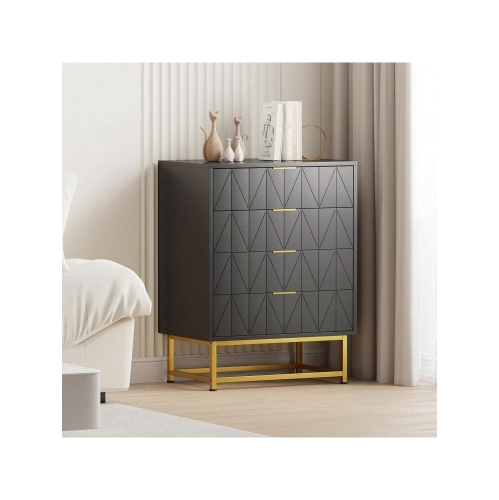

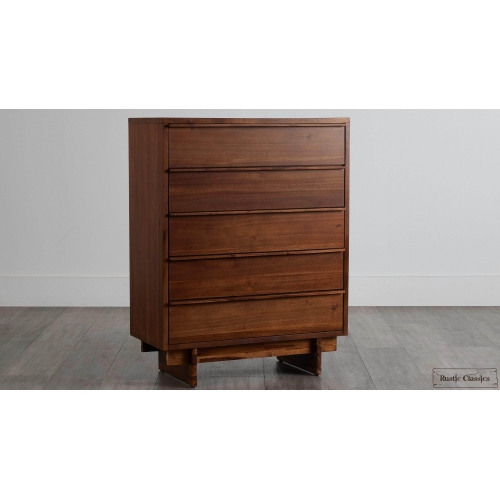
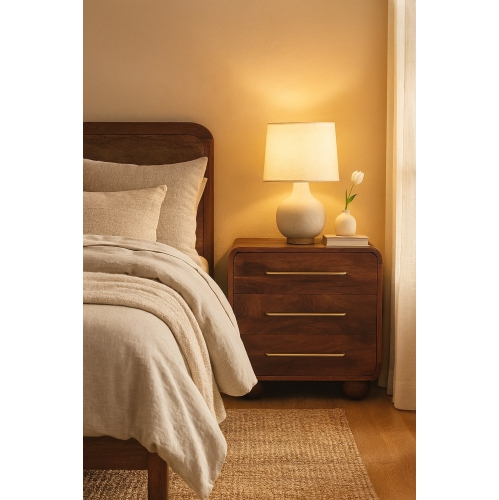

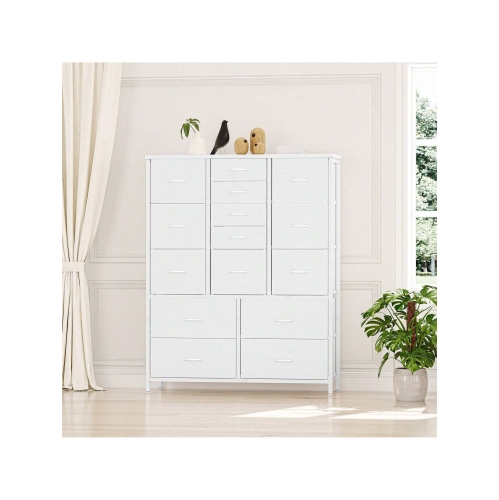
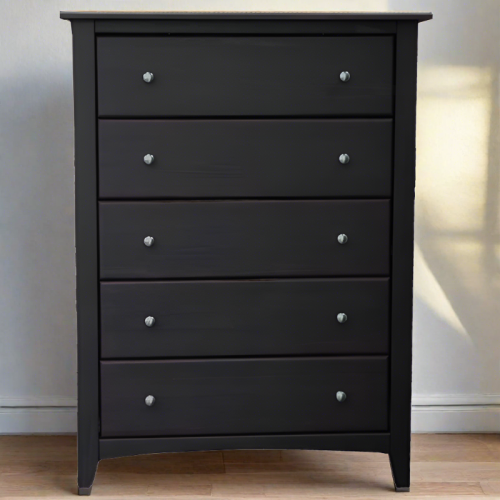

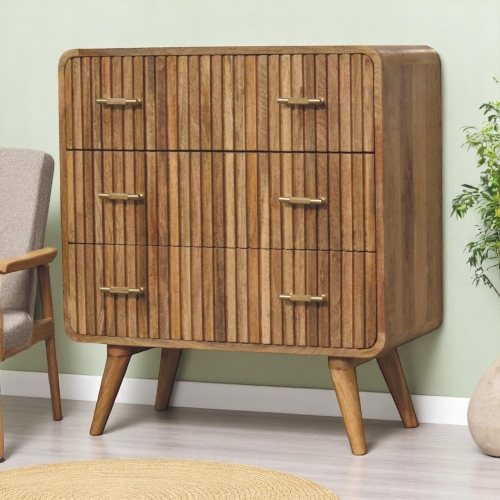

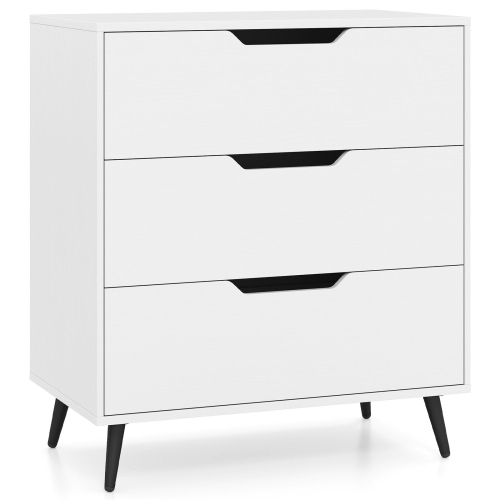
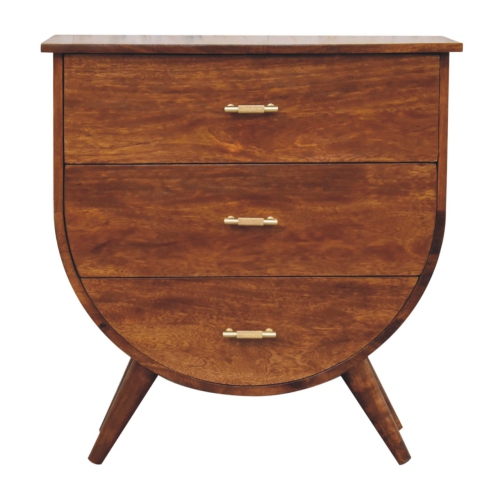
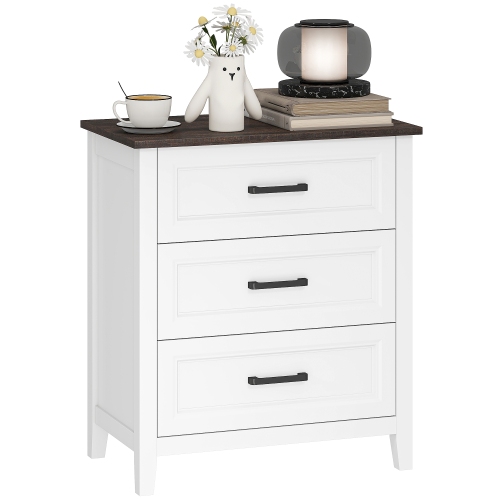

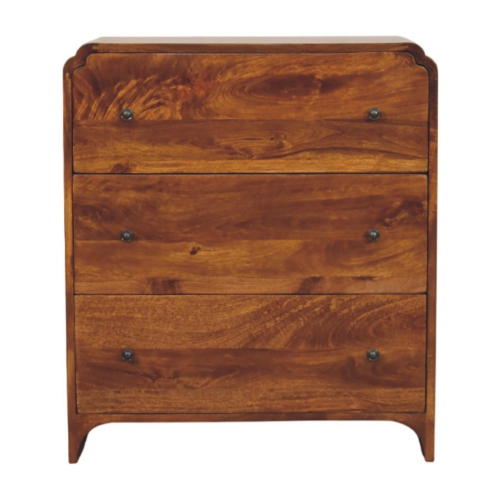
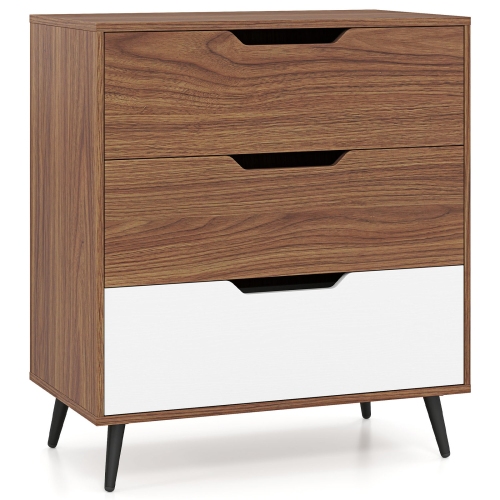

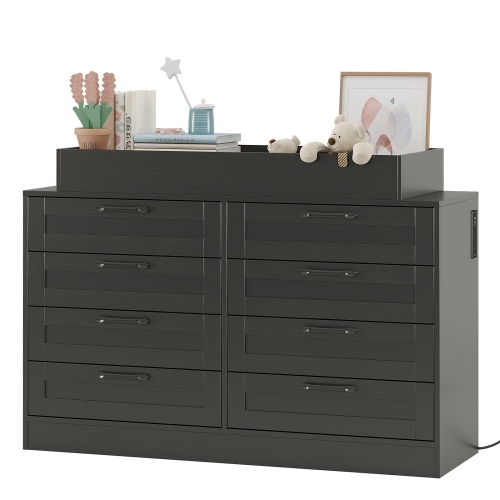


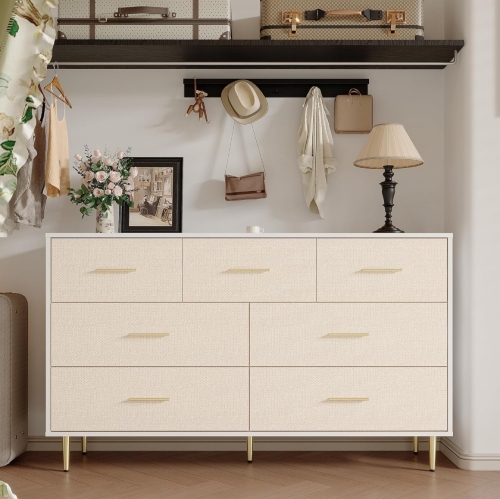
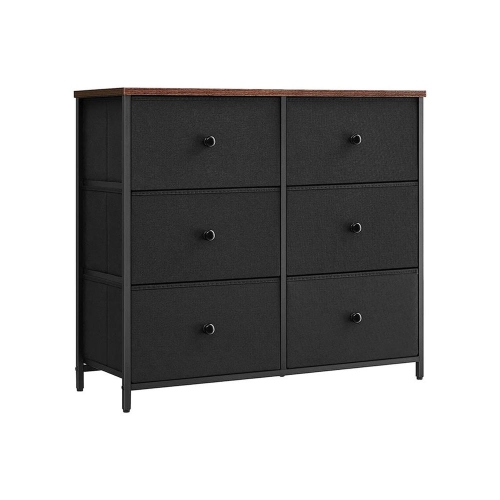
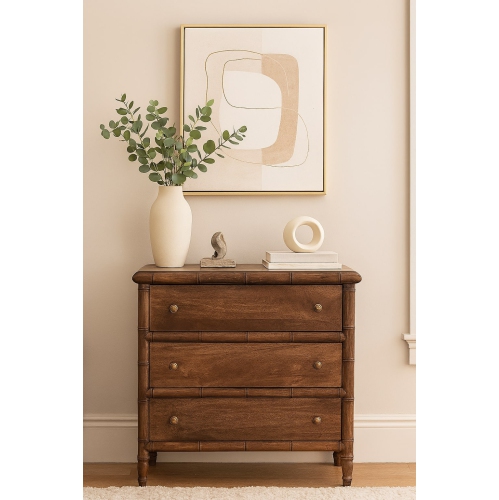
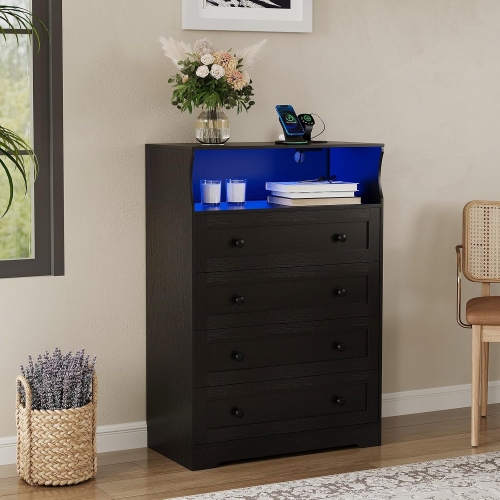
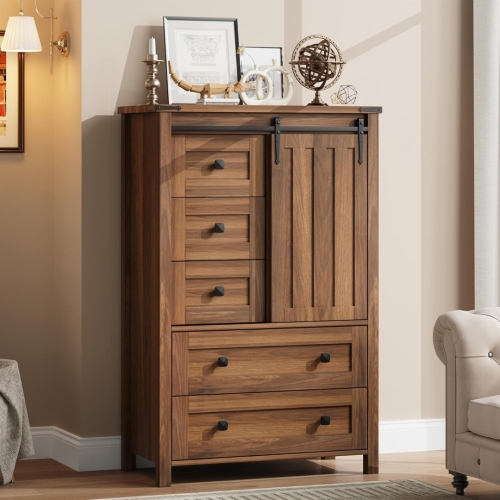


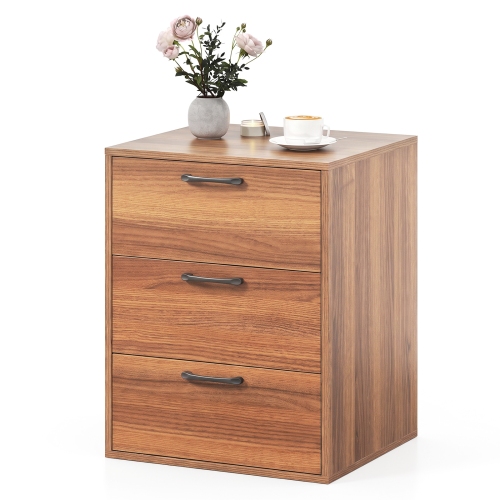
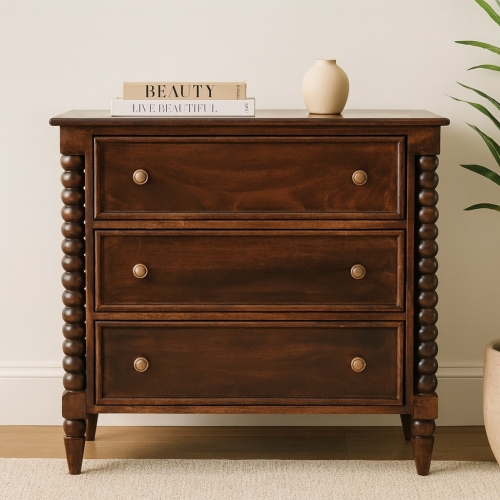
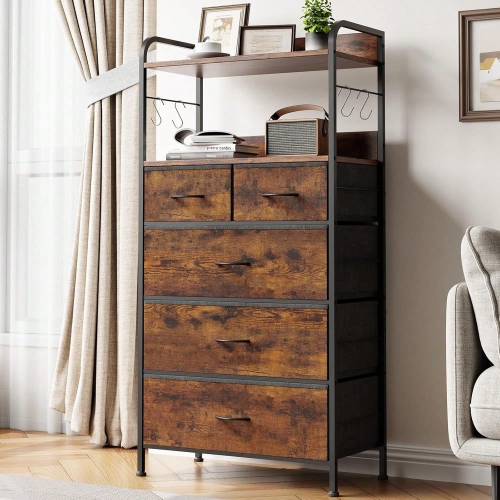
Why drawer depth matters as much as floor space
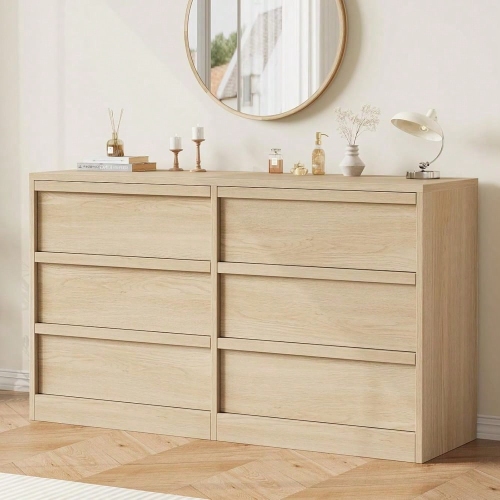
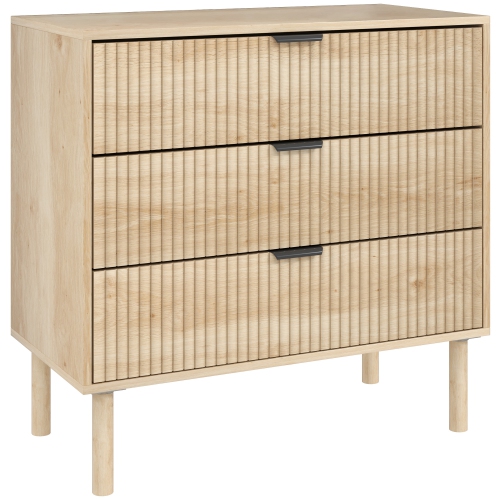
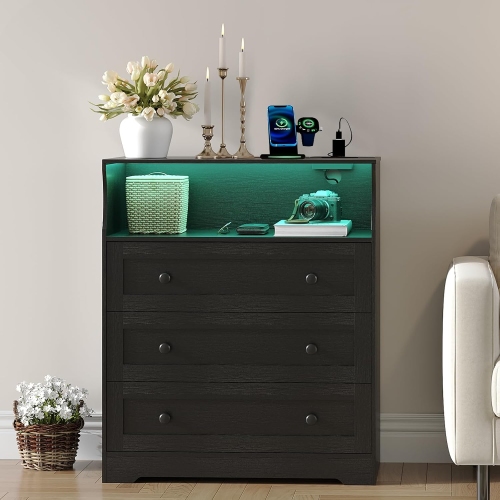
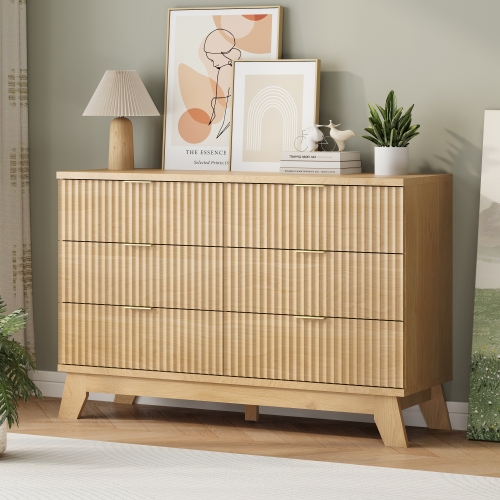
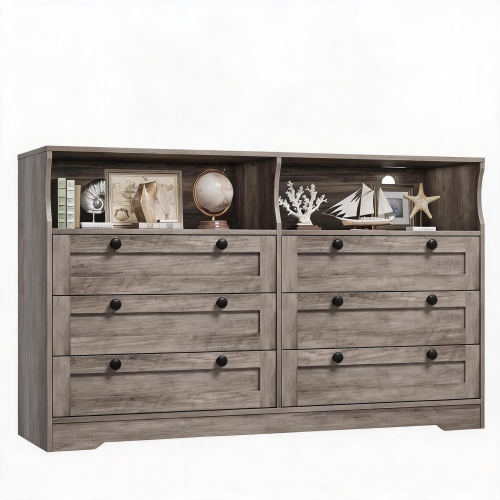
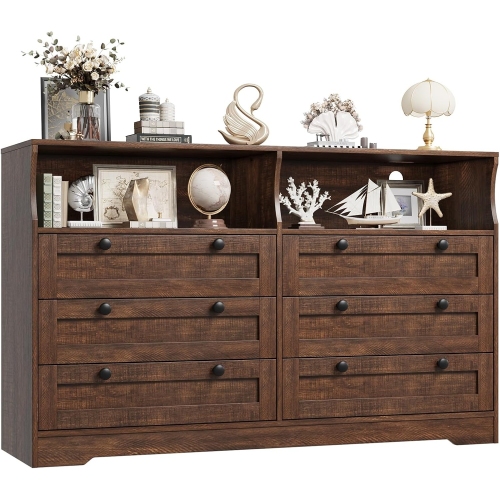
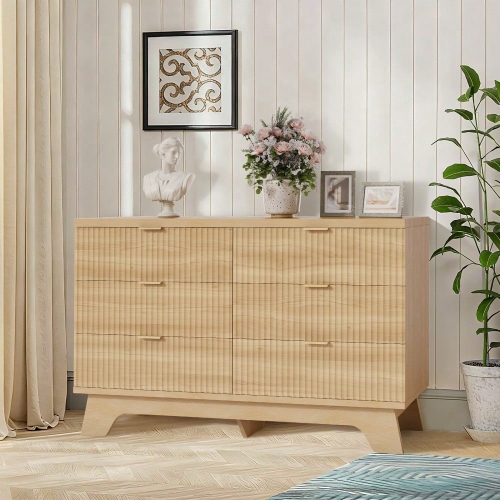
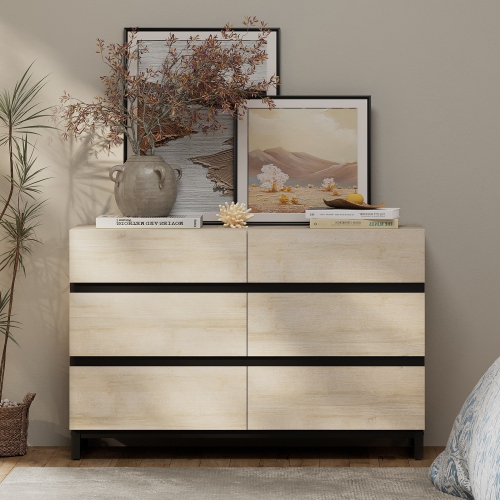
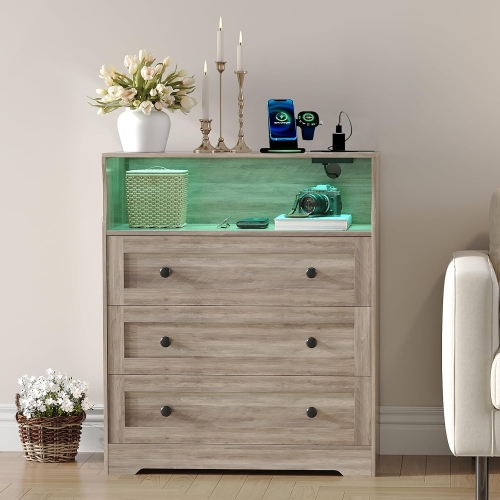
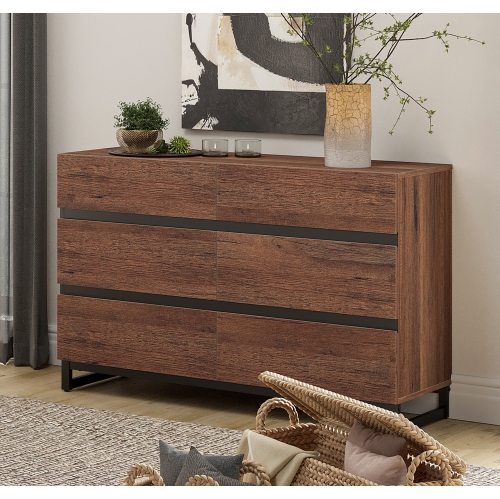
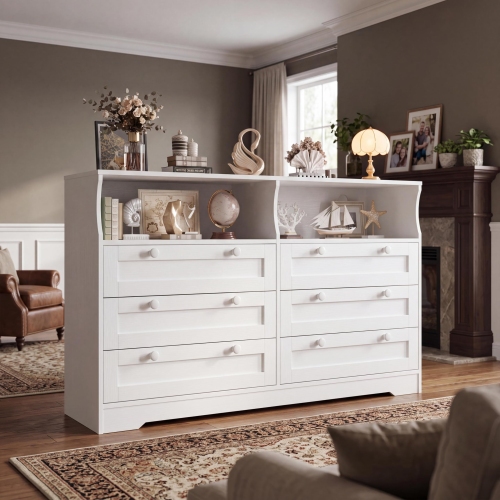
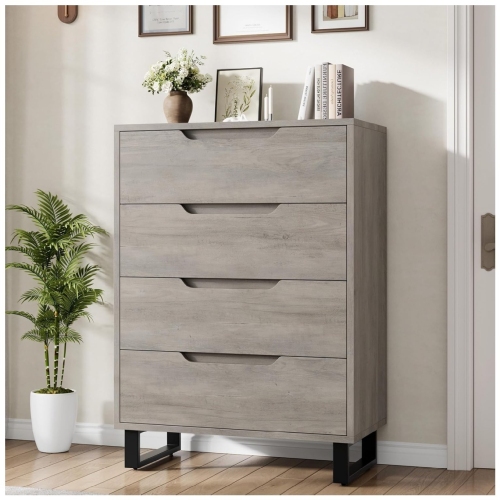
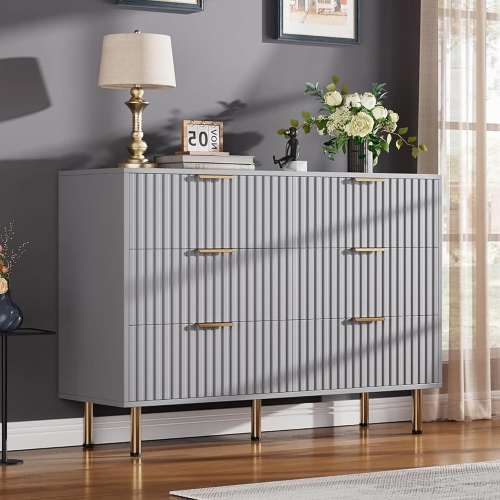
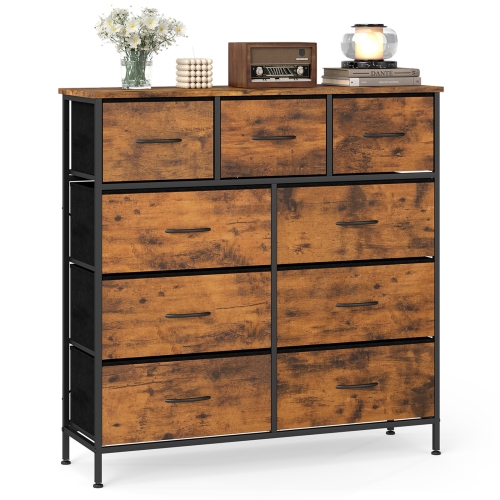
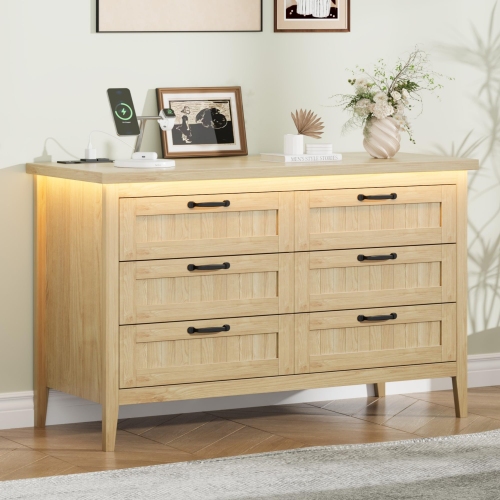
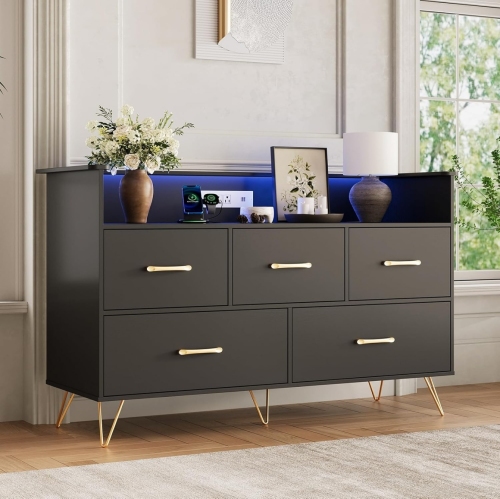
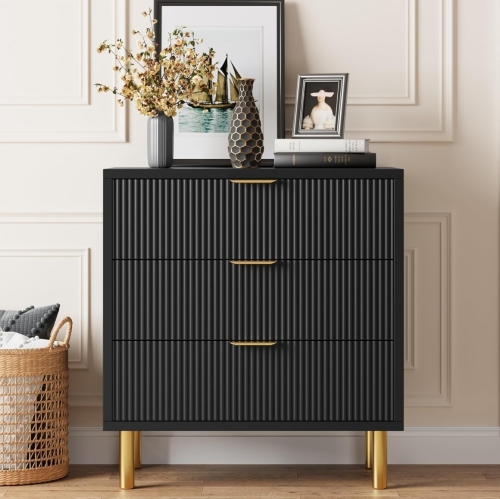
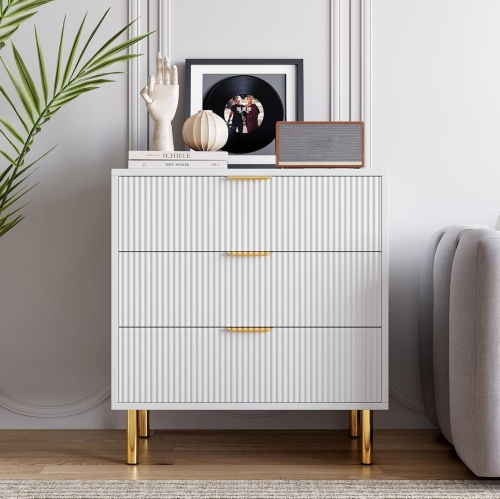
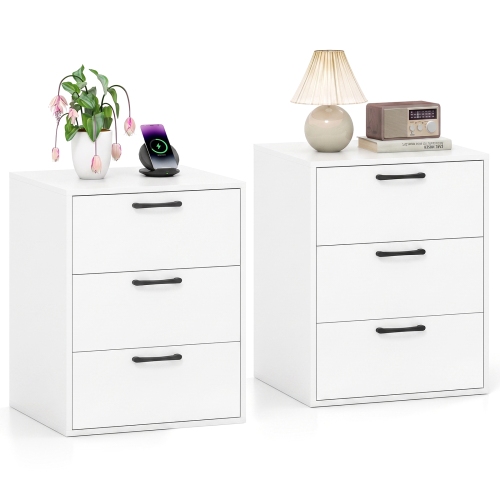
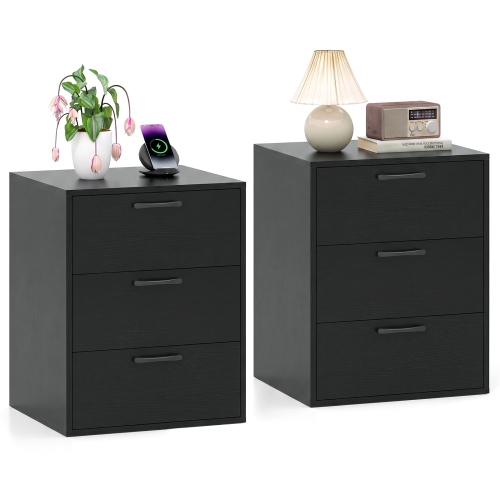
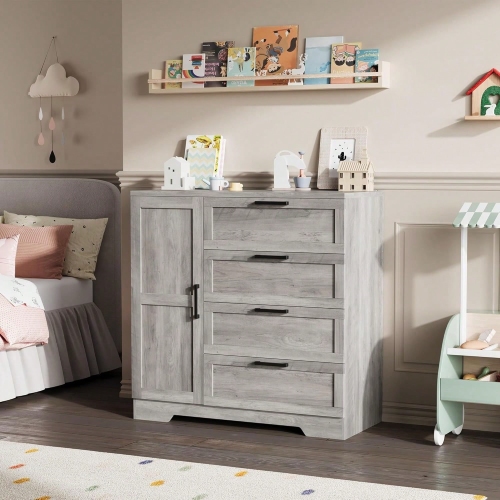
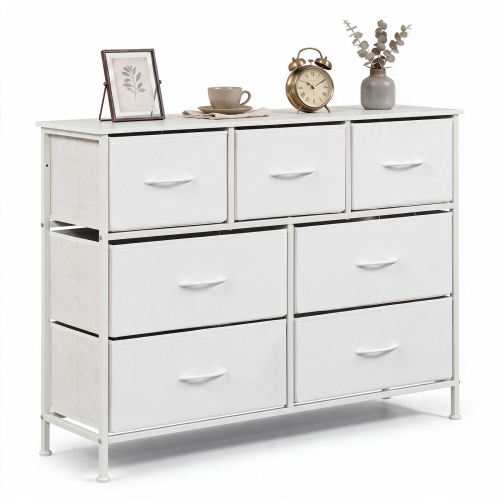
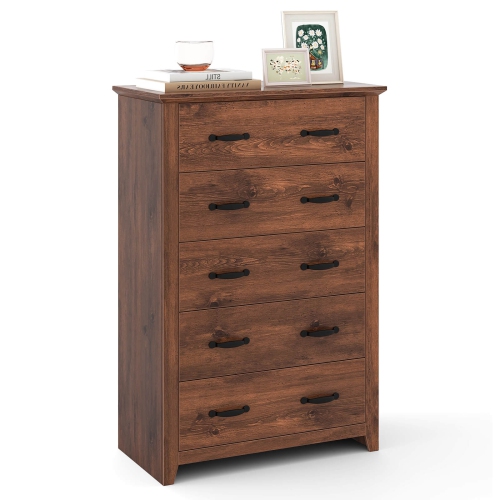
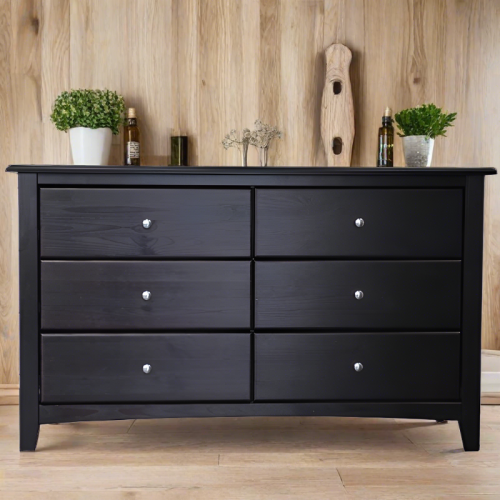
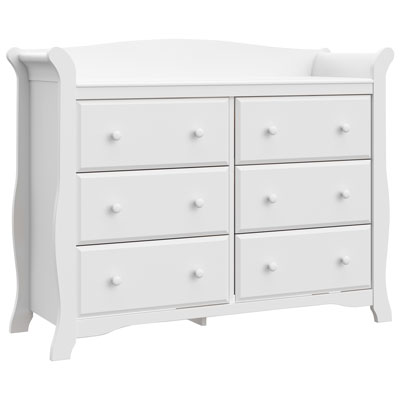
Wooden chest dressers provide drawer storage for clothing, linens, and everyday essentials, usually in a taller, narrower shape than a traditional wide dresser. Their vertical design makes them useful in bedrooms where floor space is limited, including condos, shared rooms, and guest rooms that also serve as a home office. A chest beside a wardrobe can hold folded T-shirts, socks, and sleepwear, leaving hanging space for clothing that creases easily. In a room without a large closet, deeper drawers can accommodate jeans, sweaters, and spare bedding, provided the contents stay within the stated drawer weight limits. Drawer count alone does not tell the whole story: several shallow drawers offer different storage possibilities from fewer deep drawers, even when the furniture has similar outside dimensions. Interior drawer measurements are particularly helpful when deciding whether folded clothing can stand upright in rows or whether bulkier pieces will fit comfortably. A narrower chest can make good use of an alcove, while a broader design may provide more accessible storage for someone who prefers not to reach into high drawers. The top surface can hold a small lamp or a jewellery tray, but its usefulness depends on the chest’s height, depth, and load rating. Visually, wooden chest dressers range from simple, flat-front designs to pieces with framed drawer fronts, shaped feet, or prominent handles. Pale wood tones can sit comfortably alongside light upholstery and painted furniture, while deeper brown finishes create a more defined focal point. Black or white painted wood offers another way to coordinate with an existing bed frame or wardrobe. Matching every piece exactly is not necessary; a shared undertone, similar handle finish, or repeated furniture shape can help a bedroom feel cohesive without looking overly uniform. The most suitable design balances that visual character with storage that reflects what actually needs a home.
Materials and construction influence how a wooden chest dresser looks, feels, and stands up to daily use. Solid wood components are made from timber rather than a manufactured wood core, although a chest may combine solid wood fronts or framing with other materials in its drawer bottoms or back panel. Oak often has a noticeable grain pattern, maple tends to have a finer appearance, and pine commonly features visible knots and a softer surface that can pick up dents more readily. Walnut is associated with rich brown colouring, though the final appearance of any wood depends on its finish as well as its species. Natural grain and colour variation mean that two pieces made from the same wood may not look identical. The Solid Wood Chest Of Drawers collection provides a related focus for shoppers interested in that construction category. Other wooden dressers use real wood veneer over plywood or another engineered wood core. Veneer is a thin layer of actual wood, distinct from a printed wood-look surface, and its durability depends partly on the underlying structure, edge treatment, and finish. Neither appearance nor weight alone is a reliable measure of overall quality. Secure joints, properly supported drawer bottoms, and a square, stable frame all contribute to furniture that handles repeated opening and closing. Drawer runners also affect everyday use: metal slides may offer smooth travel, while wooden runners have a different feel and may require care specified by the manufacturer. Soft-close mechanisms can reduce abrupt closing, but they do not replace careful handling or suitable loading. Handles should feel secure and leave enough room for a comfortable grip. A smooth protective finish is especially useful around drawer edges and the top surface, where hands and frequently used belongings make regular contact. These details matter whether the chest will be opened several times a day or used mainly for occasional guest storage.
Fit involves more than finding a chest that fits against an empty wall. The overall width, depth, and height need to work with nearby furniture, doorways, baseboards, and the space required to open each drawer fully. A chest opposite the bed should leave a comfortable walking route even when someone is getting dressed, and drawers should not collide with a bedroom door or bedside table. Delivery access matters too, particularly for assembled furniture travelling around a narrow stair landing or through a condo doorway. Assembly requirements, furniture weight, and the location of wall attachment points can affect where the chest is practical to place. Tall storage furniture presents a tip-over risk, especially when drawers are pulled out or climbed on. Secure the chest to the wall using the supplied restraint and appropriate fixings, following the manufacturer’s instructions for the furniture and wall type. Keep heavier contents in lower drawers, avoid opening several drawers at once, and never treat anchoring as a substitute for supervision around children. A chest should not support a television unless it is specifically designed and rated for that use. Once positioned, thoughtful organization helps the storage remain useful: small dividers keep socks and accessories together, while grouping clothing by type makes it easier to find what is needed without rummaging through every drawer. Care is generally straightforward, but the correct method depends on the finish. A soft cloth removes dust, and spills should be wiped up promptly rather than left to soak into joints or unfinished edges. Manufacturer-approved cleaners are preferable to abrasive powders or strong solvents, and wood polish is not suitable for every surface. Pads beneath decorative objects help limit scratches, while protection from direct sunlight, heating vents, and excessive moisture can reduce damage to wood and finishes. With suitable placement, sensible loading, and regular care, a wooden chest dresser can remain a practical part of a bedroom as storage needs and decorating preferences change.
Top selling and popular products
-
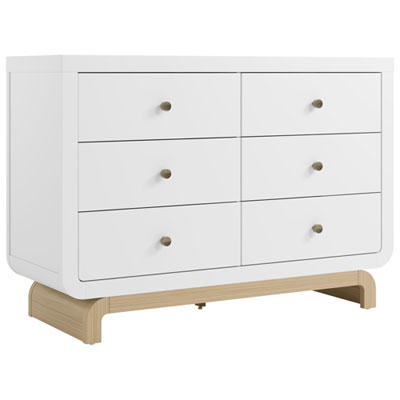 Your price for this item is $899.99
-
 Your price for this item is $699.98
-
 Your price for this item is $699.99
-
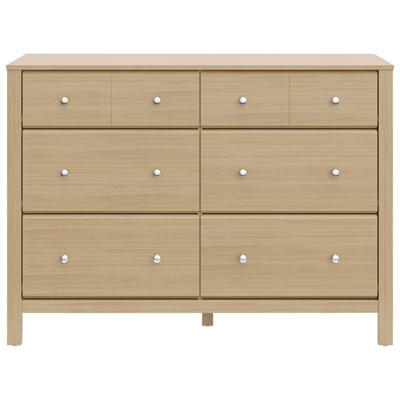 Your price for this item is $399.99
-
 Your price for this item is $496.99
-
 Your price for this item is $344.99
-
 Your price for this item is $575.95
-
 Your price for this item is $299.99
Discover more categories related to Wooden Chest Dressers

Top Collections:
Pokemon Centers, Best Black Friday Deals This Year, Best Black Friday Deals On Electronics, Kindle Devices, Best Budget Office Chairs, Best Black Friday Deals On Apple Products, Best Cameras for Sports Photography, Pokémon 30th Celebration Cards, Dyson Airwrap, Canon G7X Cameras
Some products may be subject to Environmental Handling Fees
(EHF) depending on your province.
Learn more about EHFs.