Black Iron Barbecue
Black iron barbecues are a popular choice for outdoor cooking. They are durable, easy to use and portable. These barbecues are perfect for family gatherings and parties. Here are some great options available today.
Sort


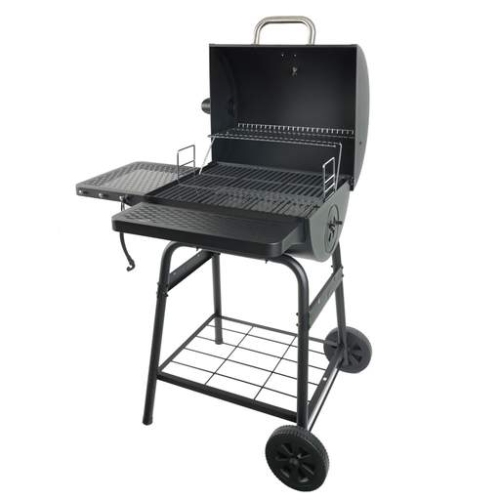


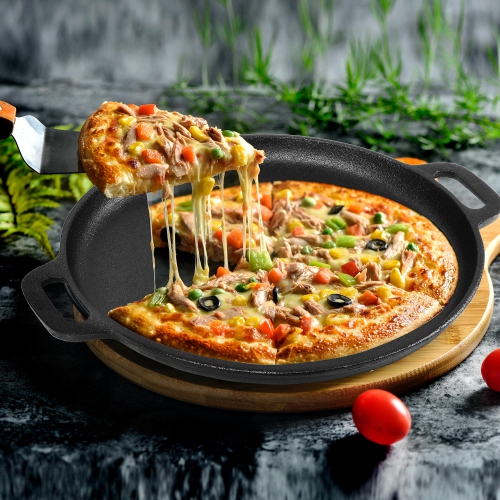
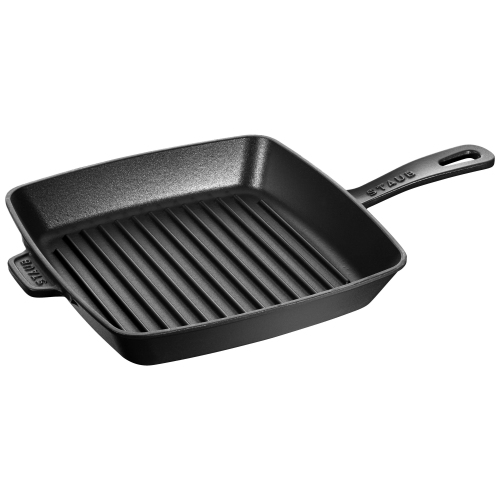


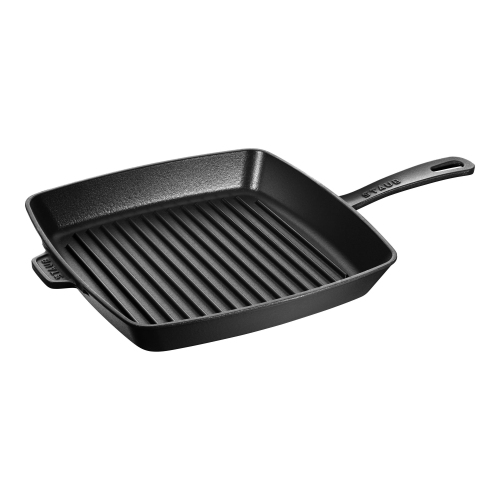

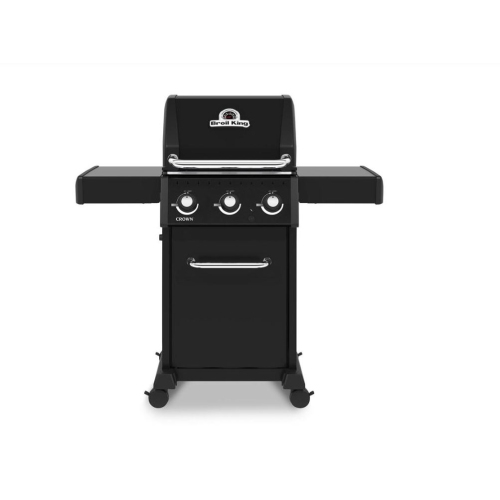
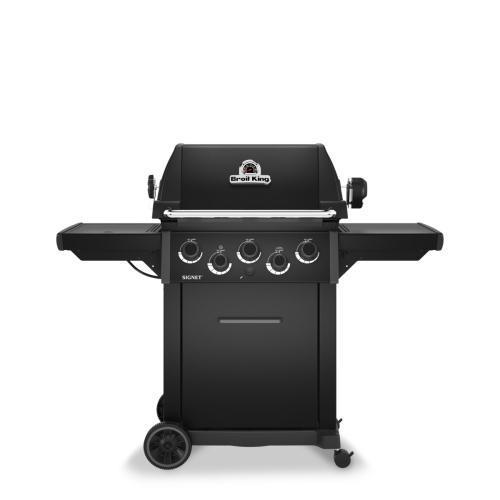

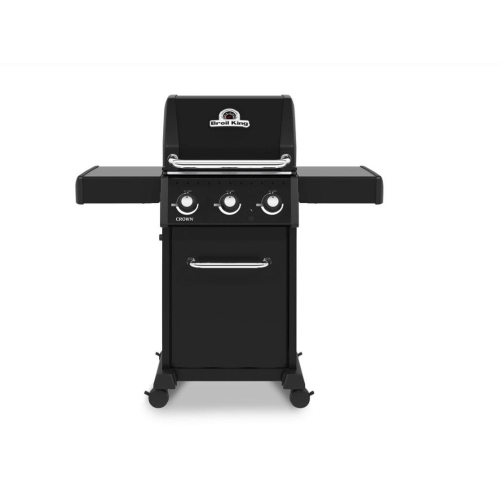








What matters beneath a barbecue’s black finish
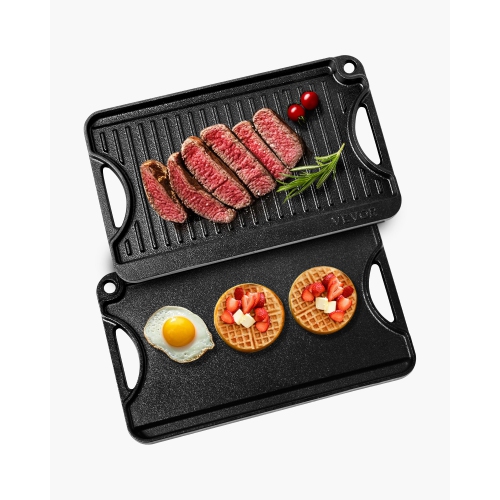
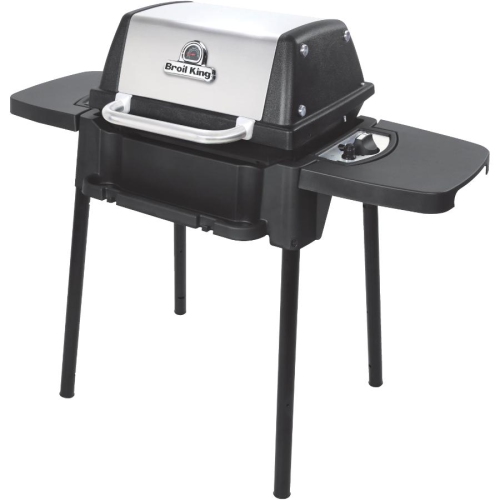
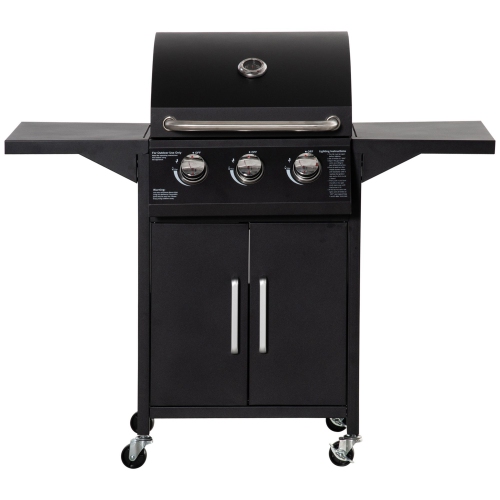
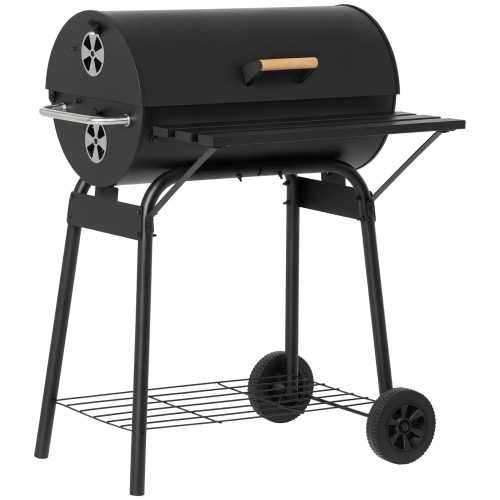
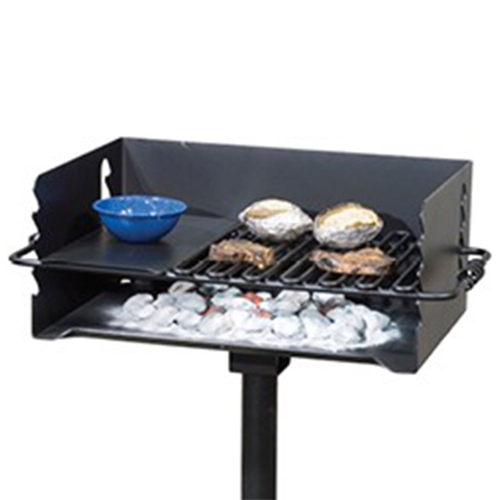
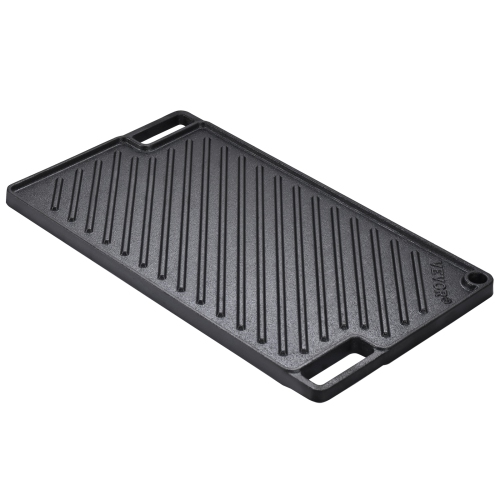
In outdoor cooking, a black iron barbecue generally describes a dark-finished grill with iron cooking components or a substantial metal body, rather than a single standardized type of appliance. The phrase brings to mind sturdy grates, a deep black finish, and food cooked over a direct flame or glowing charcoal, but appearance alone does not identify the construction or fuel source. A black barbecue may have a painted steel body, porcelain-enamelled surfaces, cast iron cooking grates, or a combination of materials. Those distinctions matter more to everyday cooking than colour alone. Cast iron holds heat well once properly preheated, helping maintain steady contact with food when a steak, burger, or thick slice of aubergine meets the grate. Steel bodies offer different balances of weight and strength depending on their thickness and construction, while porcelain enamel provides a smooth protective surface that needs care to avoid chips. For shoppers drawn primarily to the dark finish, Black Barbecue Grills offers a related category to explore alongside material and cooking preferences. Black works naturally with stainless steel utensils, wood serving boards, and simple outdoor dining furniture, making it a versatile choice for a dedicated cooking area. Glossy enamel, textured coatings, and matte finishes each have a different look and feel, and each may require different cleaning methods. The most useful comparison is therefore not simply between black surfaces, but between the parts beneath them: the firebox, lid, grates, supports, and hardware that carry the weight and heat of regular cooking. A substantial lid should feel stable on its hinges, and cooking grates should sit securely without rocking during use. Taken together, these details help distinguish a barbecue chosen mainly for its appearance from one suited to repeated family meals, relaxed entertaining, and the particular foods its owner enjoys preparing.
The right fit depends on both the space around the barbecue and the space across its cooking surface. Overall dimensions determine whether the appliance fits comfortably in its intended location, but usable grate area determines how easily a meal comes together. A compact cooking surface can suit a couple preparing a few portions, while a larger surface gives a household room to cook protein and vegetables without crowding everything into the same patch of heat. For someone serving burgers alongside corn and peppers, separate cooking zones can be more useful than extra width alone. Direct heat provides browning, while an indirect area allows thicker food to continue cooking away from the strongest heat. Whether that arrangement is possible depends on burner layout or the room available to position charcoal, not simply on the presence of a lid. Gas barbecues offer adjustable burner controls and straightforward heat changes; charcoal models involve managing the fuel bed and airflow as part of the cooking process. Neither fuel type is implied by a black finish or cast iron grates. A warming rack, where included, can hold buns or move food farther from direct heat, though it should not be confused with the main cooking area when comparing dimensions. Side shelves provide a landing place for a tray, but their load limits and distance from hot surfaces still matter. Handles, wheels, and locking castors affect how manageable a heavy barbecue feels when it needs repositioning before use. Space planning should also account for an opening lid, accessible controls, fuel connections, and the clearances specified by the manufacturer. Fuel-burning barbecues belong outdoors and must never be used in a garage or another enclosed space. Apartment and condominium residents also need to confirm building rules and local requirements before choosing a fuel type. These practical considerations make a difference for first-time owners, experienced home cooks, and anyone replacing a barbecue that no longer matches how much they cook.
Care and durability are especially important when iron is part of the cooking surface. Bare cast iron and porcelain-coated cast iron should not automatically receive the same treatment. Bare cast iron generally needs thorough drying and a light application of suitable cooking oil according to the manufacturer’s directions to help maintain its seasoning and limit rust. Porcelain-coated grates rely on their coating for protection, so abrasive scraping, impacts, and unsuitable cleaning tools can damage the surface. Cast iron also needs time to heat evenly; its ability to retain heat does not mean food should go onto a cold grate or that every meal needs the highest setting. Proper preheating, a clean cooking surface, and a thin layer of oil on food where appropriate can help reduce sticking. A fish fillet, for example, benefits from careful handling and a suitable spatula, while a thick chop may need browning followed by gentler cooking away from direct heat. A food thermometer checks doneness more reliably than grill marks or surface colour. After cooking, grease management deserves as much attention as the grates: trays and collection areas need regular checks to prevent excessive buildup. Charcoal ash should be handled only once fully extinguished and cold, following the appliance instructions and local disposal requirements. Exterior care should match the finish, with suitable cleaners rather than aggressive abrasives that can scratch or strip protective layers. Storage should keep the barbecue clean and dry, and any fitted cover should match its dimensions and be used only after the appliance has cooled completely. Over time, access to compatible replacement grates, burners, or other serviceable parts can matter as much as the original construction. A black iron barbecue can make a thoughtful gift for a keen outdoor cook or a household setting up a dedicated grilling space, provided its size, fuel requirements, and upkeep suit the recipient. The strongest match is a barbecue that feels manageable to use and maintain, whether the usual meal is a tray of grilled vegetables, a few carefully seared steaks, or enough food for a table of friends.
Top selling and popular products
-
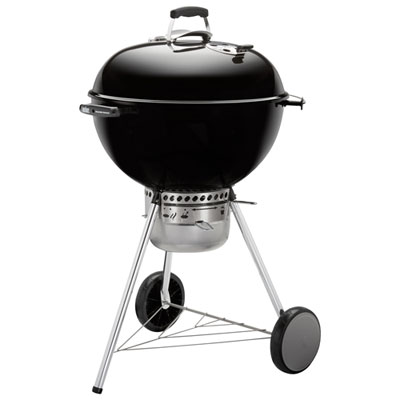 Your price for this item is $359.99
-
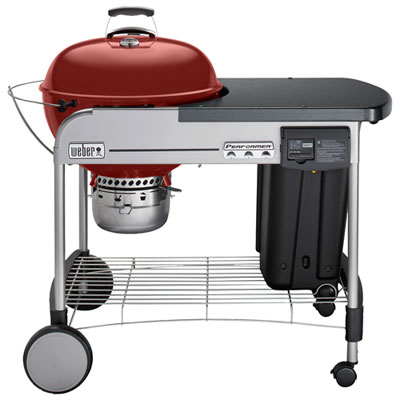 Your price for this item is $709.99
-
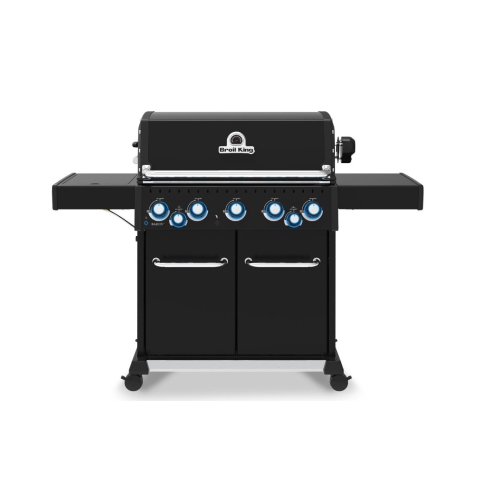 Your price for this item is $2374.99
-
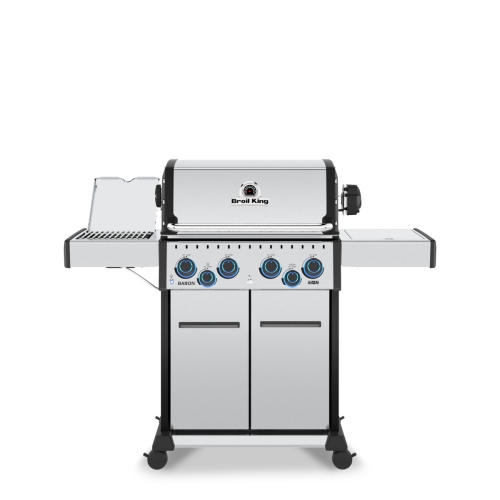 Your price for this item is $1559
-
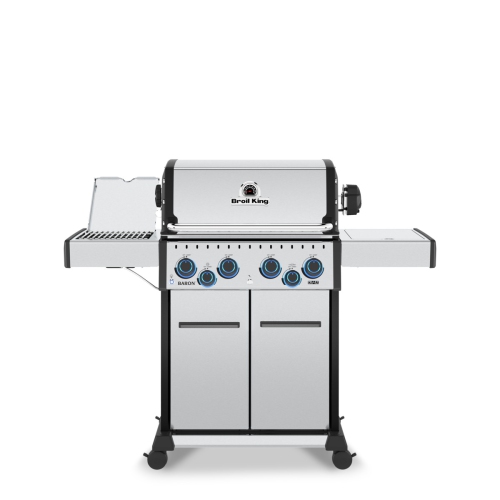 Your price for this item is $1499
-
 Your price for this item is $1359
-
 Your price for this item is $1299
-
 Your price for this item is $1099
Discover more categories related to Black Iron Barbecue
Top Collections:
Pokemon Centers, Best Cameras for Sports Photography, Kindle Devices, Samsung Galaxy Phones, Canon G7X Cameras, Pokémon 30th Celebration Cards, Refurbished Apple Laptops, iPhone 15 Apple, Laptops for Students, Budget Smartphones
Some products may be subject to Environmental Handling Fees
(EHF) depending on your province.
Learn more about EHFs.