Black Wood Coffee Tables
Coffee tables are one of the most important pieces of furniture in your living room. It's where you set down your drink and snacks, and it's where you can all gather to watch TV or play video games. That's why it's so important to get one that not only fits your style but also complements your living room decor. Here are some of the best black wood coffee tables available today.
Sort

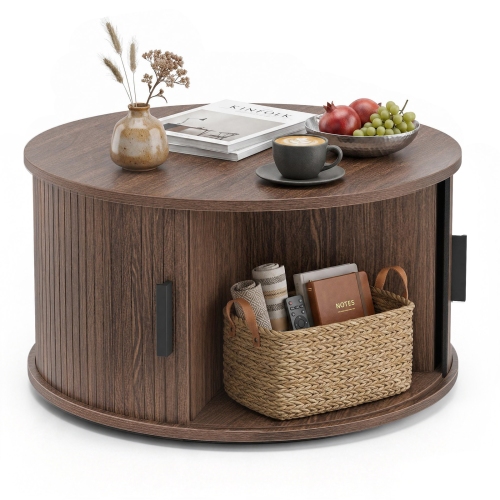
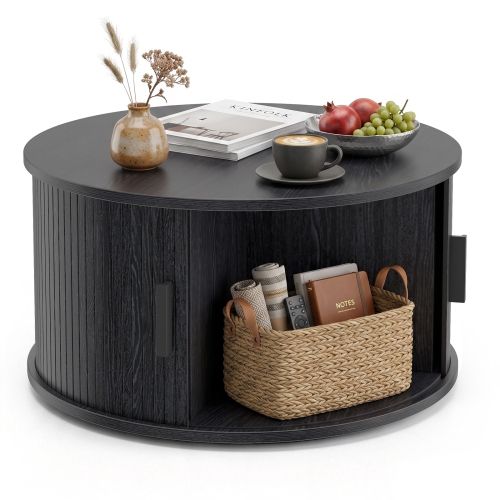
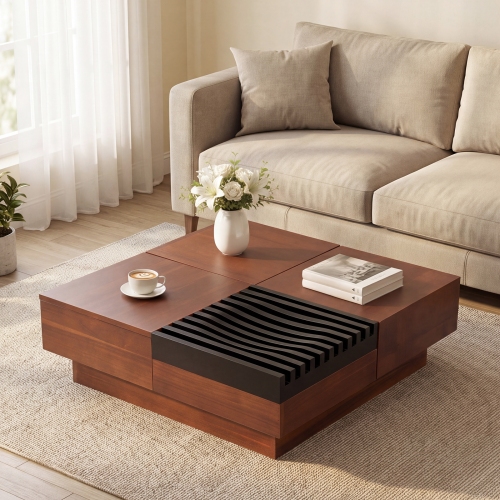


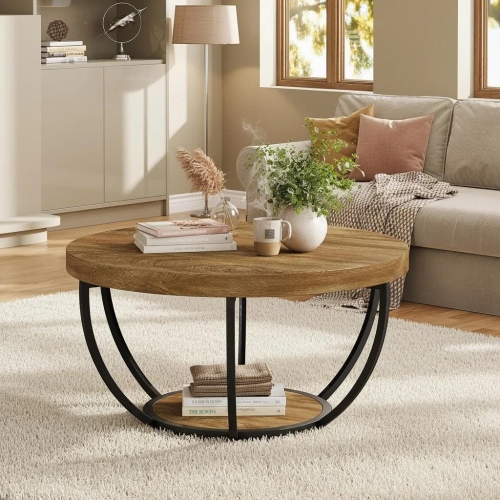


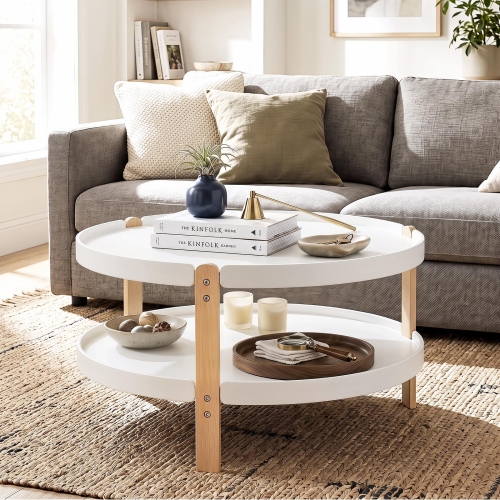

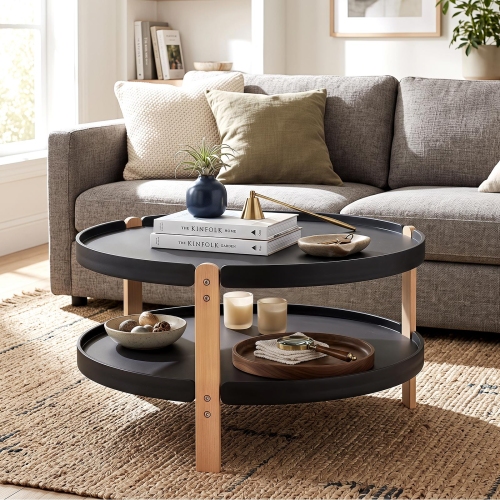

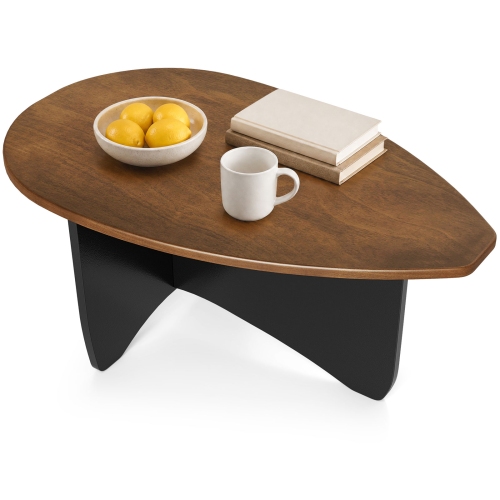


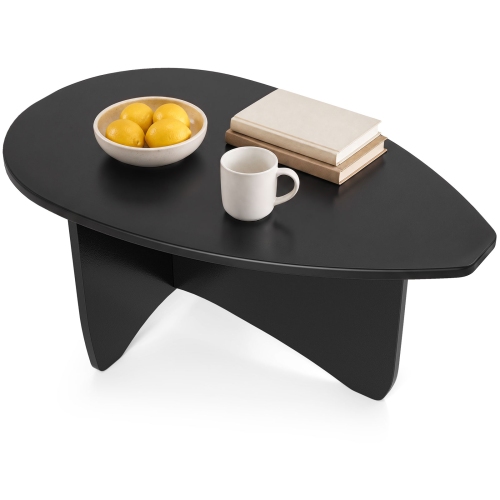
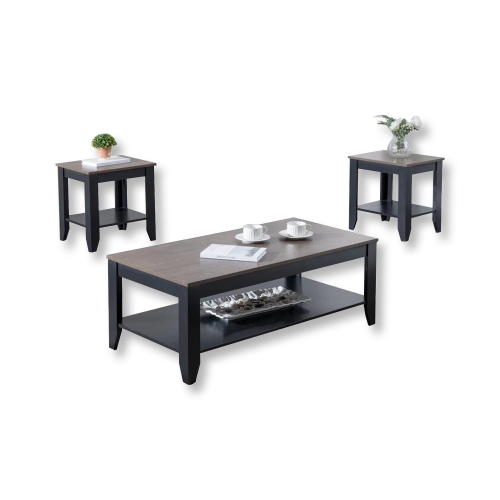


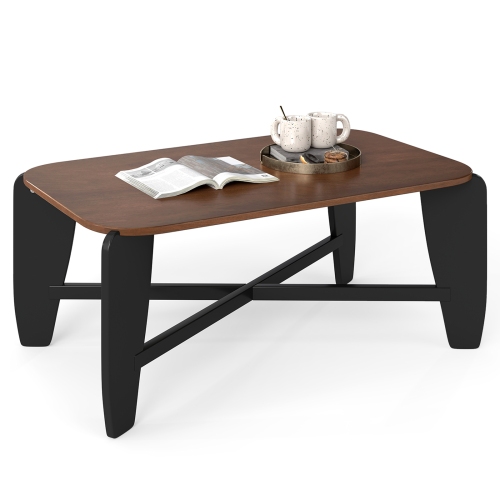
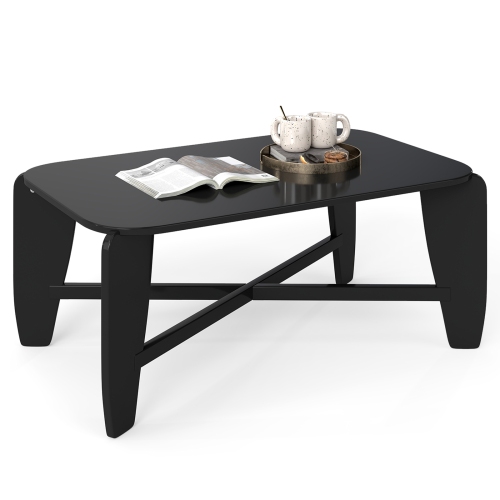


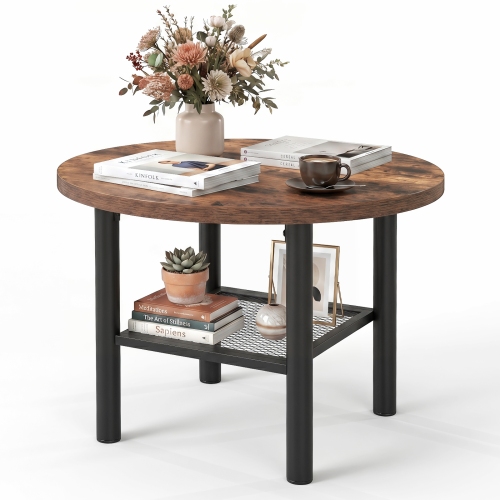
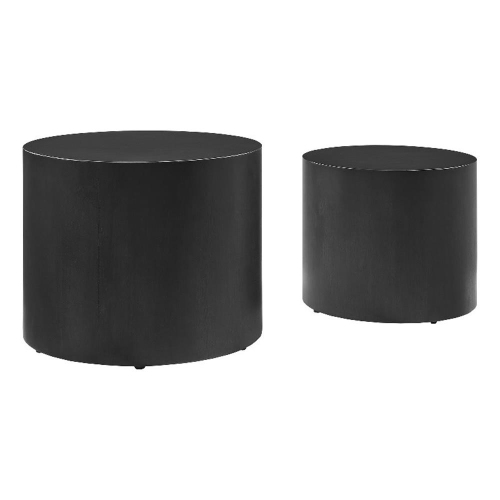
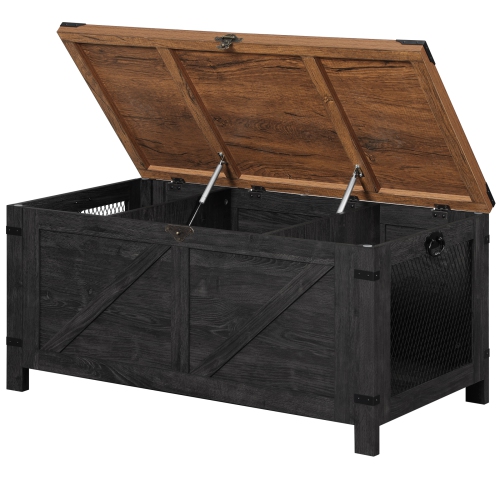
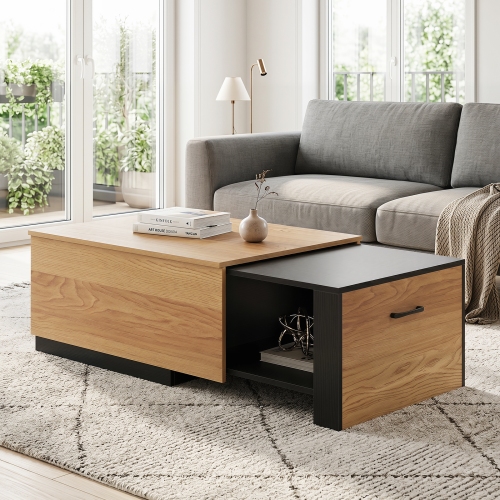
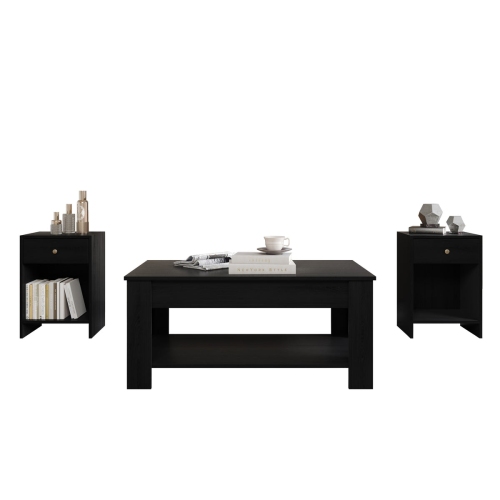
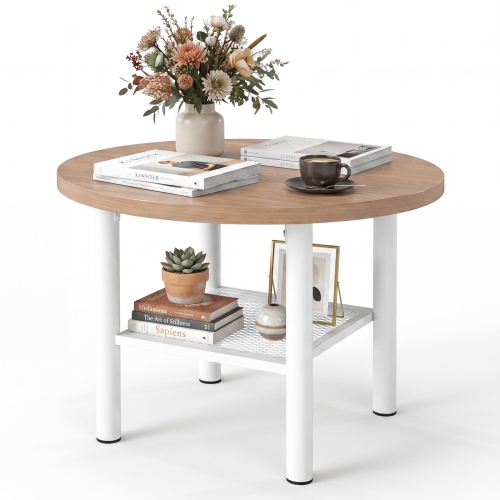


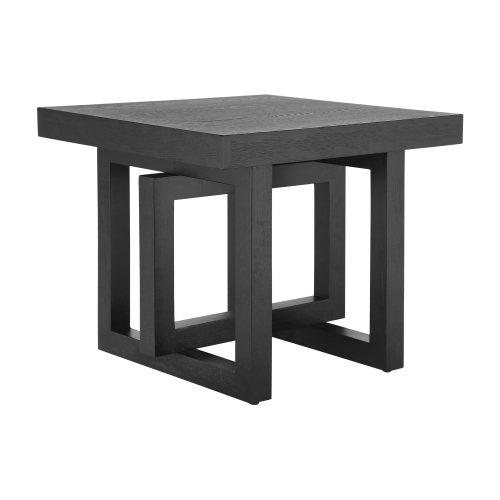


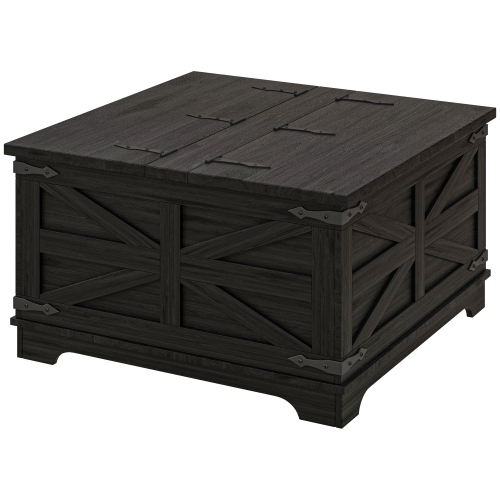


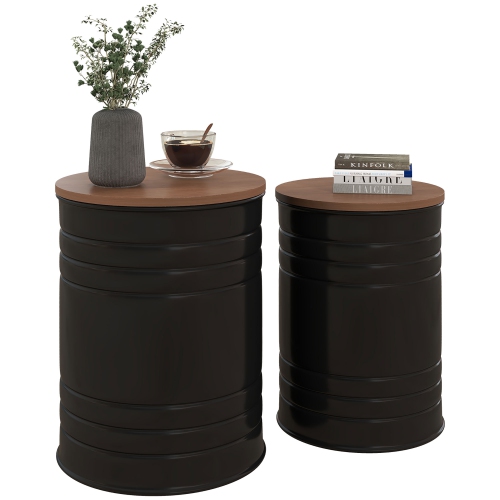

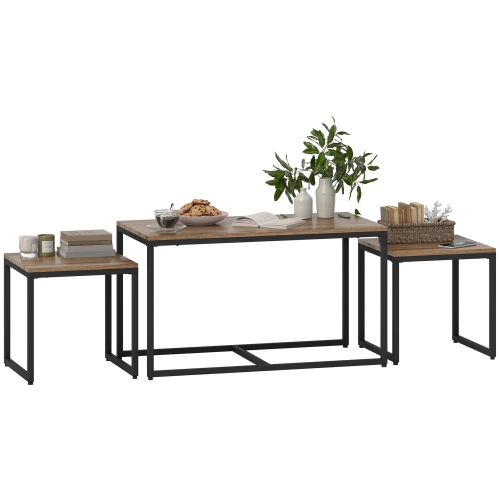

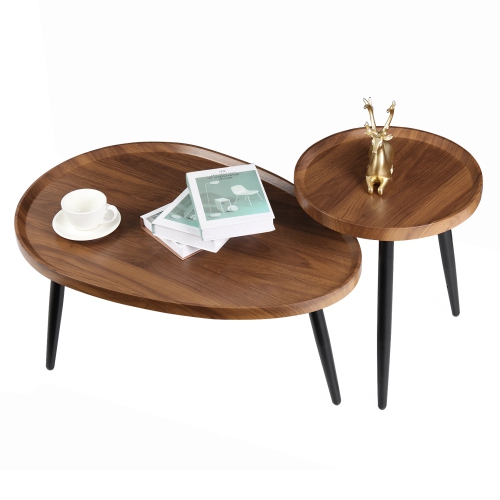


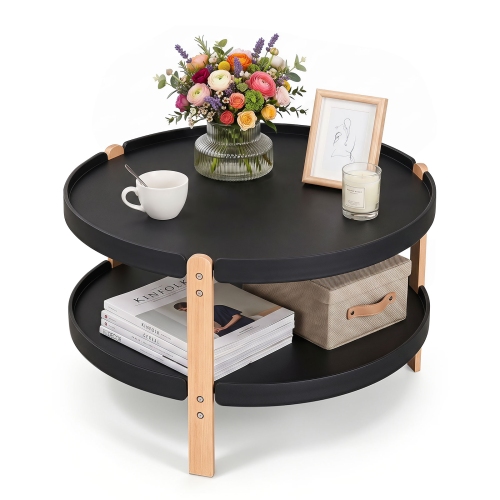

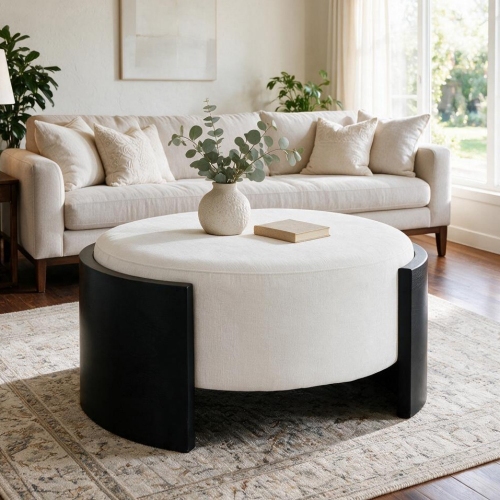
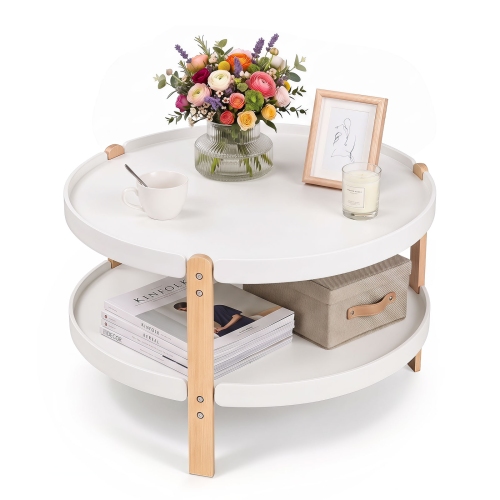

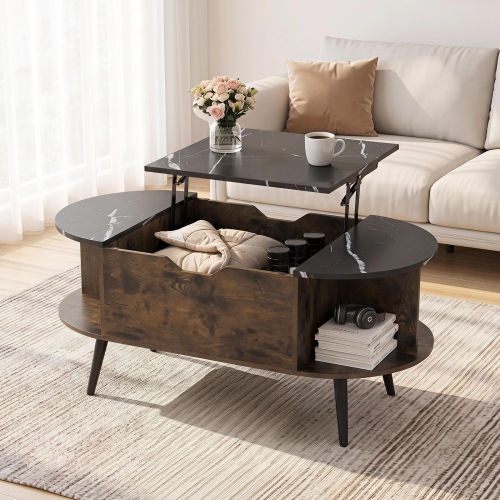


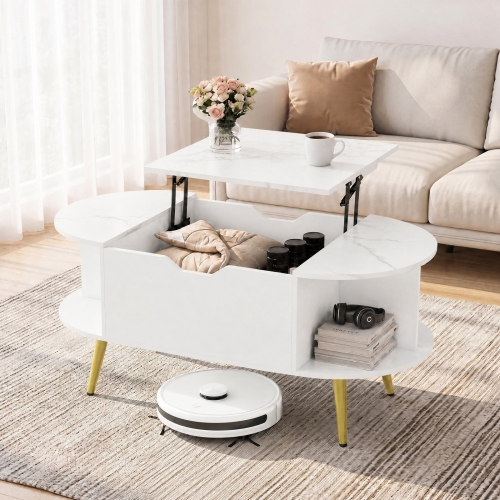

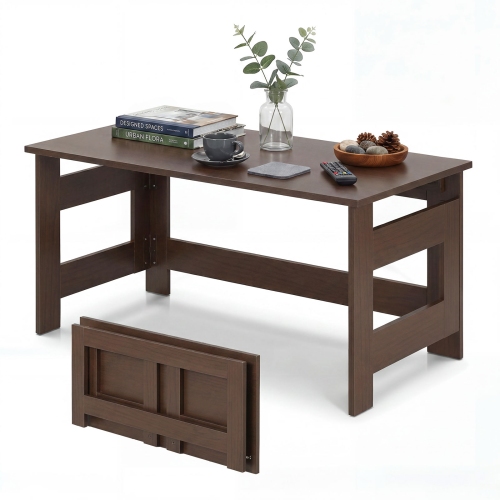
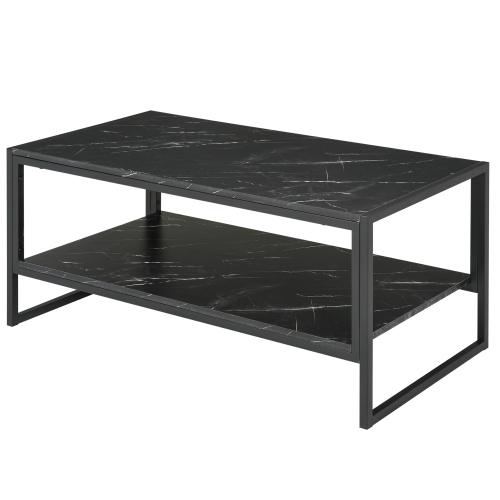


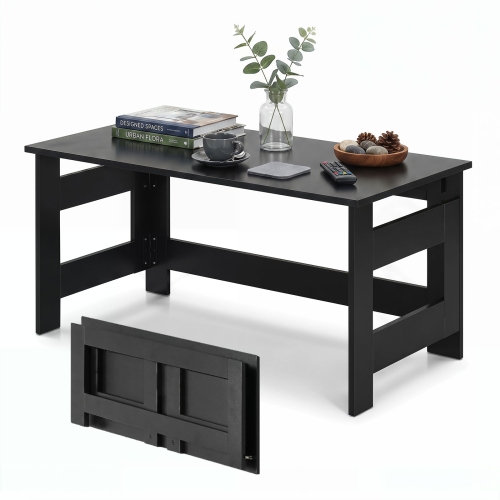


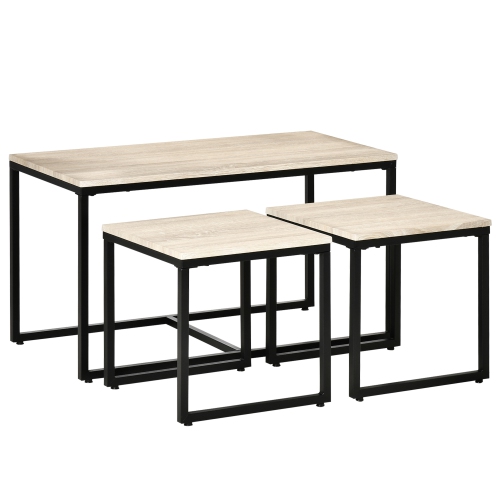
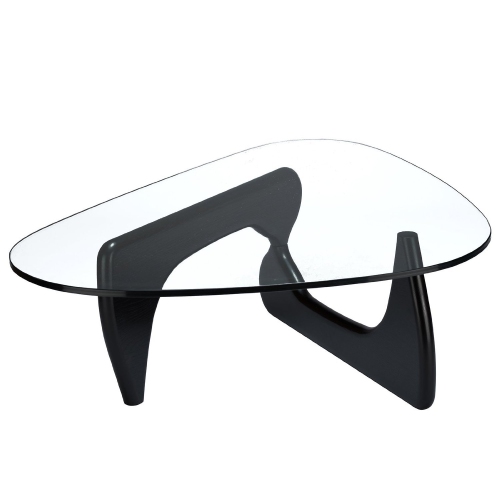


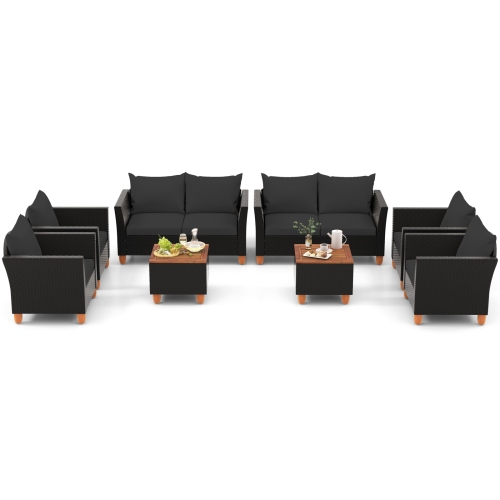

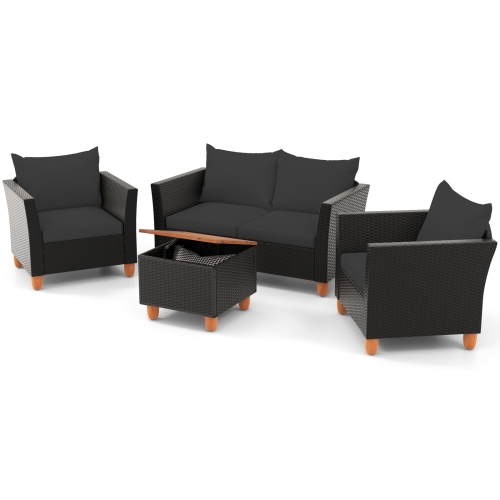


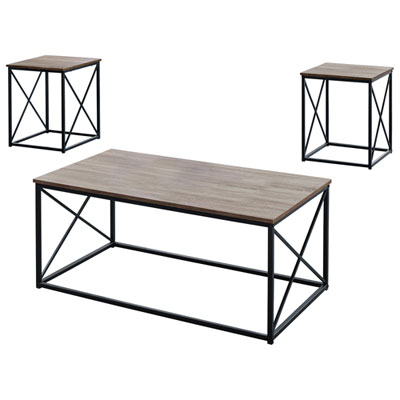


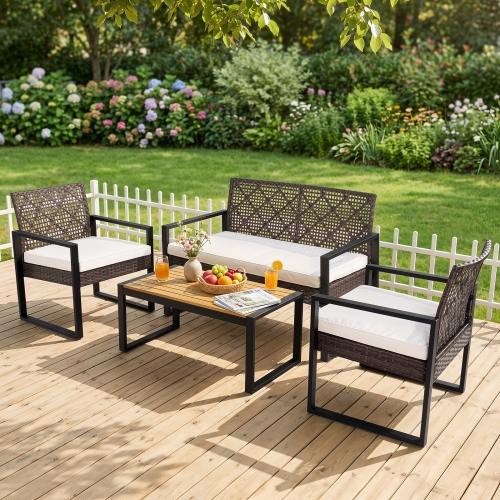
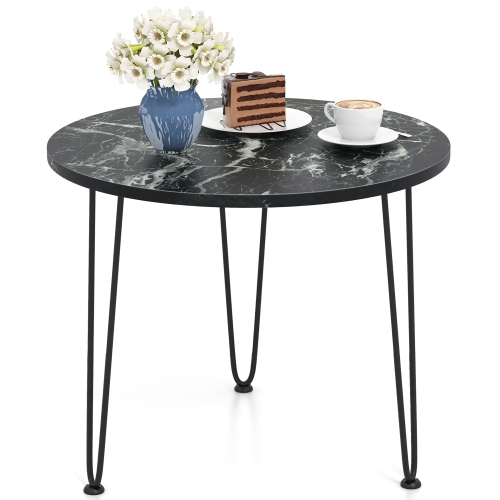
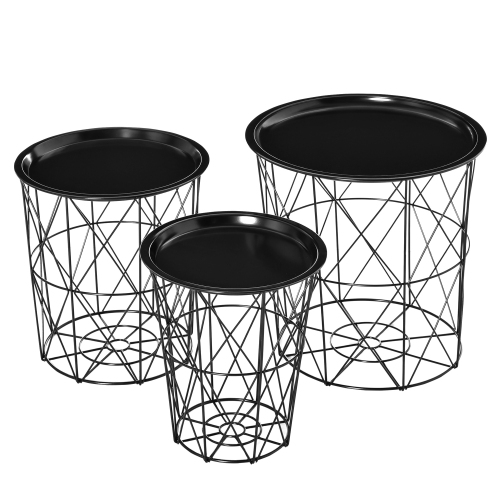

How dark finishes and table shapes anchor a room
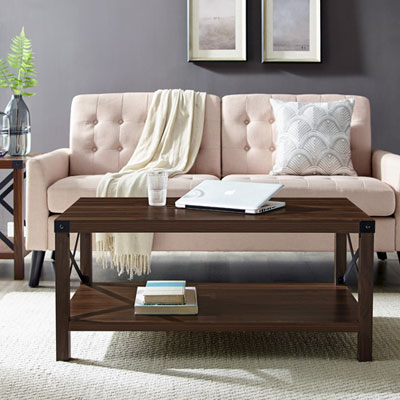
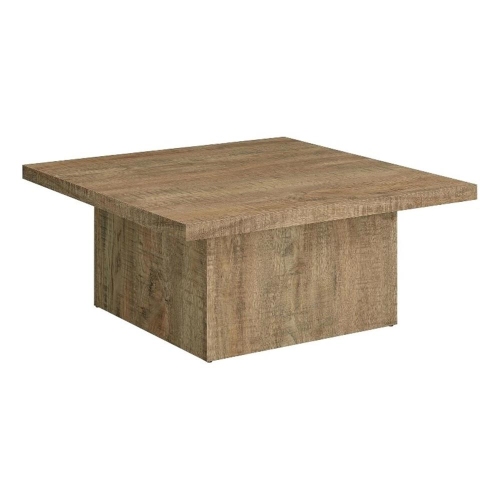
Black wood coffee tables bring a defined focal point to a living room, pairing the familiar texture of wood with a dark finish that works across many furniture styles. Against a cream sofa or a pale rug, a black table creates a clear contrast; beside charcoal upholstery, it contributes to a more layered, tonal look. The effect depends as much on the silhouette as the colour. Slender legs and an open base leave more of the floor visible, while a broad plinth or substantial pedestal gives the seating area a grounded presence. A matte finish tends to look understated, whereas a satin or glossy surface catches more light and makes the tabletop stand out. Some black finishes allow the grain to remain visible, adding subtle variation rather than a completely uniform surface. Shape also affects how naturally a table fits into everyday routines. Rectangular designs often sit comfortably alongside a long sofa, while round or oval tops can ease movement through a compact seating area. For a sectional or a balanced arrangement of facing seats, Black Wood Square Coffee Tables offer a broad central surface with useful reach from several sides. Whatever the shape, the table should feel connected to the seating rather than stranded in the middle of the room. A height close to the sofa’s seat cushions generally makes it easier to set down a mug or reach a remote. Roughly 14 to 18 inches between the table and the sofa can provide comfortable legroom, although reclining footrests and main walkways may need more clearance. In a smaller room, checking the tabletop’s footprint against the rug and surrounding furniture helps reveal whether there is enough space to move without turning sideways. Rounded corners can also make a busy route around the sofa feel less restrictive, particularly where several rooms connect through the same sitting area.
The term black wood coffee table can cover several kinds of construction, and those differences influence weight, surface character, and care. Solid wood brings natural grain variation and may develop small signs of wear with use; whether it can be refinished depends on the finish, construction, and extent of any damage. Wood veneer places a thin layer of real wood over a supporting core, giving the surface genuine grain without requiring every component to be solid timber. Veneer needs careful treatment because aggressive sanding can cut through that thin outer layer. Engineered wood, including medium-density fibreboard and particleboard, is also used in coffee table construction, often beneath paint, laminate, or another surface finish. Its performance depends on the density of the core, the quality of the coating, and how well the edges and joints are protected. A wood-look laminate is different from a real wood veneer, so material descriptions matter when the feel and appearance of natural grain are priorities. Black stain, opaque paint, and textured finishes each create a distinct result: stain may reveal the timber beneath, paint can deliver a more consistent colour, and a textured surface adds visual depth. Durability is not determined by the tabletop material alone. Secure joints, well-attached legs, a stable base, and properly fitted hardware all contribute to a table that feels steady during ordinary use. Wider spans need appropriate support, especially when the design includes a shelf or a lift-top mechanism. Stated weight limits apply to the relevant surfaces and compartments, and a coffee table should not be treated as extra seating unless it is expressly designed for that purpose. For homes with children or pets, a steady base and softened edges are practical considerations, though no shape or material removes the need for supervision. The underside deserves attention too: smooth contact points and suitable floor protectors can help prevent marks on hardwood, while a firmly positioned rug can help define the table’s place within the room.
Storage and surface layout make a noticeable difference once a coffee table becomes part of daily life. An open shelf keeps books, game controllers, or a small basket within reach, while drawers and enclosed compartments can put charging cables and miscellaneous accessories out of sight. That distinction is useful in a living room that also serves as a reading spot, play area, or place to unwind after work. Open storage is easy to access, but its contents remain part of the room’s appearance; concealed storage creates a quieter look and requires enough clearance for doors or drawers to open. Lift-top designs can bring a surface closer for occasional laptop use or a casual meal, provided the mechanism is used as directed and the raised position suits the seating height. They are not a substitute for a properly arranged desk for extended work. Nesting designs offer another approach, allowing separate surfaces to be brought closer to different seats and tucked together when less tabletop space is needed. For everyday styling, a tray can group coasters and remotes without filling the entire top, leaving room for a drink or an open book. Care is usually straightforward, but the finish should determine the routine. A soft cloth removes loose dust, and a lightly dampened cloth may be suitable for wiping marks when permitted by the manufacturer; the surface should then be dried promptly. Spills deserve quick attention, particularly around seams and exposed edges where moisture may reach the core. Coasters, heat-resistant mats, and felt pads beneath decorative objects help protect against rings, heat marks, and scratches. Abrasive cleaners and strong solvents can damage coatings, and furniture polish is not suitable for every finish. Black surfaces may make pale dust or fingerprints more noticeable, depending on their sheen and texture. With a size that suits the seating, construction matched to household use, and a finish that fits the room, a black wood coffee table can serve as both a practical everyday surface and a strong visual anchor.
Top selling and popular products
-
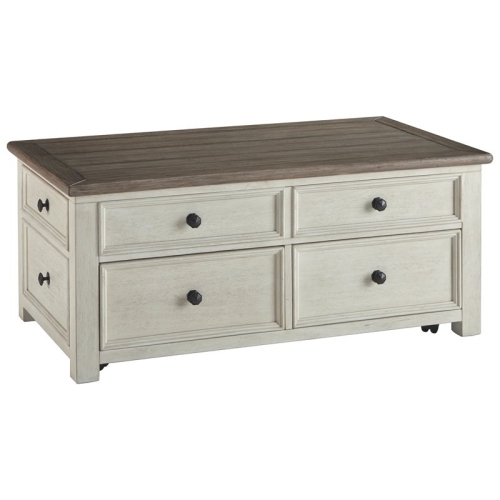 Your price for this item is $949
-
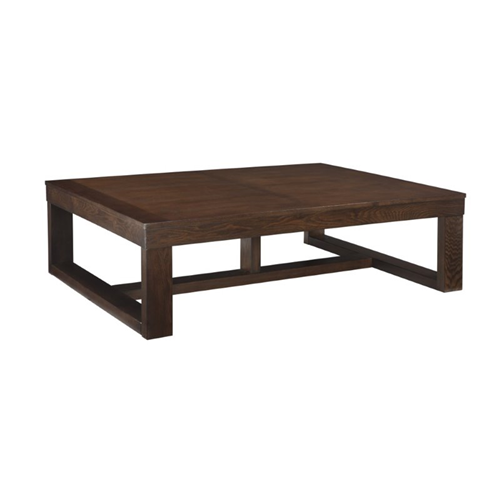 Your price for this item is $449
-
 Your price for this item is $649
-
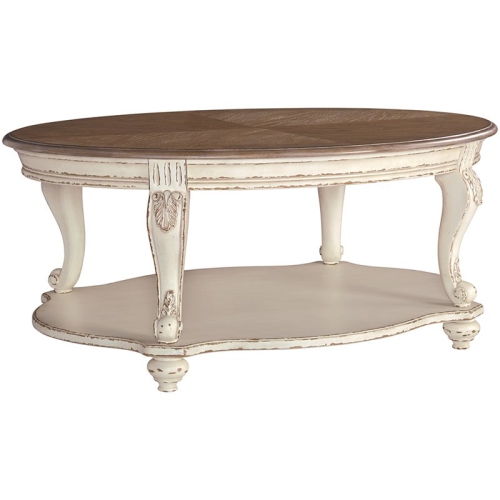 Your price for this item is $599
-
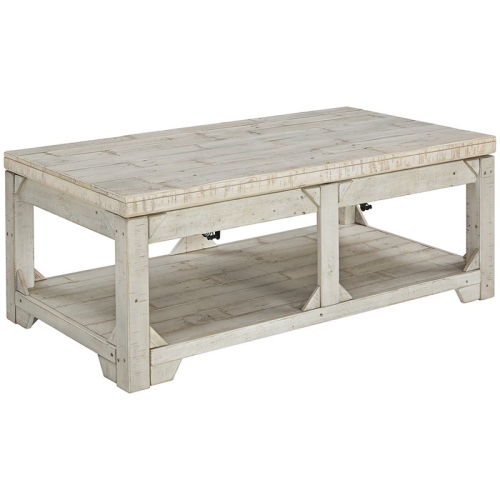 Your price for this item is $549
-
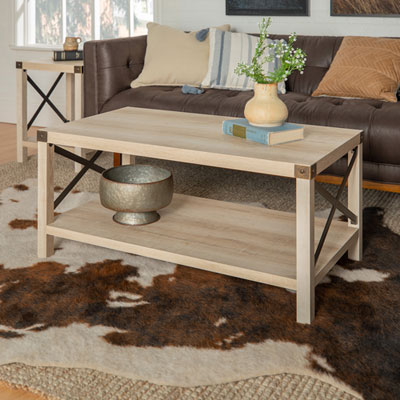 Your price for this item is $311.99
-
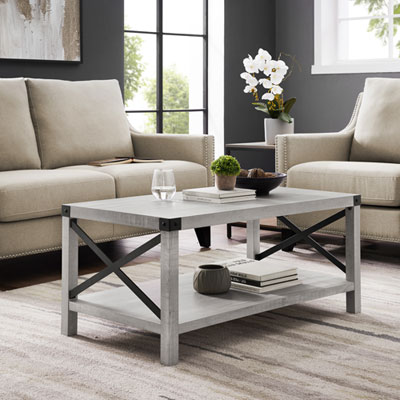 Your price for this item is $249.99
-
 Your price for this item is $311.99
Discover more categories related to Black Wood Coffee Tables

Top Collections:
Pokemon Centers, Kindle Devices, Best Cameras for Sports Photography, Pokémon 30th Celebration Cards, Apple iPhones 16, Canon G7X Cameras, iPhone 15 Apple, Flip Phones, Samsung Galaxy Phones, Alarm Clock
Some products may be subject to Environmental Handling Fees
(EHF) depending on your province.
Learn more about EHFs.