Black Wood Square Coffee Tables
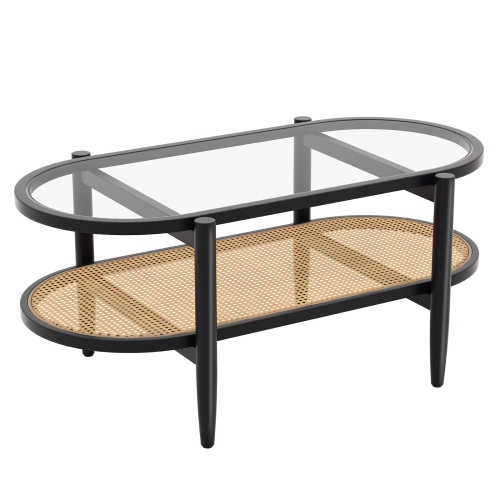
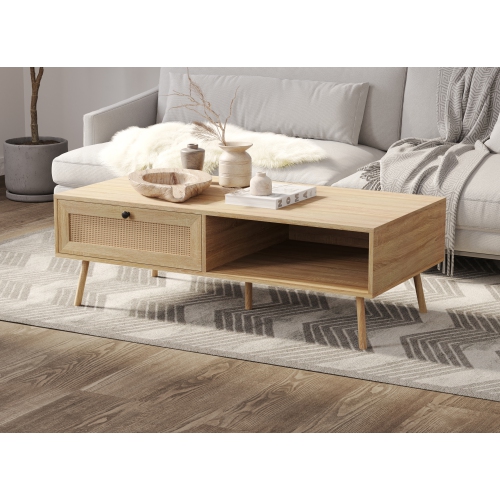
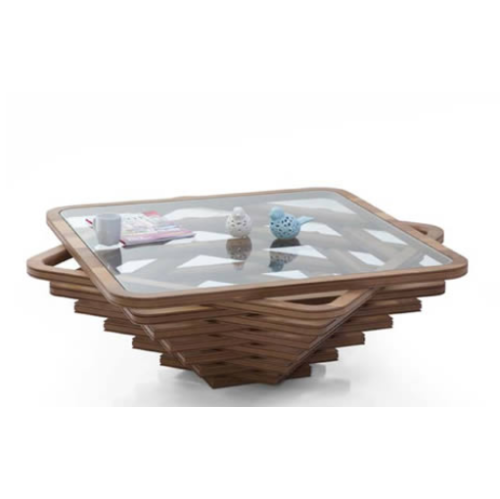
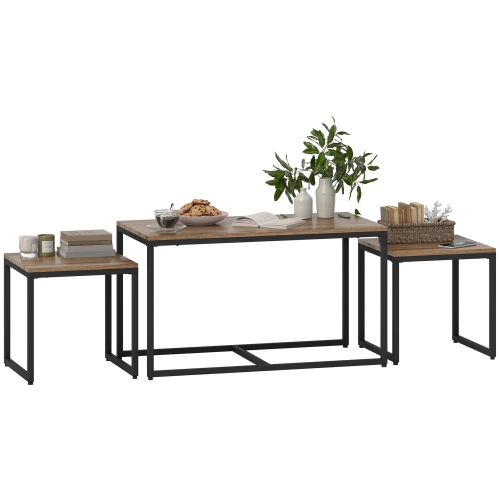
Enhance the aesthetic appeal of your living space with sleek and stylish black wooden square coffee tables. Whether you're enjoying a cup of coffee, hosting a gathering, or simply displaying your favorite books and magazines, these coffee tables are sure to become the centerpiece of your living room. Here are some great options for you.
Sort












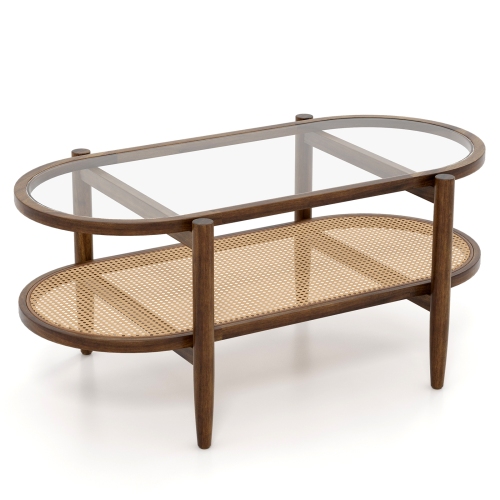
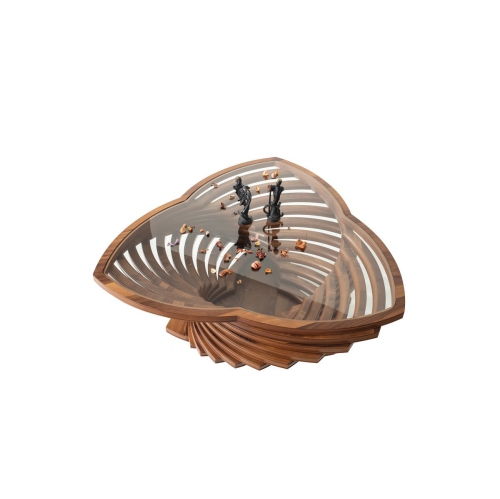


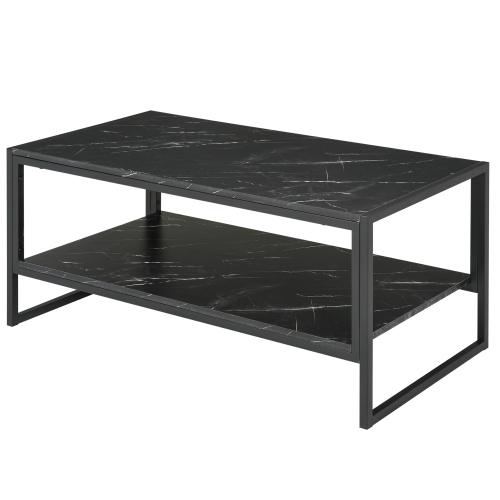
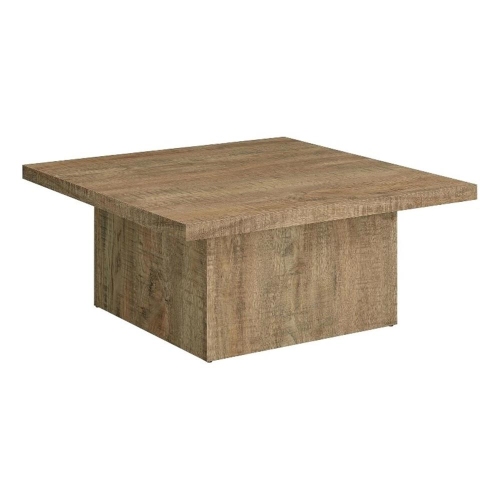



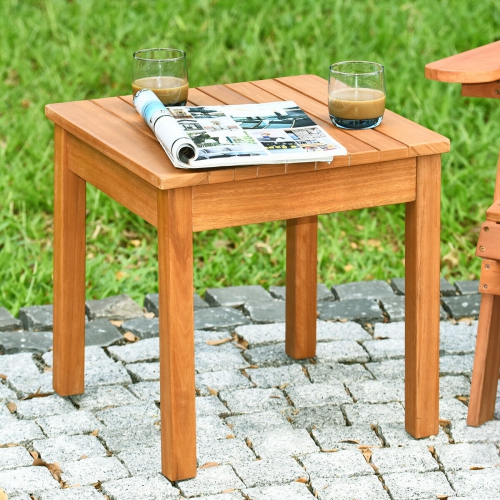

Why square tables suit conversation and shared seating
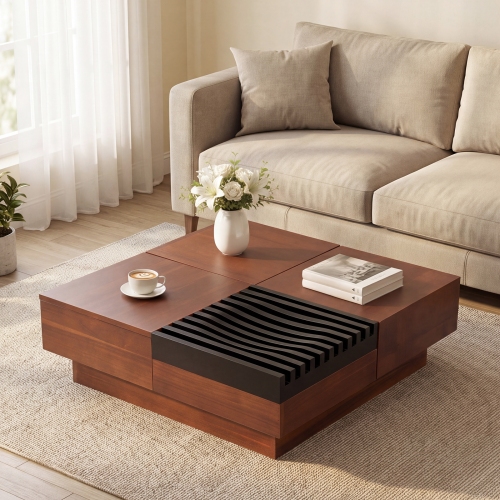
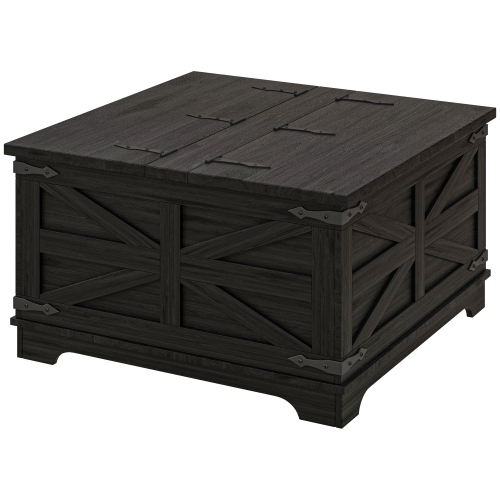
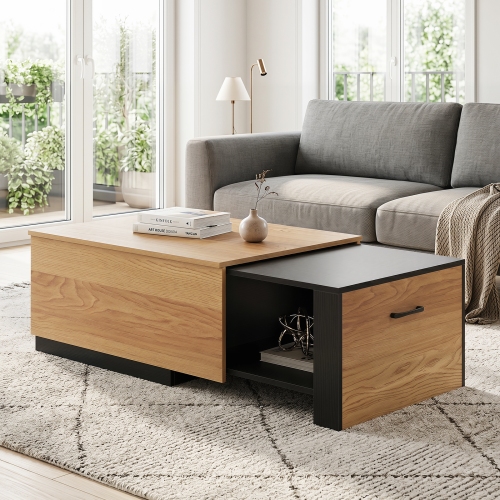
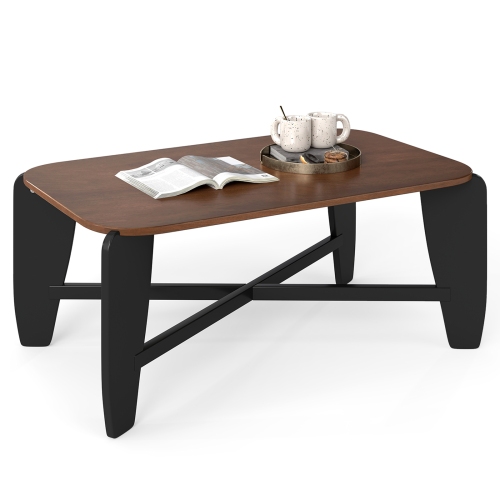
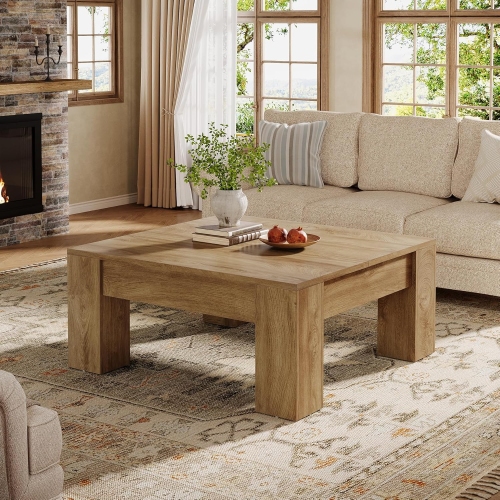
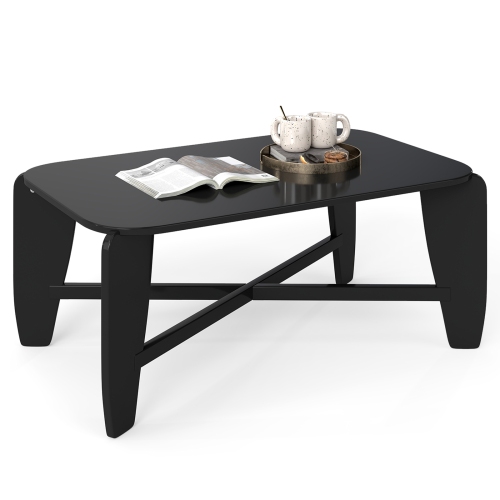
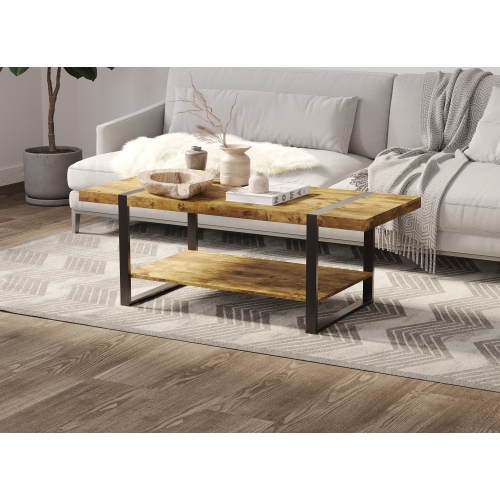
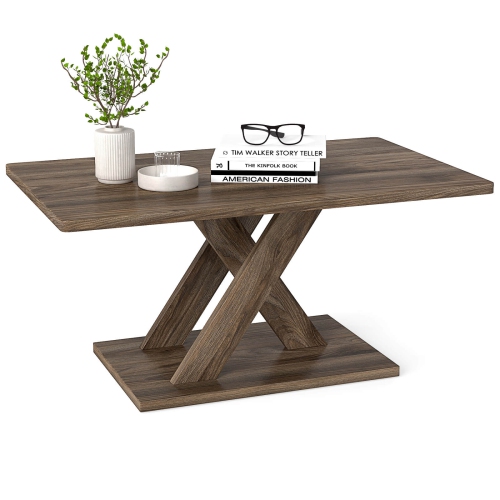
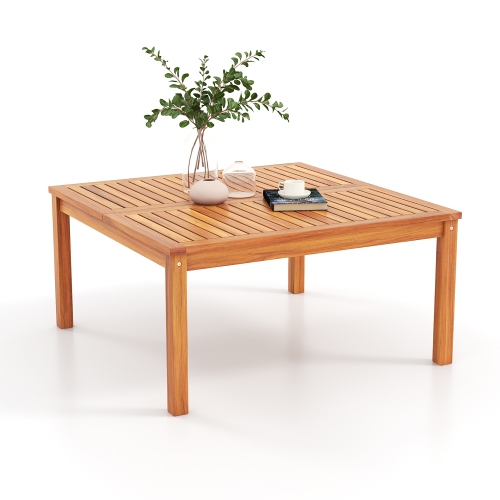
Black wood square coffee tables bring a defined centre to a living room, combining a practical surface with a shape that suits conversation and shared seating. The equal sides can work particularly well inside an L-shaped sectional, between a sofa and a pair of armchairs, or in a room where seats face one another. A black finish adds contrast beside cream upholstery, light oak flooring, or a pale rug, while also pairing naturally with charcoal fabrics and dark metal accents. The effect depends as much on the table’s proportions as its colour: a low, broad design feels substantial, whereas slender legs and an open base leave more of the floor visible. Square coffee tables also offer useful surface area in several directions, giving people seated on adjacent sides somewhere to place a mug, a book, or a small plate. For a comfortable fit, allow approximately 14 to 18 inches between the table and the sofa, then leave additional clearance wherever people need to walk through the room. That seating gap is a starting point rather than a fixed rule; reclining footrests, deep cushions, and mobility needs may call for more space. A tabletop roughly level with the sofa’s seat cushions, or slightly lower, generally keeps everyday essentials within easy reach. Measuring the usable floor area matters more than judging a table by a photograph, especially when a square top extends farther into a room than a narrow rectangular one. Painter’s tape placed on the floor can help show the footprint before deciding on dimensions. In a compact sitting area, a smaller square table can preserve access to nearby seating without losing its central role. In a larger lounge, a broader top can connect widely spaced furniture, provided it does not interrupt the route to a doorway, balcony, or media unit. The most suitable size leaves room for both a relaxed seating arrangement and the ordinary movement of daily life.
Materials and finishes give black wood square coffee tables much of their character, even when their outlines look similar. Solid wood can display visible grain, small variations, and a sense of depth beneath a stained finish. Depending on its construction and coating, it may also offer opportunities for refinishing later, although that should never be assumed from appearance alone. Wood veneer uses a thin layer of real wood over a supporting core, giving the surface natural grain while relying on the underlying structure for stability. Engineered wood, including medium-density fibreboard and particleboard, is often finished with paint, laminate, or veneer; these surfaces differ in texture, moisture resistance, and repair options. A black finish does not necessarily mean the wood itself is naturally dark, and a wood-look surface is not the same as real wood veneer. Material descriptions are therefore useful when comparing tables that appear alike in pictures. A matte black surface creates a softer visual effect, while a glossy finish reflects more light and may make fingerprints more noticeable. Brushed or textured grain adds detail without introducing another colour, making it a versatile match for woven rugs, linen-look upholstery, and leather seating. Durability also depends on details beneath the tabletop. Secure joints, a well-supported top, neatly finished edges, and a stable base all contribute to a table that feels dependable during normal use. For households with children, softened corners can reduce sharp edges, though they do not replace supervision or thoughtful placement. A coffee table should not be treated as a seat, step, or climbing surface unless it is expressly designed for that purpose. Assembly requirements deserve attention as well: some designs need legs attached, while others involve fitting panels, shelves, or drawer runners. Checking the finished dimensions, assembly directions, and any stated weight limits helps establish whether the table will suit its intended tasks, from holding a serving tray to supporting a collection of large art books.
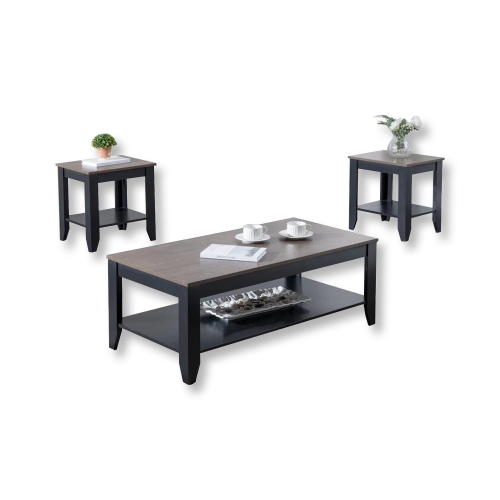
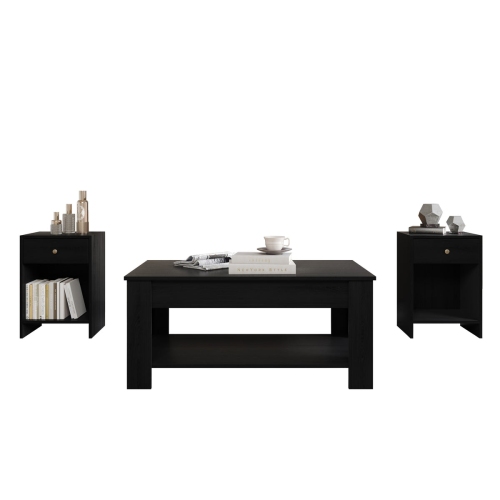
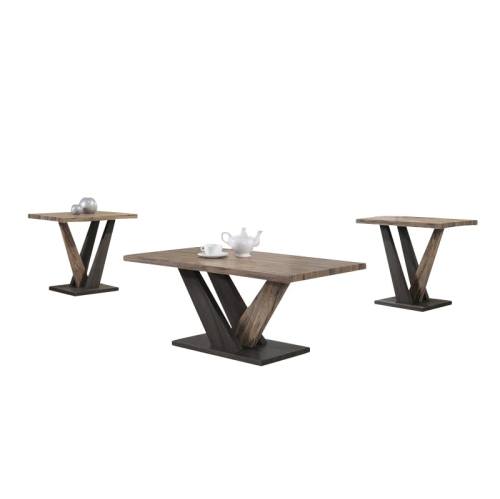
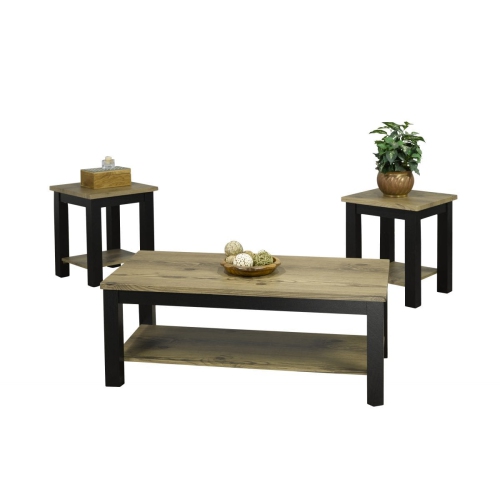
Storage and everyday care often determine how comfortably a coffee table fits into a household after the initial styling is done. An open lower shelf keeps reading material or a basket of remote controls close by, but its contents remain part of the room’s appearance. Drawers conceal smaller belongings and can help keep the main surface clear for drinks or a board game. They also need enough space to open without hitting a sofa or an ottoman. A lift-top design can bring a surface closer for occasional laptop use or a casual meal, provided the mechanism, raised height, and load rating suit the task. Tables without storage have their own advantages, including a lighter-looking profile and fewer compartments to organize. For someone setting up a first apartment or furnishing a shared living room, the best balance may be a useful shelf rather than a larger, more complex table. In a family room, hidden storage can be helpful for keeping chargers, playing cards, and other small essentials together. When coordinating several surfaces across a seating area, black wood coffee table sets offer a related direction for pairing a central table with companion pieces. Matching finishes can make a room feel cohesive, although differences in height, texture, and shape can keep the arrangement from feeling rigid. To protect a black wood tabletop, use coasters beneath drinks and follow the manufacturer’s cleaning instructions rather than assuming every dark finish can tolerate the same cleaner. Wipe up spills promptly with a soft cloth, avoid leaving damp objects on the surface, and use protective pads beneath decorative objects that could scratch it. Abrasive cleaners and rough scrubbing can alter the sheen or damage a coating. A tray can gather smaller objects into one place, but it should also have a smooth, non-scratching underside. Leaving part of the top open preserves its usefulness: there is room to put down a cup, spread out a puzzle, or share snacks without rearranging the whole display.
Top selling and popular products
-
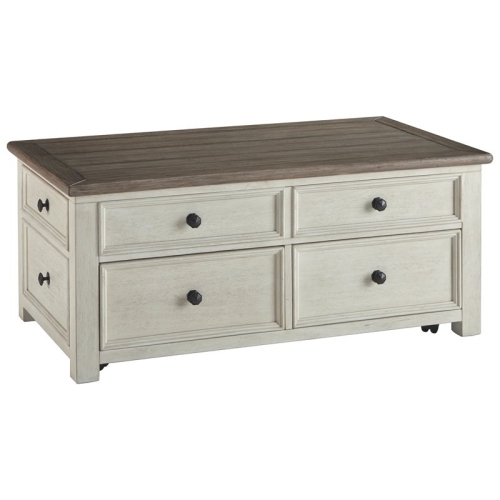 Your price for this item is $949
-
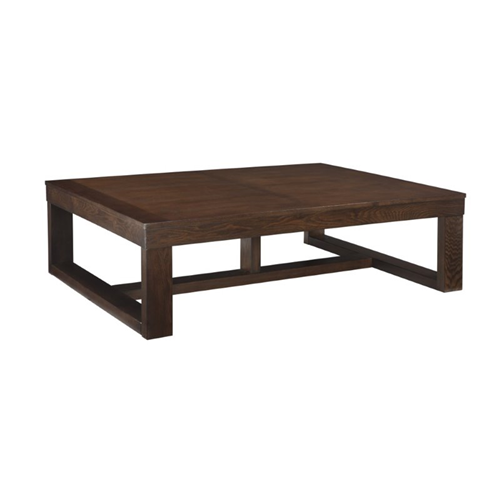 Your price for this item is $449
-
 Your price for this item is $649
-
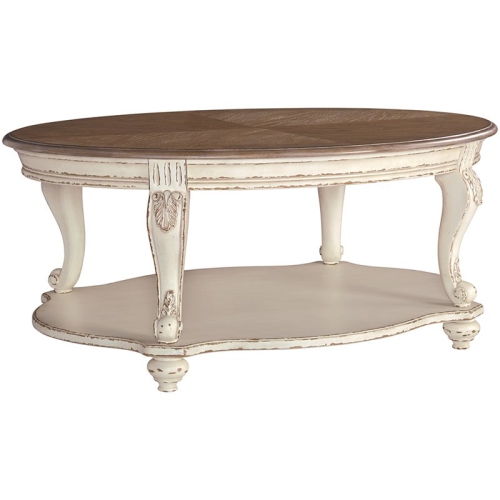 Your price for this item is $599
-
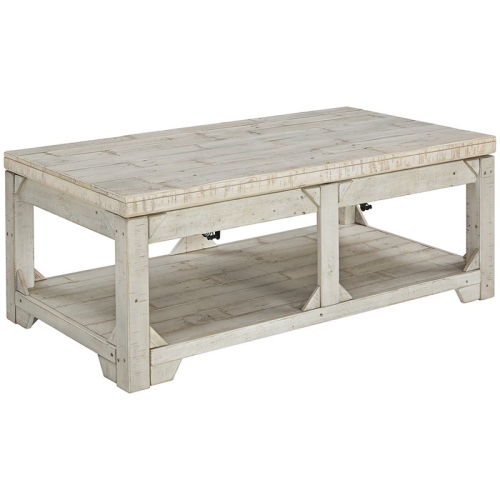 Your price for this item is $549
-
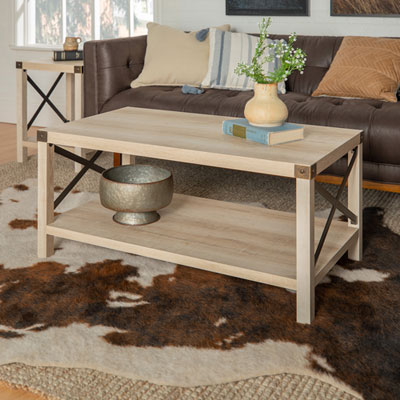 Your price for this item is $311.99
-
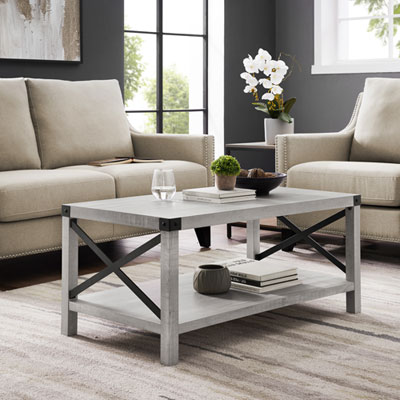 Your price for this item is $249.99
-
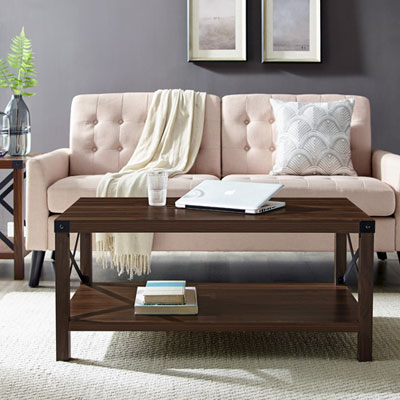 Your price for this item is $311.99
Discover more categories related to Black Wood Square Coffee Tables

Top Collections:
Pokemon Centers, Kindle Devices, Best Cameras for Sports Photography, Pokémon 30th Celebration Cards, Apple iPhones 16, Canon G7X Cameras, iPhone 15 Apple, Flip Phones, Samsung Galaxy Phones, Alarm Clock
Some products may be subject to Environmental Handling Fees
(EHF) depending on your province.
Learn more about EHFs.