Black Wood Dressers
Looking to add a touch of elegance and functionality to your bedroom? Black wood dressers are the perfect solution for those seeking both style and storage. Crafted with attention to detail and designed to complement almost any decor, these dressers offer a sleek and sophisticated look that will enhance the ambiance of your space. Here are some great options available.
Sort
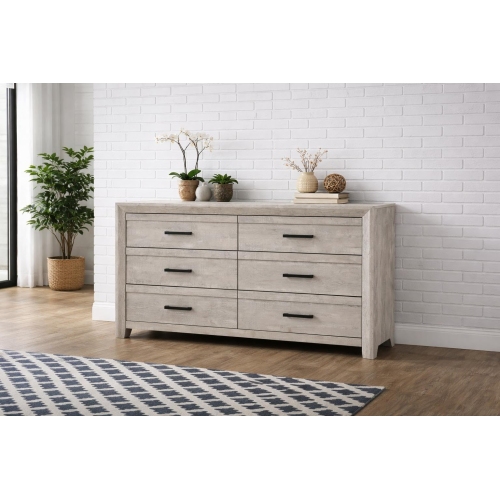
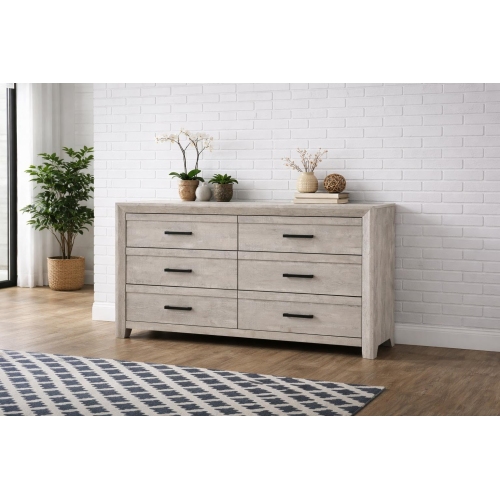

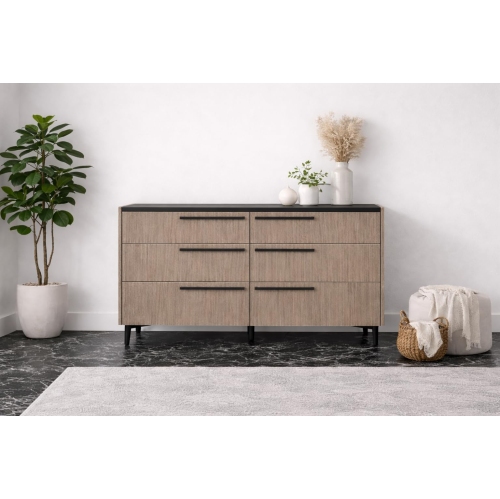
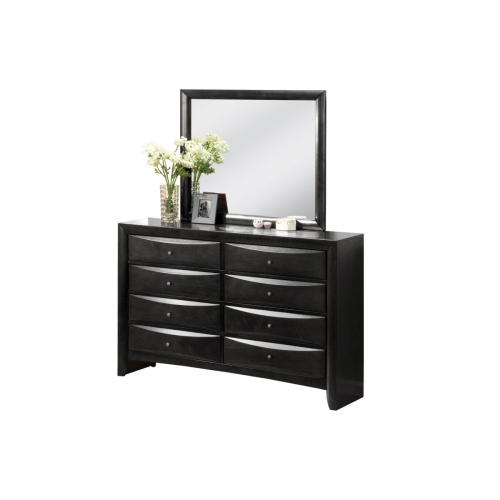

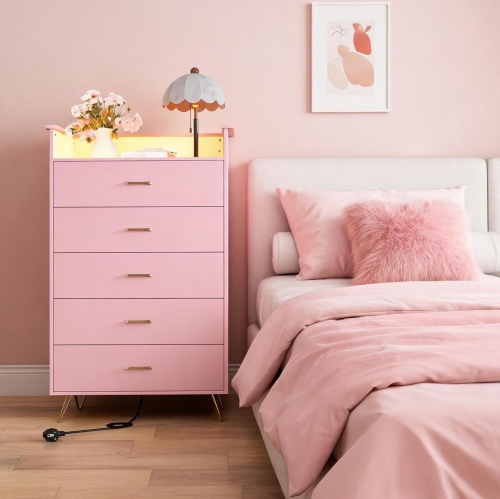
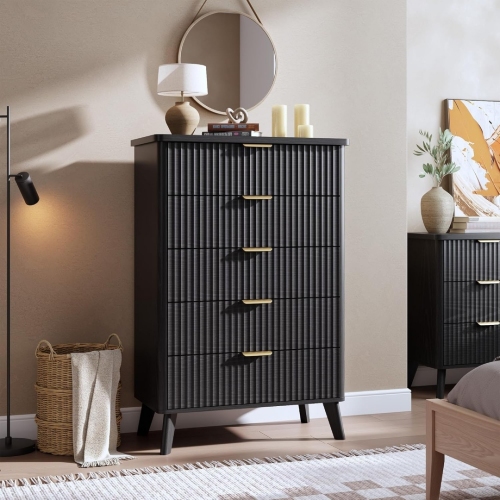
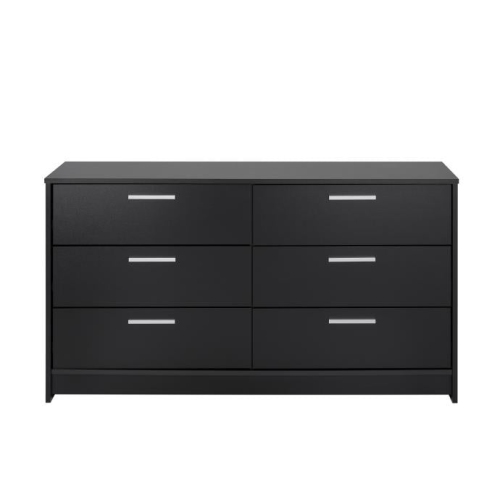
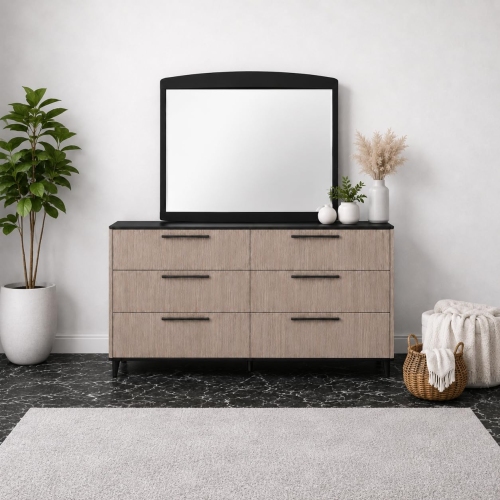
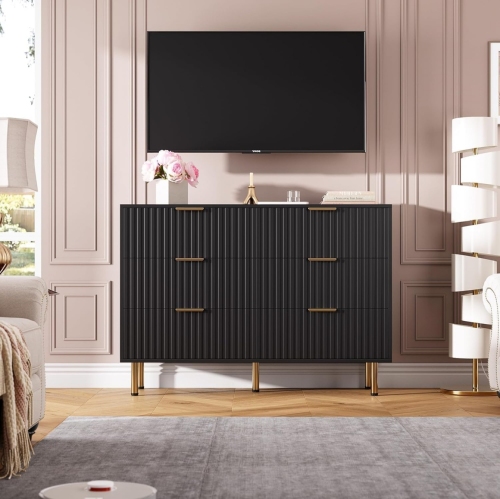
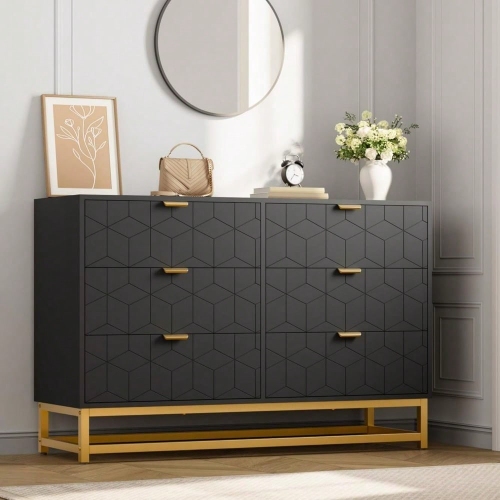
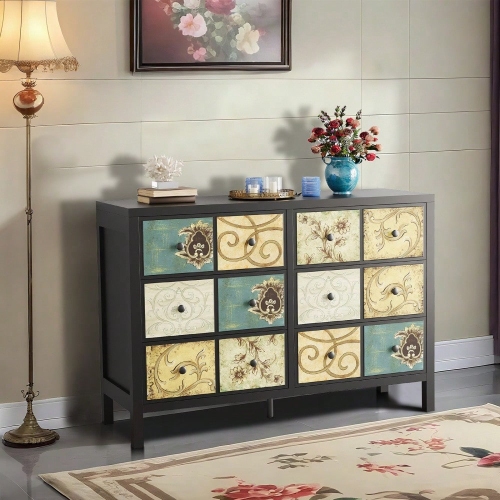


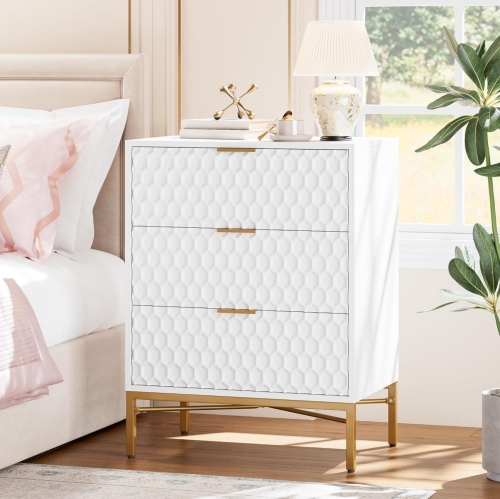
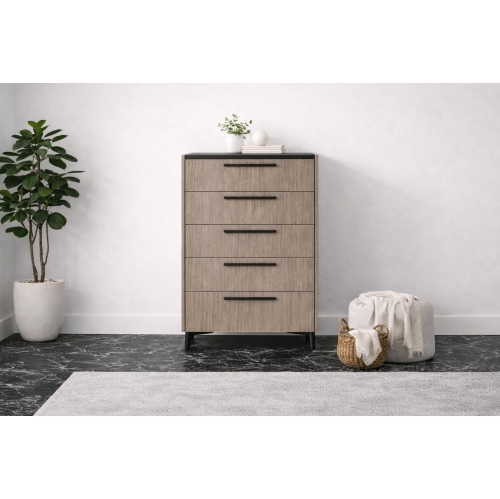
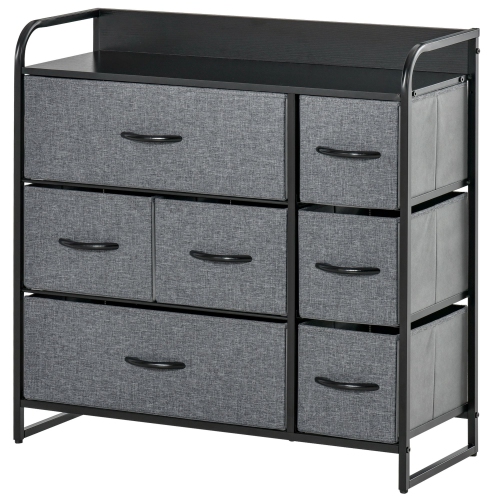
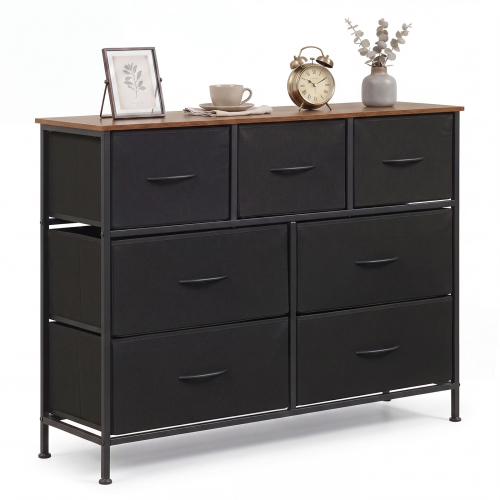

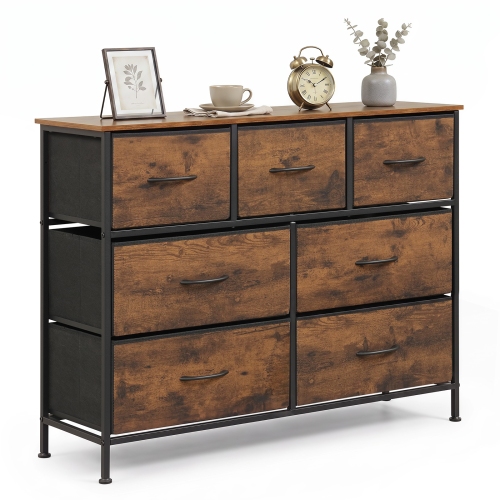
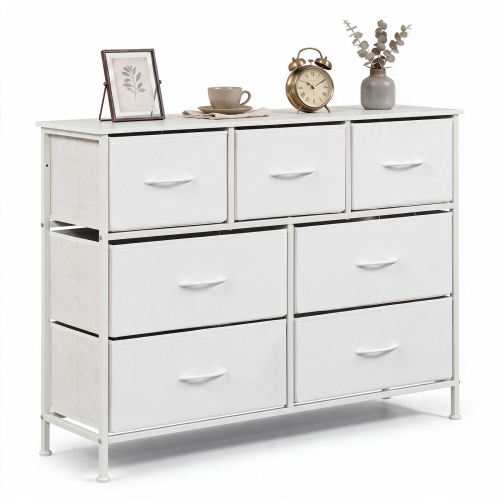

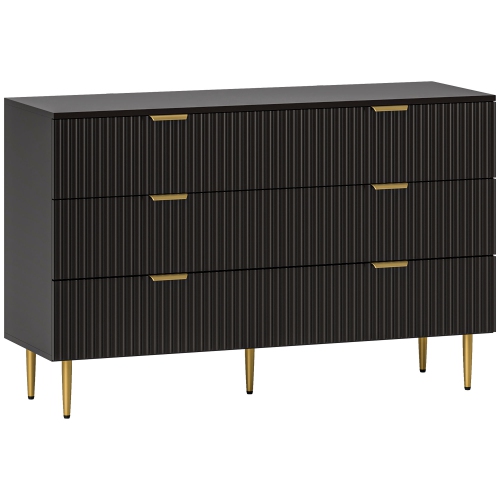

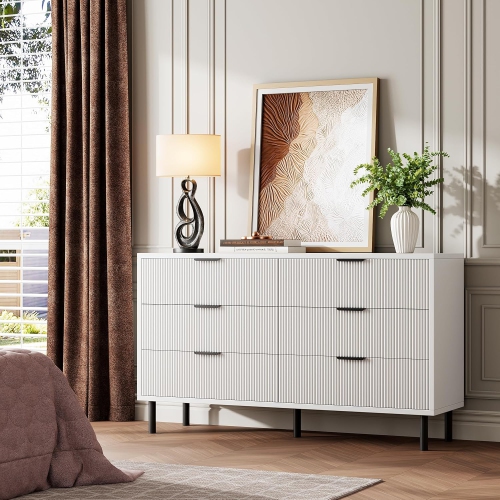


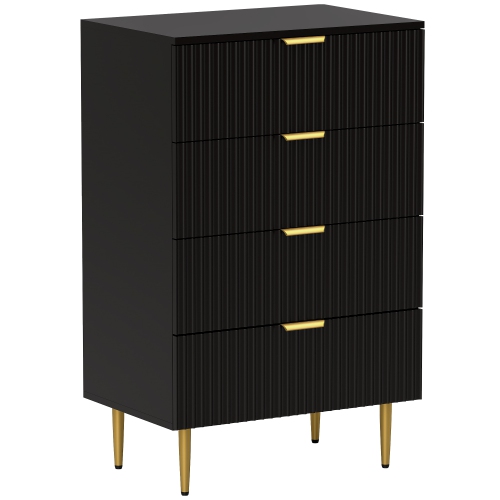
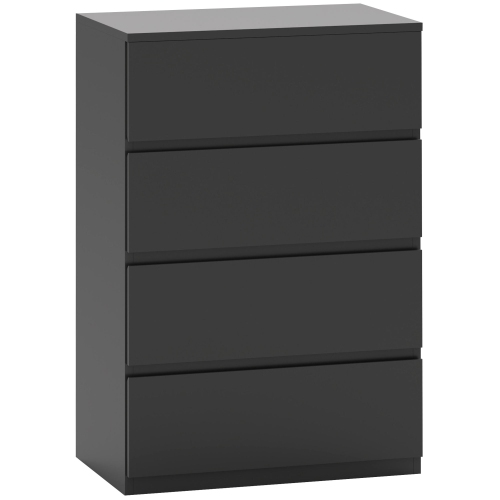
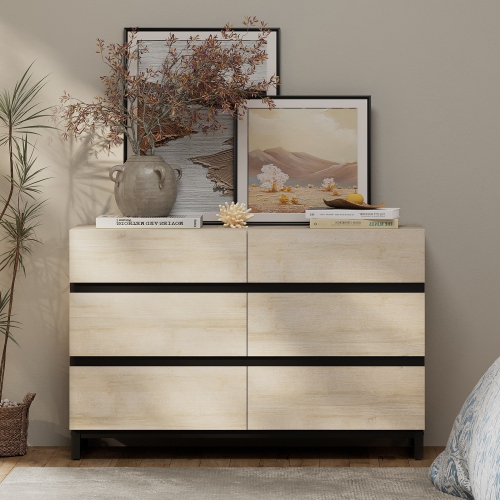
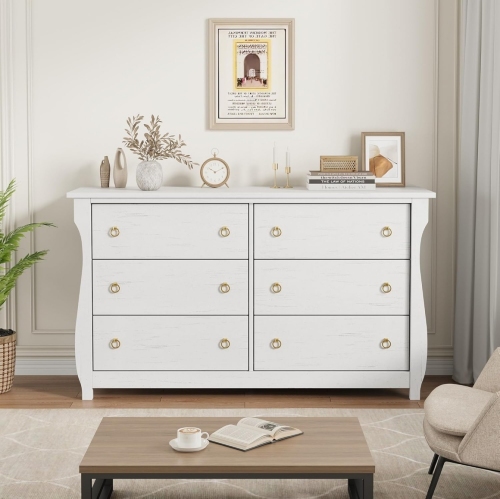


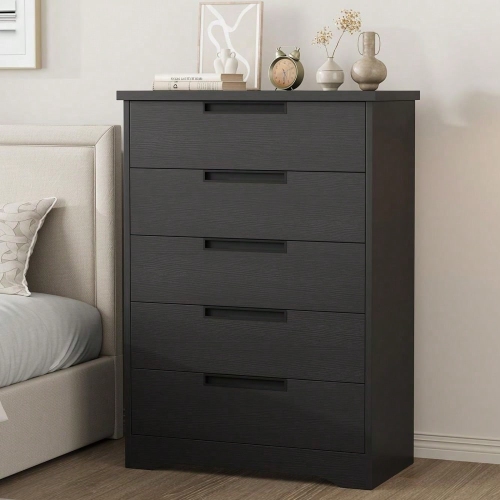
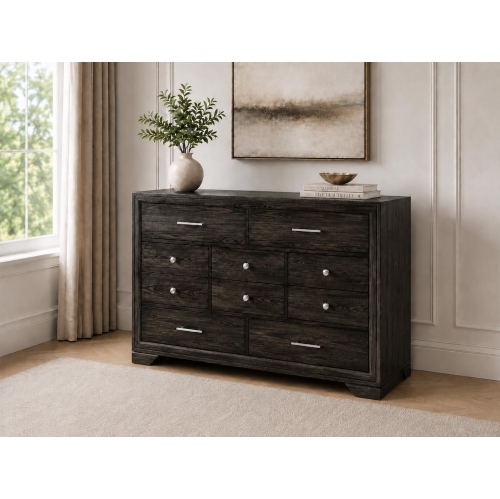
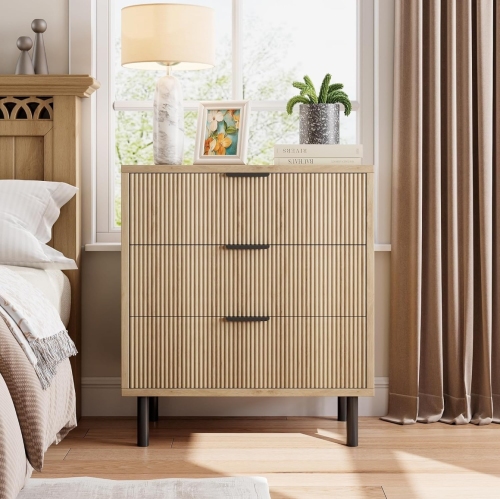

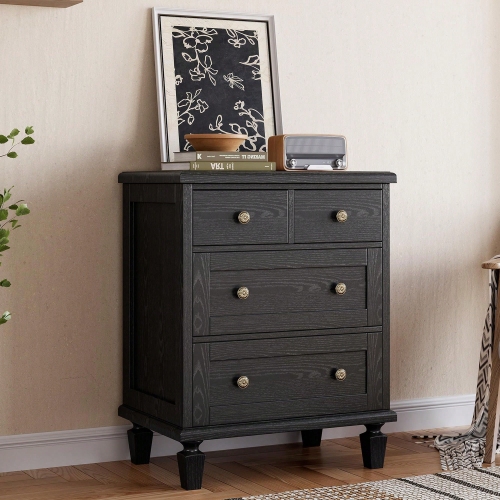
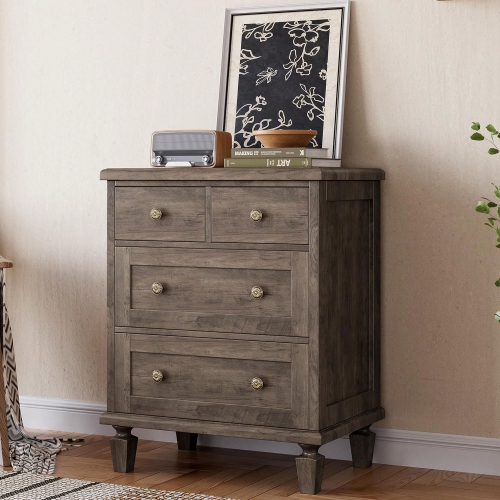
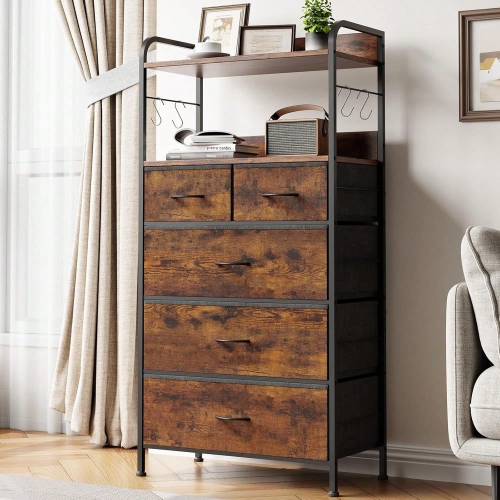
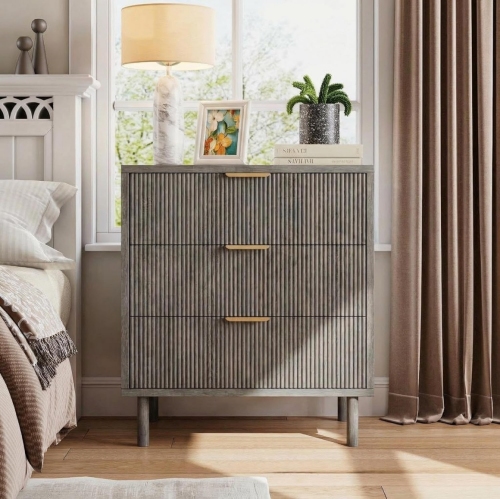
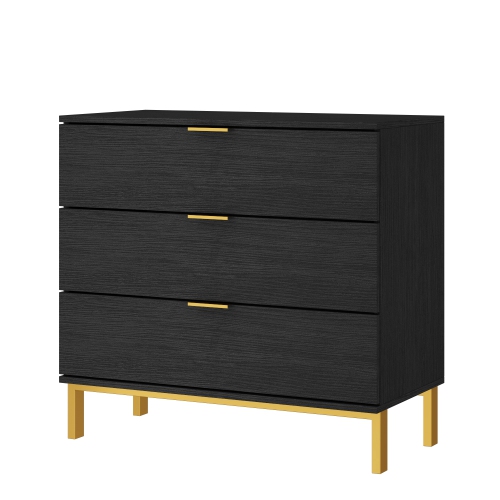

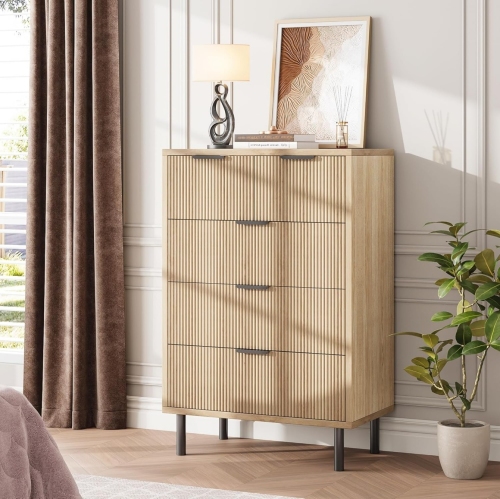

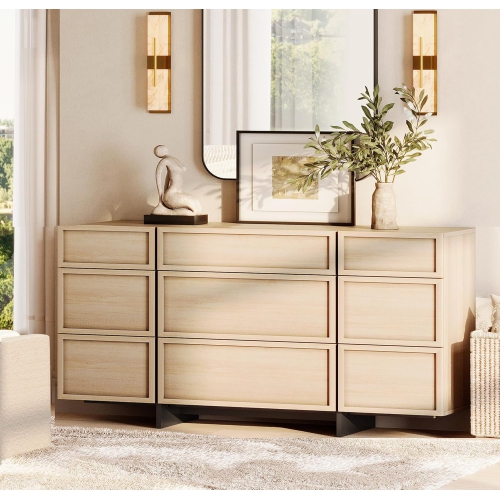

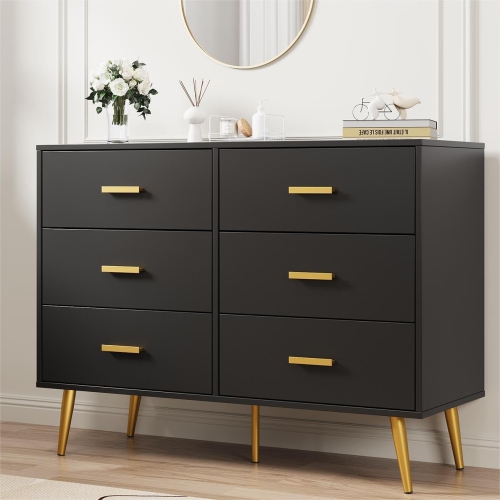
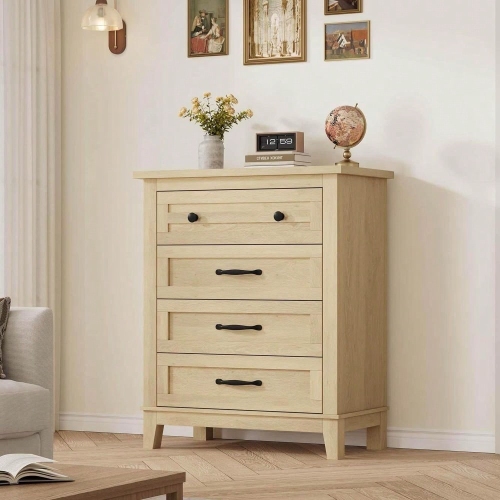
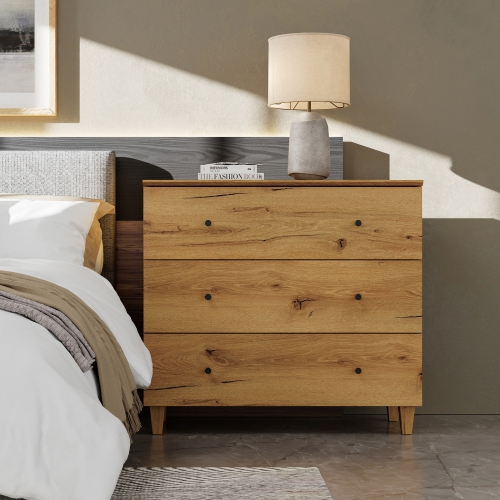

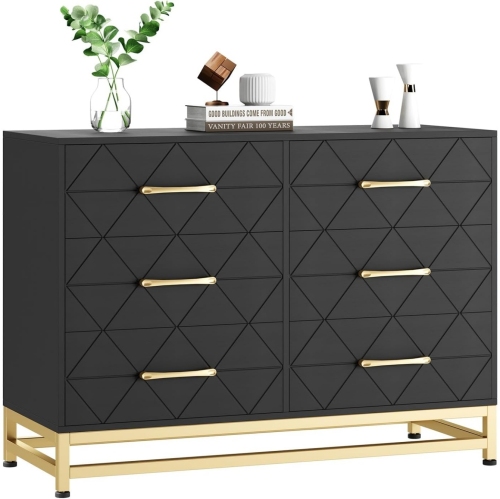
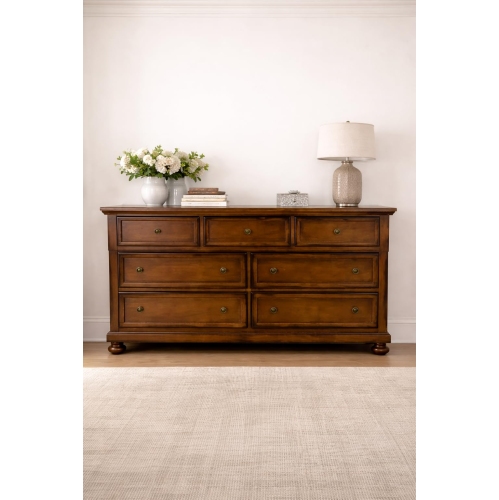


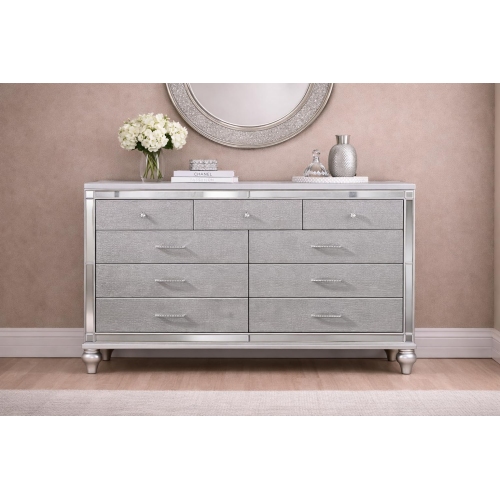
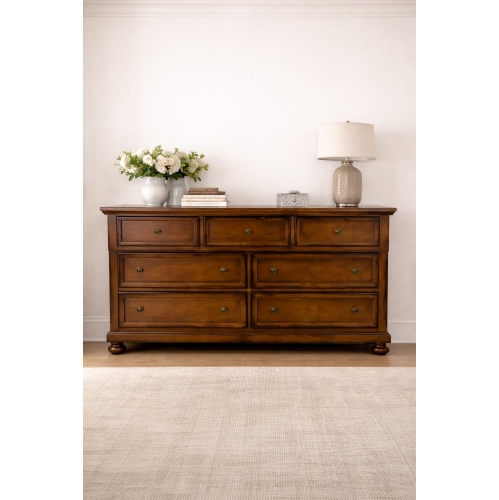
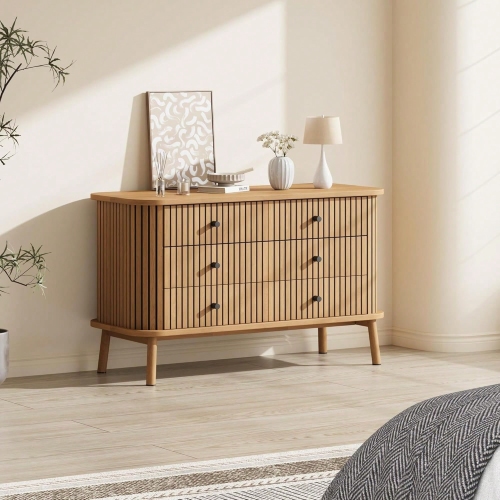
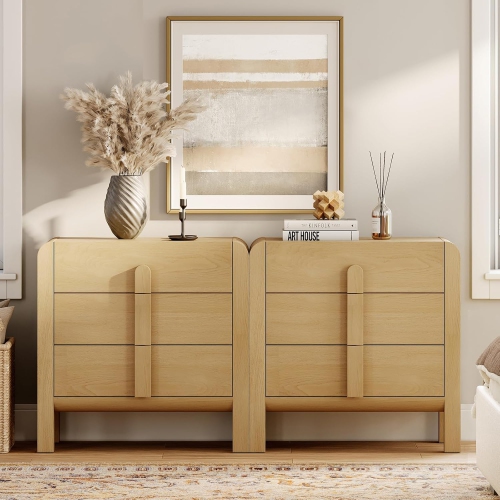
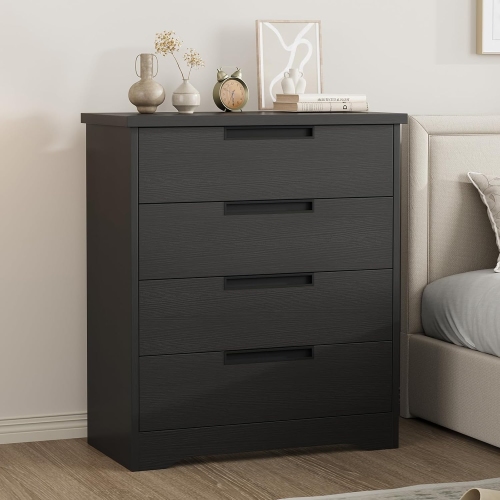
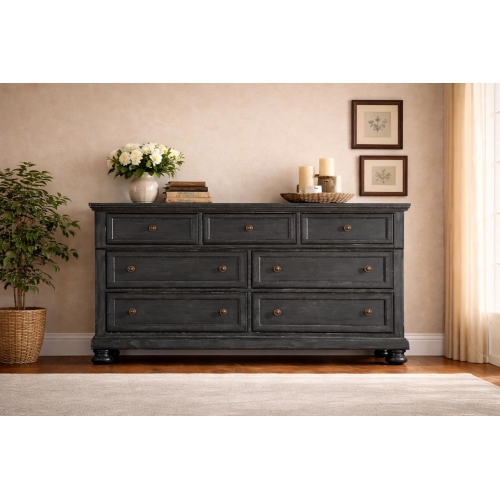
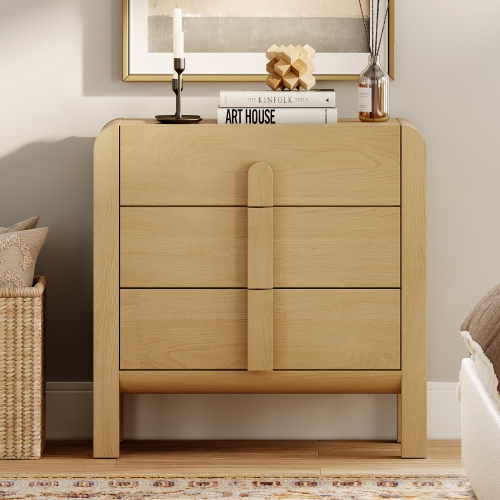


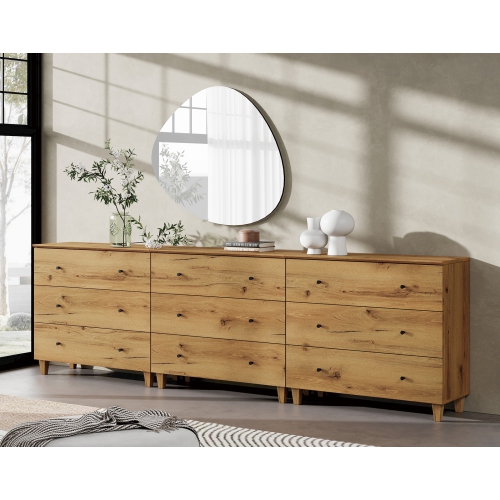
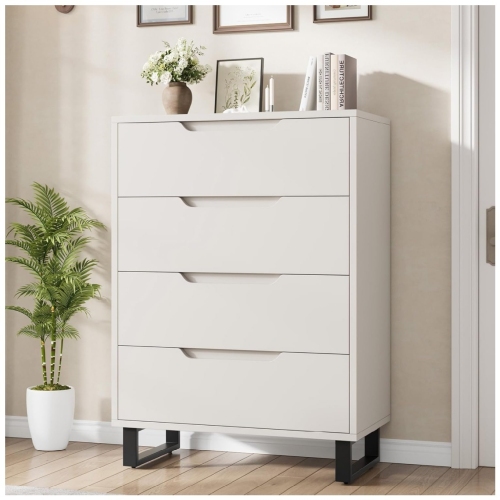
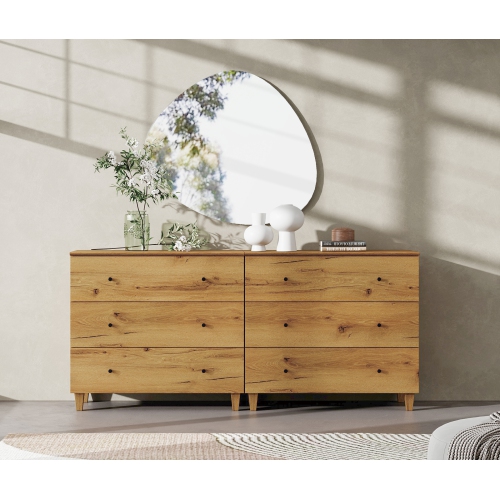
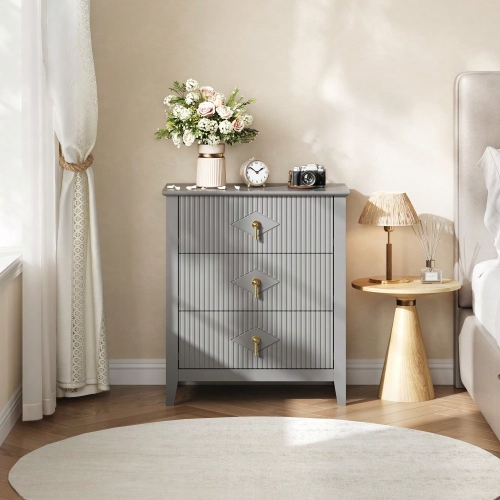


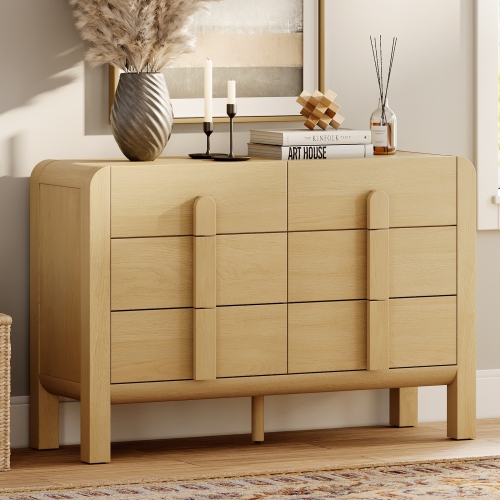
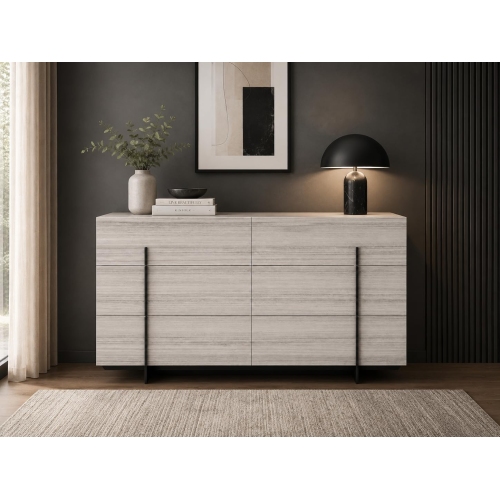
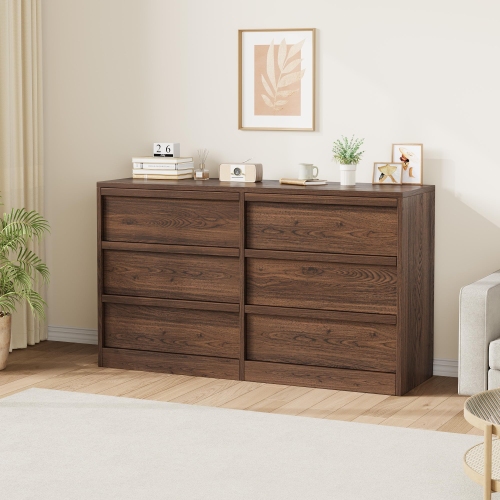
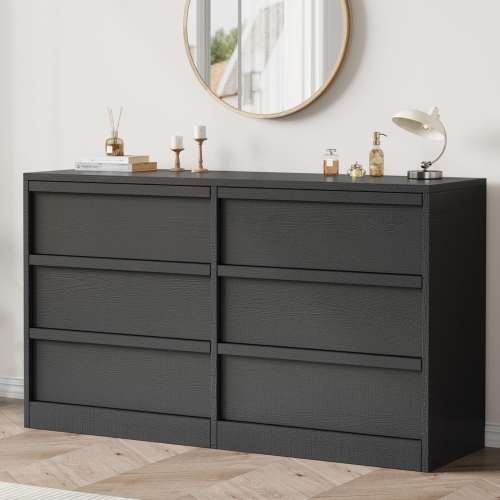
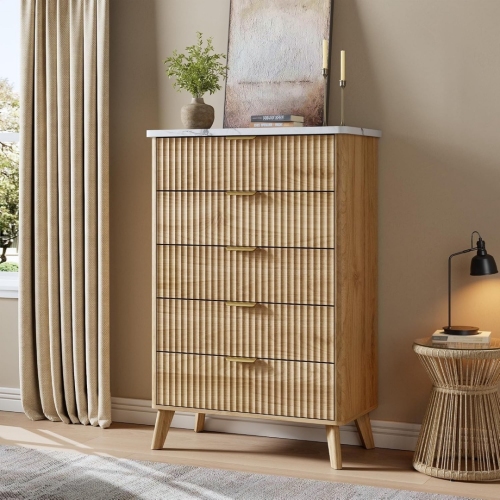


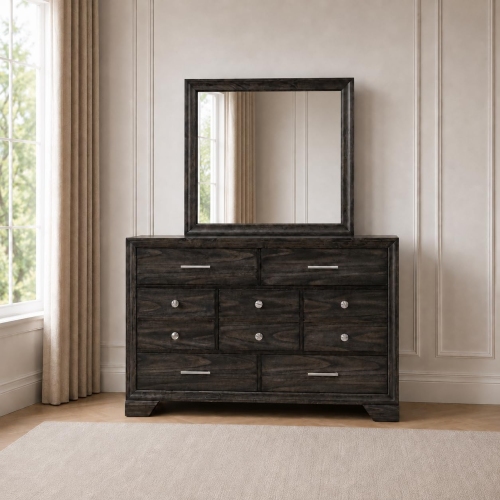
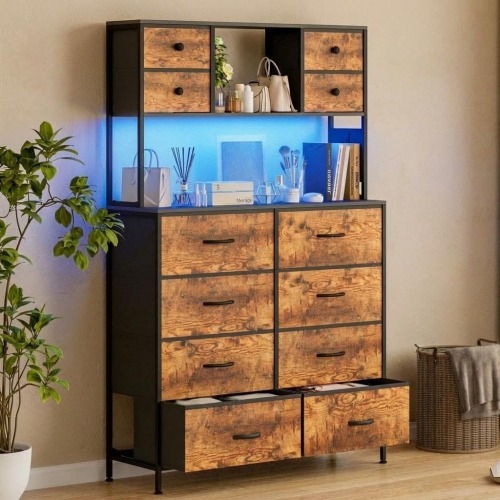
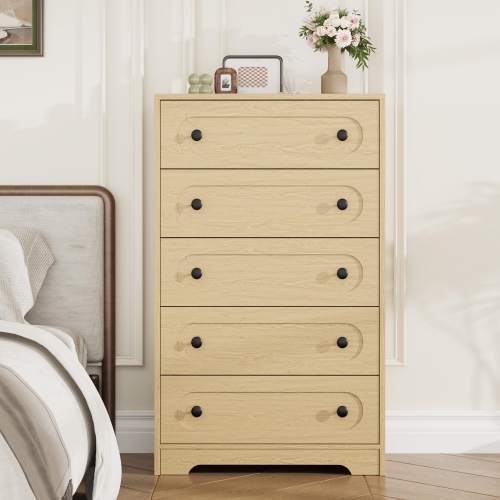
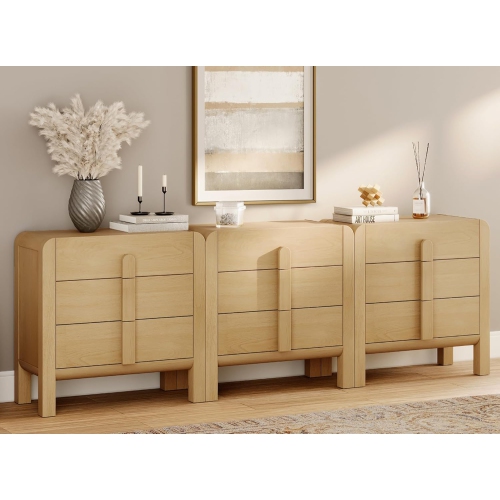

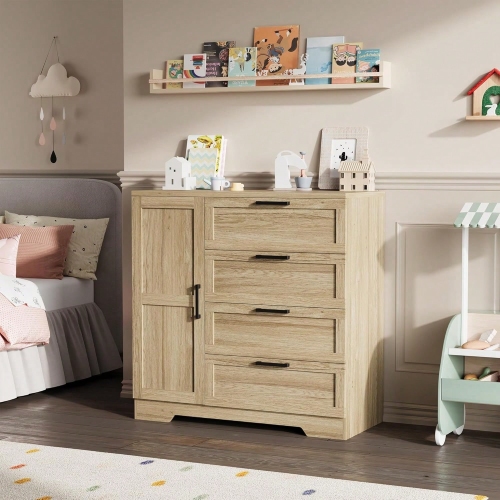
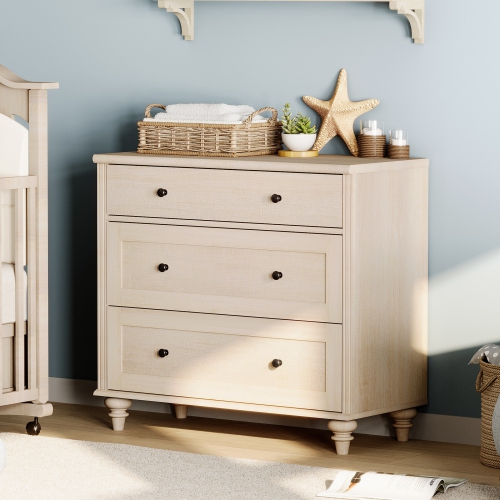
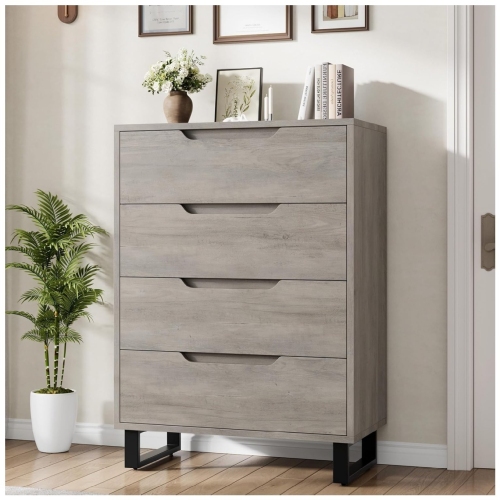
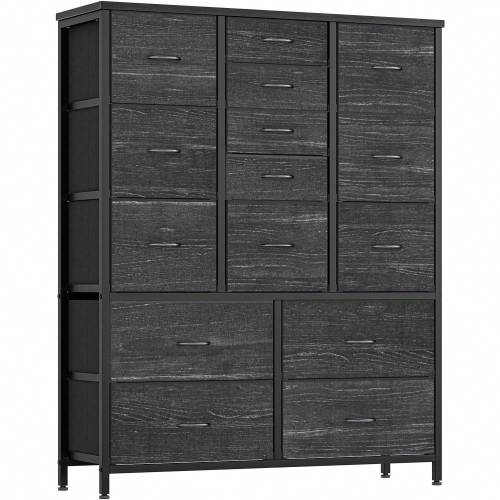
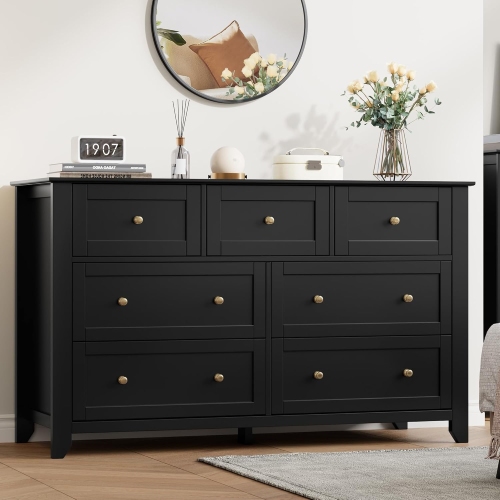


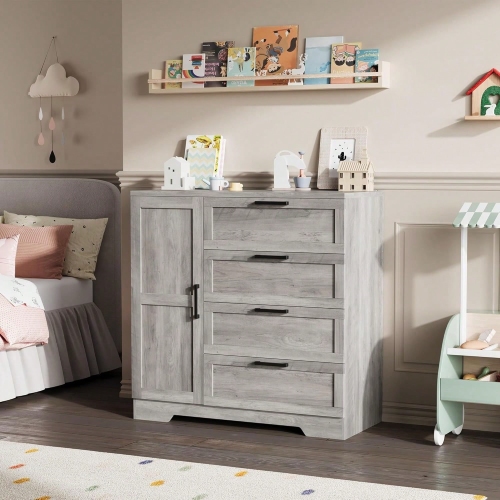
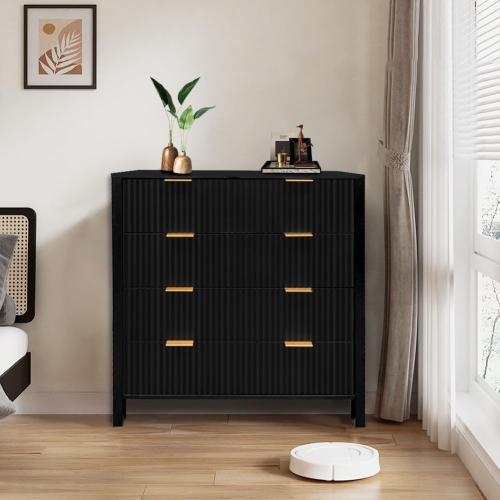
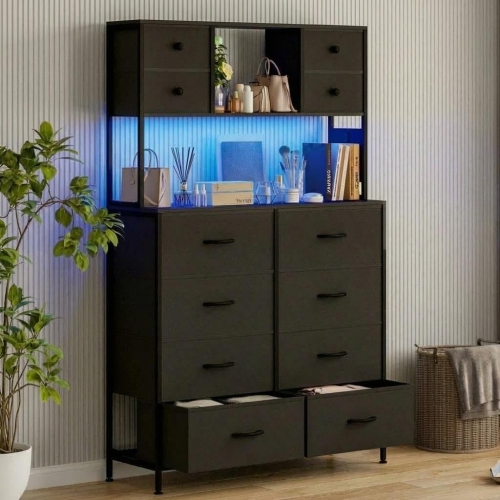
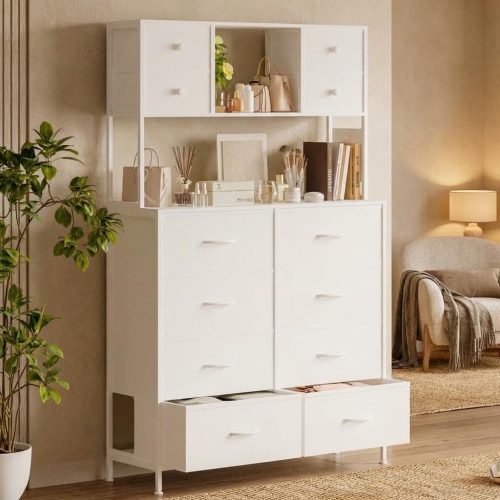
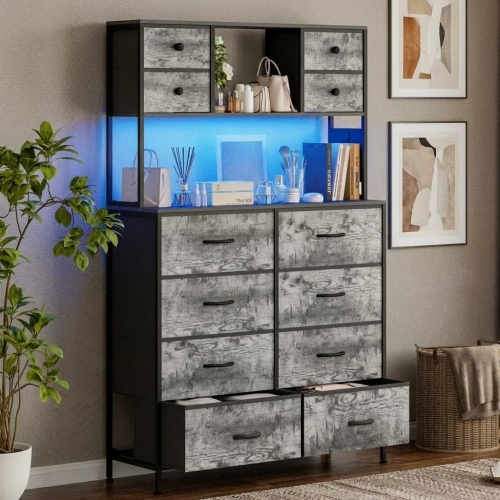

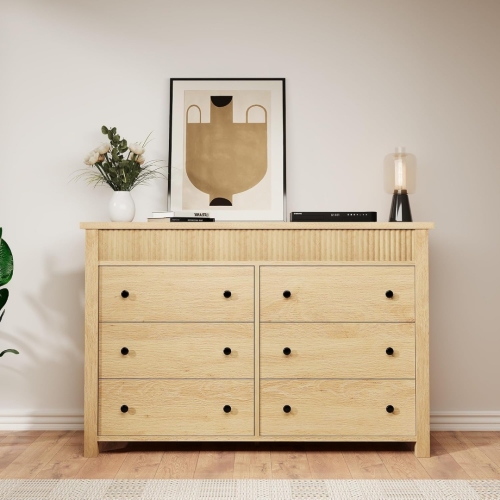
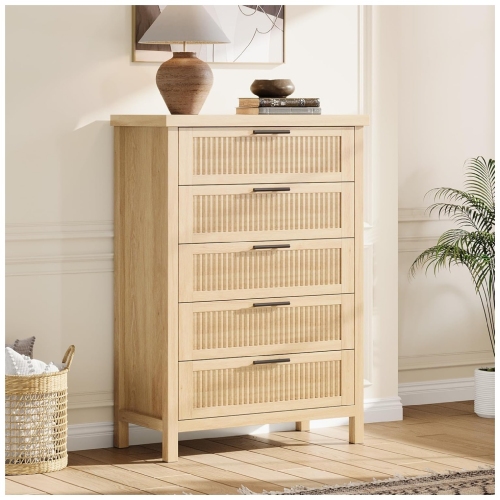
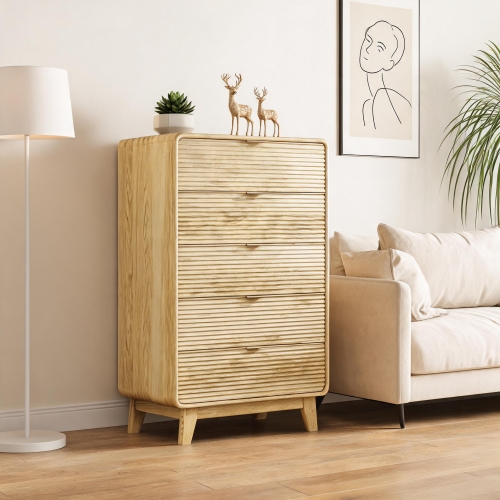
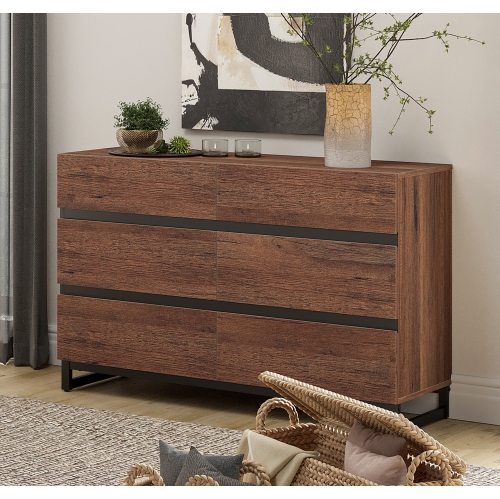
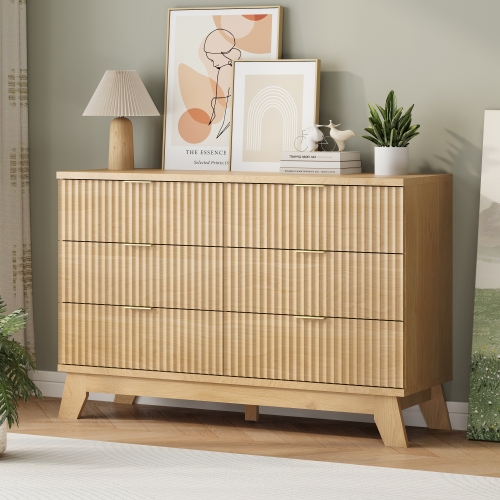
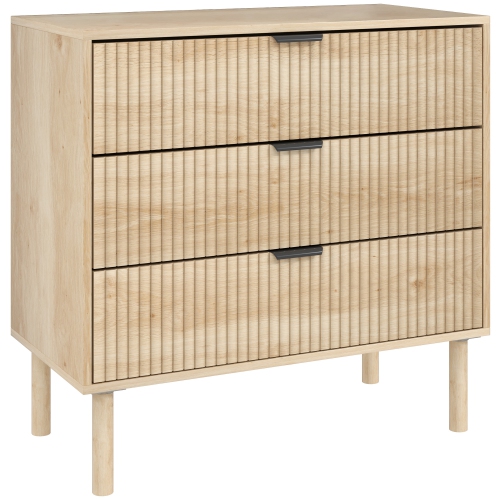


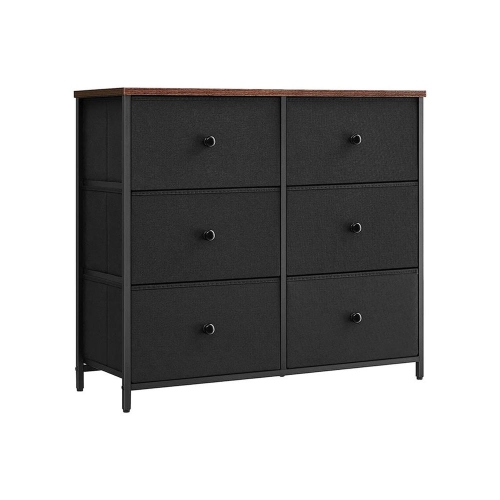

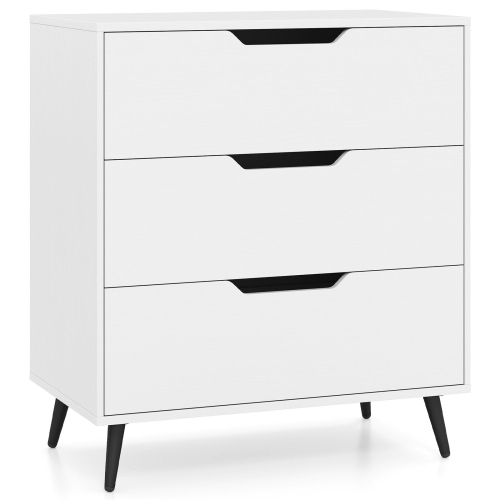
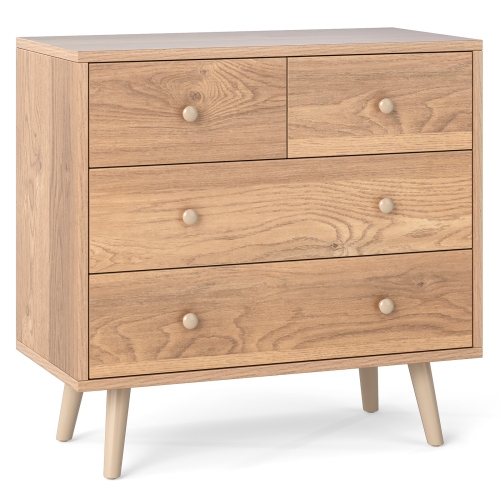
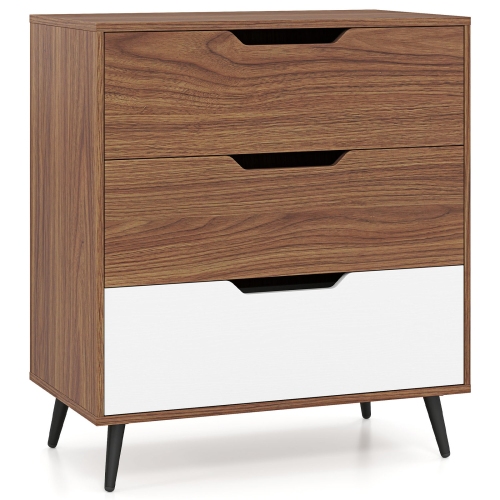
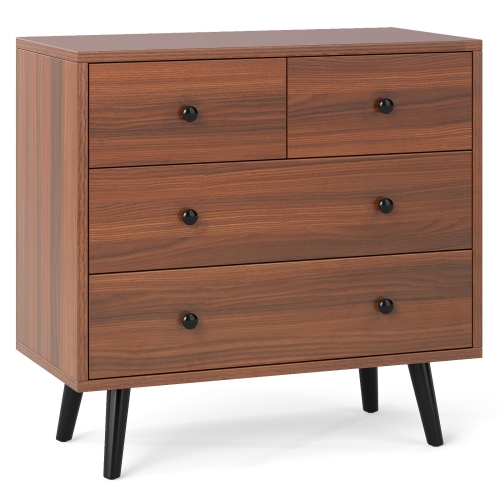


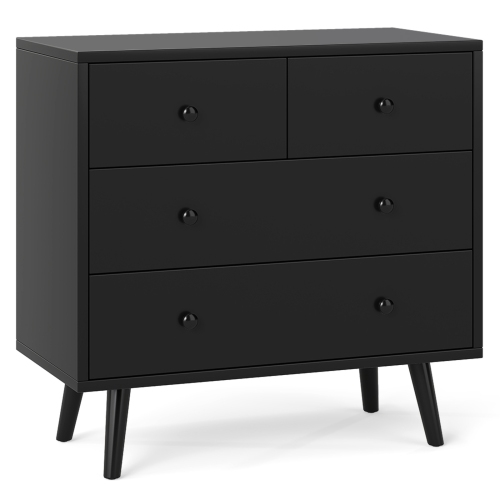

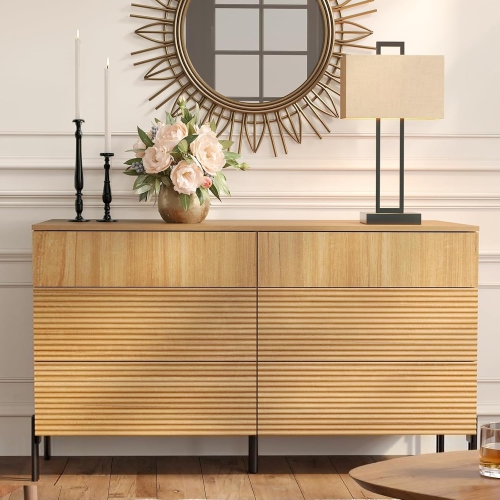

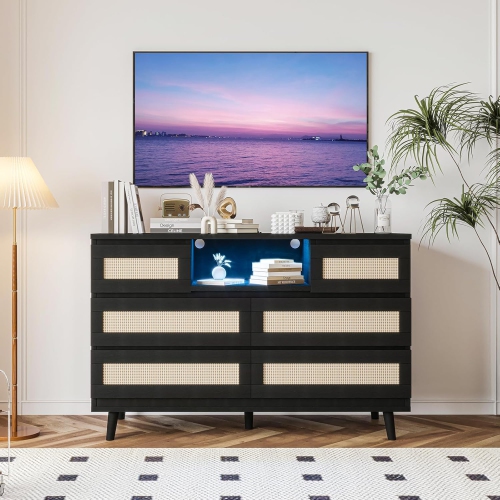
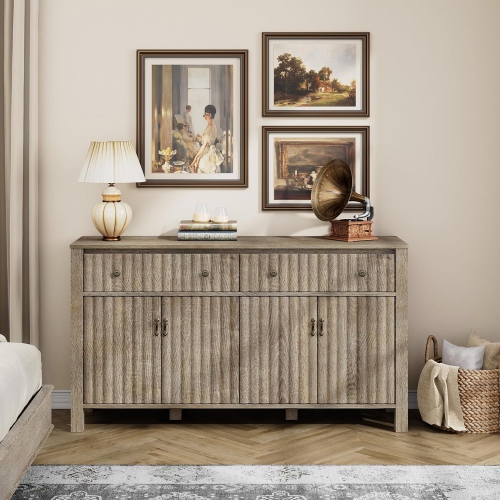

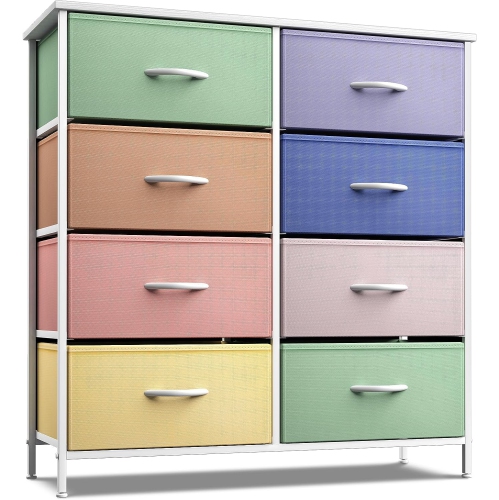
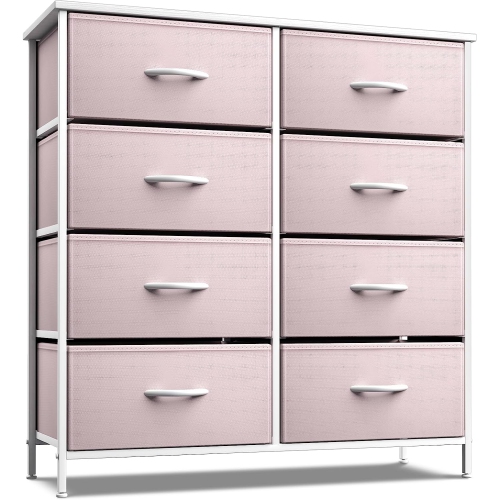

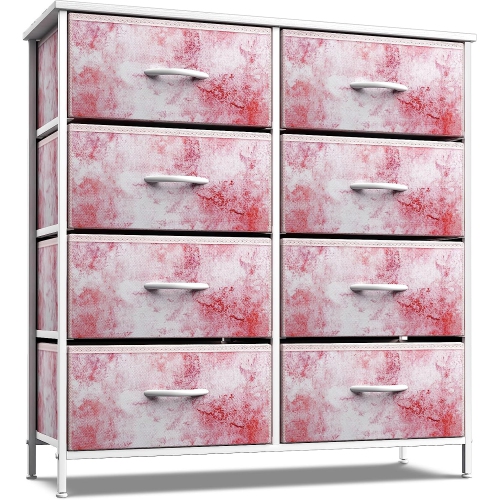
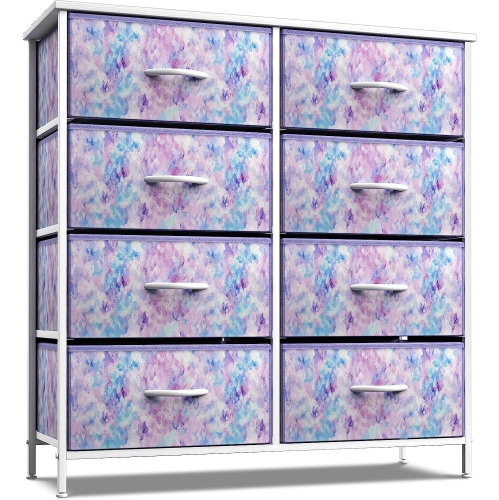
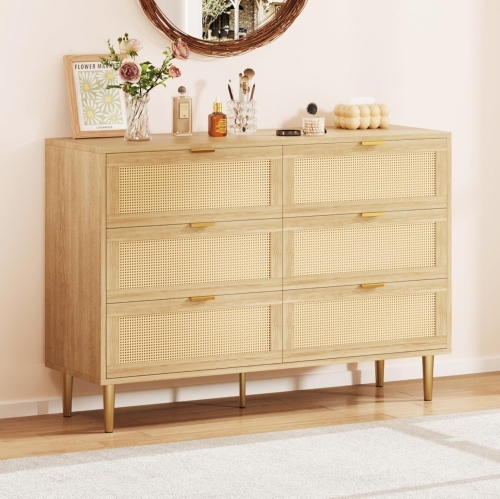
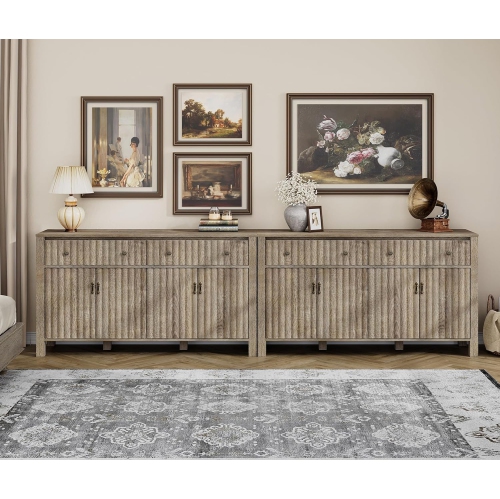

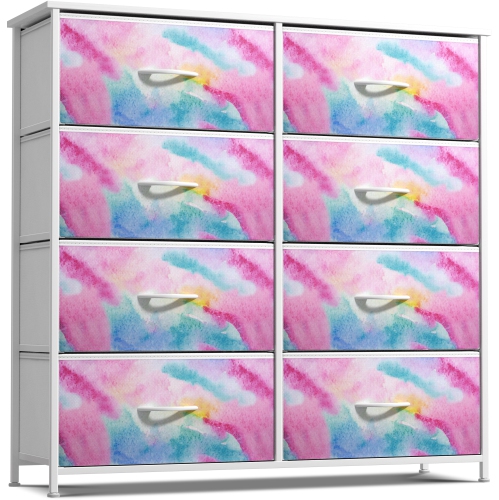
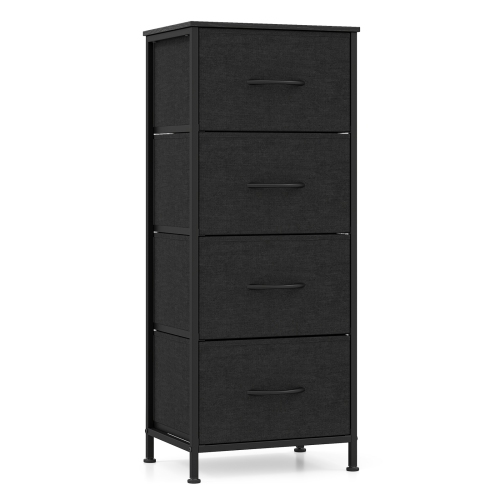
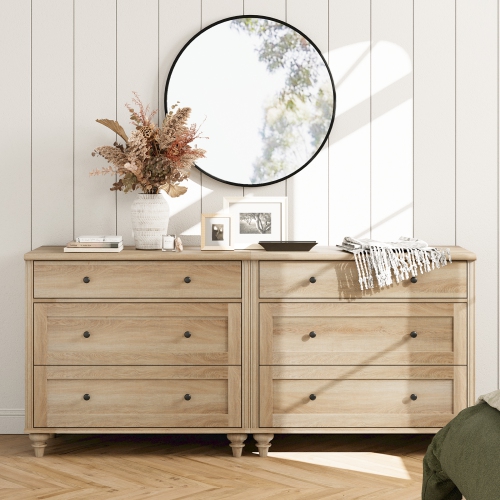
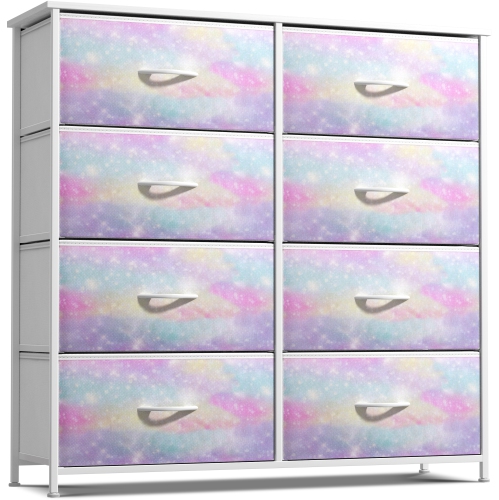

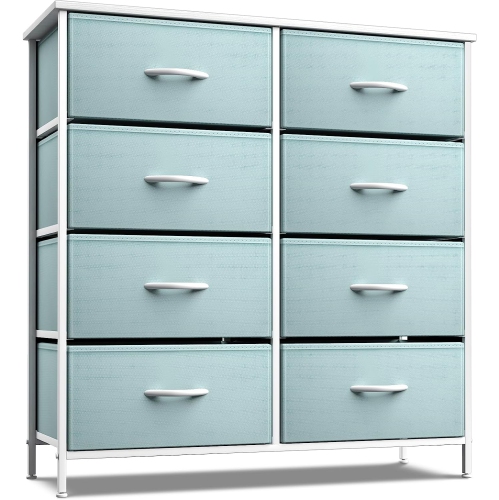
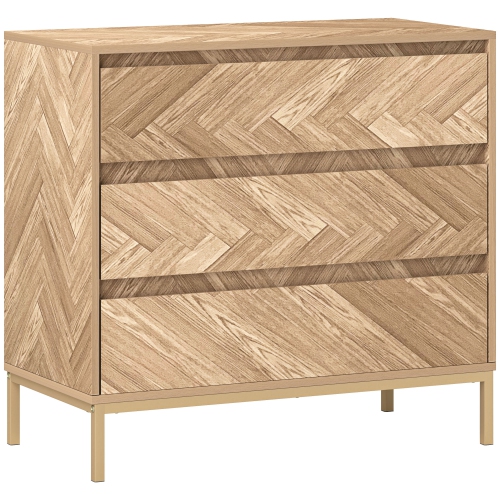
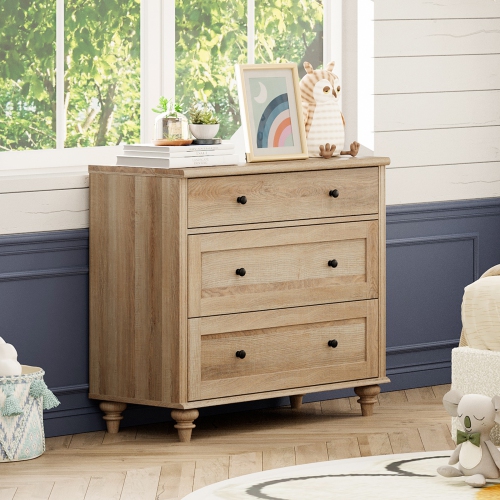
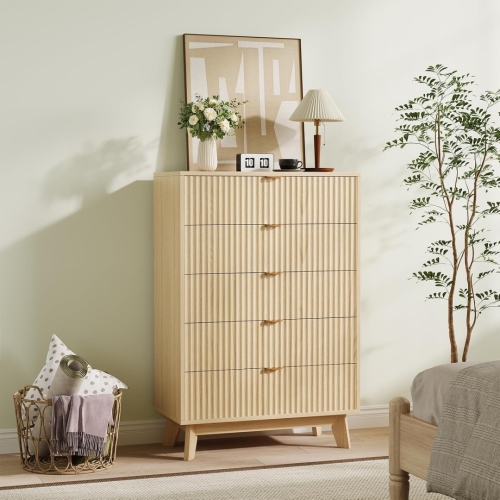

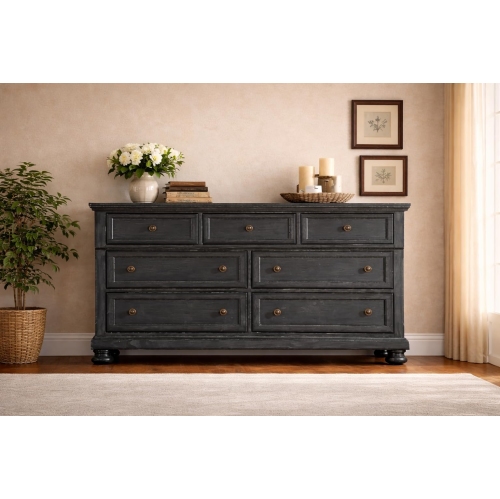

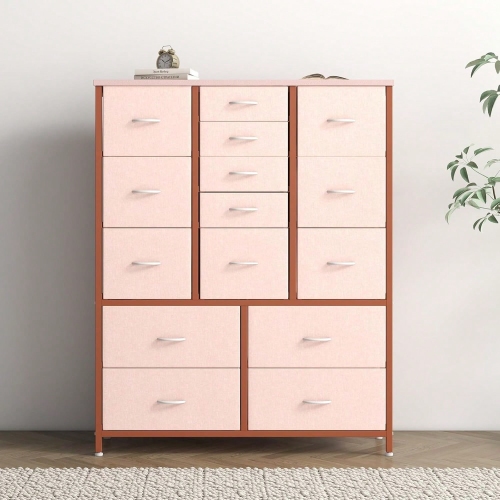
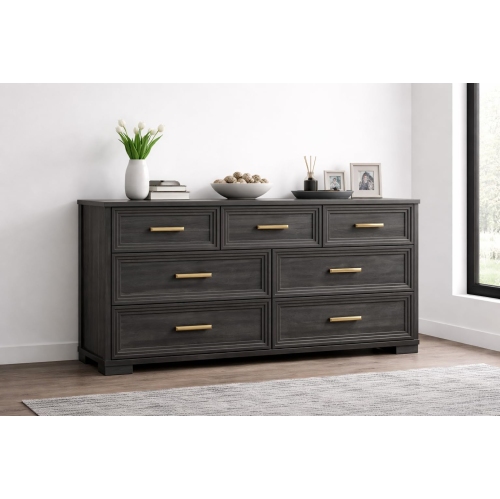
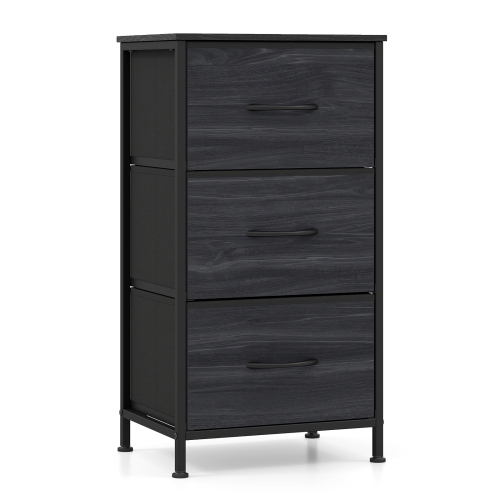


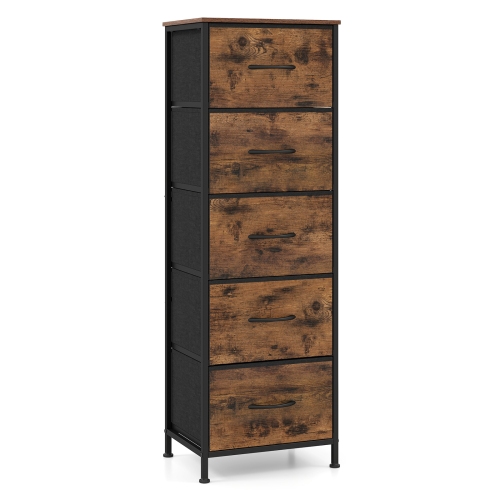


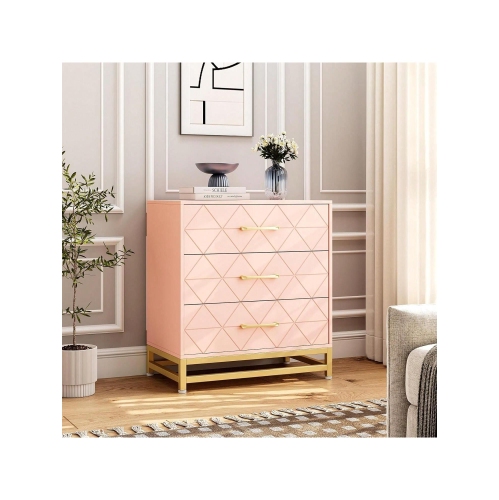
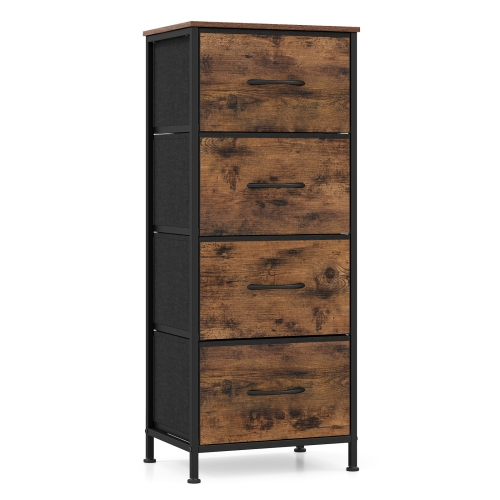


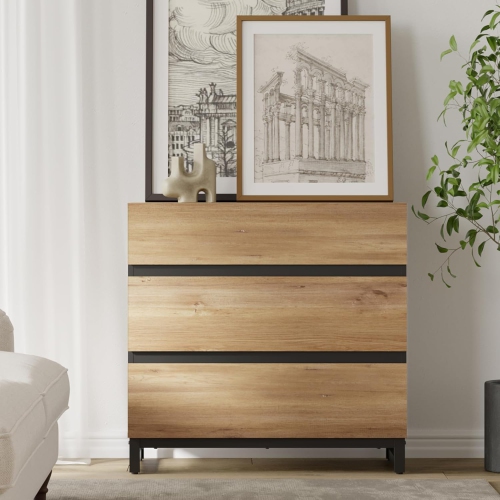

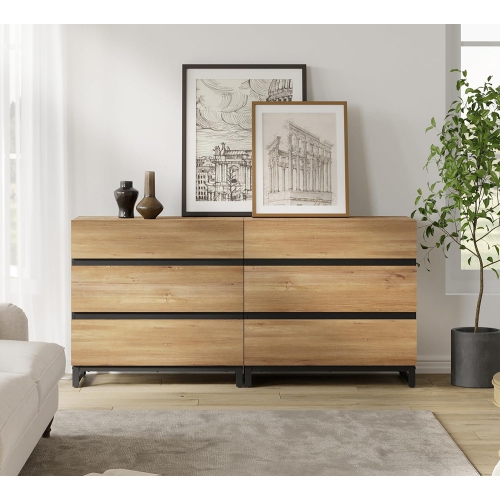
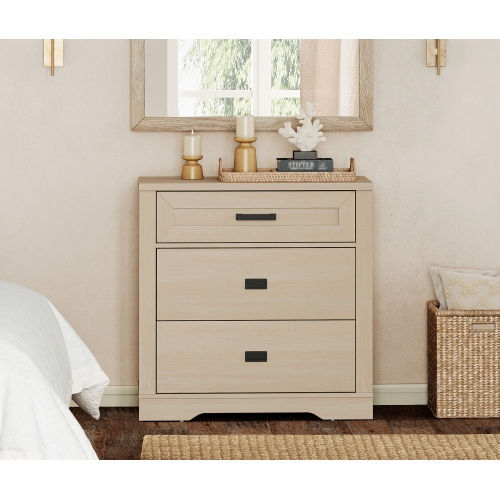

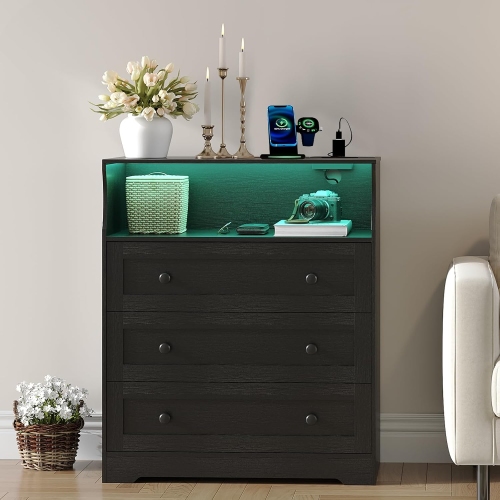
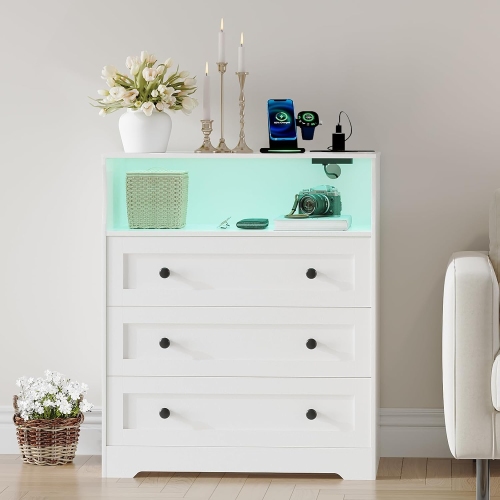
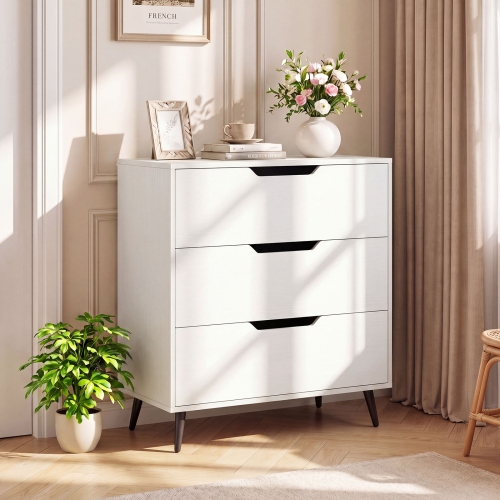


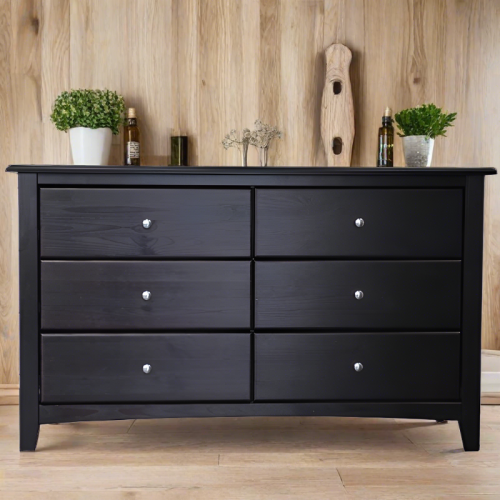
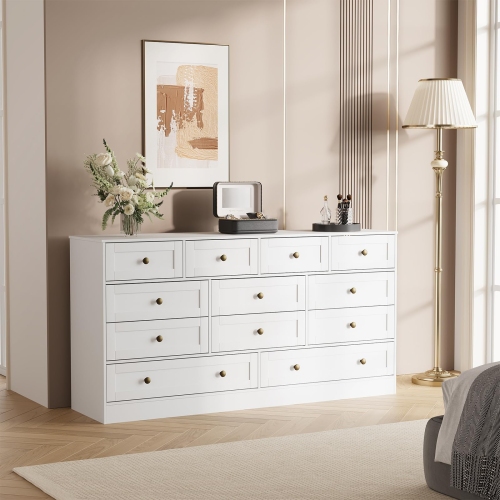

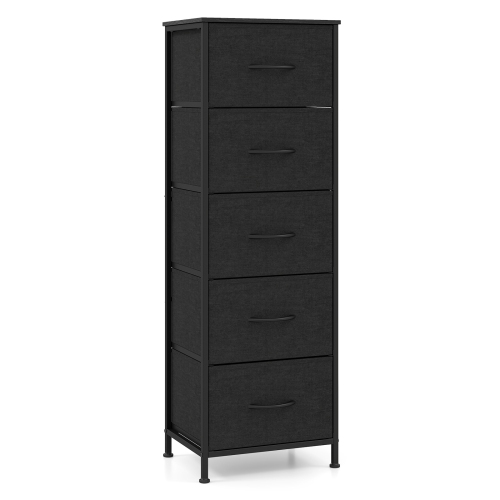
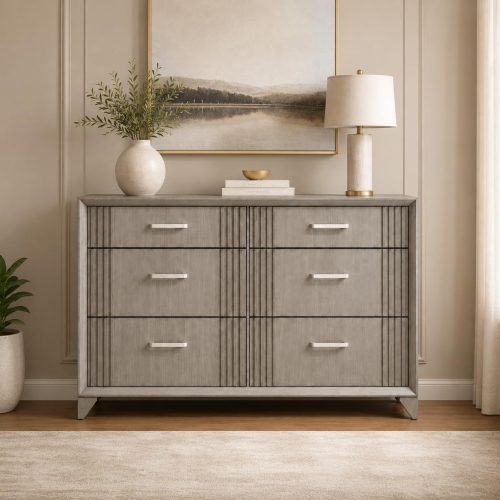
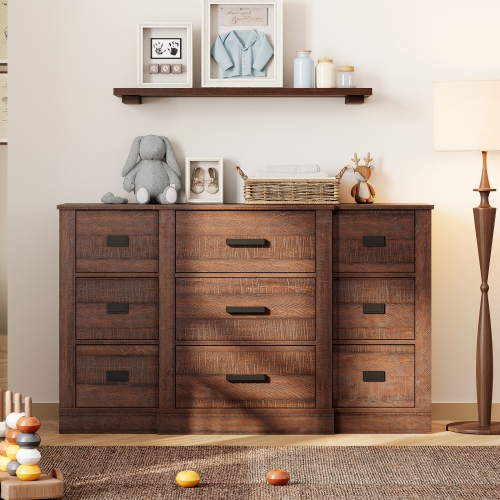
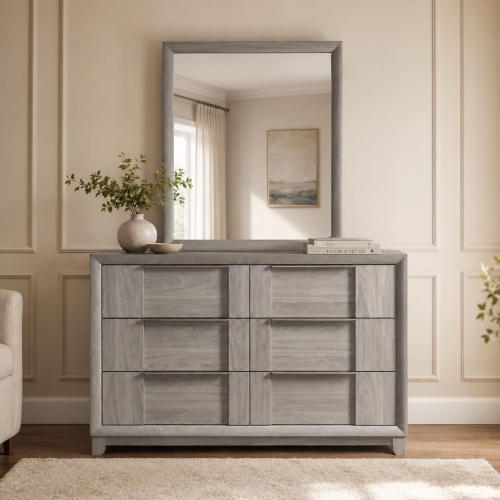
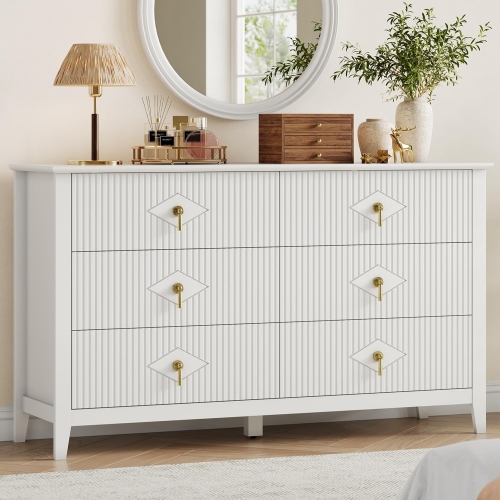

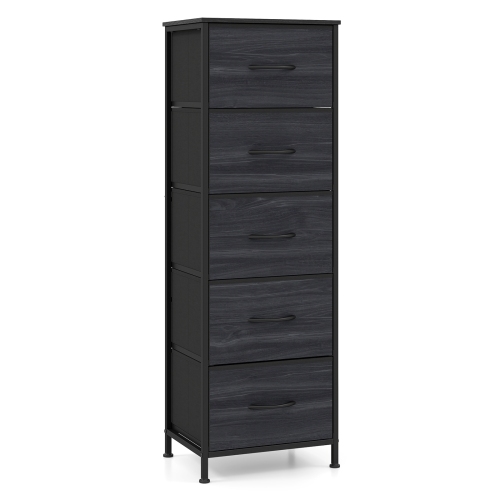
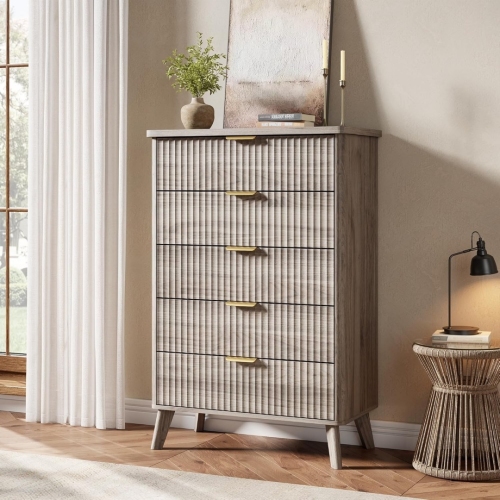
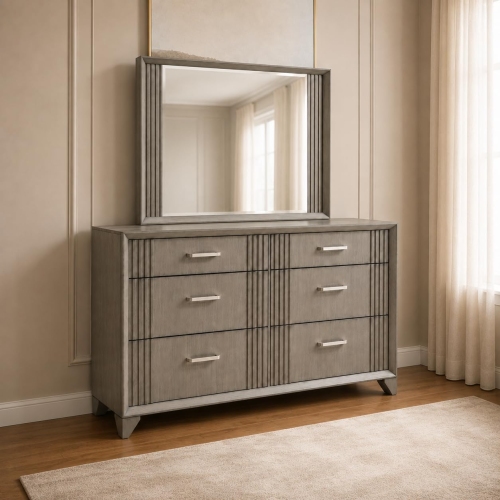
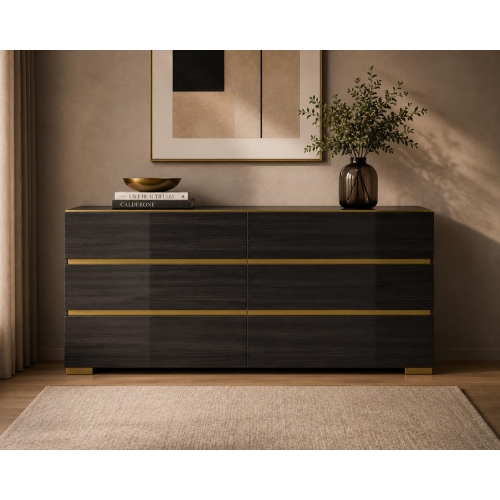
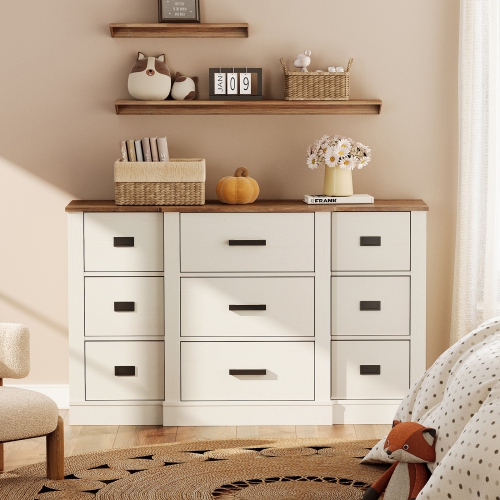
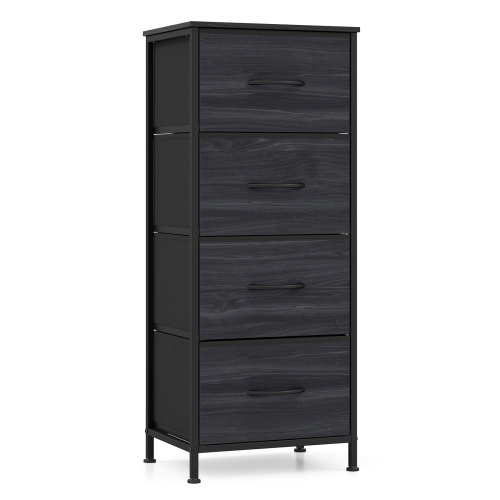
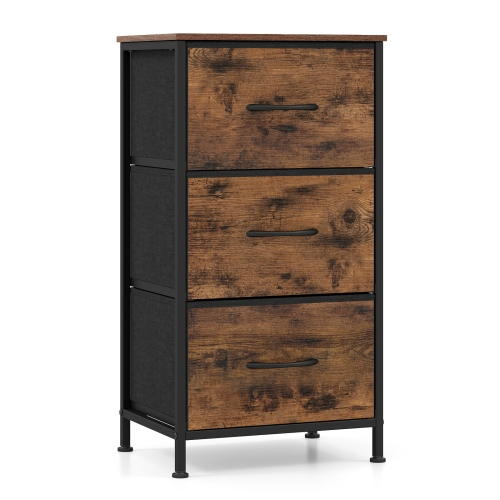
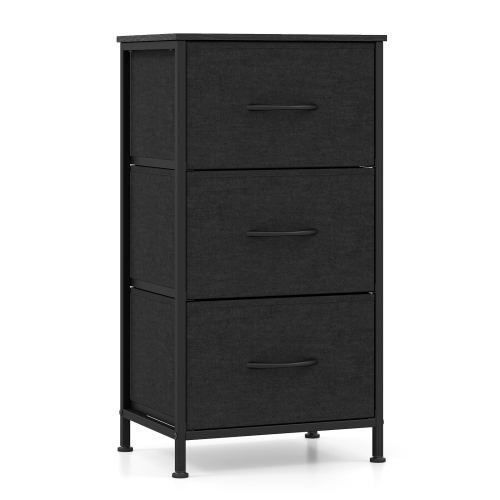
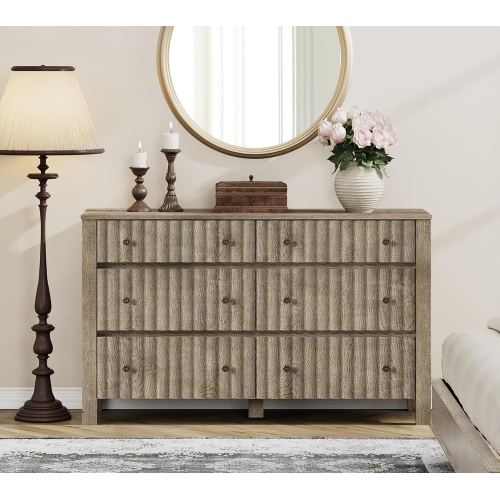
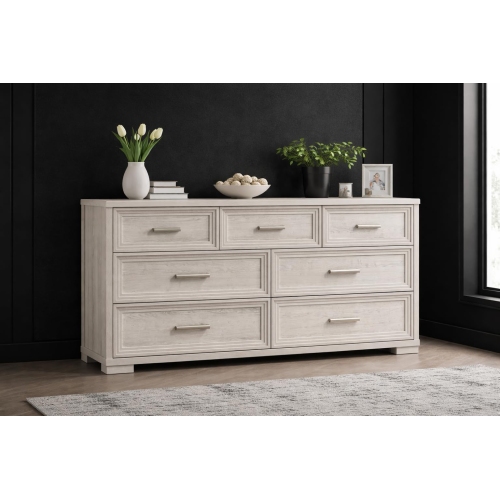

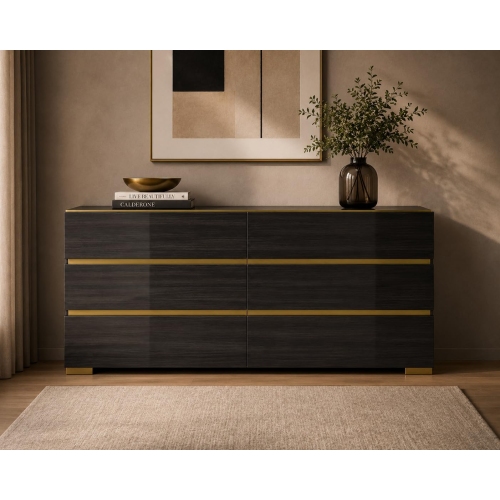

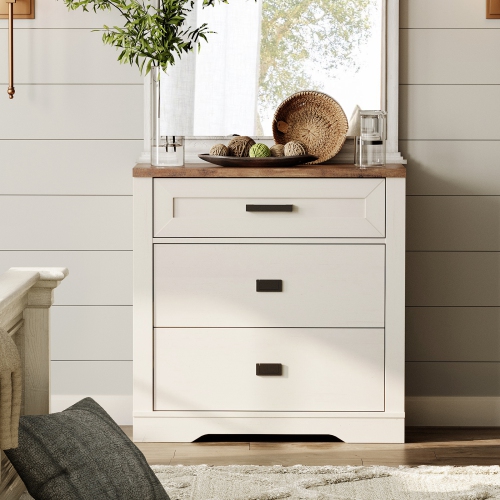
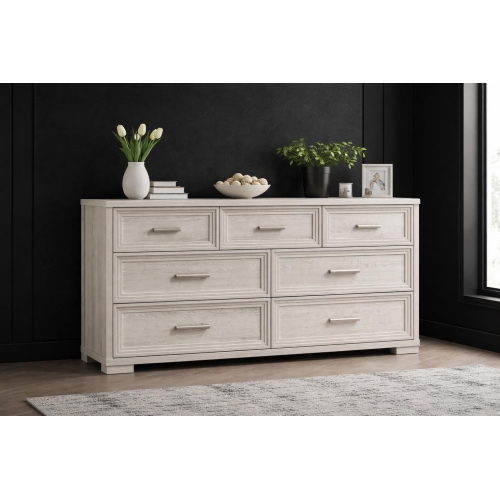
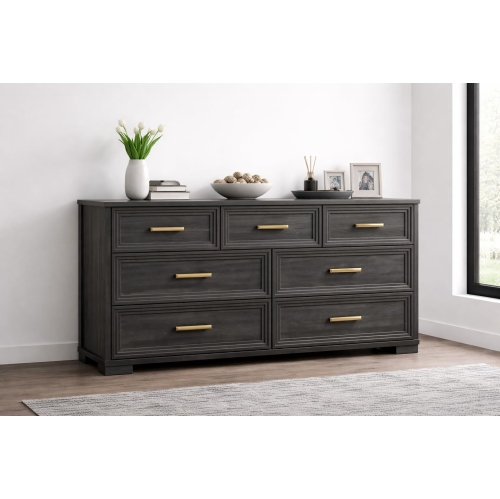

Dark finishes add contrast to everyday bedroom storage
Black wood dressers combine everyday clothing storage with a dark finish that gives a bedroom a defined focal point. Their appeal comes from the balance of colour, texture, and proportion: black can outline a clean, simple silhouette, bring depth to carved drawer fronts, or let visible wood grain add character without introducing another colour. Against pale walls and light bedding, a black dresser creates a clear contrast; beside walnut tones, woven baskets, or richly coloured textiles, it can feel warm and layered. The finish makes a noticeable difference to the overall effect. Matte black has a subdued appearance, satin offers a gentle sheen, and a glossy surface reflects more light while tending to show fingerprints more readily. Smooth drawer fronts and discreet pulls suit pared-back rooms, while framed fronts, turned legs, and metal knobs give a dresser a more traditional presence. Fluted surfaces add texture, though their grooves may need more attention when dusting. A dresser does not need to match every other piece of bedroom furniture to look at home. Repeating its black finish in a mirror frame, lamp base, or bedside table can connect the room without making every surface identical. For a softer contrast that leaves more natural grain on display, Black And Wood Dressers combine dark sections with wood-toned details. An all-black wood dresser, by comparison, creates a more uniform look, particularly when its handles blend into the drawer fronts. Both approaches can work in a primary bedroom, a guest room, or a teenager’s room, with the most useful choice depending on what needs to be stored and how the furniture fits into daily routines. A low, broad dresser can leave wall space for artwork or a separately secured mirror, while a taller chest brings storage upward where open floor space is limited. Neither shape is automatically more spacious inside; usable drawer dimensions matter as much as the outline.
Materials and construction help explain how a black wood dresser will look, feel, and wear over time. The term can describe solid wood furniture as well as pieces made with wood veneers or engineered wood, so the material description is more informative than the finish alone. Solid wood may show grain patterns and small variations beneath a stain, while opaque paint can create a more consistent black surface. Wood veneer is a thin layer of real wood applied over a core material, giving the outer surface natural grain without requiring every panel to be solid timber. Engineered wood, including medium-density fibreboard and particleboard, is often used beneath painted, laminated, or other applied finishes. These materials differ in weight, edge construction, and how they respond to moisture or repeated assembly; no single material label tells the whole story about durability. Drawer construction is just as important. Well-fitted joints, adequately supported drawer bottoms, and securely attached runners help drawers hold their shape during regular use. Drawers that glide smoothly are easier to manage when putting away a stack of shirts or reaching for clothing early in the morning. Full-extension runners, where included, make the back of a drawer easier to access, while soft-close mechanisms can reduce abrupt closing. Handle shape also affects everyday comfort: a projecting pull offers a different grip from a recessed edge or a small knob. A black finish does not automatically hide wear. Dust, pale lint, fingerprints, and scratches that expose a lighter layer underneath may stand out, especially on smooth or glossy surfaces. A soft cloth and cleaning methods approved for the finish are usually the safest starting point for care. Wipe up spills promptly, avoid leaving damp objects on the top, and use protective pads beneath lamps or trays. Abrasive cleaners and rough cloths can alter the sheen. For deeper cleaning or touch-ups, follow the furniture maker’s directions rather than assuming that any wood polish or black repair marker will suit the surface.
The best fit for a black wood dresser starts with the room’s layout and the clothing it will hold. Overall width, depth, and height establish whether the furniture can sit comfortably along a wall, but the drawers also need room to open without blocking a doorway or pressing against the bed. Allow space for someone to stand in front of an open drawer, and account for skirting boards, nearby doors, and any handles that extend beyond the cabinet. Measuring delivery access matters too, particularly around a narrow stair landing or a tight turn into a bedroom. Inside the dresser, shallow drawers can keep socks, underwear, and accessories visible, while deeper compartments are better suited to bulkier folded clothing. Drawer count alone can be misleading: several small compartments may organize everyday essentials well but offer less useful space for sweatshirts than fewer, wider drawers. Internal measurements and stated weight limits provide a clearer picture of capacity. For a shared bedroom, separate drawer sections can give each person a defined storage area; in a guest room, a few accessible drawers offer somewhere to unpack without taking over the closet. Dividers help keep smaller belongings organized, provided they fit without interfering with the drawer’s movement. Assembly requirements also deserve attention, since a large dresser may need two people to position it and align the components correctly. Once assembled, place it on a level surface and secure it to the wall according to the manufacturer’s instructions, using fasteners appropriate for the wall construction. Wall anchoring is important for both tall chests and low dressers, particularly in homes where children may pull on drawers or try to climb them. Keep heavier belongings in lower drawers and avoid opening several drawers at once. A dresser top should not be treated as a seat, climbing surface, or television stand unless the furniture is specifically designed for that use. With suitable proportions, practical drawer space, and careful installation, a black wood dresser can provide dependable storage while giving the bedroom a cohesive, finished appearance.
Top selling and popular products
-
 Your price for this item is $569.99
-
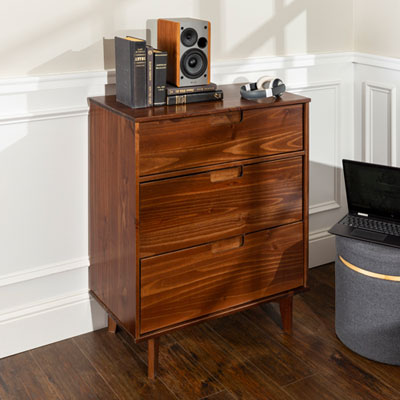 Your price for this item is $364.99
-
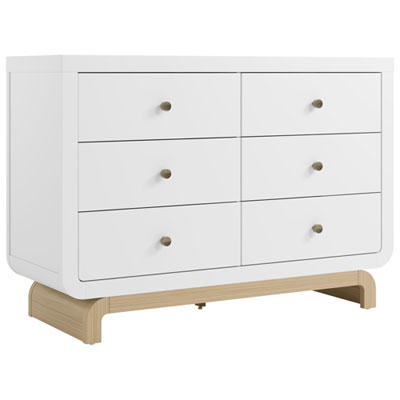 Your price for this item is $899.99
-
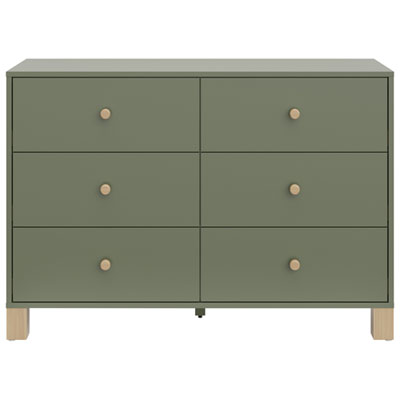 Your price for this item is $699.99
-
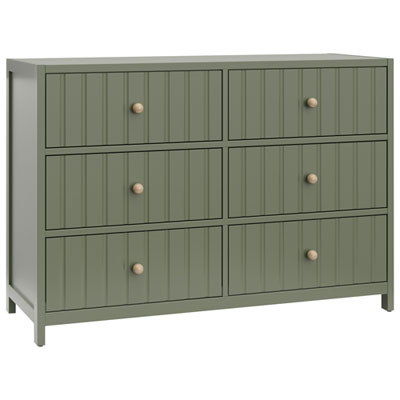 Your price for this item is $699.99
-
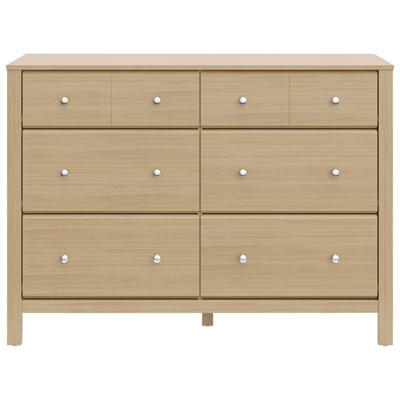 Your price for this item is $399.99
-
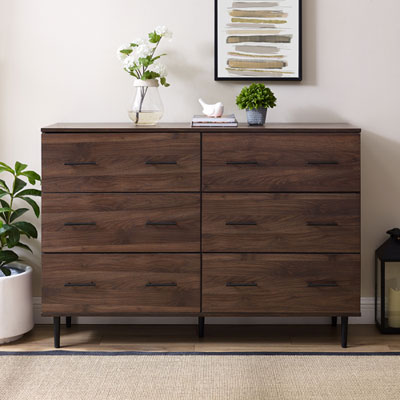 Your price for this item is $886.99
-
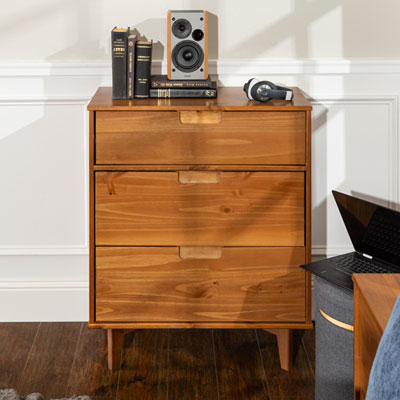 Your price for this item is $364.99
Discover more categories related to Black Wood Dressers
Top Collections:
Pokemon Centers, Best Cameras for Sports Photography, Kindle Devices, Samsung Galaxy Phones, Canon G7X Cameras, Pokémon 30th Celebration Cards, Refurbished Apple Laptops, iPhone 15 Apple, Laptops for Students, Budget Smartphones
Some products may be subject to Environmental Handling Fees
(EHF) depending on your province.
Learn more about EHFs.