Dark Wood Dressers
Transform your bedroom into a sophisticated sanctuary with a dark wood dresser. Offering a blend of timeless elegance and modern charm, these dressers provide ample storage space while enhancing the aesthetic appeal of any room. Crafted to complement various decor styles, a dark wood dresser is the perfect addition to create a cohesive and stylish look. Whether you're aiming for a classic, contemporary, or rustic vibe, you'll find that these dressers seamlessly fit into your design vision. Explore our selection to find the ideal piece that meets both your functional needs and style preferences.
Sort




Rich finishes tell only part of a dresser’s story
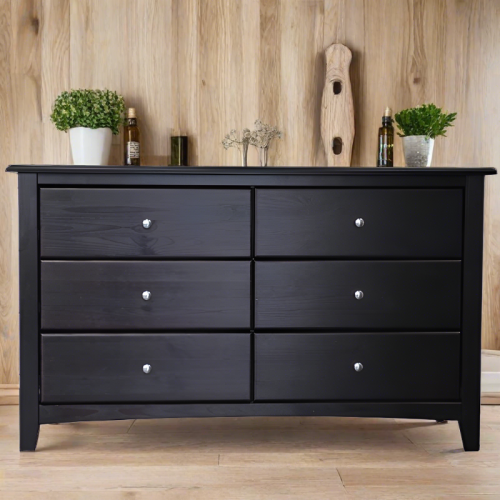
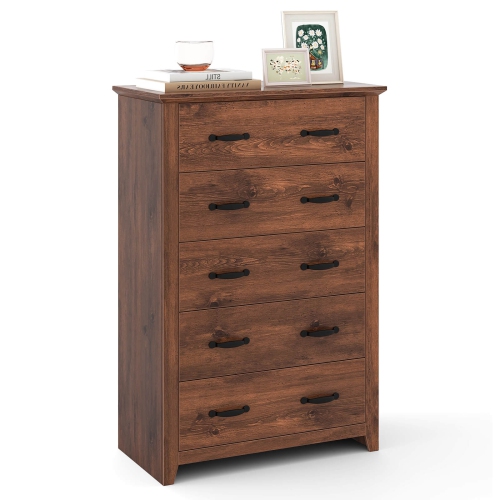
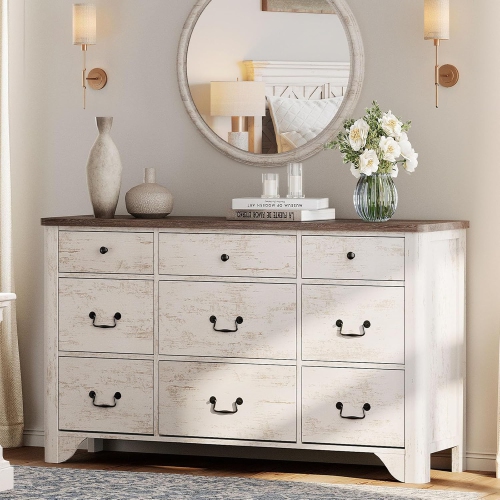
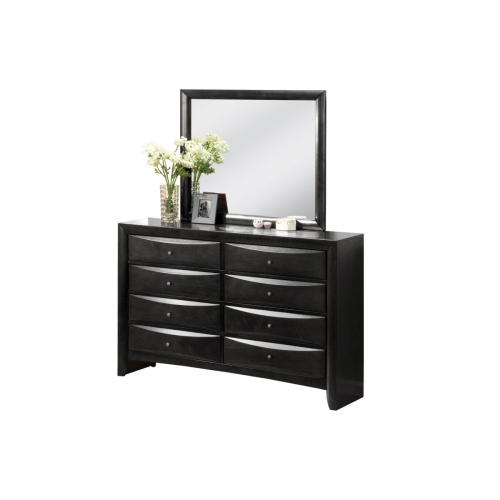
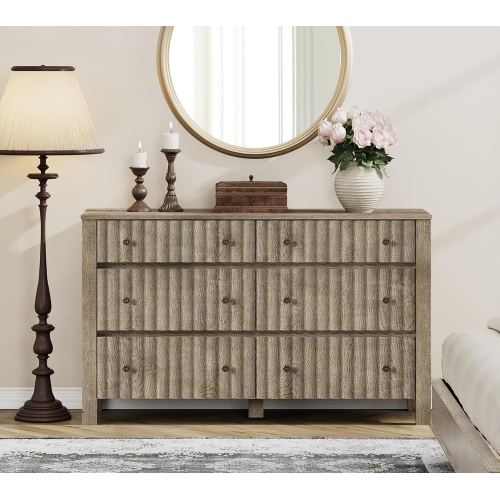
Dark wood dressers combine drawer storage with rich brown tones that can give a bedroom a settled, cohesive look. The category includes dressers made from naturally dark timber, wood with a deep stain, and wood-look finishes over engineered panels. Walnut, espresso, dark oak, and mahogany-style finishes describe different appearances rather than a single construction method: a walnut finish, for example, does not necessarily mean the dresser is made from solid walnut. Some finishes reveal distinct grain patterns, while others have a more uniform, nearly black surface. That distinction matters when matching a dresser to a bed frame or bedside tables, especially if the pieces will sit close together. Brown finishes with reddish undertones tend to complement cream textiles and brass-coloured hardware, while cooler brown finishes can sit comfortably alongside grey upholstery, black metal, and crisp white bedding. The shape of the furniture contributes just as much as the colour. Flat drawer fronts and slim handles create a streamlined appearance; framed fronts, curved feet, and substantial mouldings lean more traditional. A low, wide dresser provides a long horizontal line that can balance a tall headboard, while a narrow chest of drawers adds height without requiring the same wall space. Dark finishes can also create contrast against pale walls or light flooring, making the grain and outline easier to appreciate. For a more coordinated bedroom, repeating one detail—such as the handle finish, leg shape, or wood undertone—often works better than trying to make every surface match exactly. Materials deserve a close look beyond their appearance. Solid wood, wood veneer, and laminate are distinct options, and a dresser may combine several materials in its top, drawer fronts, sides, and internal structure. Wood veneer is a thin layer of real wood applied over a supporting core, whereas laminate provides a manufactured surface that may reproduce the appearance of wood grain. Neither a dark colour nor a thick-looking top alone establishes how a piece is built.
The most useful dark wood dresser is one whose proportions and drawer layout suit the room and the clothes it needs to hold. Width, height, and depth all affect placement, but the clearance in front matters too. Drawers need room to extend, and someone should still be able to stand comfortably between the open drawer and the bed. Baseboards, door swings, closet access, and nearby outlets can reduce usable space even when the wall itself looks large enough. In a compact bedroom, a taller chest may leave room for a chair or laundry hamper; in a broader room, a double dresser can divide storage between two people. Drawer count is only part of the storage picture. Six shallow drawers can serve a different purpose from four deep ones, so internal dimensions are more informative than the number of drawer fronts. Smaller compartments help separate socks, undergarments, and accessories, while wider drawers can accommodate folded trousers or several stacks of shirts. Deep drawers are useful for bulky knitwear, provided the contents remain within the stated load limits and do not catch against the drawer above. For shared storage, assigning each person a column of drawers can make daily routines simpler. A guest bedroom dresser may need less capacity, leaving space for visitors to unpack without crowding the room. In a child’s bedroom, reachable handles and manageable drawer movement matter, but they do not replace proper anchoring and supervision. Dressers should be secured to the wall according to the manufacturer’s instructions, using hardware appropriate for the wall construction. Children should never climb on drawers or use them as steps. The top surface can hold a small lamp, a jewellery tray, or a few personal objects within its weight limit, but a dresser should not be treated as a television stand unless it is expressly designed for that use. Delivery access is another practical consideration: doorways, stair turns, and lift dimensions may determine whether a fully assembled dresser can reach its intended room.
Durability comes from the way a dresser is constructed and used, not simply from its colour or weight. Well-fitted joints, supported drawer bottoms, secure handles, and stable legs or a solid base all contribute to everyday performance. Drawer glides affect how easily storage can be accessed, particularly when drawers contain heavier clothing. Full-extension glides can make items at the back easier to reach, while soft-close mechanisms reduce abrupt closing; either feature should be assessed alongside the drawer’s stated weight capacity. Dovetail joinery is one construction detail worth noting where specified, but the quality of the whole drawer matters more than any single feature. Assembly requirements also vary. Some dressers need only handles or legs attached, while others require the cabinet and drawers to be built from separate panels. Following the assembly sequence, tightening fittings as directed, and checking that drawers align correctly can help prevent rubbing or uneven gaps. Care should suit the actual surface rather than the colour alone. A soft cloth removes ordinary dust, and spills are best blotted promptly before moisture reaches joints or unfinished edges. Use only cleaning products approved for the finish, and avoid abrasive pads or untested polishes that could leave dull patches or residue. Felt pads beneath lamps and trays help limit scratches; lifting objects rather than sliding them is especially useful on smooth, dark tops where marks may be noticeable. Direct sunlight can alter the colour of some wood and finishes over time, so placement near a bright window deserves consideration. For rooms where a lighter-looking surface would better suit existing furniture, Natural Wood Dressers offer another visual direction to compare. A dark wood dresser remains a versatile choice for a main bedroom, a first apartment, or a guest room when its finish, storage capacity, and footprint fit the space. Attention to those details helps turn a substantial piece of furniture into storage that feels easy to use every day.
Top selling and popular products
-
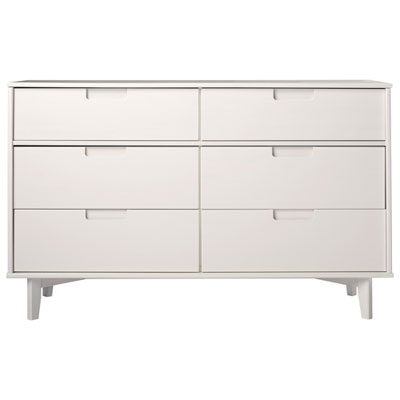 Your price for this item is $569.99
-
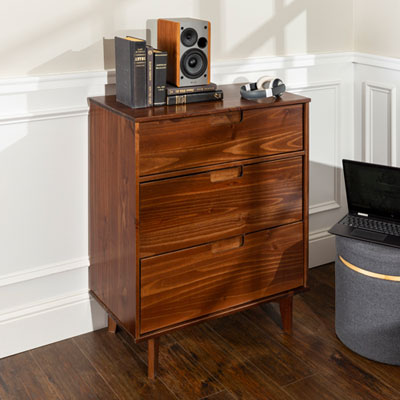 Your price for this item is $364.99
-
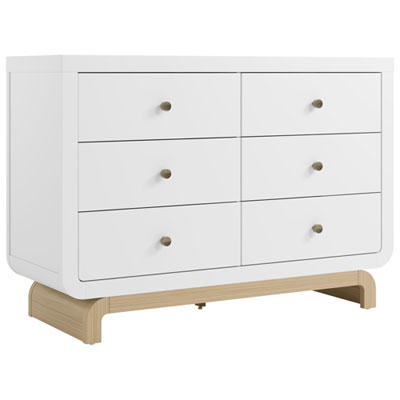 Your price for this item is $899.99
-
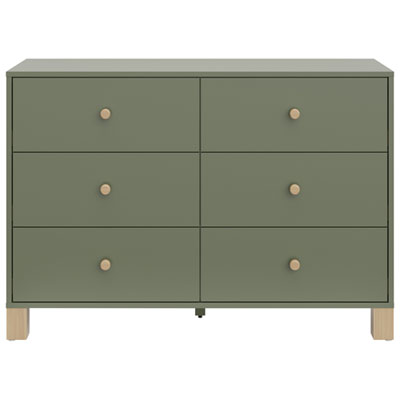 Your price for this item is $699.99
-
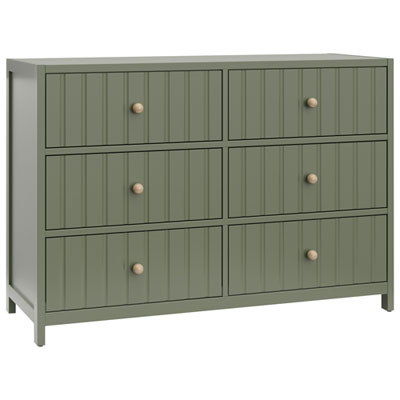 Your price for this item is $699.99
-
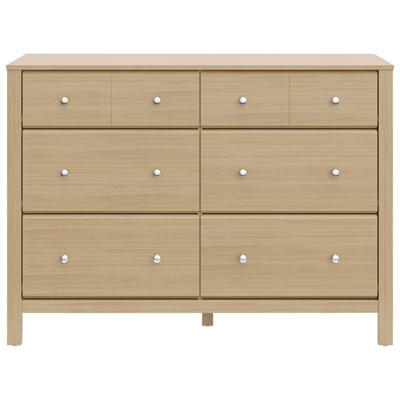 Your price for this item is $399.99
-
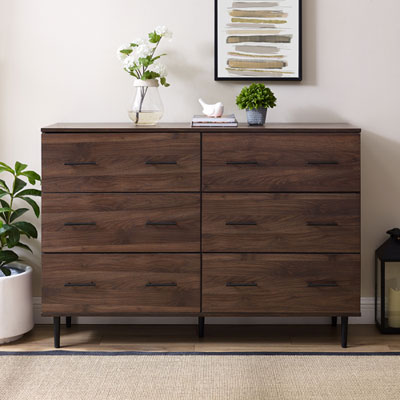 Your price for this item is $886.99
-
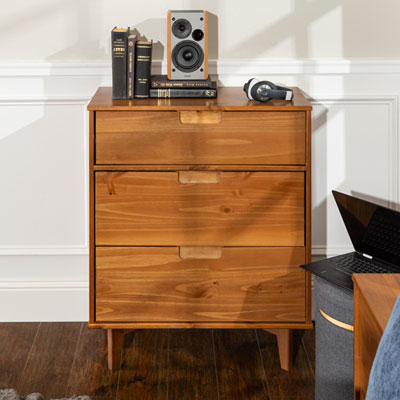 Your price for this item is $364.99
Discover more categories related to Dark Wood Dressers
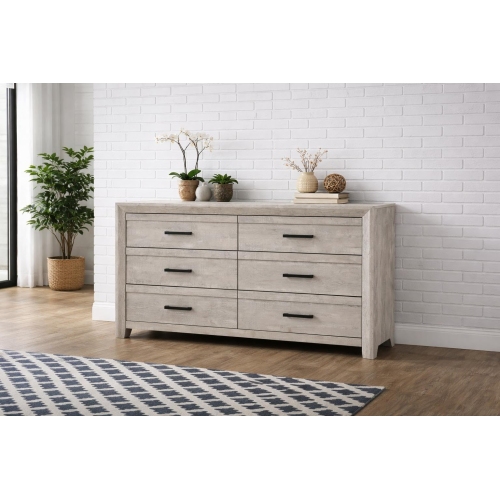
Top Collections:
Pokemon Centers, Best Cameras for Sports Photography, Kindle Devices, Samsung Galaxy Phones, Canon G7X Cameras, Pokémon 30th Celebration Cards, Refurbished Apple Laptops, iPhone 15 Apple, Laptops for Students, Budget Smartphones
Some products may be subject to Environmental Handling Fees
(EHF) depending on your province.
Learn more about EHFs.