Bone China Mugs
Elevate your morning routine with this exquisite collection of bone china mugs. Crafted with elegance and sophistication in mind, these mugs offer a touch of luxury to your daily coffee or tea ritual. Whether you prefer a classic white design or a vibrant pattern, this selection of bone china mugs is sure to add a stylish flair to your kitchen. Explore this range of high-quality mugs that marry beauty with functionality, perfect for sipping your favorite hot beverages in style.
Sort
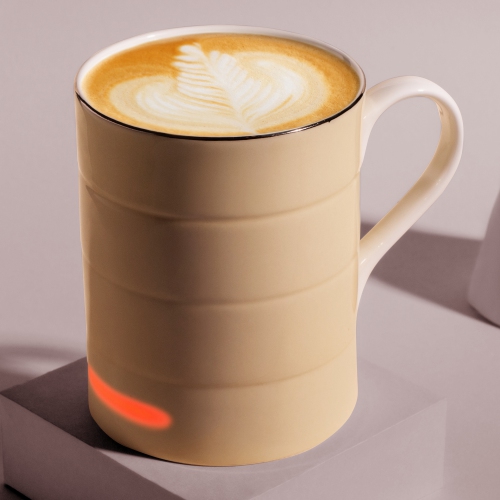
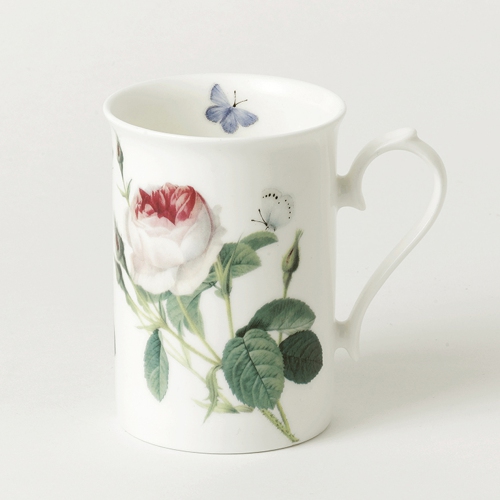
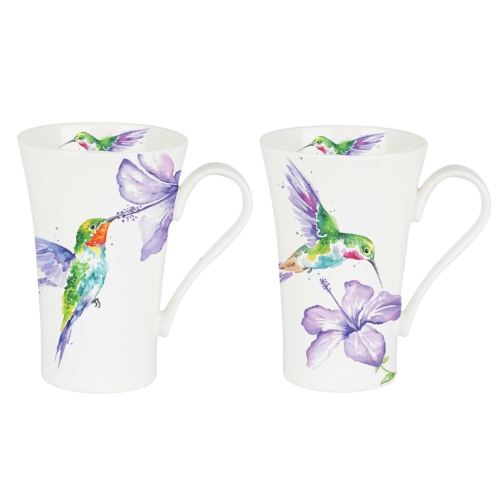
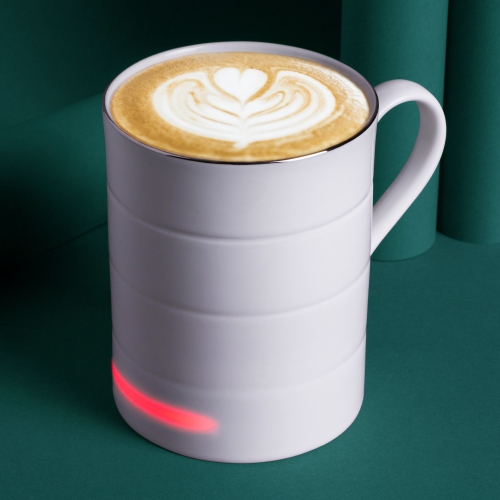
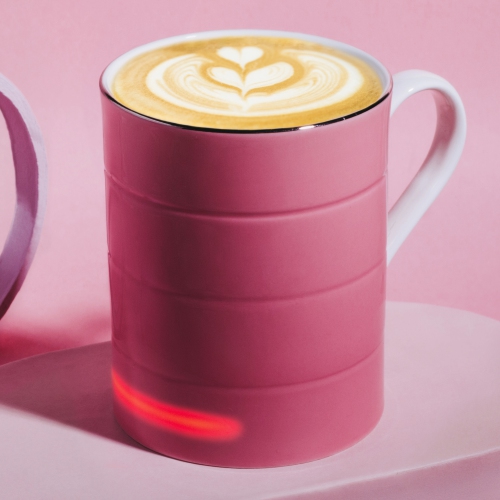
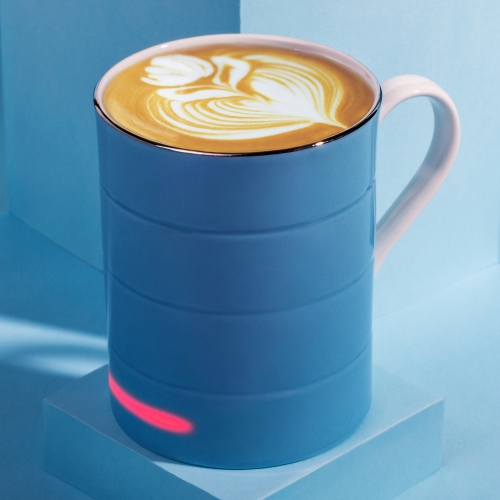
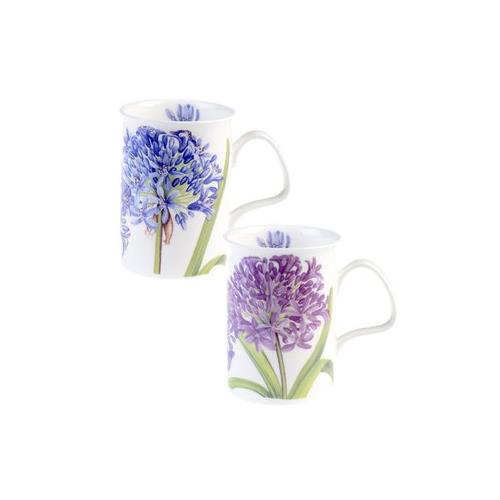

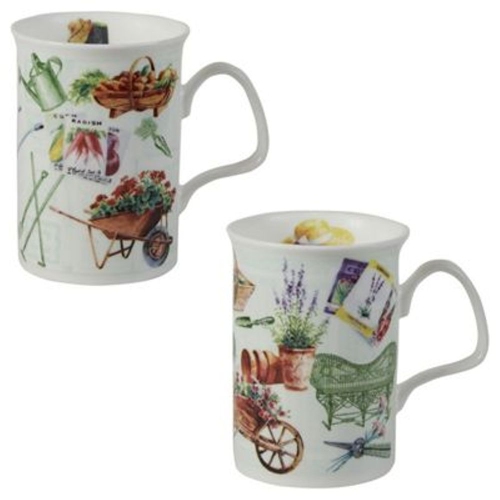
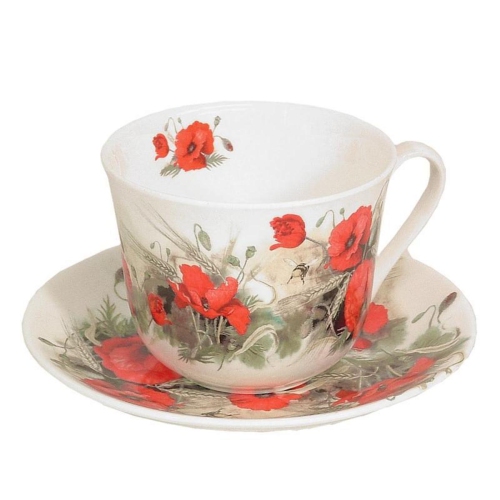
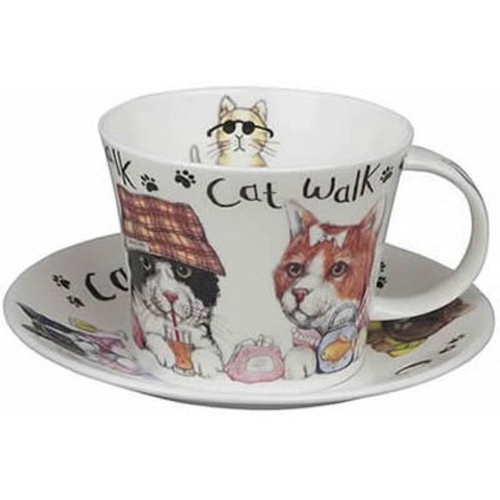

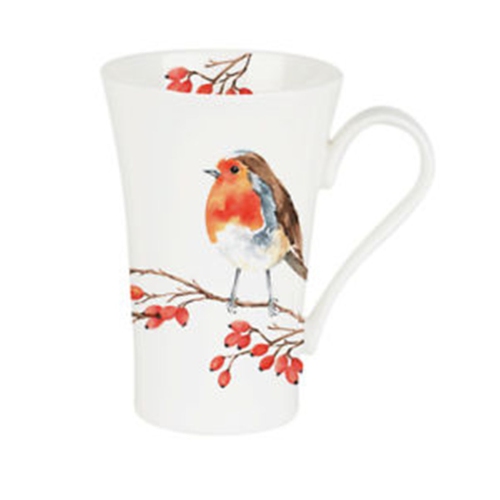
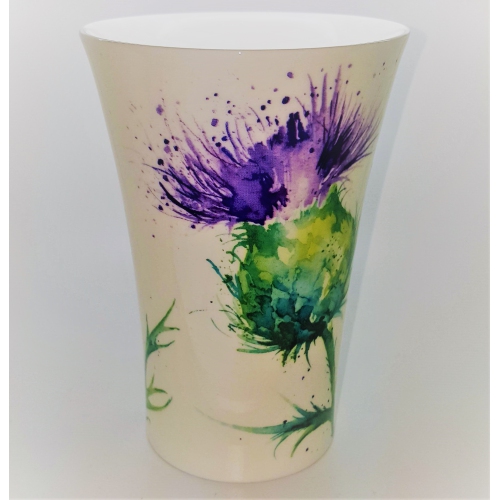
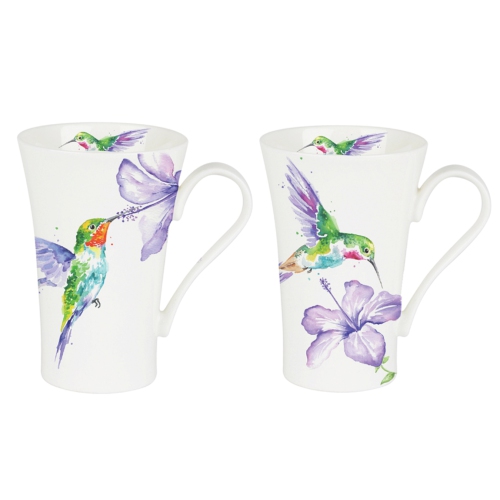
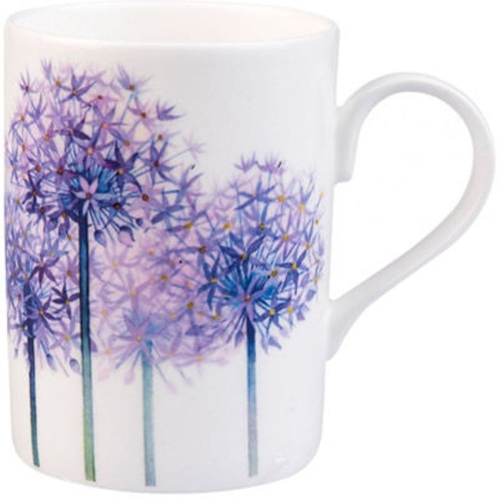
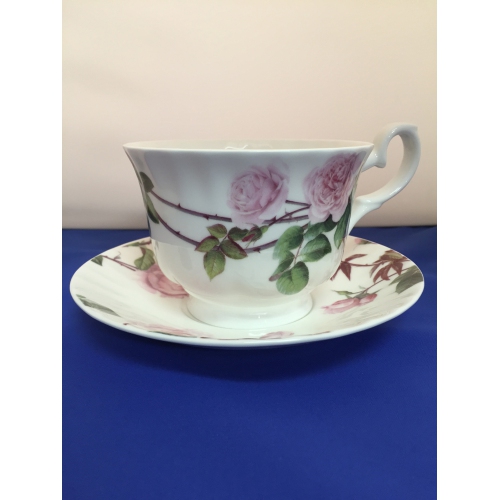
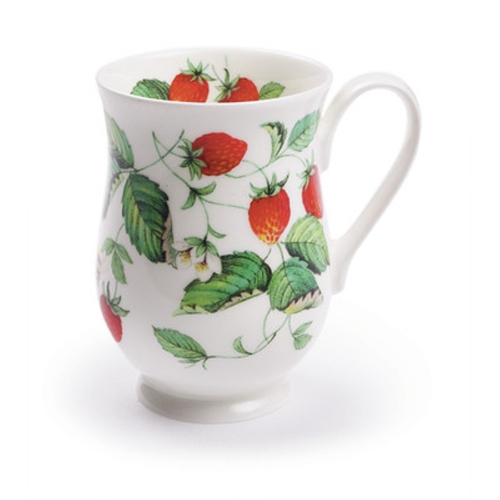
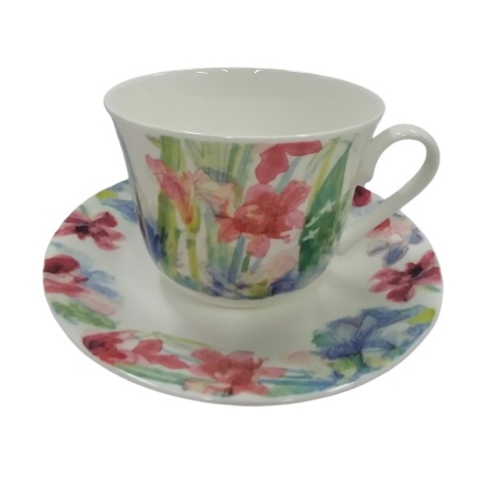
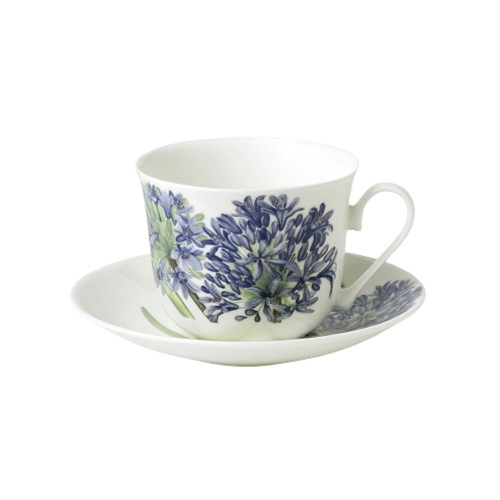
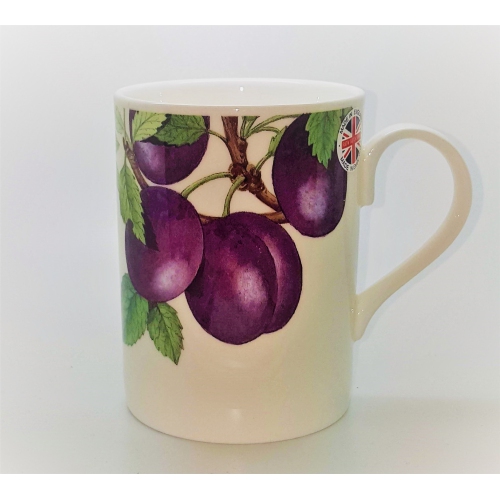
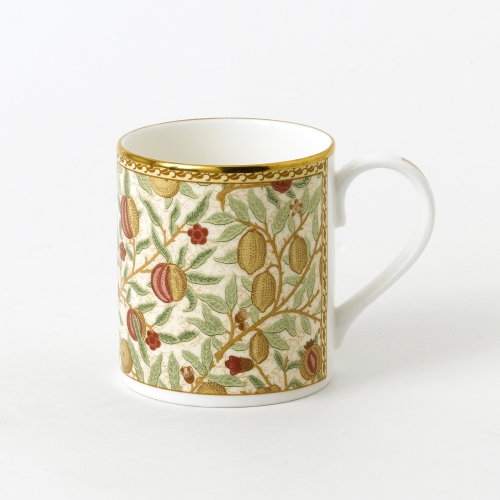

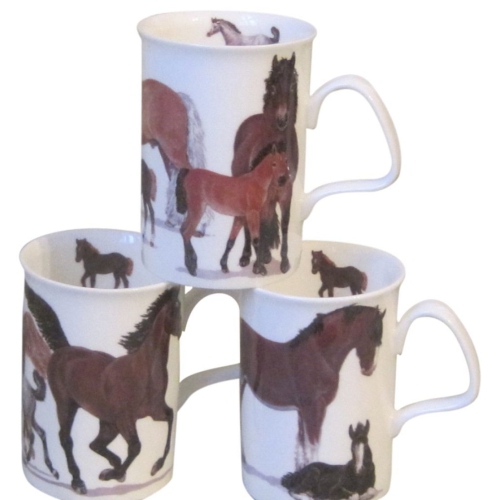
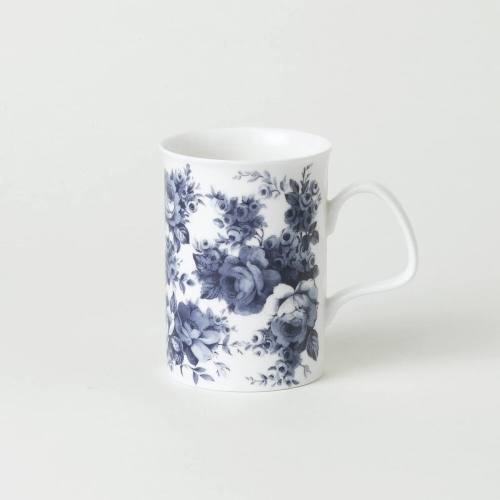
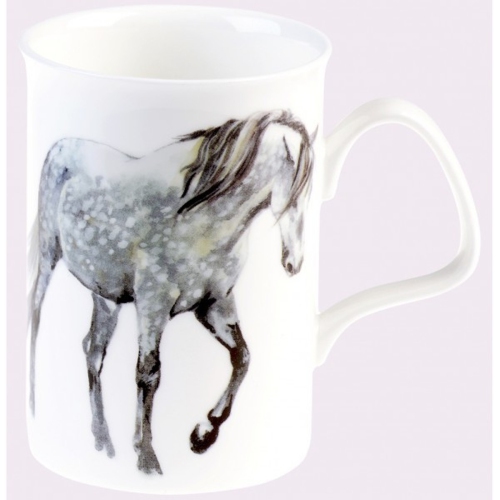
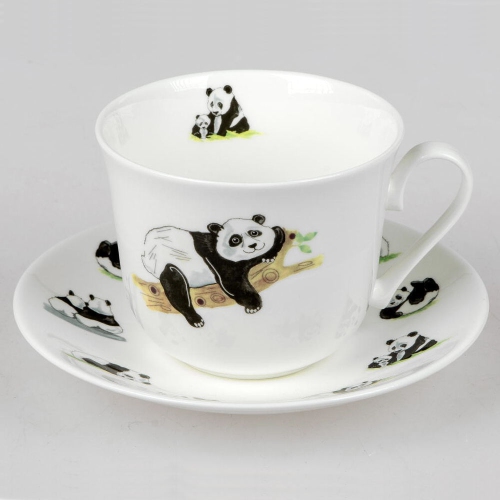
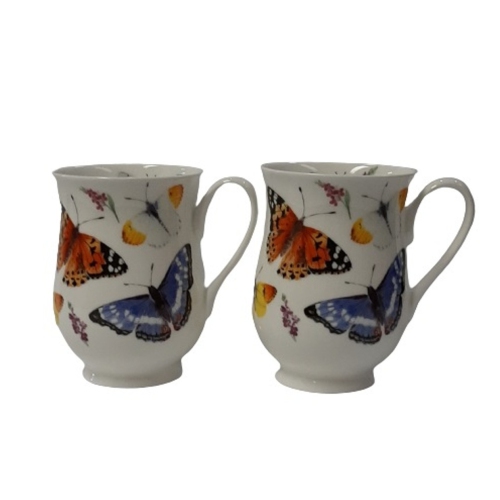
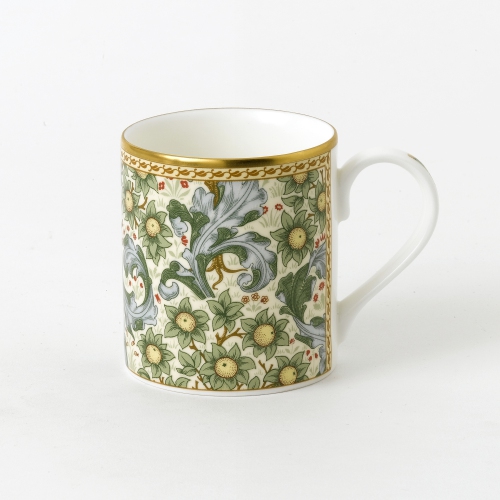
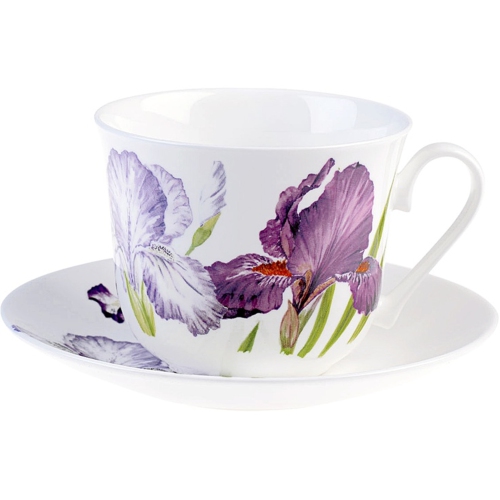
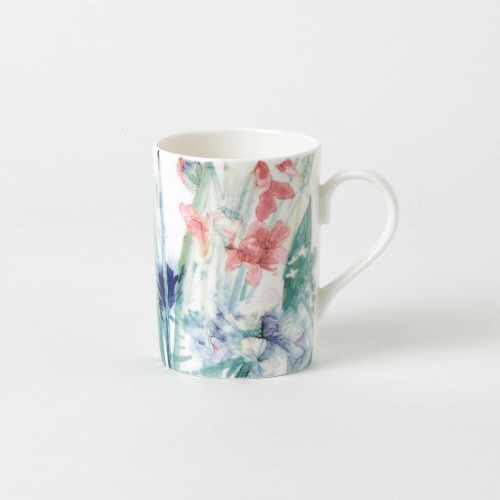
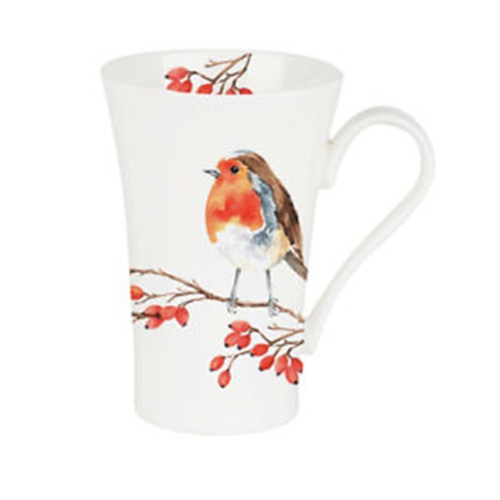
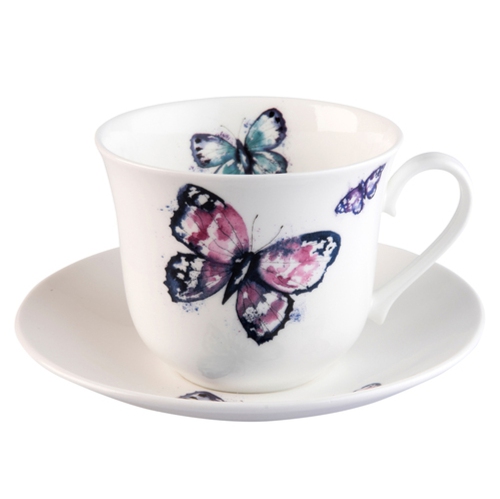
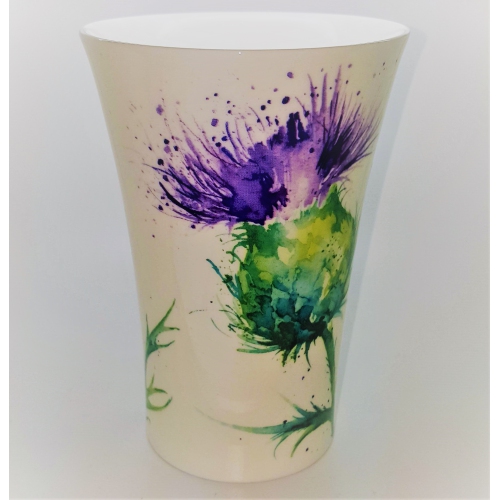
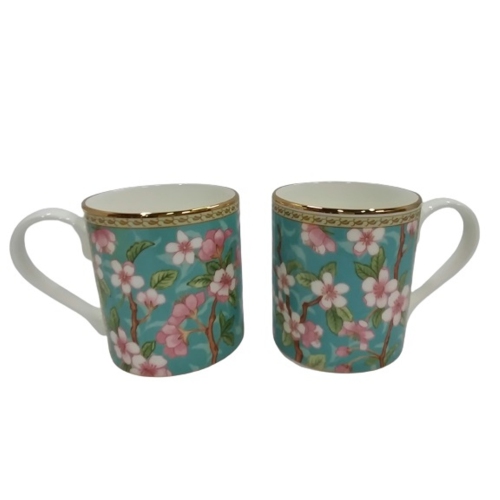
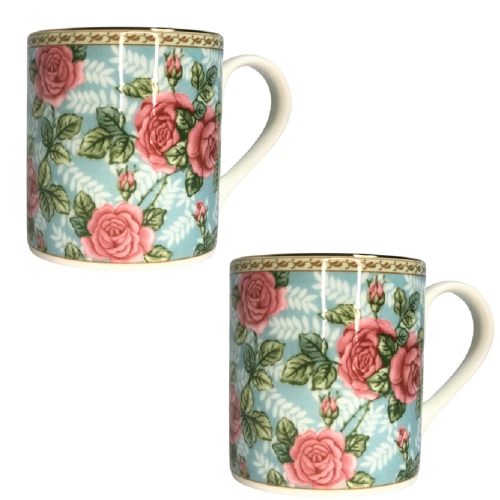
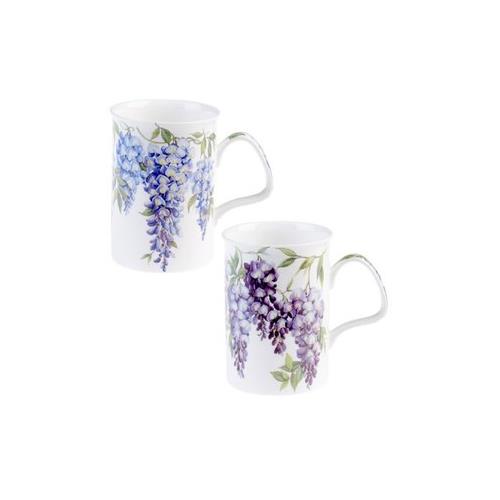
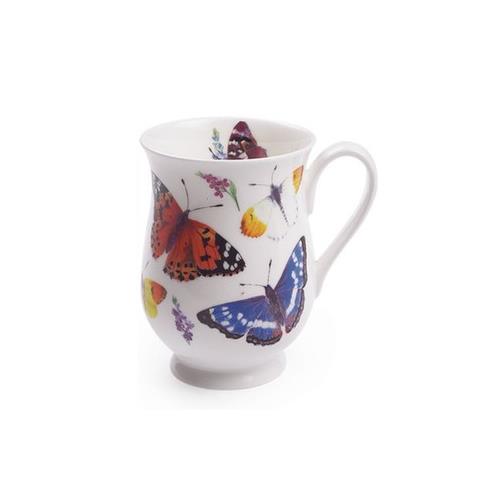
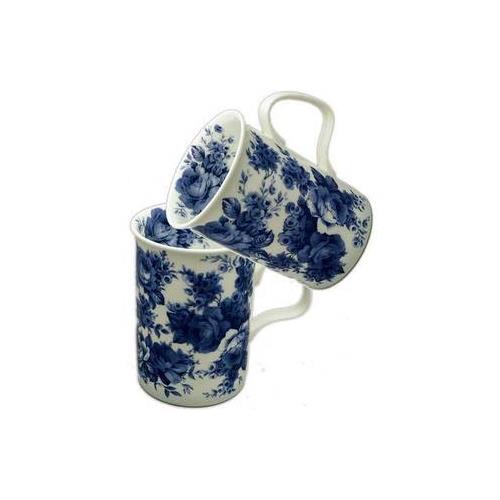
Why thin walls can make everyday sipping feel different
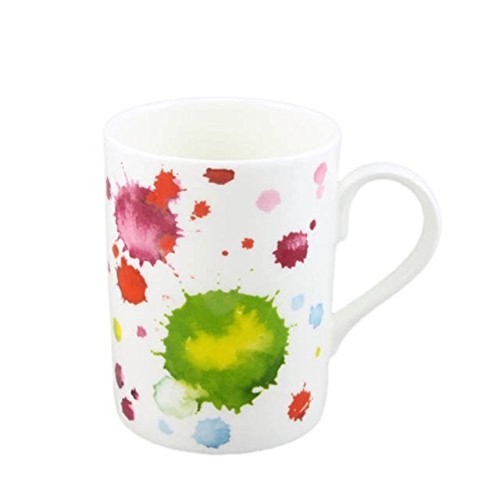
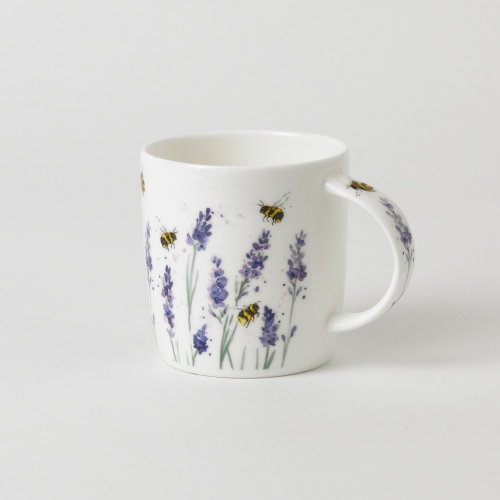
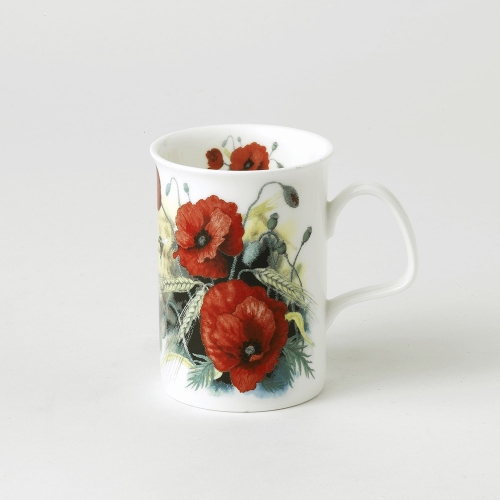
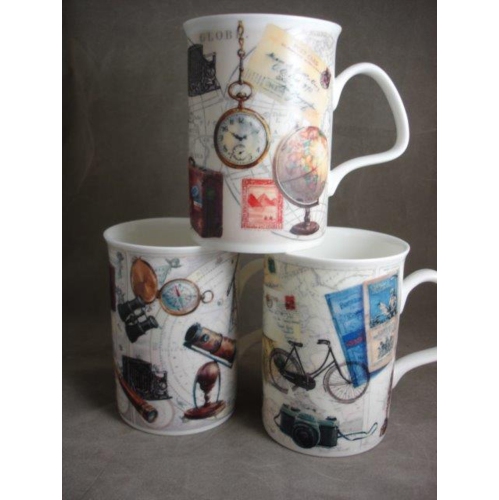
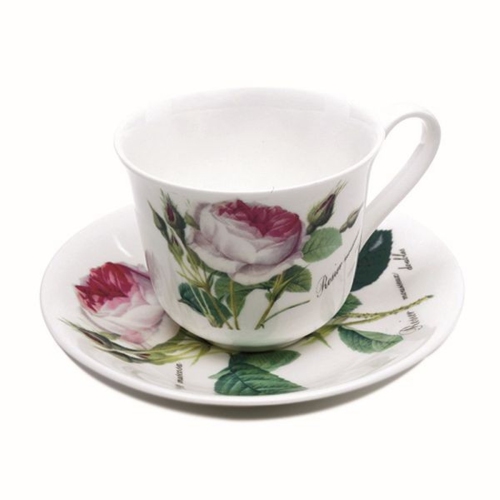
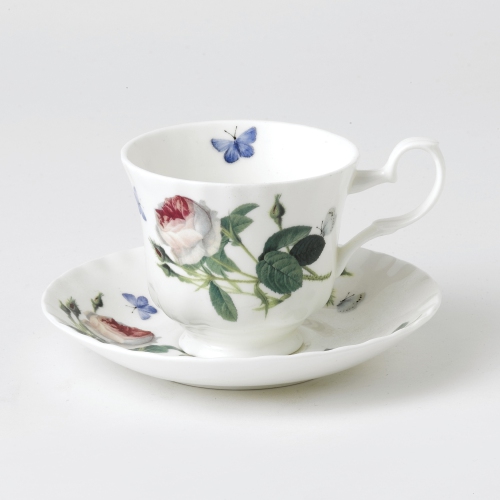
Bone china mugs pair the familiar shape of an everyday drinking mug with the fine finish of traditional china. Made from a ceramic mixture that includes bone ash, china clay, and feldspathic materials, bone china is known for its strength relative to its thin walls, smooth glazed surface, and gentle translucency when held to the light. Its colour is often a soft, warm white, although the exact tone varies with the composition and finish. Those qualities give a mug a delicate appearance without making it suitable only for display. A well-made bone china mug can be a practical choice for daily tea or coffee, provided its care requirements suit the household. The thinner rim offers a different drinking experience from a chunky stoneware mug, while the comparatively light body may feel comfortable to lift even when filled. Plain white designs let the shape and finish take centre stage, fitting naturally beside patterned plates, clear glassware, or simple breakfast dishes. Floral artwork, geometric patterns, illustrations, and bands of colour bring more personality to a desk or kitchen shelf. A design that continues around the body looks finished from either side, while artwork inside the rim adds a small detail that becomes visible between sips. For anyone comparing ceramic materials, Porcelain Mugs offer a closely related option with their own range of shapes and finishes; traditional porcelain does not contain the bone ash that distinguishes bone china. Names alone do not always explain the composition, particularly when terms such as “new bone china” appear, so the stated material is worth checking. Traditional bone china contains animal-derived material, which may matter to someone choosing household goods or buying a gift. Beyond appearance, the most useful distinctions are often simple ones: how much the mug holds, how the handle fits, and whether the finish supports the way it will be washed and used.
Capacity and shape make a noticeable difference to how bone china mugs fit into a daily routine. A smaller mug can suit a short coffee or a modest serving of tea, while a more generous shape leaves room for milk, foam, or a longer drink. The stated capacity may refer to a mug filled close to the brim, so usable space is usually a little less when leaving enough room to carry it comfortably. Dimensions matter just as much as volume. A tall mug may not fit beneath a coffee machine’s spout, and a broad one can occupy more cupboard space than expected. For a machine with a removable drip tray, checking the clearance in the usual brewing position helps avoid an awkward fit. A wide opening makes it easier to stir in milk or lift out a tea infuser; a narrower profile can feel more natural in the hand. Handle size deserves particular attention because a light mug is not necessarily easy to hold if the opening is cramped. A roomy loop can allow two or more fingers through, while a small curved handle may encourage a pinch grip. Someone who prefers a steadier hold may appreciate a generous handle, balanced body, and flat base rather than an especially large capacity. The mug’s weight when full is more relevant than its empty weight for anyone with limited hand strength. Rim shape also changes the feel of each sip: a fine, gently rounded edge tends to feel unobtrusive, whereas a flared lip creates a different angle for drinking. At a breakfast table, matching mugs can give mixed dishes a more unified look. In a shared kitchen, different colours or illustrations make individual mugs easier to recognize. For desk use, a stable base and comfortable handle are often more useful than elaborate trim. These everyday details help distinguish a mug chosen mainly for its artwork from one that feels right through repeated refills.
Care and durability depend on the mug’s construction, glaze, and decoration, not simply on the bone china name. Although bone china can be strong for its weight, it remains a breakable ceramic: a knock against a tap, a hard landing on a stone benchtop, or pressure from tightly stacked dishes can chip a rim or damage a handle. Giving mugs a little space in the cupboard and keeping them from knocking together during washing helps protect their edges. Dishwasher suitability should be confirmed in the care information, particularly for printed artwork, metallic accents, or hand-applied details. When dishwasher use is permitted, placing mugs securely so they cannot rattle against other dishes helps limit accidental damage. For handwashing, mild dish soap, warm water, and a soft cloth or non-abrasive sponge are sensible starting points. Rough scouring pads can mark a glossy finish, and aggressive cleaners may affect decoration. Tea and coffee deposits are easier to manage when mugs are rinsed after use rather than left with residue inside. Any stain treatment should follow the maker’s recommendations, especially around artwork or trim. Microwave safety also needs explicit confirmation; gold, silver, and other metallic decoration generally make a mug unsuitable for microwave use. A plain-looking finish is not a substitute for a microwave-safe marking. Sudden temperature changes can stress ceramic, so moving a chilled mug directly into contact with very hot liquid is best avoided. With suitable care, bone china mugs can serve both ordinary routines and more personal occasions, from a quiet cup of tea with a book to coffee shared after a meal. They also make thoughtful housewarming, birthday, or thank-you gifts when the design reflects the recipient’s tastes. A restrained pattern may suit someone who likes coordinated tableware, while botanical artwork or an illustration connected to a hobby can feel more individual. For a gift intended for frequent use, a comfortable shape and straightforward care requirements often matter as much as the design.
Capacity and shape make a noticeable difference to how bone china mugs fit into a daily routine. A smaller mug can suit a short coffee or a modest serving of tea, while a more generous shape leaves room for milk, foam, or a longer drink. The stated capacity may refer to a mug filled close to the brim, so usable space is usually a little less when leaving enough room to carry it comfortably. Dimensions matter just as much as volume. A tall mug may not fit beneath a coffee machine’s spout, and a broad one can occupy more cupboard space than expected. For a machine with a removable drip tray, checking the clearance in the usual brewing position helps avoid an awkward fit. A wide opening makes it easier to stir in milk or lift out a tea infuser; a narrower profile can feel more natural in the hand. Handle size deserves particular attention because a light mug is not necessarily easy to hold if the opening is cramped. A roomy loop can allow two or more fingers through, while a small curved handle may encourage a pinch grip. Someone who prefers a steadier hold may appreciate a generous handle, balanced body, and flat base rather than an especially large capacity. The mug’s weight when full is more relevant than its empty weight for anyone with limited hand strength. Rim shape also changes the feel of each sip: a fine, gently rounded edge tends to feel unobtrusive, whereas a flared lip creates a different angle for drinking. At a breakfast table, matching mugs can give mixed dishes a more unified look. In a shared kitchen, different colours or illustrations make individual mugs easier to recognize. For desk use, a stable base and comfortable handle are often more useful than elaborate trim. These everyday details help distinguish a mug chosen mainly for its artwork from one that feels right through repeated refills.
Care and durability depend on the mug’s construction, glaze, and decoration, not simply on the bone china name. Although bone china can be strong for its weight, it remains a breakable ceramic: a knock against a tap, a hard landing on a stone benchtop, or pressure from tightly stacked dishes can chip a rim or damage a handle. Giving mugs a little space in the cupboard and keeping them from knocking together during washing helps protect their edges. Dishwasher suitability should be confirmed in the care information, particularly for printed artwork, metallic accents, or hand-applied details. When dishwasher use is permitted, placing mugs securely so they cannot rattle against other dishes helps limit accidental damage. For handwashing, mild dish soap, warm water, and a soft cloth or non-abrasive sponge are sensible starting points. Rough scouring pads can mark a glossy finish, and aggressive cleaners may affect decoration. Tea and coffee deposits are easier to manage when mugs are rinsed after use rather than left with residue inside. Any stain treatment should follow the maker’s recommendations, especially around artwork or trim. Microwave safety also needs explicit confirmation; gold, silver, and other metallic decoration generally make a mug unsuitable for microwave use. A plain-looking finish is not a substitute for a microwave-safe marking. Sudden temperature changes can stress ceramic, so moving a chilled mug directly into contact with very hot liquid is best avoided. With suitable care, bone china mugs can serve both ordinary routines and more personal occasions, from a quiet cup of tea with a book to coffee shared after a meal. They also make thoughtful housewarming, birthday, or thank-you gifts when the design reflects the recipient’s tastes. A restrained pattern may suit someone who likes coordinated tableware, while botanical artwork or an illustration connected to a hobby can feel more individual. For a gift intended for frequent use, a comfortable shape and straightforward care requirements often matter as much as the design.
Top selling and popular products
-
 Your price for this item is $99.99
 -
 Your price for this item is $149.99
 -
 Your price for this item is $90.99
 -
 Your price for this item is $139.97
 -
 Your price for this item is $94.99
 -
 Your price for this item is $114.99
 -
 Your price for this item is $114.99
 -
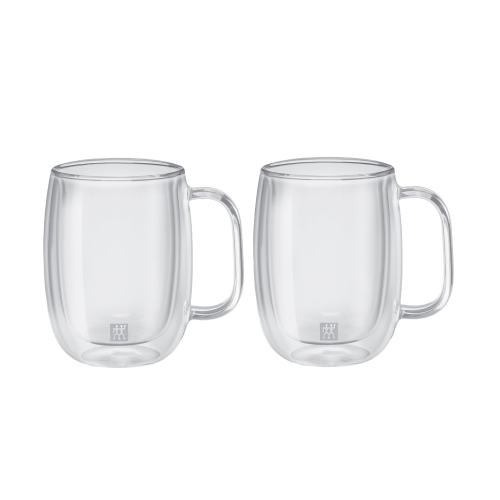 Your price for this item is $39.99
Discover more categories related to Bone China Mugs
Top Collections:
Pokemon Centers, Kindle Devices, Best Budget Office Chairs, Apple iPhones 16, Best Laptops for Writers, iPhone 15 Apple, Canon G7X Cameras, Refurbished Apple Laptops, Alarm Clock, Motorola Razr Phones
Some products may be subject to Environmental Handling Fees
(EHF) depending on your province.
Learn more about EHFs.