Bookcases With Sliding Glass Doors
Bookcases with sliding glass doors provide a visually appealing and convenient way to store and display books, while also protecting them from dust and damage. The glass doors also allow for easy access to books and provide a level of security, while enhancing the aesthetic of the room. Here are some of the bookcases with sliding glass doors that we offer.
Sort
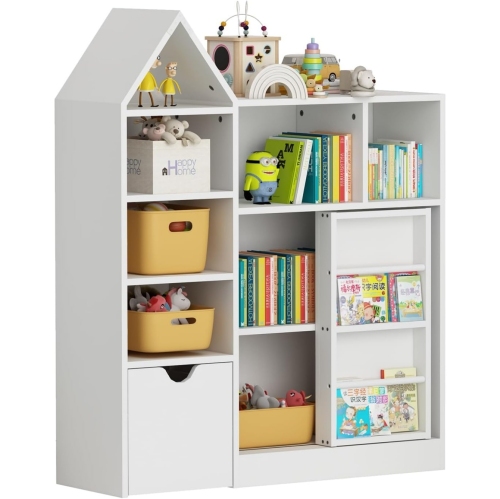
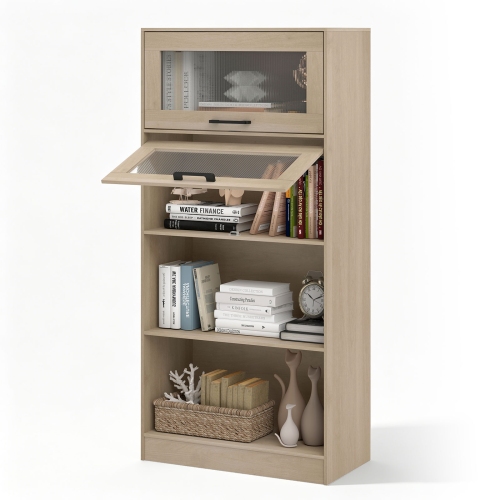
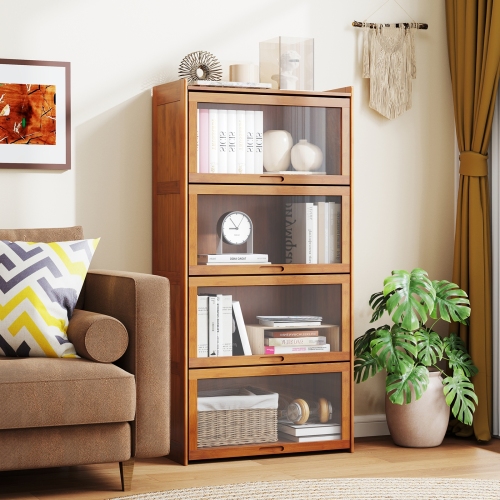
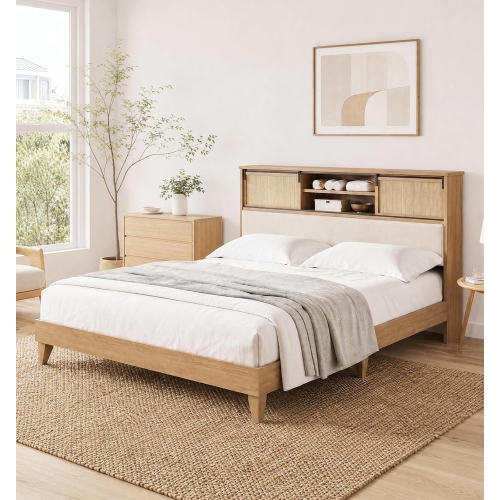
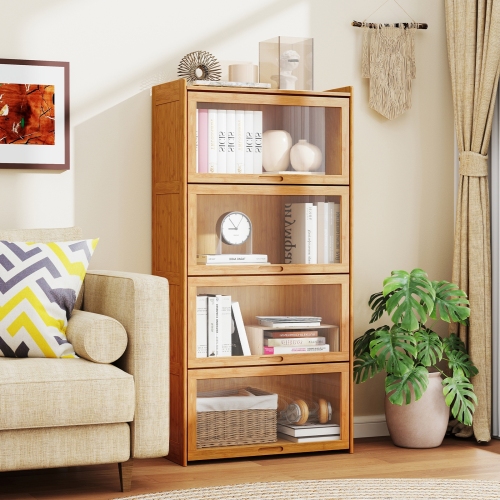
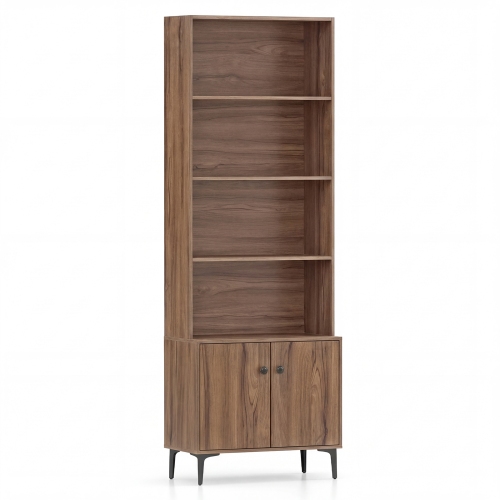
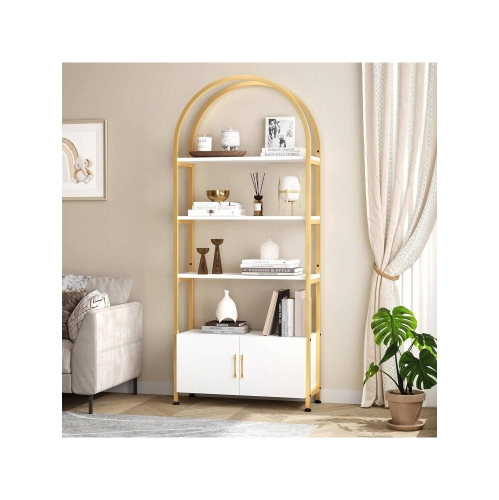
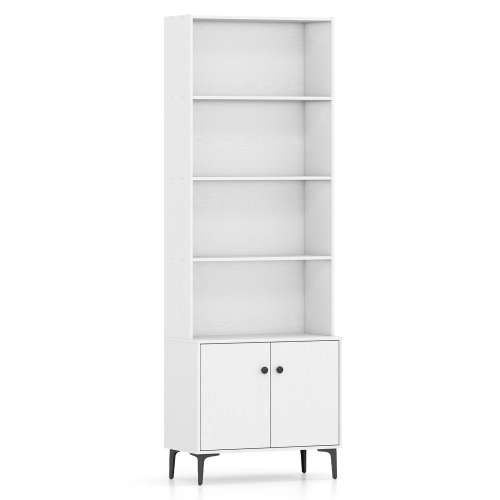
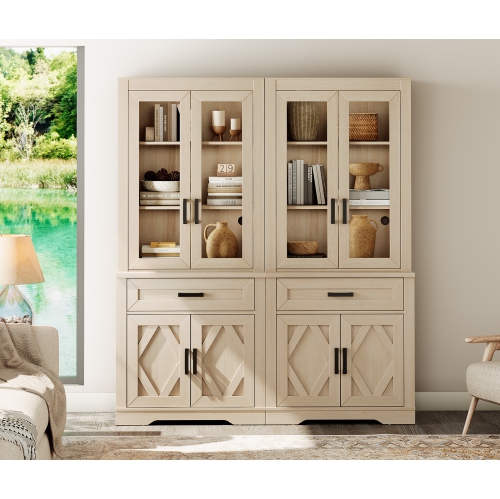
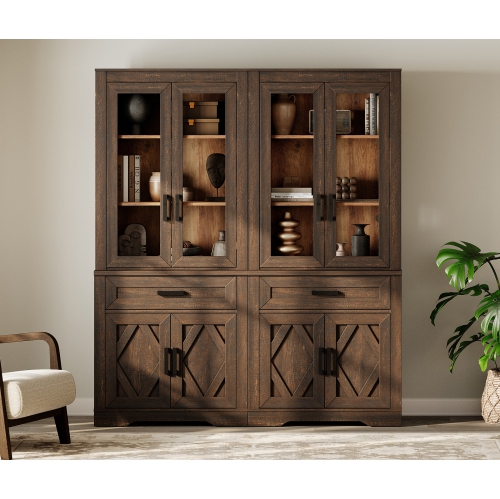
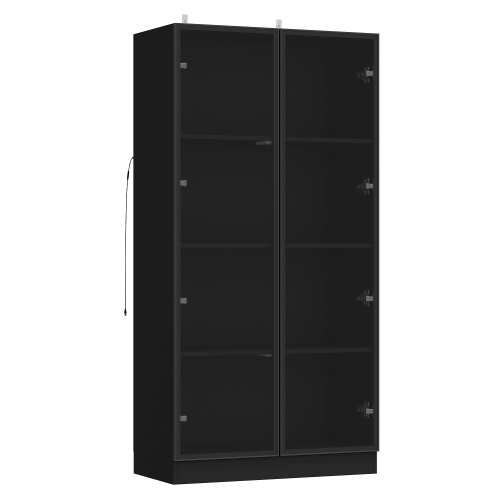
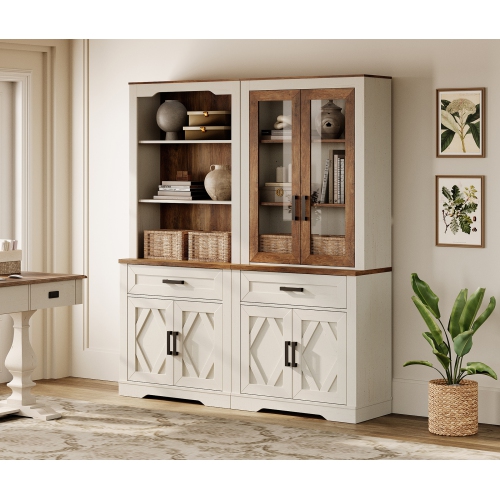
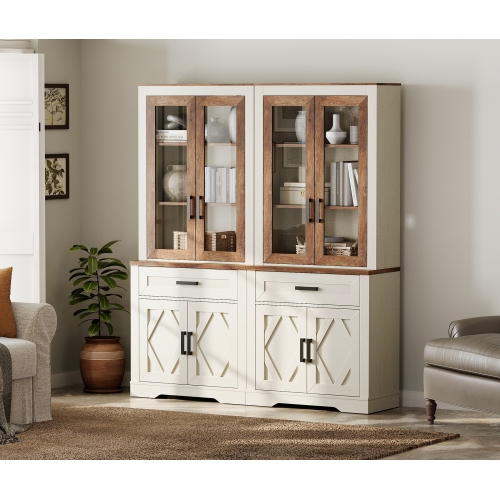
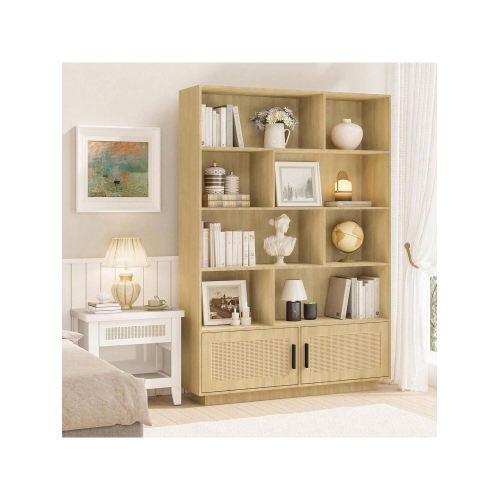
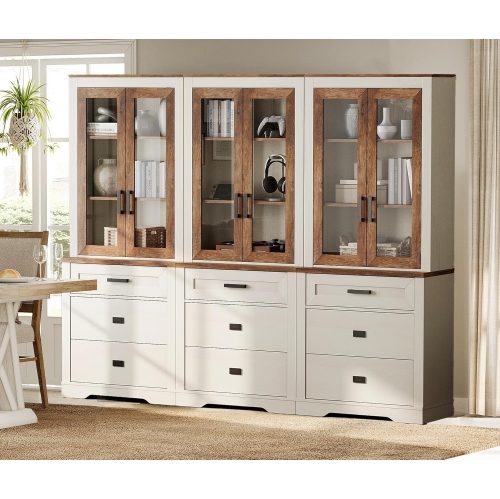
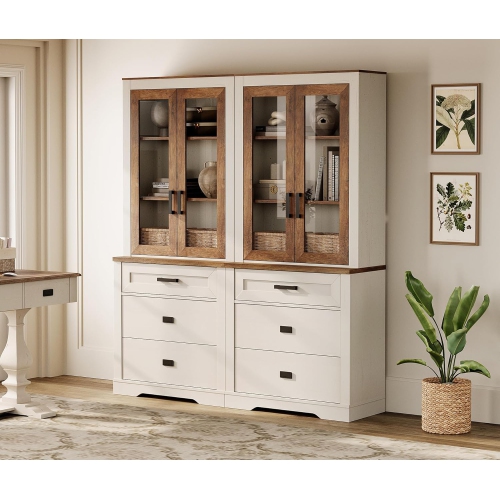
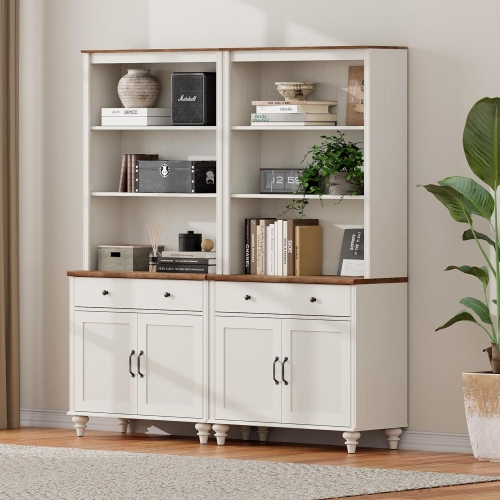
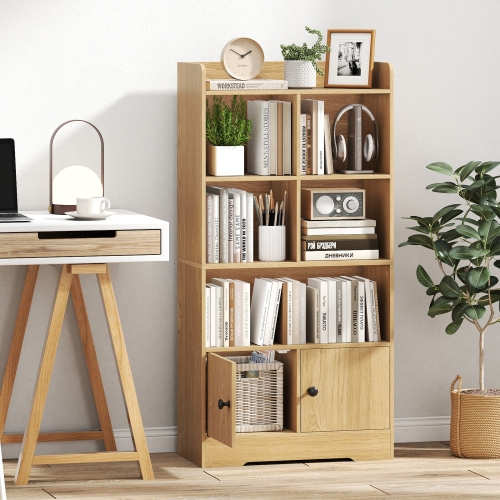
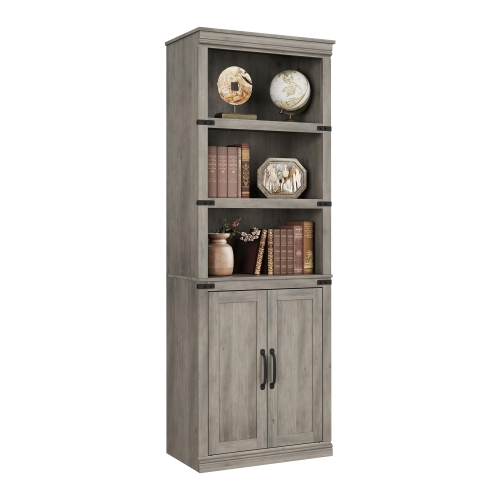
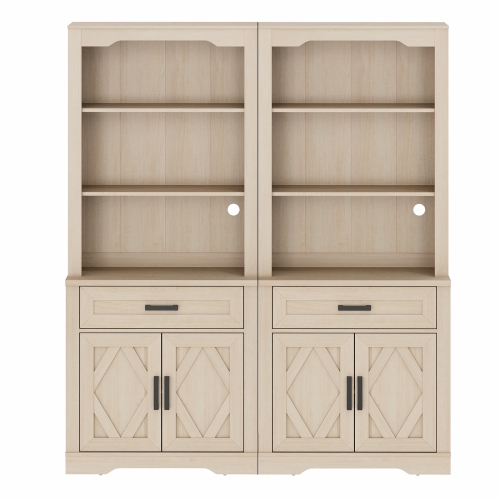
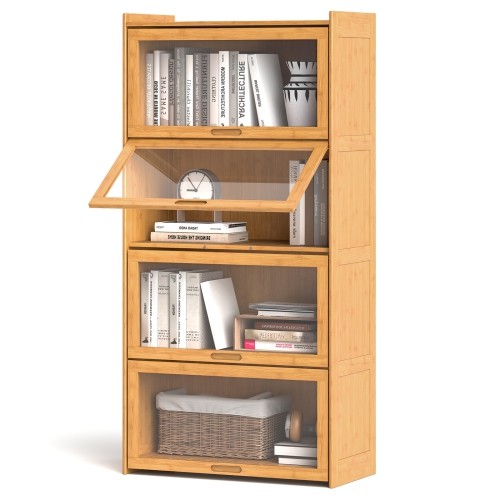
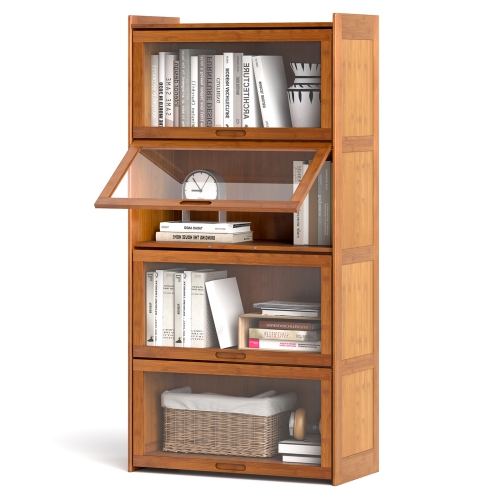
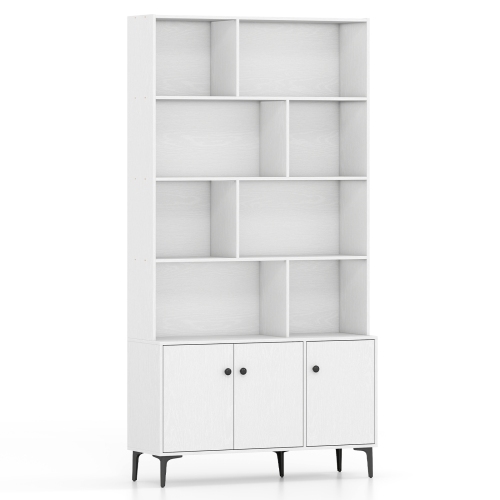
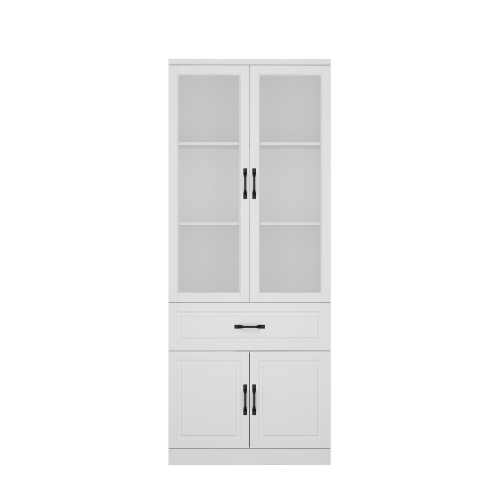
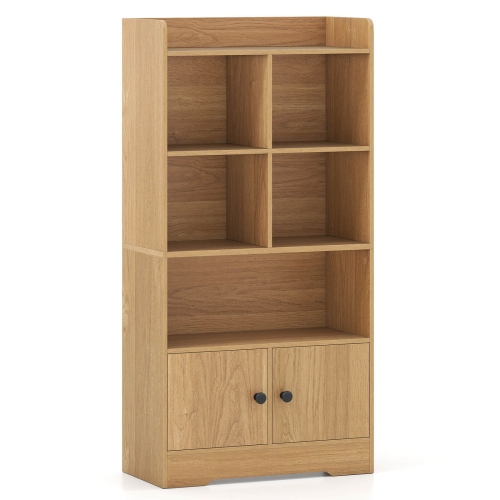
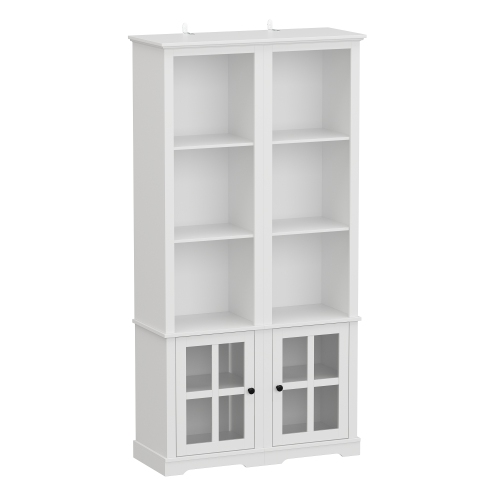
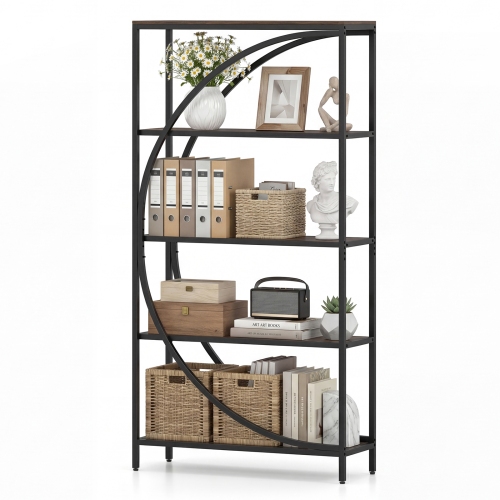
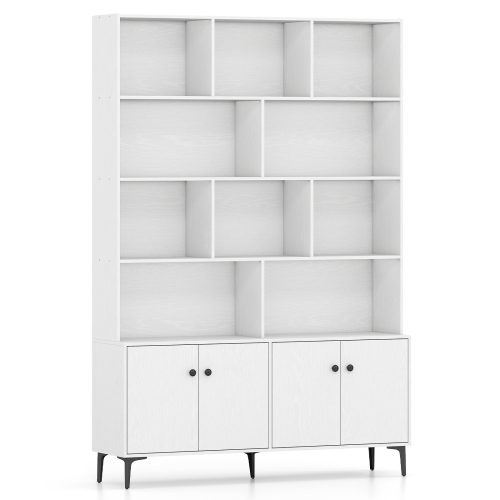
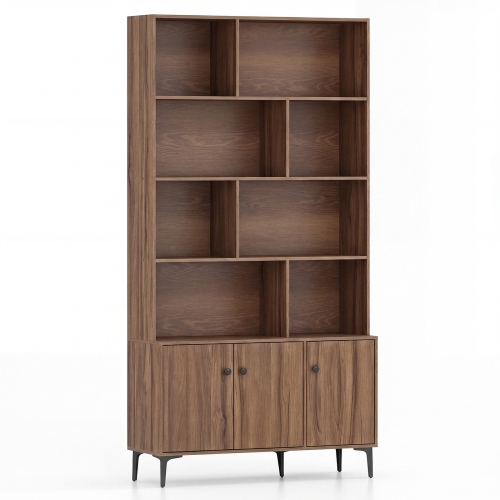
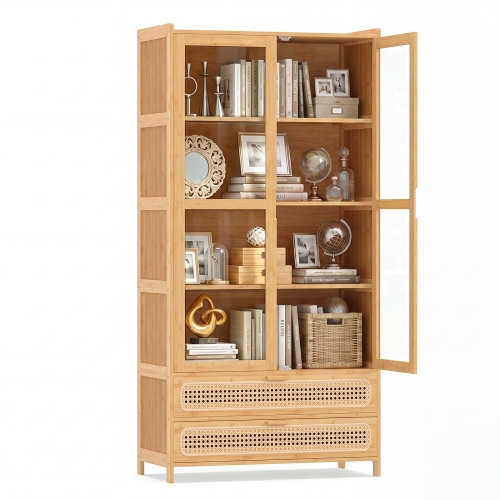
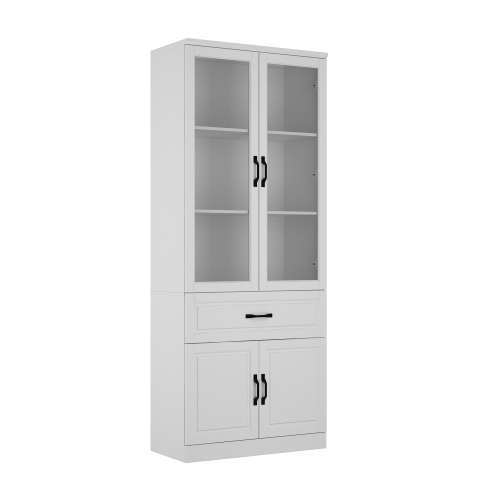
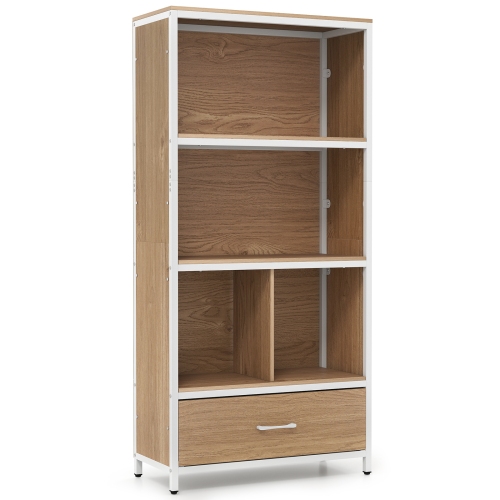
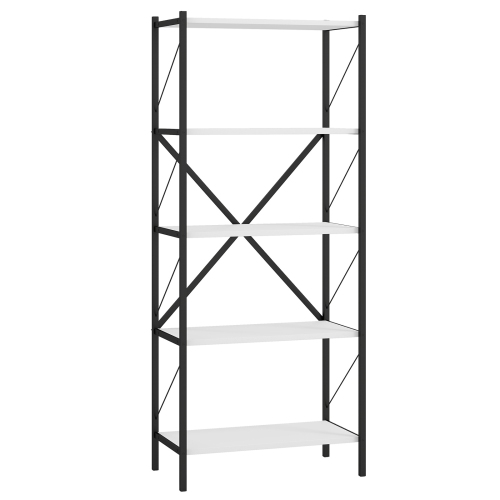
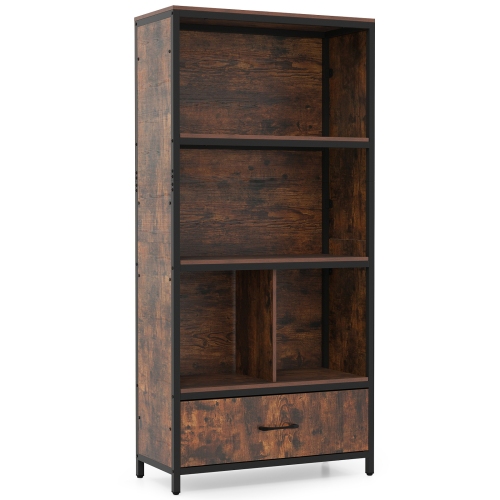
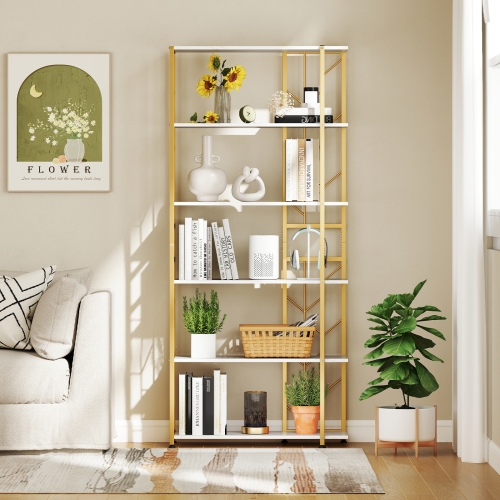
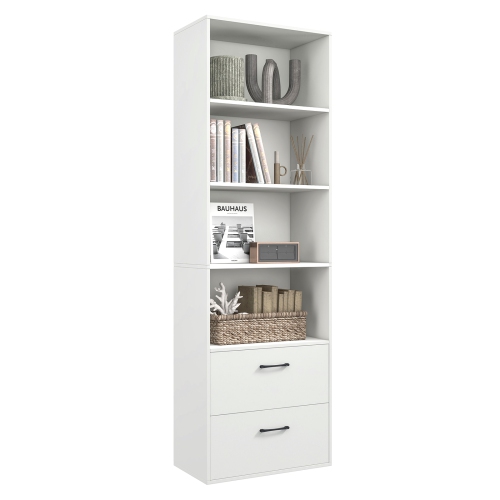
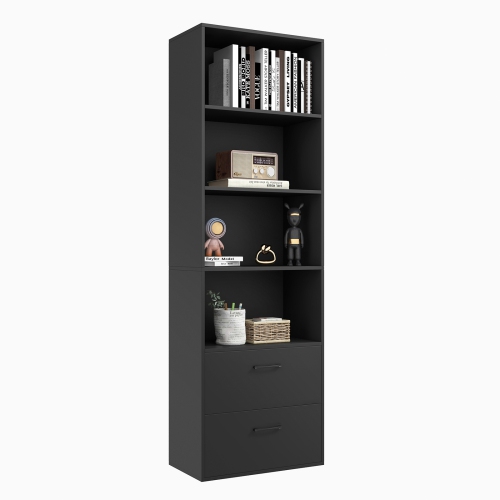
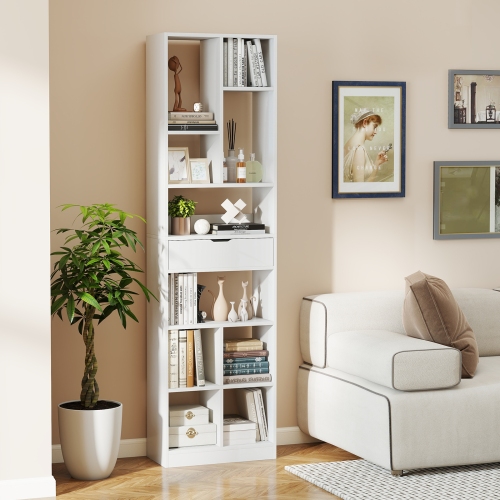
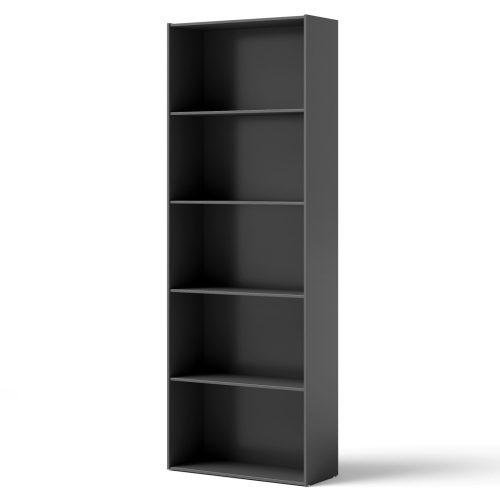
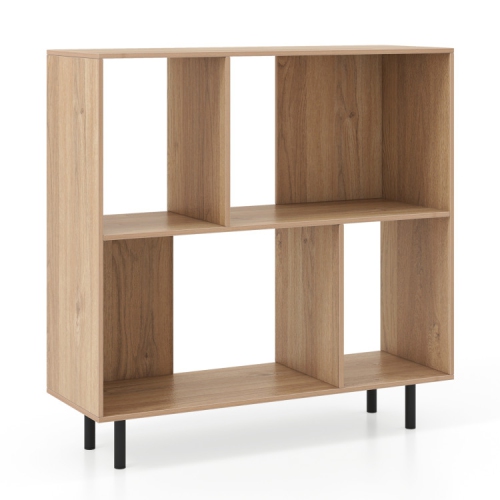
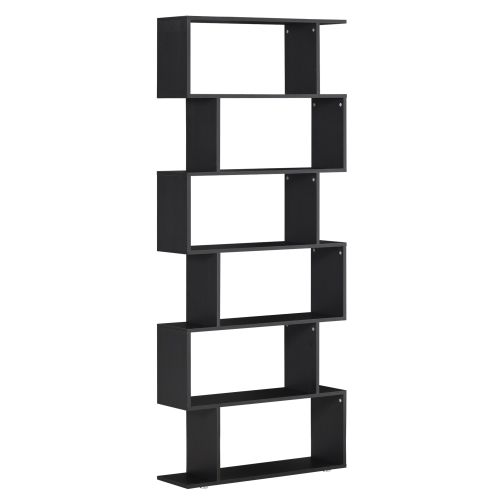
Visible book storage without doors swinging into your room
Bookcases with sliding glass doors keep books and display pieces visible behind glass while reducing dust exposure and avoiding the clearance needed for doors that swing outward. This combination suits a living room with seating close to the shelves, a home office with a narrow walkway, or a reading corner where every bit of floor space matters. The doors move sideways within the cabinet frontage, making it possible to reach a shelf without opening a door into the room. Because the panels usually overlap, only part of the enclosed area may be accessible at once; the size of that opening matters for wide art books, storage boxes, and larger display pieces. Glass fronts help a collection feel connected to the room rather than hidden away. Clear glass shows book spines and objects in detail, while fluted or textured glass softens the view and makes mixed storage less visually prominent. Neither style creates an airtight seal, so occasional dusting is still part of ownership. Proportions shape how the furniture works in a space: a low, wide bookcase can sit beneath wall art, while a tall, narrow design uses vertical wall space without stretching across the room. Overall depth deserves attention, since a shallow cabinet may suit novels but leave oversized volumes projecting beyond the shelf edge or interfering with the door path. Baseboards, nearby outlets, and the route past neighbouring furniture also affect placement. A traditional barrister bookcase has a different opening arrangement, with individual glass-fronted sections that typically lift and slide back, rather than panels that travel sideways across the front. Sliding-door designs belong to the broader Bookshelf With Glass Doors category, with their appeal centred on visible storage and an opening action that does not project into the room. For frequent readers, collectors, and households organizing a shared library, that balance can make books easier to enjoy without leaving every shelf fully exposed.
Materials and construction influence both the appearance of a glass-door bookcase and how it handles everyday use. Solid wood brings distinctive grain and can develop character through years of use, though care requirements vary with the finish. Engineered wood can provide a consistent surface and may be finished with laminate, paint, or wood veneer; veneer is a thin layer of real wood over a supporting core, not solid wood throughout. A metal frame creates a more defined outline and often pairs naturally with a desk or other furniture that has exposed metal details. Material alone does not establish strength. Shelf thickness, the distance between supports, backing, joints, and the way the cabinet is assembled all contribute to stability. Books are surprisingly heavy when grouped together, making the stated load limit for each shelf more useful than appearance alone. A long shelf filled with hardcovers needs suitable support, and weight should be distributed rather than concentrated in one small area. Adjustable shelving accommodates changing collections, from paperbacks to tall reference volumes, although the spacing between adjustment points determines how closely shelf heights can be matched to the contents. Fixed shelves can add rigidity but offer less flexibility. Door construction deserves similar attention: panels should sit securely in their tracks, and handles should provide a comfortable grip without forcing fingers against the glass. Tempered glass, when specified, is designed to break differently from ordinary glass, but it is not unbreakable or a substitute for careful handling. Framed glass panels, exposed glass edges, rollers, and track arrangements each have their own maintenance needs. Finish details make a practical difference as well. Smooth shelf surfaces simplify dusting, while recessed tracks may need a soft brush to remove debris. A cabinet that feels steady, has evenly aligned doors, and allows the panels to move without scraping is better suited to regular use than one chosen for its appearance alone. Assembly quality remains important even when the main components are substantial.
The most useful arrangement leaves enough room for books to be removed comfortably and for the sliding panels to travel freely. Shelves packed tightly from end to end can make a favourite volume awkward to retrieve, while objects placed too close to the front may catch against the doors. A little clearance above book spines and behind the glass helps enclosed storage remain practical. In a home office, a mix of upright reference books and neatly contained paperwork can keep work materials visible without making the room feel busy. In a living room, smaller groups of books alongside ceramics or framed photographs create a more open display, provided each shelf stays within its weight limit. Clear glass rewards an orderly arrangement, while textured glass offers more discretion for everyday belongings. Placement away from direct sunlight helps limit fading of book jackets and finishes, since ordinary clear glass should not be assumed to block damaging light. A suitable position also allows access to wall outlets without trapping cords behind the cabinet or across the door tracks. Tall bookcases need particular attention to tip-over safety, including installation of any supplied restraint according to the manufacturer’s directions and with fasteners appropriate to the wall. Heavy books generally belong on lower shelves, and glass doors should not be treated as childproof barriers. Routine care is usually straightforward: a soft cloth removes surface dust, and a cleaner approved for the glass and surrounding finish helps avoid streaks or damage. Spraying cleaner onto the cloth rather than into tracks or onto shelf edges limits unwanted moisture, especially around engineered wood. Abrasive pads and excess water can harm finishes, while forcing a sticking panel can damage its fittings. With suitable dimensions, sound construction, and care matched to its materials, a sliding glass-door bookcase can serve as a working home library, a display cabinet, or a combination of both, keeping well-used belongings organized without hiding their character.
Top selling and popular products
-
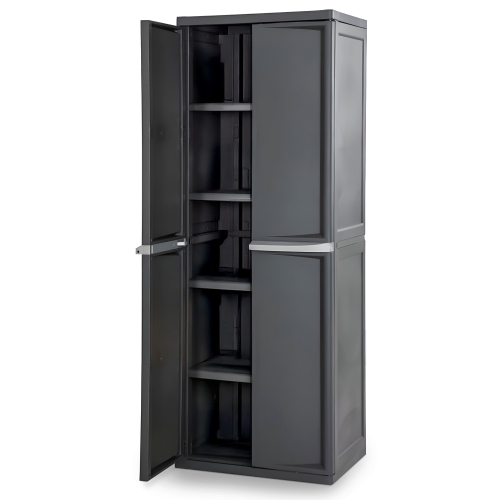 Your price for this item is $577.99
-
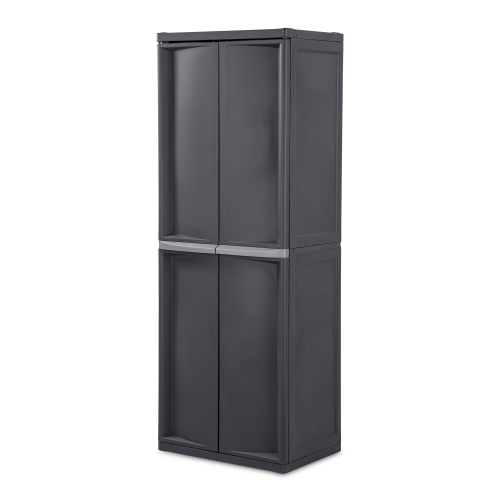 Your price for this item is $1167.99
-
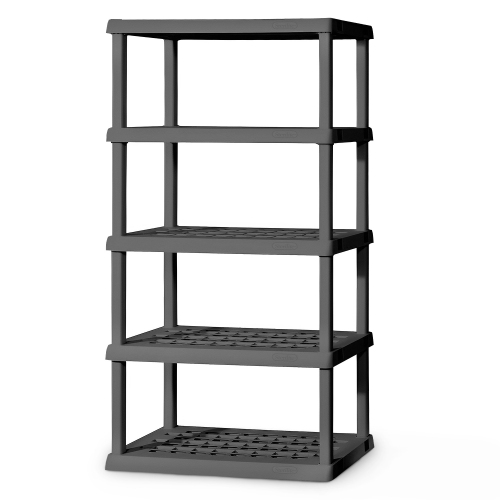 Your price for this item is $331.99
-
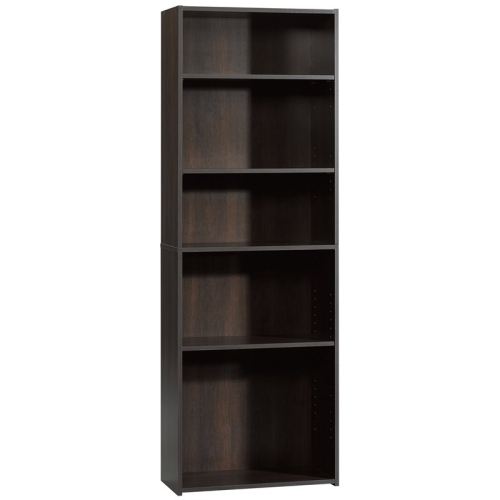 Your price for this item is $208.99
-
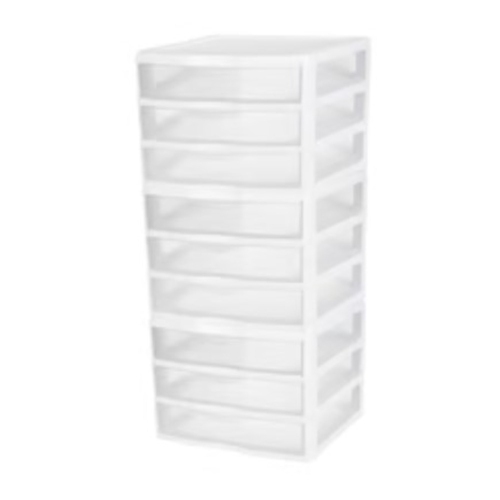 Your price for this item is $171.99
-
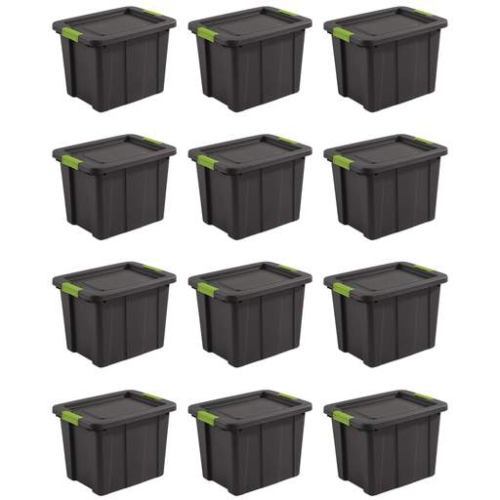 Your price for this item is $592.99
-
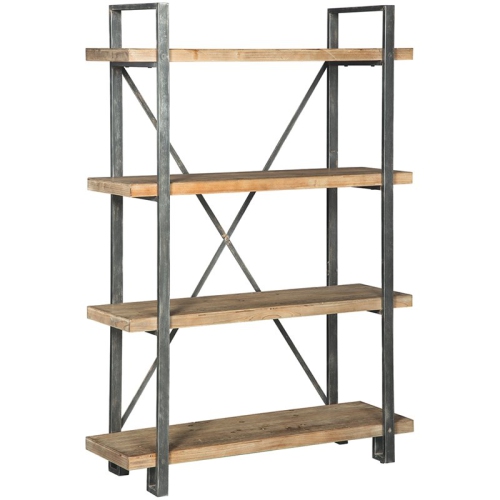 Your price for this item is $599
-
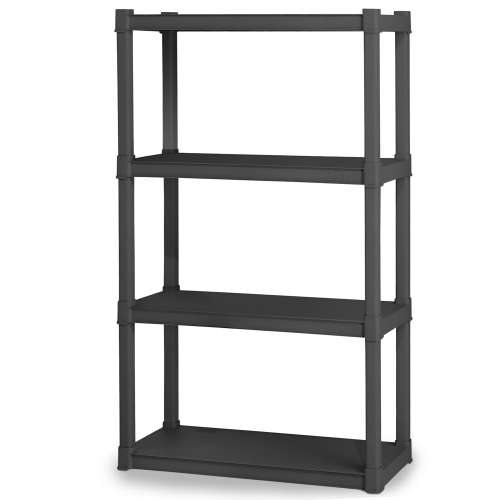 Your price for this item is $229.99
Discover more categories related to Bookcases With Sliding Glass Doors
Top Collections:
Best Black Friday Deals This Year, Best Black Friday Deals On Electronics, Kindle Devices, Dyson Airwrap, Best Cameras for Sports Photography, Best Budget Office Chairs, Canon G7X Cameras, PS5 Pro Consoles, Best Black Friday Deals On Apple Products, XBOX One S Consoles
Some products may be subject to Environmental Handling Fees
(EHF) depending on your province.
Learn more about EHFs.