Bookcase Cabinets With Doors
Looking to add some stylish storage to your living space? Bookcase cabinets with doors are the perfect solution for keeping your books, collectibles, and other items organized and easily accessible. With their sleek design and functional features, these bookcase cabinets will not only enhance the aesthetic appeal of your room but also help you maximize your storage space. Here are some great options available.
Sort
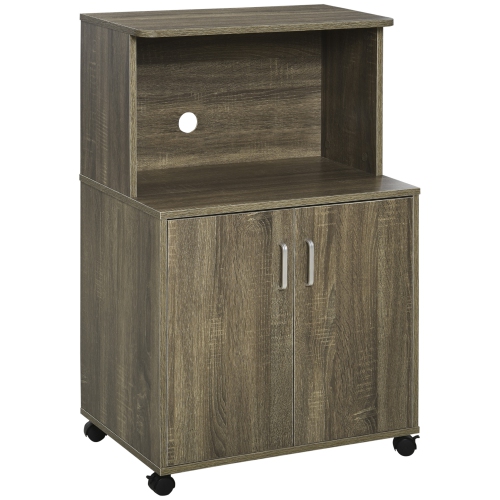
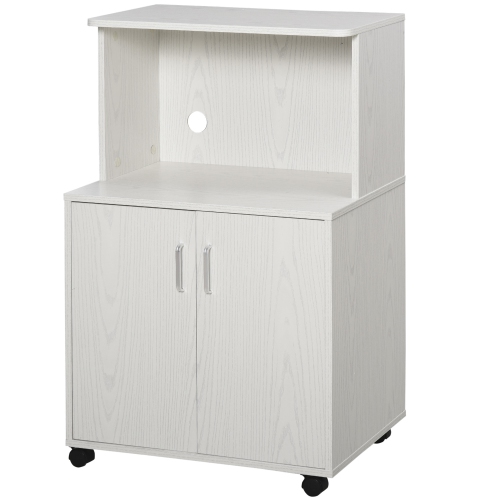
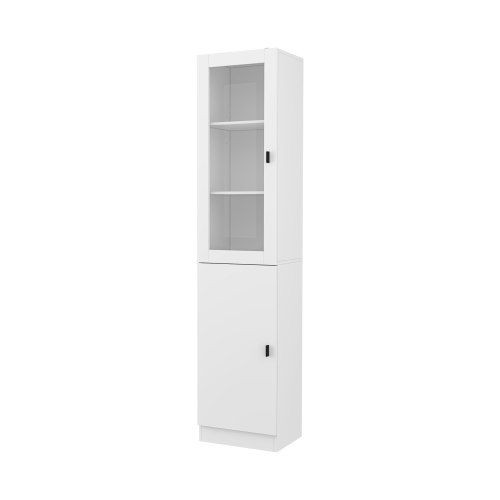
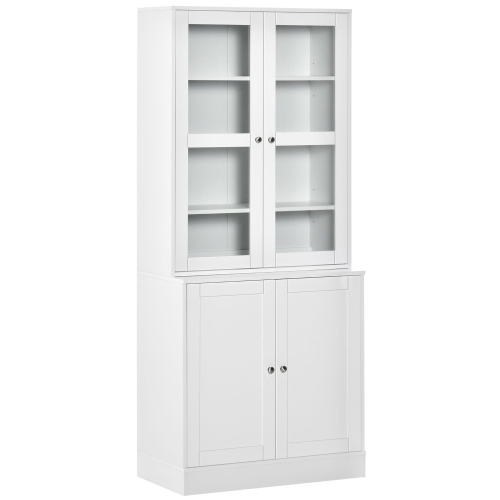
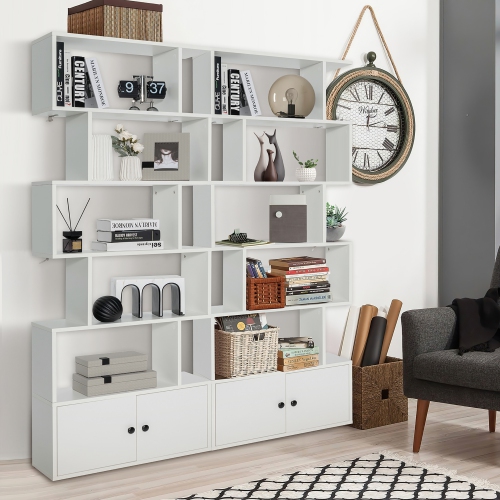
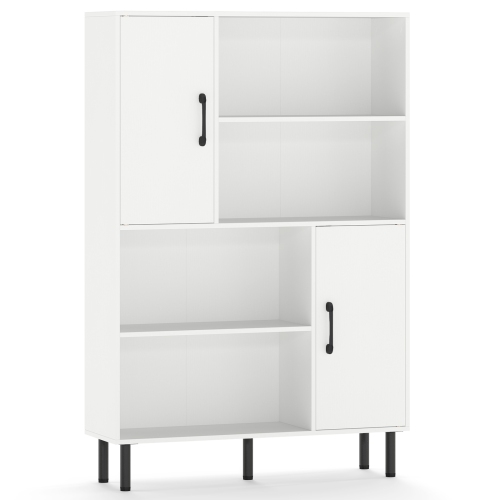
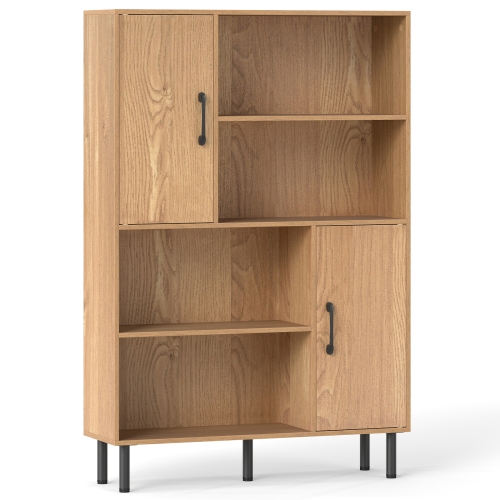
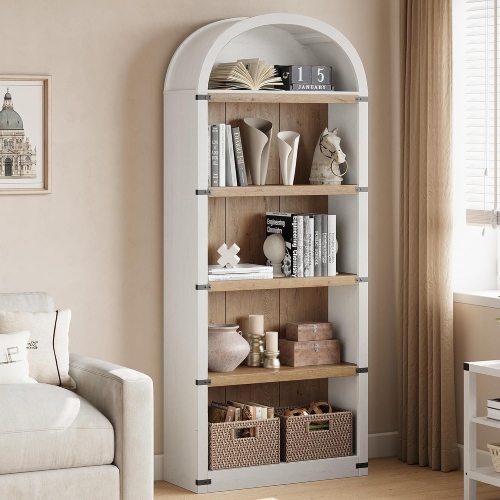
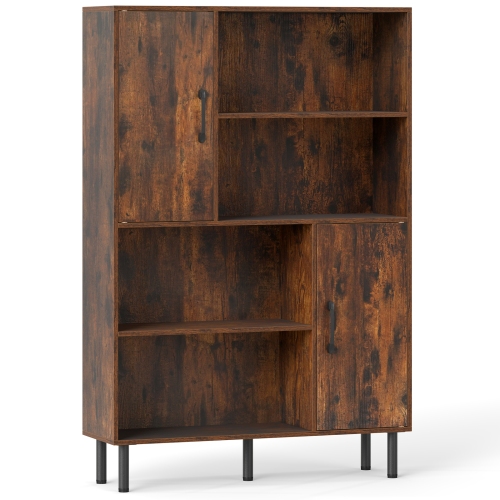
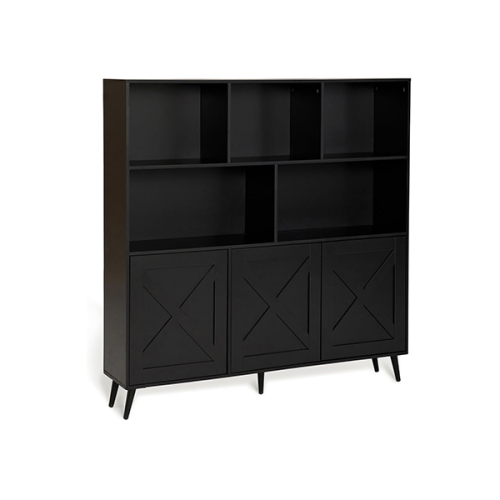
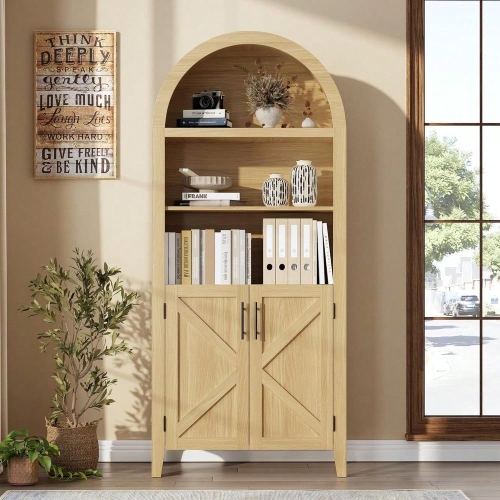
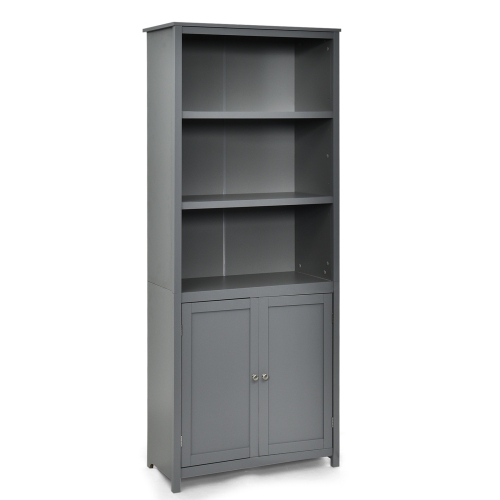
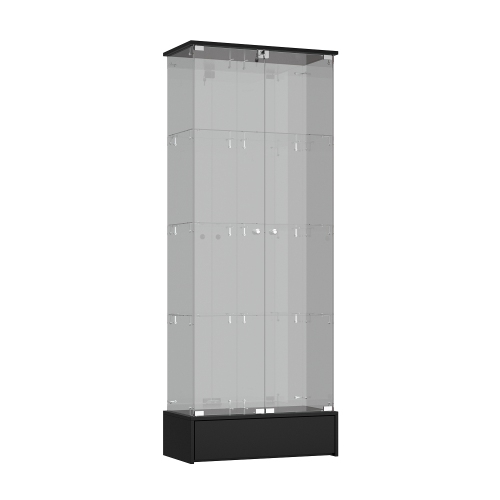
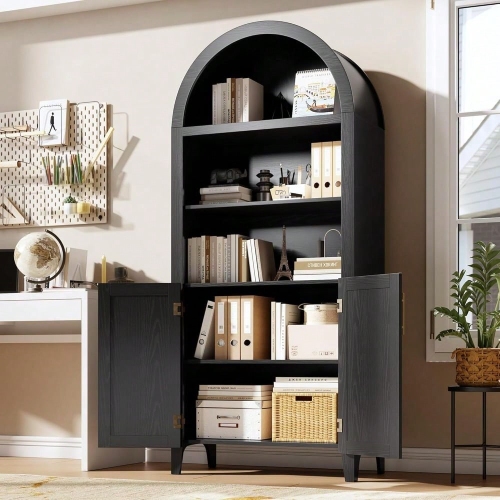
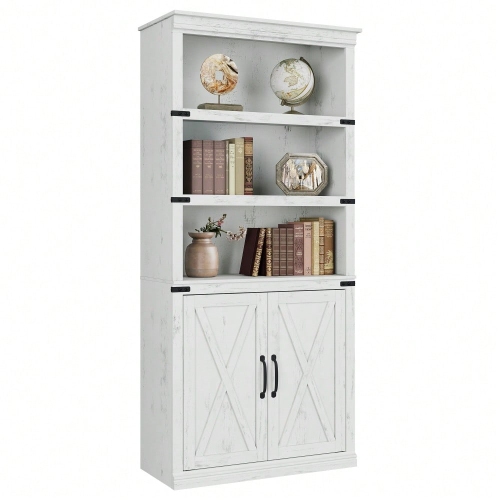
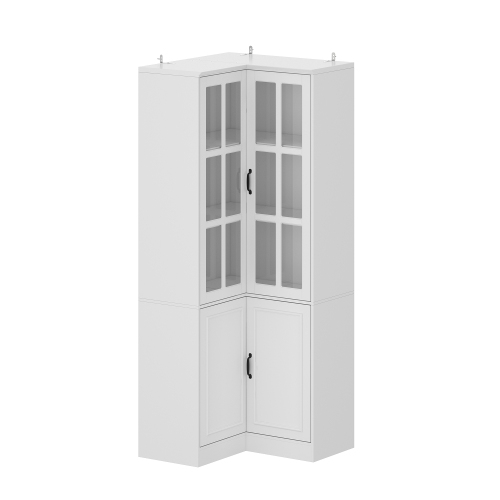
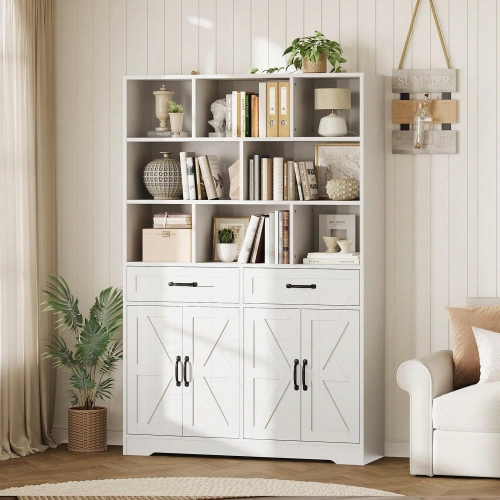
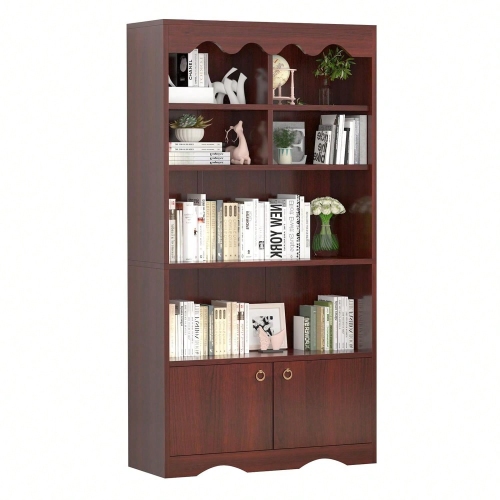
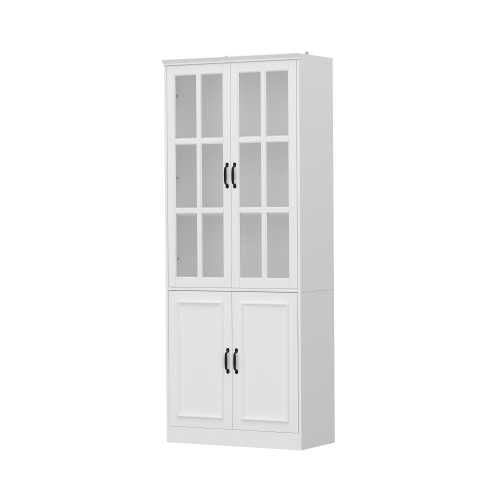
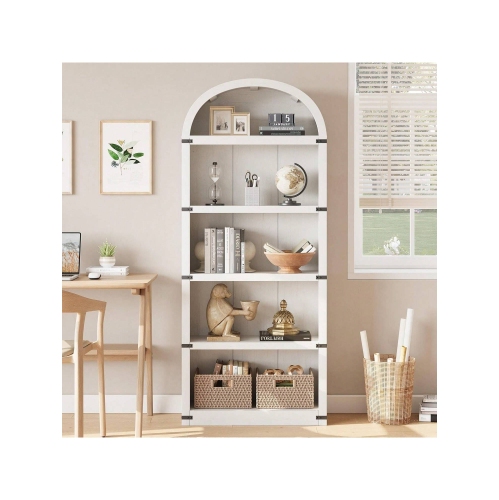
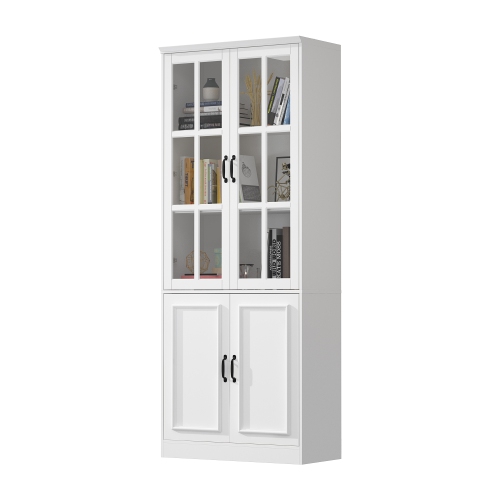
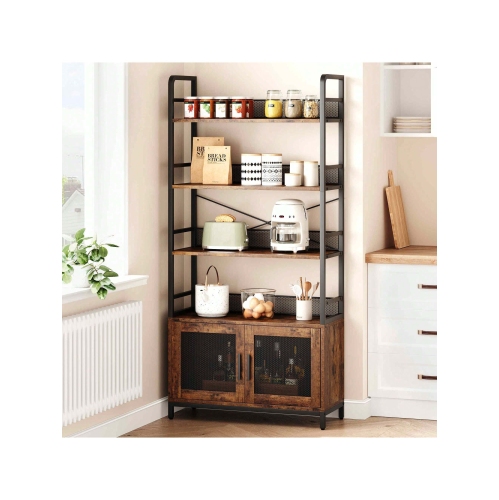
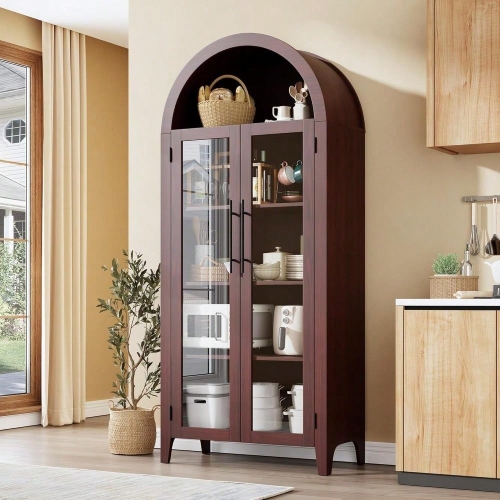
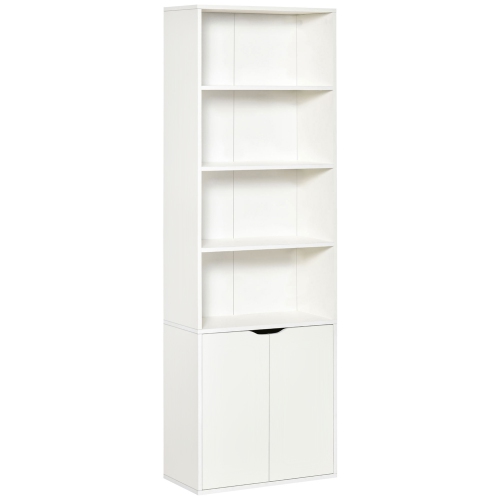
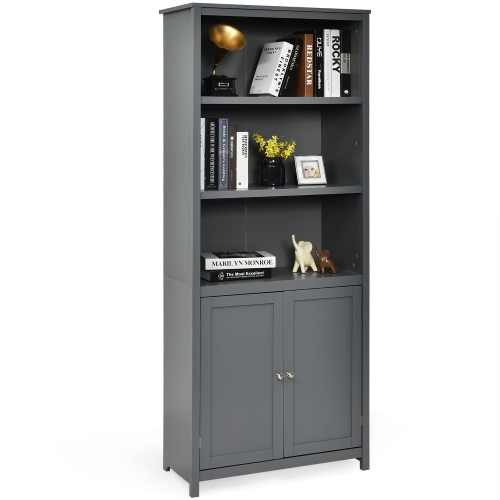
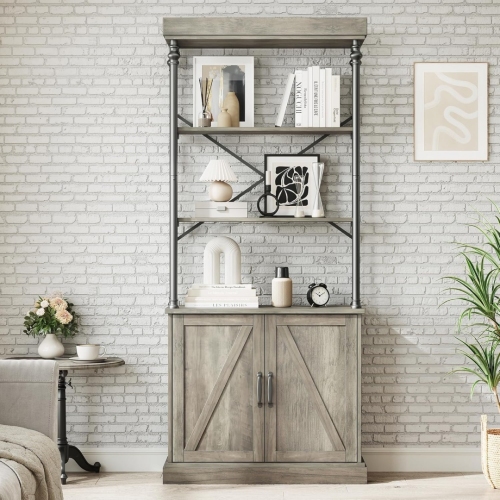
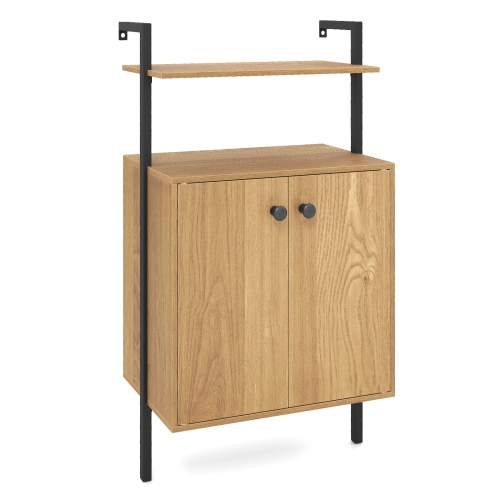
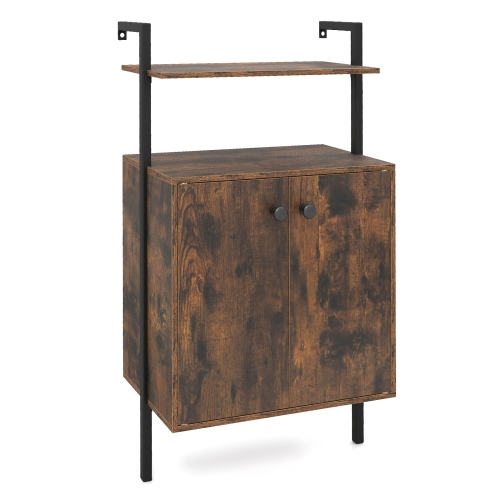
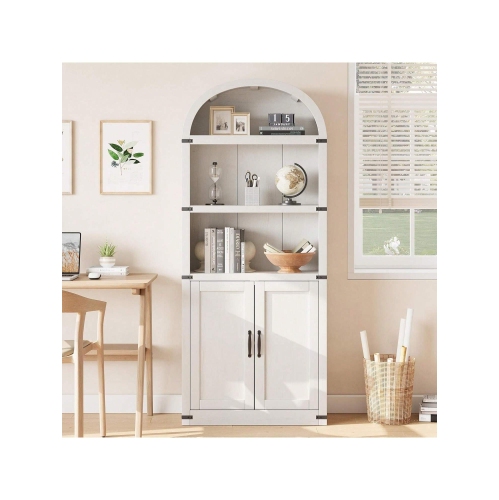
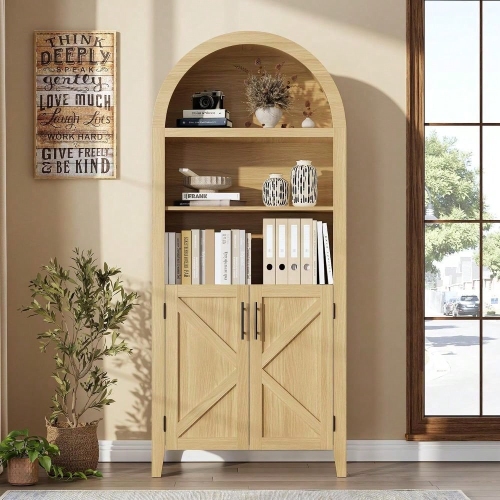
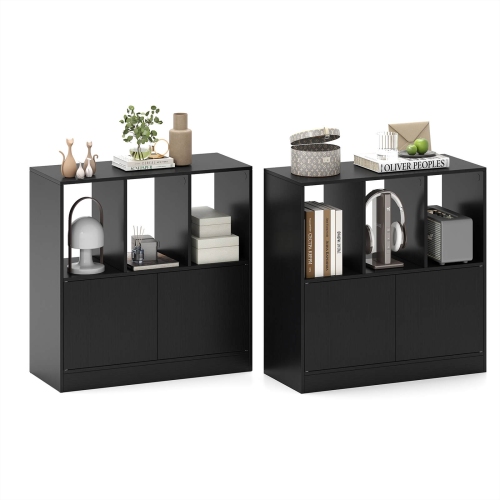
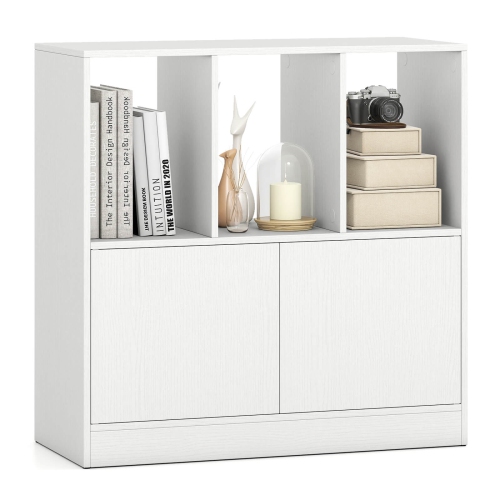
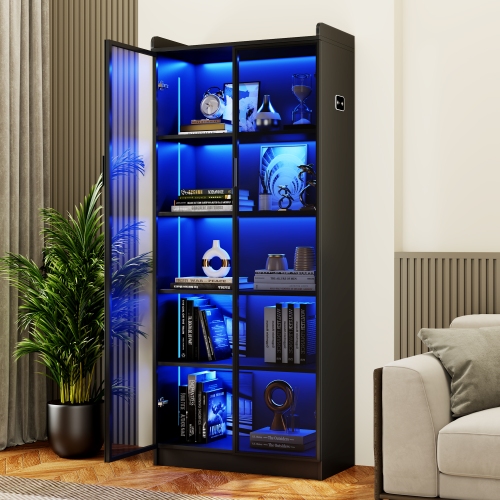
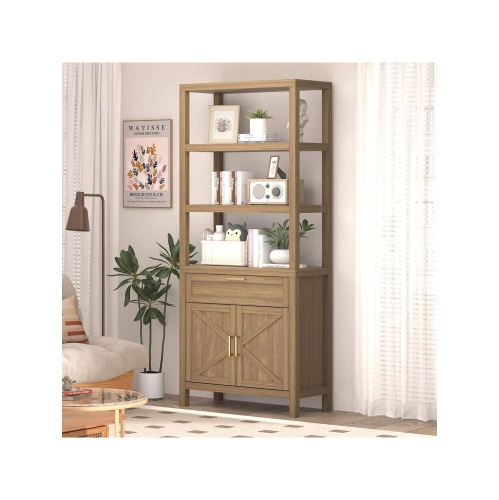
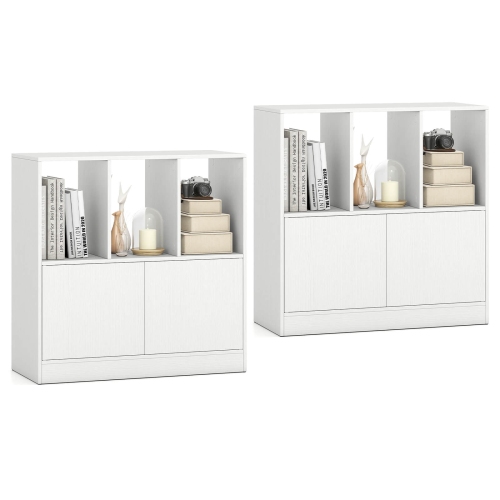
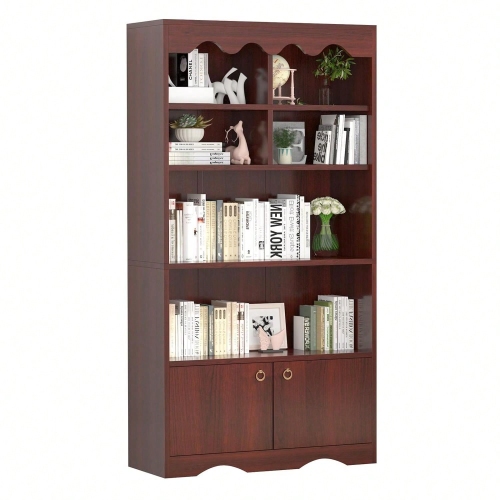
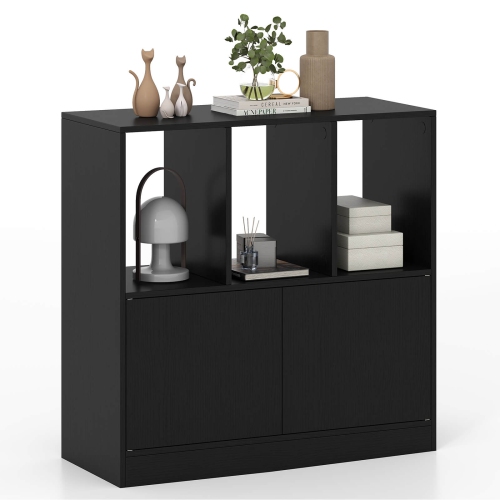
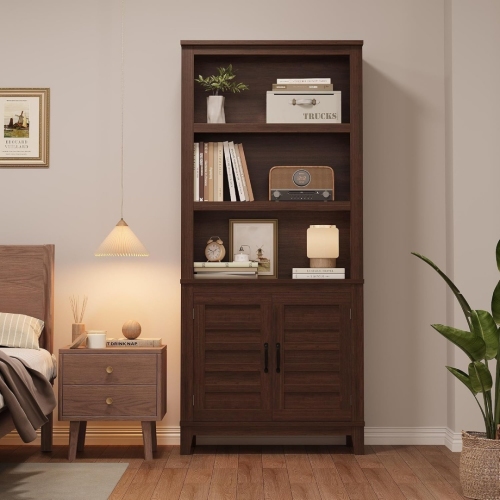
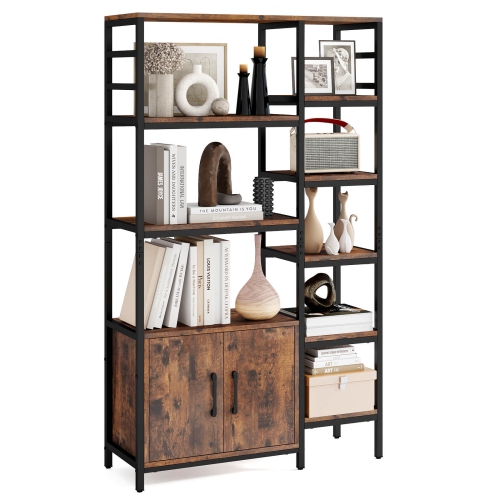
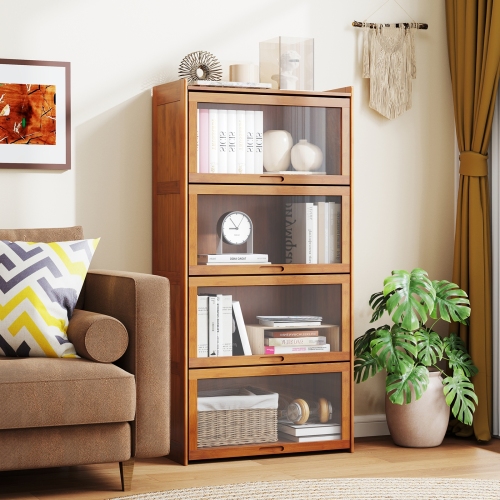
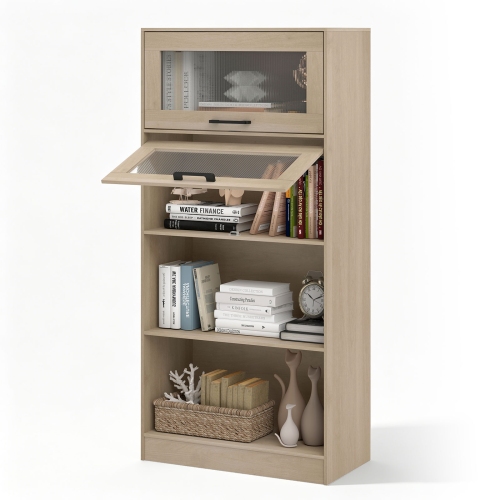
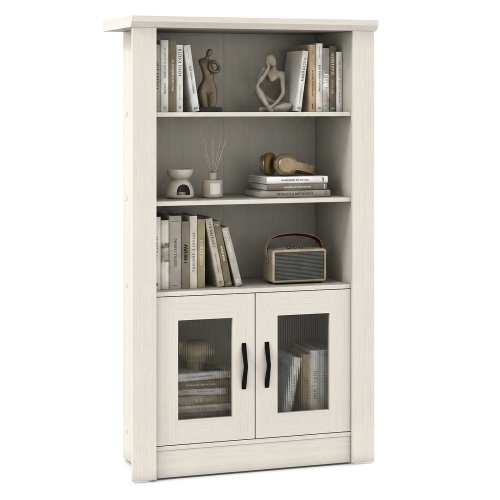
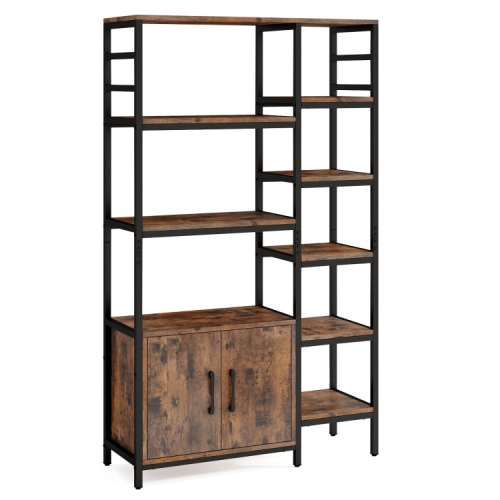
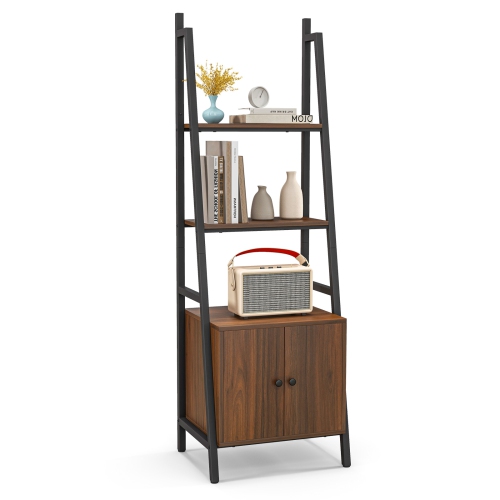
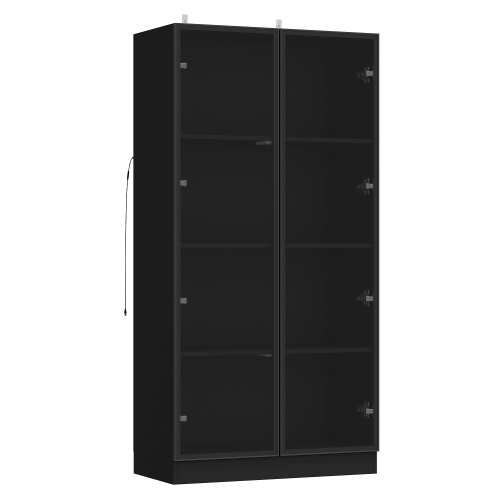
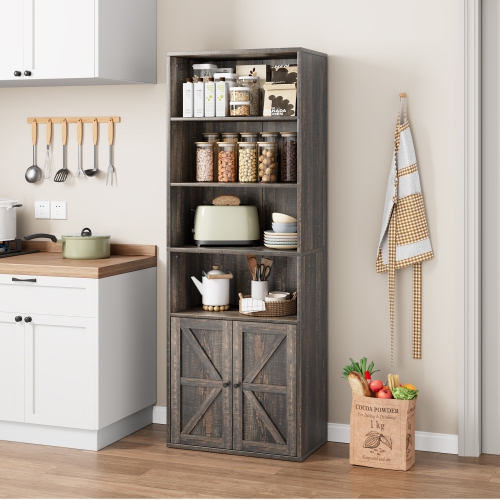
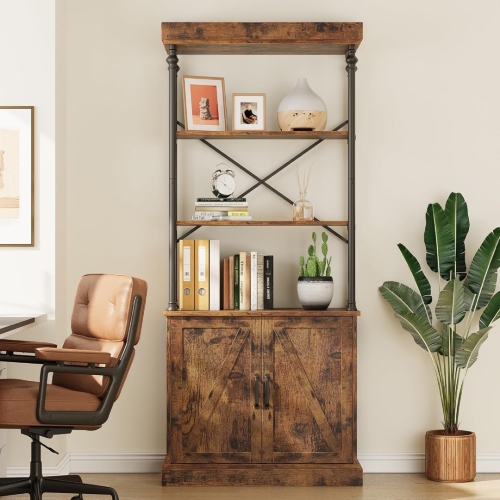
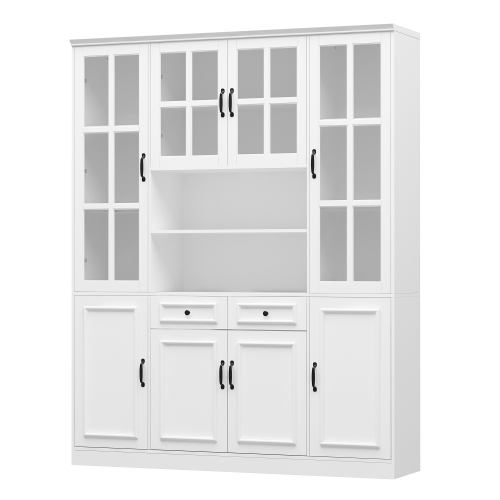
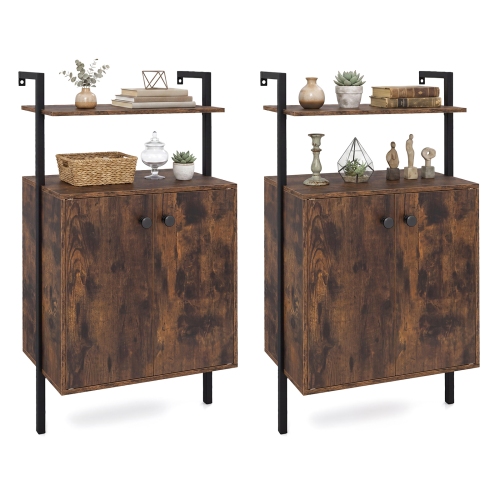
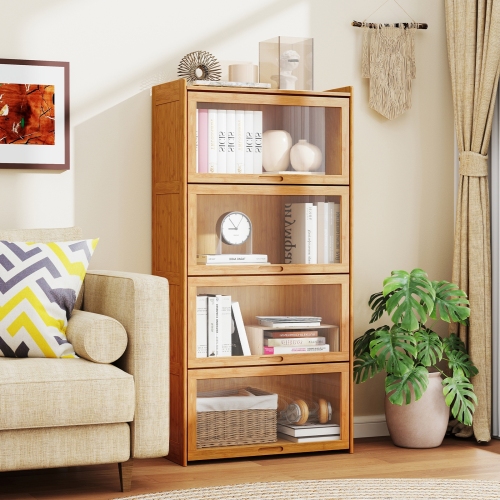
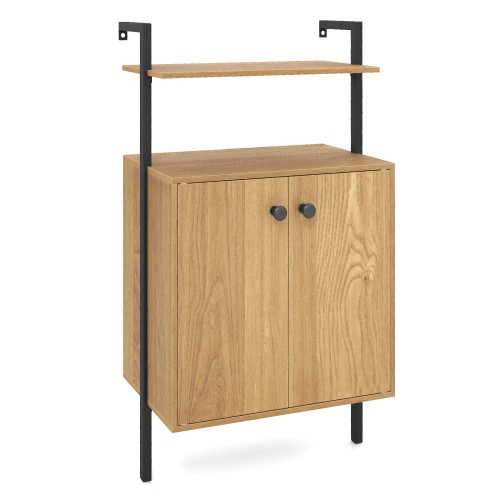
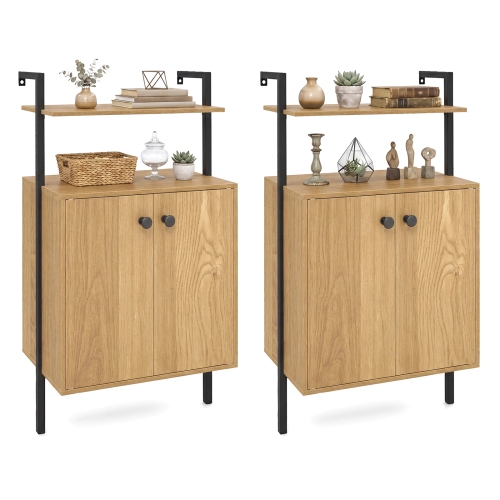
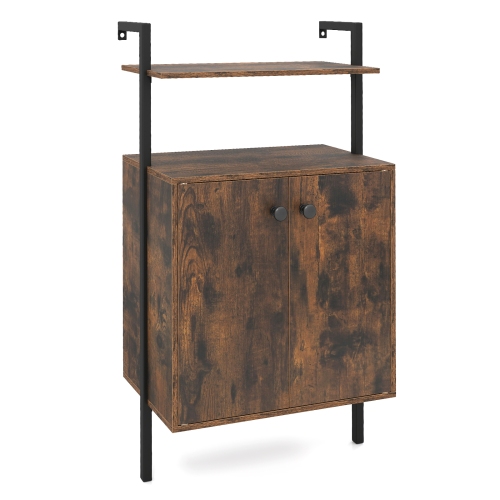
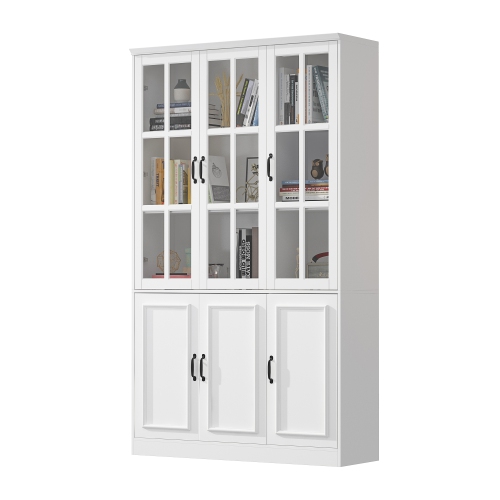
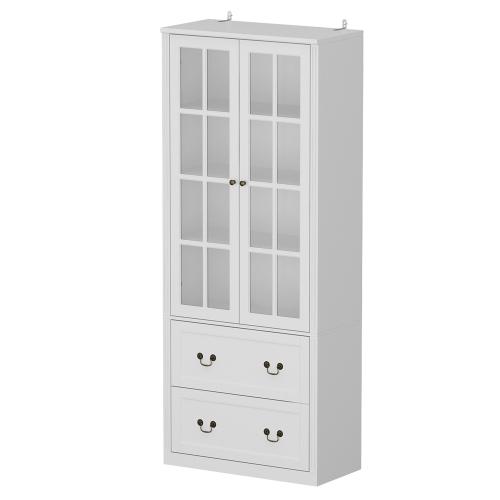
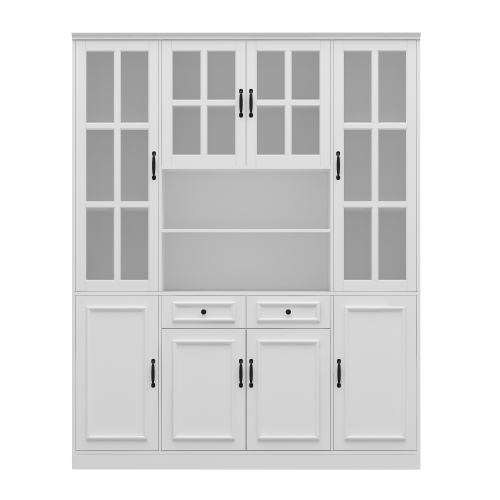
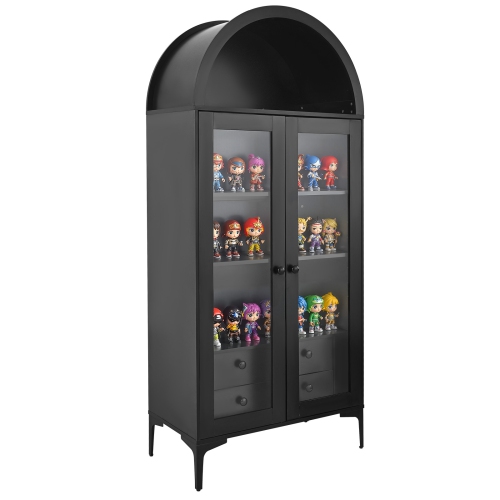
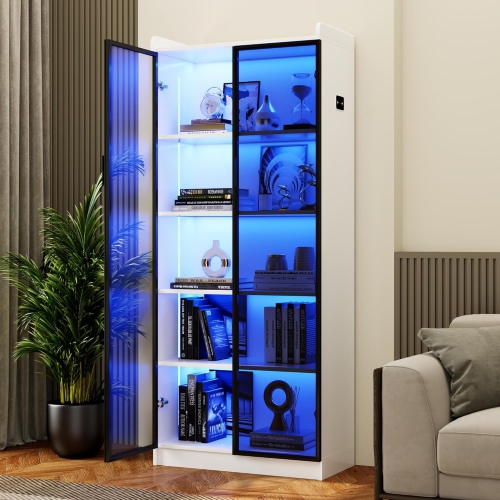
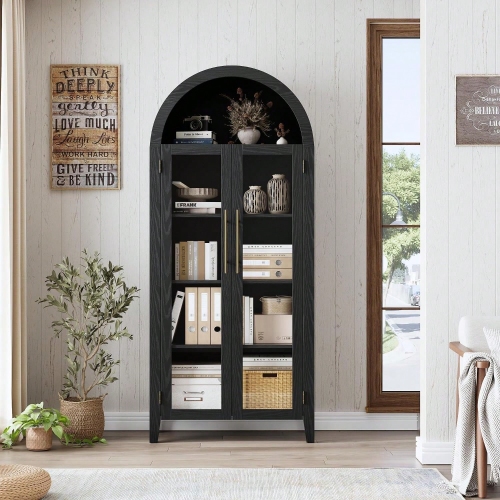
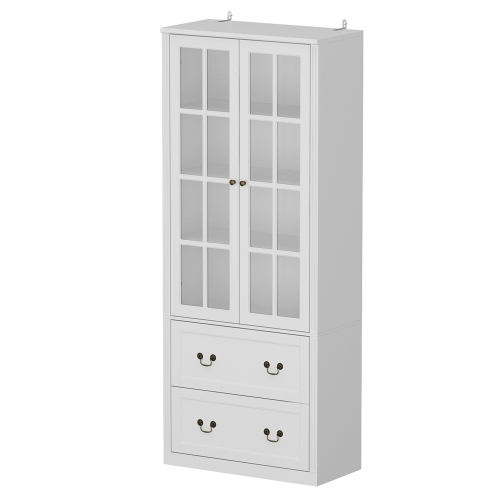
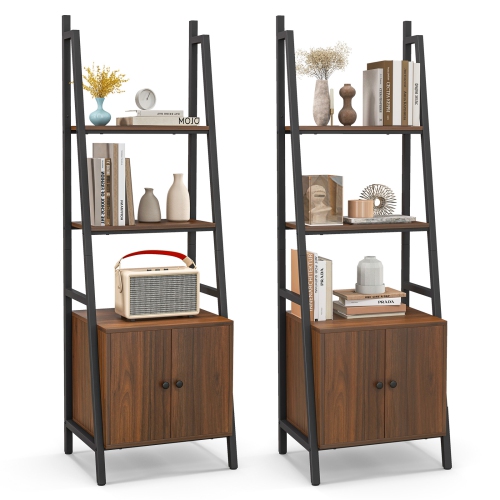
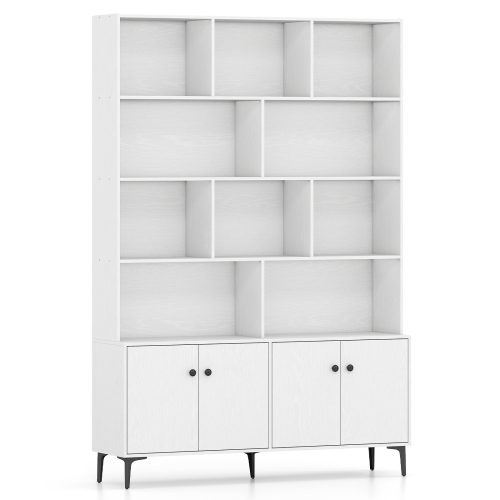
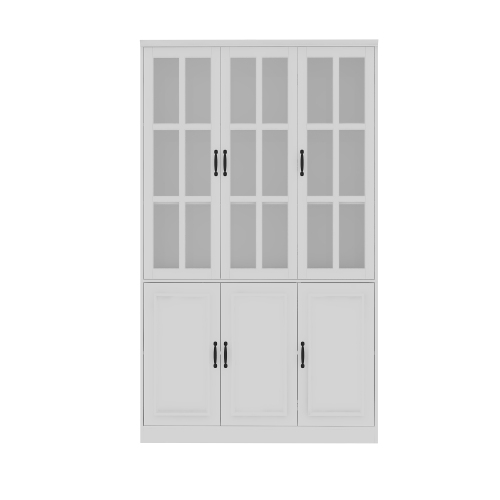
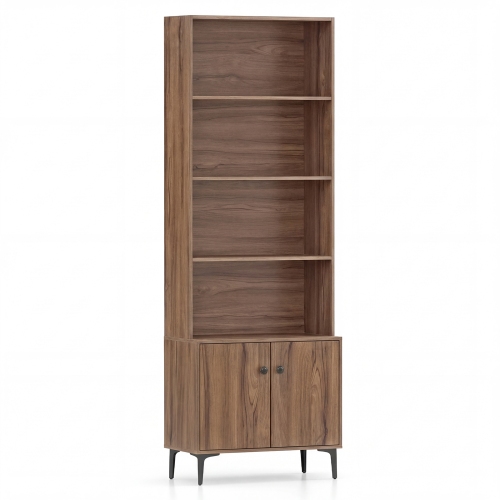
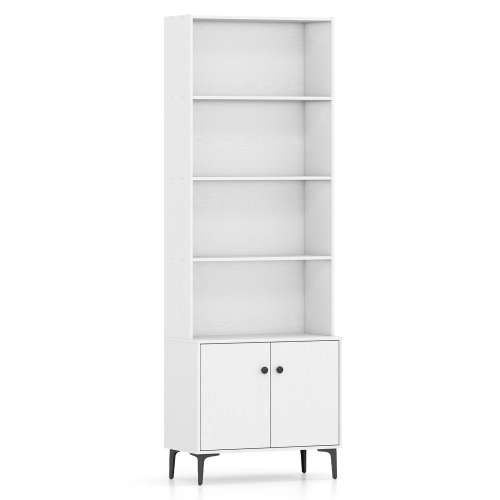
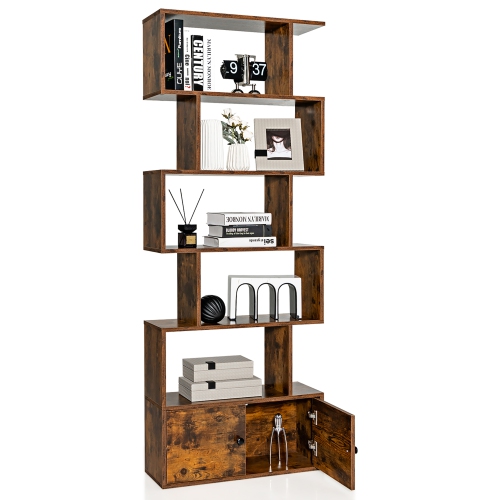
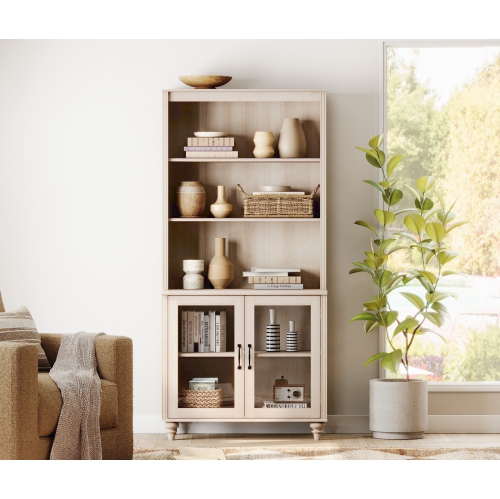
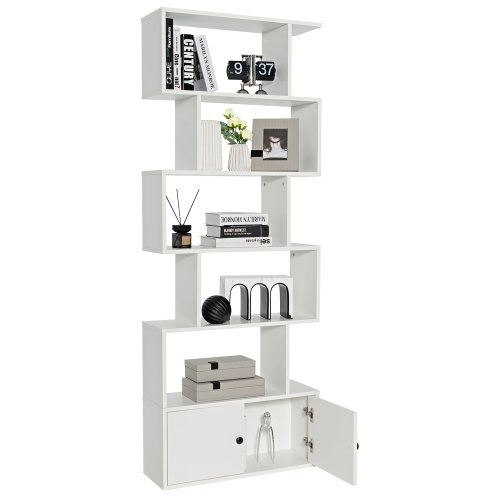
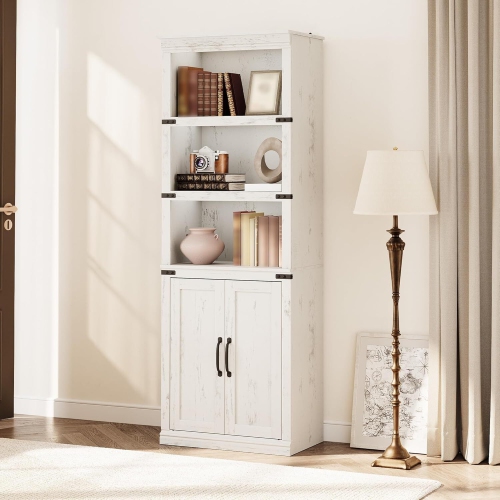
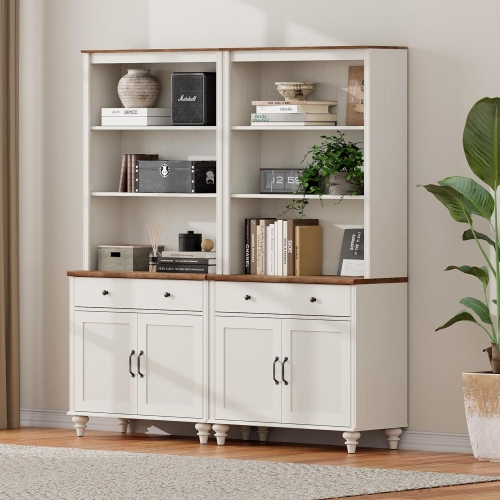
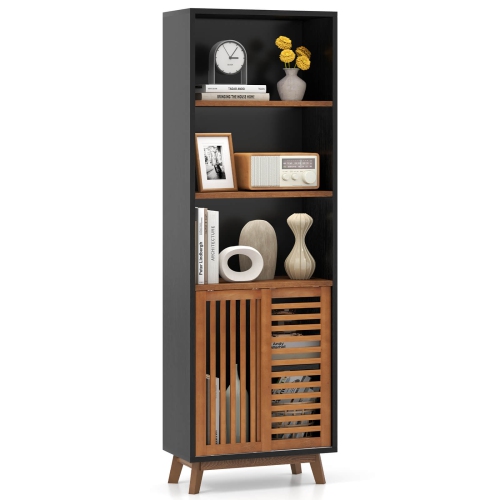
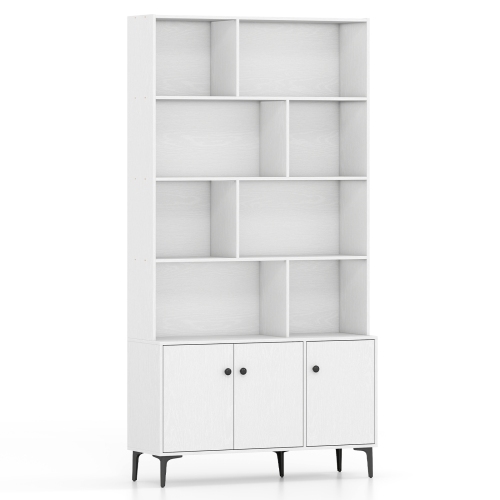
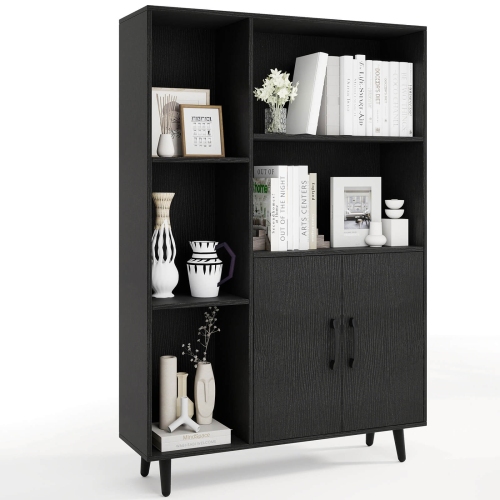
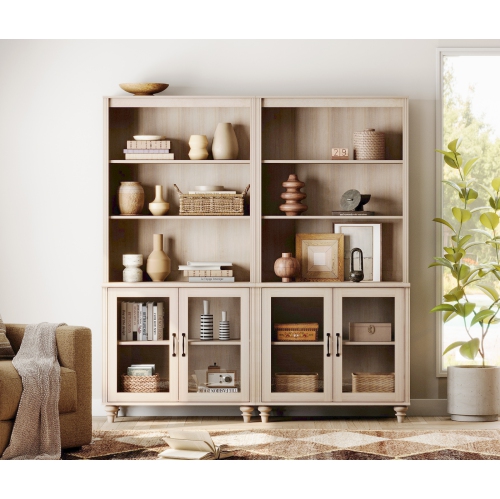
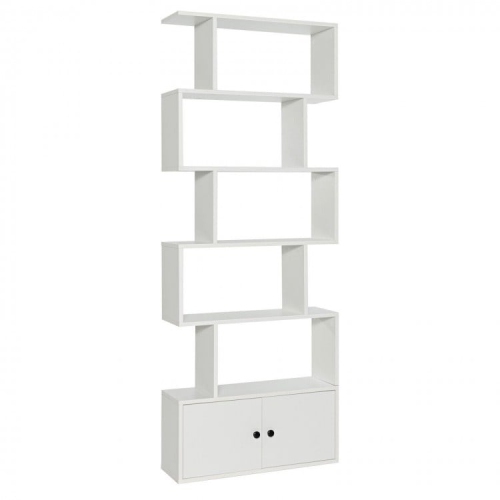
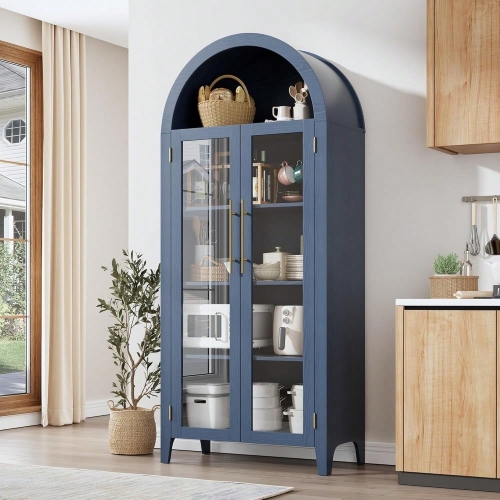
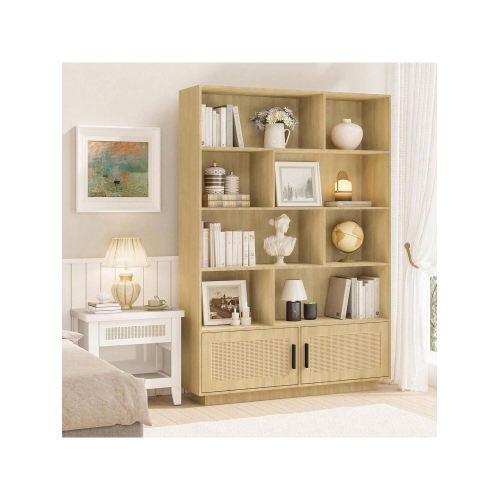
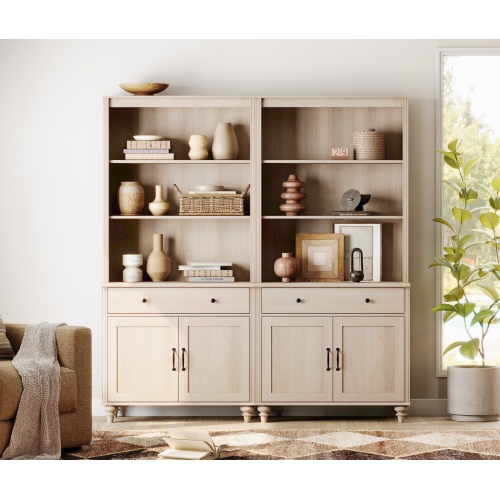
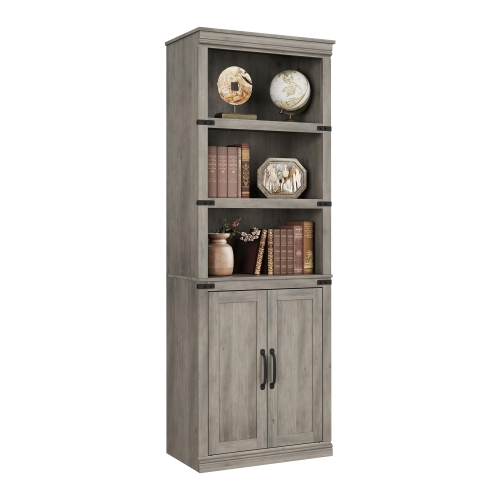
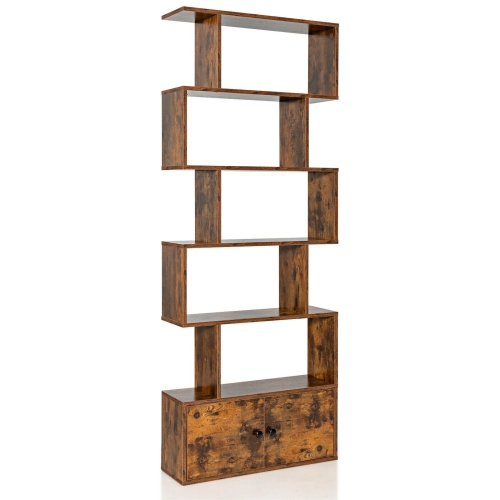
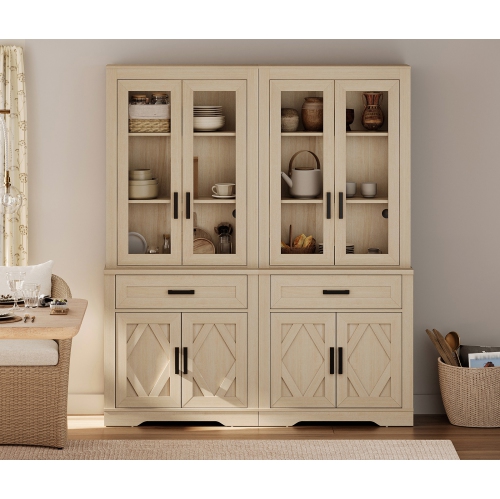
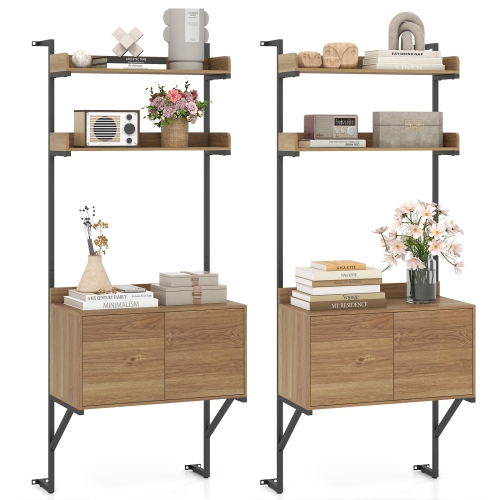
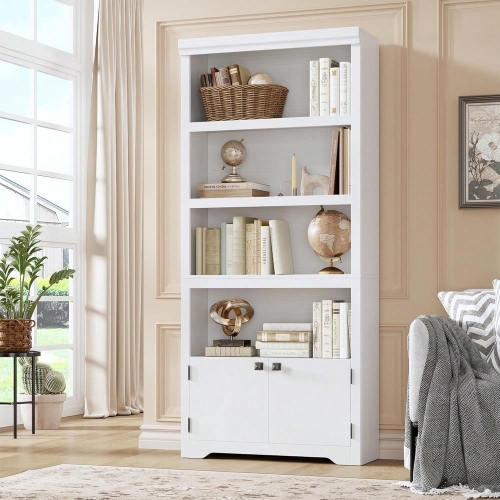
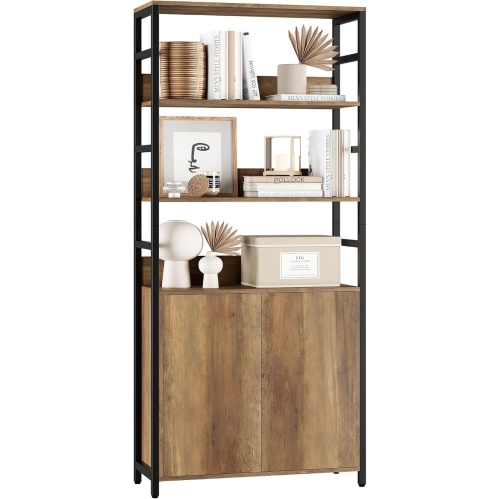
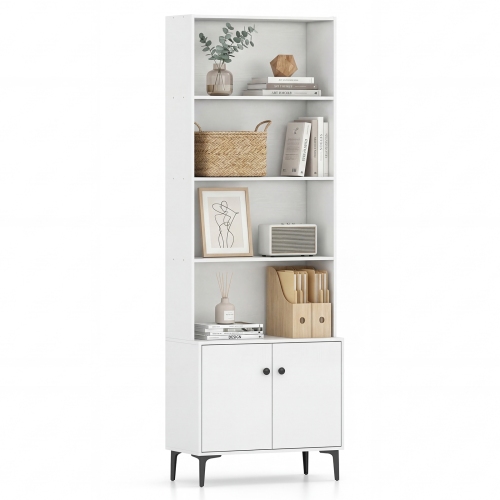
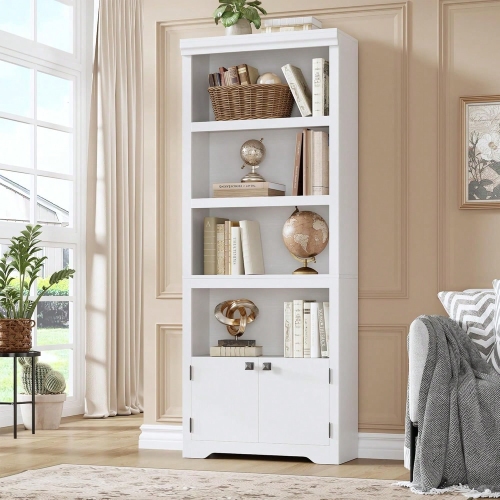
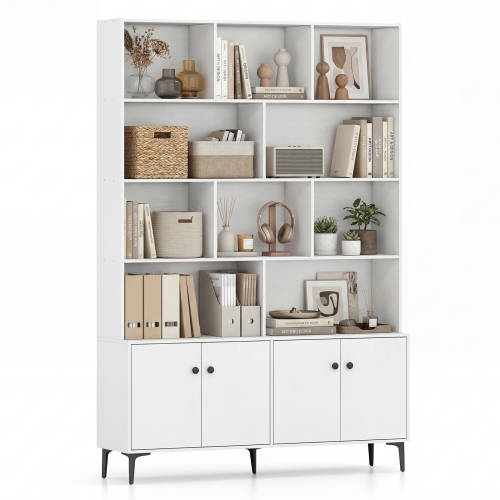
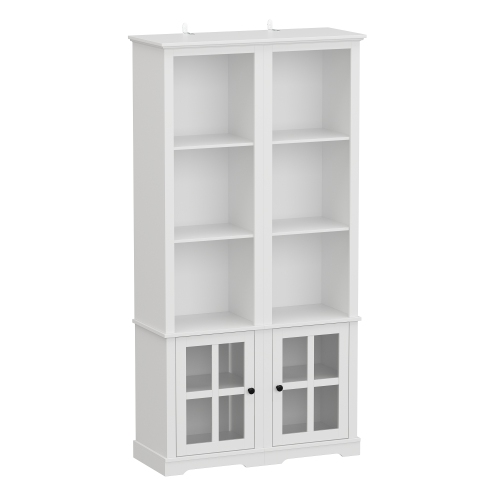
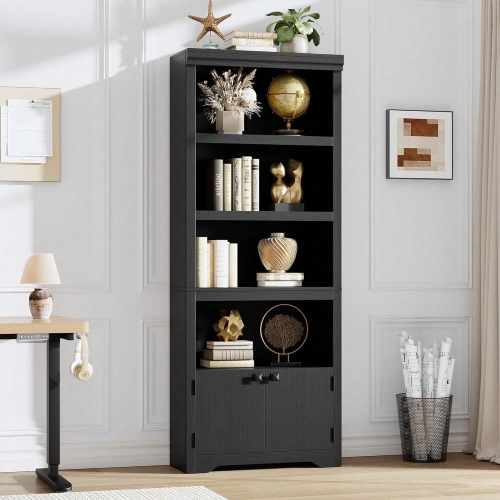
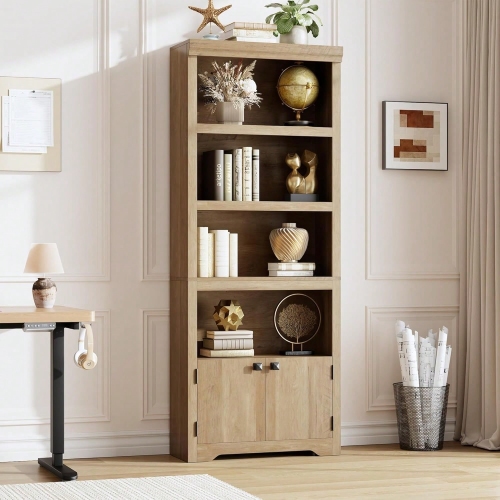
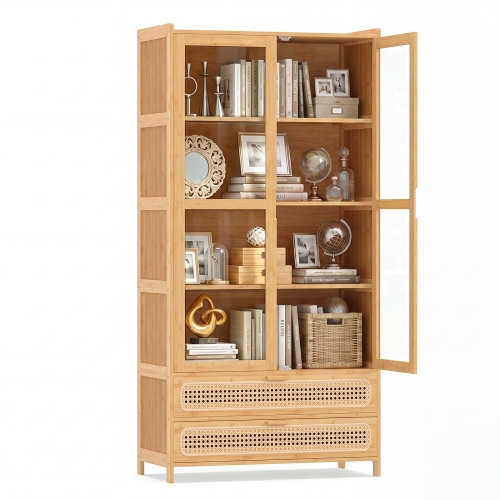
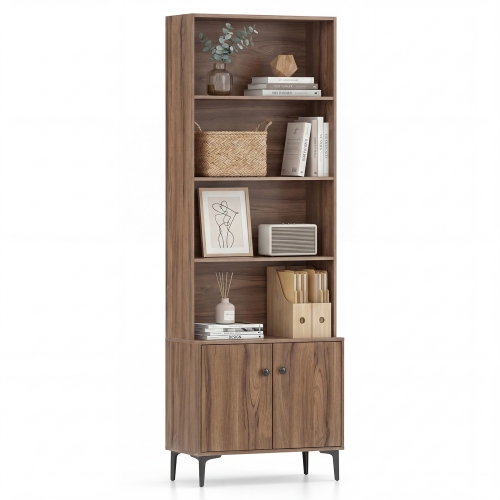
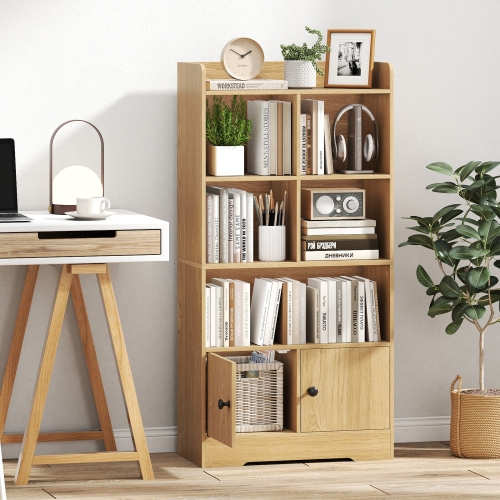
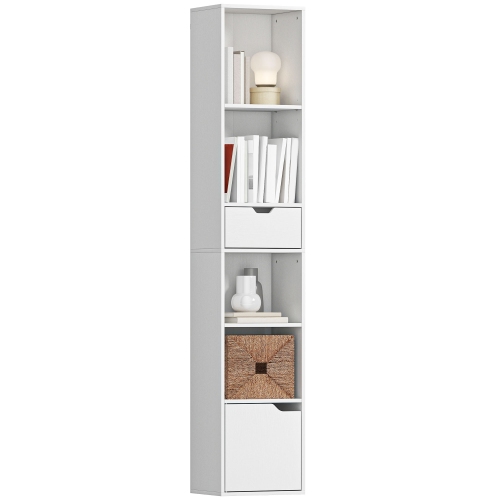
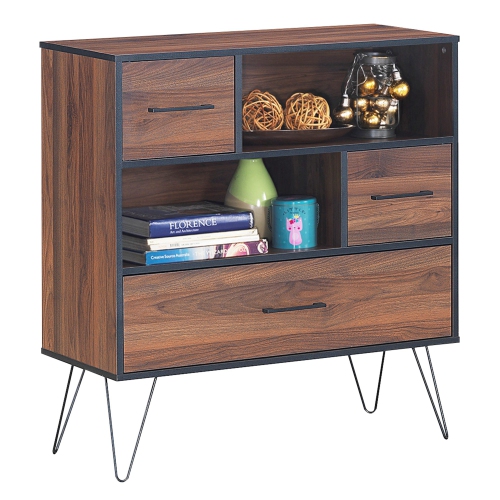
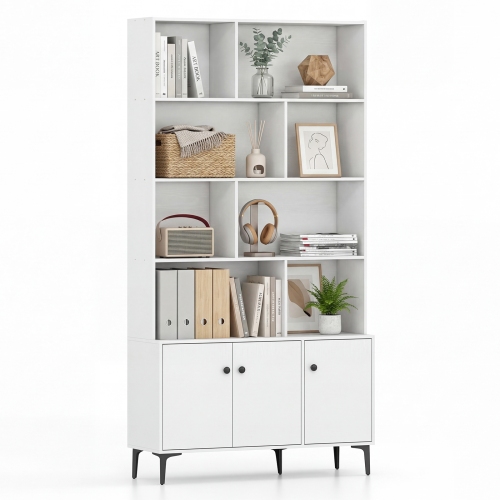
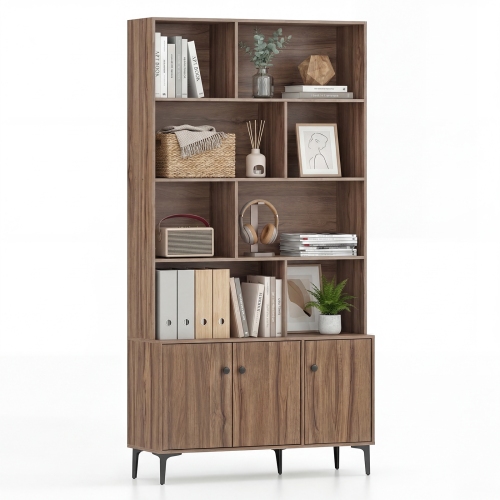
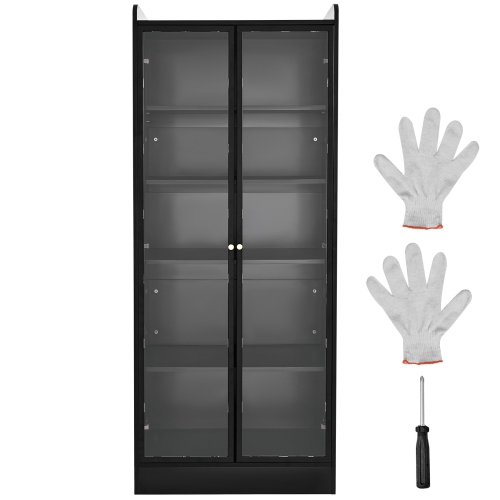
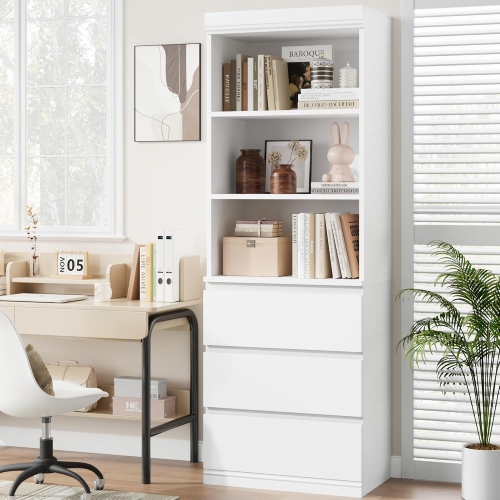
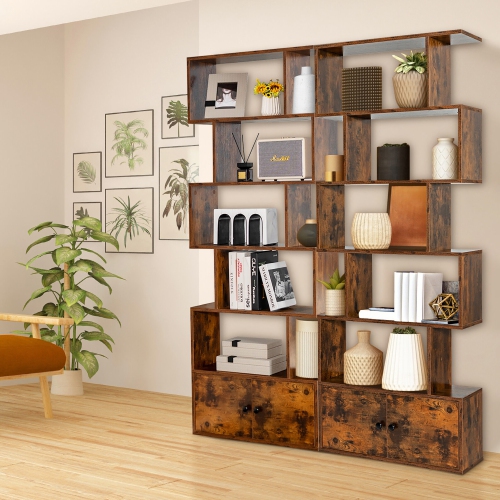
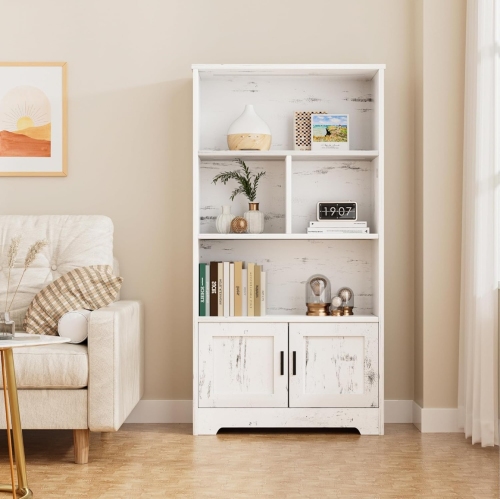
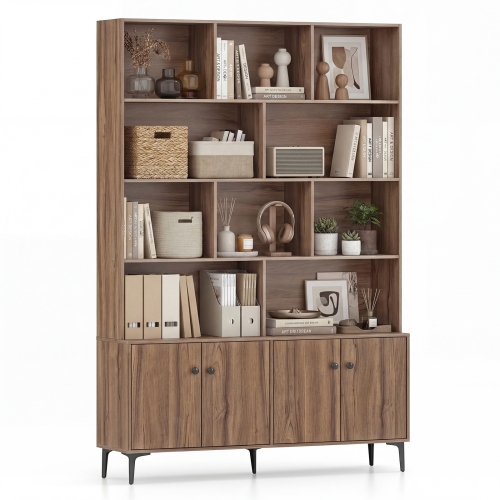
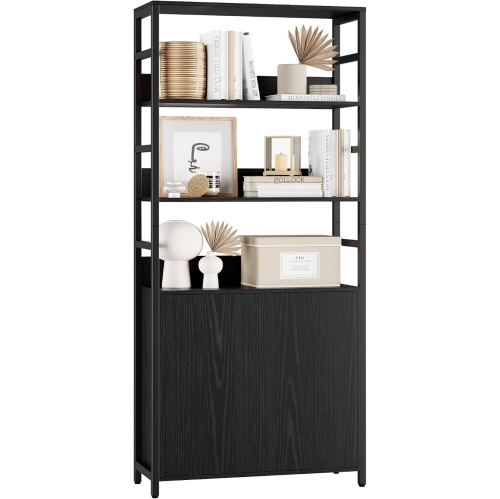
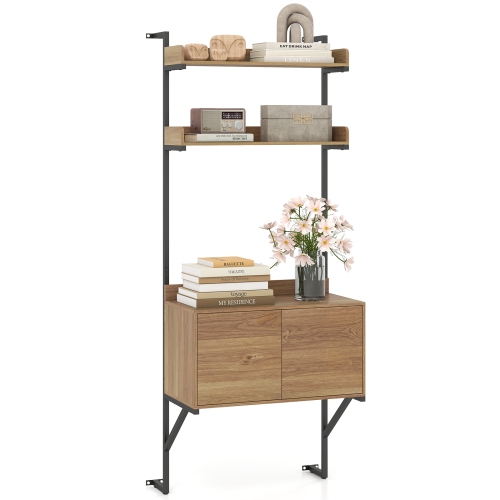
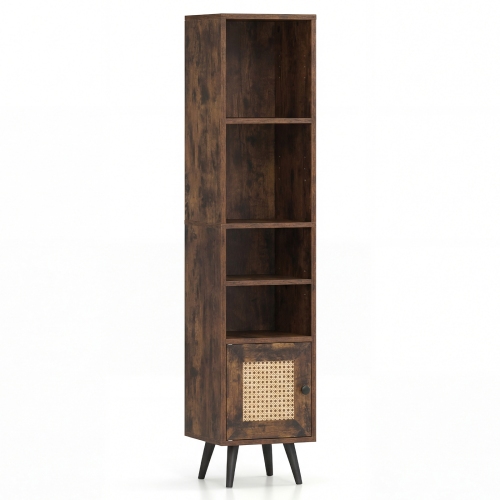
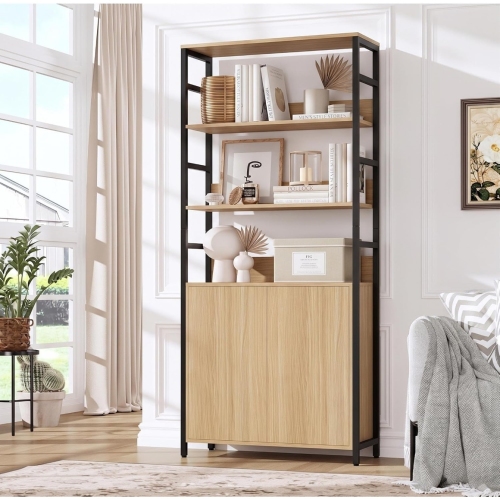
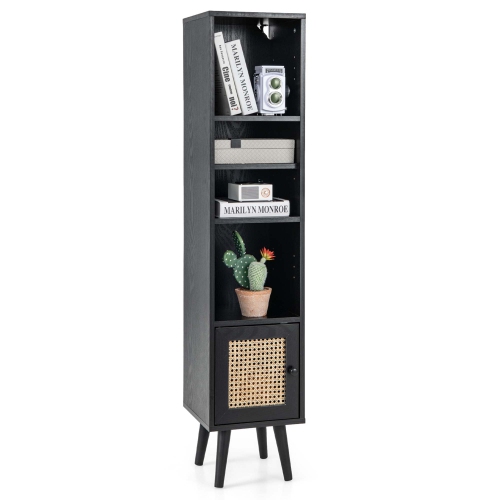
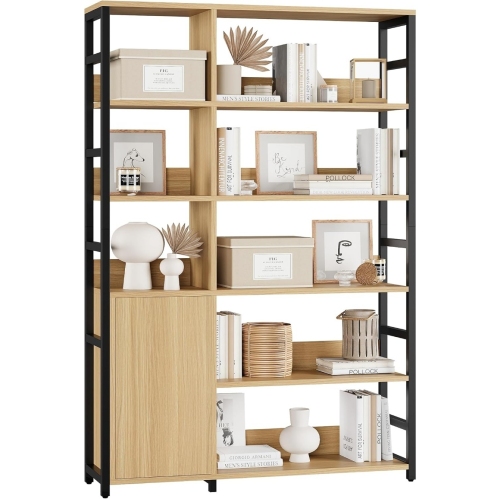
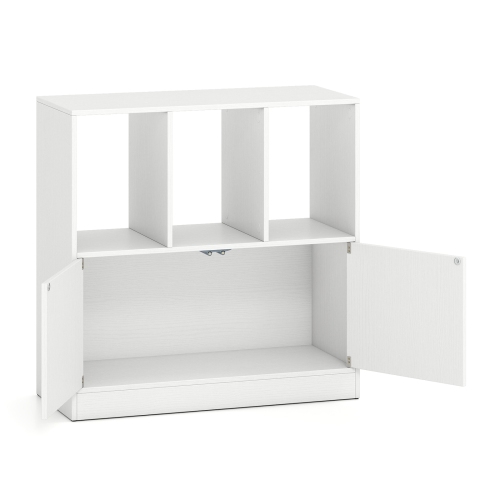
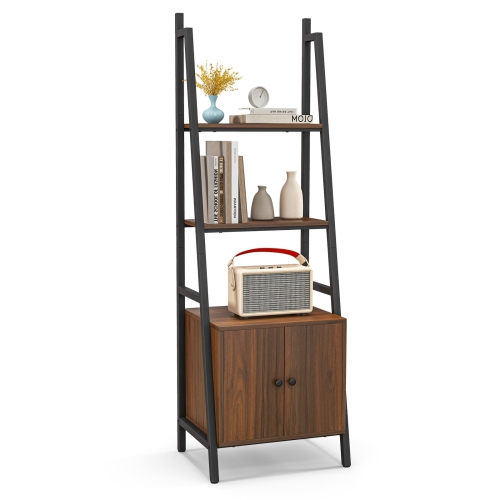
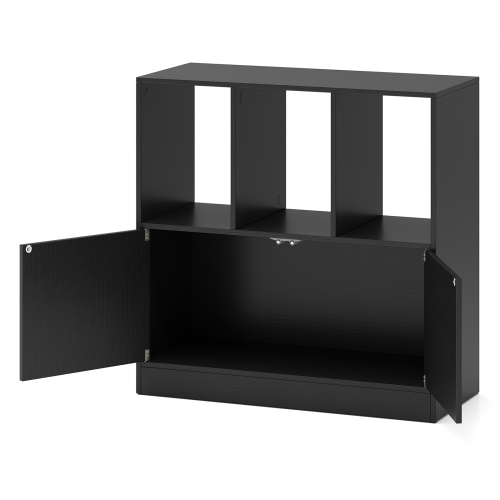
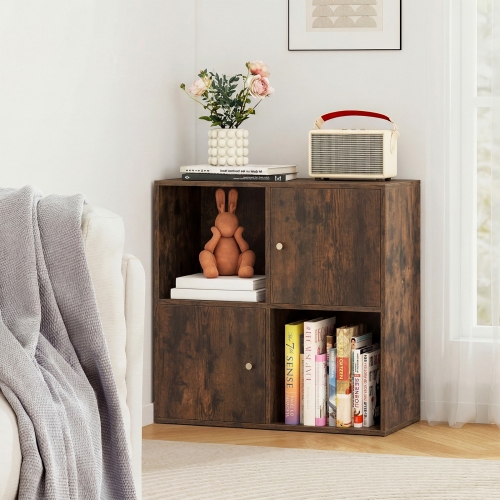
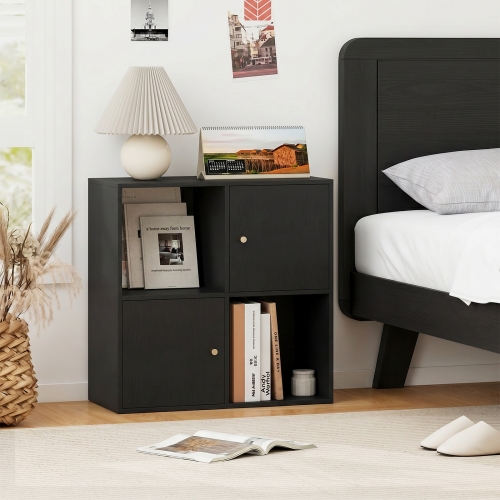
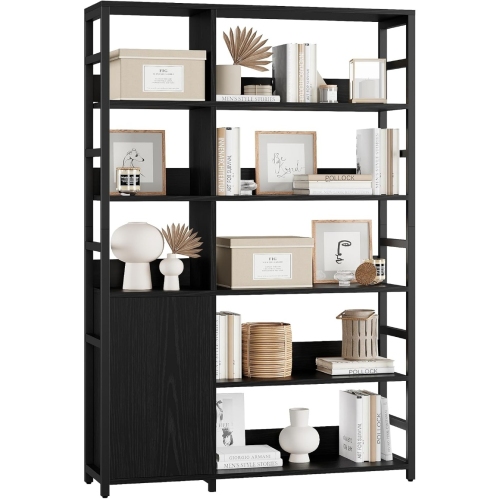
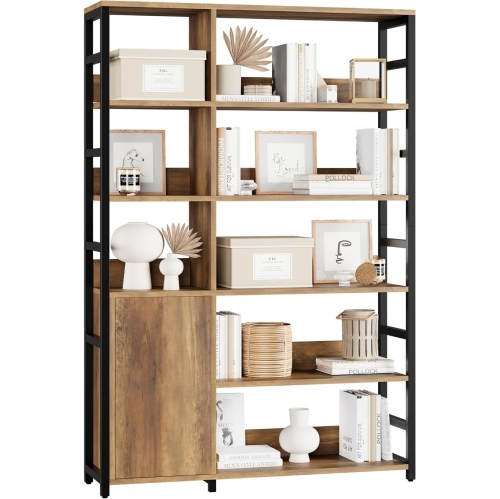
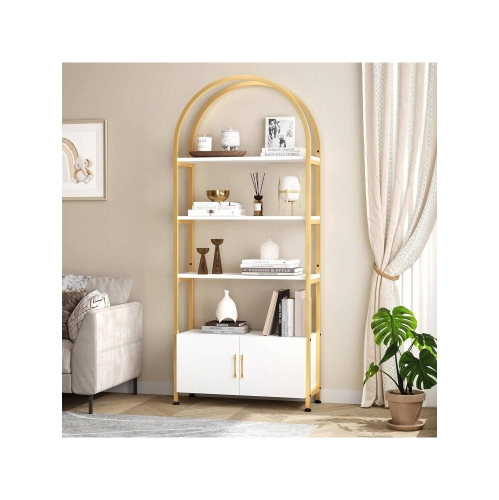
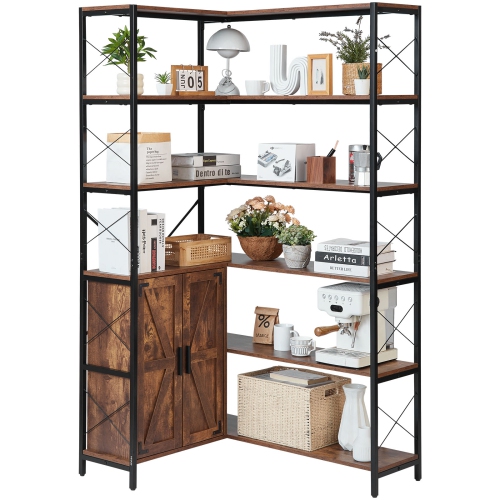
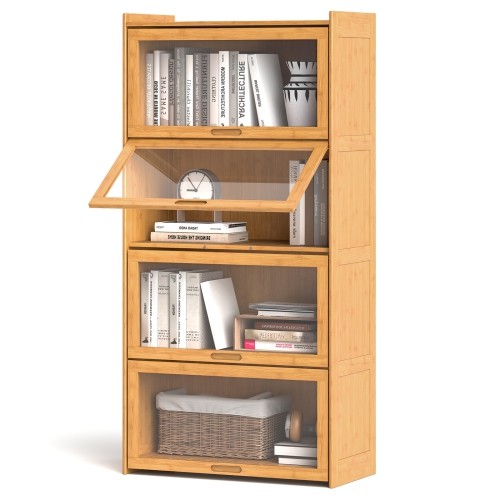
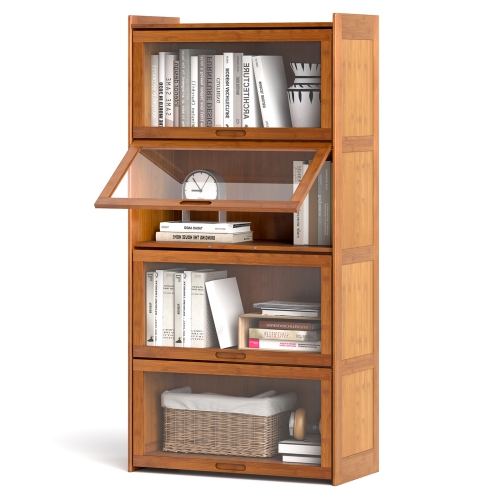
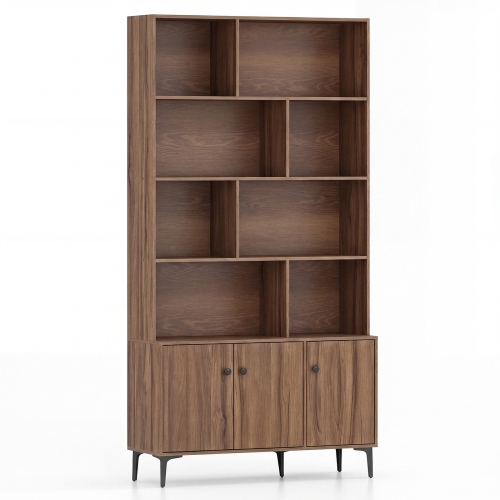
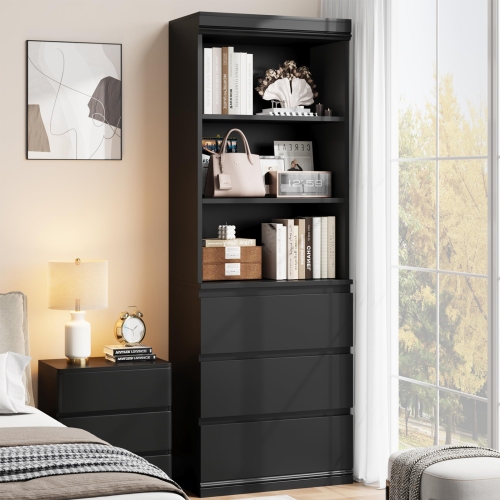
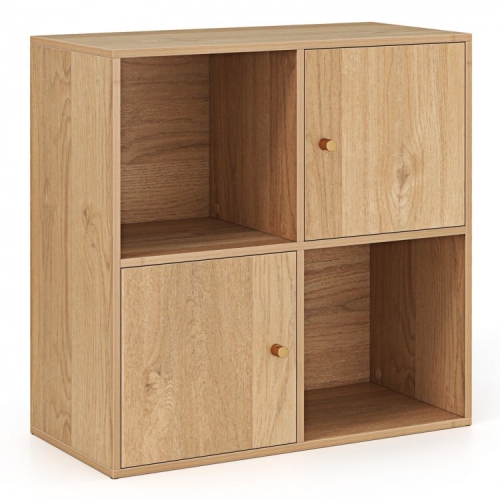
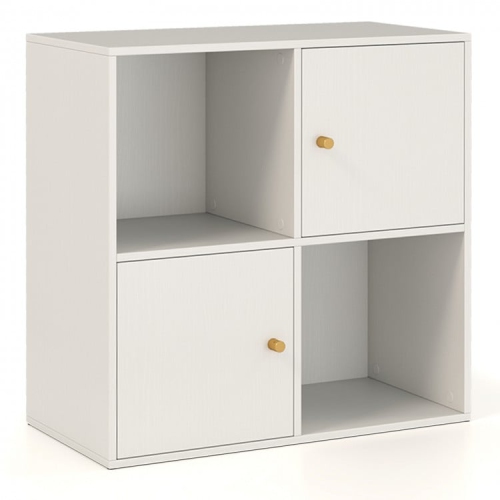
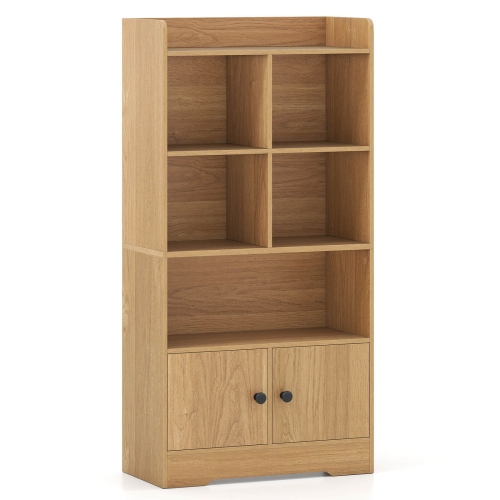
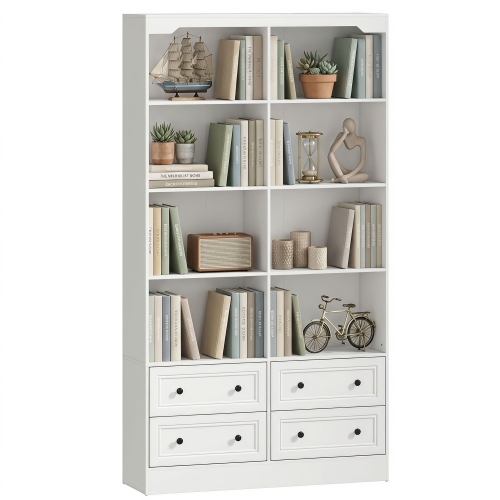
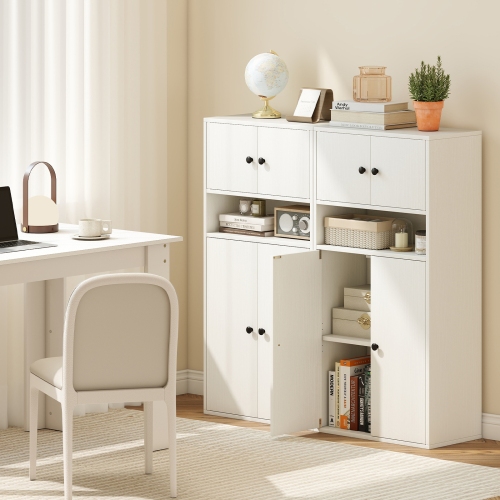
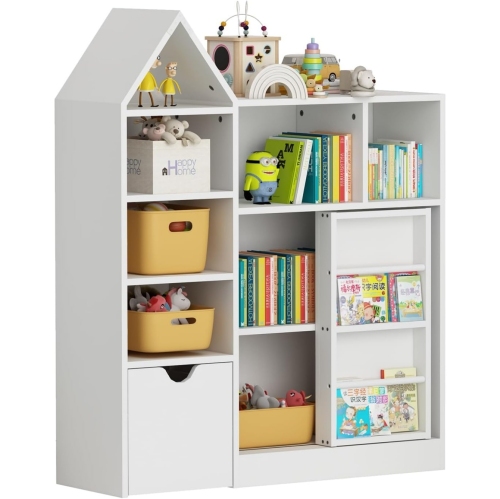
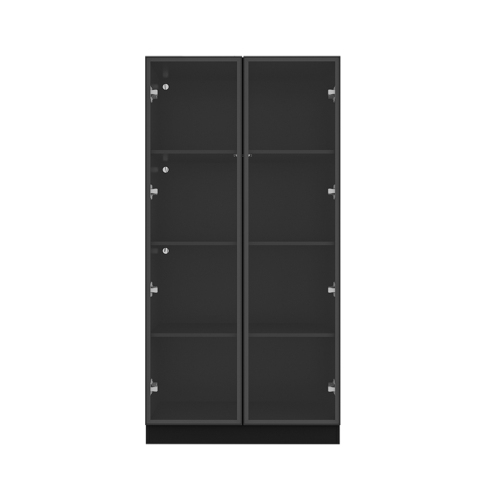
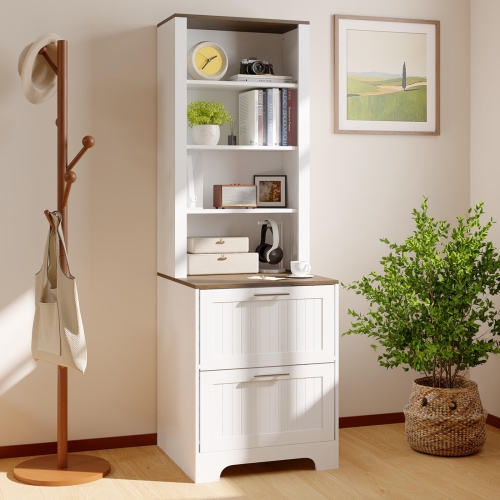
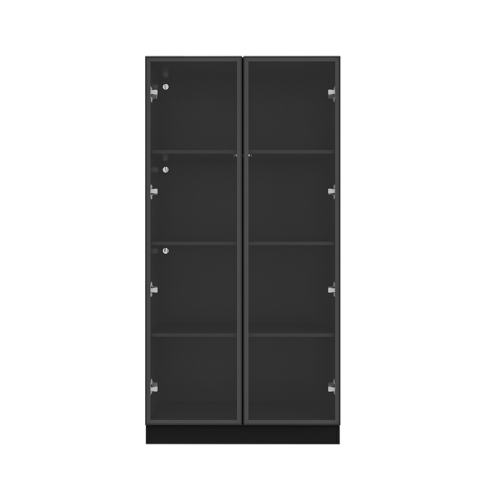
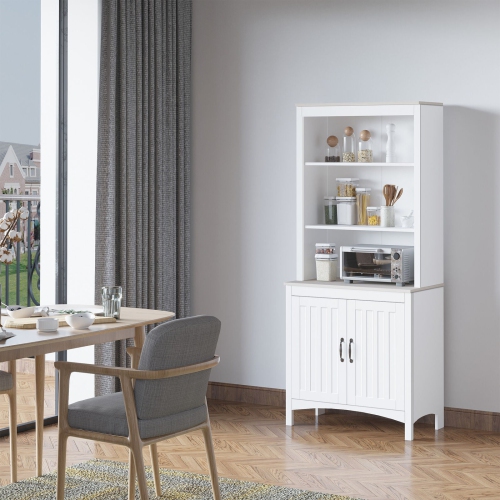
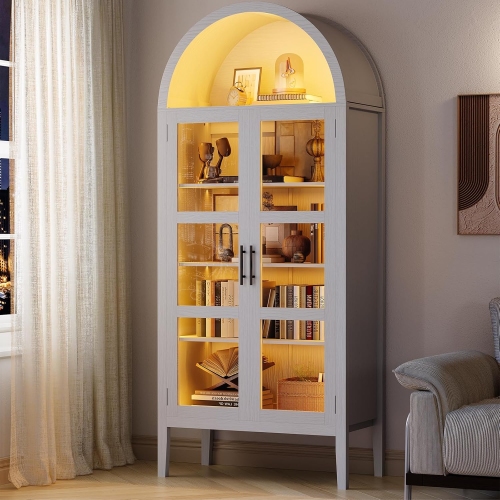
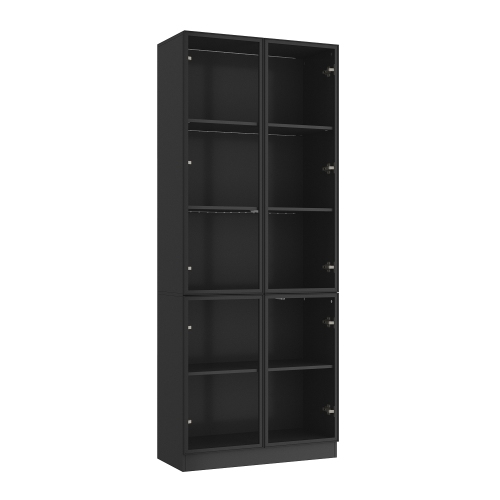
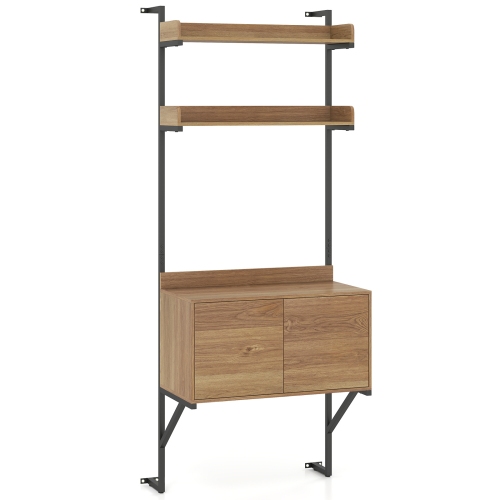


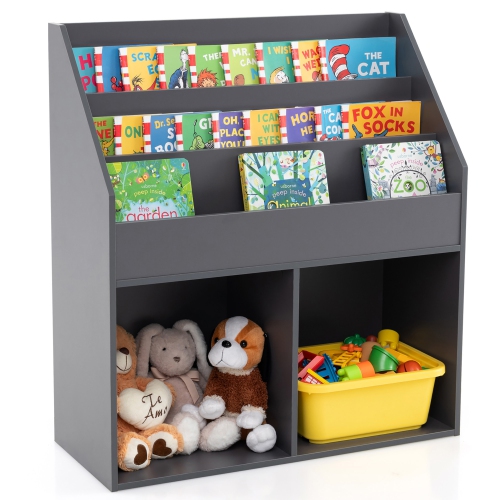
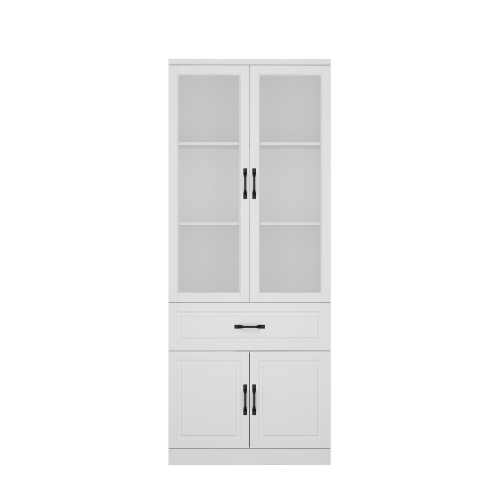
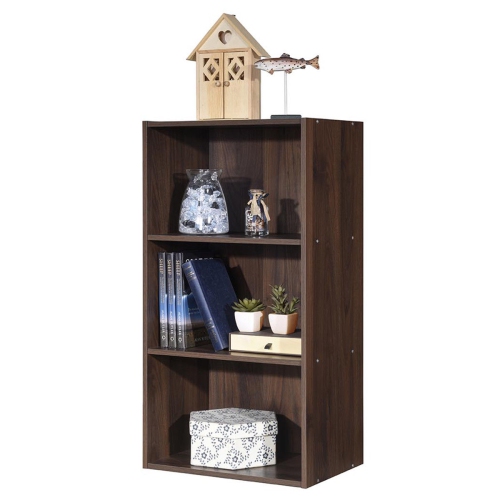
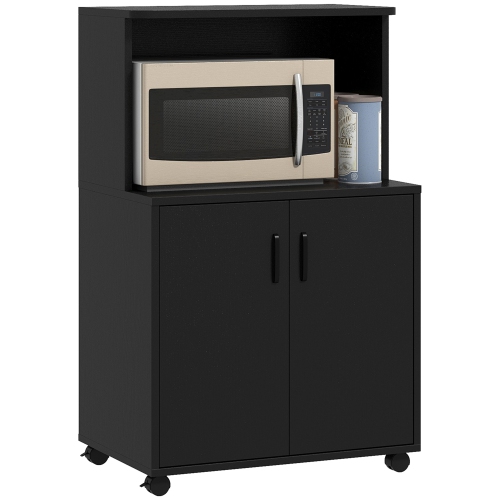
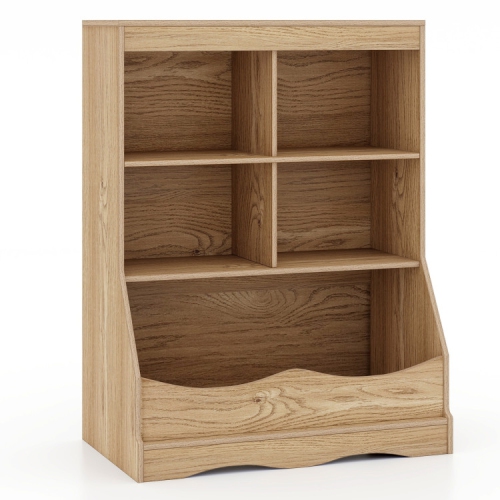
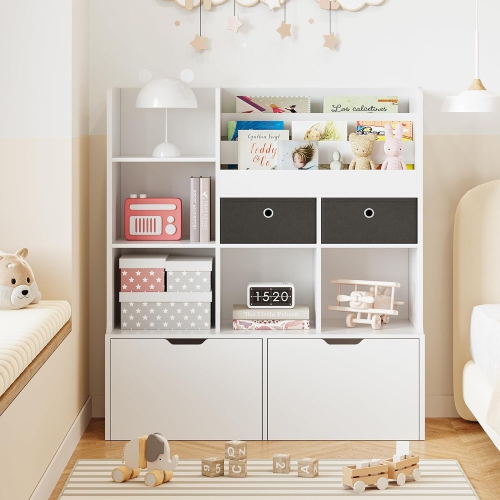
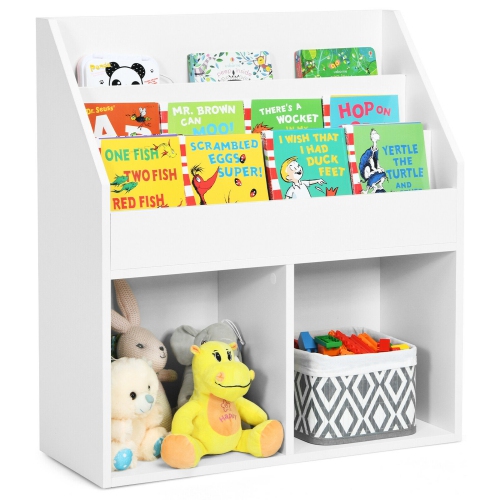
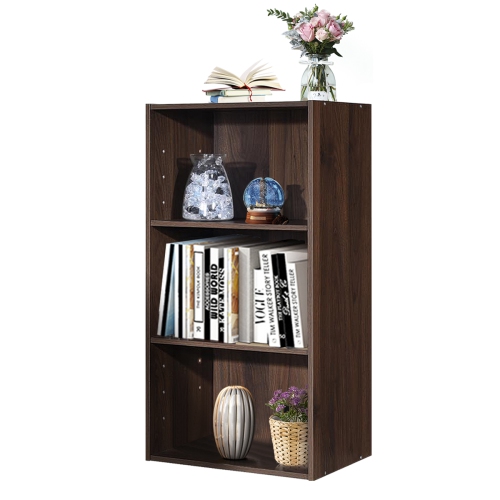
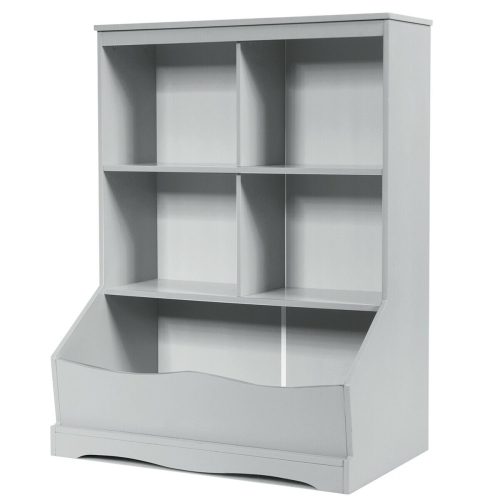
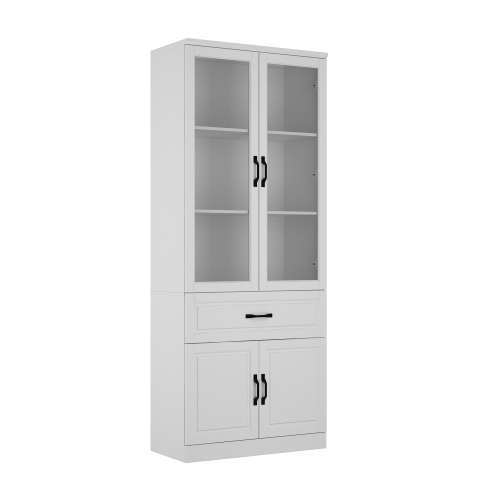
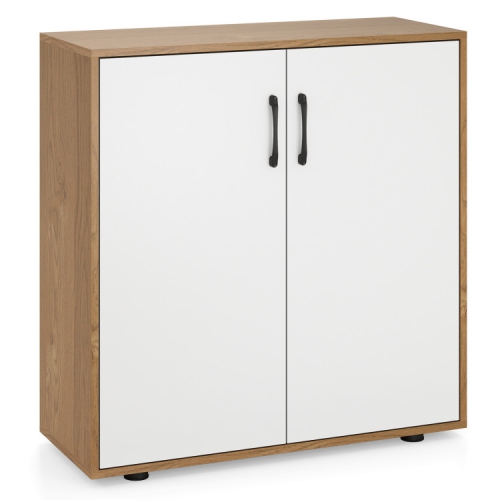
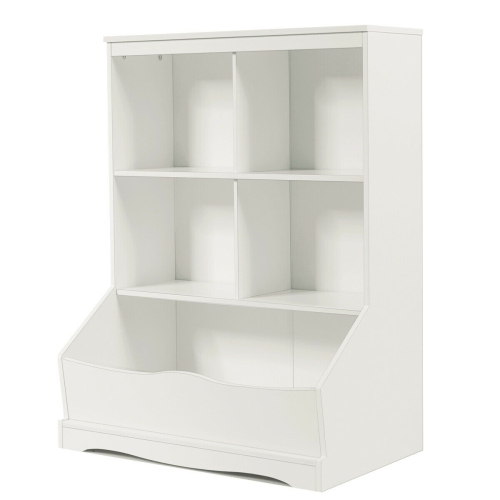
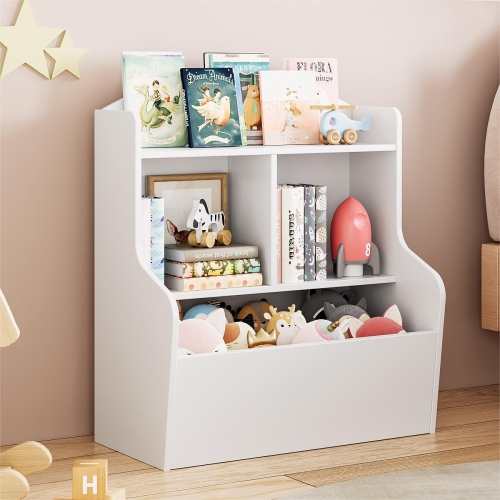
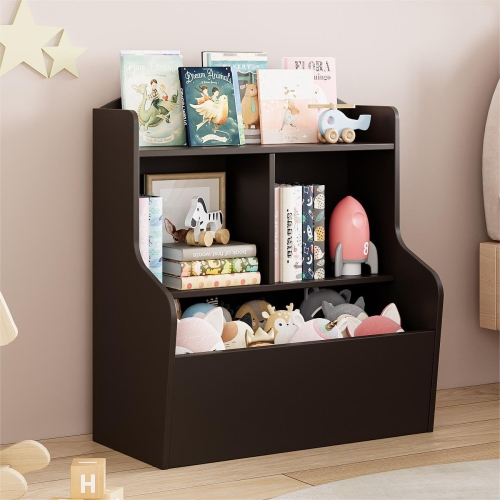
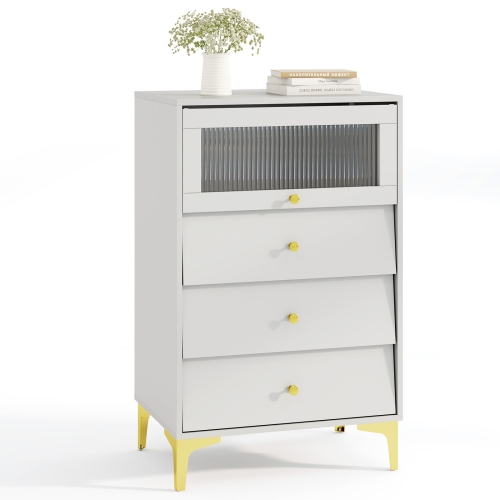
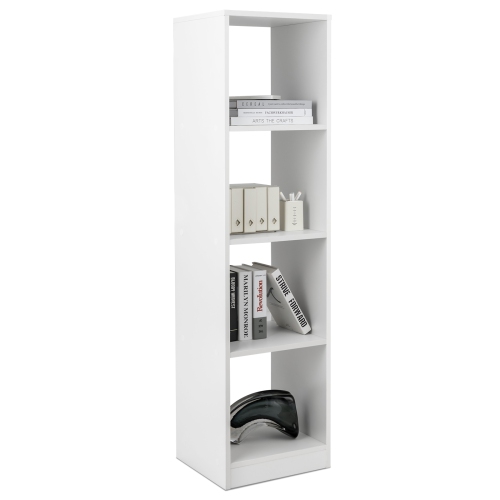
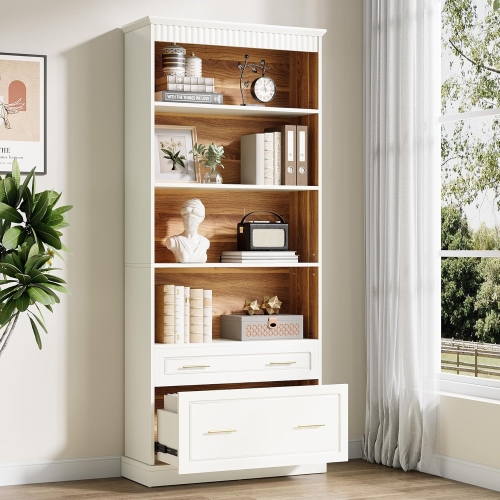
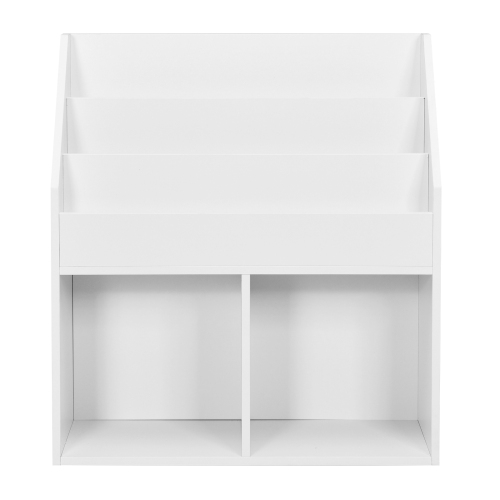
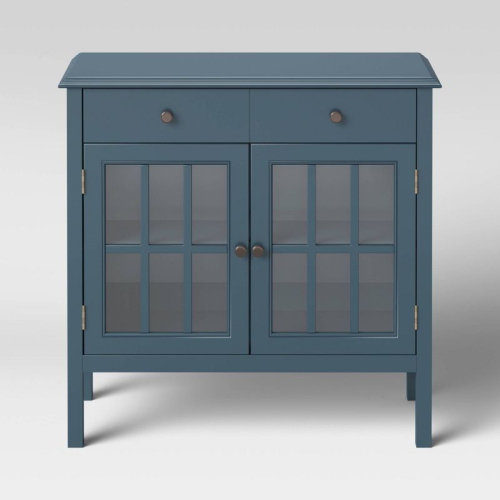
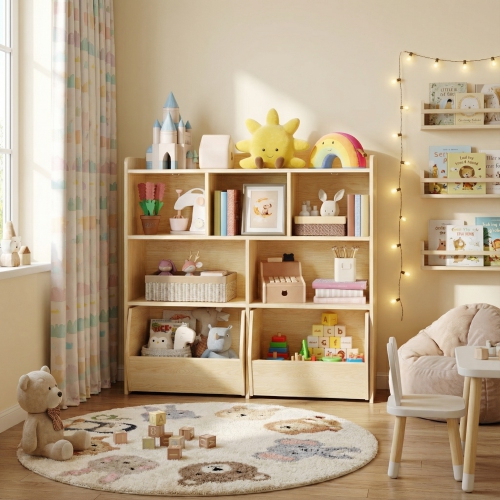
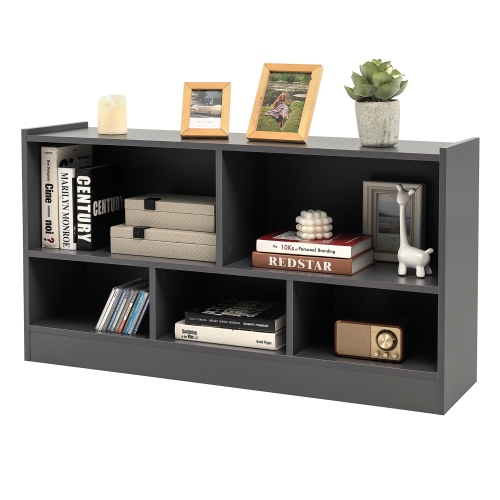
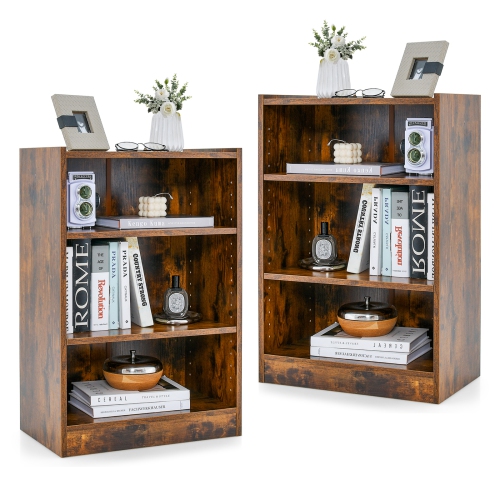
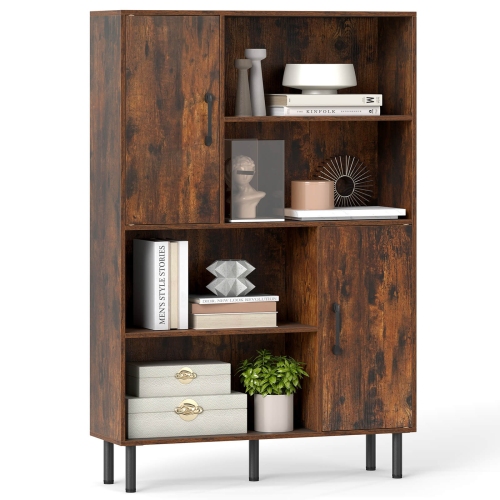
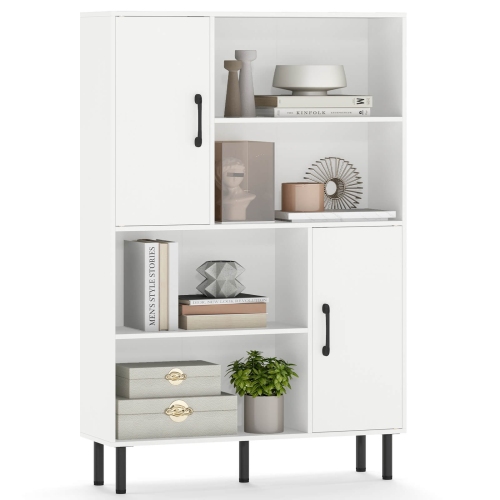

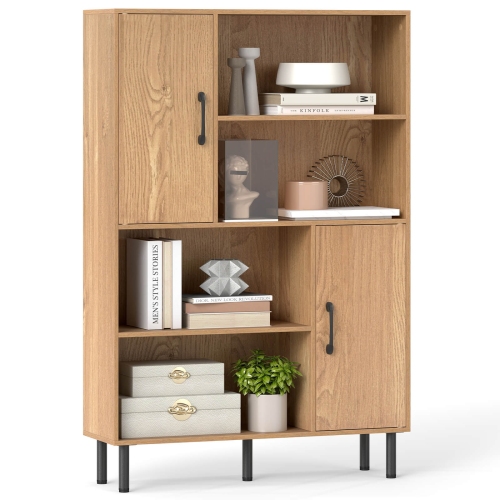
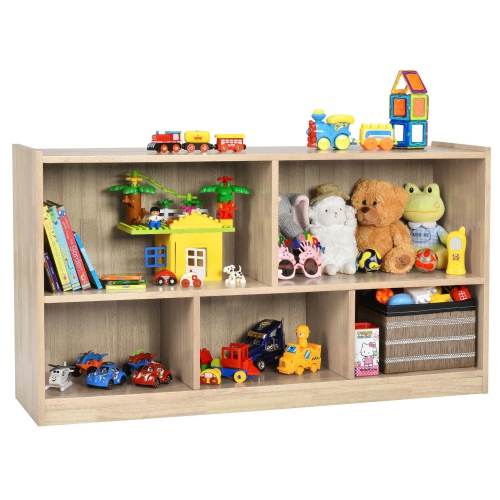
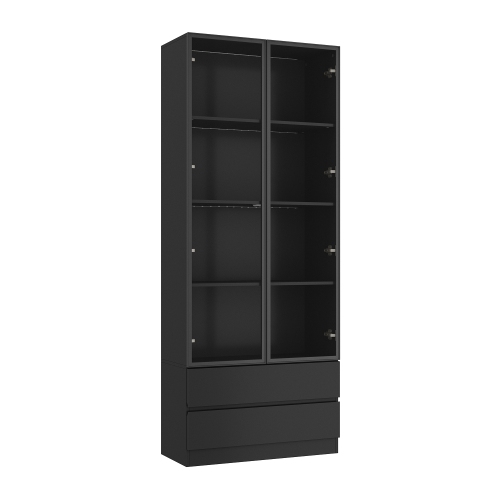
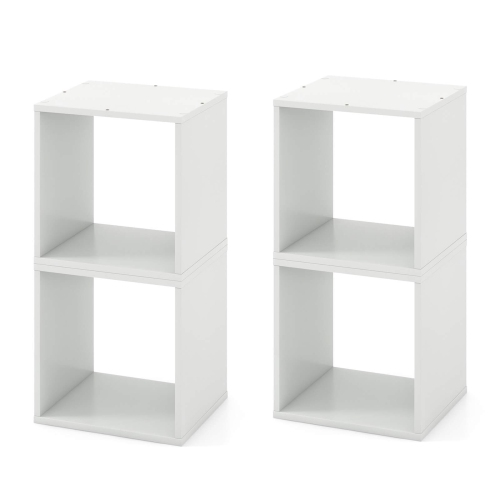
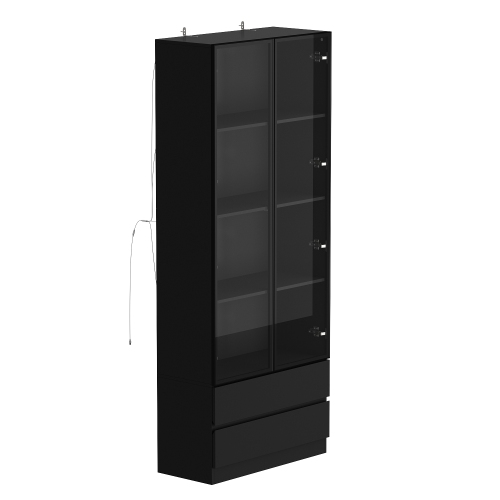
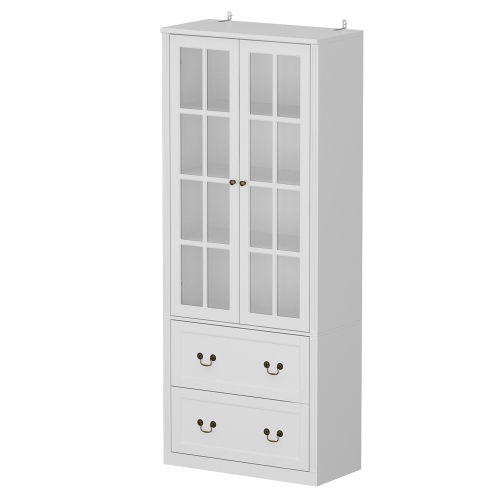

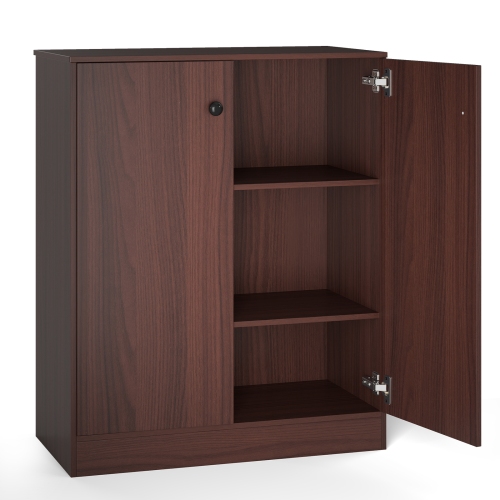
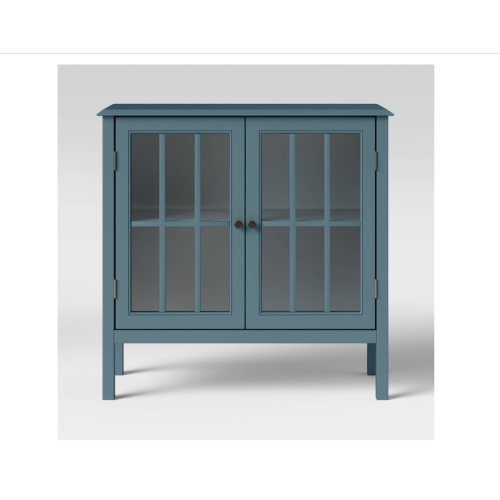
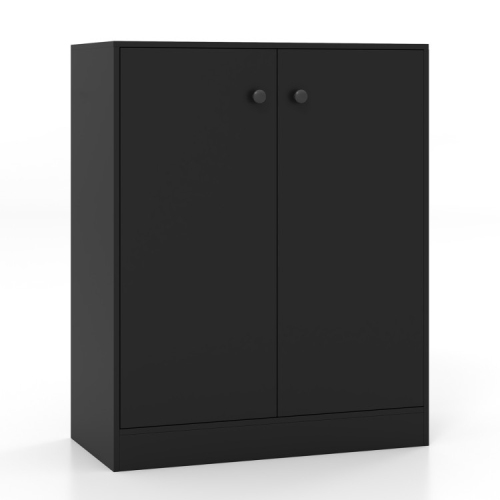
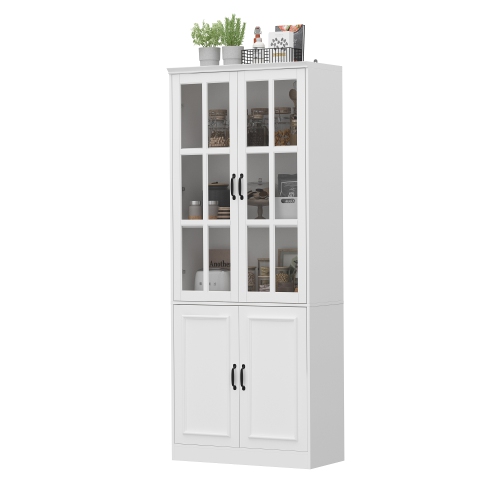
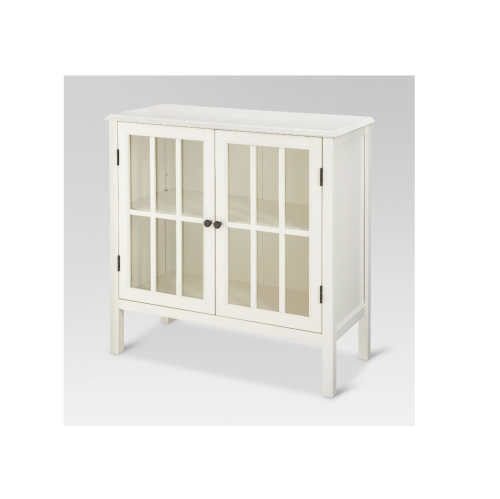
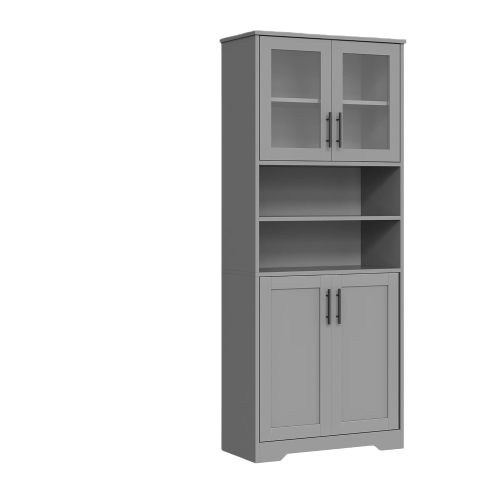


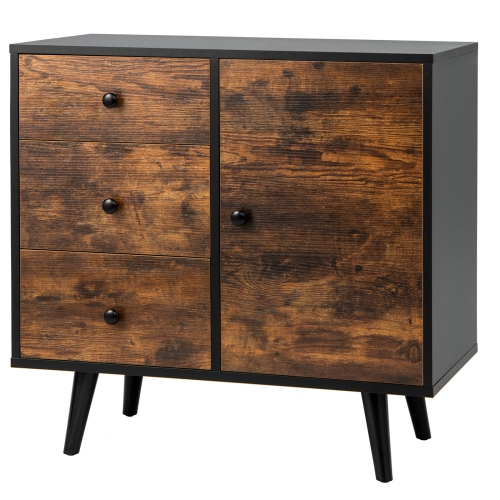
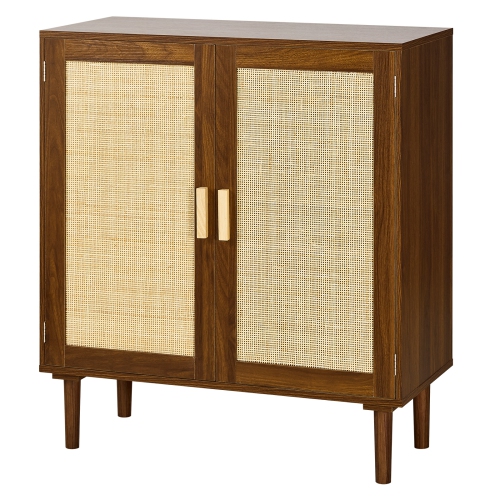
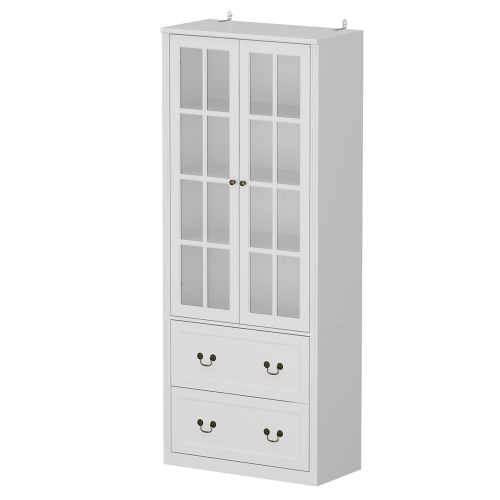
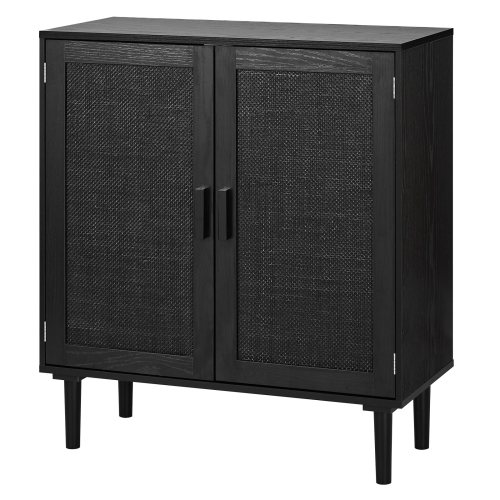
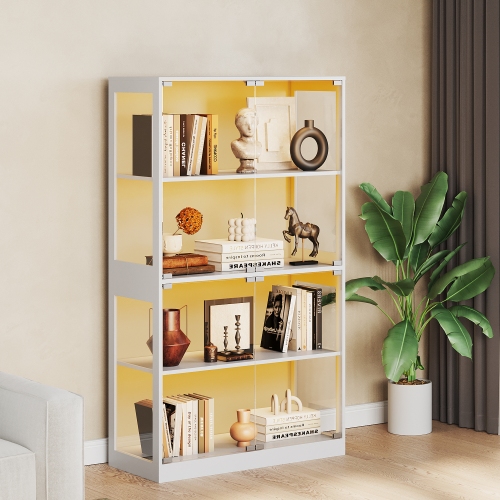
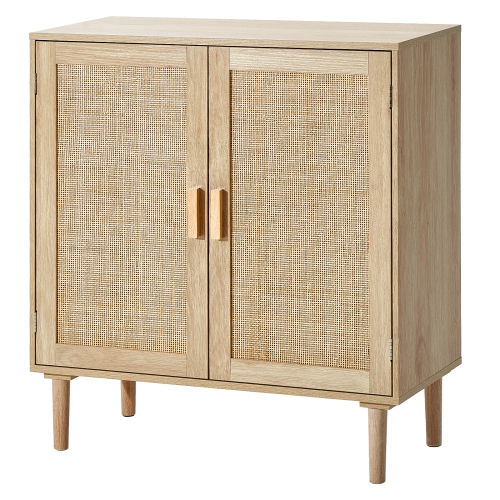



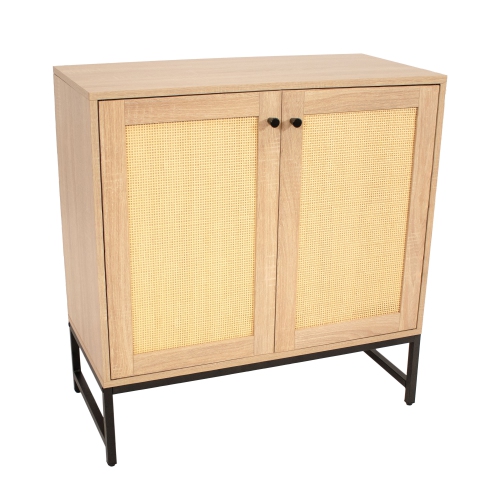
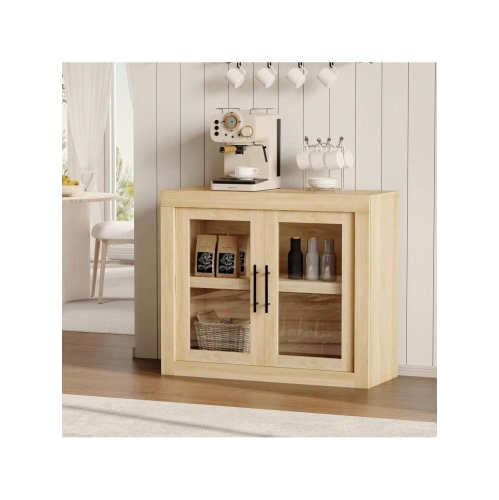
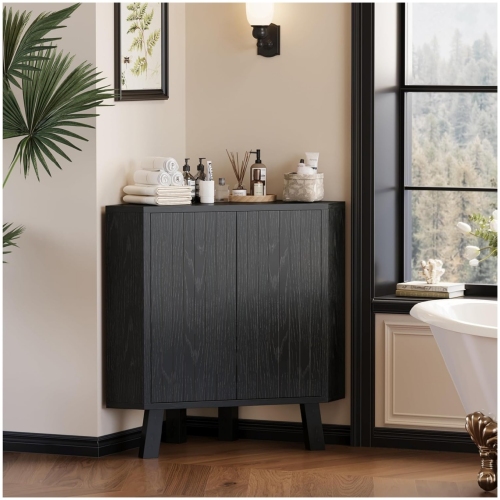
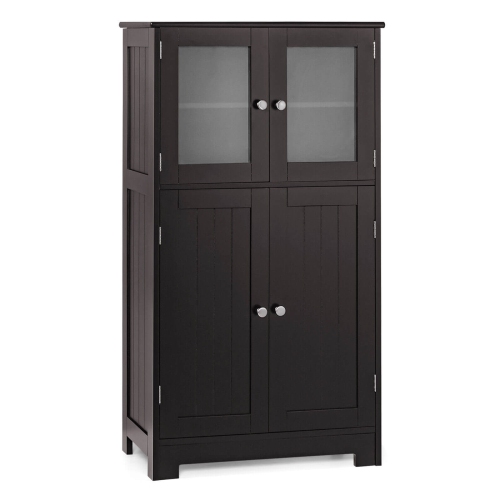
Favourite books on show and clutter out of sight
Bookcase cabinets with doors combine the shelving of a bookcase with enclosed storage, providing a place for books, documents, and display pieces while keeping the room looking orderly. Unlike open shelving, a door-front cabinet creates a visual boundary between its contents and the rest of the space. Solid doors conceal busy collections of paperbacks, office supplies, or family albums, while glass doors keep book spines and favourite objects visible. Designs with open upper shelves and closed lower compartments offer both approaches: reading material stays within easy reach, and less display-worthy essentials sit out of sight. Doors can also help reduce dust settling directly on stored contents, although ordinary furniture cabinets are not airtight or intended for archival preservation. In a living room, a bookcase cabinet can anchor a reading corner beside a comfortable chair without leaving every shelf exposed. In a home office, it can bring reference books, notebooks, and paperwork together in one area. A dining space or shared family room may suit a cabinet that holds cookbooks alongside serving pieces, provided its shelf dimensions and weight limits accommodate those contents. Students, readers, collectors, and households sharing a workspace can all benefit from this combination of display and concealed storage. The door style makes a noticeable difference to the overall effect. Clear glass gives a collection a library-like feel, textured glass softens the view, and solid panels create a quieter backdrop. Framed doors and shaped mouldings tend to suit traditional furnishings, while flat fronts and simple handles work well with clean-lined furniture. Colour matters, too: a light finish can blend with pale walls, while a darker finish gives the shelving a stronger presence. When books are the main attraction, a restrained cabinet finish lets their varied colours and bindings provide the detail. Matching the cabinet’s proportions to nearby furniture helps it feel like part of the room rather than an isolated storage piece.
A good fit depends on more than the cabinet’s outside width and height. Internal shelf depth determines whether large art books sit fully supported, while the clear height between shelves affects tall hardcovers, binders, and upright albums. Adjustable shelves make it easier to accommodate a collection that changes over time, though fixed shelves may form part of the cabinet’s supporting structure and should remain in place. For a book-heavy arrangement, check the stated load limit for each shelf rather than relying only on the cabinet’s total capacity. A row of large hardcovers places a different demand on a shelf than a few small display objects, and a thick-looking front edge does not necessarily indicate a stronger shelf. Measure the intended location at floor level, accounting for baseboards, nearby outlets, and any clearance needed behind the cabinet. Check the route into the room as well, particularly where narrow doorways, stairs, or tight corners could complicate moving assembled furniture. Hinged doors need space to swing open without hitting a desk, chair, or adjacent wall. Where that forward clearance is limited, bookcases with sliding glass doors offer another way to access shelves, although sliding panels generally expose only part of the cabinet at a time. Materials influence both appearance and everyday care. Solid wood has natural grain variation and may expand or contract with changes in indoor humidity. Wood veneer provides a real-wood surface over a supporting core, while engineered wood can provide a smooth, consistent base for painted or laminated finishes. Surface treatment, shelf construction, joinery, and hardware all contribute to durability; the material name alone does not tell the whole story. Look for clearly stated glass specifications, and do not assume every glazed door uses tempered glass. Well-fitted hinges, secure shelf supports, and doors that align properly are practical details worth considering, especially for a cabinet that will be opened several times a day. Handles should also be comfortable to grasp without placing strain on the door frame.
How a bookcase cabinet is arranged can make it easier to use and help protect both the furniture and its contents. Place heavier volumes on lower shelves, keeping frequently used books at a comfortable reaching height. Upright books should have enough support to prevent leaning, without being packed so tightly that removing one pulls neighbouring books along with it. A few short horizontal stacks can accommodate oversized titles, but tall piles make the bottom book difficult to retrieve. Behind solid doors, small bins or magazine files can separate loose papers and accessories so that closed storage does not become a catch-all. Behind glass, leaving some breathing room around a favourite book or framed photograph gives the display definition without sacrificing useful shelf space. Keep stored objects clear of hinges, tracks, and door edges so the doors close freely. Tall cabinets should be secured using the manufacturer’s specified restraint system and fixings suitable for the wall construction; placing heavy books at the bottom does not replace anchoring. Children should not climb shelves or pull on doors, and a standard cabinet door should not be treated as a child-safety lock. For routine care, follow the finish-specific instructions and use a soft cloth to remove dust. Where a lightly damp cloth is permitted, dry the surface promptly rather than leaving moisture around edges or joints. Glass cleaner should be used only as directed, with care to prevent overspray from reaching wood finishes or collecting inside frames. Occasional checks of hinges, handles, shelf pins, and sliding tracks can catch looseness or trapped debris before everyday use becomes frustrating. Positioning the cabinet away from direct sunlight and heat sources can help limit fading and stress on finishes, bindings, and glued joints. With suitable dimensions, dependable shelf support, and a door style that suits the room, bookcase cabinets with doors provide useful storage for a working library, a growing reading collection, or a carefully arranged mix of books and personal keepsakes.
Top selling and popular products
-
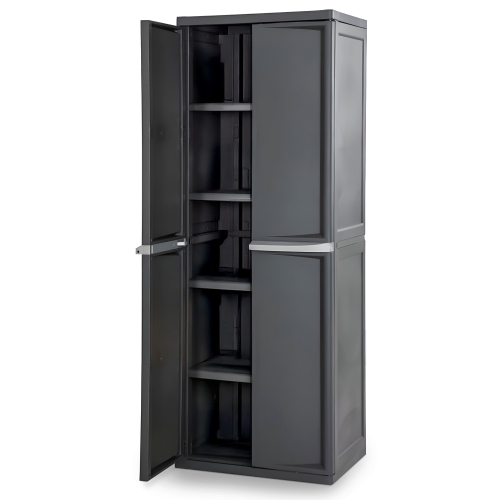 Your price for this item is $577.99
-
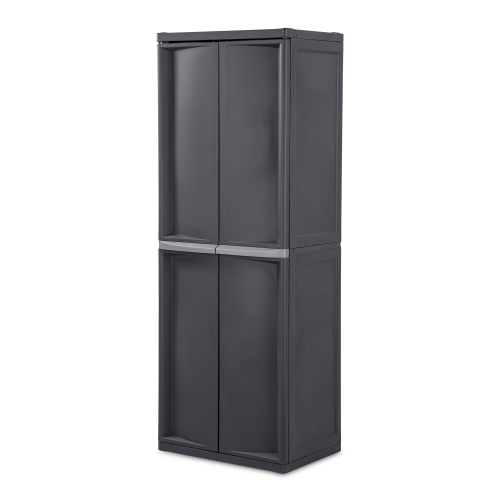 Your price for this item is $1167.99
-
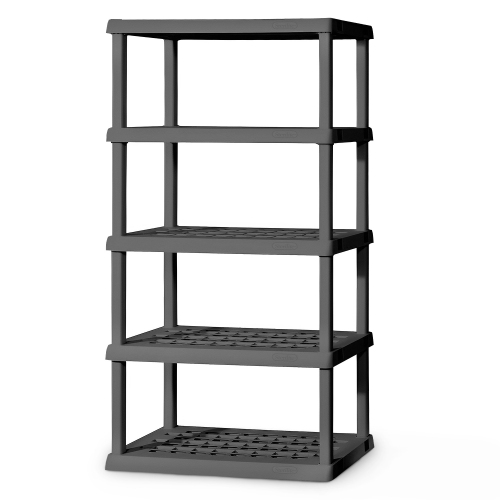 Your price for this item is $353.99
-
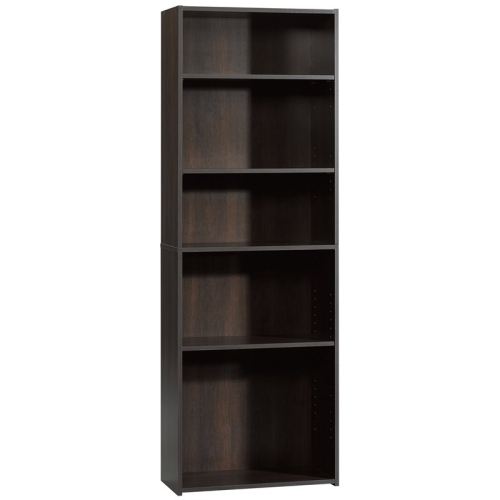 Your price for this item is $208.99
-
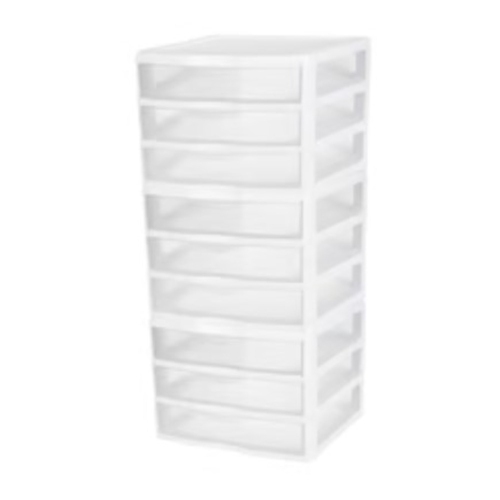 Your price for this item is $171.99
-
 Your price for this item is $592.99
-
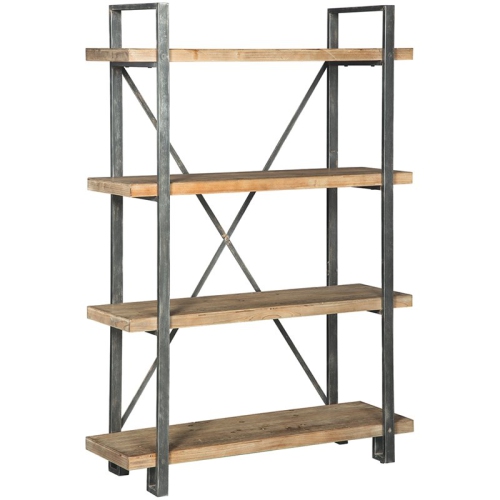 Your price for this item is $599
-
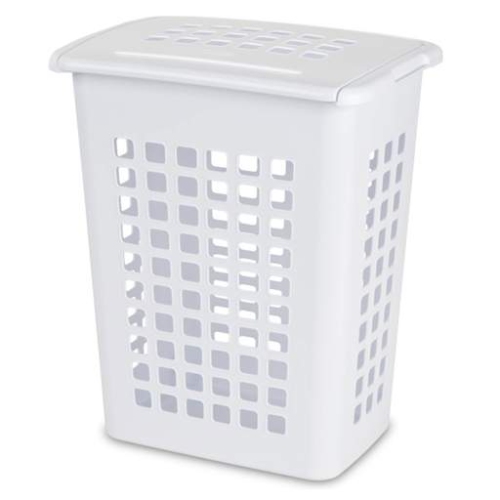 Your price for this item is $737.99
Discover more categories related to Bookcase Cabinets With Doors
Top Collections:
Best Black Friday Deals This Year, Best Black Friday Deals On Electronics, Kindle Devices, Dyson Airwrap, Best Cameras for Sports Photography, Best Black Friday Deals On Apple Products, PS5 Pro Consoles, Portable Snow Blowers, Canon G7X Cameras, Pokémon 30th Celebration Cards
Some products may be subject to Environmental Handling Fees
(EHF) depending on your province.
Learn more about EHFs.