Tall Bookcases With Doors
Looking for a stylish and functional storage solution for your books and belongings? Look no further than our collection of tall bookcases with doors. These versatile pieces of furniture not only provide ample space to showcase your literary treasures but also offer the added benefit of concealed storage behind sleek doors. Whether you're looking to create an organized home library or simply need extra storage space in your living room or office, our tall bookcases with doors are designed to meet your needs while adding a touch of elegance to any space.
Sort
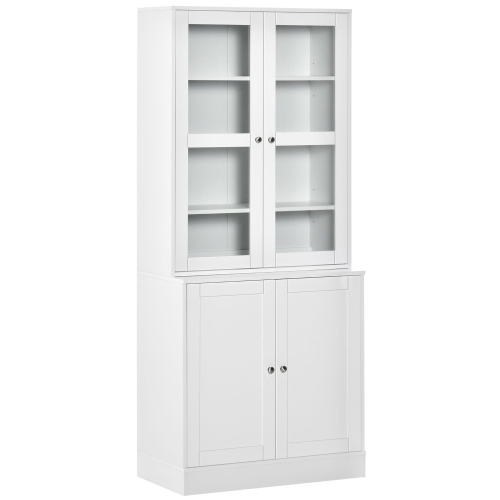
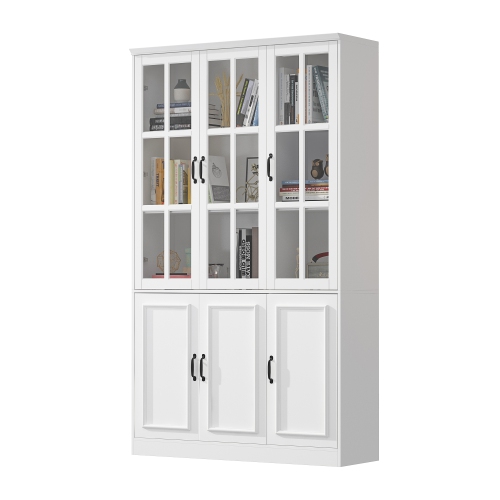
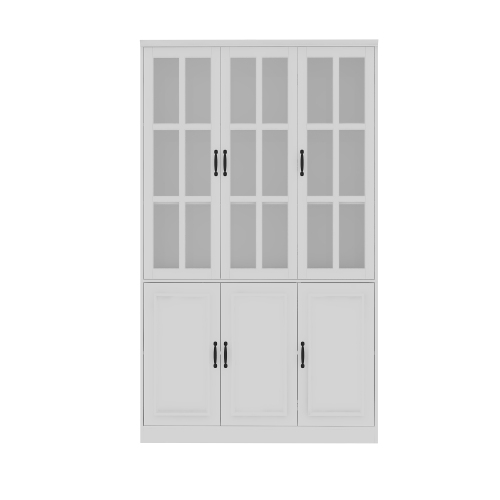
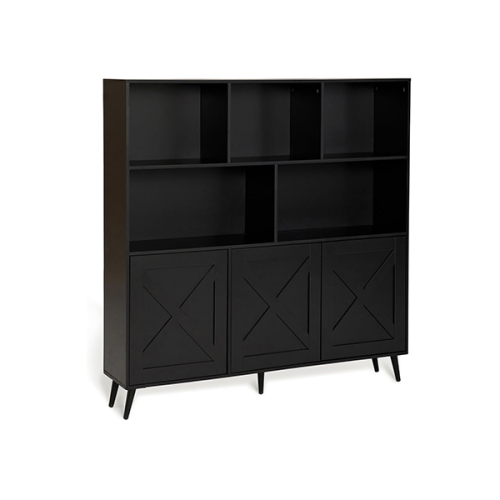
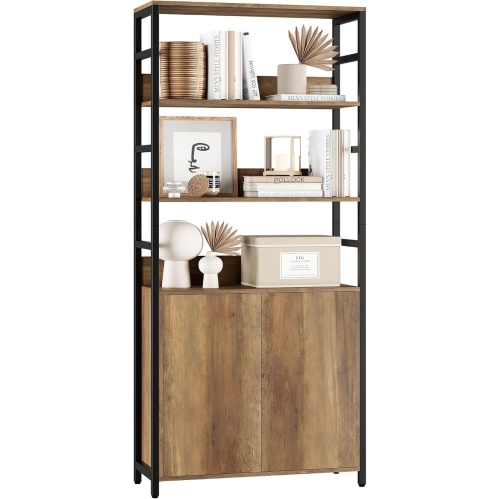
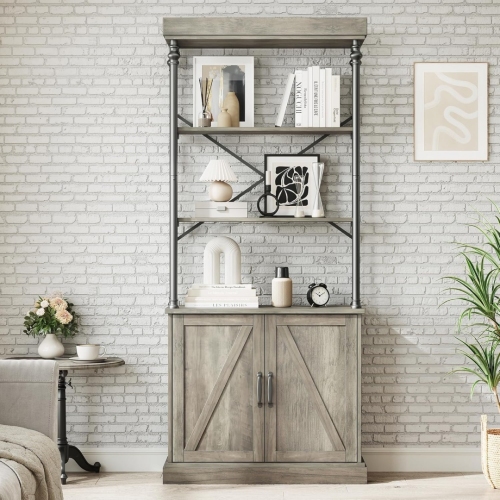
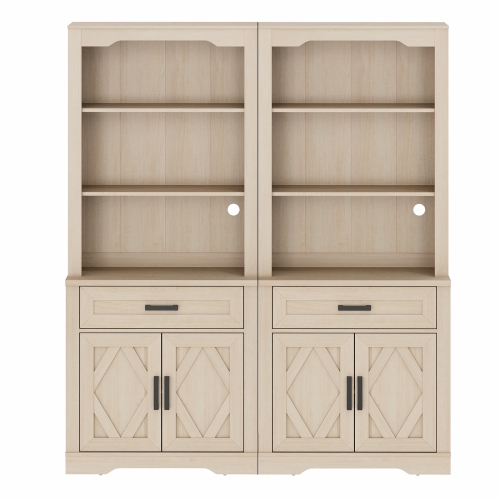
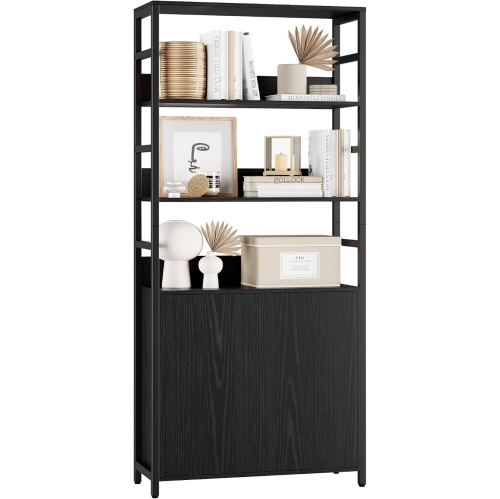
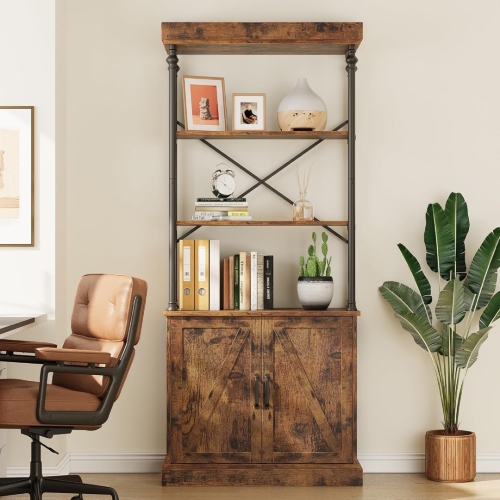
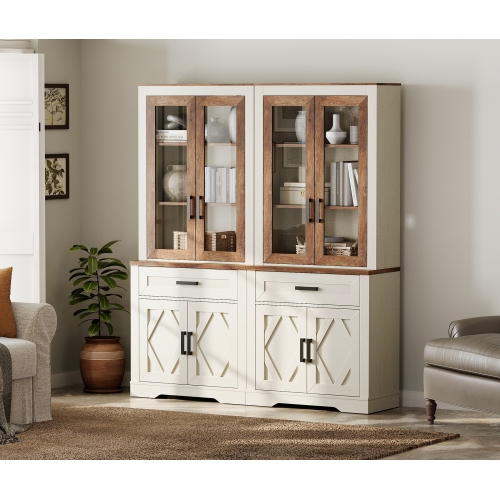
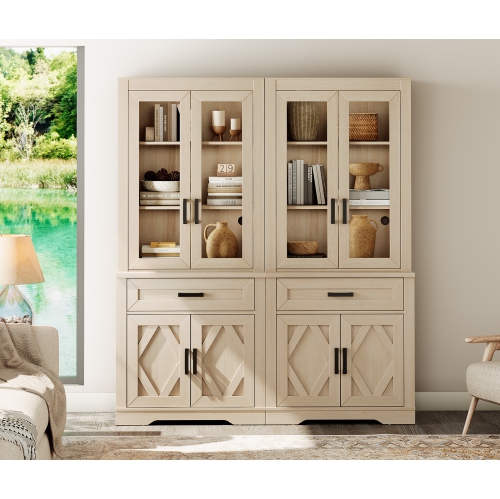
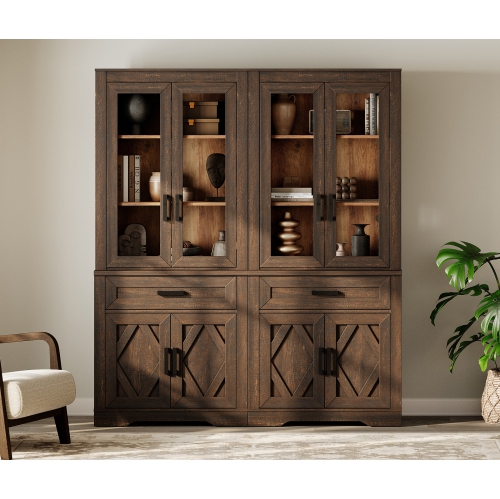
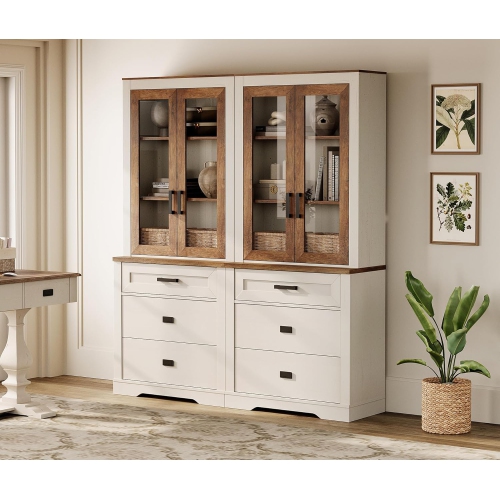
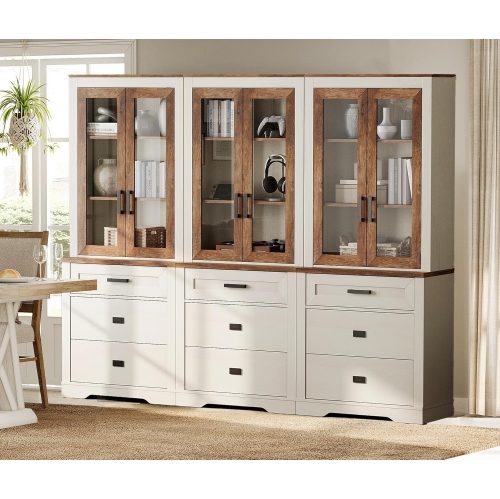
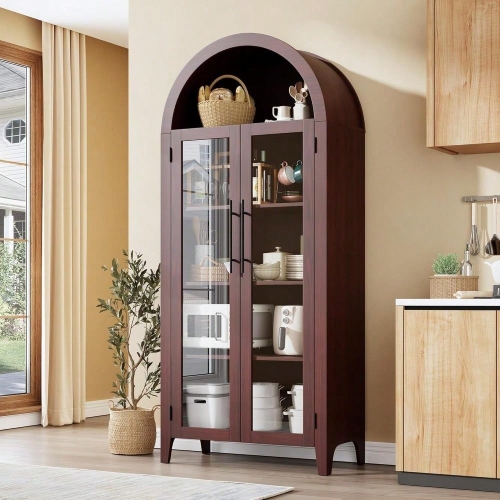
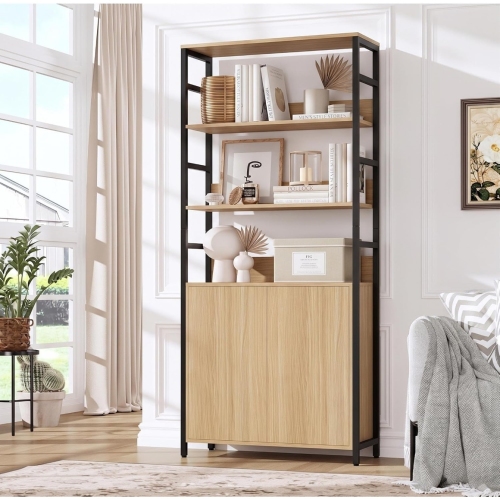
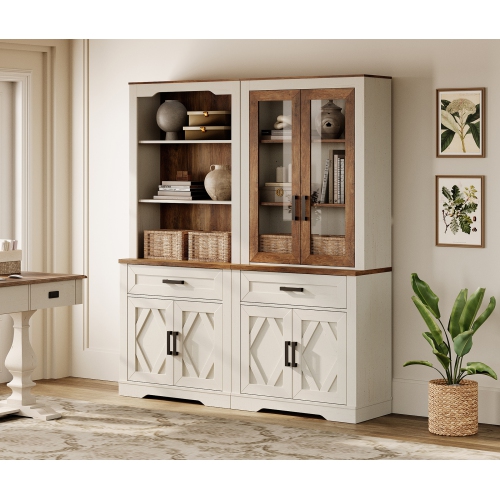
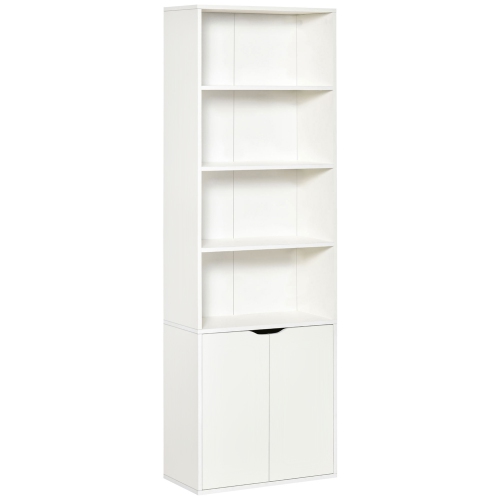
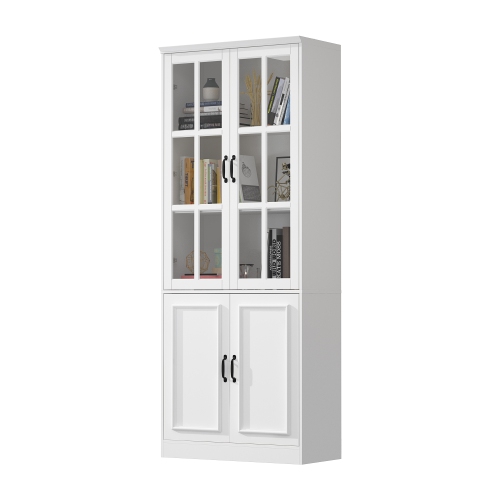
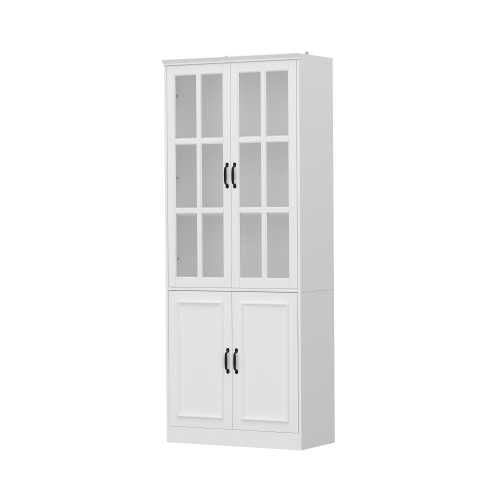
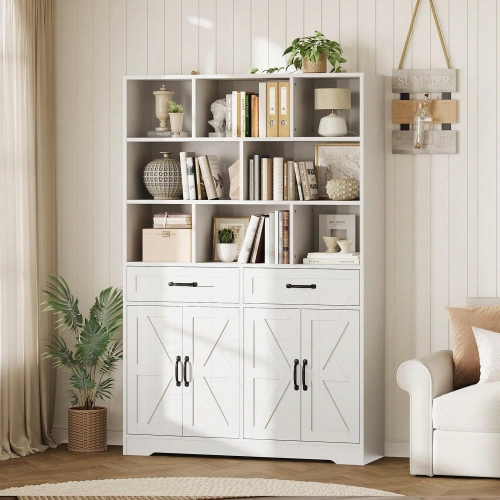
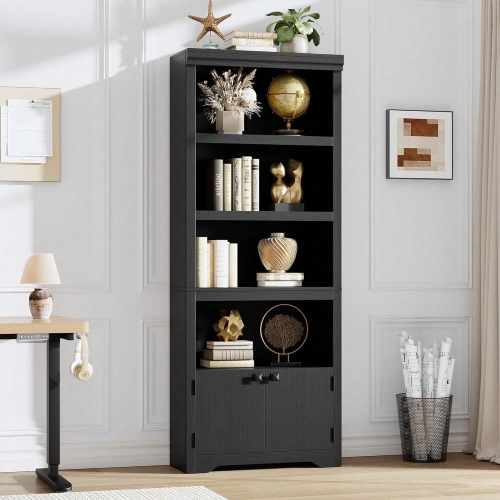
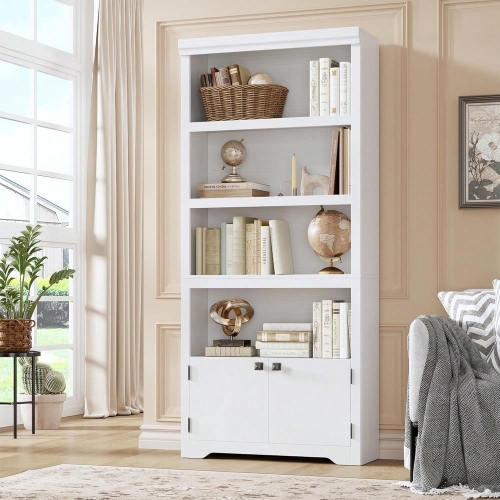
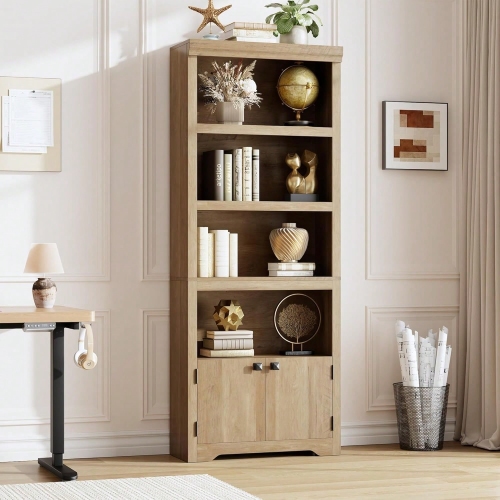
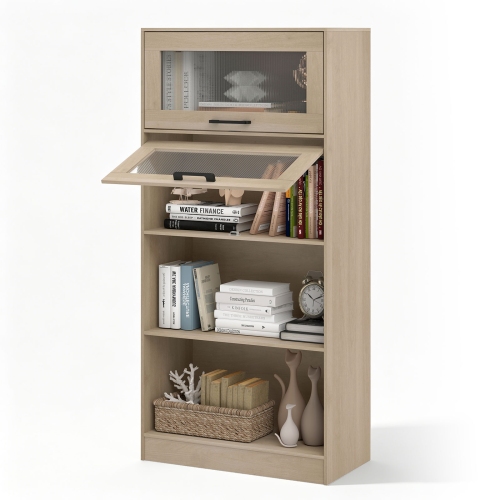
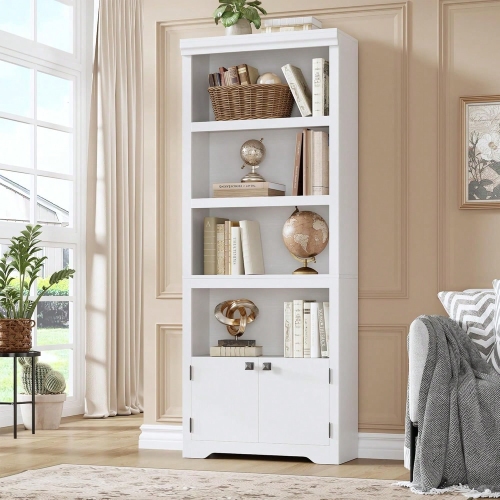
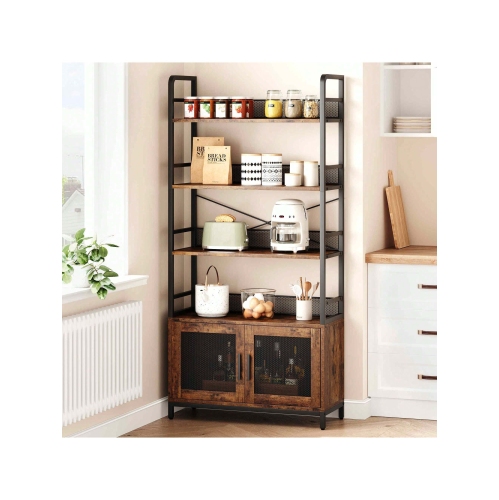
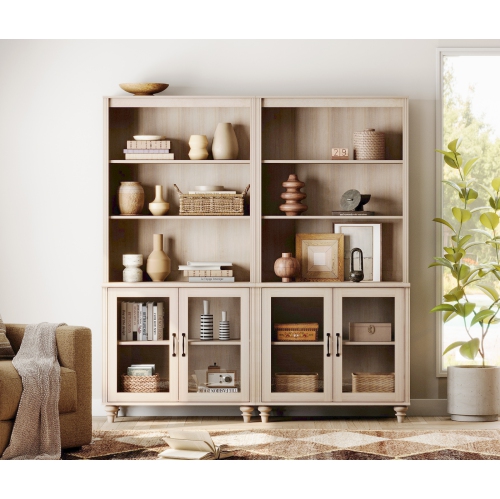
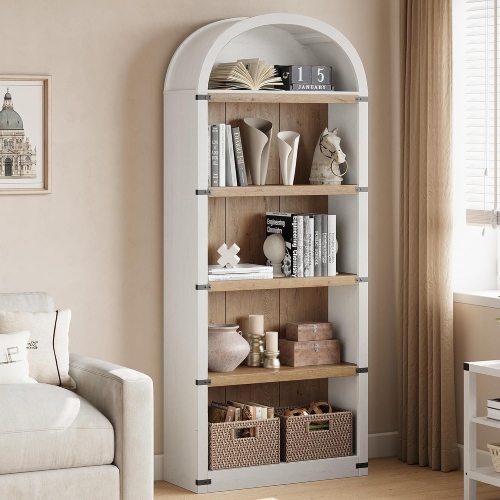
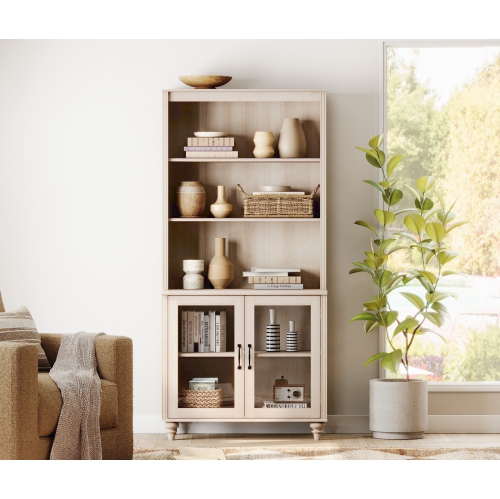
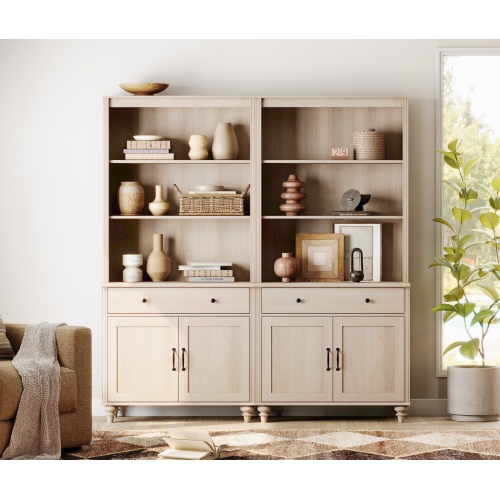
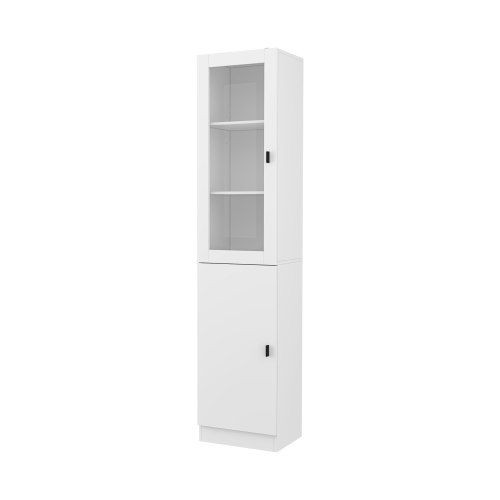
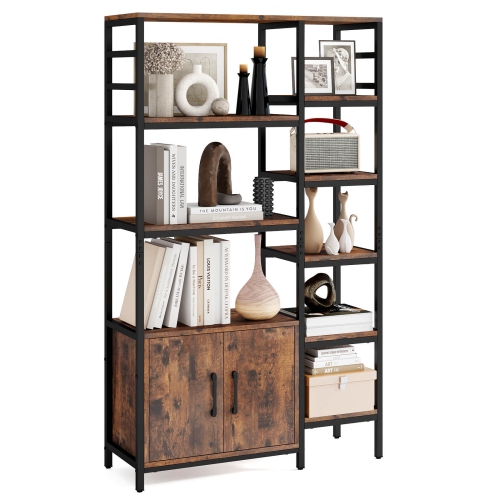
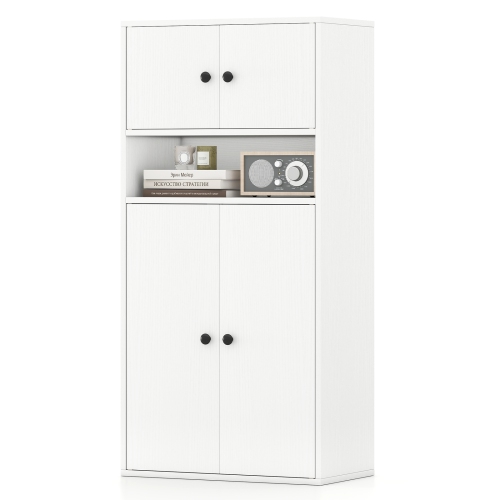
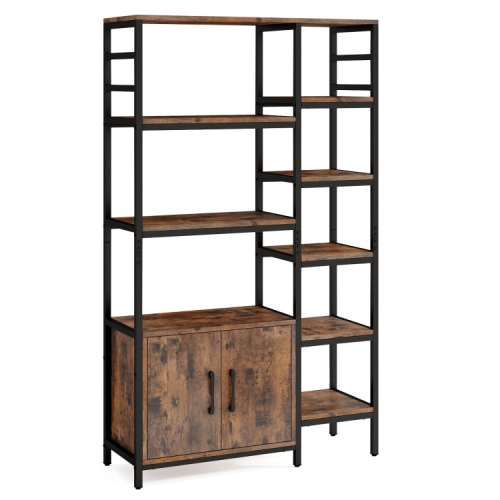
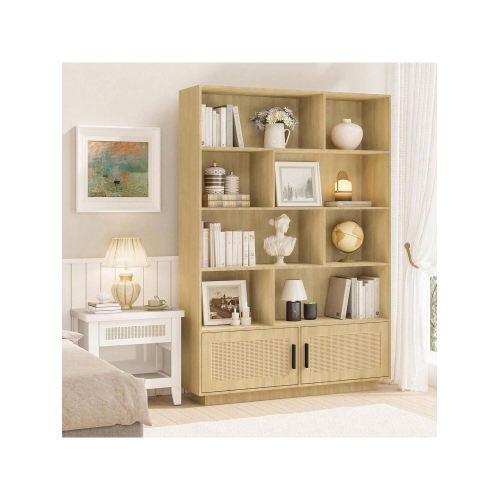
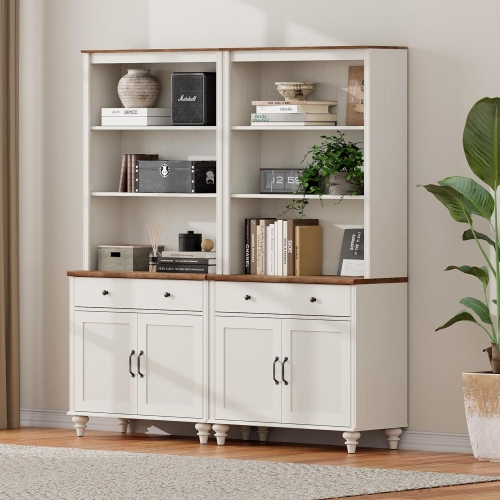
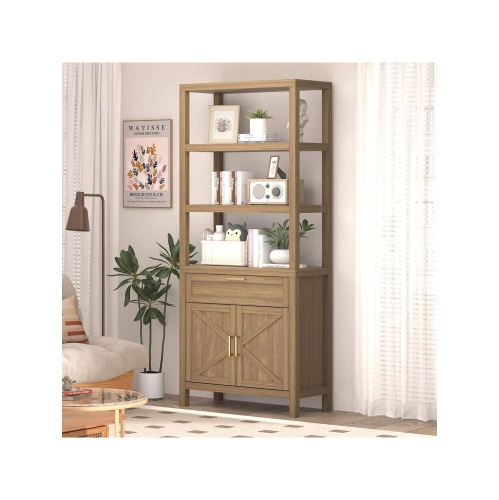
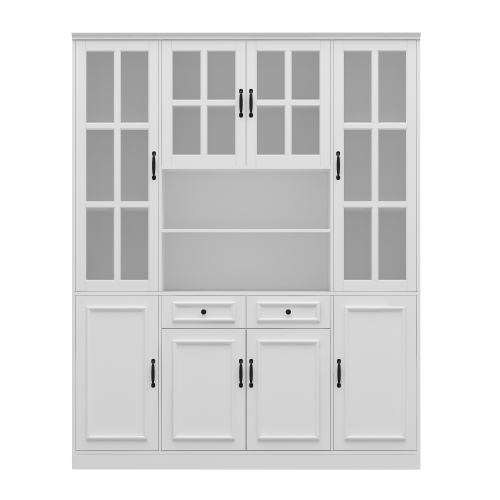
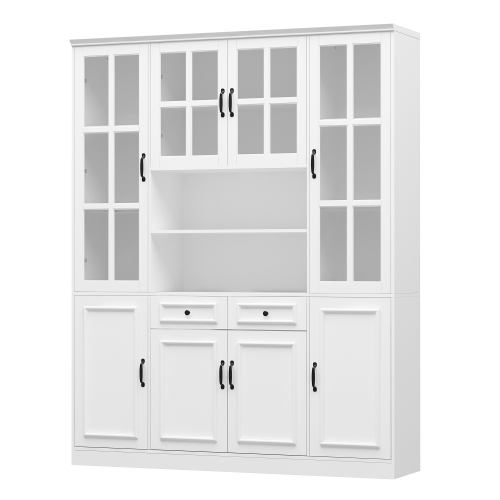
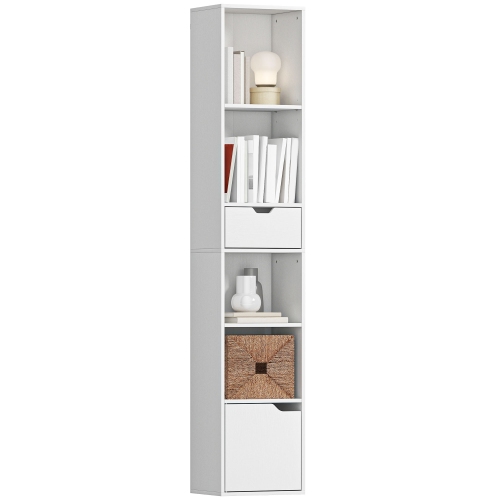
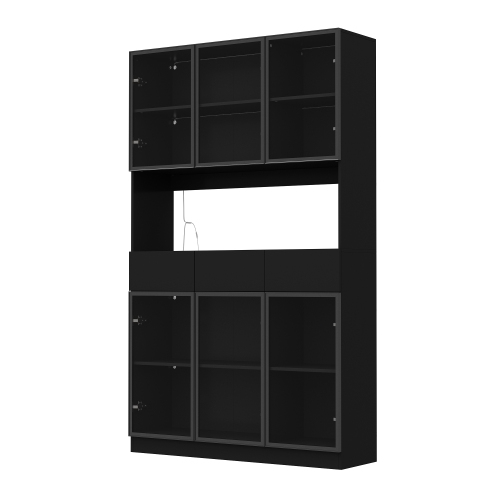
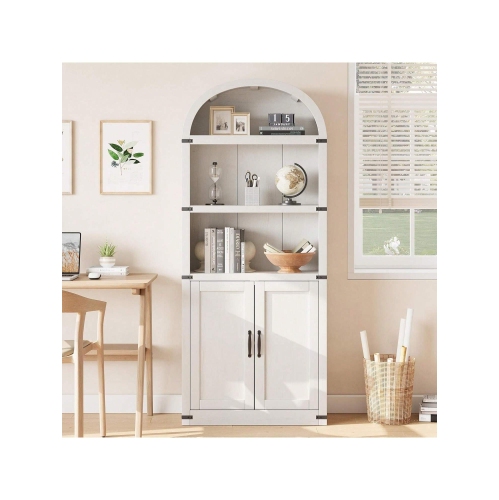
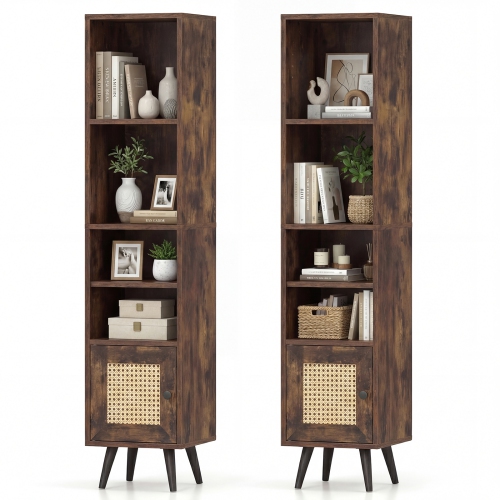
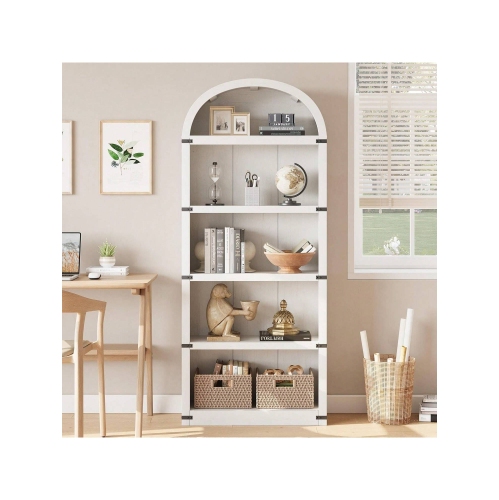
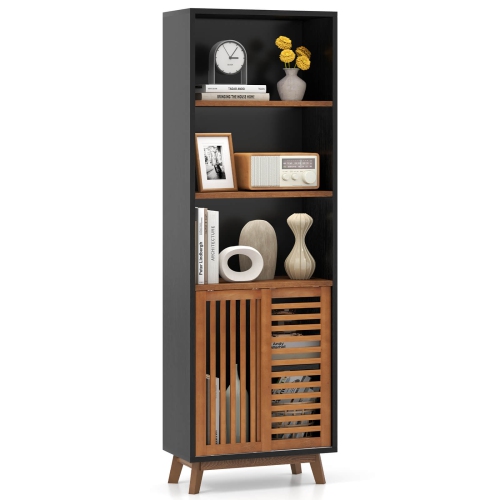
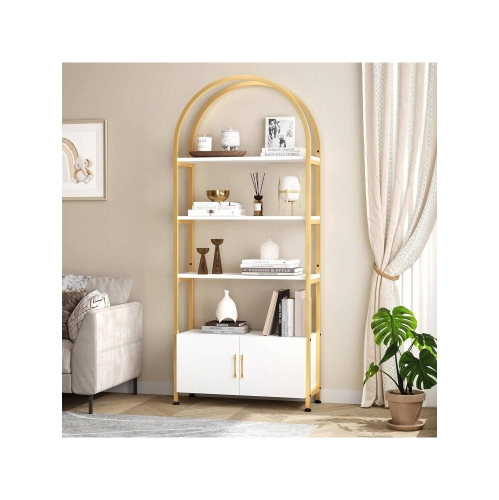
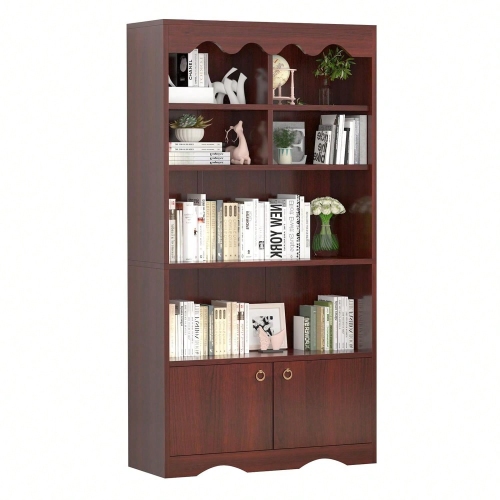
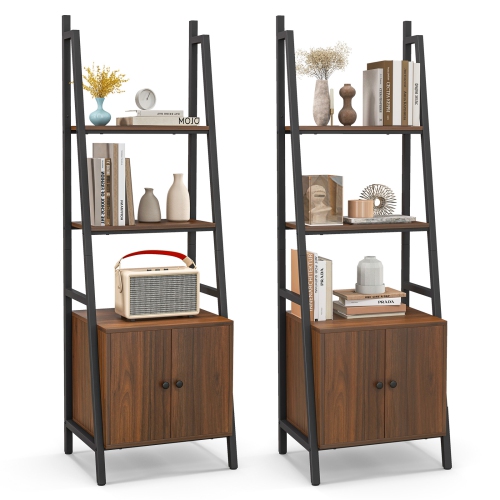
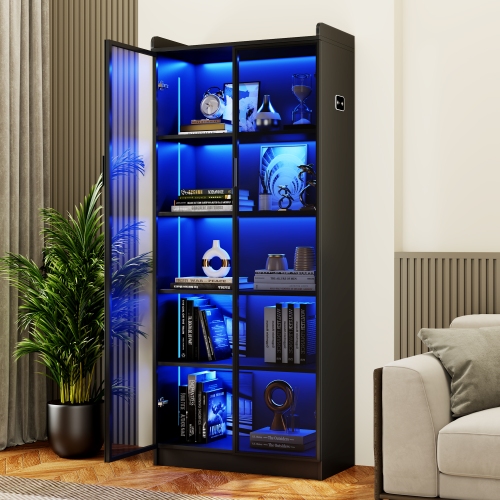
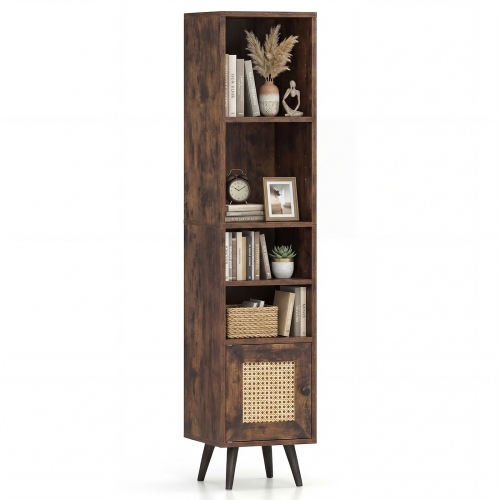
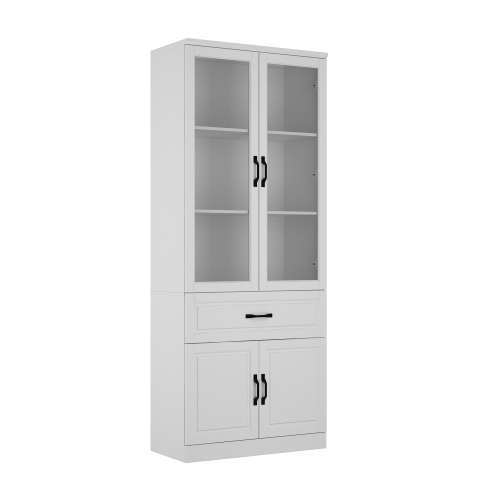
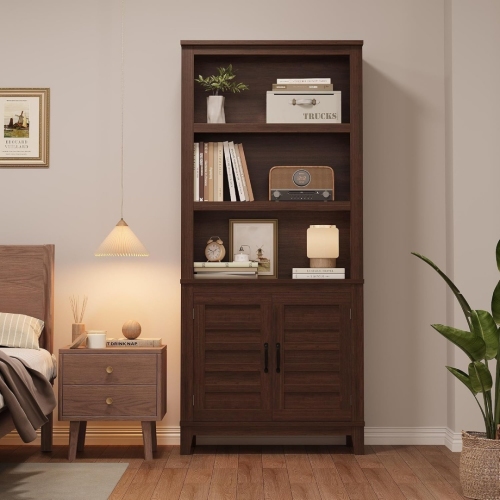
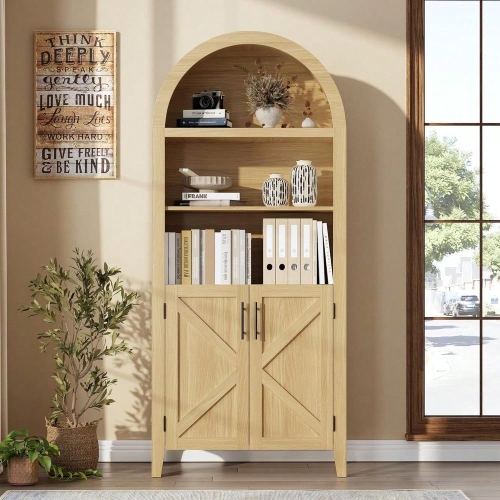
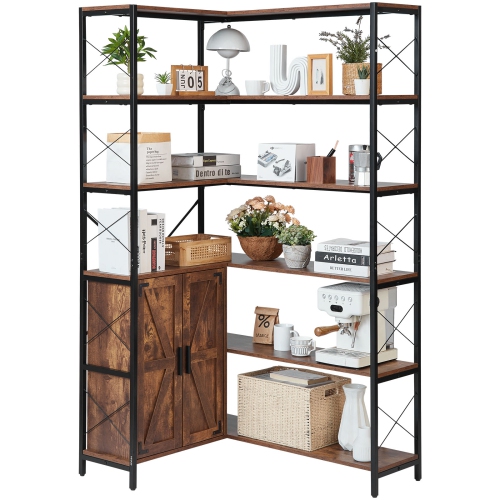
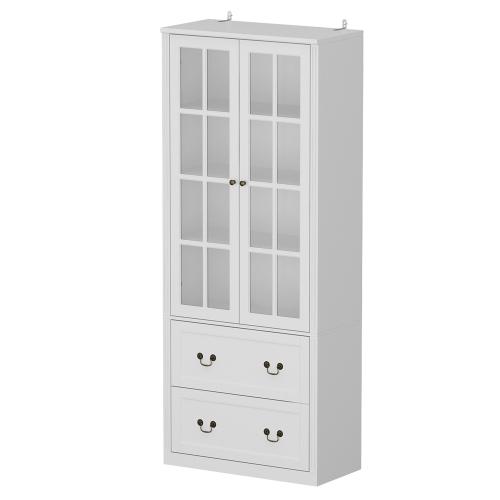
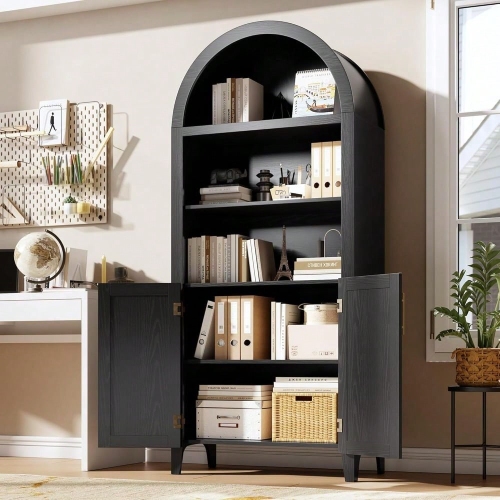
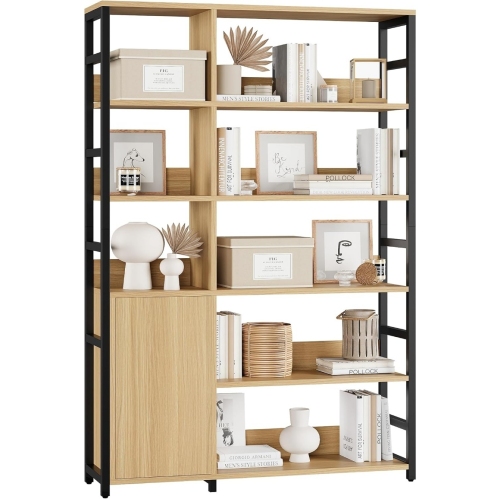
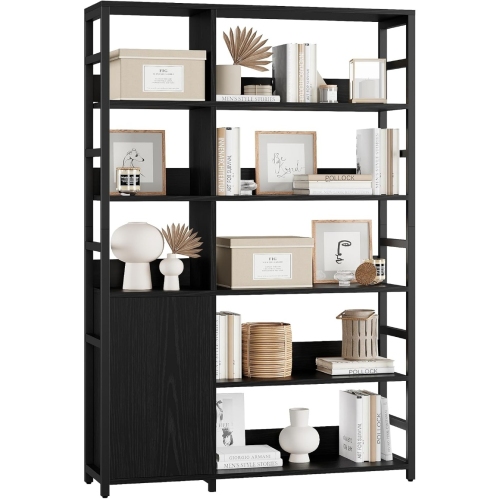
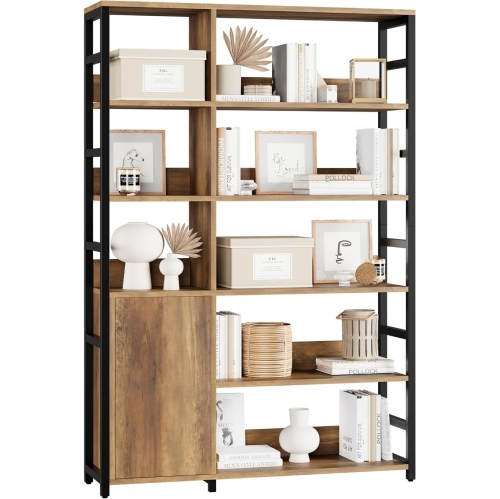
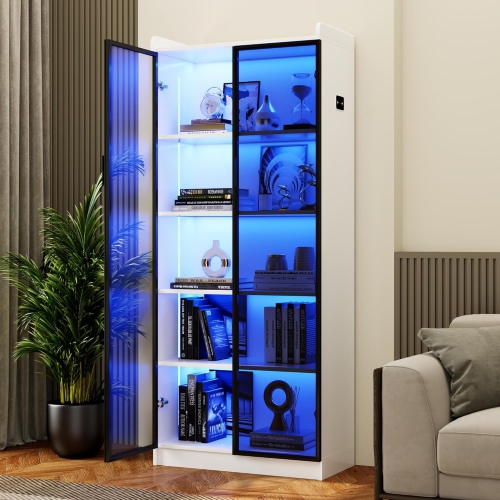
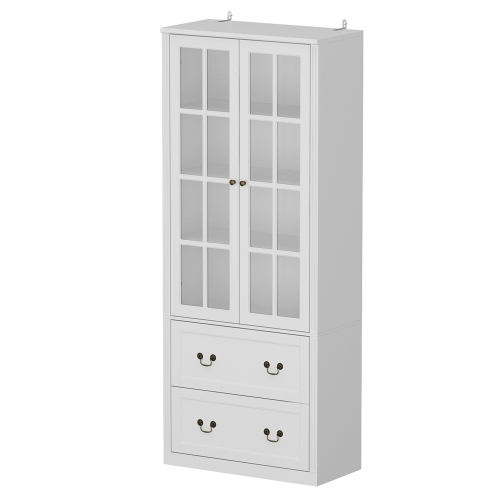
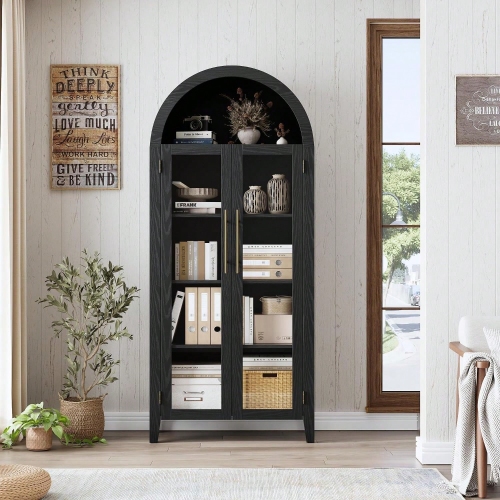
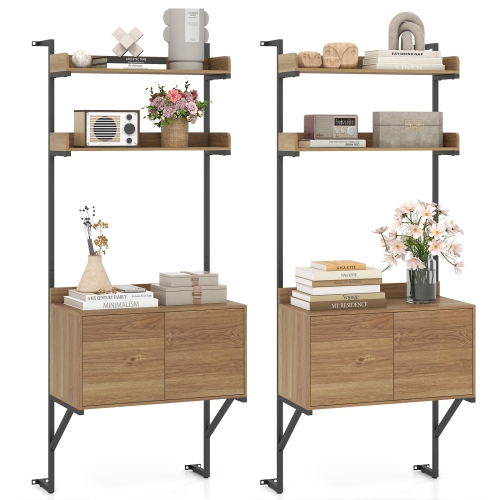
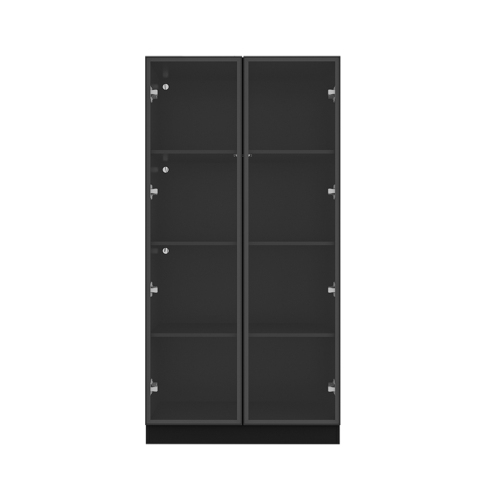
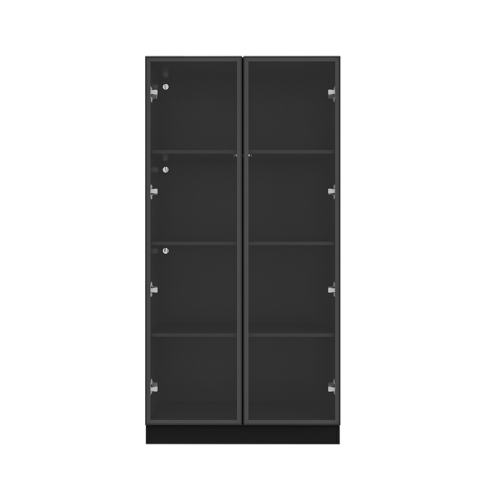
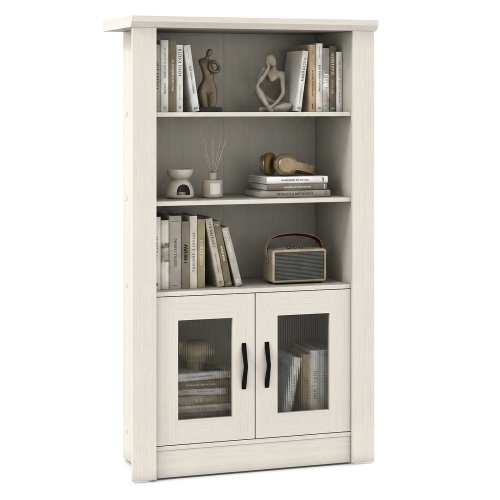
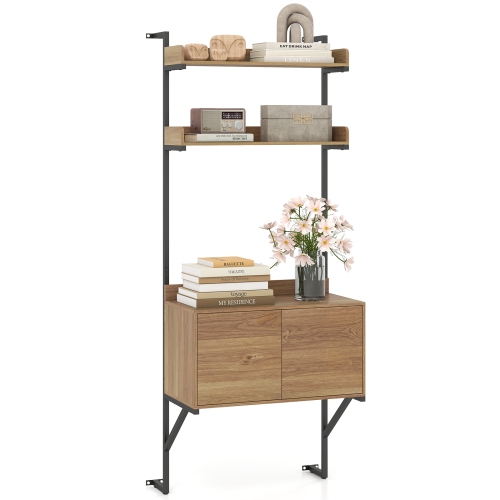
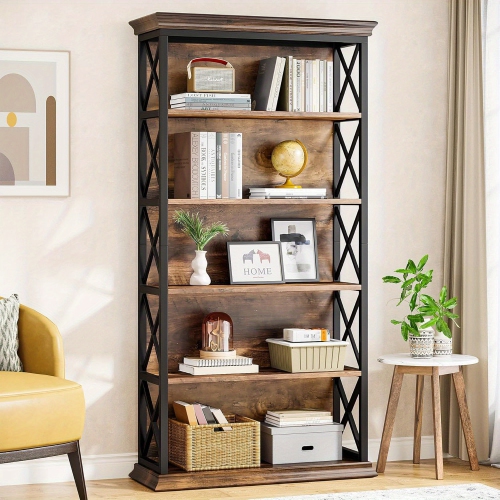
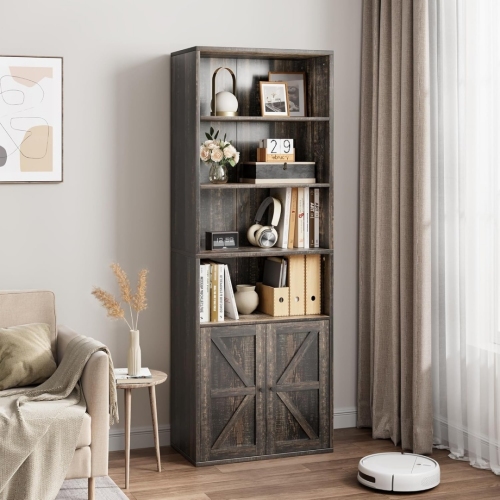
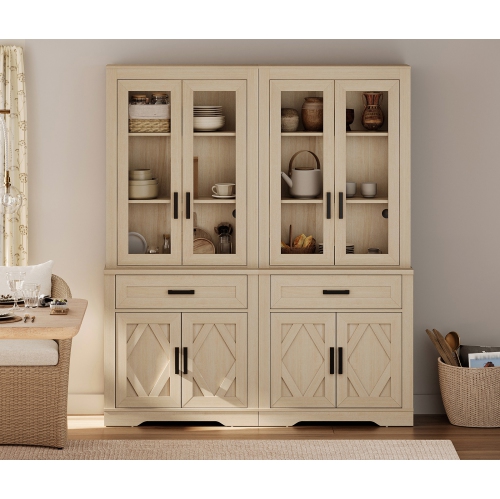
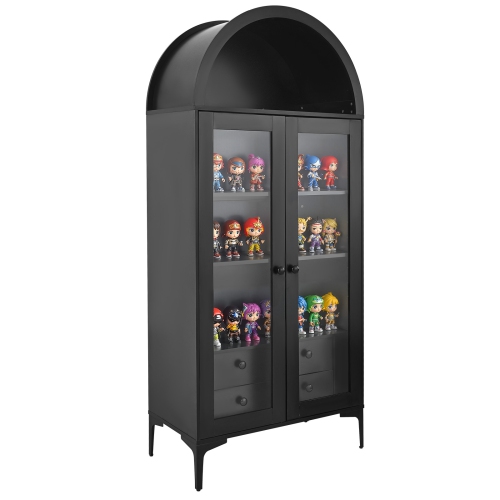
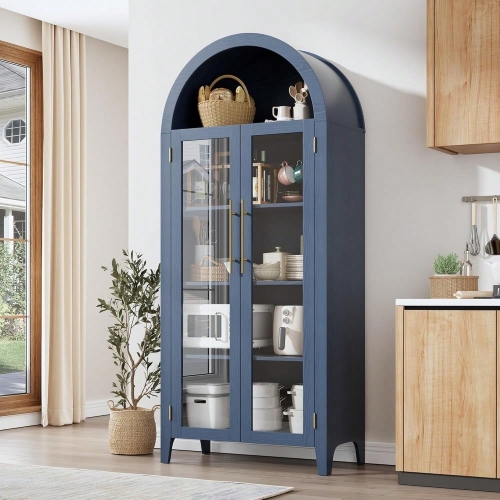
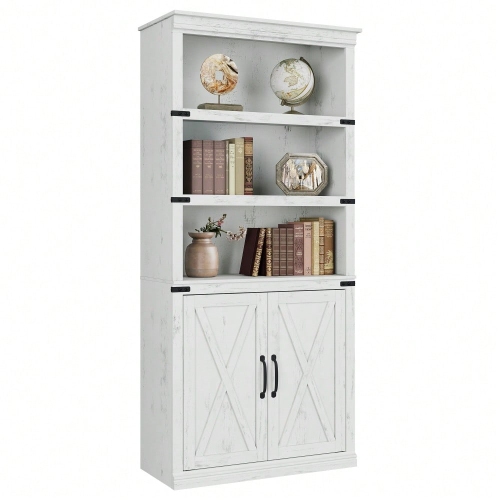
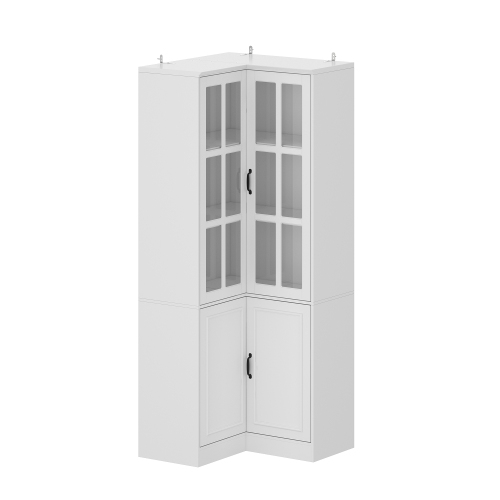
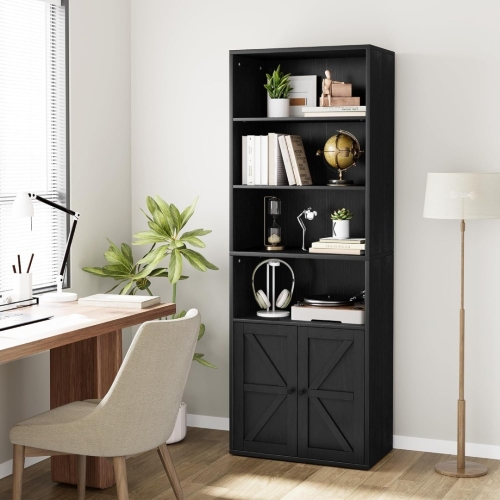
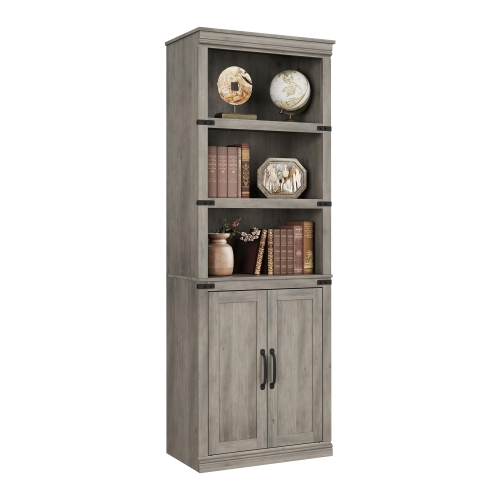
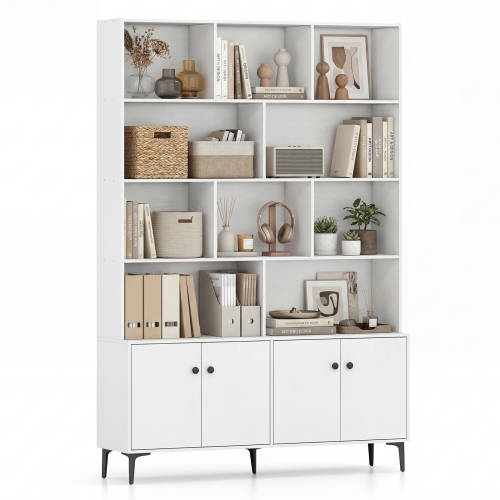
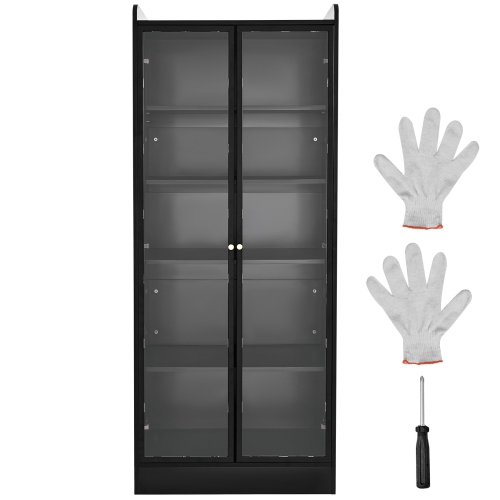
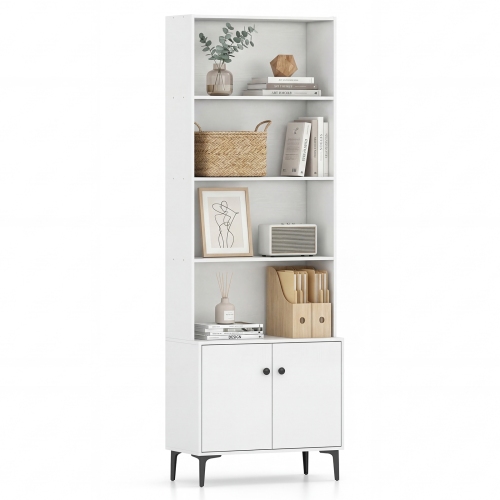
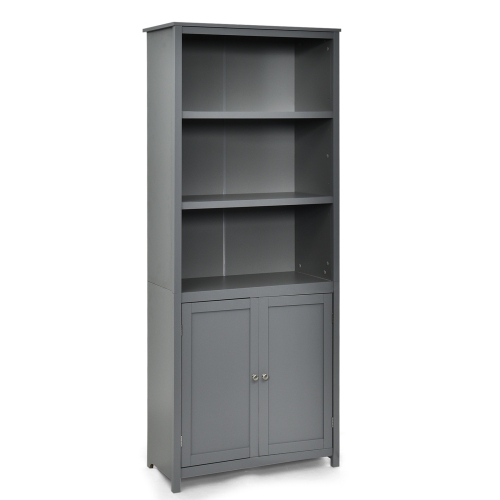
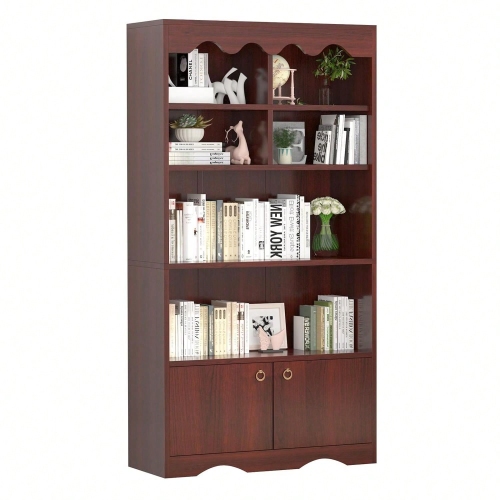
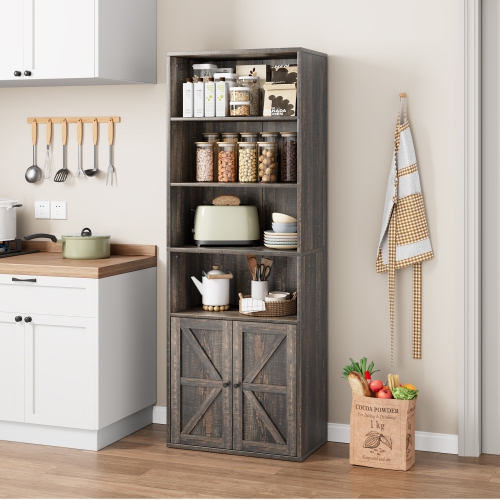
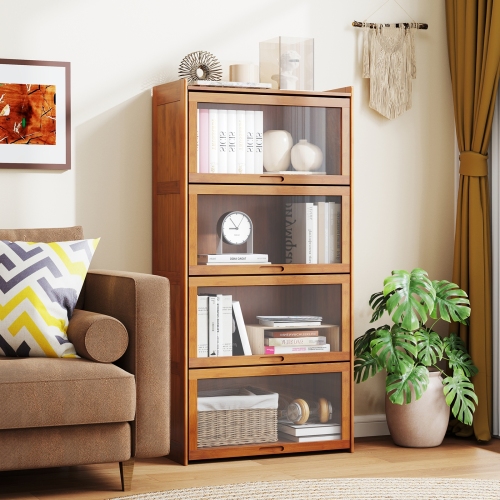
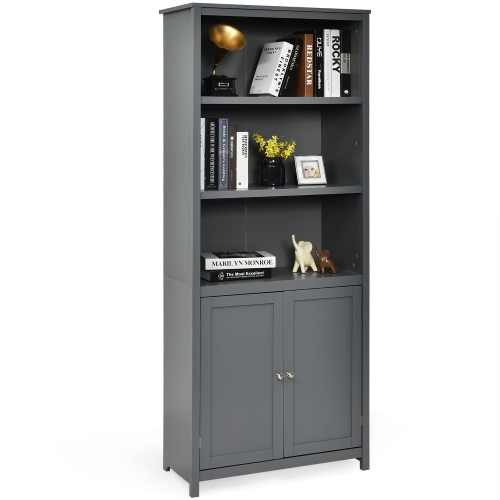
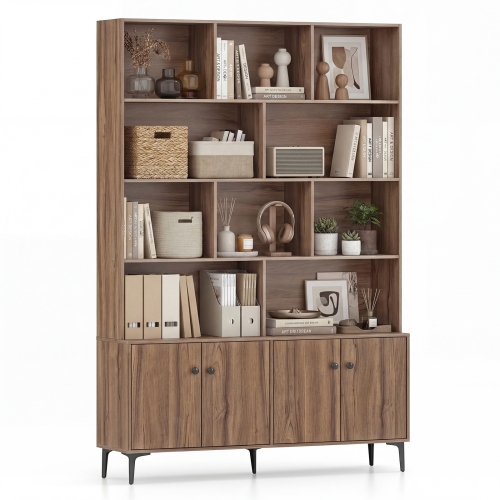
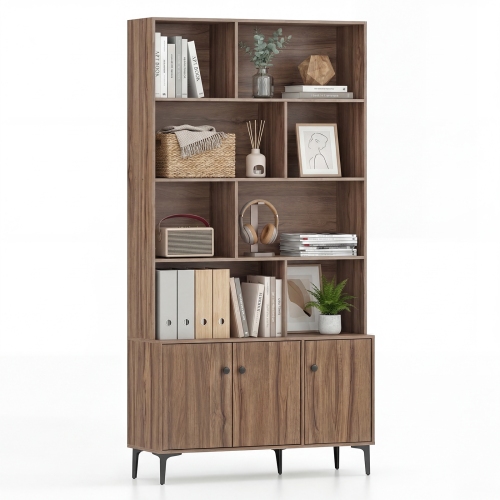
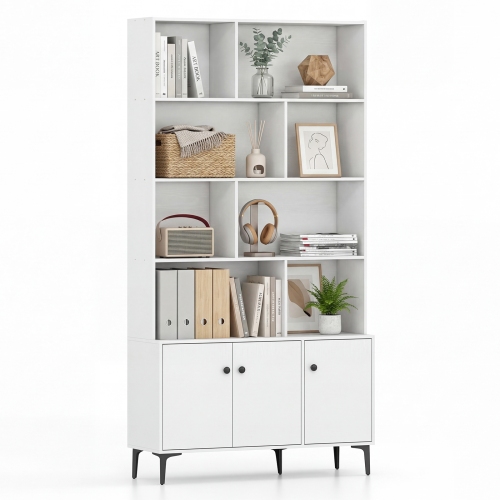
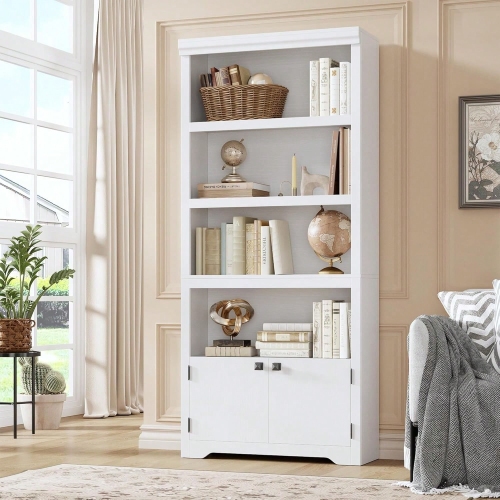
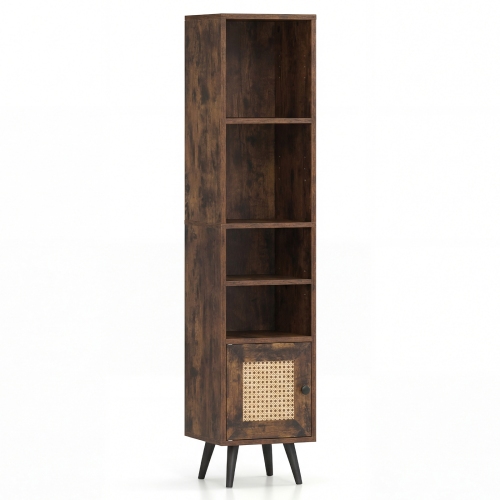
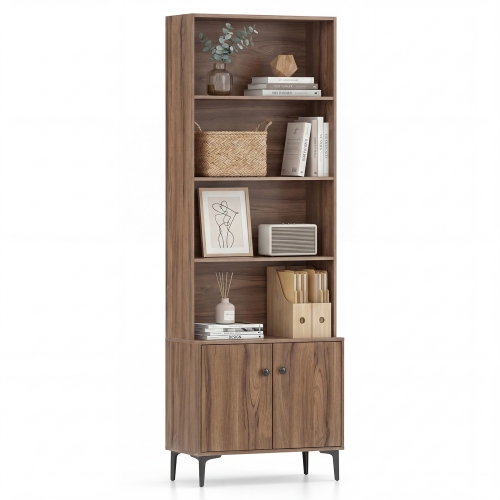
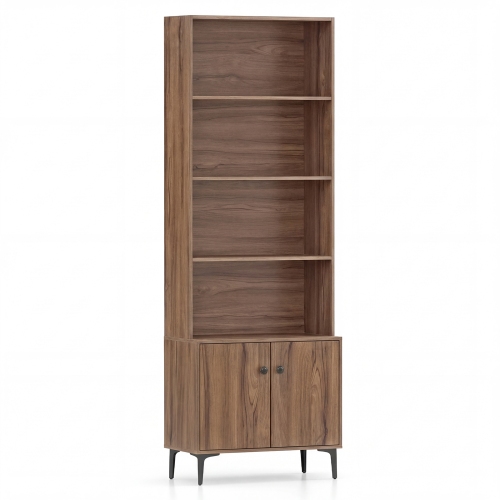
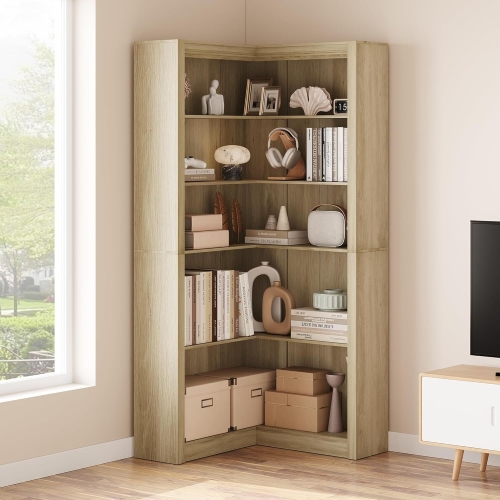
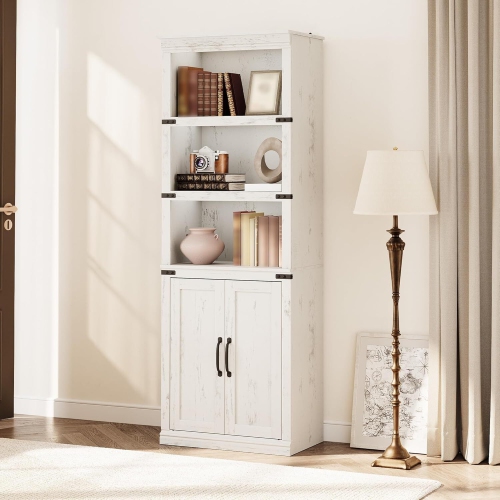
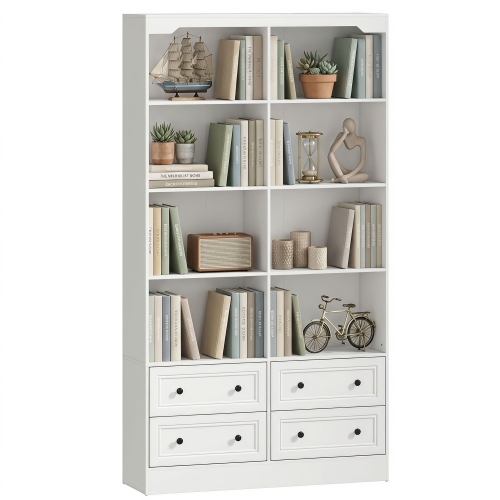

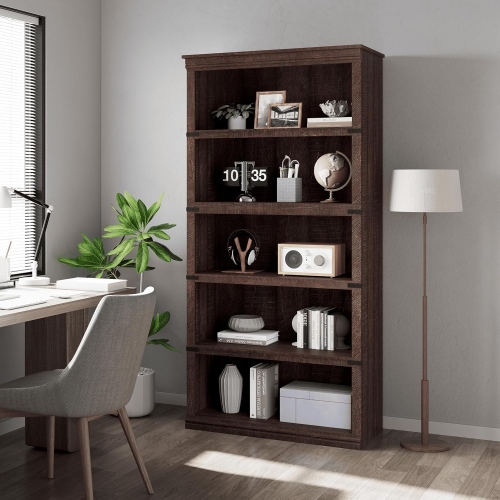
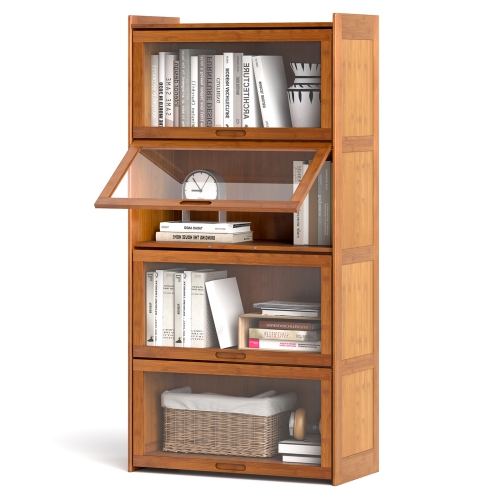
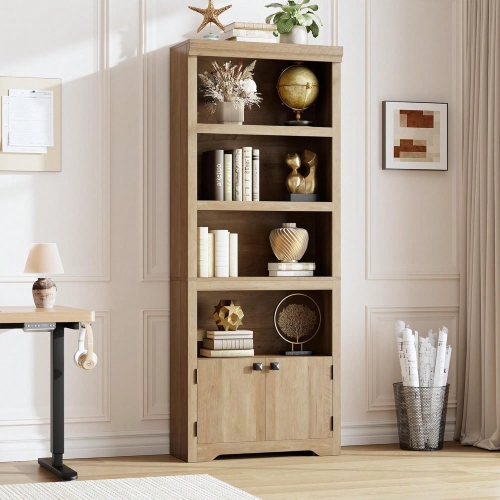
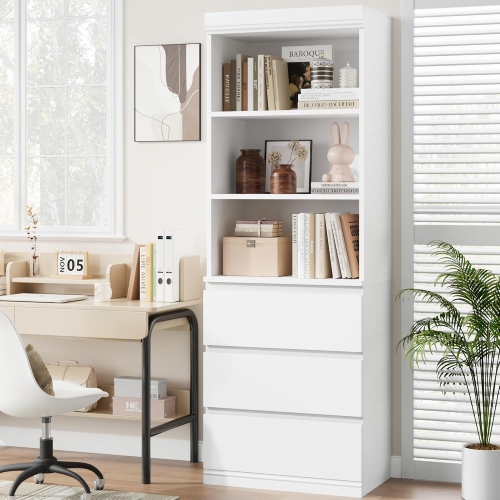
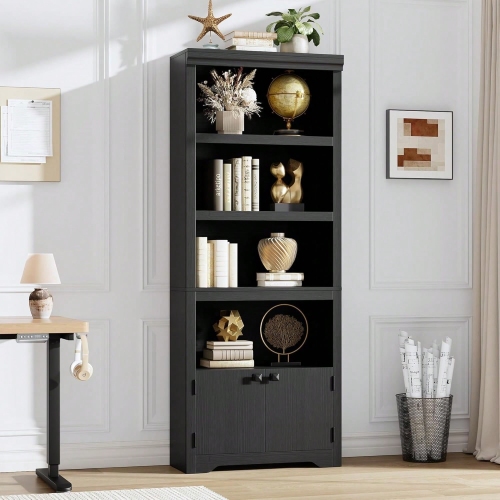
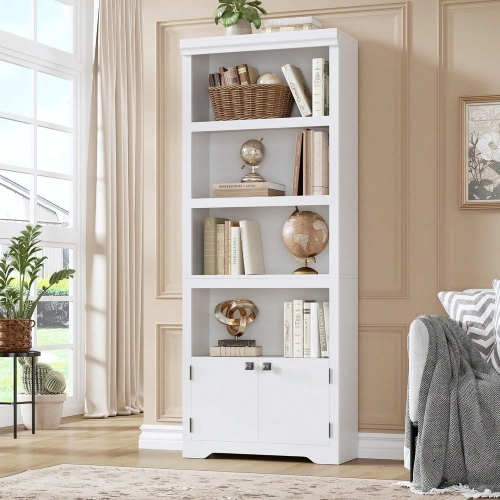
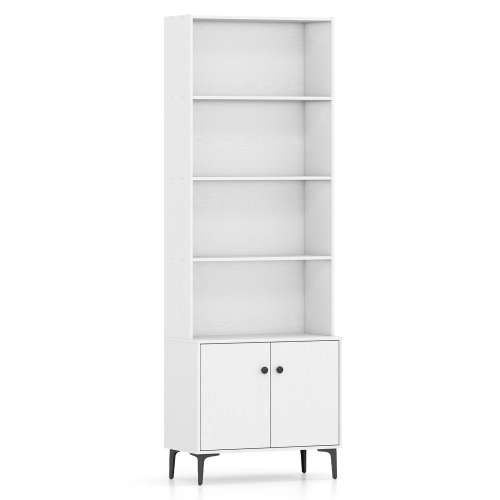
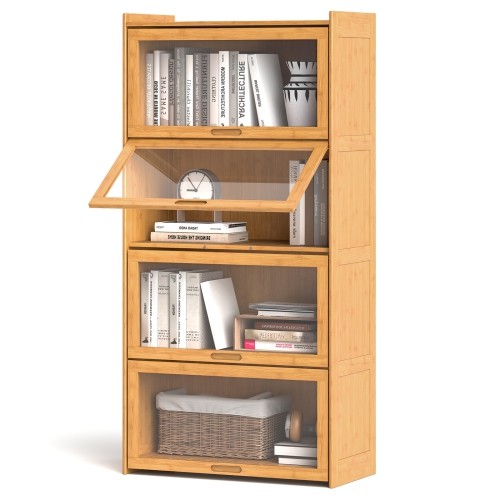
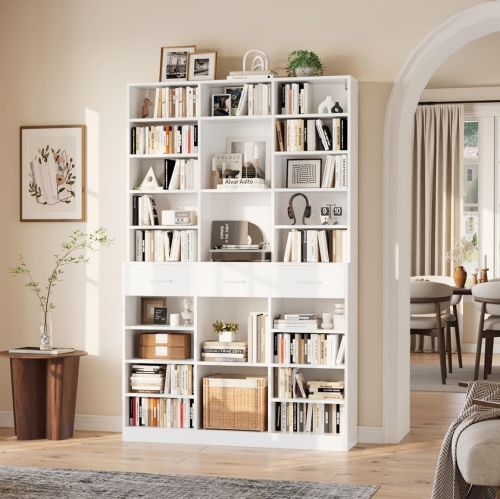
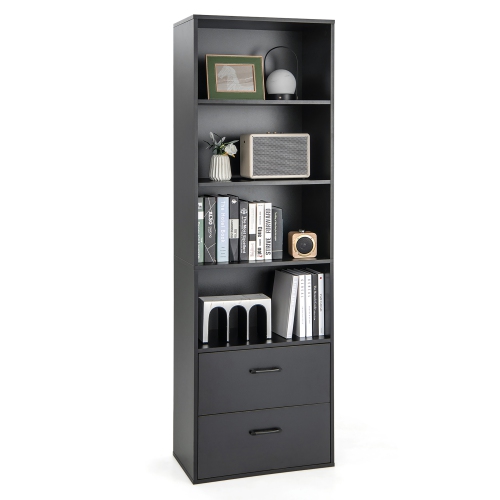
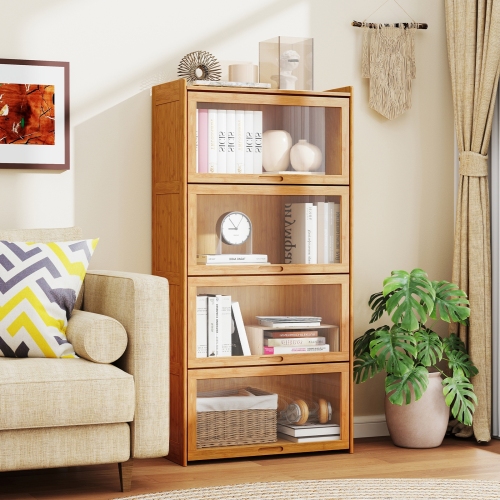
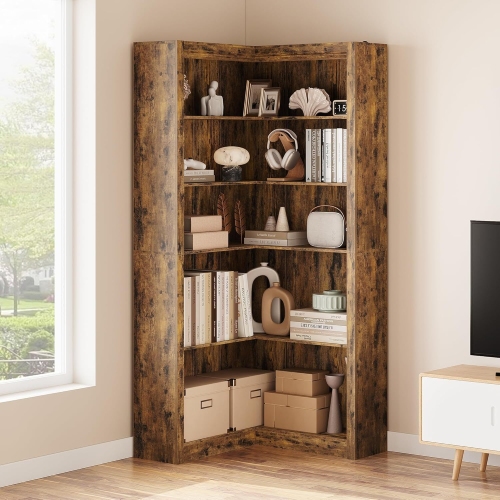
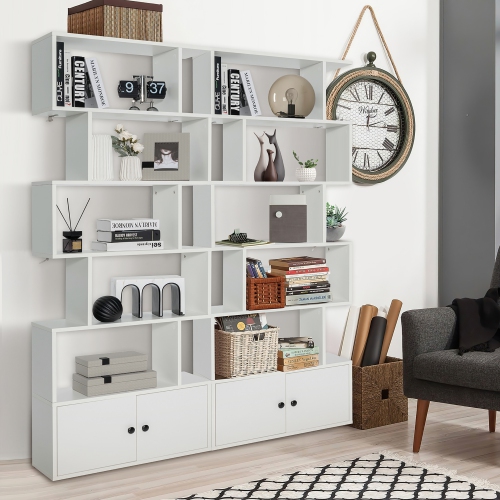
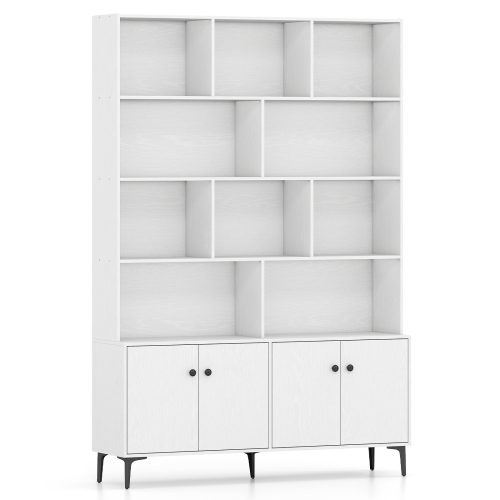
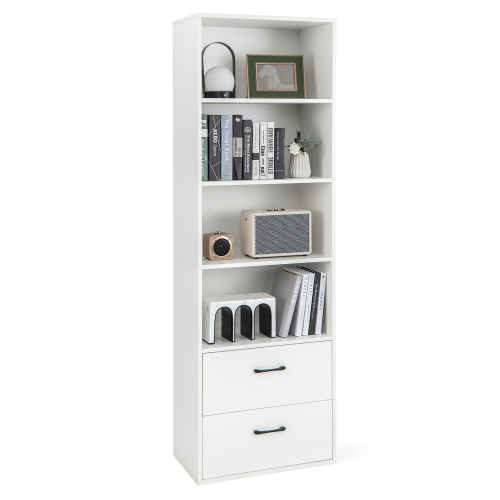
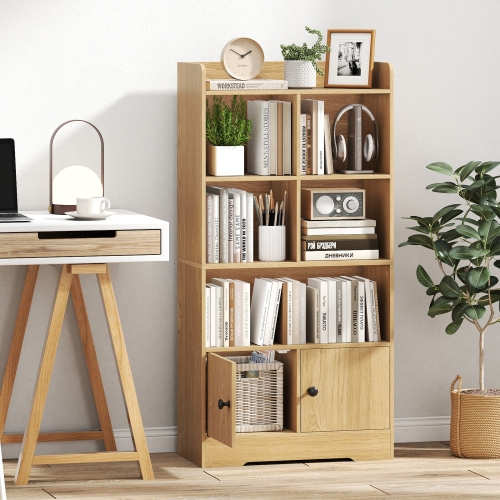
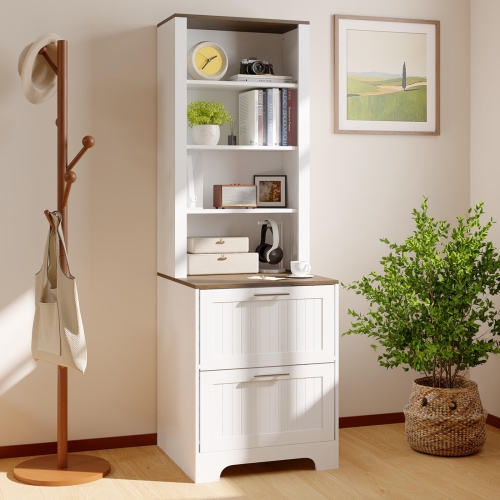
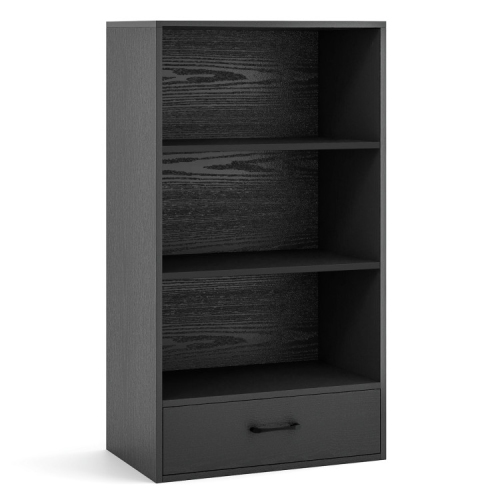
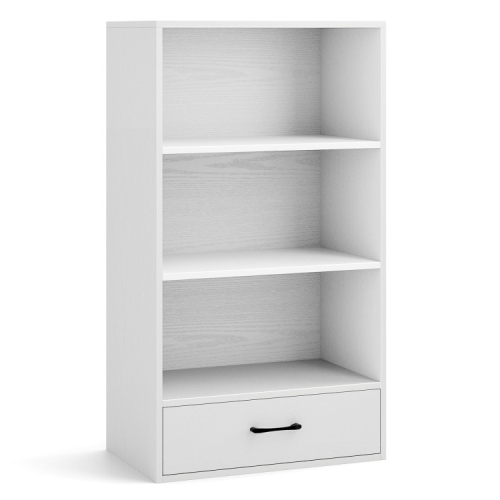
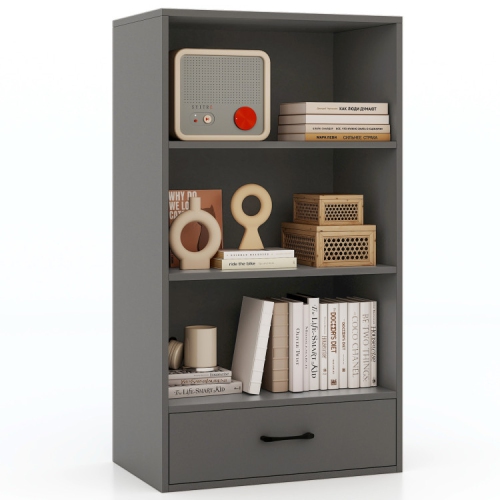
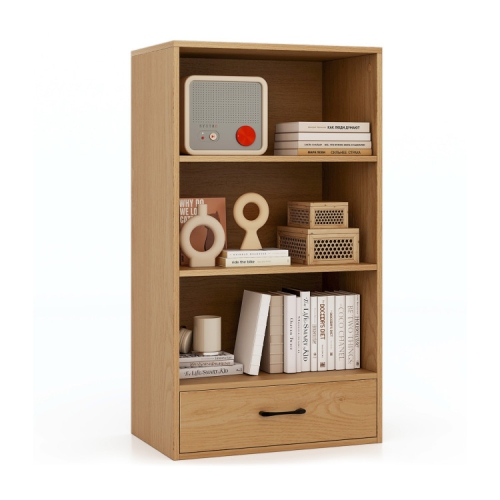
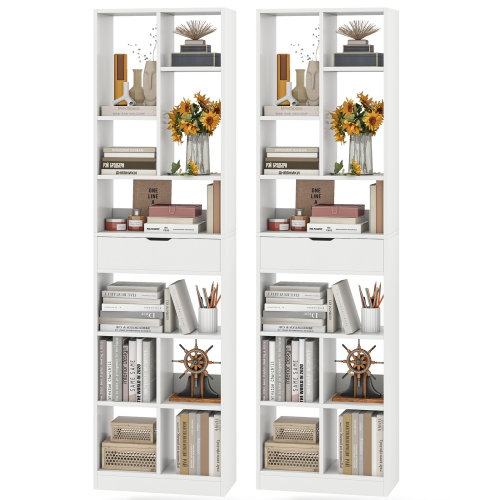
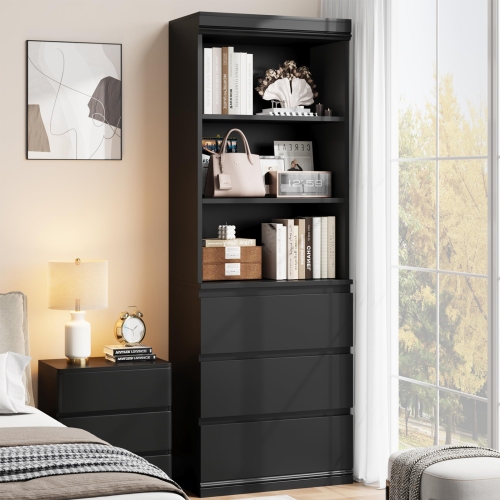
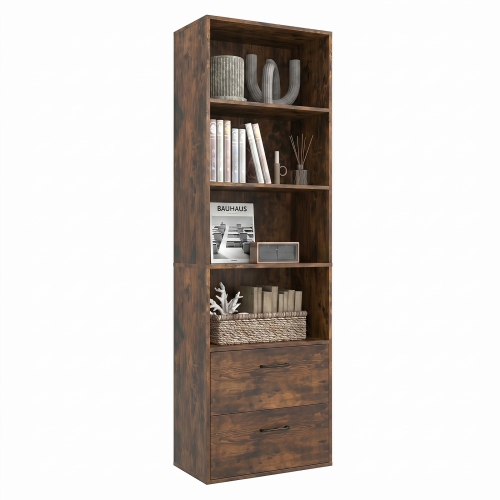
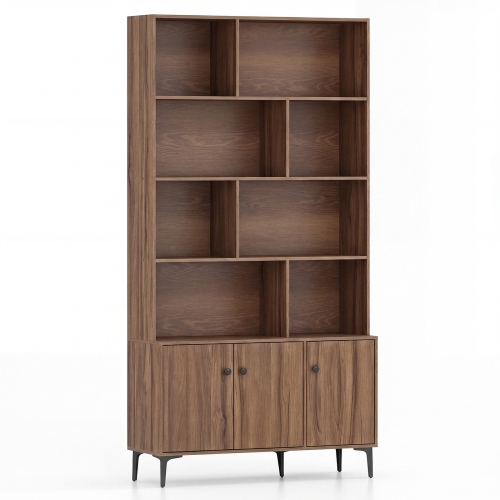
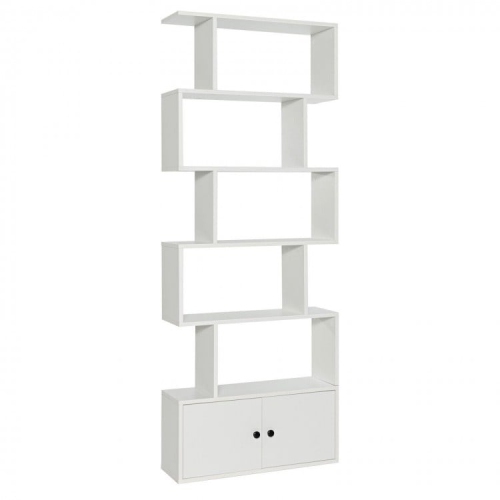
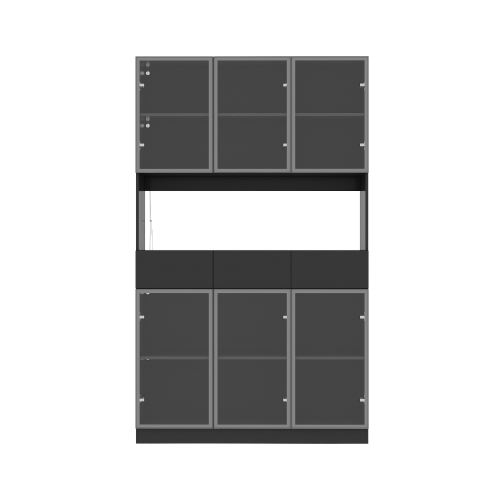
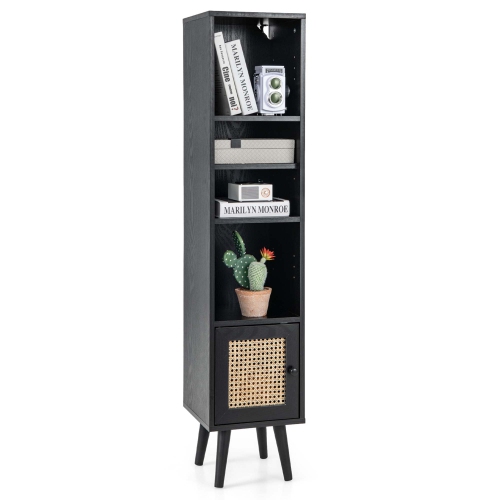
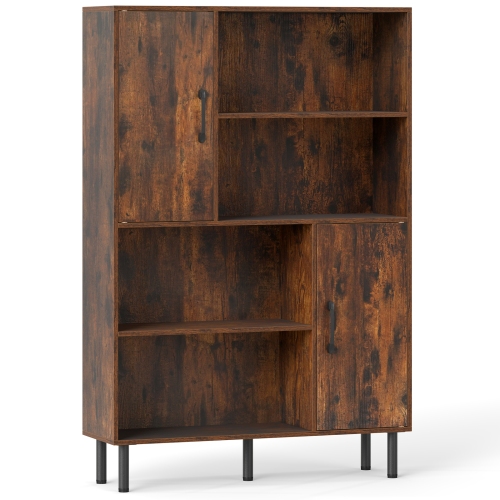
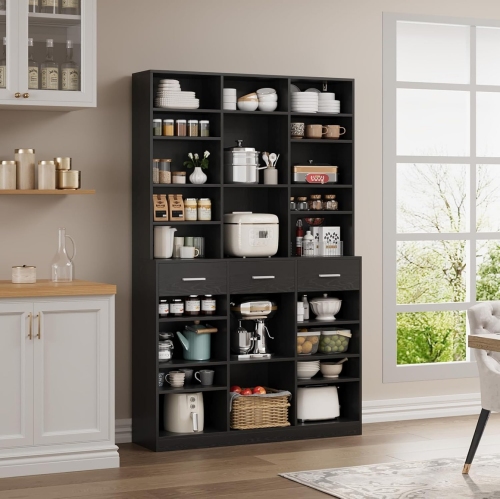
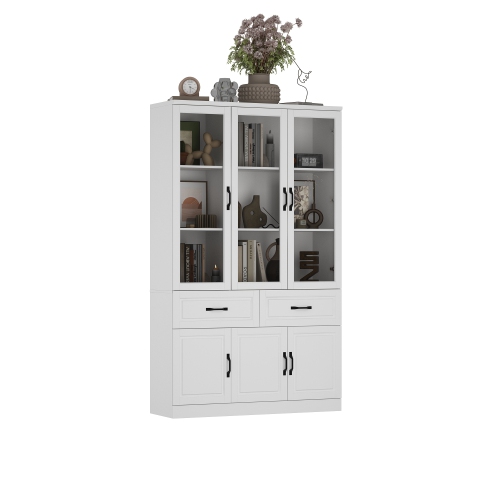
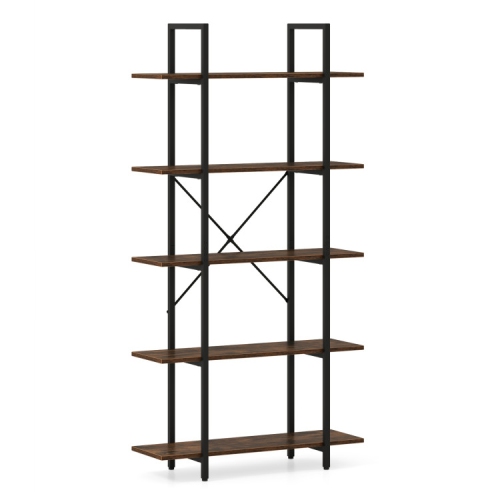
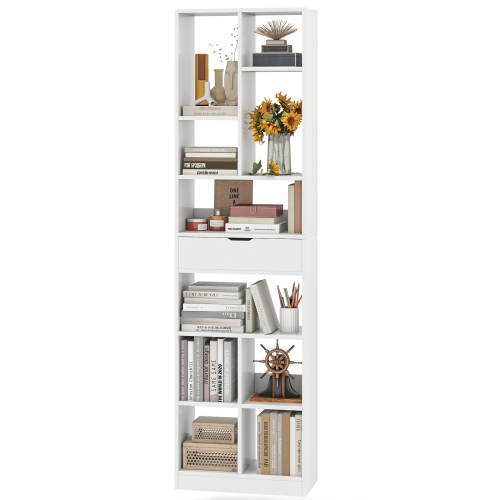
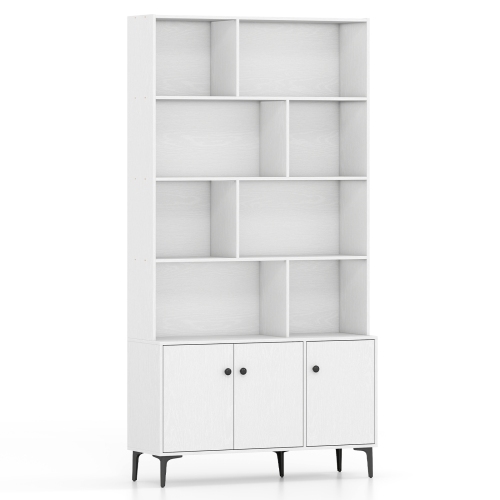
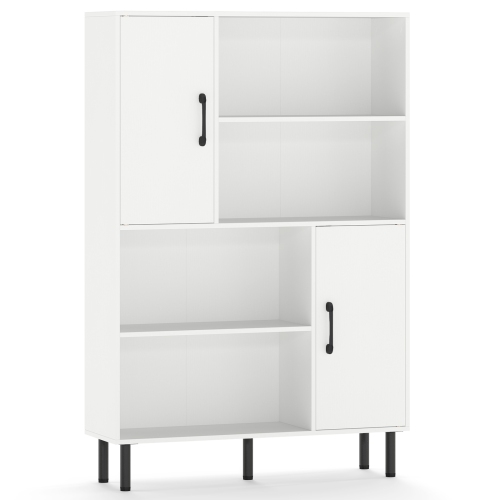
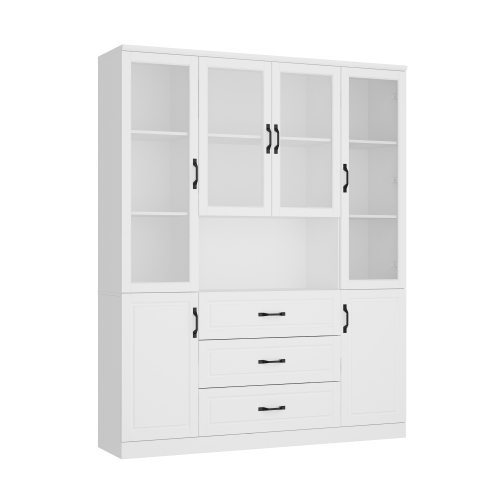
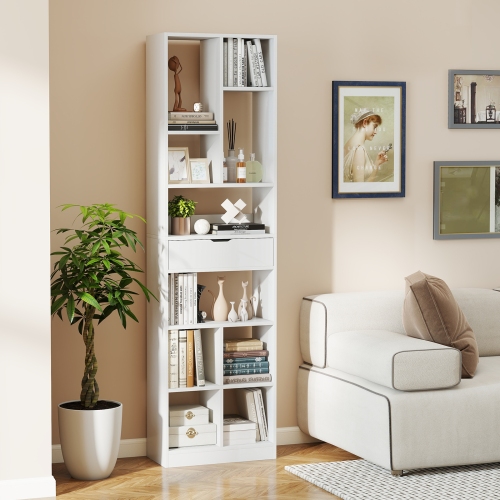
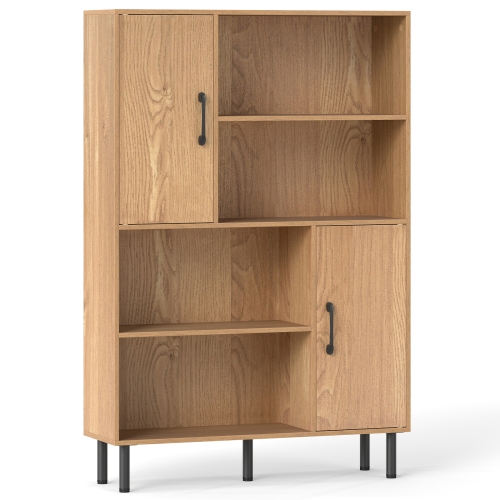
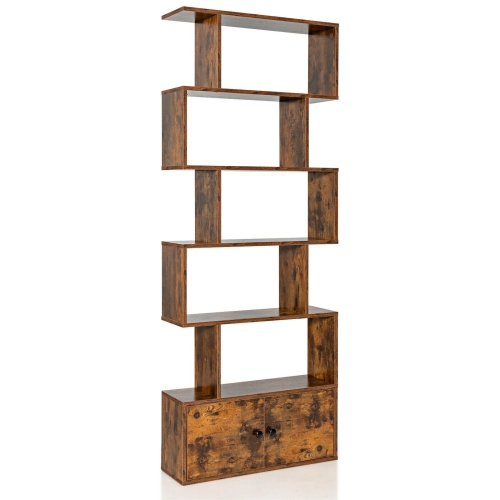
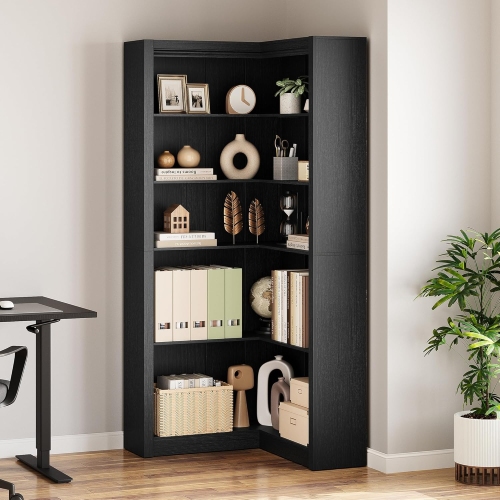
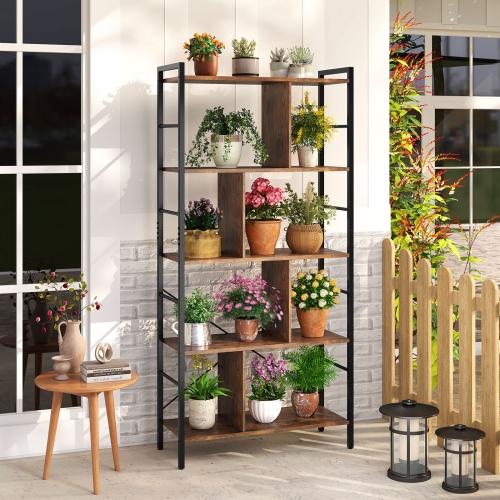
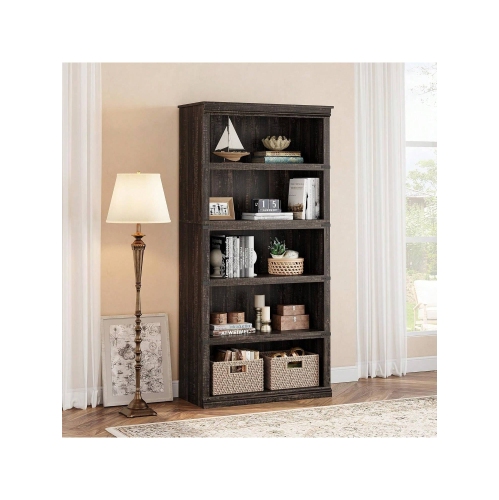
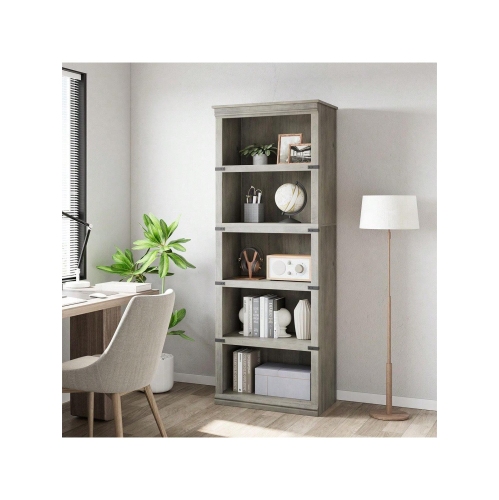
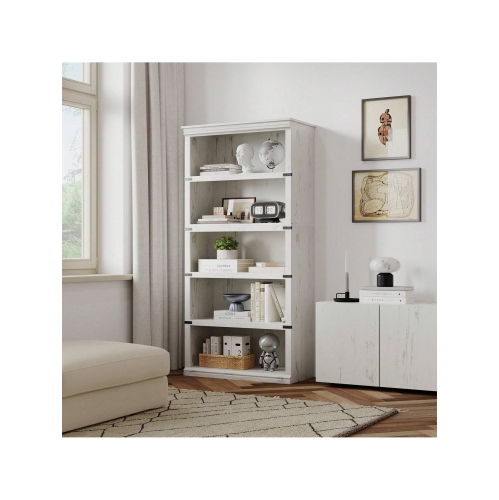
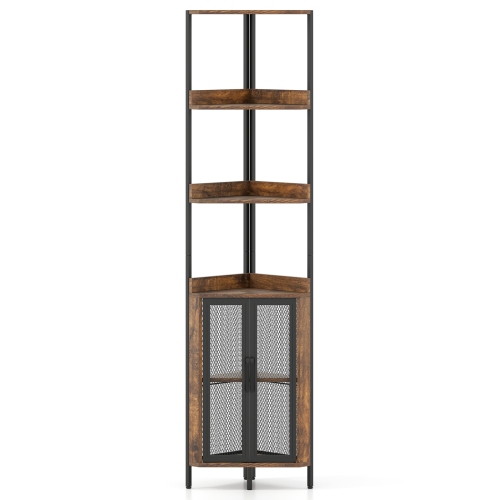
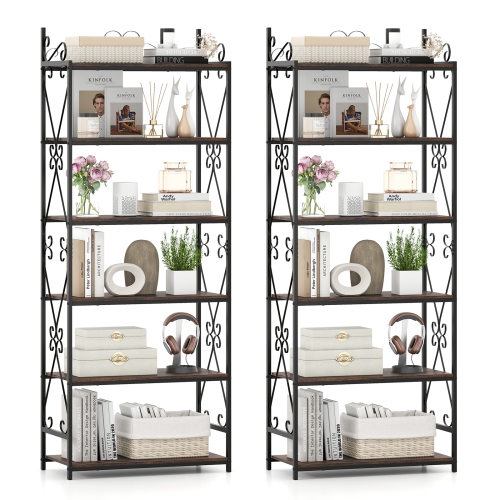
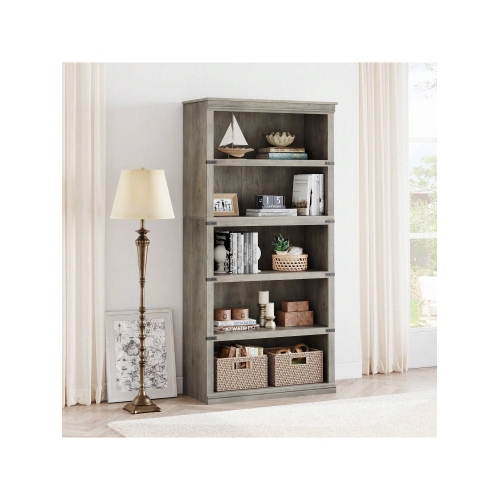
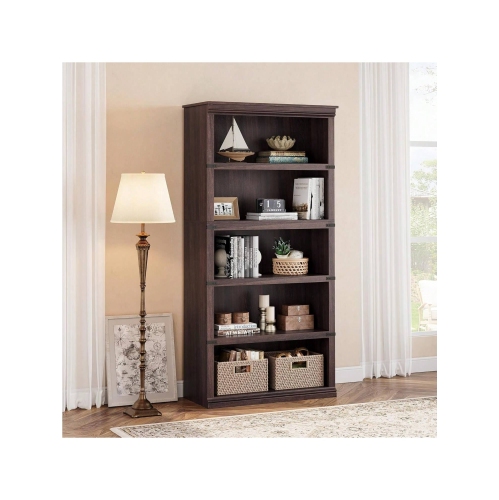
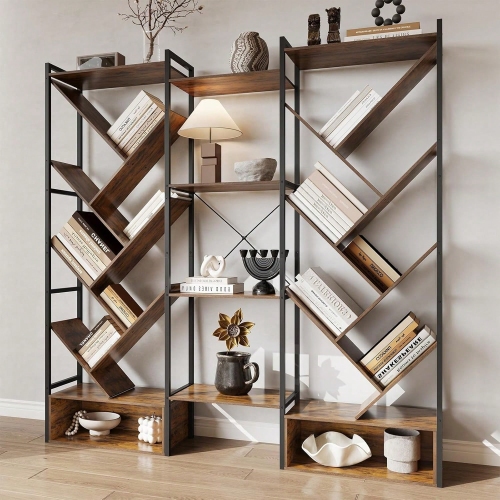
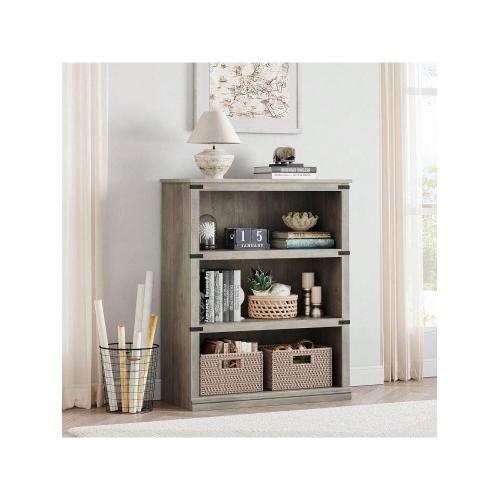
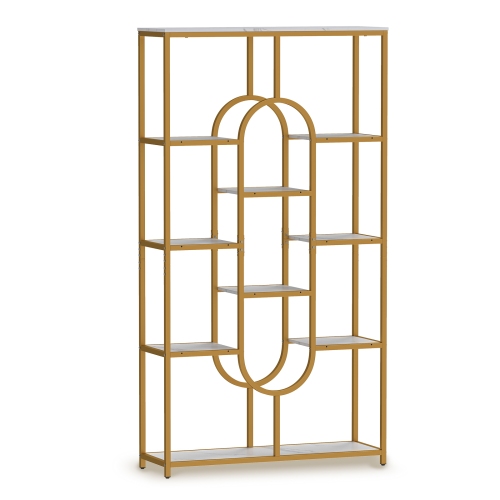
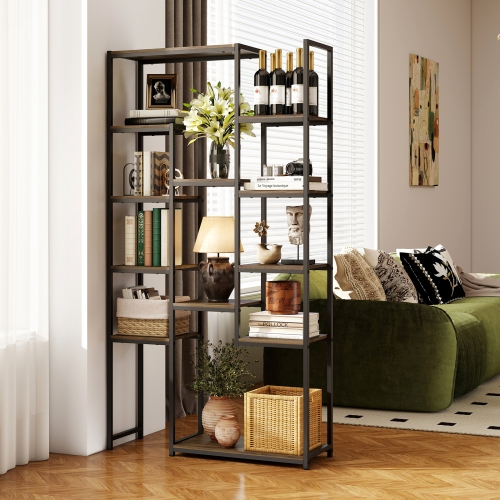
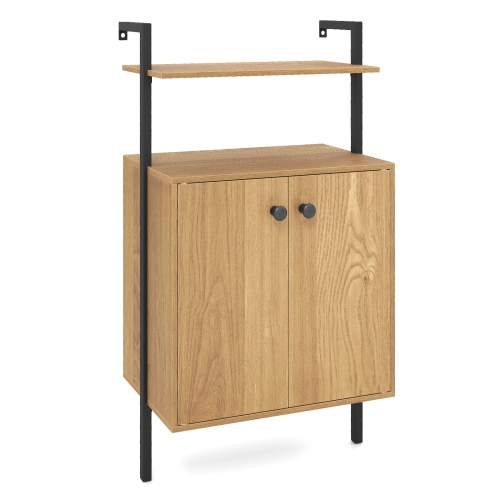
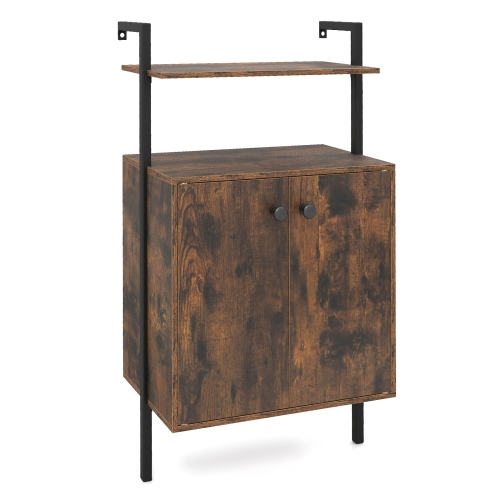
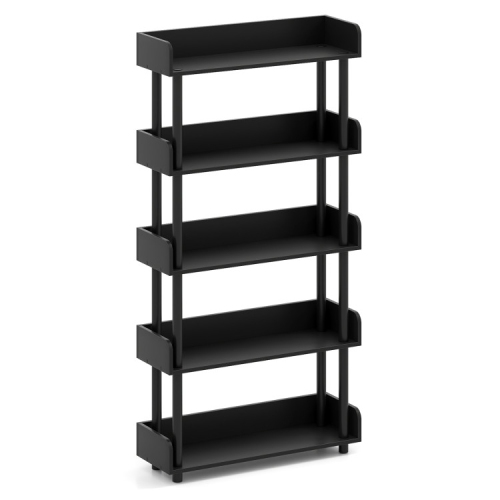
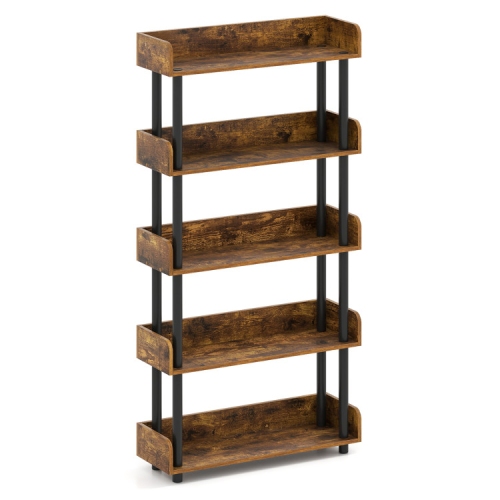
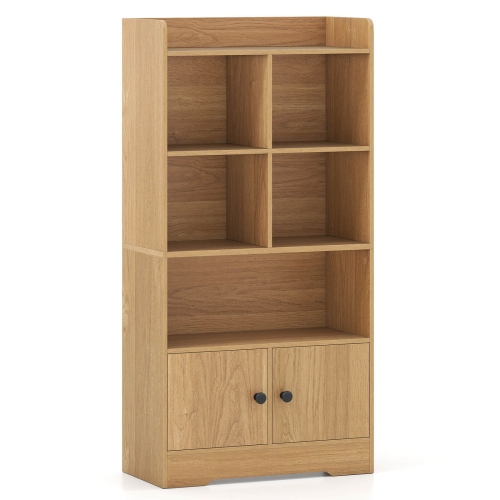
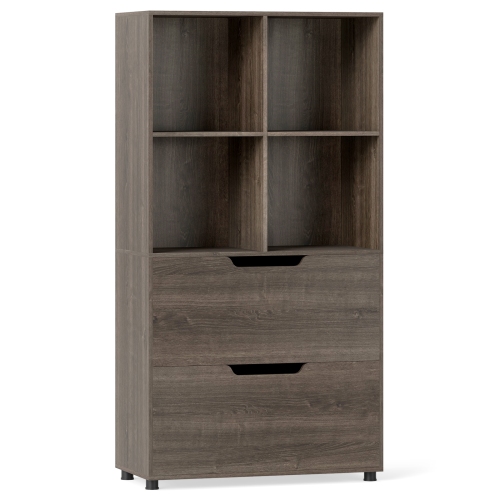
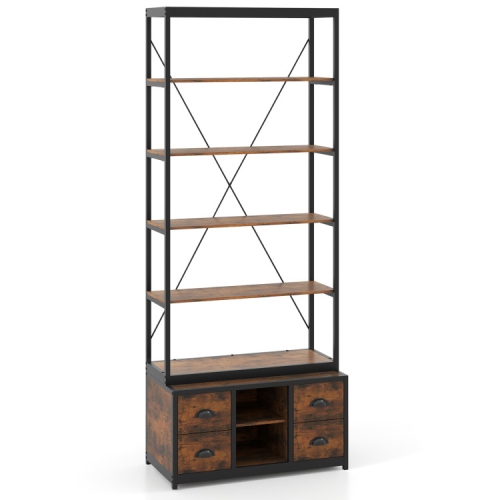
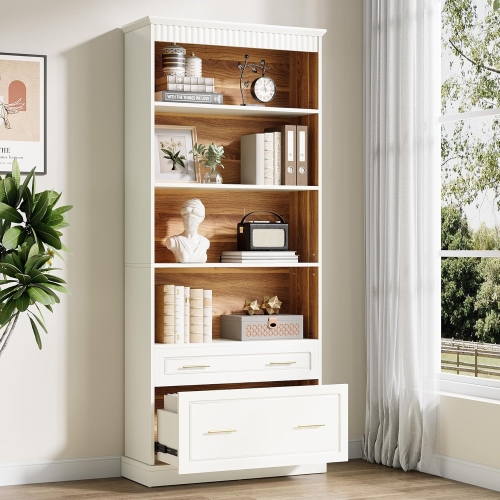
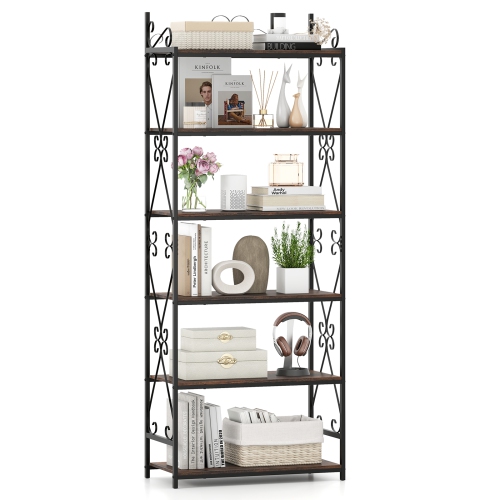
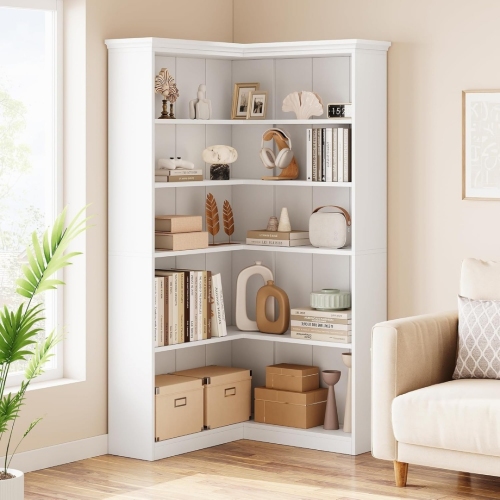
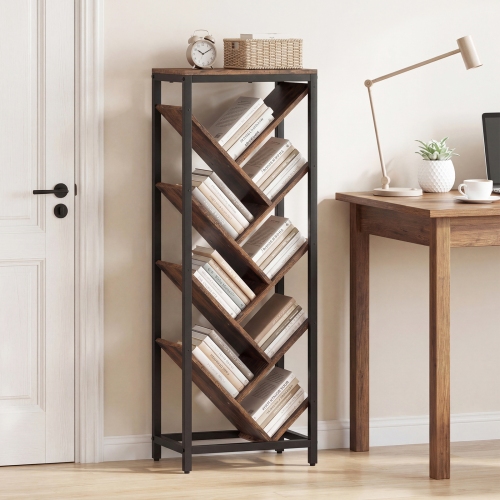
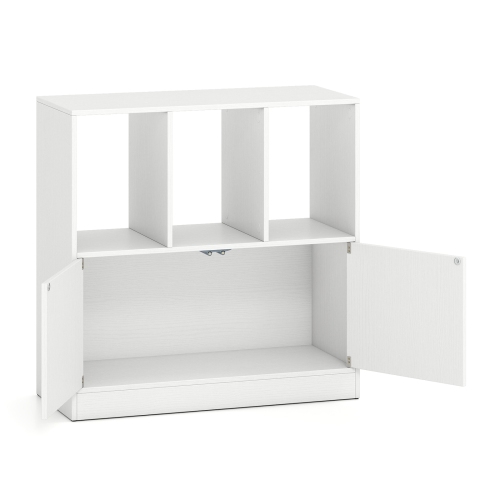
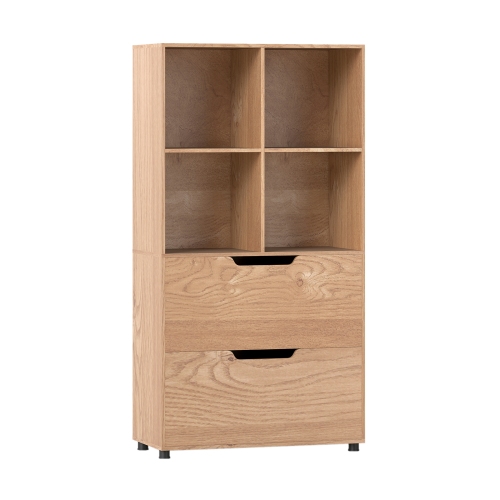
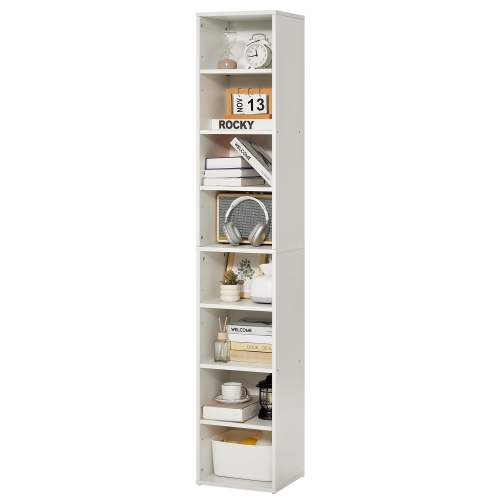
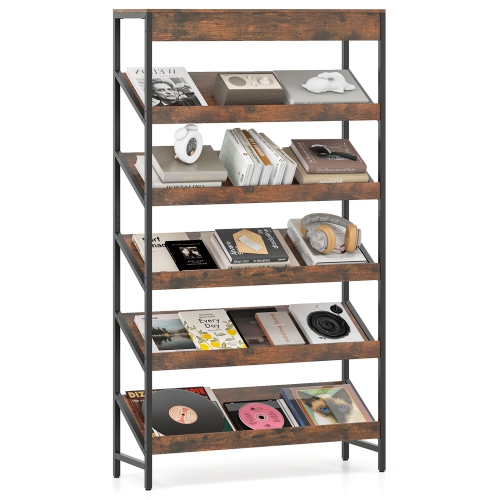
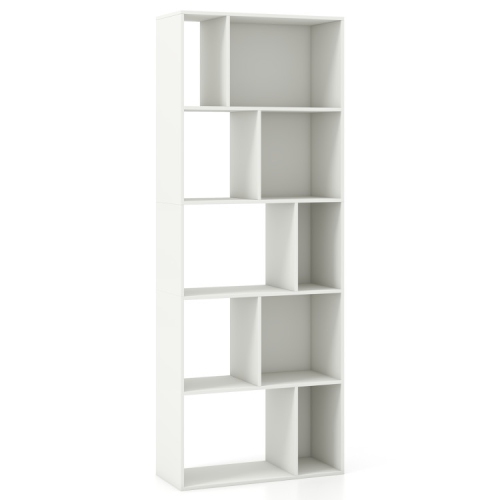
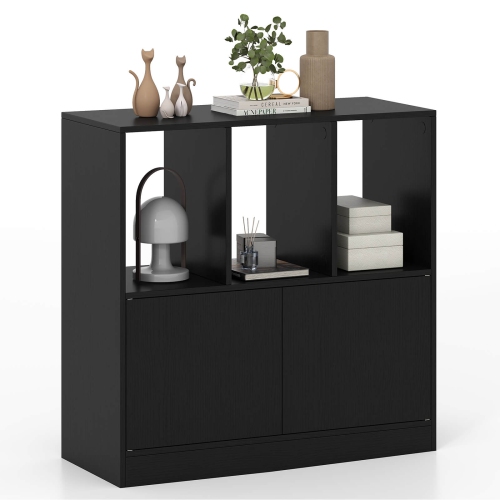
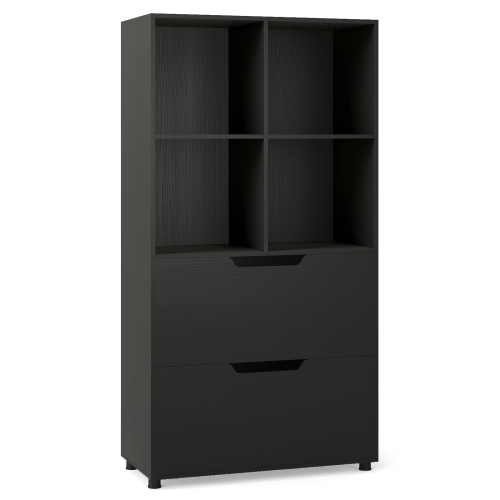
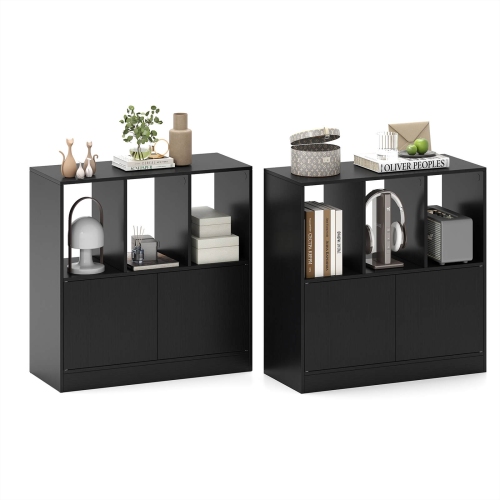
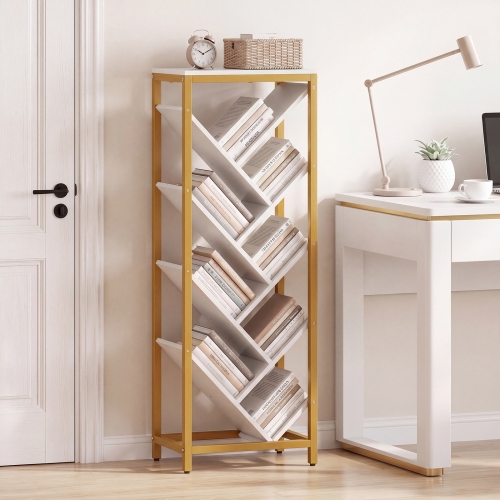
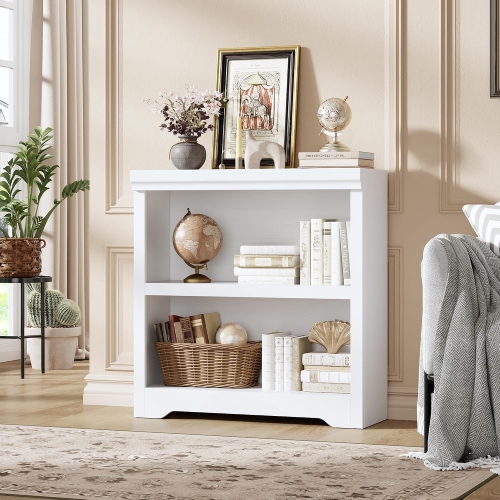
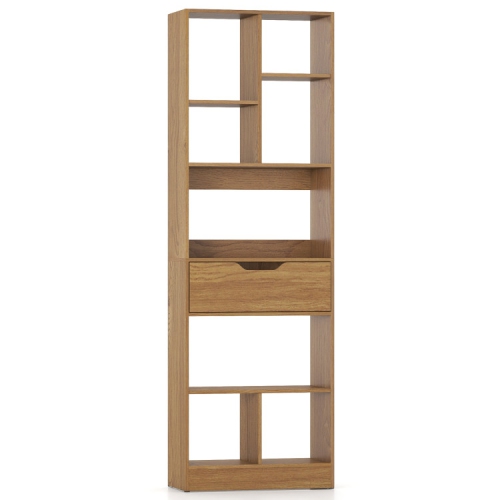
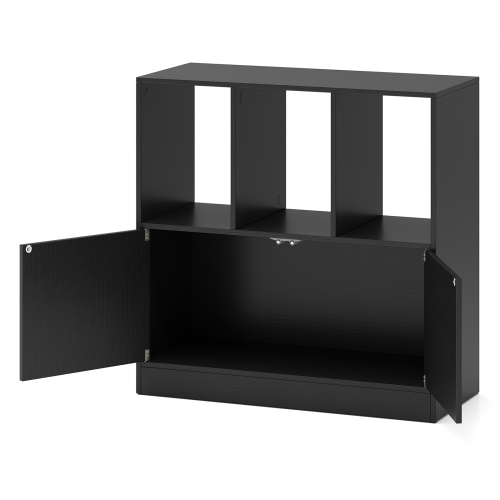
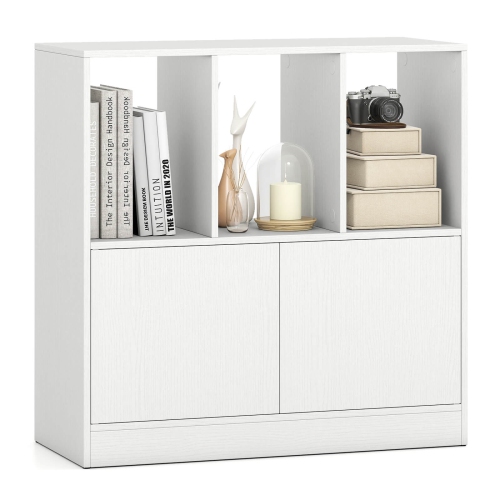
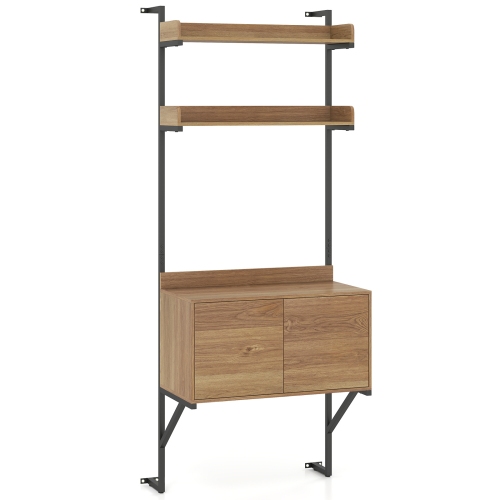
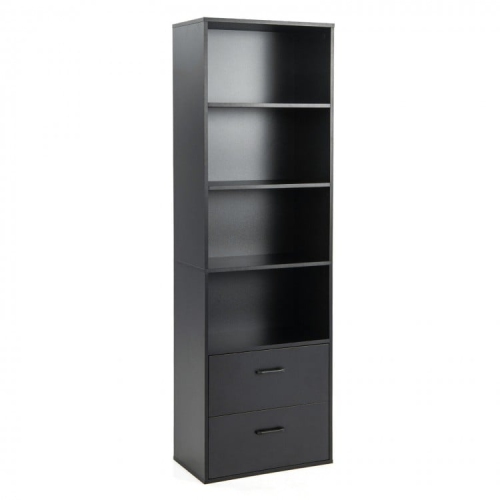
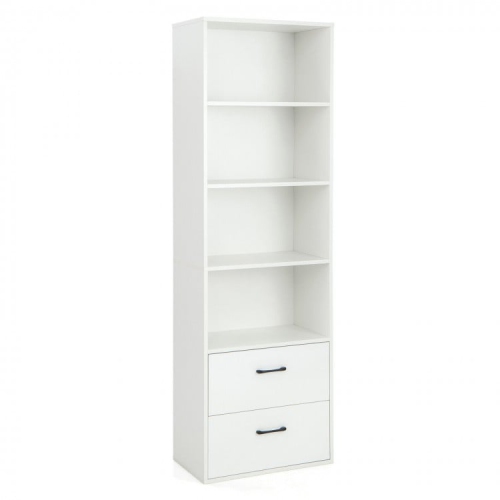
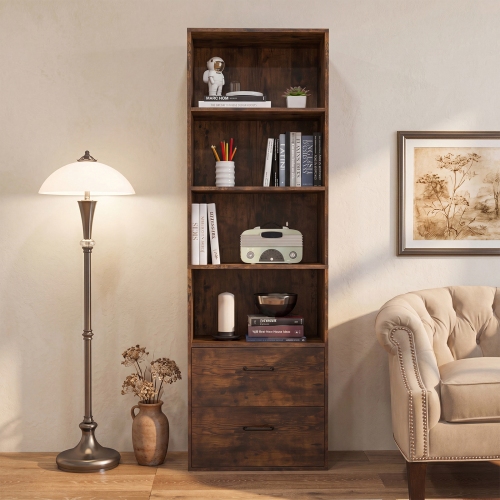
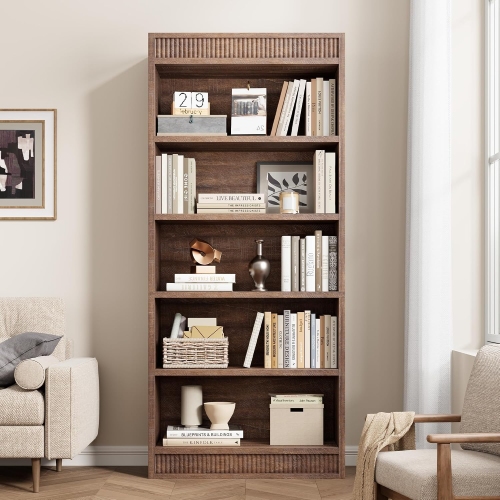
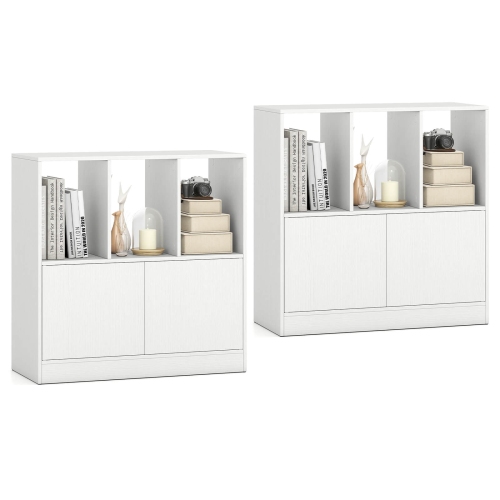
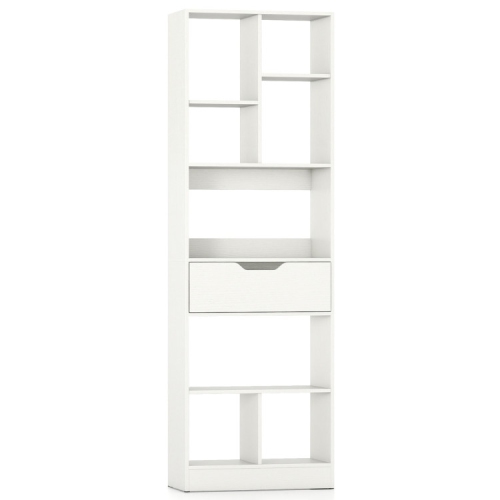
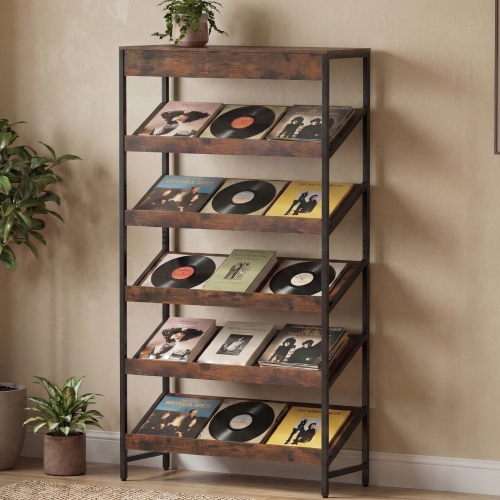
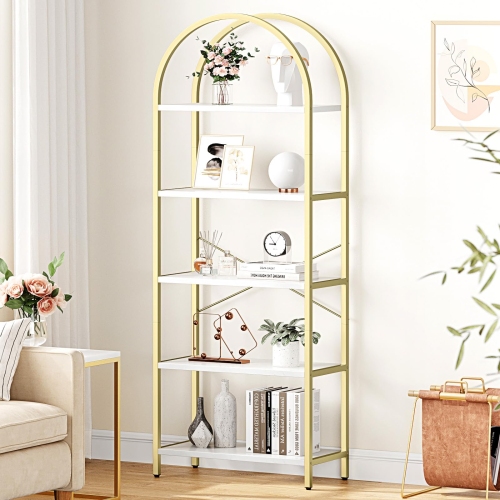
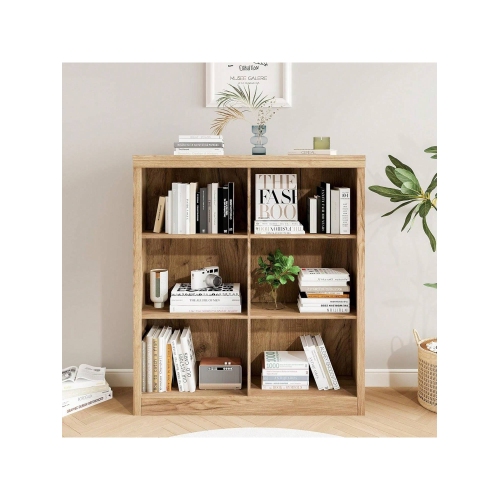
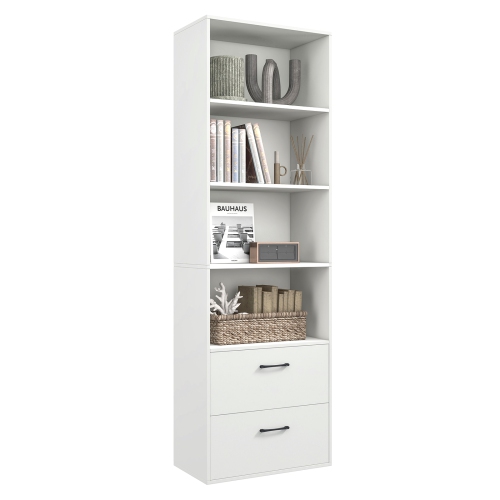
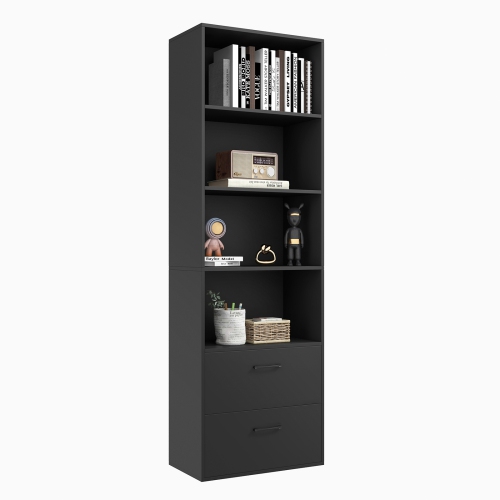
Shelving that balances display with storage behind closed doors
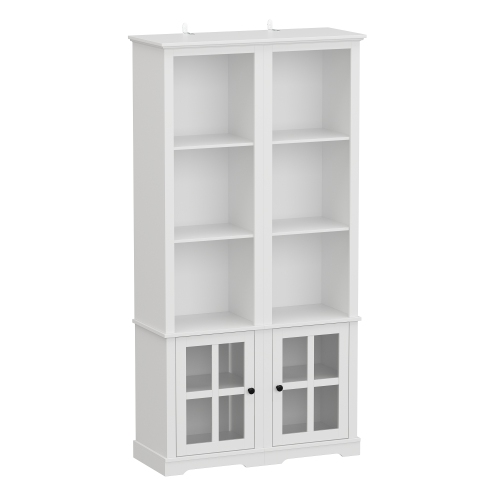
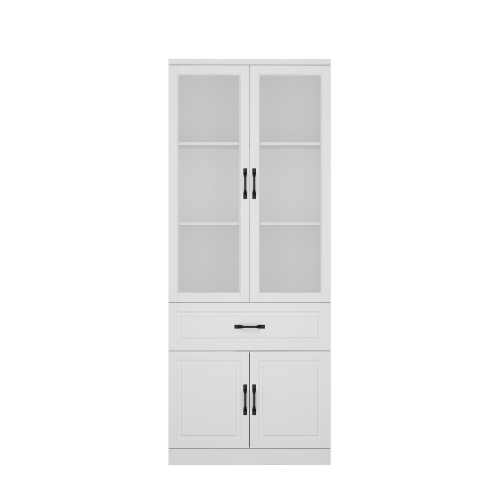
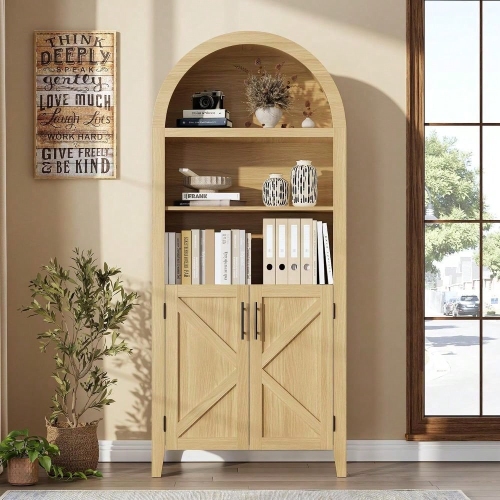
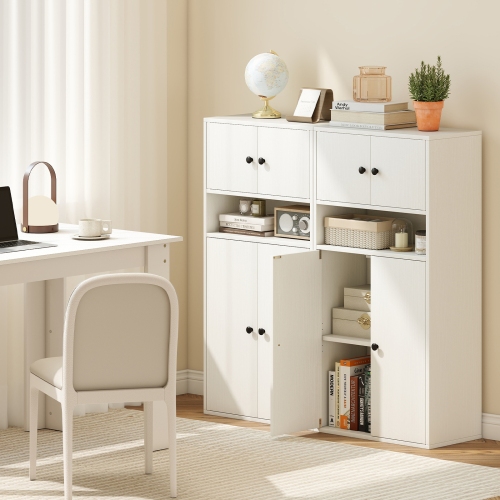
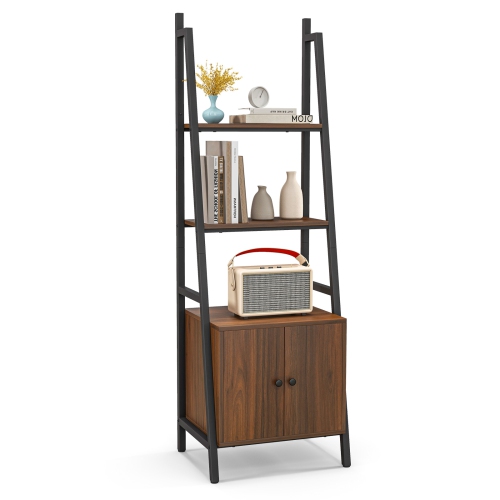
Tall bookcases with doors combine vertical shelving with enclosed storage, giving books, display pieces, and everyday essentials a dedicated place without leaving everything on show. Some designs pair open upper shelves with a cupboard below, while others have doors covering most or all of the shelving. Glass doors keep book spines and favourite objects visible while helping to limit dust settling directly on them; solid doors conceal paperwork, storage boxes, and collections that do not need to be part of the room’s display. Neither style creates a dustproof seal, but both add a useful barrier between shelf contents and the surrounding room. This combination suits living rooms where books share space with photo albums, home offices holding reference materials and files, and dining areas that need somewhere for serving pieces alongside cookbooks. For an avid reader, a tall cabinet can bring a scattered library together; for a shared household, it can separate personal collections into clearly defined sections. The balance between open and closed space makes a noticeable difference to how the furniture feels. A few open shelves above enclosed storage can keep a room visually light, while full-height doors create a more uniform front. Clear glass emphasizes the contents, textured glass softens their outlines, and opaque panels put the focus on the cabinet’s finish and proportions. Colours and details help connect the piece to existing furniture: a wood-grain finish can complement a desk or dining table, while a painted finish may blend with nearby trim. Handles, door frames, and the thickness of the shelves also influence the overall look. A narrow frame with simple hardware has a different presence from substantial moulding and panelled doors, even when the two cabinets provide similar storage. The most useful arrangement leaves room for the belongings that will actually live there, rather than relying on an appearance that only works with nearly empty shelves.
Fit involves more than finding an unused stretch of wall. The cabinet’s overall height, width, and depth need to work with the room, but usable shelf dimensions matter just as much. A shallow shelf may suit paperbacks yet leave large art books projecting beyond its edge, while a deep cupboard can accommodate albums and storage boxes without making them easy to see or reach. Adjustable shelves offer flexibility for collections with mixed heights, although hinge positions and fixed structural shelves can limit where they can be placed. Shelf spacing should allow books to come out comfortably without wasting large gaps above every row. Doors also need clearance to swing open without striking a desk, sofa arm, light fixture, or adjacent cabinet. In a compact room, the path past the bookcase should remain comfortable when the doors are closed, and frequently used contents should be accessible without moving other furniture. Baseboards, wall trim, floor vents, and electrical outlets can affect placement, particularly when a cabinet needs to sit close to the wall. Delivery and assembly deserve similar attention: stair turns, doorway widths, and enough space to put the unit together can be as important as the final footprint. For a tall cabinet, check any assembly clearance specified by the manufacturer, including space needed to raise it upright. Loaded bookshelves carry considerable weight, so shelf load limits and the cabinet’s intended use are important. A shelf suitable for a few display objects may not be designed for a continuous row of heavy hardcover books. Distributing weight evenly and keeping heavier contents low supports practical day-to-day use. Tall furniture should be secured against tipping according to the manufacturer’s instructions, using hardware appropriate for the wall construction. Doors and drawers are not steps, and children should not climb shelves to reach stored belongings. Frequently handled books belong within easy reach, with lighter, less-used pieces higher up. These details help a tall bookcase function as dependable storage rather than an awkward piece that requires constant rearranging.
Materials and construction shape both the appearance of tall bookcases with doors and the care they require. Solid wood brings natural grain variation and can develop small changes in appearance with use, while wood veneer provides a real wood surface over a supporting core. Engineered wood panels can provide a consistent finish and smooth painted surfaces; their durability depends on the panel, surface covering, edge treatment, and construction rather than the material name alone. Metal frames introduce another look and may be paired with wood-based shelves or glass panels. Regardless of finish, sturdy shelf supports, securely attached backs, properly aligned doors, and hinges that operate smoothly all contribute to everyday usability. Soft-close hardware, where included, can make doors more pleasant to use in a shared office or living area, but correct assembly and adjustment still matter. Glass panels benefit from regular cleaning with a suitable product applied to a cloth rather than sprayed around surrounding joints. Painted, laminated, veneered, and solid wood surfaces each have their own care requirements, so the manufacturer’s directions should take priority. Routine dusting with a soft cloth, prompt attention to spills, and avoiding abrasive scrubbers help preserve the finish. Books are best stored away from direct sunlight, damp walls, and sources of concentrated heat; cabinet doors do not eliminate those concerns. Leaving some space around display pieces makes cleaning easier and allows the shelves to look settled rather than crowded. A row of novels, a framed photograph, and a small bowl can share an open shelf, while less presentable supplies stay behind a lower door. For a broader mix of shelving and concealed storage, Bookcase Cabinets With Doors connect these same functions in furniture suited to different room layouts. The lasting appeal of a tall design is its ability to hold a substantial collection within a relatively modest floor footprint, with the right proportions, shelf strength, and door arrangement making that space genuinely useful.
Top selling and popular products
-
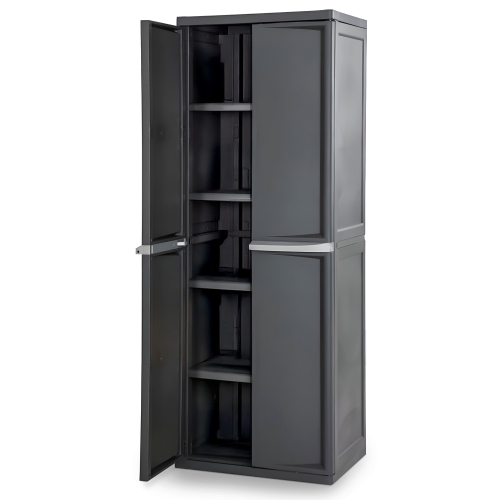 Your price for this item is $577.99
-
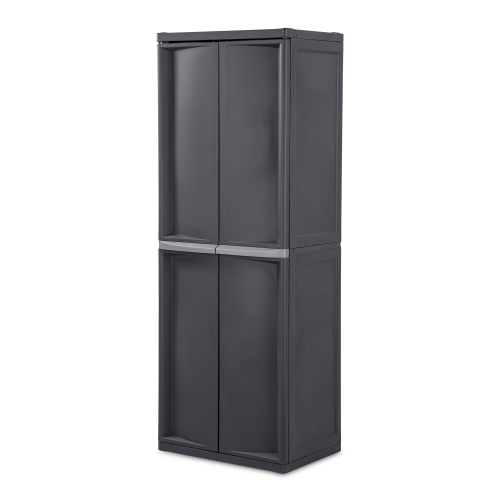 Your price for this item is $1167.99
-
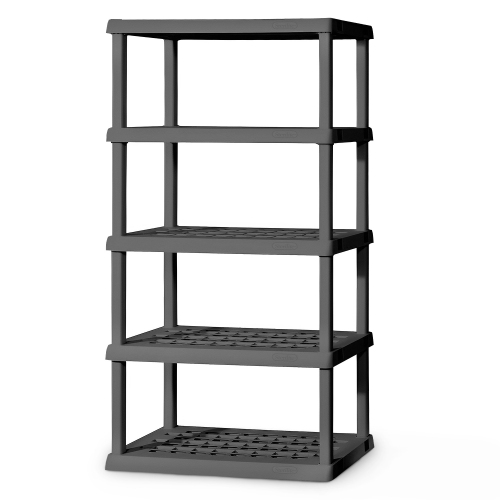 Your price for this item is $353.99
-
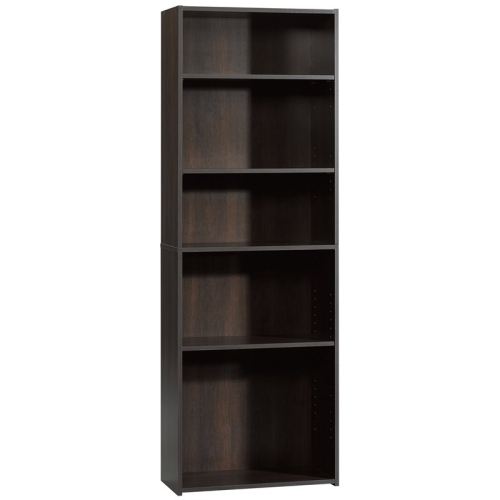 Your price for this item is $208.99
-
 Your price for this item is $171.99
-
 Your price for this item is $592.99
-
 Your price for this item is $599
-
 Your price for this item is $737.99
Discover more categories related to Tall Bookcases With Doors
Top Collections:
Best Black Friday Deals This Year, Best Black Friday Deals On Electronics, Kindle Devices, Dyson Airwrap, Best Cameras for Sports Photography, Best Black Friday Deals On Apple Products, PS5 Pro Consoles, Portable Snow Blowers, Canon G7X Cameras, Pokémon 30th Celebration Cards
Some products may be subject to Environmental Handling Fees
(EHF) depending on your province.
Learn more about EHFs.