Thin Slicers
Discover how a Thin Slicer can elevate your kitchen experience, making food preparation more efficient and enjoyable. Whether you're looking to achieve precise, uniform slices for your favorite recipes or streamline meal prep, a Thin Slicer is a must-have tool for any home chef. Explore a variety of options designed to help you create beautifully sliced fruits, vegetables, cheeses, and more with ease. Find the perfect Thin Slicer to suit your needs and bring added convenience to your culinary routine.
Sort

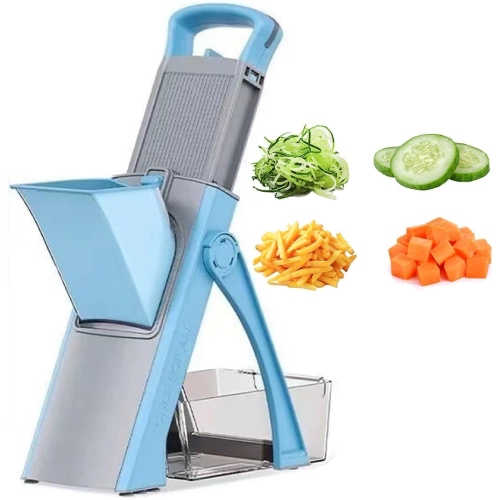
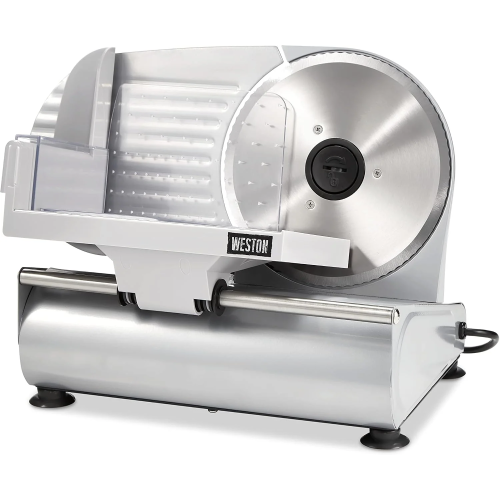
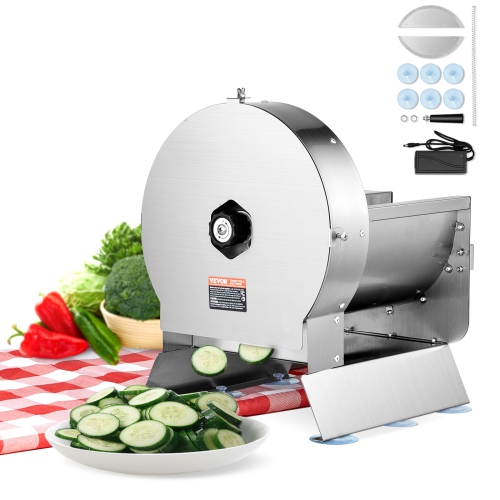
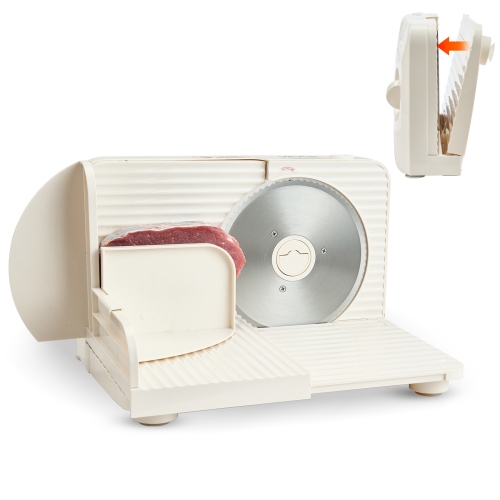
Why even slices matter for texture and cooking
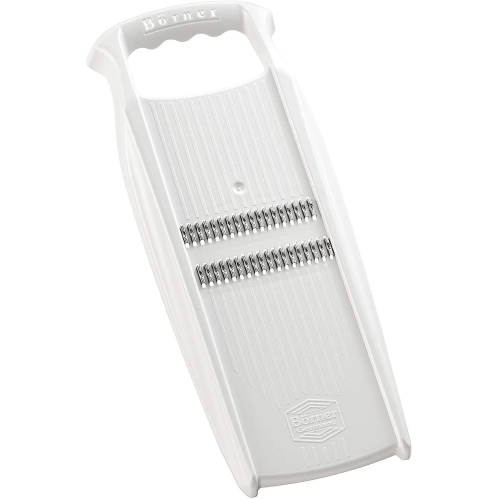
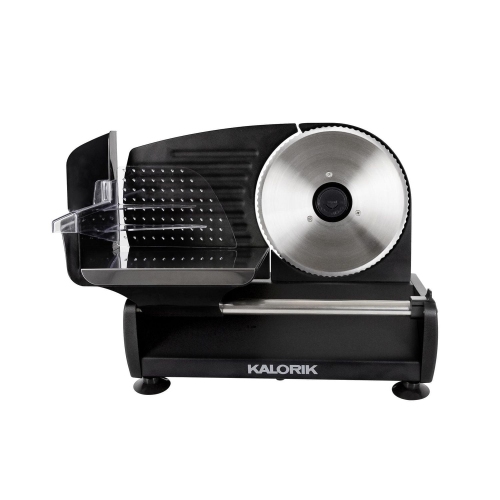
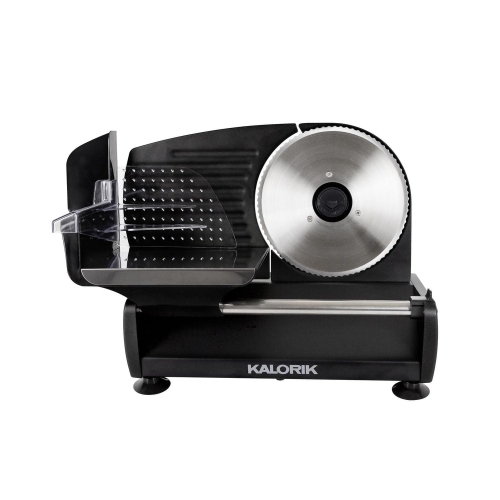
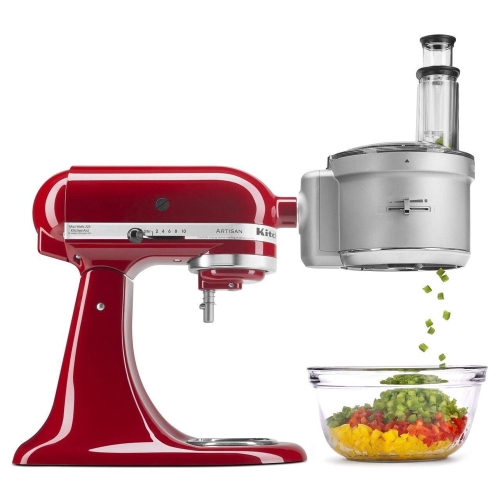
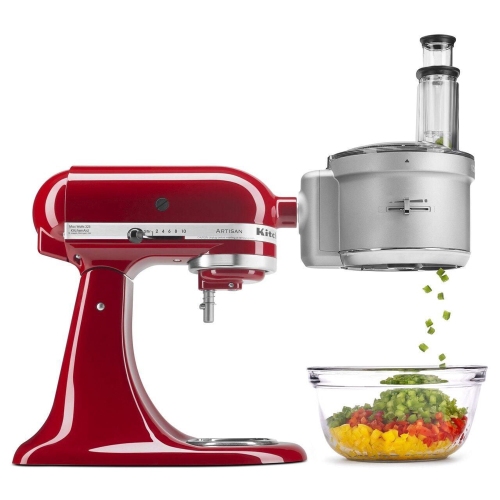
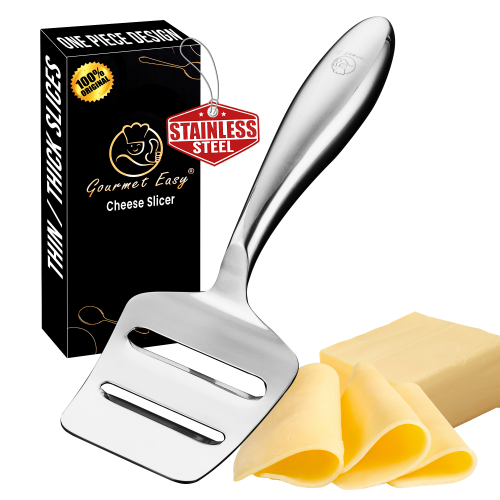
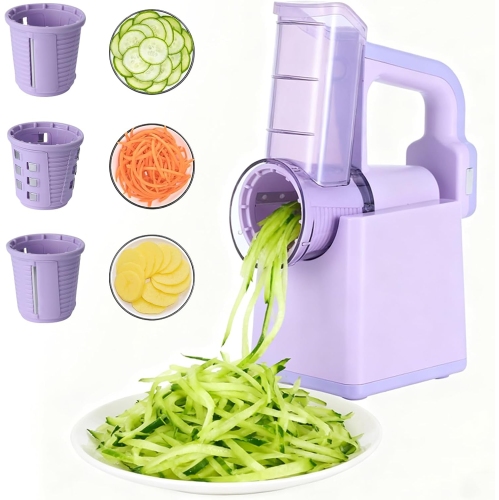
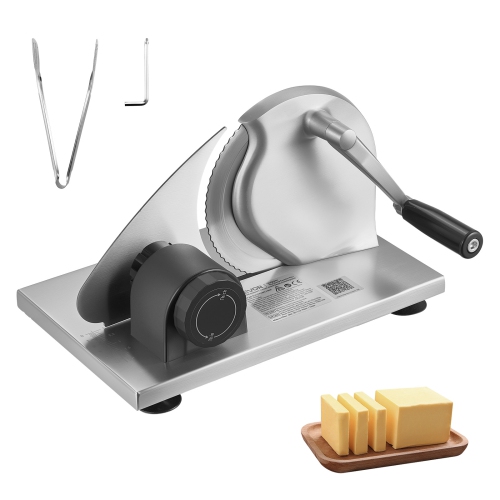
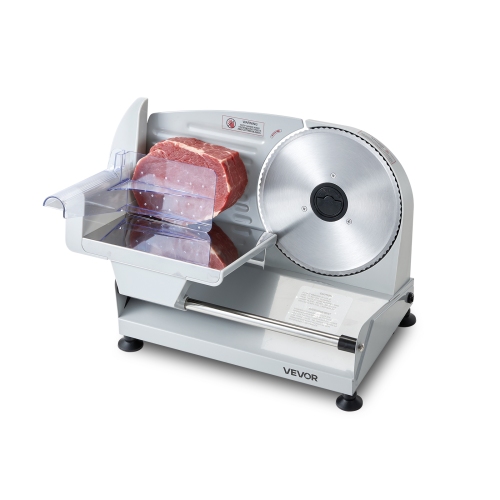
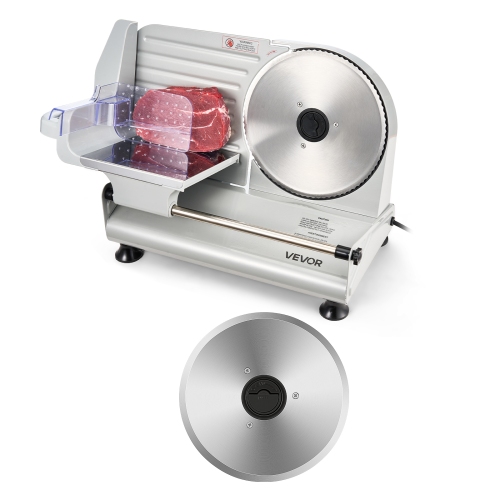
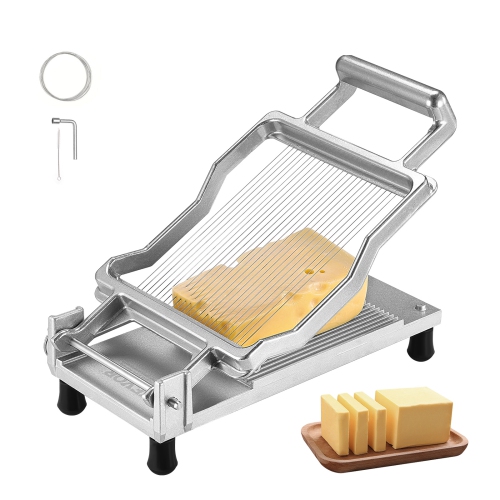
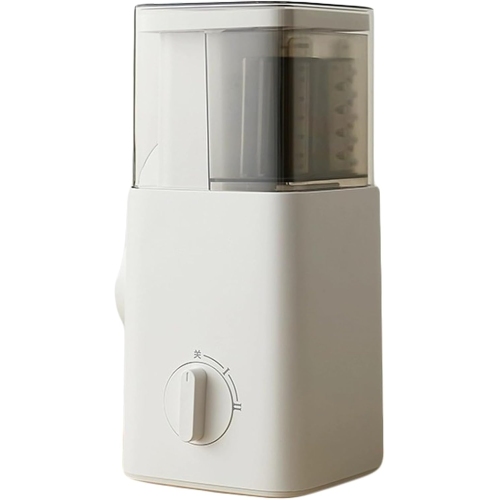
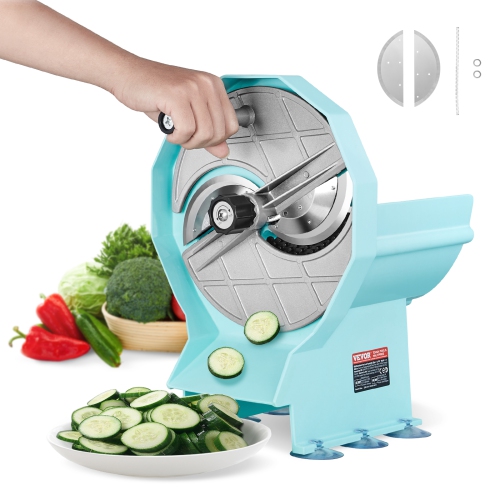
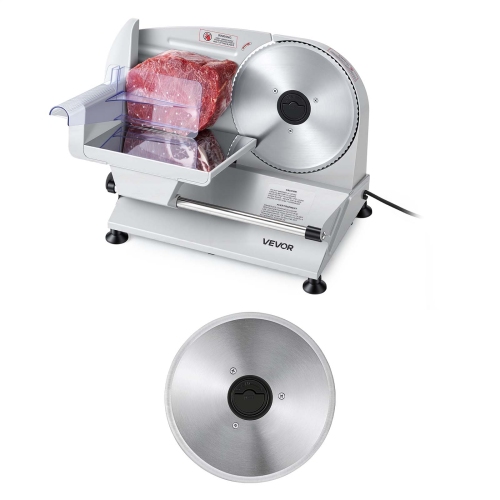
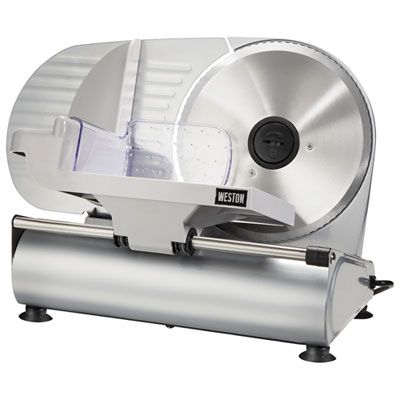
Thin slicers bring consistency to food preparation, whether the task is cutting cucumber rounds for sandwiches, shaving cabbage for slaw, or preparing potatoes for a layered gratin. A thin, even cut changes more than appearance: it affects texture, how ingredients absorb dressings, and how evenly slices cook together. Delicate onion slices blend into a salad without overpowering each bite, while evenly sliced zucchini can lie flat in overlapping rows in a baking dish. The term covers several styles of kitchen equipment, from compact handheld slicers and countertop mandolines to electric food slicers with a sliding carriage. Their uses differ, so the food being prepared matters as much as the desired thickness. A manual vegetable slicer is suited to repetitive cuts through firm produce, while an electric food slicer may be intended for boneless cooked meats, cheeses, or bread, depending on its design. These categories are not interchangeable, and suitability for any ingredient depends on the manufacturer’s directions. Adjustable thickness settings offer flexibility for cooks who move between paper-thin garnishes and more substantial sandwich fillings, while fixed settings can make a familiar preparation easy to repeat. Blade sharpness, ingredient firmness, and steady movement all influence the finished result; a thickness setting alone does not guarantee a clean slice through every food. Very ripe tomatoes, soft cheese, and crusty bread each behave differently against a blade. For someone preparing lunches several days at a time, consistent slices help create sandwiches that stack neatly and portions that are easier to divide. For a keen home cook, the appeal may be the texture of a finely shaved fennel salad or the tidy layers of an apple tart. Thin slicers can also be a thoughtful gift for someone who enjoys hands-on cooking, provided the design suits their kitchen space, comfort with exposed blades, and usual recipes. A compact tool used regularly can be more useful than a larger appliance that is awkward to set up.
Materials and construction shape how a thin slicer feels during preparation and how it holds up over time. Stainless steel blades are common because they provide a sharp cutting edge and resist corrosion, although they still need proper washing and drying. Some manual slicers use ceramic blades, which resist rust but can chip if dropped or handled roughly. Plastic frames can keep a handheld tool light, while metal frames may offer a more substantial feel for repeated countertop use. Neither material tells the whole story: secure blade mounting, stable supports, and a thickness mechanism that stays in position are important details. A slight movement in the base becomes more noticeable when making repeated strokes across a firm potato or a dense piece of cabbage. Non-slip feet and a comfortable handle can support controlled movement, but the surface underneath must also be suitable, clean, and dry. For over-bowl slicers, the span of the frame and the shape of its supports affect whether it rests securely on the intended bowl. Countertop models need enough room not only for the base but also for the full travel of the food carriage and a plate or tray to catch the slices. On electric designs, carriage size and food clearance matter when working with a wider loaf or a larger piece of cooked meat. Motor power is only one consideration; blade type, permitted foods, and operating limits also determine what the appliance can handle. Removable parts can make cleaning more accessible, while clearly marked settings help make a preferred thickness easier to repeat. Storage deserves equal attention, especially in a kitchen with shallow drawers or limited cupboard space. A blade cover, locking carriage, or protected storage position can help keep sharp edges away from hands reaching into a drawer. Replaceable blades or other serviceable components may also be useful for someone expecting frequent use, although compatibility must always be checked against the exact model.
Everyday convenience often comes down to the steps surrounding the slicing itself. Firm, washed produce with a stable contact surface is generally easier to control than an irregular piece that rocks against the holder. A cucumber sliced into fine rounds for a lunch container presents a different task from carrots cut for a crisp salad, and a tool’s blade arrangement determines whether it produces flat slices, ribbons, or narrow strips. For preparations centred on that vegetable, Carrot Slicers offer a related category to consider alongside broader-purpose thin slicers. Whatever the ingredient, the supplied food holder or pusher should be used as directed, with fingers kept clear of the cutting edge throughout preparation. A cut-resistant glove may provide an additional precaution where appropriate, but it does not replace the guard or careful handling. The small end of a vegetable is not worth pushing across an exposed blade by hand. Electric slicers require the same attention, along with disconnecting the power before cleaning or removing permitted components. Raw and ready-to-eat foods also require separate handling and thorough cleaning between uses to help prevent cross-contamination. Food residue is often easier to remove before it dries into the blade housing or adjustment tracks, making straightforward access especially valuable after preparing starchy potatoes or cheese. Dishwasher compatibility varies by component; a frame may tolerate machine washing while the blade, wooden handle, or powered base requires different care. Following the care directions helps protect cutting edges, finishes, and moving parts. A soft brush can help reach designated cleaning areas without wiping fingertips along a blade, and all removable parts should be dry before storage. Thin slicers are most useful when their preparation and cleanup demands fit the cook’s routine. Someone making a small salad may appreciate a light manual design that rinses and stores easily, while a household regularly preparing sandwich fillings may have a stronger reason to dedicate countertop space to an electric model. Matching the tool to familiar ingredients and realistic portions makes its place in the kitchen clearer.
Top selling and popular products
-
 Your price for this item is $456.32
-
 Your price for this item is $561.9
-
 Your price for this item is $744.71
-
 Your price for this item is $325
-
 Your price for this item is $503.54
-
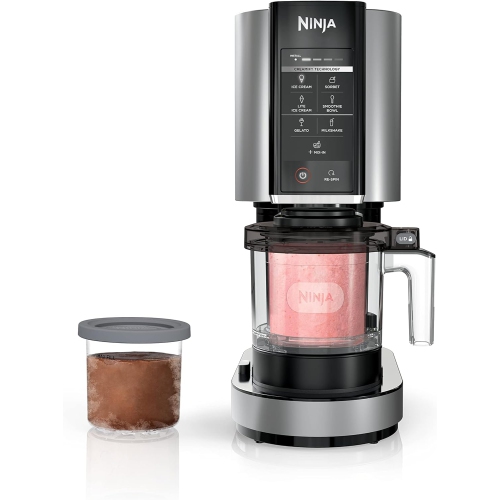 Your price for this item is $239.96
-
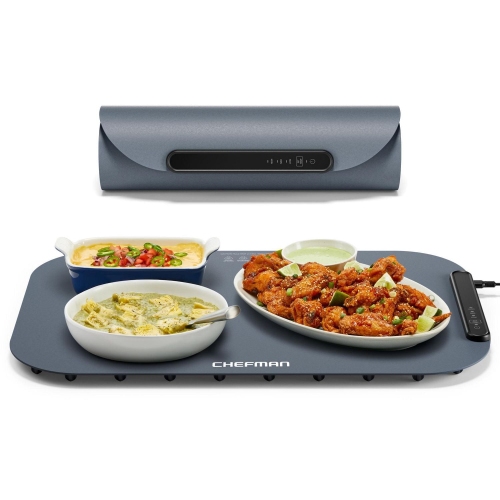 Your price for this item is $160.99
-
 Your price for this item is $499.99
Discover more categories related to Thin Slicers
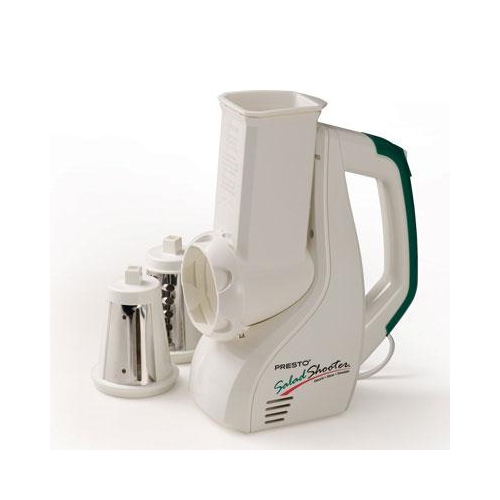
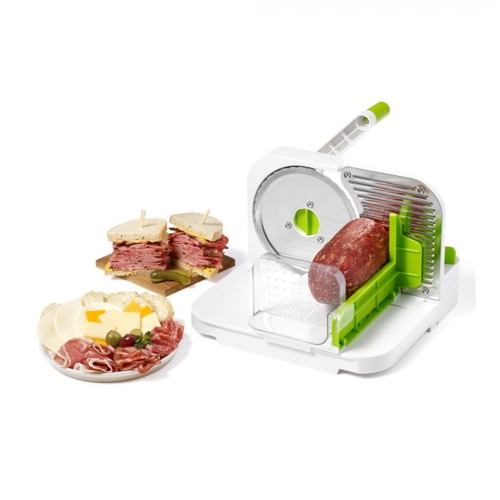
Top Collections:
Best Black Friday Deals This Year, Best Black Friday Deals On Electronics, Kindle Devices, Dyson Airwrap, Best Cameras for Sports Photography, Best Budget Office Chairs, Canon G7X Cameras, PS5 Pro Consoles, Best Black Friday Deals On Apple Products, XBOX One S Consoles
Some products may be subject to Environmental Handling Fees
(EHF) depending on your province.
Learn more about EHFs.