Brother Sewing
Brother Sewing offers a wide range of machines and accessories designed to help you tackle any project with confidence. Whether you're a beginner or an experienced enthusiast, you'll find options suited for quilting, embroidery, garment construction, and more. Explore the Brother Sewing selection to discover reliable tools that make it easy to bring your creative ideas to life. Find the perfect fit for your home or studio and enjoy a seamless sewing experience every time.
Sort
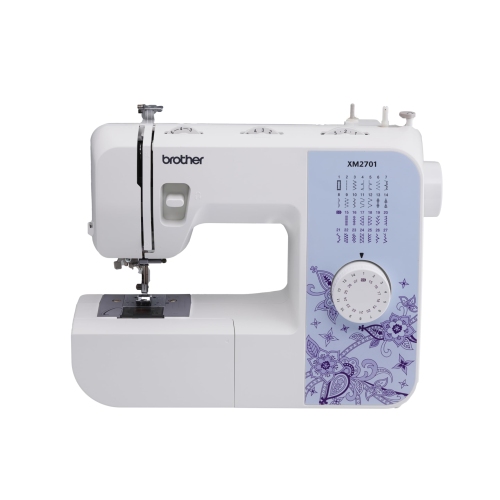

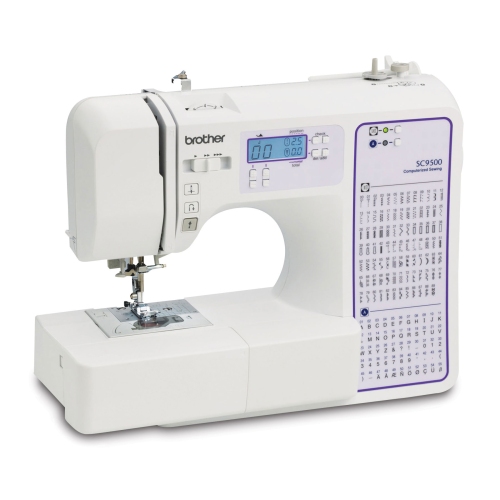
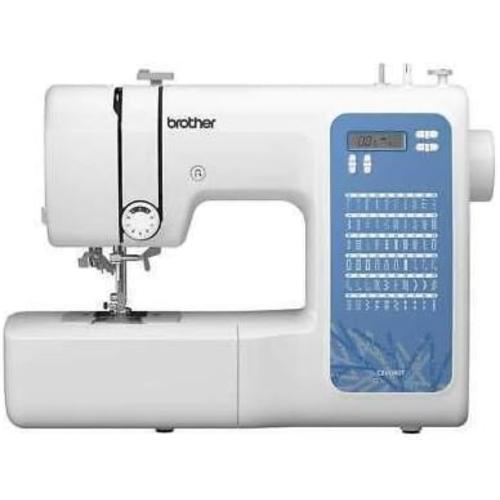
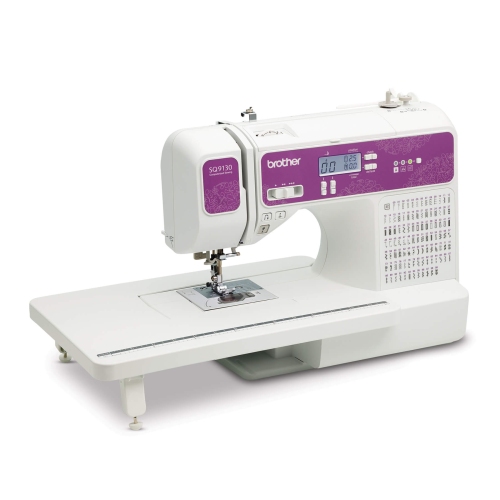
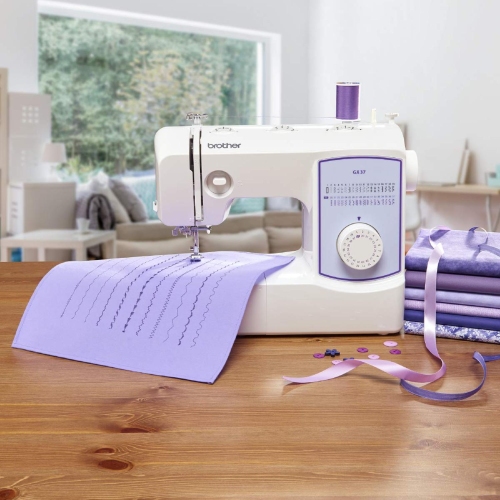
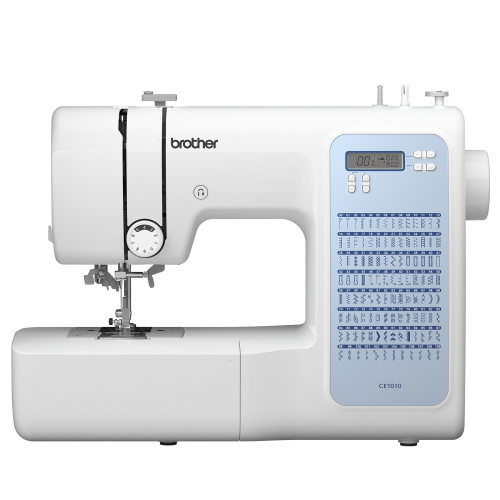
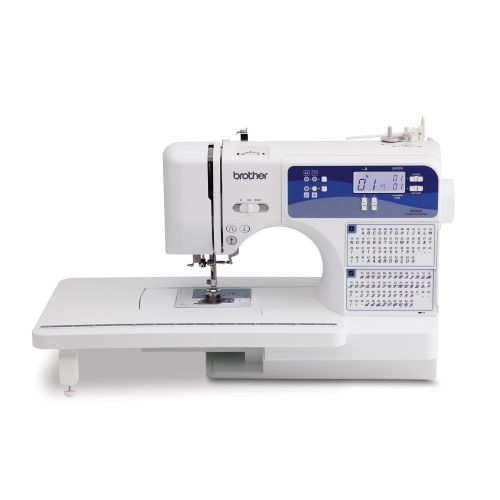
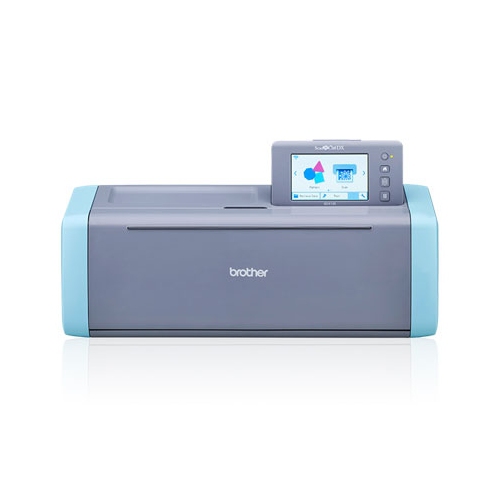
How your projects shape your sewing machine needs
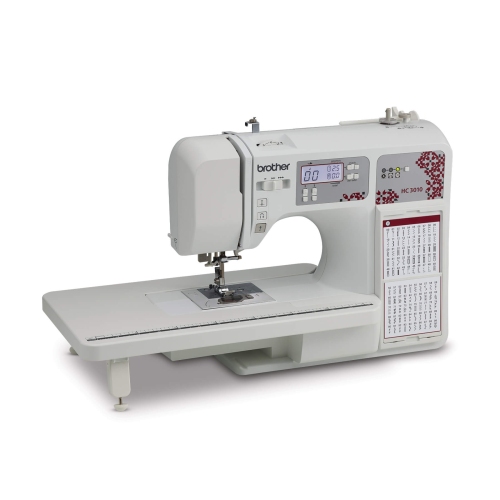
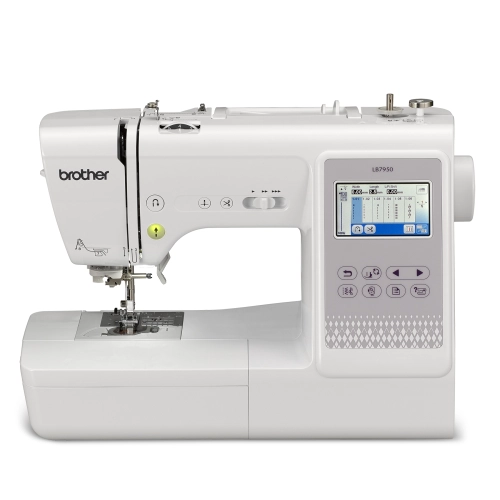
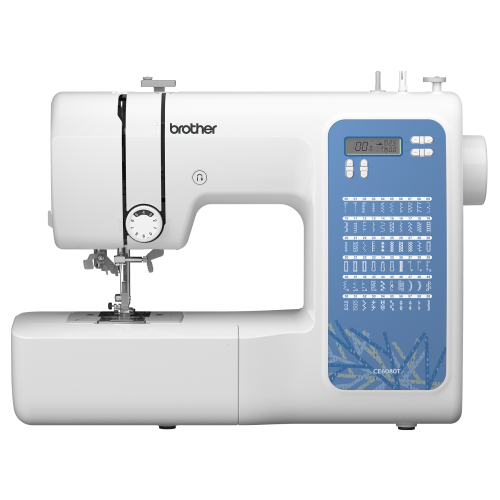
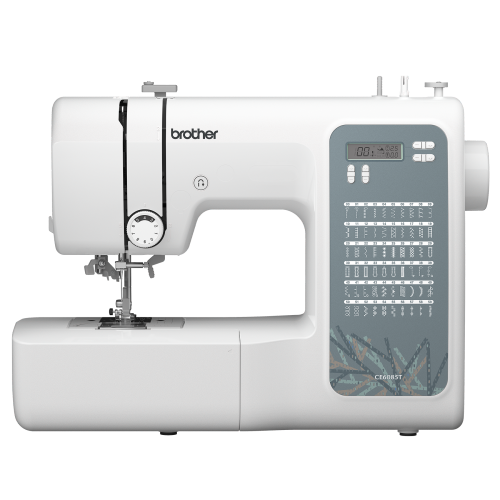
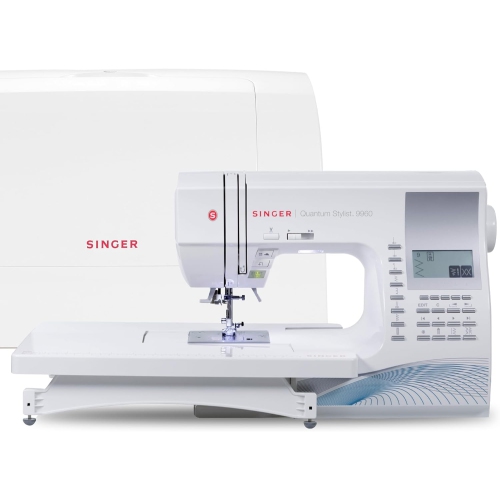
Sewing machines support everything from a neat trouser hem to a pieced quilt, giving beginners and experienced sewists a practical way to make, alter, and mend fabric projects. For everyday home sewing, the main categories are mechanical sewing machines, computerized sewing machines, and machines with features suited to quilting. Mechanical machines generally use manual dials or levers to select stitches and adjust settings, making them appealing to people who prefer straightforward, hands-on controls. Computerized machines use electronic controls for stitch selection and may include a display, adjustable speed limits, needle-position settings, or automatic functions, depending on the model. Quilting-focused machines may offer a wider work area, an extension table, or compatible feet for feeding several layers evenly. These categories can overlap: a computerized machine can also handle everyday alterations and quilting. The most useful features depend on the work taking place at the sewing table. Someone shortening curtains or repairing an open seam may value an easy-to-thread design and clearly marked stitch controls, while a garment maker may place more importance on consistent buttonholes, adjustable stitch length, and access around cuffs. A free arm, where part of the sewing bed is removed to expose a narrower section, helps accommodate sleeves and other tubular pieces. A straight stitch handles many basic seams, a zigzag stitch supports edge finishing and some stretch applications, and specialty stitches can add texture or decorative detail. A larger stitch selection offers creative options, but reliable feeding and comfortable controls matter just as much for regular use. Domestic machines are intended for home projects within their stated capabilities; industrial machines are built for particular production tasks and should not be treated as interchangeable with household equipment. For a shared family work surface, a compact machine that is easy to put away may suit the space better than a larger setup, while a dedicated craft room can accommodate more room for fabric handling.
Fabric choice has a direct effect on how a sewing machine performs and which features are useful. Lightweight woven cotton is common for simple household projects and practice pieces because its stable structure makes seams easier to manage. Slippery lining fabrics, fine sheers, stretchy knits, and thick denim each place different demands on the needle, thread, presser foot, and feed system. A machine suitable for ordinary garment sewing is not automatically designed for repeated stitching through dense upholstery fabric or multiple heavy layers. Thick seams, such as the folded edge of a denim hem, can be more demanding than the fabric itself suggests. Needle type and size need to suit both the material and the machine: ballpoint or stretch needles are commonly used for knits, while denim needles are designed for dense woven fabrics. The appropriate choice still depends on the project and the manufacturer's recommendations. Adjustable presser-foot pressure, when included, can help manage fabrics that feed unevenly, and a compatible walking foot can assist with moving layered material together. Neither feature replaces a machine's stated limits. For garment projects, stitch flexibility matters as well as appearance; a seam in a stretch fabric needs a suitable stitch and thread combination to accommodate movement. For quilting, the space to the right of the needle affects how easily a rolled or folded quilt can pass through the machine. An extension table supports fabric outside the machine bed, but it does not increase that internal clearance. Small details also influence comfort during longer sessions. Clear lighting makes dark thread easier to see, accessible controls reduce interruptions, and a speed slider can help maintain a manageable pace around curves. A stable desktop or work surface, space behind the needle for fabric to move freely, and a supportive seated position all contribute to smoother handling. Machine weight can affect portability and stability, but weight or a metal frame alone does not establish durability or suitability for heavy fabrics. Construction, maintenance, frequency of use, and the demands of the project all play a part.
Sewing equipment also needs to fit the way a person likes to create. A beginner making cushion covers may appreciate simple threading paths and a bobbin area that is easy to inspect, while an experienced sewist may prefer finer control over stitch settings and a broader range of compatible attachments. Features described as automatic vary by machine: an automatic needle threader assists with passing thread through the needle eye, while a one-step buttonhole function completes a buttonhole through a programmed sequence using the appropriate foot. Neither means that all setup or fabric handling happens without assistance. Embroidery is another distinct capability, involving stitched designs created within a hoop on a machine equipped for that purpose. Decorative stitches on a standard sewing machine are not the same as hoop-based embroidery. For projects centred on stitched motifs, monograms, or personalized fabric details, Sewing Machines for Embroidery covers that related category. Compatibility is important throughout a sewing setup, since bobbins, needles, presser feet, hoops, and attachments are not universally interchangeable. Matching accessories to the exact machine specifications helps prevent poor fit and avoidable stitch problems. Routine care matters, too: lint can collect around the feed dogs and bobbin area, especially during projects involving fabrics that shed fibres. Cleaning, needle replacement, and any lubrication should follow the machine's instructions, as maintenance requirements differ. A cover helps keep dust off the machine between projects, and careful storage protects the foot control, power cord, and smaller accessories. As a gift, a sewing machine can suit a new hobbyist, a fashion student, a quilter, or someone who enjoys making useful things for the home. Familiarity with the recipient's projects, experience, and available workspace makes the choice more personal. Whether the goal is a well-fitted garment, a repaired favourite, or a handmade gift, a suitable machine supports the kinds of sewing its user genuinely enjoys.
Top selling and popular products
-
 Your price for this item is $260.3
-
 Your price for this item is $99
-
 Your price for this item is $399.99
-
 Your price for this item is $899.99
-
 Your price for this item is $2199.25
-
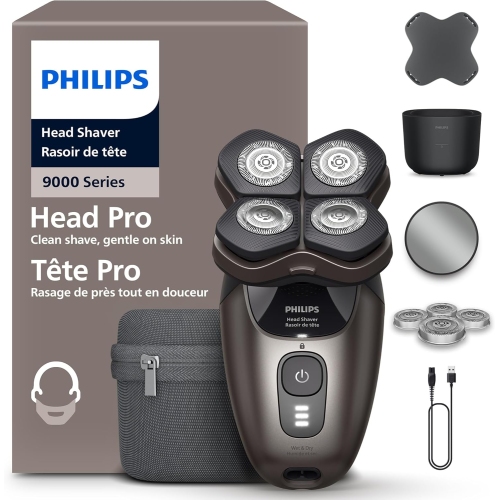 Your price for this item is $209.99
-
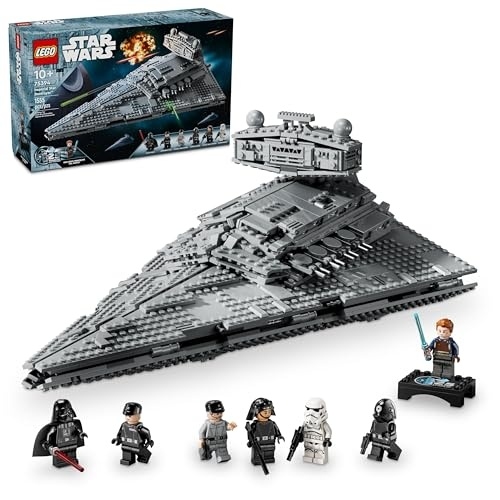 Your price for this item is $293.99
-
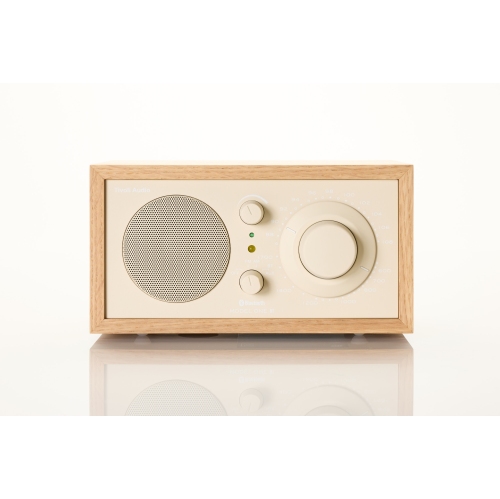 Your price for this item is $299
Discover more categories related to Brother Sewing
Top Collections:
Best Black Friday Deals This Year, Best Black Friday Deals On Electronics, Kindle Devices, Pokemon Centers, Best Black Friday Deals On Apple Products, Best Cameras for Sports Photography, Dyson Airwrap, Pokémon 30th Celebration Cards, Apple iPhone 17 Pro, Canon G7X Cameras
Some products may be subject to Environmental Handling Fees
(EHF) depending on your province.
Learn more about EHFs.