Brown 2 Drawer Cabinets
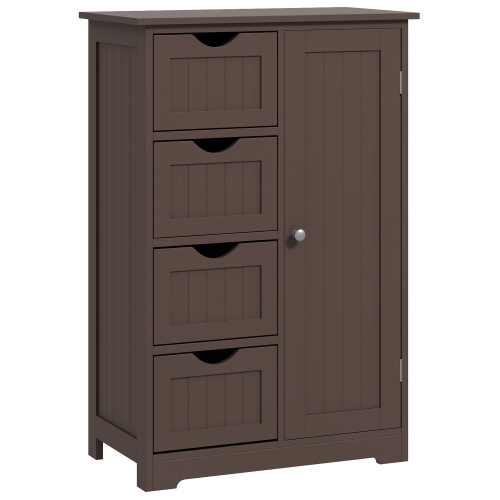
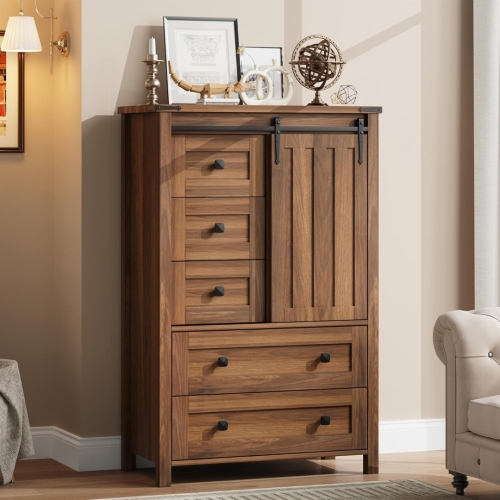
A brown 2-drawer cabinet is a great way to add storage space to your home office or craft room. These are also an easy way to keep your items organized and out of sight. Whether you need additional storage for books, documents, or craft supplies, these brown 2-drawer cabinets are an ideal solution. Here are some of the great options available.
Sort
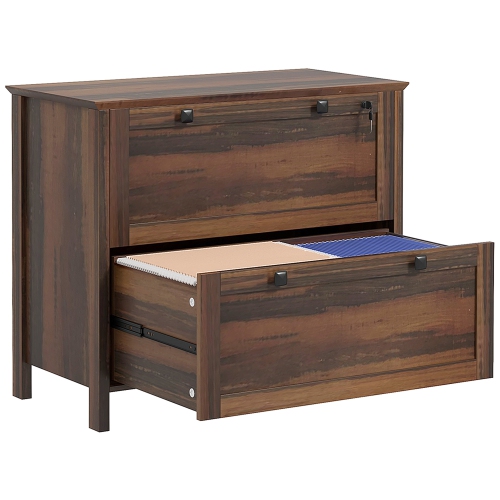
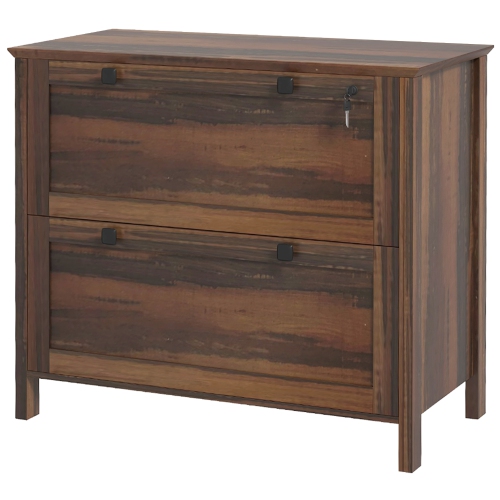
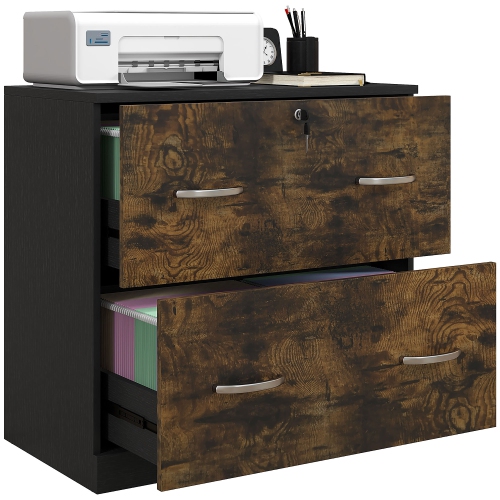
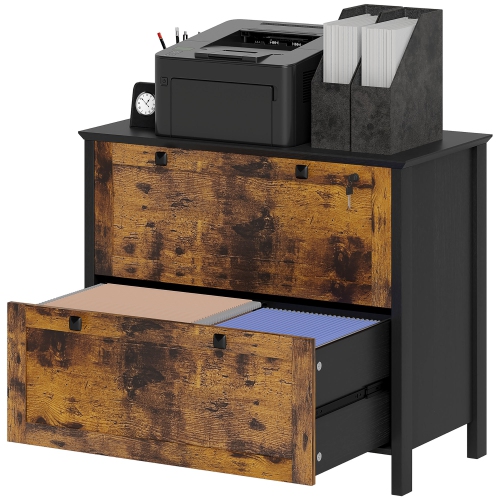
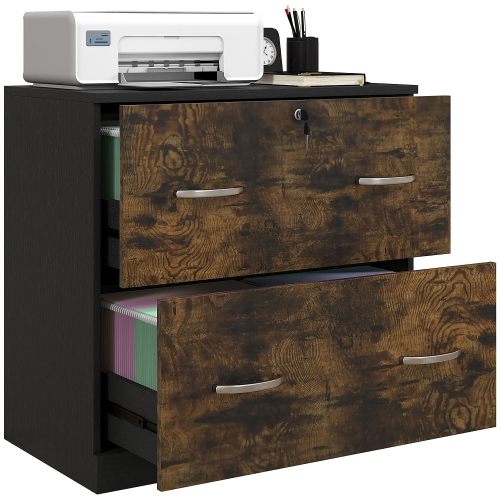
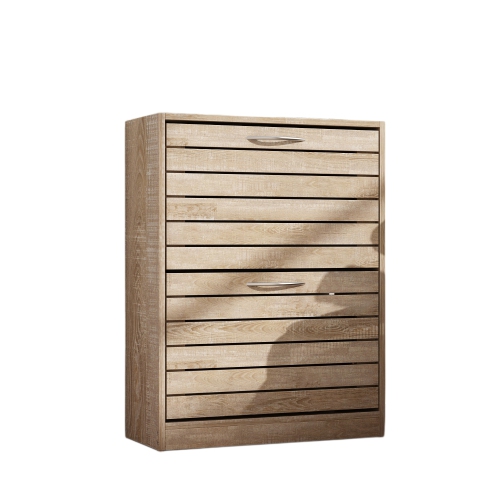

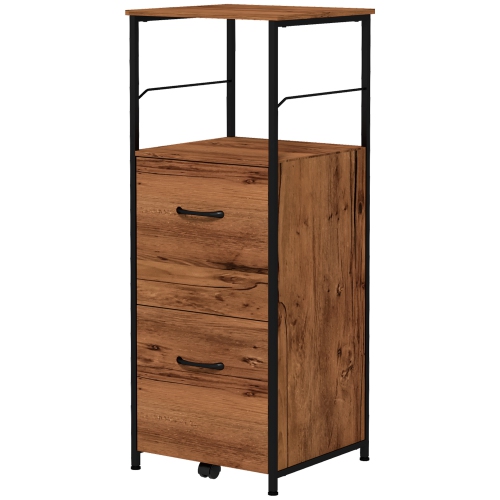
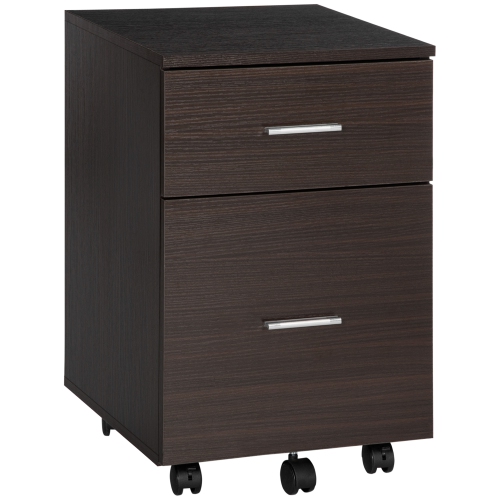
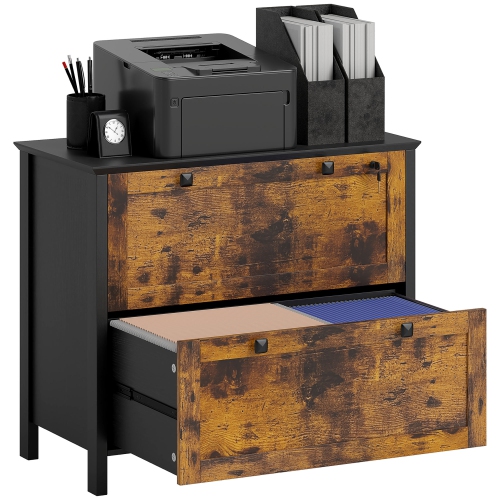
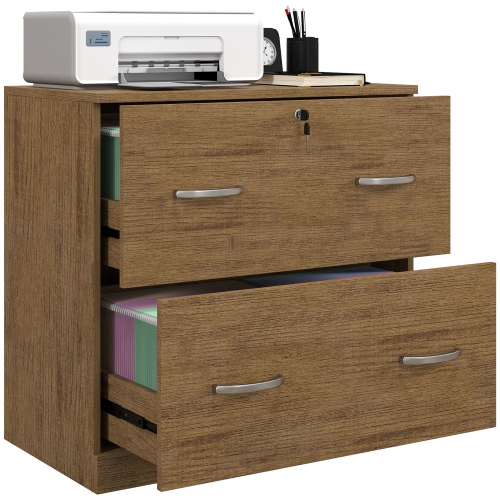
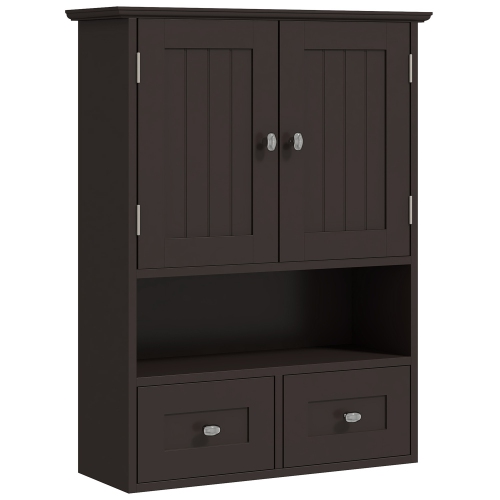
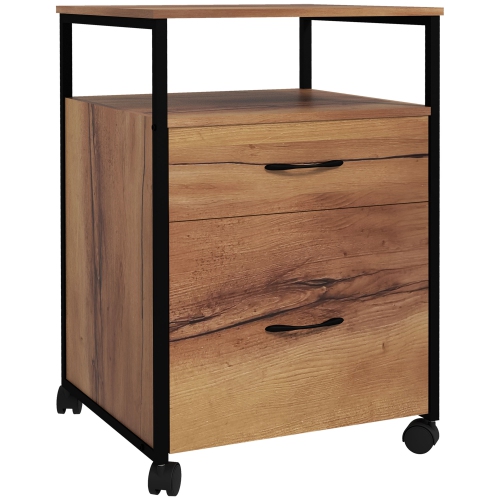

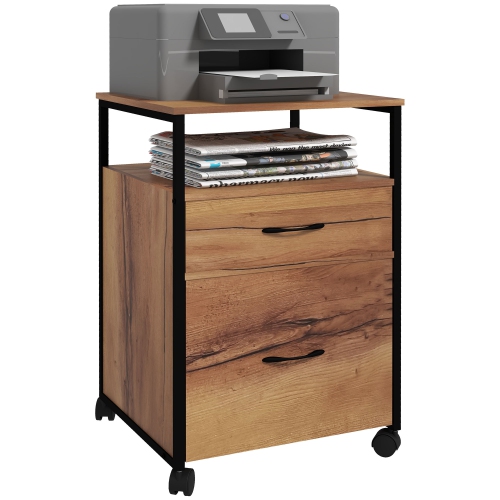
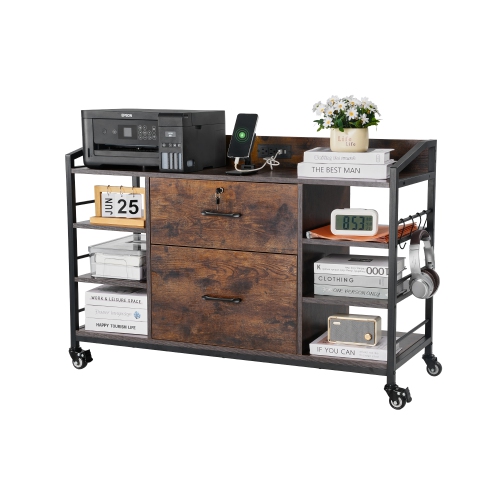
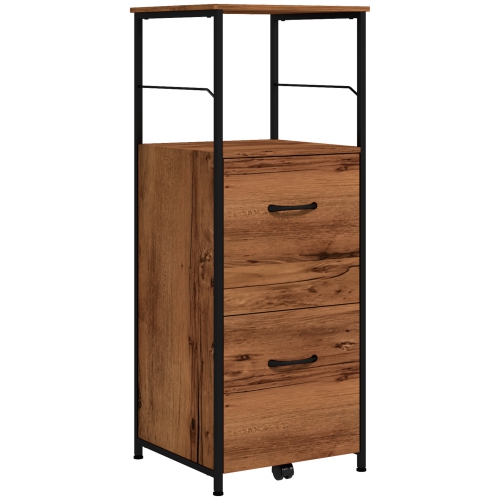
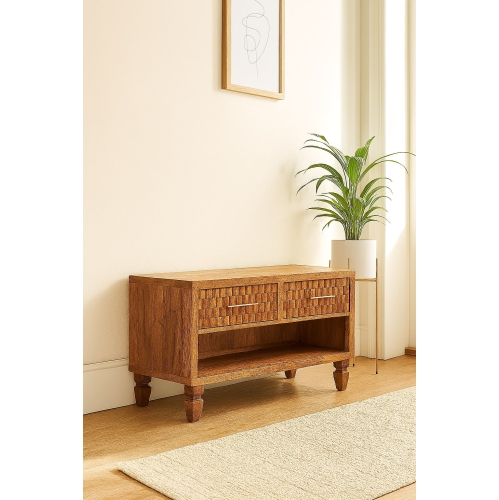

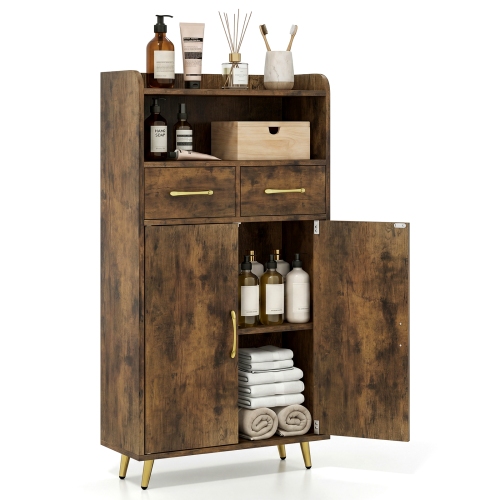
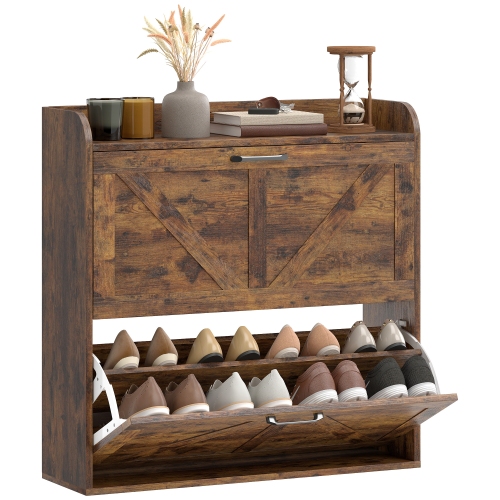
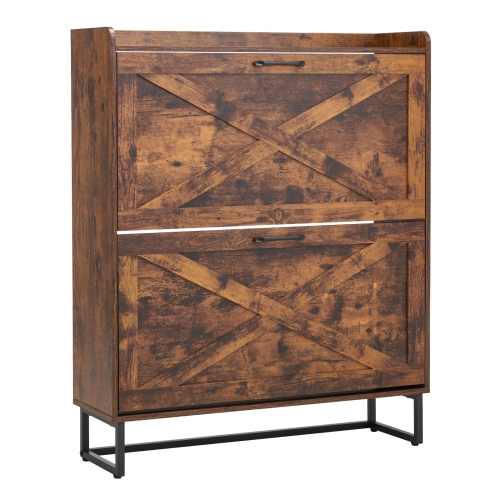
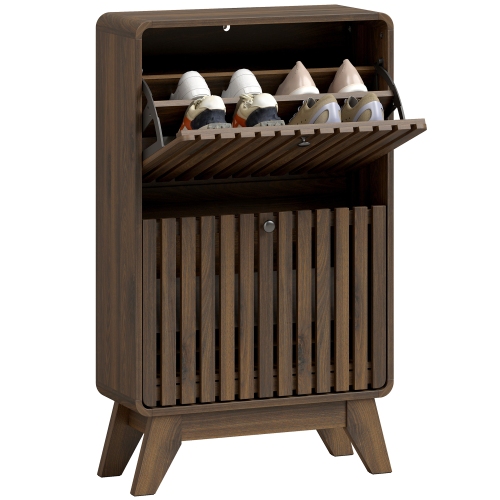
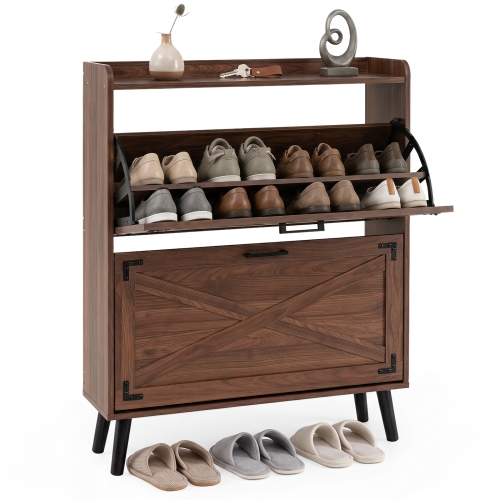
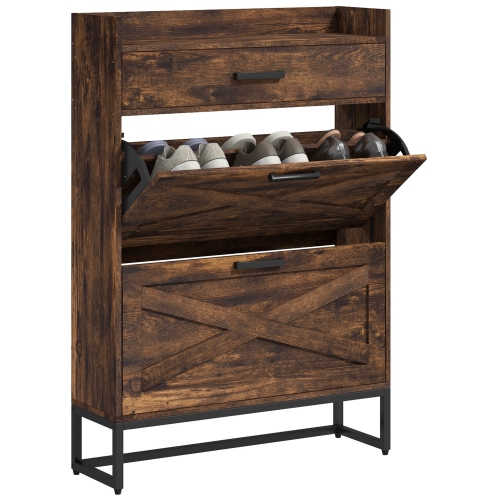
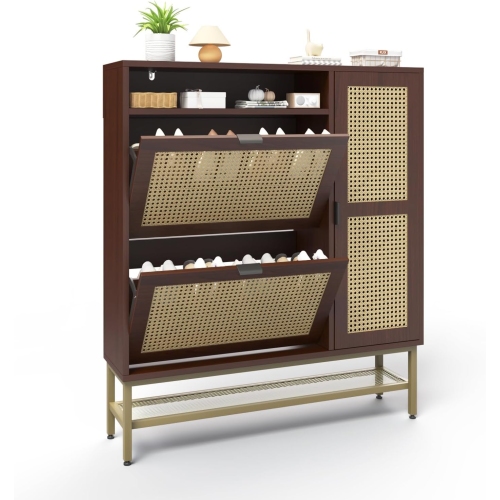
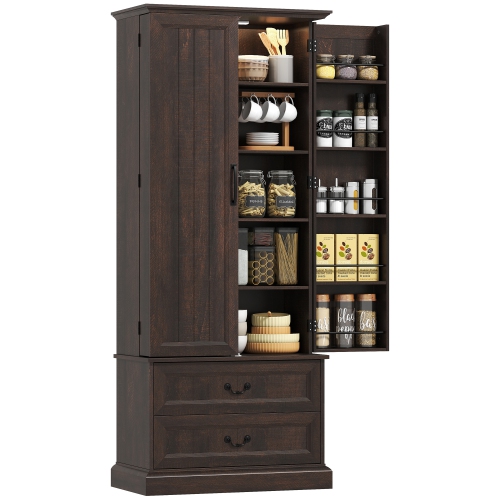
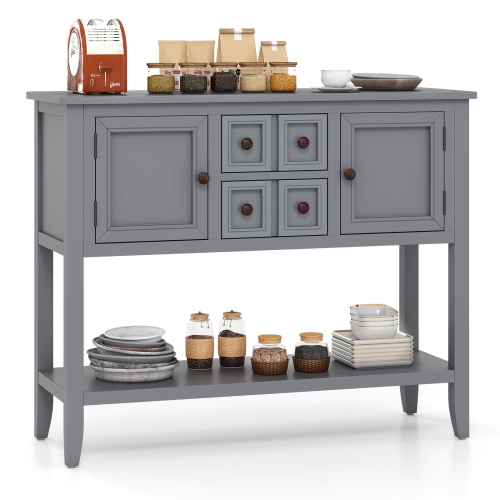
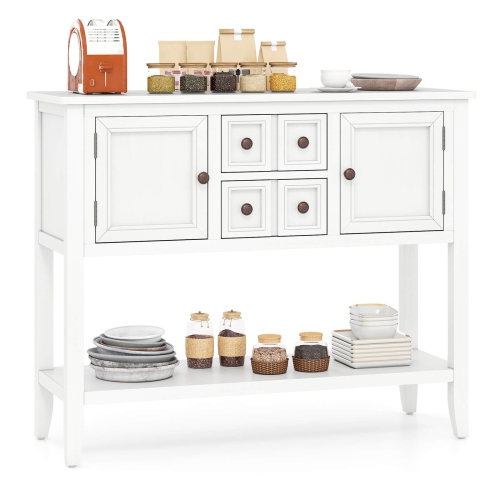
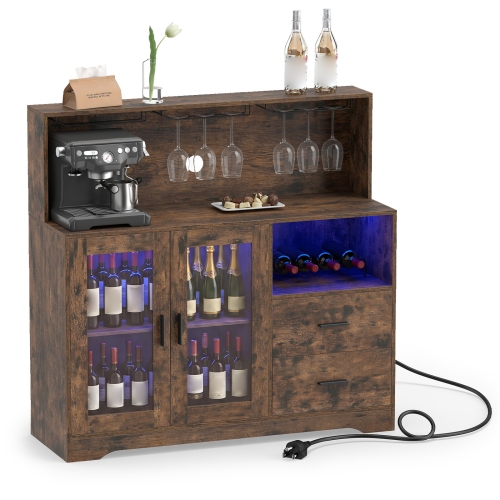
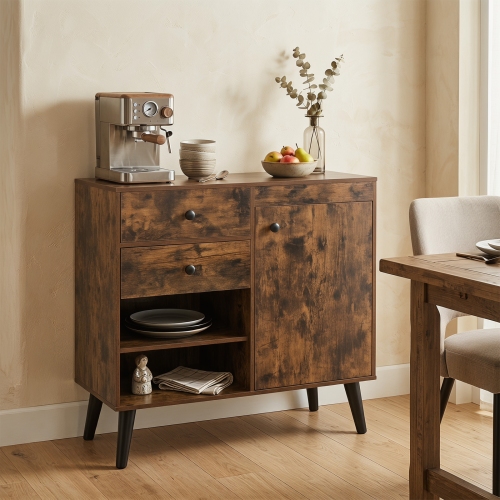
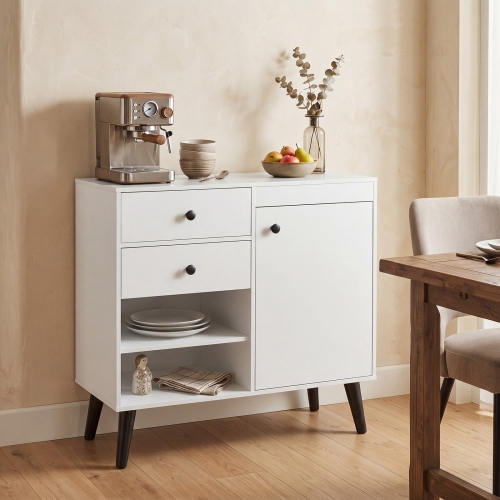
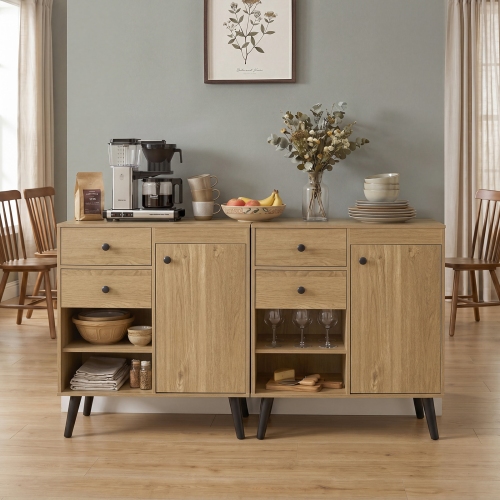
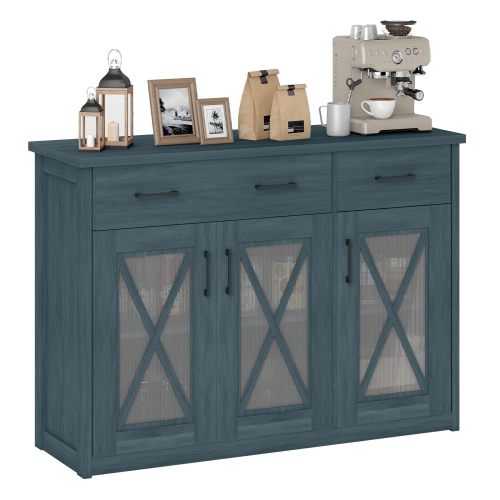
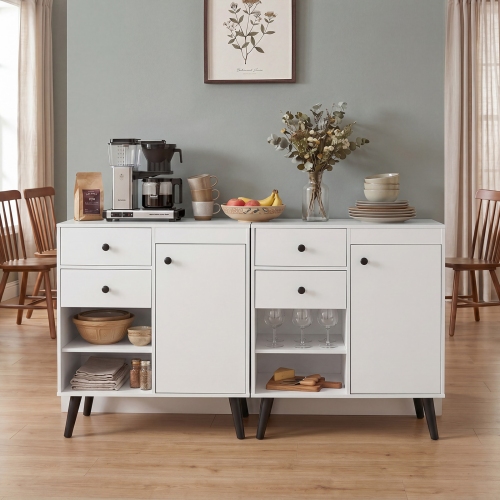
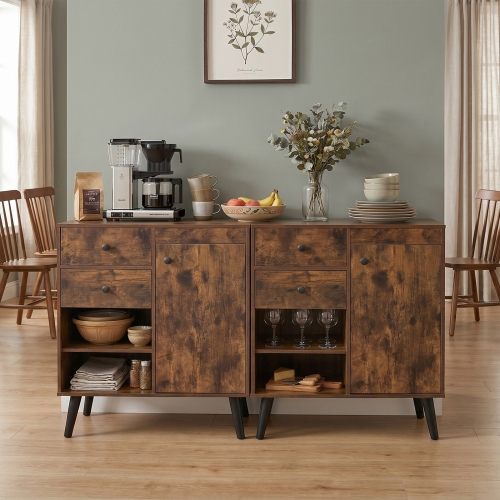
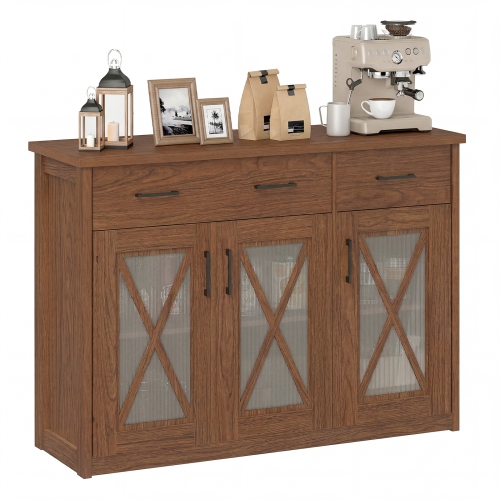
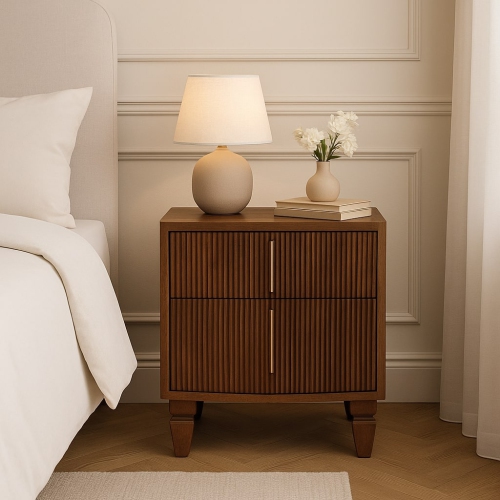
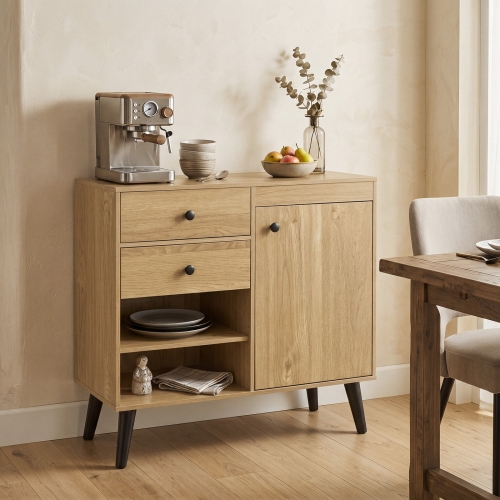
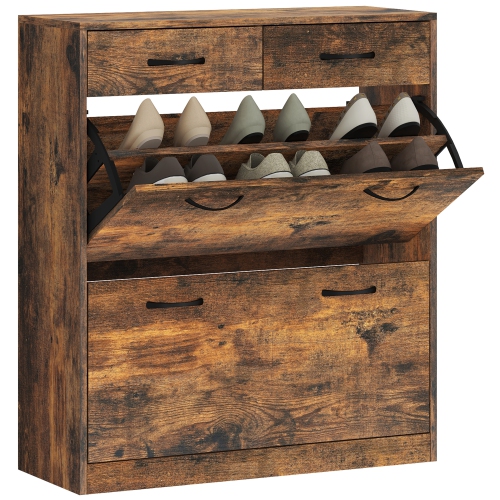

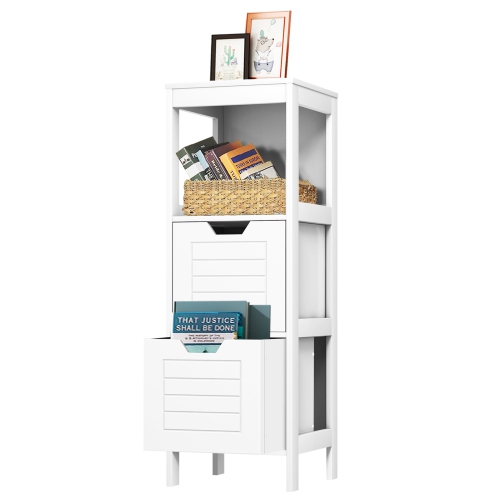
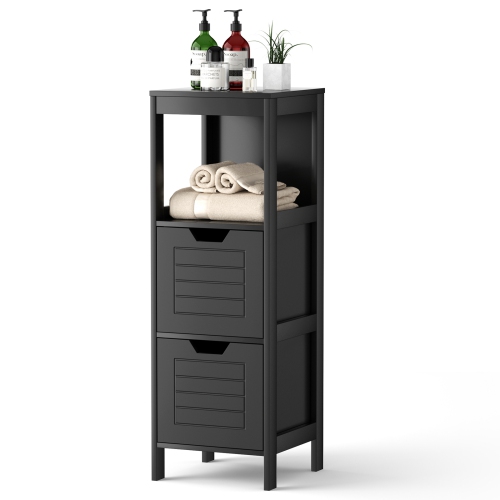

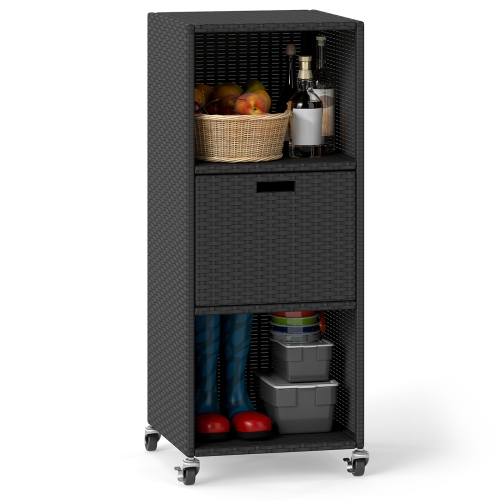
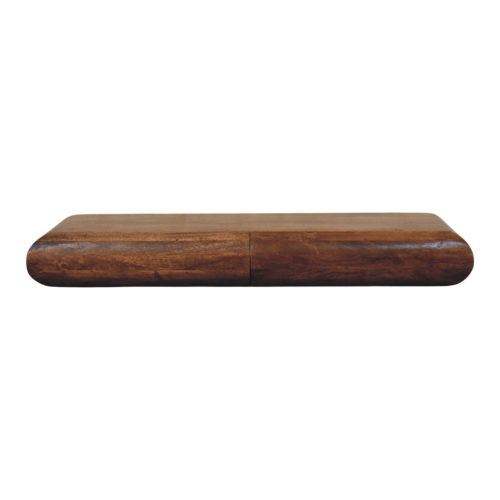
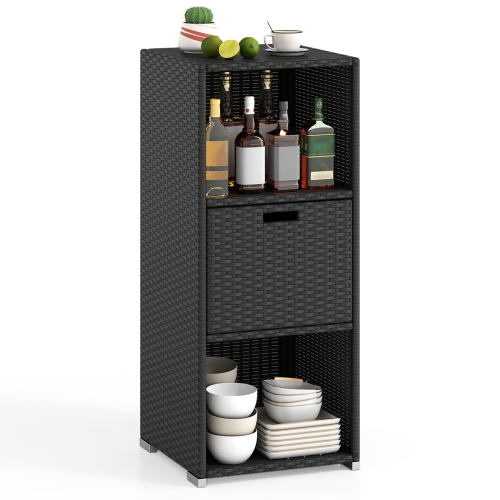
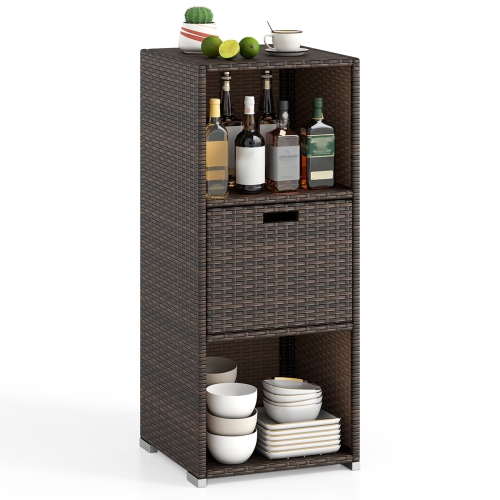
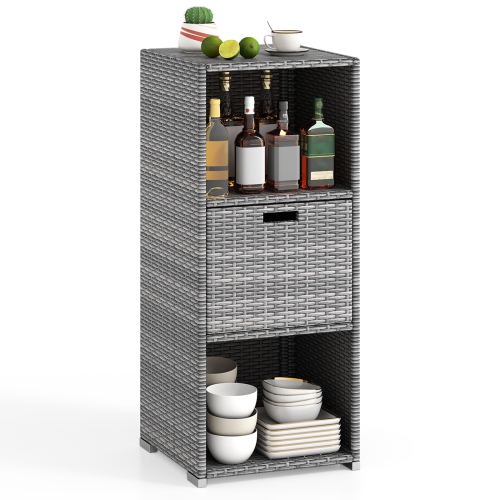
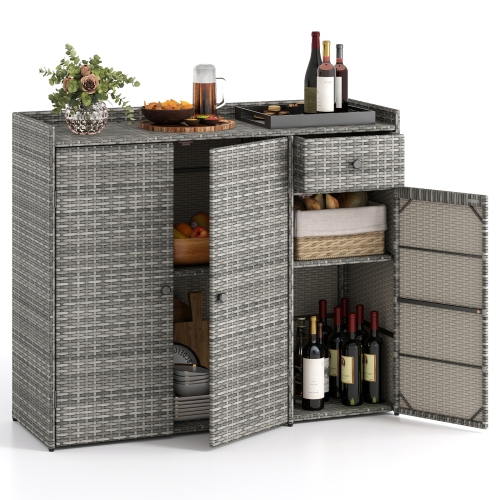
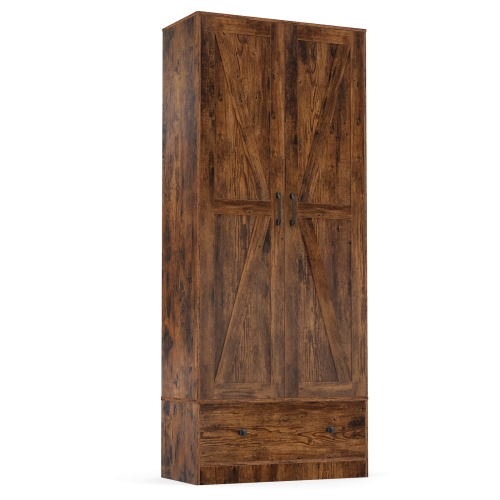
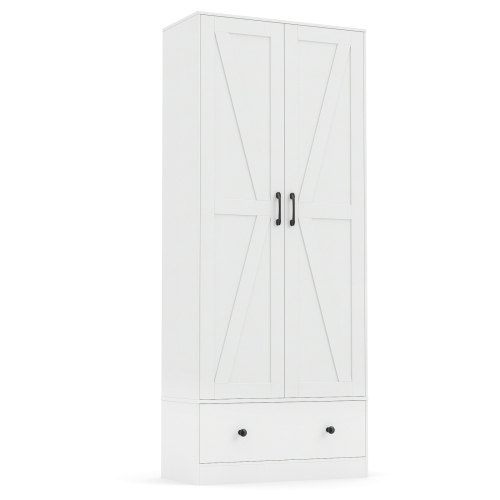
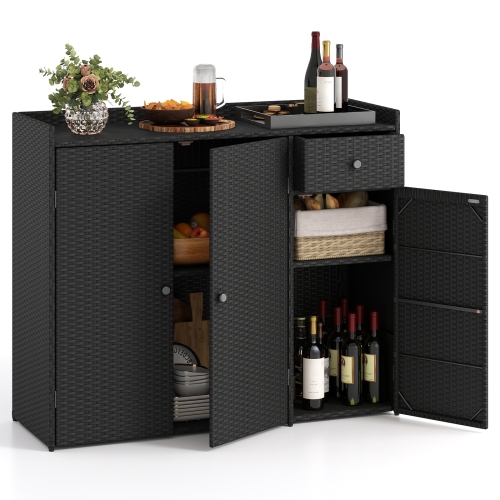
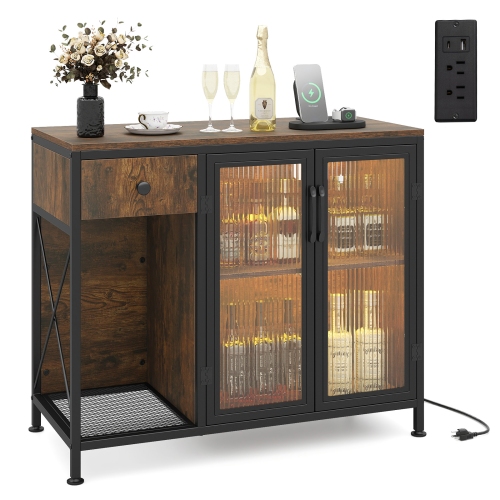
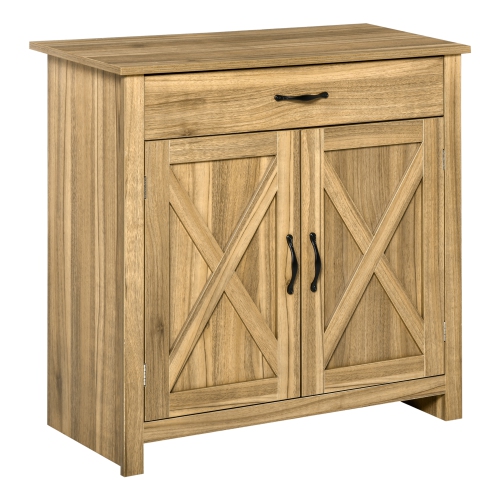
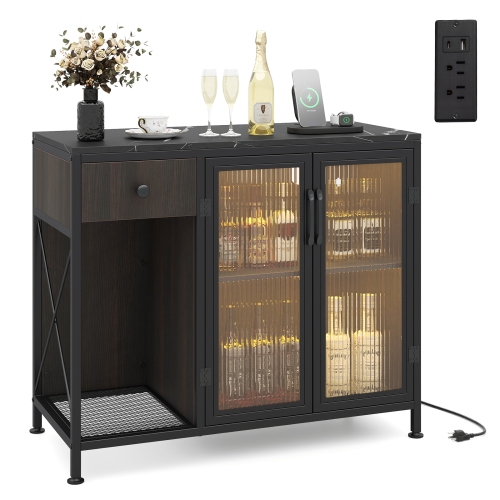
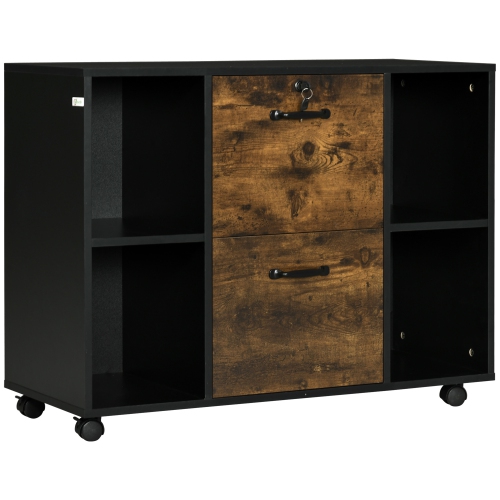
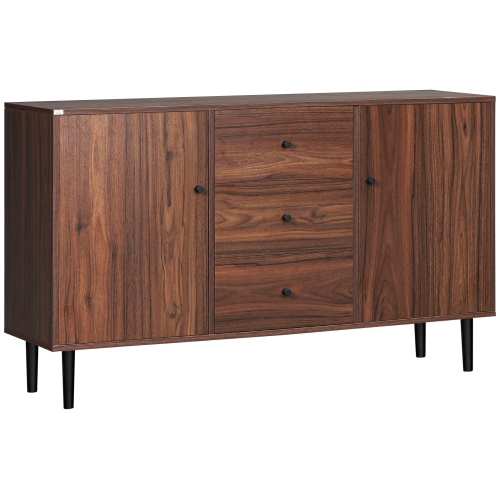
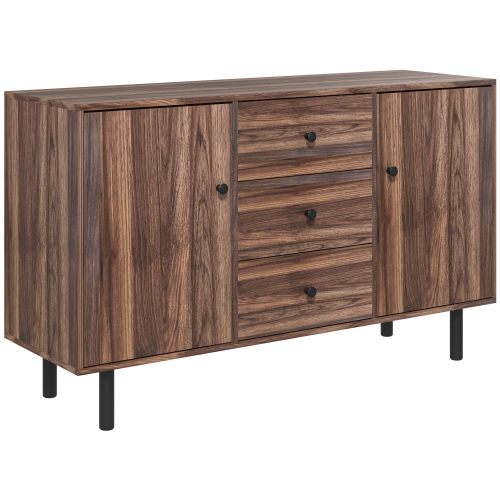
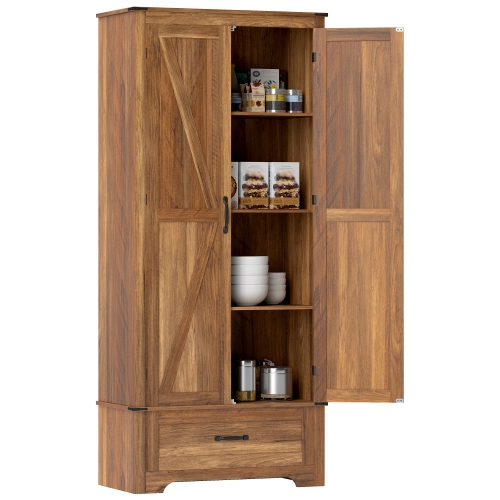
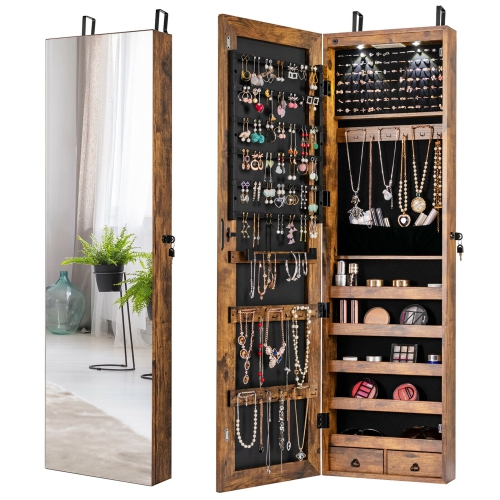
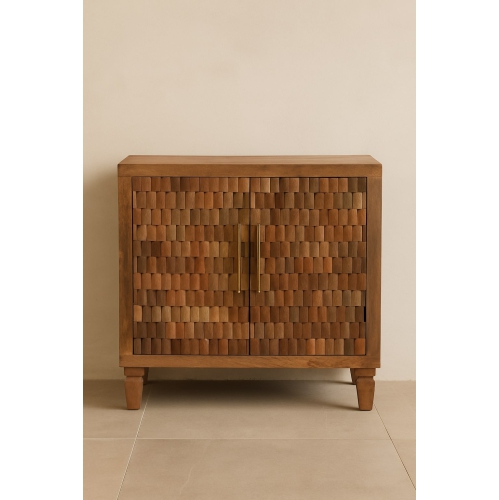
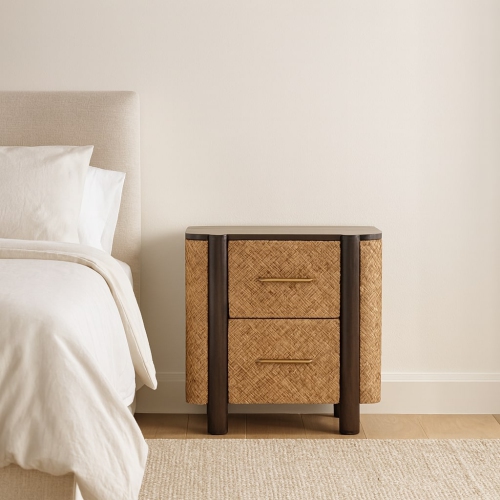
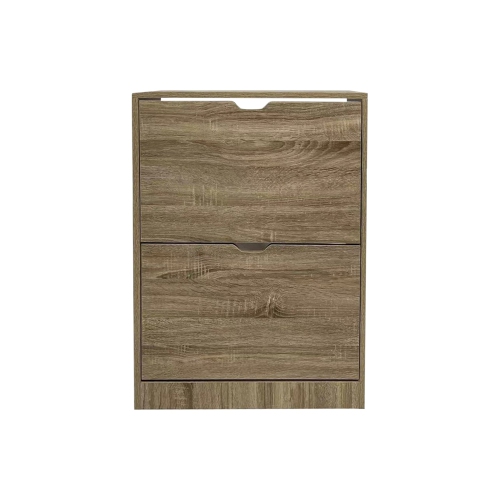
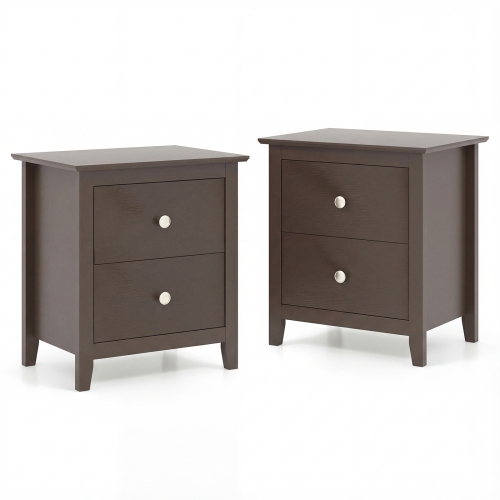
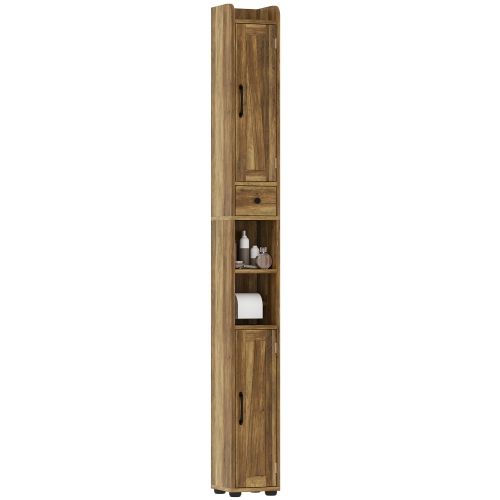

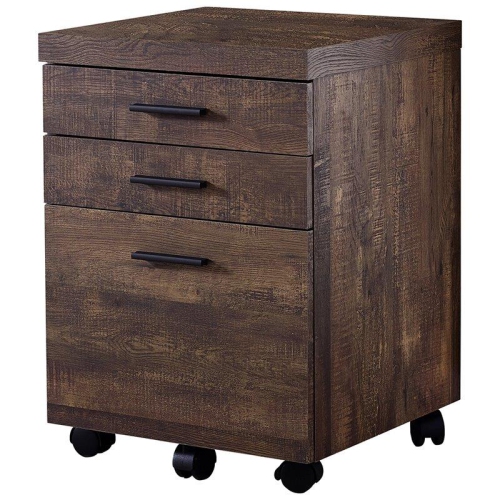
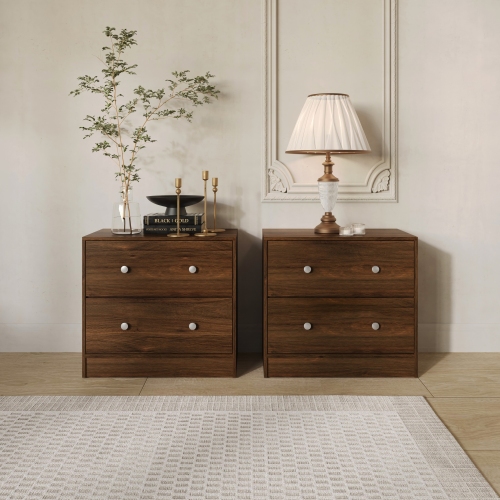
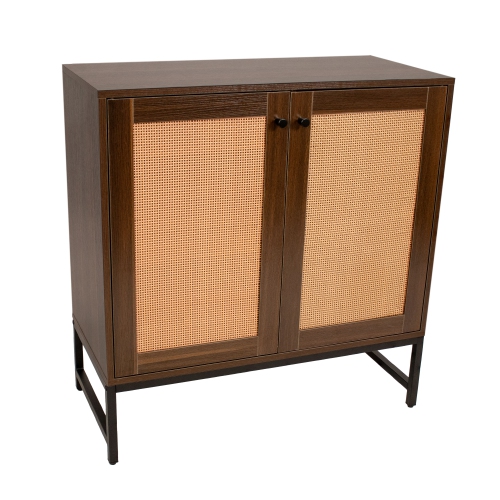
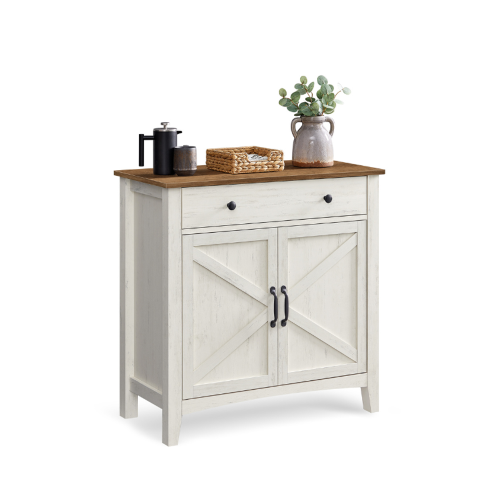
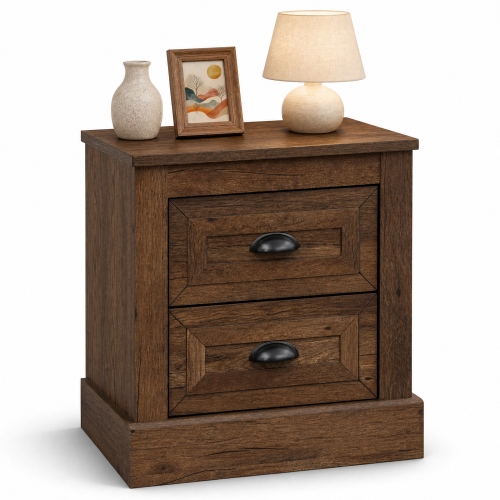
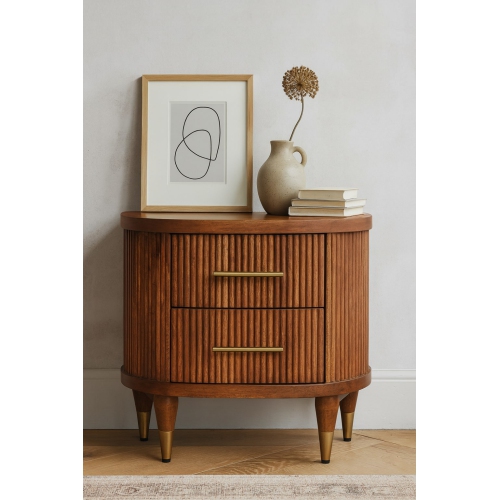
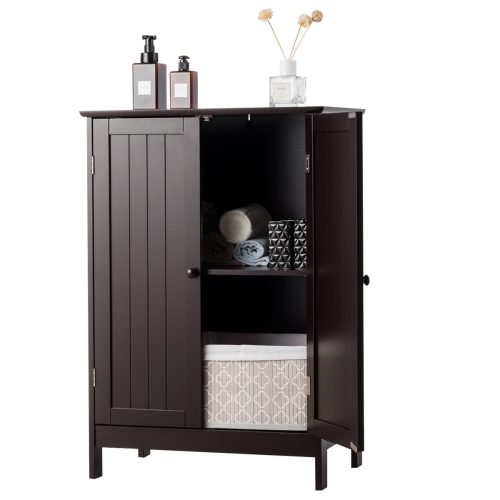
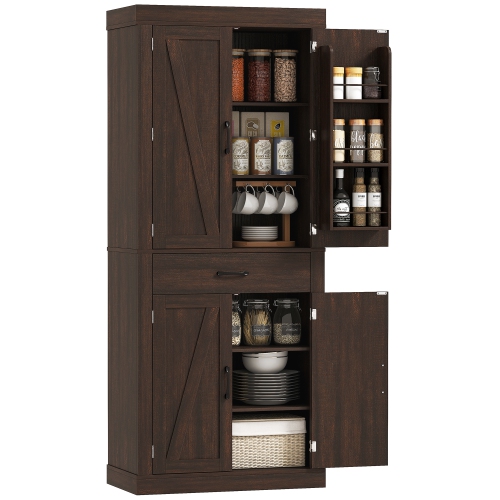
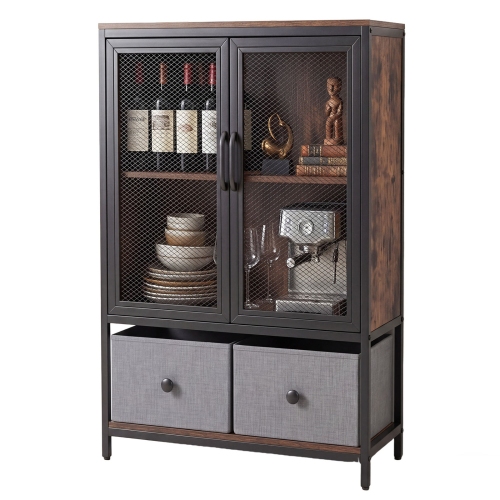
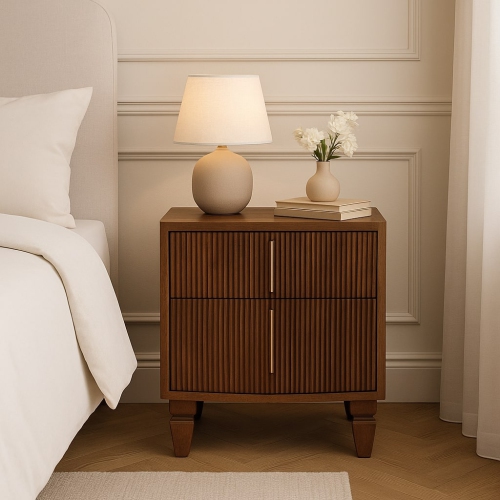
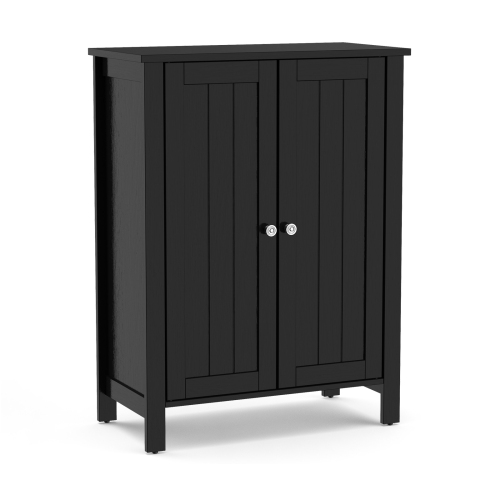
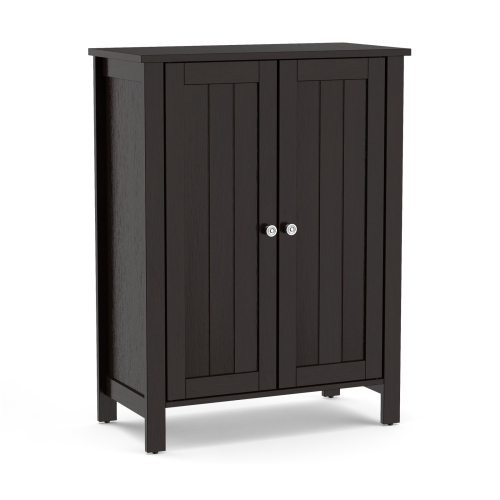
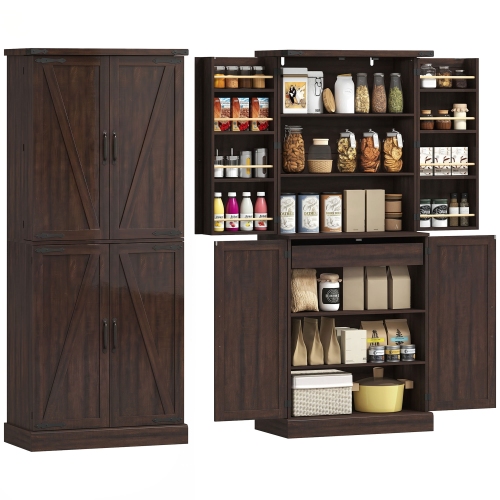
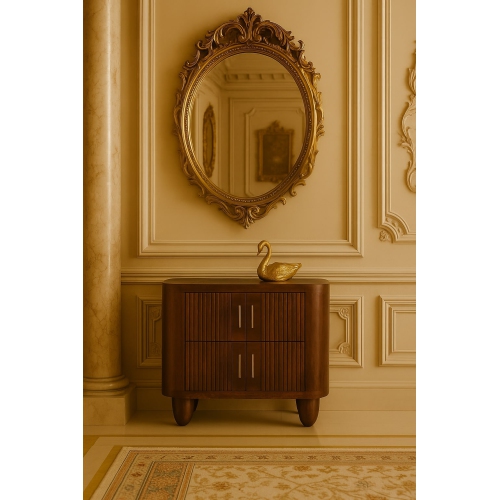
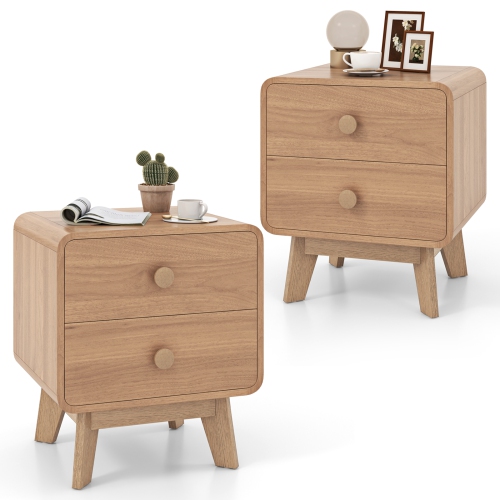
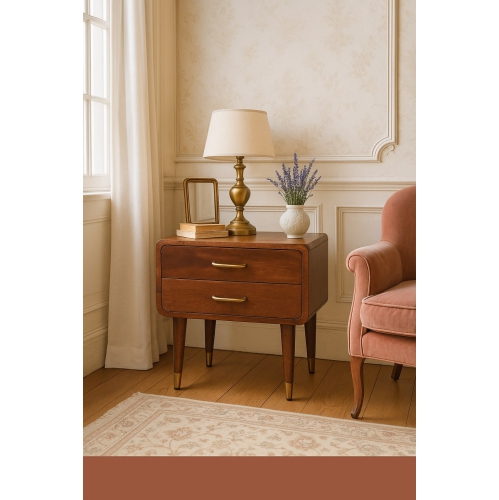
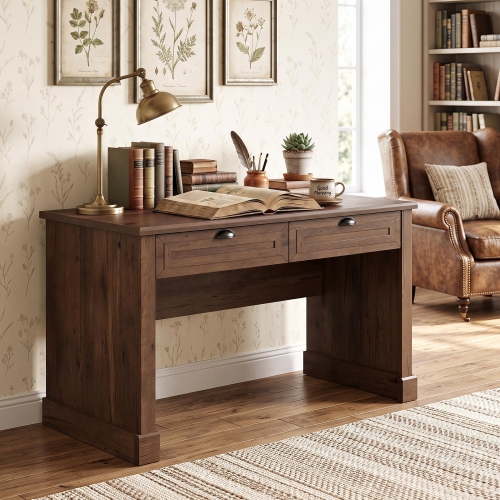
Compact drawers with room for more than paperwork
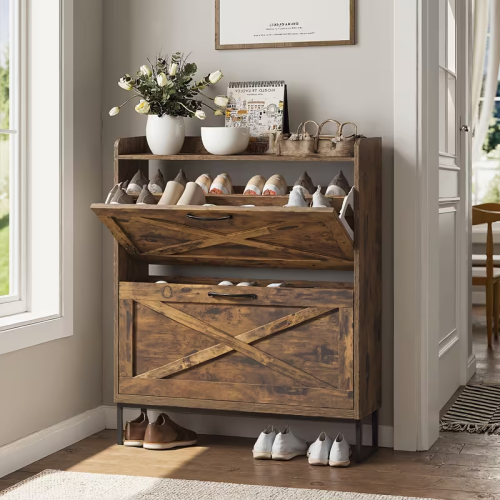
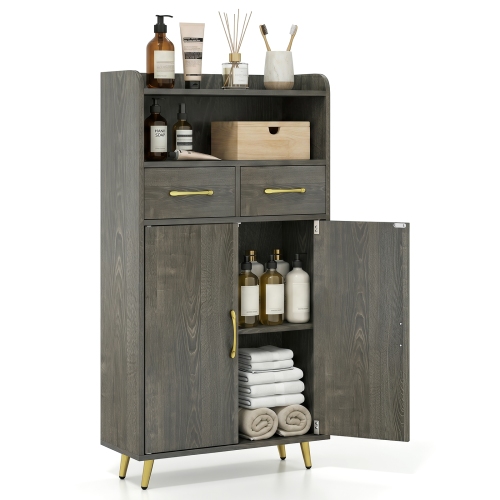
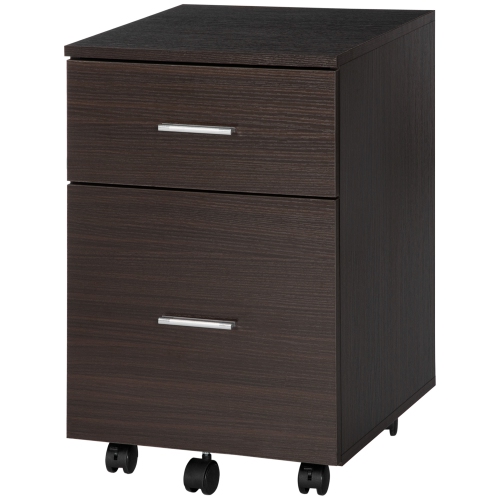
Brown 2-drawer cabinets combine enclosed storage with a warm, versatile finish that suits home offices, bedrooms, living rooms, and entryways. Their two-drawer layout keeps everyday belongings out of sight without requiring the footprint of a tall chest or a full storage unit. Within this category, filing cabinets are designed around paperwork, while general storage cabinets accommodate belongings such as stationery, charging cables, craft supplies, and household essentials. The distinction matters: a drawer that looks spacious may not have the rails or internal clearance needed for hanging folders. For paperwork, compatibility with letter, legal, or A4 files depends on the drawer dimensions and hanging-bar arrangement rather than the cabinet’s exterior size. General-purpose drawers offer more flexibility for loose belongings, especially when fitted with suitably sized trays or dividers. Brown finishes range from light, sandy tones to rich chocolate shades, with wood-grain patterns adding visual texture to otherwise simple shapes. A lighter finish can sit comfortably beside pale flooring and cream upholstery, while a deeper brown creates a stronger contrast against light walls or a white desk. Matching every wood tone exactly is not essential; similar undertones can help a cabinet feel connected to nearby furniture without making the room look overly coordinated. Clean drawer fronts and discreet handles suit understated spaces, while framed fronts, visible grain, or dark metal hardware create a more traditional or workshop-inspired appearance. In a work area, two drawers might separate active projects from archived paperwork. Beside a sofa, they can hold remote controls, notebooks, and reading accessories, leaving the top clear for a lamp. A cabinet used near a bed needs a height that feels comfortable beside the mattress, along with drawers that open without hitting the bed frame. These everyday relationships between storage, finish, and placement often determine how naturally a cabinet fits into a room.
Materials and construction influence both the appearance of a brown two-drawer cabinet and the way it holds up to daily use. Solid wood brings natural variation in grain and colour, though it can respond to changes in indoor humidity. Wood veneer provides a real-wood surface over a supporting core, while laminate and other applied finishes can create a consistent brown or wood-look appearance. Engineered wood is common in furniture construction, but its performance depends on factors such as panel thickness, edge finishing, joinery, and the intended load. Metal components may add support or contrast, particularly in frames, handles, and drawer runners. A drawer filled with paper can become surprisingly heavy, so drawer and overall weight limits matter just as much as the cabinet’s measurements. Smooth-running slides make frequently used contents easier to reach; full-extension slides, where included, bring the rear of a drawer farther into view. Soft-close hardware can reduce abrupt closing, but it should not be assumed to be part of every design. For work documents or personal records, a locking drawer can provide a basic layer of access control, although a furniture lock is not a substitute for a safe. Fit also extends beyond width, depth, and height. There needs to be enough clearance in front for the drawers to open and for someone to stand or sit comfortably while using them. Handles, baseboards, nearby doors, and electrical outlets can all affect placement. A narrow vertical cabinet may work beside a desk, whereas a wider lateral filing cabinet uses more wall space and offers a broader top surface. Mobile designs make rearranging a workspace easier, with locking castors helping keep the cabinet in position when provided. Stationary designs suit a more permanent arrangement. Stability remains important in either case, particularly with loaded drawers; supplied restraints and installation directions should be followed, and a cabinet should never be treated as a step or seat.
Everyday care helps preserve the finish and keeps a two-drawer cabinet pleasant to use. A soft cloth is usually suitable for routine dusting, while spills should be wiped up promptly rather than left around drawer edges, joints, or hardware. Cleaning methods should match the manufacturer’s directions, since harsh sprays, abrasive pads, and excess water can damage some surfaces. Even a water-resistant finish does not make a cabinet waterproof. Coasters beneath drinks and protective pads beneath planters or accessories can help limit rings and scratches on the top. Direct sunlight may alter colour over time, and placement beside a heating vent can expose wood-based furniture to concentrated heat and dry air during the cooler months. In a busy household, drawers tend to work better when their contents have a clear purpose: one might hold mail and writing supplies, while the other keeps small household essentials together. Drawer organisers can prevent cables from tangling or pens from rolling to the back, provided they leave enough space for smooth closing. Heavier contents belong where the manufacturer specifies, and overcrowding should be avoided so that drawers do not catch or strain their runners. For students and people working from home, compact enclosed storage can help separate study or work materials from the rest of a shared room. Hobbyists may appreciate a dedicated place for patterns, tools, or supplies, with any sharp or potentially harmful contents secured appropriately around children. In an entryway, a brown cabinet can provide a landing surface for a key tray while keeping gloves and other small accessories tucked away. Bathrooms call for extra attention to moisture exposure and room-specific construction; Brown Bathroom Cabinets offer a related category for storage intended for that setting. Across these spaces, the appeal of a brown two-drawer cabinet is straightforward: useful storage, an accessible layout, and a finish that can bring warmth to practical furniture without dominating the room.
Top selling and popular products
-
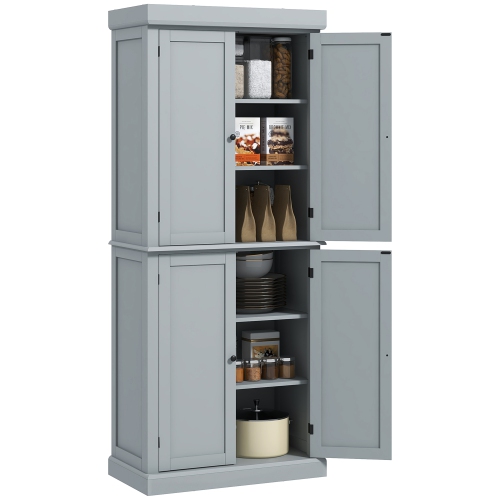 Your price for this item is $285
-
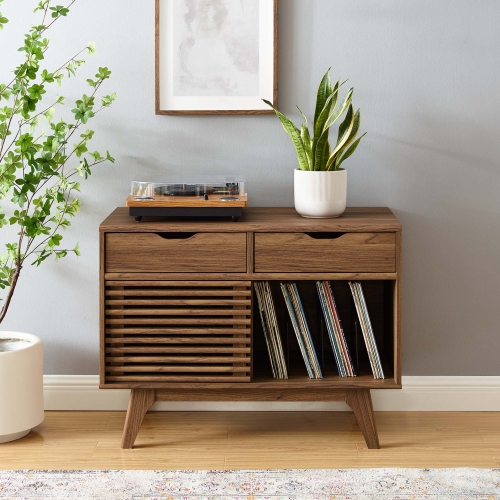 Your price for this item is $452.93
-
 Your price for this item is $155.99
-
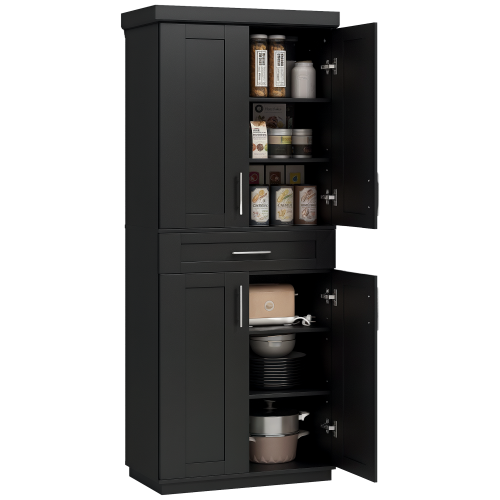 Your price for this item is $269.99
-
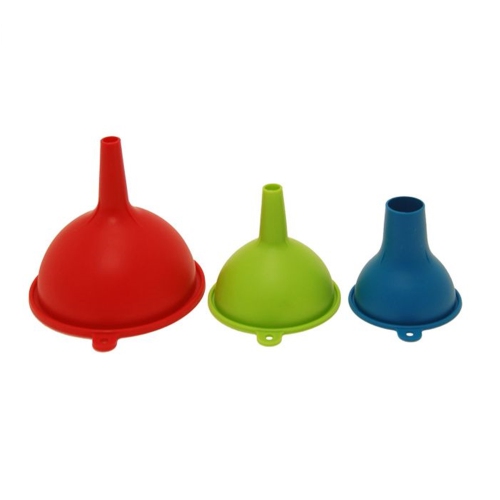 Your price for this item is $12.97
-
 Your price for this item is $155.99
-
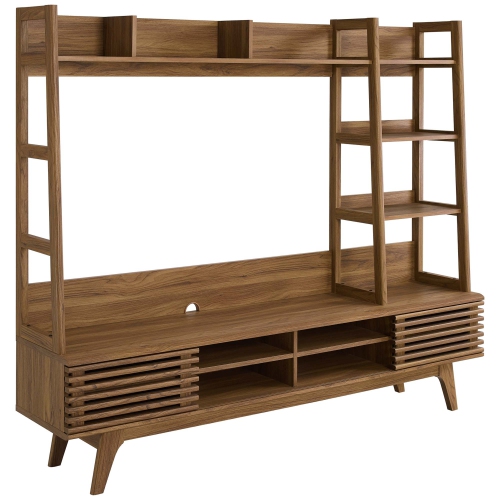 Your price for this item is $885.06
-
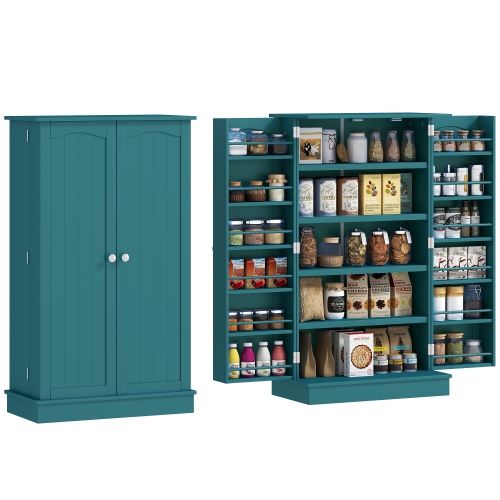 Your price for this item is $132.99
Discover more categories related to Brown 2 Drawer Cabinets

Top Collections:
Best Black Friday Deals This Year, Best Black Friday Deals On Electronics, Kindle Devices, Dyson Airwrap, Best Cameras for Sports Photography, Best Budget Office Chairs, Canon G7X Cameras, PS5 Pro Consoles, Best Black Friday Deals On Apple Products, XBOX One S Consoles
Some products may be subject to Environmental Handling Fees
(EHF) depending on your province.
Learn more about EHFs.