Brown Bathroom Wall Cabinets
Brown Bathroom Wall Cabinets add a touch of warmth and elegance to any bathroom space, blending seamlessly with a variety of décor styles. These cabinets offer practical storage solutions while enhancing the overall appearance of your bathroom. Whether you're looking to organize toiletries or display decorative accents, Brown Bathroom Wall Cabinets provide both functionality and style, making them a versatile choice for any home. Explore options designed to help keep your bathroom neat and visually appealing.
Sort
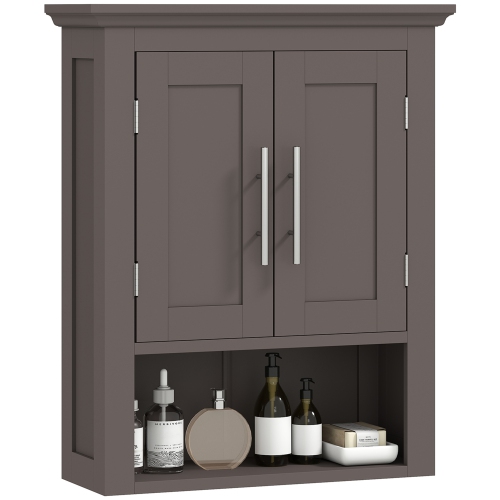
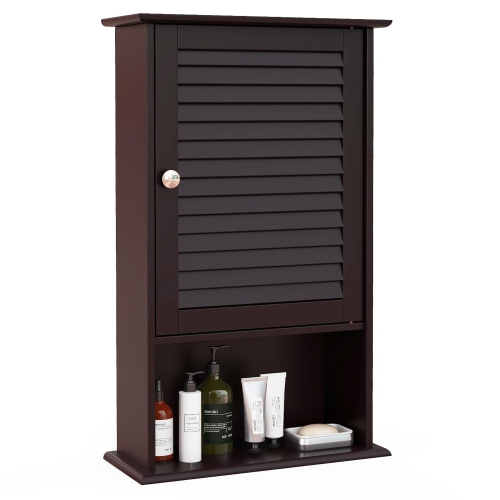
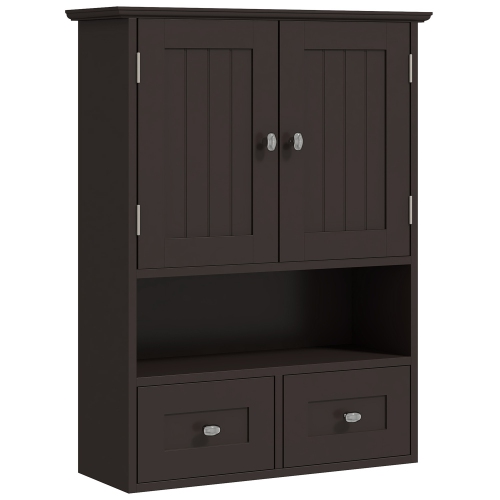
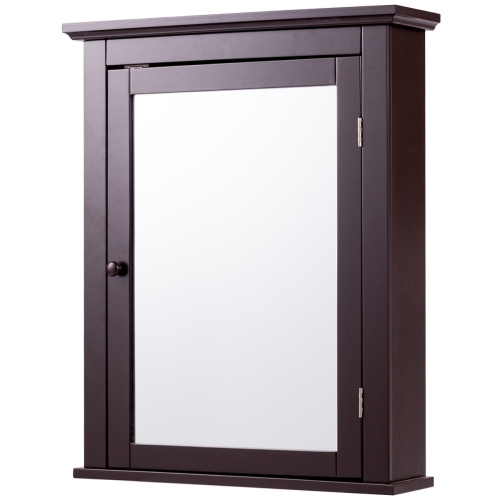
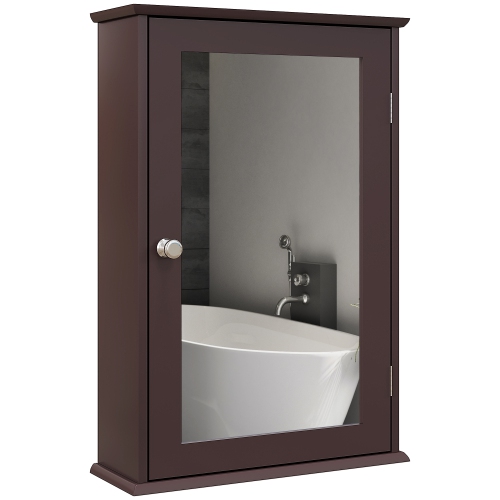
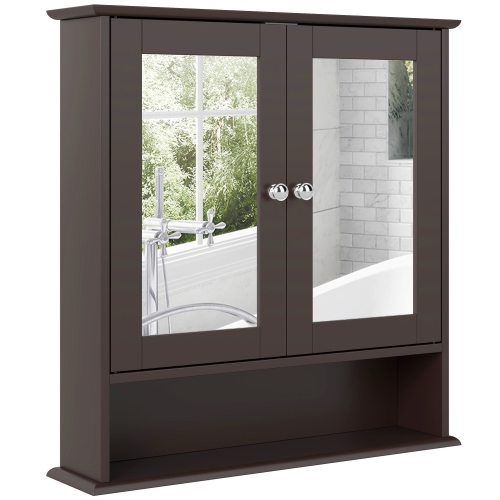


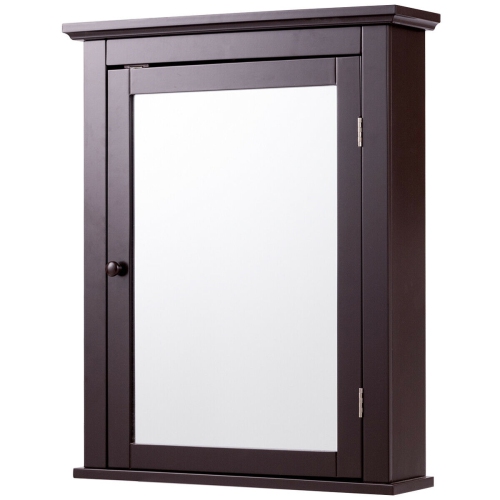
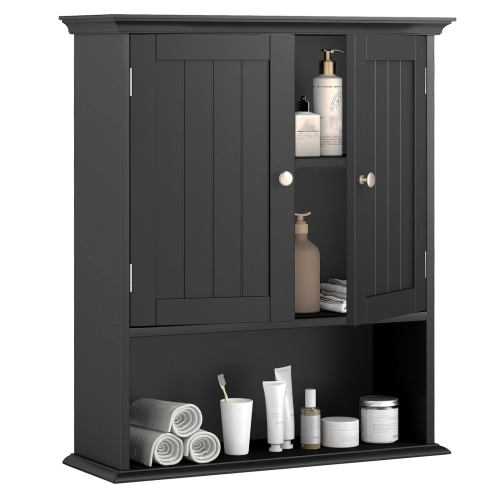
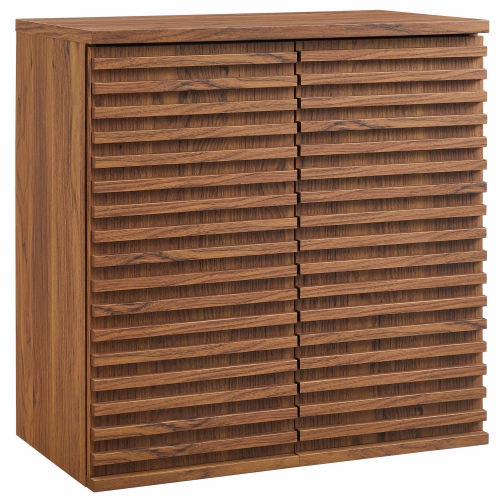
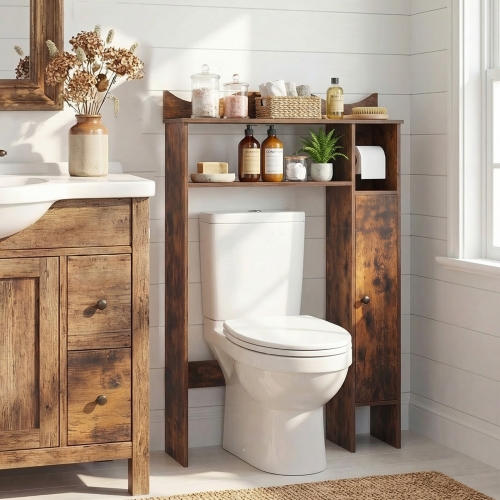
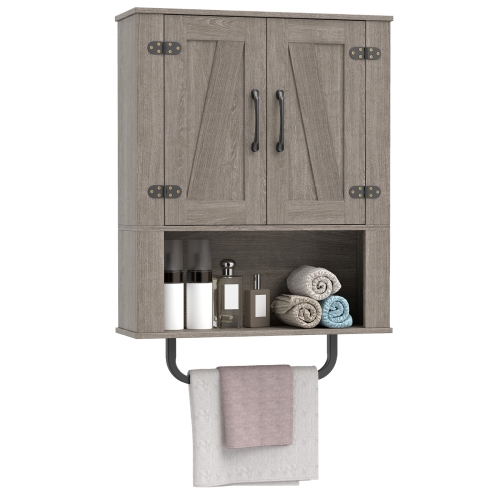
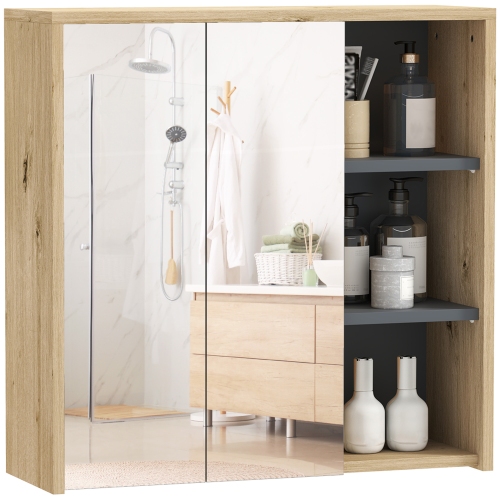
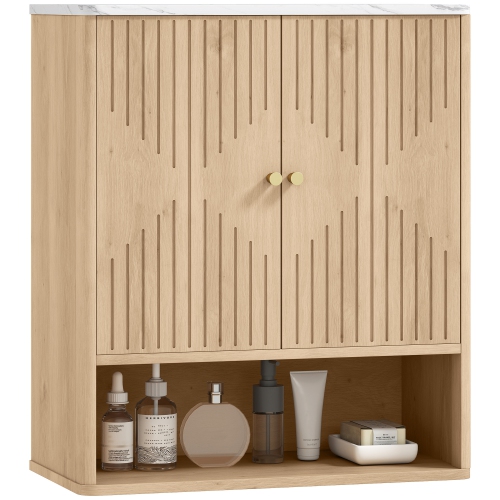

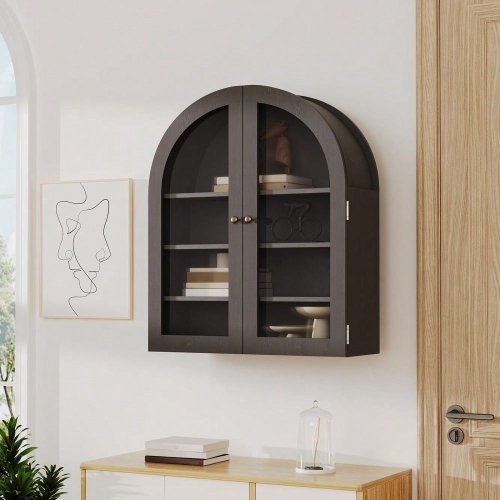
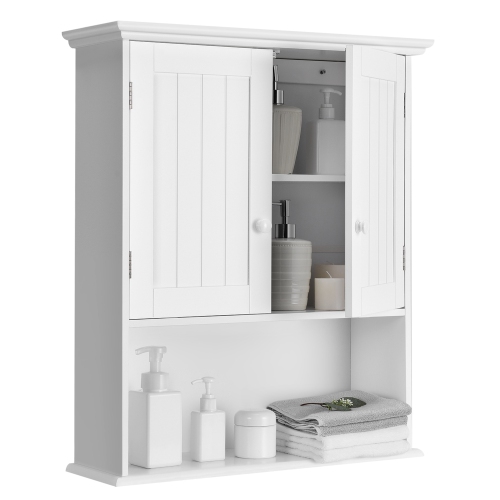
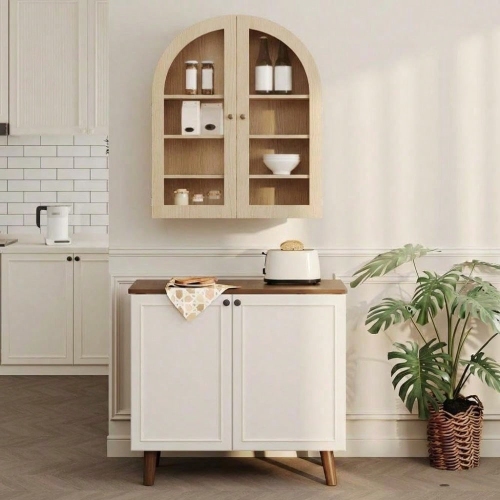
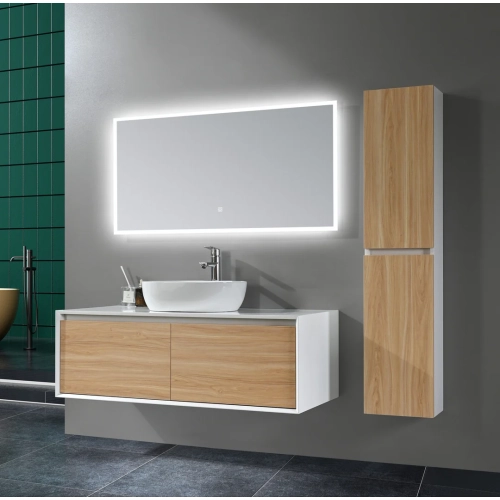
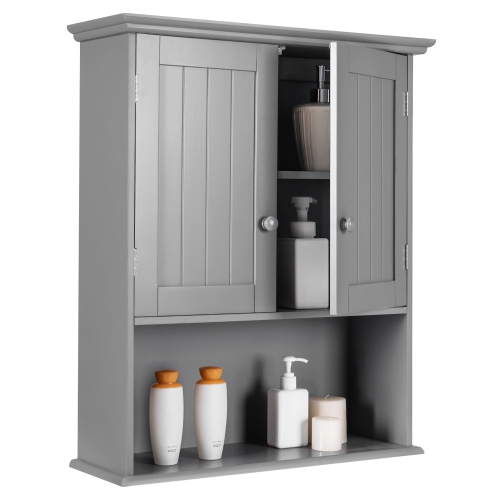
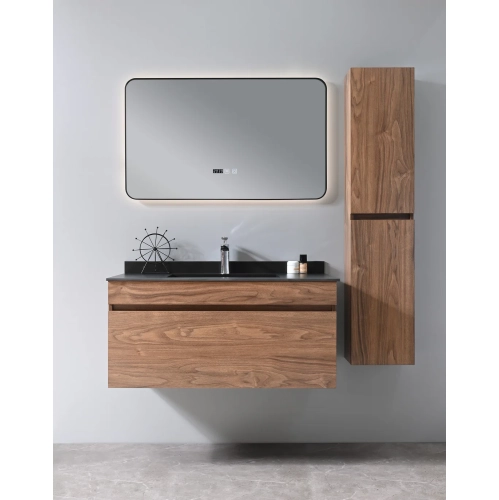
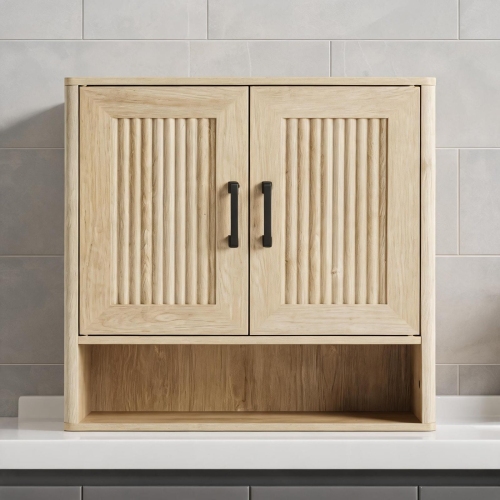
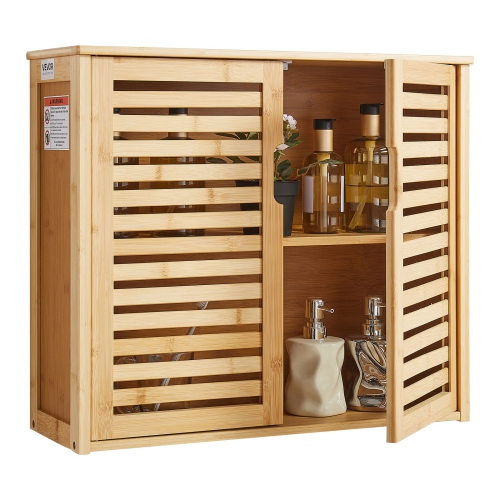
Warm finishes meet concealed storage that saves floor space
Brown bathroom wall cabinets bring a warm, furniture-like finish to a room often defined by tile, porcelain, and glass. Their appeal is practical as well as visual: enclosed storage keeps everyday toiletries close to the sink without leaving every bottle and spare tube on display. In a compact powder room, a shallow cabinet can provide space for extra soap and hand towels while leaving the floor clear. In a shared family bathroom, separate shelves can help organize grooming supplies so that smaller essentials do not disappear behind taller containers. Brown finishes range from pale, sandy wood tones to deep chocolate shades, with reddish, golden, or grey undertones that influence how the cabinet looks beside existing fixtures. A medium brown with visible grain can soften a room with white tile and chrome taps, while a darker finish can create a stronger contrast against a light wall. Matching every wood surface exactly is not always necessary; a similar undertone can connect the cabinet with a vanity, mirror frame, or door trim without making the room feel overly coordinated. Door style also changes the overall impression. Flat fronts offer a simple outline, framed doors add definition, and slatted details introduce texture, although any exposed grooves require a little more attention during cleaning. Mirrored doors may combine concealed storage with a useful reflective surface, depending on the layout. Hardware provides another point of connection, whether the bathroom has brushed metal handles, dark fittings, or warmer metallic accents. The most comfortable fit is a cabinet that relates to the scale of the room rather than dominating it. Above a toilet, that might mean a narrower profile with enough clearance below; beside a vanity, it may mean aligning the cabinet with nearby features while keeping its doors easy to reach and open. The brown finish should feel like part of the room, with its depth, grain, and sheen considered alongside the surfaces already in place.
Materials and construction matter in a bathroom because occasional splashes, steam, and frequent handling place different demands on cabinetry than storage in a hallway or bedroom. Solid wood brings natural grain variation, but its suitability still depends on the finish, joinery, and the manufacturer’s stated use. Engineered wood can provide a consistent surface, while veneers, laminates, and painted or stained finishes offer different appearances and care requirements. A wood-look surface is not necessarily solid wood, and a moisture-resistant panel is not the same as a waterproof cabinet. Sealed edges, neatly finished corners, and protected surfaces around handles are details worth noting, particularly near a basin where wet hands are common. Construction quality also shows in how doors sit within the frame, how hinges are attached, and whether shelves have a stated load capacity suited to their intended contents. Adjustable shelves can accommodate a tall lotion bottle on one level and shorter containers on another, reducing awkward gaps without forcing everything into a single row. Fixed shelves may suit a more predictable collection of essentials, such as folded washcloths and spare toiletries. Cabinet depth affects both capacity and visibility: deeper storage holds more, but small containers can become harder to spot at the back. Interior organizers can keep those supplies grouped, provided they leave enough room for the doors to close properly. Some designs include an open shelf beneath the doors, offering an accessible place for frequently used supplies while keeping the rest concealed. Where soft-close hinges are included, they can help reduce abrupt door movement, though correct adjustment still matters. For a busy household, surfaces that wipe clean easily and handles that are comfortable to grasp can make more difference than decorative detail alone. A cabinet used every morning needs to tolerate repeated opening, hold its contents securely, and remain straightforward to clean around shelf corners and door edges.
Wall-mounted storage also needs to work with the structure and movement of the room. Overall width and height are only part of the fit; door swing, cabinet depth, nearby light fittings, and access to taps or a toilet cistern all affect everyday use. A cabinet that looks well proportioned on an empty wall can feel intrusive if its door opens into a mirror or projects into a narrow route beside the basin. Positioning should allow comfortable access for the people using it, with frequently needed supplies within reach rather than stored on a shelf that requires stretching. Installation must follow the manufacturer’s instructions, using fasteners and wall support appropriate to the cabinet, its loaded weight, and the wall construction. Plumbing and electrical wiring behind the mounting area also need consideration before drilling. In a rental home, permission for wall mounting may be necessary. Once installed, care is usually simplest when splashes are wiped away promptly with a soft cloth and cleaning products are chosen to suit the finish. Abrasive pads, excess water around seams, and harsh cleaners can damage some surfaces, so the stated care directions take priority. Good bathroom ventilation helps limit lingering moisture, but it does not make cabinetry suitable for direct shower spray. Toiletries and cleaning supplies should be stored according to their labels, and an ordinary cabinet latch should not be treated as a child-resistant lock. Medicines may also need a different storage location if their instructions call for dry conditions. For a coordinated look beyond the bathroom, Brown Storage Cabinets offer a related direction for organizing other rooms, where storage requirements may differ. Within the bathroom, the strongest choice balances a pleasing brown finish with sensible proportions, suitable materials, and an interior arranged around daily routines. That balance keeps the cabinet useful as well as attractive, whether it serves one person’s morning essentials or the shared supplies of a busy household.
Top selling and popular products
-
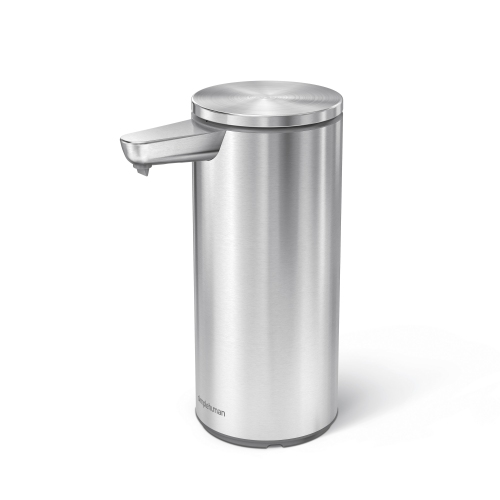 Your price for this item is $70
-
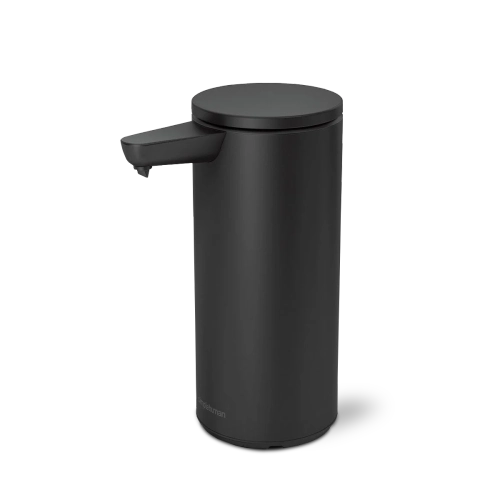 Your price for this item is $80
-
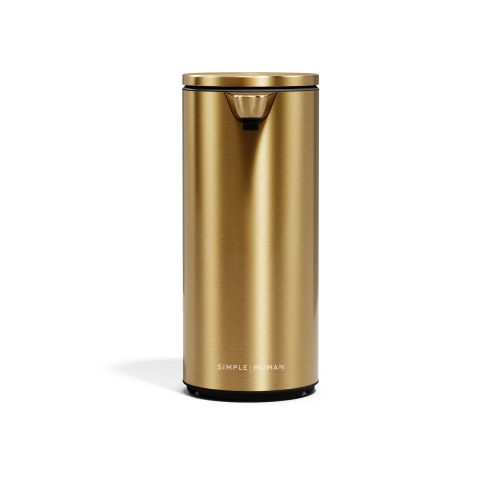 Your price for this item is $80
-
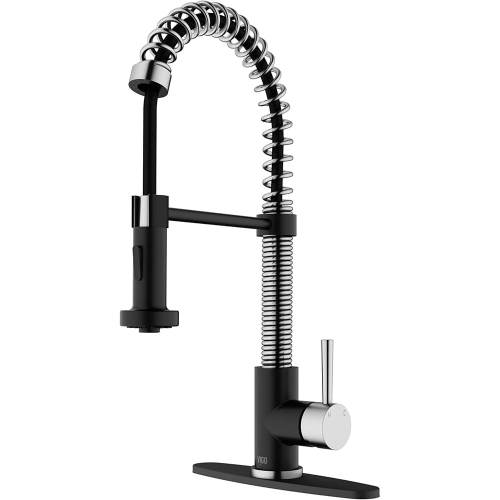 Your price for this item is $426.55
-
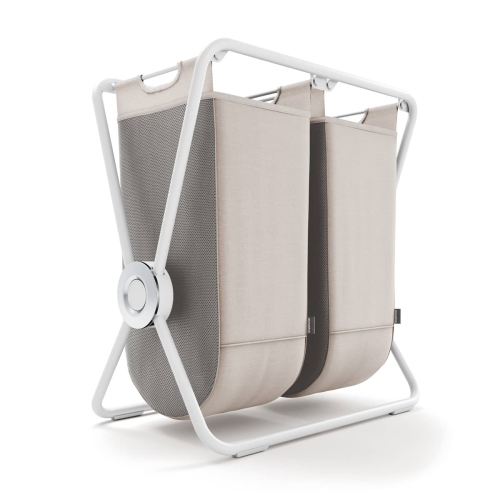 Your price for this item is $300
-
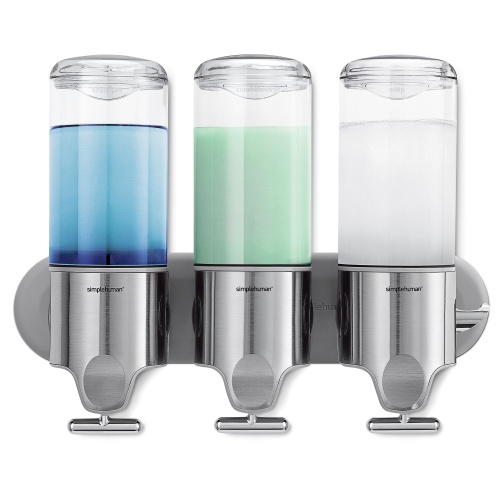 Your price for this item is $120
-
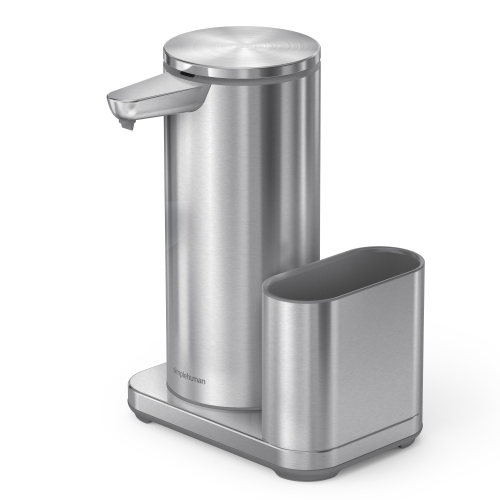 Your price for this item is $120
-
 Your price for this item is $135
Discover more categories related to Brown Bathroom Wall Cabinets

Top Collections:
Best Black Friday Deals This Year, Best Black Friday Deals On Electronics, Kindle Devices, Dyson Airwrap, Best Cameras for Sports Photography, Best Budget Office Chairs, Canon G7X Cameras, PS5 Pro Consoles, Best Black Friday Deals On Apple Products, XBOX One S Consoles
Some products may be subject to Environmental Handling Fees
(EHF) depending on your province.
Learn more about EHFs.