Bulk Dry Food Storage Containers
Bulk dry food storage containers offer a practical solution for keeping your pantry organized and your ingredients fresh. Perfect for storing everything from flour and rice to cereal and snacks, these containers are designed to help you maximize space and maintain order in your kitchen. Whether you’re stocking up for a busy household or simply want to streamline your meal prep, Bulk Dry Food Storage Containers make it easy to store large quantities of dry goods with confidence. Explore options that suit your needs and keep your favorite foods easily accessible.
Sort
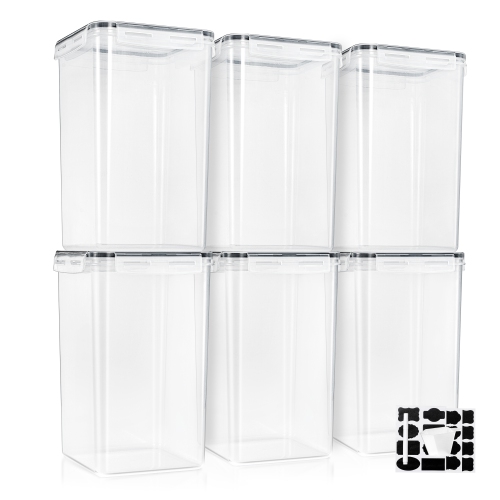
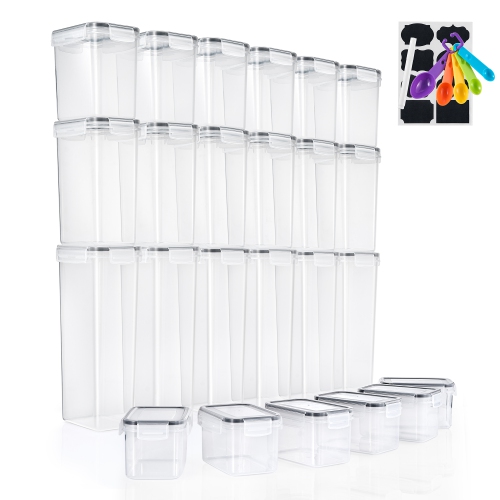
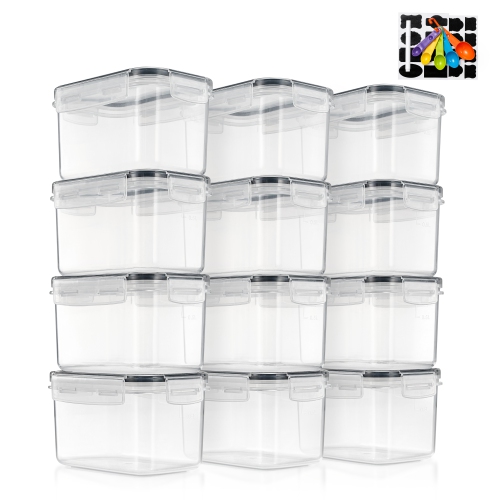
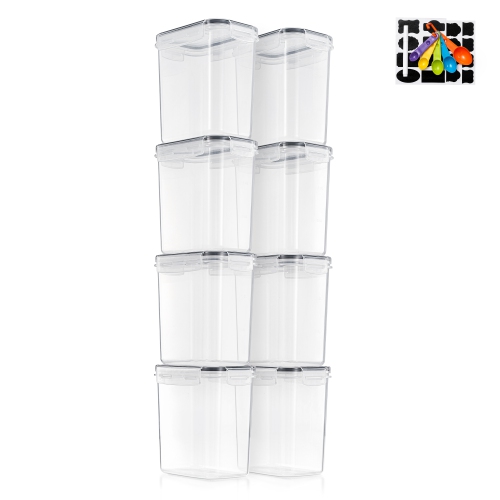
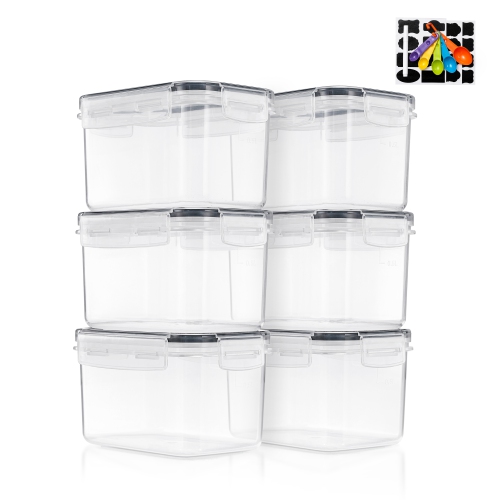
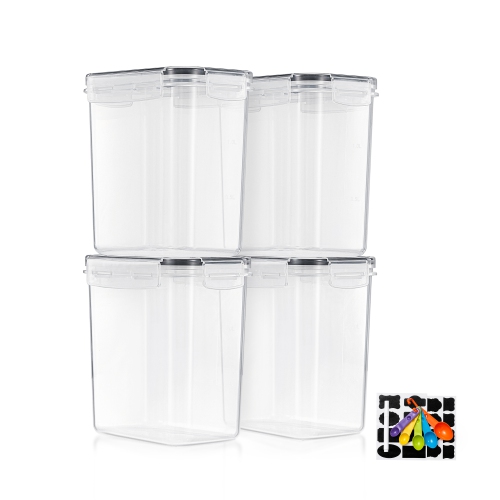
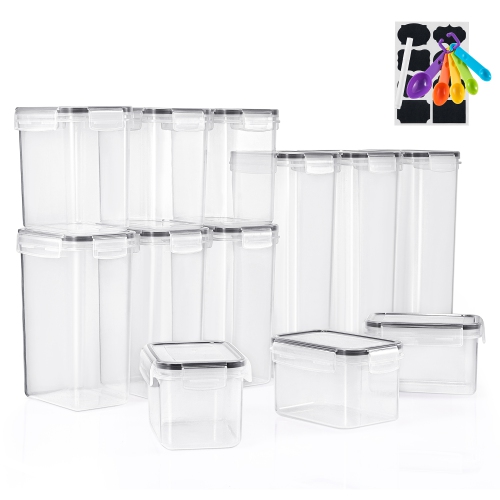
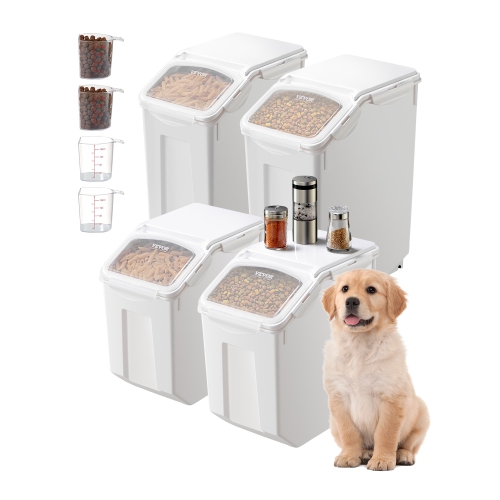
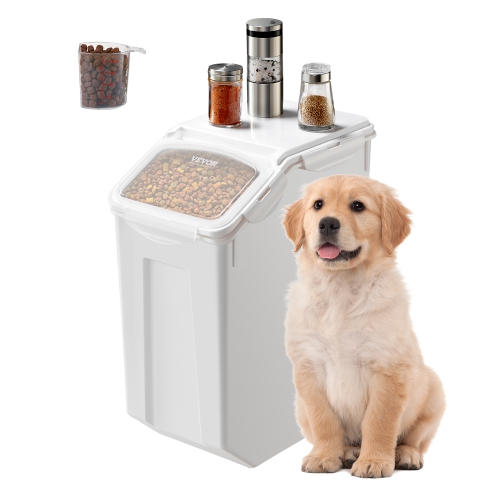

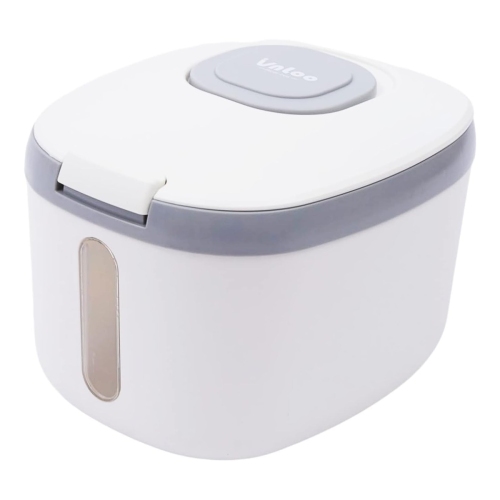
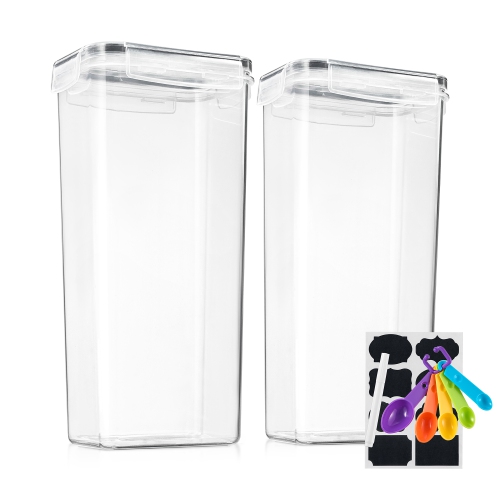

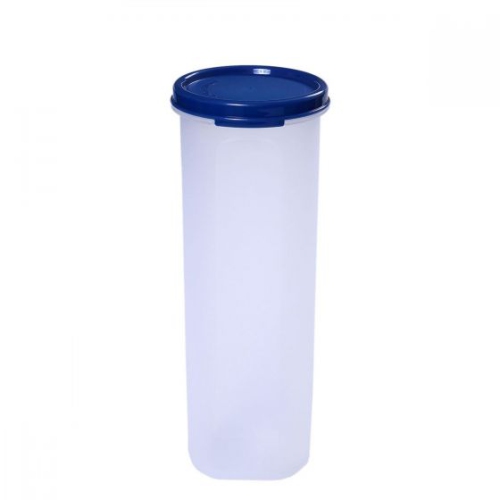

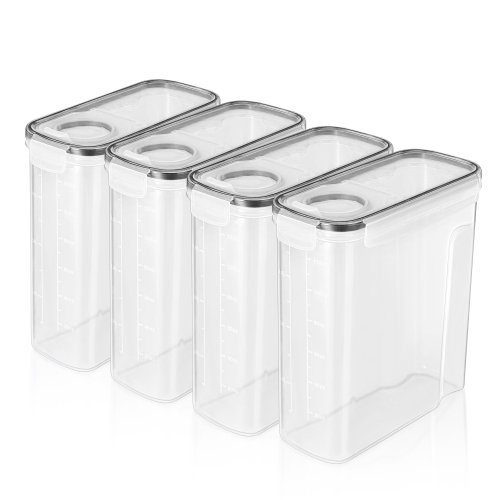
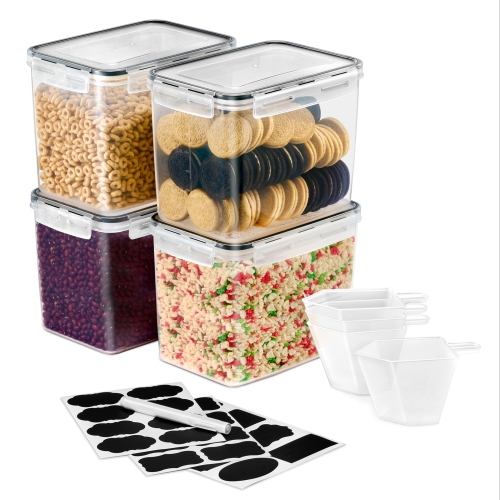
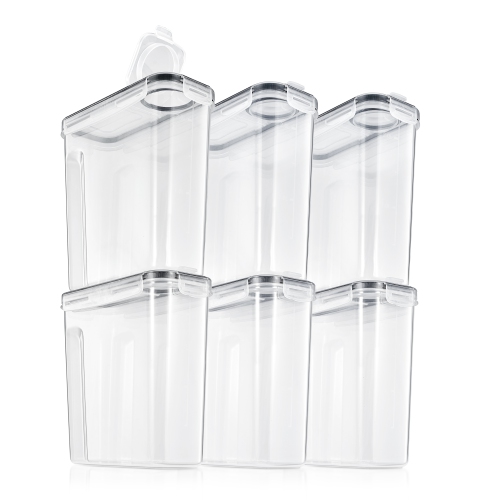
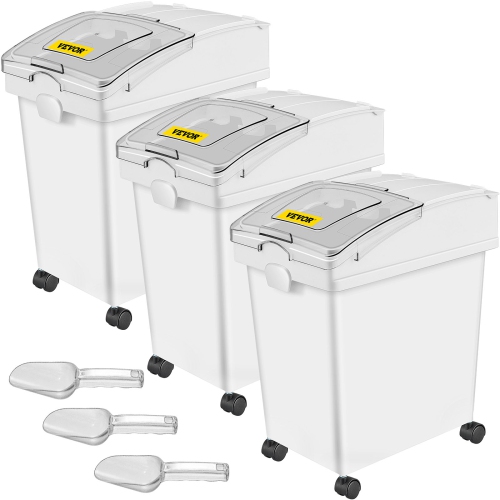
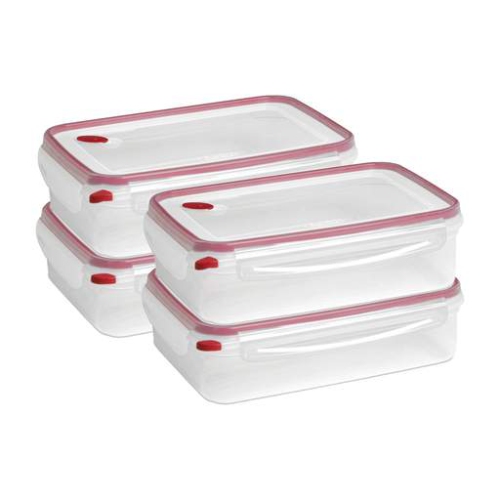
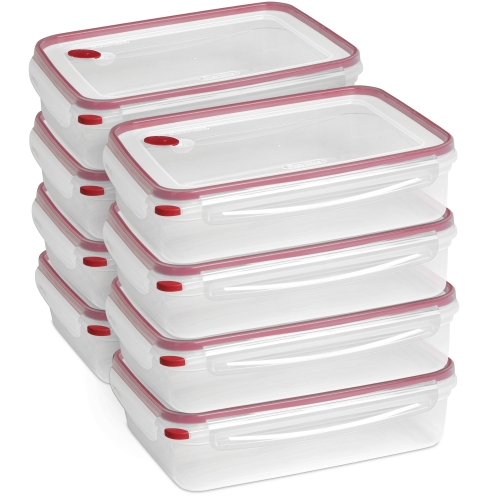
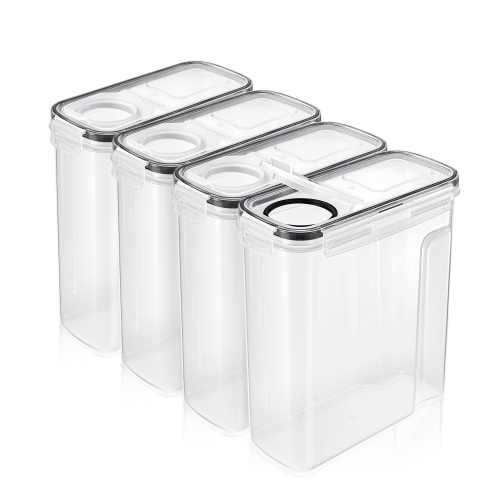
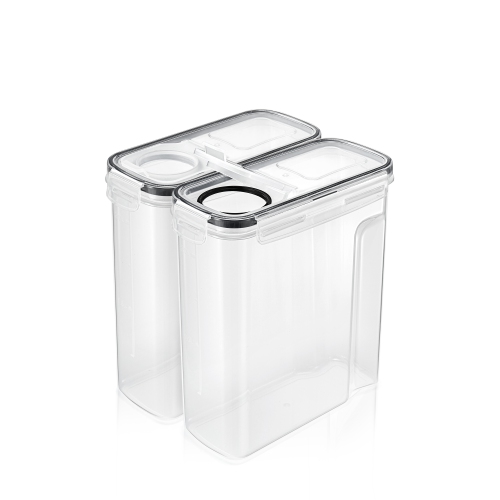
Pantry storage that balances capacity with easy access
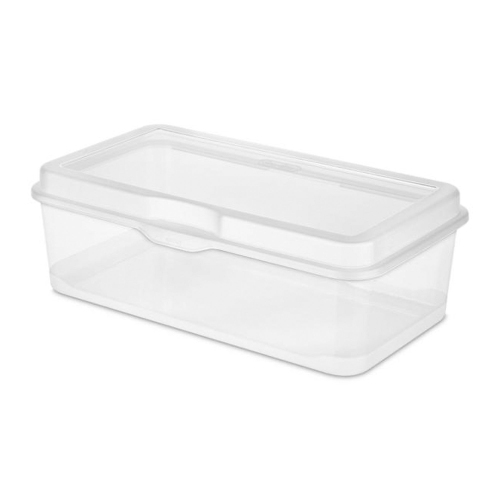
Bulk dry food storage containers give larger quantities of pantry staples a practical home, whether that means rice for family dinners, flour for regular baking, or oats portioned out for breakfast. Their main purpose is to keep dry ingredients contained, accessible, and protected from everyday exposure to moisture and spills. A well-fitting lid helps limit exposure to air and household odours, while a clear body or readable label makes similar-looking ingredients easier to distinguish. Capacity matters, but the most useful size depends on both the food and the space where it will sit. A kilogram of flour occupies a different volume from a kilogram of rice, so a container’s litre capacity does not translate into one fixed food weight. Formats around 2 to 5 litres can suit smaller quantities or ingredients used frequently, while larger formats of 10 litres or more may be practical for households that buy staples in bigger bags. Enough room above the contents makes scooping easier and helps prevent flour or grains from spilling across the shelf when the lid opens. Shape is equally important: square and rectangular containers can make efficient use of shelf space, while rounded interiors may be easier to wipe clean. Tall, narrow designs suit some cupboards, but a wide opening is often more convenient for reaching in with a measuring cup. The dimensions need to account for the lid, handles, and any space needed to open a hinged top, not just the base. A container that fits beneath a shelf but cannot be opened there may need to slide out for every use. Deep pantry shelves can work well with larger containers behind smaller daily-use portions, provided the heavier contents remain easy to reach. For keen bakers, busy families, and anyone managing several frequently used ingredients, bulk storage is most useful when capacity and access work together rather than when every container simply matches.
Material affects how bulk dry food containers feel in daily use, how much they weigh when full, and how they should be cleaned. Food-grade plastic is generally lighter than glass and can be easier to lift from a lower cupboard or carry between a pantry and a countertop. Clear plastic provides a quick view of the remaining contents, although repeated use, abrasive cleaning, and contact with strongly scented ingredients can leave marks or odours on some materials. Glass offers visibility and a non-porous surface, but its added weight deserves consideration when storing substantial quantities of grains or flour. It also needs protection from knocks, chips, and sudden temperature changes. Stainless steel provides an opaque alternative that blocks light from reaching the contents and can stand up well to regular handling, though labels become especially useful when the food is not visible. In every material, suitability for direct food contact matters more than appearance alone. For lightweight formats in a range of shapes, Bulk Plastic Storage Containers offer another way to explore storage options, with food-contact suitability remaining essential for anything that will hold unpackaged ingredients. Lid construction deserves the same attention as the container body. Gaskets, clips, screw threads, and press-on seals all work differently, and an airtight claim should come from the manufacturer rather than from how firmly a lid seems to close. A secure closure can help limit moisture entry, but no storage container replaces proper pantry hygiene or guarantees protection from pests. Durable hinges, firmly attached handles, and replaceable seals can matter with frequent opening and refilling. Care requirements also vary: some containers are dishwasher-safe, while lids or sealing rings may require handwashing. Removable gaskets make it easier to clean trapped flour and crumbs. Every part needs to be completely dry before dry food goes back inside, since moisture caught beneath a seal or in a corner can affect the contents.
The most comfortable bulk storage arrangement reflects how ingredients move through the kitchen. A wide-mouth container near the baking area can make measuring flour less awkward, while a smaller working container may be easier to handle than lifting the full supply each time. For rice, lentils, and dried beans, an opening that accommodates a scoop can be more useful than a narrow pouring spout. Spouts can work well for smaller, free-flowing ingredients, but their convenience depends on the size and shape of the food. Handles should feel secure under the filled weight, and stacked containers need stable bases and lids designed to support stacking; a flat-looking top does not necessarily mean it can safely carry another full container. Where children or several adults share pantry access, clear labels reduce confusion between ingredients such as plain flour and icing sugar. Keeping the original package information, including preparation directions, best-before dates, and allergen details, preserves information that would otherwise be lost during decanting. Containers help organize ingredients but do not extend shelf life beyond appropriate storage conditions or make an allergen-containing food safe for someone with an allergy. Separate scoops and thorough cleaning are important when ingredients must remain apart. A dry cupboard away from direct sunlight, steam, and appliance heat is generally a better setting than a shelf beside a kettle or hob. Cleaning between batches rather than repeatedly topping up old contents also helps keep residue from collecting at the bottom. Broad openings, smooth corners, and uncomplicated closures can make these routines easier to maintain. For someone setting up a first kitchen, sharing a home, or making more meals from pantry staples, a coordinated group of food-safe containers can be a useful housewarming gift when the sizes suit the available cupboards. The lasting value comes from practical details: contents that are easy to identify, lids that close reliably, surfaces that can be cleaned thoroughly, and proportions that make a full container manageable. Together, those details turn bulk quantities into an orderly pantry that supports everyday cooking without making access or upkeep more complicated.
Top selling and popular products
-
 Your price for this item is $698.99
-
 Your price for this item is $1146.99
-
 Your price for this item is $859.99
-
 Your price for this item is $296.99
-
 Your price for this item is $244.99
-
 Your price for this item is $573.99
-
 Your price for this item is $178.99
-
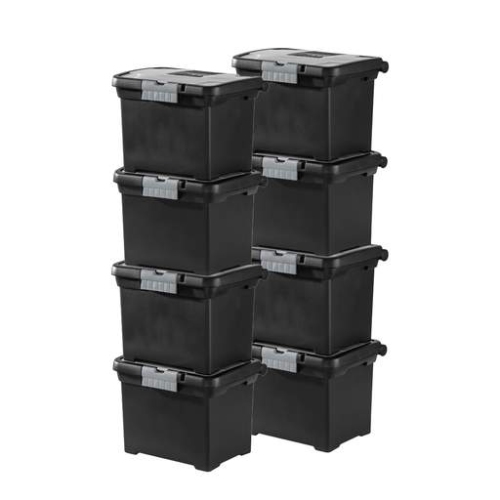 Your price for this item is $348.99
Discover more categories related to Bulk Dry Food Storage Containers
Top Collections:
Best Black Friday Deals This Year, Best Black Friday Deals On Electronics, Kindle Devices, Pokemon Centers, Best Black Friday Deals On Apple Products, Best Cameras for Sports Photography, Dyson Airwrap, Pokémon 30th Celebration Cards, Apple iPhone 17 Pro, Canon G7X Cameras
Some products may be subject to Environmental Handling Fees
(EHF) depending on your province.
Learn more about EHFs.