Butcher Block Counters
Transform your kitchen into a culinary masterpiece with our selection of butcher block counters. Crafted from high-quality materials, these counters offer a perfect blend of functionality and style for your cooking space. Whether you're a seasoned chef or a home cook, our butcher block counters provide a durable surface for meal prep while adding a touch of warmth to your kitchen decor. Explore our range of options to find the perfect butcher block counters to elevate your cooking experience.
Sort
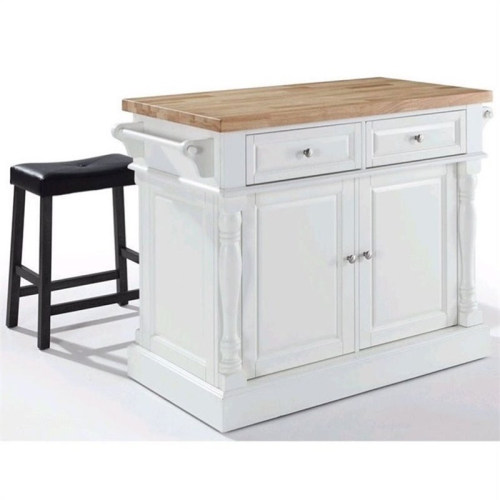
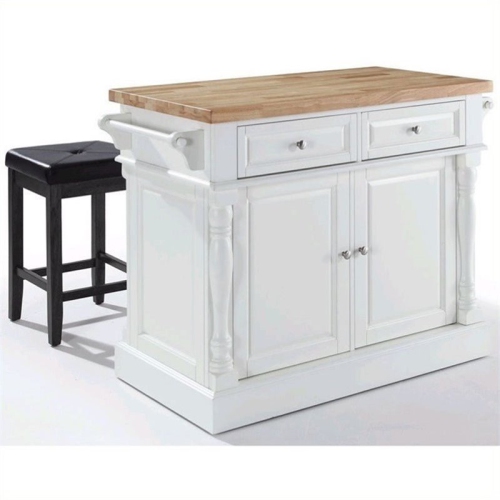
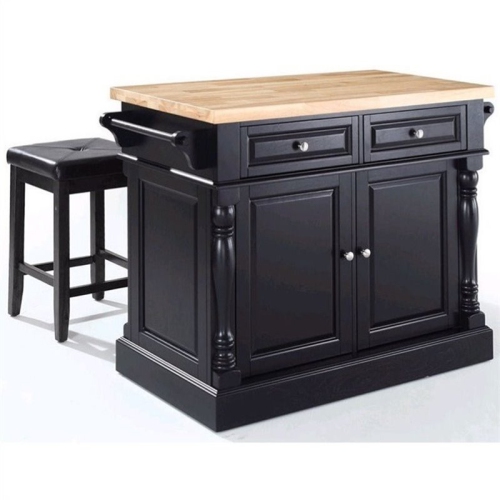
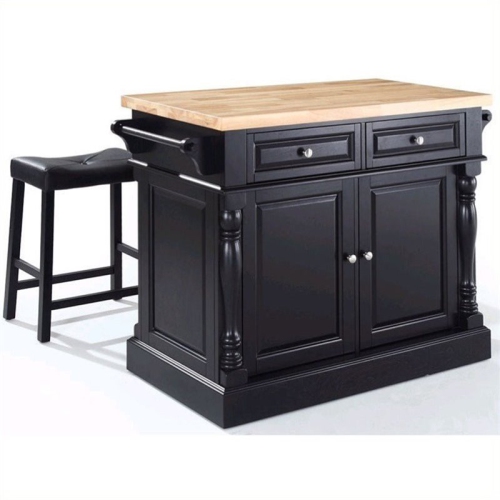
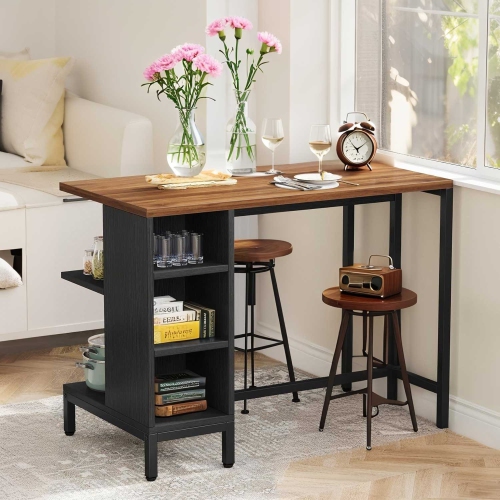
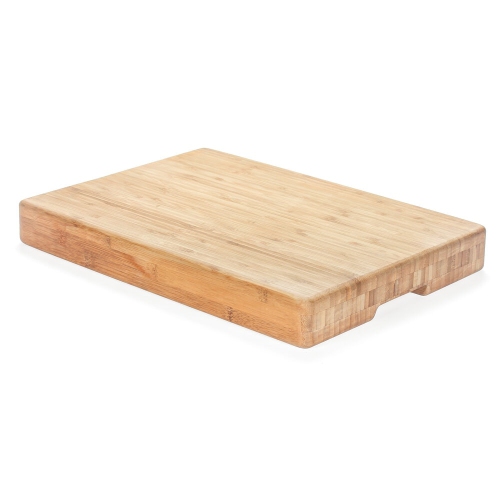
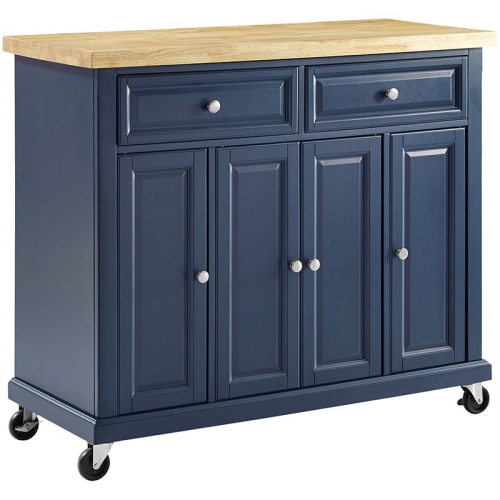
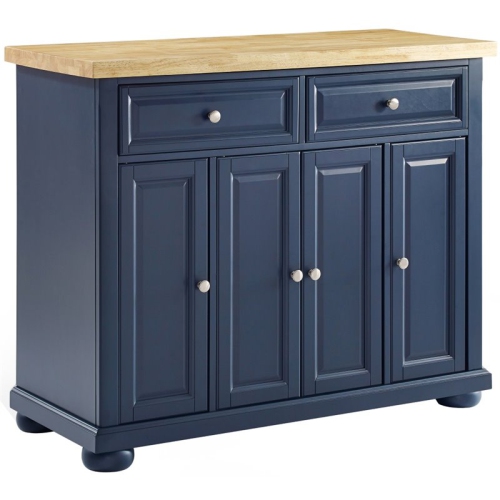
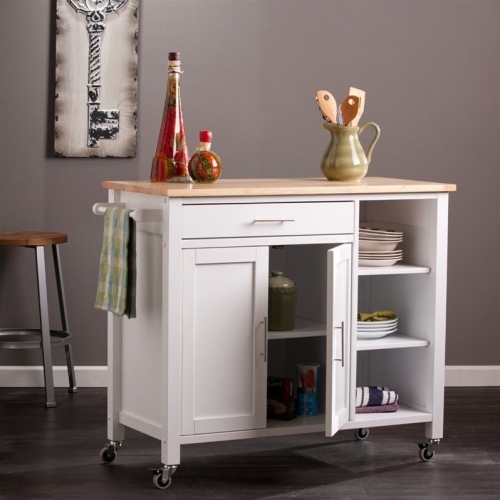
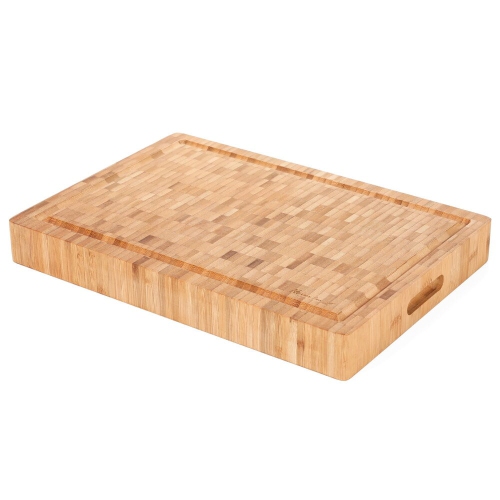
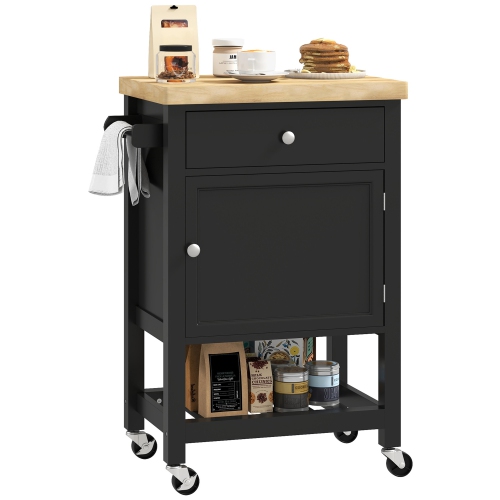
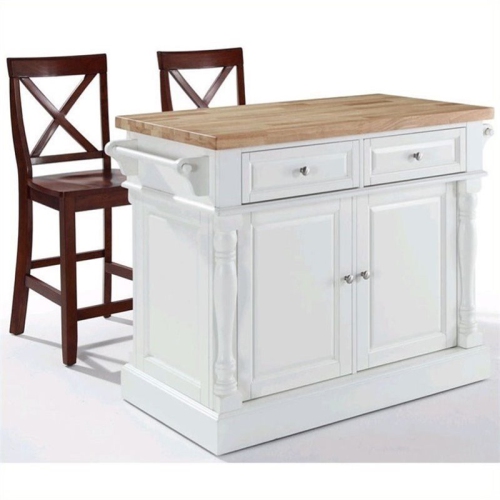
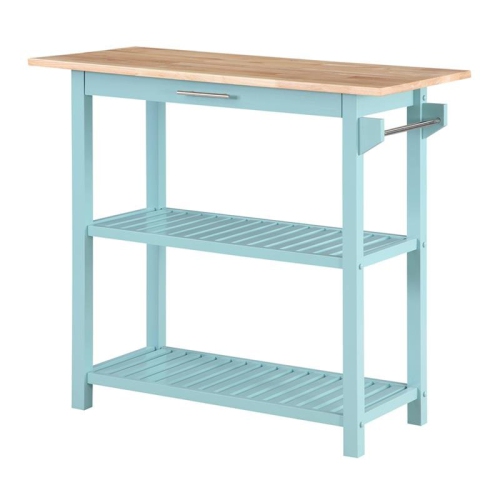

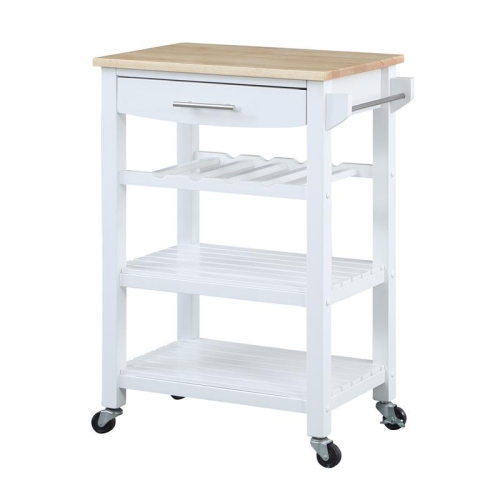

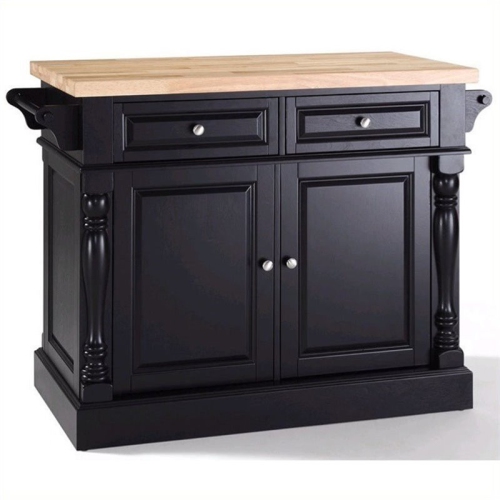
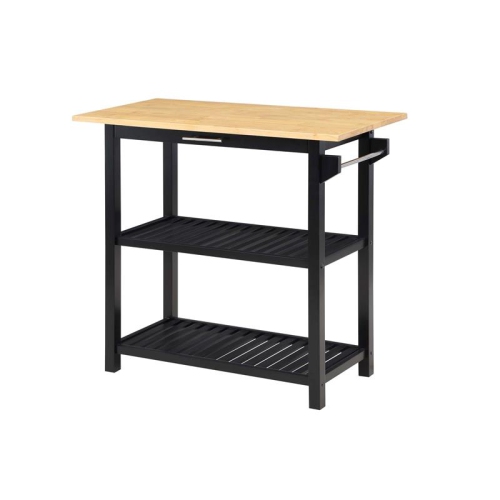

How wood species, grain and finish shape your counter
Butcher block counters bring the warmth and character of real wood to a kitchen, pantry, island, laundry room or workshop. Made by joining individual wood strips or blocks, they create a tactile surface with natural variation that can soften a modern space or complement a more traditional design. Unlike uniform laminate, every section has its own grain pattern, knots and tonal details, so the finished counter feels personal rather than mass-produced. The right choice depends on how the surface will be used, the look you want to create and the amount of care you are comfortable providing. A counter surrounding a sink has different needs from a dry island used for serving, while a dedicated food preparation area needs a finish suited to direct contact with ingredients. Butcher block counters can be used as a complete worktop, a statement island surface, a breakfast bar or a practical accent in a home renovation. They are also useful for refreshing a tired kitchen without replacing every cabinet, particularly when a warm wood surface can add contrast to painted doors, stainless steel appliances or cool-toned tile. Before choosing, measure the installation area carefully and account for cabinet depth, wall clearances, cutouts, overhangs and the placement of sinks, cooktops and outlets. Consider how the colour will work with the rest of the room as well: pale woods can help a compact kitchen feel open and airy, while deeper brown tones can give a large island a grounded, furniture-like presence. For related ideas in a coordinated space, explore Butcher Block Furniture.
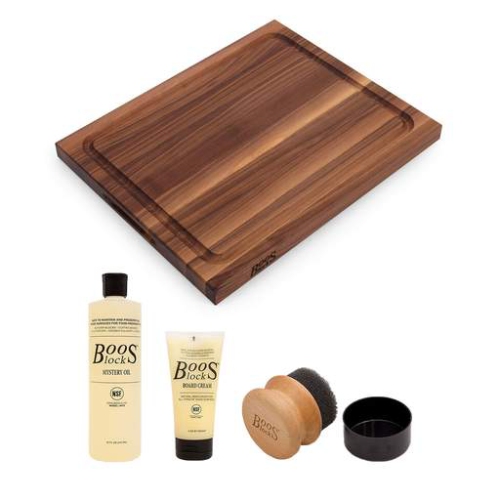
Wood species and grain construction have a noticeable effect on appearance, strength and everyday performance. Maple is a popular choice for food preparation areas because its pale cream colour and dense structure create a bright, hardworking surface. Walnut has a richer brown tone and a refined, straight-grain appearance that suits statement islands and kitchens with darker cabinetry. Acacia often shows dramatic variation, with golden, medium-brown and deeper shades appearing across the same surface, making it a natural fit for spaces that benefit from visual texture. Birch and hevea offer lighter looks and dependable performance for projects where a softer colour palette or approachable finish is preferred. Grain direction matters just as much as species. Edge-grain construction places long strips on their edges, creating a clean linear pattern with good structural stability and an appearance that works well across a broad range of kitchen styles. End-grain construction joins small blocks with the ends facing upward, producing a distinctive checkerboard effect and a surface that is well suited to demanding chopping. Face-grain construction lays the wood strips flat, allowing the natural grain to take centre stage; it can be especially attractive on a decorative island or serving counter, although it is generally more susceptible to dents and knife marks than end grain. Think about whether the surface should look like a traditional workbench, a polished piece of furniture or a calm backdrop for food presentation. These counters are a practical choice for homeowners planning a kitchen update, landlords preparing a rental refresh, hosts who want a generous serving area and home cooks who appreciate having room to roll pastry, arrange ingredients or set out a meal. They may also make a thoughtful housewarming gift when selected as part of a larger renovation plan, provided the recipient’s measurements, design preferences and installation requirements are known.
Proper preparation and maintenance help butcher block counters stay attractive through daily cooking. First determine whether the surface will be used as a cutting area or as a conventional countertop. For direct food preparation, use a food-safe penetrating finish designed for that purpose, and follow the finish manufacturer’s directions for initial application and reapplication. Oil-finished surfaces commonly need regular nourishment, especially in dry indoor conditions or after frequent washing. If the counter will not be cut on, a more protective film-forming finish may be appropriate, particularly near a sink where splashes and standing water are more likely. Never assume that an untreated or decoratively finished counter is ready for direct food contact. Wipe spills promptly with a damp cloth and mild dish soap, dry the surface afterwards and avoid soaking the wood. Harsh chemicals, abrasive cleaners and bleach can affect the finish and may leave the surface dull or uneven. Use trivets beneath hot cookware, cutting boards when appropriate and mats beneath appliances that could trap moisture. Small scratches and marks can often be addressed as part of routine refinishing, but deep damage, extensive staining or changes around plumbing should be assessed before attempting repairs. Installation also deserves careful attention because wood naturally expands and contracts as indoor humidity changes during the cooler months and through heating season. Counters should be secured in a way that allows this movement rather than being rigidly glued across the cabinets; appropriate fasteners, expansion slots and room for movement help reduce stress, splitting and buckling. Pay particular attention to exposed edges, sink cutouts and joins, where water can enter if the finish is incomplete. With suitable construction, a compatible finish, thoughtful installation and simple daily care, butcher block counters can provide a comfortable, welcoming work surface that develops character as the kitchen becomes part of everyday life.
Wood species and grain construction have a noticeable effect on appearance, strength and everyday performance. Maple is a popular choice for food preparation areas because its pale cream colour and dense structure create a bright, hardworking surface. Walnut has a richer brown tone and a refined, straight-grain appearance that suits statement islands and kitchens with darker cabinetry. Acacia often shows dramatic variation, with golden, medium-brown and deeper shades appearing across the same surface, making it a natural fit for spaces that benefit from visual texture. Birch and hevea offer lighter looks and dependable performance for projects where a softer colour palette or approachable finish is preferred. Grain direction matters just as much as species. Edge-grain construction places long strips on their edges, creating a clean linear pattern with good structural stability and an appearance that works well across a broad range of kitchen styles. End-grain construction joins small blocks with the ends facing upward, producing a distinctive checkerboard effect and a surface that is well suited to demanding chopping. Face-grain construction lays the wood strips flat, allowing the natural grain to take centre stage; it can be especially attractive on a decorative island or serving counter, although it is generally more susceptible to dents and knife marks than end grain. Think about whether the surface should look like a traditional workbench, a polished piece of furniture or a calm backdrop for food presentation. These counters are a practical choice for homeowners planning a kitchen update, landlords preparing a rental refresh, hosts who want a generous serving area and home cooks who appreciate having room to roll pastry, arrange ingredients or set out a meal. They may also make a thoughtful housewarming gift when selected as part of a larger renovation plan, provided the recipient’s measurements, design preferences and installation requirements are known.
Proper preparation and maintenance help butcher block counters stay attractive through daily cooking. First determine whether the surface will be used as a cutting area or as a conventional countertop. For direct food preparation, use a food-safe penetrating finish designed for that purpose, and follow the finish manufacturer’s directions for initial application and reapplication. Oil-finished surfaces commonly need regular nourishment, especially in dry indoor conditions or after frequent washing. If the counter will not be cut on, a more protective film-forming finish may be appropriate, particularly near a sink where splashes and standing water are more likely. Never assume that an untreated or decoratively finished counter is ready for direct food contact. Wipe spills promptly with a damp cloth and mild dish soap, dry the surface afterwards and avoid soaking the wood. Harsh chemicals, abrasive cleaners and bleach can affect the finish and may leave the surface dull or uneven. Use trivets beneath hot cookware, cutting boards when appropriate and mats beneath appliances that could trap moisture. Small scratches and marks can often be addressed as part of routine refinishing, but deep damage, extensive staining or changes around plumbing should be assessed before attempting repairs. Installation also deserves careful attention because wood naturally expands and contracts as indoor humidity changes during the cooler months and through heating season. Counters should be secured in a way that allows this movement rather than being rigidly glued across the cabinets; appropriate fasteners, expansion slots and room for movement help reduce stress, splitting and buckling. Pay particular attention to exposed edges, sink cutouts and joins, where water can enter if the finish is incomplete. With suitable construction, a compatible finish, thoughtful installation and simple daily care, butcher block counters can provide a comfortable, welcoming work surface that develops character as the kitchen becomes part of everyday life.
Top selling and popular products
-
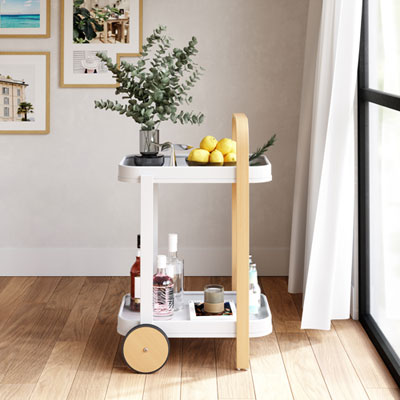 Your price for this item is $169.98
 -
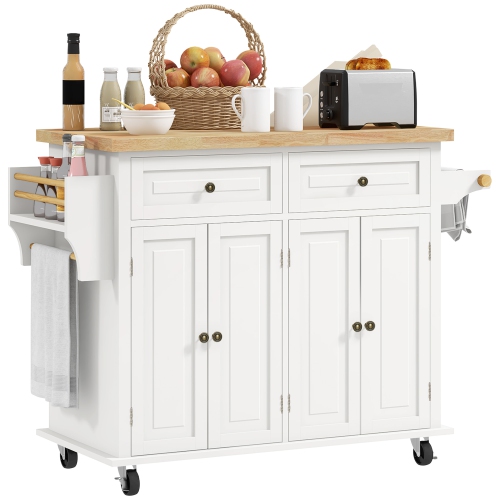 Your price for this item is $219.99
 -
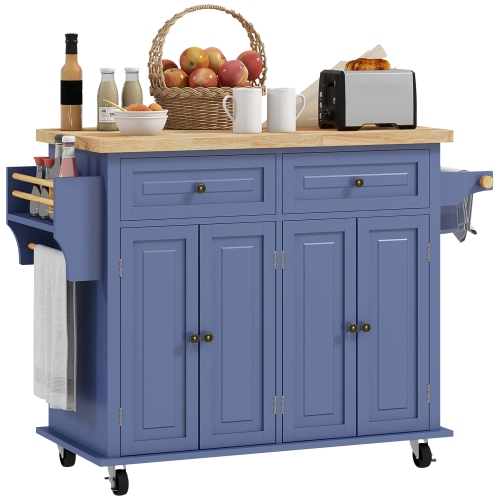 Your price for this item is $219.99
 -
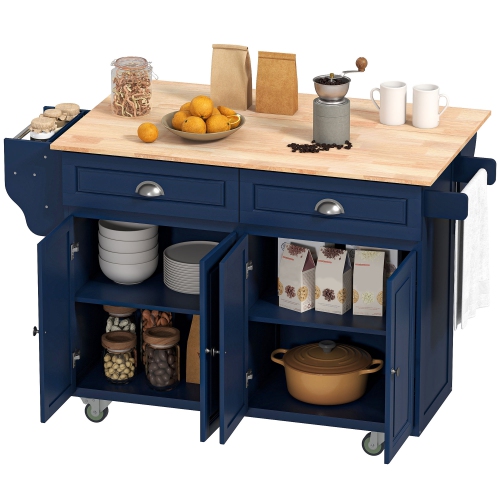 Your price for this item is $359.99
 -
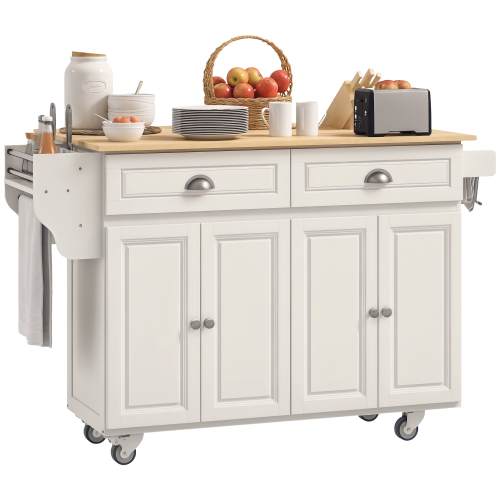 Your price for this item is $360.49
 -
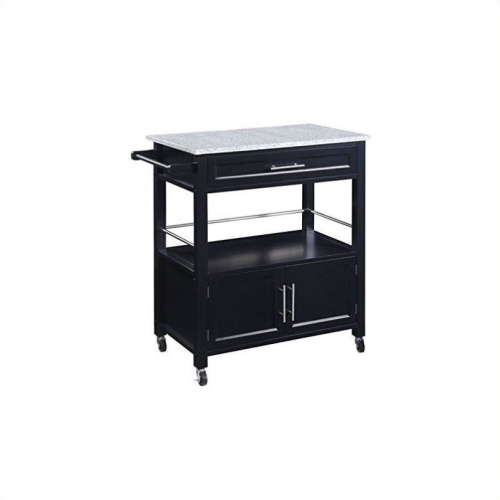 Your price for this item is $485.85
 -
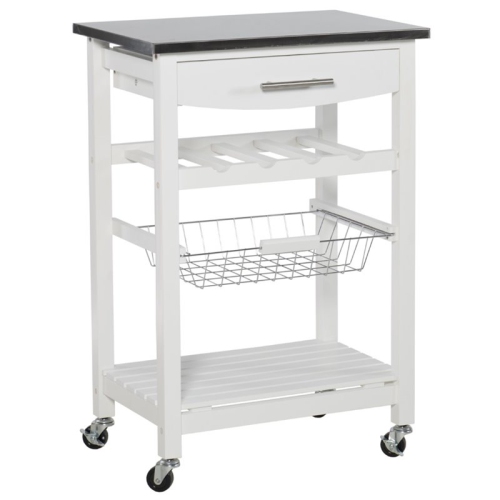 Your price for this item is $304.93
 -
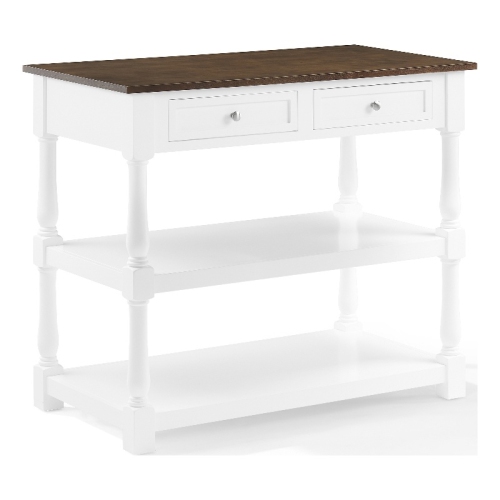 Your price for this item is $694.97
Discover more categories related to Butcher Block Counters
Top Collections:
Pokemon Centers, Budget 4K TVs, Kindle Devices, Canon G7X Cameras, Apple iPhones 16, iPhone 15 Apple, Laptops for Business Work, Flip Phones, Xiaomi Phones, Refurbished Apple Laptops
Some products may be subject to Environmental Handling Fees
(EHF) depending on your province.
Learn more about EHFs.