Bypass Pruning Shears
Looking to effortlessly trim and shape your garden? Look no further than our selection of bypass pruning shears. These essential tools are designed to make pruning and cutting branches a breeze. With their sharp blades and ergonomic handles, you can easily tackle any gardening task with precision and ease. Whether you're a seasoned gardener or just starting, our range of bypass pruning shears is sure to provide the perfect tool for your needs. Say goodbye to tangled branches and hello to a beautifully manicured garden with these must-have shears.
Sort


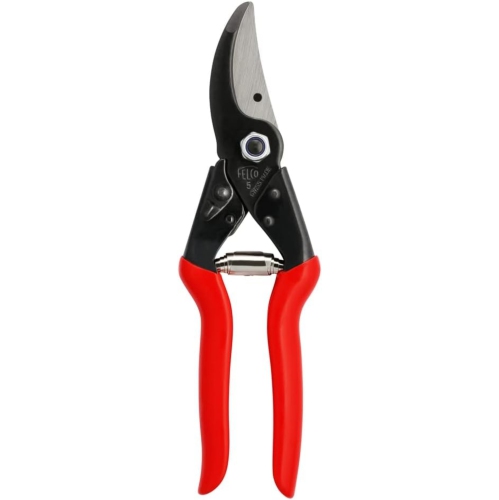
Why clean cuts matter for living stems
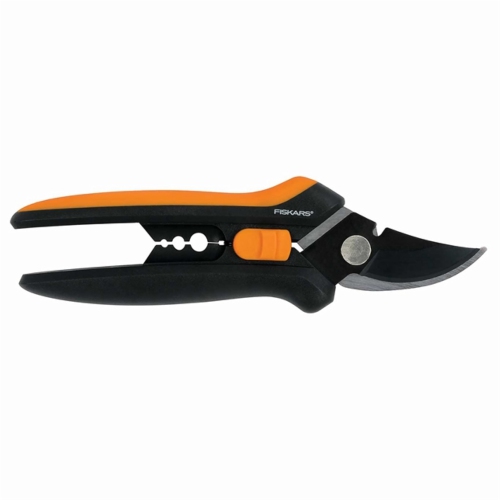
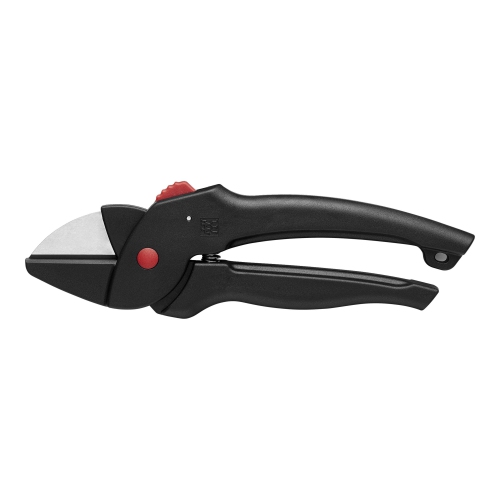
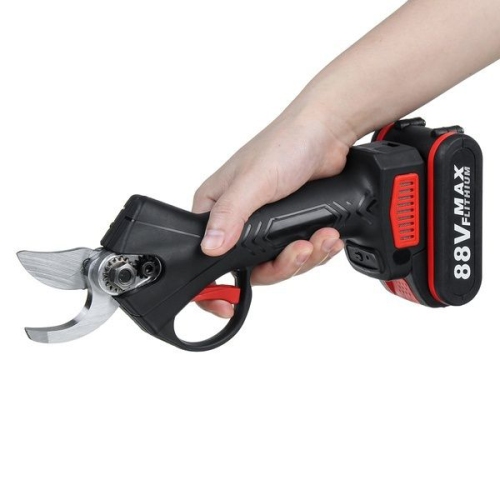
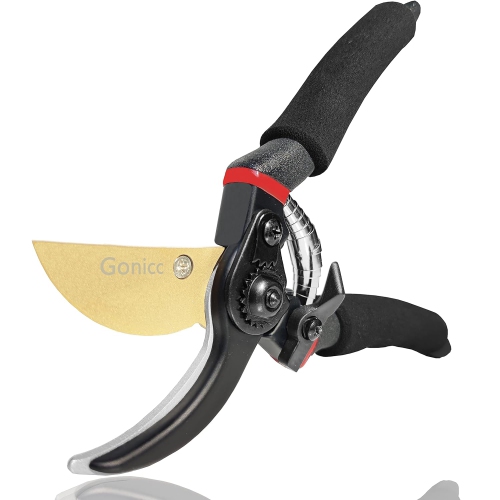
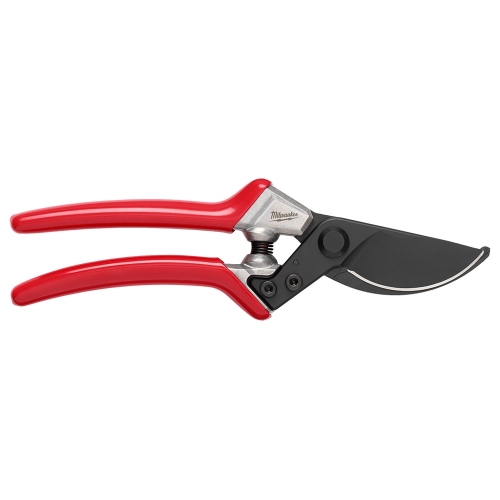
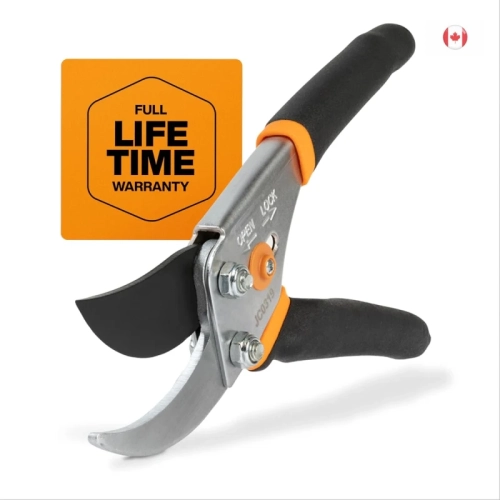
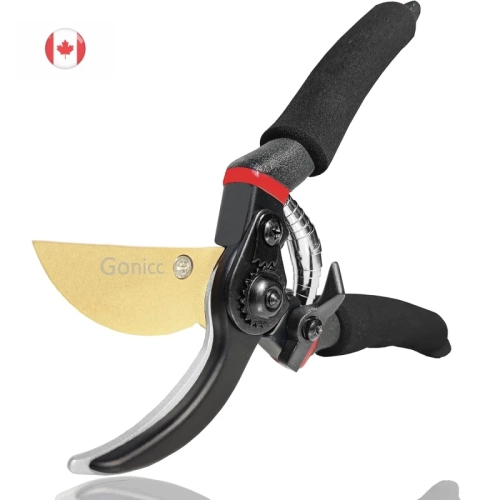
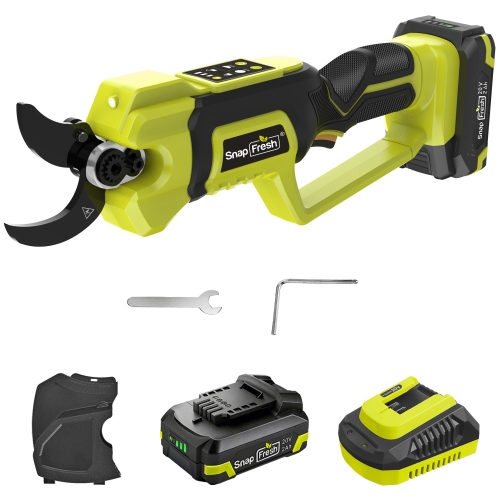
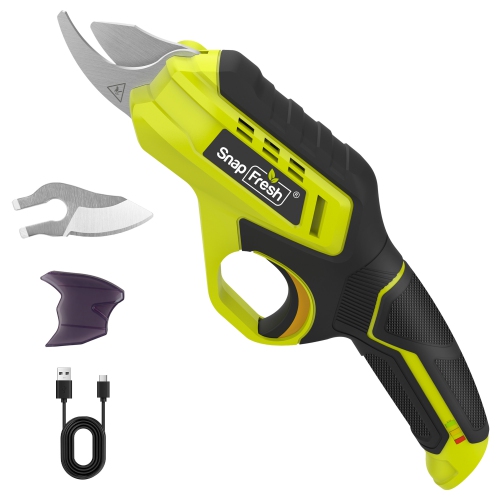
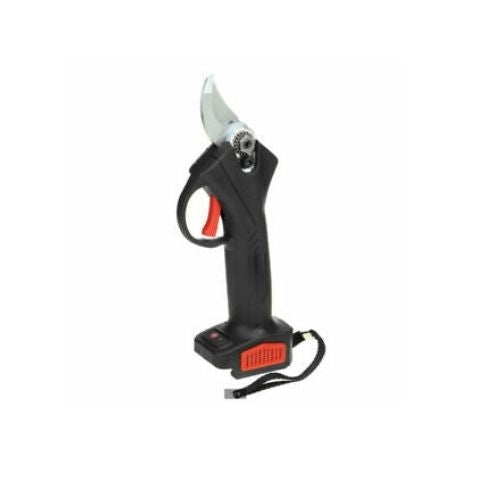
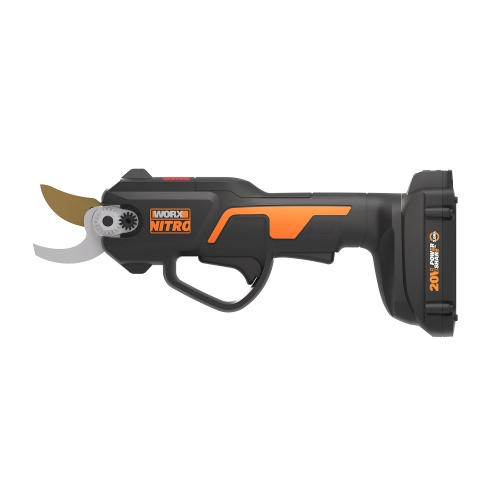
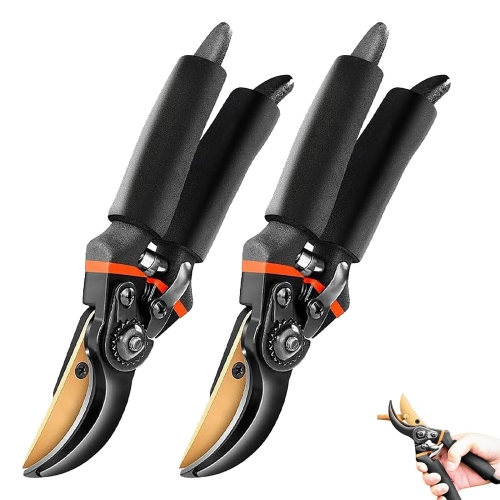
Bypass pruning shears are handheld cutting tools with a sharpened blade that slides past a curved counterblade, creating a scissor-like action for clean, controlled cuts on living stems. This design makes them useful for trimming flowers, tending rose bushes, shaping small shrubs, and removing unwanted shoots from young trees. Rather than pressing a stem against a flat surface, as anvil pruners do, bypass pruners slice past a supporting edge to limit crushing when the blades are sharp and properly aligned. That distinction matters when clipping a soft flower stem for a vase or shortening a healthy shoot just above a bud: a smooth cut leaves less torn tissue than a ragged, squeezed edge. Cutting capacity varies by design, with many hand pruners suited to stems around 1/2 to 3/4 inch thick and some rated for branches up to 1 inch. The stated capacity is a limit rather than a promise that every branch of that size will be easy to cut; wood hardness, blade condition, and hand strength all affect the effort required. For everyday plant care, bypass secateurs offer a useful balance of precision and leverage without the bulk of longer-handled tools. A narrow cutting head can reach between crowded stems, while a more substantial curved jaw helps hold a small branch in place as the handles close. They suit gardeners working with containers, raised beds, ornamental shrubs, and manageable fruit-tree shoots, as well as anyone maintaining a collection of houseplants with firm stems. For very fine growth, small pruning snips may offer greater control. Thick, dry, or hard branches call for a tool designed for that task rather than extra force on a bypass blade. Broader branch-maintenance needs may also overlap with tree pruning shears, with the appropriate choice depending on branch diameter, reach, and whether the growth is living or dead.
Blade material, handle shape, and the way the tool opens and closes all influence how bypass pruning shears feel in regular use. Hardened carbon steel can hold a keen cutting edge but needs careful drying and light oiling to help prevent rust. Stainless steel generally offers greater resistance to corrosion, although it still benefits from cleaning, dry storage, and occasional sharpening. Steel quality and heat treatment matter alongside the material name, particularly when a tool is used repeatedly on woody stems. Some blades have a low-friction coating intended to reduce drag and sap buildup; these surfaces still need cleaning, and abrasive treatment can damage the finish. A sap groove can help direct sticky residue away from the contact area, though it does not remove the need to wipe the blades. Fit is just as important as the cutting edge. Handles that spread too far apart can be awkward for smaller hands, while a compact pair may feel cramped for someone with larger hands or gardening gloves. An adjustable opening can make it easier to take shorter, more comfortable squeezes when working through a handful of thin shoots. Shaped grips and cushioning may reduce pressure points, but a thick padded handle is not automatically the best fit for every user. A spring that reopens the handles smoothly saves the repeated effort of pulling them apart, and a reachable locking catch helps keep the blades closed between tasks. For someone clipping several stems at a time, a balanced tool that sits securely in the palm may be more comfortable than one chosen by weight alone. Left-handed users may prefer a design made for their grip, since blade orientation and lock placement can affect visibility and control. Durable construction also includes a stable pivot, minimal sideways blade movement, and handles that do not flex noticeably under normal cutting pressure. Replaceable blades, springs, or catches can make a well-used pair easier to maintain over time.
The value of a good pair of bypass pruners becomes clear in small, repeated tasks: collecting herbs with woody stems, tidying a rose bush, or removing a damaged shoot without disturbing the healthy growth beside it. Positioning the sharpened blade toward the part of the plant being kept helps leave the cleaner edge on that side, while seating the stem deeper in the jaws generally provides better leverage than cutting at the tip. A suitable tool should complete an appropriate cut with a steady squeeze, not a twist or a wrenching motion. If the handles require excessive force, a lopper or pruning saw is a better match for the branch. Clean cuts reduce unnecessary tissue damage, but they do not guarantee freedom from disease; plant condition, pruning placement, and tool hygiene also matter. Regular care keeps the cutting action predictable. Sap and plant residue can be wiped away after use, with a suitable cleaner used for stubborn deposits according to the tool maker’s directions. After cutting visibly diseased material, disinfecting the blades with an appropriate method helps reduce the risk of transferring pathogens to another plant. Drying the metal thoroughly before storage and applying a small amount of suitable lubricant to the pivot can help preserve smooth movement. Sharpening should follow the blade’s original bevel, usually on the designated cutting blade rather than treating both edges like a household knife. A loose pivot can allow stems to fold between the blades instead of being sliced, while an overtightened pivot can make every squeeze harder. Routine checks for looseness, chips, and a secure spring help keep the tool dependable. With the blades cleaned, dried, and locked, pruning shears belong in a dry storage space out of children’s reach, not loose among objects that can damage the edge. They can also make a practical gift for a keen gardener, a new homeowner tending shrubs, or someone who enjoys arranging flowers, especially when the handle size and intended cutting tasks are known. The most useful choice is one that matches the plants, fits the hand, and remains straightforward to clean and maintain.
Blade material, handle shape, and the way the tool opens and closes all influence how bypass pruning shears feel in regular use. Hardened carbon steel can hold a keen cutting edge but needs careful drying and light oiling to help prevent rust. Stainless steel generally offers greater resistance to corrosion, although it still benefits from cleaning, dry storage, and occasional sharpening. Steel quality and heat treatment matter alongside the material name, particularly when a tool is used repeatedly on woody stems. Some blades have a low-friction coating intended to reduce drag and sap buildup; these surfaces still need cleaning, and abrasive treatment can damage the finish. A sap groove can help direct sticky residue away from the contact area, though it does not remove the need to wipe the blades. Fit is just as important as the cutting edge. Handles that spread too far apart can be awkward for smaller hands, while a compact pair may feel cramped for someone with larger hands or gardening gloves. An adjustable opening can make it easier to take shorter, more comfortable squeezes when working through a handful of thin shoots. Shaped grips and cushioning may reduce pressure points, but a thick padded handle is not automatically the best fit for every user. A spring that reopens the handles smoothly saves the repeated effort of pulling them apart, and a reachable locking catch helps keep the blades closed between tasks. For someone clipping several stems at a time, a balanced tool that sits securely in the palm may be more comfortable than one chosen by weight alone. Left-handed users may prefer a design made for their grip, since blade orientation and lock placement can affect visibility and control. Durable construction also includes a stable pivot, minimal sideways blade movement, and handles that do not flex noticeably under normal cutting pressure. Replaceable blades, springs, or catches can make a well-used pair easier to maintain over time.
The value of a good pair of bypass pruners becomes clear in small, repeated tasks: collecting herbs with woody stems, tidying a rose bush, or removing a damaged shoot without disturbing the healthy growth beside it. Positioning the sharpened blade toward the part of the plant being kept helps leave the cleaner edge on that side, while seating the stem deeper in the jaws generally provides better leverage than cutting at the tip. A suitable tool should complete an appropriate cut with a steady squeeze, not a twist or a wrenching motion. If the handles require excessive force, a lopper or pruning saw is a better match for the branch. Clean cuts reduce unnecessary tissue damage, but they do not guarantee freedom from disease; plant condition, pruning placement, and tool hygiene also matter. Regular care keeps the cutting action predictable. Sap and plant residue can be wiped away after use, with a suitable cleaner used for stubborn deposits according to the tool maker’s directions. After cutting visibly diseased material, disinfecting the blades with an appropriate method helps reduce the risk of transferring pathogens to another plant. Drying the metal thoroughly before storage and applying a small amount of suitable lubricant to the pivot can help preserve smooth movement. Sharpening should follow the blade’s original bevel, usually on the designated cutting blade rather than treating both edges like a household knife. A loose pivot can allow stems to fold between the blades instead of being sliced, while an overtightened pivot can make every squeeze harder. Routine checks for looseness, chips, and a secure spring help keep the tool dependable. With the blades cleaned, dried, and locked, pruning shears belong in a dry storage space out of children’s reach, not loose among objects that can damage the edge. They can also make a practical gift for a keen gardener, a new homeowner tending shrubs, or someone who enjoys arranging flowers, especially when the handle size and intended cutting tasks are known. The most useful choice is one that matches the plants, fits the hand, and remains straightforward to clean and maintain.
Top selling and popular products
-
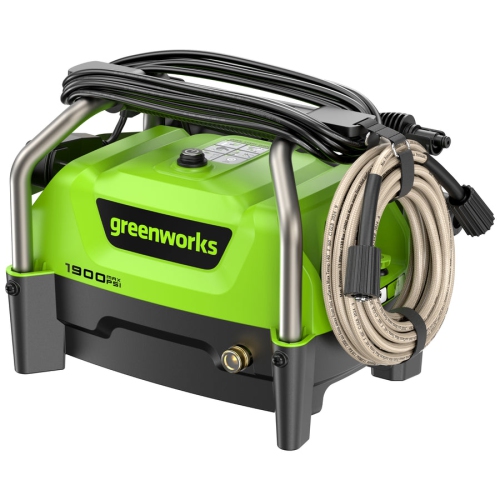 Your price for this item is $169.99
 -
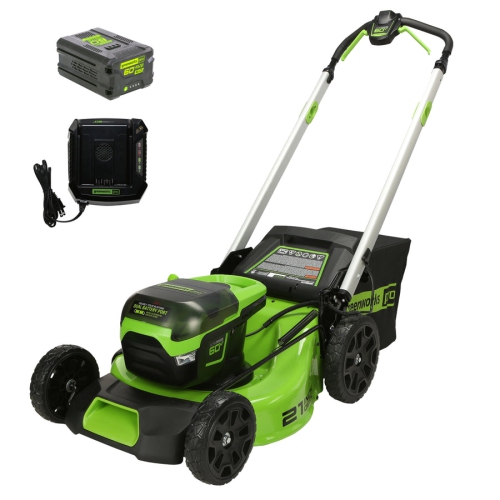 Your price for this item is $554.39
 -
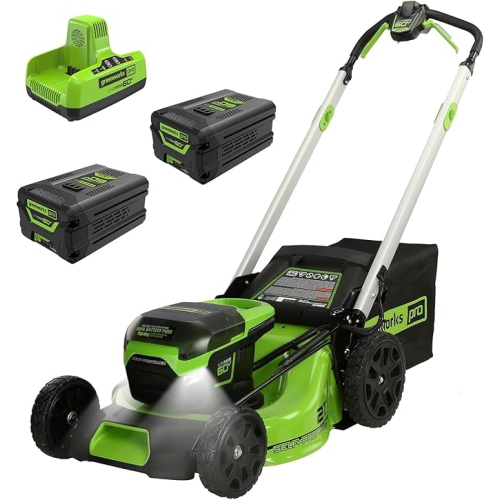 Your price for this item is $879.99
 -
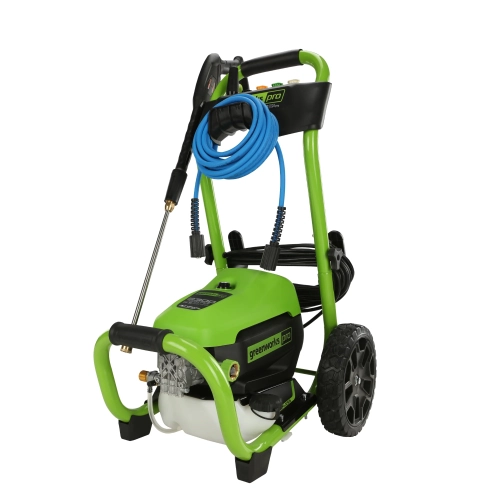 Your price for this item is $439.99
 -
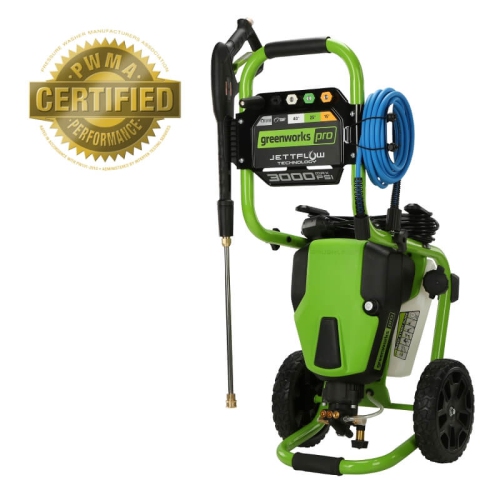 Your price for this item is $499
 -
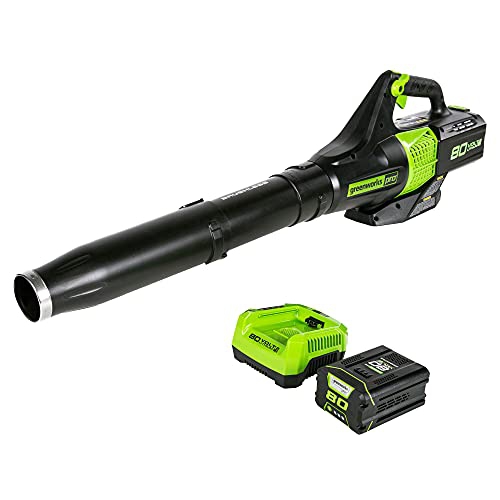 Your price for this item is $255
 -
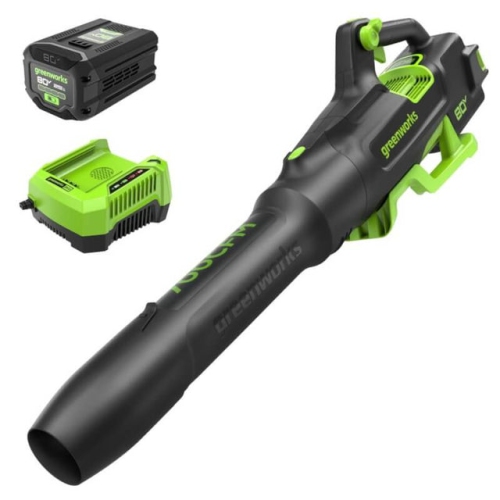 Your price for this item is $272
 -
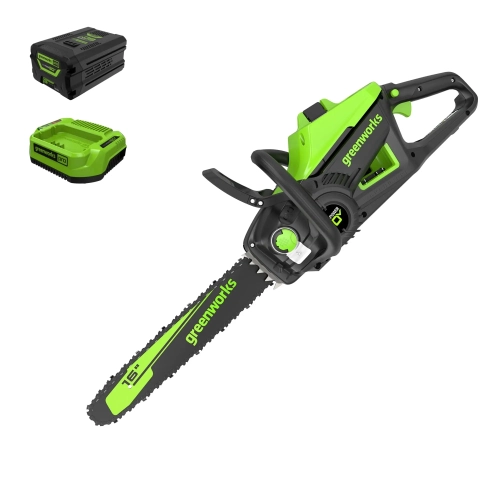 Your price for this item is $329.99
Discover more categories related to Bypass Pruning Shears
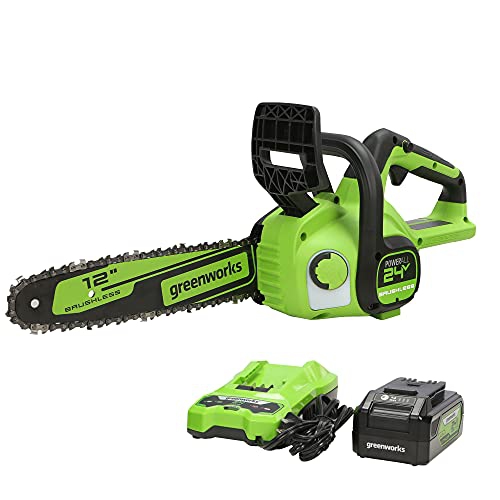
Top Collections:
Pokemon Centers, Kindle Devices, Best Budget Office Chairs, Apple iPhones 16, Best Laptops for Writers, iPhone 15 Apple, Canon G7X Cameras, Refurbished Apple Laptops, Alarm Clock, Motorola Razr Phones
Some products may be subject to Environmental Handling Fees
(EHF) depending on your province.
Learn more about EHFs.