Cabinets With Glass Doors
Enhance the style and functionality of your living space with a cabinet with glass doors. Perfect for showcasing your favorite decor pieces while keeping them safe from dust, this elegant piece of furniture adds a touch of sophistication to any room. The glass doors provide a glimpse into the contents of the cabinet, making it easy to locate items while adding a stylish element to your home decor. Whether you're looking to organize your belongings or simply elevate the aesthetic of your space, a cabinet with glass doors is a versatile and practical addition to any home.
Sort
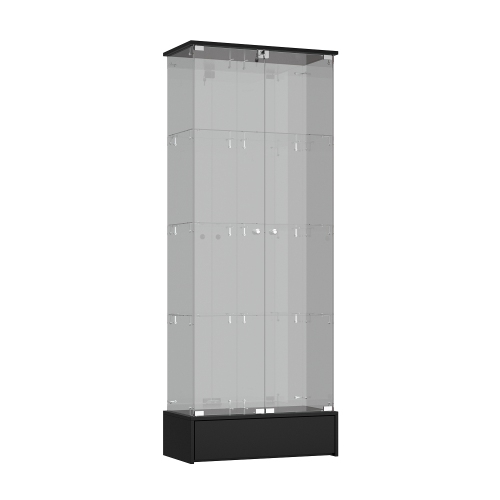
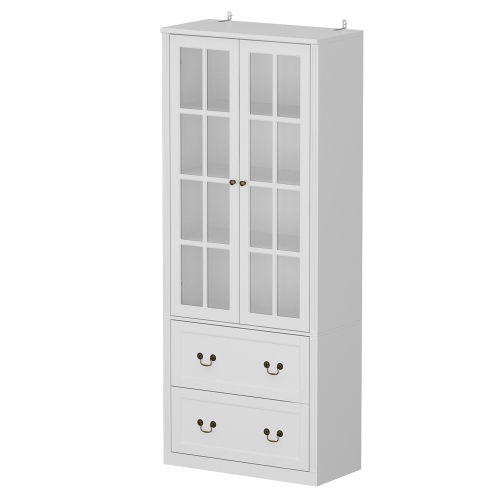
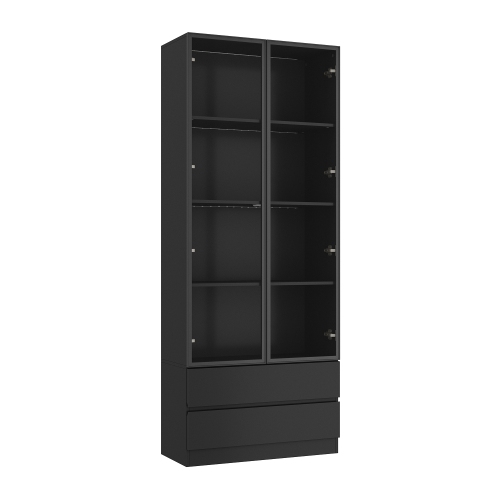
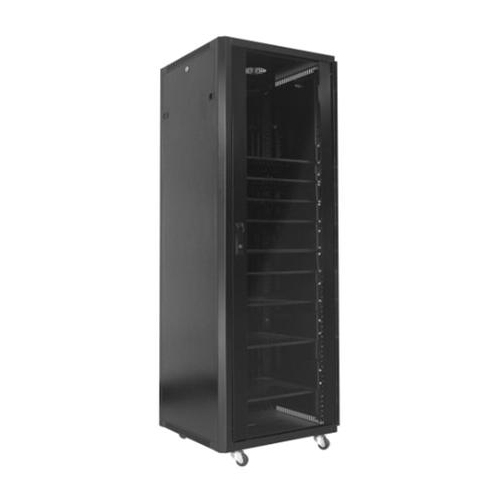
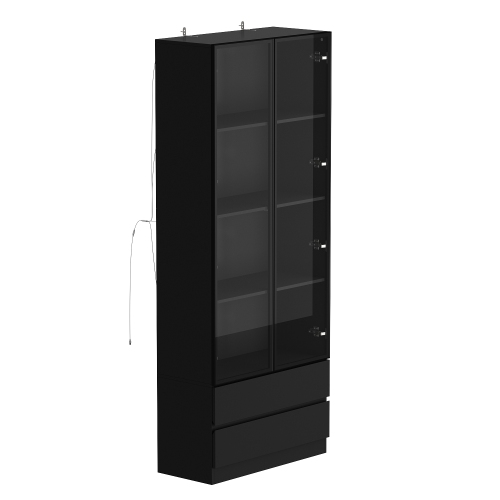
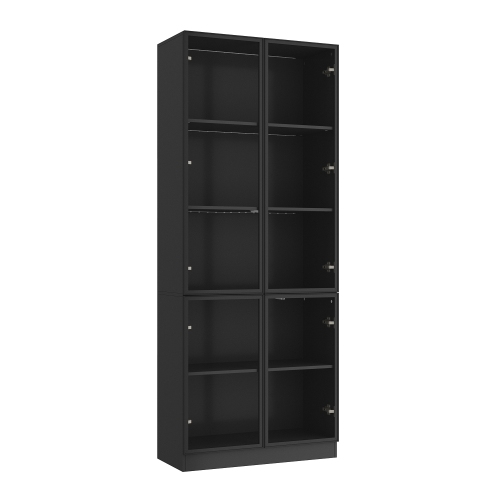
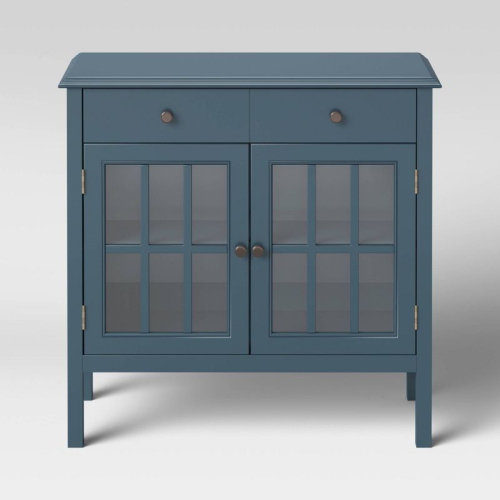
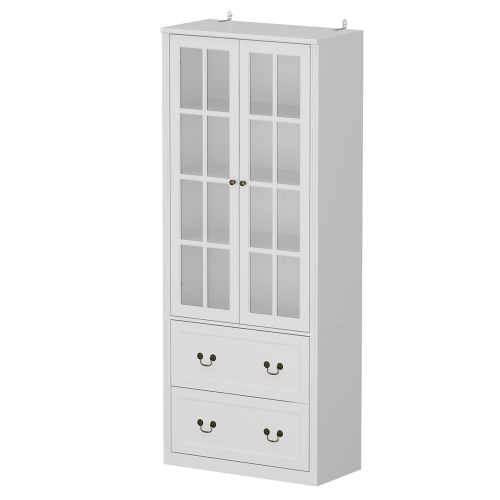
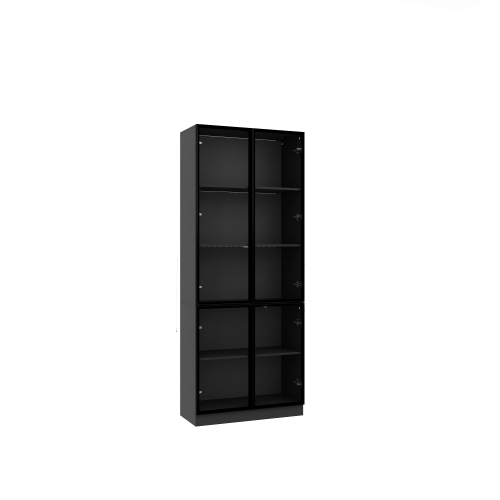
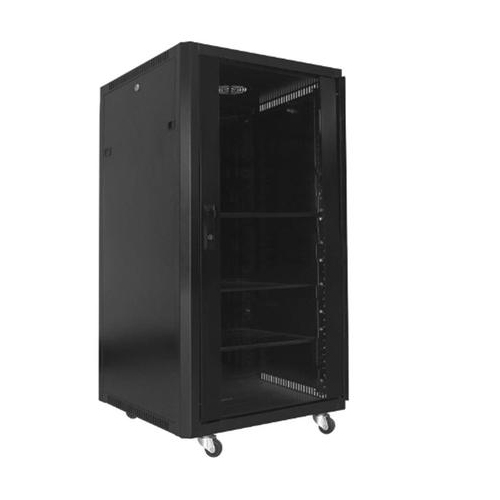
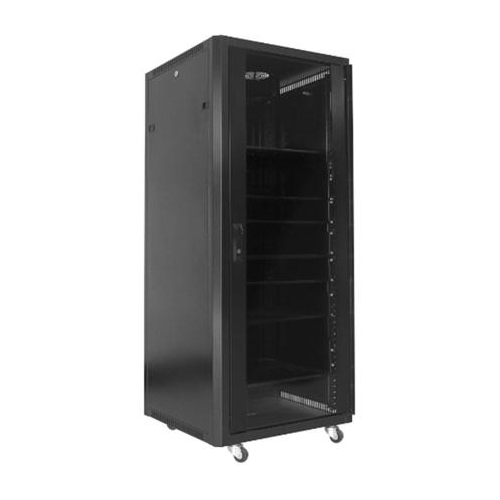
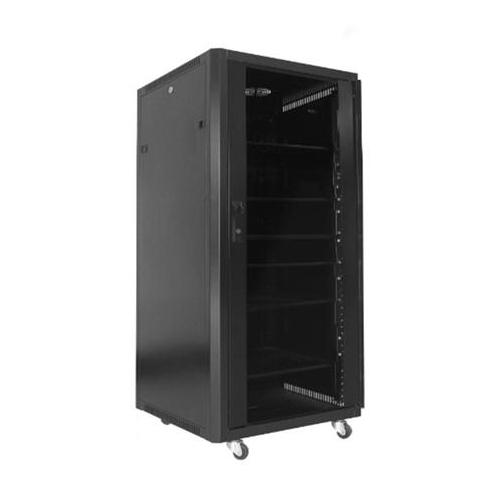
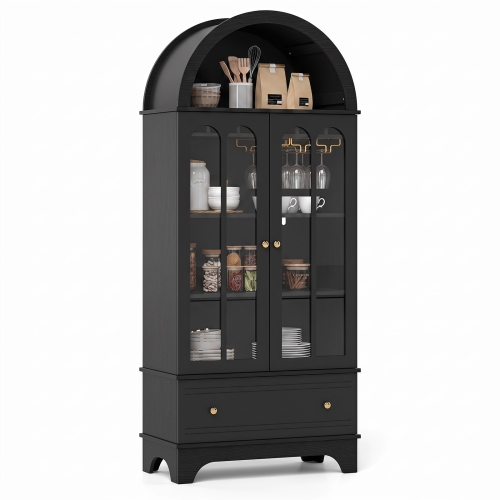
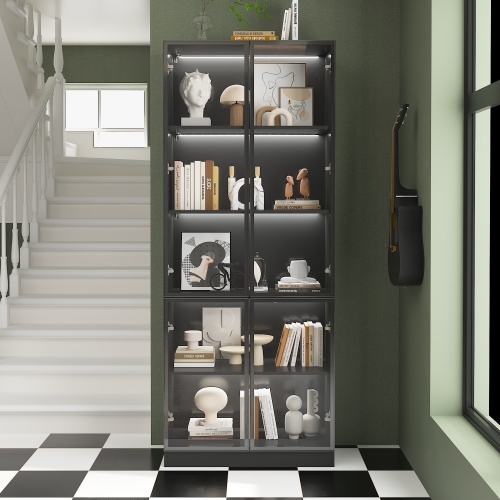
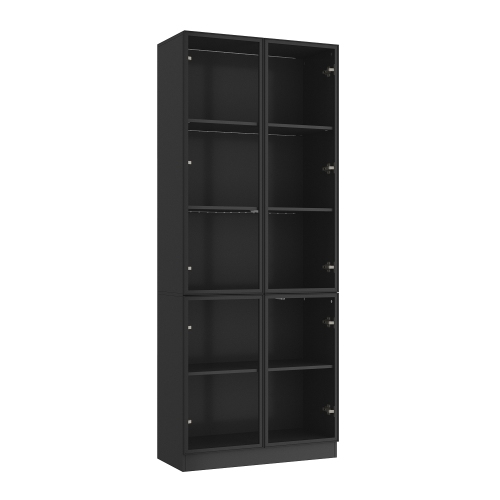
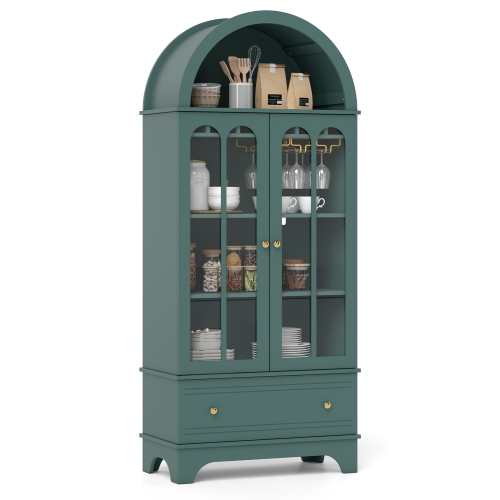
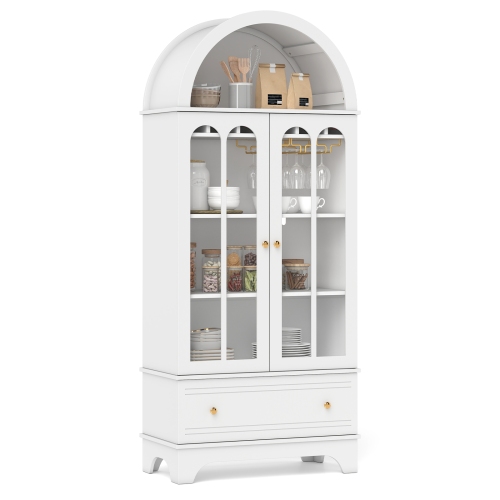
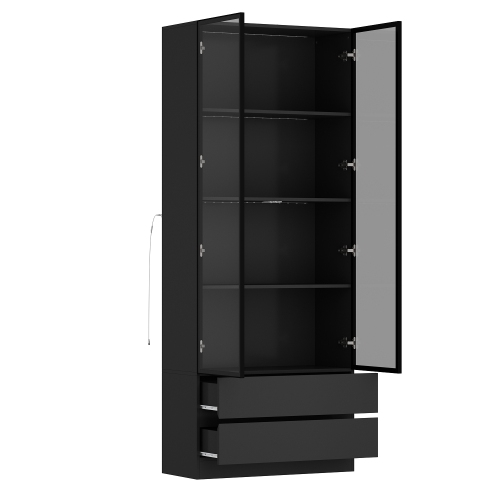
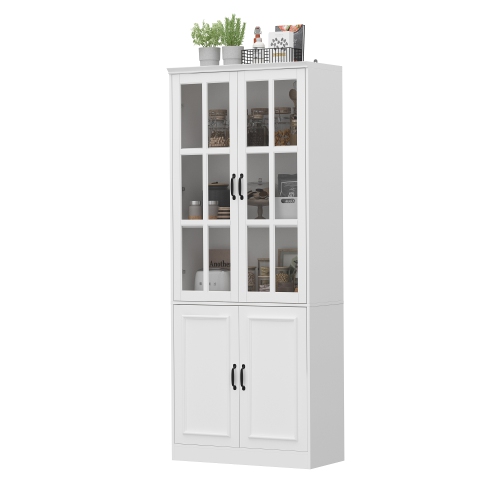
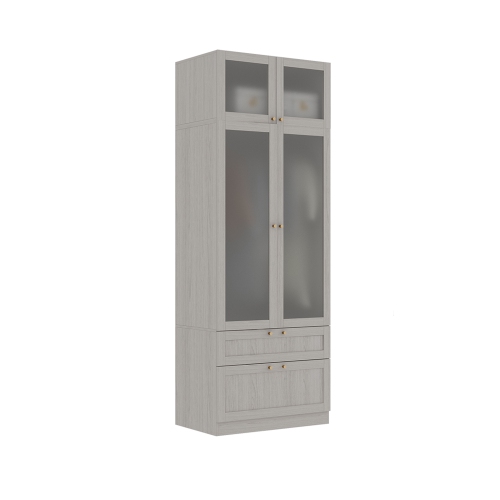
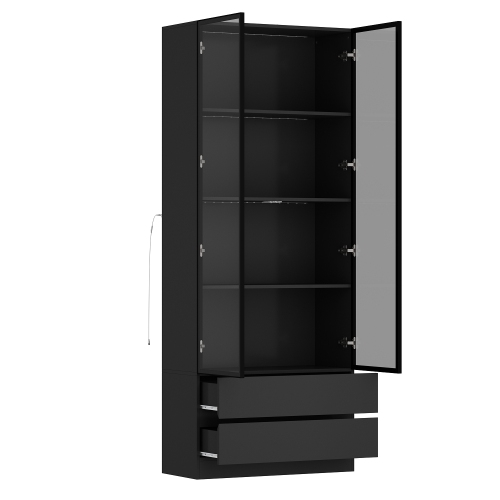
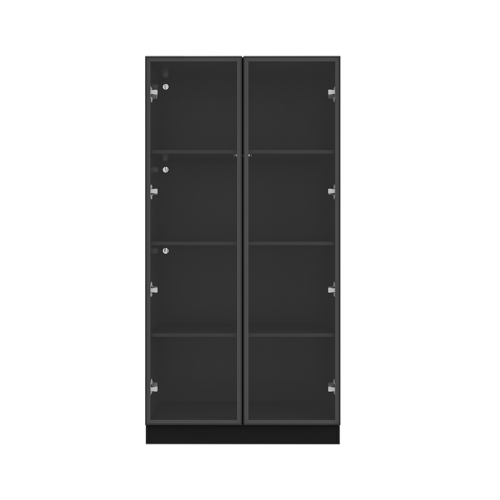
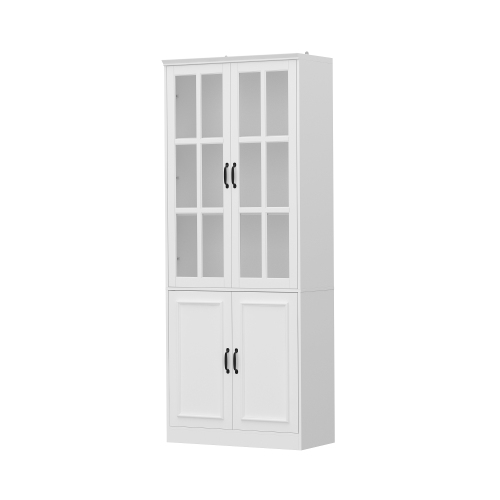
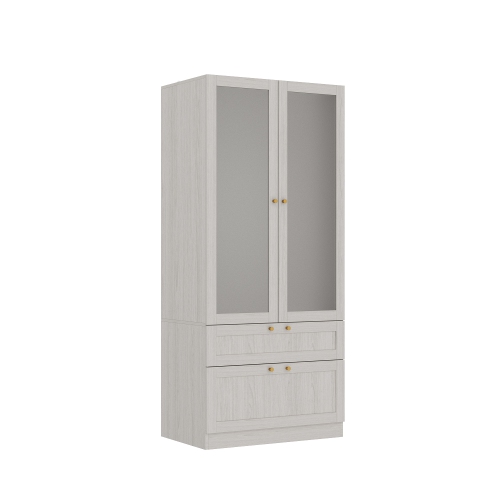
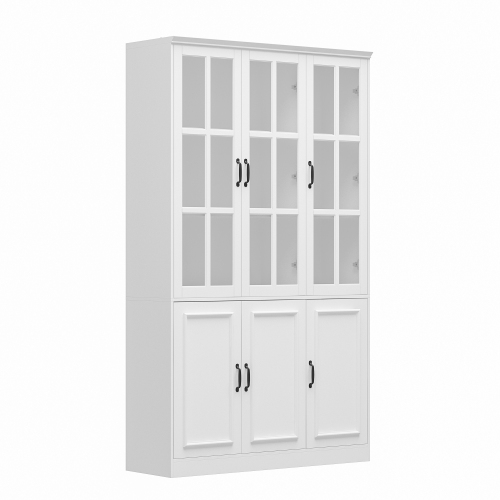
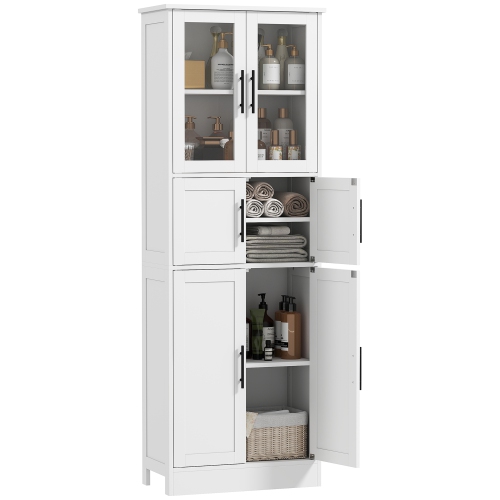
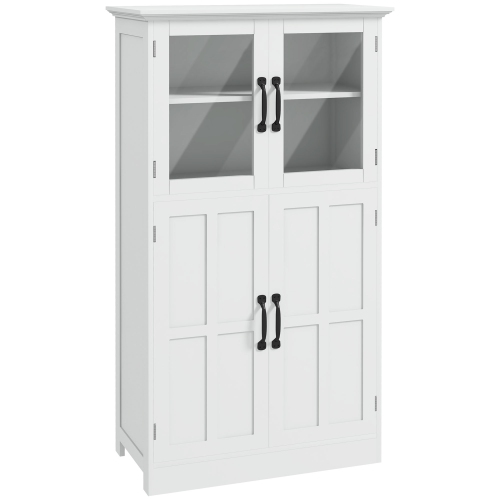
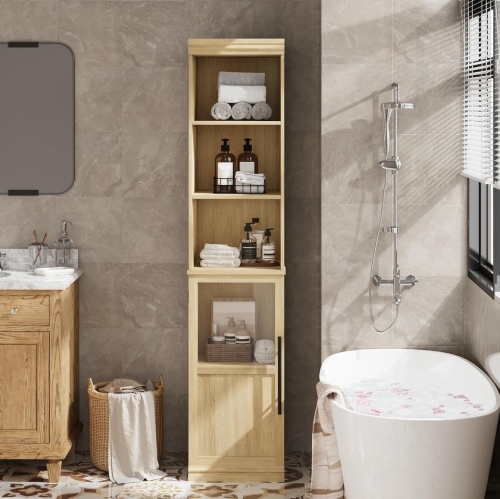
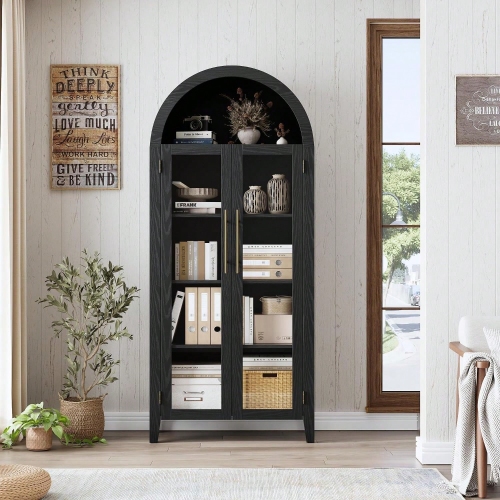
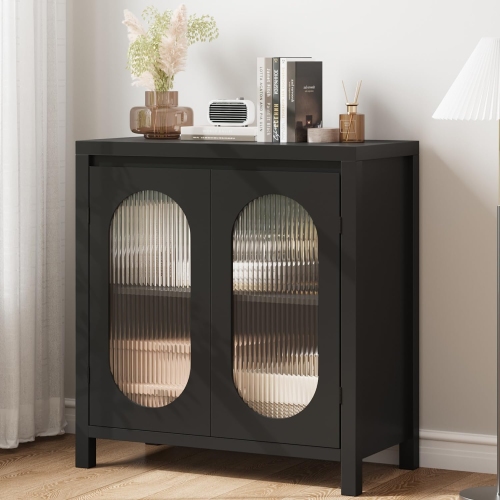
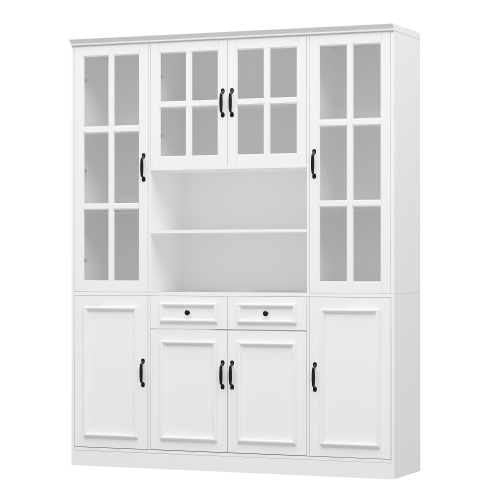
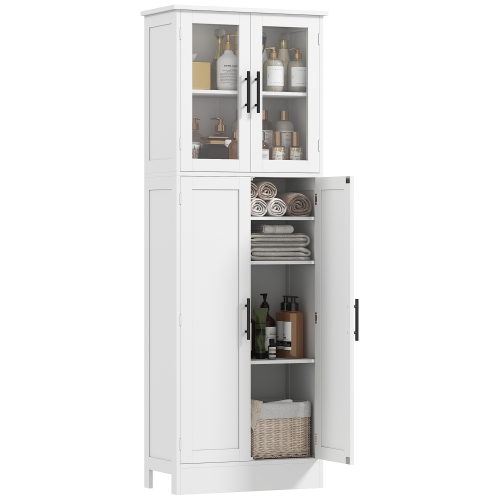
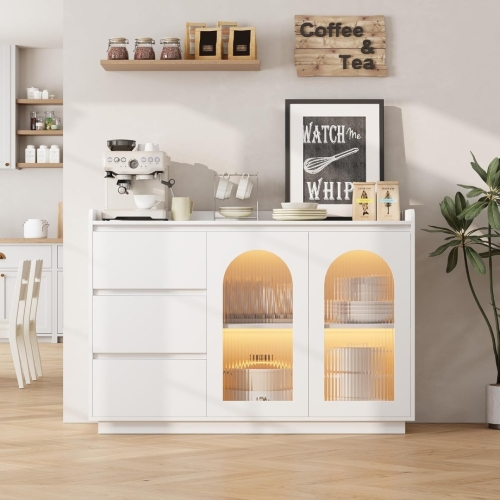
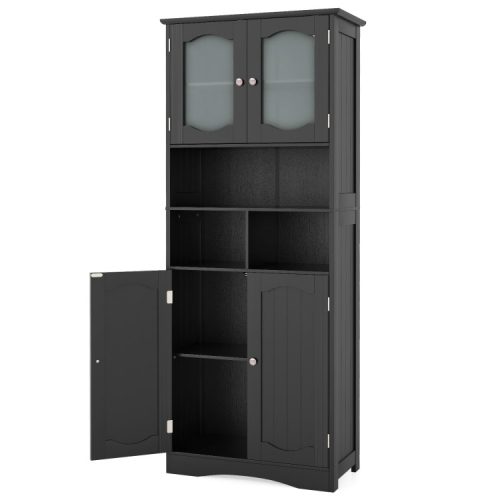
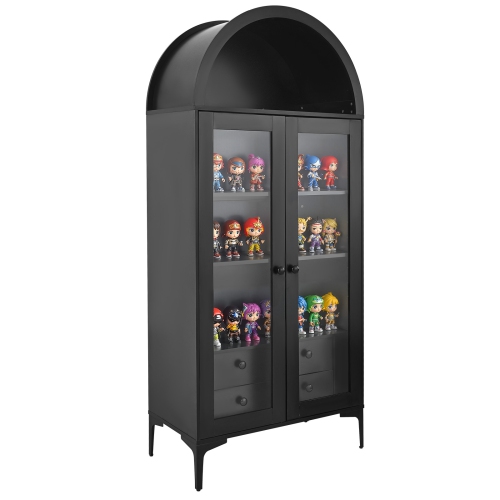
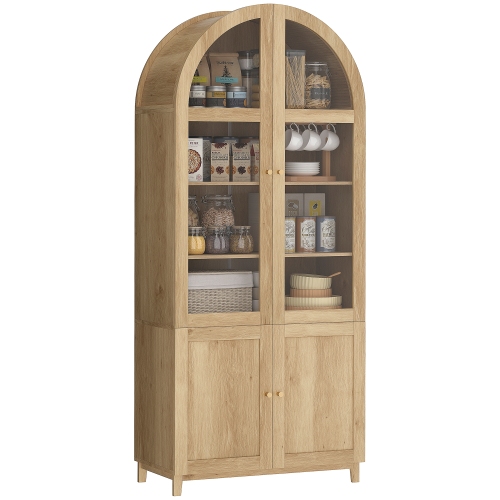
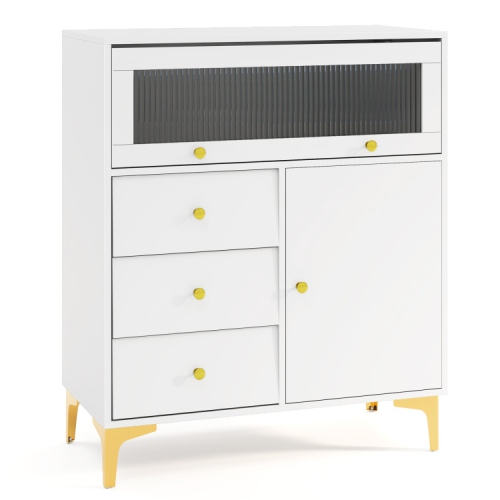
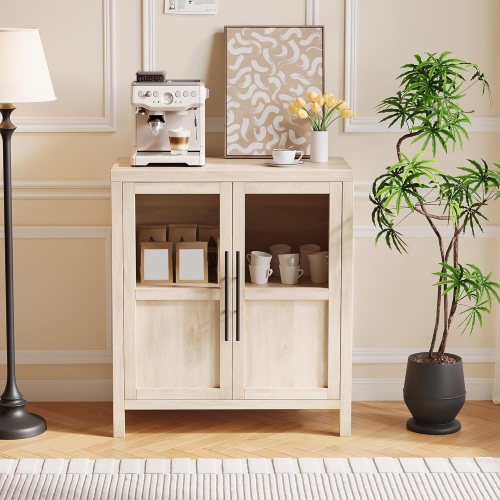
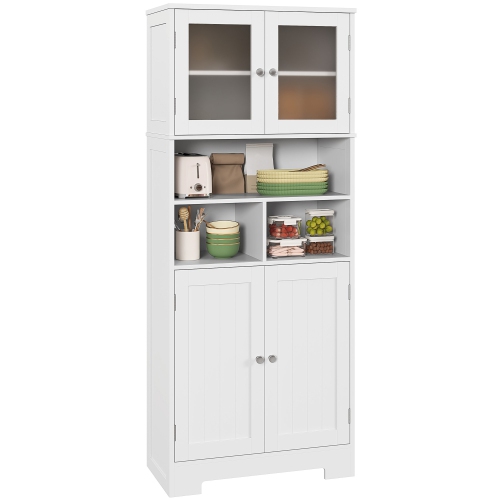
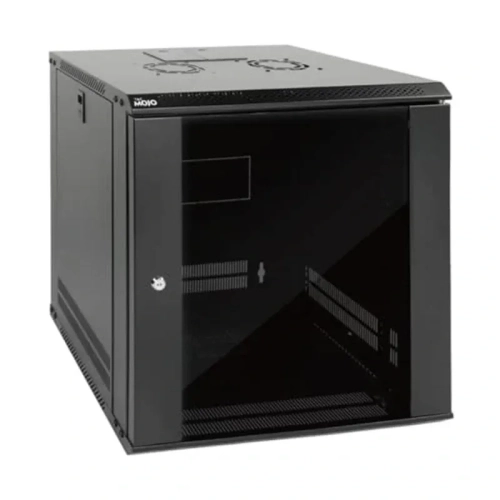
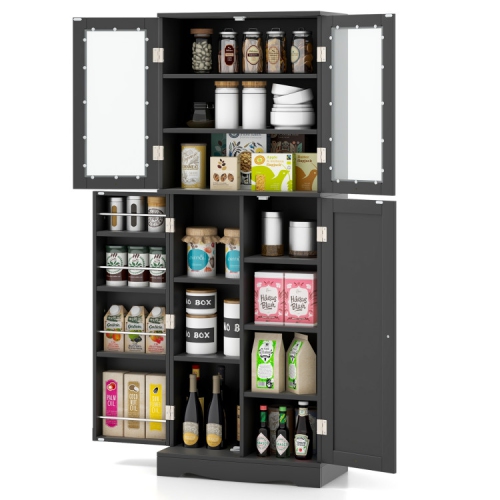
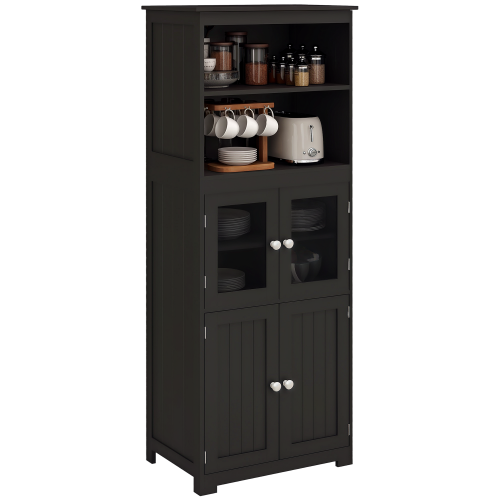
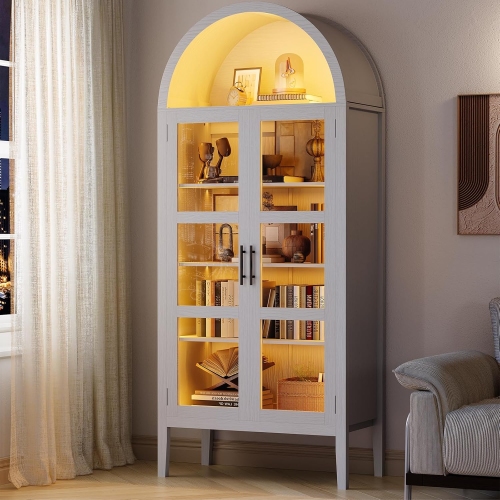
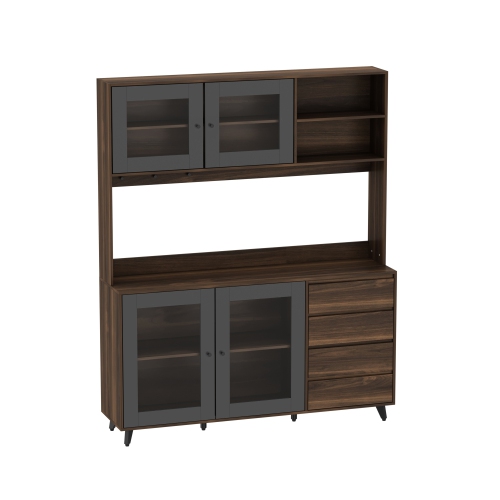

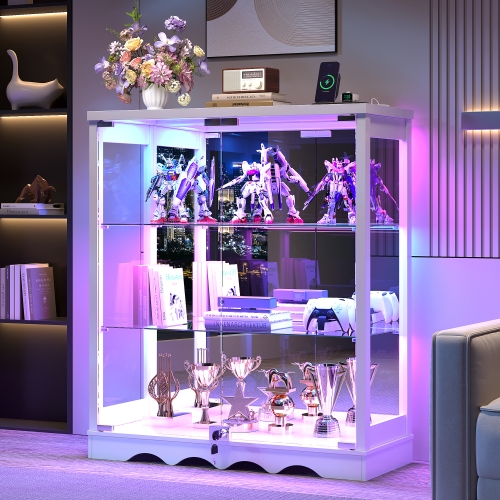
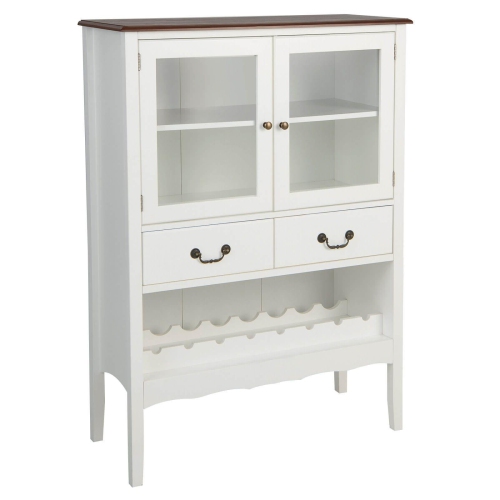
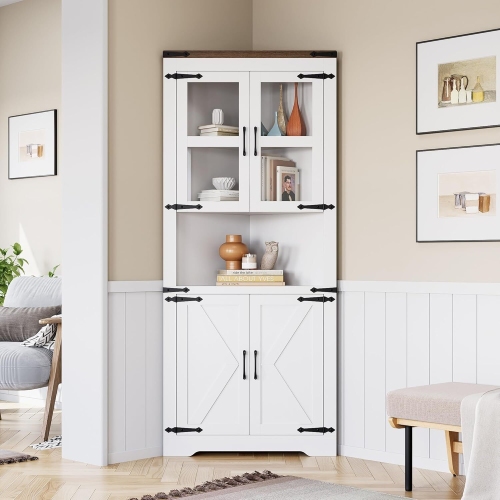
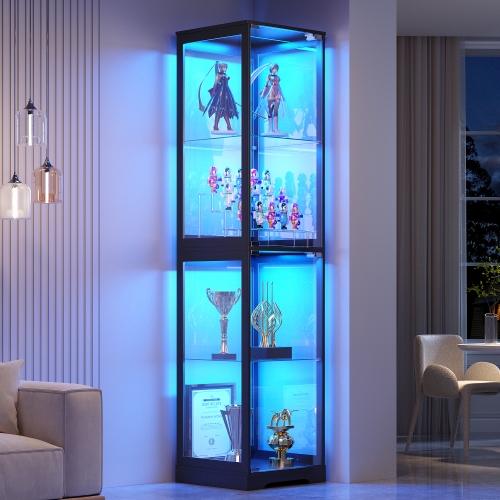

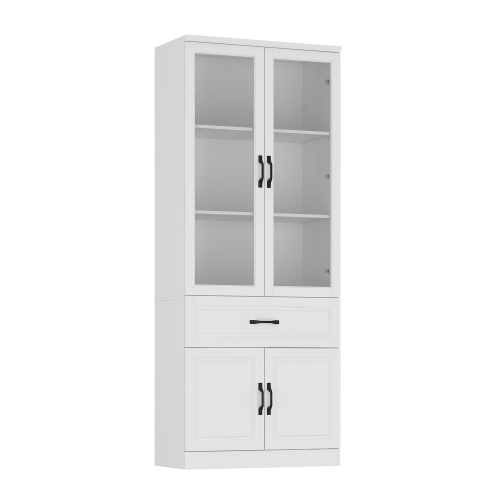
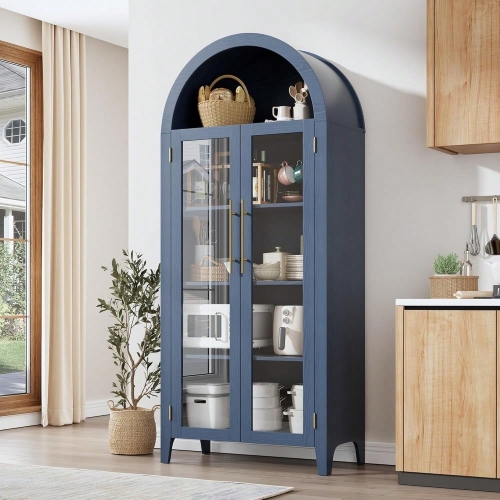
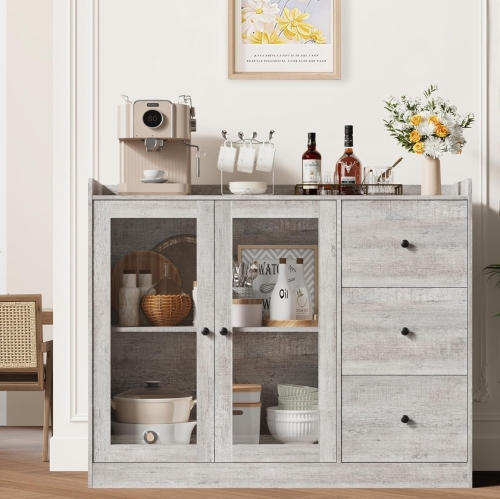
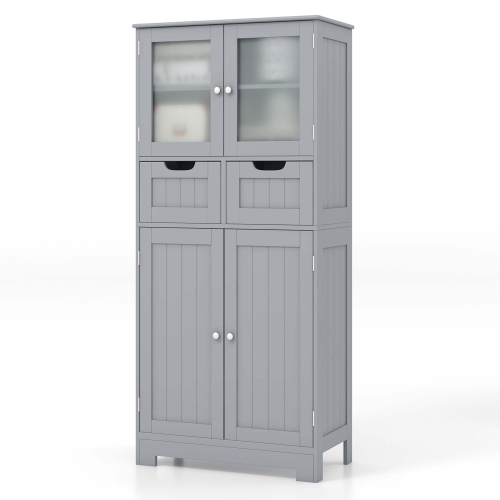
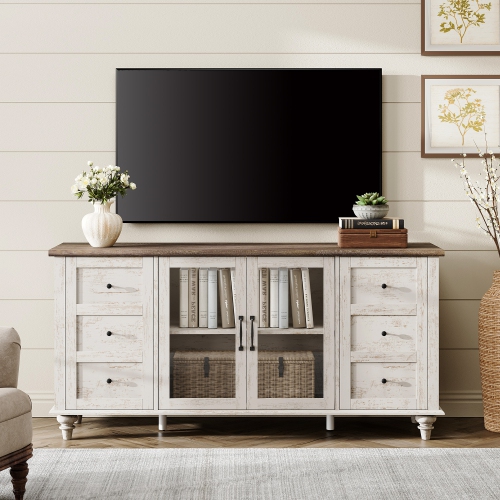
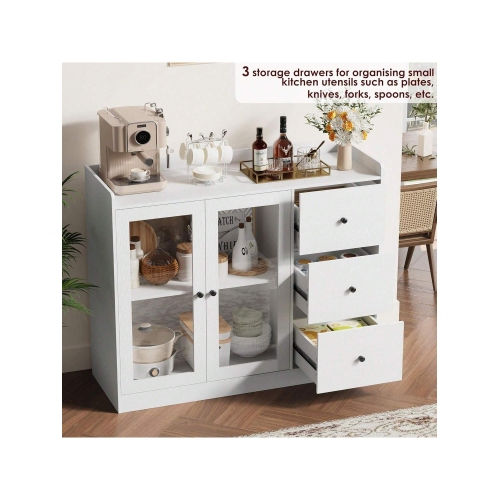

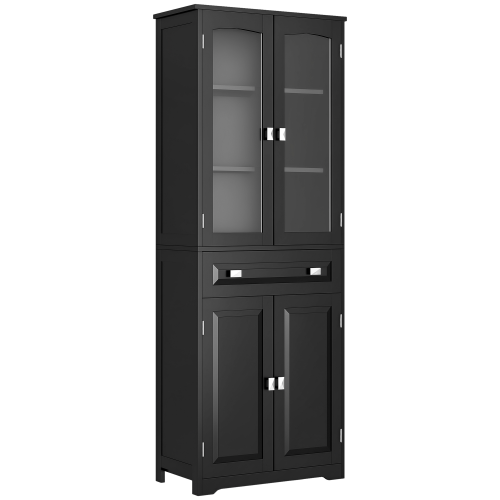



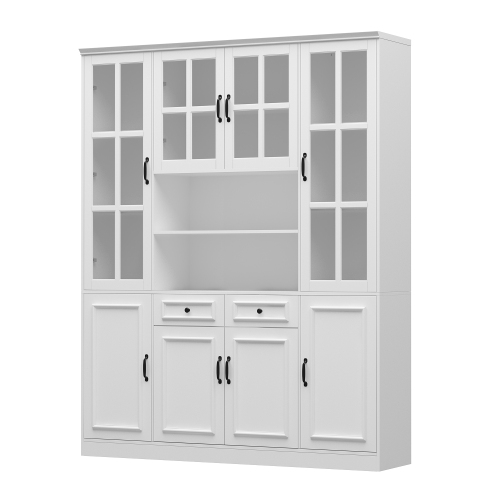
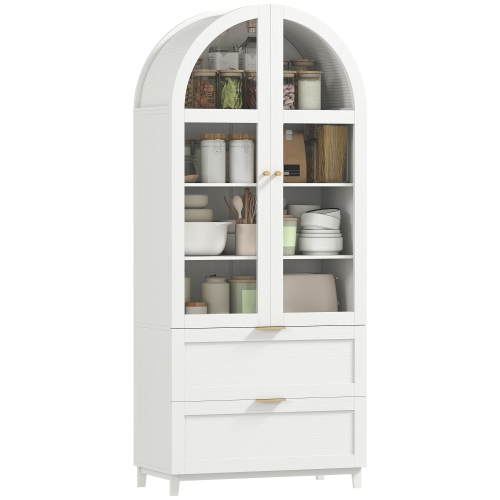
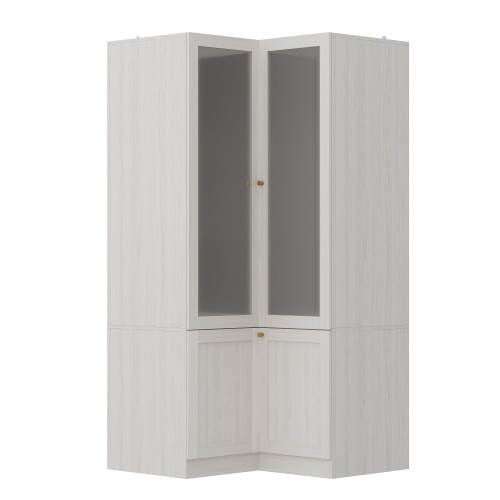
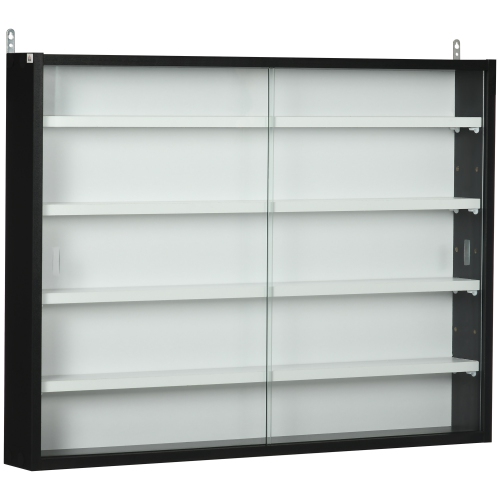
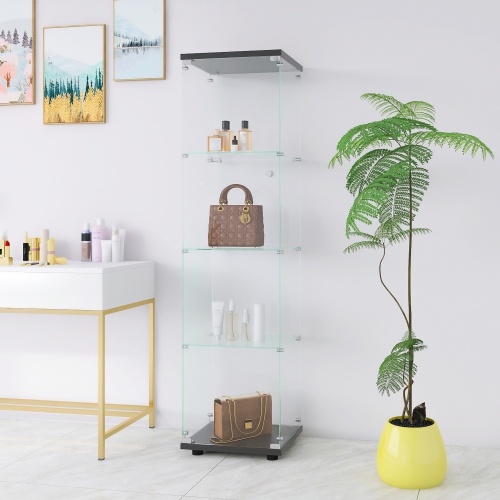

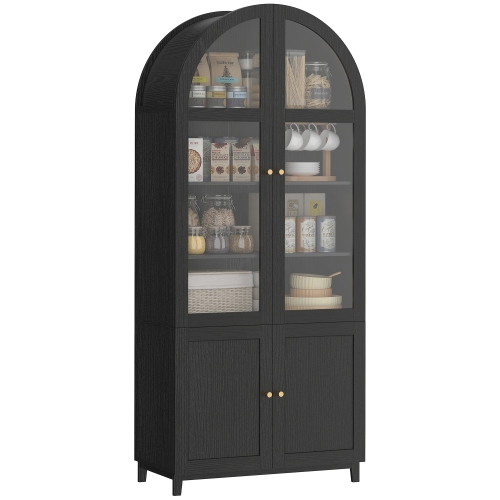
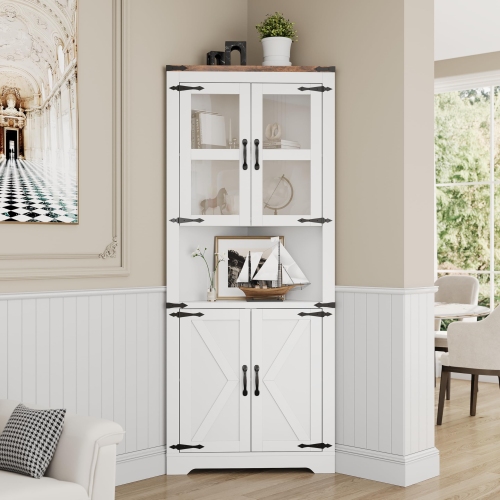
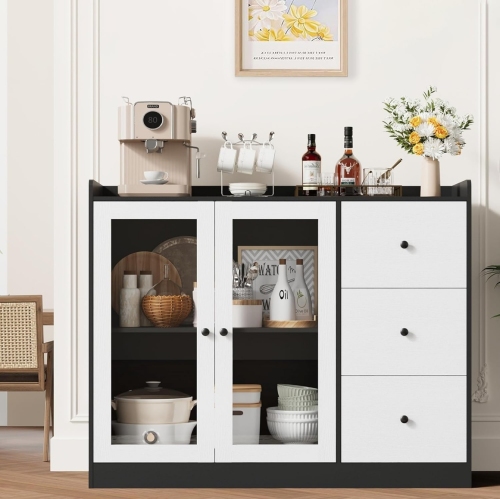
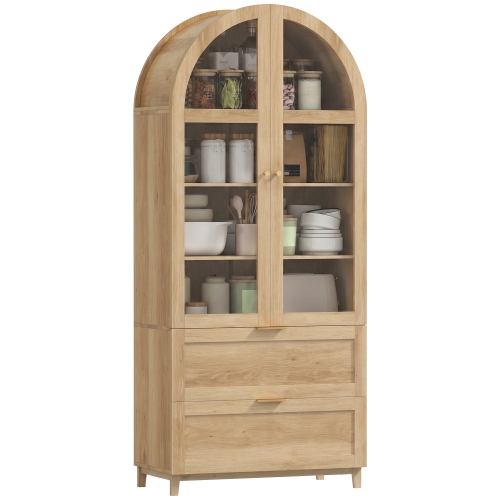
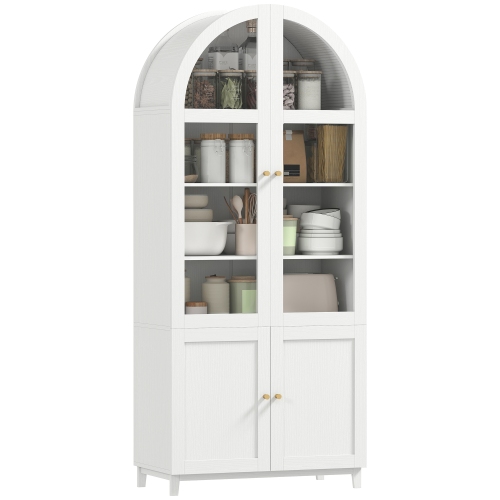
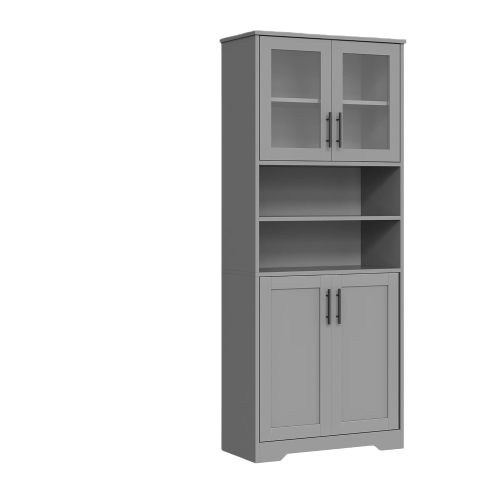
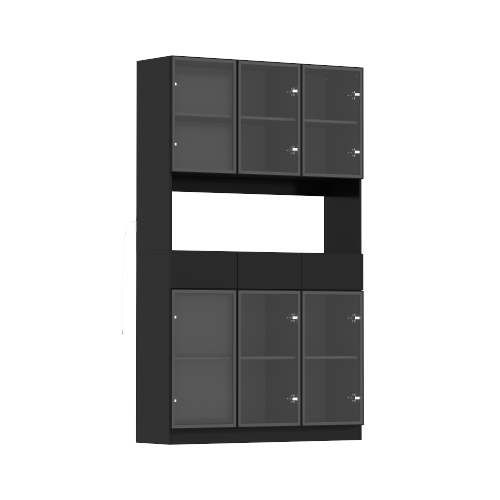
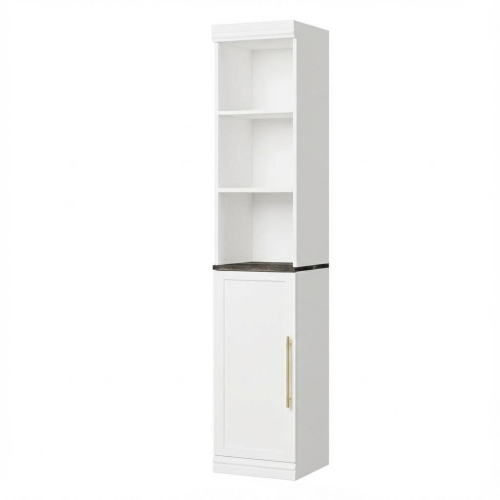
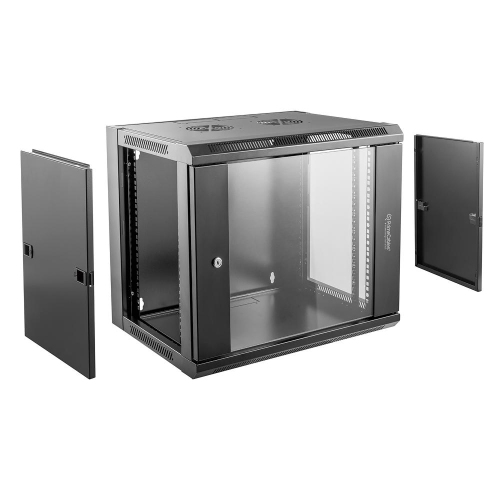
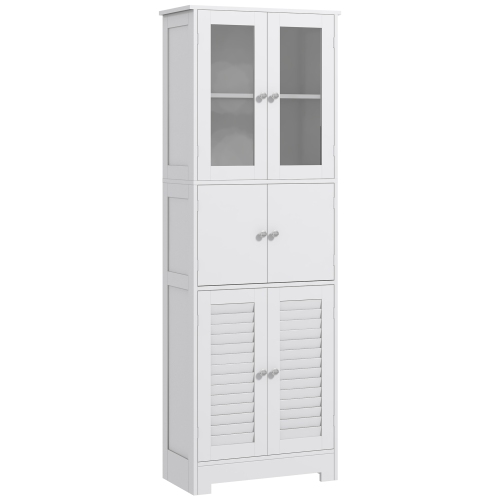
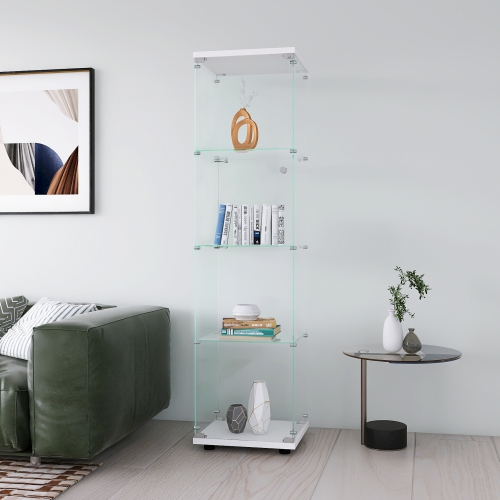
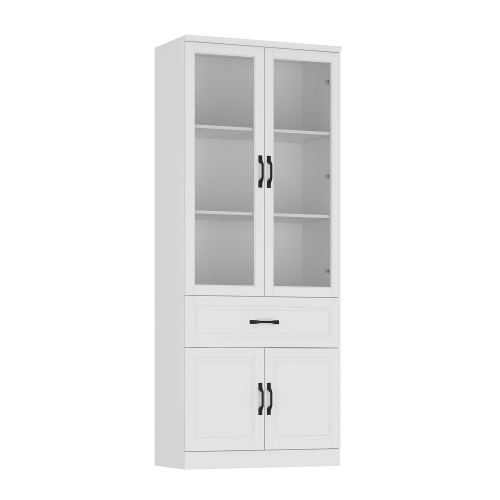
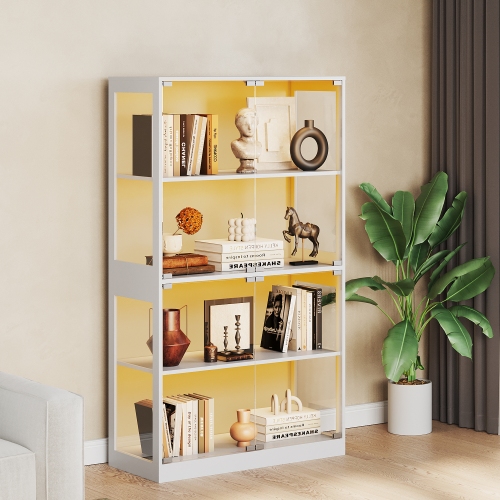
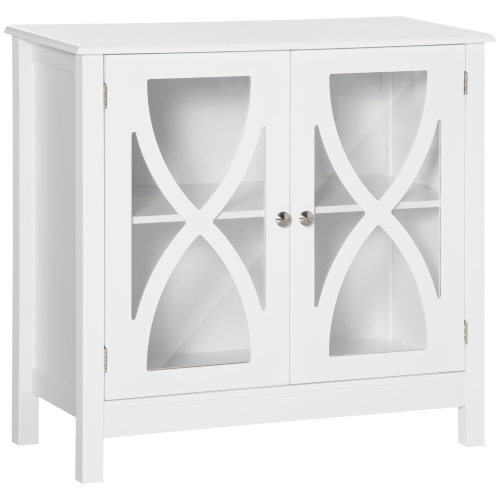
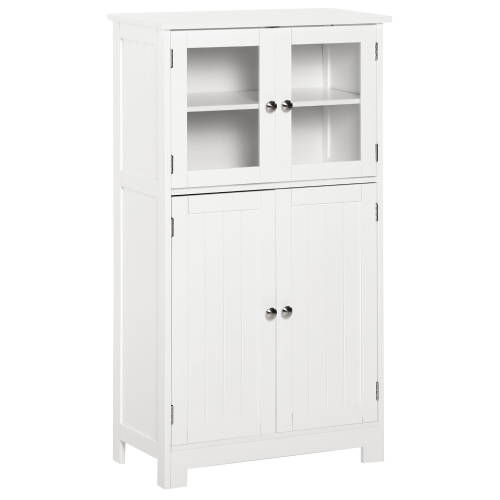
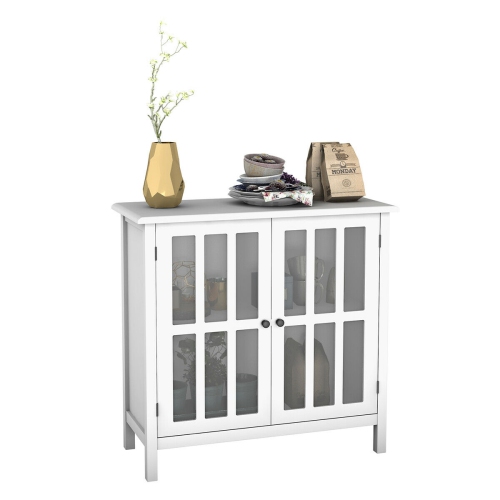
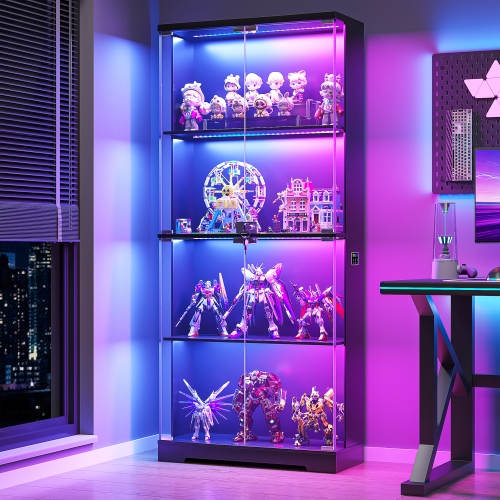
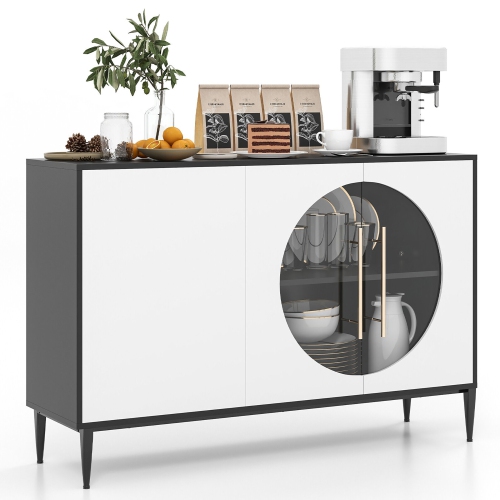
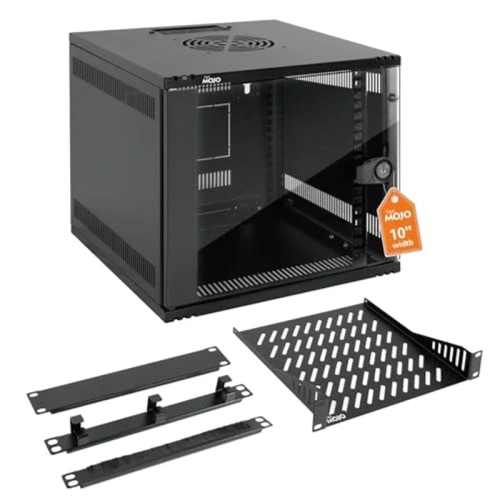
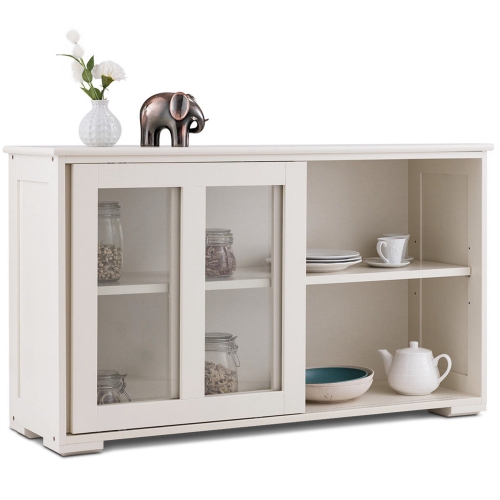



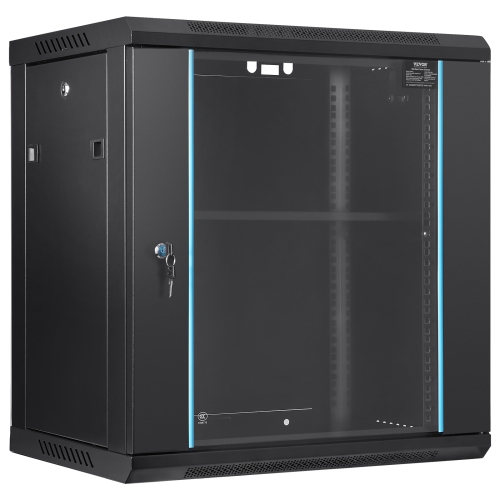
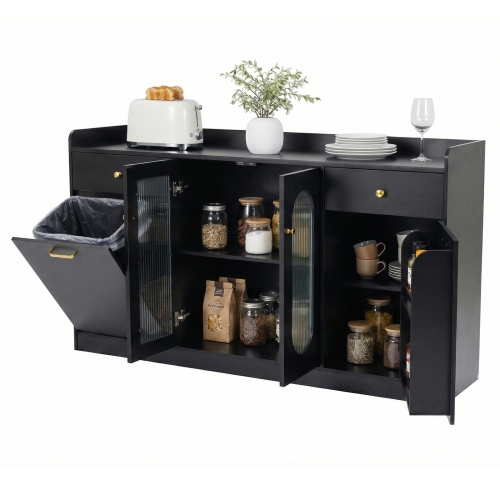
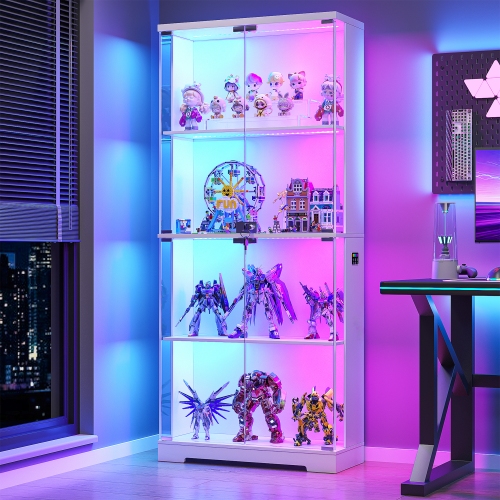
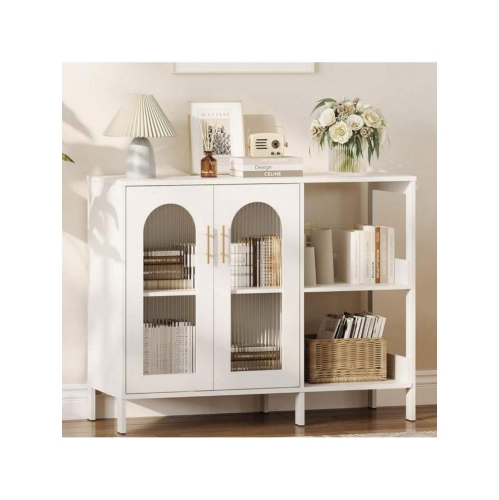
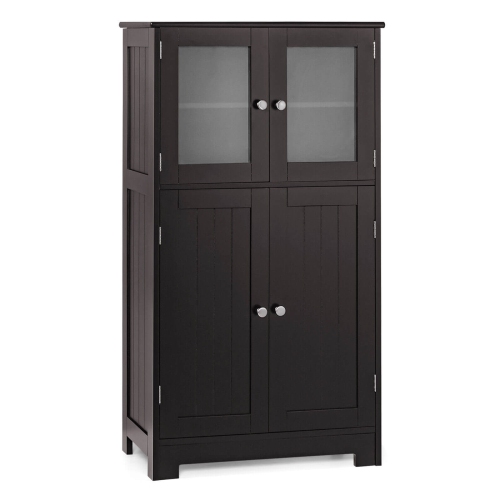

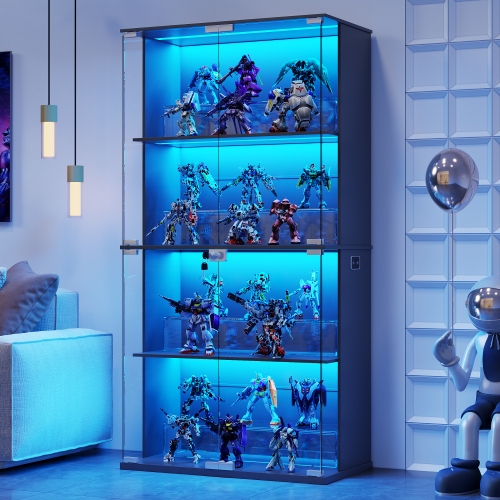
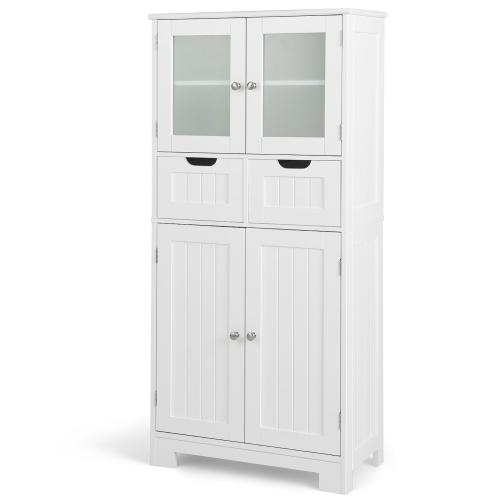
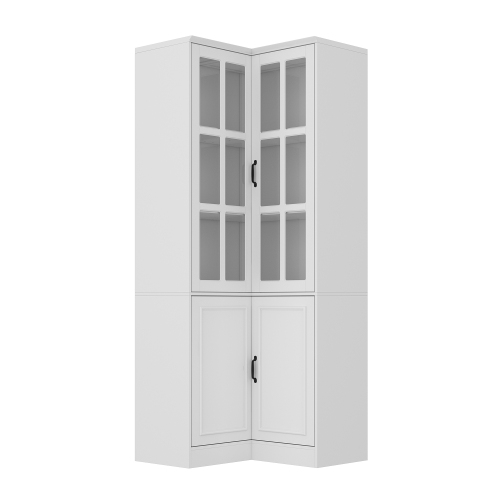


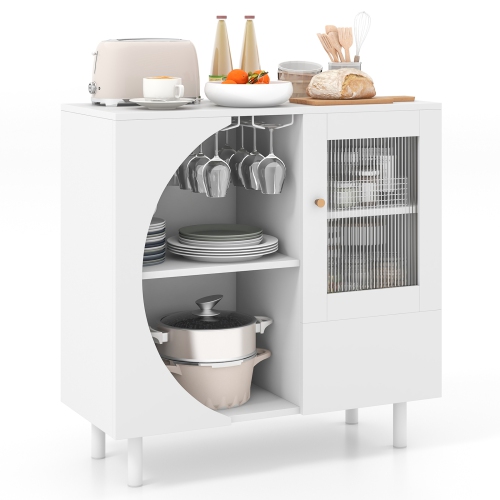
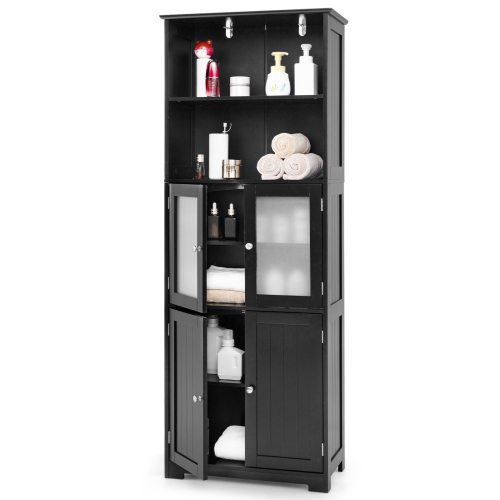
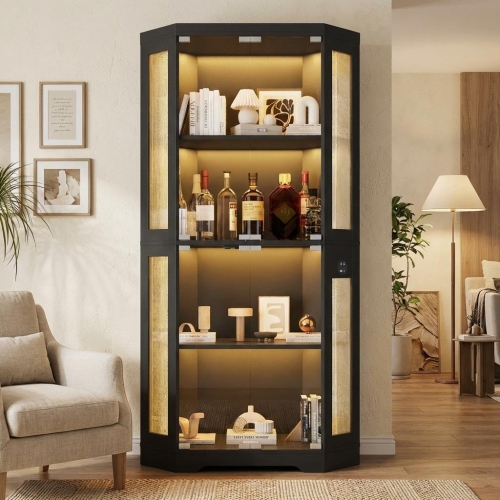
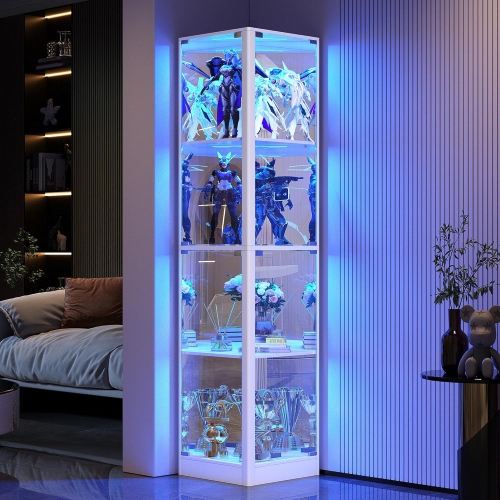

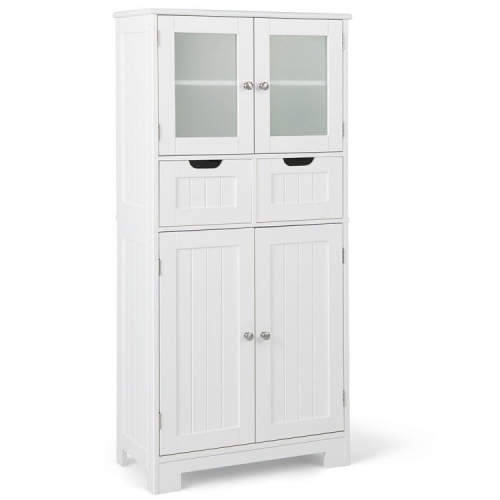
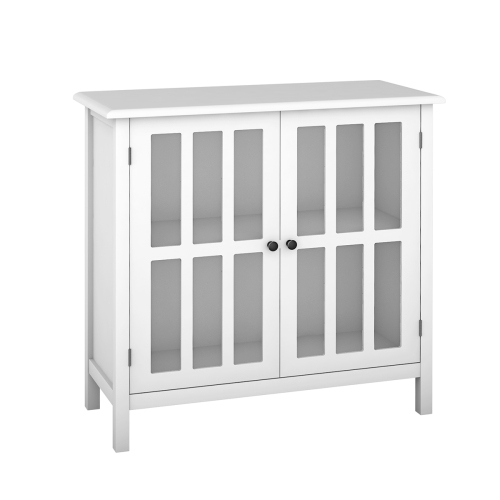
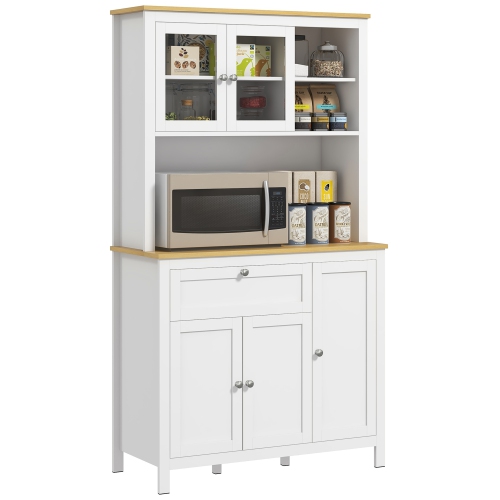
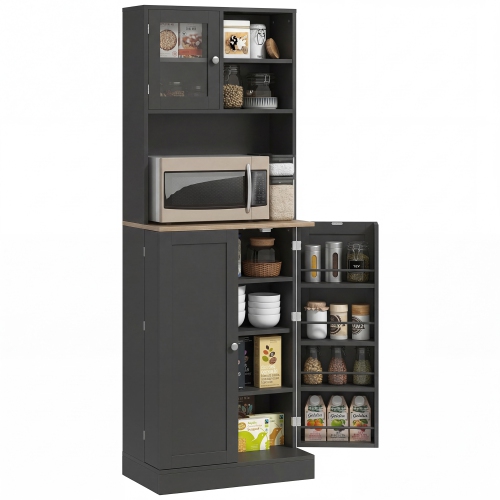
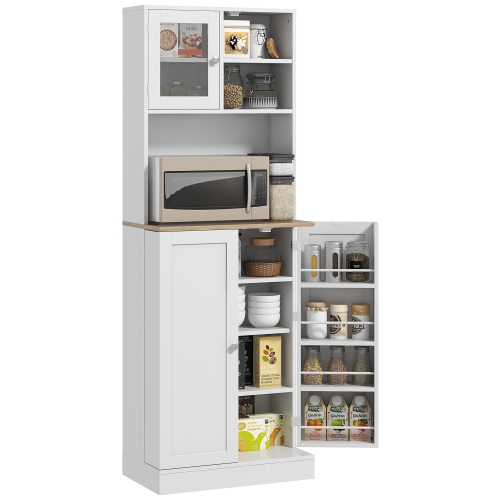
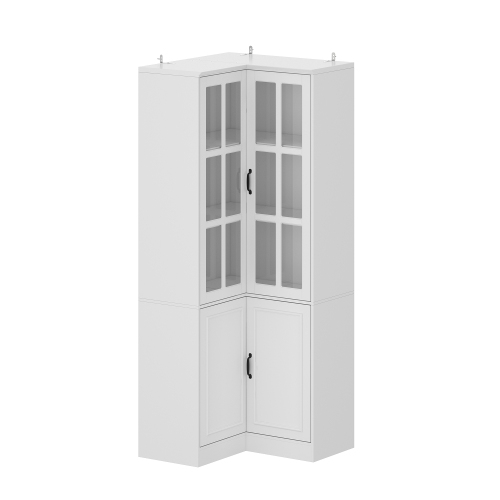
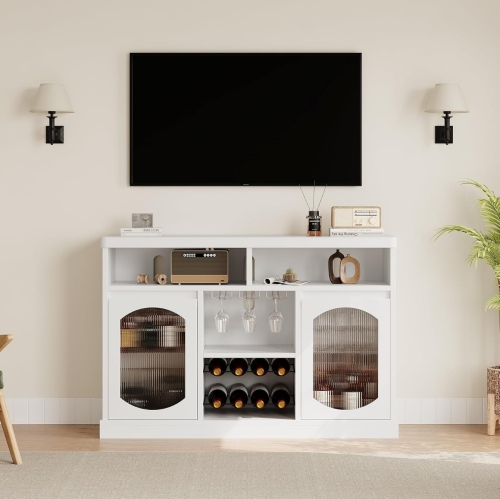
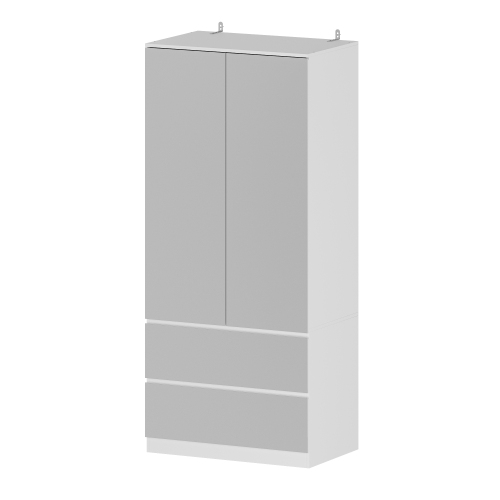
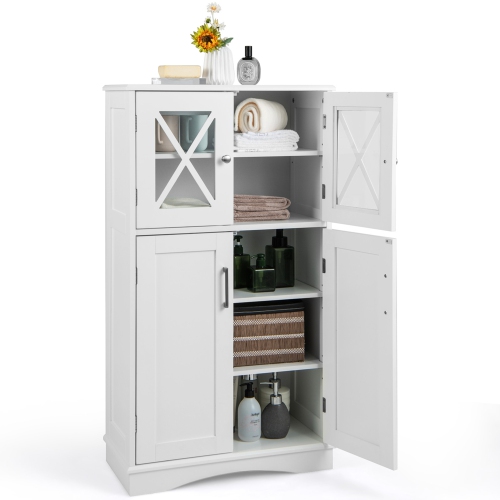
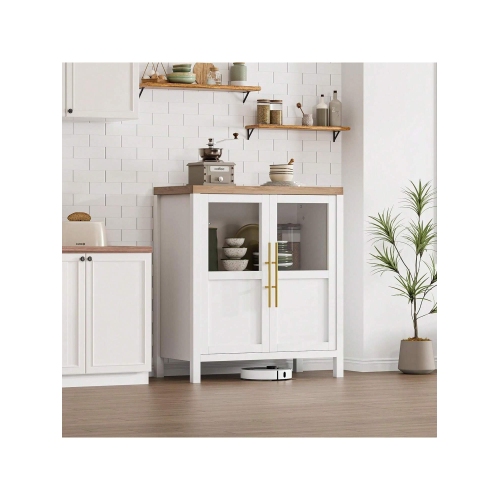
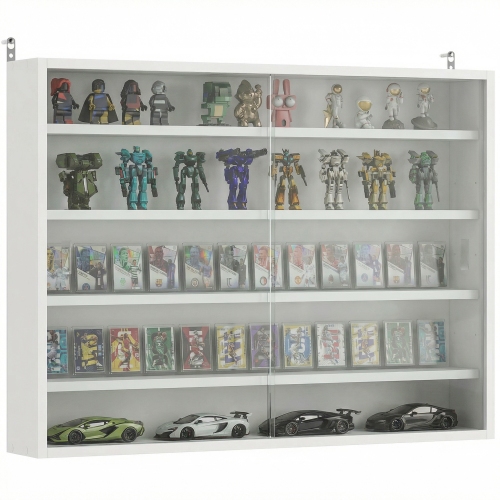
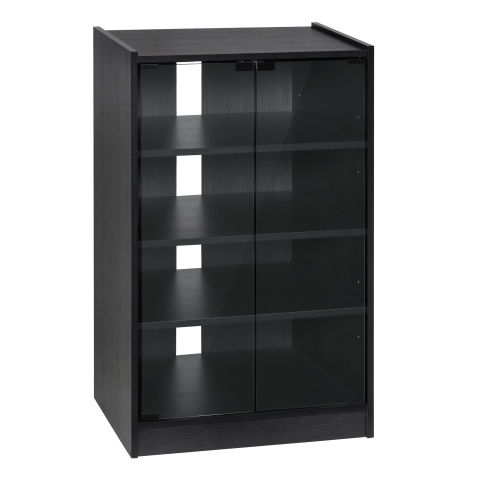
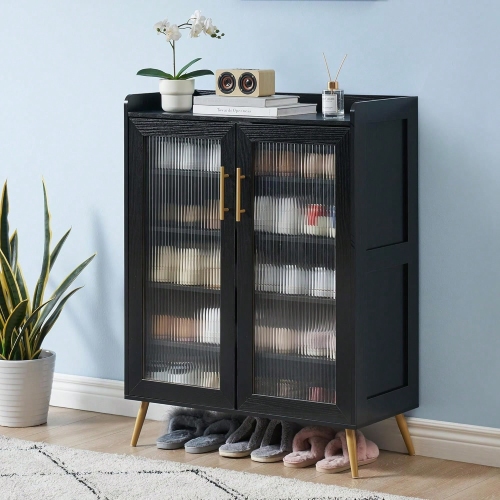
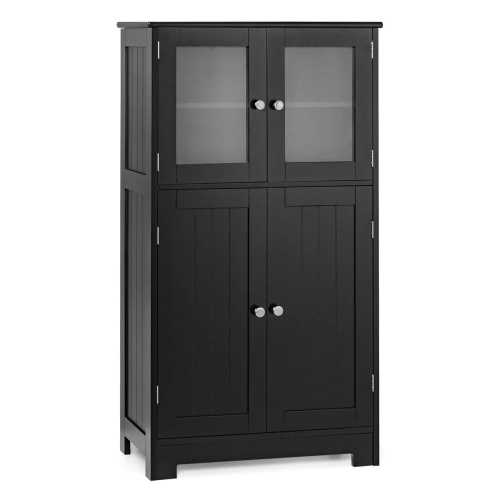
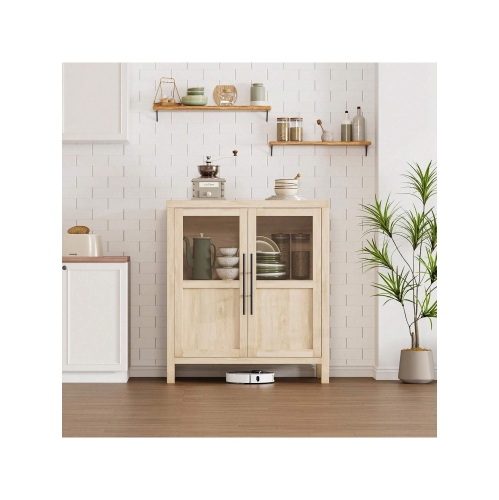
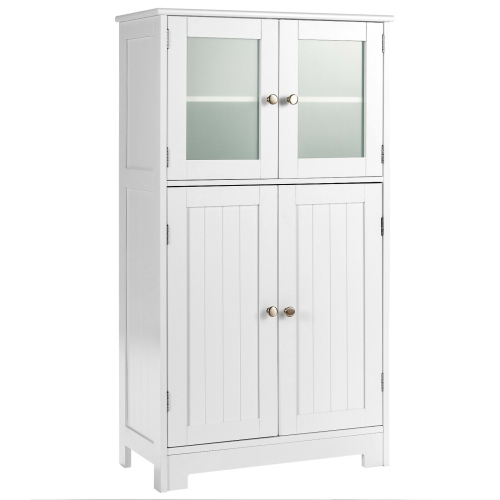
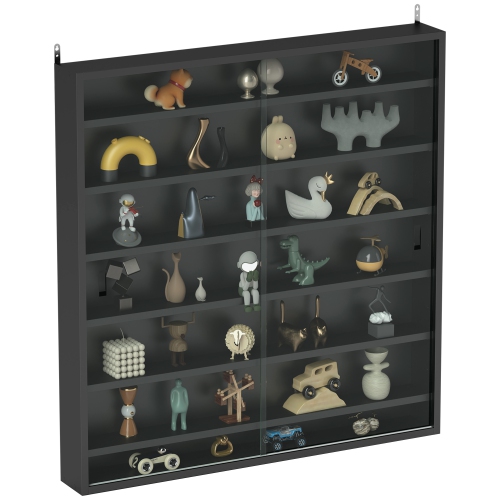
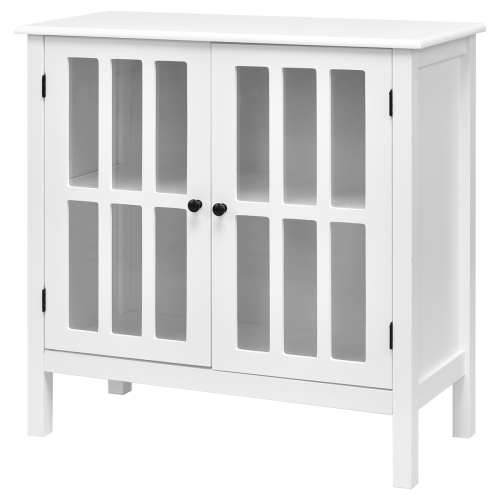
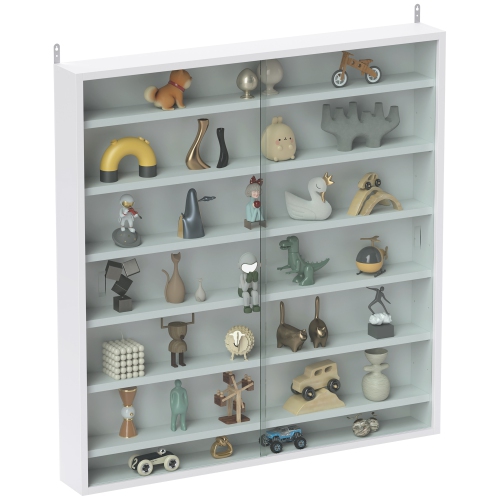
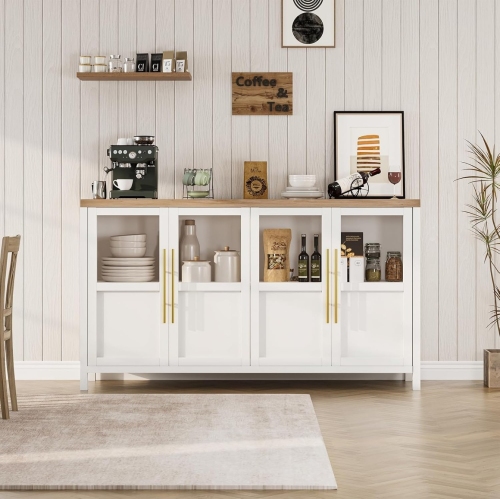
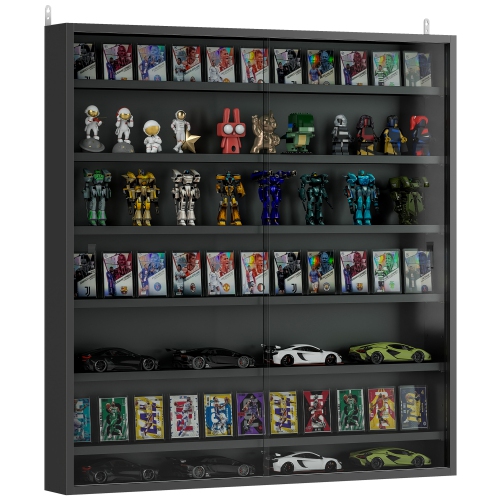
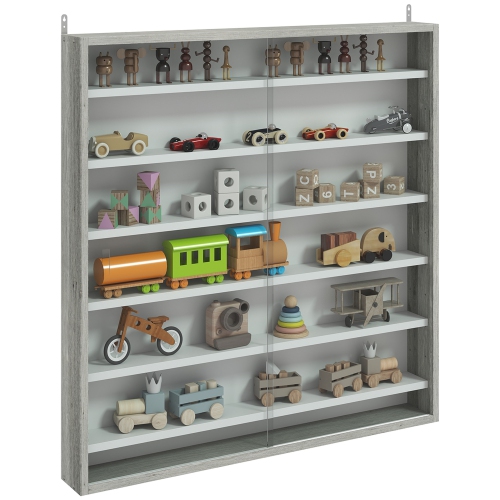

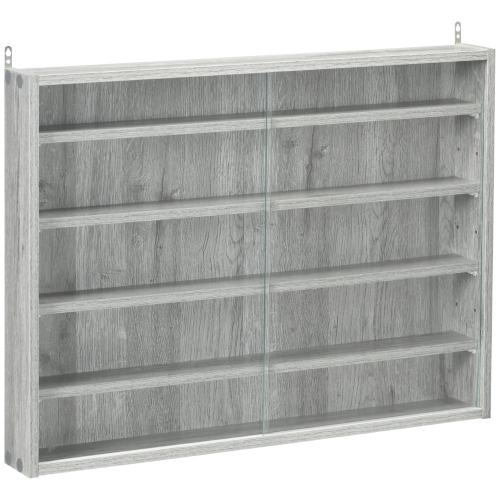
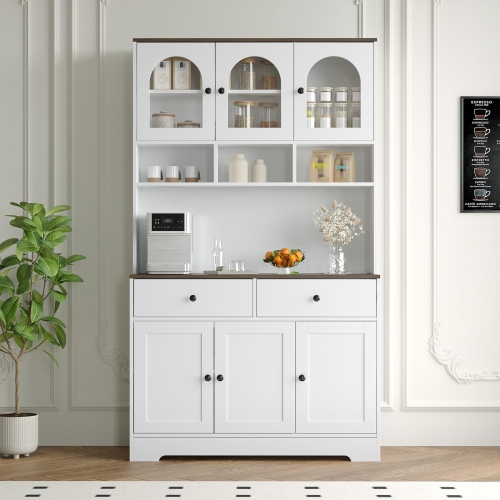

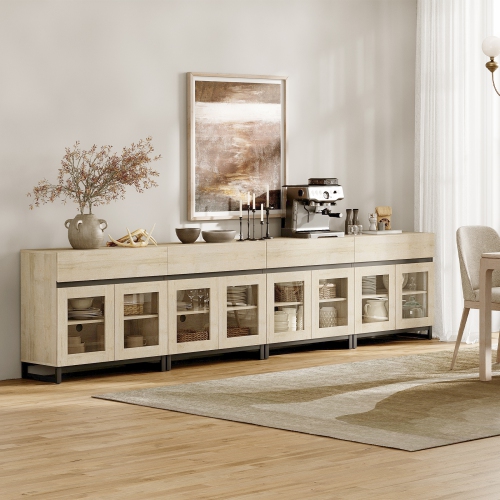

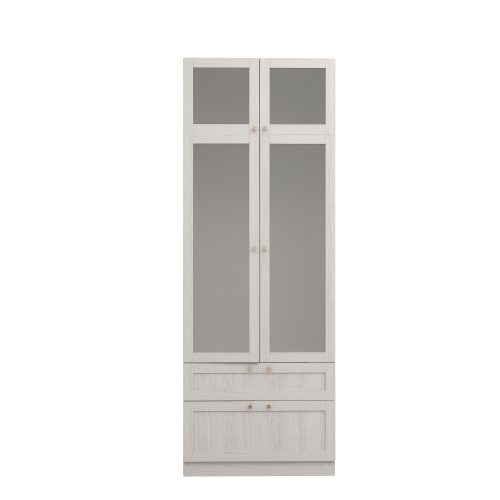

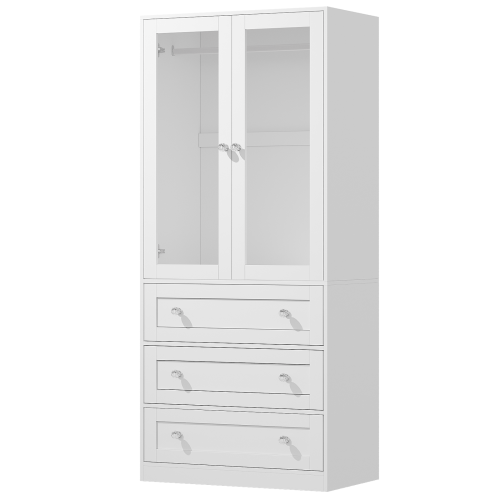
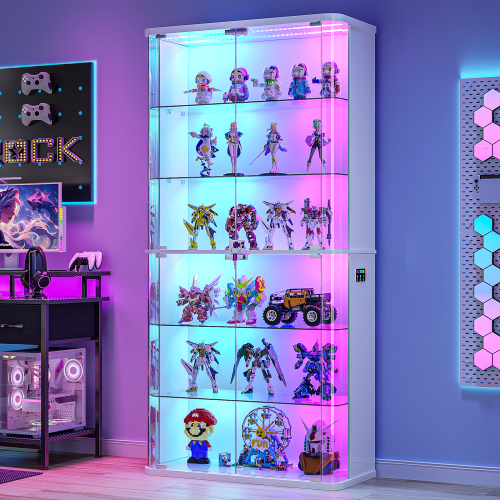
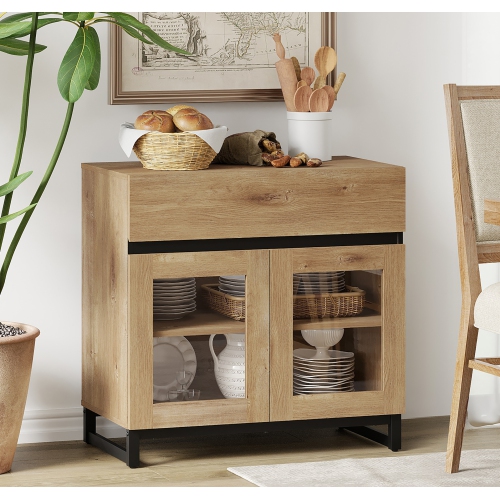
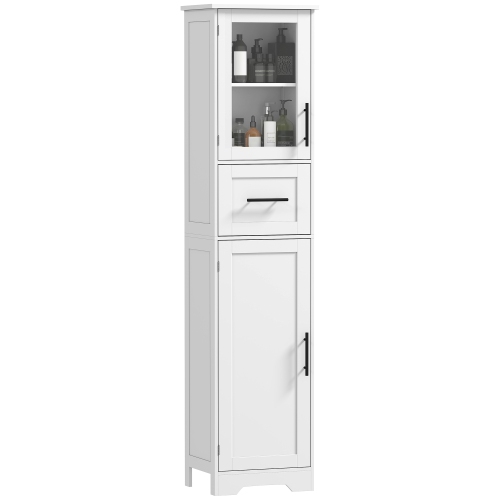
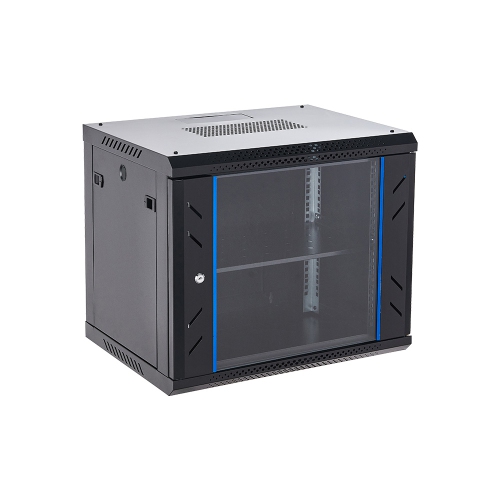
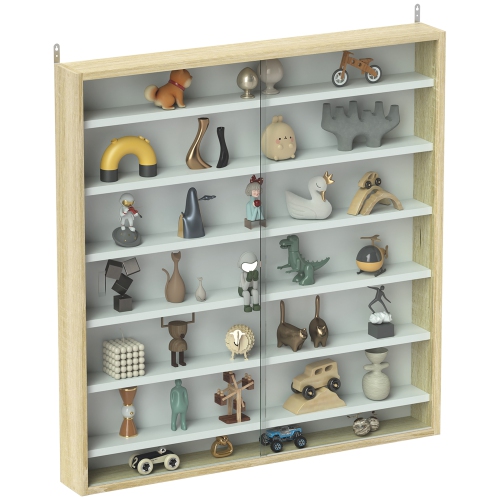
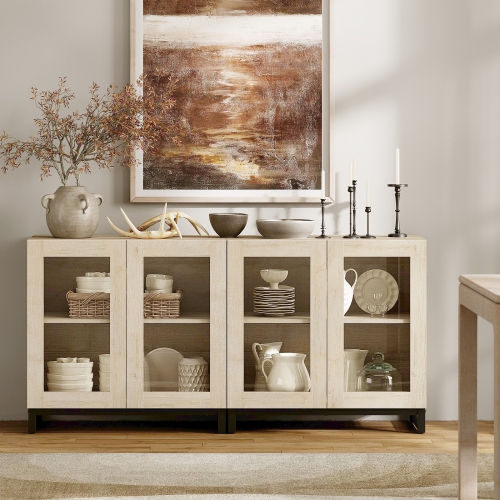
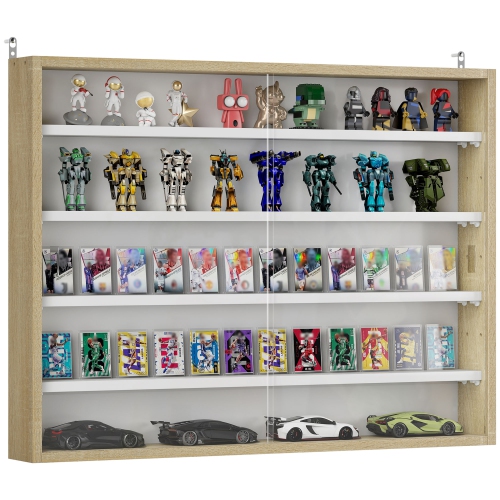
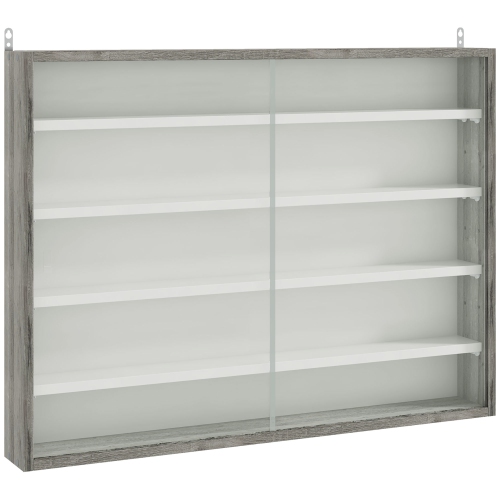
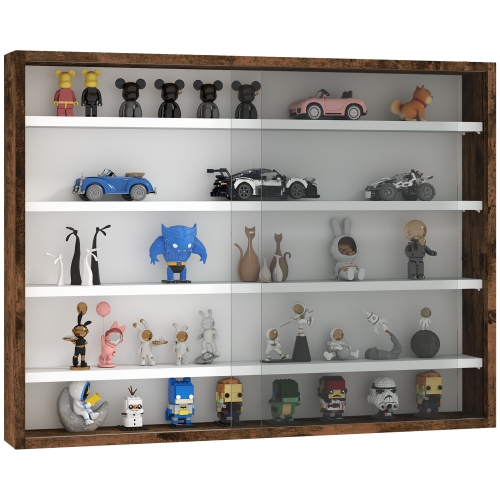
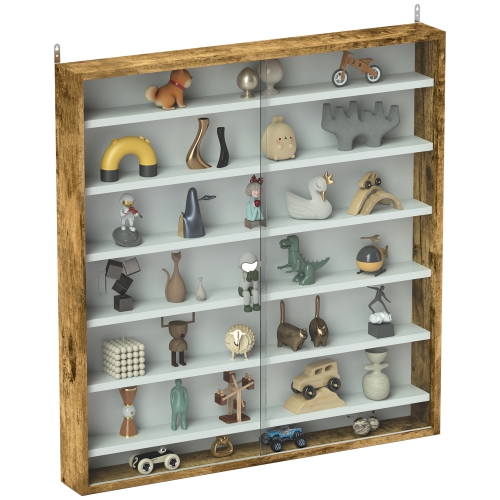
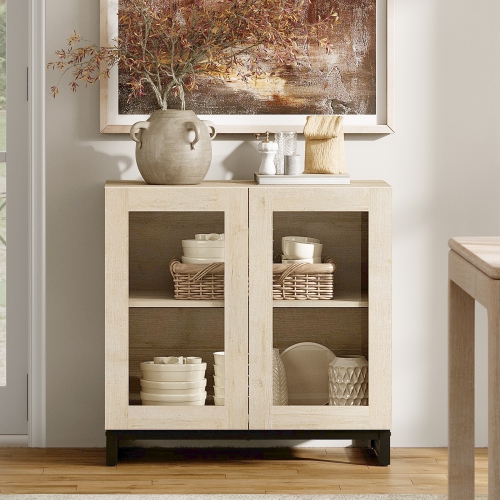


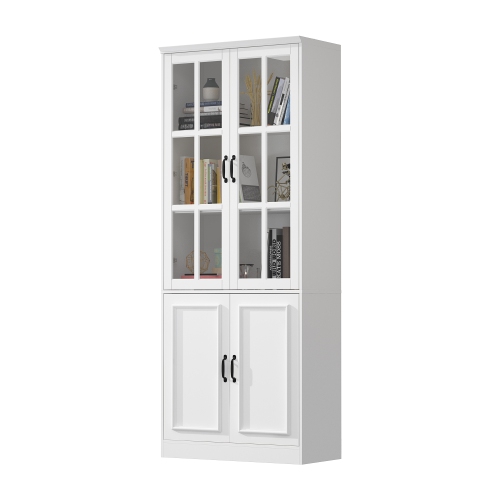

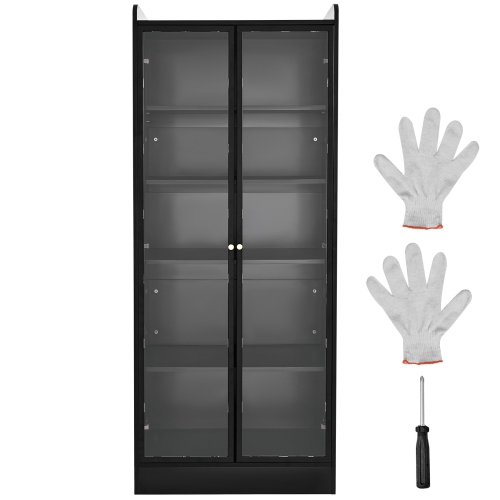
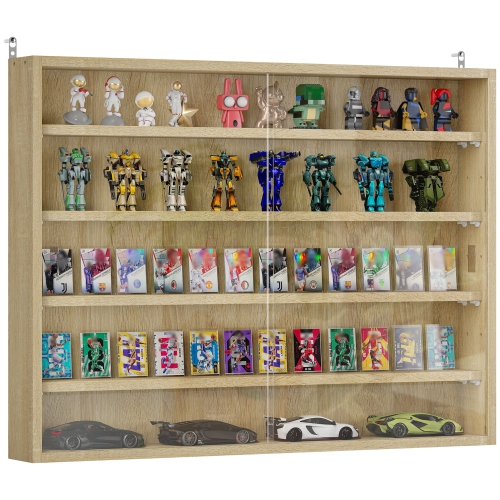
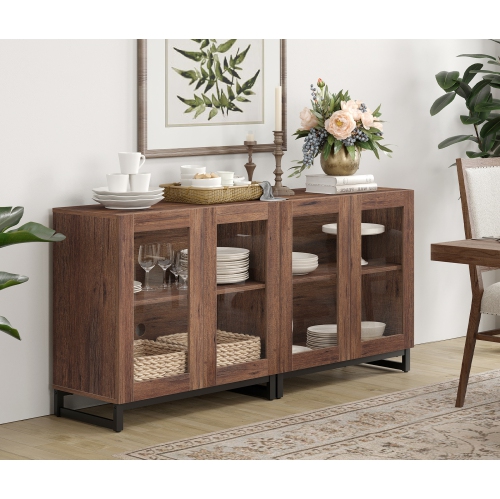
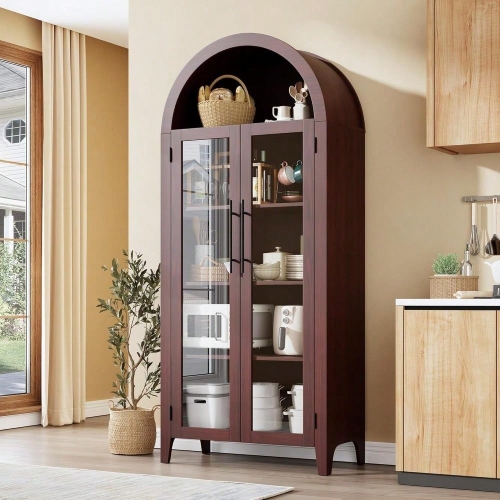
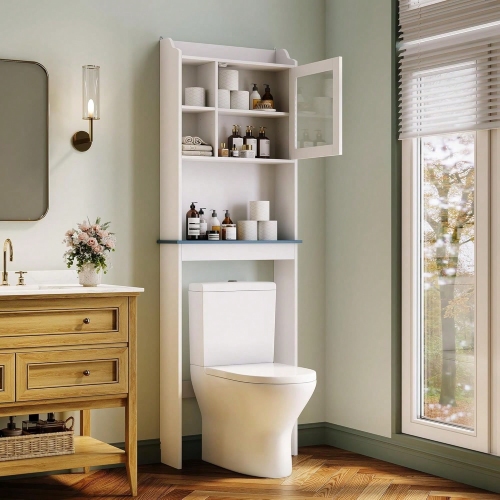
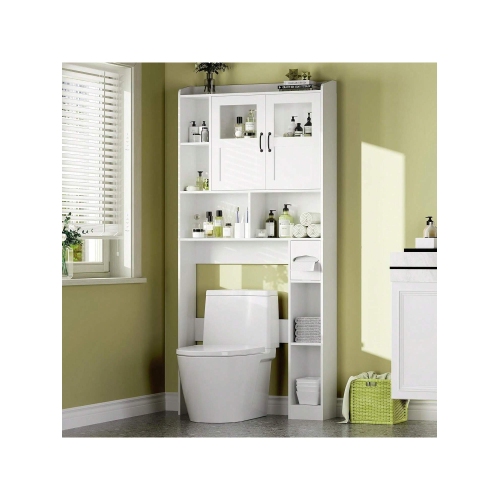
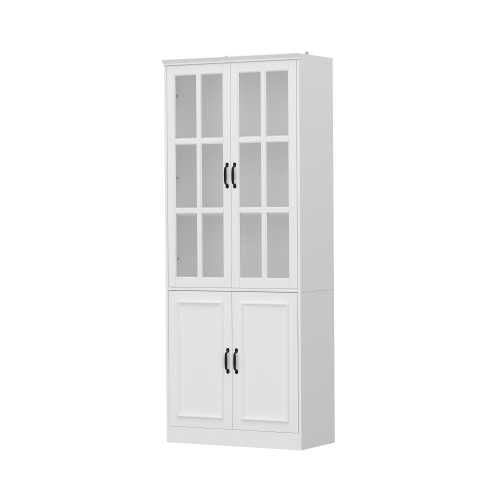


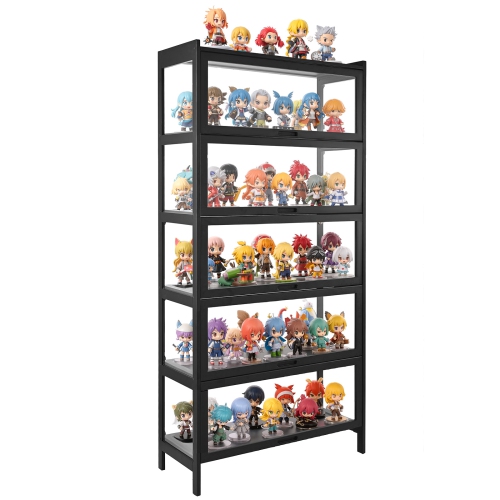
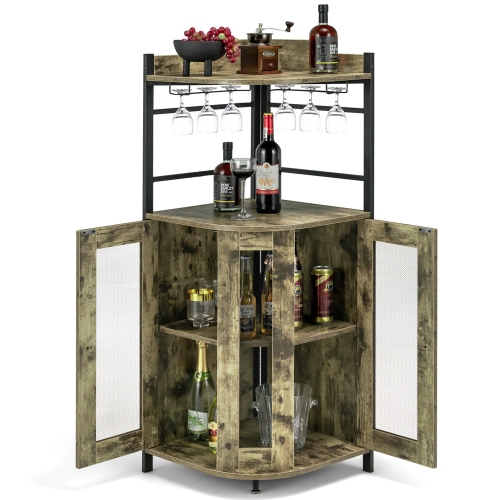
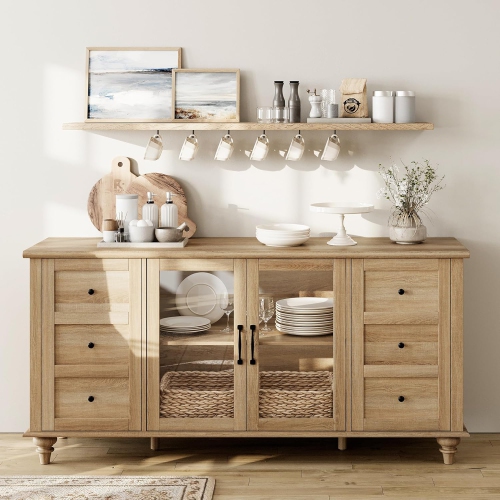

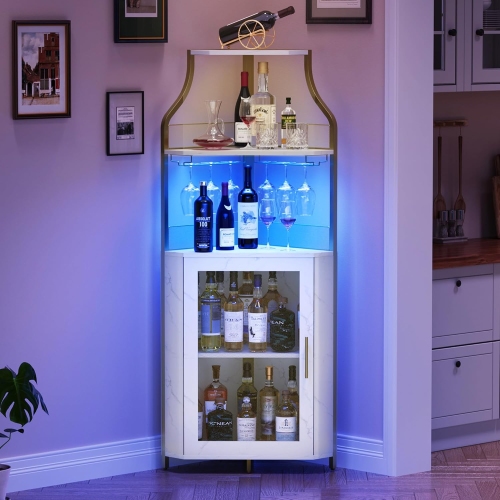
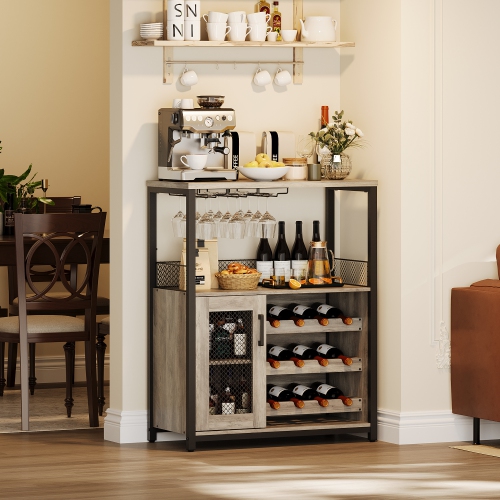
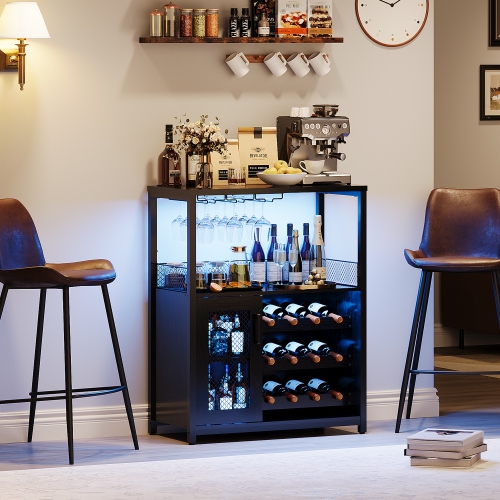
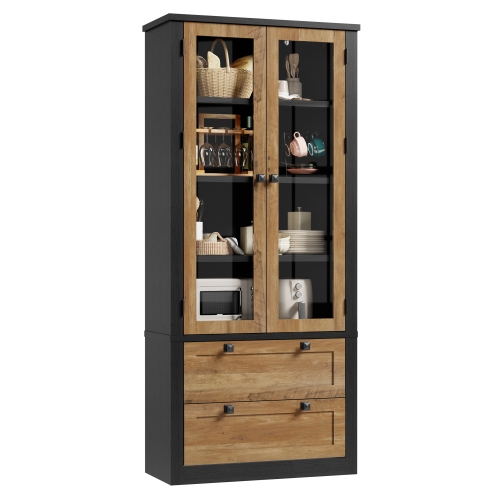
Everyday storage with a clear view and less dust
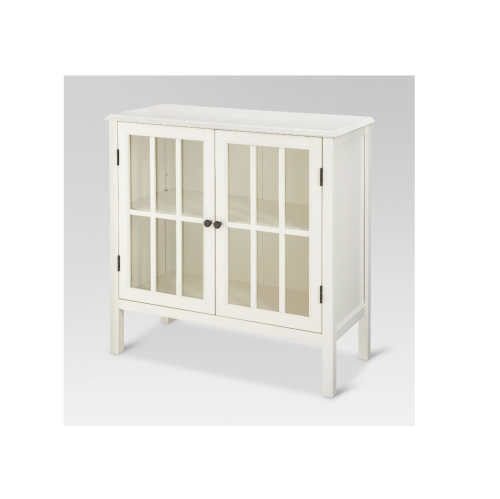
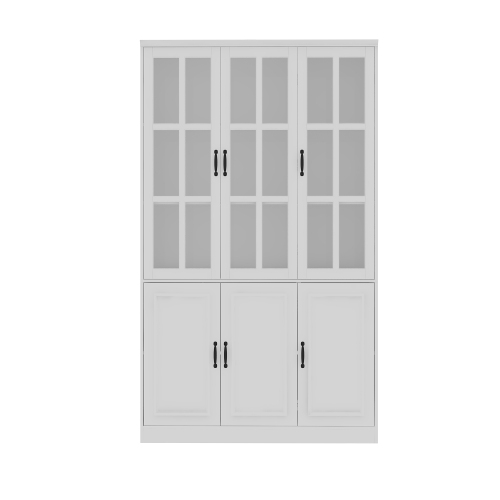
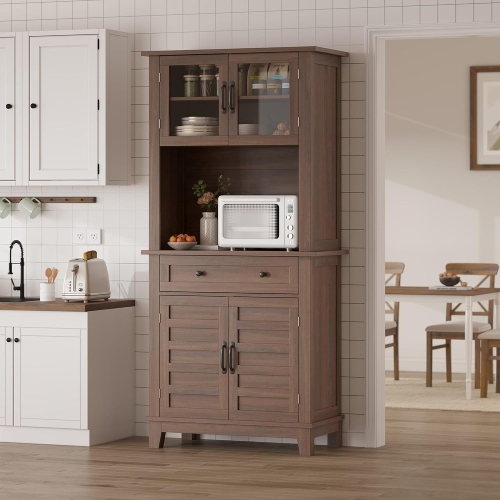
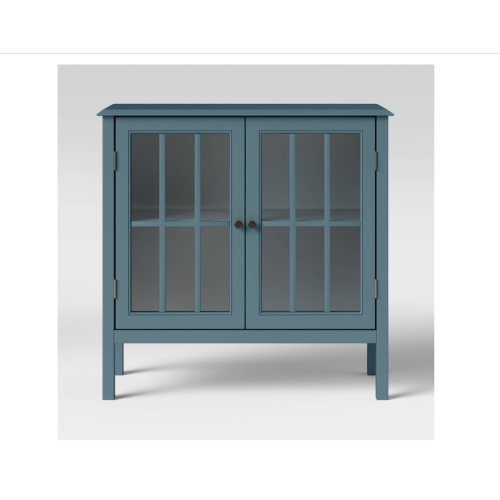
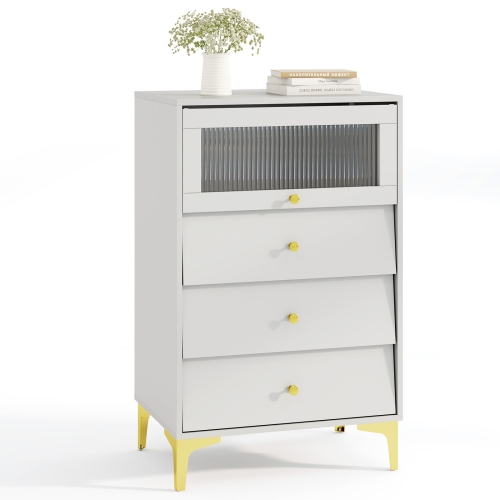
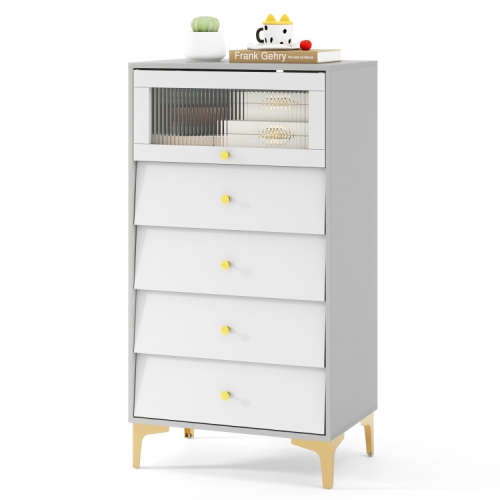
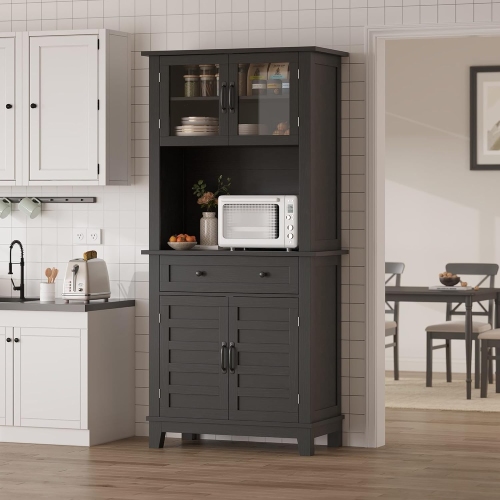
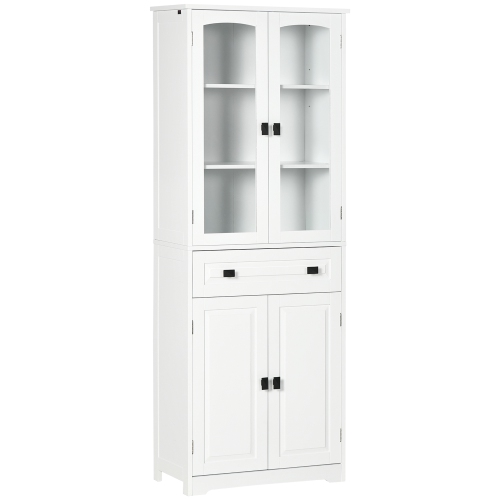
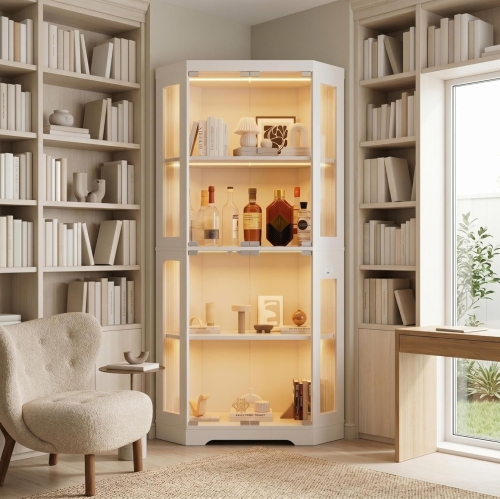
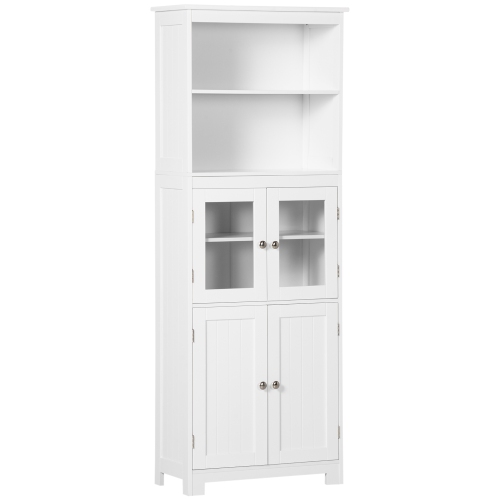
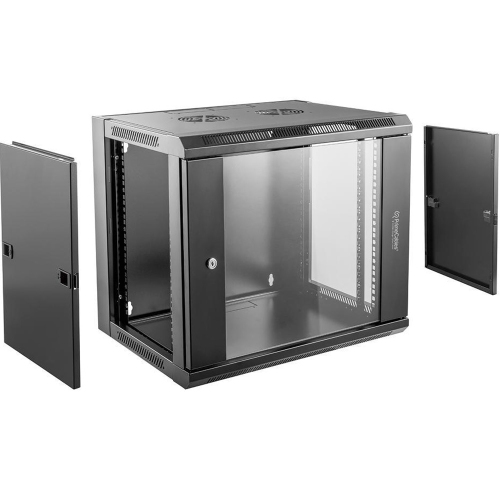
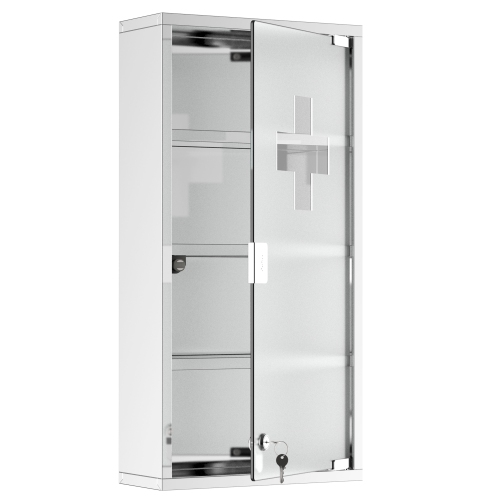
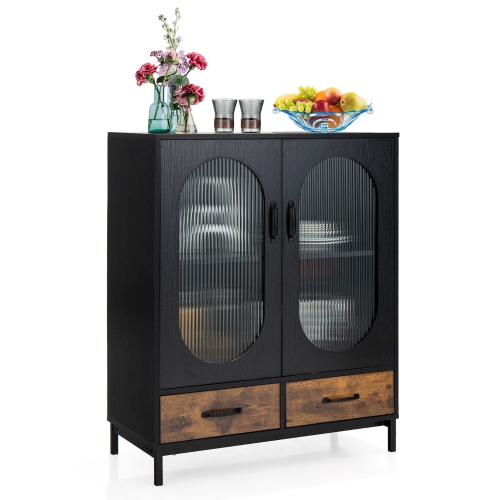
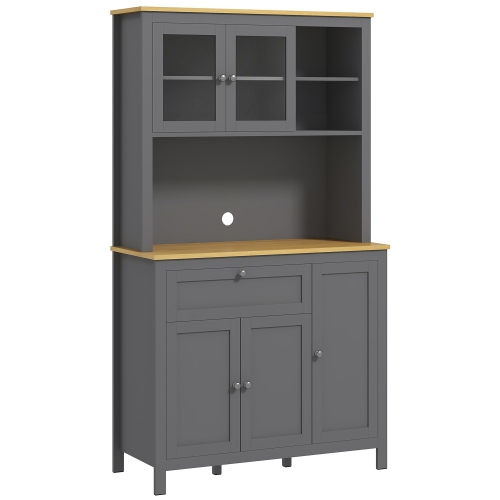
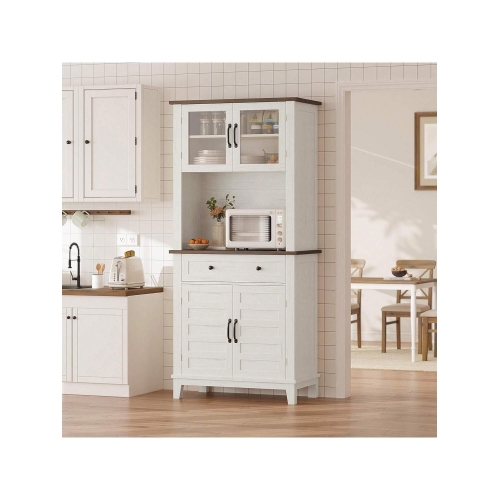
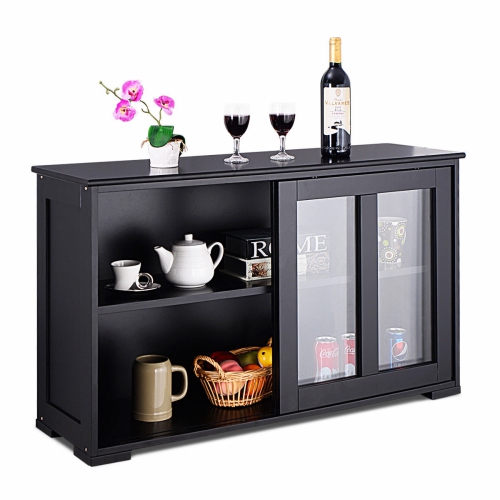
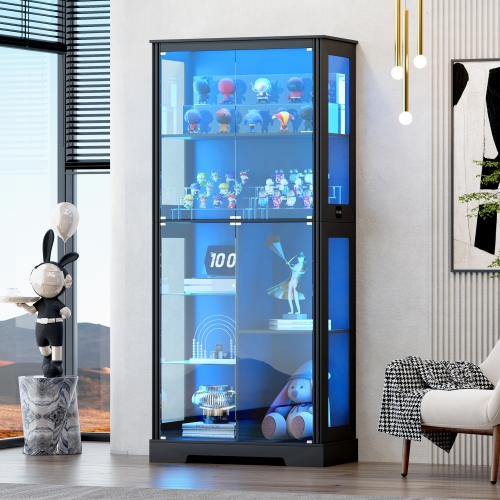
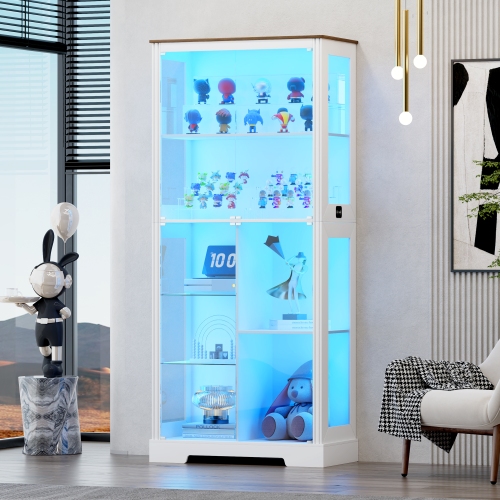
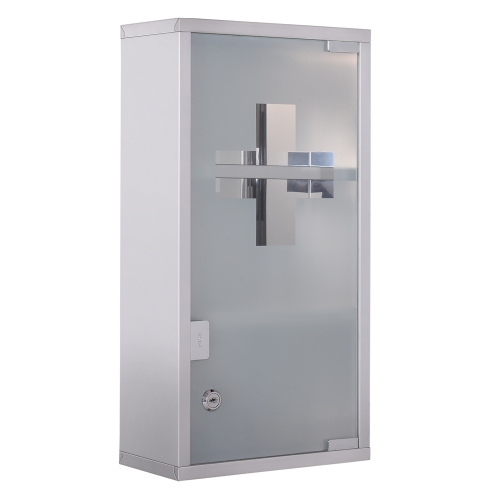
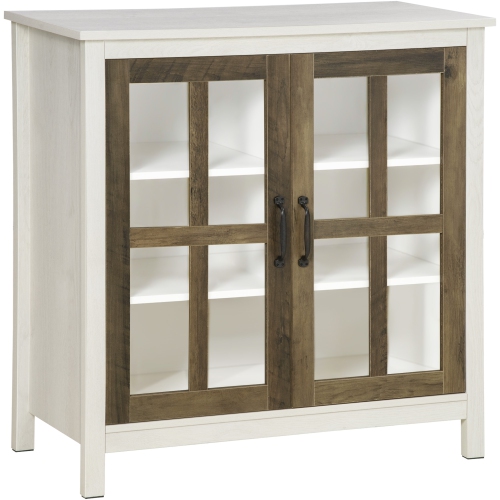
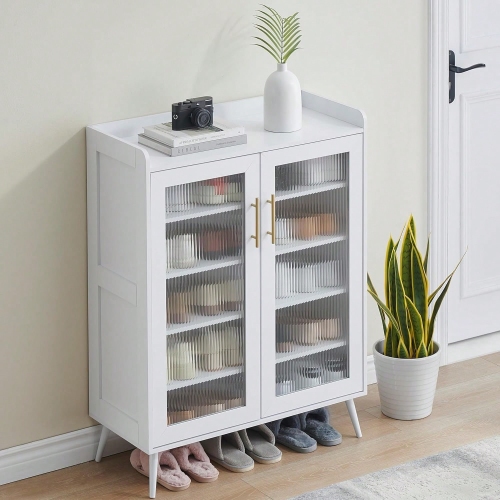
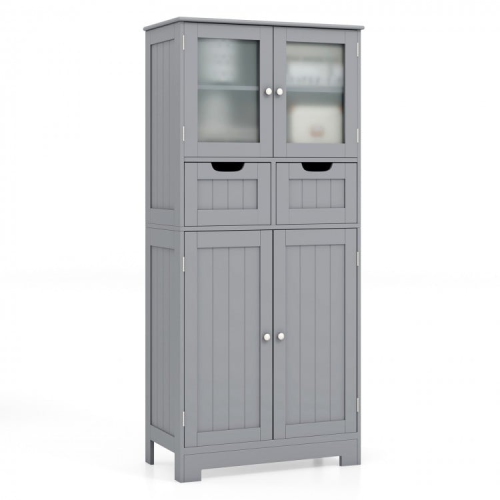
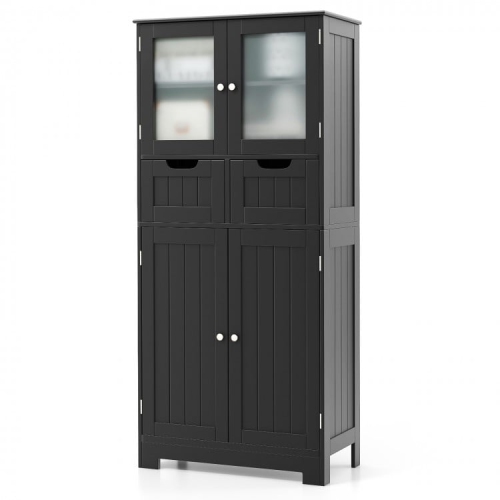
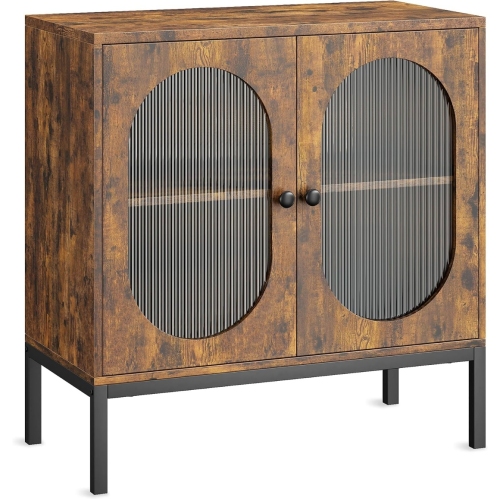
Cabinets with glass doors combine enclosed storage with a clear view of the contents, making them useful for displaying dishware, books, collectibles, and other belongings while helping reduce dust buildup. Unlike open shelving, glass-front storage places a barrier between the room and the objects inside, although it is not usually airtight or completely dustproof. In a dining room, a cabinet can keep serving bowls, drinking glasses, and table linens close to the table without leaving everything exposed. In a living room, it can give pottery, framed photographs, or a collection of hardcovers a defined place rather than spreading them across several surfaces. A home office may benefit from the same balance of visibility and organization, particularly when reference books need to be easy to find. Comparing Glass Door Cabinets by their proportions, glazing, and storage layout helps connect their appearance with how they will actually be used. Clear glass keeps contents fully visible and suits a carefully arranged display, while textured, fluted, or frosted glass softens the view and makes everyday storage feel less exposed. The distinction matters in a busy household: neatly stacked plates may suit transparent doors, while a mix of cables, stationery, and household supplies may sit more comfortably behind less transparent panels. Cabinets that combine glass doors with drawers or solid lower doors offer both display space and somewhere to tuck away less decorative belongings. Narrow frames can create a lighter visual impression, while thicker wood frames give the cabinet a more substantial presence. A pale finish may blend into a light-coloured room, and a darker finish can provide contrast against a simple wall. The most useful choice is not necessarily the largest cabinet, but one whose interior suits the contents and whose shape feels comfortable alongside the surrounding furniture.
Materials and construction influence how a glass-door cabinet looks, how much weight it can support, and how it responds to everyday use. Solid wood offers natural grain and can develop character over time, but it may expand or contract with changes in indoor humidity. Wood veneer provides a real wood surface over a supporting core, while laminated or painted engineered wood can offer a consistent finish with different care requirements. Metal frames bring a more architectural look, though the strength of any cabinet depends on its overall construction, joints, shelf supports, and hardware rather than its appearance alone. Glass thickness and treatment also matter. Tempered glass is designed to break into smaller pieces than ordinary glass if damaged, but it is not unbreakable, and edges still need protection from knocks. Shelf load limits should be checked individually, especially when storing stacks of plates, large books, or other heavy belongings. Adjustable shelves make it easier to accommodate tall pitchers or change a display later; fixed shelves provide a set layout that needs to match the intended contents from the start. Before choosing dimensions, measure the available floor space, nearby baseboards, and the height beneath any wall fixtures. Allow room for doors to open without hitting a dining chair, sofa arm, or adjacent wall, and check whether handles project into a walkway. Sliding doors can reduce the clearance needed in front, although their tracks require cleaning and may limit access to one section at a time. Hinged doors generally provide a wider opening but need more swing space. Delivery access deserves the same attention as the final position: hallways, stair turns, and doorways can all affect whether a cabinet will fit. Tall or top-heavy furniture should be secured as directed by the manufacturer, using hardware appropriate for the wall type. Keeping heavier contents on lower shelves can improve balance, but it does not replace proper anchoring.
Everyday usability often comes down to details that are easy to overlook in a photograph. Frequently used dishes are most convenient on shelves that can be reached without stretching, while fragile display pieces are better placed where they will not be brushed by a sleeve each time the doors open. Handles should be comfortable to grip, doors should close without rubbing, and adjustable hinges can be helpful when alignment needs attention after assembly. In homes with children or pets, consider access to breakable contents as well as the cabinet’s stability; glass doors alone are not a childproofing measure. A display also looks more considered when objects have a little breathing room. Grouping similar shapes, leaving space above taller pieces, and placing small belongings on a tray can make the interior easier to use and less visually crowded. For care, follow the cabinet’s instructions and choose cleaning methods suited to each surface rather than treating glass, wood, and metal alike. A soft, lint-free cloth helps remove fingerprints from glass, while applying a suitable cleaner to the cloth instead of directly onto the door helps keep liquid away from frames, seams, and hardware. Avoid abrasive pads and excessive moisture, and dry surfaces promptly. Dust shelf edges and door tracks, and check accessible fasteners and shelf supports periodically, particularly after moving the cabinet. Do not drag a loaded cabinet across the floor or use its handles to lift it. Placement away from strong direct sunlight can help limit uneven fading of wood finishes and displayed belongings, while distance from heat sources helps protect furniture surfaces. In a kitchen or bathroom, use only cabinetry rated for the intended conditions, since steam and splashes can affect finishes, cores, and metal fittings. With suitable construction, careful placement, and straightforward upkeep, cabinets with glass doors can serve as practical storage and a welcoming part of a room, keeping useful belongings close at hand while giving favourite possessions space to be seen.
Top selling and popular products
-
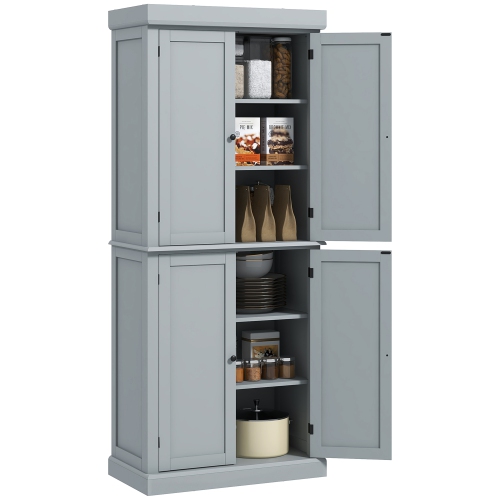 Your price for this item is $285
-
 Your price for this item is $155.99
-
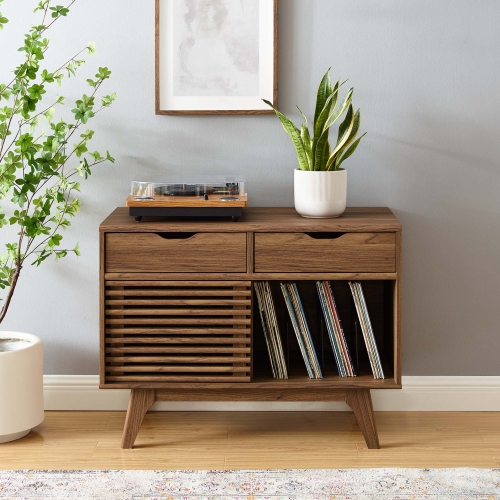 Your price for this item is $452.93
-
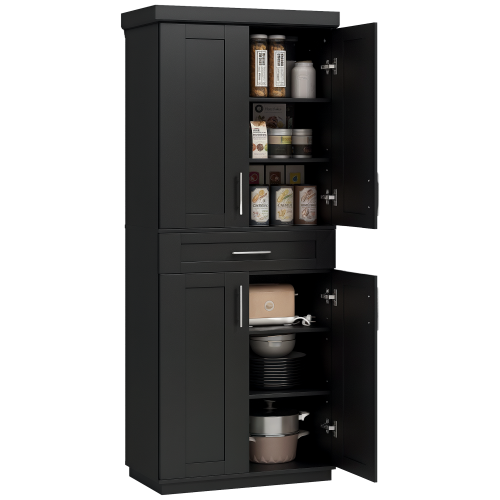 Your price for this item is $269.99
-
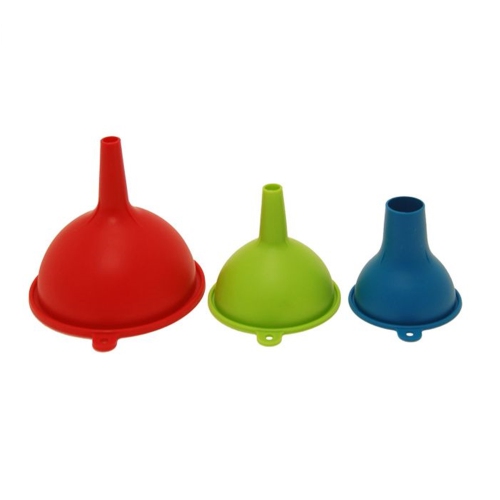 Your price for this item is $12.97
-
 Your price for this item is $155.99
-
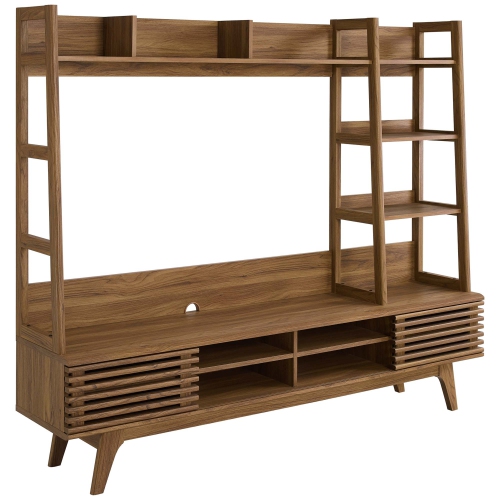 Your price for this item is $885.06
-
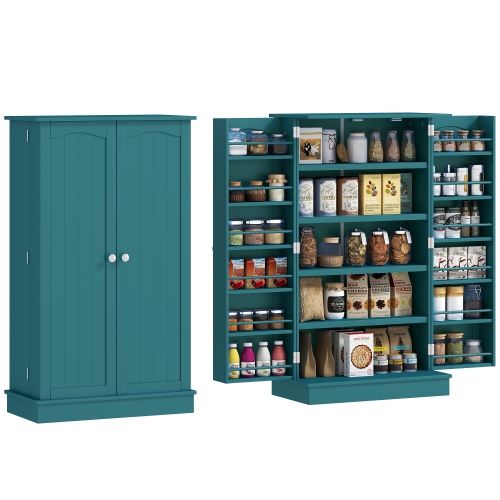 Your price for this item is $132.99
Discover more categories related to Cabinets With Glass Doors
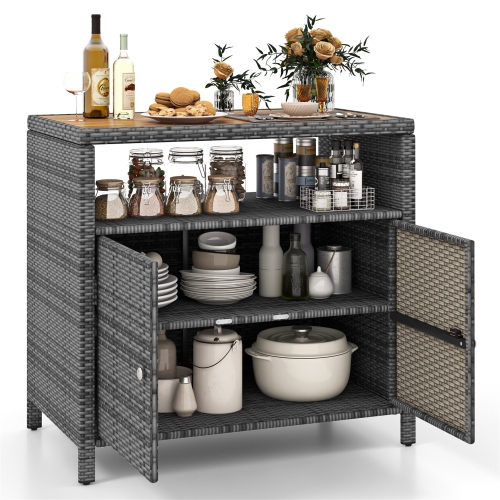

Top Collections:
Best Black Friday Deals This Year, Best Black Friday Deals On Electronics, Kindle Devices, Dyson Airwrap, Best Cameras for Sports Photography, Best Budget Office Chairs, Canon G7X Cameras, PS5 Pro Consoles, Best Black Friday Deals On Apple Products, XBOX One S Consoles
Some products may be subject to Environmental Handling Fees
(EHF) depending on your province.
Learn more about EHFs.