Cable Strippers
Whether you're an electrician, DIY enthusiast, or simply need to tidy up your cables at home or work, our range of cable strippers has got you covered. With various options available, you can find the perfect tool to remove insulation from wires with precision and ease. Say goodbye to tedious manual stripping methods and say hello to efficient cable stripping with our top-notch selection.
Sort


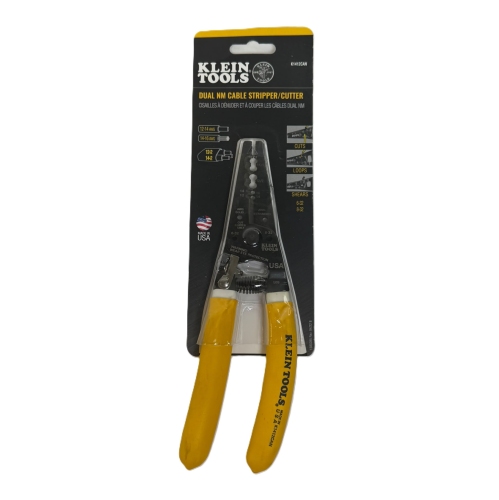
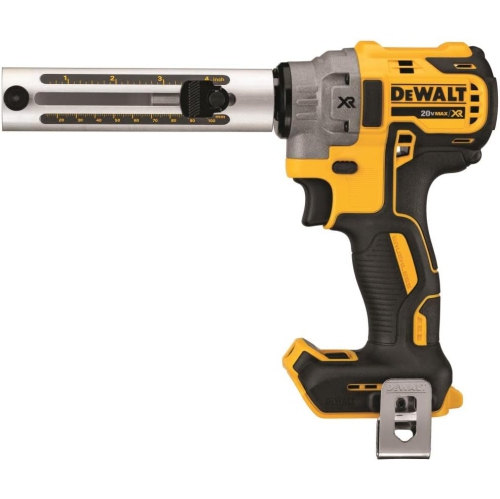
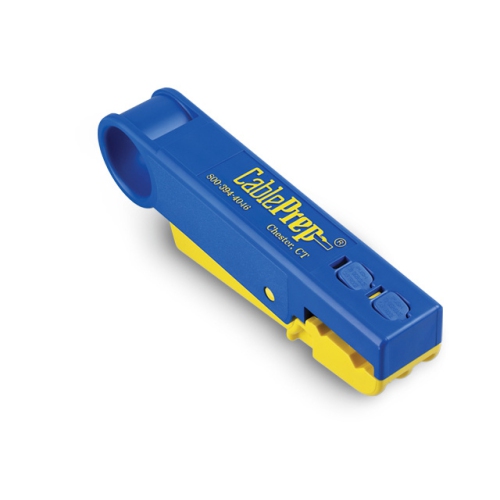


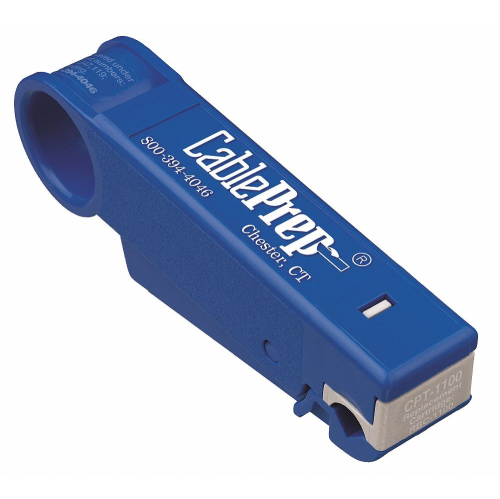


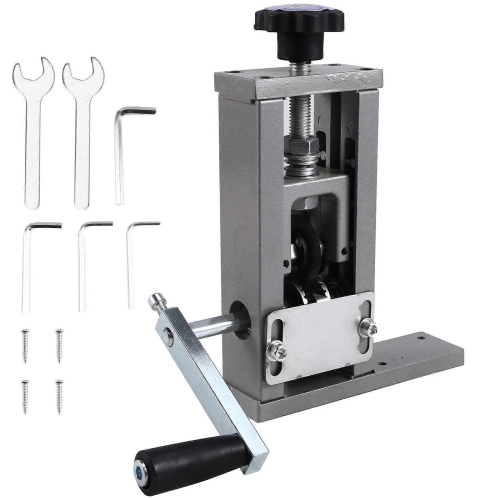
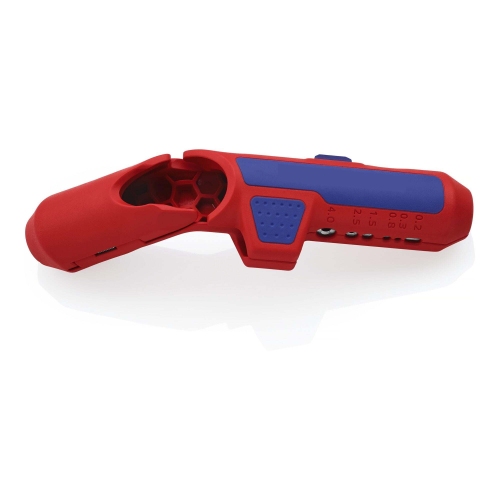
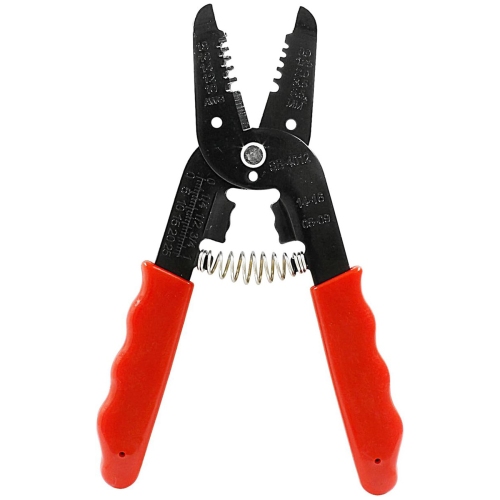

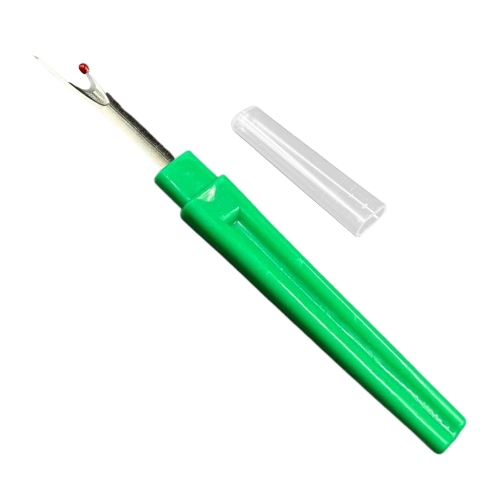
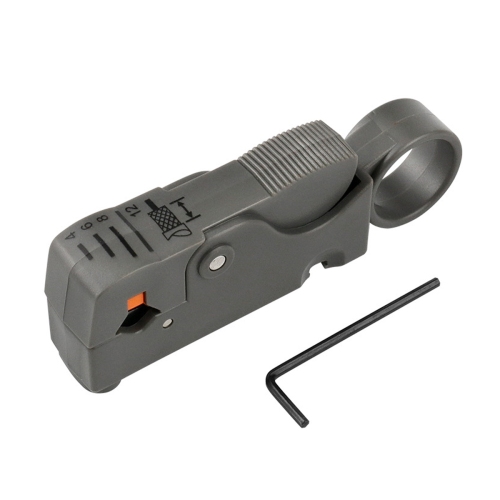
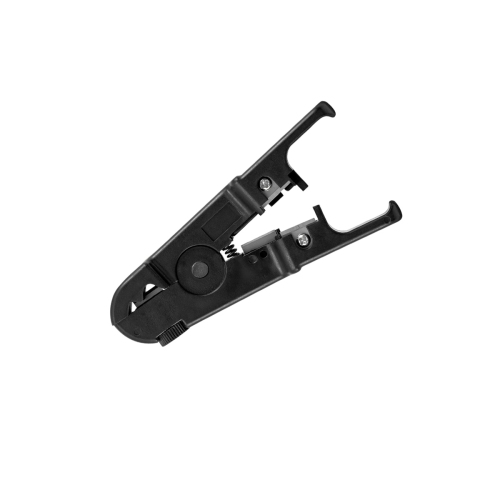
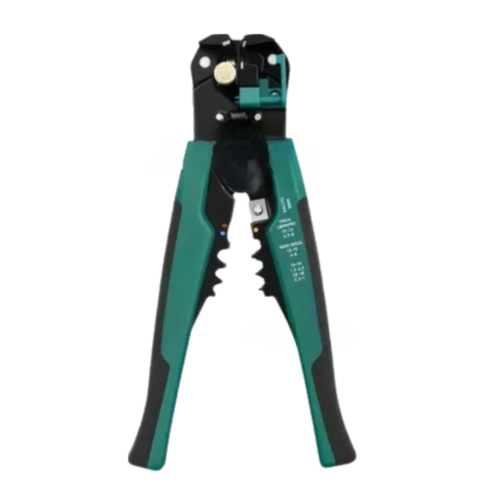
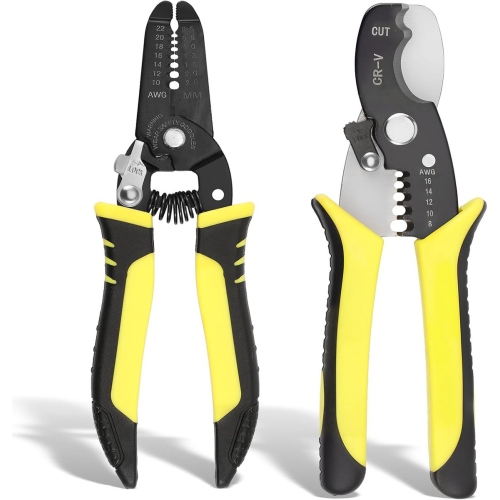
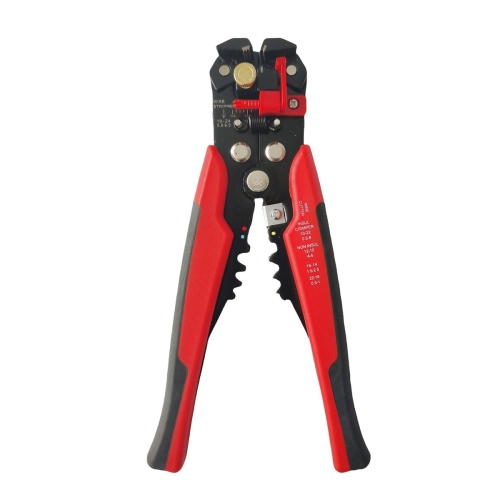
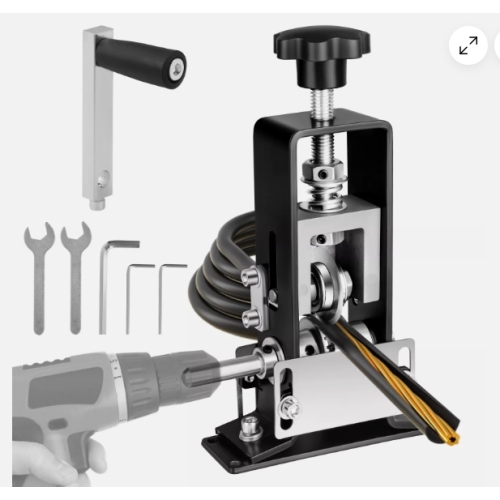


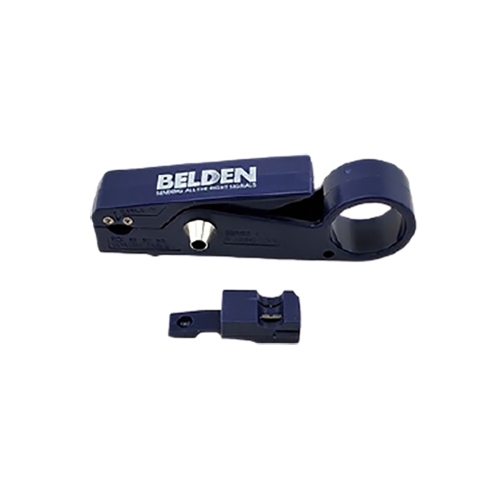
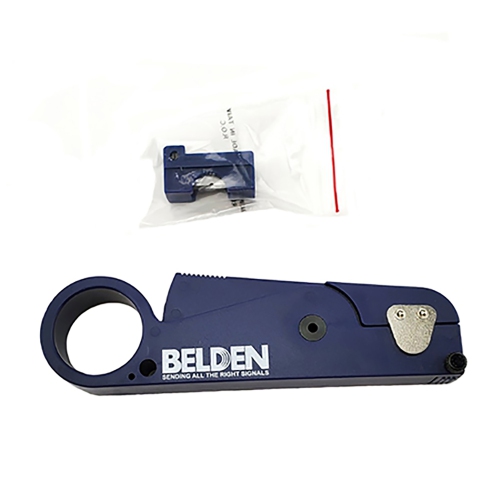

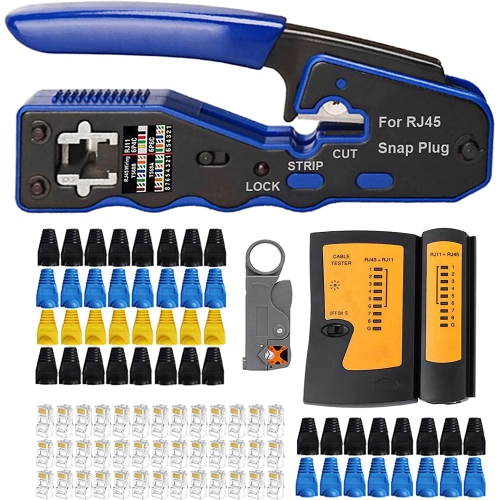
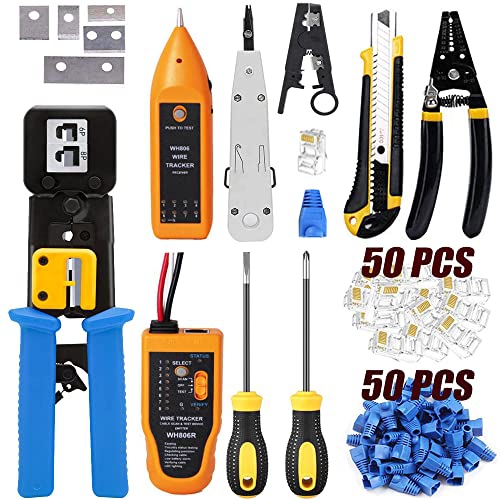


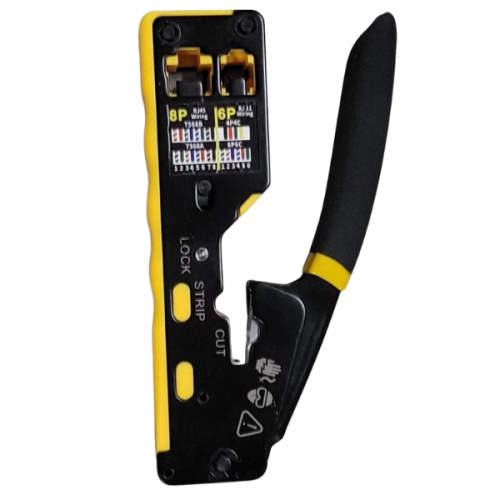
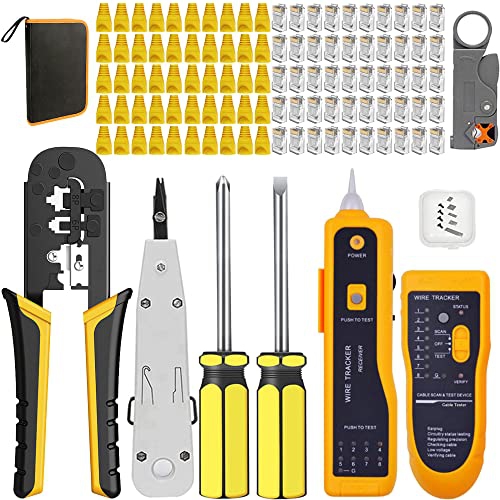


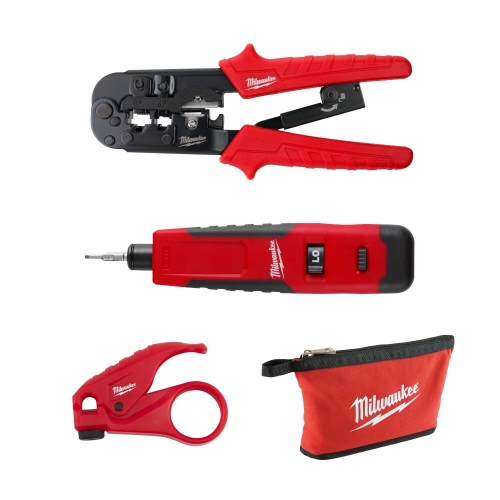
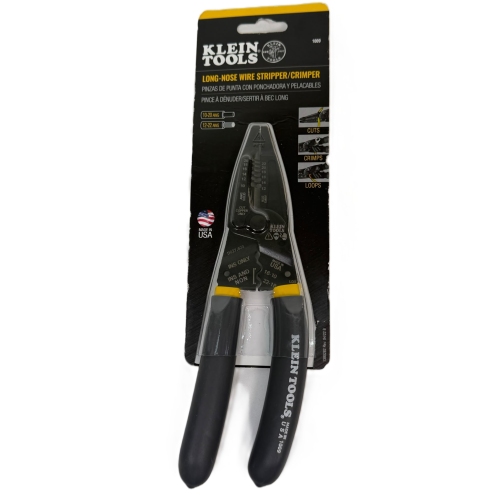
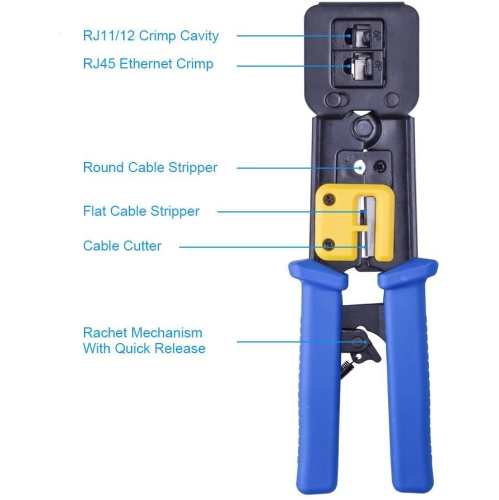
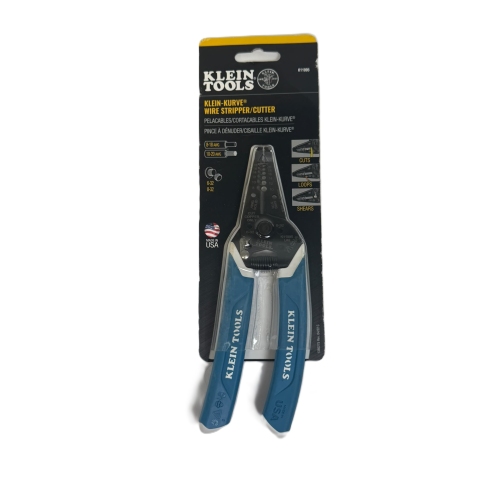

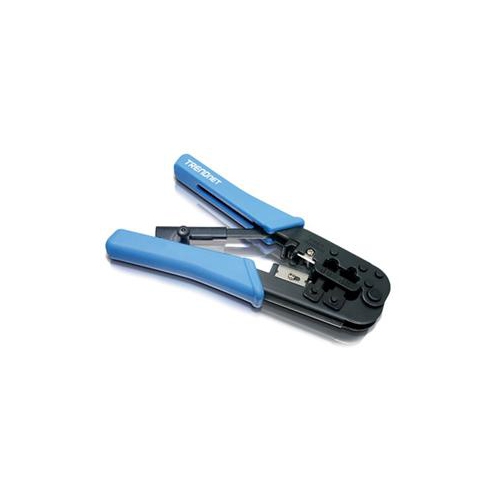
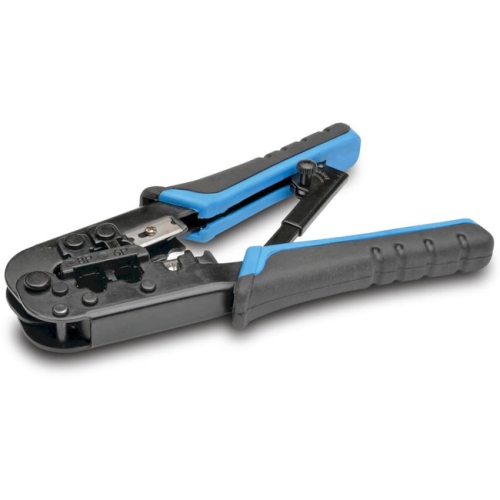

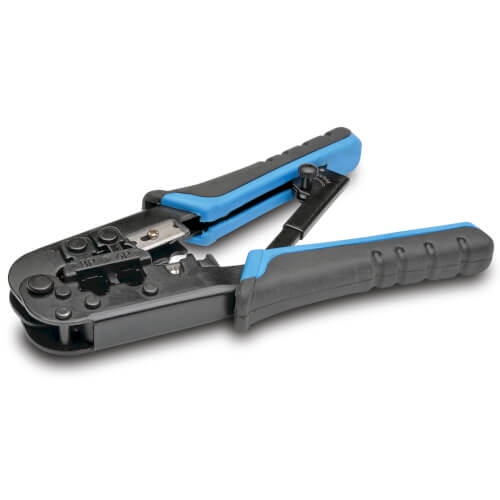
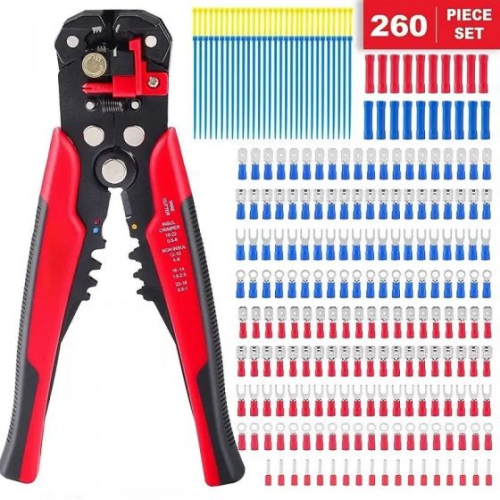
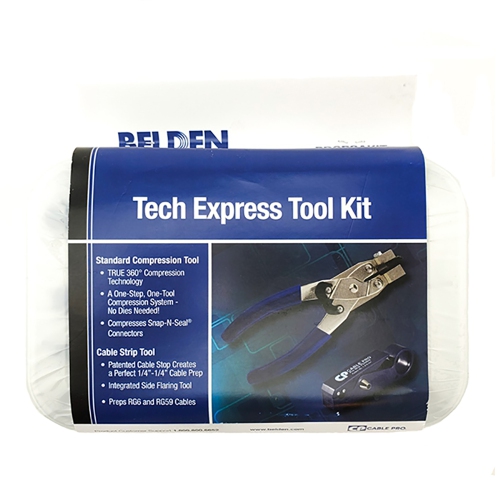
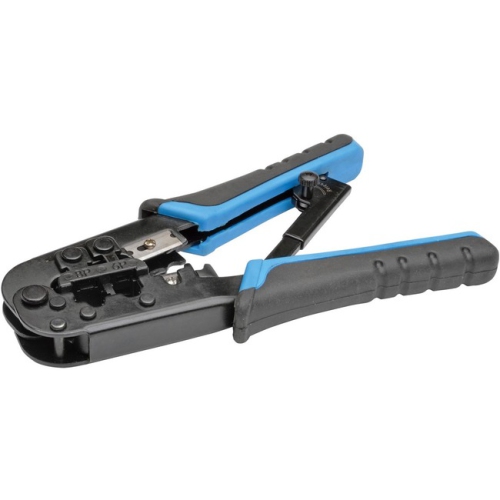


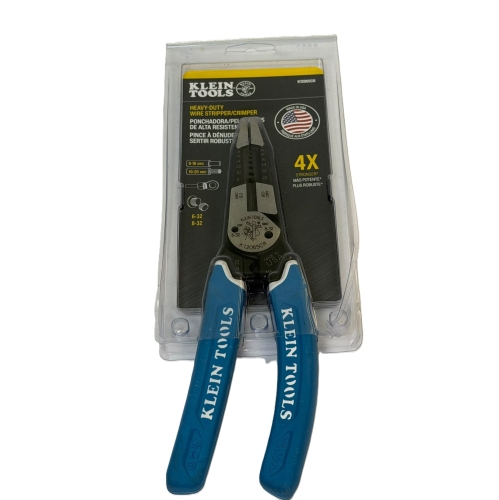

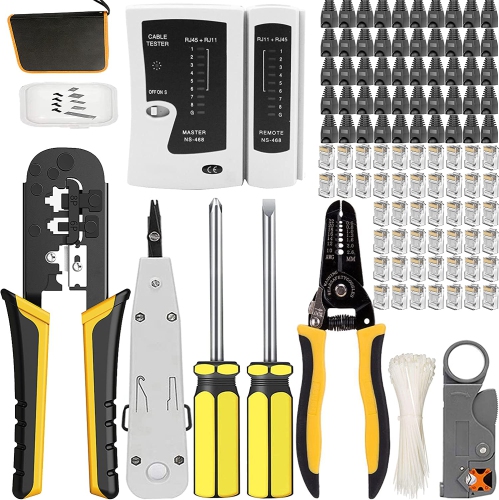
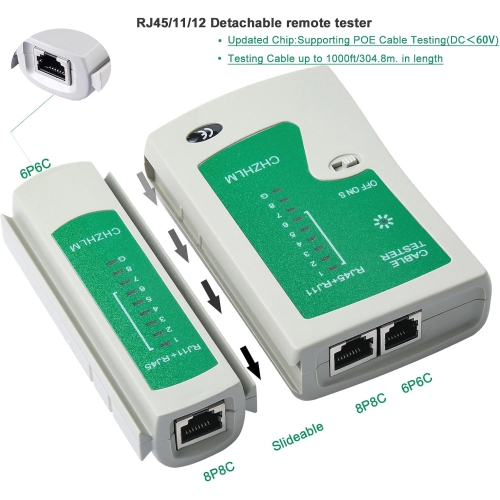
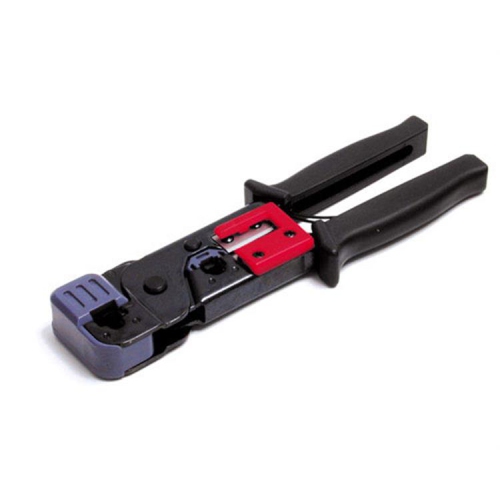

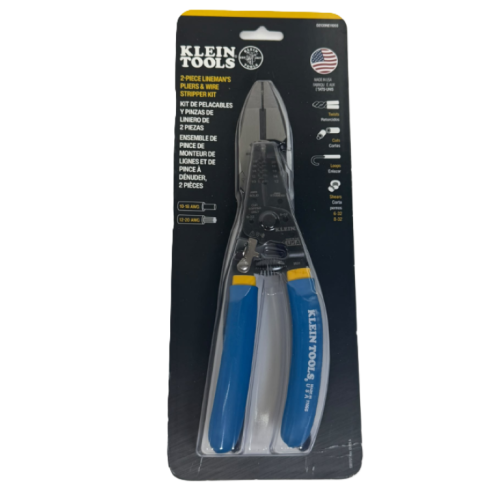
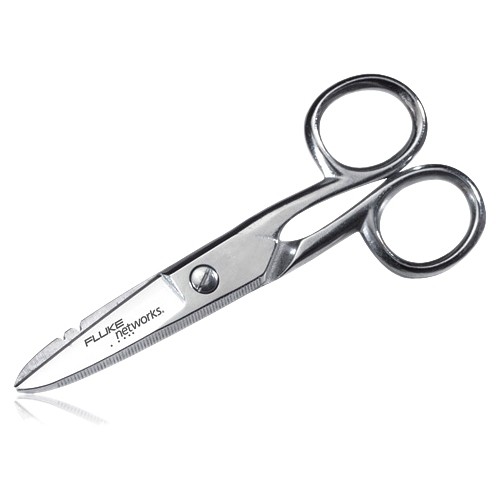
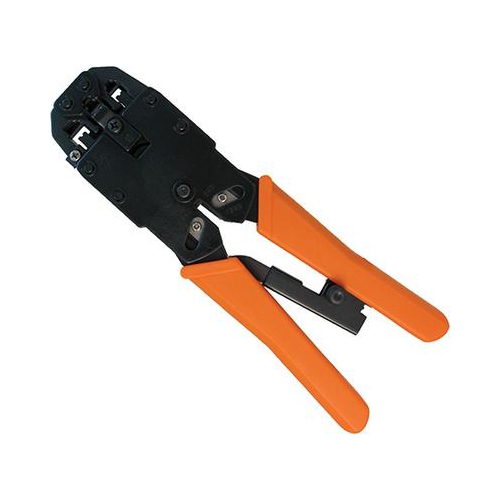
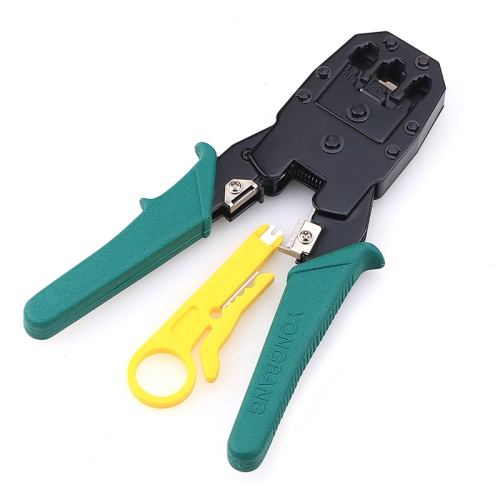
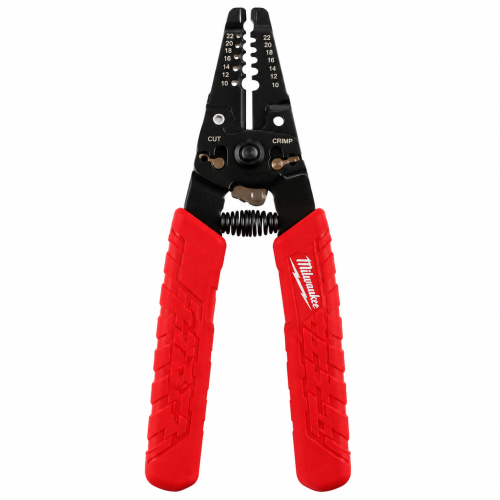
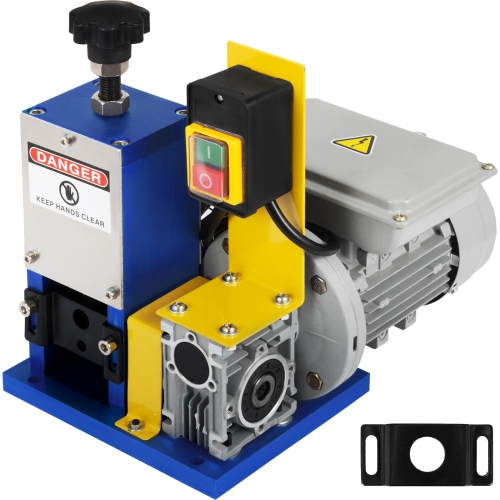
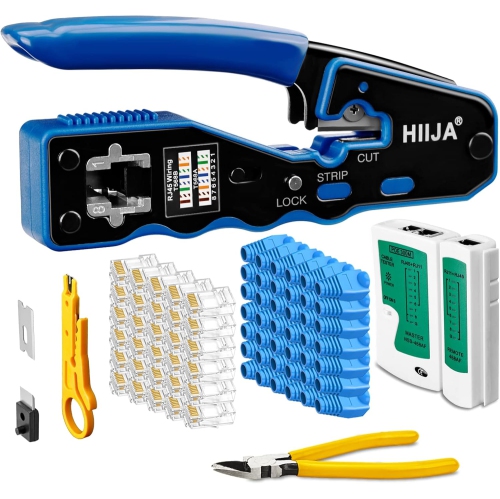
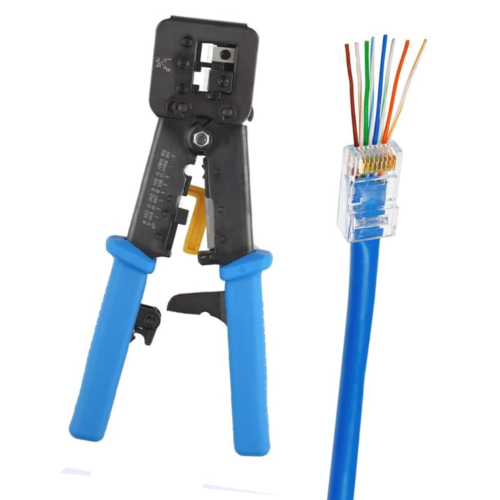

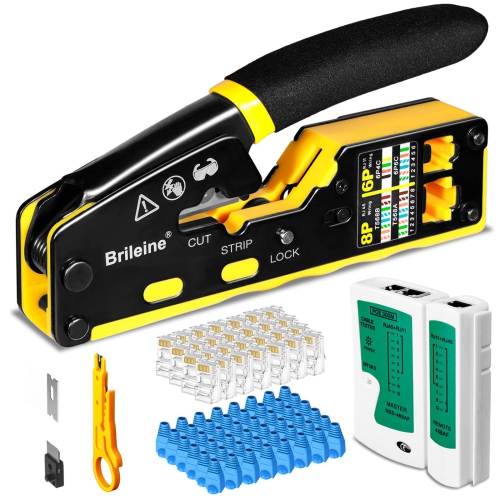

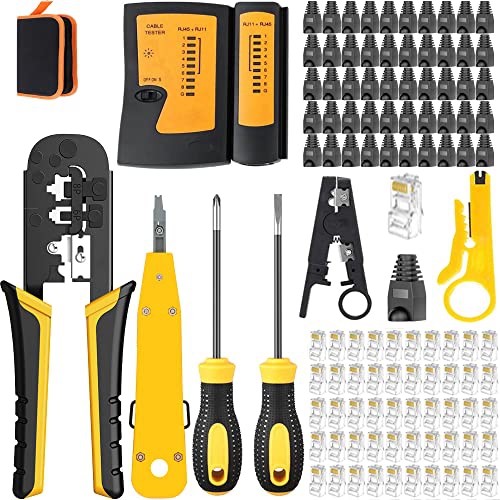
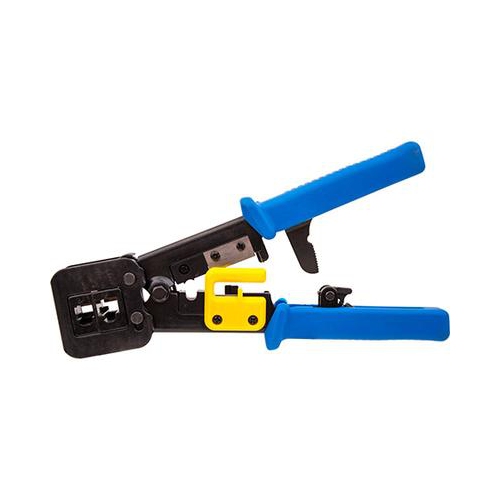

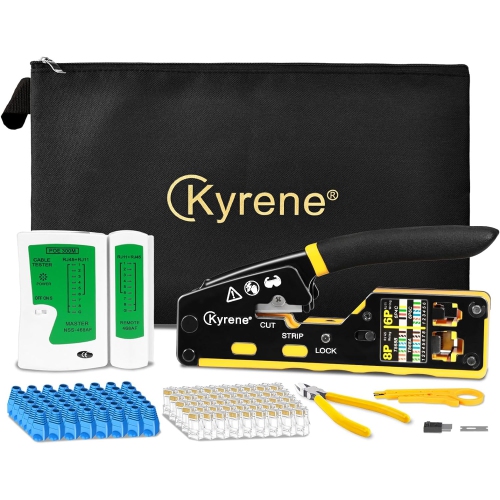


Clean wire preparation supports reliable electrical connections
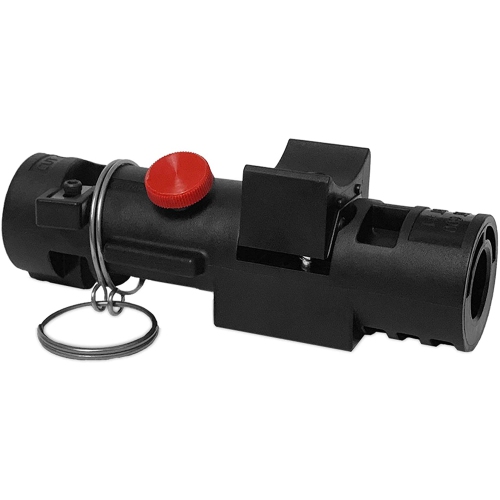
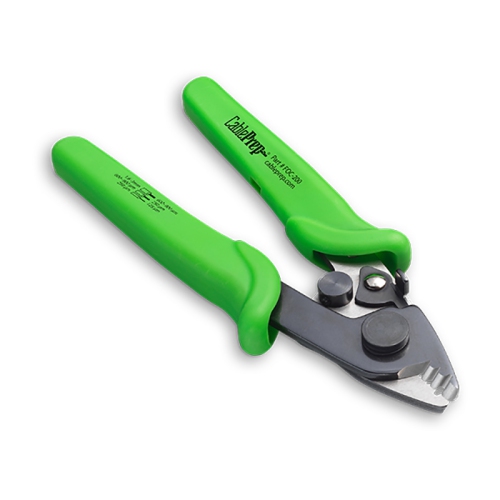
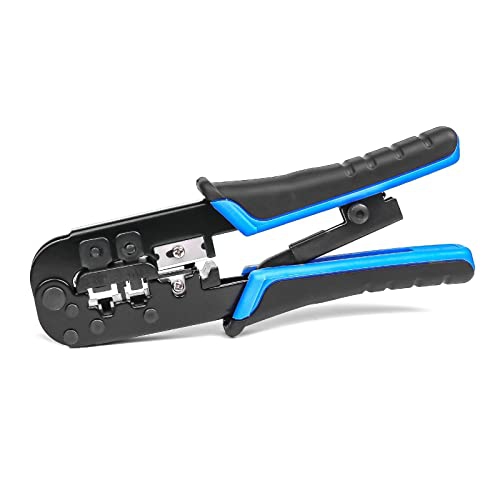
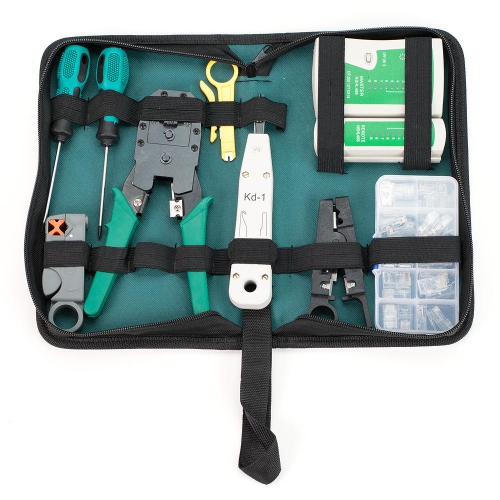
Cable strippers, also called wire strippers, are hand-held tools designed to remove insulation from electrical wires and cables without damaging the conductive core underneath. They are useful for preparing wires for terminals, connectors, switches, outlets, control panels, speaker installations, networking projects, and general electrical repairs. A clean strip leaves the conductor exposed at the correct length, with no unnecessary nicks, flattened sections, or loose strands that could affect the connection. Cable strippers are available in several designs to suit different materials and working styles. Manual wire strippers have individual gauge-marked slots and are a dependable choice when working repeatedly with common wire sizes. Self-adjusting models automatically adapt to the diameter of many wires, which can be helpful when a project involves several gauges or a combination of solid and stranded conductors. Adjustable strippers use a screw or dial to control cutting depth, allowing more precise handling of cables with thicker or more delicate insulation. Some tools include integrated cutters for trimming wire, while others have plier-style jaws for bending conductors, forming loops, or holding small components during installation. Specialized cable strippers are made for particular cable constructions, including coaxial cables with multiple shielding layers and fibre optic cables that require careful, highly controlled preparation. When choosing a cable stripper, start by identifying the cable type, conductor material, wire gauge range, and insulation thickness involved in the work. A tool intended for small electronic wiring may not be suitable for household electrical cable, automotive wiring, network cable, or coaxial cable. Gauge markings should be easy to read, and the cutting openings should hold the wire securely without forcing it into an unsuitable slot. Ergonomic handles, spring-assisted opening, non-slip grips, and locking mechanisms can make a noticeable difference during repetitive work, especially when preparing a large number of wires. Compact designs are convenient for a toolbox, service bag, or small home repair kit, while heavier-duty tools may be better suited to workshop benches and frequent professional use. Anyone comparing cable preparation tools may also want to consider Cable Crimping Tools for securing terminals and connectors after the insulation has been removed.
Using a cable stripper properly begins with making the work area safe. Disconnect the power source before handling electrical wiring, and confirm that the circuit is de-energized with an appropriate tester rather than relying only on a switch position. Wear eye protection when cutting or stripping wire, since small pieces of insulation or clipped conductor can spring away, and use insulated tools where the job and tool specifications call for them. Select the opening that matches the conductor size, or adjust the cutting depth according to the instructions for the tool. Place the wire squarely in the slot, close the jaws with controlled pressure, and pull the insulation away in a smooth motion. Excessive force can cut into the conductor, while insufficient pressure may leave the insulation partly attached. After stripping, inspect the exposed section: solid wire should remain round and intact, and stranded wire should retain its individual strands without cuts, pulled-out strands, or excessive fraying. Remove only the amount of insulation needed for the terminal or connector, since too much exposed conductor can create a short circuit or leave live metal unprotected. Cable strippers can be useful for licensed electricians, installers, technicians, makers, automotive hobbyists, home renovators, and anyone assembling low-voltage projects under appropriate guidance. They can also make a practical gift for a student learning electronics, a DIY enthusiast building a workshop, or a homeowner putting together a basic repair kit, provided the tool matches the recipient’s projects and experience level. For someone who works on network or audio installations, a cable-specific design may offer cleaner results than a general-purpose stripper; for mixed household repairs, a broad gauge range and comfortable handles may be more valuable. Store the tool dry and closed when possible, keep the jaws free of adhesive and debris, and follow the manufacturer’s instructions for maintenance and safe use. During the warmer months and into the cooler season, these tools can be handy for setting up workspaces, repairing lighting and equipment, organizing home entertainment wiring, or completing indoor projects when more time is spent at a workbench. With the appropriate cable stripper, careful preparation, and attention to wire condition, even small wiring tasks can be more orderly, consistent, and reliable.
Using a cable stripper properly begins with making the work area safe. Disconnect the power source before handling electrical wiring, and confirm that the circuit is de-energized with an appropriate tester rather than relying only on a switch position. Wear eye protection when cutting or stripping wire, since small pieces of insulation or clipped conductor can spring away, and use insulated tools where the job and tool specifications call for them. Select the opening that matches the conductor size, or adjust the cutting depth according to the instructions for the tool. Place the wire squarely in the slot, close the jaws with controlled pressure, and pull the insulation away in a smooth motion. Excessive force can cut into the conductor, while insufficient pressure may leave the insulation partly attached. After stripping, inspect the exposed section: solid wire should remain round and intact, and stranded wire should retain its individual strands without cuts, pulled-out strands, or excessive fraying. Remove only the amount of insulation needed for the terminal or connector, since too much exposed conductor can create a short circuit or leave live metal unprotected. Cable strippers can be useful for licensed electricians, installers, technicians, makers, automotive hobbyists, home renovators, and anyone assembling low-voltage projects under appropriate guidance. They can also make a practical gift for a student learning electronics, a DIY enthusiast building a workshop, or a homeowner putting together a basic repair kit, provided the tool matches the recipient’s projects and experience level. For someone who works on network or audio installations, a cable-specific design may offer cleaner results than a general-purpose stripper; for mixed household repairs, a broad gauge range and comfortable handles may be more valuable. Store the tool dry and closed when possible, keep the jaws free of adhesive and debris, and follow the manufacturer’s instructions for maintenance and safe use. During the warmer months and into the cooler season, these tools can be handy for setting up workspaces, repairing lighting and equipment, organizing home entertainment wiring, or completing indoor projects when more time is spent at a workbench. With the appropriate cable stripper, careful preparation, and attention to wire condition, even small wiring tasks can be more orderly, consistent, and reliable.
Top selling and popular products
-
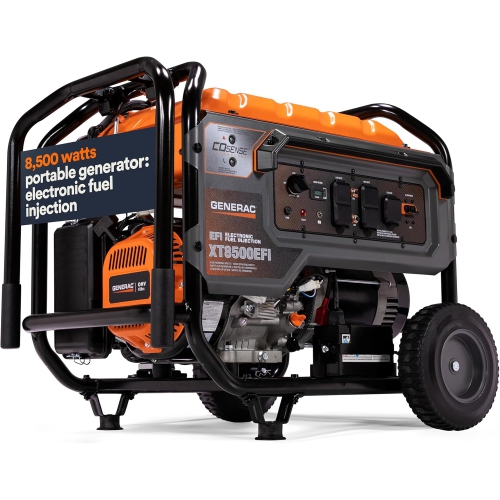 Your price for this item is $3000
-
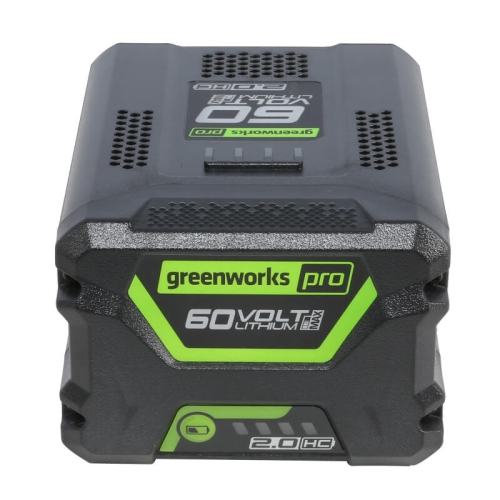 Your price for this item is $159.99
-
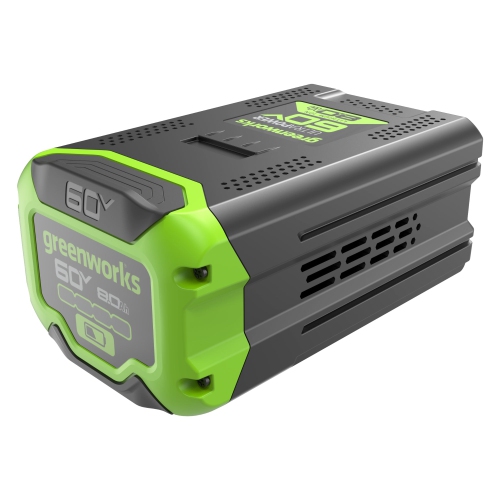 Your price for this item is $329.99
-
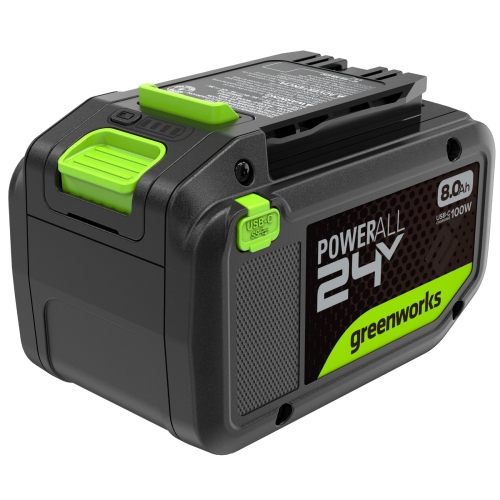 Your price for this item is $149.99
-
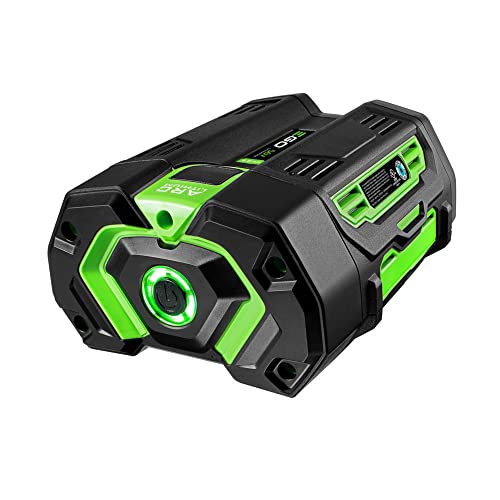 Your price for this item is $264
-
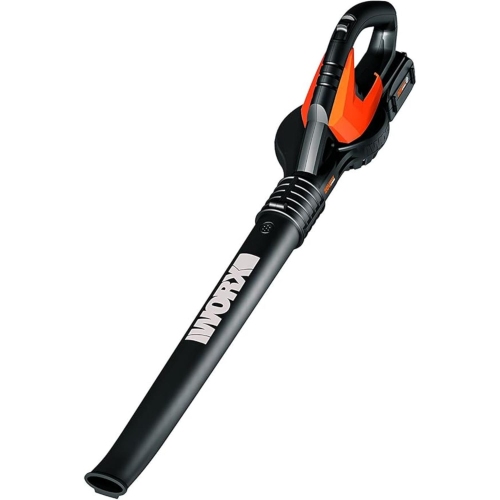 Your price for this item is $217.55
-
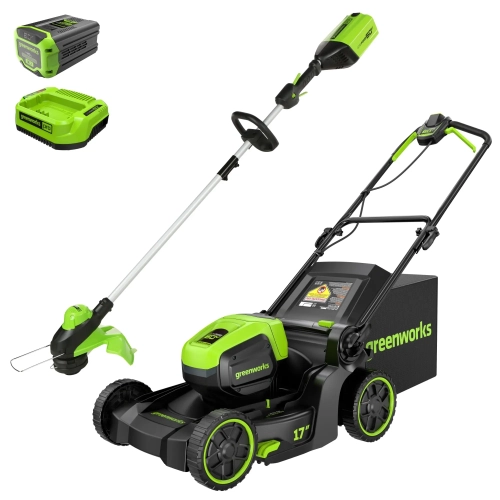 Your price for this item is $779.99
-
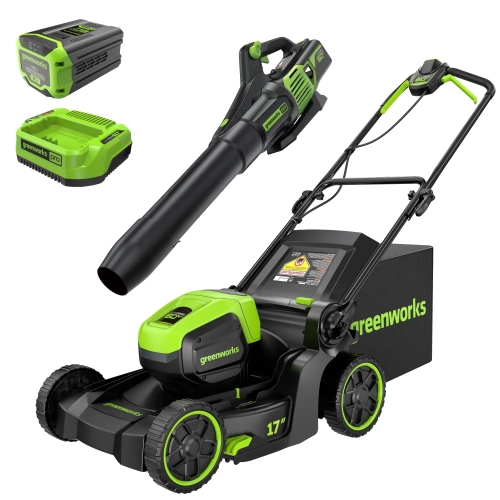 Your price for this item is $659.99
Discover more categories related to Cable Strippers
Top Collections:
Pokemon Centers, Kindle Devices, Best Budget Office Chairs, Canon G7X Cameras, Apple iPhones 16, Samsung Galaxy Phones, Refurbished Apple Laptops, Laptops for Students, iPhone 15 Apple, Budget Smartphones
Some products may be subject to Environmental Handling Fees
(EHF) depending on your province.
Learn more about EHFs.