Cable Fasteners
Organize and secure your cables with this range of cable fasteners, designed to keep your workspace tidy and free from tangled cords. Say goodbye to the hassle of untangling wires and hello to a more efficient and organized setup. Whether you're looking to streamline your home entertainment system or declutter your office space, these cable fasteners are here to help you stay connected without the mess.
Sort
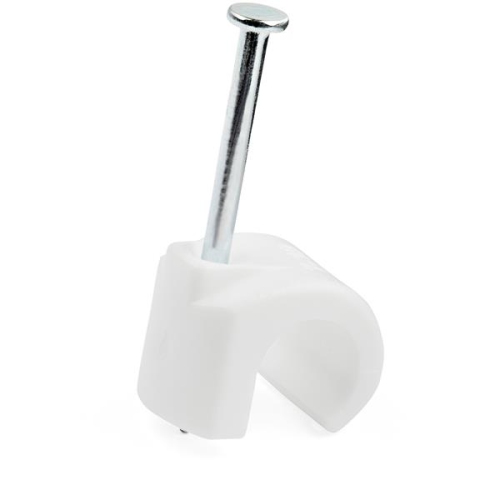
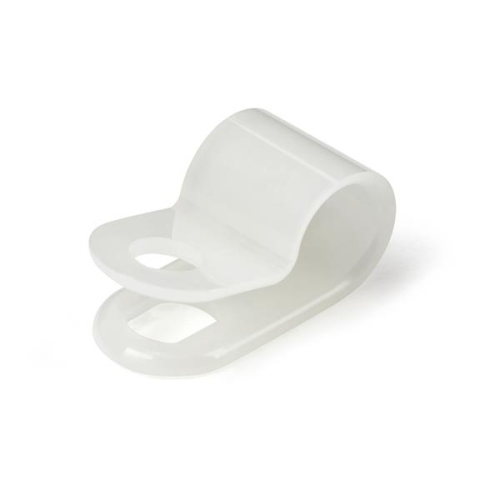
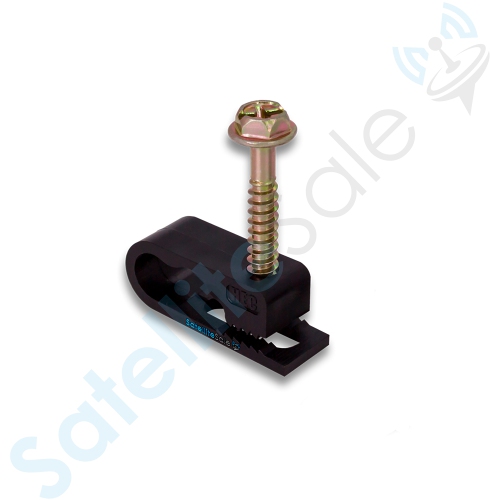

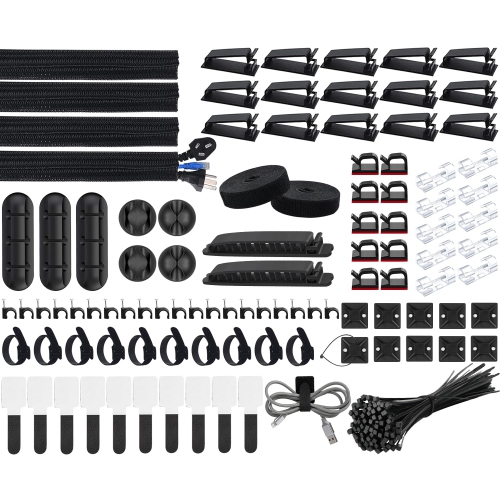
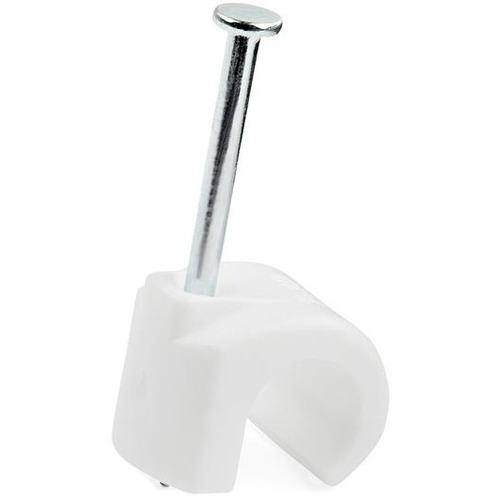

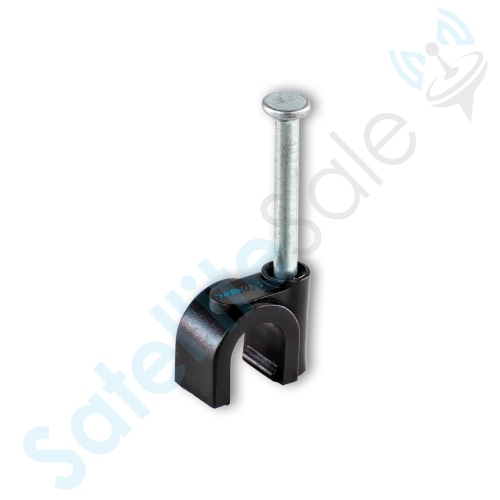
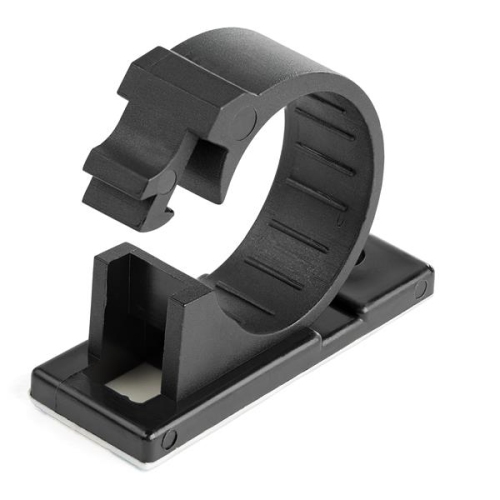
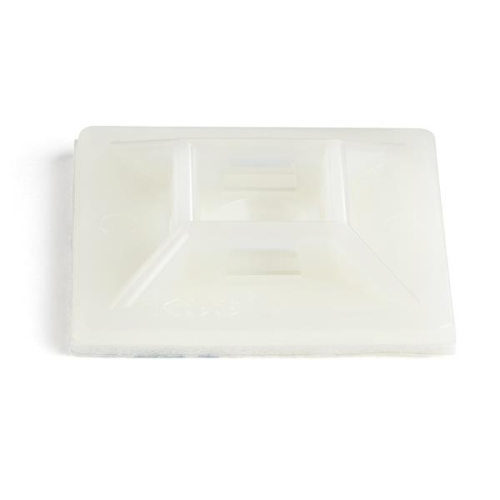
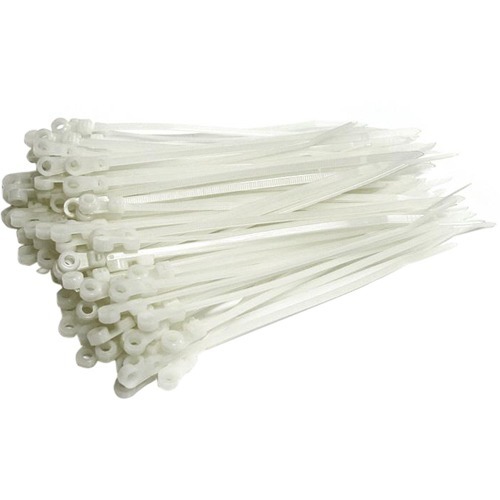

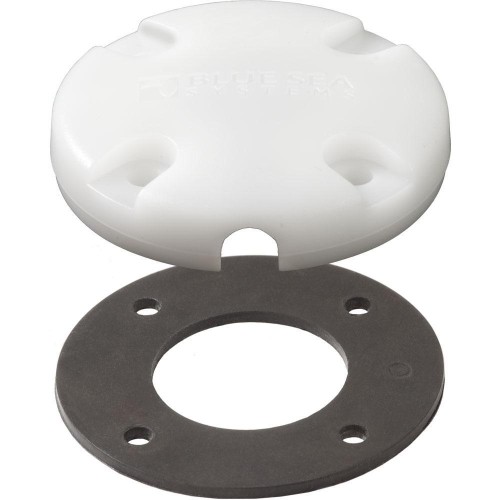
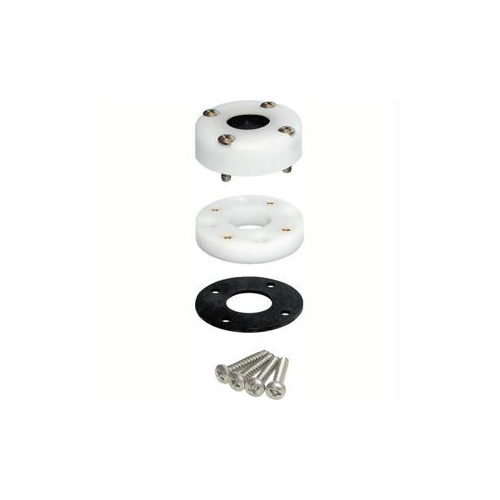
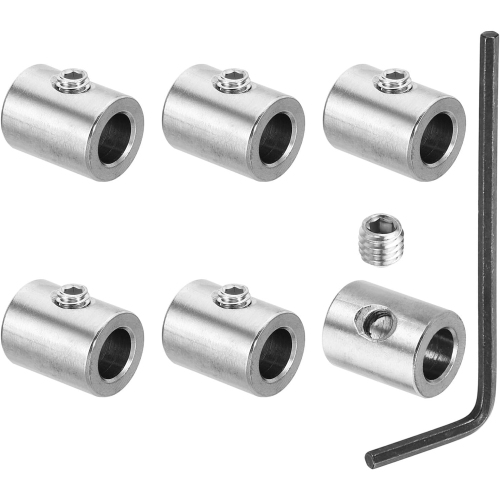
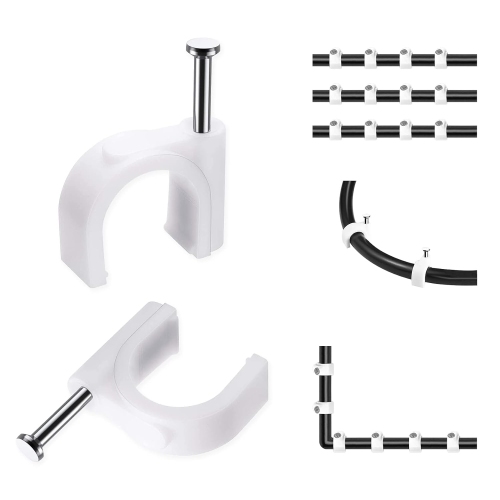
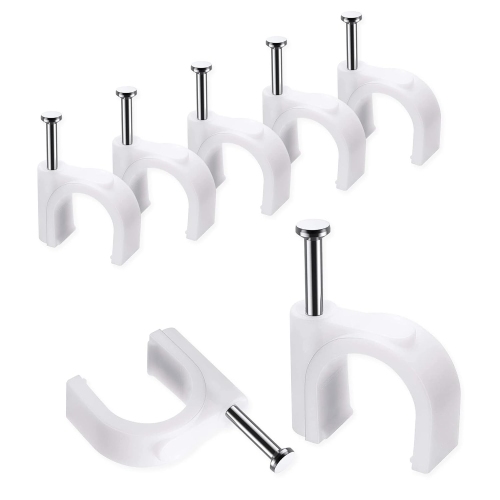
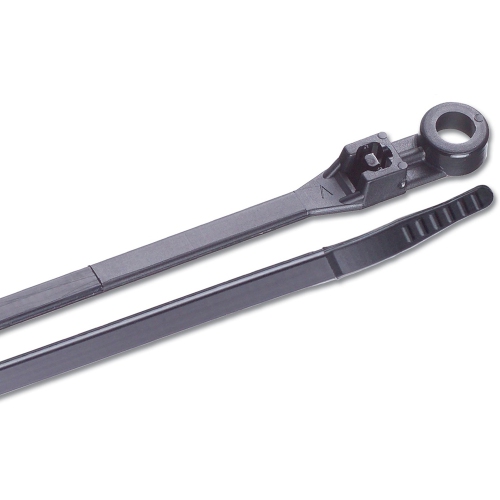
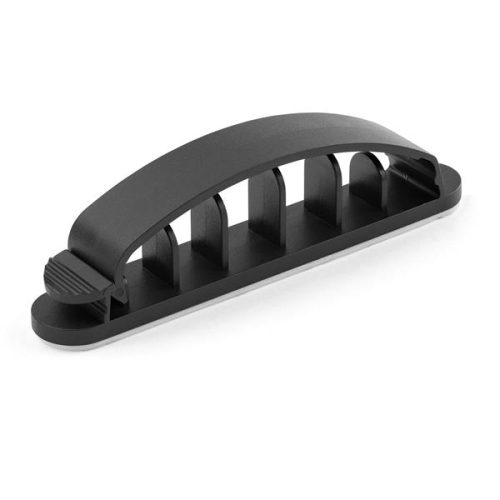
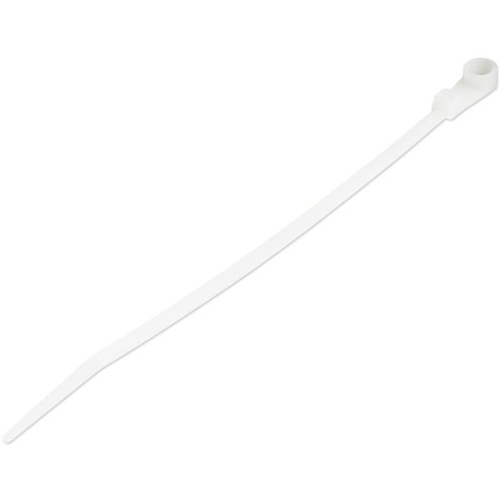
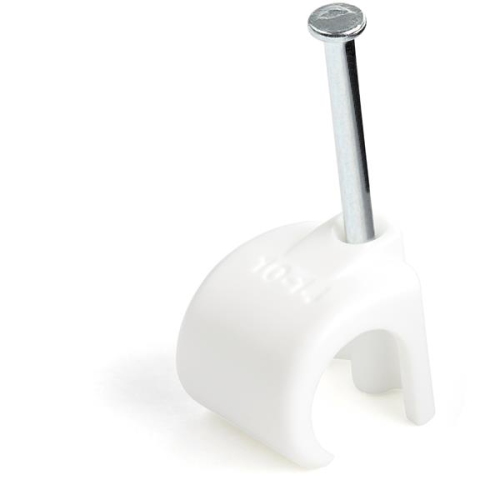
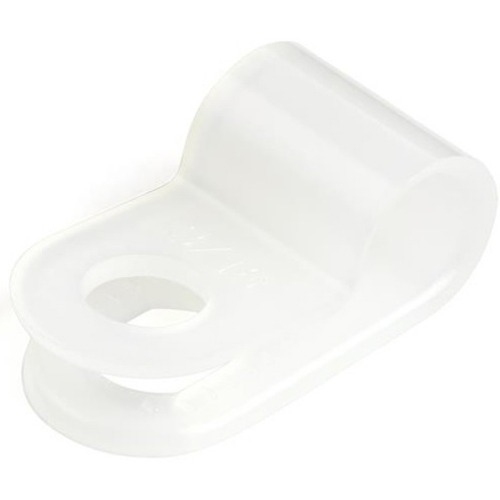
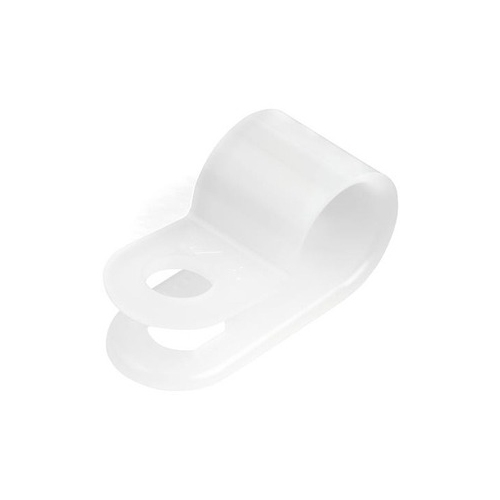
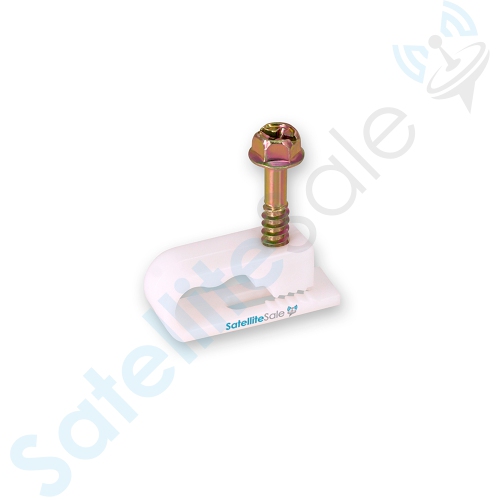
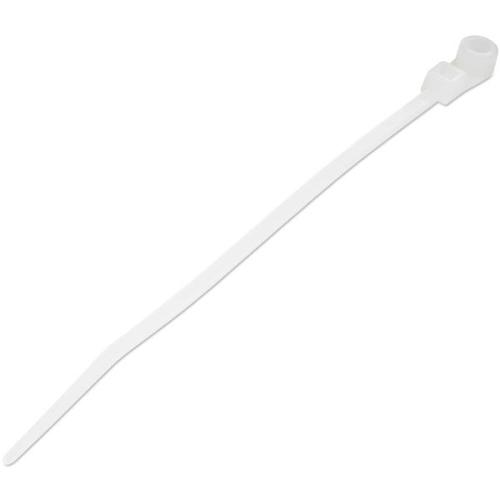
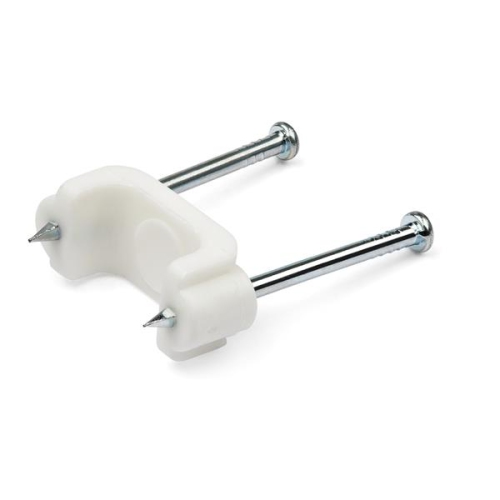
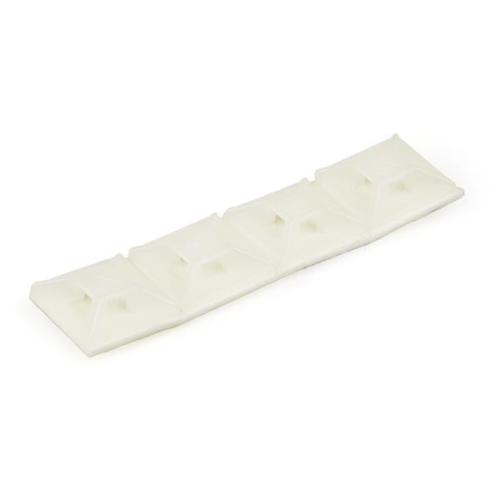
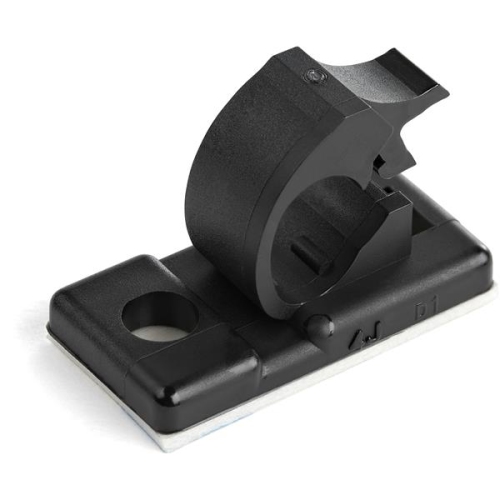
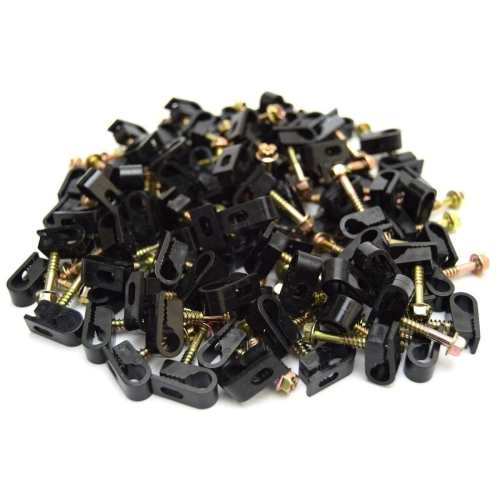
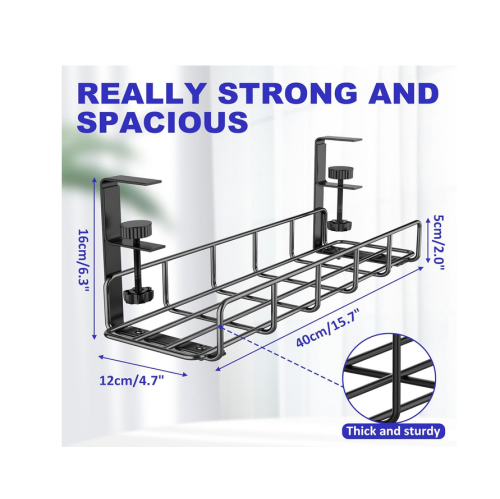
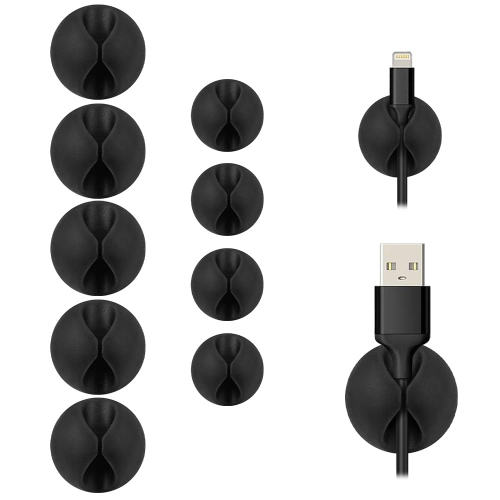
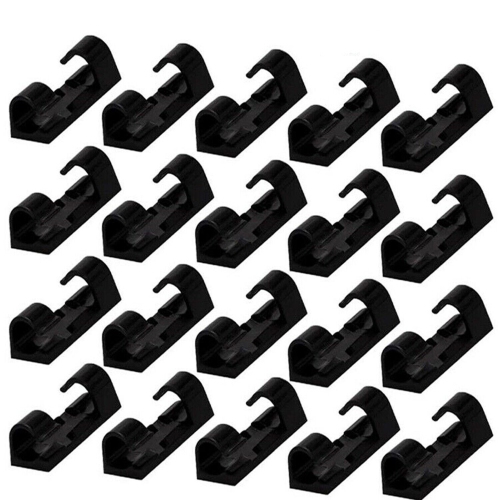
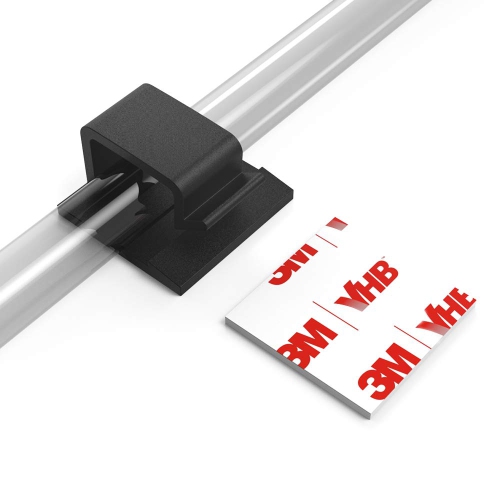
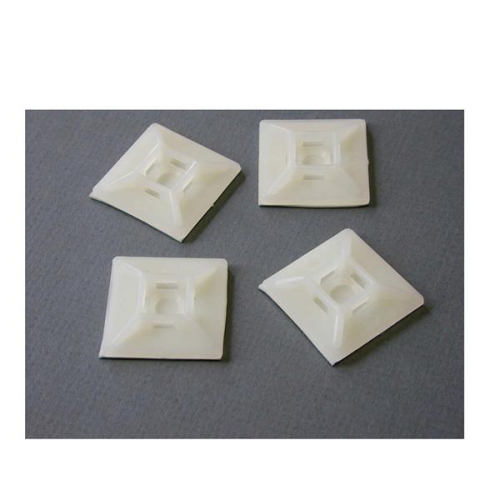

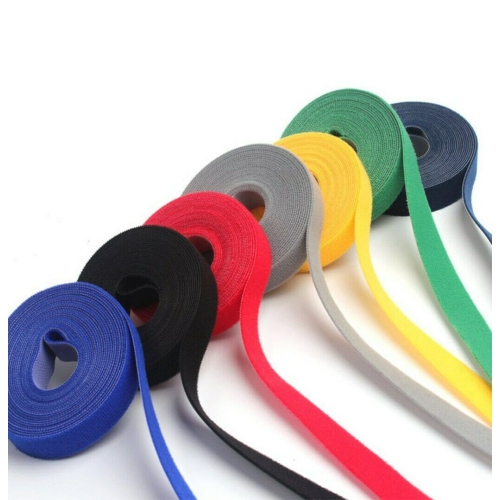
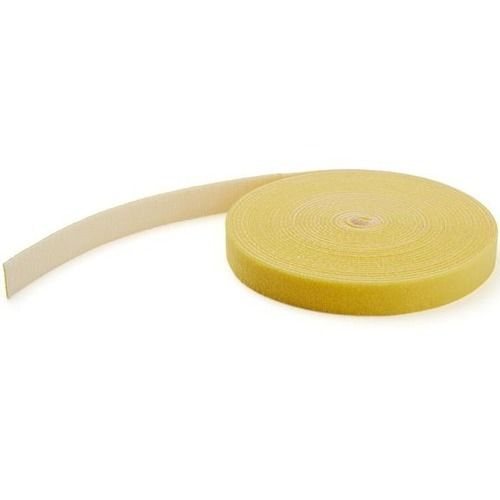
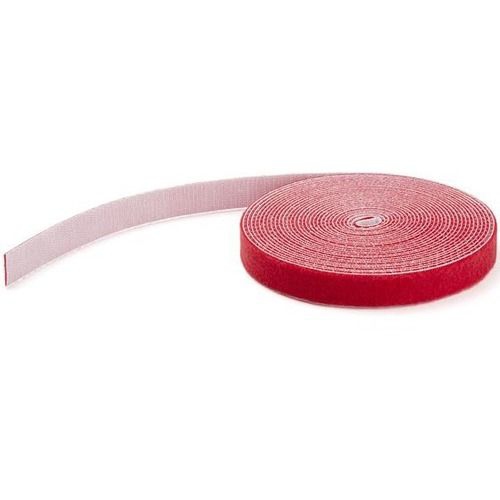
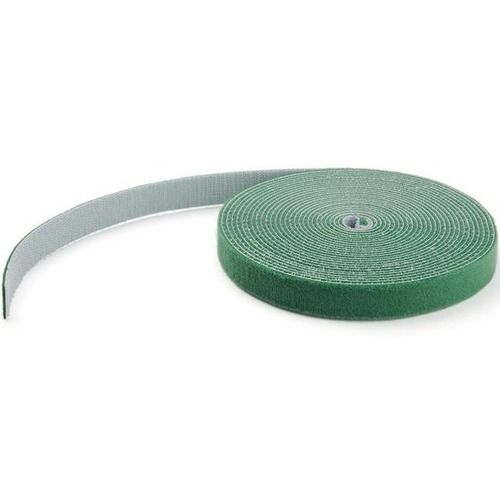
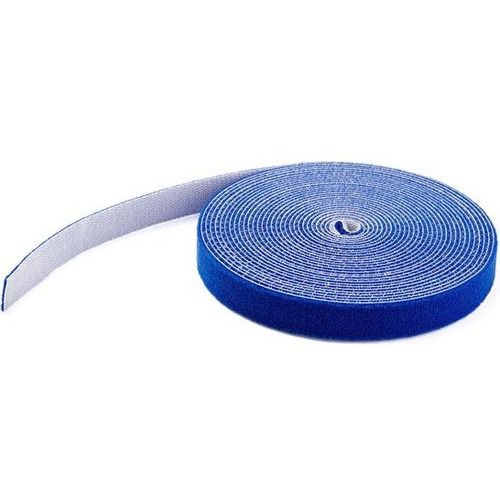
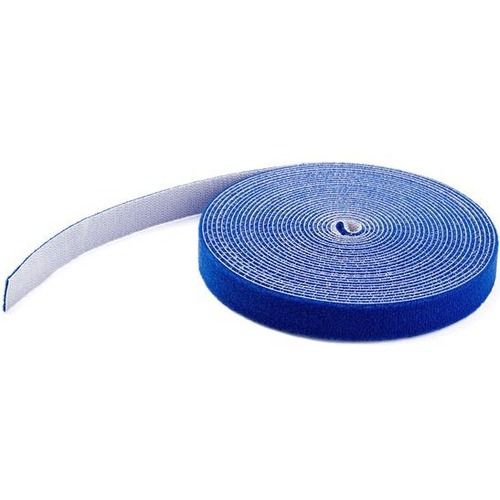
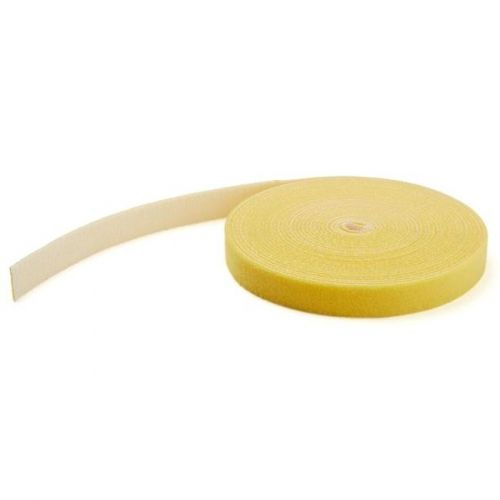
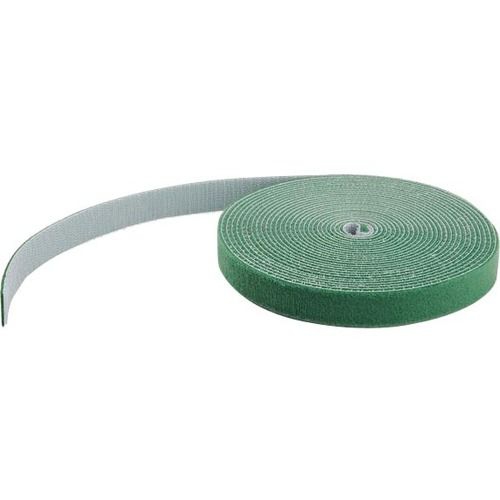

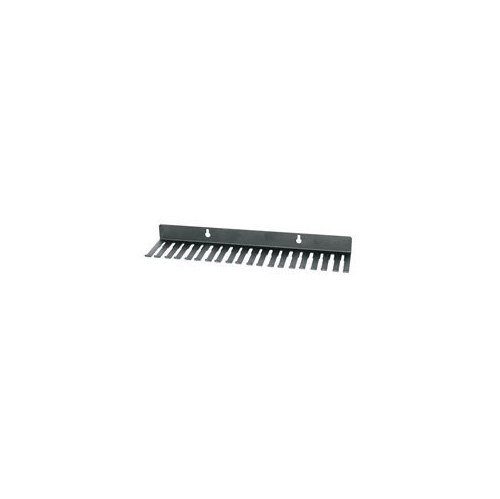

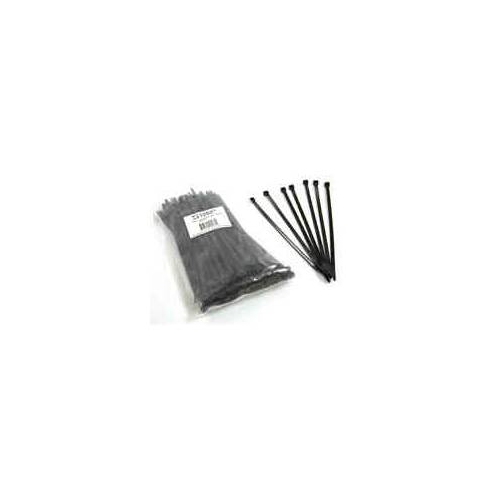
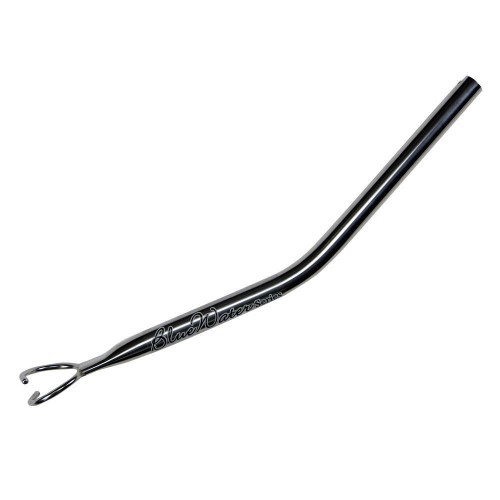
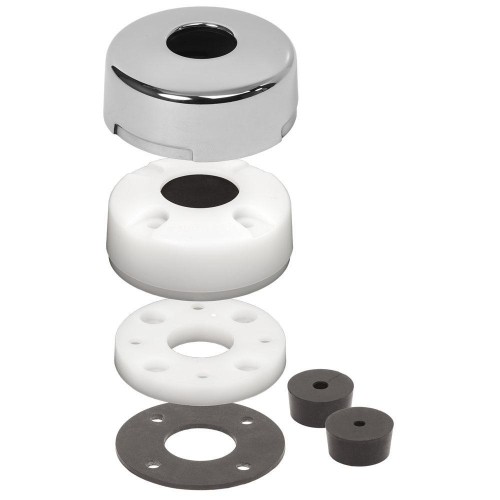
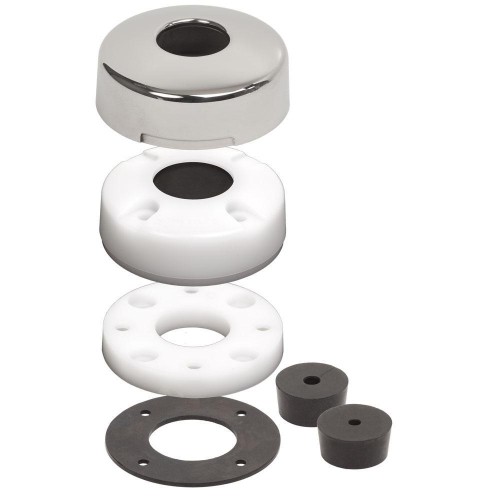
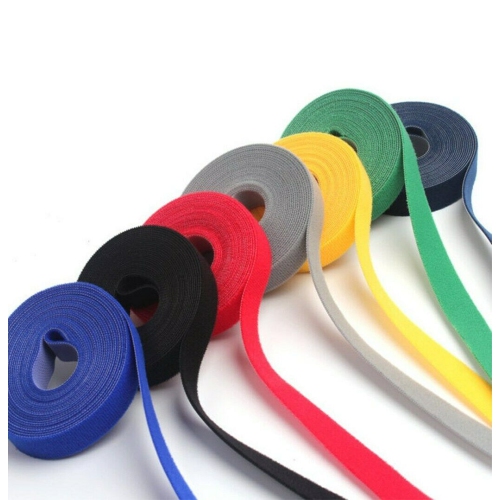
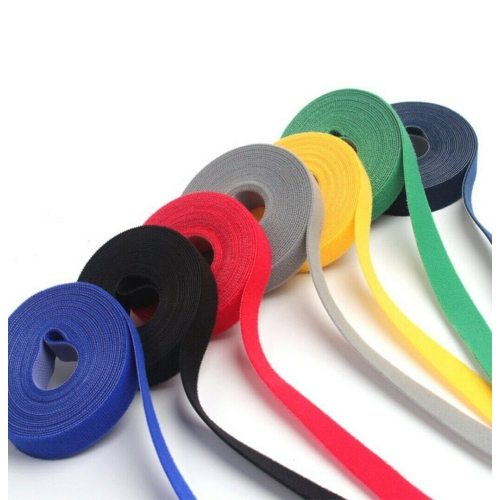
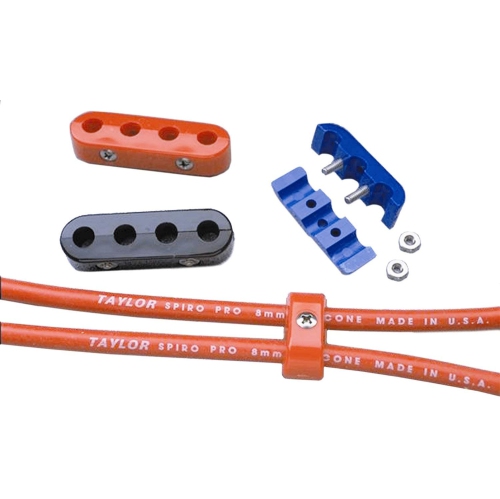
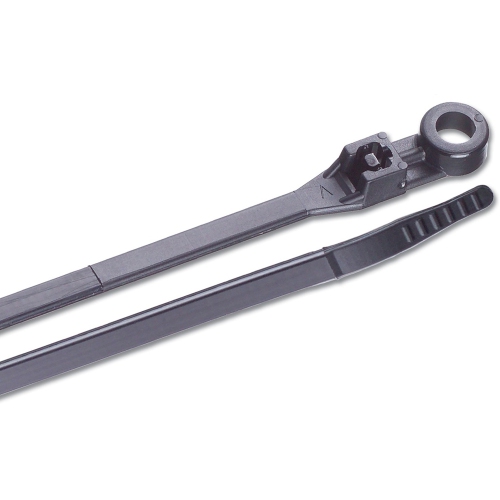
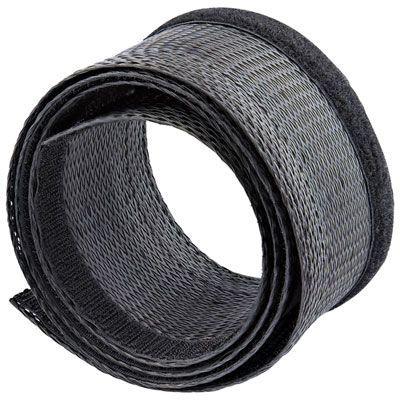
A tidier, safer approach to everyday wire management
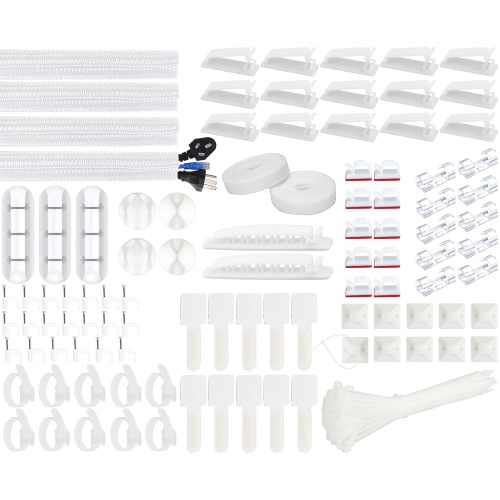
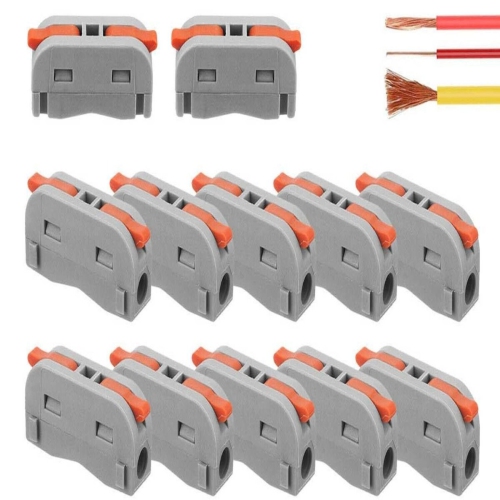
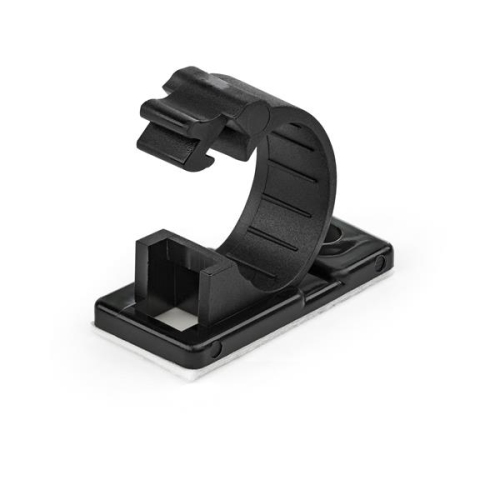
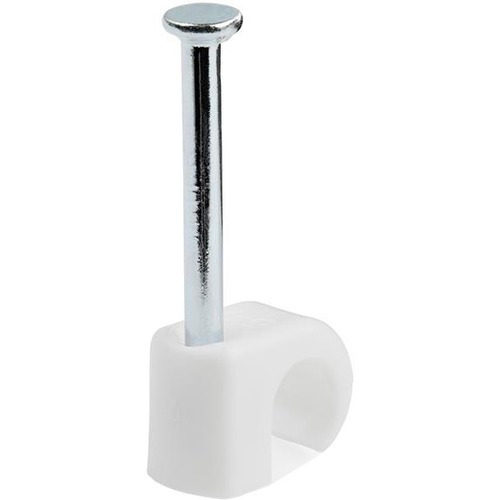
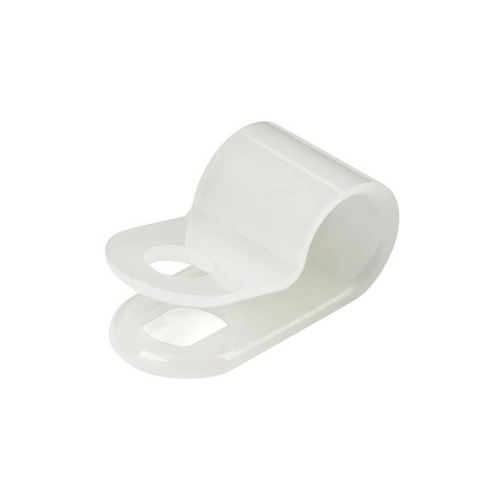
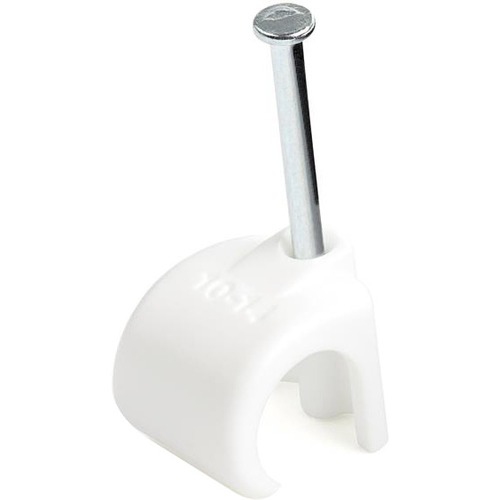
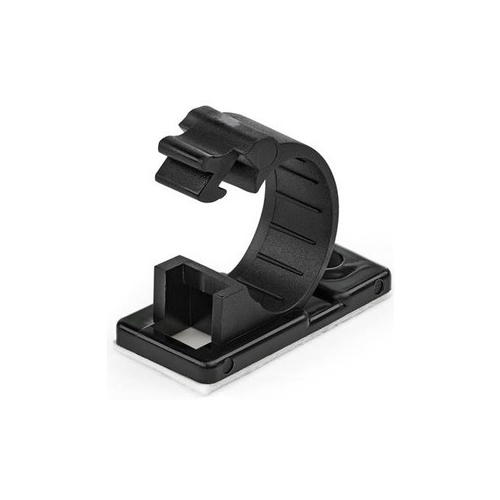
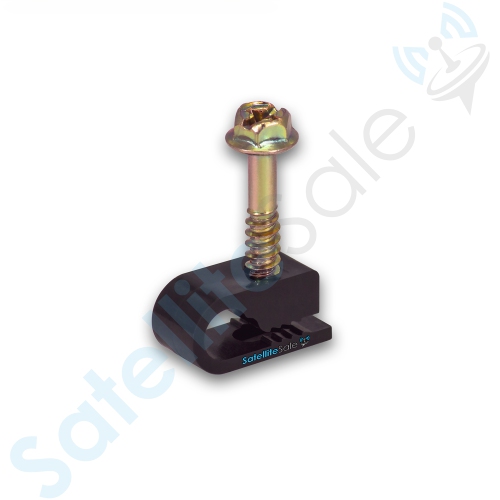
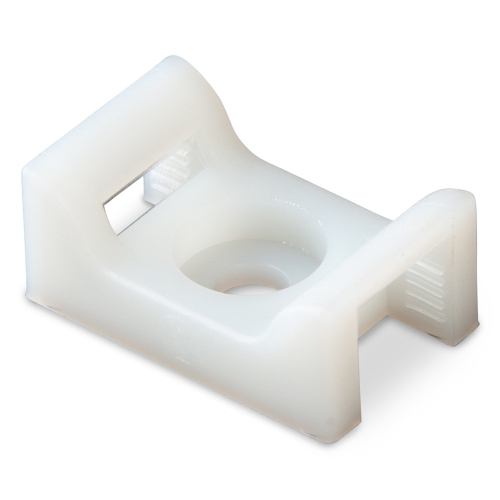
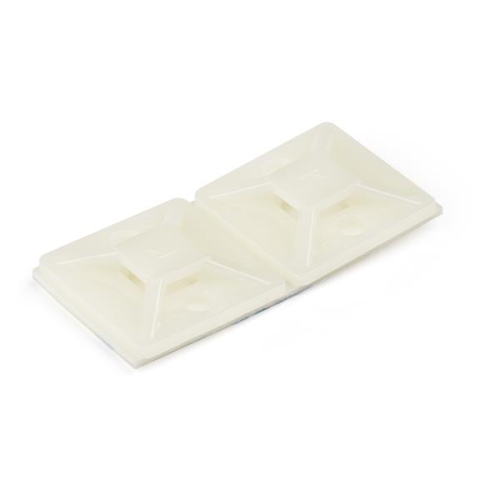
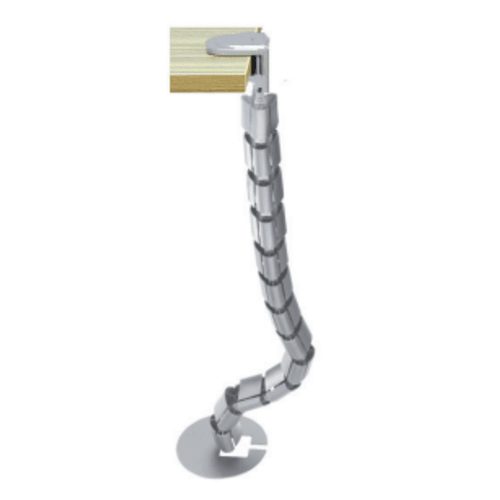
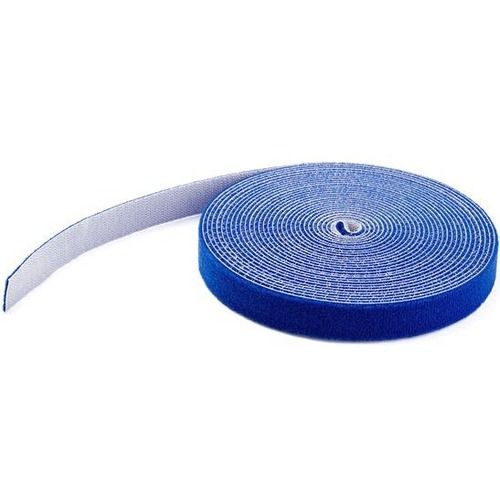
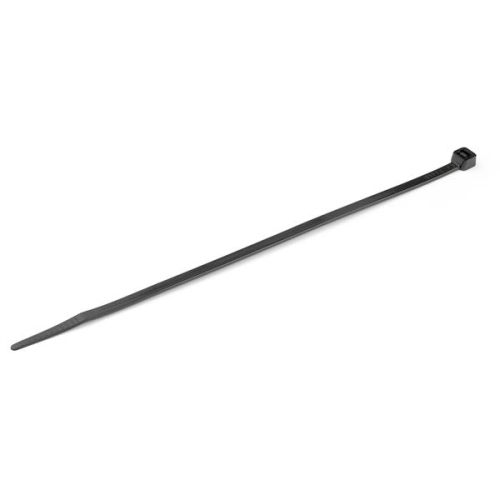
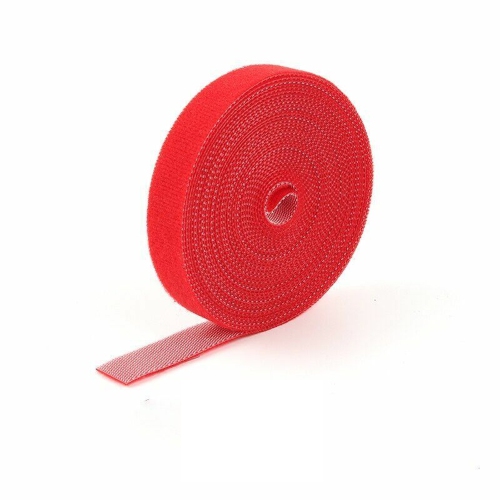
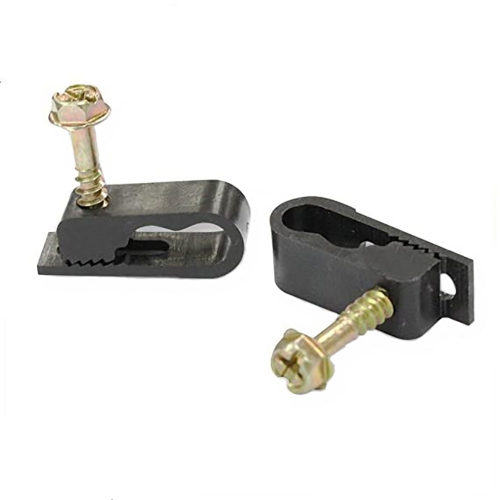
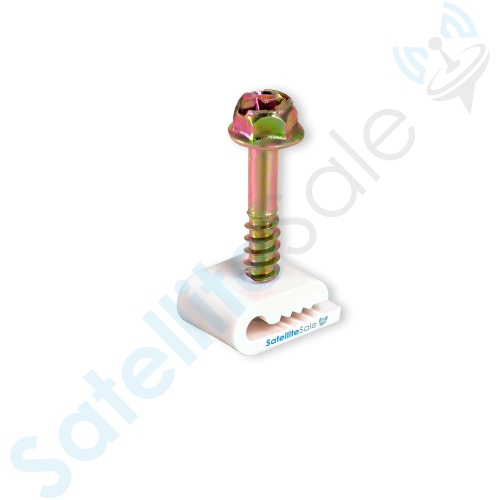
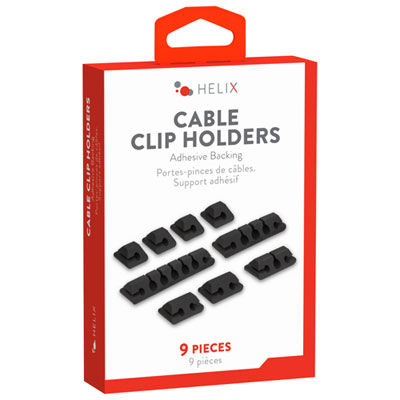
Cable fasteners help keep wires and cables secure, orderly, and safely routed through a home, office, workshop, entertainment area, or vehicle. Rather than leaving cords loose across a floor or hanging behind furniture, the right fastener can guide them neatly along a wall, baseboard, desk, cabinet, stud, or other suitable surface. Common options include nail-in clips, insulated staples, zip ties, adhesive-backed clips, mounting bases, P-clamps, and saddle clamps. Each type is designed for a different installation method and cable arrangement. Nail-in clips and insulated staples are useful for securing individual cables along wood surfaces, while zip ties can gather several loose cords into a tidy bundle. P-clamps and saddle clamps provide a more secure, screw-mounted hold for thicker wires, harnesses, and installations that need dependable long-term support. Adhesive-backed clips are convenient for lightweight cables on smooth surfaces such as glass, tile, finished metal, or furniture, especially when drilling is not desirable. Cable fasteners are useful for routing speaker wire, coaxial cable, Ethernet cable, charging cords, computer cables, audio leads, and other low-voltage wiring around everyday spaces. They can also complement Cable Connectors when completing a broader cable-management project. A well-organized setup is easier to clean, easier to troubleshoot, and less likely to develop the familiar tangle of cords that gathers behind a desk or entertainment unit.
Choosing the correct cable fastener starts with the cable itself. Check the outside diameter or overall thickness of the cable and select a clip, clamp, or tie that holds it securely without crushing the insulation. A fastener that is too tight can pinch the cable, restrict its shape, or damage the protective jacket over time, while one that is too loose may allow movement, sagging, or accidental snags. Consider whether the cable will be installed on its own or grouped with several others, since a single-wire clip and a wider bundling tie serve different purposes. The attachment surface also matters. Nail-in fasteners are generally suited to wood, trim, and other surfaces that can accept a small nail, while drywall, masonry, brick, concrete, and plaster may require an appropriate anchor, plug, or different mounting approach. Adhesive clips work best on clean, dry, smooth surfaces and should be pressed firmly into place according to the installation instructions before a cable is added. For a more permanent installation, screw-mounted clamps offer a dependable hold when the mounting point is suitable and the correct screw and anchor are used. When routing cables near corners, doors, drawers, hinges, or moving equipment, leave enough room for normal movement and avoid sharp bends. Fasteners should support the cable without forcing it around a tight angle, and cords should not be placed where they can be crushed under furniture or stretched across a walking path.
Cable fasteners can make a noticeable difference in many everyday projects. A home office user might secure monitor, keyboard, printer, and charging cables beneath a desk so the work surface stays clear and the chair does not catch on loose cords. Someone setting up a television or speaker system can guide cables along the back of a cabinet or wall, reducing visible clutter and making it easier to identify each connection later. In a workshop or hobby area, bundled wires can be kept away from tools, moving parts, and frequently used surfaces. Families may use fasteners to keep charging leads and entertainment cables arranged in shared spaces, while students, renters, and people moving into a new home may appreciate them as a simple way to make a room feel finished without a major project. They can also be a practical addition to a housewarming, home-office, or technology-focused gift, particularly for someone who has recently added a computer, monitor, speaker system, gaming setup, or smart-home equipment. For installations in garages, covered outdoor areas, utility rooms, or other locations exposed to moisture, temperature changes, or sunlight, look for fasteners made from materials suited to those conditions, such as UV-resistant nylon or corrosion-resistant metal. Indoor cable management may call for discreet plastic clips, while heavier or more demanding applications may benefit from reinforced clamps or insulated hardware. If fasteners are used around mains electrical wiring, follow applicable electrical codes and installation guidance, and use a qualified electrician whenever the work involves uncertainty or permanent household wiring. The best result is a route that feels intentional: cables held close to the surface, bundles supported at sensible intervals, connections easy to reach, and enough flexibility left for normal use.
Choosing the correct cable fastener starts with the cable itself. Check the outside diameter or overall thickness of the cable and select a clip, clamp, or tie that holds it securely without crushing the insulation. A fastener that is too tight can pinch the cable, restrict its shape, or damage the protective jacket over time, while one that is too loose may allow movement, sagging, or accidental snags. Consider whether the cable will be installed on its own or grouped with several others, since a single-wire clip and a wider bundling tie serve different purposes. The attachment surface also matters. Nail-in fasteners are generally suited to wood, trim, and other surfaces that can accept a small nail, while drywall, masonry, brick, concrete, and plaster may require an appropriate anchor, plug, or different mounting approach. Adhesive clips work best on clean, dry, smooth surfaces and should be pressed firmly into place according to the installation instructions before a cable is added. For a more permanent installation, screw-mounted clamps offer a dependable hold when the mounting point is suitable and the correct screw and anchor are used. When routing cables near corners, doors, drawers, hinges, or moving equipment, leave enough room for normal movement and avoid sharp bends. Fasteners should support the cable without forcing it around a tight angle, and cords should not be placed where they can be crushed under furniture or stretched across a walking path.
Cable fasteners can make a noticeable difference in many everyday projects. A home office user might secure monitor, keyboard, printer, and charging cables beneath a desk so the work surface stays clear and the chair does not catch on loose cords. Someone setting up a television or speaker system can guide cables along the back of a cabinet or wall, reducing visible clutter and making it easier to identify each connection later. In a workshop or hobby area, bundled wires can be kept away from tools, moving parts, and frequently used surfaces. Families may use fasteners to keep charging leads and entertainment cables arranged in shared spaces, while students, renters, and people moving into a new home may appreciate them as a simple way to make a room feel finished without a major project. They can also be a practical addition to a housewarming, home-office, or technology-focused gift, particularly for someone who has recently added a computer, monitor, speaker system, gaming setup, or smart-home equipment. For installations in garages, covered outdoor areas, utility rooms, or other locations exposed to moisture, temperature changes, or sunlight, look for fasteners made from materials suited to those conditions, such as UV-resistant nylon or corrosion-resistant metal. Indoor cable management may call for discreet plastic clips, while heavier or more demanding applications may benefit from reinforced clamps or insulated hardware. If fasteners are used around mains electrical wiring, follow applicable electrical codes and installation guidance, and use a qualified electrician whenever the work involves uncertainty or permanent household wiring. The best result is a route that feels intentional: cables held close to the surface, bundles supported at sensible intervals, connections easy to reach, and enough flexibility left for normal use.
Top selling and popular products
-
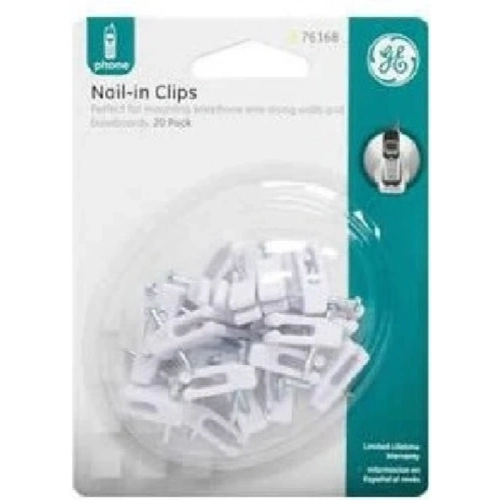 Your price for this item is $3.99
 -
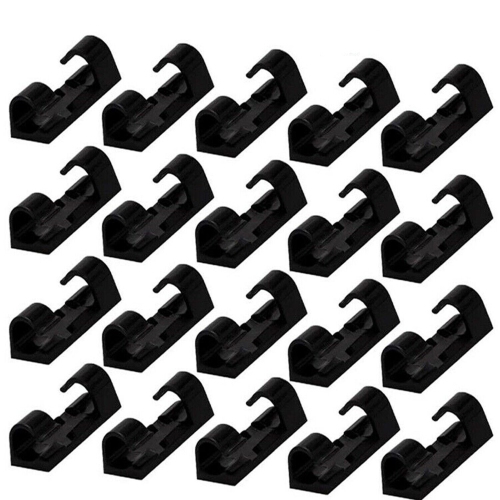 Your price for this item is $20.99
 -
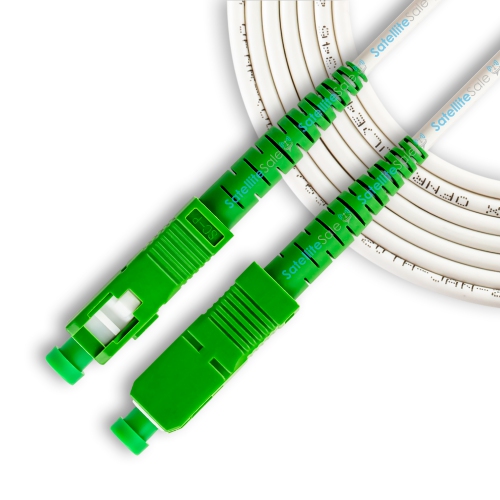 Your price for this item is $7.99
 -
 Your price for this item is $25.96
 -
 Your price for this item is $29.96
 -
 Your price for this item is $27.96
 -
 Your price for this item is $33.96
 -
 Your price for this item is $277.99
Discover more categories related to Cable Fasteners
Top Collections:
Pokemon Centers, Kindle Devices, Best Budget Office Chairs, Apple iPhones 16, Best Laptops for Writers, iPhone 15 Apple, Canon G7X Cameras, Refurbished Apple Laptops, Alarm Clock, Motorola Razr Phones
Some products may be subject to Environmental Handling Fees
(EHF) depending on your province.
Learn more about EHFs.