Wire Stripping Machines
When it comes to efficiently and precisely removing insulation from wires, a wire stripping machine is an essential tool for professionals and DIY enthusiasts alike. These machines are designed to streamline the process of stripping wires, saving time and effort while ensuring clean and accurate results. Whether you're working on electrical projects, automotive repairs, or crafting DIY creations, a wire stripping machine can help you tackle the task with ease. Explore our selection of wire stripping machines to find the perfect solution for your needs.
Sort









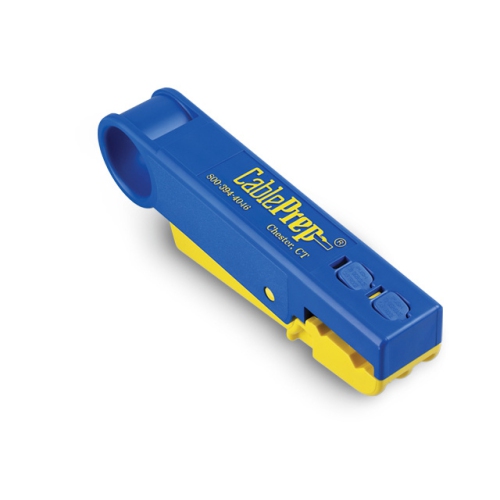
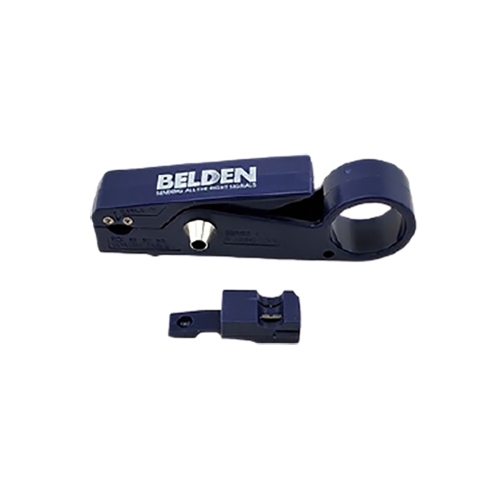
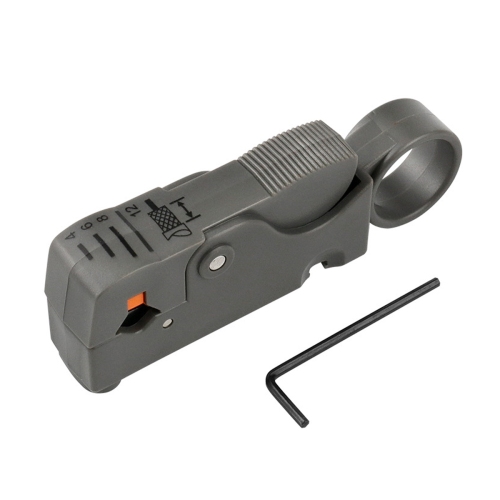



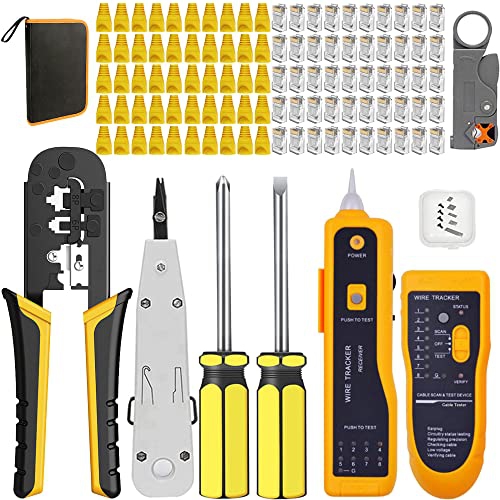




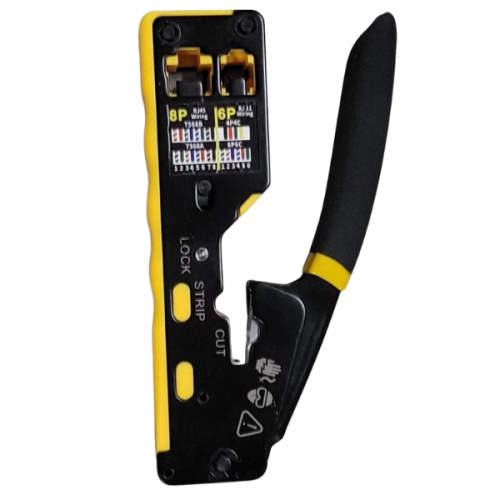
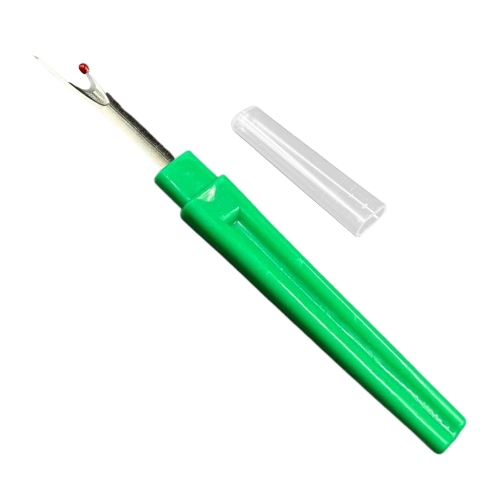
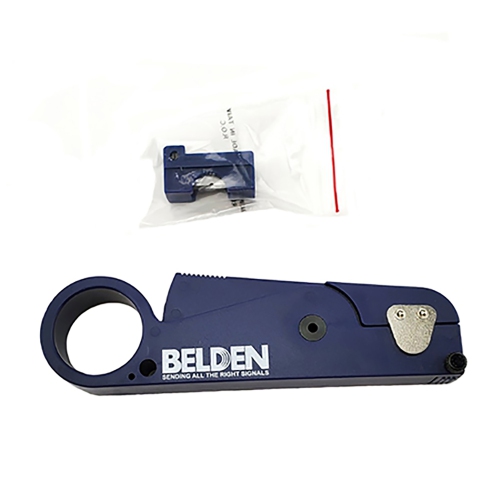
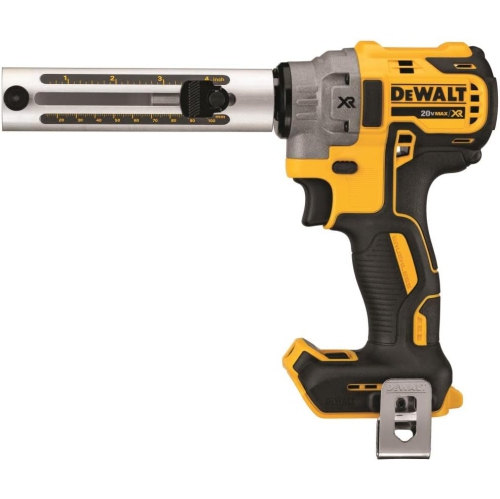
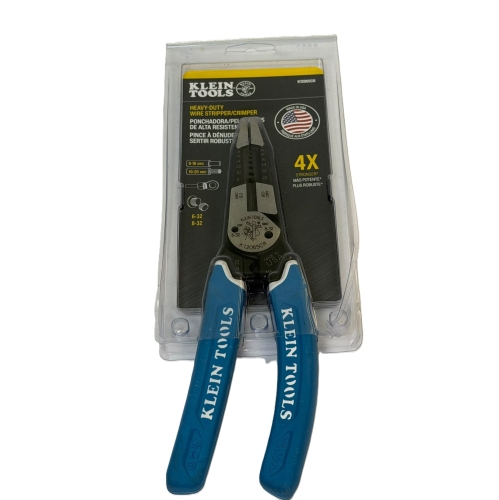
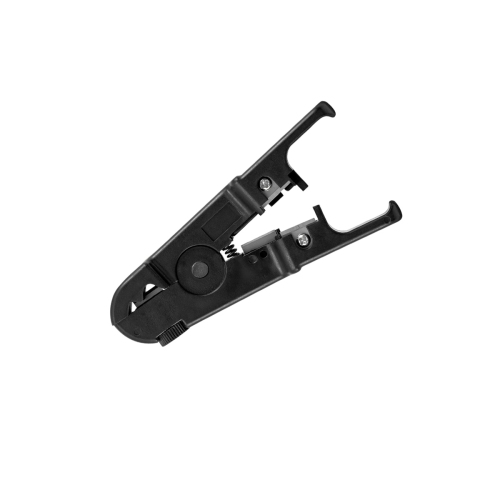
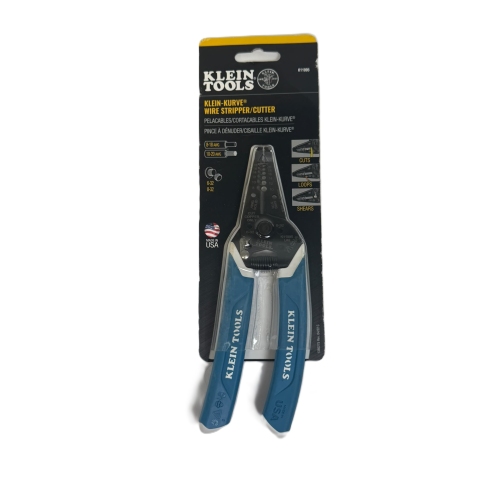
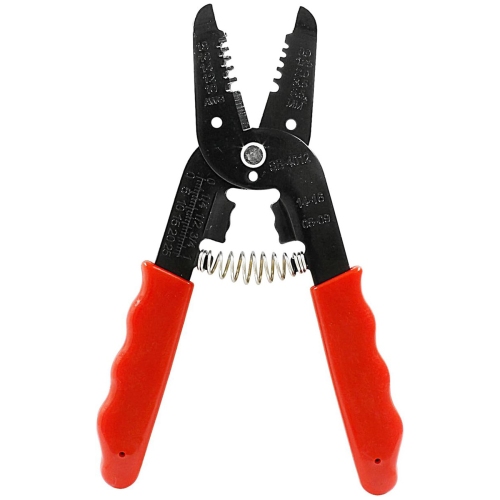


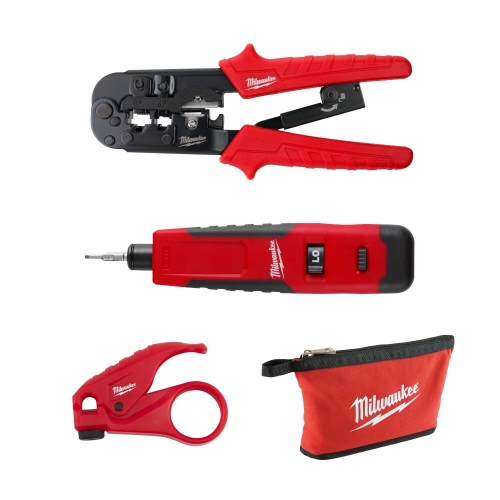
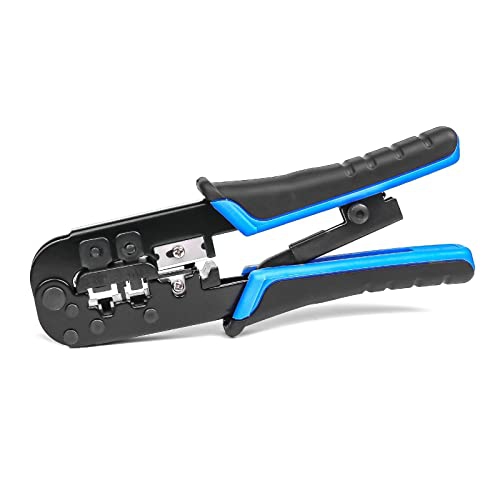

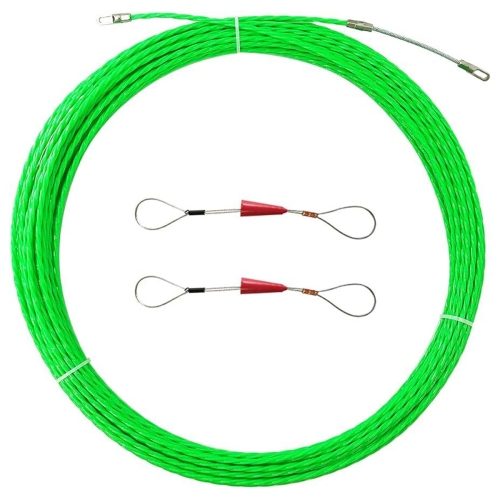
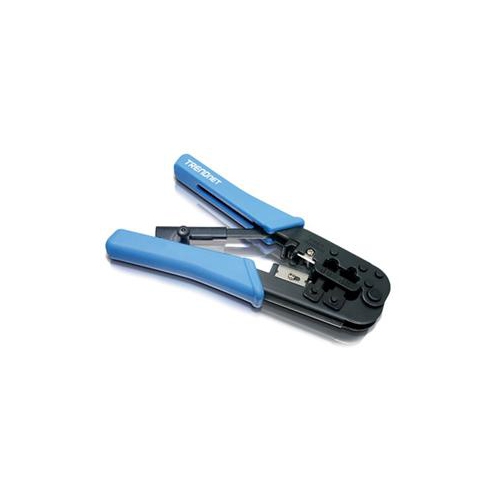





How capacity, setup, and safe operation shape results
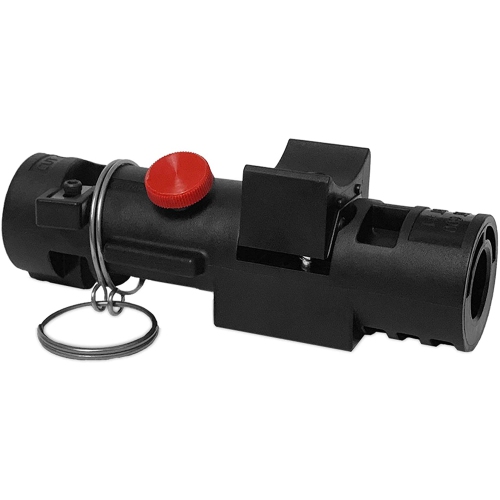
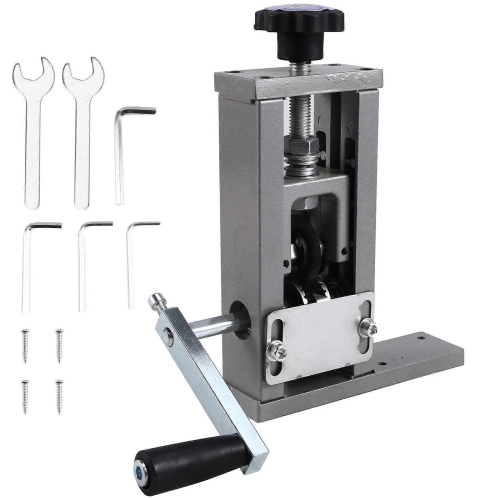
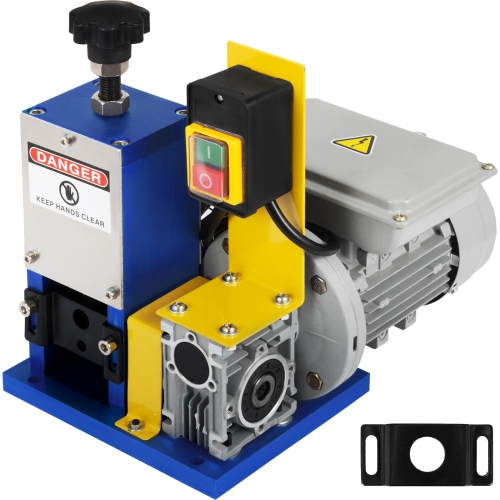
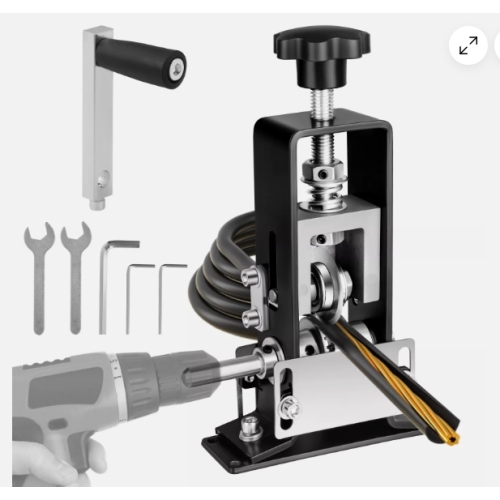
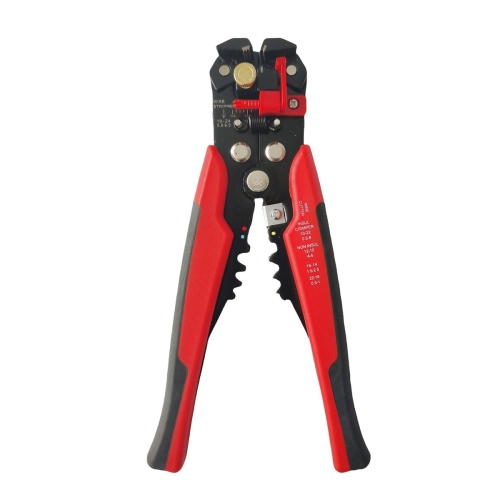
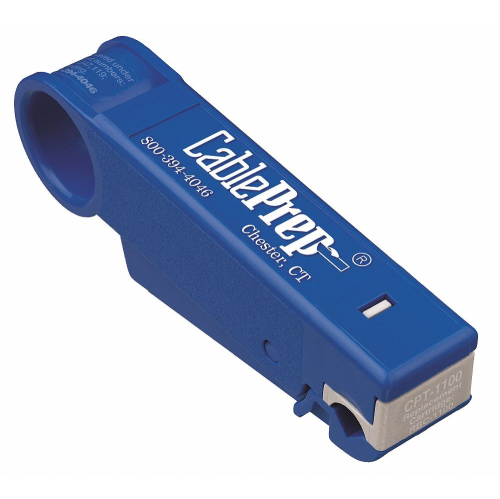
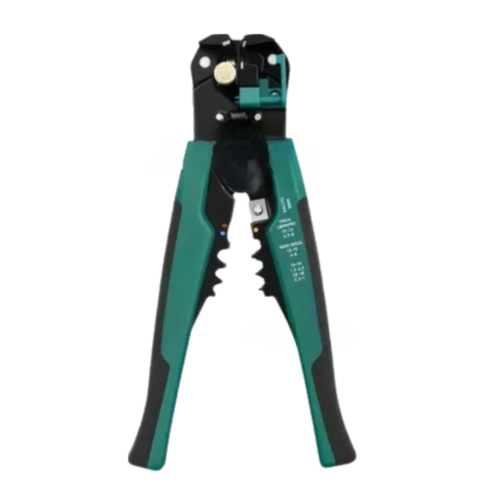
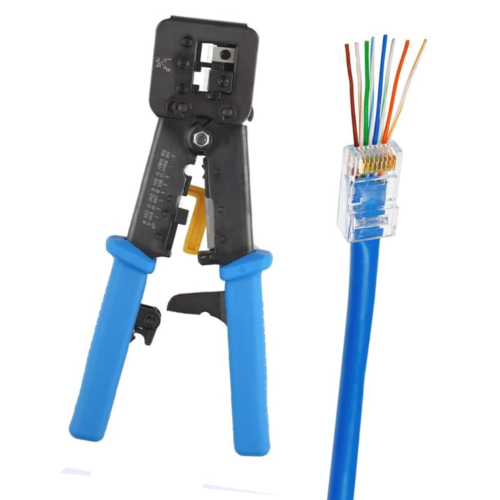
Wire stripping machines are purpose-built tools for removing the outer insulation from electrical cable while leaving the conductive wire inside as clean and intact as possible. They can be useful in a workshop, garage, electrical contracting business, renovation setting, or fabrication space where cable needs to be prepared repeatedly. Instead of relying on a utility knife to score each length by hand, a stripping machine guides the cable through a cutting channel and separates the jacket with a controlled blade. This can make repetitive preparation more consistent and reduce the hand fatigue that comes from working through long runs of cable. Depending on the design, a machine may be operated by a hand crank, a compatible drill, or an electric motor. Manual and drill-powered models are often a practical choice for occasional jobs, mobile work, or a compact bench setup, while powered machines are better suited to users who handle larger volumes and want a steady feed rate. When comparing wire stripping machines, start with the types of wire you expect to process. Cable diameter, insulation thickness, conductor construction, and flexibility can all affect performance, so check the stated capacity rather than assuming one opening will suit every job. Multi-channel machines provide several size options and can be convenient when a project includes everything from thinner insulated leads to thicker cable. A machine with a broad adjustment range can also be useful when your work changes from one job to the next. Look for clear channel markings, a stable frame, accessible adjustment controls, and a blade that can be set to score the insulation without digging unnecessarily into the conductor. A unit that sits firmly on a bench is easier to feed smoothly, particularly when working with stiff or heavy cable. If storage space is limited, a compact model may be easier to keep close at hand, whereas a larger machine can offer a more substantial working platform for frequent use. The right choice comes down to the material being processed, the amount of cable involved, the available workspace, and whether portability or speed matters most.
Correct setup has a noticeable effect on both the finish and the life of the machine. Before starting, inspect the cable for knots, sharp bends, staples, connectors, or damaged sections that could catch in the feed path. Cut away irregular ends so the first section enters the channel cleanly, then select the opening that most closely matches the cable diameter. An opening that is too tight may stop the cable from feeding, while one that is too large can prevent the blade from scoring the insulation properly. Use the adjustment knob or guide mechanism to set light, controlled blade pressure, and test the setting on a short piece before processing a longer length. The ideal cut separates the jacket without leaving deep marks on the wire strands underneath. If the insulation tears, pulls unevenly, or requires excessive force, stop and adjust the blade depth or channel selection rather than pushing harder. Electric models should be placed near a suitable outlet with the cord routed away from the feed area, while drill-operated models require a compatible tool and a secure connection. Keep fingers clear of the blade and moving parts, wear suitable eye protection, and follow the manufacturer’s instructions for cleaning, lubrication, blade changes, and jam removal. Never pull cable through a stopped machine or reach into the cutting area while a motor or drill is connected. For detailed wire preparation around a bench, a pair of Flush Wire Cutters can complement a stripping machine by helping create neat cable ends before feeding or finishing a job. These machines can be a thoughtful addition to a tool collection for an apprentice, electrician, maintenance technician, maker, or hands-on homeowner who regularly works with insulated cable, although their size and power make them more suitable as a practical workshop purchase than a casual gift. During the cooler months, a dedicated bench tool can also make indoor repair and project work more organised, with cable, hand tools, and protective equipment kept together in one clearly arranged area. Consider the machine’s dimensions, operating method, supported wire range, feed direction, adjustment system, and replacement-part availability before making a selection. A well-matched wire stripping machine should feel controlled rather than forceful, handle the cable sizes you use most often, and fit naturally into the way you prepare, sort, and complete electrical work.
Correct setup has a noticeable effect on both the finish and the life of the machine. Before starting, inspect the cable for knots, sharp bends, staples, connectors, or damaged sections that could catch in the feed path. Cut away irregular ends so the first section enters the channel cleanly, then select the opening that most closely matches the cable diameter. An opening that is too tight may stop the cable from feeding, while one that is too large can prevent the blade from scoring the insulation properly. Use the adjustment knob or guide mechanism to set light, controlled blade pressure, and test the setting on a short piece before processing a longer length. The ideal cut separates the jacket without leaving deep marks on the wire strands underneath. If the insulation tears, pulls unevenly, or requires excessive force, stop and adjust the blade depth or channel selection rather than pushing harder. Electric models should be placed near a suitable outlet with the cord routed away from the feed area, while drill-operated models require a compatible tool and a secure connection. Keep fingers clear of the blade and moving parts, wear suitable eye protection, and follow the manufacturer’s instructions for cleaning, lubrication, blade changes, and jam removal. Never pull cable through a stopped machine or reach into the cutting area while a motor or drill is connected. For detailed wire preparation around a bench, a pair of Flush Wire Cutters can complement a stripping machine by helping create neat cable ends before feeding or finishing a job. These machines can be a thoughtful addition to a tool collection for an apprentice, electrician, maintenance technician, maker, or hands-on homeowner who regularly works with insulated cable, although their size and power make them more suitable as a practical workshop purchase than a casual gift. During the cooler months, a dedicated bench tool can also make indoor repair and project work more organised, with cable, hand tools, and protective equipment kept together in one clearly arranged area. Consider the machine’s dimensions, operating method, supported wire range, feed direction, adjustment system, and replacement-part availability before making a selection. A well-matched wire stripping machine should feel controlled rather than forceful, handle the cable sizes you use most often, and fit naturally into the way you prepare, sort, and complete electrical work.
Top selling and popular products
-
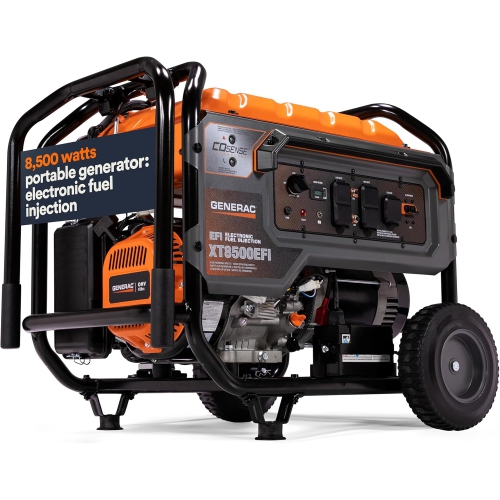 Your price for this item is $3000
-
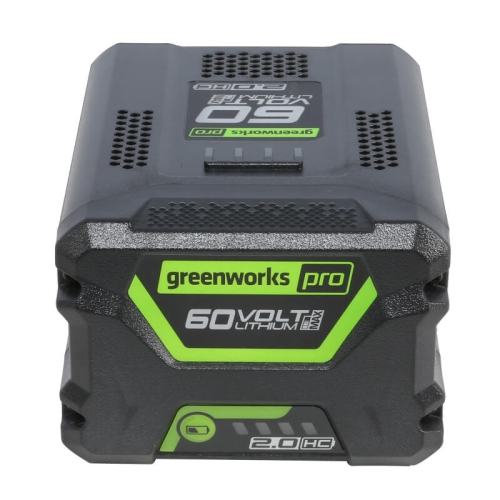 Your price for this item is $159.99
-
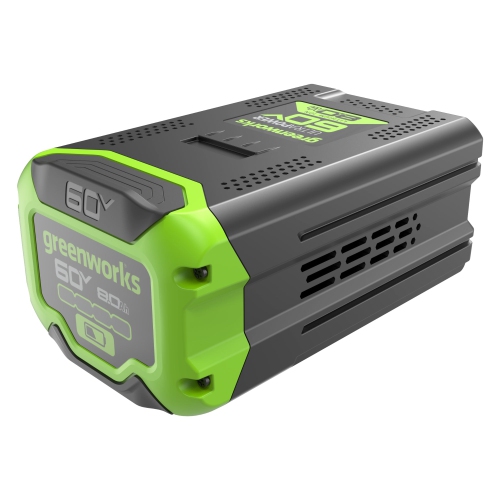 Your price for this item is $329.99
-
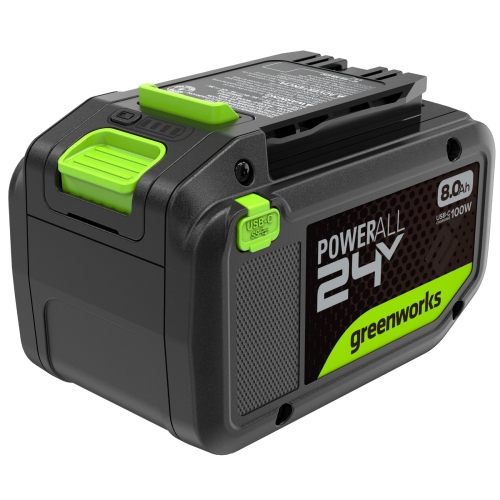 Your price for this item is $149.99
-
 Your price for this item is $264
-
 Your price for this item is $217.55
-
 Your price for this item is $779.99
-
 Your price for this item is $659.99
Discover more categories related to Wire Stripping Machines
Top Collections:
Pokemon Centers, Kindle Devices, Best Budget Office Chairs, Canon G7X Cameras, Apple iPhones 16, Samsung Galaxy Phones, Refurbished Apple Laptops, Laptops for Students, iPhone 15 Apple, Budget Smartphones
Some products may be subject to Environmental Handling Fees
(EHF) depending on your province.
Learn more about EHFs.