Cake Ovens
Discover the perfect Cake Oven to elevate your baking experience and bring delicious creations to life at home. Whether you’re a seasoned baker or just starting out, finding the right cake oven can make all the difference in preparing everything from classic birthday cakes to creative desserts. Explore a wide selection of options designed to help you achieve even baking results and enjoy sweet treats with family and friends. With a variety of sizes and styles available, there’s a cake oven suited for every kitchen and skill level.
Sort
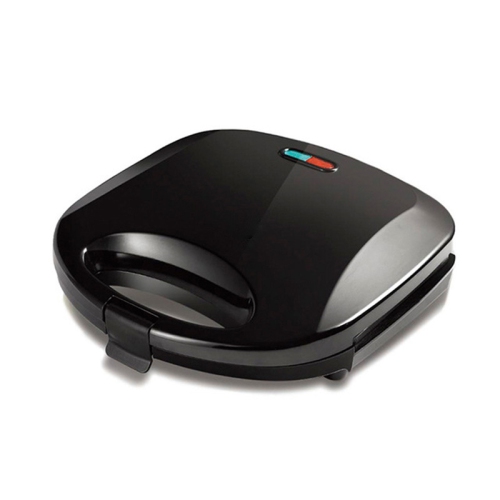
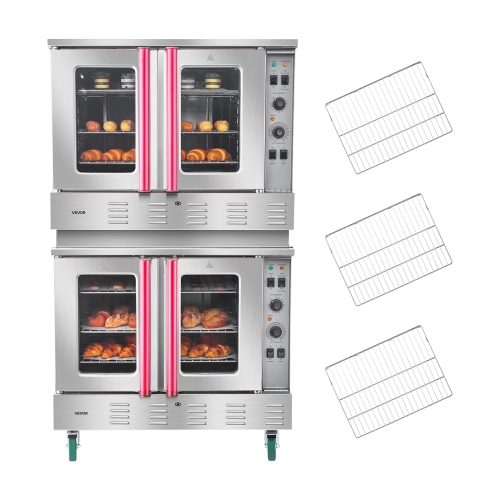
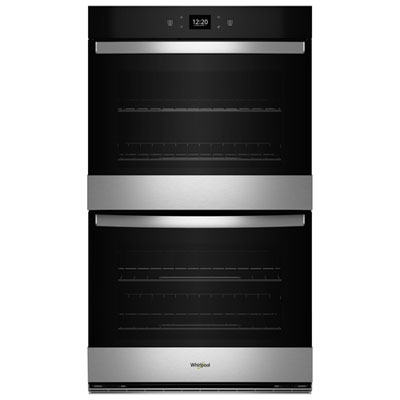
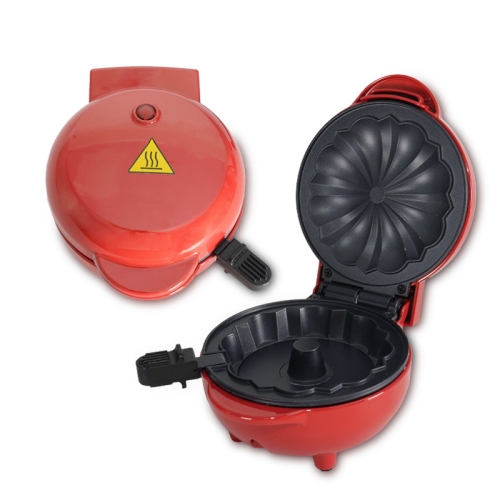
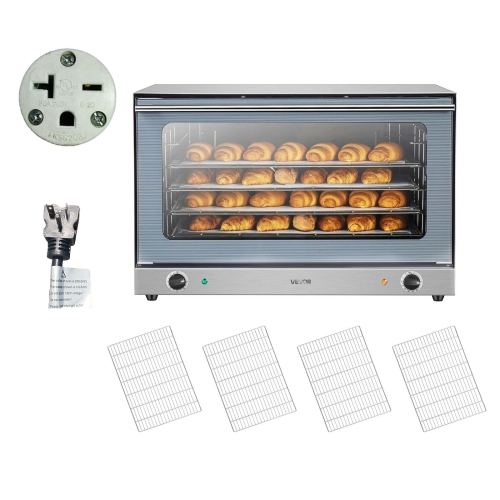
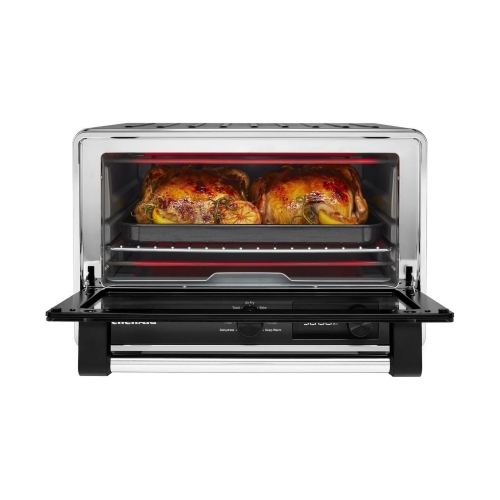
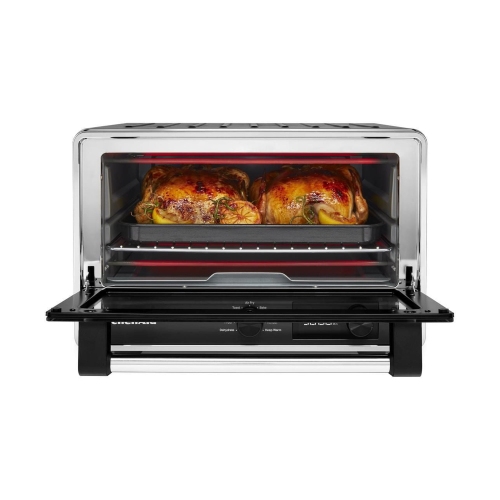
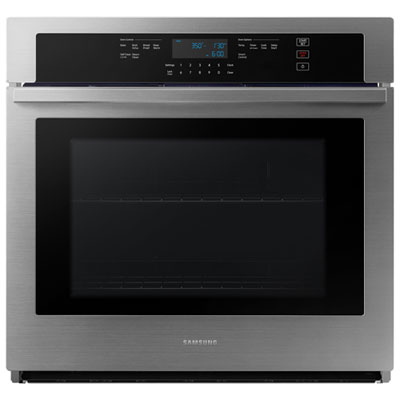
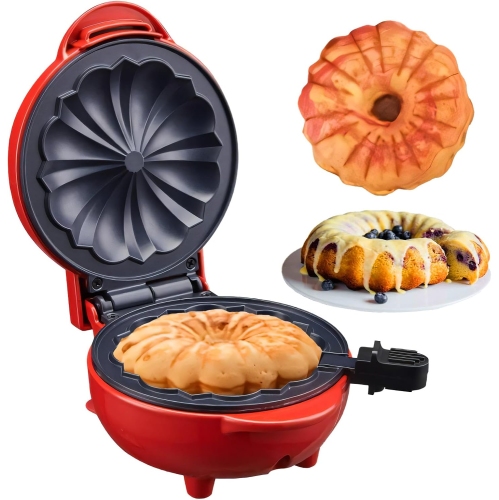
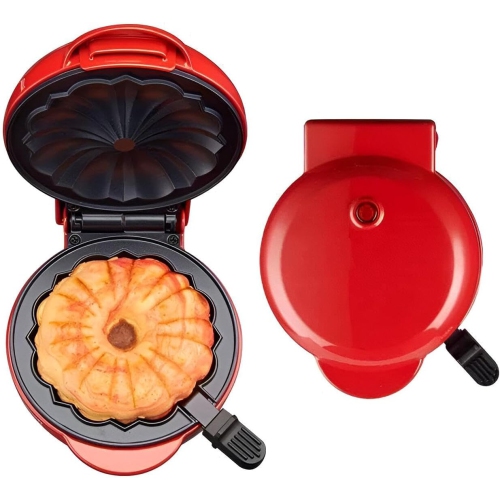
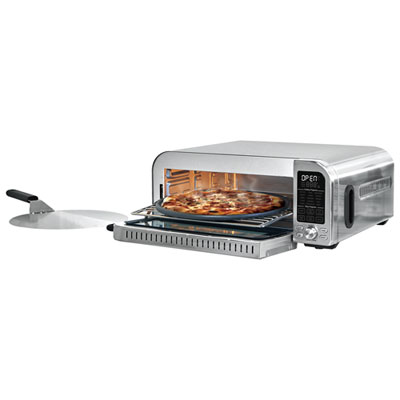
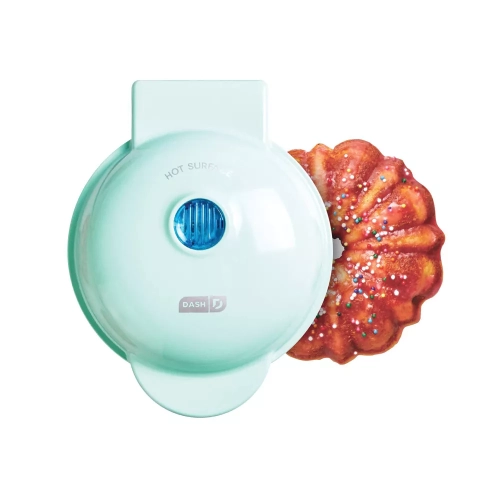
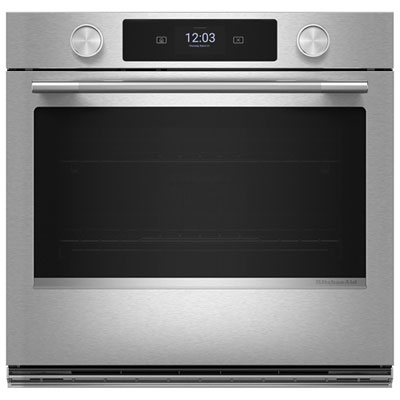
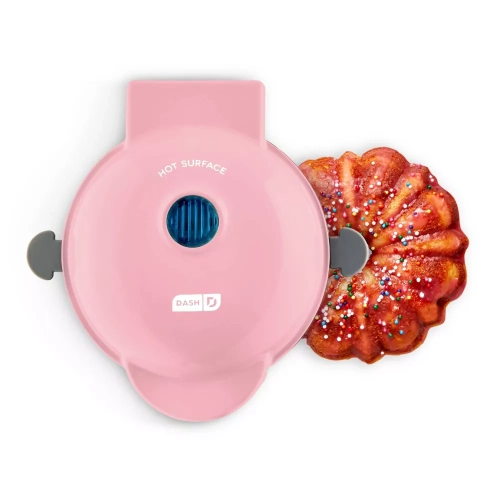
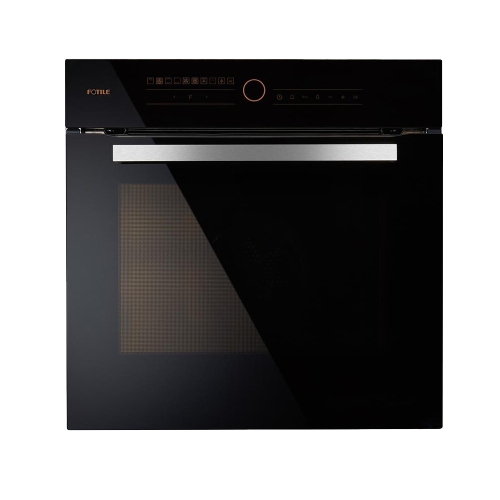
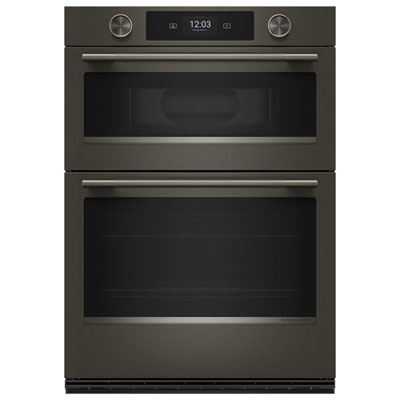

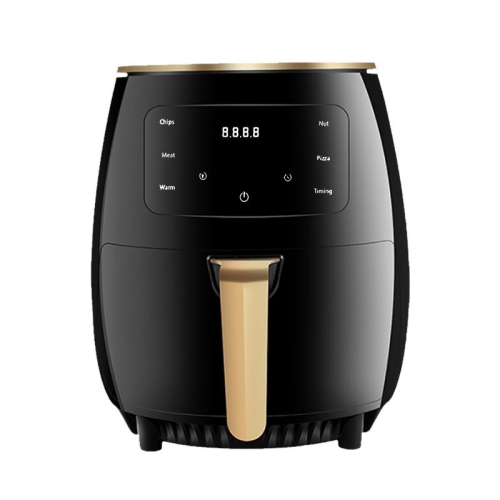
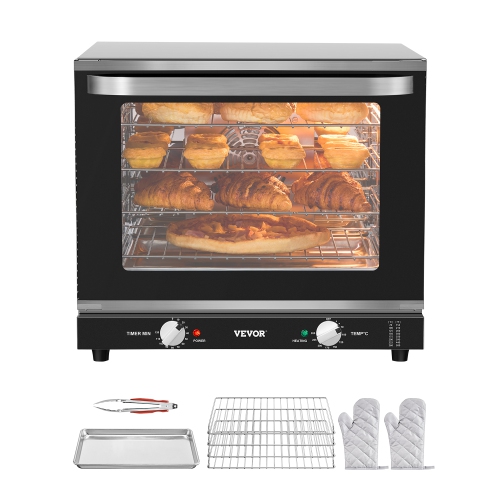
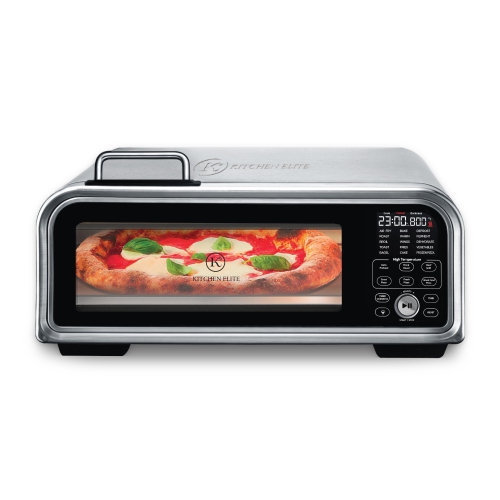
The oven details behind an evenly baked cake
Cake ovens provide the controlled heat that helps batter rise, set and develop an even crumb, whether the goal is a simple sponge cake or several layers for a celebration. The category includes countertop ovens, full-size household ovens and commercial baking equipment, with suitability depending on heat consistency, usable capacity and the kinds of cakes being baked. Many standard cake recipes call for approximately 325°F to 350°F (160°C to 180°C), although the recipe, pan material, cake depth and oven type determine the appropriate setting and baking time. A conventional layer cake may take roughly 30 to 40 minutes, while a shallow sheet cake or a deep fruitcake can require a very different schedule. Even heat distribution matters because a cake can brown around the edges before its centre has set if the heat is uneven or too intense. Conventional bake settings use radiant heat without a circulating fan, making them useful for many familiar cake recipes. Convection settings move heated air around the cavity and can help with consistent baking across racks, but some recipes need a lower temperature or adjusted timing when a fan is used. Strong airflow can also affect delicate batters, so an oven with a choice of fan-assisted and conventional settings offers useful flexibility. Clearly marked controls, predictable temperature adjustment and a readable display make everyday baking easier to manage. A separate oven thermometer can help verify the temperature near the baking position, particularly when a recipe repeatedly takes longer or browns faster than expected. An interior light and a clear viewing window allow bakers to check a rising sponge without repeatedly opening the door and releasing heat. Rack positions are another practical detail: enough adjustment makes it easier to place a cake near the centre of the cavity and leave room above a tall pan. For frequent bakers, these everyday details can be more useful than a long list of cooking presets.
The right size of cake oven is determined by the pans it needs to hold, not simply its stated capacity. A round tin, a rectangular sheet pan and a tall tube pan each need different amounts of width, depth and overhead clearance. Space around the pan allows heat to circulate, while clearance above the batter helps prevent a rising cake from sitting too close to an upper heating element. Interior measurements are especially important with countertop designs, where handles, curved walls or rack supports can reduce the usable baking area. External dimensions matter just as much for installation: an oven needs a suitable surface or cabinet opening, the ventilation clearances specified by its manufacturer and enough room for the door to open safely. A pull-down door should not obstruct a walkway or leave a hot pan awkwardly far from a stable landing space. Electrical requirements also deserve attention, particularly when moving from a household appliance to equipment designed for commercial use. Built-in and commercial installations may require professional assessment of electrical connections, ventilation or other site requirements. Materials influence both daily handling and upkeep. Stainless steel exteriors are often straightforward to wipe down, although their finish may show fingerprints; enamelled interiors offer a smooth surface for removing crumbs and small spills. Removable racks and accessible corners make routine cleaning less cumbersome after batter overflows or a sugary topping bubbles over. Cleaning methods should match the manufacturer’s directions, since harsh abrasives, unsuitable chemicals or incorrectly used cleaning cycles can damage finishes or components. Sturdy rack supports, a securely closing door and controls that feel clear and responsive are useful signs of practical construction, though exterior weight alone does not establish baking performance. Door seals and hinges also affect long-term use, helping the cavity retain heat when they are clean and in good condition. Easy access for routine care is particularly valuable in an oven used several times a week.
Different baking routines call for different capacities and layouts. Someone making an occasional birthday cake may need room for one or two standard tins, while a keen home baker preparing a layered cake may prefer enough space to bake matching layers together. That can reduce waiting between batches and help keep the layers similar in height and colour, provided the oven supports the chosen rack arrangement. A larger cavity is not automatically better: a compact oven that accommodates the intended pan comfortably can be a practical fit for smaller households, shared kitchens or a dedicated baking corner. Small-batch bakers can also consider Mini Ovens for Baking Cakes when countertop space and modest batch sizes shape their needs. In a smaller cavity, the distance between a cake and the heating elements deserves particular attention, especially for tall loaves, domed cakes or recipes that brown readily. For home-based cake businesses and bakeries, capacity involves more than the number of pans that fit inside. Rack spacing, temperature recovery after the door opens and repeatable results across successive batches all influence the working rhythm. Commercial equipment may offer layouts suited to repeated production, but its dimensions, installation requirements and intended operating conditions need to match the space and workload. Beyond cakes, an oven with suitable settings and accessories may also handle biscuits, pastries, traybakes and savoury dishes, making intended use an important part of the choice. A straightforward appliance can suit a beginner learning to judge a springy sponge, while an experienced baker may value finer control over heat and rack placement. Cake ovens can also make thoughtful gifts for someone establishing a first kitchen or developing a baking hobby, provided the recipient’s space, pan sizes and preferred baking style are understood. The most useful match is an oven that makes familiar recipes comfortable to prepare and gives more ambitious bakes room to grow.
Top selling and popular products
-
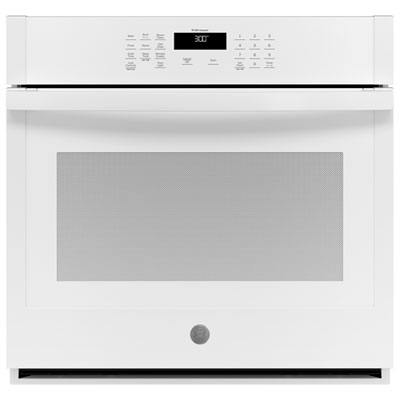 Your price for this item is $2369.99
-
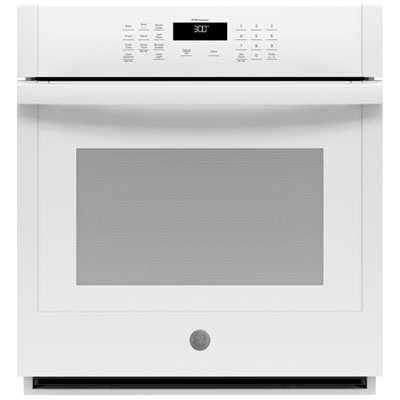 Your price for this item is $2249.99
-
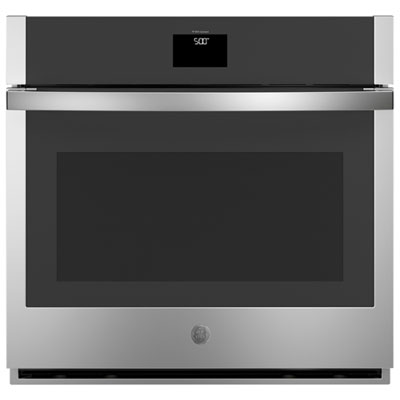 Your price for this item is $2369.99
-
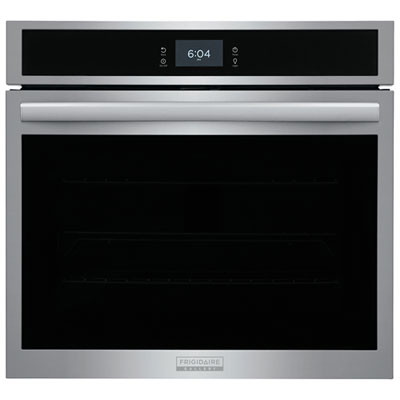 Your price for this item is $2199.99
-
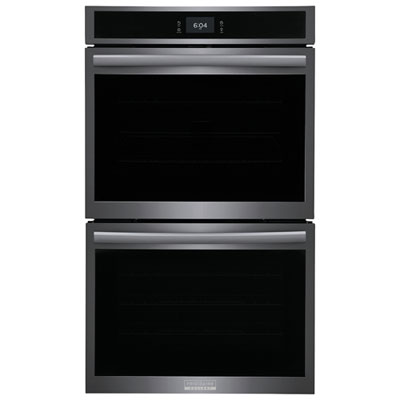 Your price for this item is $3699.99
-
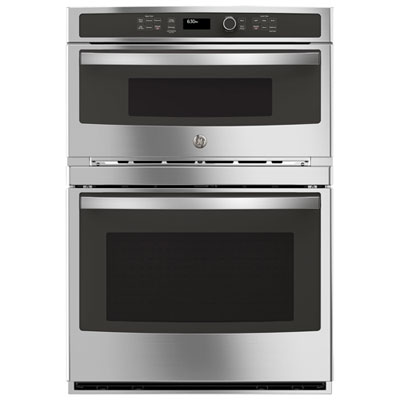 Your price for this item is $3749.99
-
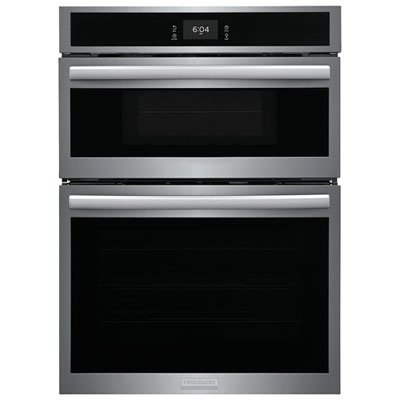 Your price for this item is $3699.99
-
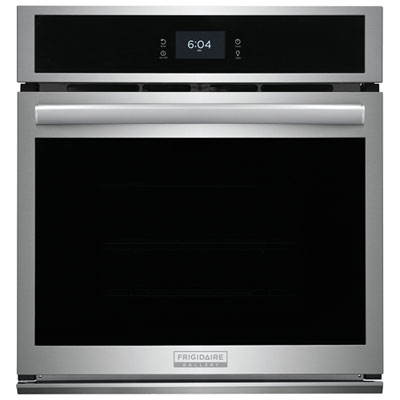 Your price for this item is $2199.99
Discover more categories related to Cake Ovens


Top Collections:
Best Black Friday Deals This Year, Best Black Friday Deals On Electronics, Kindle Devices, Pokemon Centers, Best Black Friday Deals On Apple Products, Best Cameras for Sports Photography, Dyson Airwrap, Pokémon 30th Celebration Cards, Apple iPhone 17 Pro, Canon G7X Cameras
Some products may be subject to Environmental Handling Fees
(EHF) depending on your province.
Learn more about EHFs.