Coffee Dispensers
Elevate your daily coffee routine with the perfect coffee dispenser to suit your needs. Whether you’re outfitting a busy office, a cozy kitchen, or planning for gatherings at home, finding the right coffee dispenser ensures convenient serving and fresh flavor every time. Explore a wide selection of options designed to keep your favorite brew easily accessible and ready to pour, making every cup as enjoyable as the last. Discover how the ideal coffee dispenser can simplify your mornings and enhance any coffee experience.
Sort
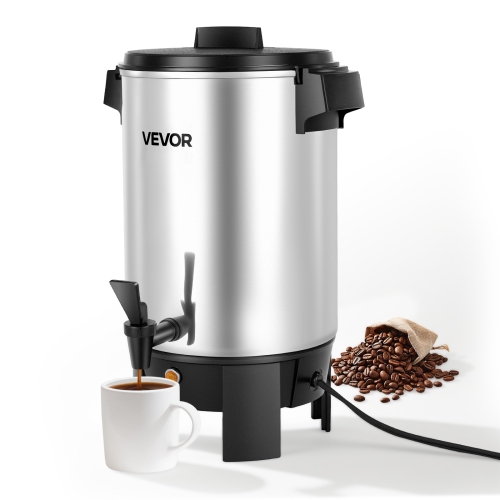
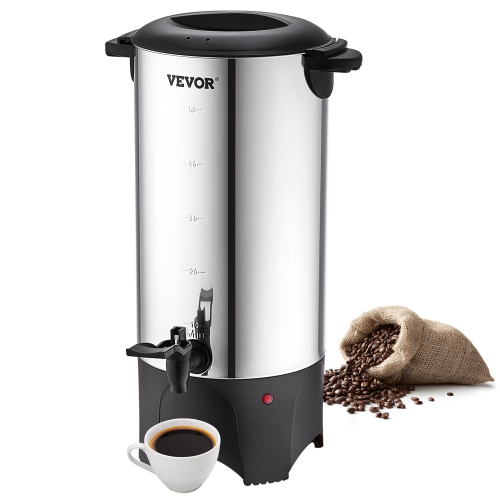
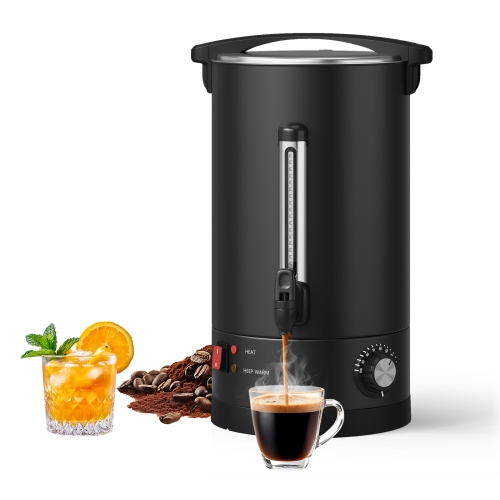
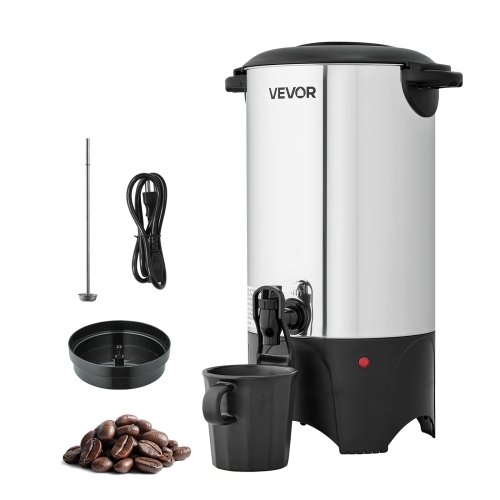
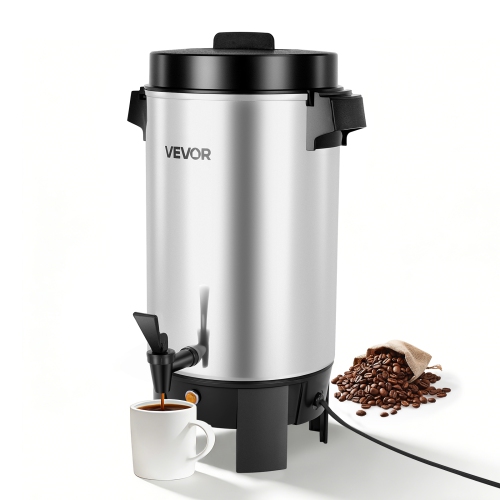
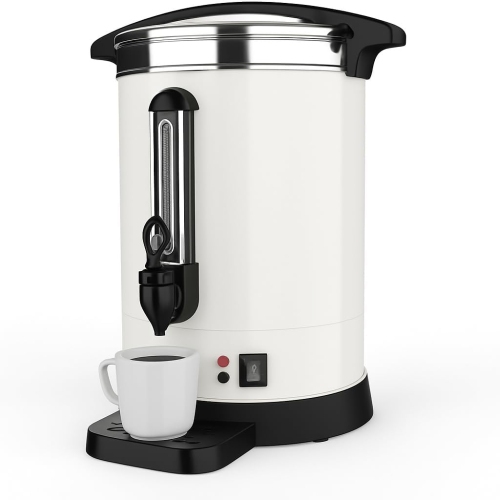
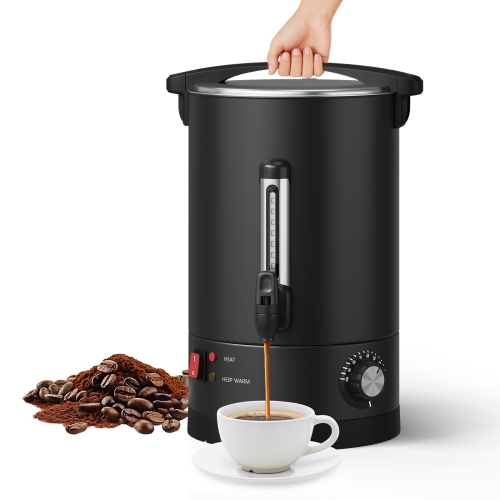
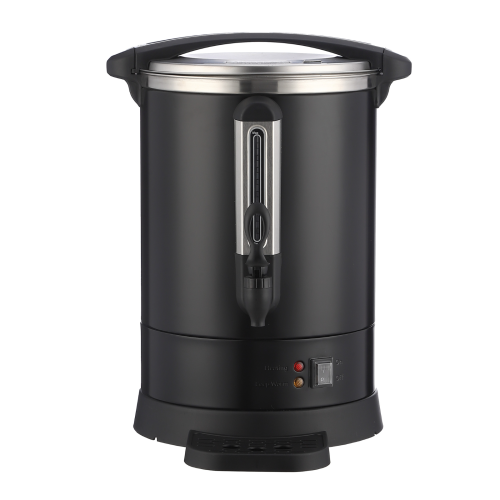
What matters when serving coffee to a crowd
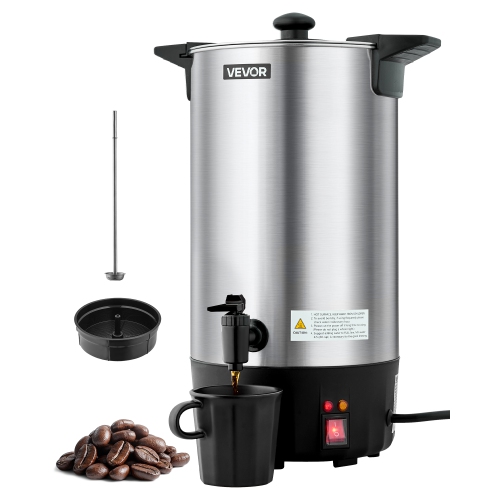
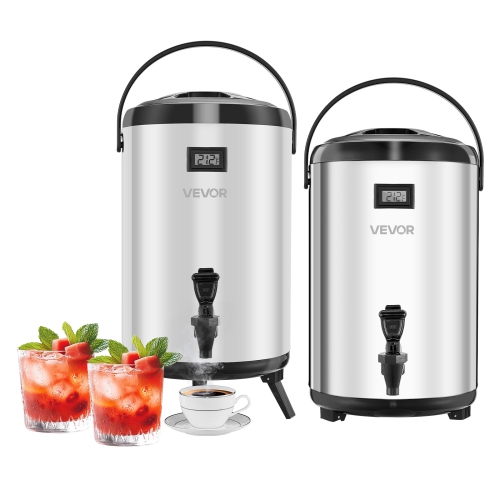
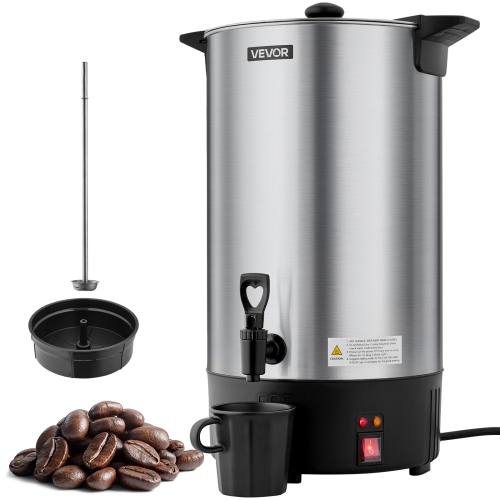
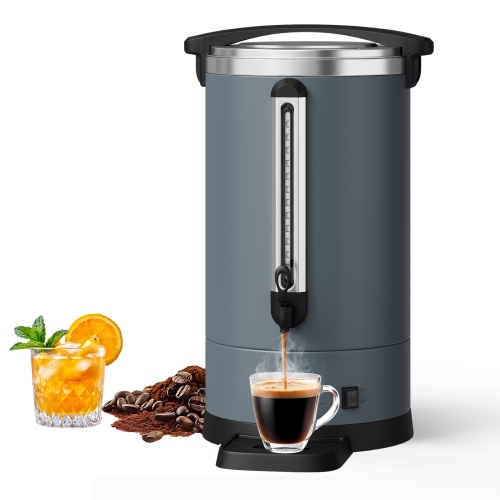
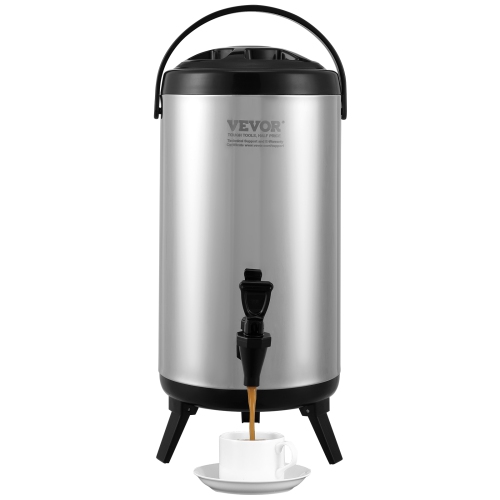
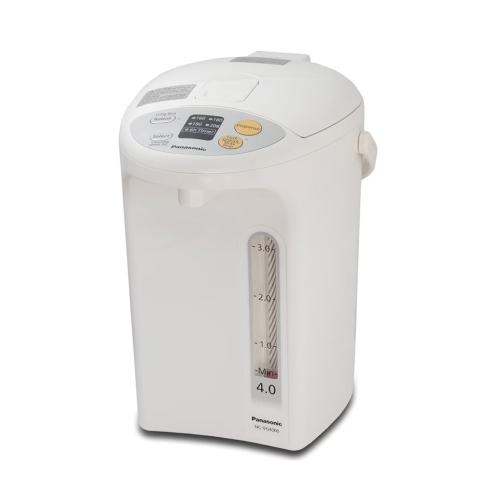
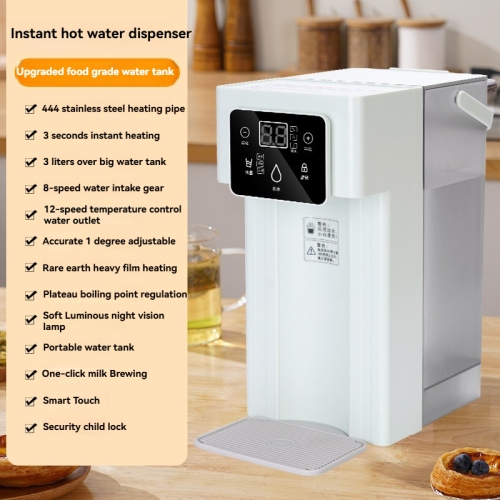
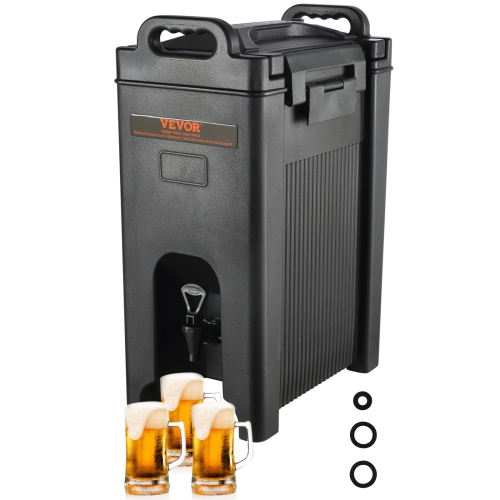
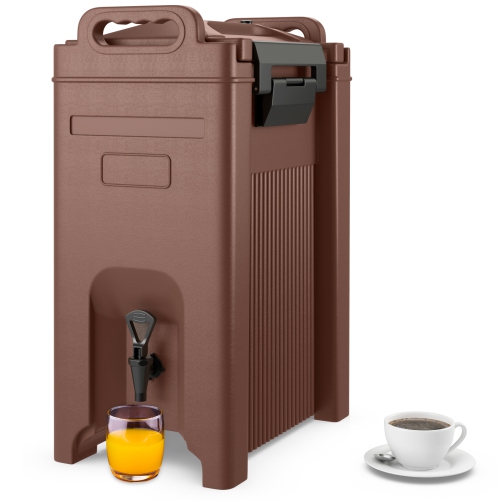
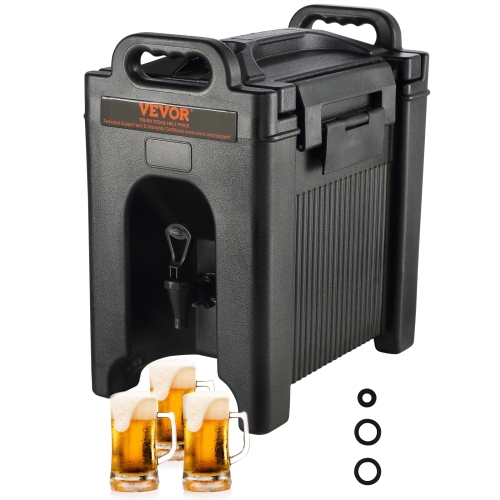
Coffee dispensers hold and serve brewed coffee, making it easier to fill several cups without repeatedly lifting a pot or preparing a fresh batch for every round. They are useful in office break rooms, meeting spaces, community halls, reception areas, and homes where coffee is served to a group. The category includes electric coffee urns that brew and maintain heat, insulated airpots that dispense through a pump or lever, and thermal beverage dispensers filled from a separate brewer. These differences matter: a coffee urn can handle brewing and serving in one vessel, while an airpot is primarily a holding and serving container. Some electric dispensers keep prepared coffee warm without brewing it, so the brewing function is worth distinguishing from the heating function. For a training session with staggered breaks, a stationary dispenser gives people a convenient place to refill their mugs. At a catered breakfast, several insulated containers can separate regular and decaffeinated coffee without requiring a power connection at each serving point. Capacity is best understood in litres as well as the stated number of cups, because a manufacturer's cup measurement may be smaller than a typical travel mug. A dispenser described as holding dozens of cups will serve fewer people if everyone fills a large mug or returns for a second helping. The useful capacity also depends on minimum fill requirements and any liquid that remains below the dispensing outlet. Larger is not always more practical: a vessel suited to a busy gathering can be cumbersome for a small household and may leave coffee sitting longer than intended. Matching the batch size to the pace of service helps keep refills manageable and coffee tasting fresh. Brewing time varies with the design and quantity being prepared, while holding performance depends on the heating system or insulation, the starting coffee temperature, and how frequently the dispenser is opened or used.
Materials and construction influence how a coffee dispenser feels in daily use as much as its appearance. Stainless steel is common for bodies and liners because it tolerates frequent handling and is generally straightforward to clean, although finishes, insulation, and component quality vary. Double-wall insulated vessels slow heat loss without relying on a warming plate; some use stainless steel liners, while others have glass liners that need more careful handling. An electric urn uses a heating element to brew, maintain serving temperature, or both, depending on its design. Extended heated holding can change coffee's flavour, whereas a thermal container retains warmth without continually applying heat. Neither approach prevents coffee from losing freshness over time. A secure lid, comfortable carrying handles, and a broad, stable base are especially useful when moving a filled vessel from a preparation counter to a serving table. The weight of the coffee itself is significant, so a large capacity also means a heavier load. Pump-action airpots can stay in place while a cup is filled, and lever-operated dispensers offer another way to serve without tipping the container. Some urns have two-way taps that allow a brief pour or a continuous flow, but the mechanism and locking features differ. Clearance beneath the outlet matters for tall mugs, as does enough room above the lid to operate a pump or add coffee safely. A dispenser that fits under a cupboard may still be awkward to fill or clean there. Drip trays help contain splashes, and a clearly marked sight gauge or level indicator can make it easier to monitor the remaining coffee without lifting the lid. On a shared counter, space for cups, milk, sugar, and used stirrers keeps the serving area from becoming crowded. Electrical models also need a suitable outlet and a cord position that does not cross a walkway or hang over an edge where it could be caught.
Regular care helps preserve both the taste of the coffee and the reliability of the dispensing parts. Coffee oils can collect inside lids, liners, taps, and pump assemblies, leaving stale flavours even when the main vessel looks clean. Removable components can make those areas easier to reach, but dishwasher suitability varies, and an electric base should not be immersed unless its design expressly permits it. Cleaning methods also differ between stainless steel and glass-lined containers; abrasive pads or unsuitable cleaners can damage surfaces or seals. Electric brewing urns may need periodic descaling, particularly where mineral-rich water leaves deposits around the heating element. A thermal dispenser filled from a separate brewer still needs thorough cleaning, even though it does not brew the coffee itself. After washing and rinsing, allowing accessible parts to dry before storage helps prevent lingering odours. Taps, gaskets, pump seals, and lid closures deserve attention because these moving or sealing components often show wear before the body does. Access to compatible replacement parts can extend the useful life of a dispenser used frequently in a workplace or community space. For occasional gatherings, manageable storage dimensions and a design that is easy to empty may matter more than maximum capacity. For daily shared use, sturdy handles, an uncomplicated dispensing action, and clear contents labels can be more valuable than decorative details. Smaller tables and seated service may be better suited to Coffee Pots, which can be carried between guests rather than left at a self-serve station. Dispensers suit situations where the coffee stays in one place and people arrive with their own cups. Keeping the outlet accessible, placing the vessel on a level surface, and leaving room to remove a filled mug all contribute to a more comfortable setup. Hot coffee requires careful handling regardless of whether the container uses electricity, and secure placement away from counter edges is particularly important in spaces shared with children. The most practical design is one that suits the serving routine, fits the available space, and can be cleaned thoroughly between batches.
Top selling and popular products
-
 Your price for this item is $799
-
 Your price for this item is $799
-
 Your price for this item is $4179.05
-
 Your price for this item is $97.99
-
 Your price for this item is $757.68
-
 Your price for this item is $277.99
-
 Your price for this item is $529.68
-
 Your price for this item is $1561
Discover more categories related to Coffee Dispensers


Top Collections:
Best Black Friday Deals This Year, Best Black Friday Deals On Electronics, Kindle Devices, Dyson Airwrap, Best Cameras for Sports Photography, Best Budget Office Chairs, Canon G7X Cameras, PS5 Pro Consoles, Best Black Friday Deals On Apple Products, XBOX One S Consoles
Some products may be subject to Environmental Handling Fees
(EHF) depending on your province.
Learn more about EHFs.