Drink Dispensing Machines
Looking to elevate your hosting game and add a touch of convenience to your next gathering? Look no further than our selection of drink dispensing machines. These innovative devices are designed to make serving beverages a breeze, whether you're hosting a backyard barbecue, throwing a party, or simply looking for a way to keep your family hydrated. From sleek and stylish designs to practical features that ensure every pour is perfect, our range of drink dispensing machines has something to suit every taste and occasion. Discover the ultimate solution for effortless beverage service and take your entertaining skills to the next level with our collection of drink dispensing machines.
Sort

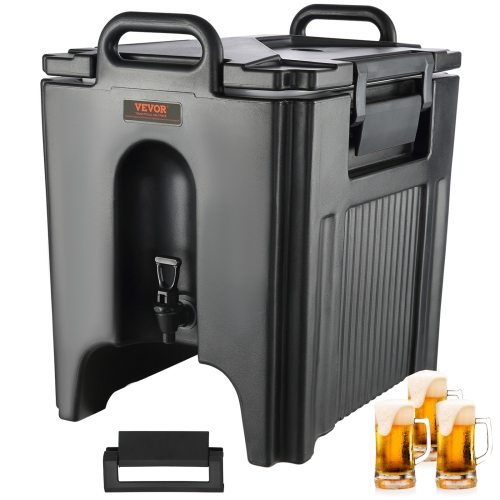
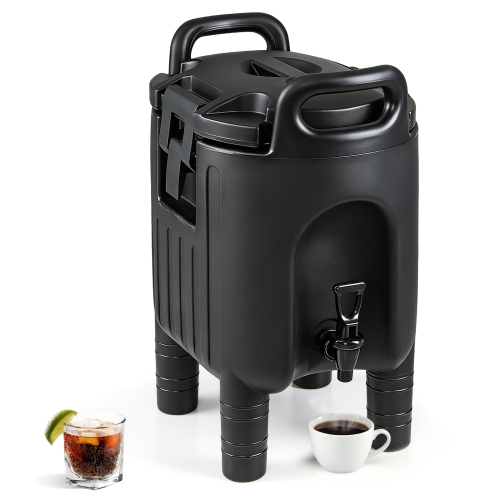
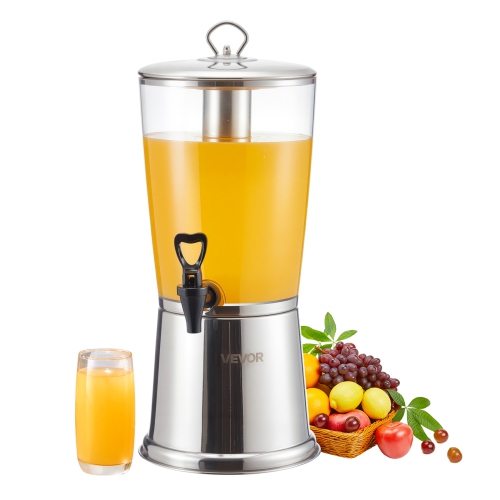
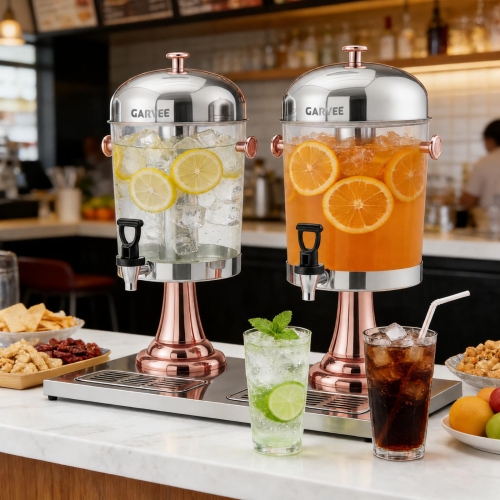

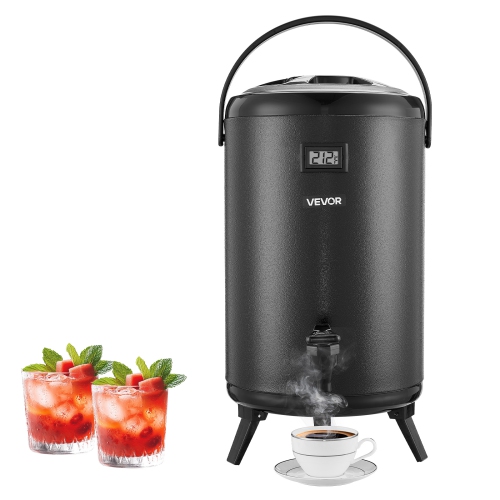
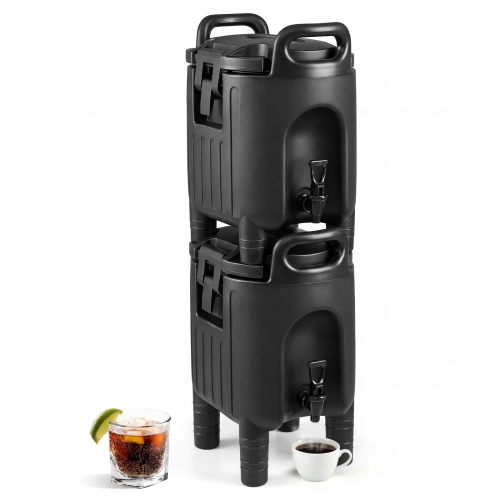
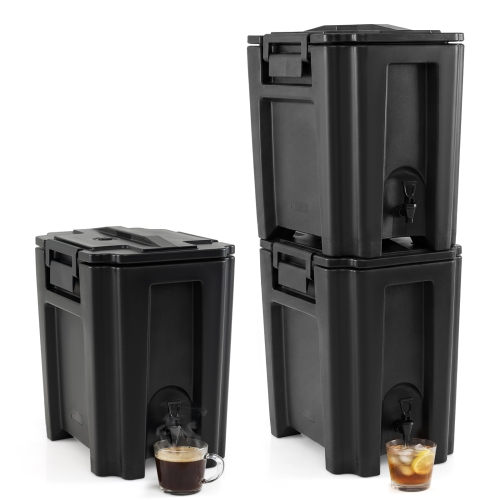
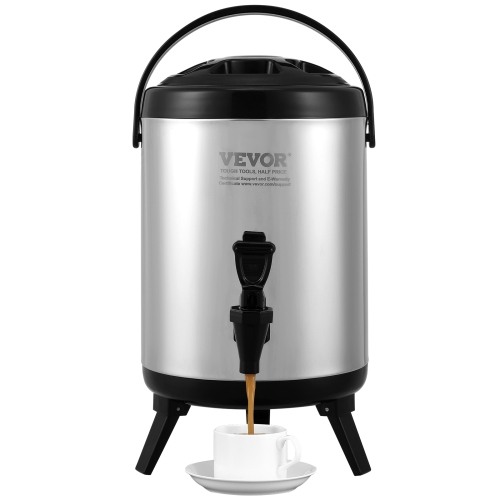
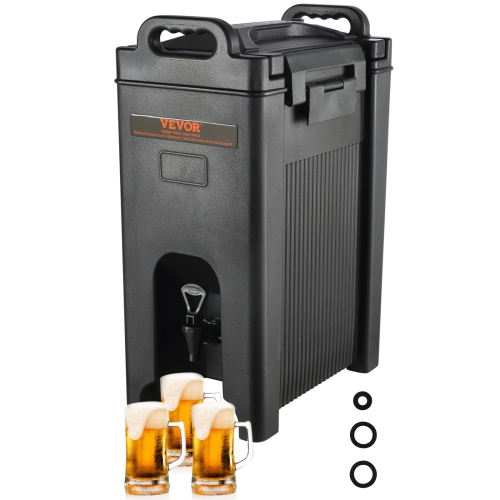
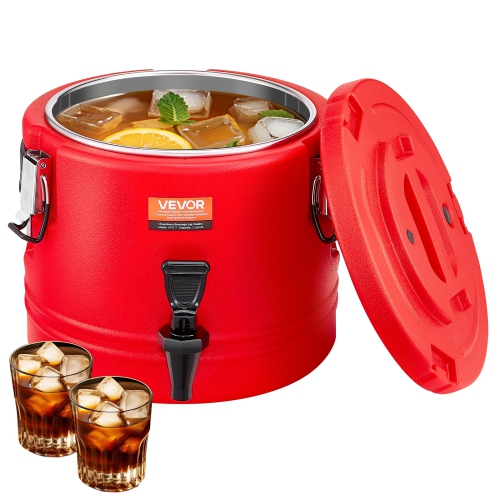

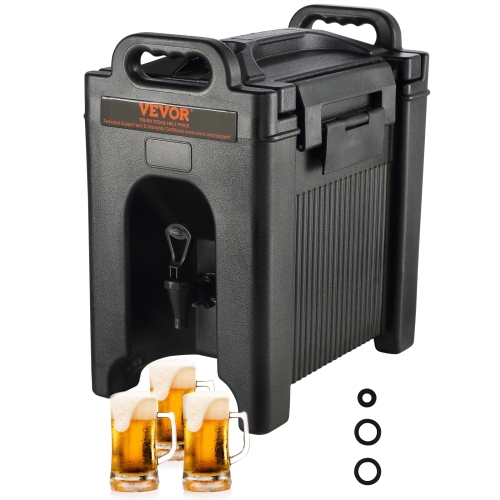
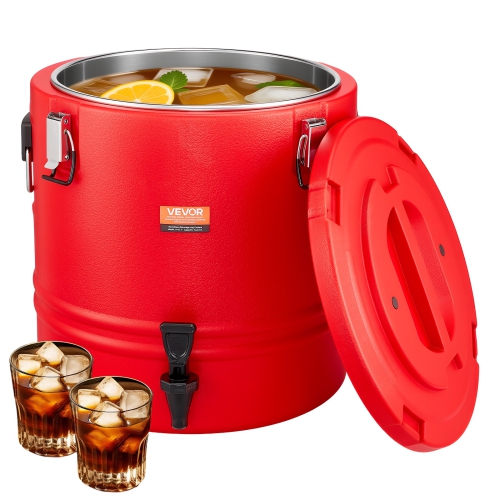



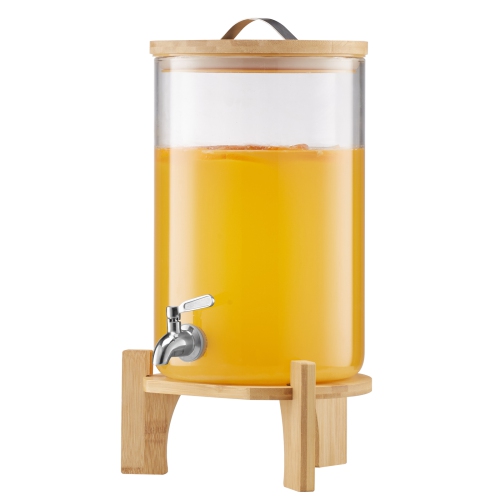
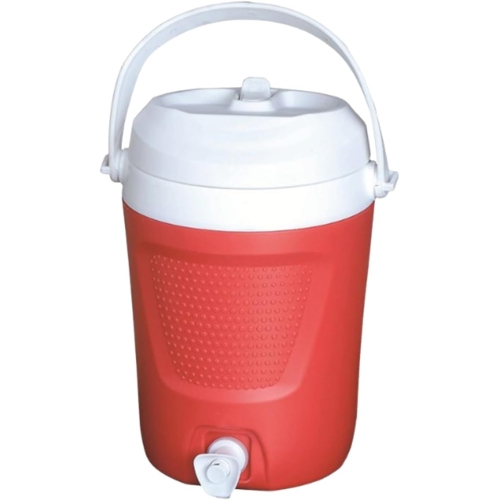

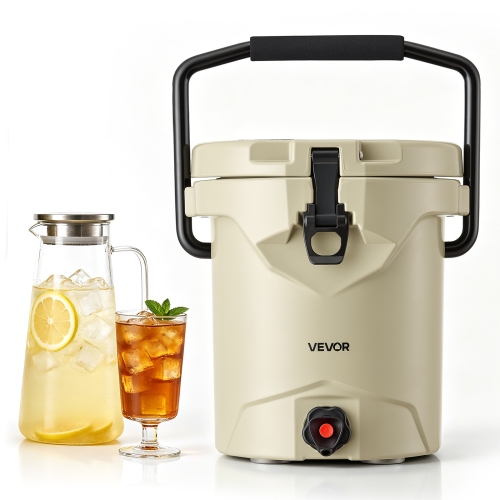
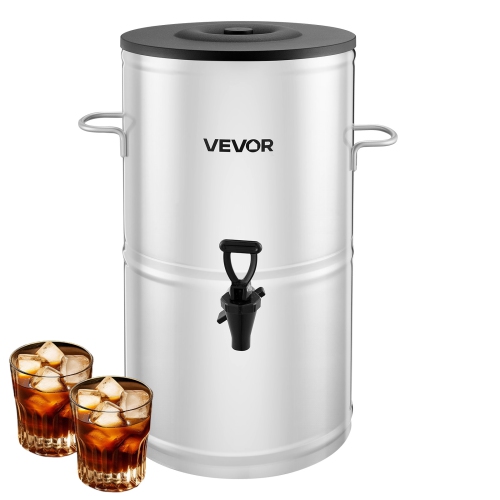
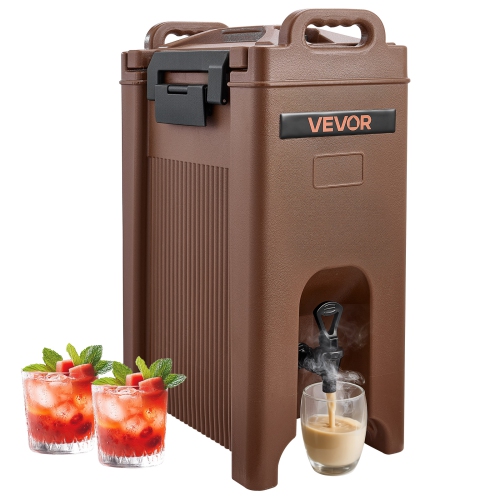
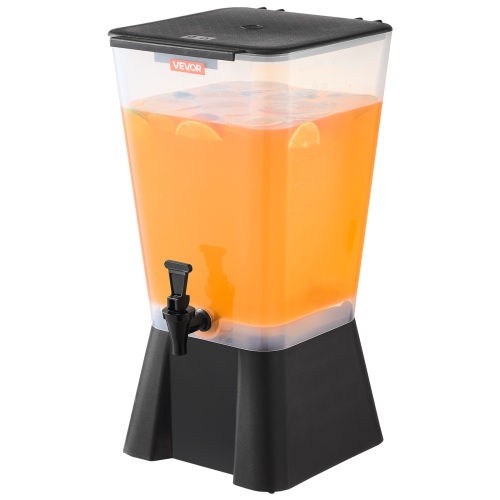
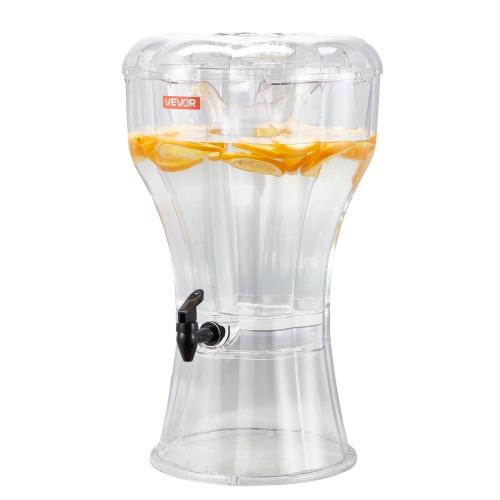
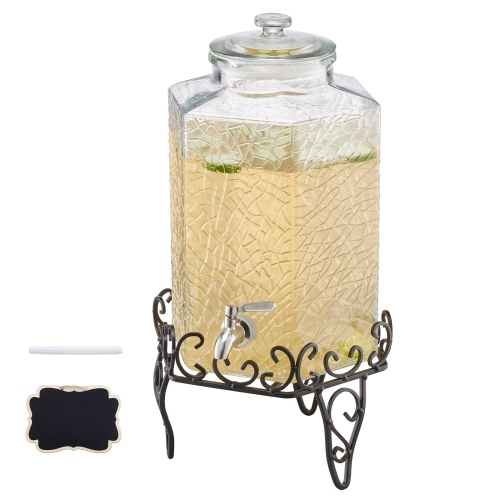





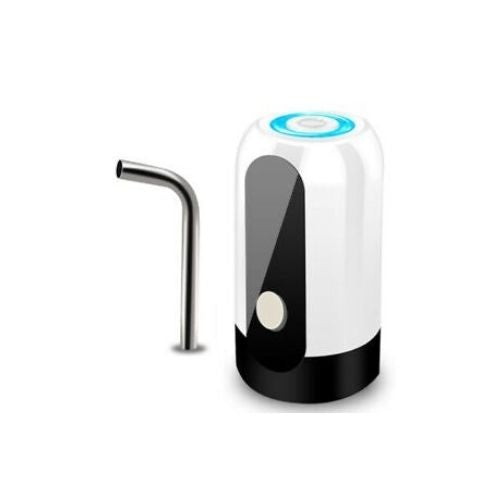
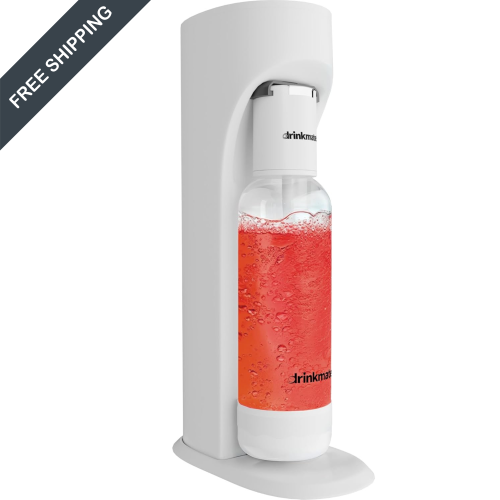
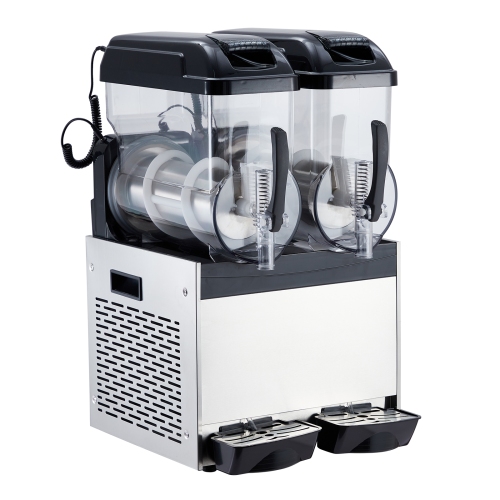
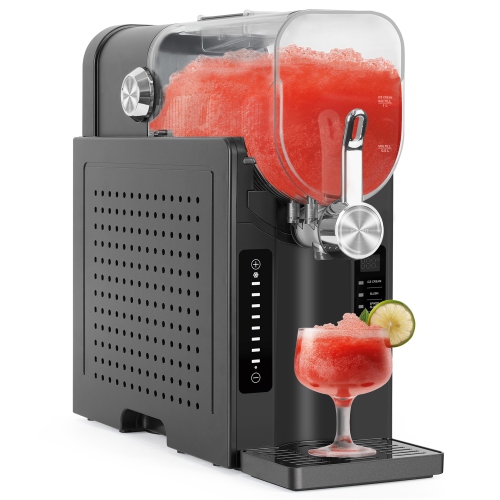
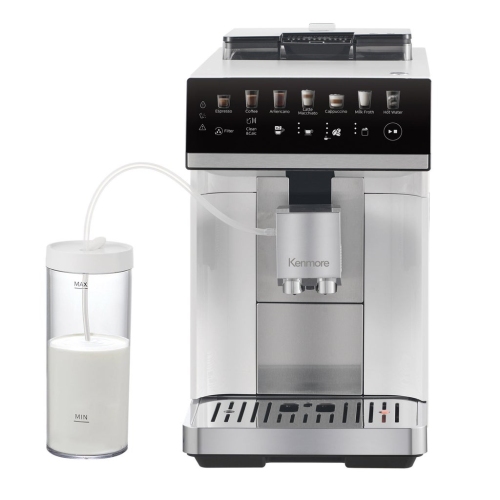
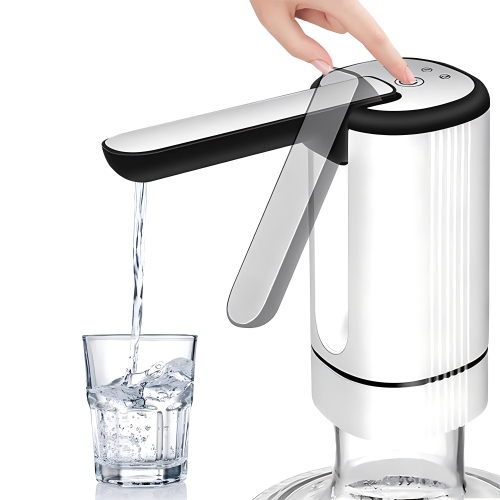
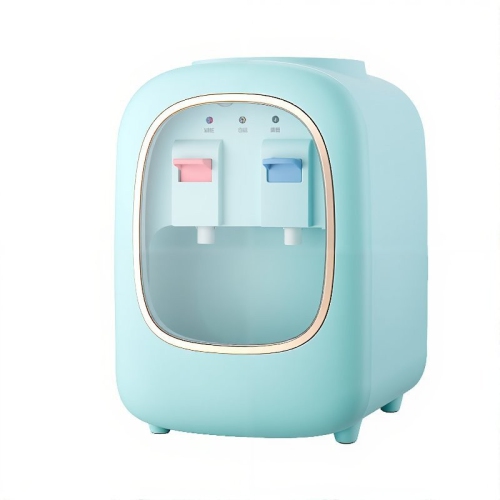
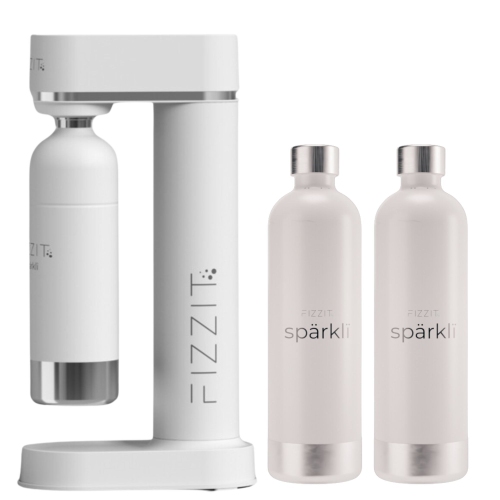

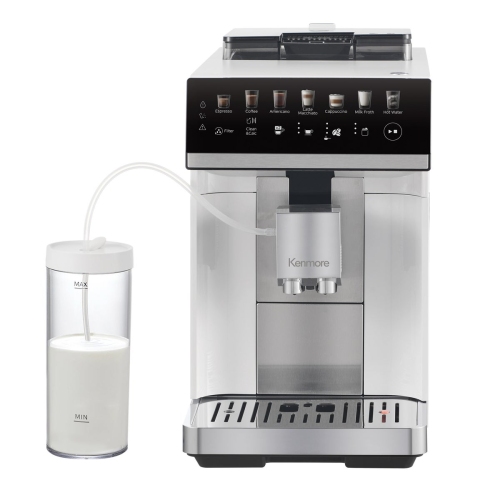
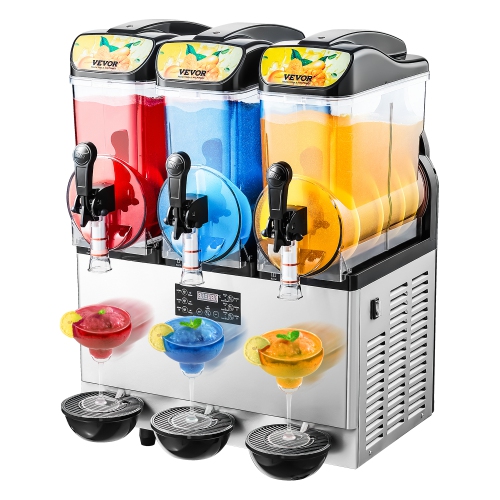

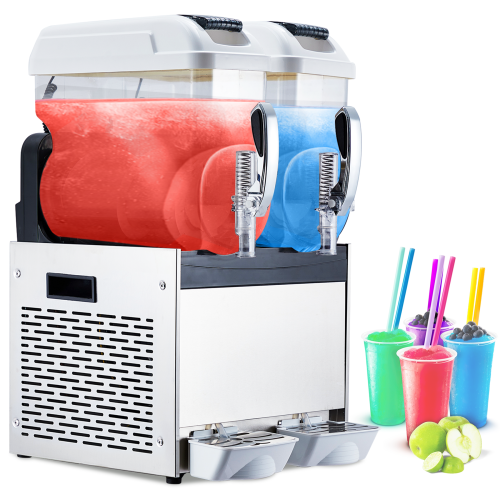
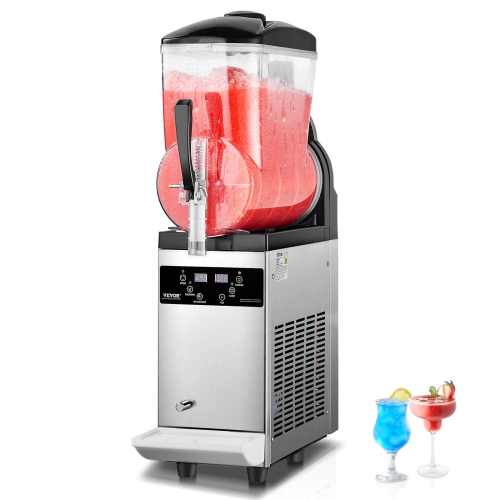

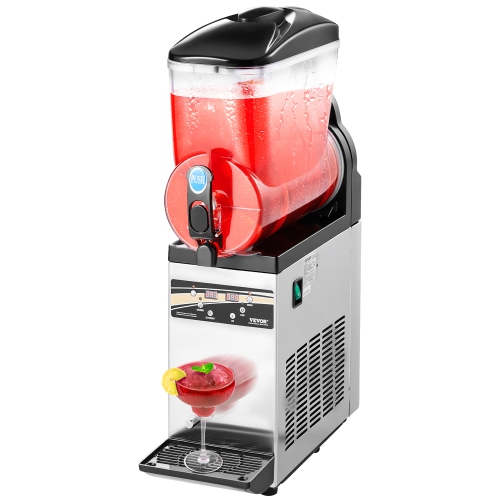
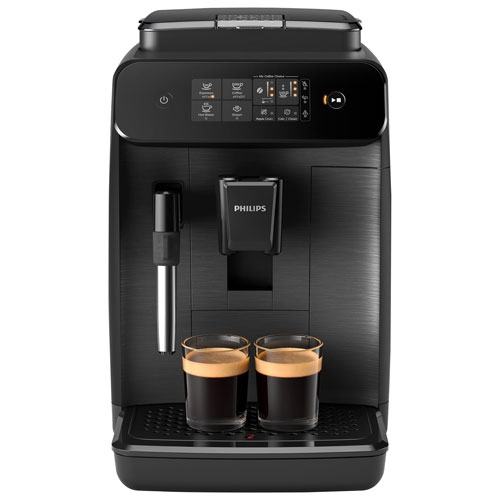
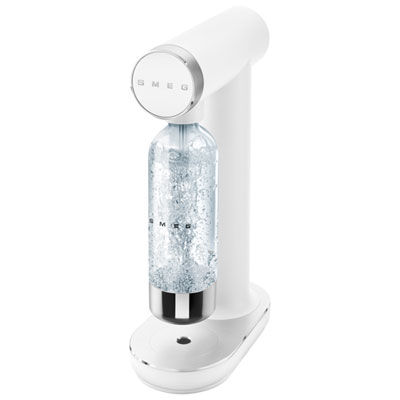
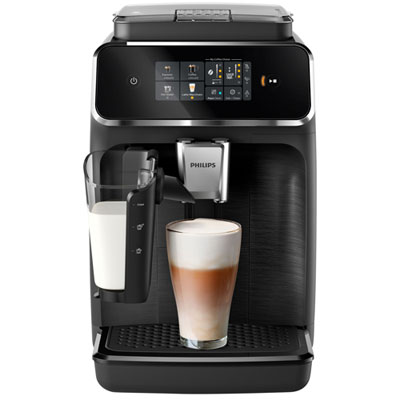


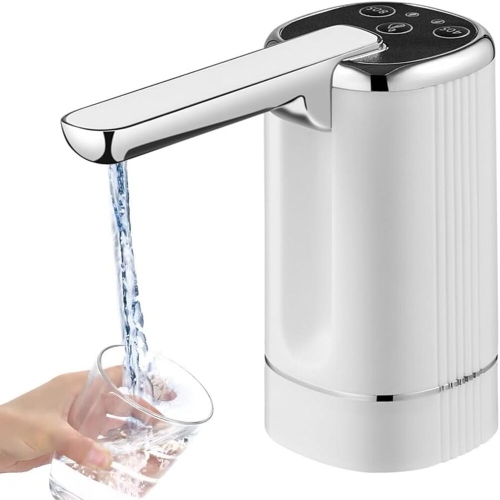
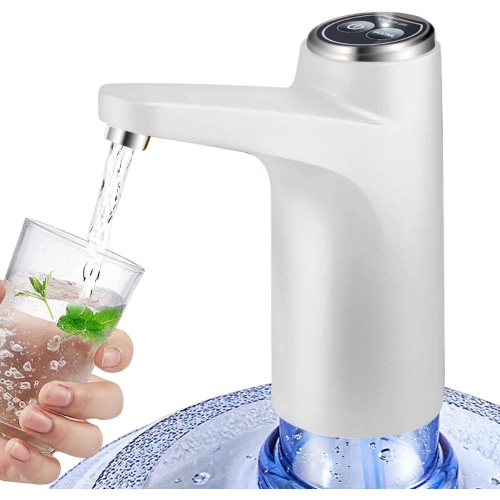
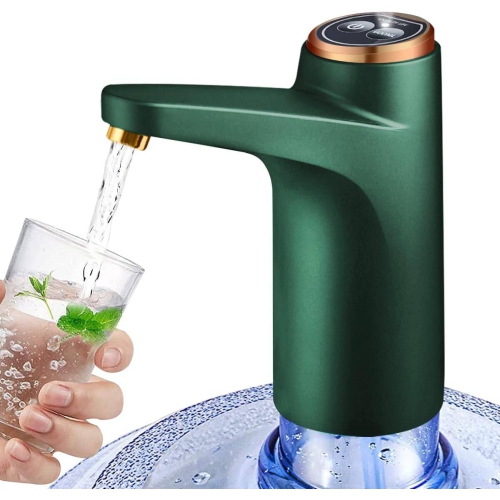
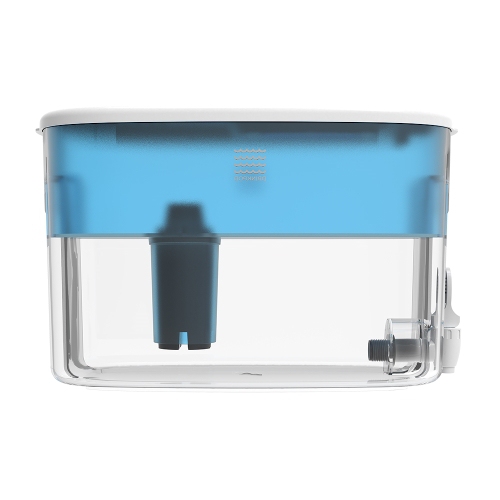
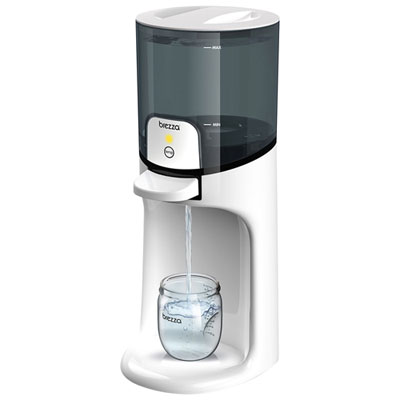

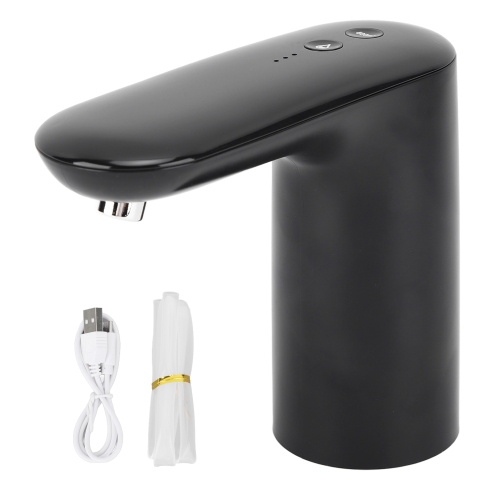
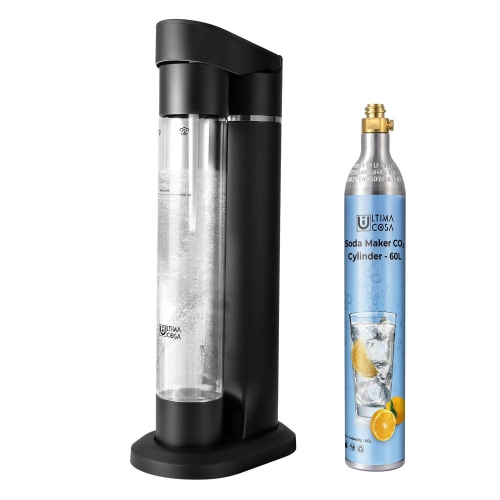
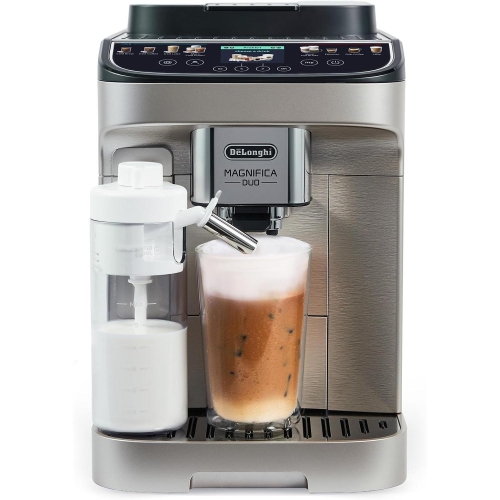
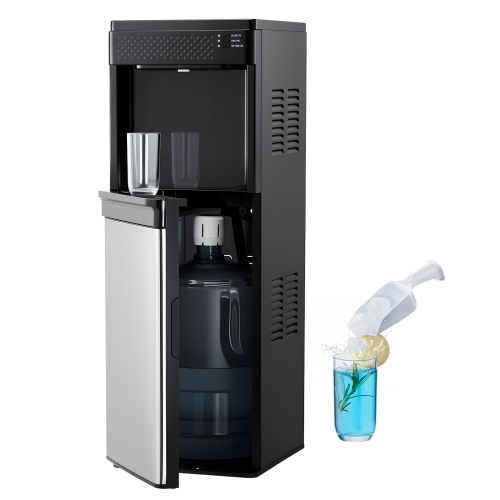
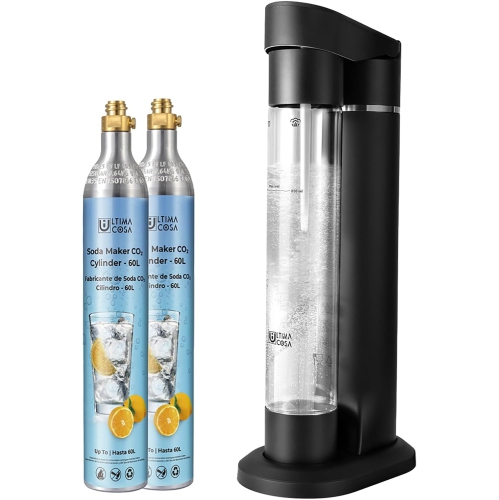
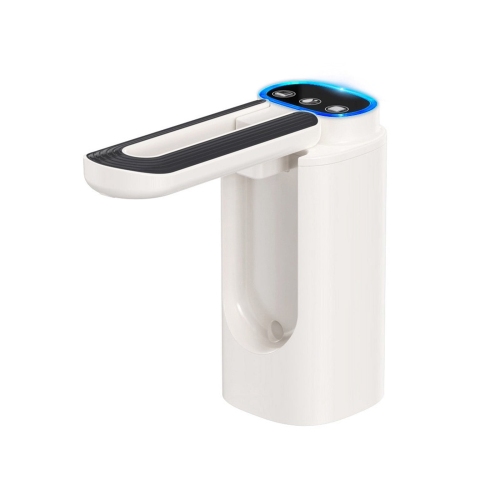
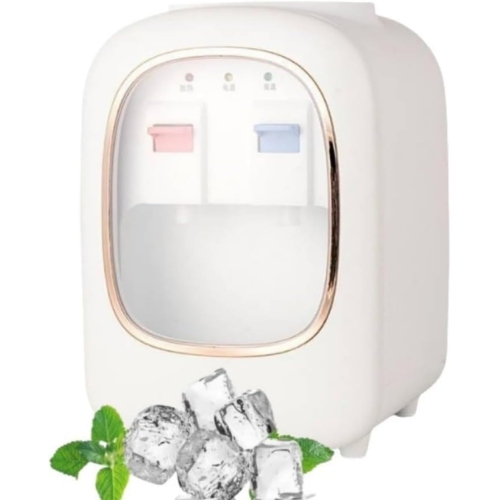
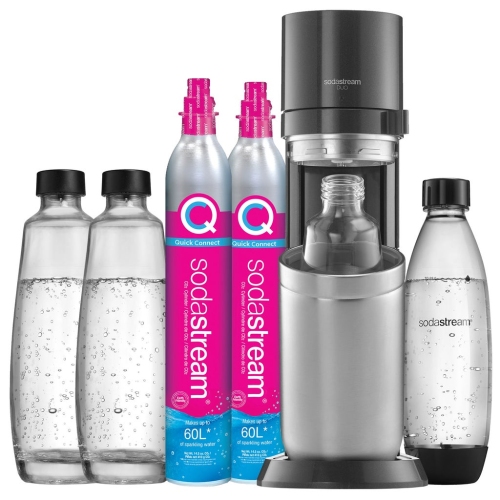
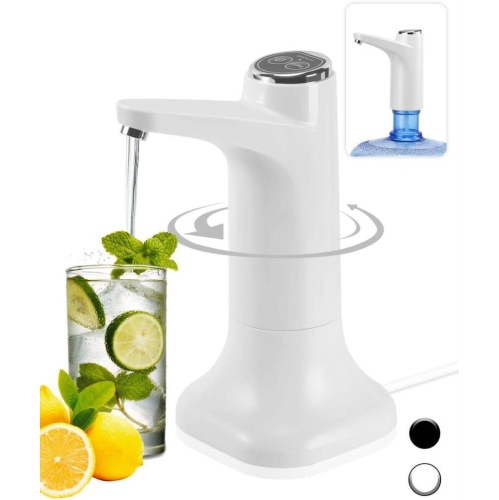
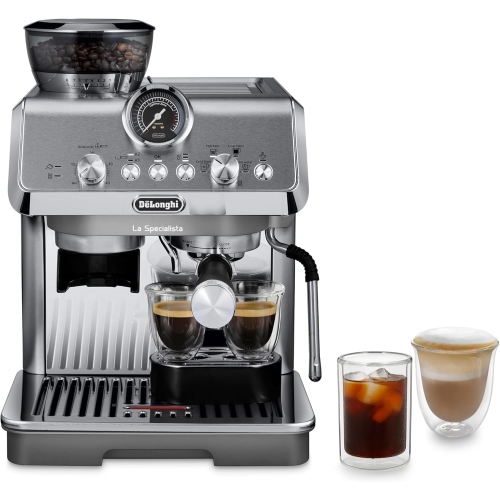
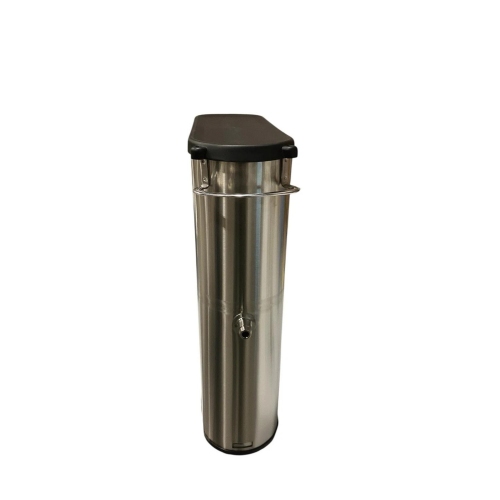
What you serve shapes the dispenser you need
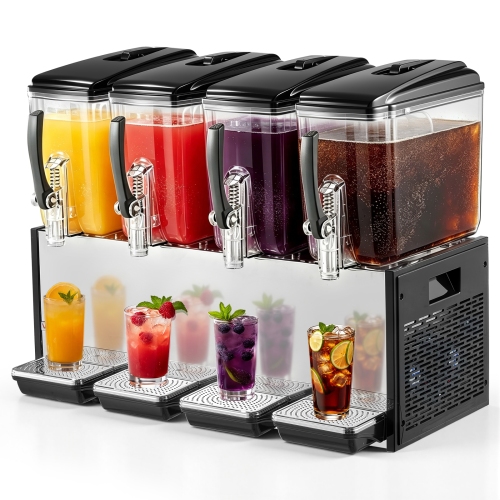
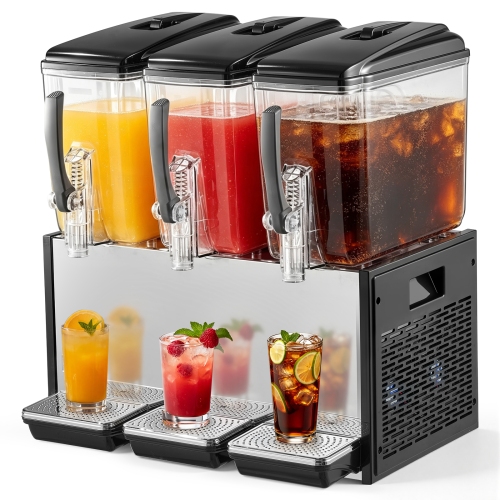
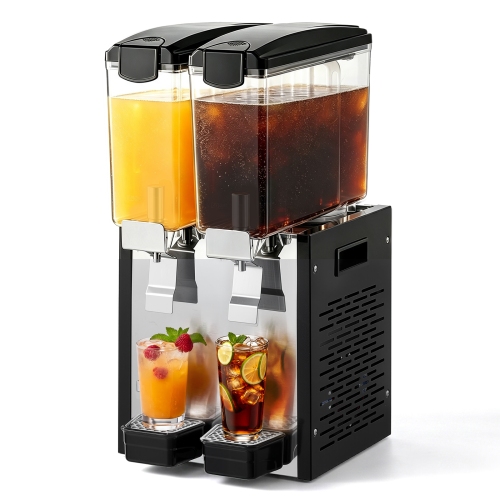
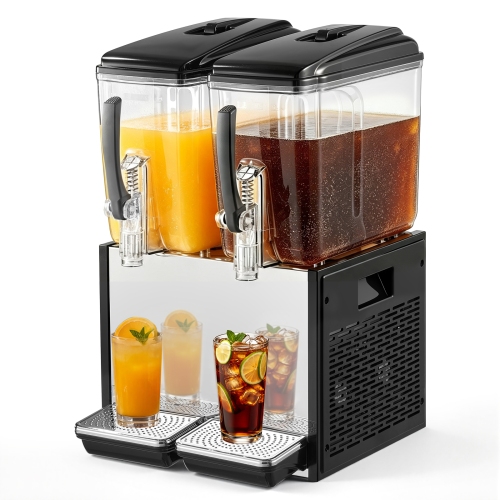
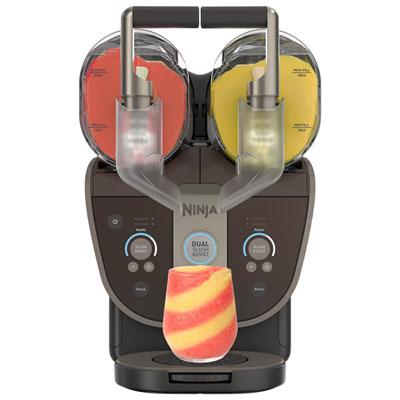
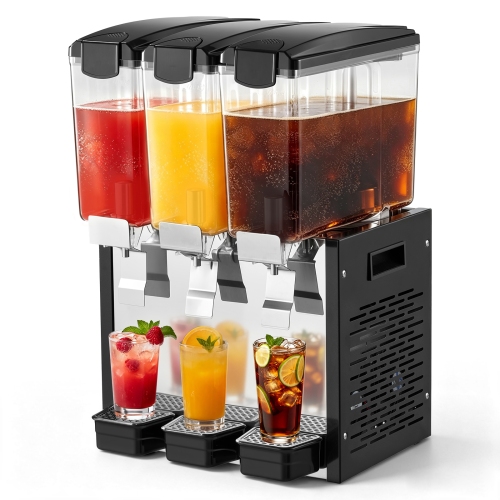
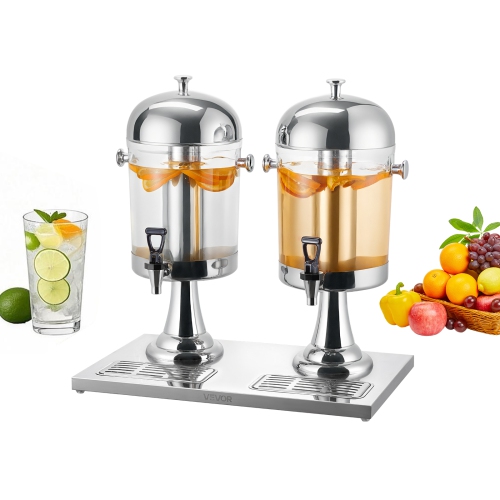
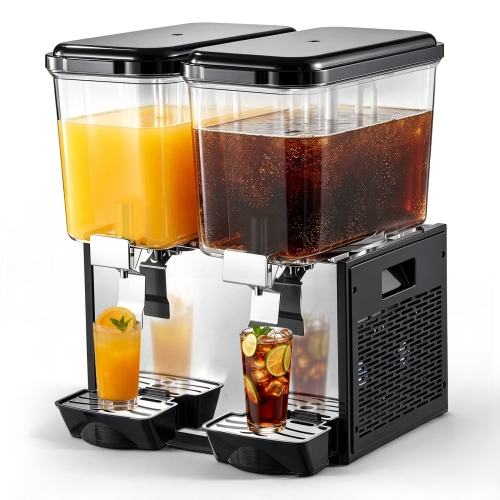
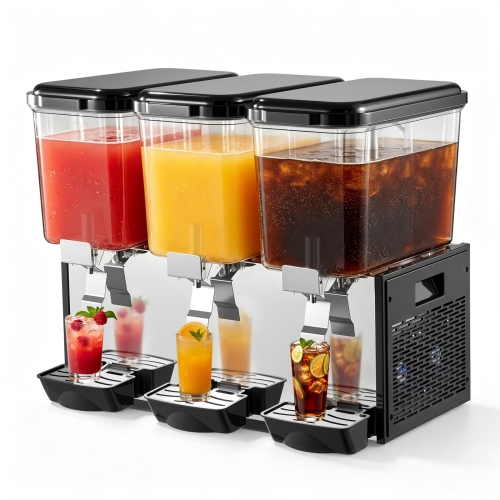
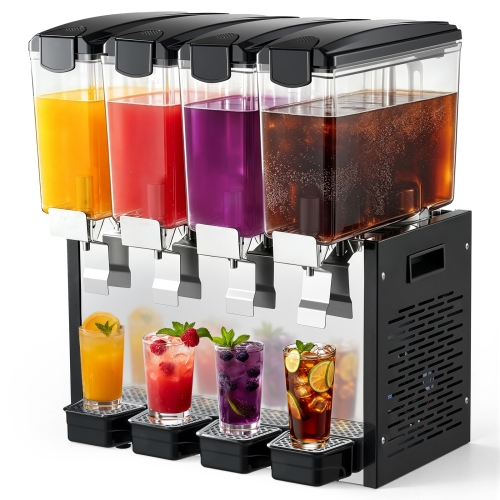
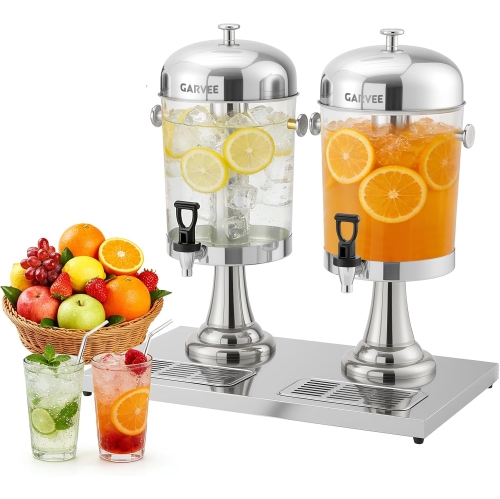
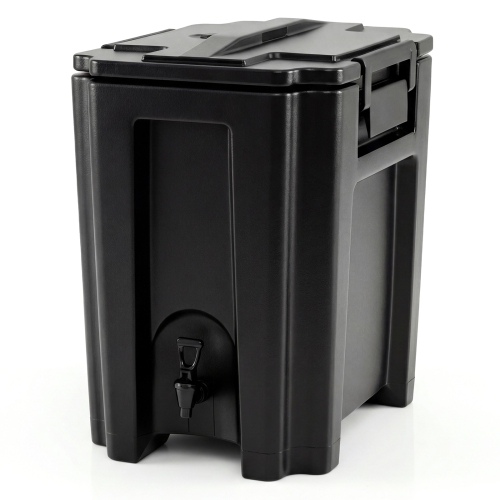
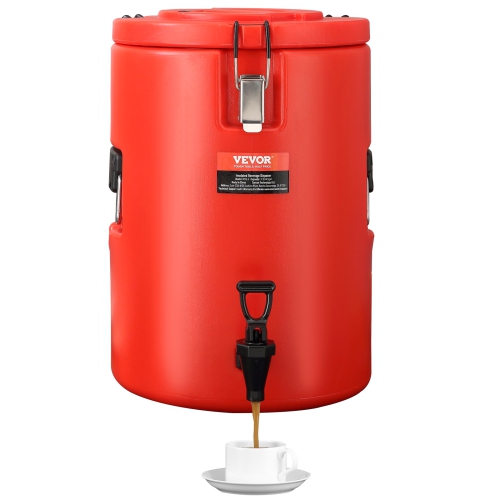
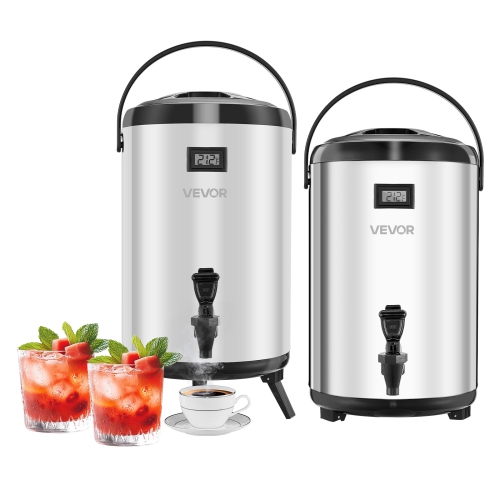
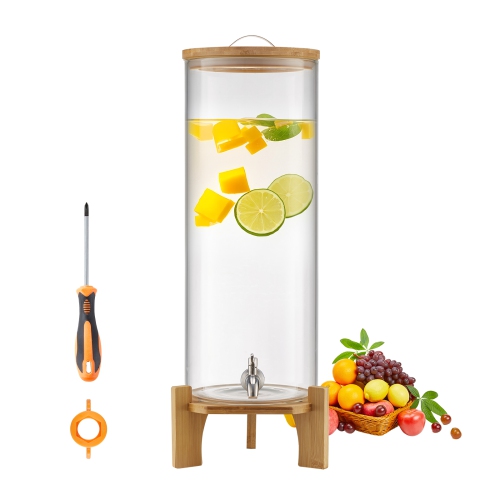
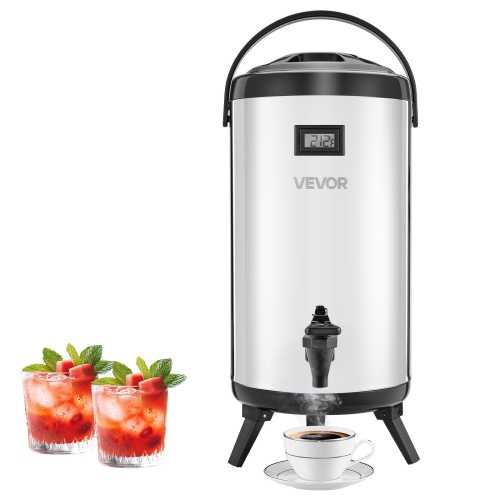
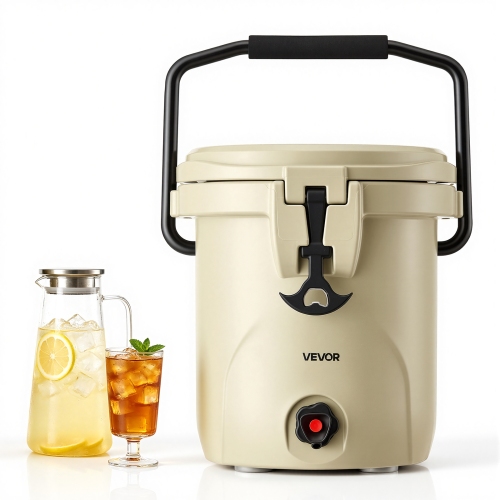
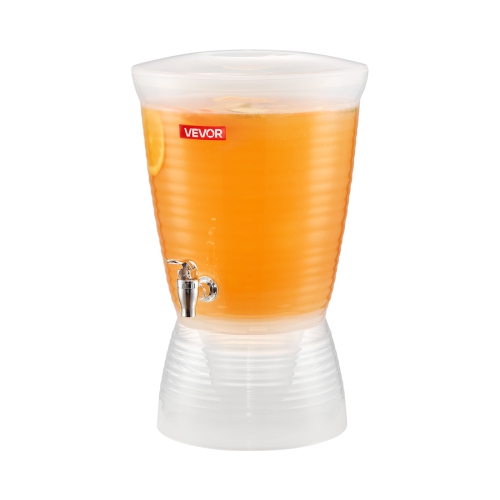
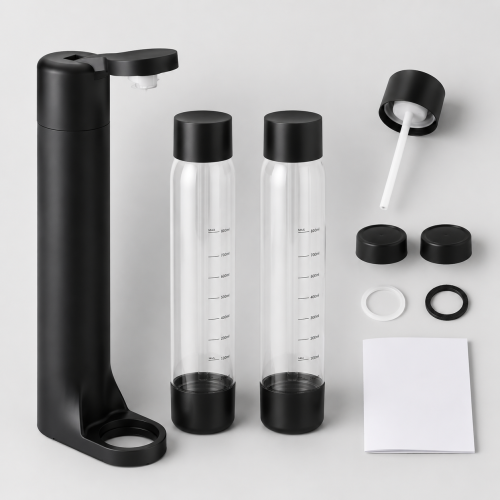
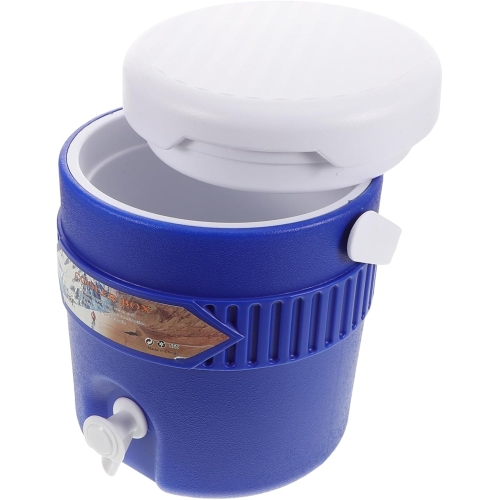
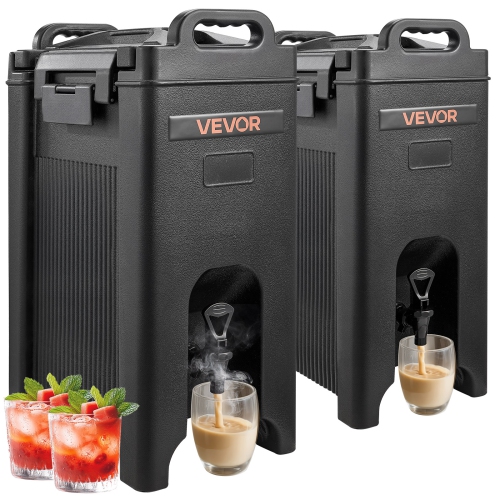
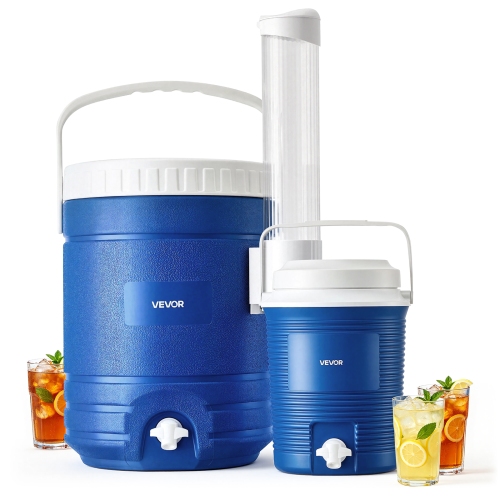
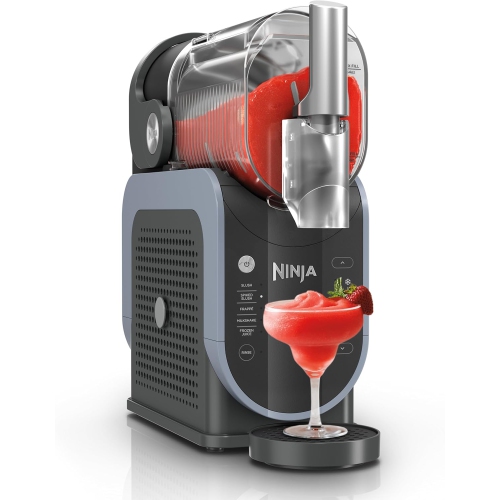
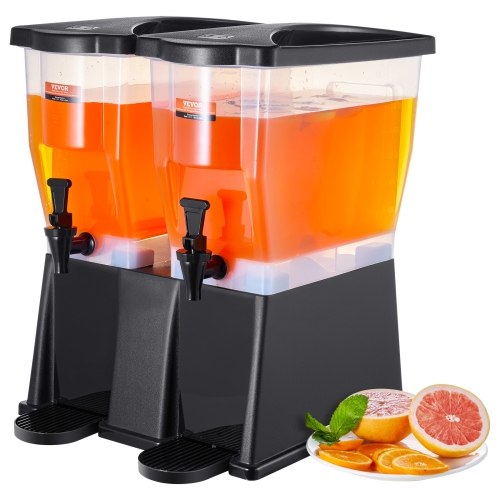
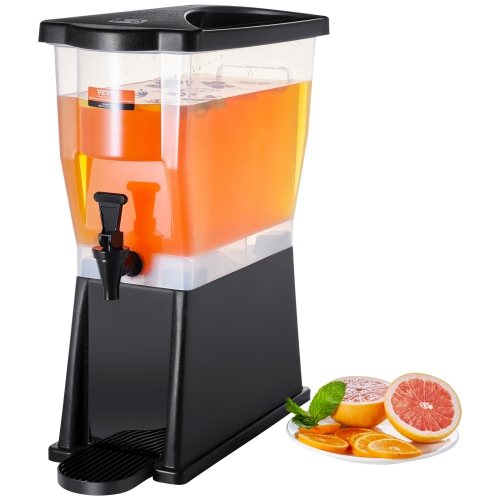
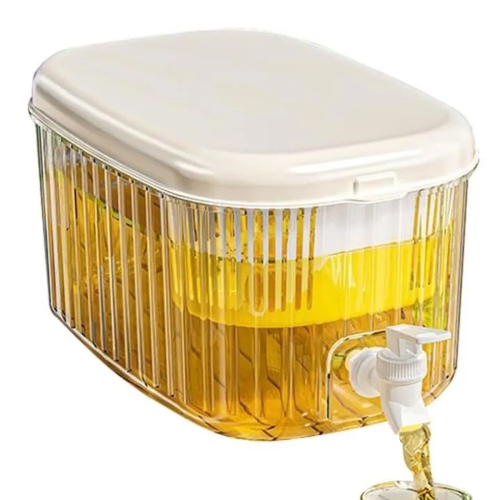
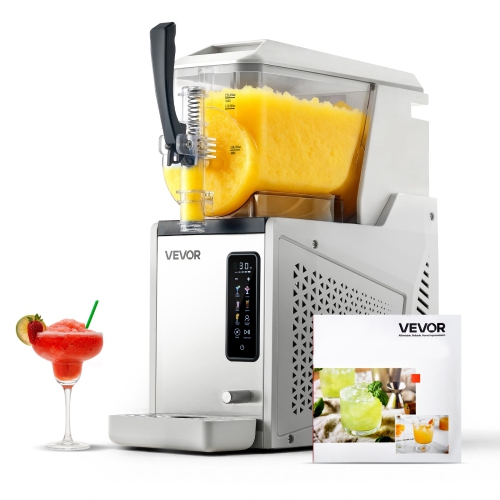
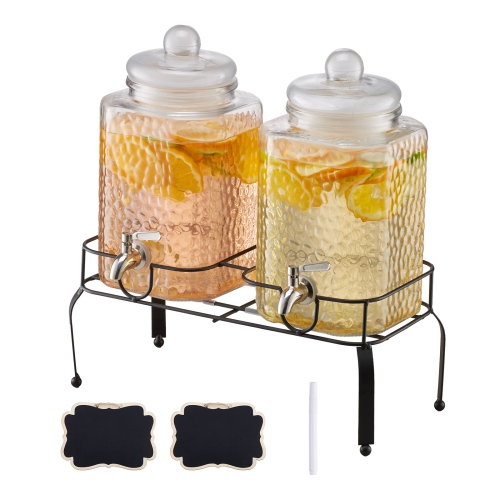
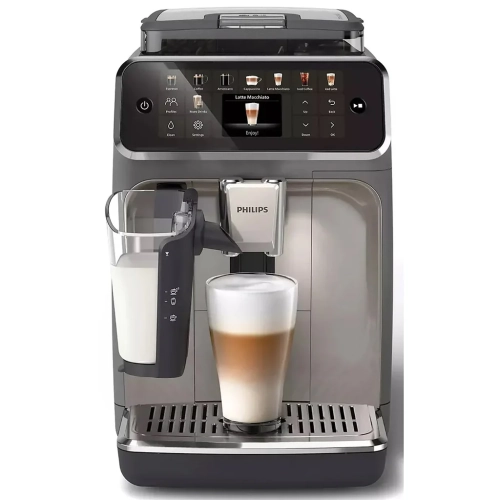
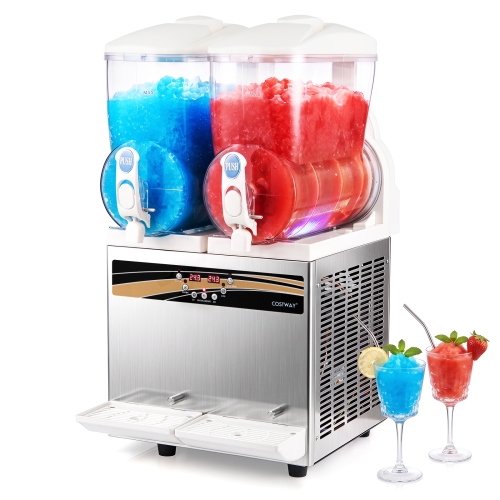
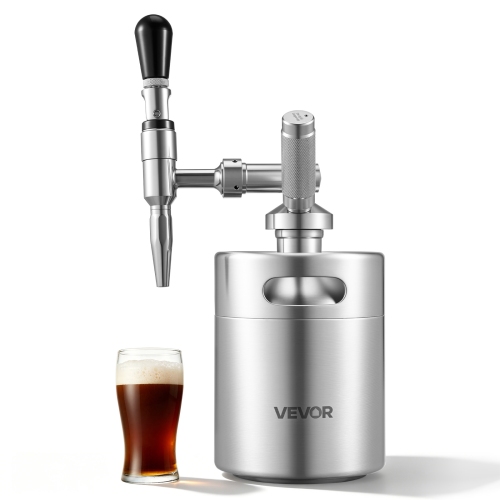
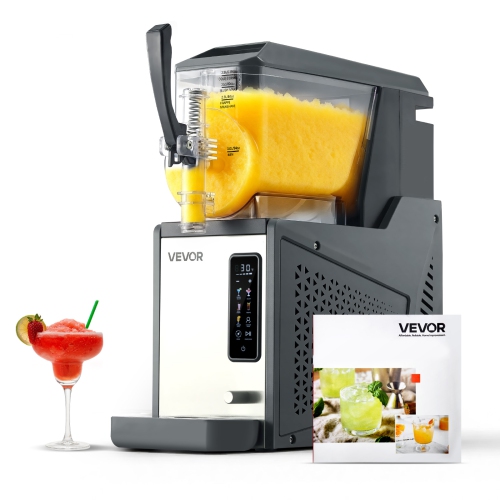
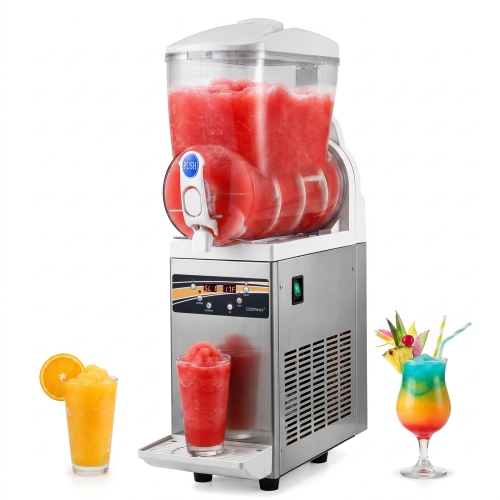
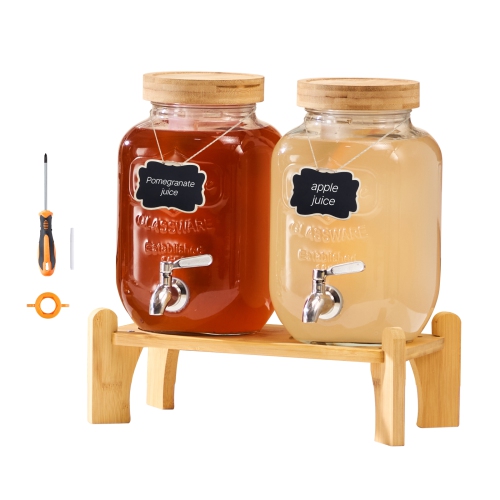
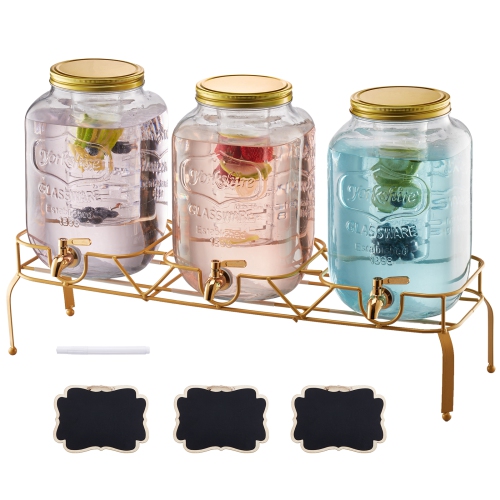
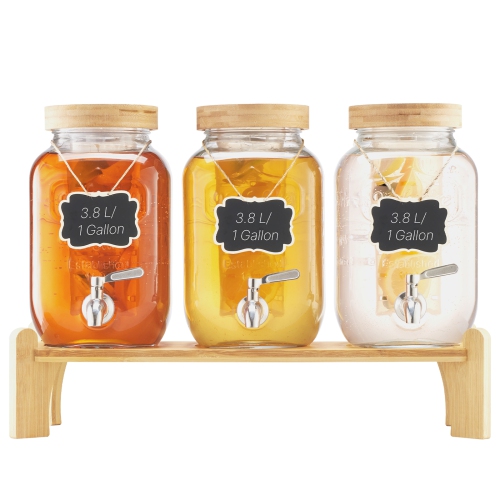
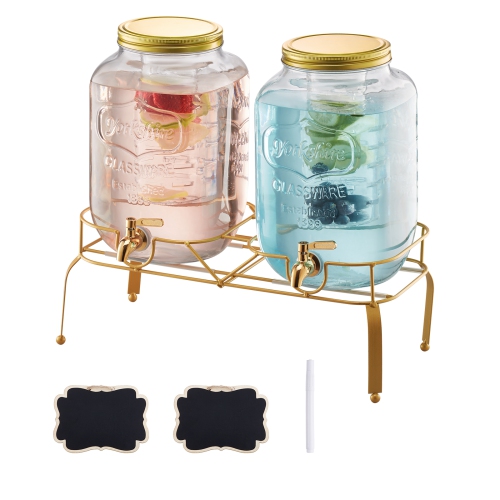
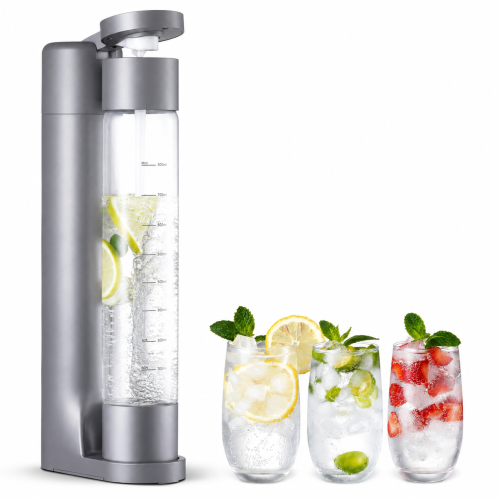
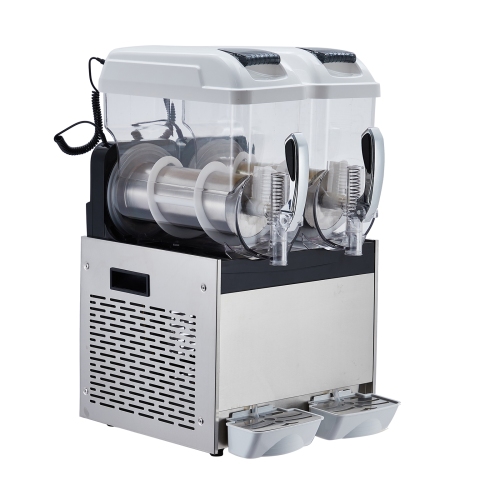
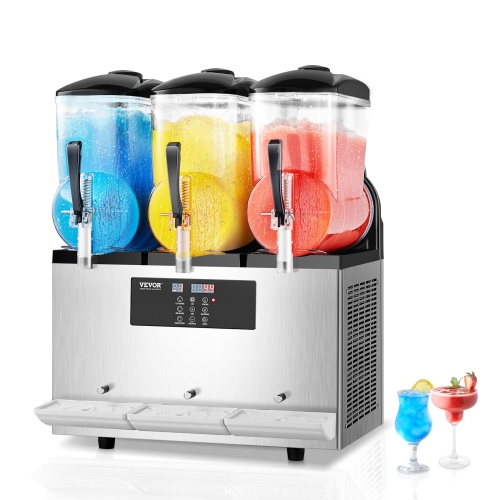
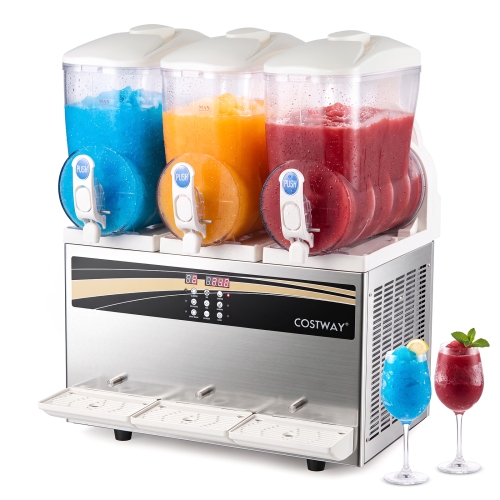
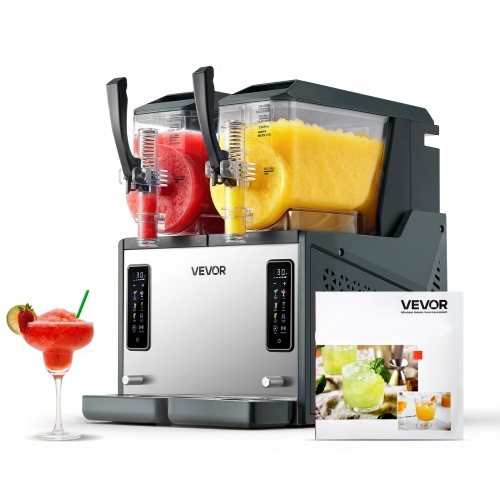
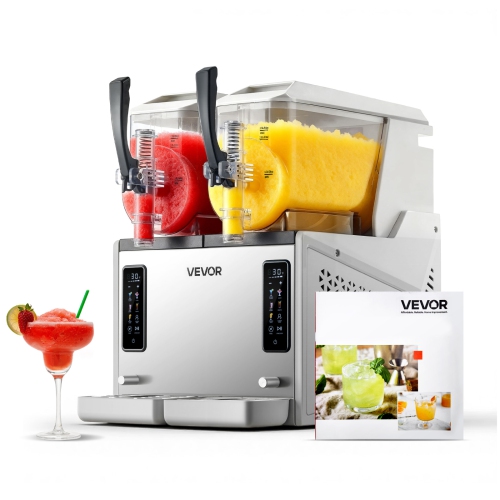
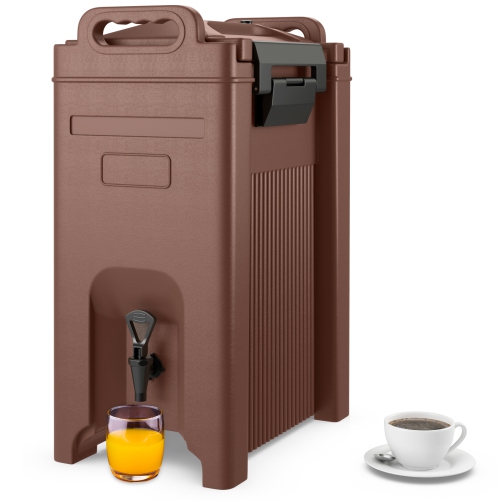
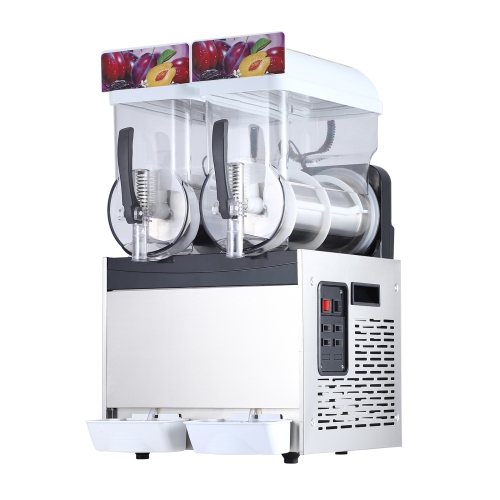
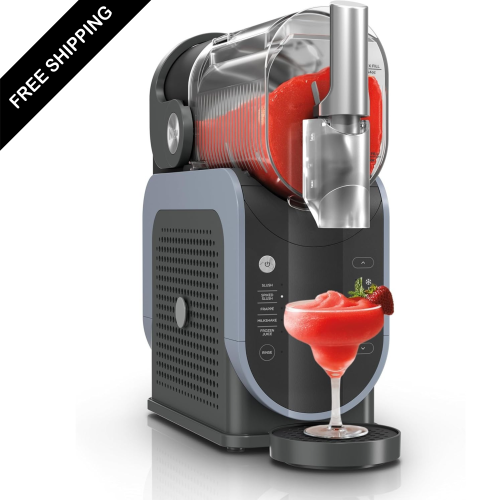
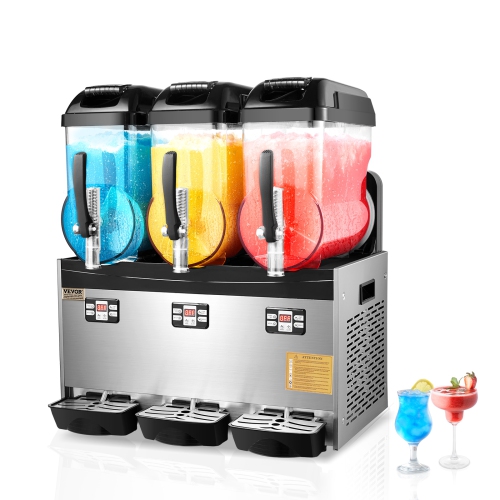
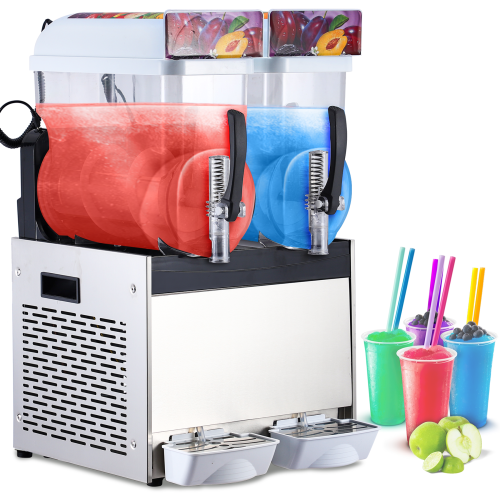
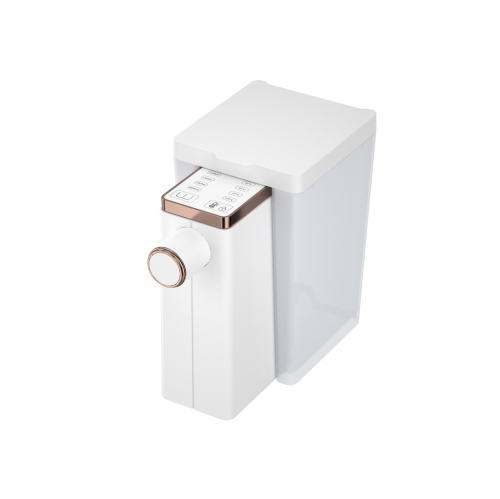
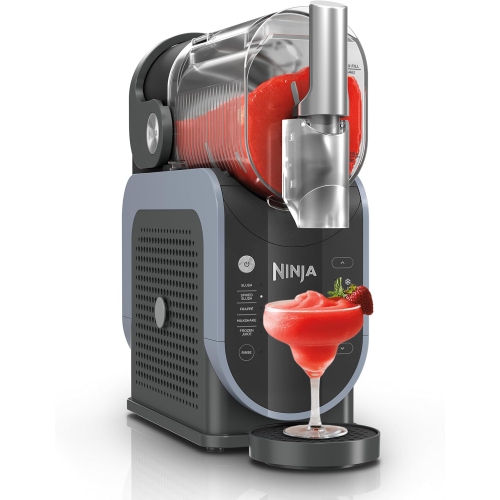
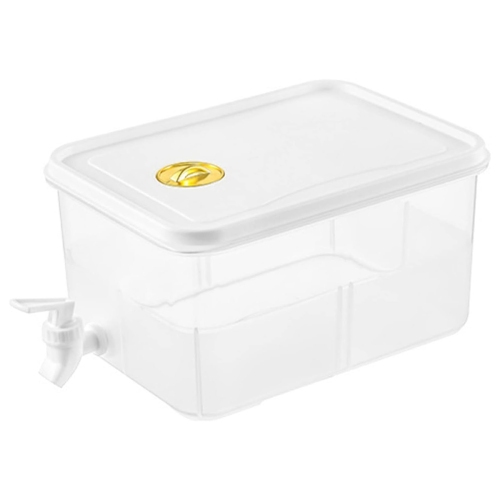
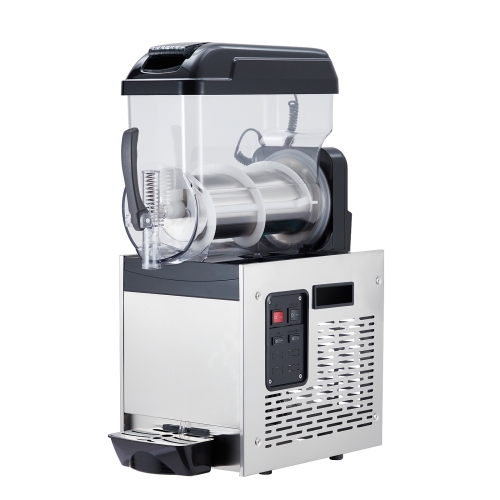
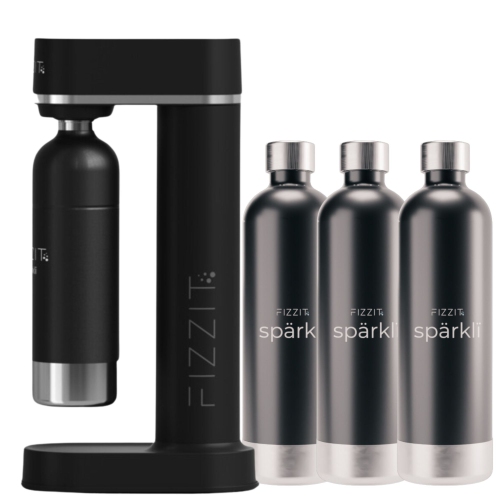
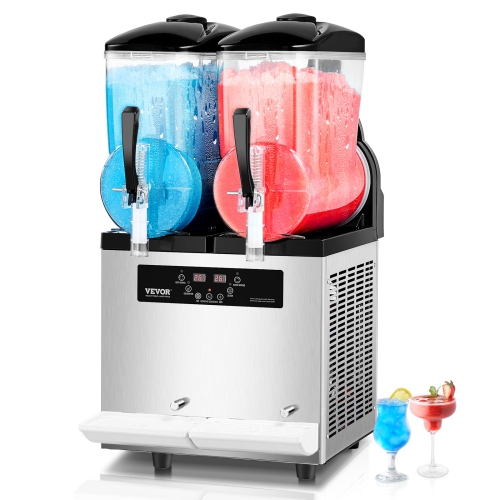
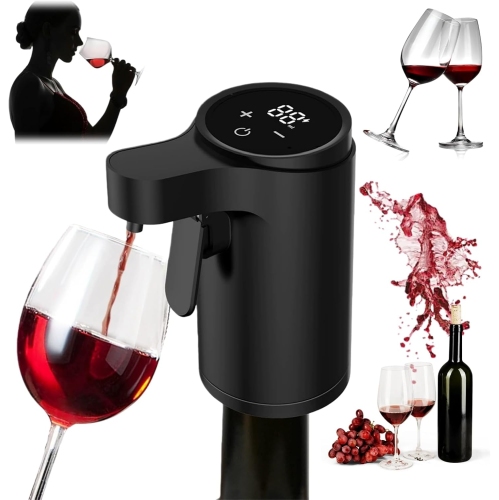
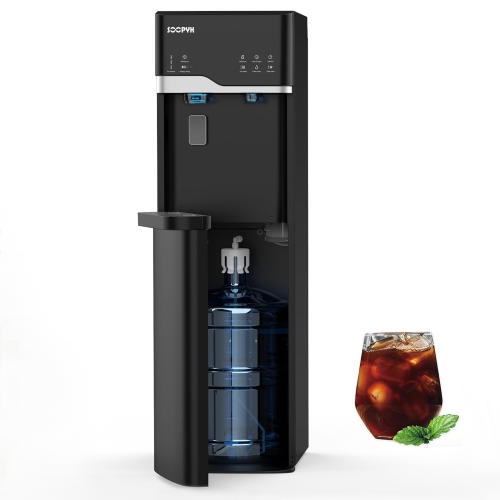
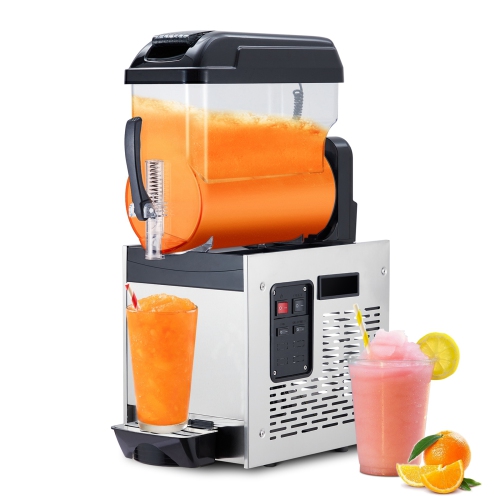
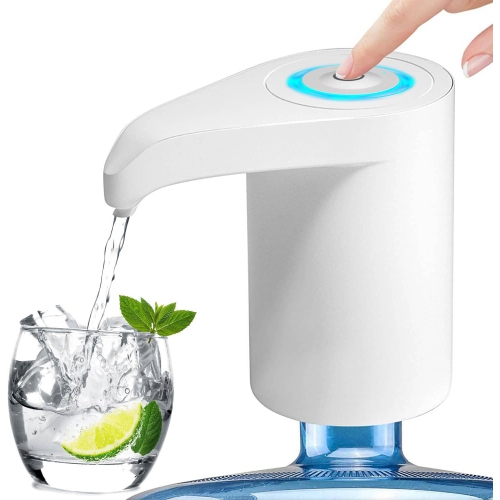
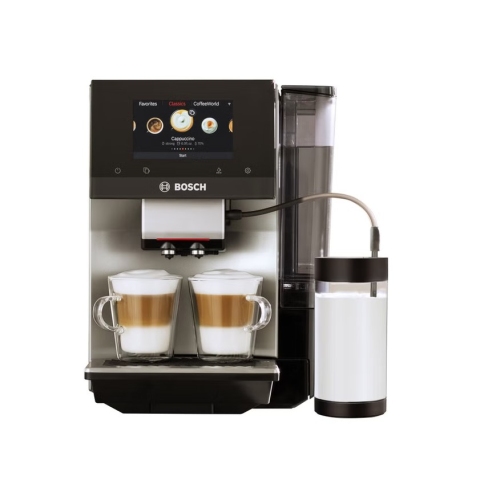
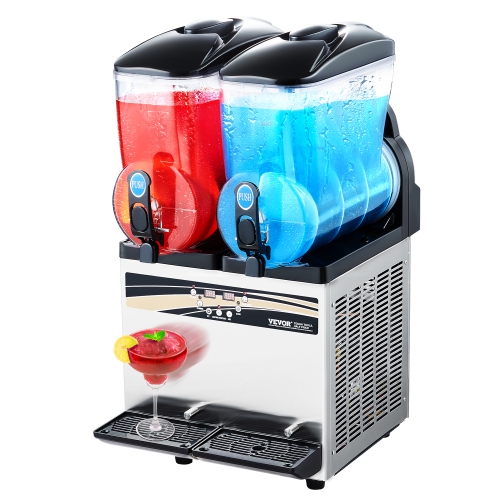
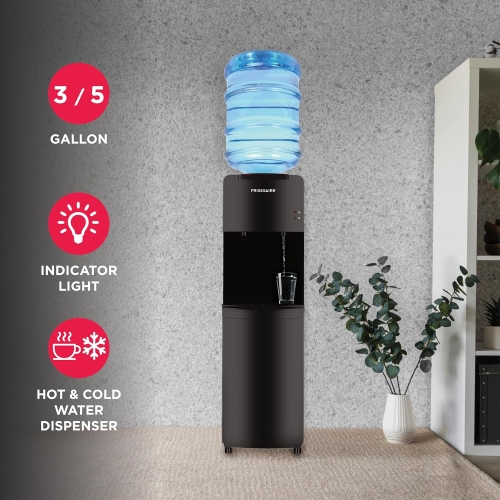
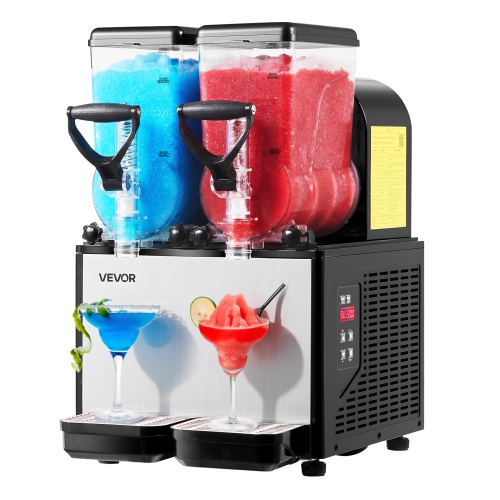
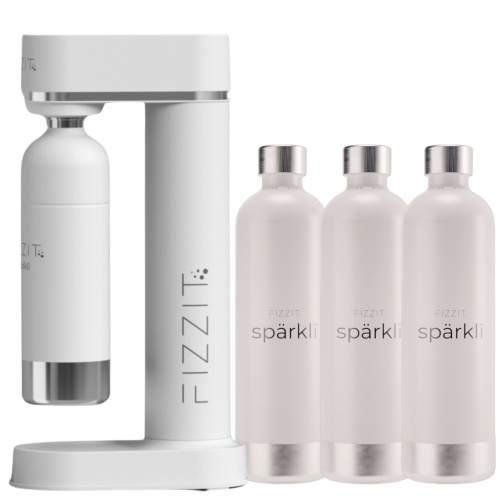
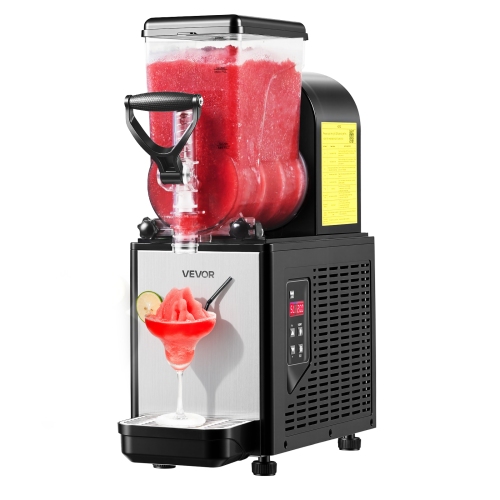
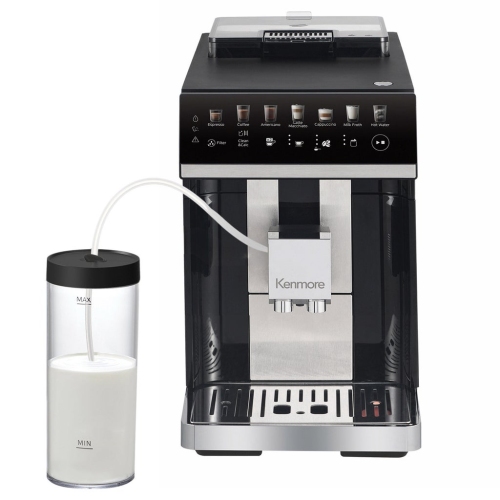
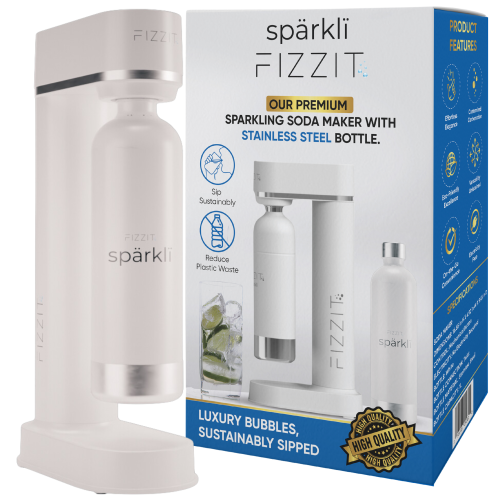
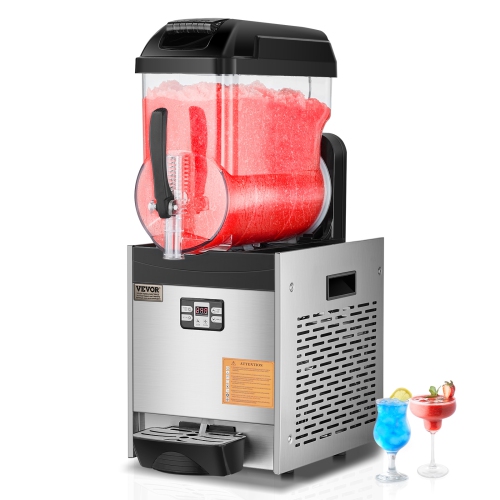
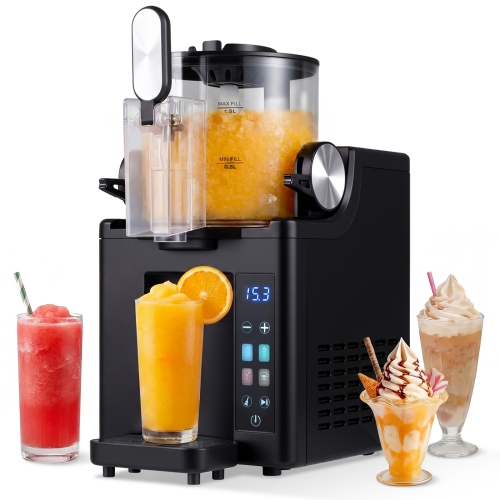
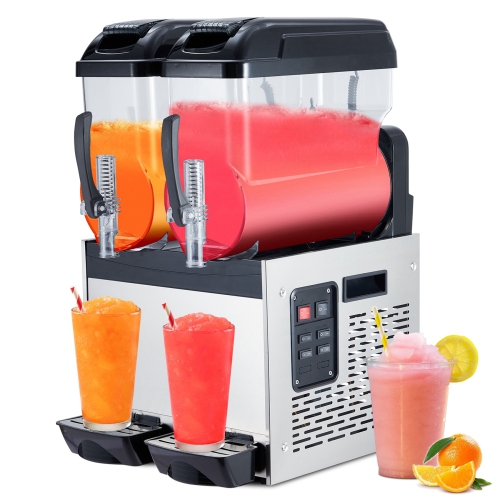
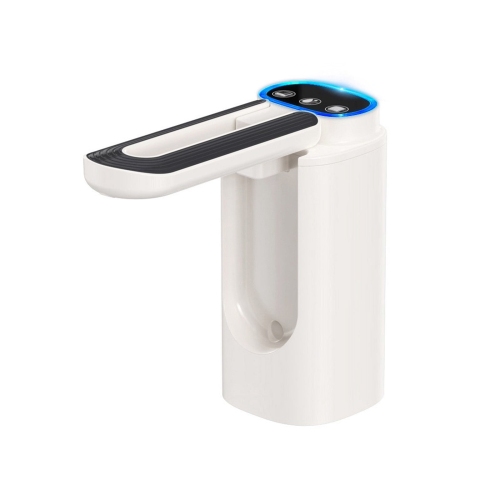
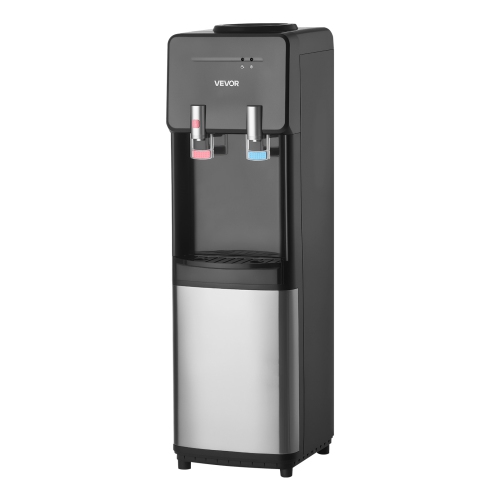
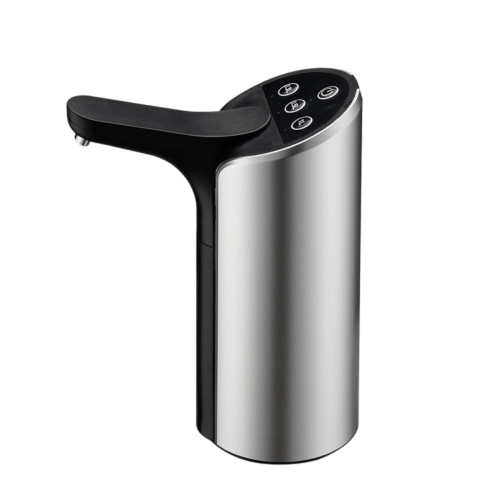
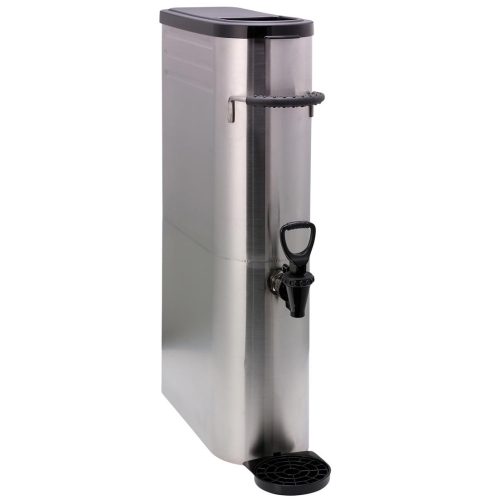
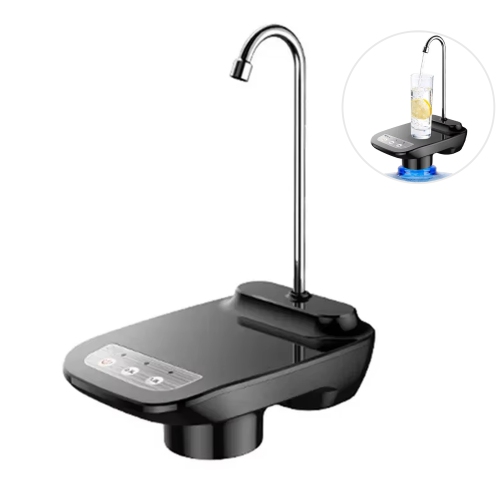
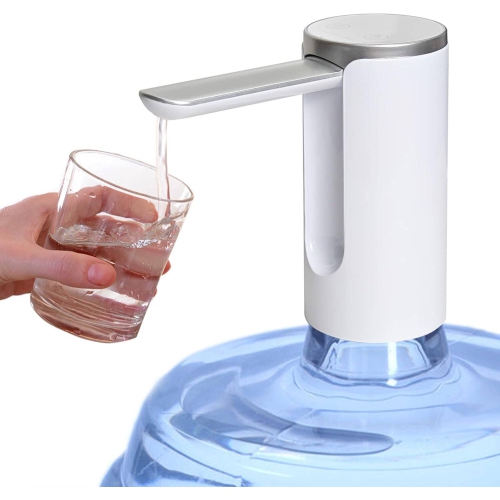
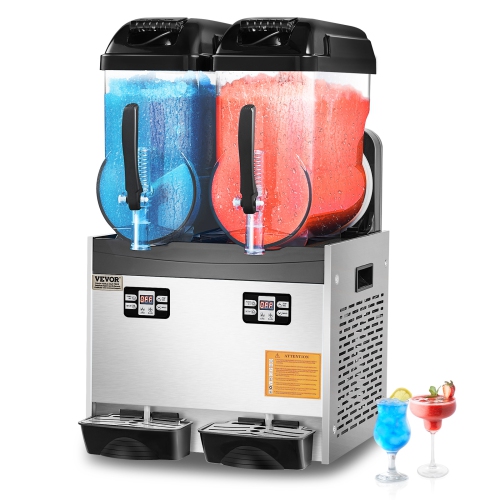
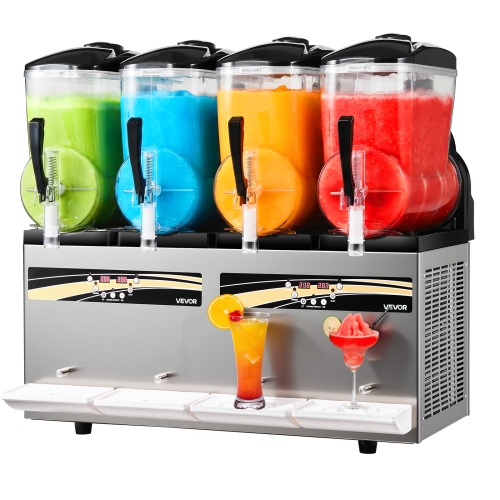
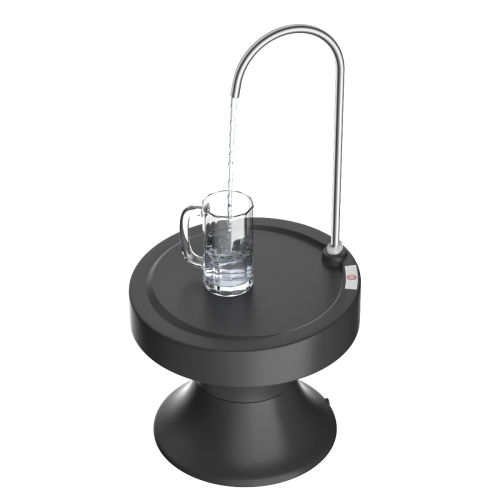
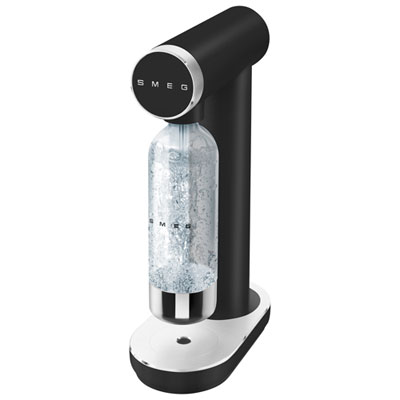
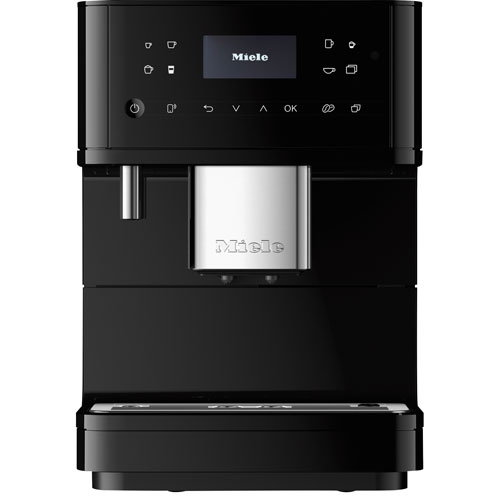
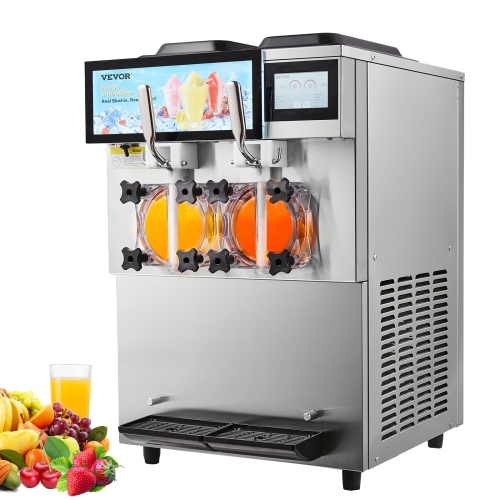
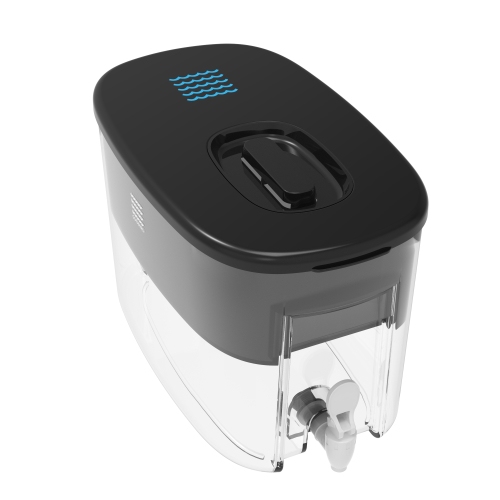
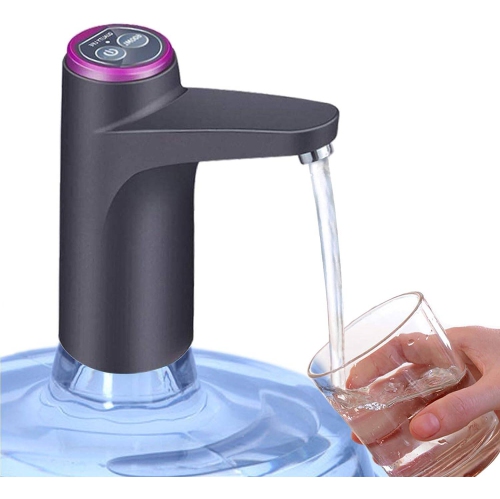
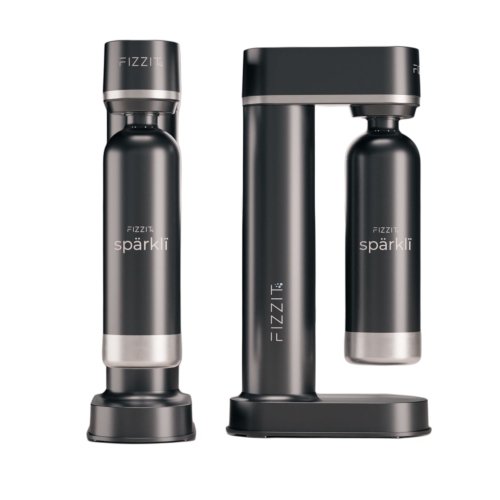
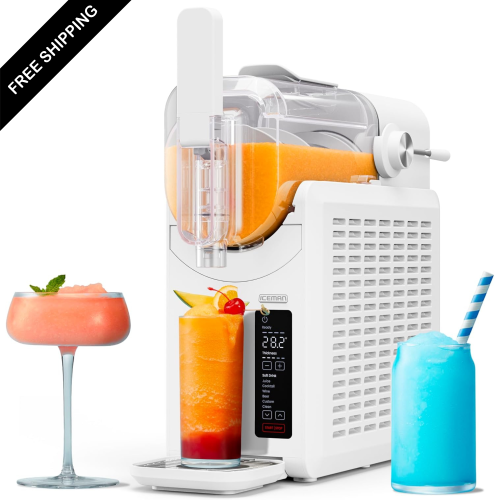
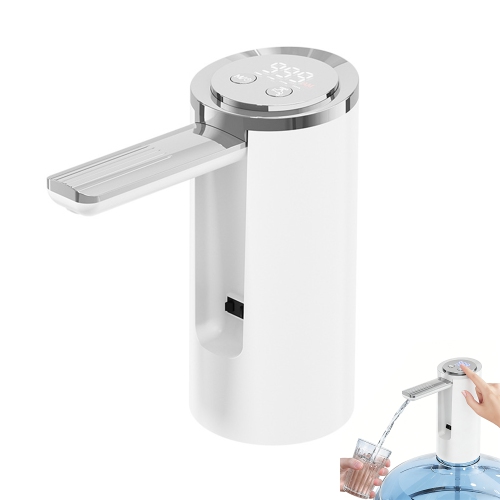
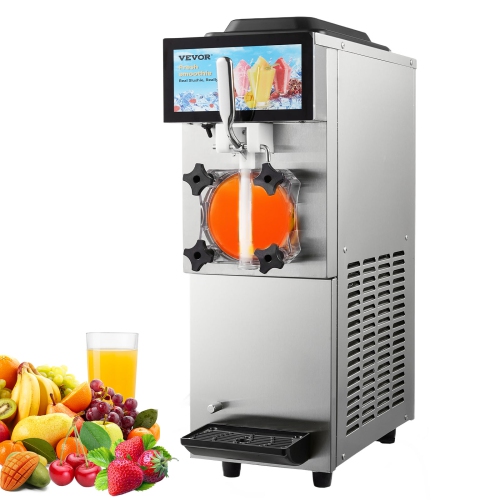
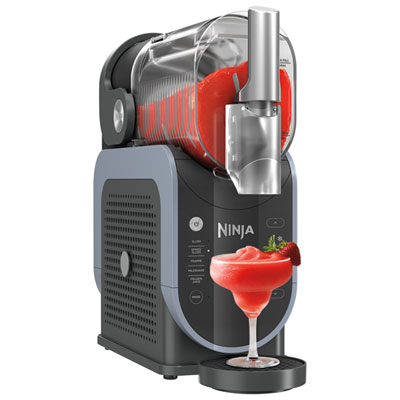
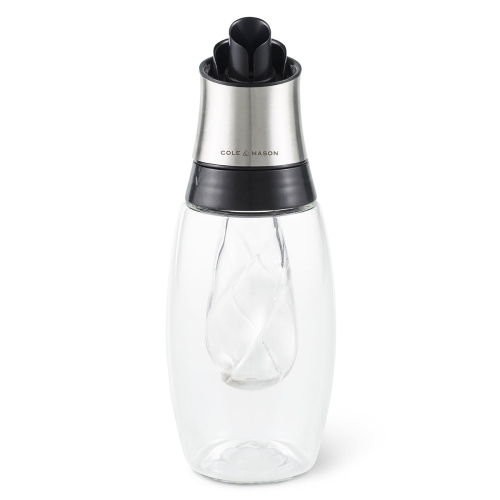
Drink dispensing machines store, prepare, or serve beverages through a controlled outlet, making it easier to fill a cup without lifting and pouring from a large container. The category ranges from countertop beverage dispensers and refrigerated juice bubblers to commercial soda fountains, frozen drink machines, heated dispensers, and vending machines. Each type suits a different serving routine. A simple gravity-fed dispenser releases a prepared drink through a tap, while an electric model may chill, heat, stir, or mix its contents before serving. Juice bubblers circulate liquid inside a clear tank to keep suitable beverages mixed and create a visible display; the bubbling action does not mean the drink is carbonated. Soda fountains typically combine water with concentrated syrup, with carbonated options also requiring a compatible carbonation system. Frozen drink machines use refrigeration and mixing mechanisms to produce a slushy texture, and their beverage mixtures need to meet the machine’s requirements for proper operation. Heated beverage dispensers hold suitable drinks at serving temperature, although some are designed only to maintain heat rather than prepare a drink from cold ingredients. For serving brewed coffee at a breakfast station, meeting room, or shared workspace, Coffee Dispensers offer another format within the broader beverage-serving category. Drink vending machines serve a different purpose: they release packaged beverages after a selection, rather than filling an open cup from a tank or fountain. These distinctions matter because a machine intended for bottled drinks, clear juice, or syrup-based beverages is not automatically suitable for milk, thick smoothies, or drinks containing pulp. In a home gathering space, the appeal may be a tidy, self-serve station that keeps a host from repeatedly refilling individual glasses. In a café, staff room, reception area, or event venue, the priority is more often steady service, predictable portions, and equipment that matches the number of people using it. The right format follows the beverage and the serving setting, rather than appearance alone.
Capacity, construction, and physical fit shape how a drink dispensing machine works in everyday use. A tank’s stated volume tells only part of the story: usable capacity, minimum fill requirements, and the time needed to chill or heat a fresh batch also affect service. A large reservoir may reduce refills during a busy gathering, but it takes more space and can be awkward to handle when full. Separate tanks let different drinks sit side by side, while independent controls, where provided, allow each compartment to operate according to its intended design. Clear glass or suitable food-contact plastic makes beverage levels easy to see; glass can feel substantial but adds weight, while plastic tanks are generally lighter and need care to avoid scratches. Stainless steel housings can offer a sturdy exterior and a straightforward wipe-down surface, although seams, controls, taps, and drip trays still influence day-to-day upkeep. The parts touching the beverage deserve particular attention, including seals, tubing, valves, and any internal mixing components. On a countertop, the machine needs enough clearance for ventilation, lid removal, refilling, and access to the tap. A tall travel mug may not fit under an outlet designed around smaller cups, and a wide drip tray can extend beyond the footprint suggested by the main body. A full dispenser is also considerably heavier than an empty one, so a stable, level surface matters. Some machines operate from a suitable electrical outlet, while others require a water connection, drainage, compressed gas, or professional installation. Compressor noise, pump operation, and mixing sounds may be noticeable in a quiet office or open kitchen. For a staffed food-service setting, intended commercial use and applicable local requirements matter as much as size. A compact home dispenser and a machine built for repeated service throughout the day may look similar, yet have very different operating limits, cleaning routines, and installation needs.
Care and durability depend on what passes through the machine as much as how often it runs. Sugary drinks can leave sticky deposits around taps and seals, while pulp or thicker ingredients may clog outlets that are designed for thinner liquids. Milk-based beverages require equipment and cleaning procedures specifically suited to them; refrigeration alone does not make every dispenser appropriate for dairy. Removable tanks, accessible spouts, and drip trays that lift out can make routine cleaning less cumbersome, particularly when a machine is used frequently. Dishwasher compatibility should be confirmed for each removable part, since a tank, lid, gasket, and valve assembly may have different care requirements. Electrical bases generally need a separate wipe-down process rather than immersion, and internal beverage lines may require a prescribed flushing or cleaning cycle. Hard-water deposits can affect heated equipment, so any descaling method needs to follow the manufacturer’s directions. Switching between flavours also calls for thorough cleaning, especially when a shared machine has held ingredients that could leave a lingering taste or introduce an allergen. Beyond cleaning, long-term usability rests on details such as a tap that closes cleanly, seals that remain intact, controls that are easy to read, and access to replacement wear parts. A lockable control panel or protected settings may be useful in shared spaces, while straightforward manual controls can suit a household that serves the same drink regularly. Machines used around children need stable placement, sensible cord routing, and particular care wherever hot liquids are dispensed. As a gift, a drink dispensing machine is most useful when it matches an established habit: hosting family meals, organizing a games room, or maintaining a welcoming refreshment area. The practical details make that gift easier to enjoy, from having room to store the unit between gatherings to being able to lift the tank comfortably at the sink. A well-matched dispenser brings the drink, serving volume, available space, and cleaning routine together in a format that feels natural to use.
Top selling and popular products
-
 Your price for this item is $54.99
-
 Your price for this item is $98.99
-
 Your price for this item is $48.9
-
 Your price for this item is $109.99
-
 Your price for this item is $879.9
-
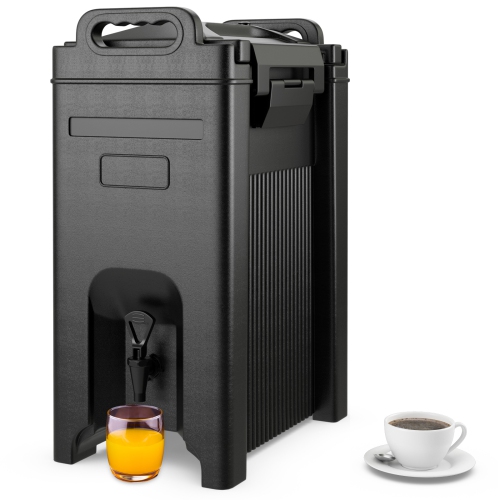 Your price for this item is $116.99
-
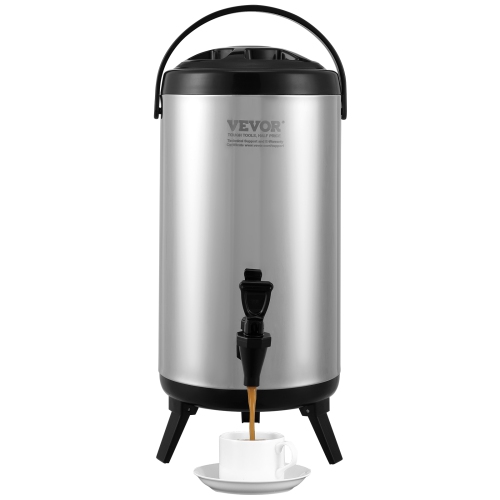 Your price for this item is $64.9
-
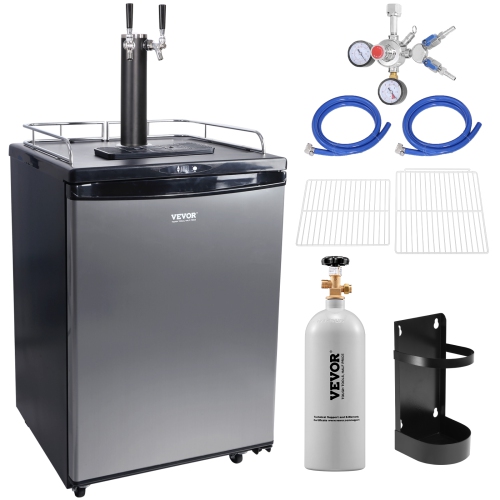 Your price for this item is $1033.9
Discover more categories related to Drink Dispensing Machines
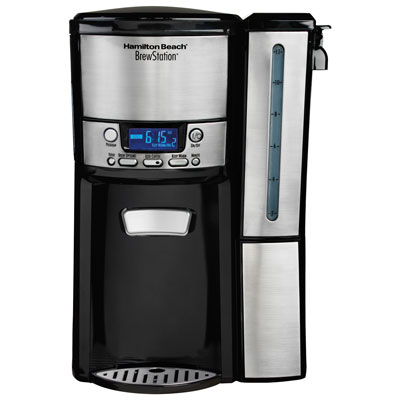

Top Collections:
Best Black Friday Deals This Year, Best Black Friday Deals On Electronics, Kindle Devices, Dyson Airwrap, Best Cameras for Sports Photography, Best Budget Office Chairs, Canon G7X Cameras, PS5 Pro Consoles, Best Black Friday Deals On Apple Products, XBOX One S Consoles
Some products may be subject to Environmental Handling Fees
(EHF) depending on your province.
Learn more about EHFs.