Commercial Barstools
Elevate the style and comfort of your commercial space with our selection of sleek and functional barstools. Whether you're outfitting a trendy bar, a bustling restaurant, or a chic cafe, these commercial-grade barstools are designed to withstand high traffic while adding a touch of modern sophistication to your decor. Choose from a variety of materials, finishes, and styles to find the perfect seating solution that effortlessly blends form and function in your establishment.
Sort

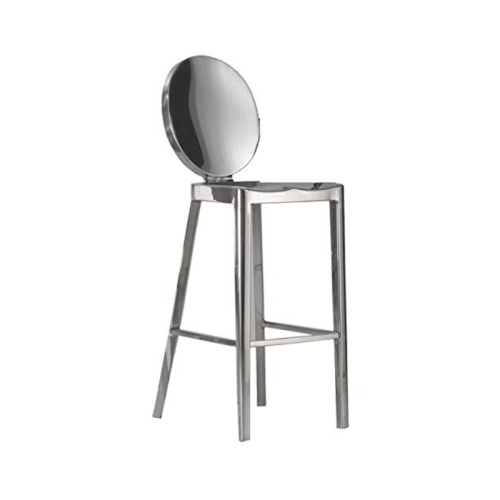

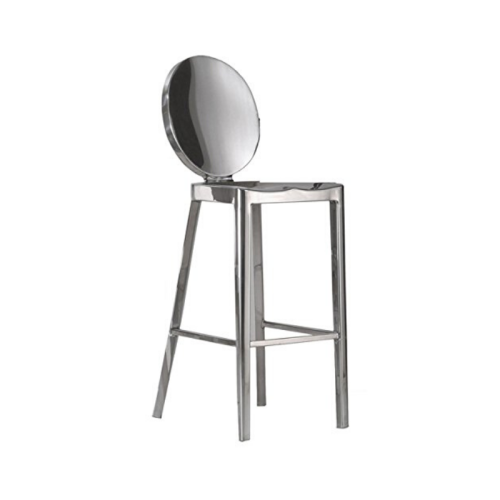

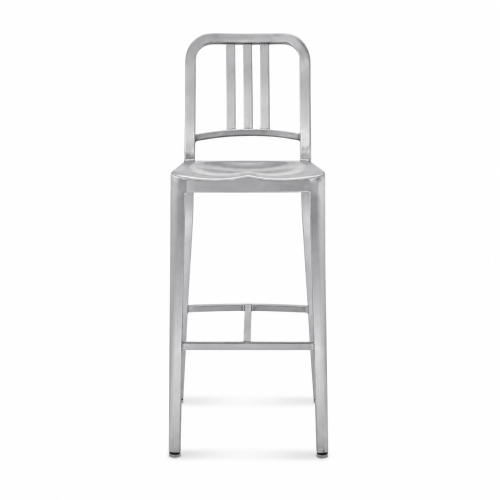
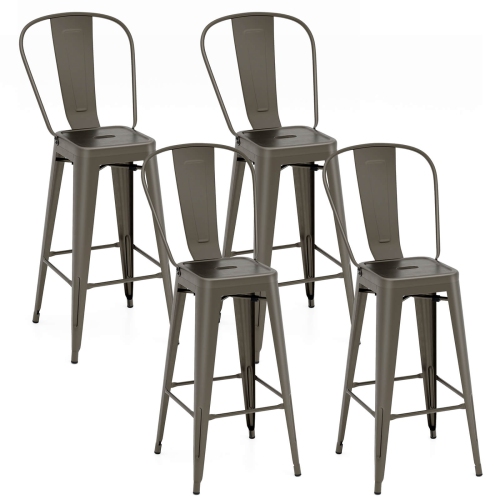


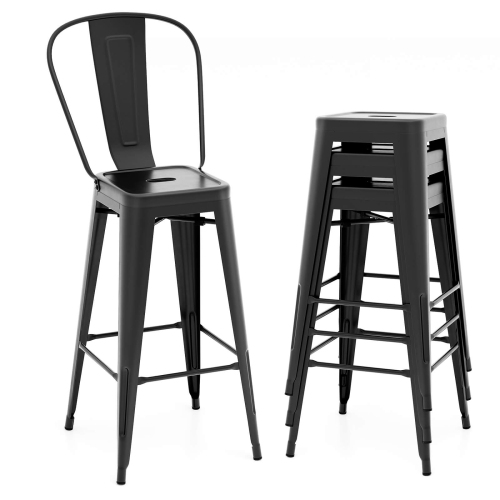


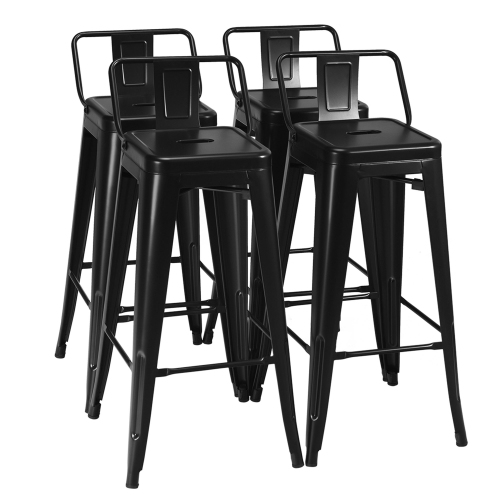

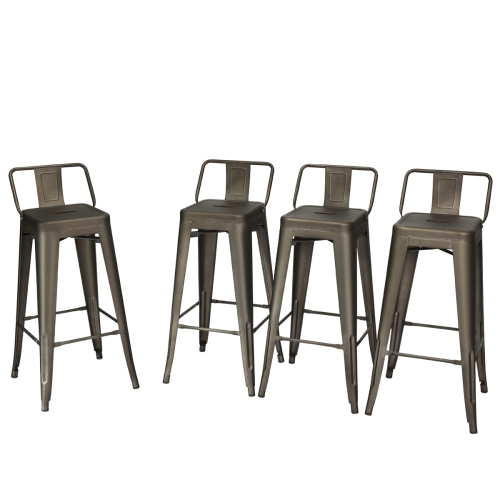
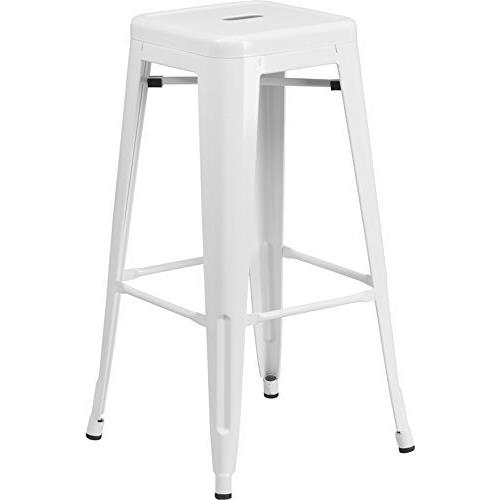
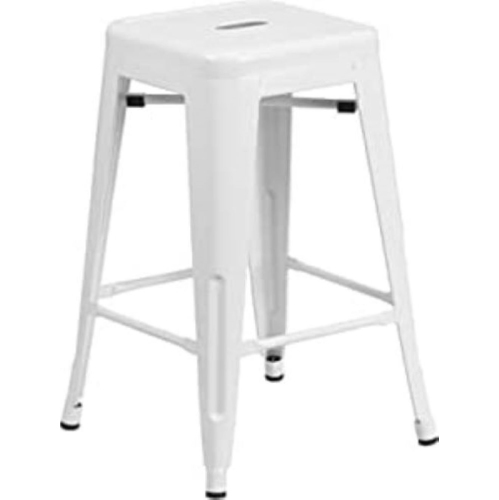
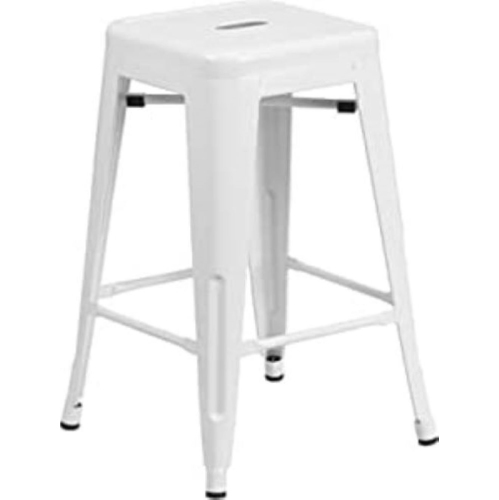

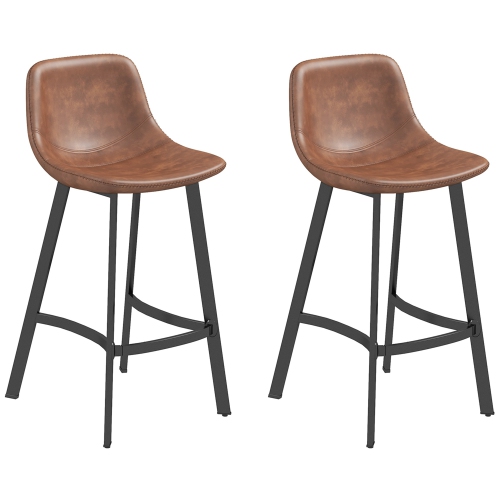
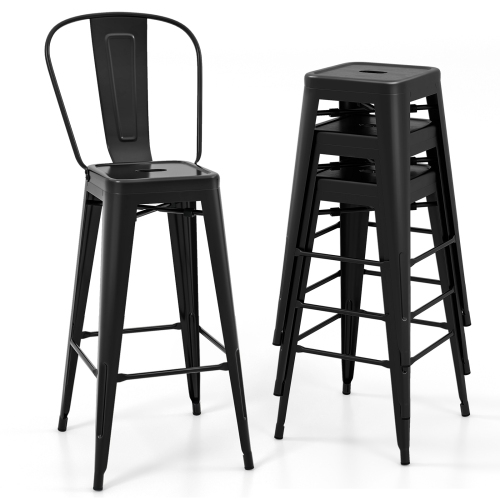
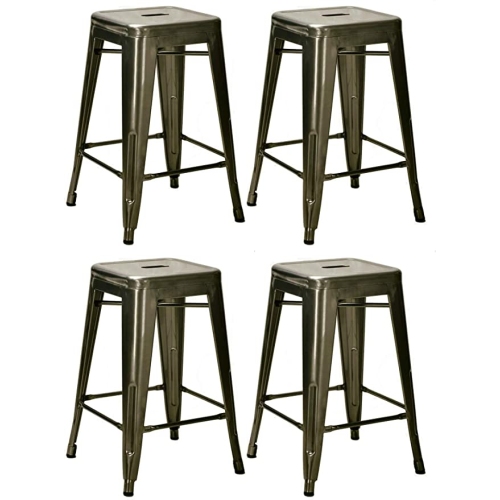


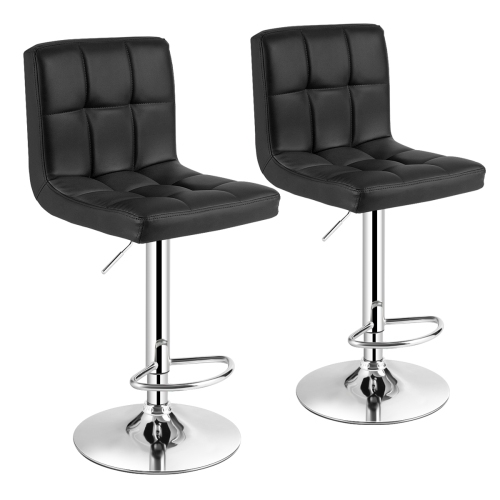


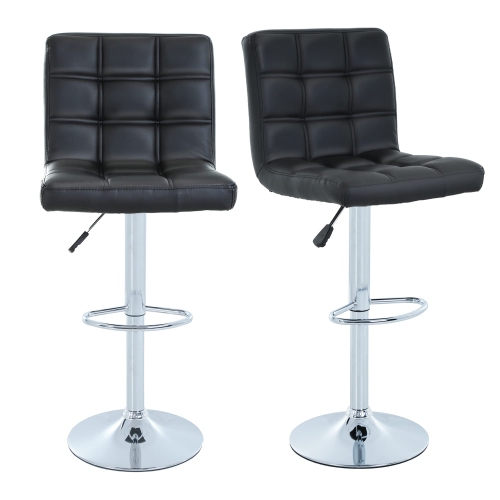
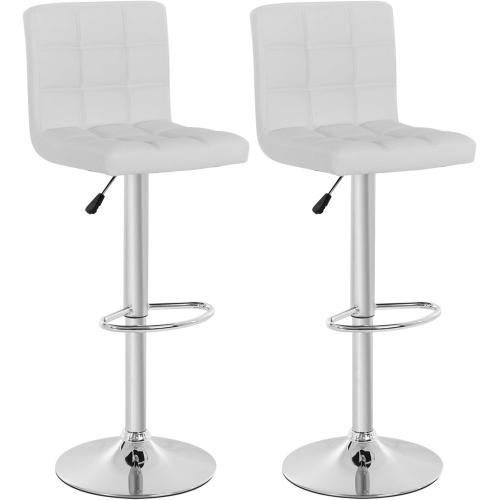
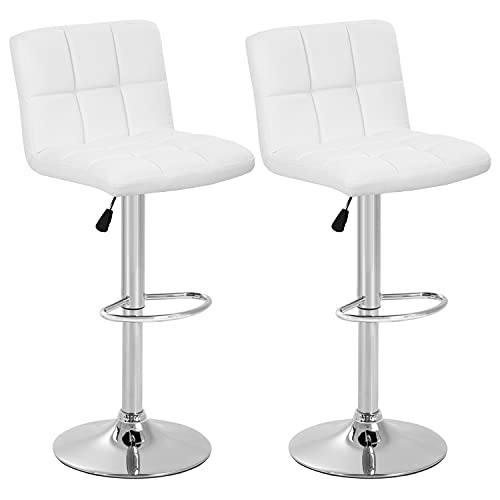
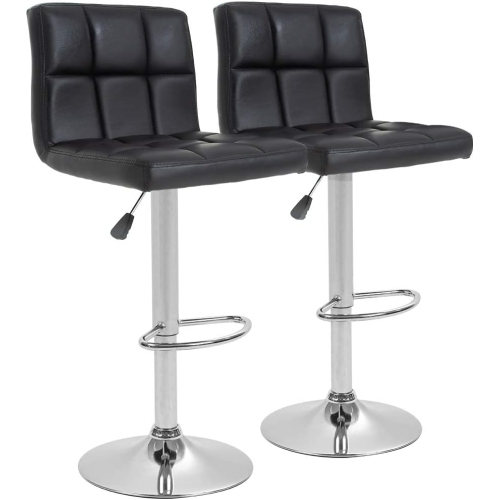

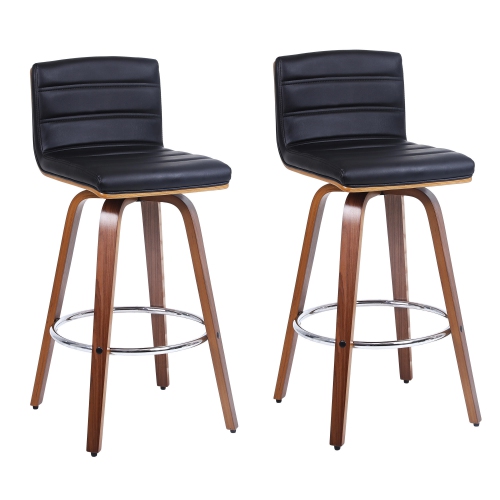

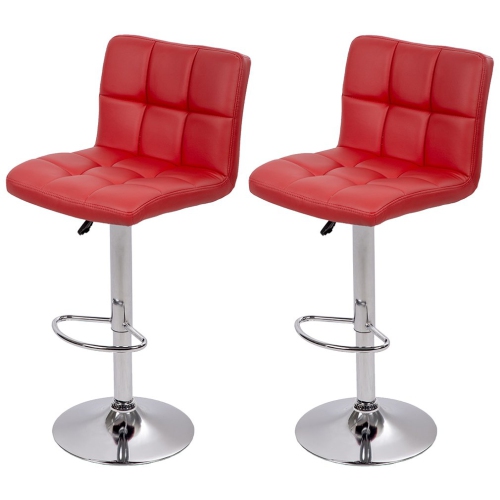
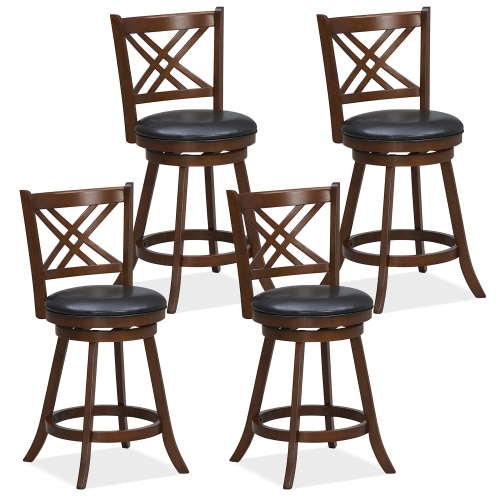
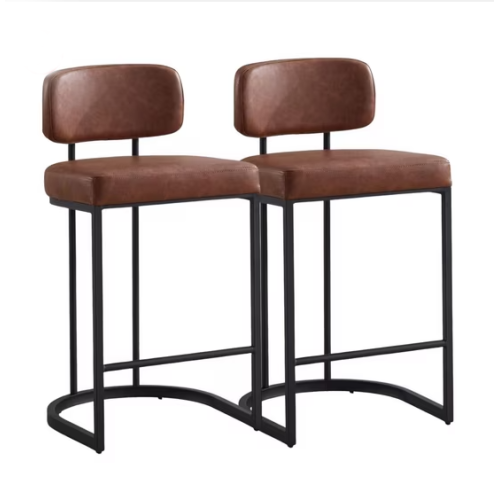
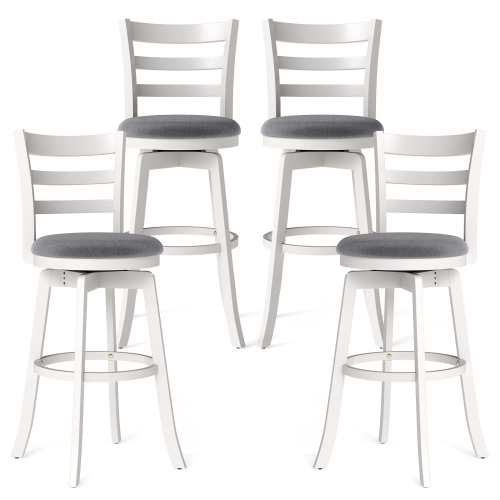

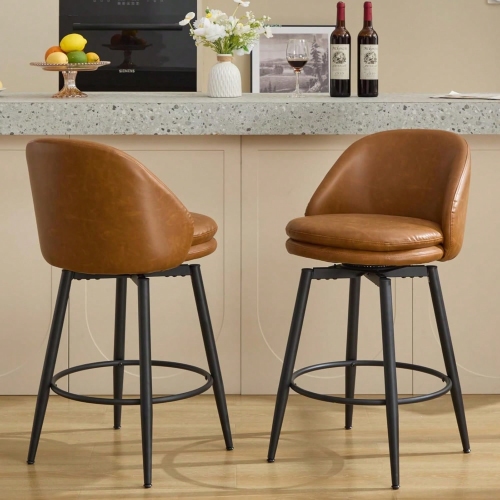
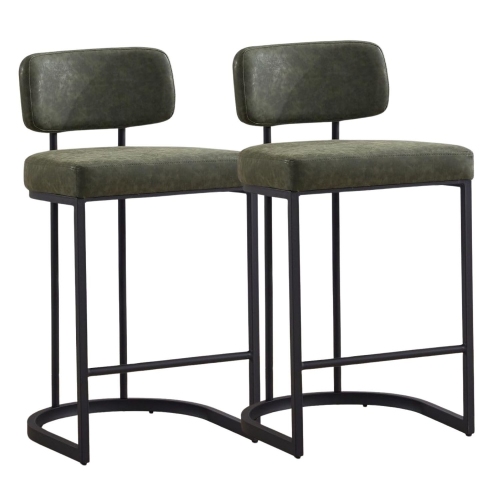
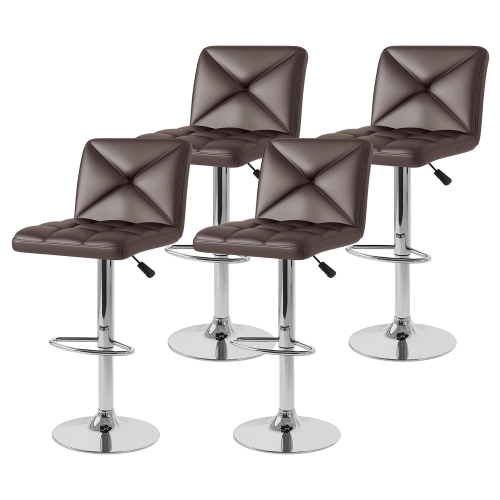

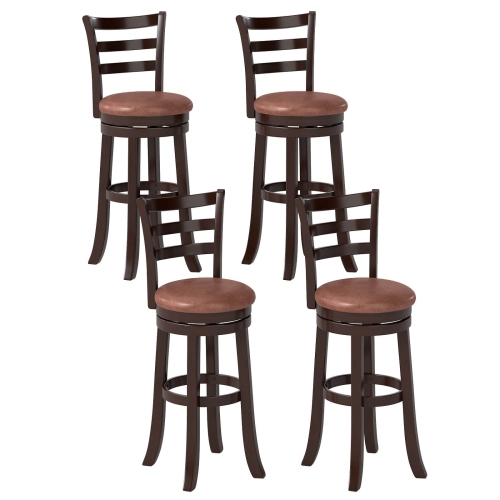
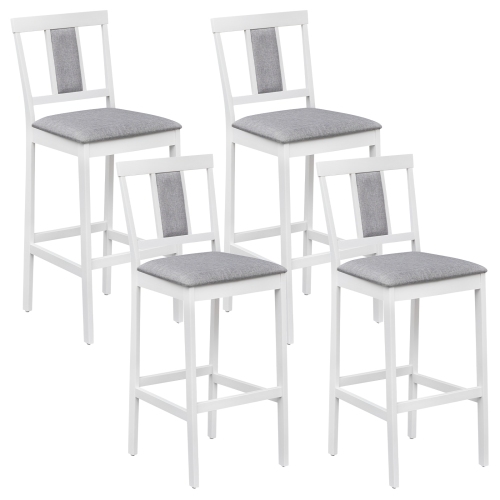
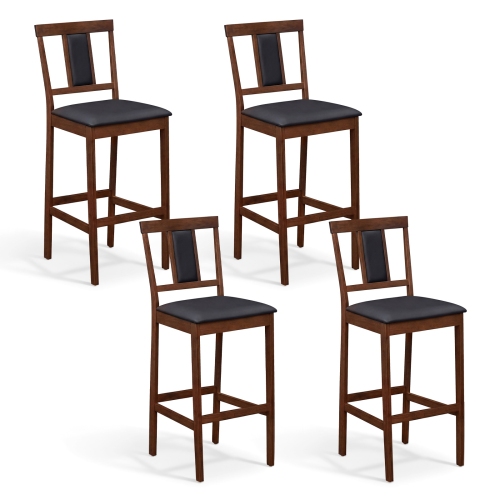
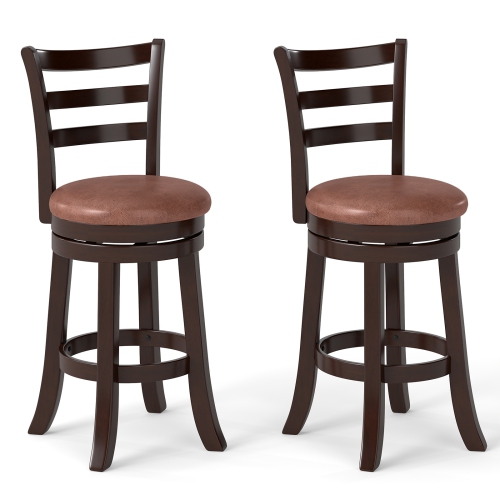
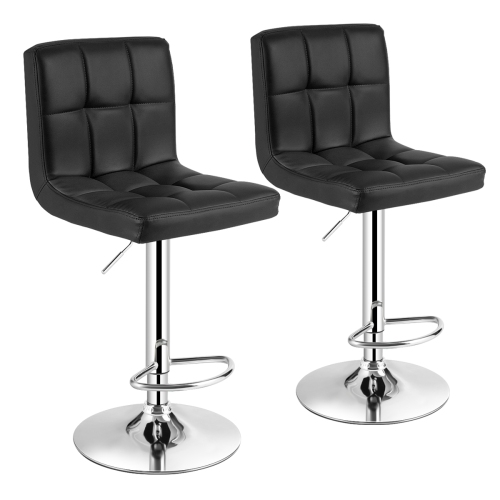

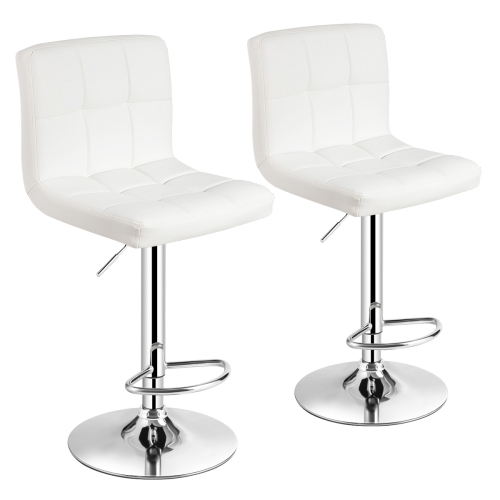
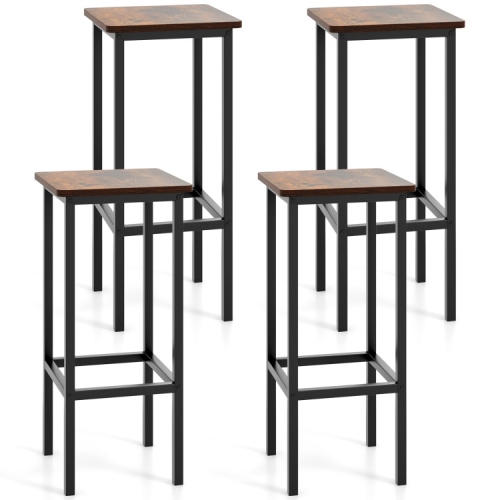
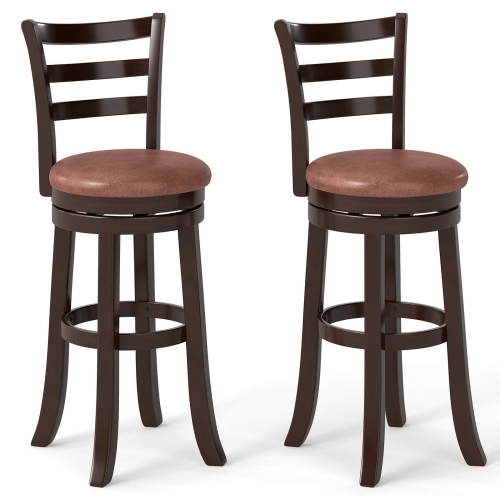
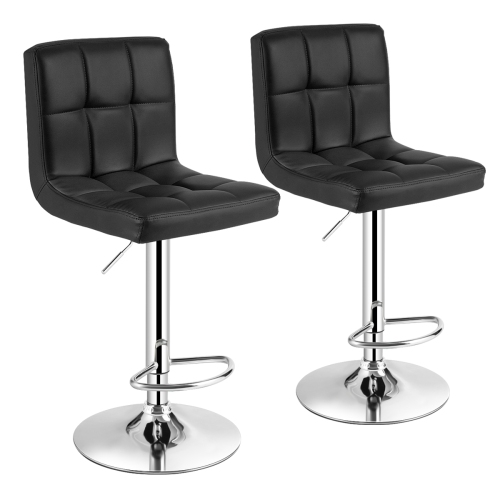
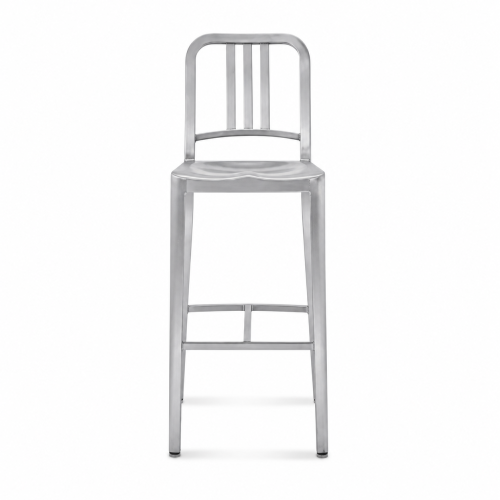

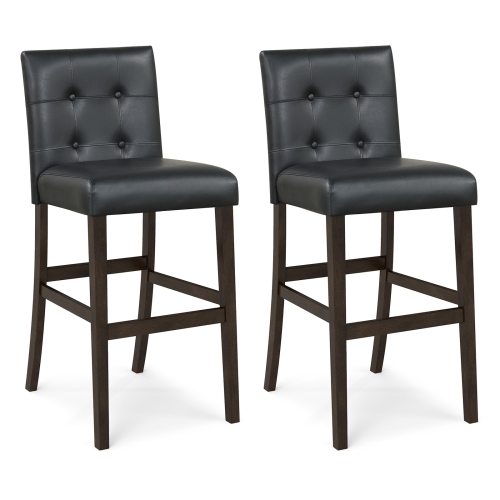
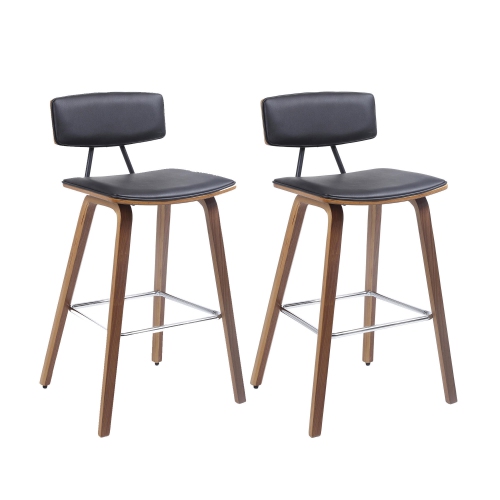
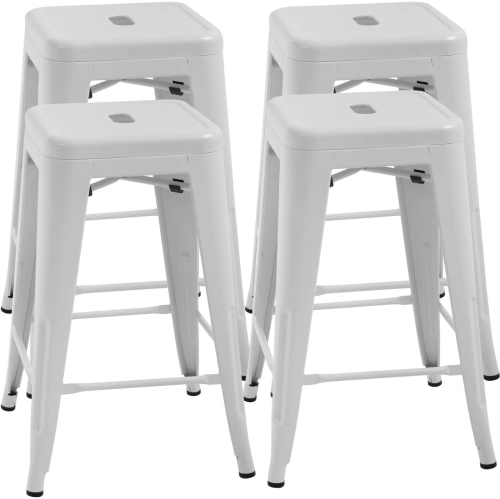
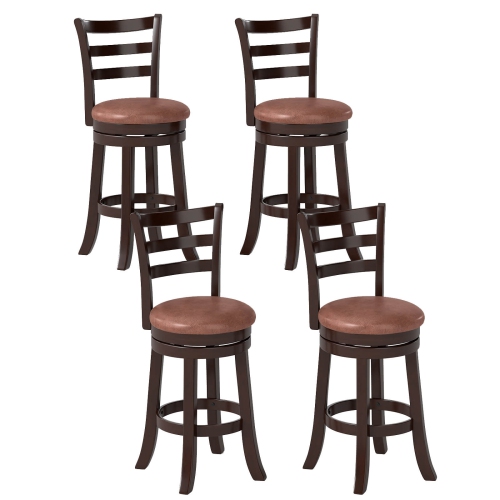
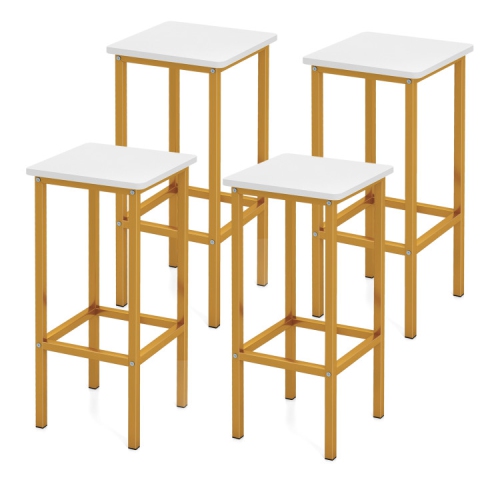
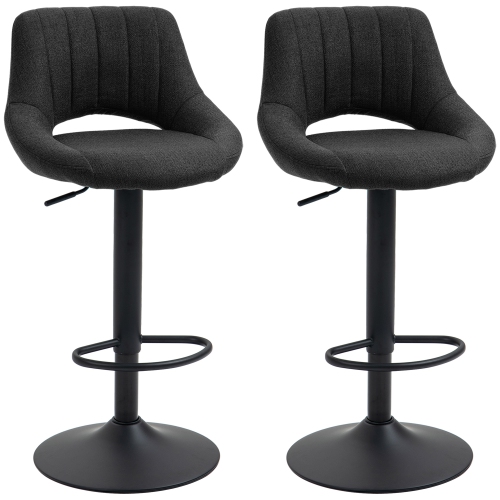
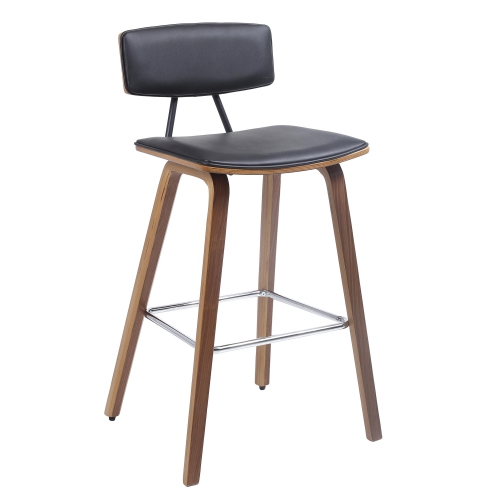
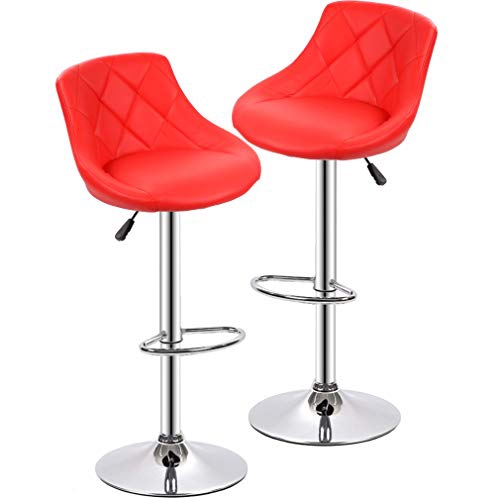
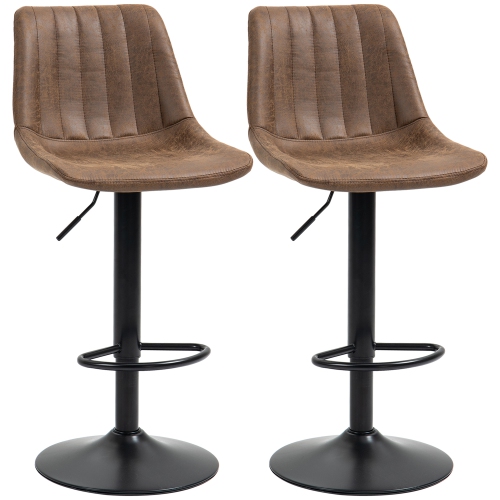

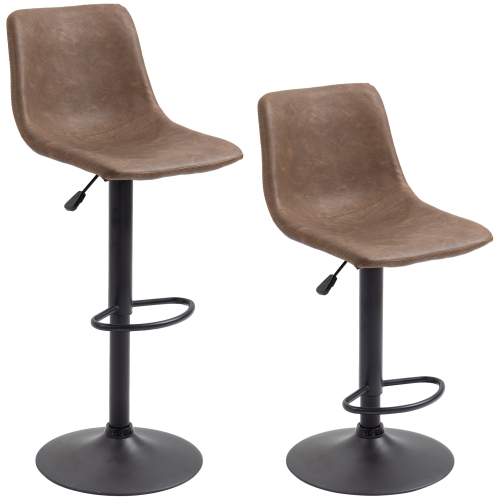
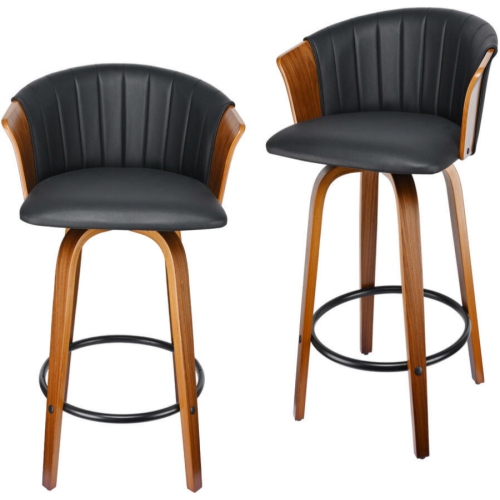

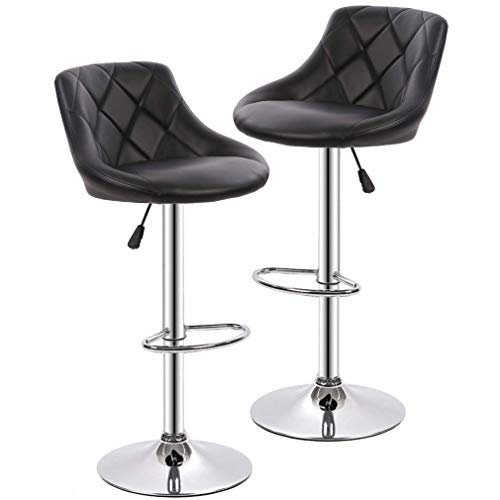
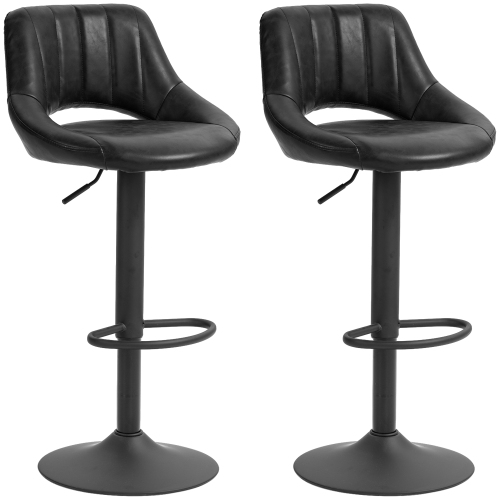


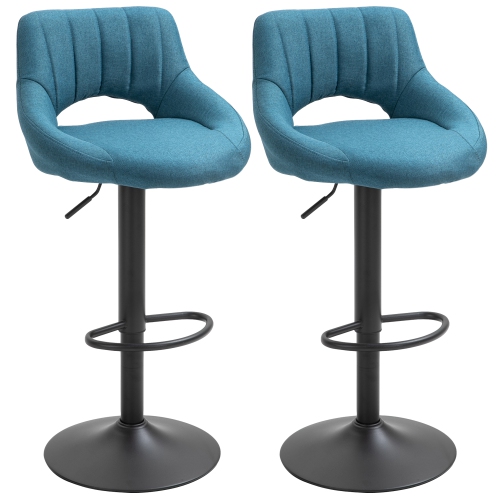

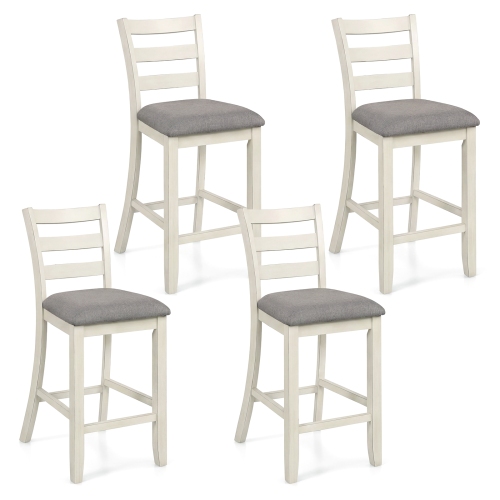

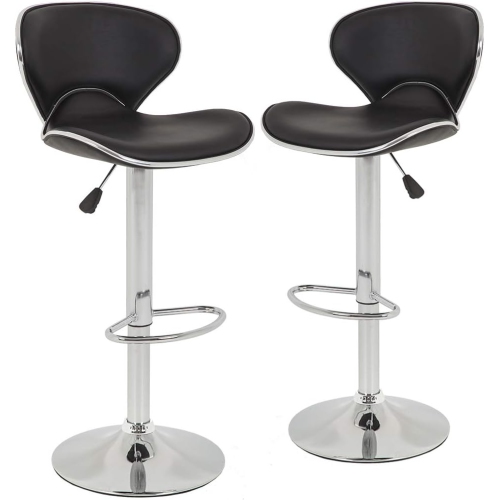
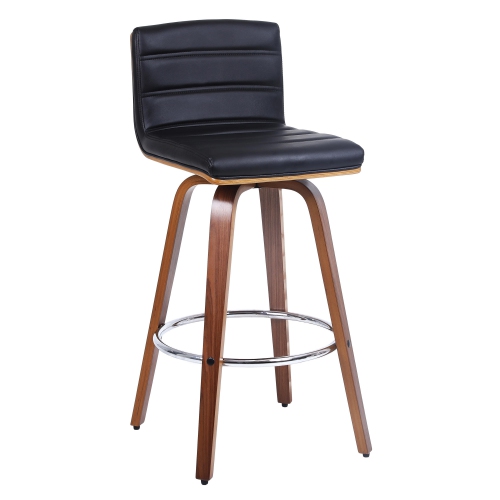

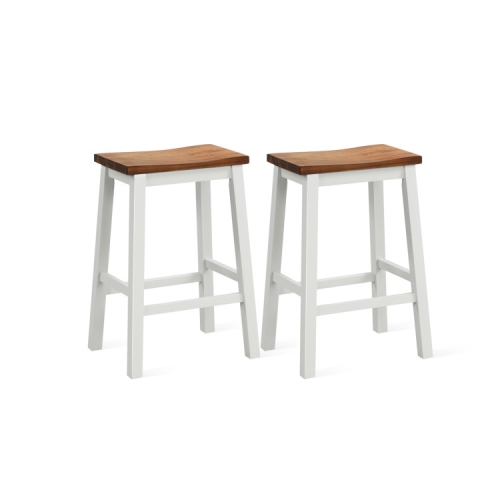
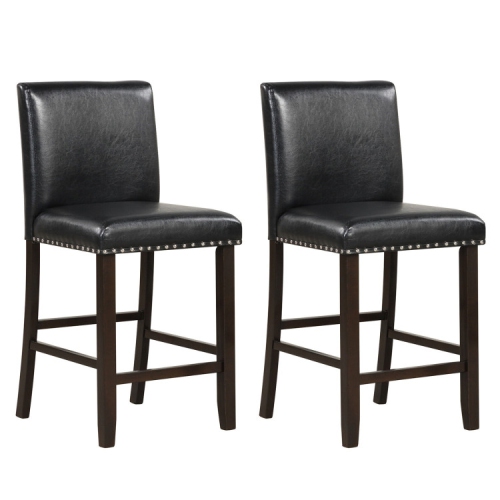

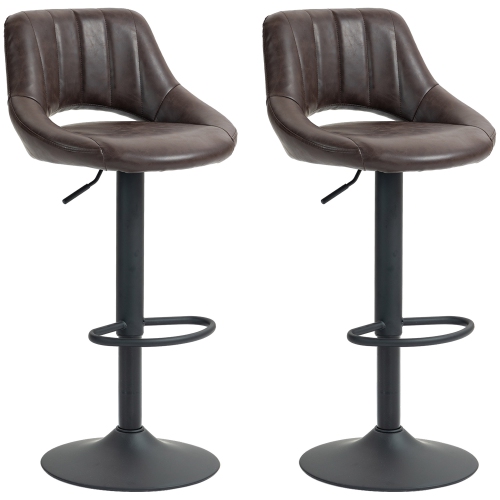


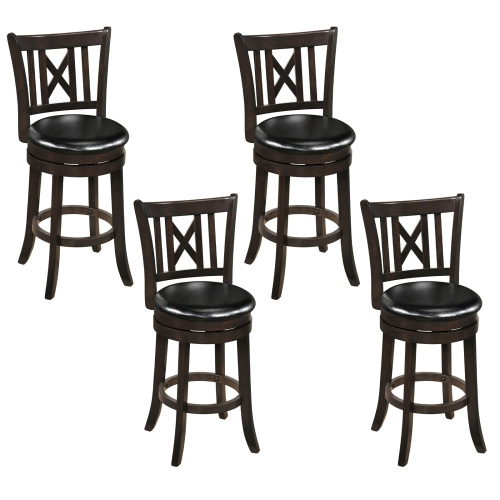
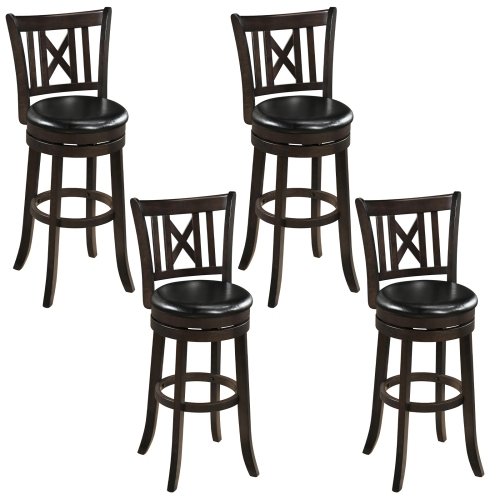

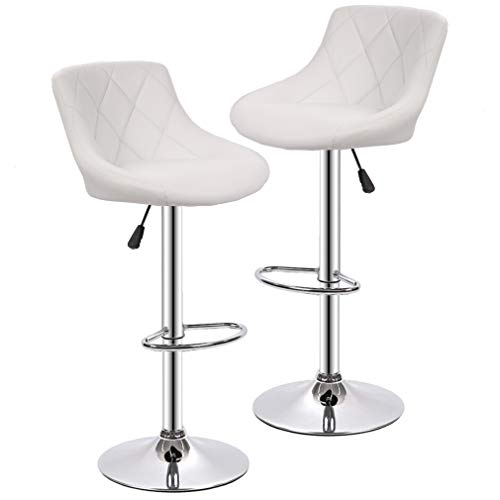

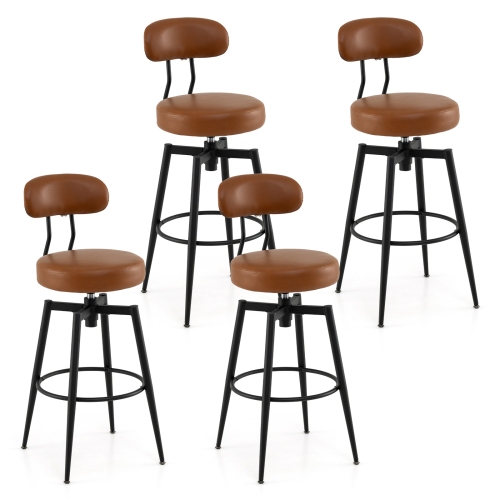
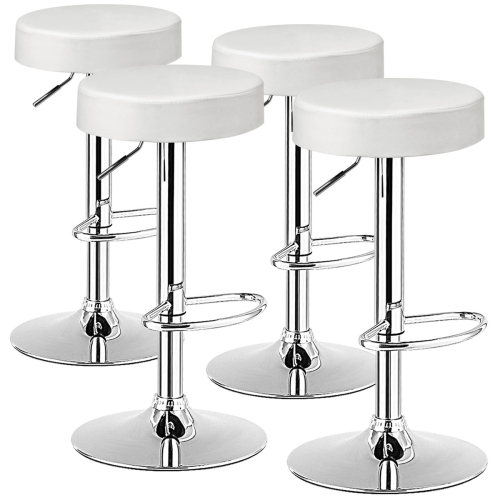


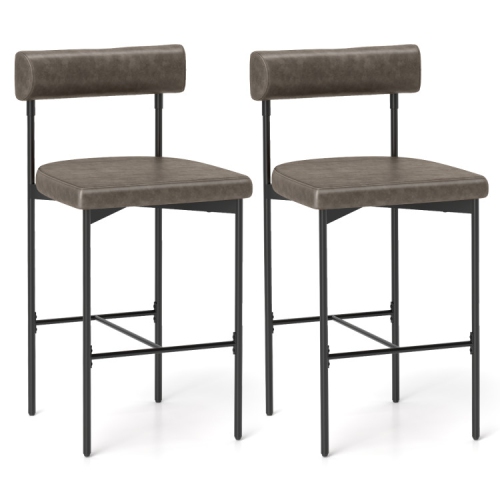

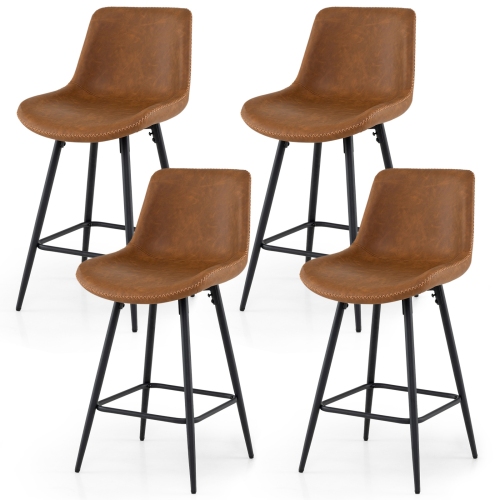
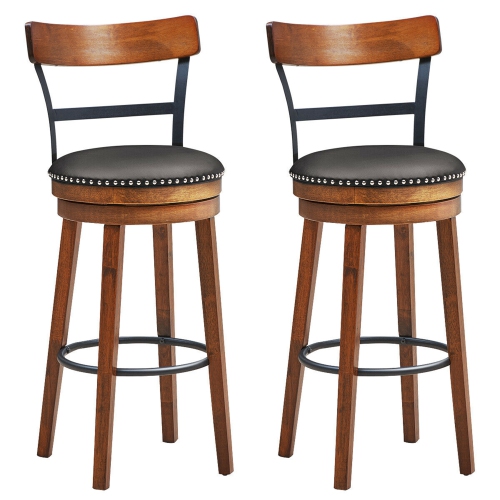
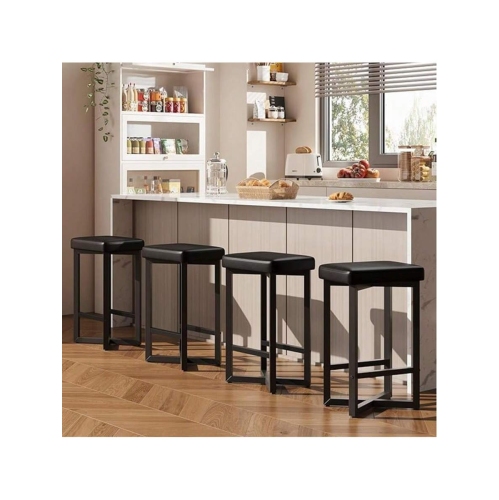

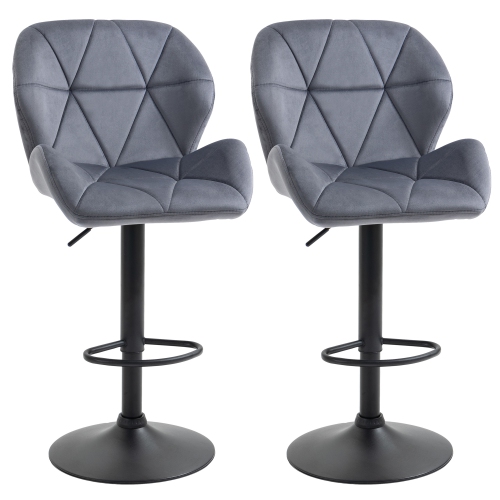
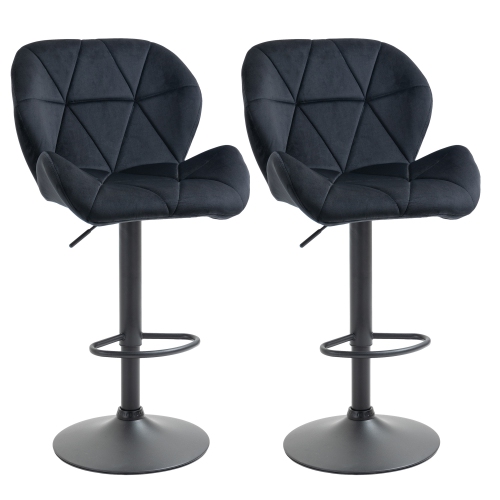
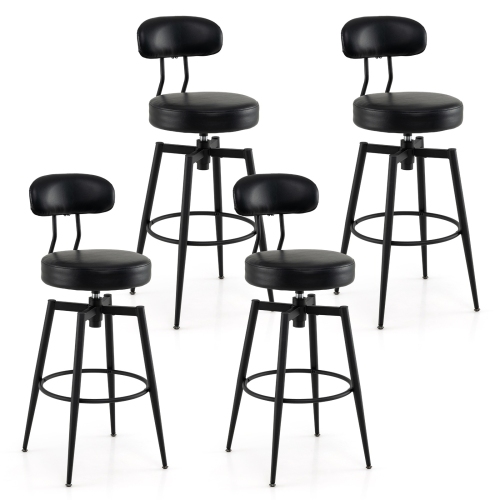
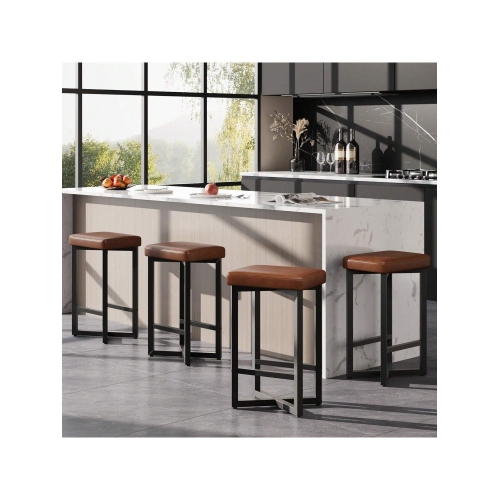
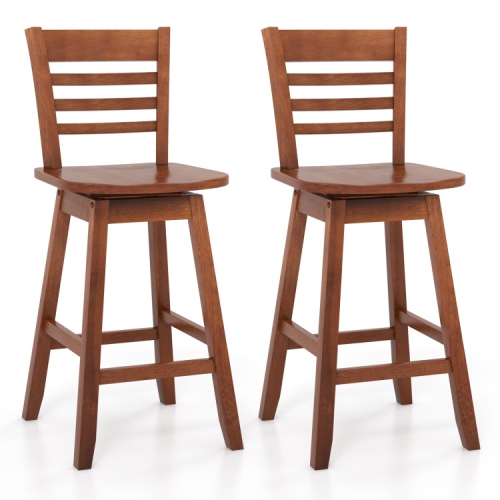

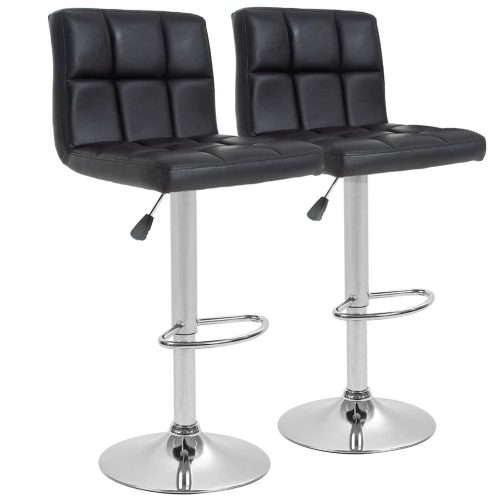

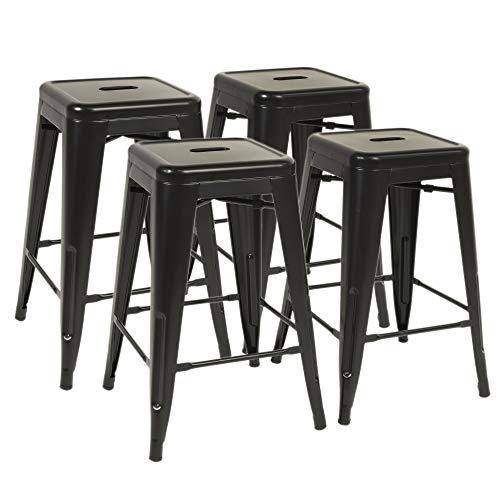


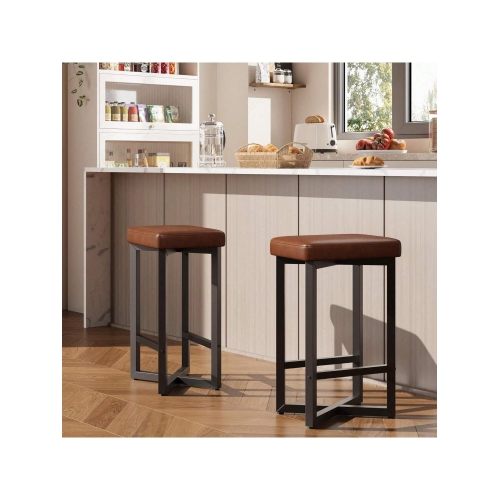


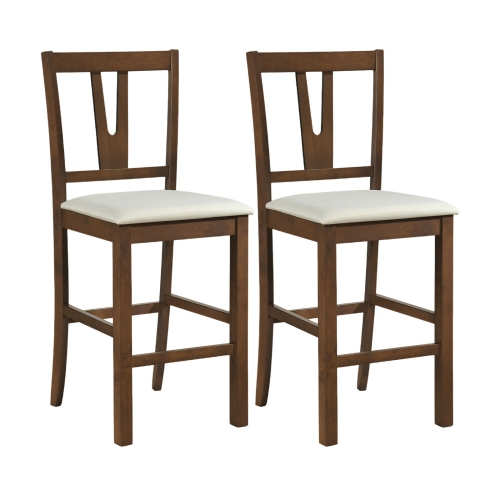
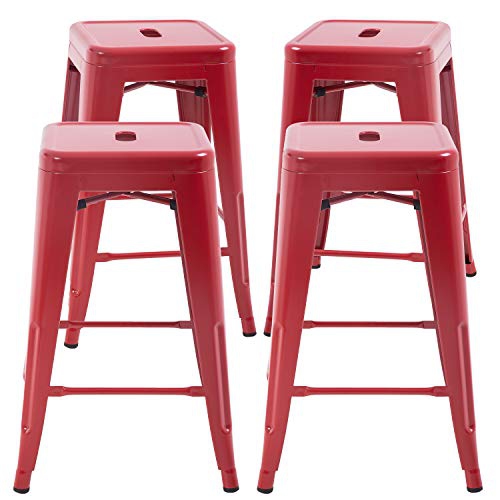


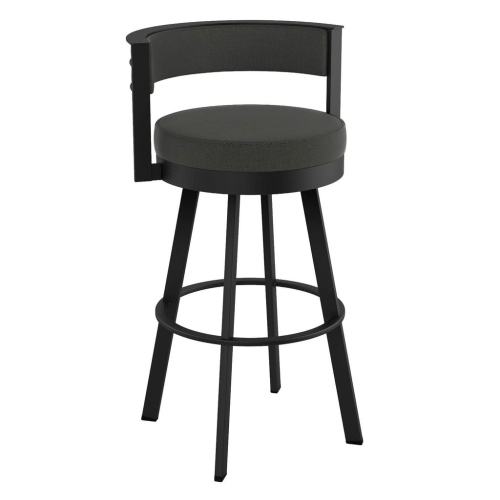


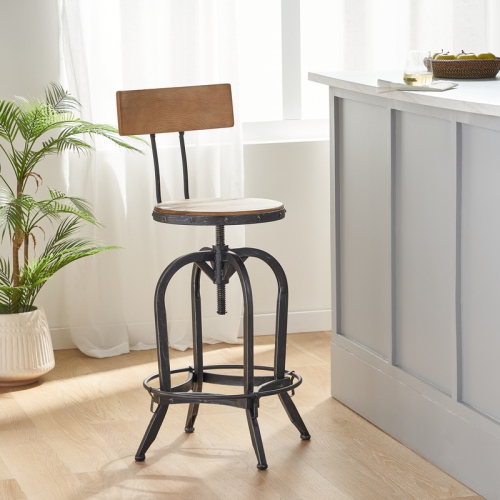
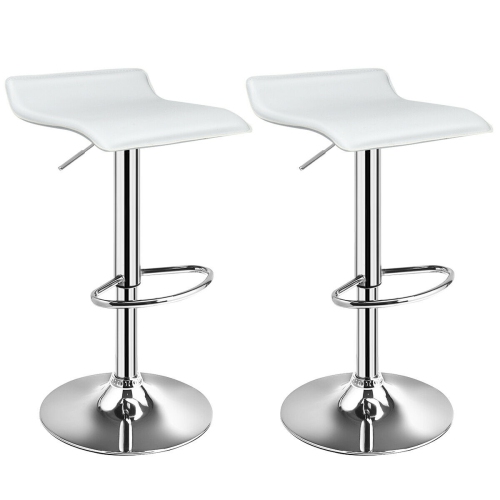


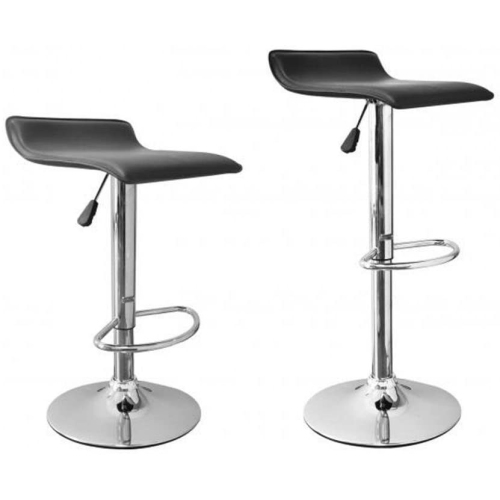
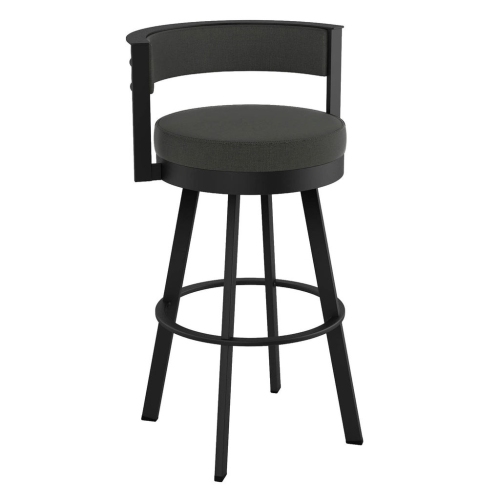
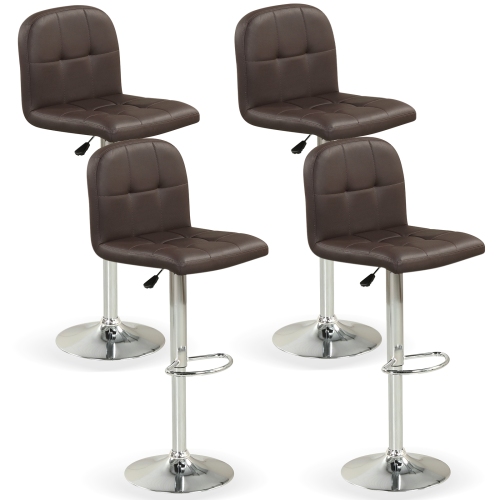

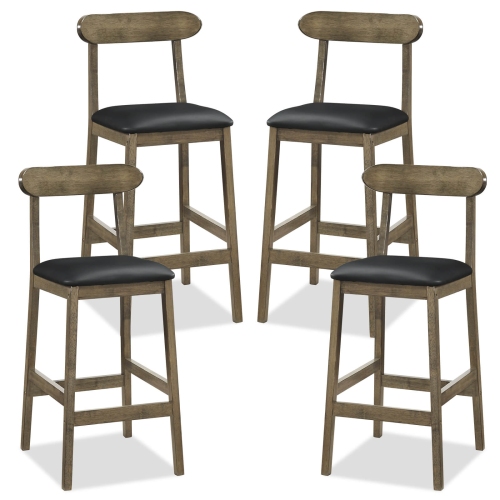
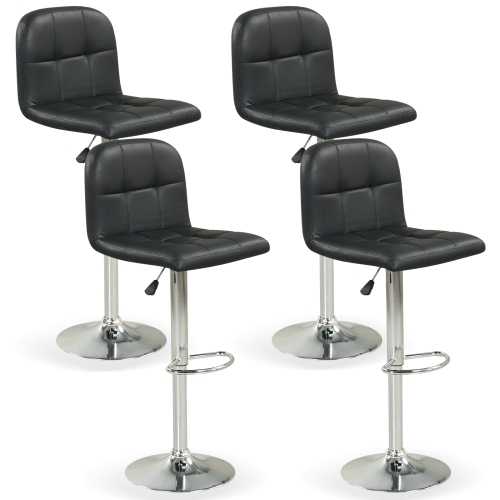


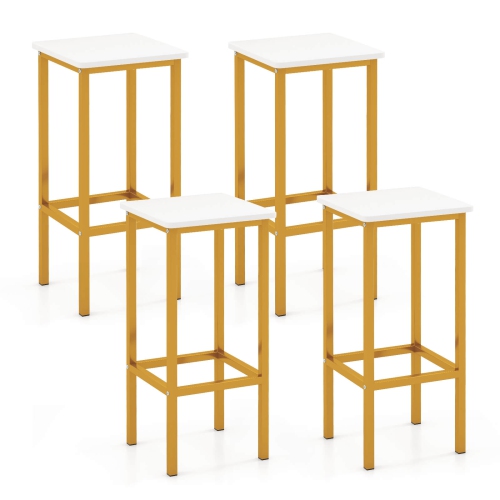
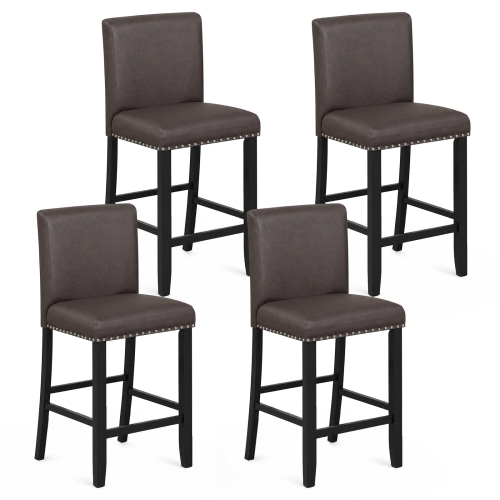
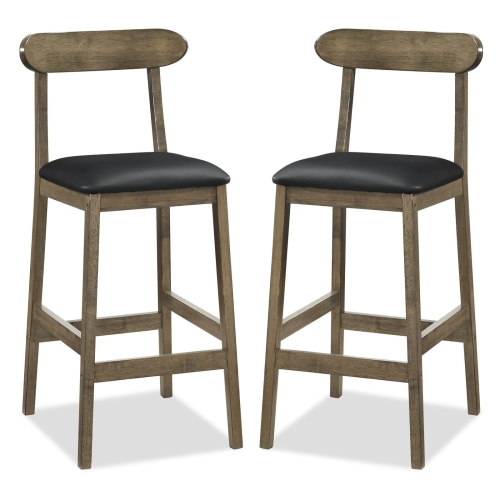
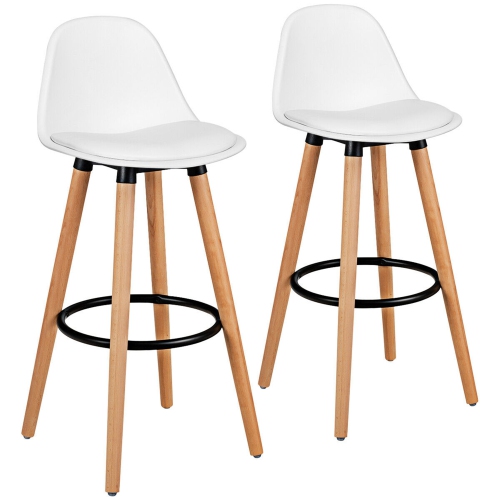
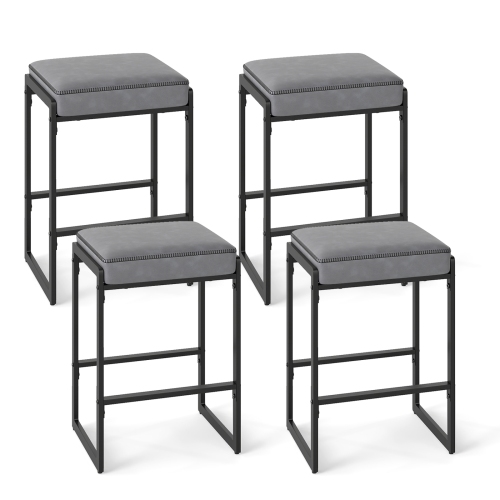


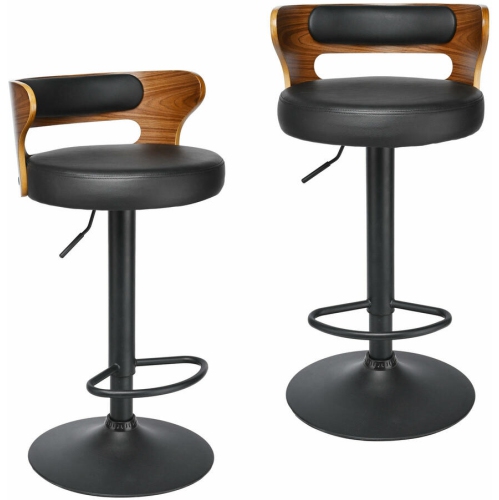
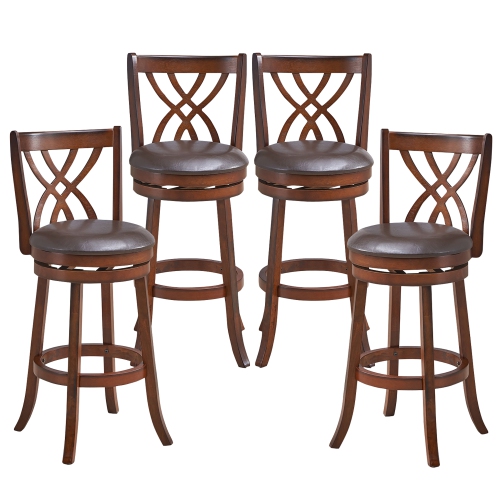


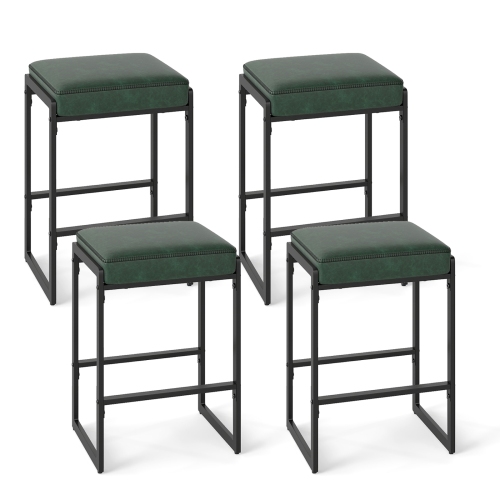
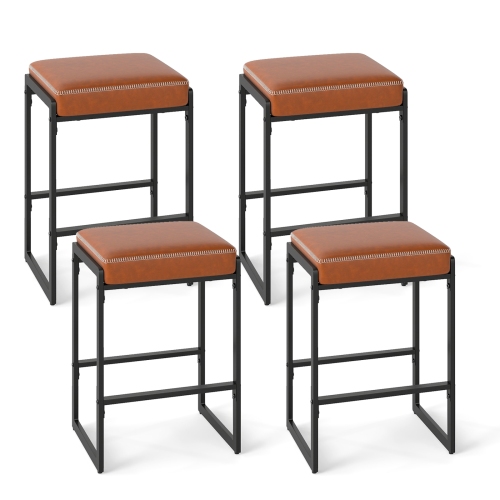


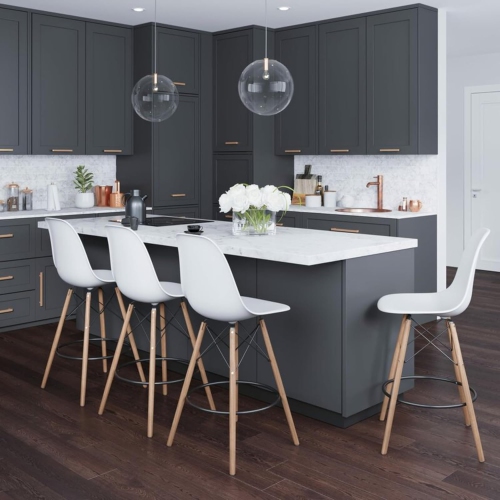
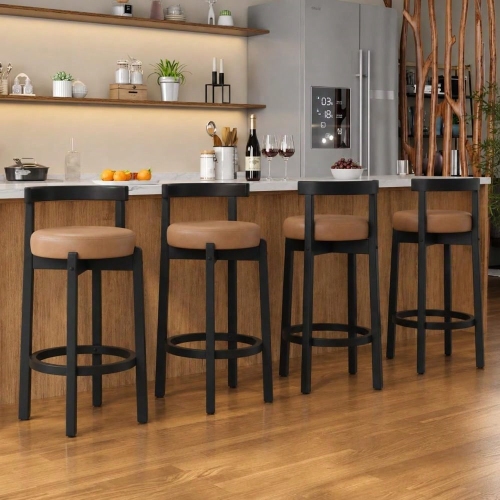
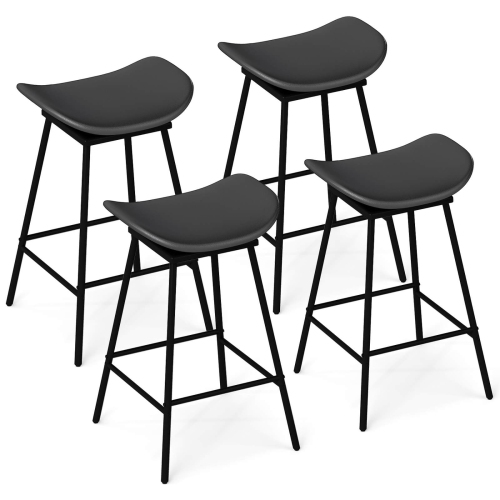
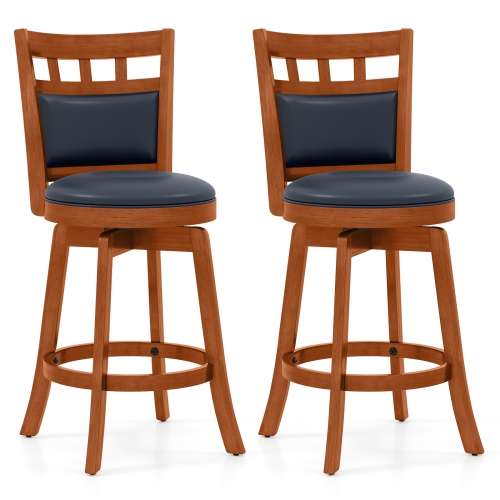
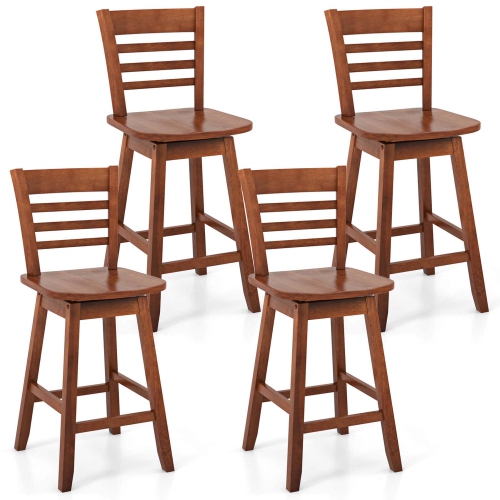

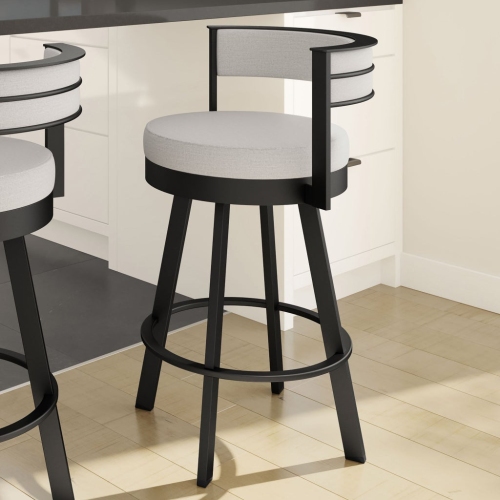


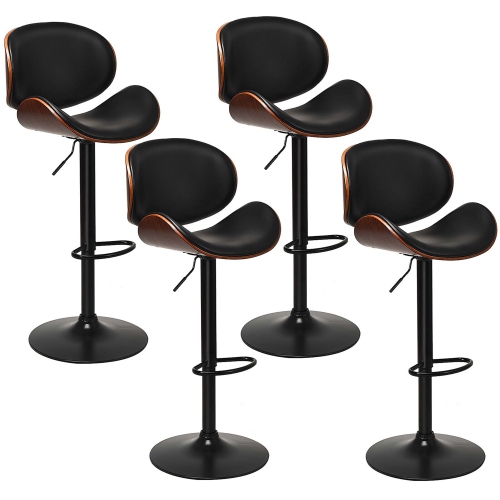

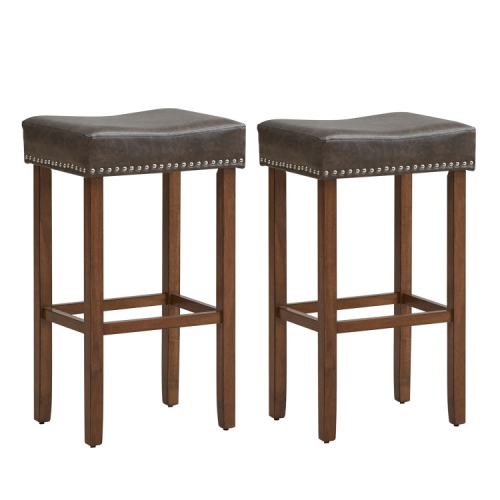


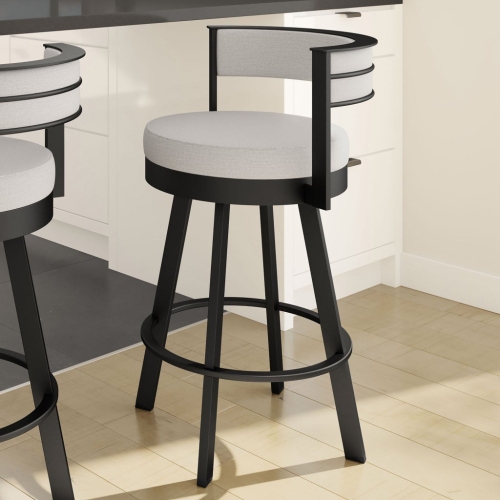
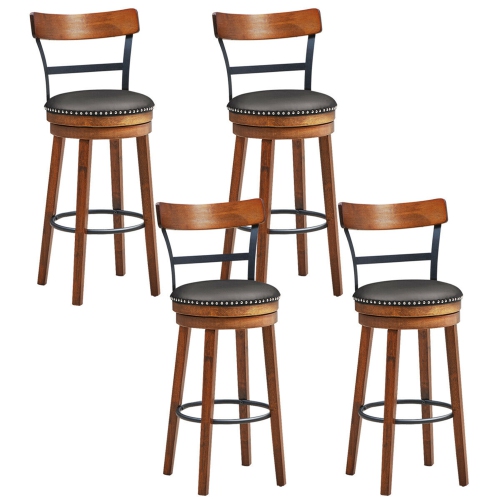

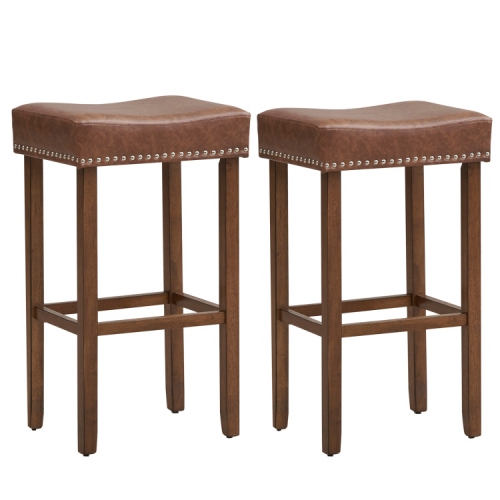
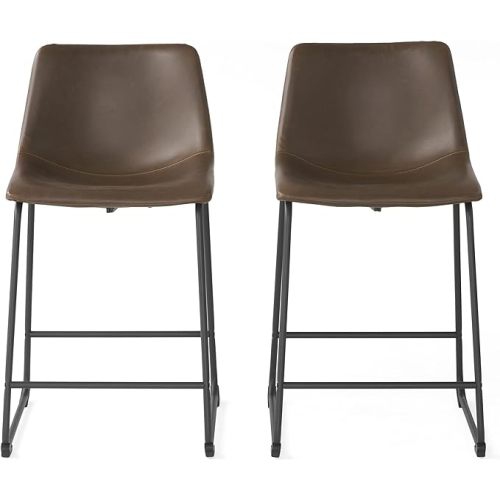
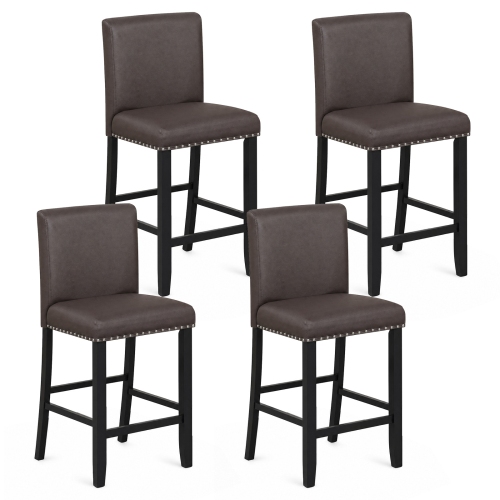
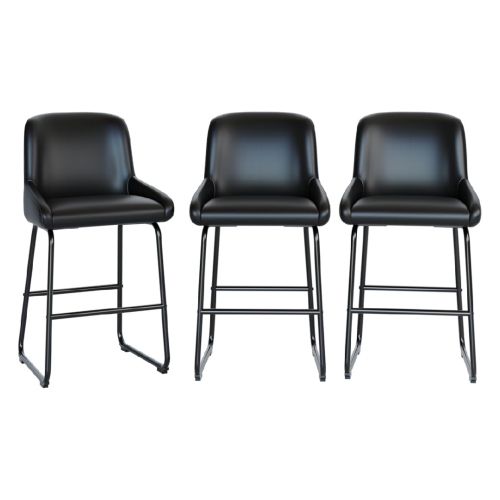
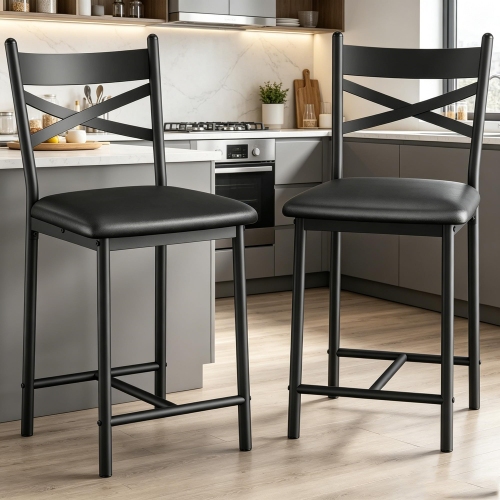
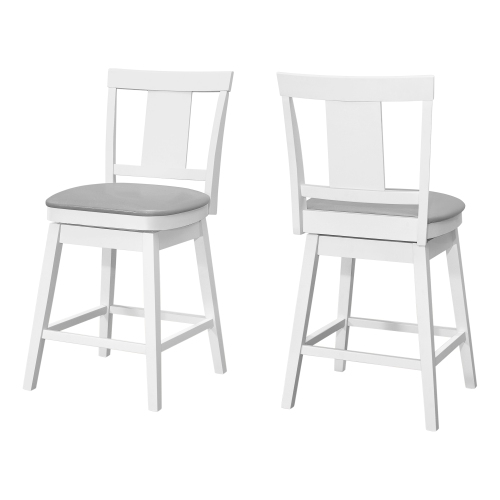

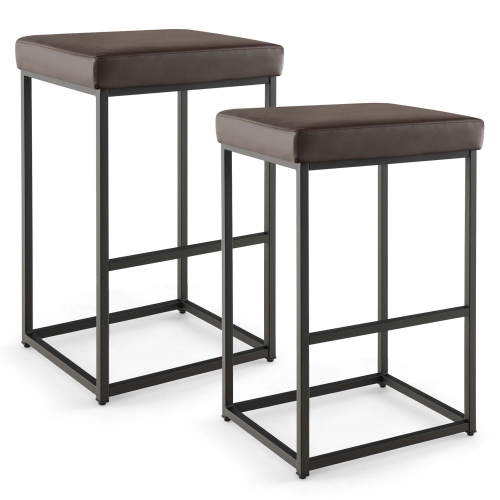
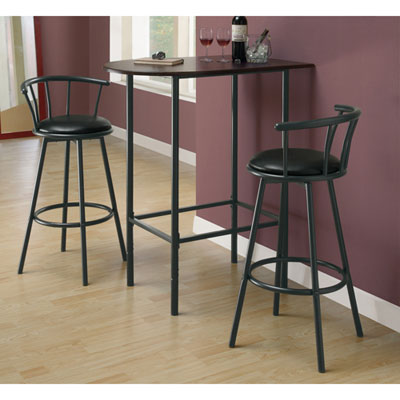


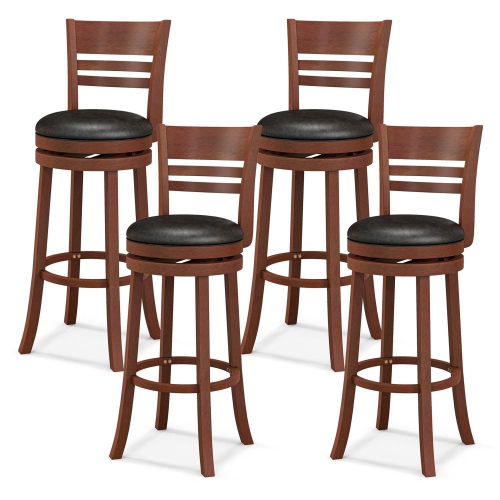
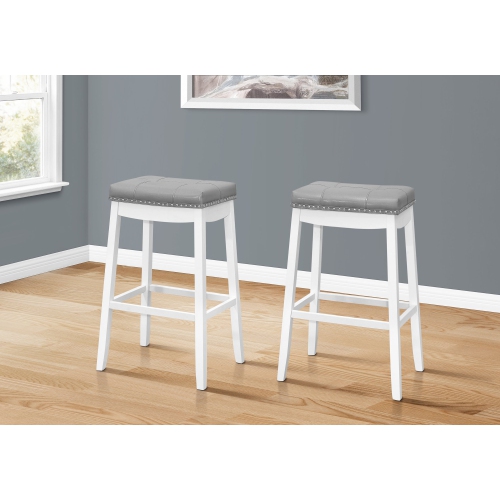


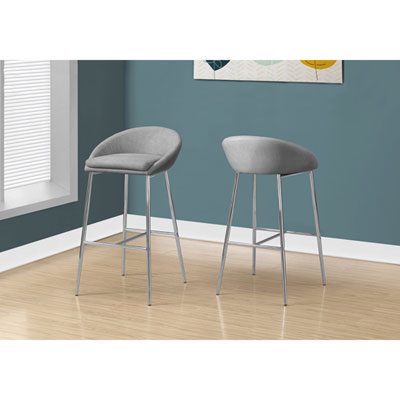
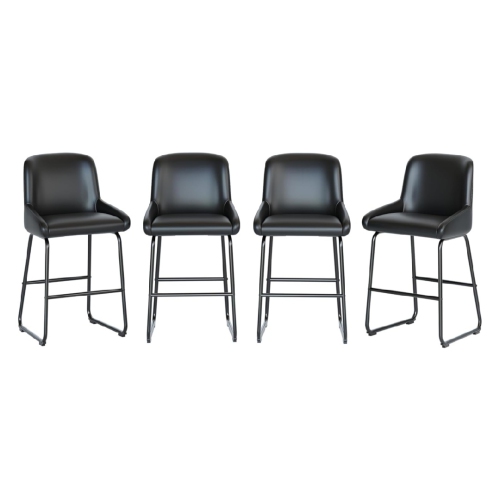

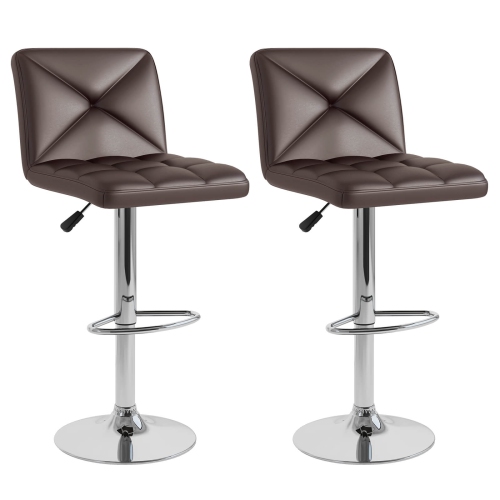
Comfort that fits your counter and your guests
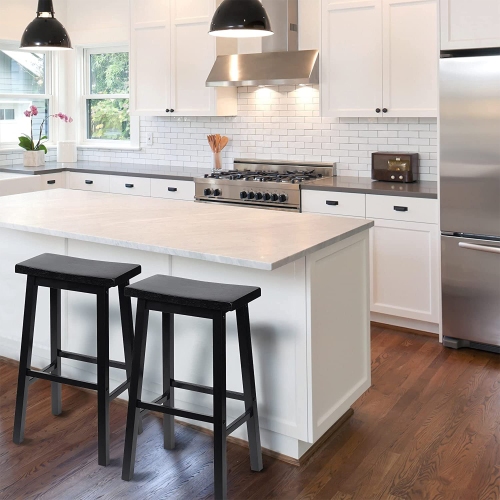
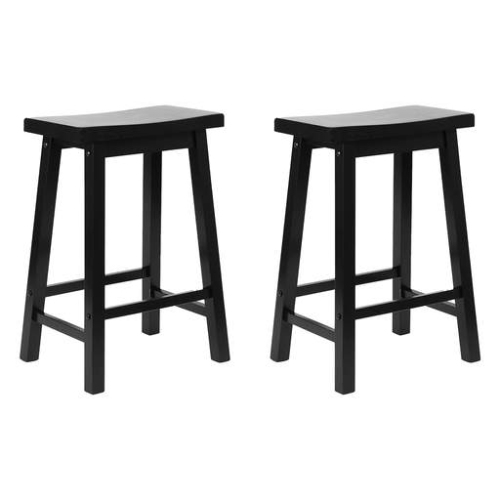
Commercial barstools bring elevated seating to restaurant bars, café counters, hotel lounges, and shared dining spaces where comfort and efficient use of floor space need to work together. The most suitable style depends on the venue’s layout, the height of the serving surface, how long guests typically stay, and the care the seating will need between visits. A compact backless stool can suit a narrow coffee counter where customers pause briefly, while a supportive backrest and a generously proportioned seat make more sense beside a bar where guests settle in for a meal. Seat height is especially important: counter-height and bar-height seating are not interchangeable, even when their designs look similar. Counter-height stools commonly have seats around 24 to 27 inches from the floor, while bar-height stools often measure around 28 to 32 inches. These are general ranges, so the actual seat height needs to be considered alongside the counter or tabletop. Around 10 to 12 inches between the seat and the underside of the surface is a useful starting point for legroom, with additional attention to thick tabletops, support rails, and aprons that reduce usable space. Width matters just as much as height. Seats placed too closely together can leave guests bumping elbows, and armrests may require more room than the seat dimensions suggest. Spacing of roughly 26 to 30 inches between seat centres can provide an initial reference, although wider stools and swivel designs may need more clearance. A footrest gives guests somewhere to support their feet rather than leaving their legs hanging, which becomes more noticeable during longer visits. The relationship between the seat, backrest, and footrest helps determine whether a stool feels suited to a quick espresso or a leisurely dinner. Well-proportioned commercial seating fits the surface it serves without crowding the people using it or the staff moving behind them.
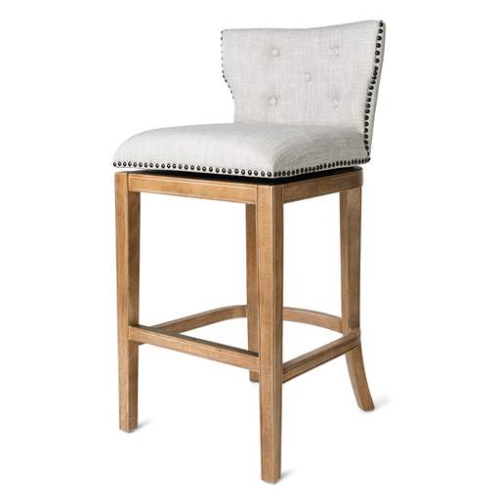
Materials give commercial barstools much of their character, but they also influence weight, cleaning, and the way a seat feels through repeated use. Steel frames can create a crisp, practical look, while wood brings visible grain and a warmer visual presence to dining areas. The quality of the construction matters alongside the material itself: secure joints, well-supported legs, and appropriately reinforced frames contribute to stability when seating is used frequently. Metal finishes range from understated matte surfaces to brighter accents, and wood tones can coordinate with counters, flooring, or nearby dining tables without needing to match every surface exactly. For spaces with exposed brick, dark fixtures, or simple timber tables, Industrial Bar Stools offer a related design direction centred on straightforward forms and combinations of metal and wood. Upholstered seats introduce another layer of texture and cushioning. Smooth, wipeable coverings may simplify the handling of everyday splashes, while woven fabrics can provide a softer appearance and feel. Neither option is maintenance-free, and the manufacturer’s cleaning directions and suitability for the intended setting remain important. Seams, tufting, and deeply textured surfaces can collect crumbs or require more detailed attention than a plain seat. An unupholstered stool can be practical at a busy counter, particularly when its seat is shaped to provide support rather than relying on a flat surface alone. Backrest height also changes the room’s appearance. Low backs preserve clearer sightlines across an open dining area, whereas taller backs give each seat a more defined presence. Colours can establish contrast or help seating blend into the surrounding furnishings, but finish consistency is only one part of a cohesive arrangement. Repeating a frame shape, seat material, or backrest detail across a row of stools often creates a more settled appearance than trying to match every shade. The strongest combinations support the venue’s character while still making sense for daily service.
Durability in a commercial setting is about more than a sturdy appearance. Barstools may be pulled out repeatedly, shifted across the floor, and used by many different guests throughout the day, so their stated intended use and weight capacity deserve close attention. A residential-looking design is not automatically suitable for commercial use, and the manufacturer’s specifications help establish whether a stool fits the demands of the space. Fixed-height seating offers a straightforward setup when every counter is the same height; adjustable designs introduce flexibility but also have mechanisms that need appropriate use and maintenance. Swivel seats can make entering and leaving easier where space permits, although the turning radius must leave room for neighbouring guests and nearby surfaces. Armrests may add support, but they can prevent a stool from tucking beneath a counter and increase the depth of the occupied seating area. Stackable designs can help when floors need clearing for cleaning or a room serves several purposes, provided the seating is specifically designed to stack and storage follows the stated limits. Floor contact is another practical detail. Suitable glides can help limit scraping and noise, and worn or missing glides can leave an otherwise sound stool sitting unevenly. Routine care includes removing spills promptly, using cleaners compatible with the finish or upholstery, and keeping joints and fasteners in good condition according to the manufacturer’s directions. A cloth used to wipe down a seat should not leave wood joints or upholstered seams saturated. In a working dining space, small details become noticeable quickly: a rocking leg interrupts a conversation, a sharp seat edge makes a longer visit uncomfortable, and a bulky base can catch a passing foot. Clear circulation routes and accessible seating at appropriate heights remain important alongside any elevated seating arrangement. Commercial barstools work best as part of a considered layout, giving guests a comfortable place at the counter while leaving enough room for service, movement, and everyday upkeep.
Top selling and popular products
-
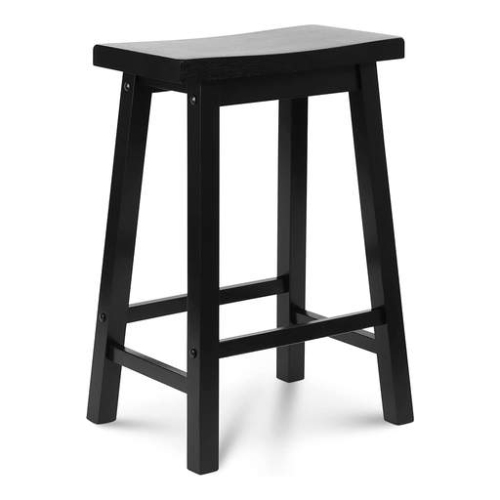 Your price for this item is $93.99
-
 Your price for this item is $563.99
-
 Your price for this item is $224.99
-
 Your price for this item is $202.99
-
 Your price for this item is $508.99
-
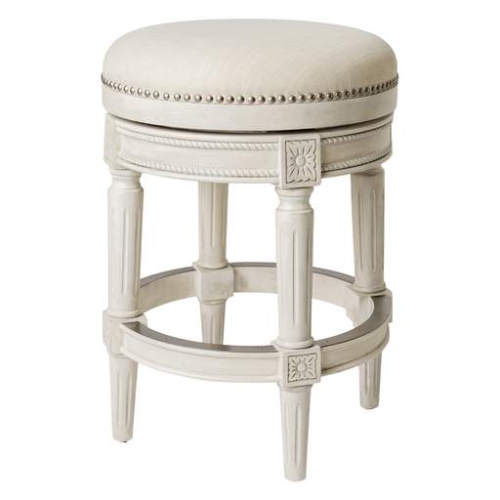 Your price for this item is $359.99
-
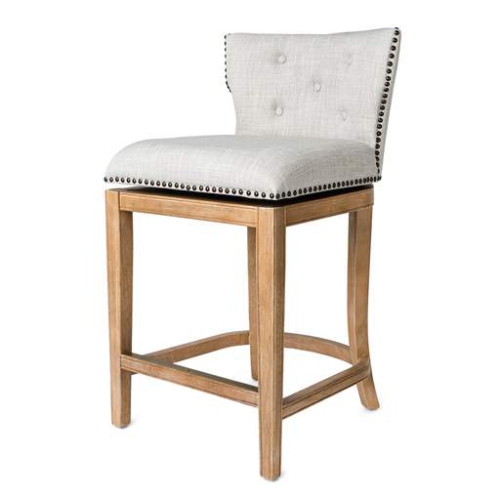 Your price for this item is $559.99
-
 Your price for this item is $298.99
Discover more categories related to Commercial Barstools
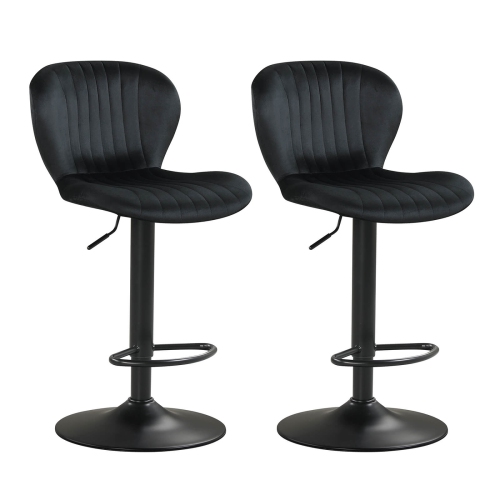
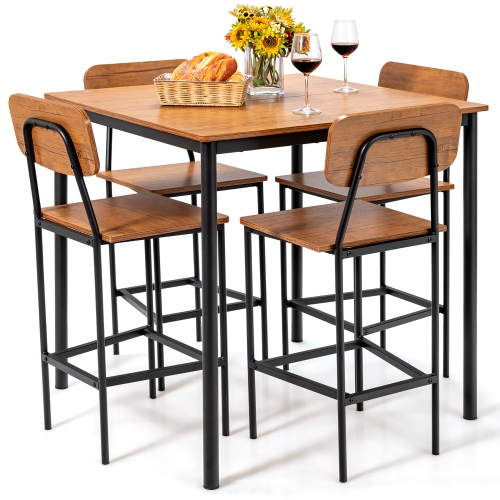
Top Collections:
Pokemon Centers, Best Black Friday Deals This Year, Best Black Friday Deals On Electronics, Kindle Devices, Best Budget Office Chairs, Best Black Friday Deals On Apple Products, Best Cameras for Sports Photography, Pokémon 30th Celebration Cards, Dyson Airwrap, Canon G7X Cameras
Some products may be subject to Environmental Handling Fees
(EHF) depending on your province.
Learn more about EHFs.