Restaurant Barstools
Upgrade your restaurant or home bar with stylish and comfortable barstools designed to elevate your seating experience. Whether you are looking to create a trendy and modern atmosphere or a cozy and inviting space, our selection of barstools offers a variety of styles, materials, and heights to suit your needs. From sleek metal designs to plush upholstered seats, find the perfect barstool that combines functionality with aesthetic appeal for any setting. Browse through our collection and discover the ideal seating solution to complement your decor and provide guests with a comfortable place to sit back and relax.
Sort
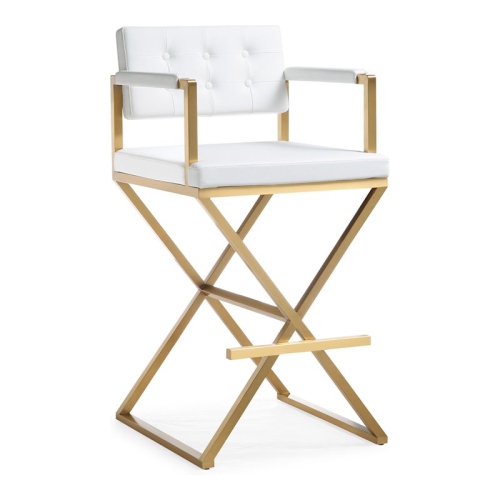
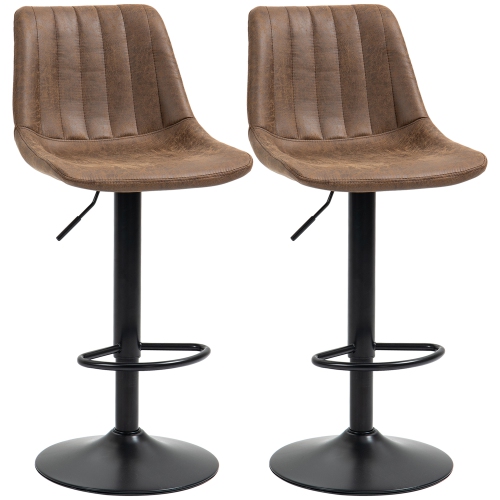
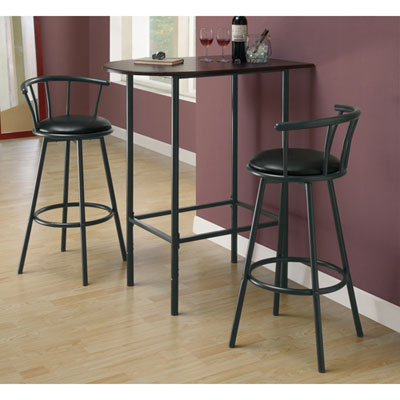
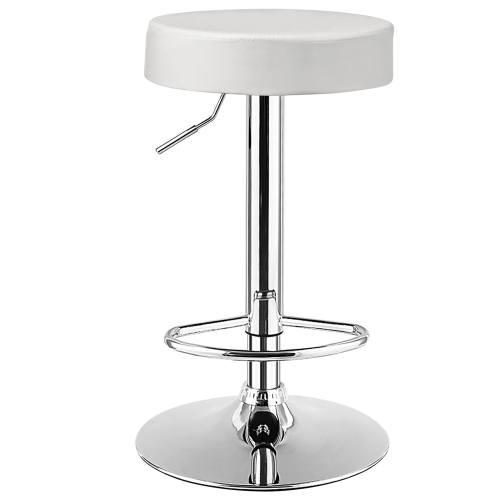
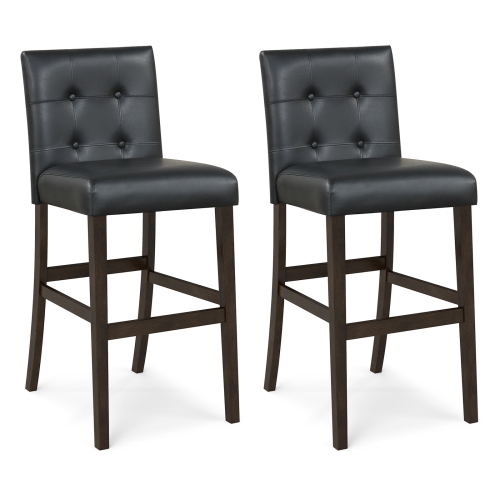
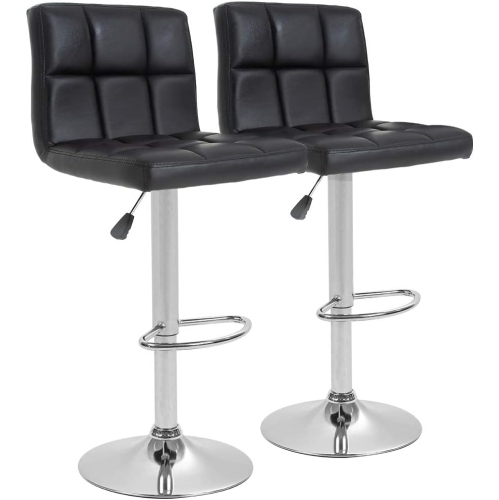
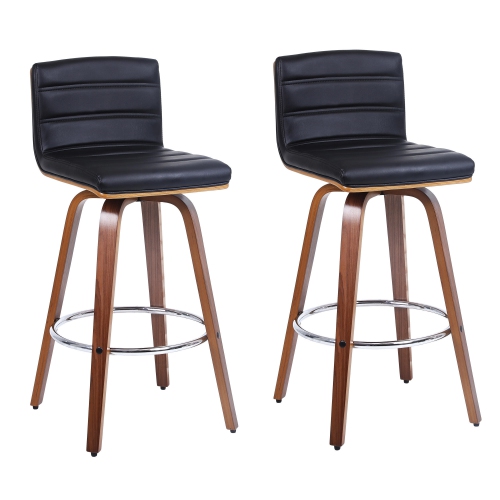
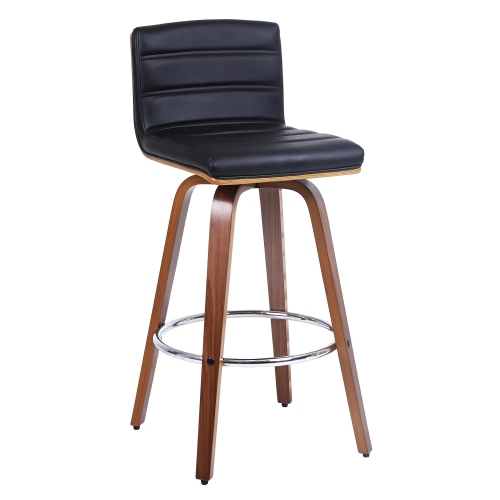
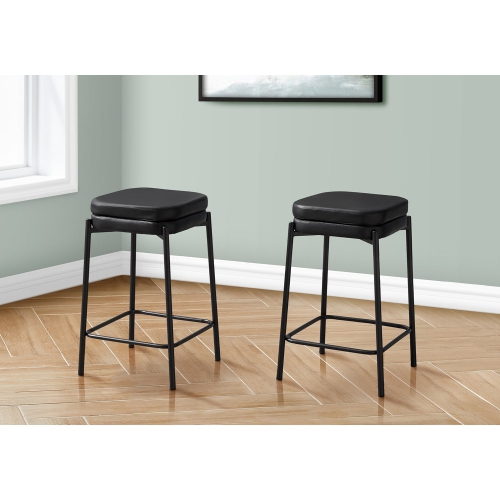
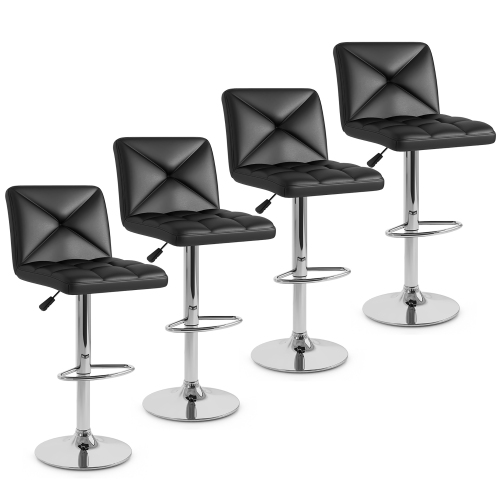
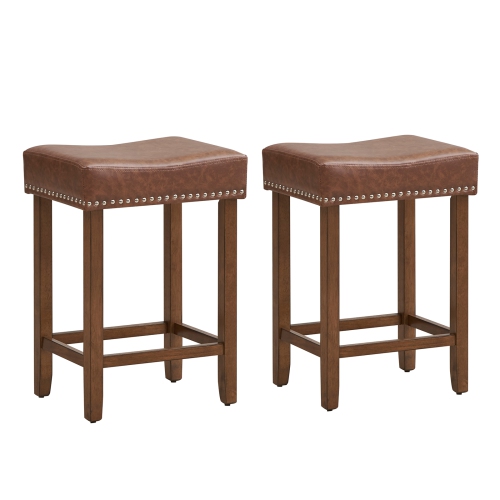
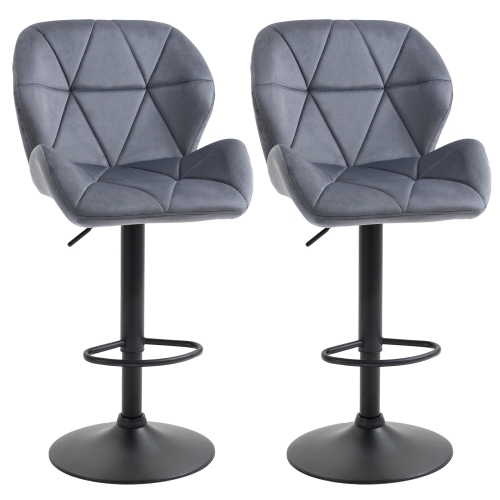
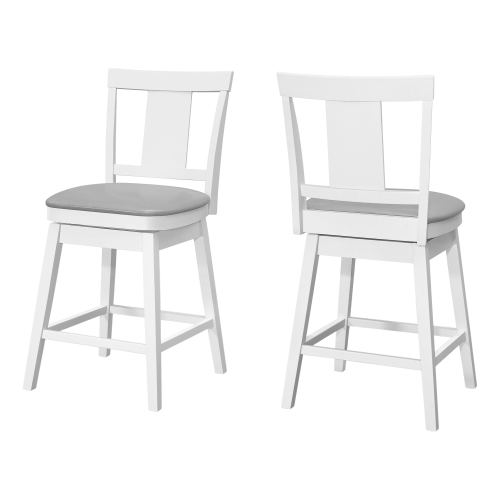
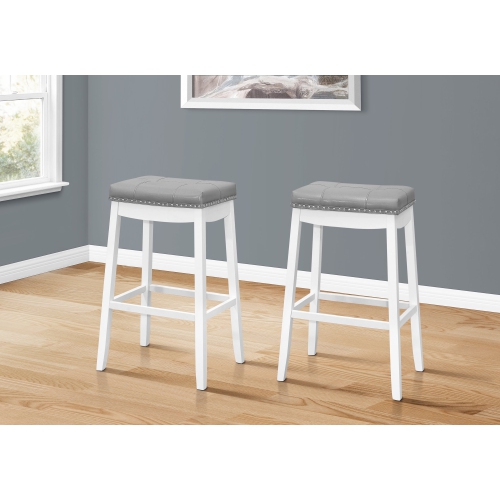
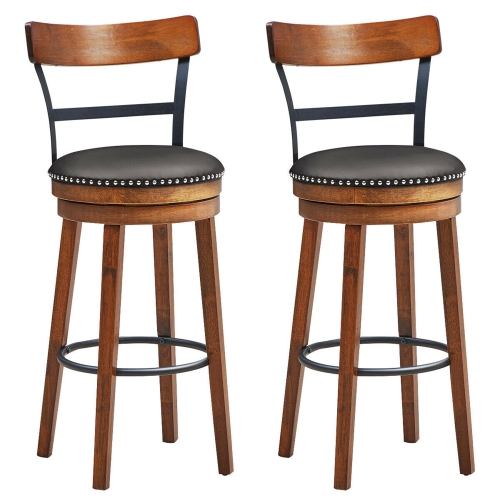
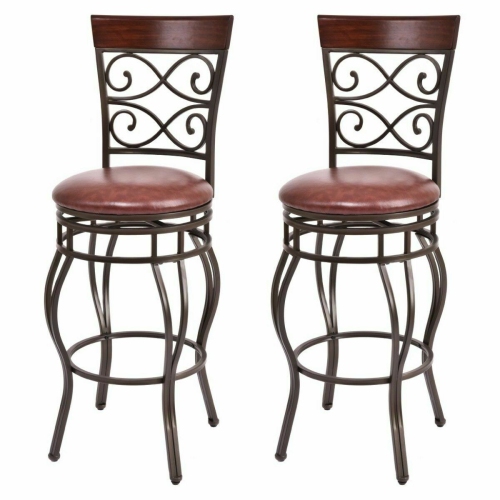


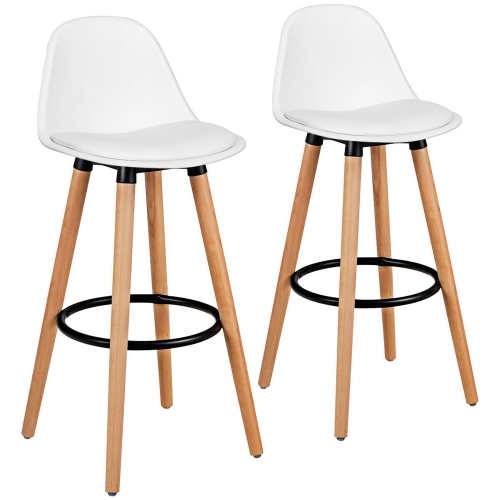
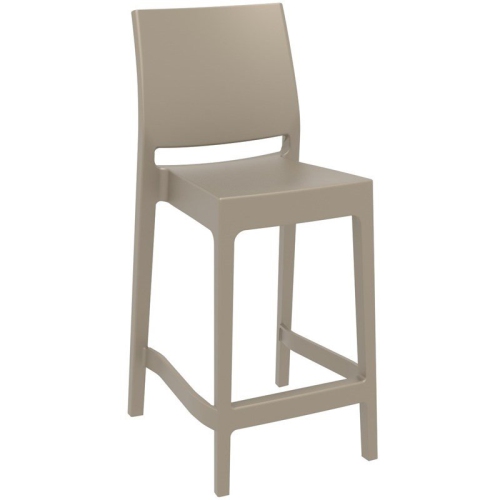
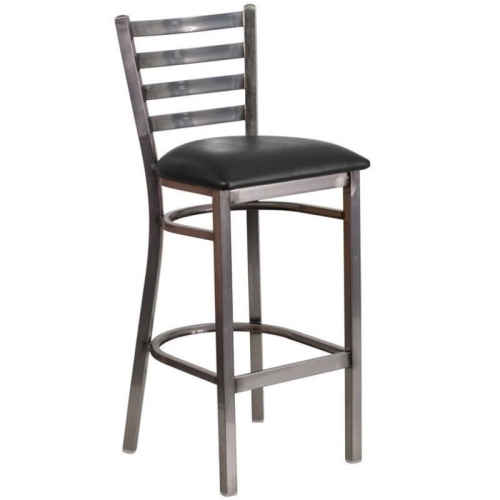
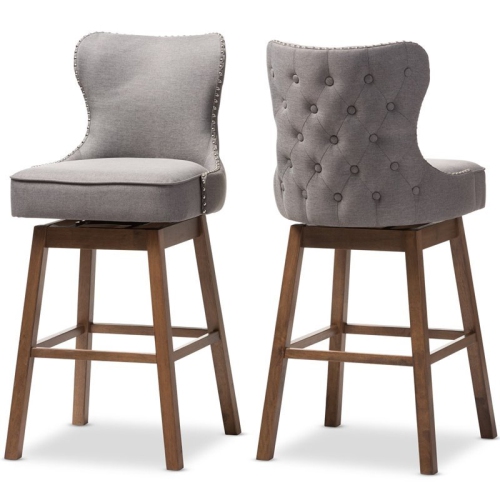
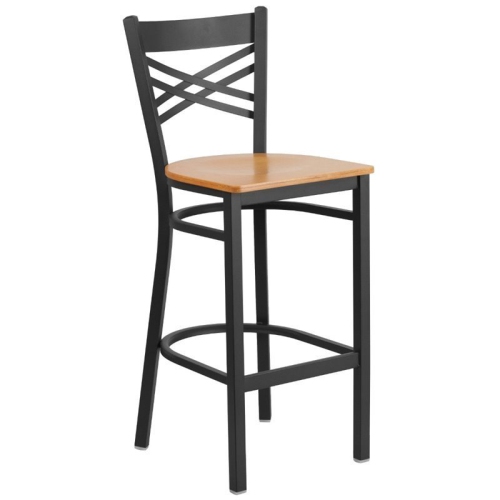
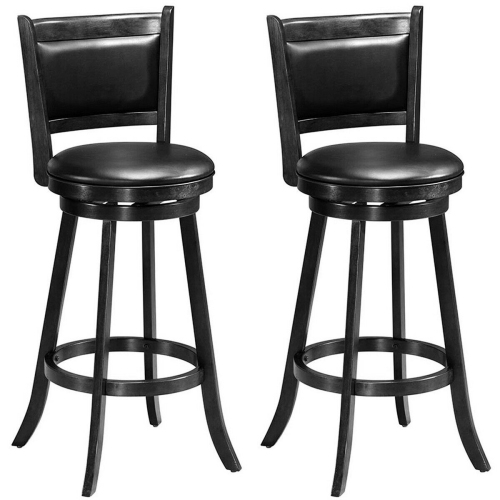
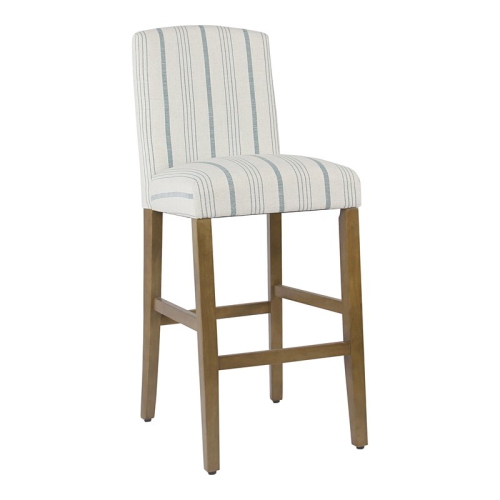
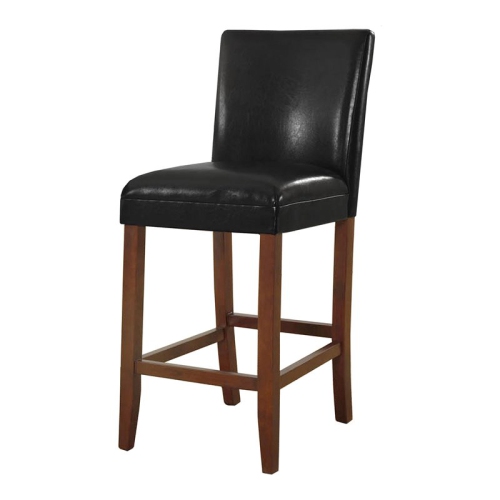
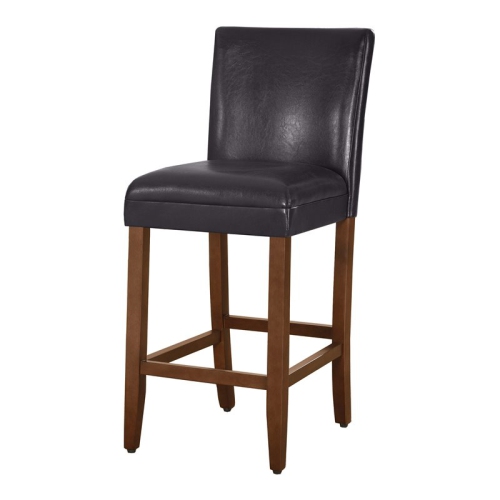
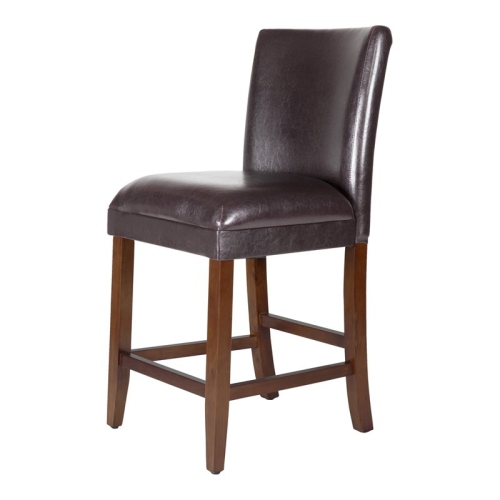
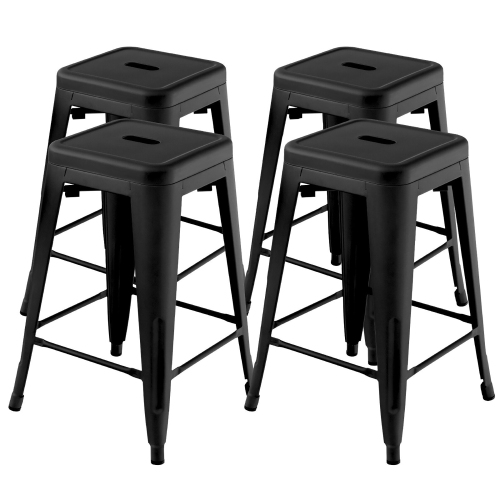
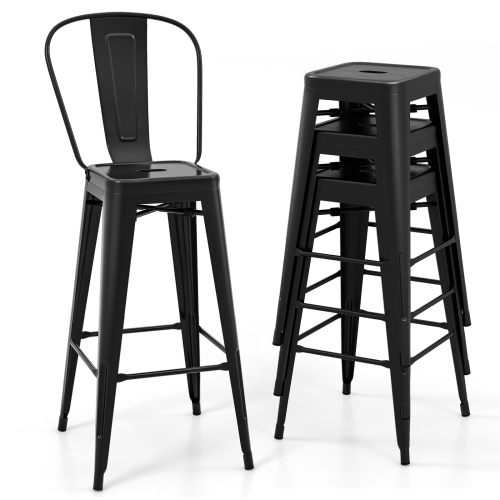
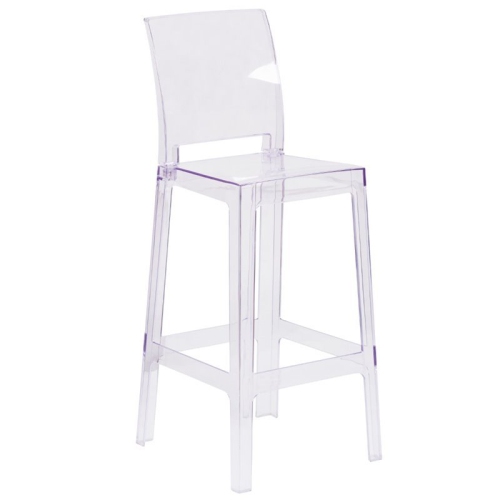
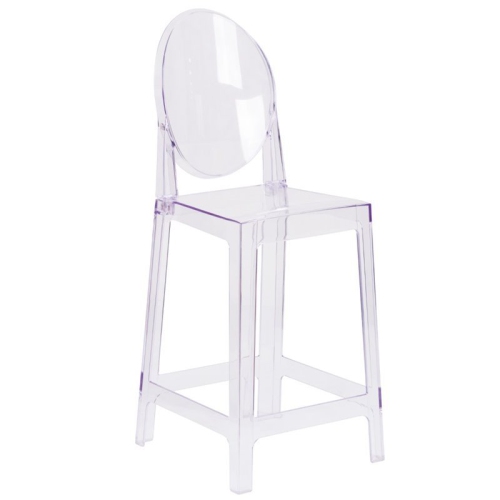
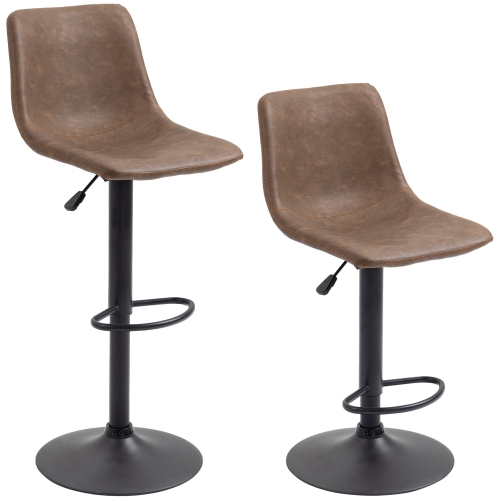

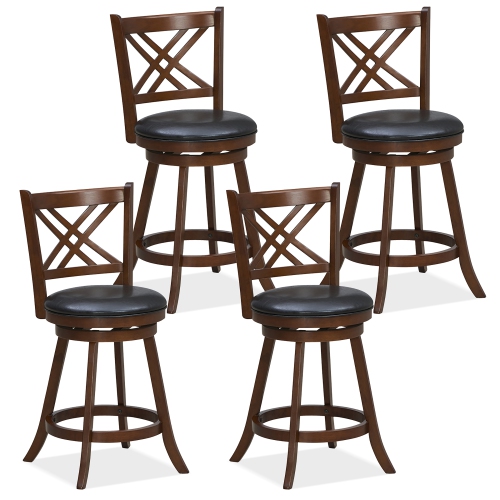
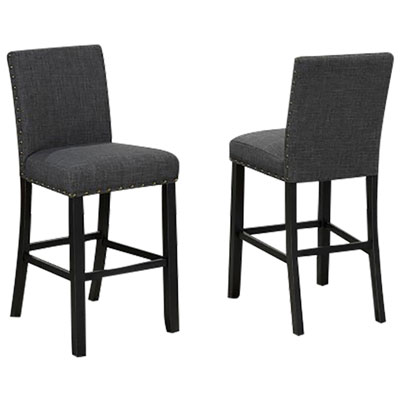
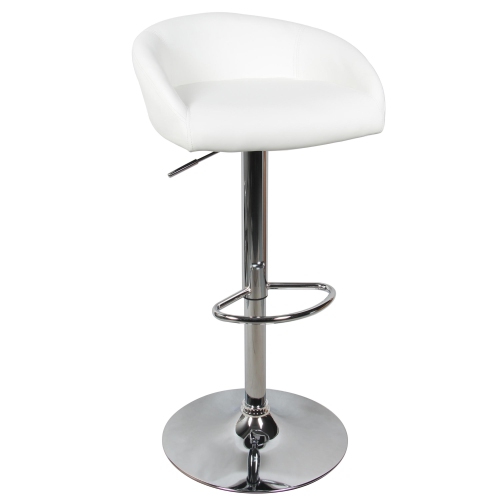
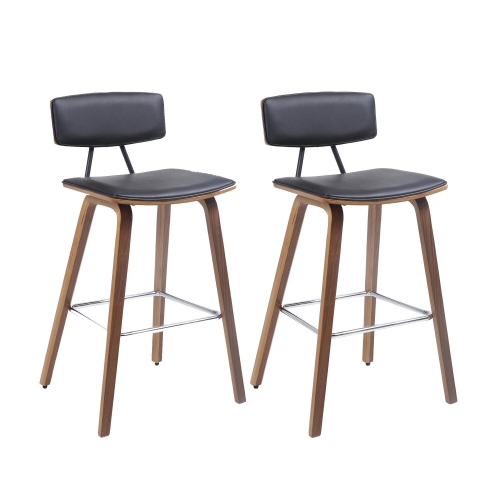
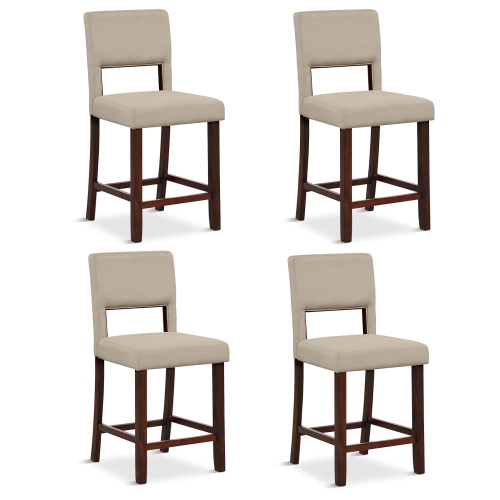
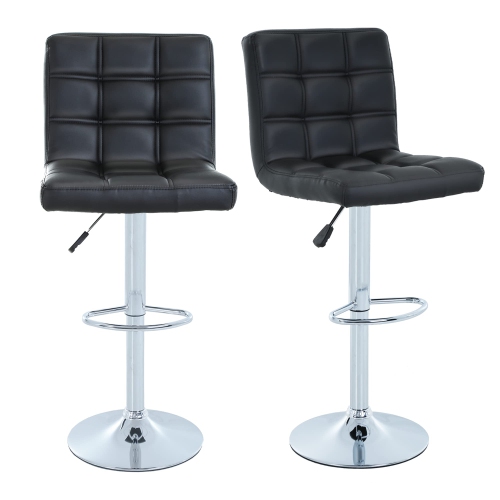
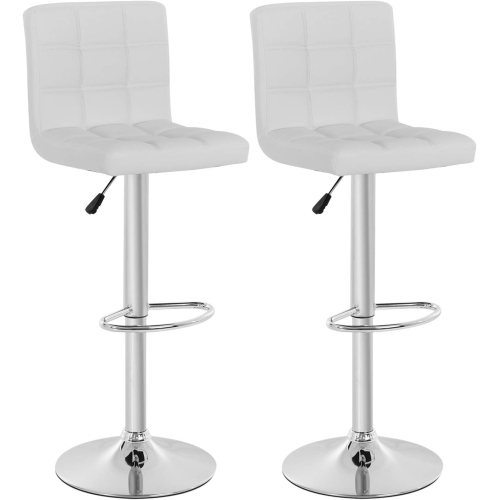
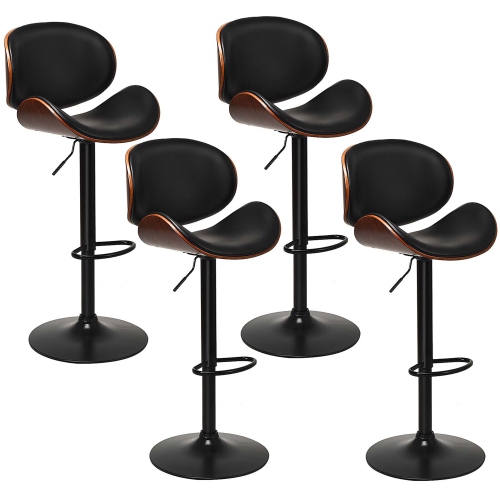
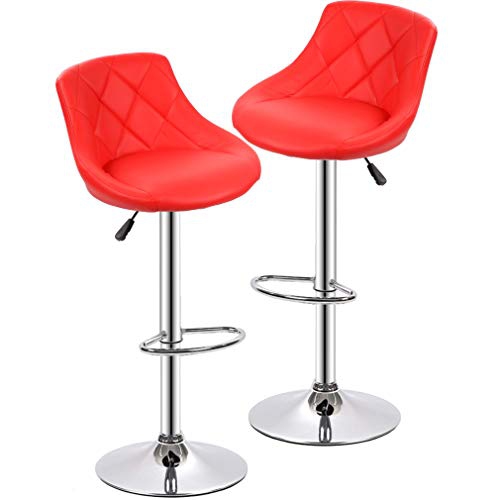
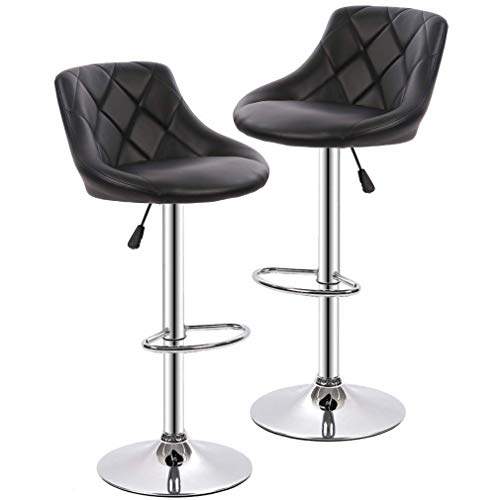
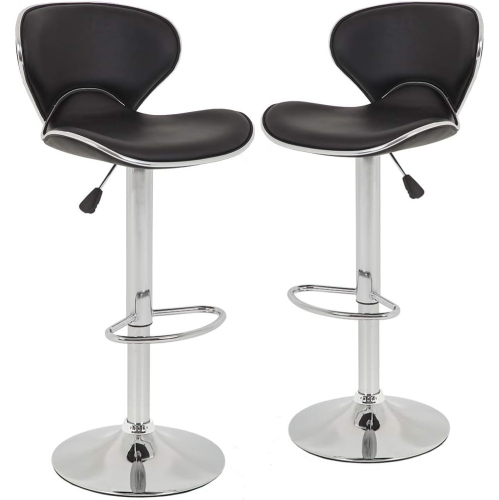

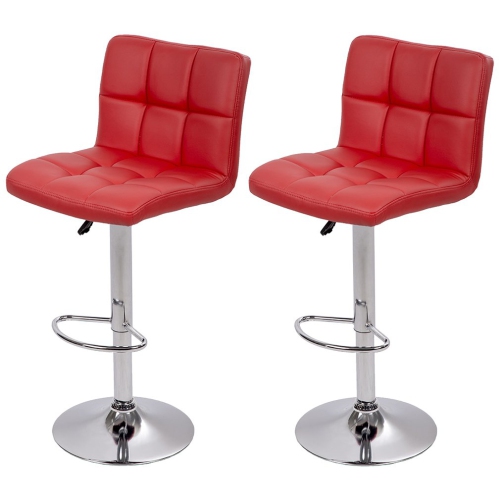
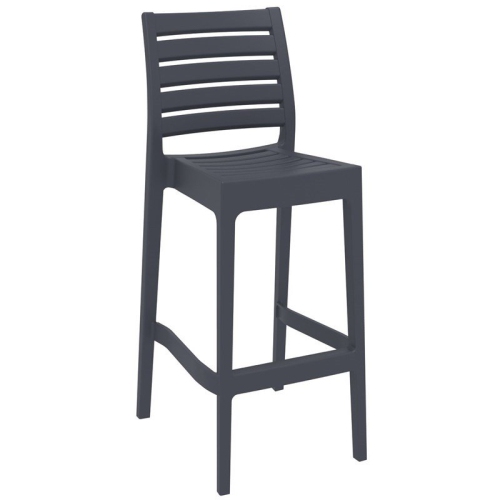
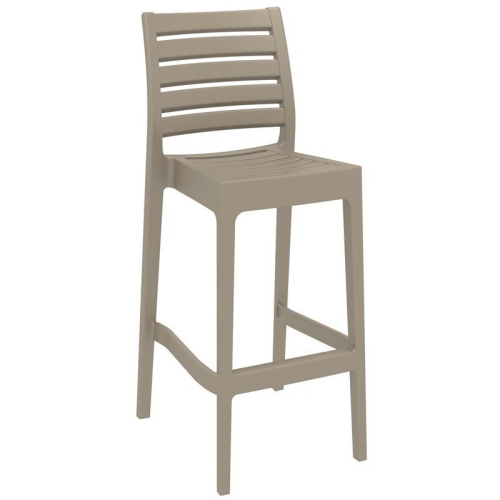
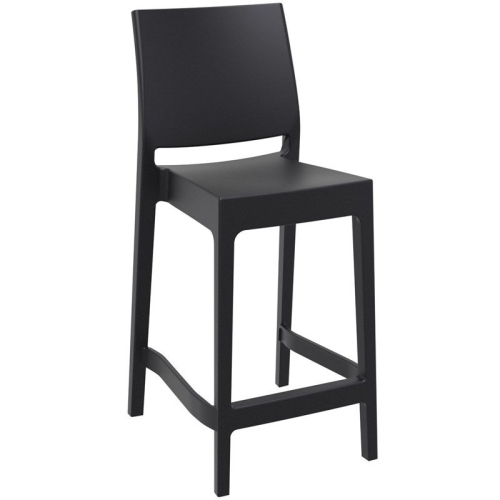
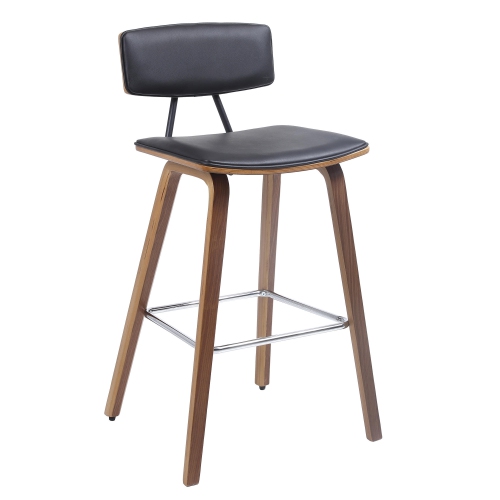
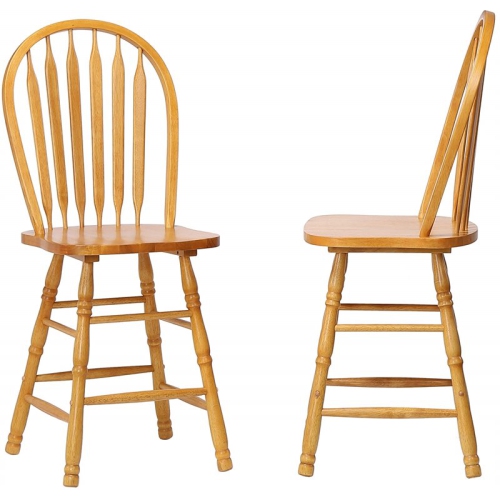
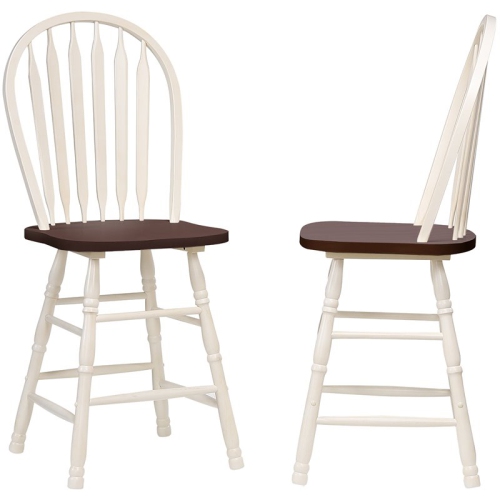
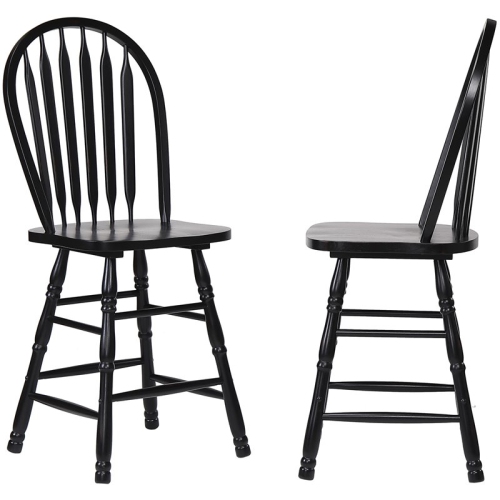
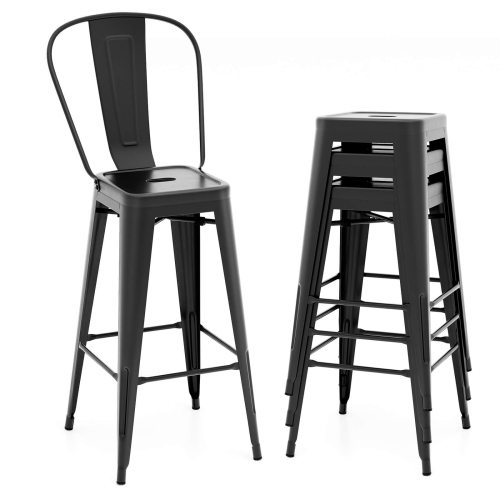
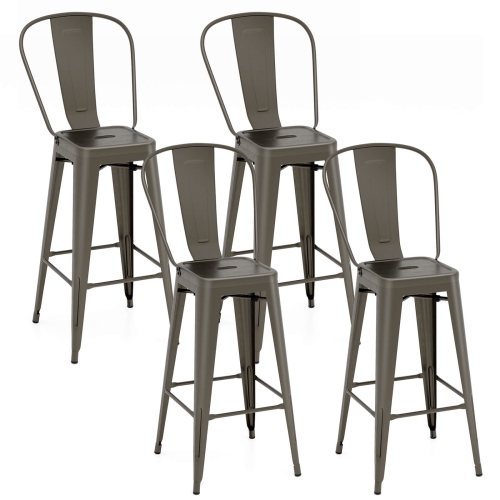
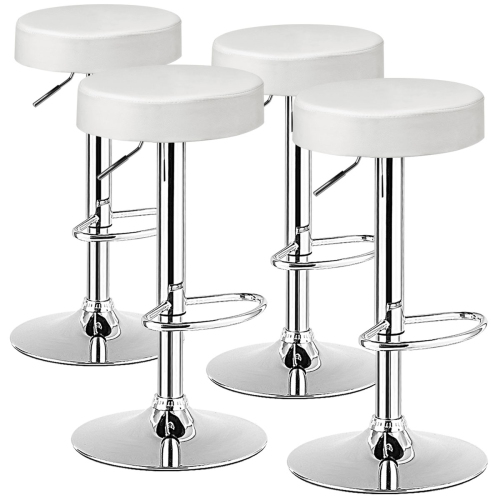
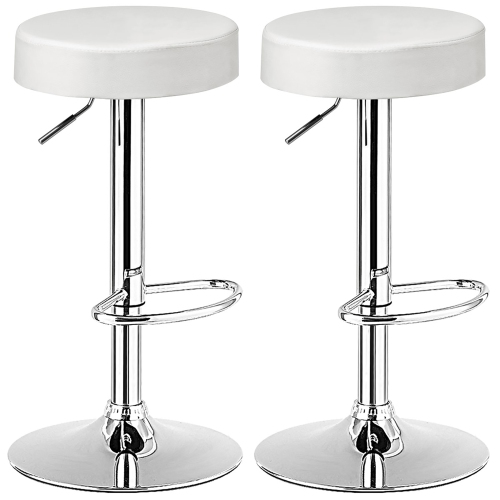
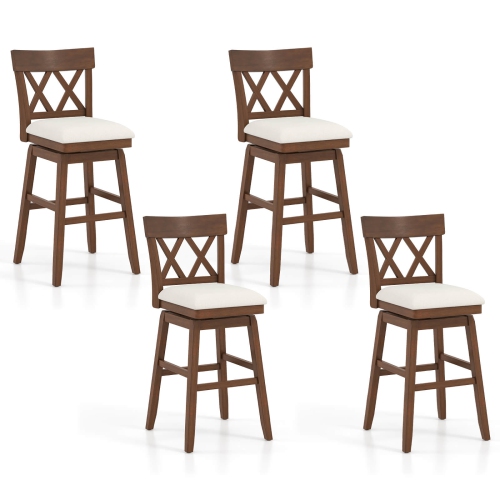
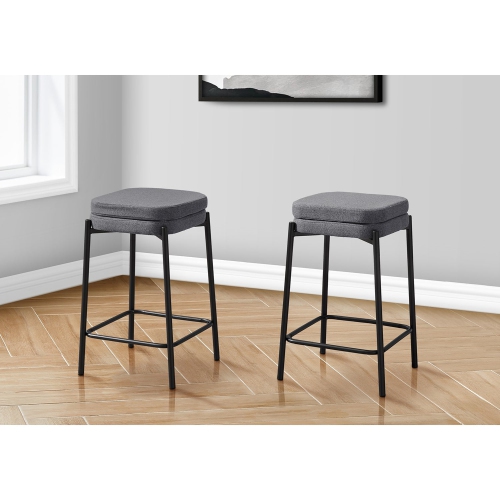
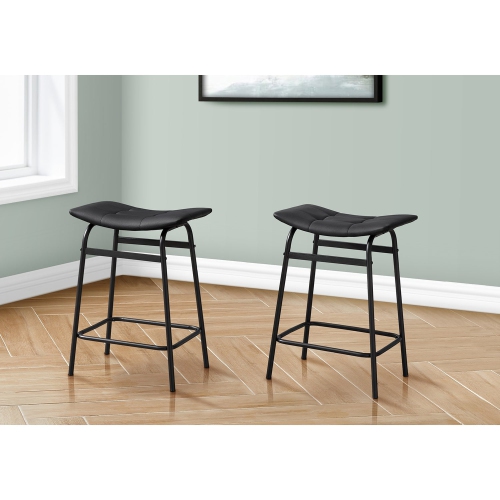
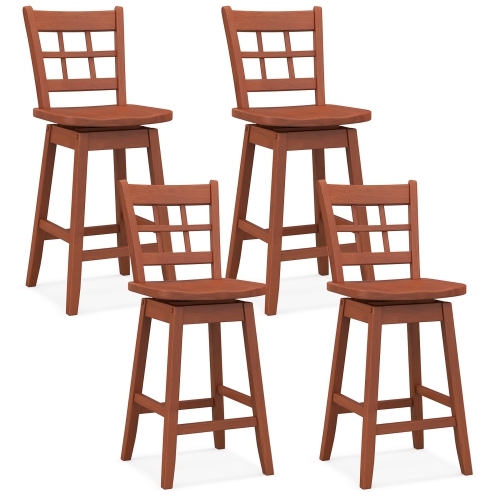
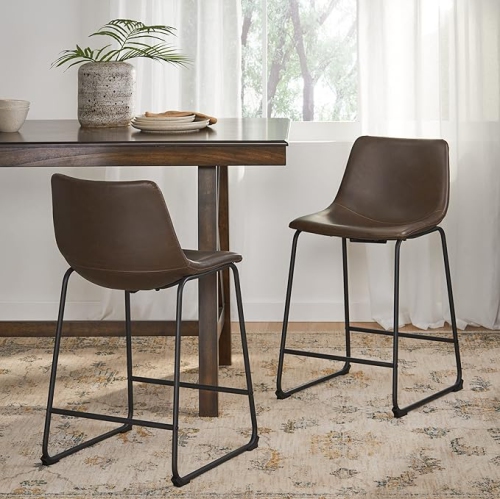
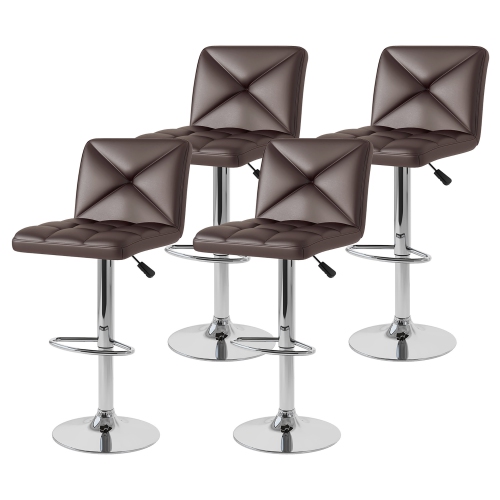
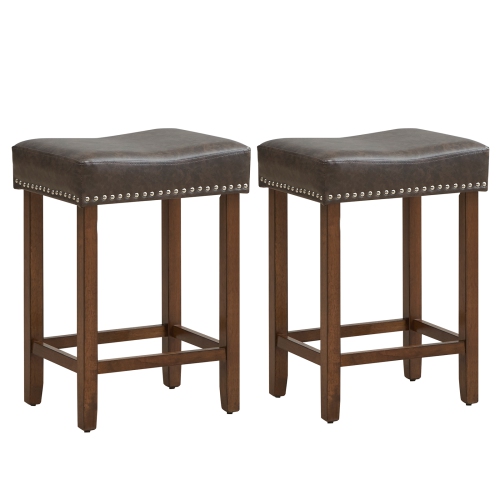
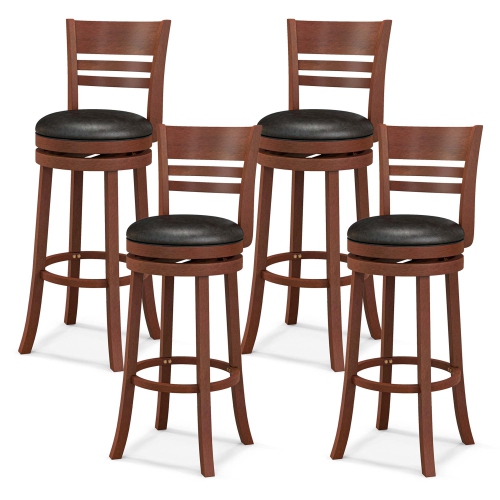
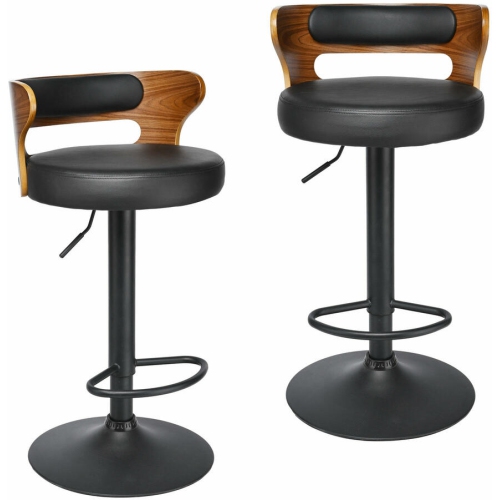
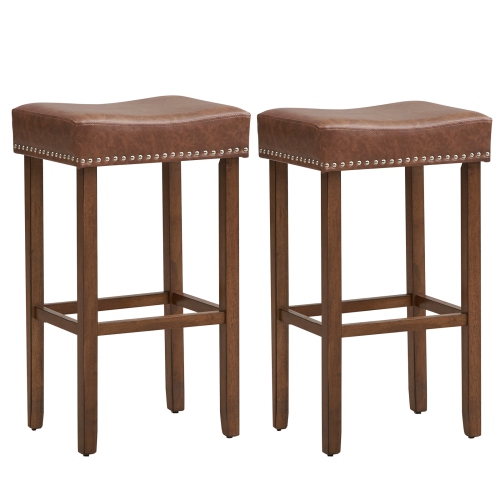
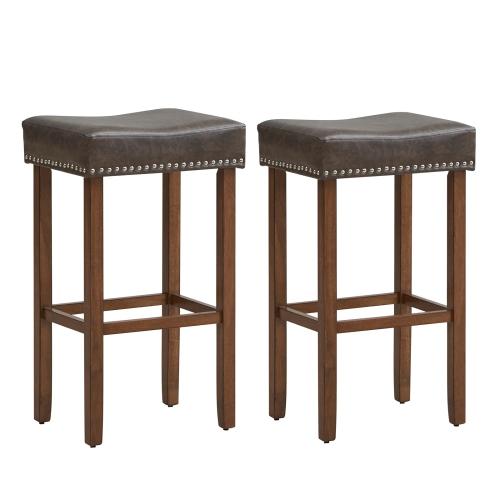
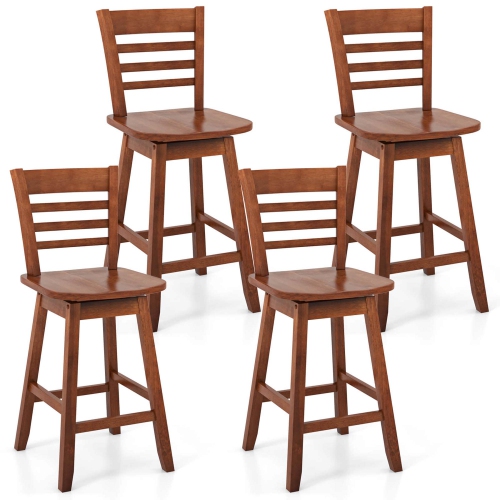
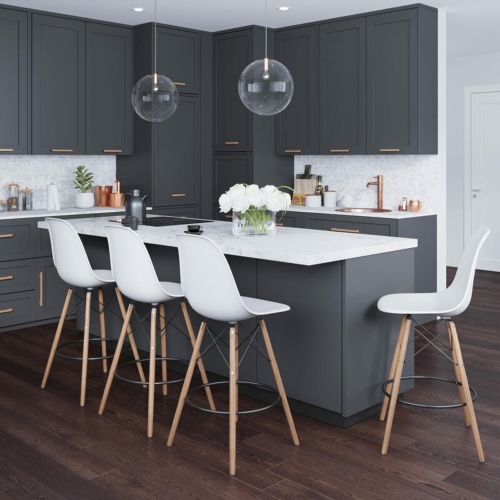
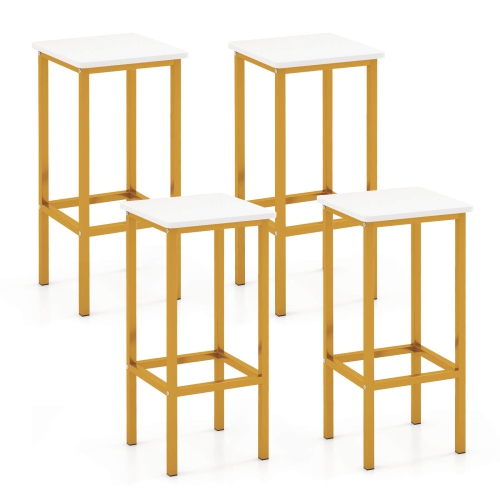
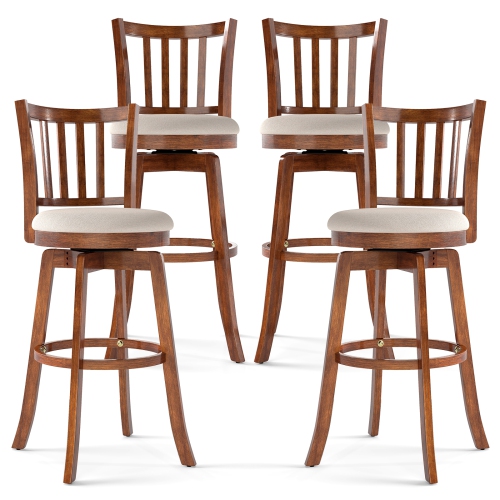
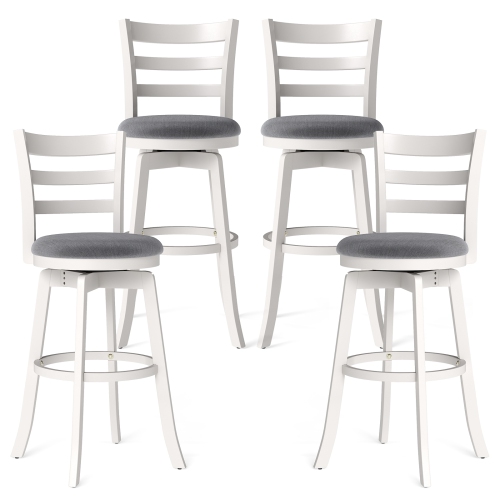
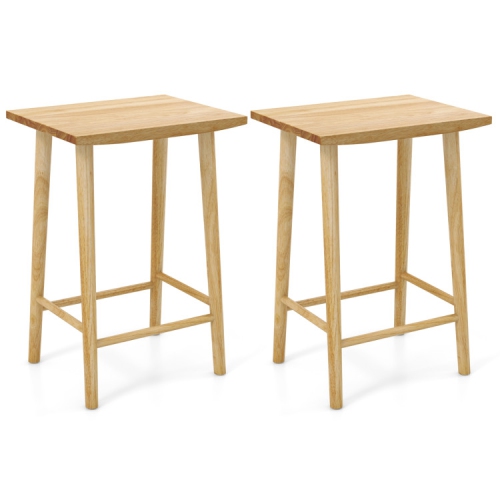
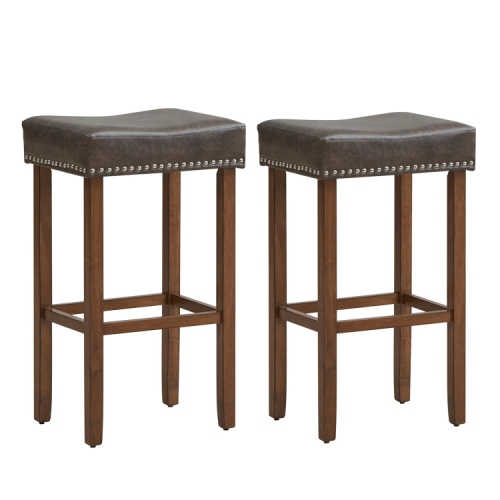
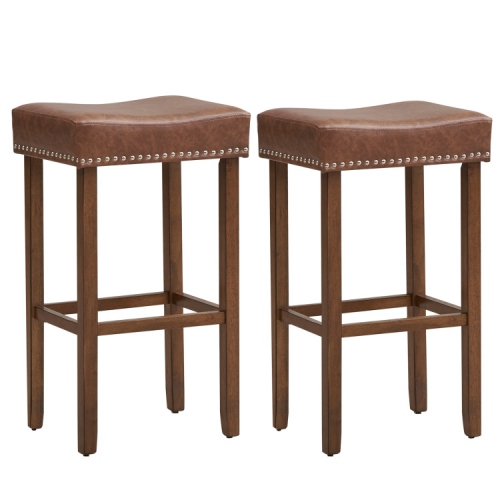
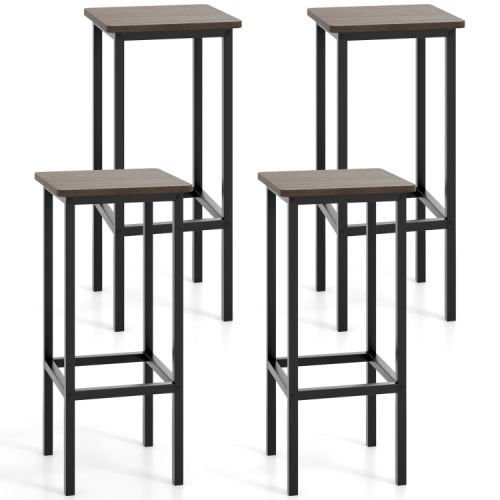
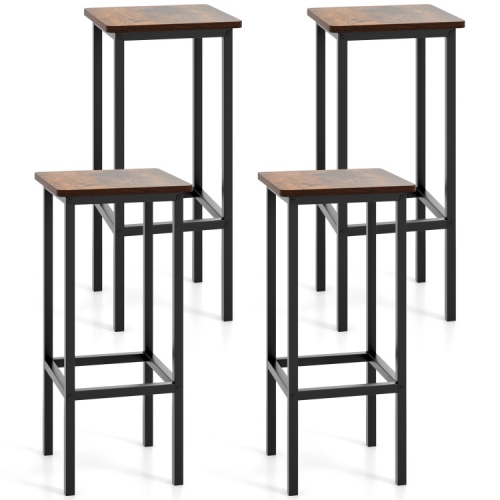
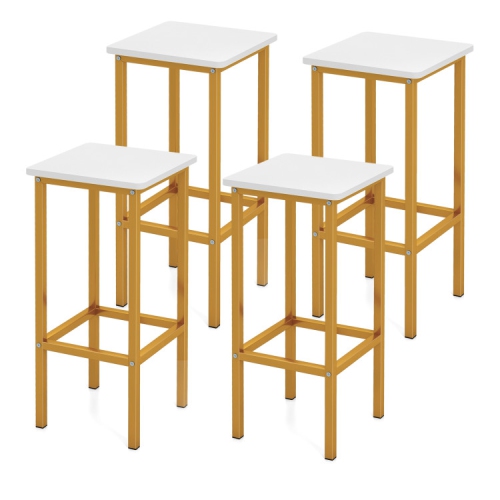
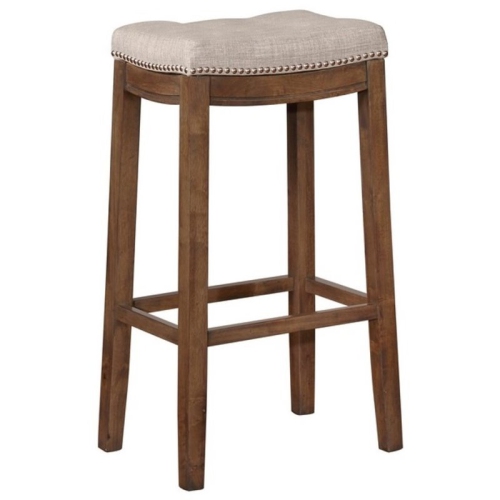
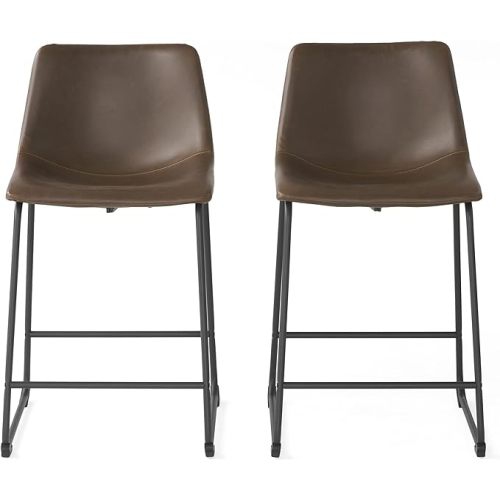
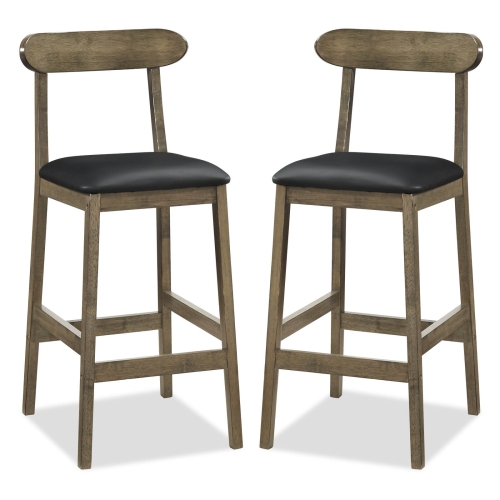
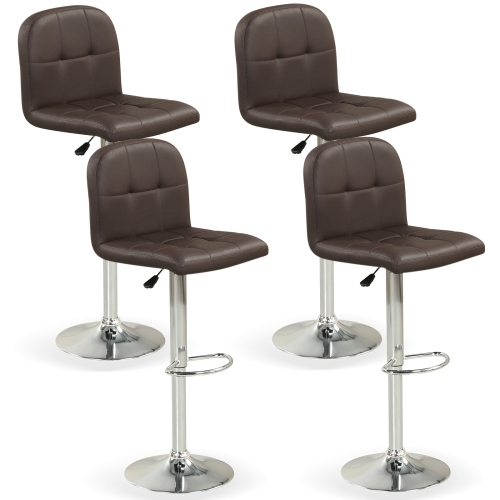
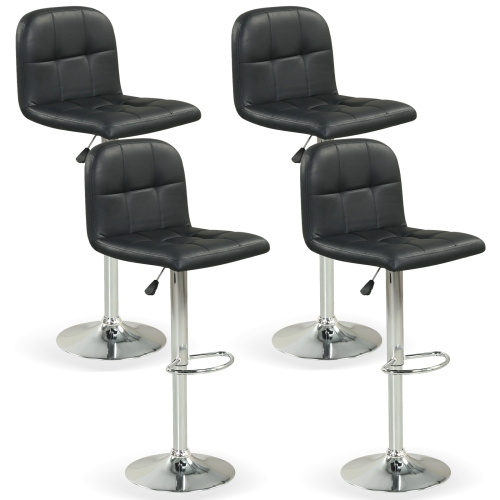
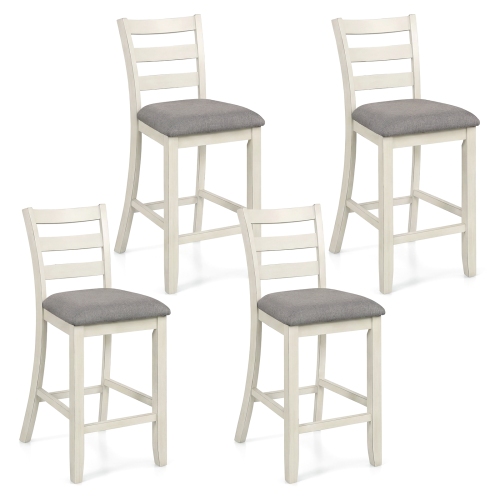

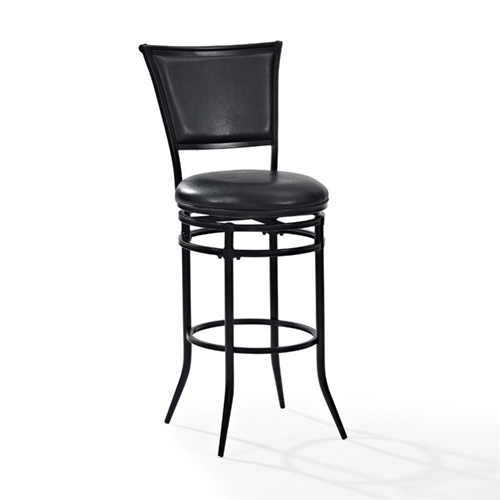
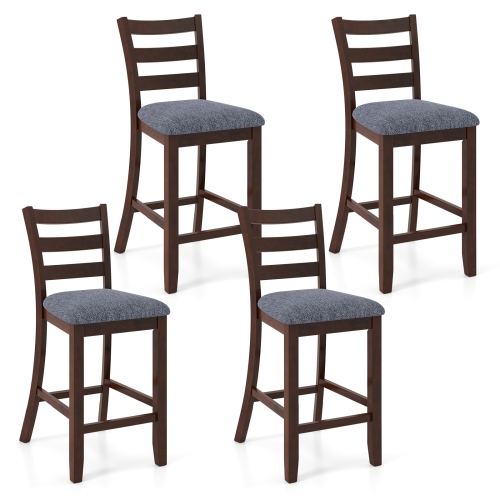
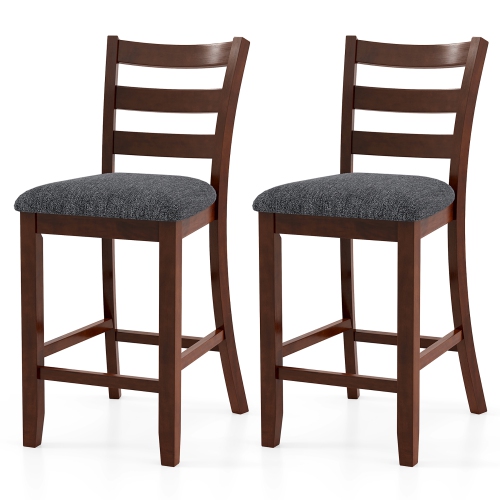
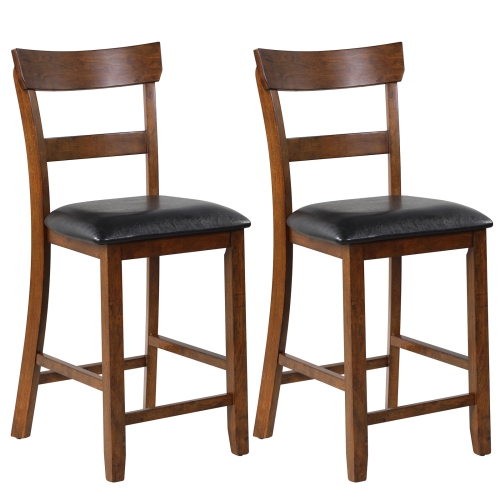
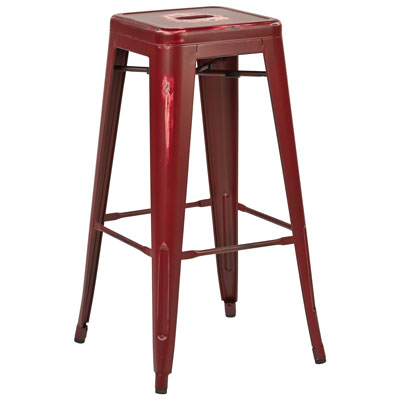
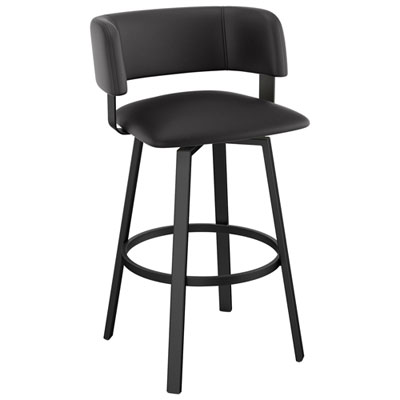
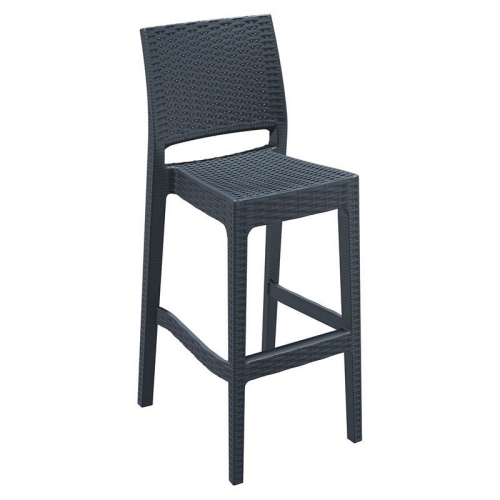
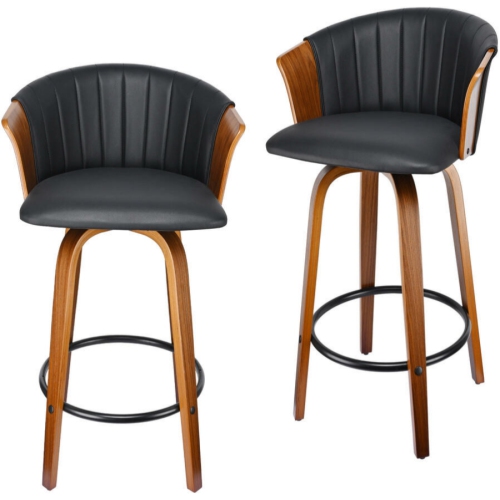
Plan comfortable seating for busy dining spaces
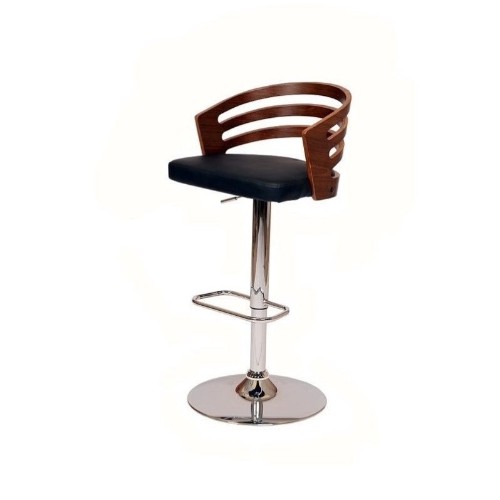
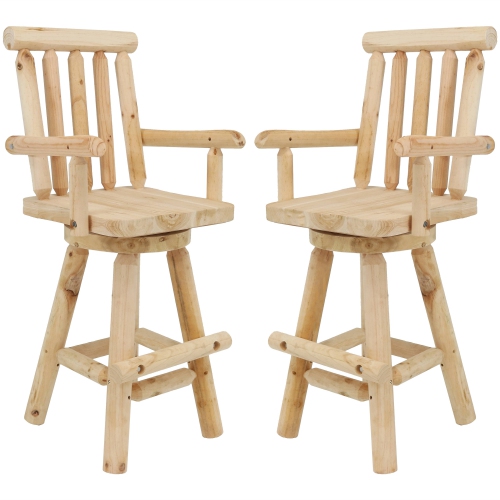
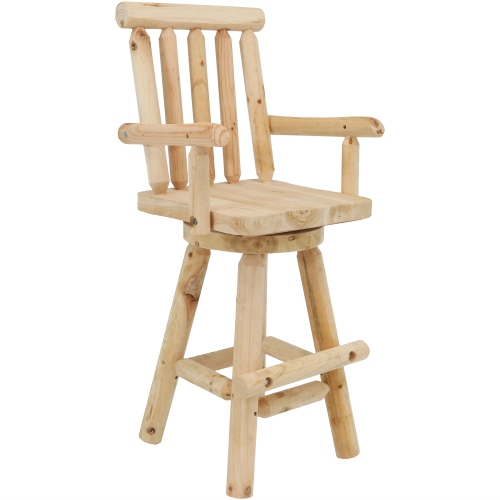
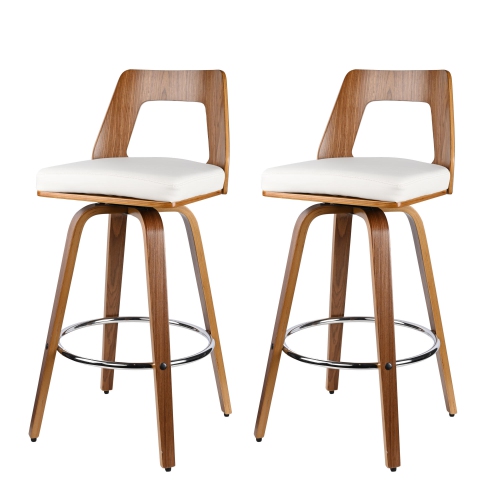
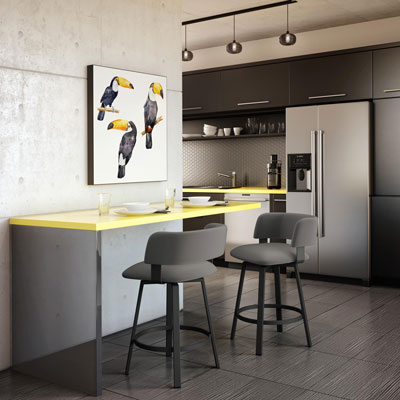
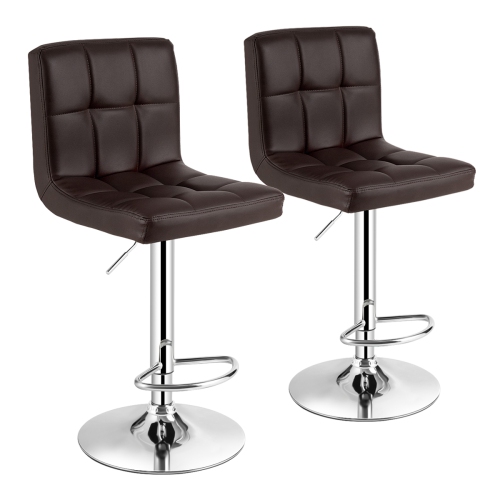
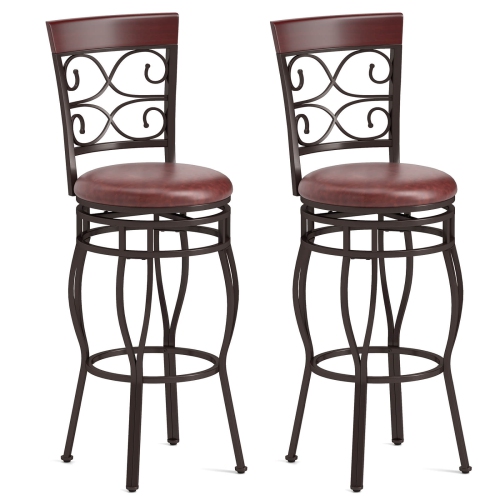
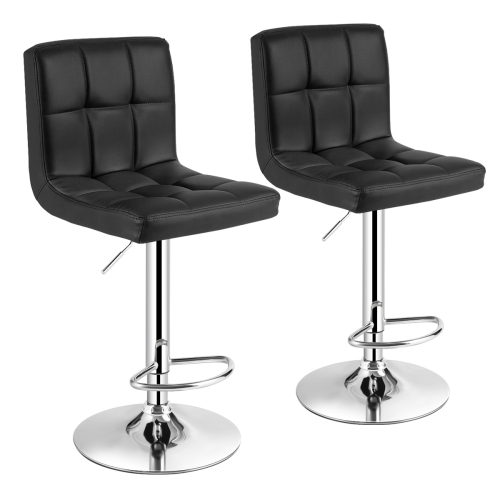
Restaurant barstools help define the look, comfort, and flow of a dining space, whether they are being used in a busy café, a neighbourhood pub, a hotel lounge, a commercial kitchen, or a home entertaining area. They give guests a comfortable place to enjoy a meal, coffee, drink, or conversation while making efficient use of counter and bar seating. Before choosing a set, measure the height from the floor to the underside of the counter or bar rather than relying on the surface height alone. Counter-height surfaces are generally 34 to 36 inches high and pair well with stools that have a seat height of approximately 24 to 27 inches. Bar-height surfaces are commonly 40 to 42 inches high and typically require seats around 28 to 30 inches high. The goal is to leave about 10 to 12 inches of clearance between the top of the seat and the underside of the counter, giving guests enough room to sit naturally without their knees pressing against the surface. A stool that is too short can make dining uncomfortable and leave guests reaching upwards, while one that is too tall may create a cramped posture and make it difficult to slide in and out. For a broader selection of seating suited to dining areas, counters, and hospitality settings, browse Restaurant Stools. Taking a few measurements before ordering can also help confirm that the stools will fit beneath the counter when not in use, which is especially useful in compact cafés, apartment kitchens, and restaurants where every aisle needs to remain clear.
The layout of the room matters just as much as the individual stool. Leave approximately 6 to 8 inches between neighbouring seats so guests can eat, gesture, and settle in without bumping elbows. If the seating has armrests, allow closer to 8 to 10 inches between stools, since arms extend beyond the seat and require extra room. Also account for the width of the seat, the movement of staff, and the space needed for guests to pull the stools out. In a restaurant, a narrow aisle can quickly become difficult to navigate during a busy service, particularly when servers are carrying trays or clearing dishes. Swivel stools can make it easier for guests to turn towards companions or exit without dragging the frame across the floor, while stationary stools may be preferable when a simple, orderly arrangement is the priority. Backless styles can tuck neatly beneath a counter and create a clean, open appearance, but stools with backs generally provide more support for longer meals and extended visits. Footrests are another practical detail, offering a stable place to rest the feet and helping guests maintain a comfortable sitting position. For a commercial venue, consider how the stool will feel after several hours of regular use, not merely how it looks when first placed at the counter. A supportive seat, well-positioned backrest, and sturdy footrest can make a meaningful difference for diners enjoying a leisurely brunch, patrons meeting for an evening drink, or staff taking a short break during a demanding shift.
Material and construction should reflect the character of the room as well as the demands of daily traffic. Metal restaurant barstools are a practical choice for high-volume spaces because their frames can provide dependable support and are often easy to wipe clean after spills. They can complement contemporary cafés, industrial-style dining rooms, pubs, and hospitality areas with their crisp lines and structured appearance. Wood barstools bring warmth and visual texture to traditional restaurants, bistros, breakfast counters, and lounges, and can help soften a space filled with hard surfaces such as tile, stone, or stainless steel. Upholstered seats add comfort and can introduce colour or pattern, although the covering should be suitable for the amount of cleaning and use expected in the venue. Smooth, easy-care surfaces are helpful near food and beverages, where crumbs, sauces, and condensation are part of everyday service. Look for balanced frames, reinforced joints, stable bases, and finishes that suit the rest of the dining furniture. A dependable stool should sit firmly without rocking, support guests as they climb on and off, and remain comfortable throughout a full meal. Restaurant barstools may be purchased for a new dining establishment, a renovated waiting area, a café counter, a home bar, or a kitchen island used for casual breakfasts and homework. They can also be a thoughtful choice for someone furnishing a first home, creating an entertaining space, or upgrading seating before hosting during the cooler months. By matching the seat height, clearance, spacing, material, and support features to the way the room will be used, it is easier to create a welcoming seating area that looks polished and performs reliably through everyday service.
The layout of the room matters just as much as the individual stool. Leave approximately 6 to 8 inches between neighbouring seats so guests can eat, gesture, and settle in without bumping elbows. If the seating has armrests, allow closer to 8 to 10 inches between stools, since arms extend beyond the seat and require extra room. Also account for the width of the seat, the movement of staff, and the space needed for guests to pull the stools out. In a restaurant, a narrow aisle can quickly become difficult to navigate during a busy service, particularly when servers are carrying trays or clearing dishes. Swivel stools can make it easier for guests to turn towards companions or exit without dragging the frame across the floor, while stationary stools may be preferable when a simple, orderly arrangement is the priority. Backless styles can tuck neatly beneath a counter and create a clean, open appearance, but stools with backs generally provide more support for longer meals and extended visits. Footrests are another practical detail, offering a stable place to rest the feet and helping guests maintain a comfortable sitting position. For a commercial venue, consider how the stool will feel after several hours of regular use, not merely how it looks when first placed at the counter. A supportive seat, well-positioned backrest, and sturdy footrest can make a meaningful difference for diners enjoying a leisurely brunch, patrons meeting for an evening drink, or staff taking a short break during a demanding shift.
Material and construction should reflect the character of the room as well as the demands of daily traffic. Metal restaurant barstools are a practical choice for high-volume spaces because their frames can provide dependable support and are often easy to wipe clean after spills. They can complement contemporary cafés, industrial-style dining rooms, pubs, and hospitality areas with their crisp lines and structured appearance. Wood barstools bring warmth and visual texture to traditional restaurants, bistros, breakfast counters, and lounges, and can help soften a space filled with hard surfaces such as tile, stone, or stainless steel. Upholstered seats add comfort and can introduce colour or pattern, although the covering should be suitable for the amount of cleaning and use expected in the venue. Smooth, easy-care surfaces are helpful near food and beverages, where crumbs, sauces, and condensation are part of everyday service. Look for balanced frames, reinforced joints, stable bases, and finishes that suit the rest of the dining furniture. A dependable stool should sit firmly without rocking, support guests as they climb on and off, and remain comfortable throughout a full meal. Restaurant barstools may be purchased for a new dining establishment, a renovated waiting area, a café counter, a home bar, or a kitchen island used for casual breakfasts and homework. They can also be a thoughtful choice for someone furnishing a first home, creating an entertaining space, or upgrading seating before hosting during the cooler months. By matching the seat height, clearance, spacing, material, and support features to the way the room will be used, it is easier to create a welcoming seating area that looks polished and performs reliably through everyday service.
Top selling and popular products
-
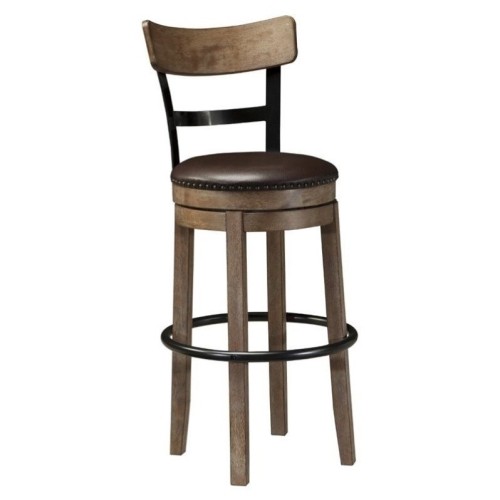 Your price for this item is $405.98
 -
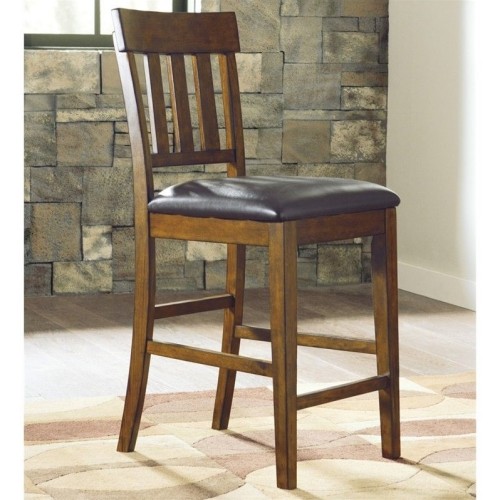 Your price for this item is $642.66
 -
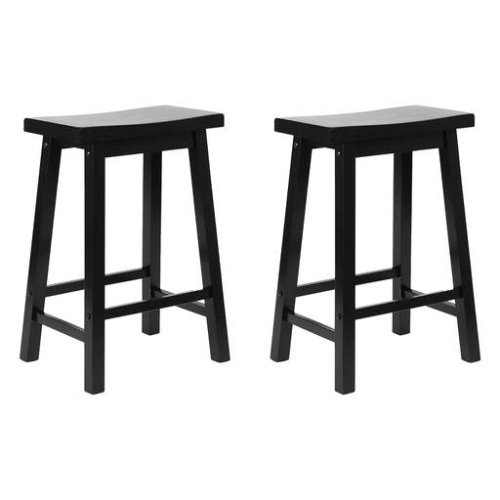 Your price for this item is $208.99
 -
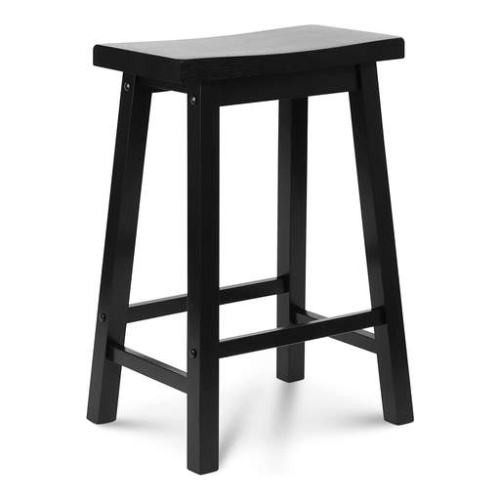 Your price for this item is $85.99
 -
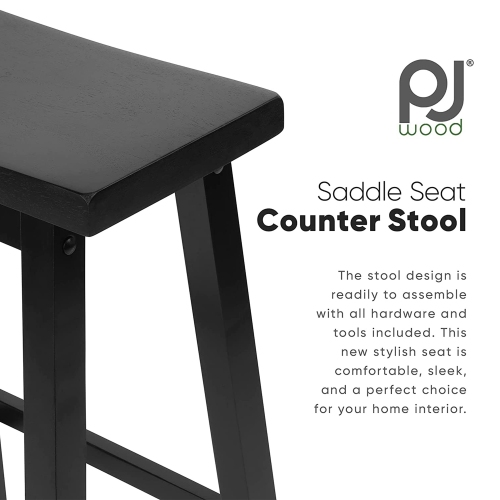 Your price for this item is $182.99
 -
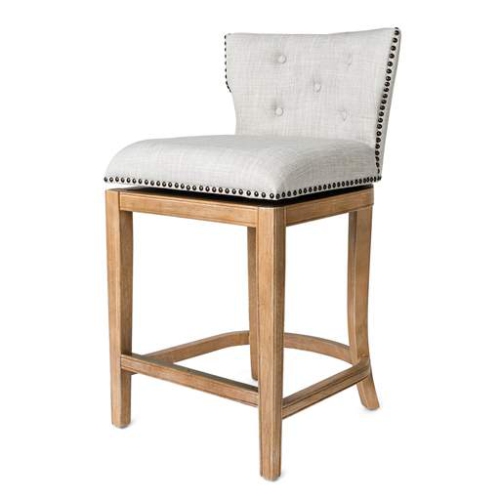 Your price for this item is $530.99
 -
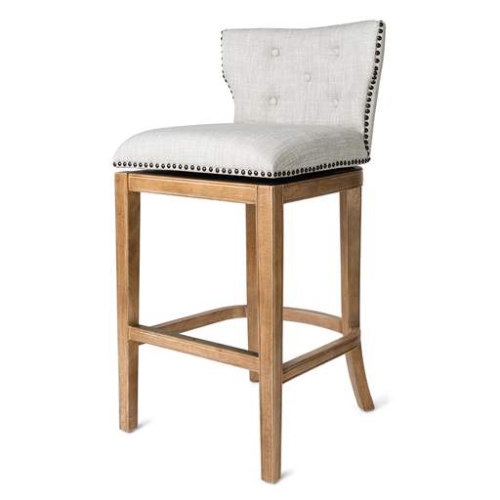 Your price for this item is $468.99
 -
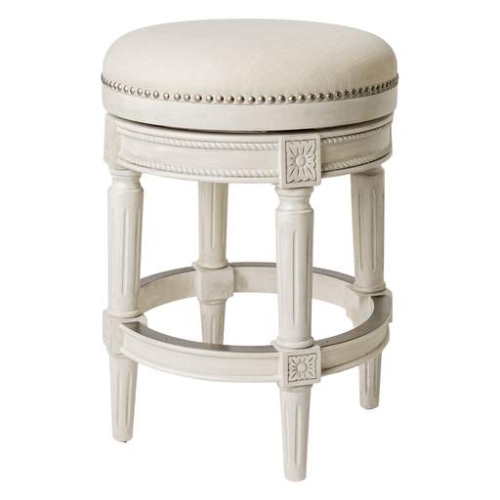 Your price for this item is $428.99
Discover more categories related to Restaurant Barstools
Top Collections:
Best Laptops for Video Editing, Pokemon Centers, Samsung Z Fold, Kindle Devices, Best Cell Phones Under $300, Best Laptops for Writers, Best Budget Office Chairs, Best Cell Phones Under $500, Best Laptop Computers for Students, iPhone 15 Apple
Some products may be subject to Environmental Handling Fees
(EHF) depending on your province.
Learn more about EHFs.