Commercial Rack Shelves
If you're looking to maximize your storage space and keep your commercial area organized, look no further than these commercial rack shelves. These versatile shelves are designed to meet the needs of businesses of all sizes, providing a sturdy and reliable solution for storing everything from equipment and supplies to inventory and merchandise. With their durable construction and customizable configurations, these commercial rack shelves are the perfect addition to any warehouse, office, or retail space.
Sort
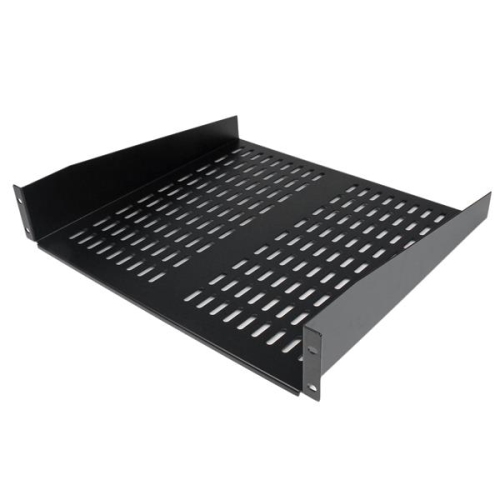
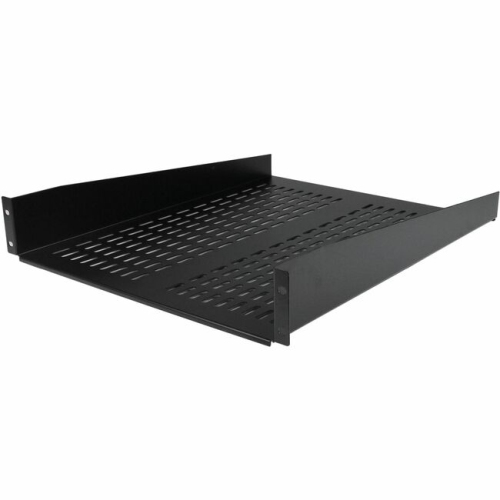
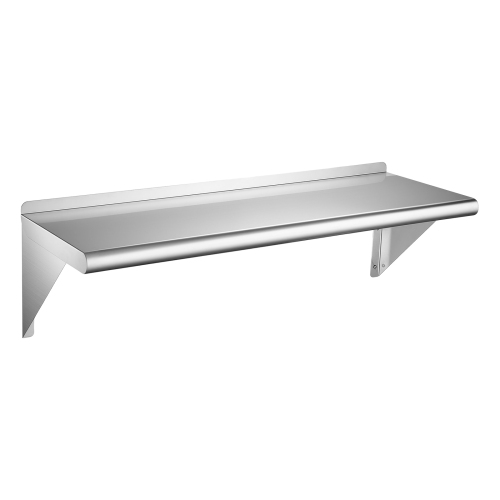
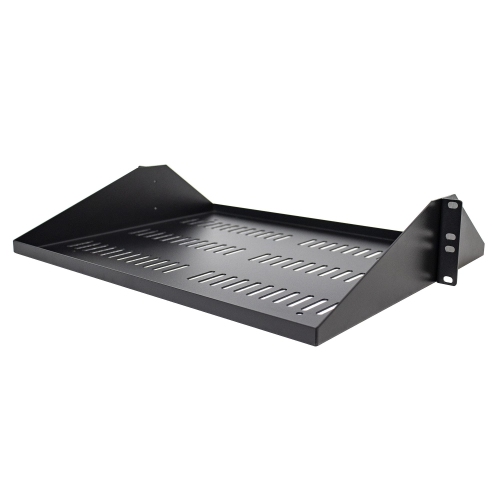
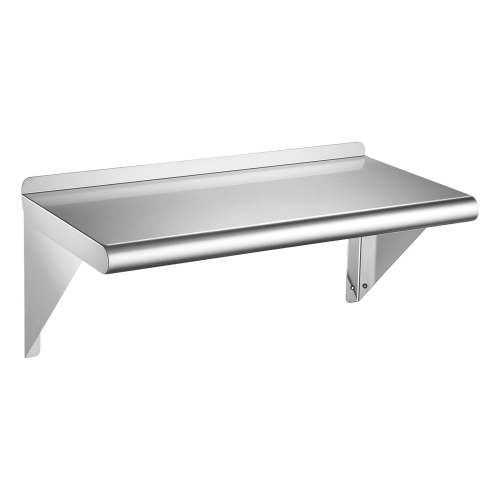
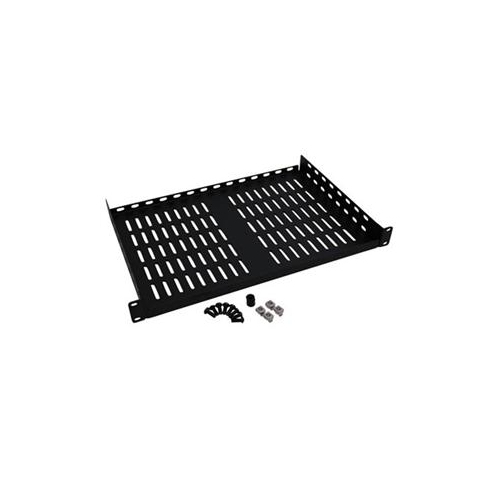

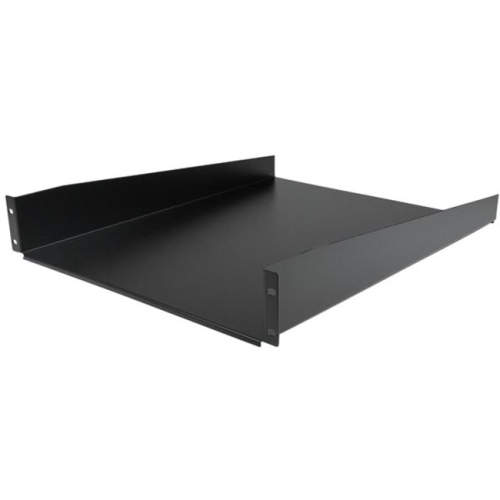
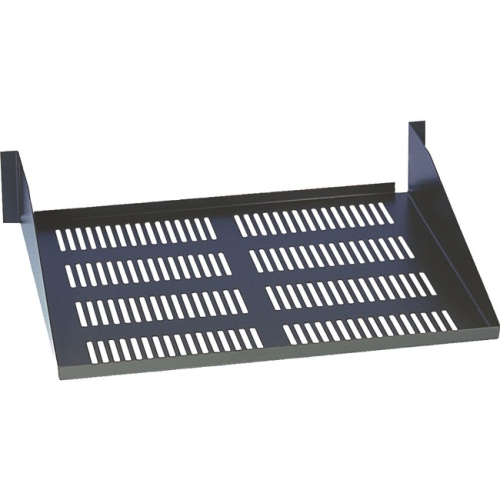
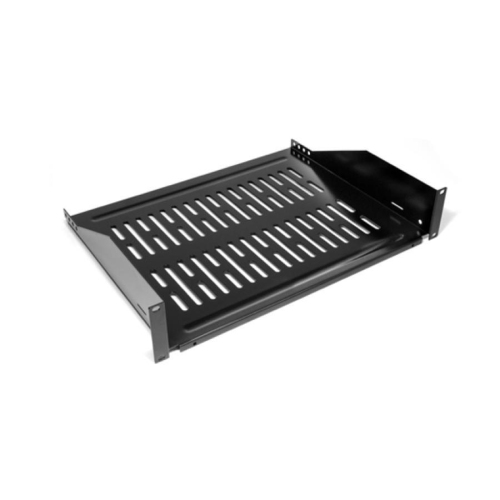
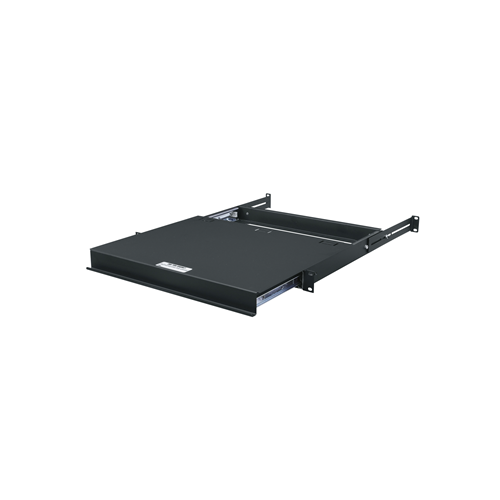

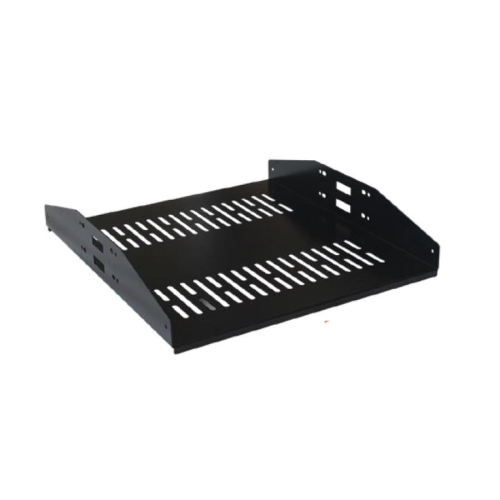
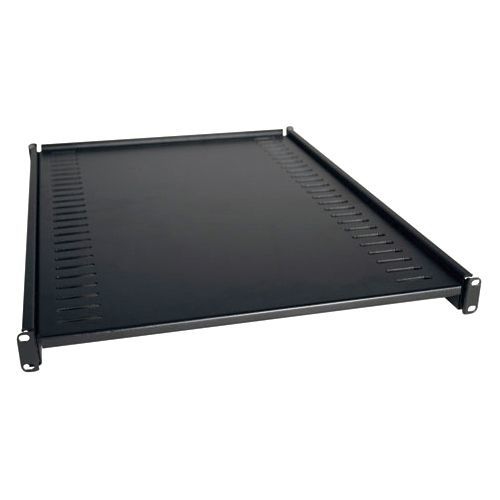

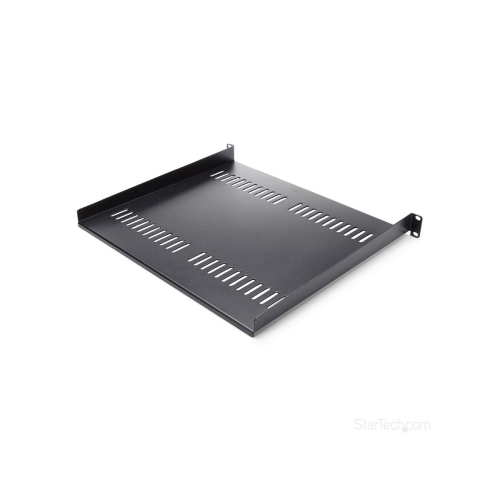
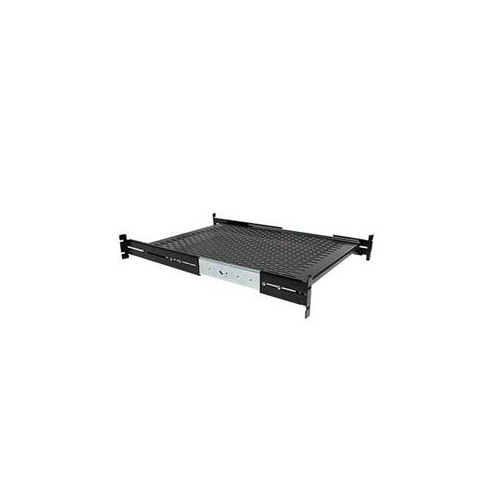
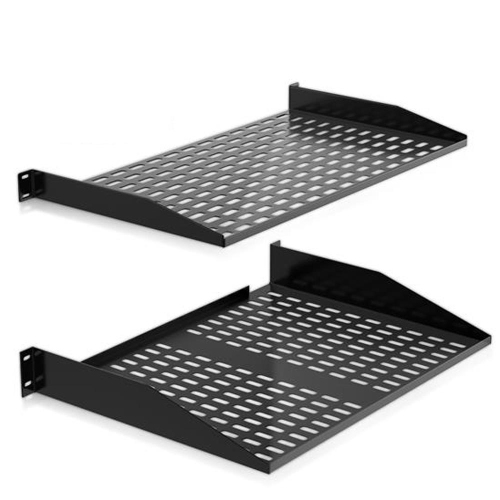
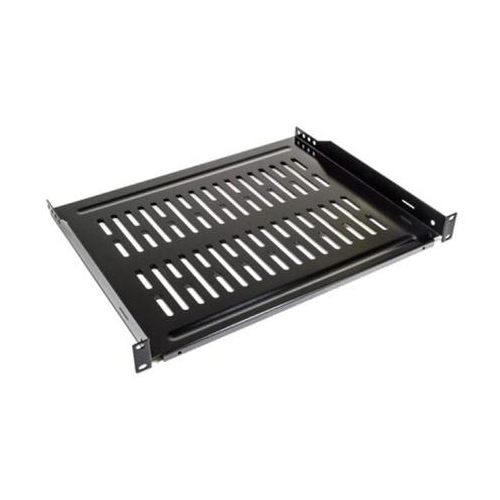
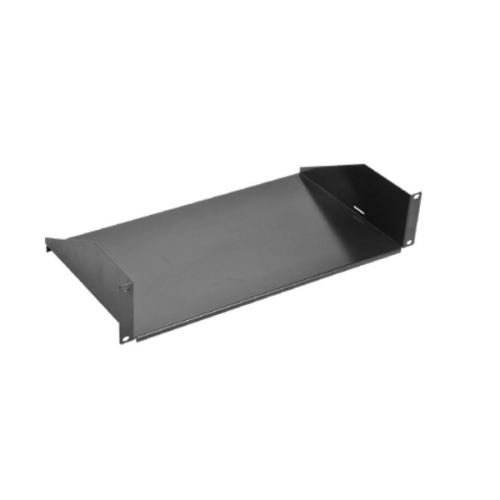
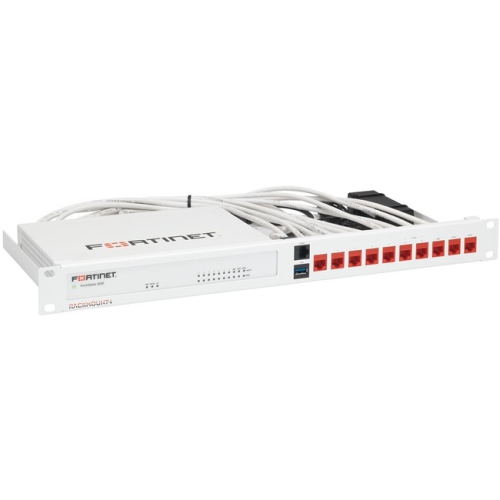
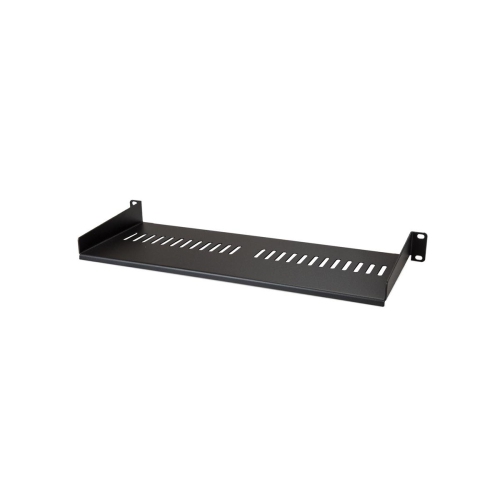

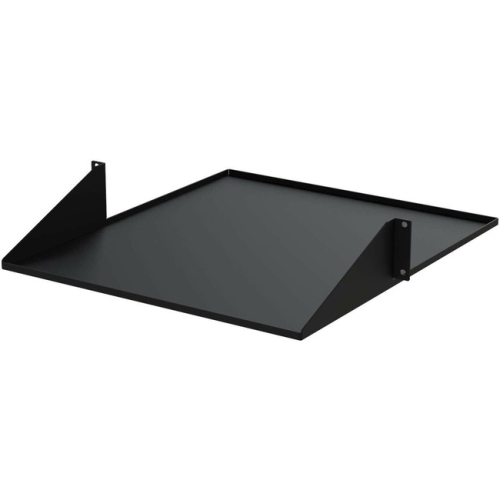

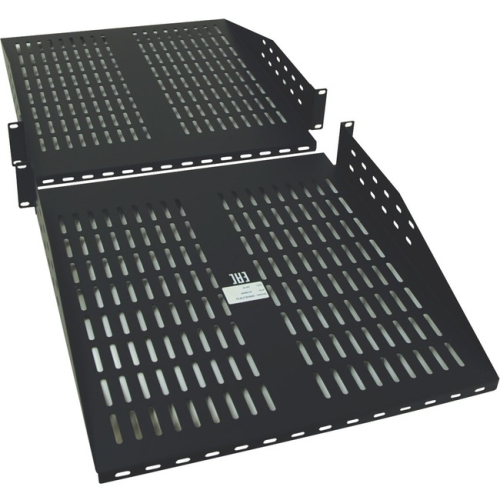
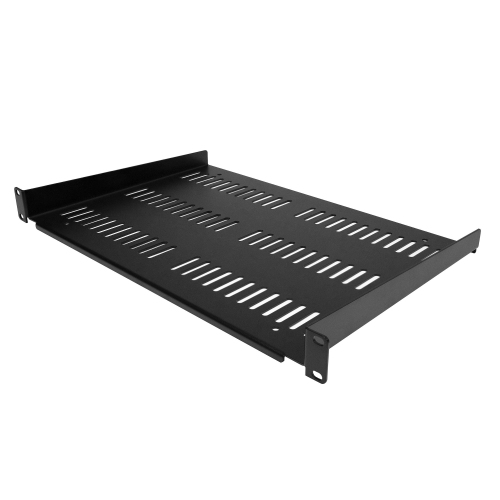
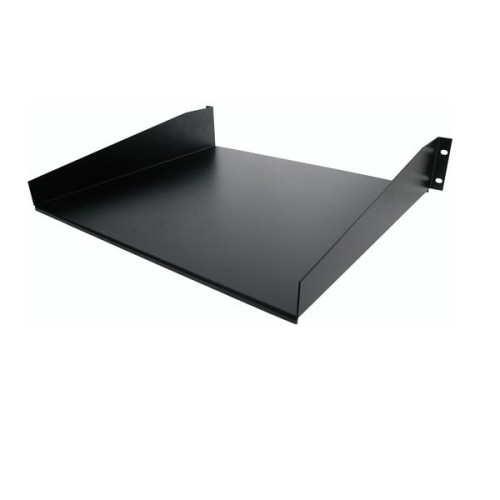
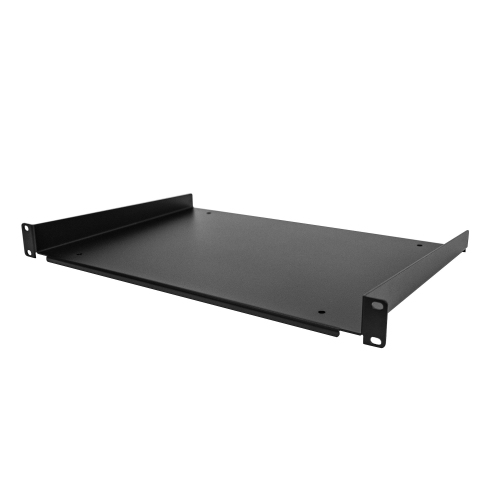
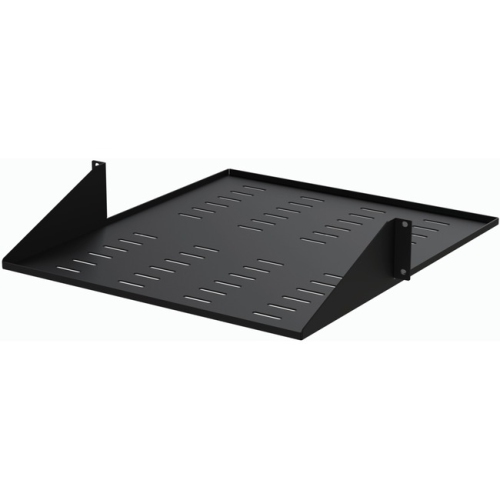
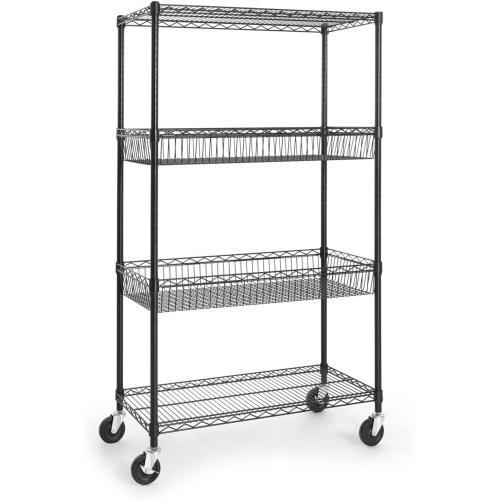
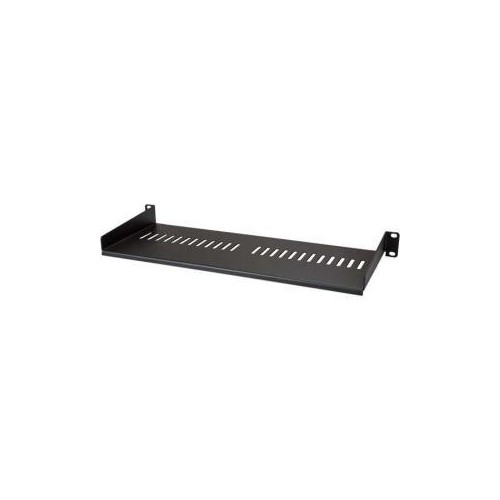

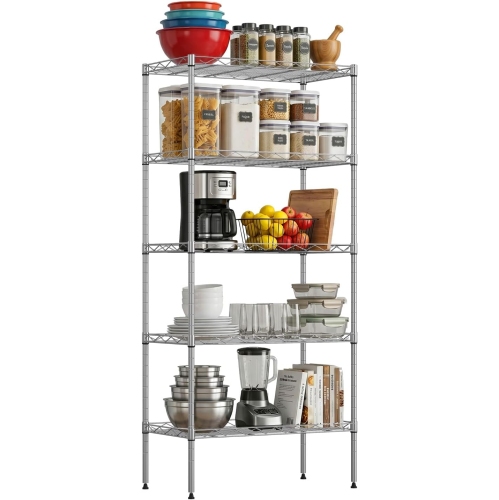
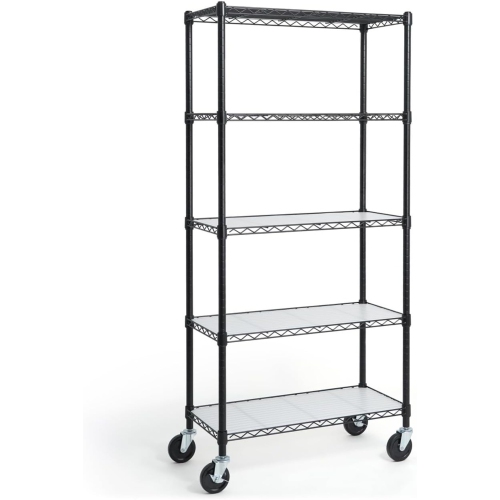
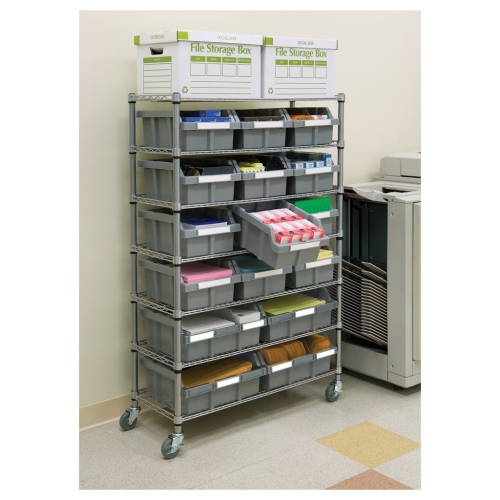
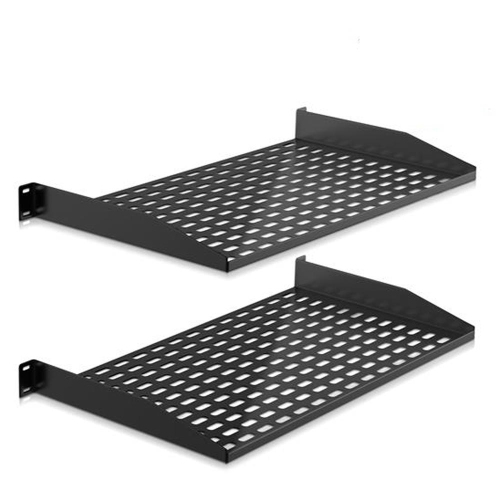



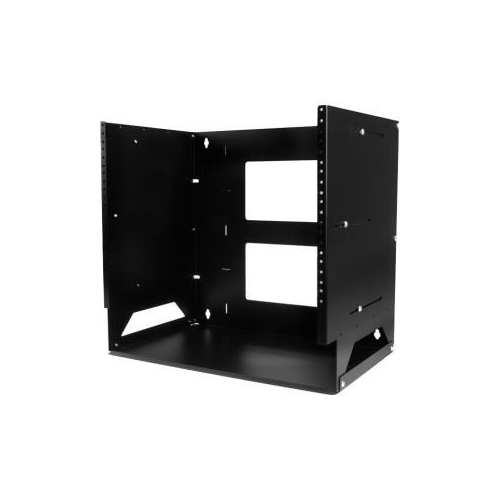
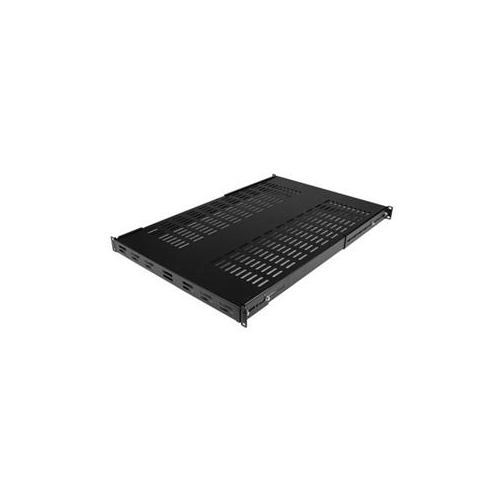
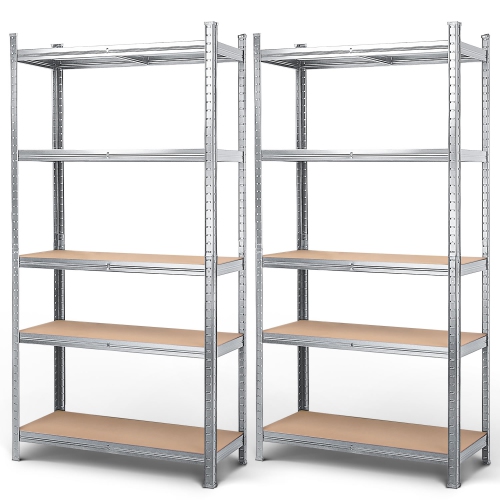
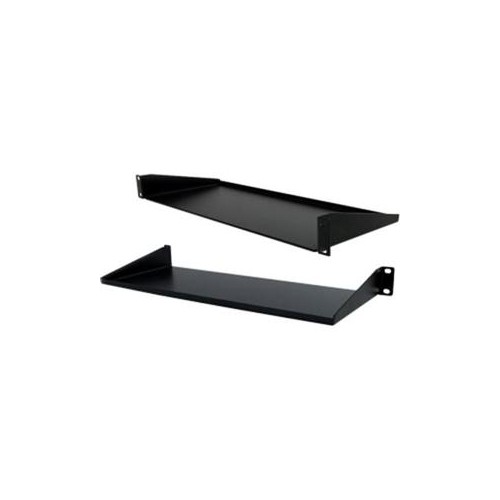

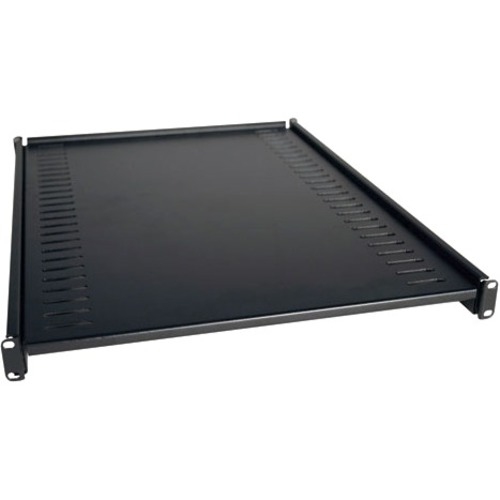
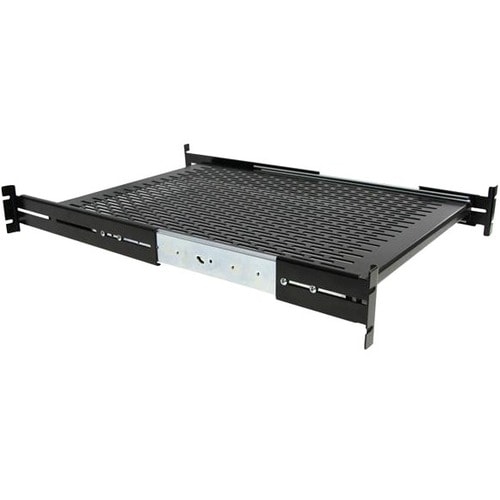
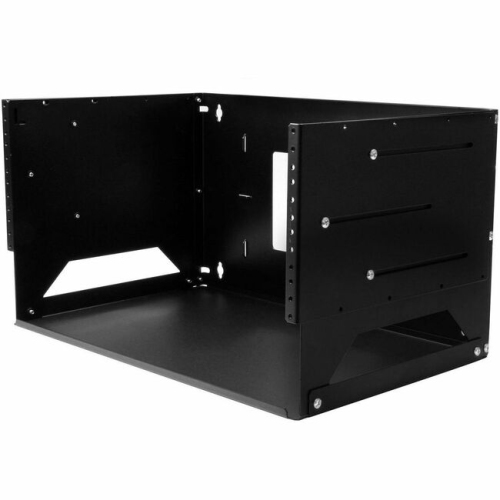

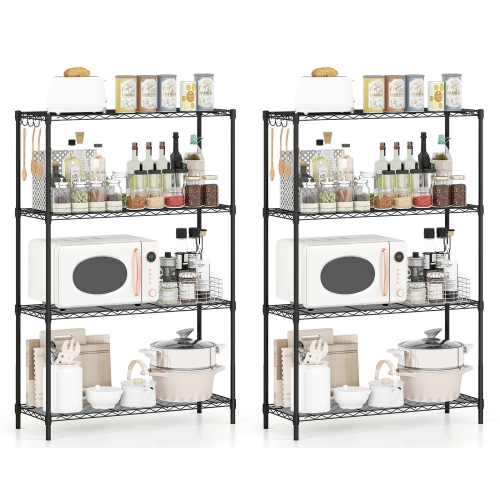






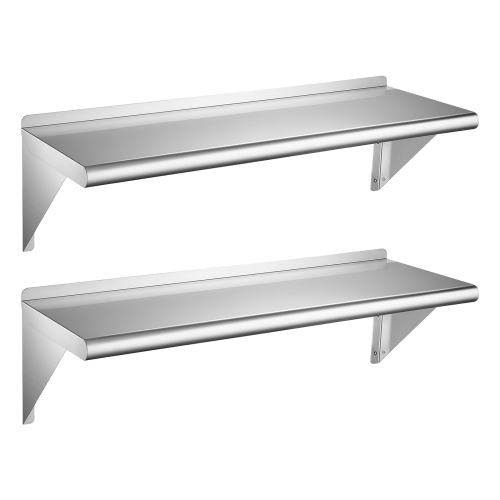
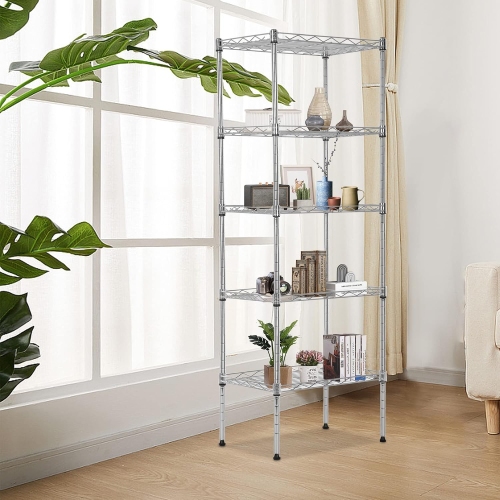
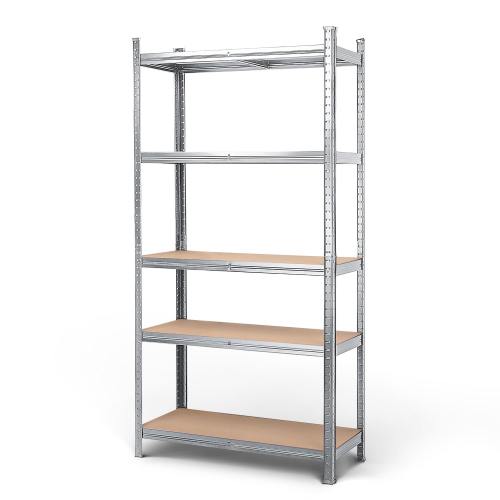
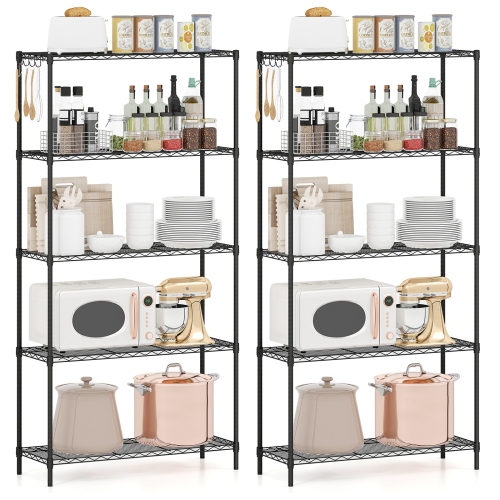







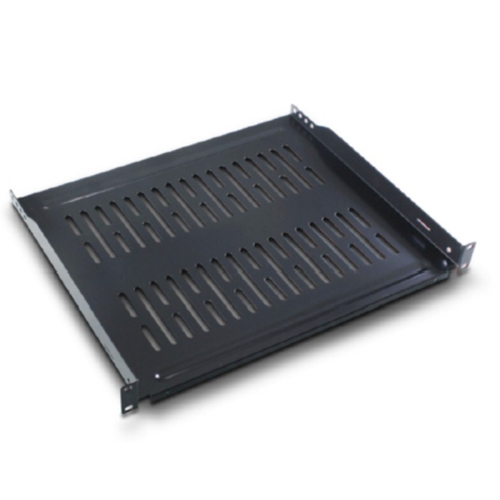


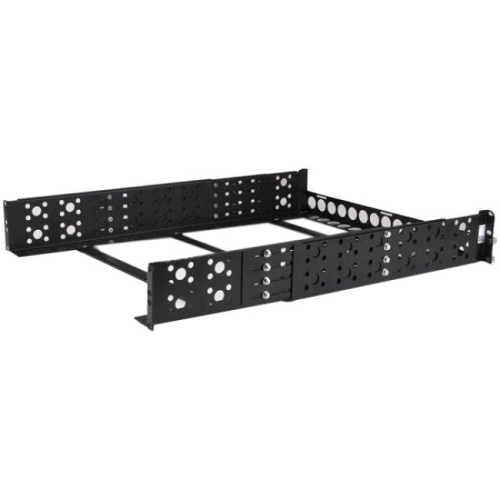


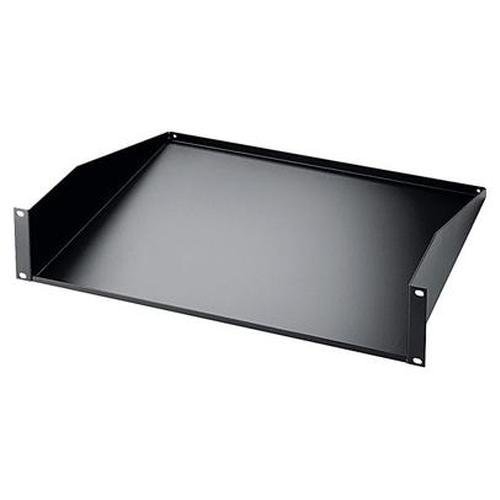
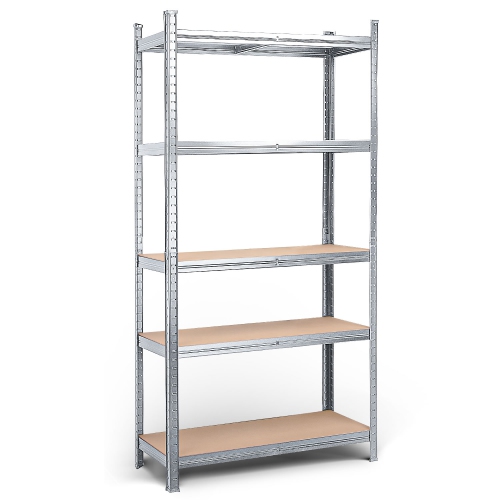
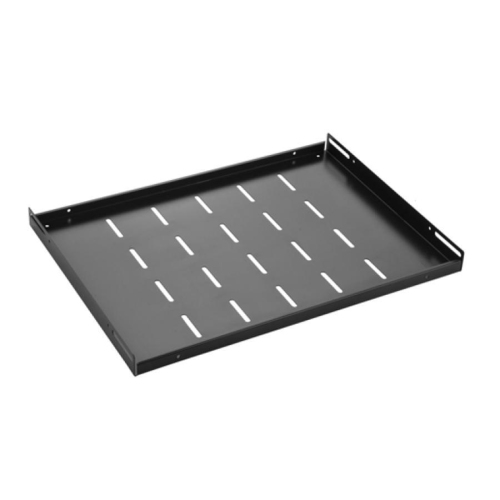
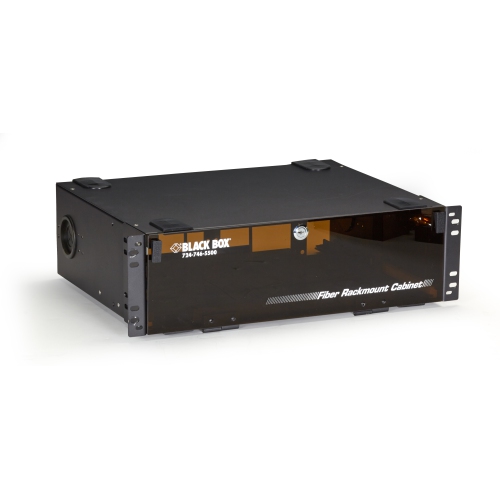




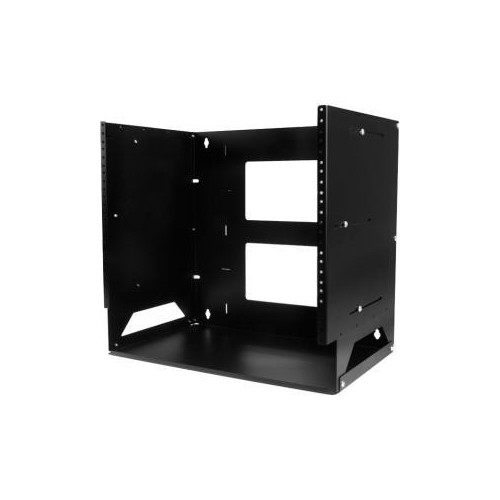

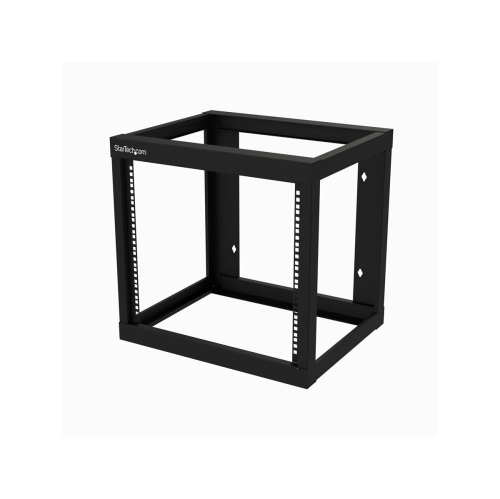
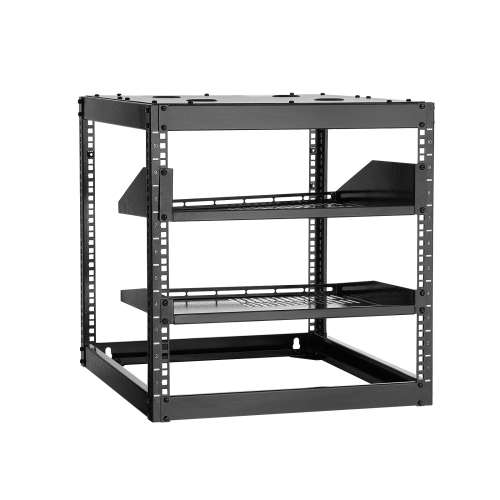
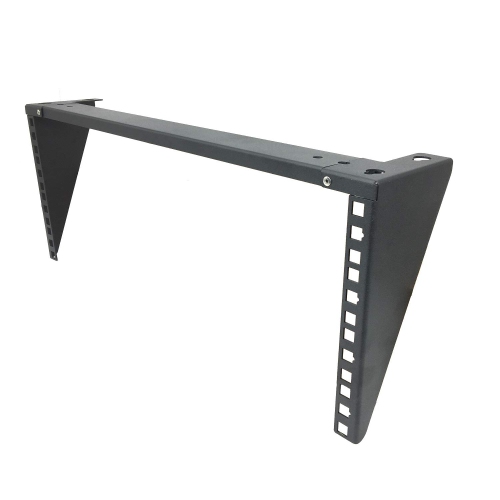
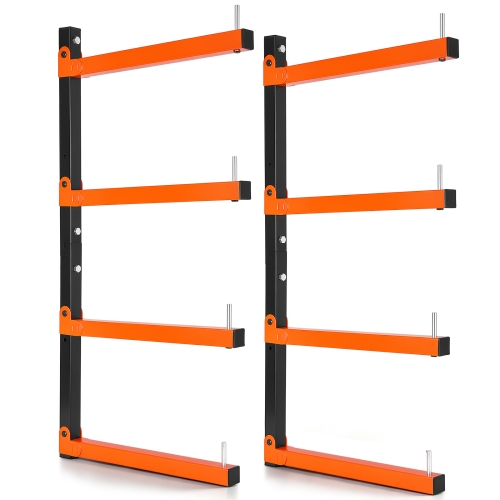
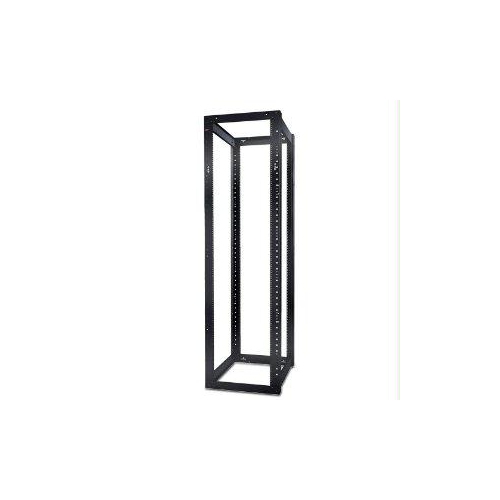
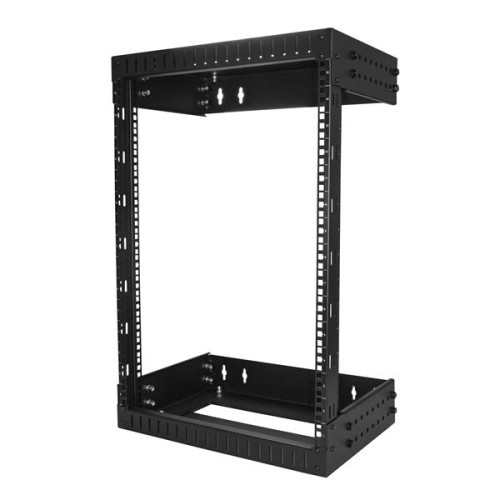
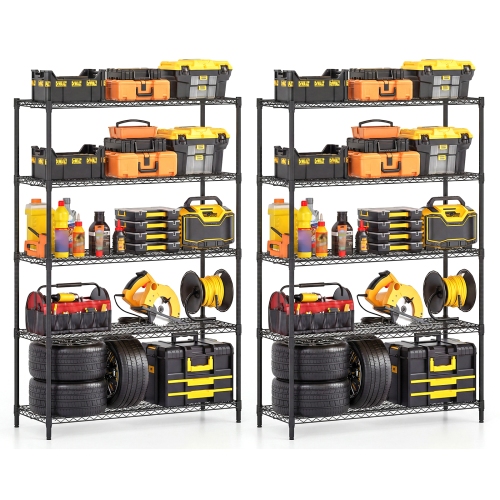

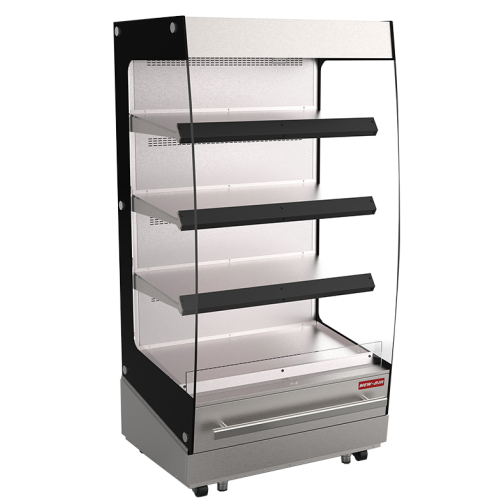

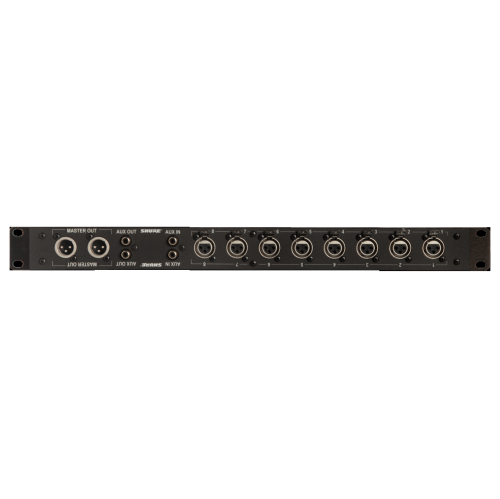
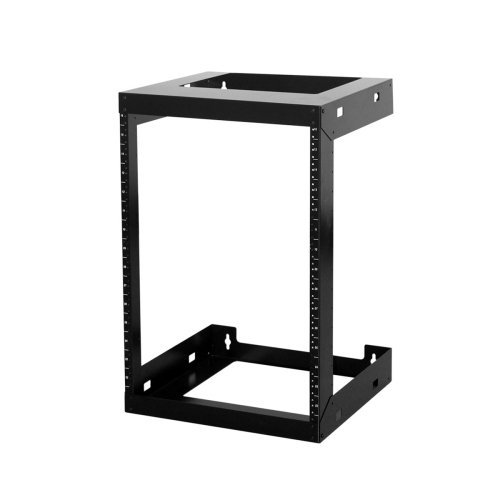
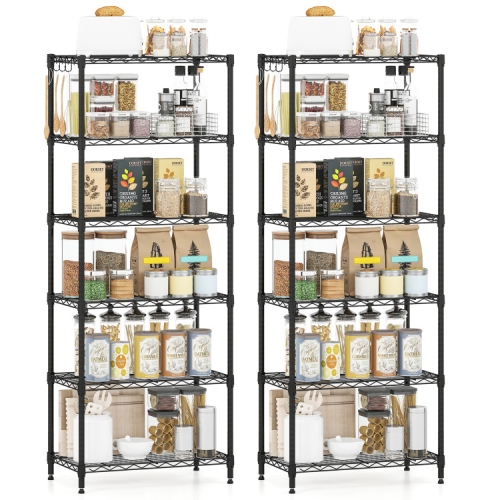

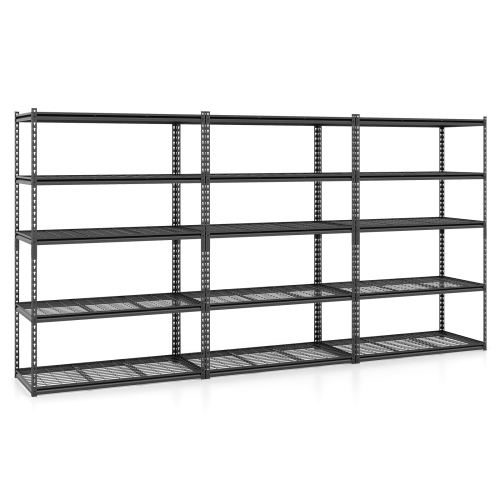
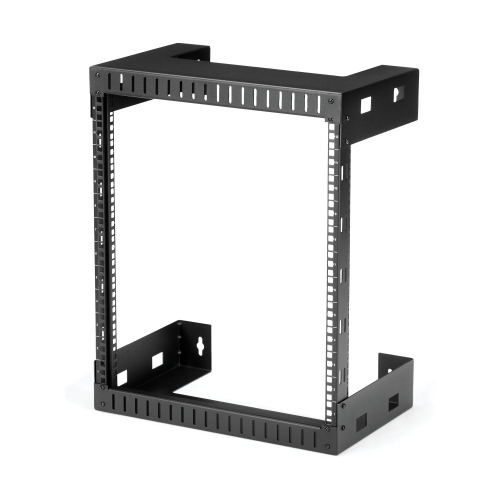
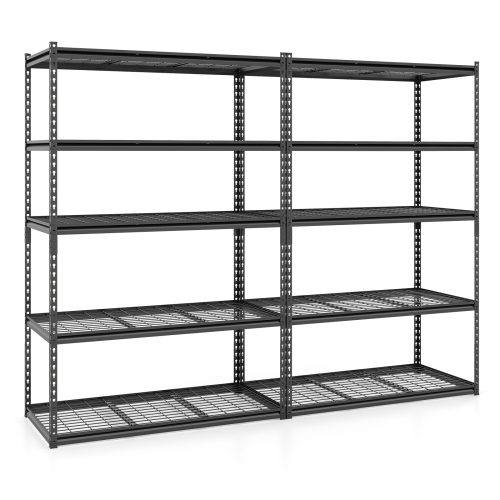
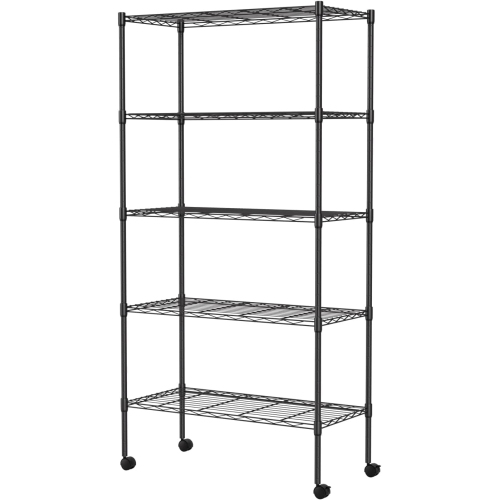

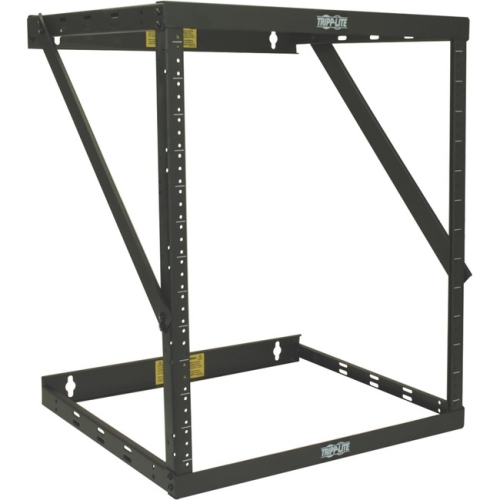
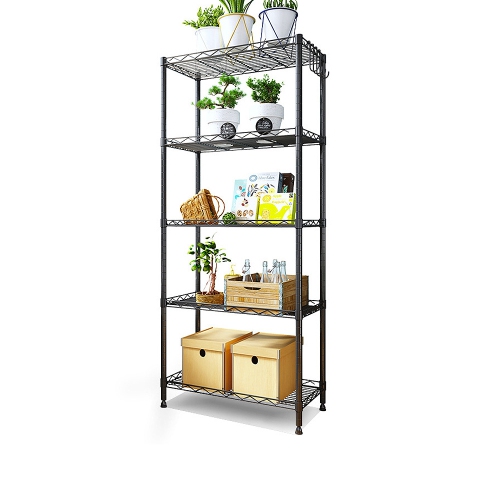
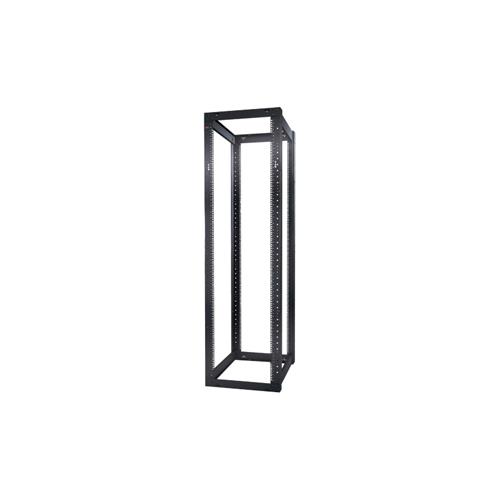
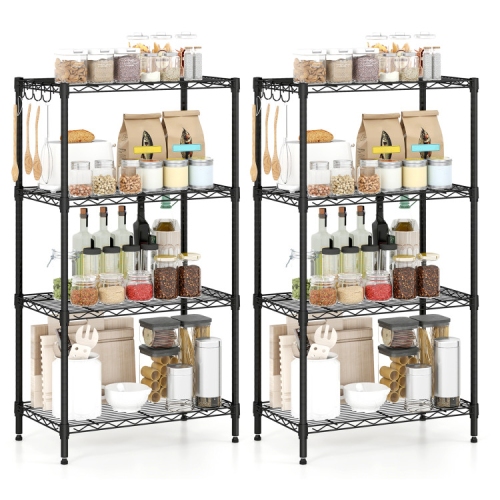
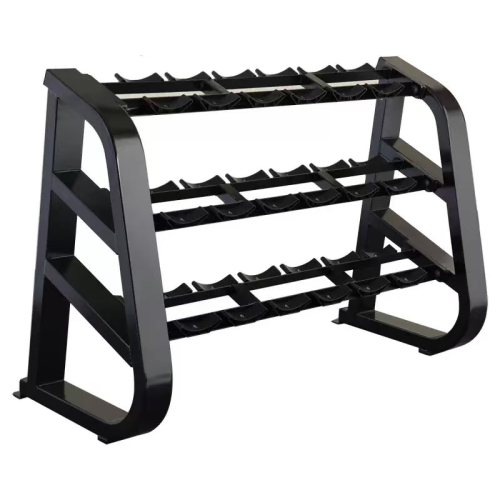

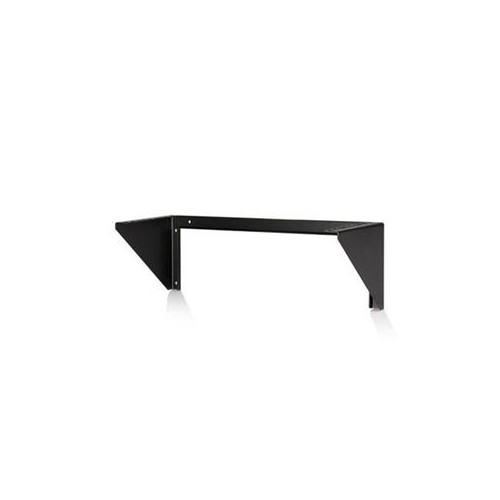
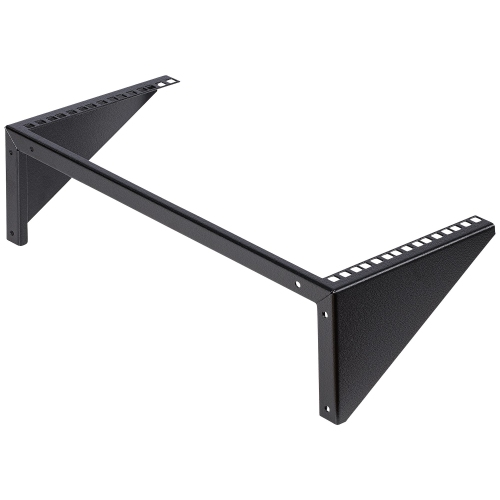

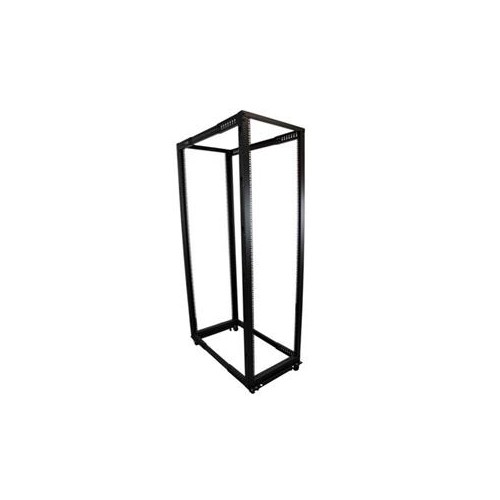
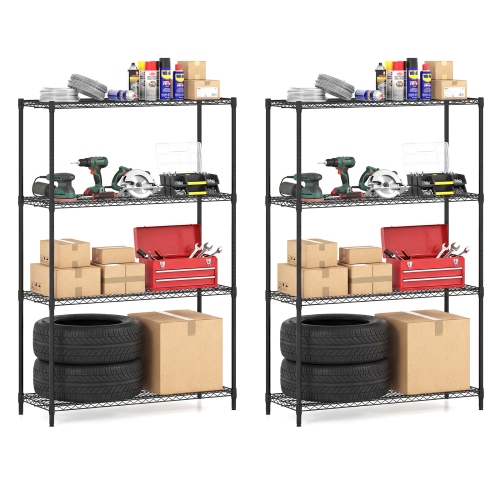

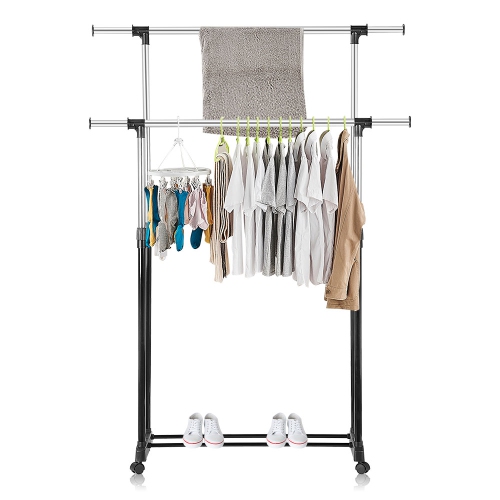
How shelf design supports heavy loads and easy access
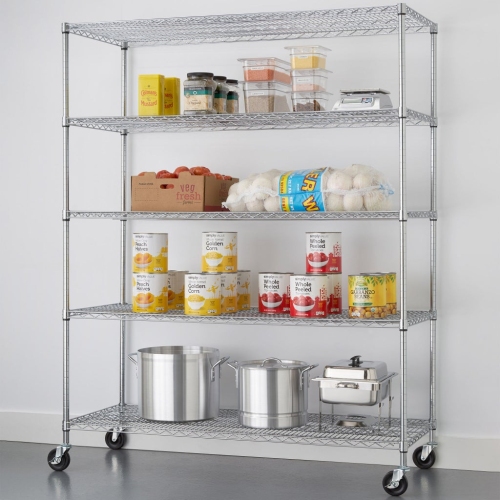
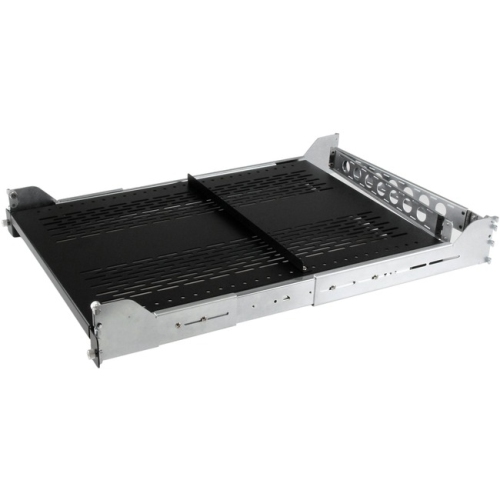
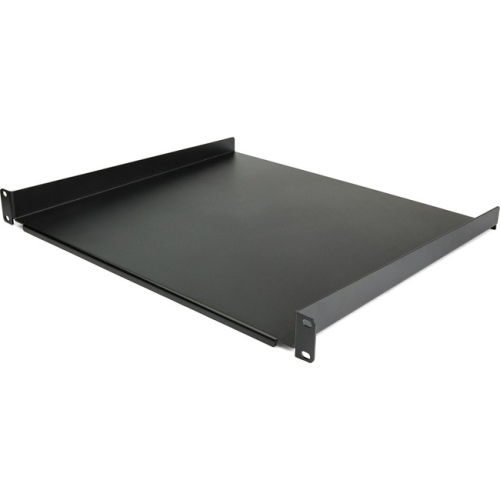
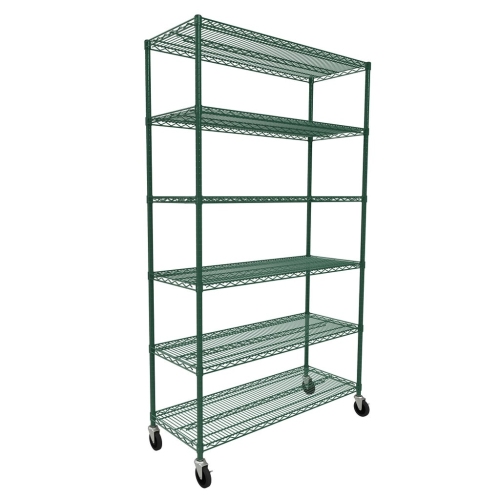
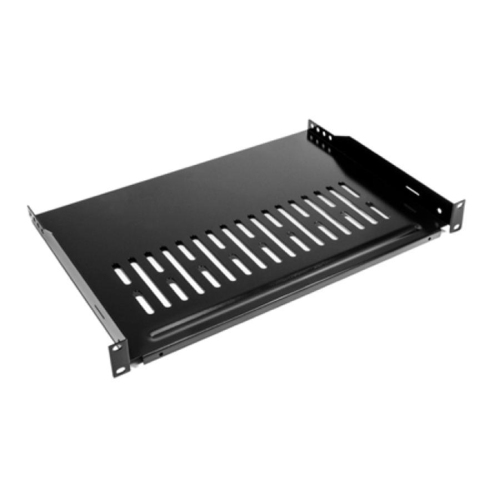
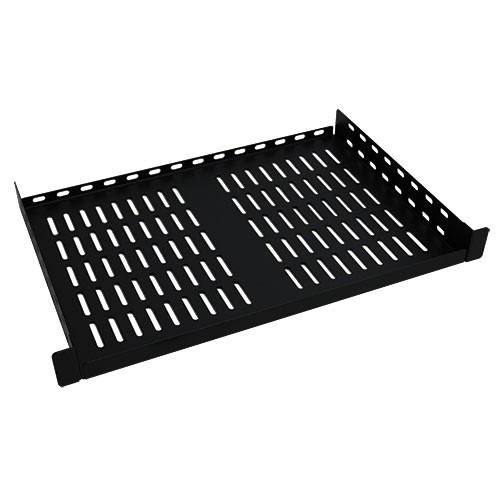
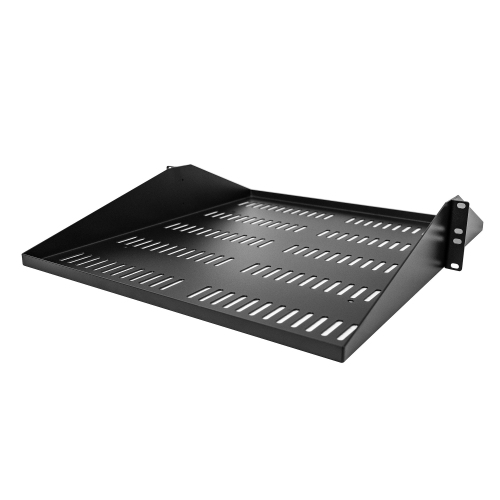
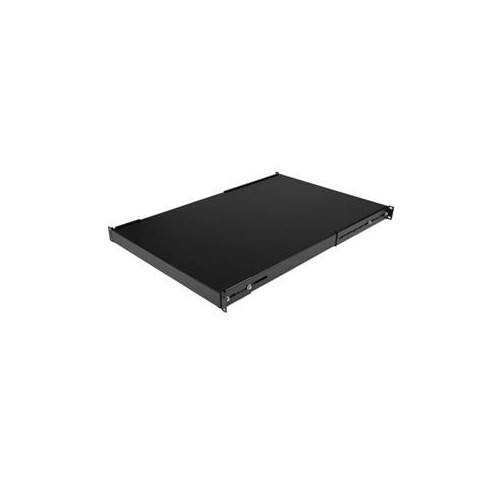
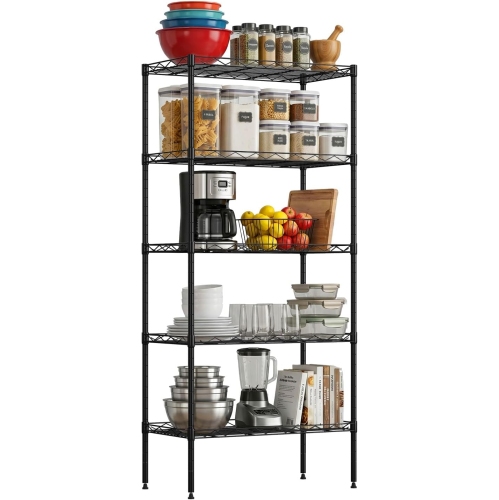
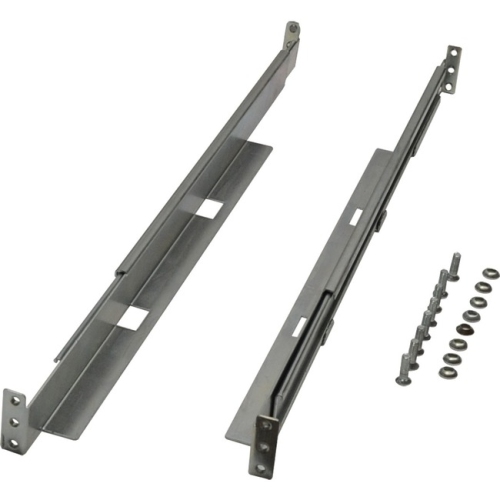
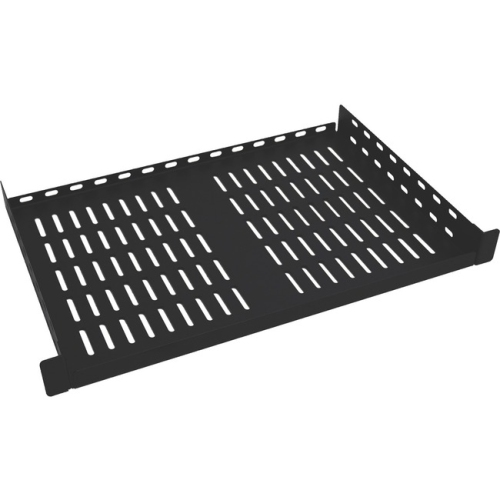
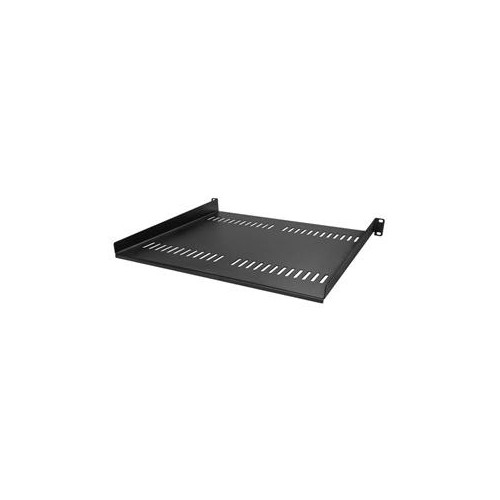
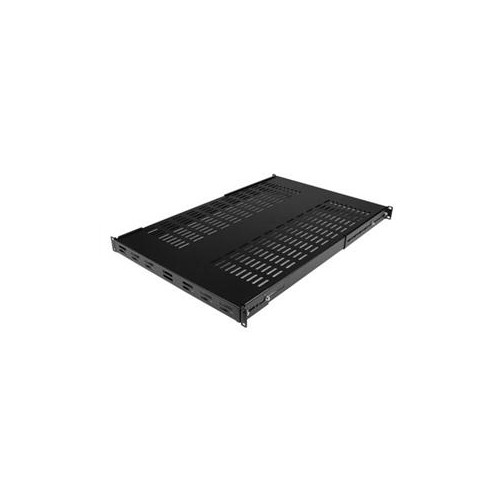
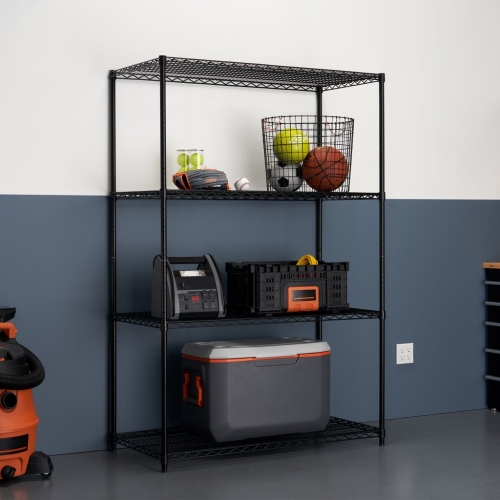
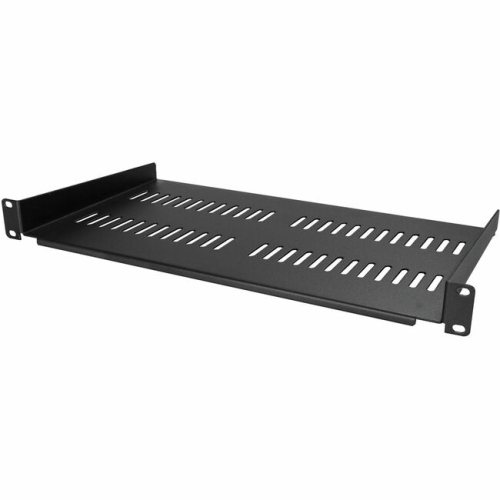
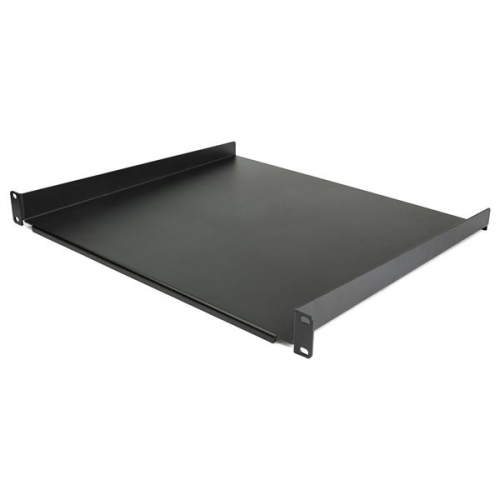
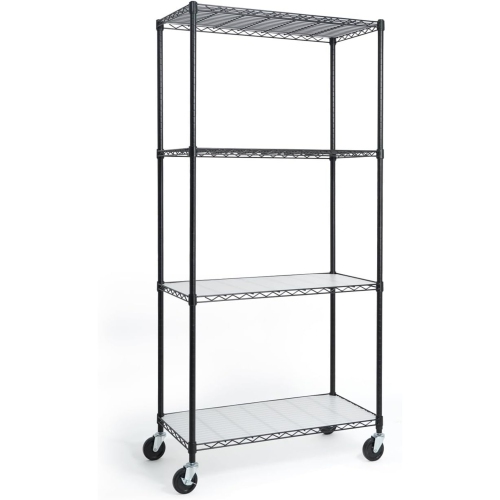
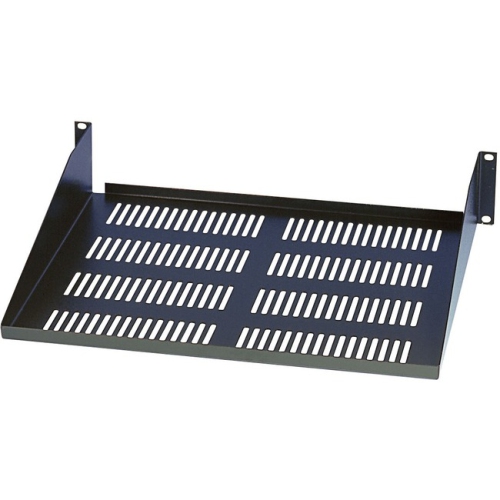
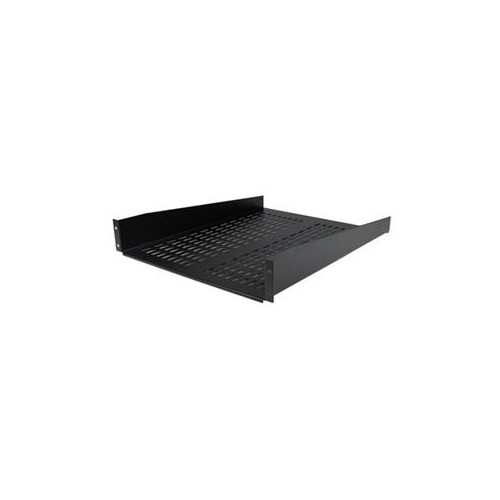
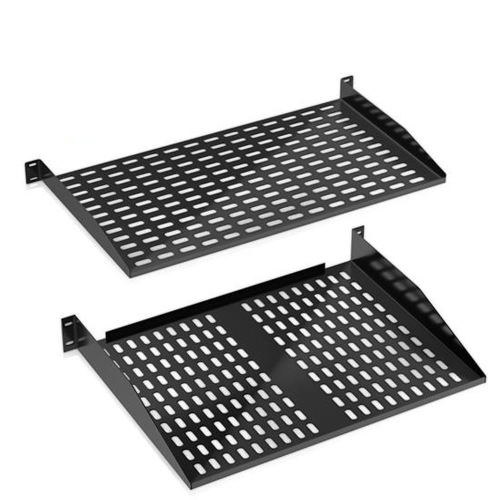
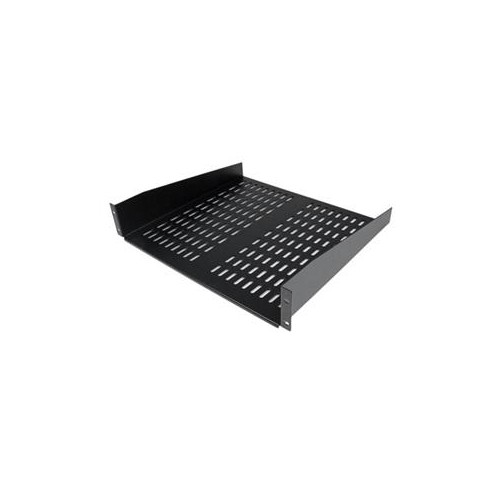
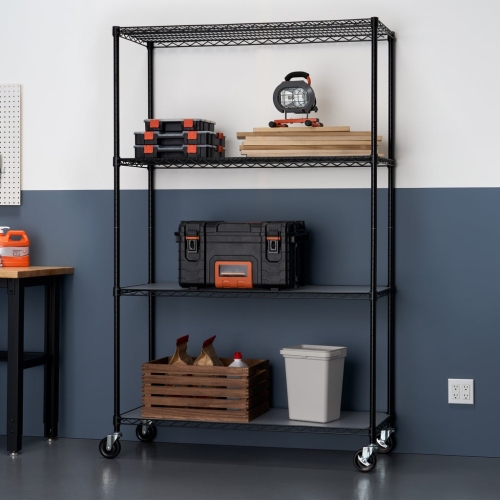
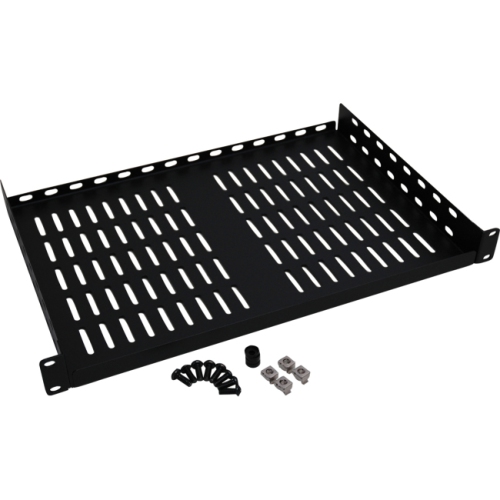
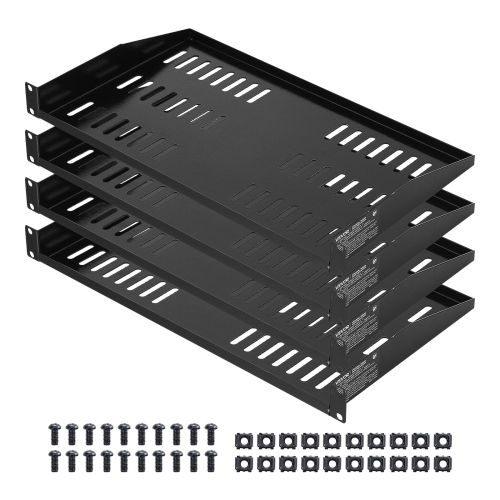
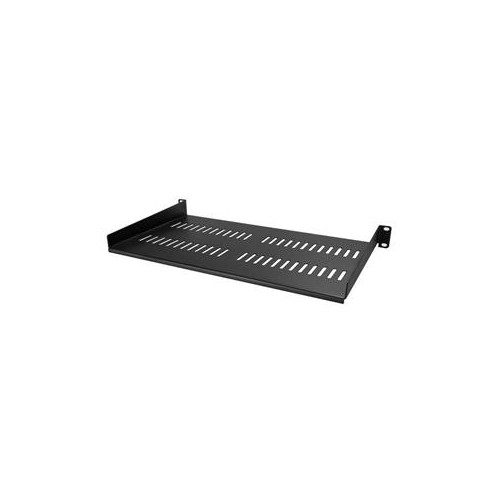
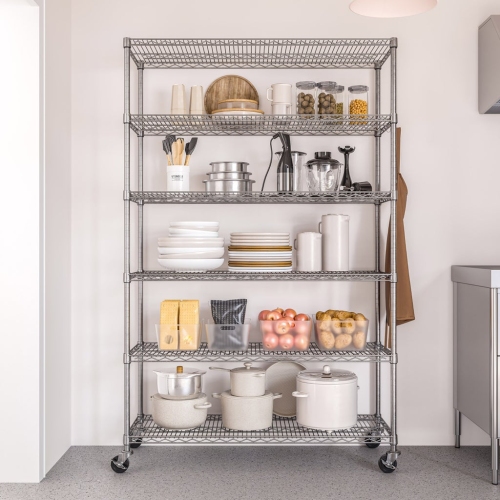
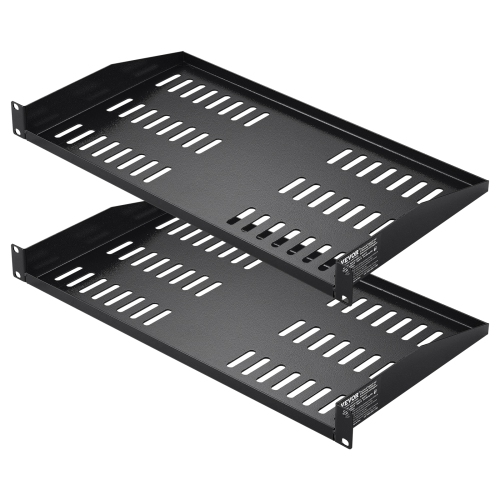
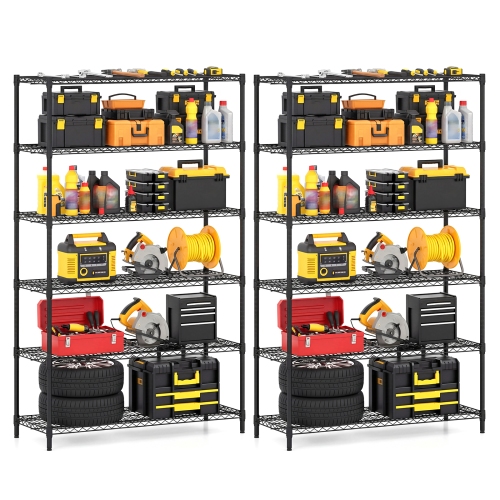
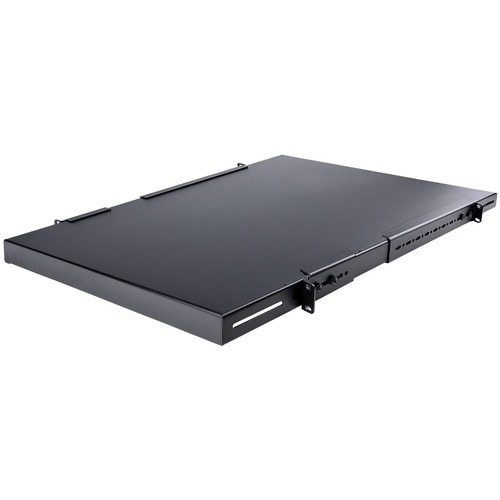
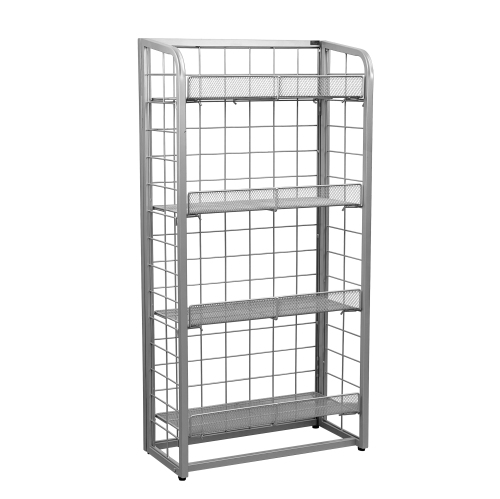
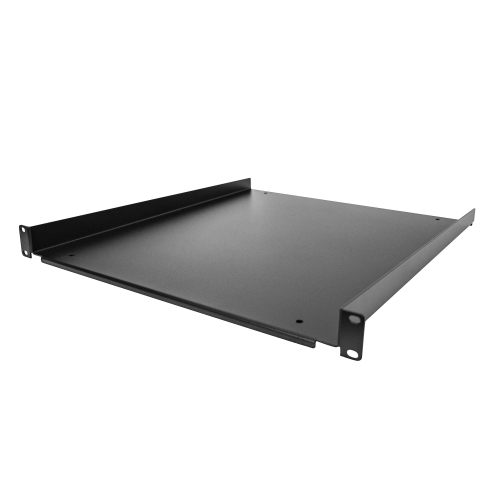
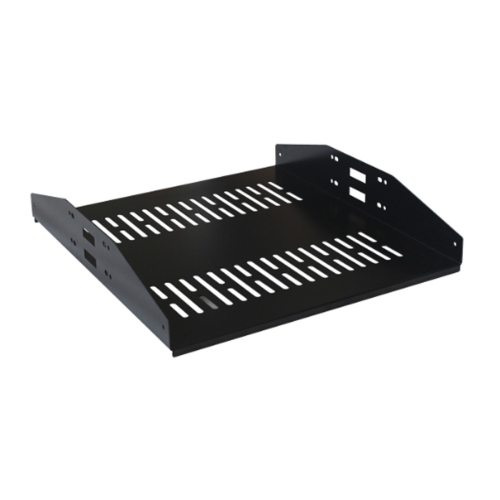
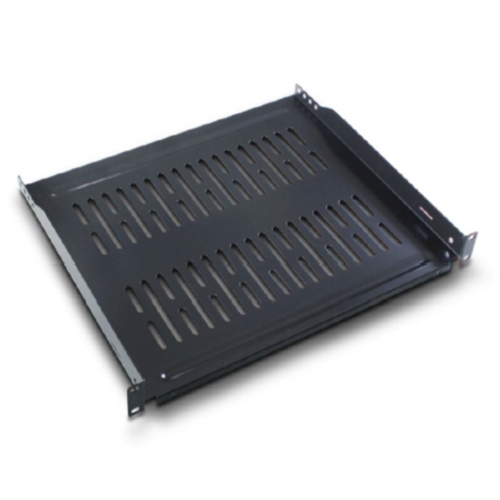
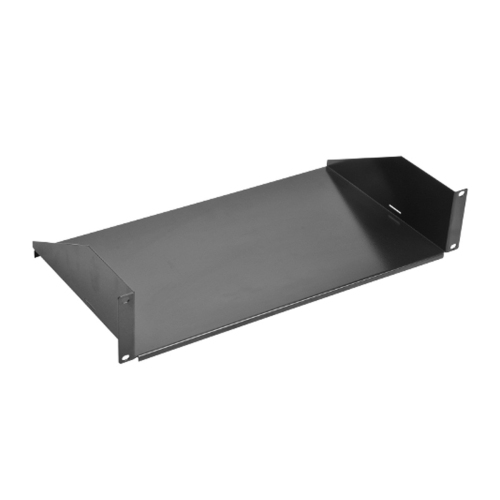
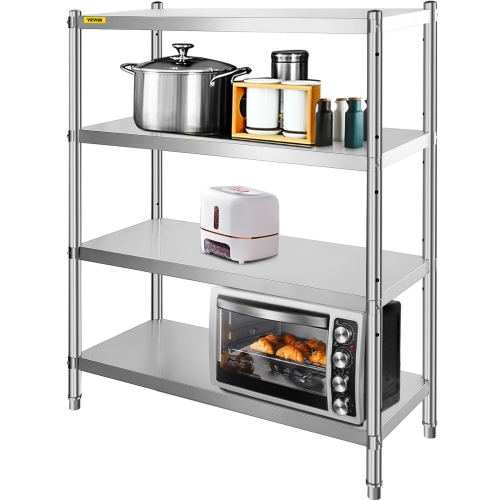
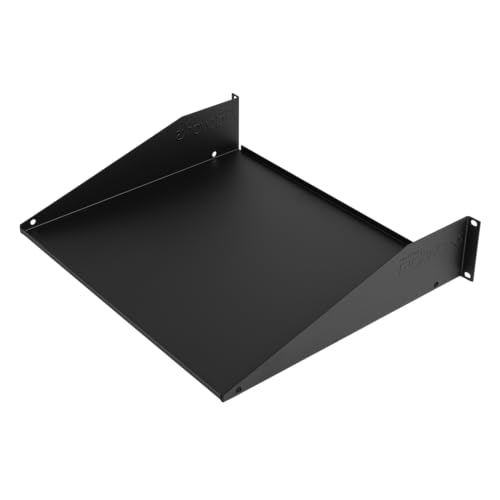
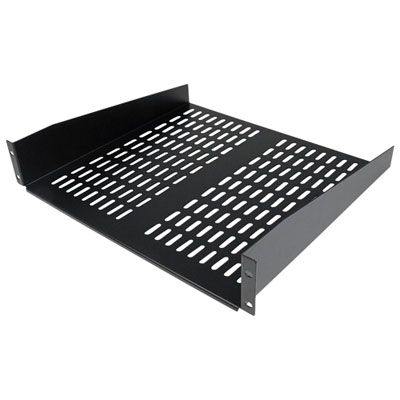
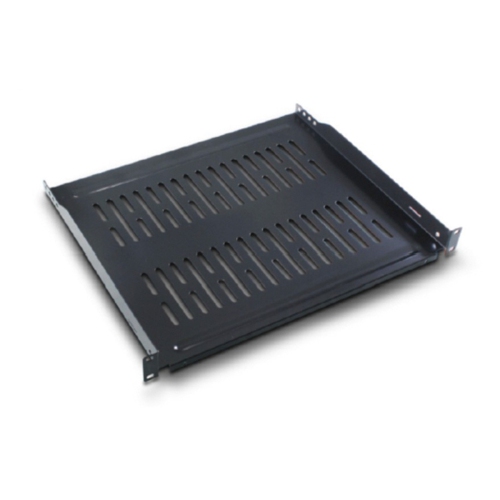
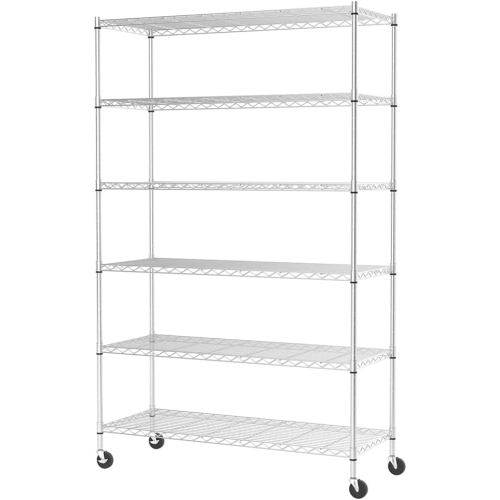
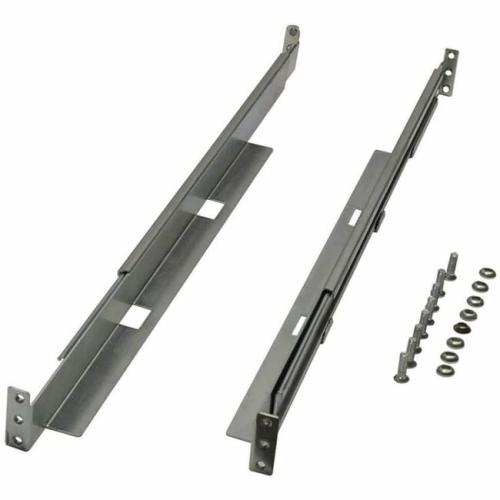
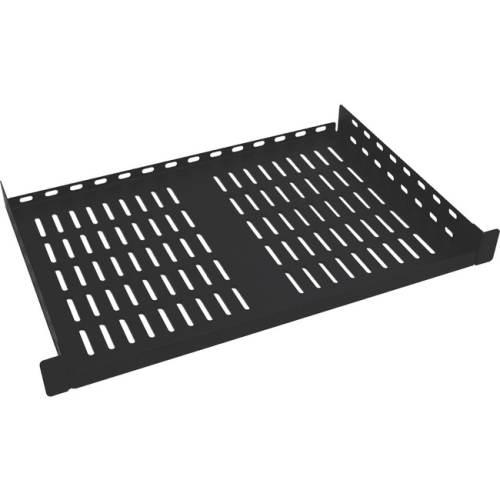
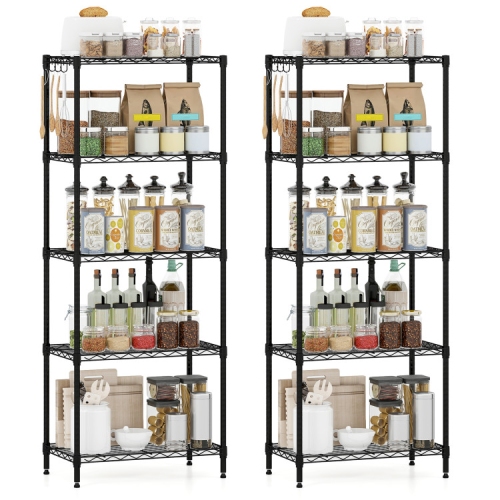
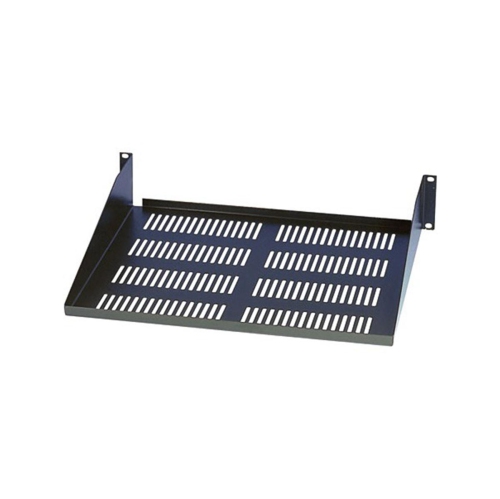
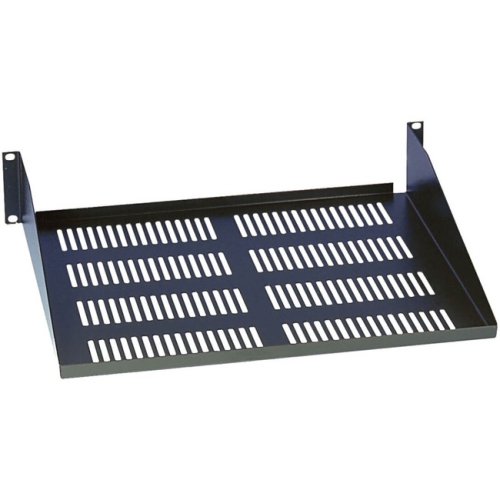
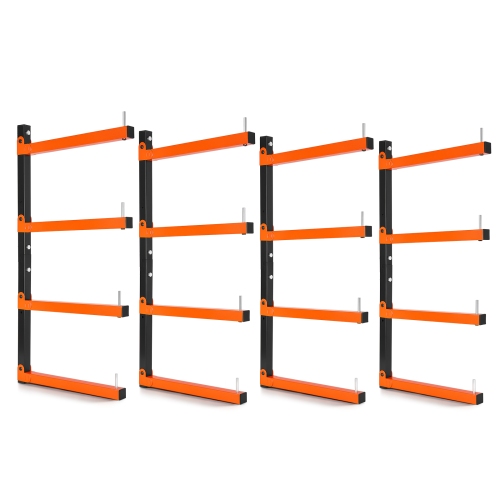
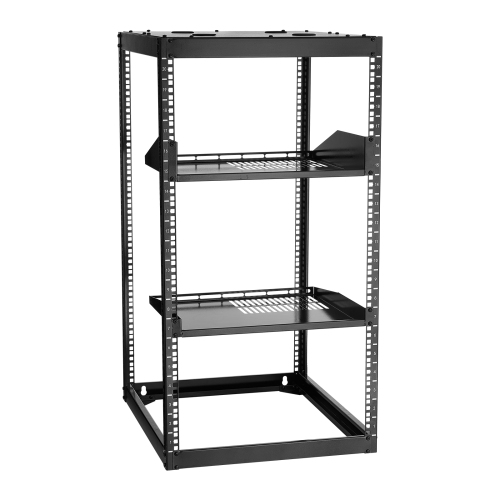
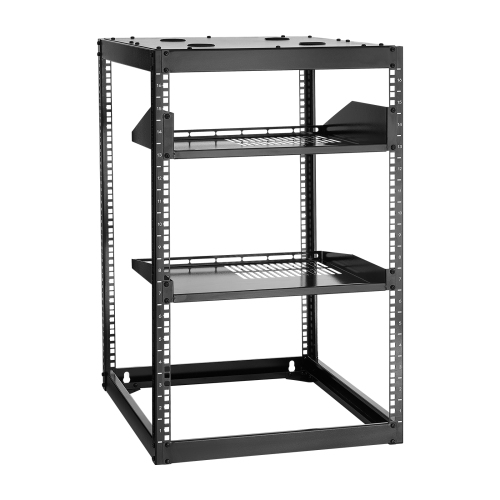
Commercial rack shelves provide sturdy, organized storage for workplaces and utility spaces where shelving needs to support frequent use and substantial loads. Common settings include retail backrooms, restaurant preparation areas, workshops, offices, and residential garages. Unlike decorative shelving, commercial storage racks typically emphasize load capacity, adjustable shelf spacing, accessible contents, and structural strength. Open wire shelving, boltless shelving with solid decking, and welded steel racks each suit different storage needs. Wire shelves let air circulate around stored goods and make it easier to see contents from several angles, which can be useful for packaged supplies, cleaning accessories, and frequently handled containers. Solid shelves provide a continuous surface for smaller objects, narrow containers, or equipment with feet that might otherwise sit unevenly across wire openings. Boltless designs generally use interlocking beams and posts rather than a separate nut and bolt at every connection, while welded components can provide a rigid structure for demanding applications. The practical difference becomes clear in everyday use: a maintenance team may need deep shelves for bulky tool cases, while an office supply area benefits from shallower shelves that keep paper cartons and labelled bins within easy reach. Adjustable levels allow taller containers to share a rack with shorter boxes without leaving excessive unused space above each shelf. Some units function as standalone storage, while others belong to systems with compatible expansion sections or accessories. Compatibility matters because similar-looking posts, beams, clips, and shelf panels are not necessarily interchangeable. Commercial rack shelves are also distinct from equipment shelves designed to mount inside computer or audiovisual racks. For electronics that require a rack-mounted platform, Server Rack Shelves serve a different purpose, with fit determined by the mounting system and equipment dimensions. General commercial shelving instead centres on storing supplies, containers, tools, and materials in a layout that supports the work taking place around it.
Materials and construction influence how commercial shelving performs over time, especially when shelves are loaded, unloaded, and cleaned repeatedly. Steel is common in posts, beams, and wire decks because it offers strength and rigidity, although the complete design determines a rack’s rated capacity. A chrome finish gives wire shelving a bright appearance and is generally suited to dry indoor storage when specified by the manufacturer. Powder-coated steel has a protective finish that helps resist everyday wear, but chips and scratches can expose the metal underneath and should receive attention according to the care instructions. Stainless steel may suit locations that require frequent cleaning or have greater exposure to moisture, provided the grade and construction match the application. Solid decking can be made from metal, particleboard, or other engineered materials. Particleboard offers a flat supporting surface for cartons and containers but generally needs protection from spills and prolonged dampness. Removable shelf liners can help support small objects on wire shelves, though they do not increase the shelf’s load rating and may affect airflow or cleaning access. In food-service settings, any sanitation certification should apply to the exact shelving and its intended use rather than being assumed from its appearance. Durability also depends on how weight reaches the frame. A stated shelf capacity commonly refers to an evenly distributed load, not a single heavy object resting at the centre or along one edge. The total unit capacity can impose a separate limit, so multiplying the per-shelf rating by the number of shelves does not always establish a safe overall load. A dense container of metal fittings places different demands on a shelf than a row of light packaging supplies occupying the same space. Heavier loads generally belong on lower levels, with lighter, frequently used supplies positioned where they can be handled comfortably. Shelves, braces, connectors, and decking must remain correctly seated and undamaged; a bent beam or cracked deck is a structural concern, not simply a cosmetic flaw.
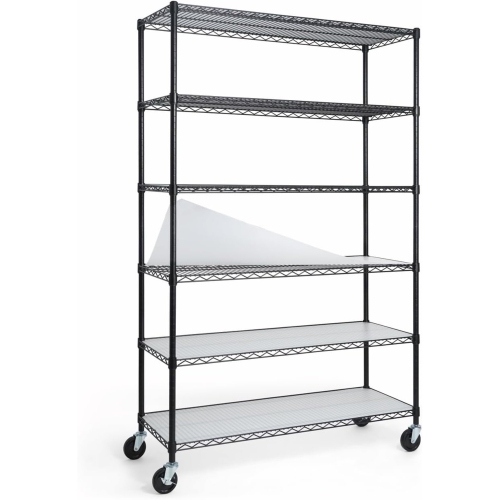
Fit involves more than finding a rack that matches the width of an empty wall. Overall height, depth, and width need to work with doorways, nearby fixtures, access routes, and the space required to lift containers onto the shelves. Usable shelf dimensions may be smaller than the outside measurements because posts and bracing occupy part of the opening. A storage tote that fits between the front posts also needs enough depth to sit securely without projecting into a walkway. Deep racks can accommodate large containers, but smaller supplies may disappear behind them unless the layout allows access from both sides. Shelf spacing should leave room for hands above and beside containers rather than requiring every box to be tilted during removal. These details matter in a busy receiving area, where someone may be carrying a carton with both hands, or a shared workshop, where clear sightlines help people locate tools without moving several other cases. Stationary racks can offer a stable storage arrangement, while compatible casters allow some shelving units to move for cleaning or changes in workspace layout. Adding wheels can change the rated capacity, and a mobile unit may have different limits when stationary and when moving. Locking casters help hold an approved mobile rack in place, but they do not replace correct loading, level flooring, or any required restraint. Assembly, anchoring, and clearance requirements vary by design and installation, particularly for tall racks or demanding workplace applications. Routine care is usually straightforward: remove loose debris, wipe surfaces with a suitable cleaner, dry areas where moisture collects, and inspect connections and finishes for wear. Cleaning methods should suit both the frame and the decking, since soaking a solid wood-based panel can damage it even when the metal frame tolerates wiping. Accessories such as dividers, label holders, and compatible bins can make shared storage easier to maintain without changing the rack’s structural limits. The most useful commercial rack shelving brings together suitable materials, dependable support, and a practical footprint, keeping everyday supplies visible and accessible while giving bulky or heavy contents a clearly defined place.
Top selling and popular products
-
 Your price for this item is $1303.99
-
 Your price for this item is $748.99
-
 Your price for this item is $611.68
-
 Your price for this item is $407.99
-
 Your price for this item is $260.68
-
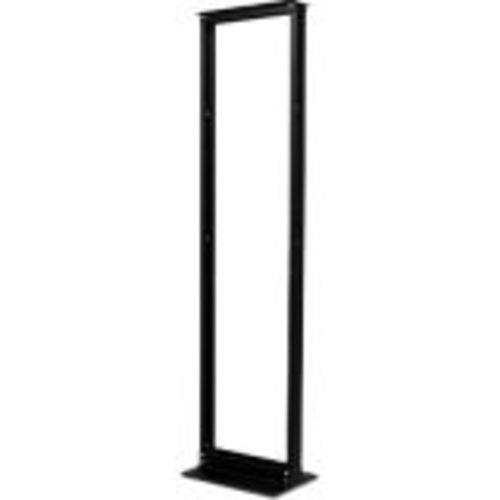 Your price for this item is $264.99
-
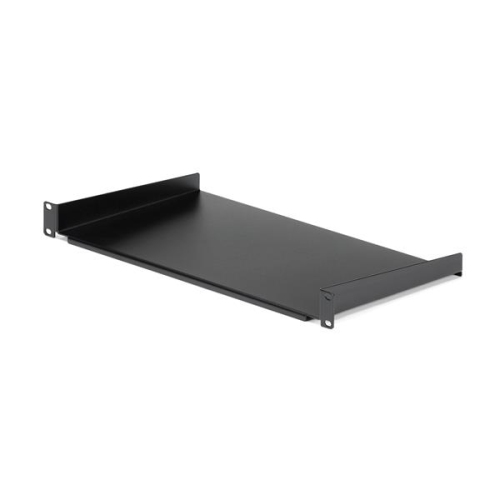 Your price for this item is $54.99
-
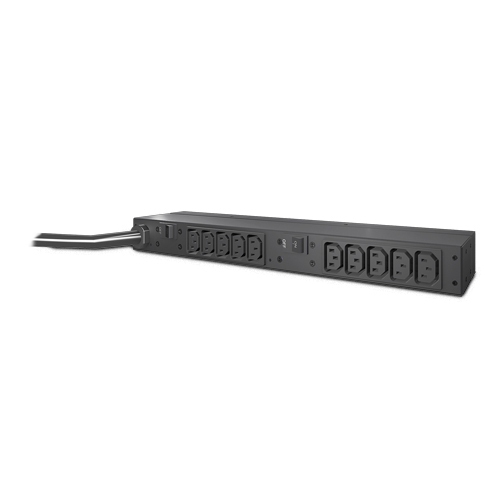 Your price for this item is $532.37
Discover more categories related to Commercial Rack Shelves
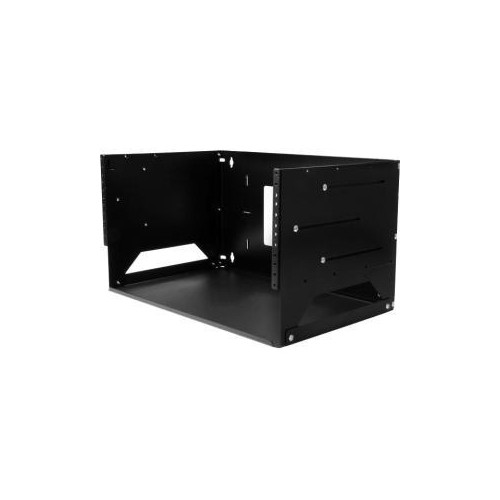
Top Collections:
Pokemon Centers, Best Cameras for Sports Photography, Kindle Devices, Samsung Galaxy Phones, Canon G7X Cameras, Pokémon 30th Celebration Cards, Refurbished Apple Laptops, iPhone 15 Apple, Laptops for Students, Budget Smartphones
Some products may be subject to Environmental Handling Fees
(EHF) depending on your province.
Learn more about EHFs.