Contemporary Leather Office Chairs
If you're looking for an office chair that's both stylish and functional, consider a contemporary leather office chair. This type of chair is made from high-quality materials that are designed to last. It features a contoured seat that offers support where you need it most, and its leather upholstery is easy on the eyes while providing a luxurious feel.
Sort
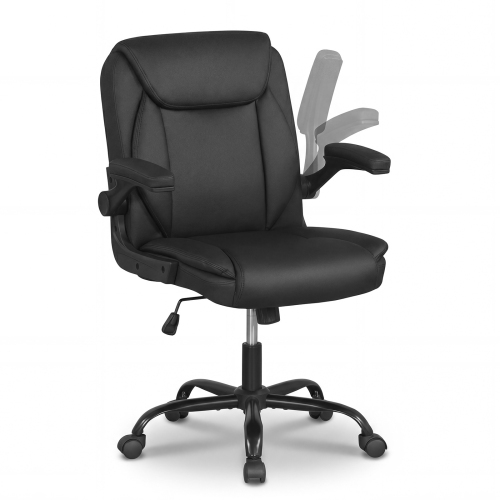
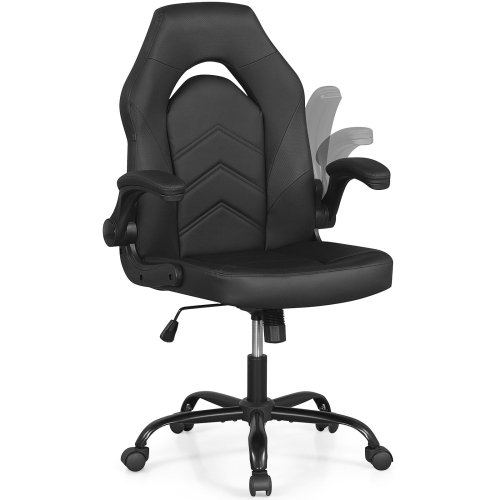
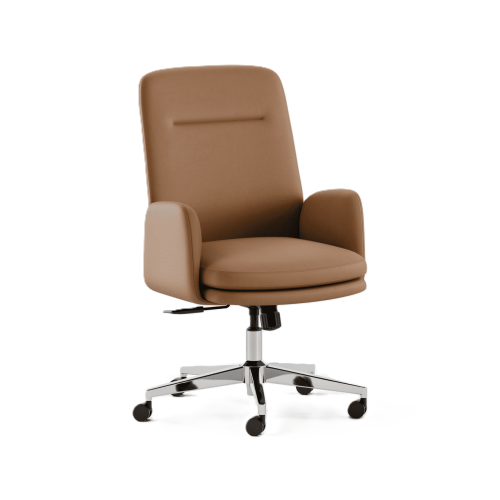
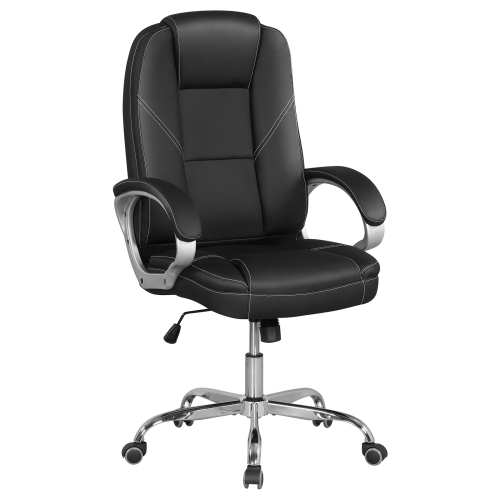
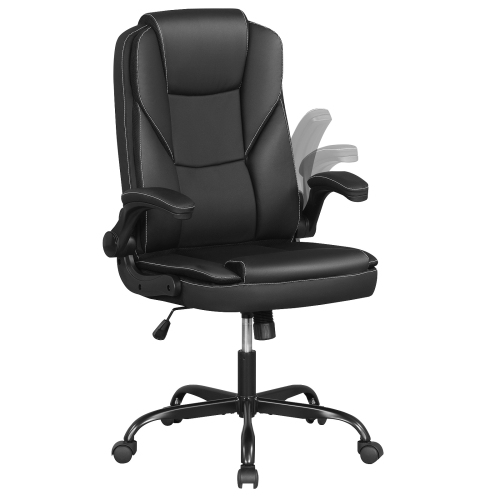
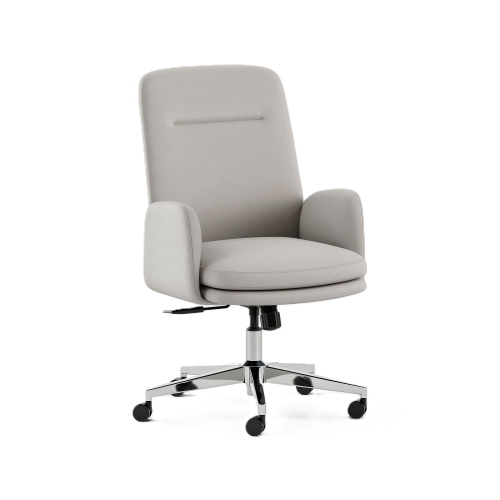
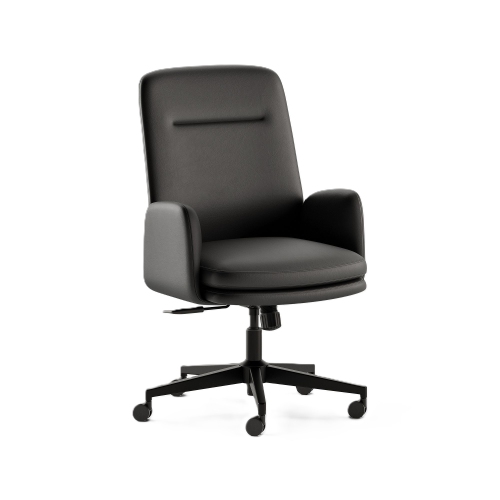
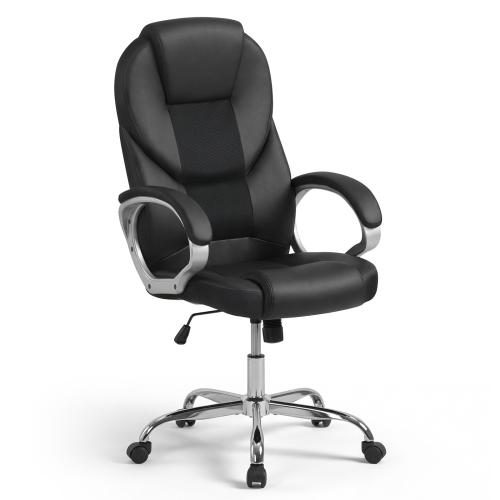
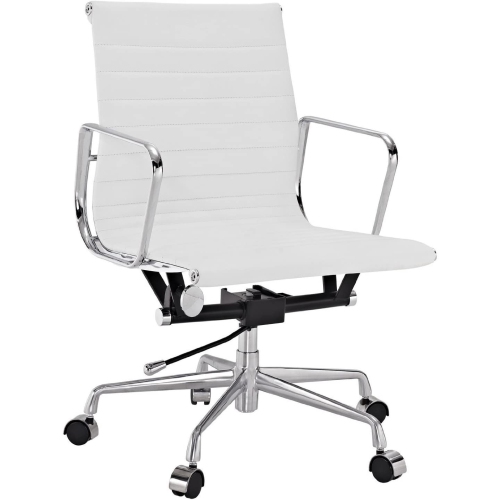
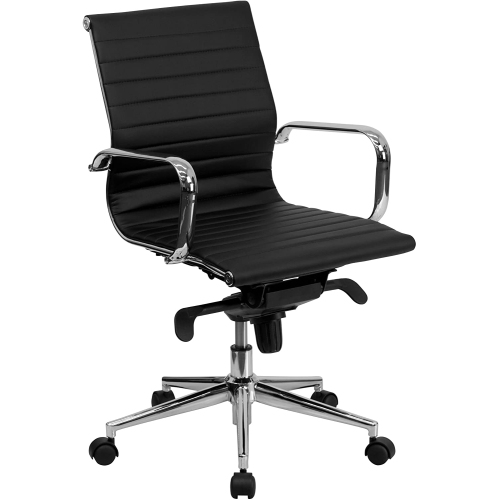
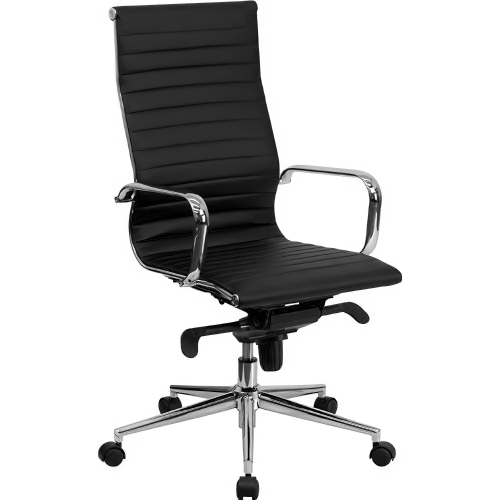
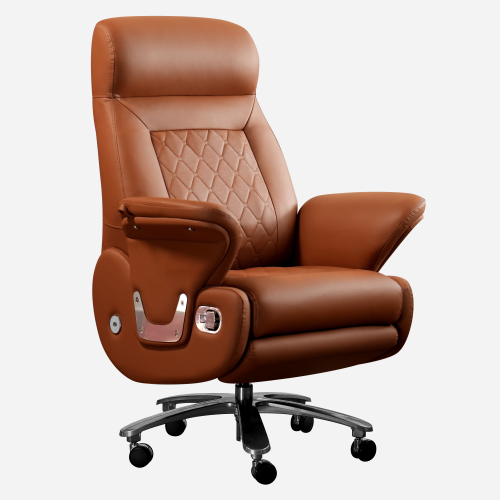
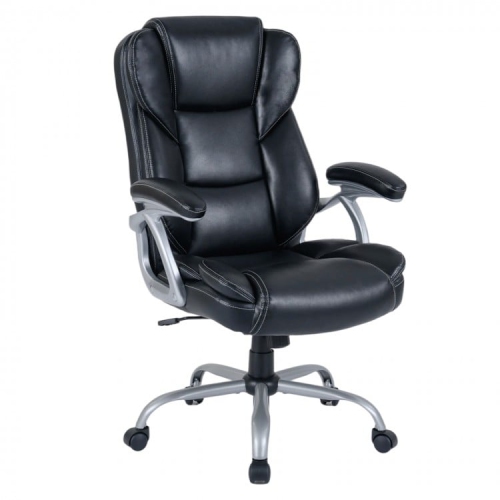
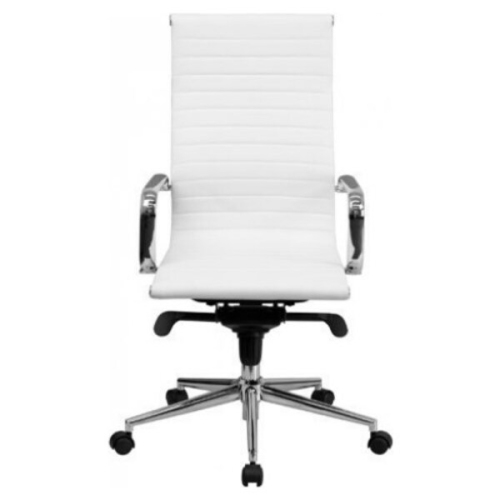
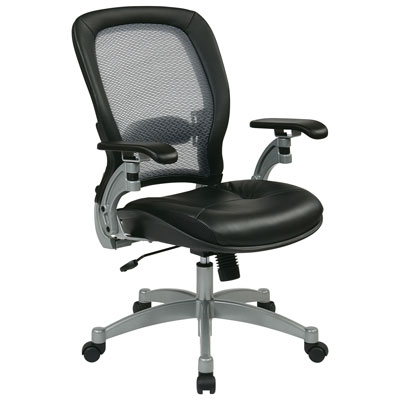
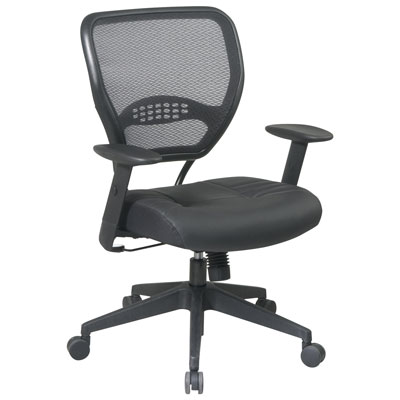
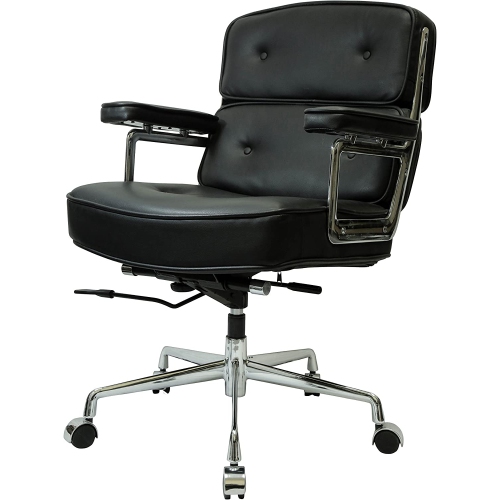
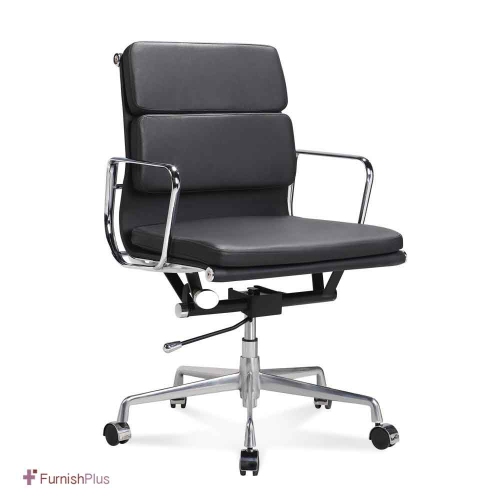
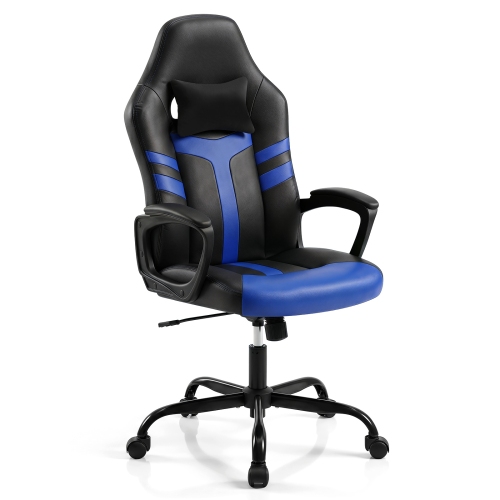
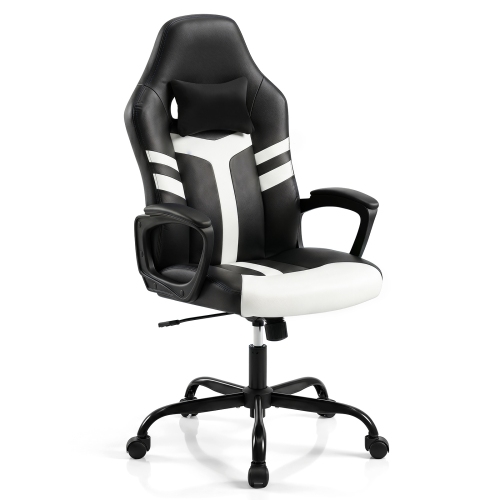
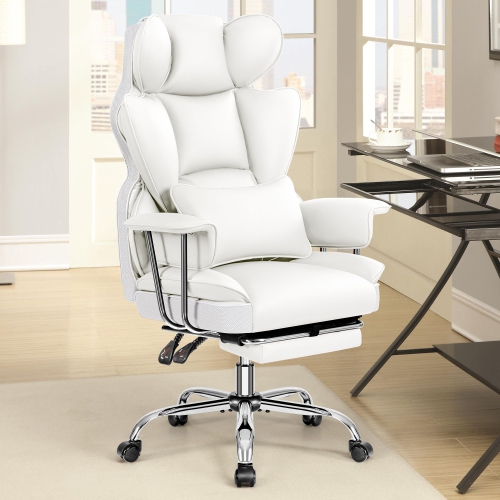
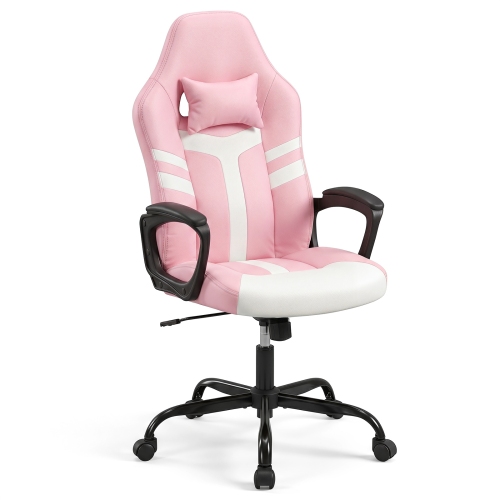
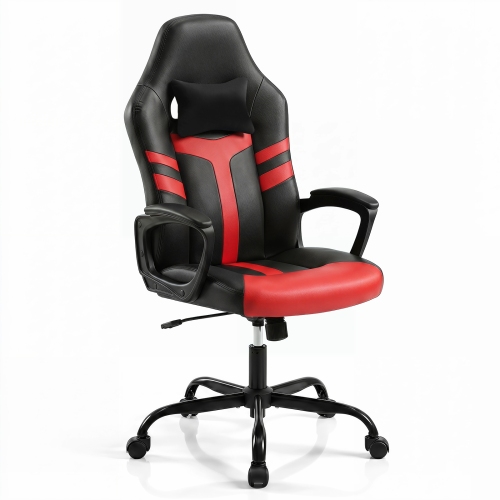
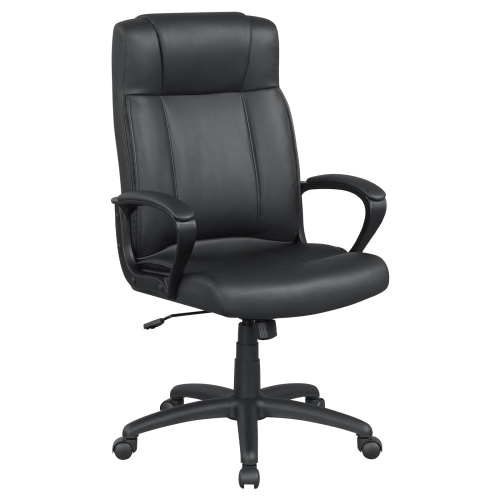
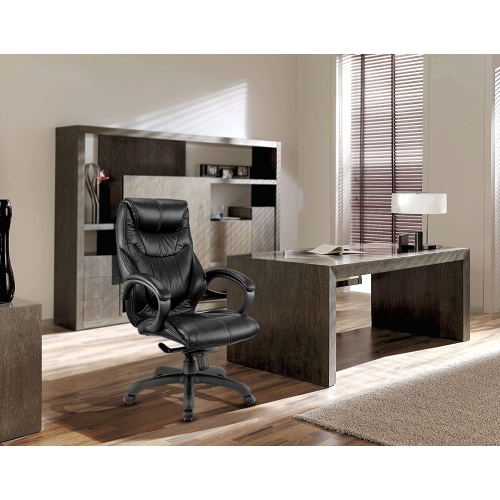
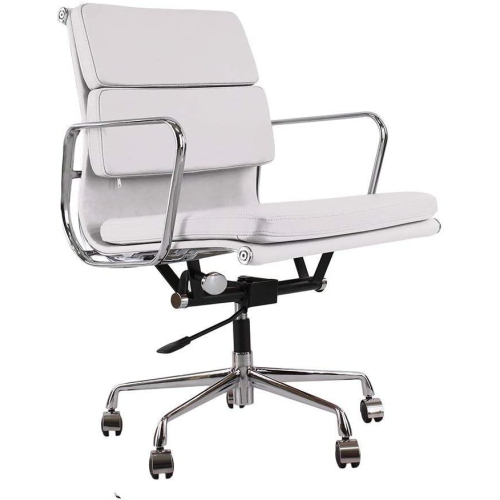
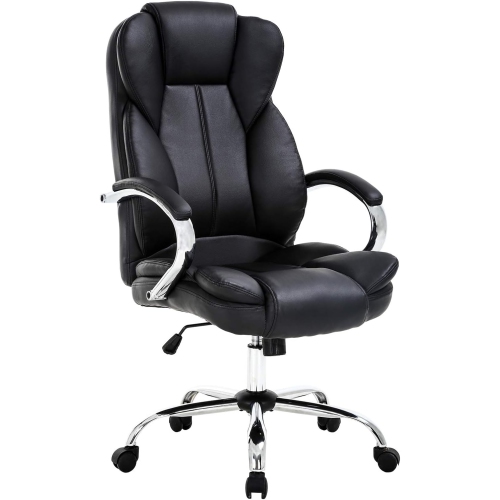
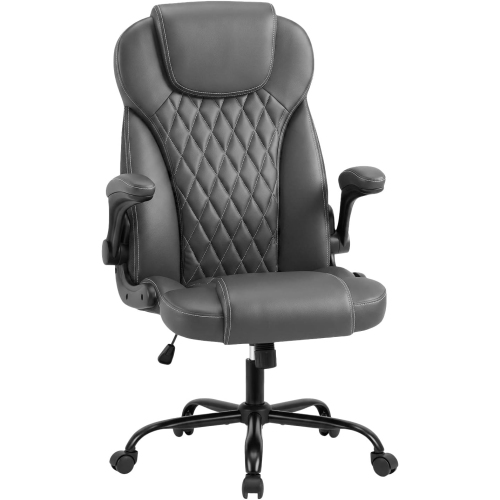
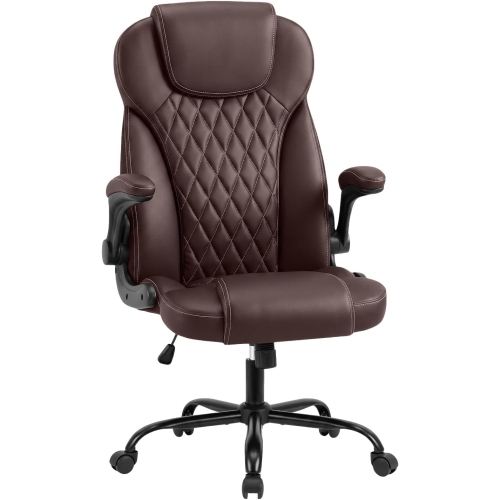
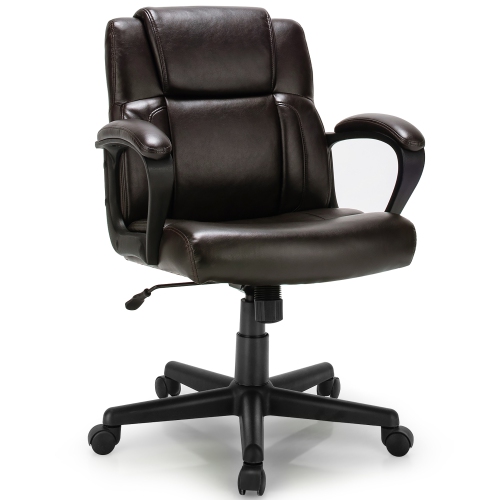
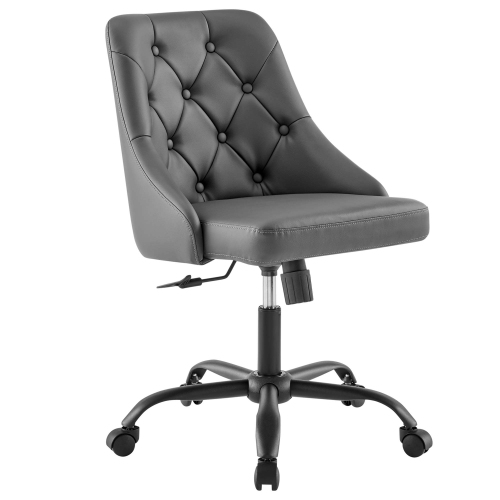
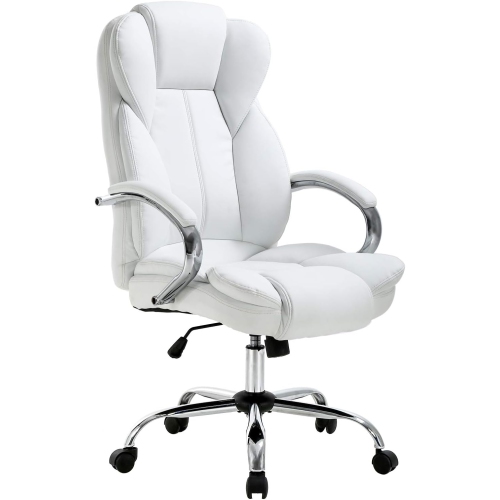
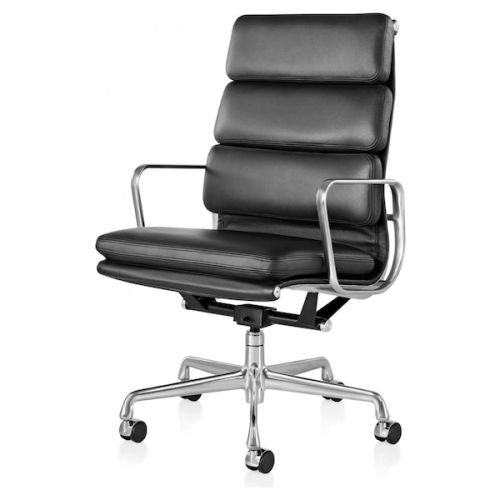
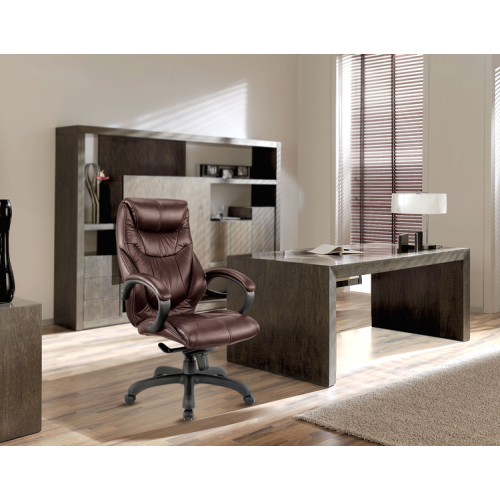
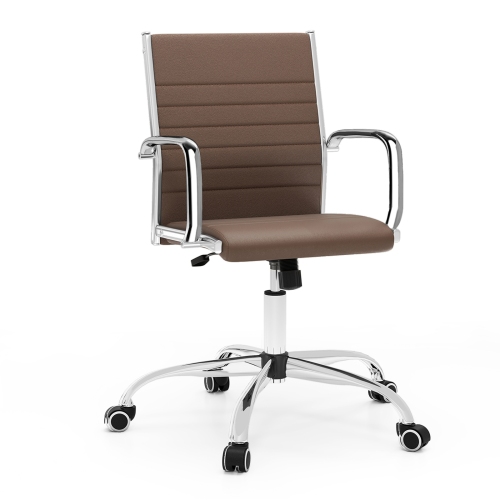
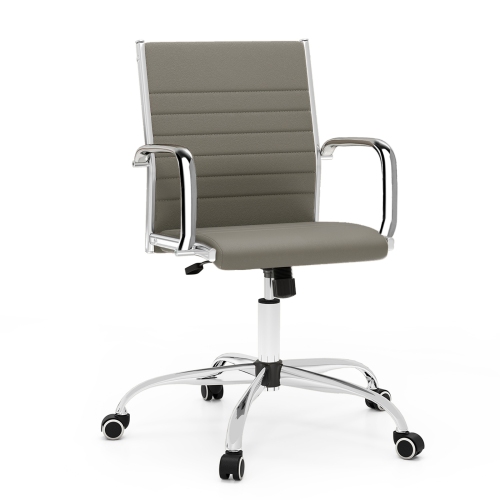
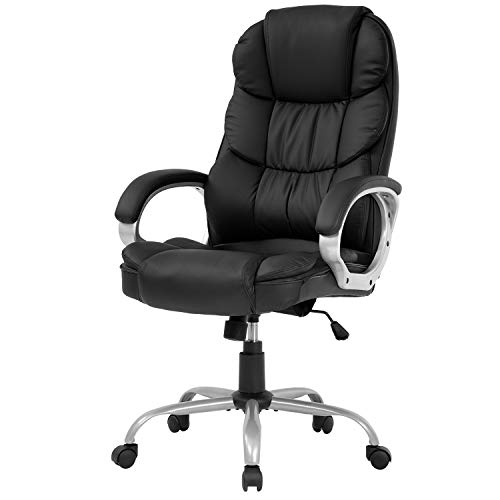
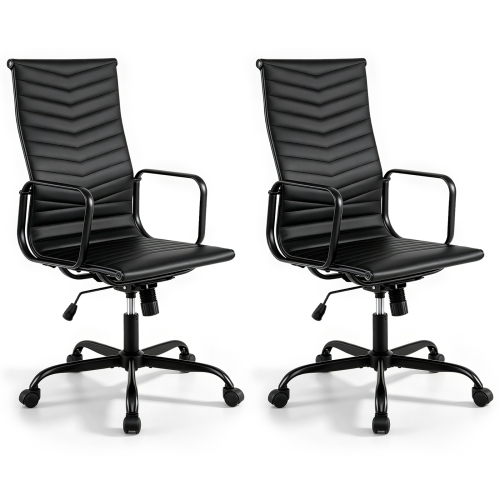
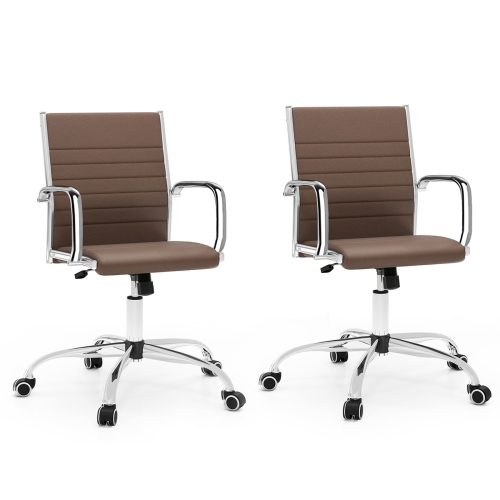
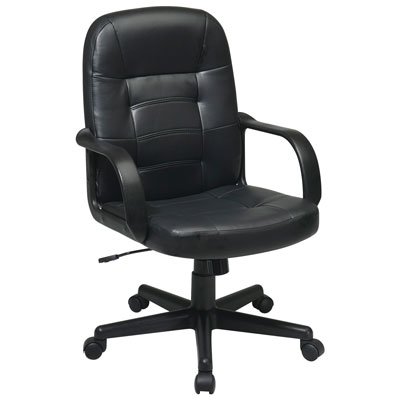
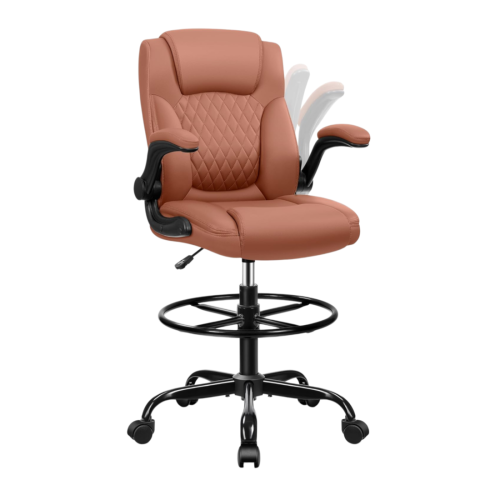


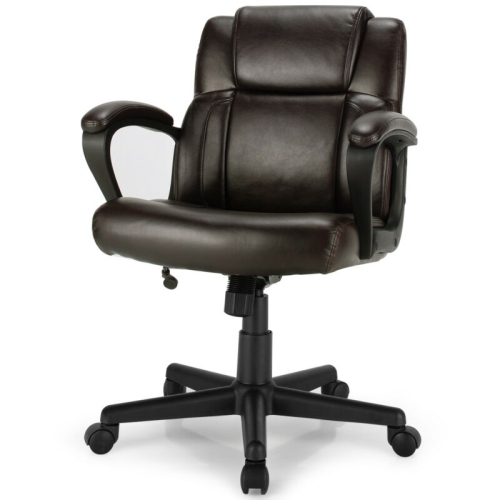
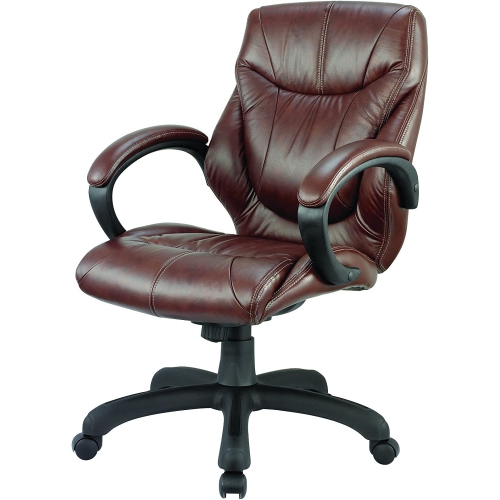
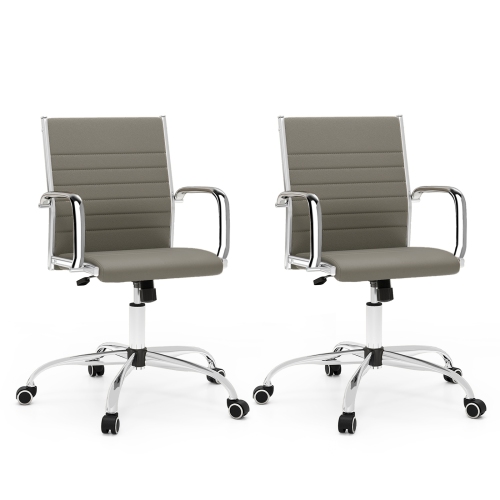
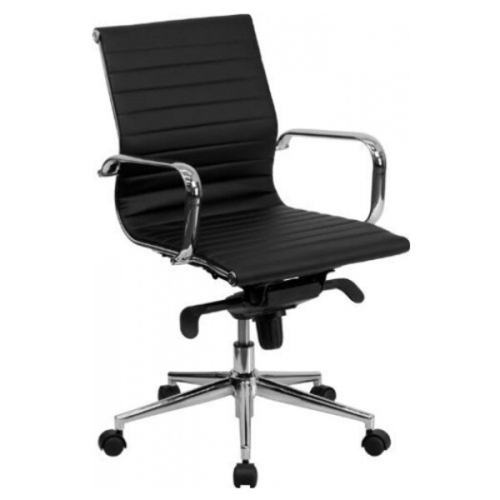
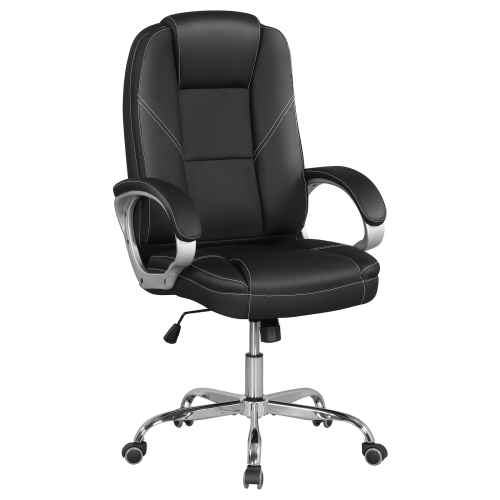
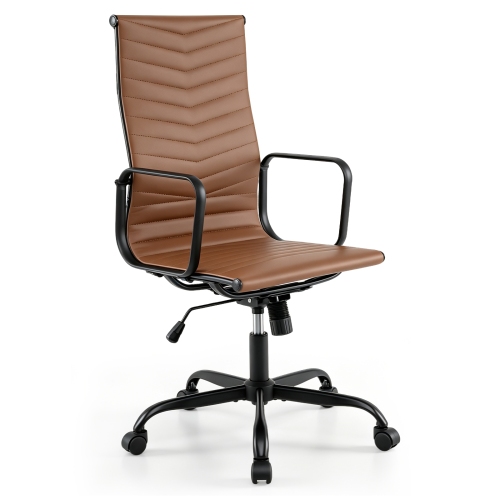
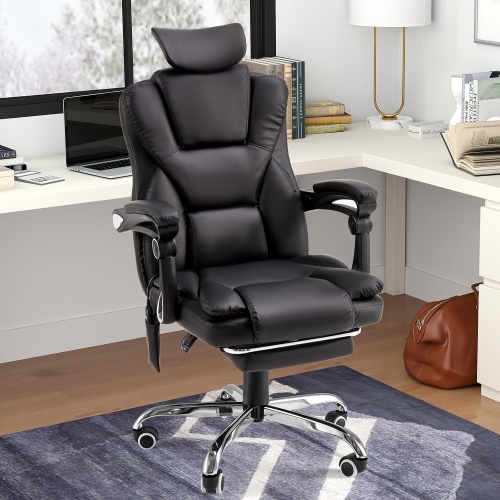
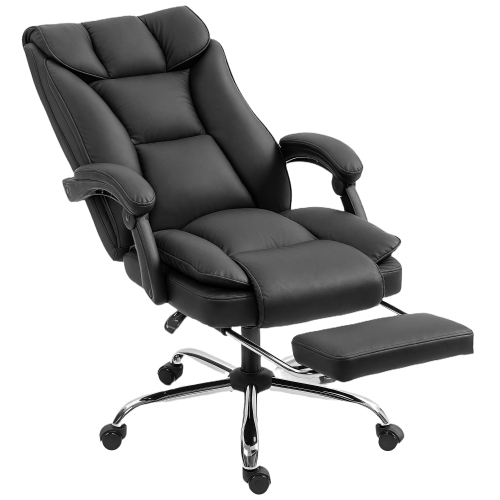
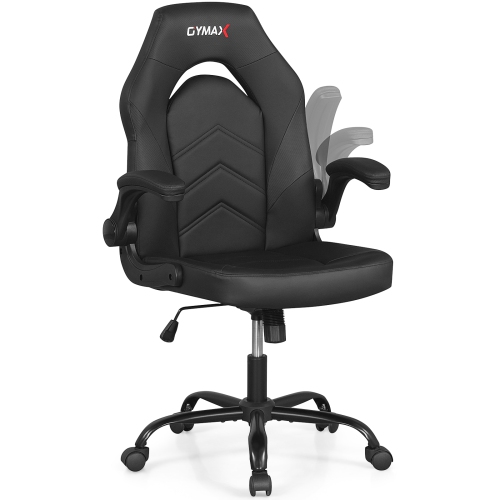
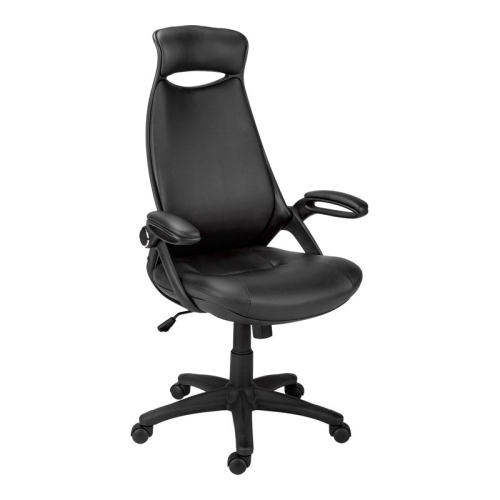
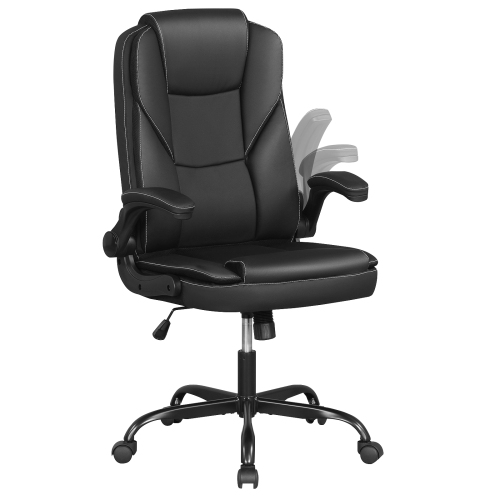
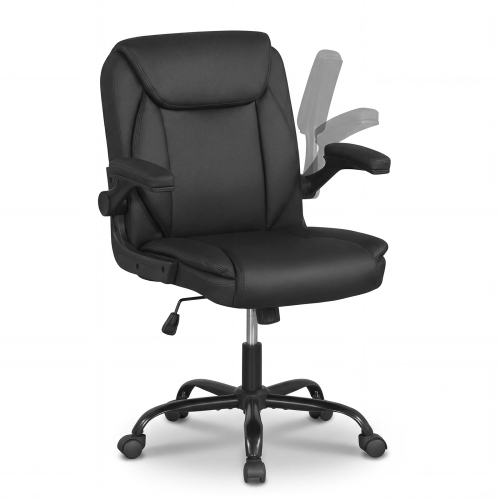

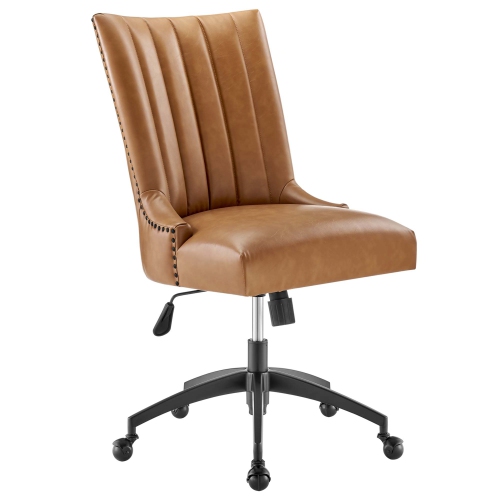
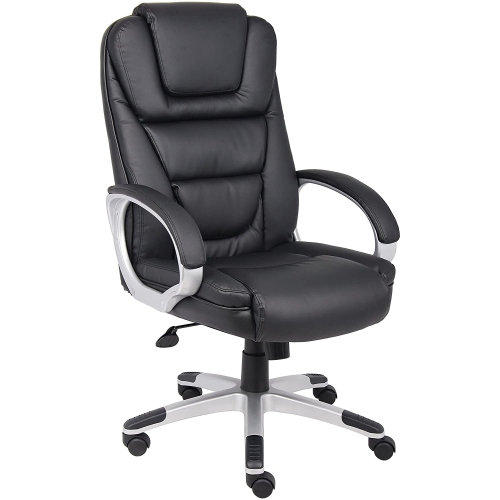

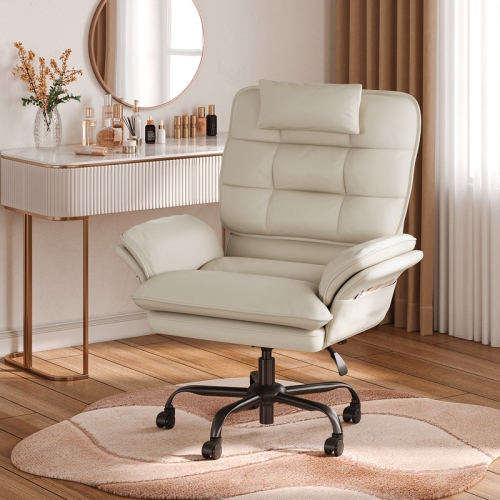
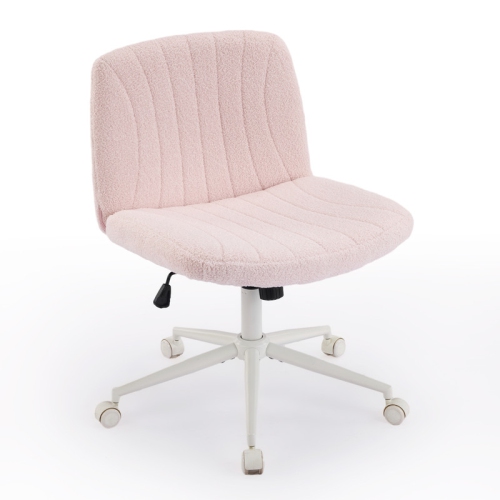

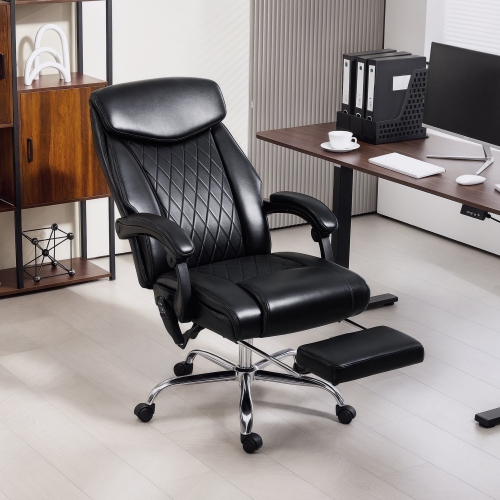
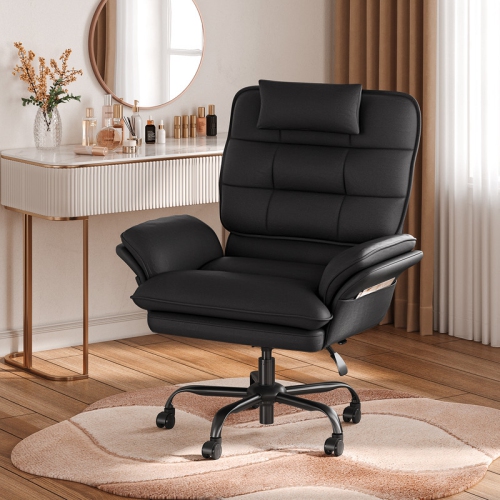
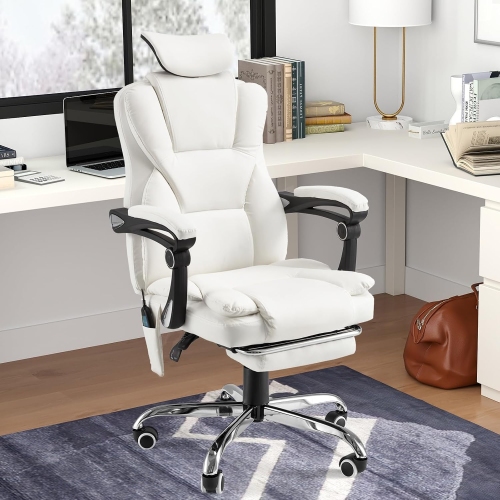
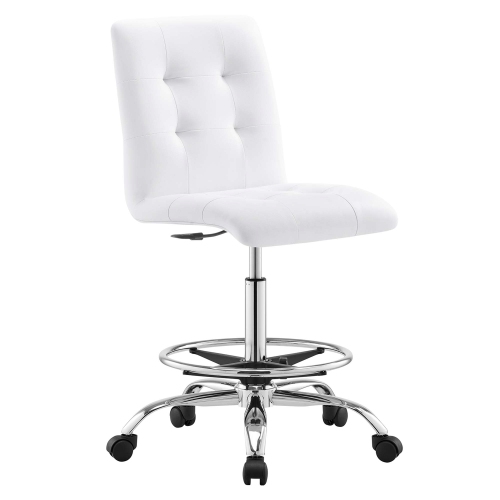
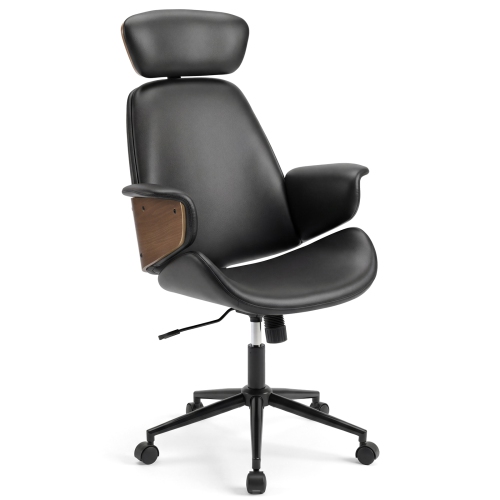
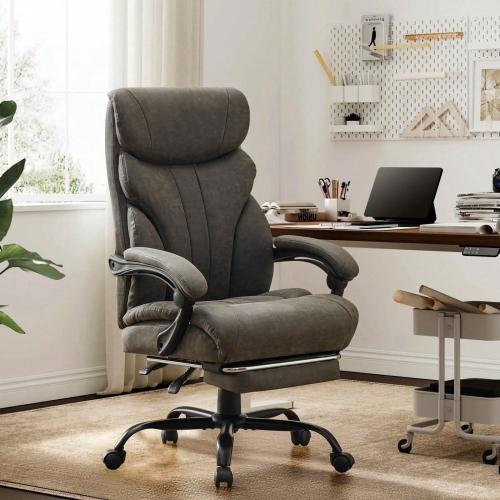
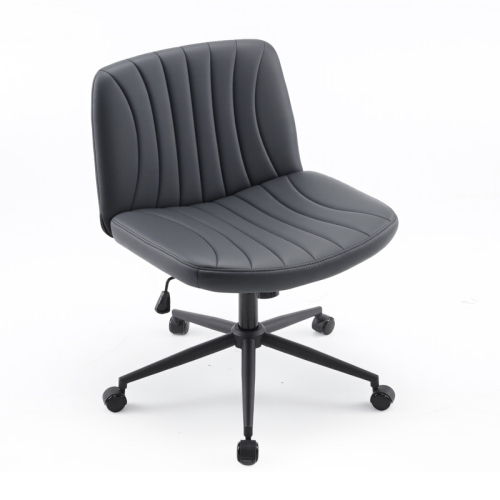
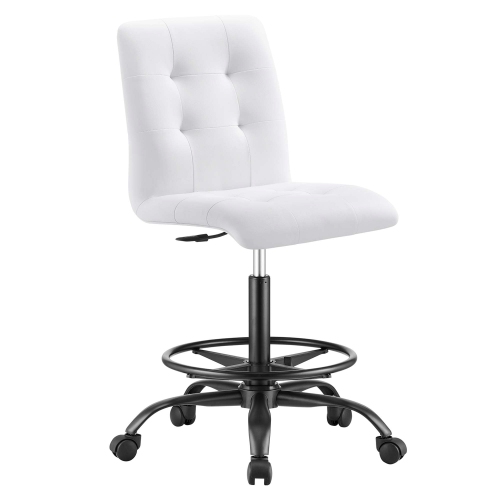
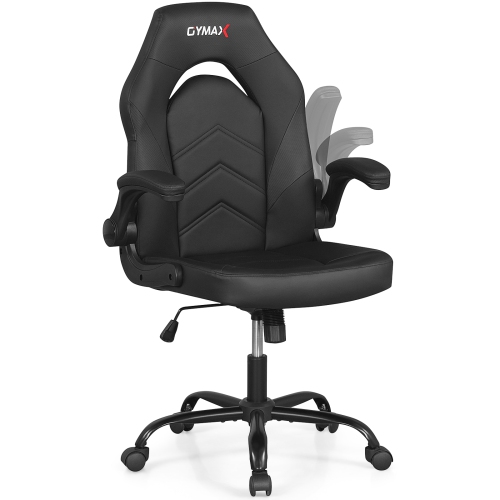
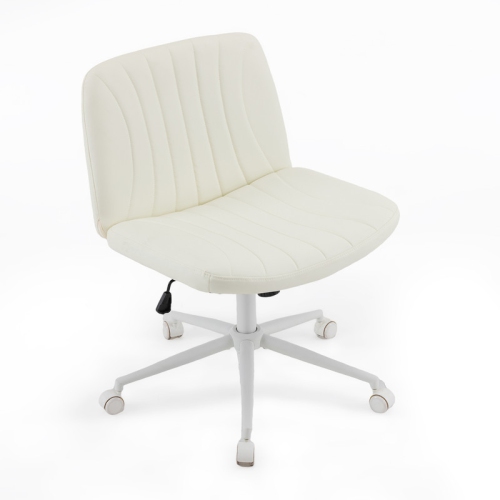
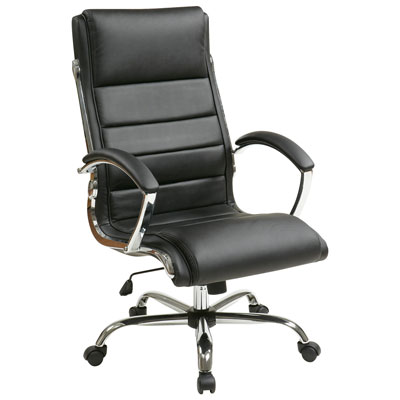
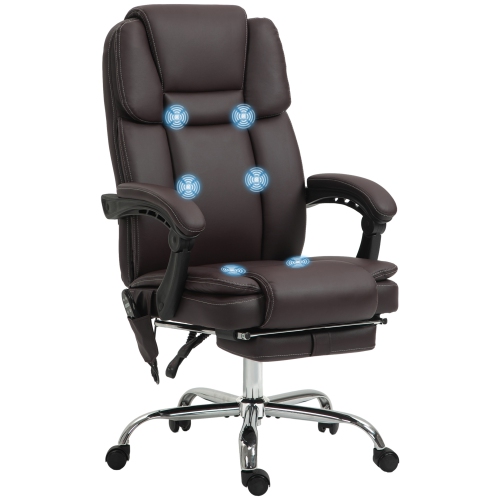
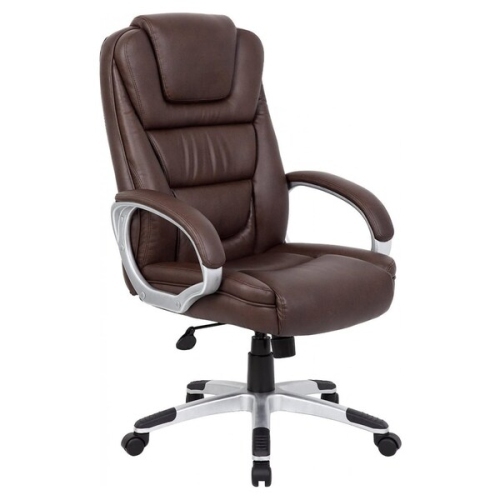
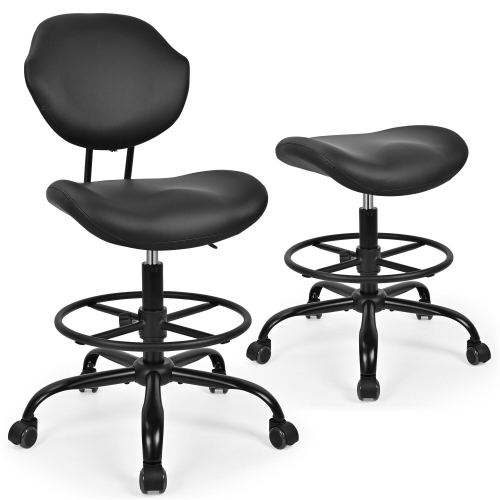
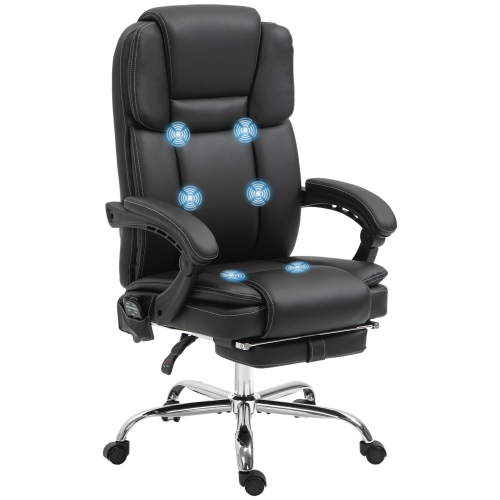
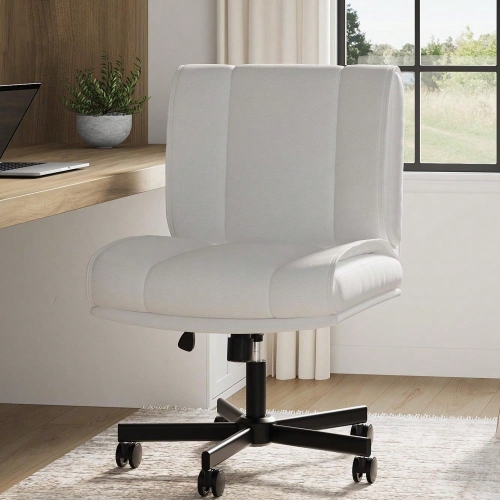
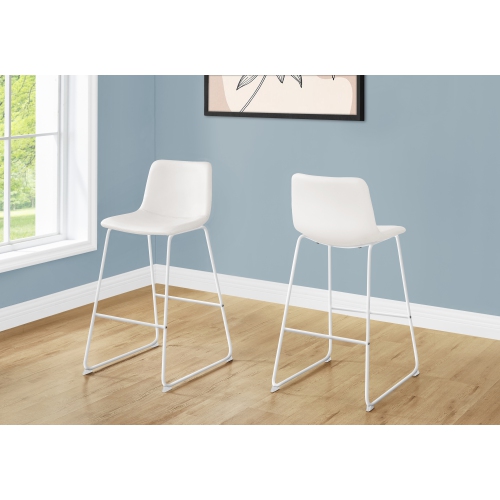
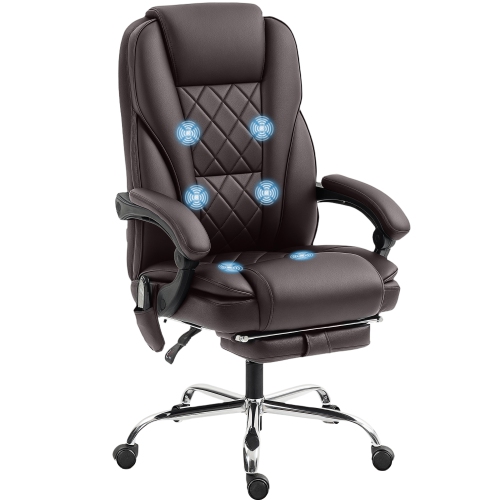
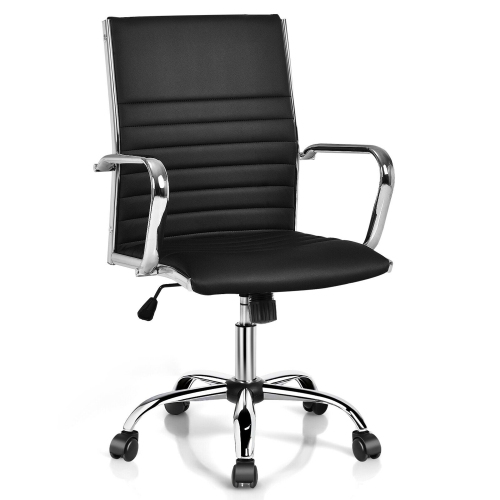
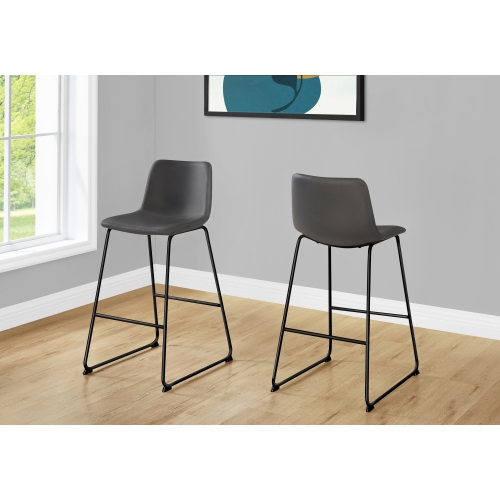
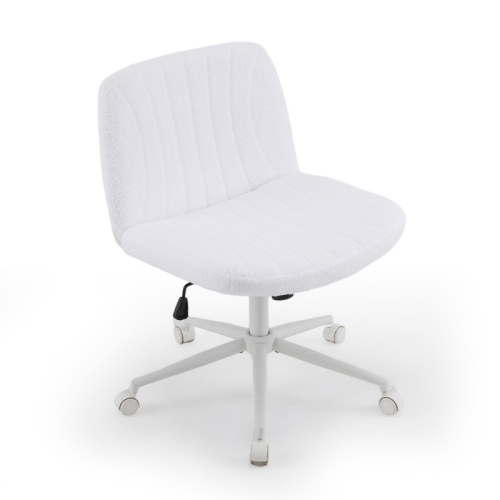
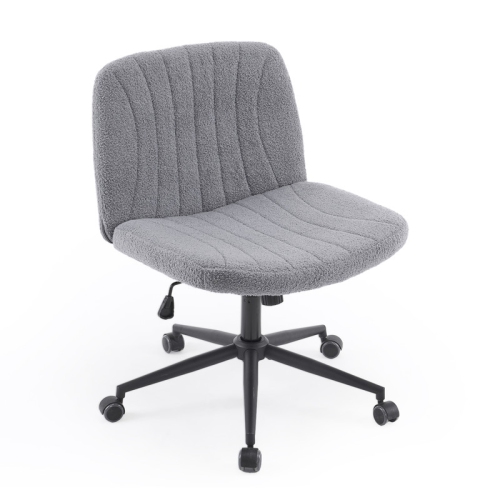
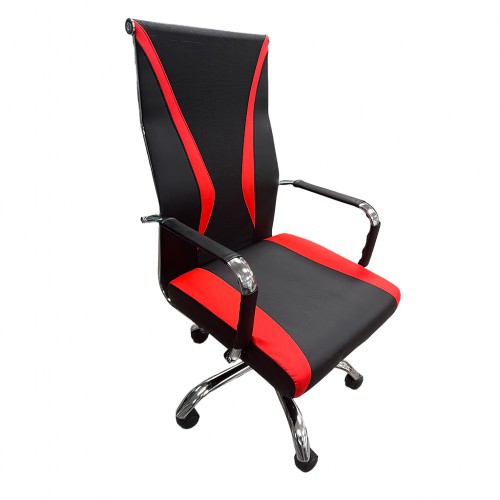
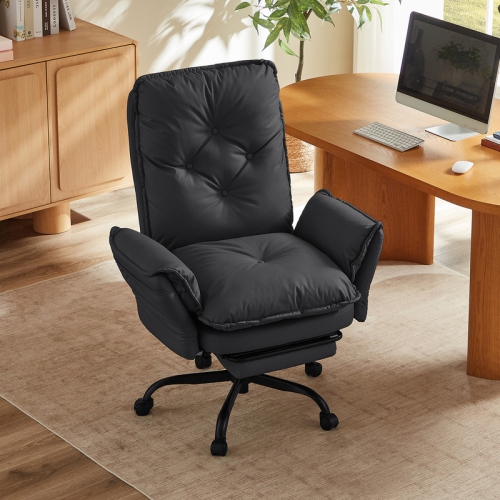
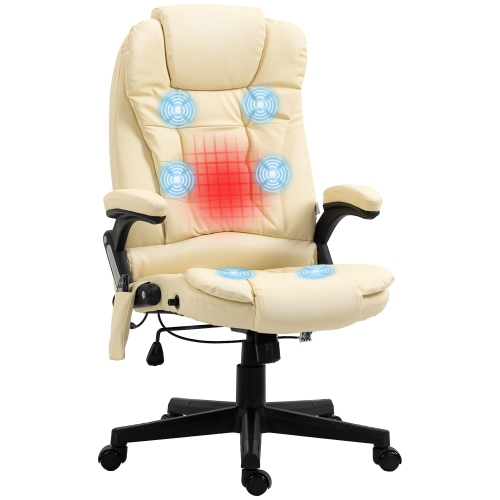
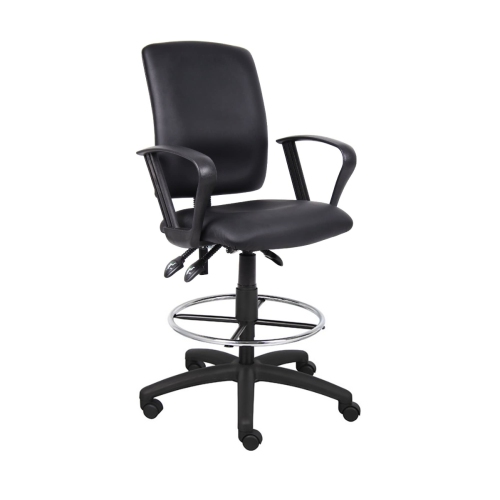
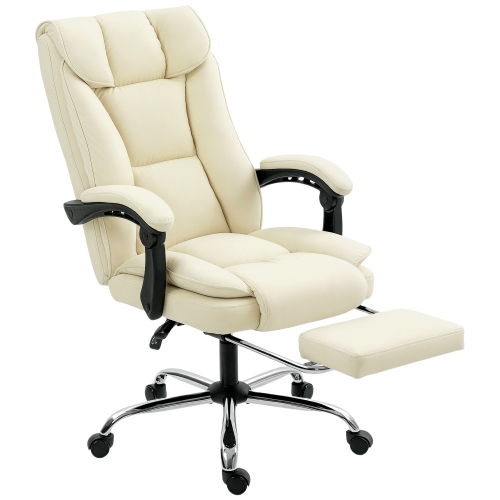


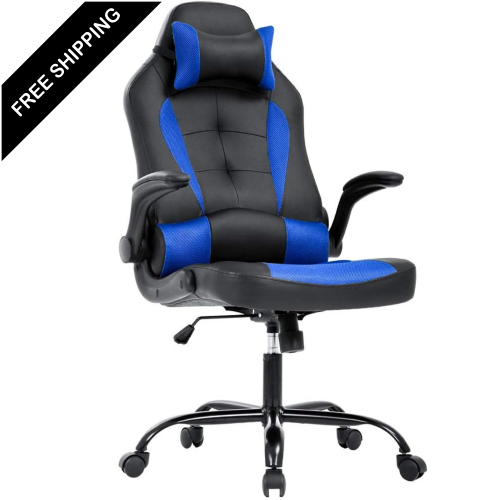

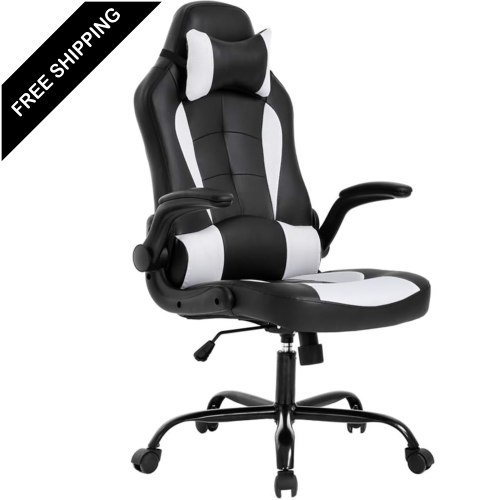
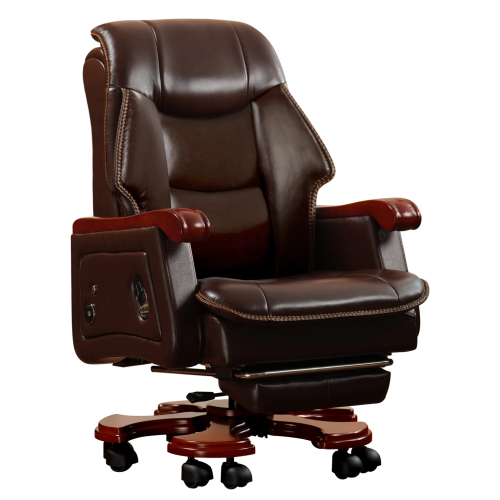
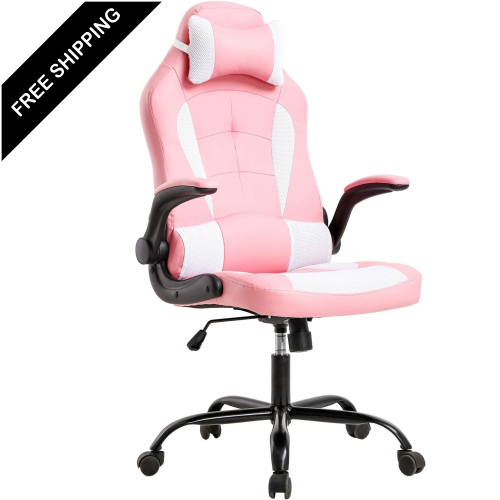
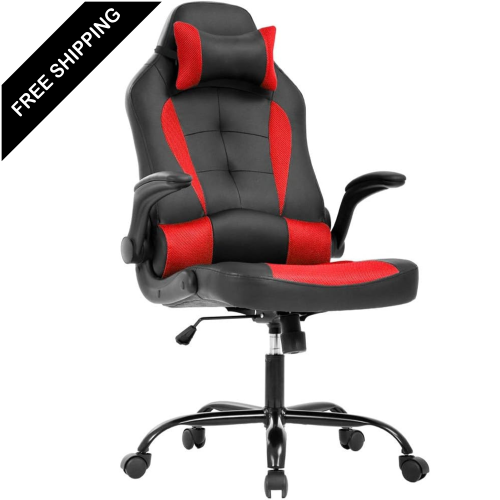
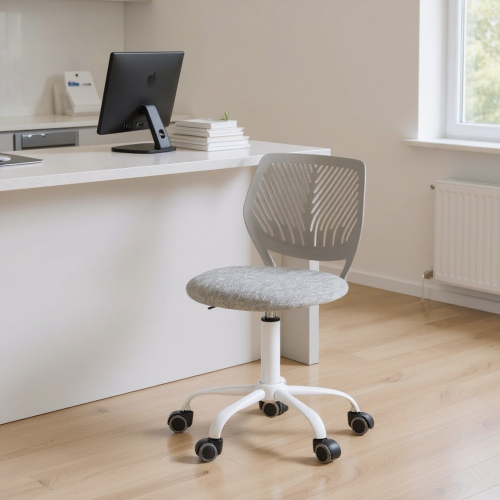
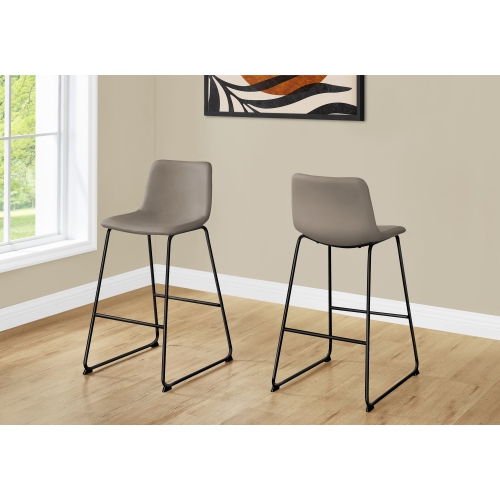
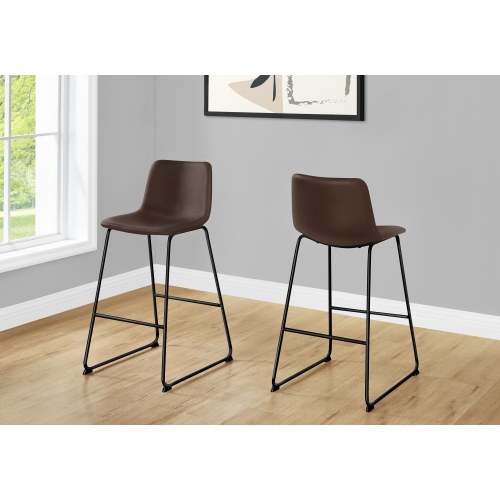

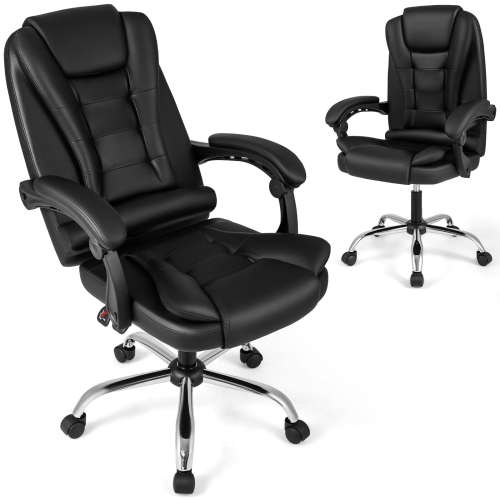
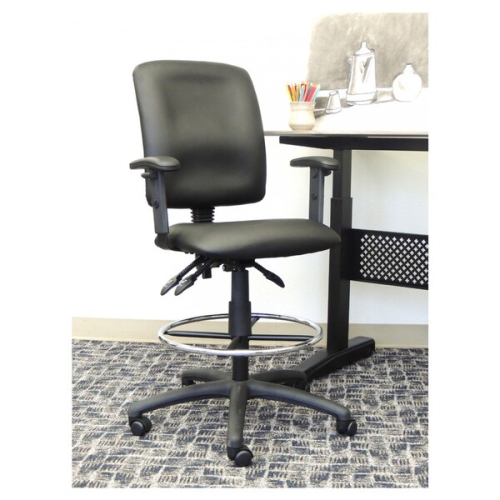
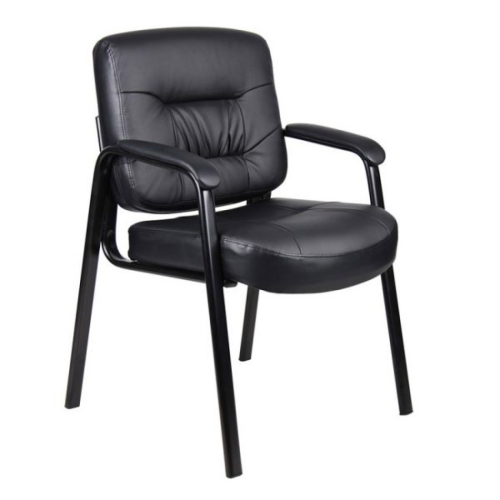
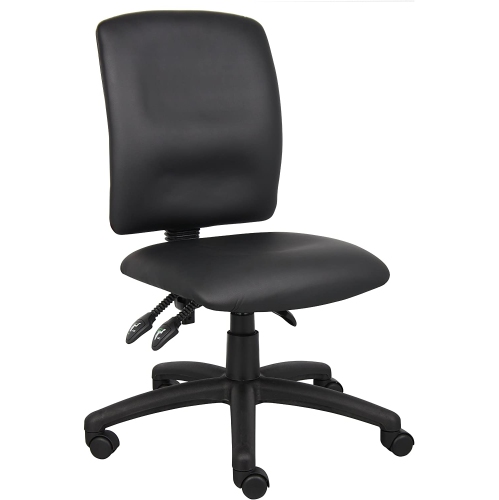
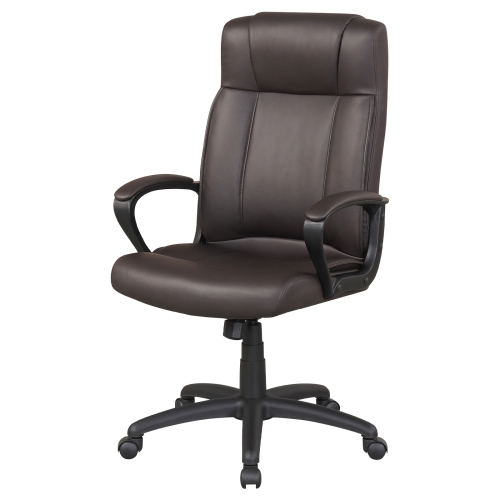
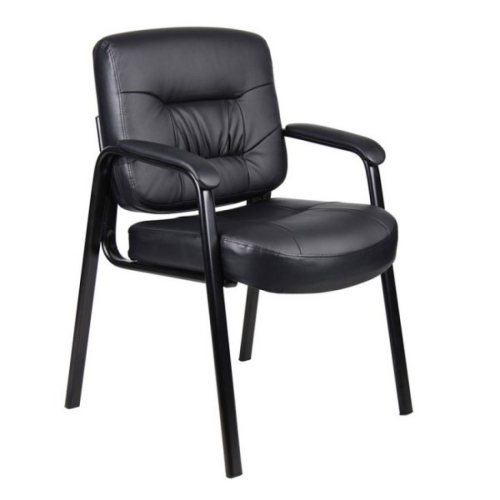
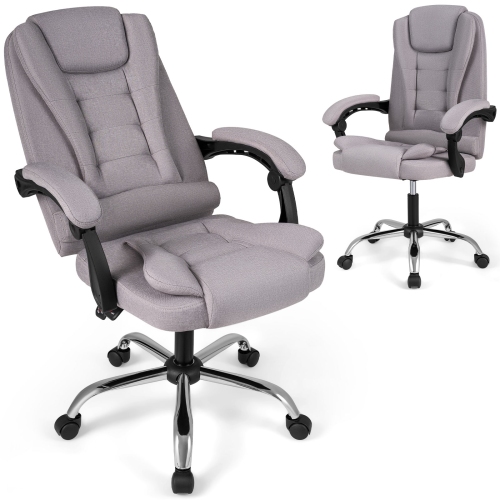
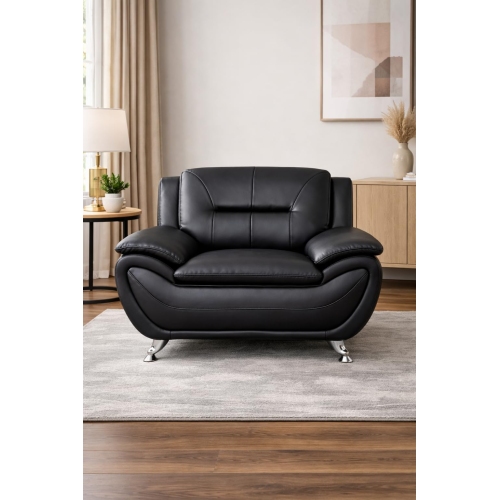
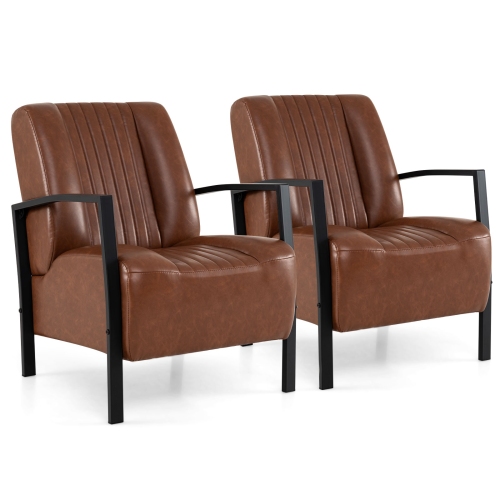
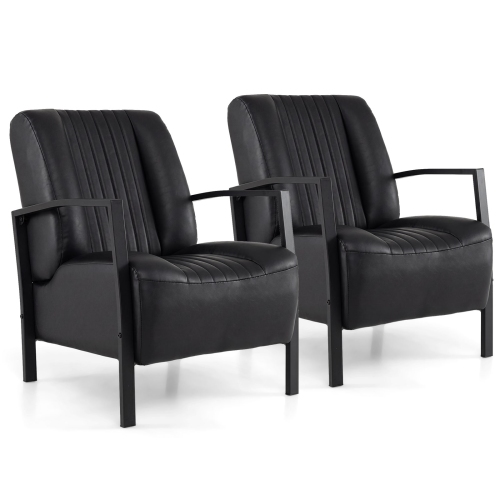

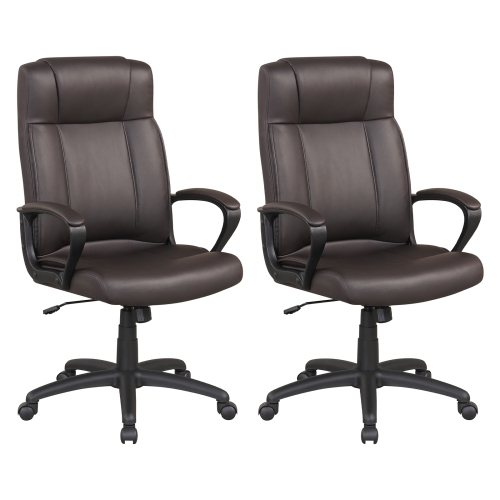
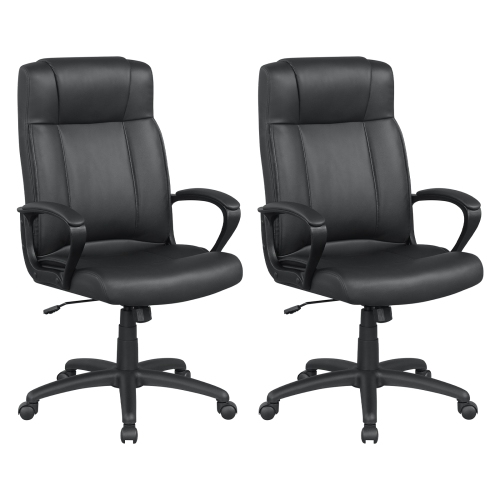
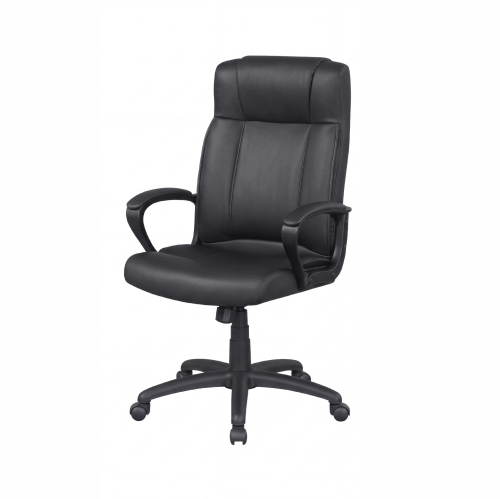
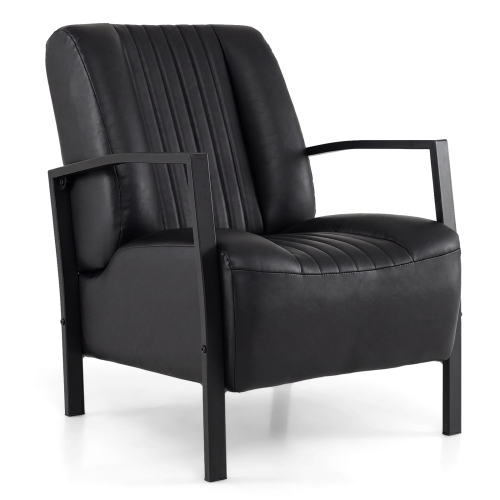
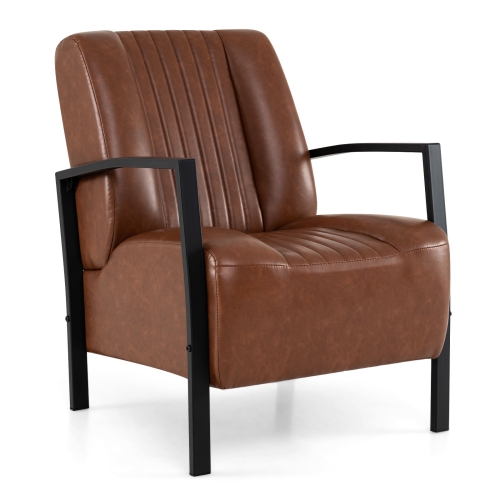
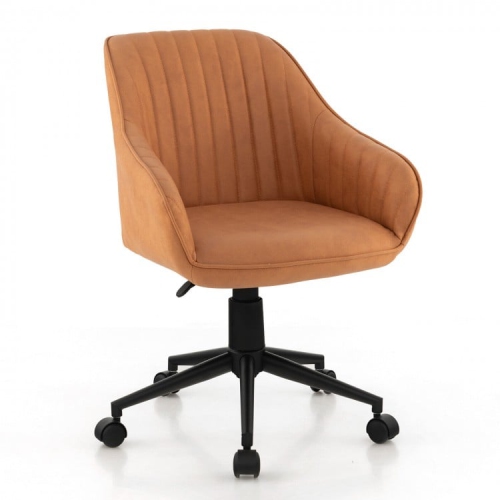

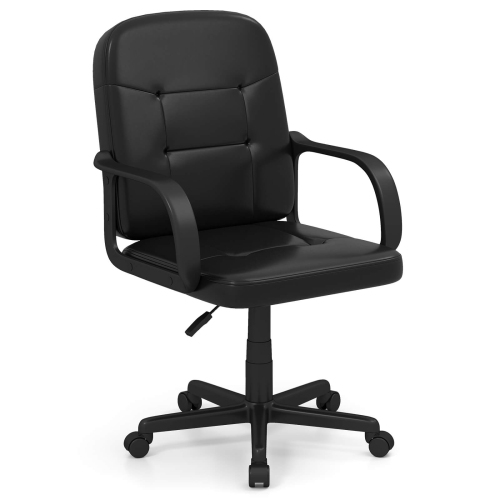
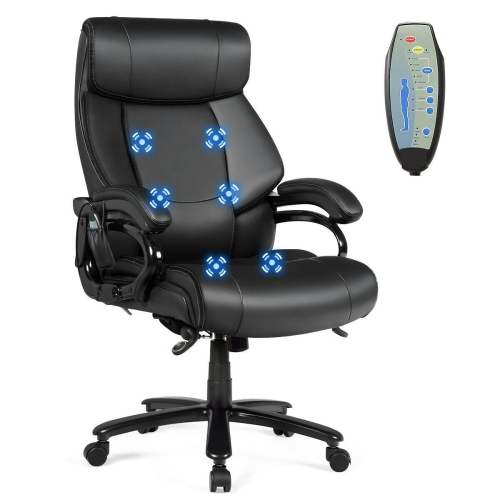
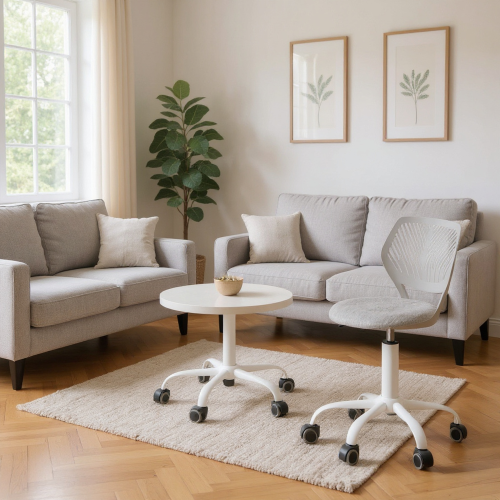
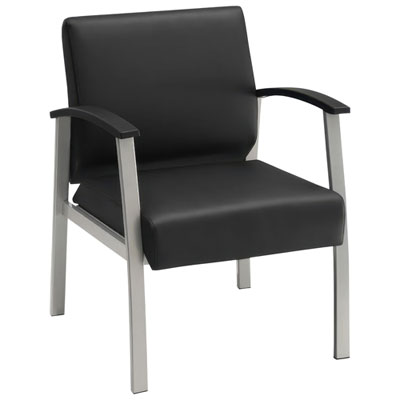
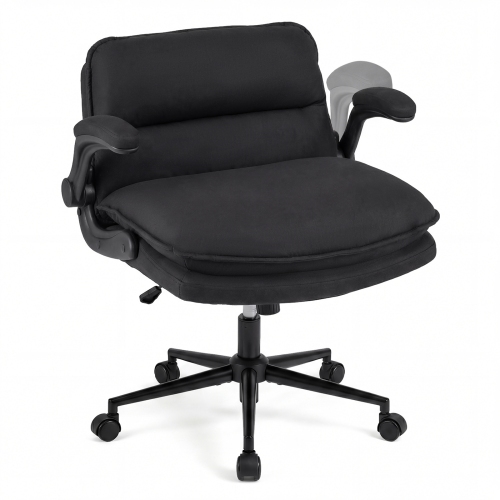
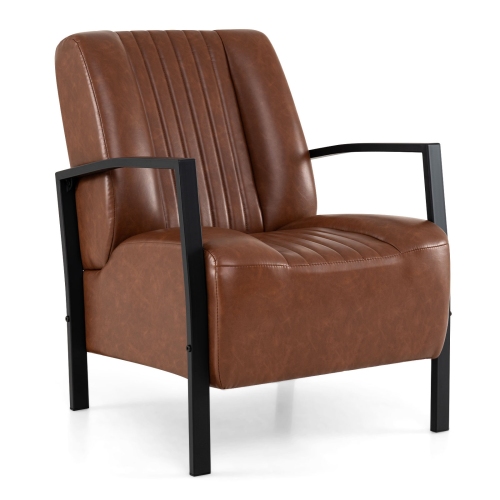
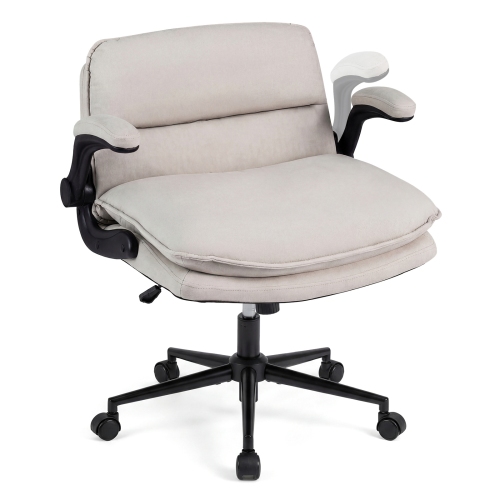


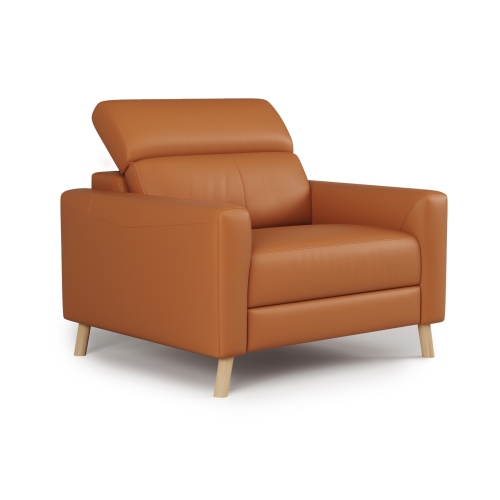
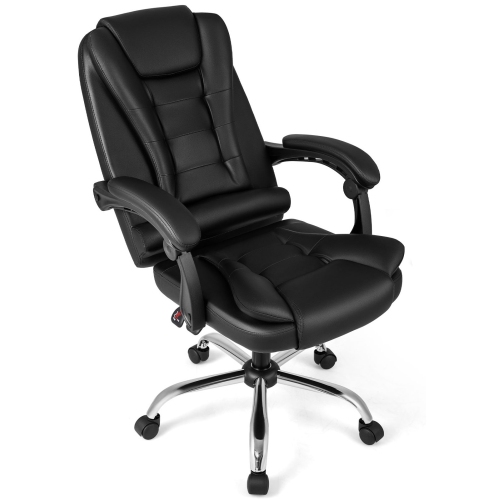
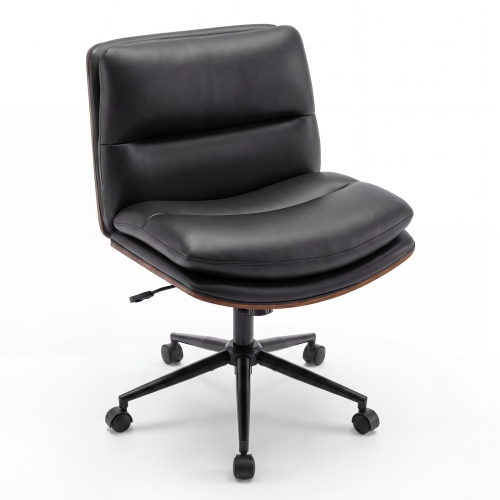
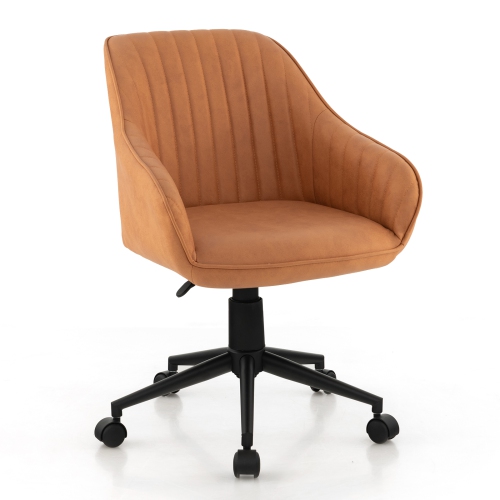
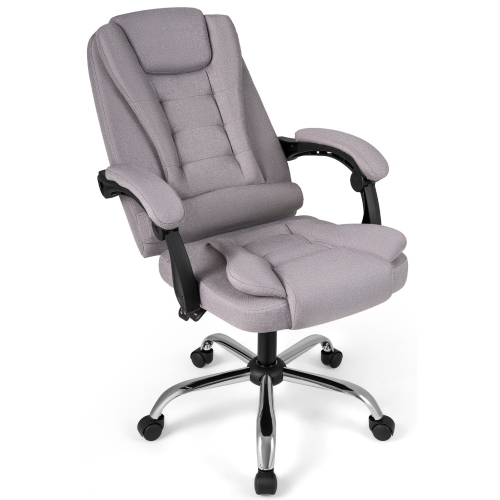
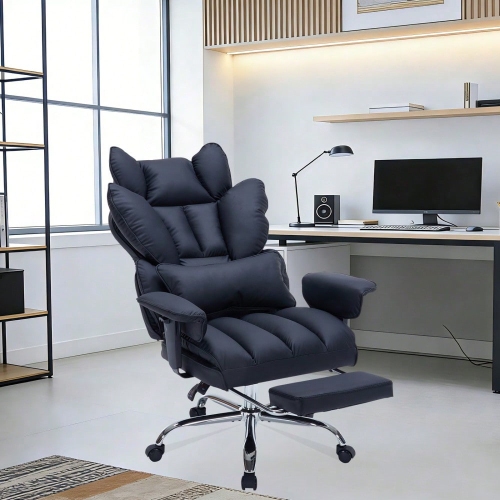
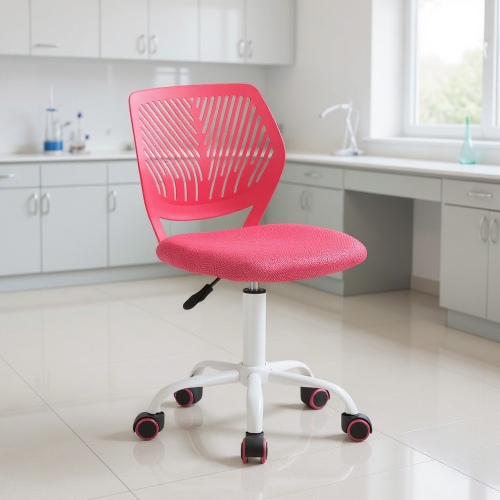
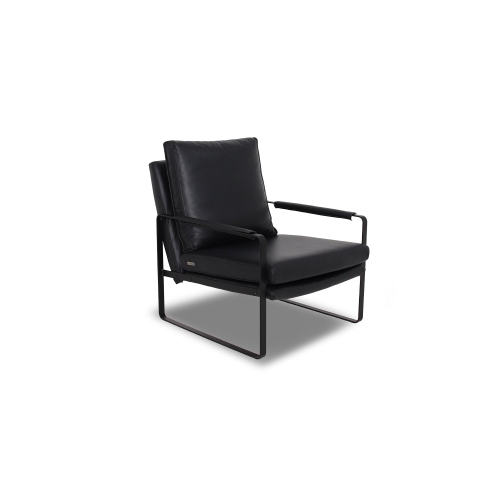
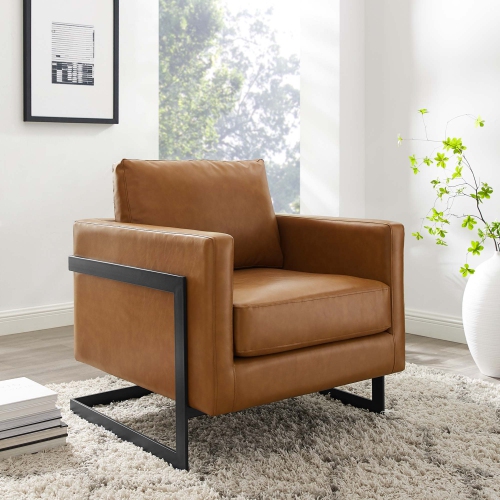
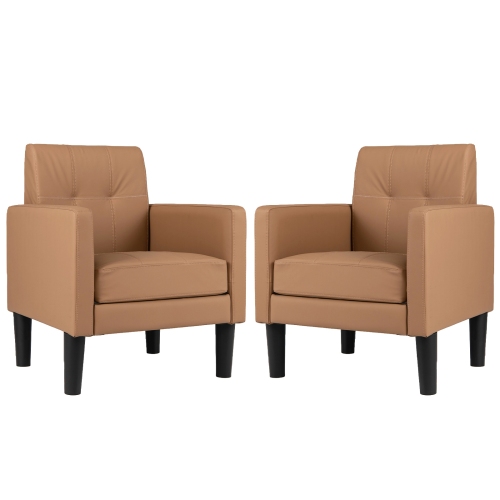
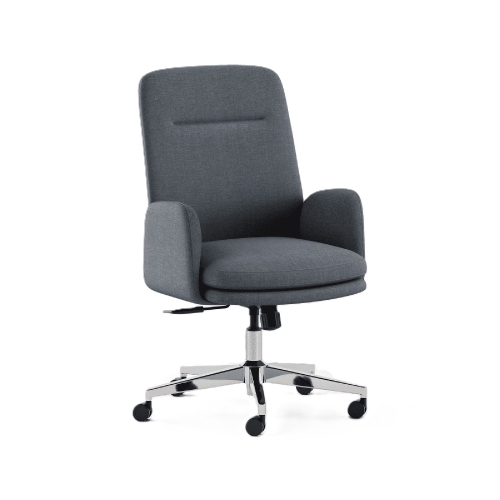
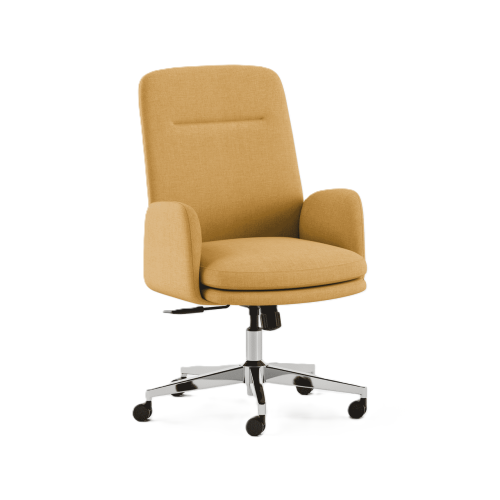
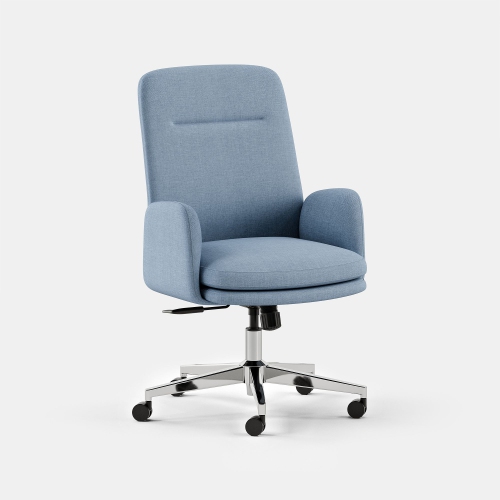
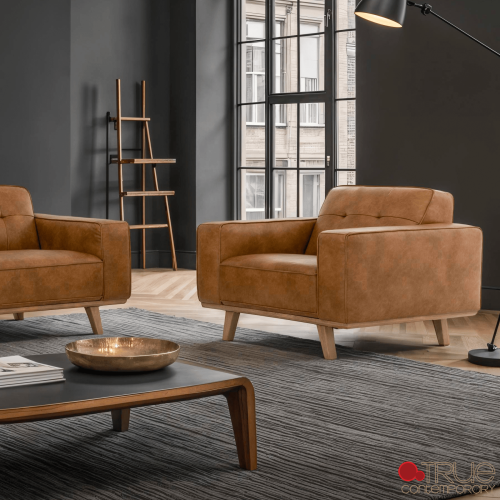
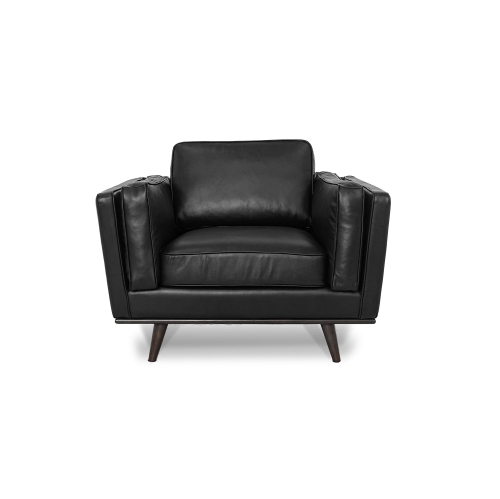
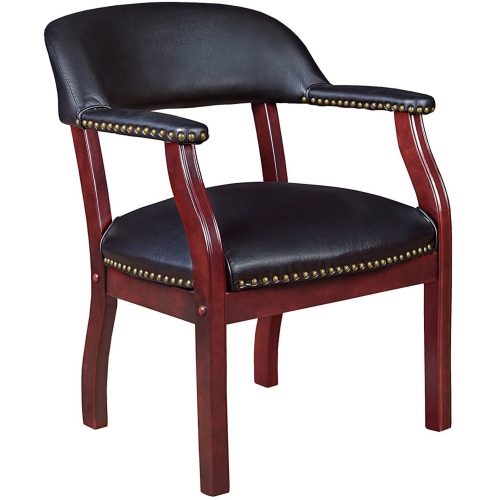
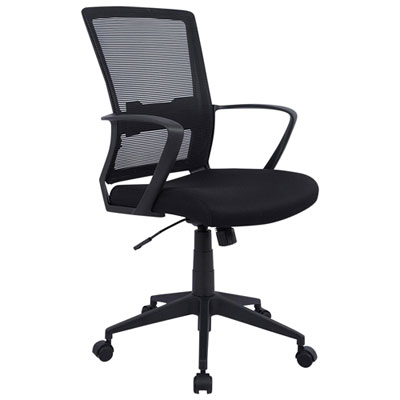
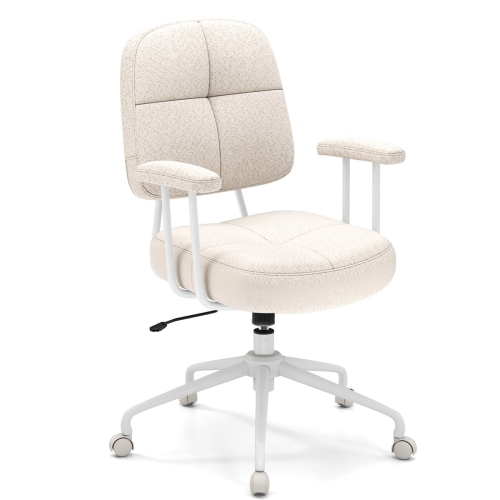

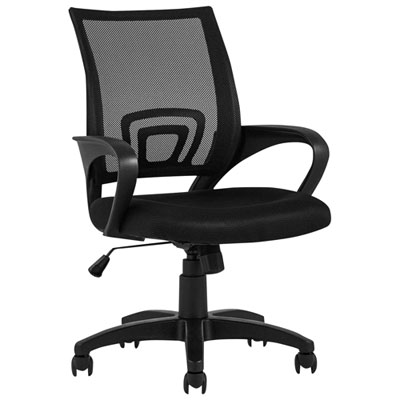
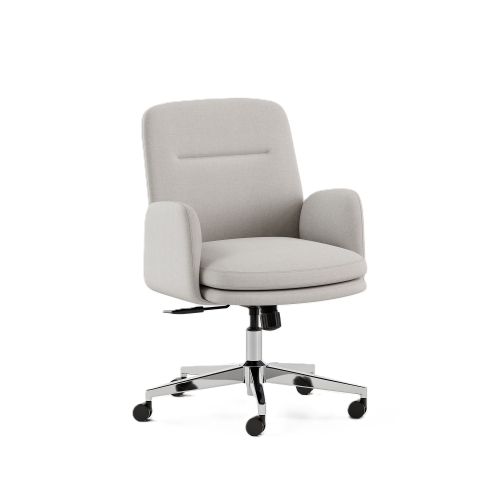
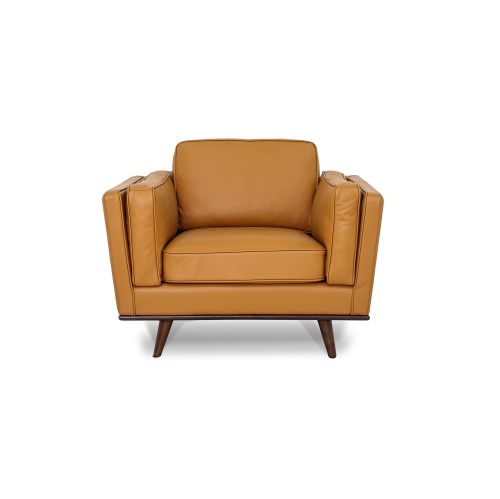
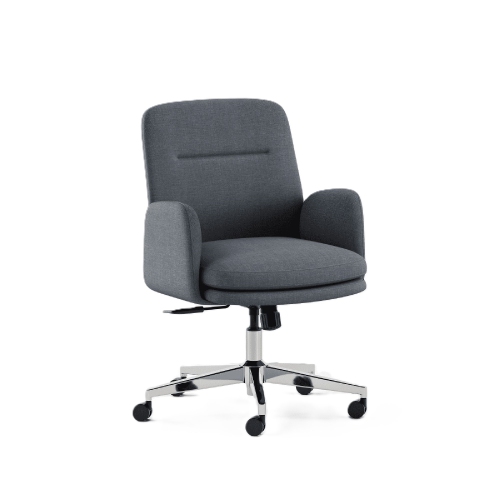
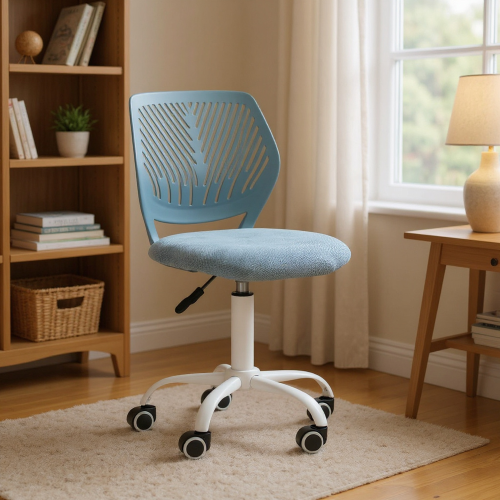
Why similar-looking leather chairs can feel so different
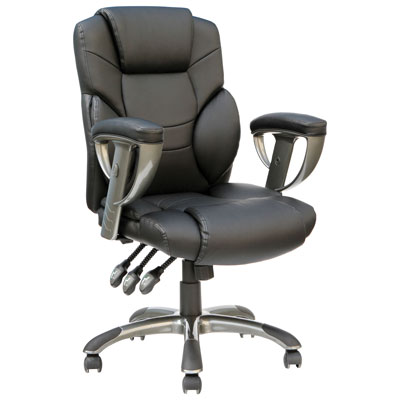
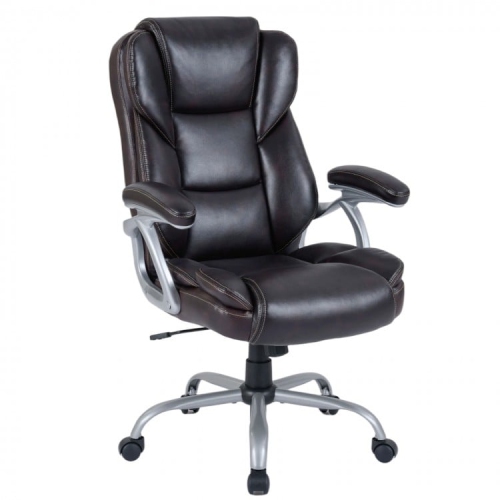
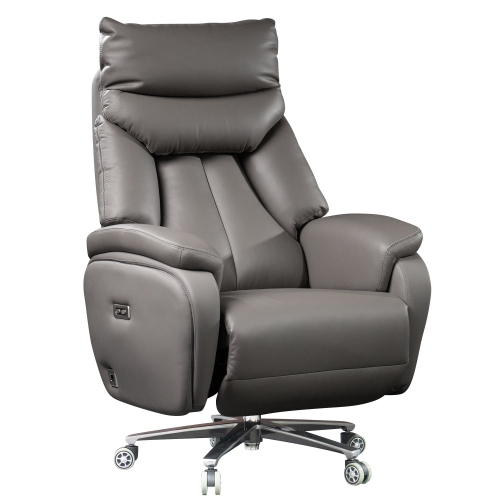
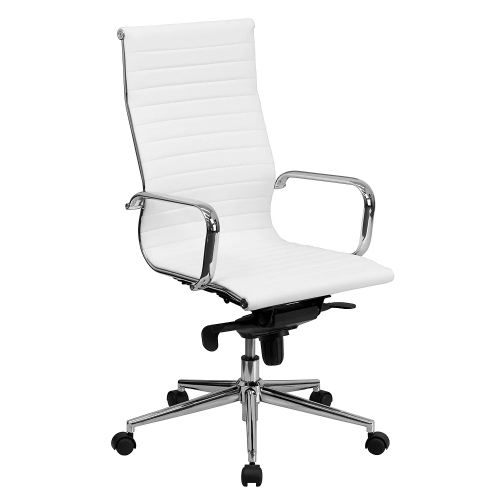
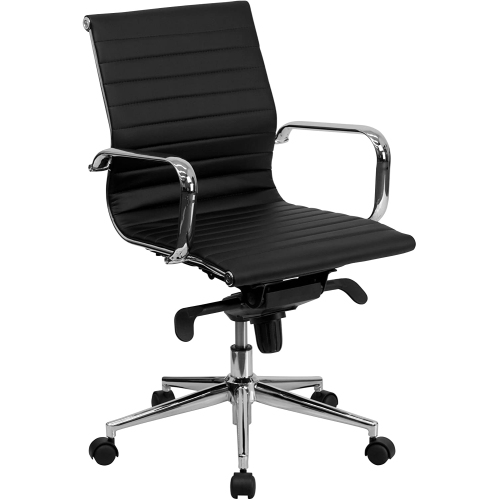
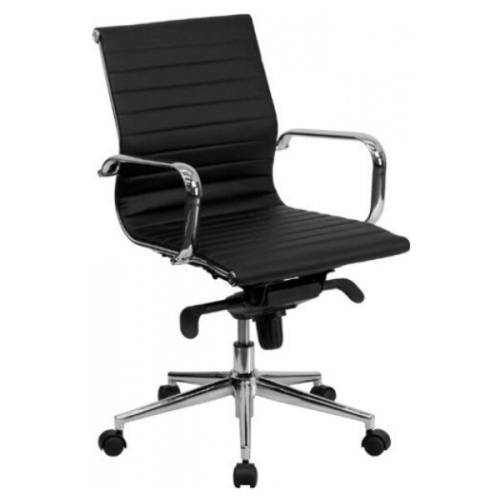
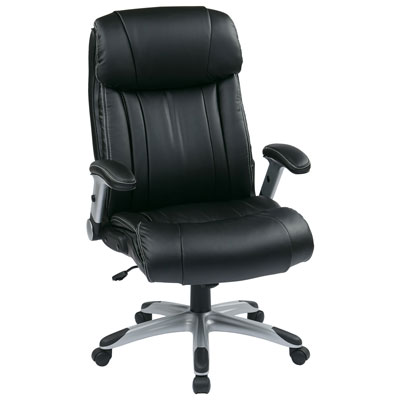
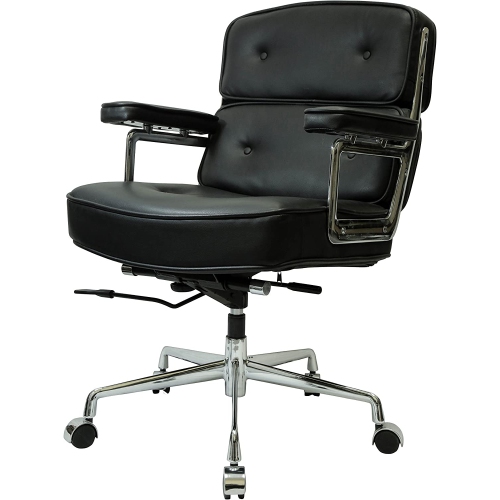
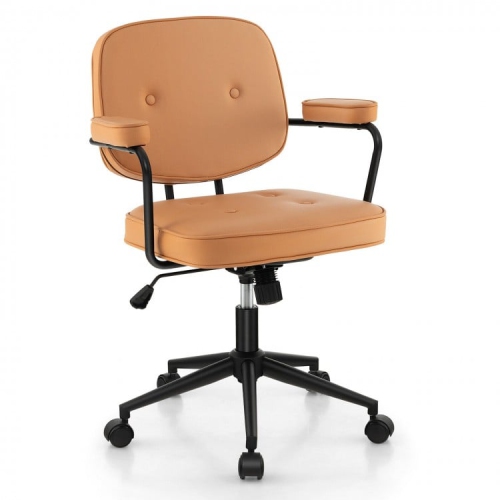
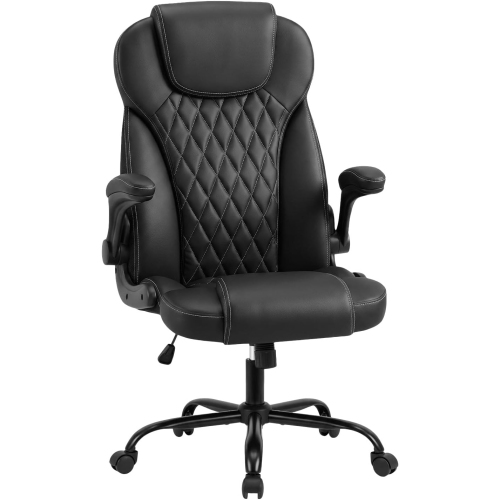
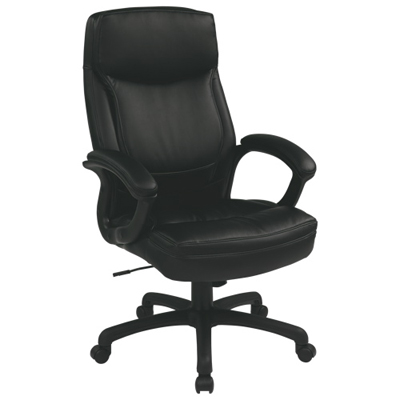
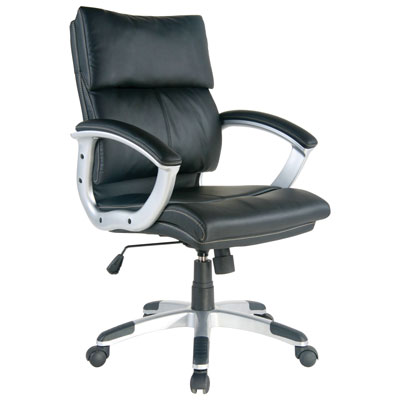
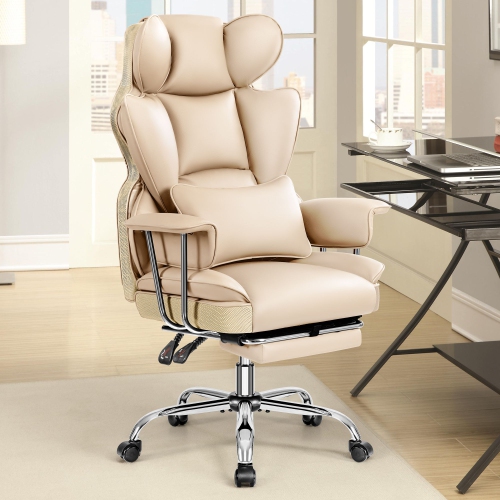
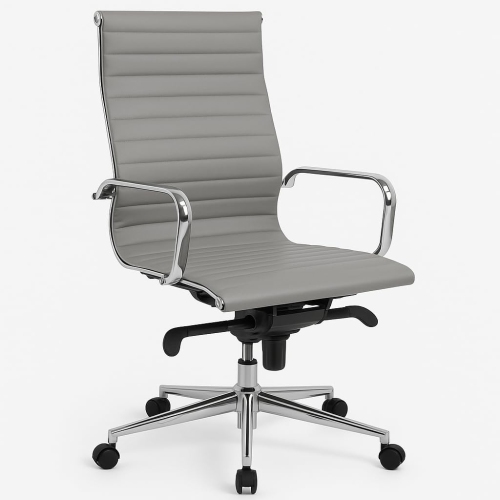
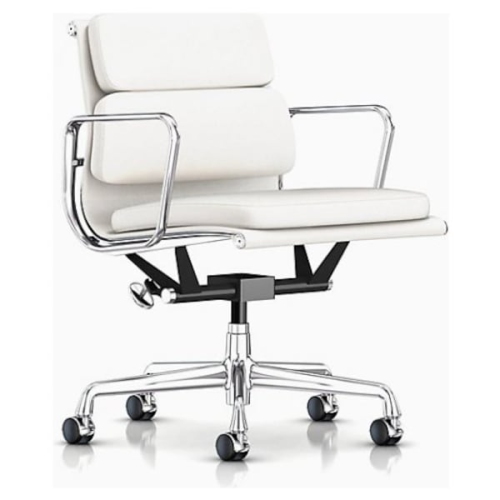
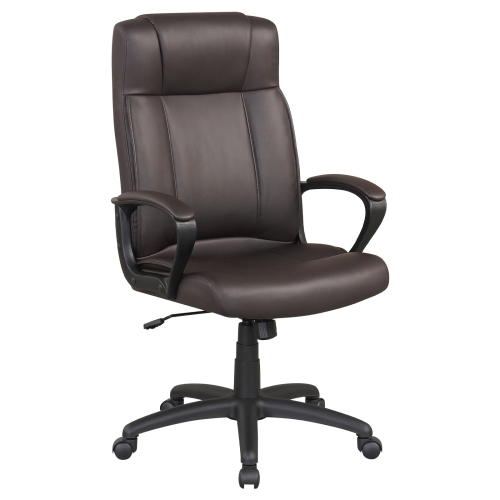
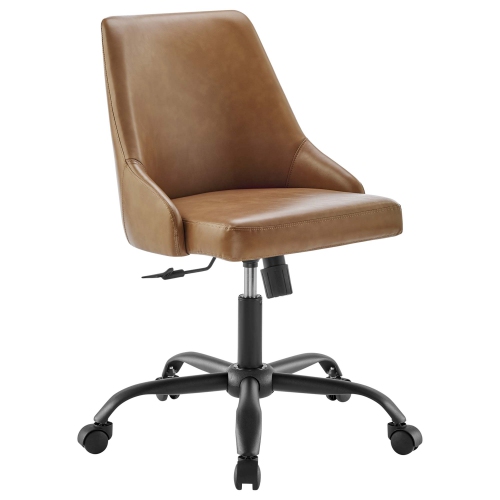
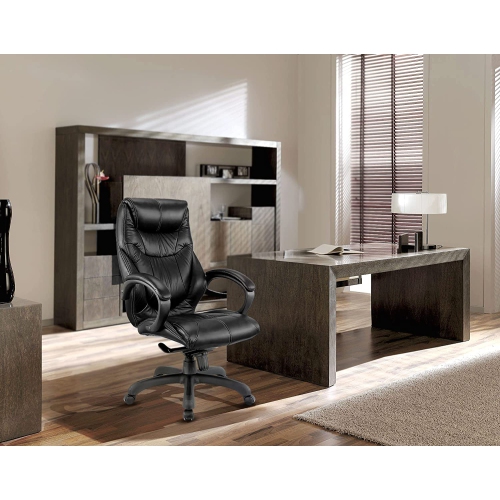
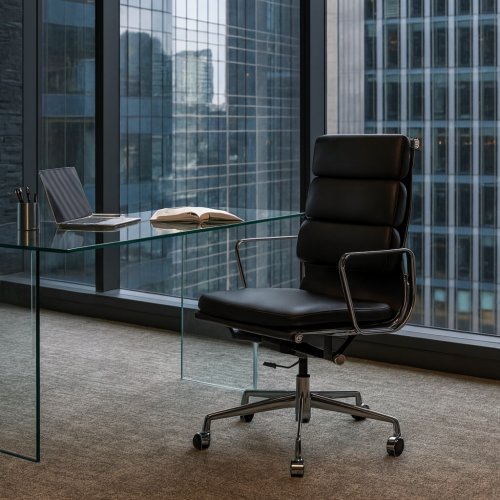
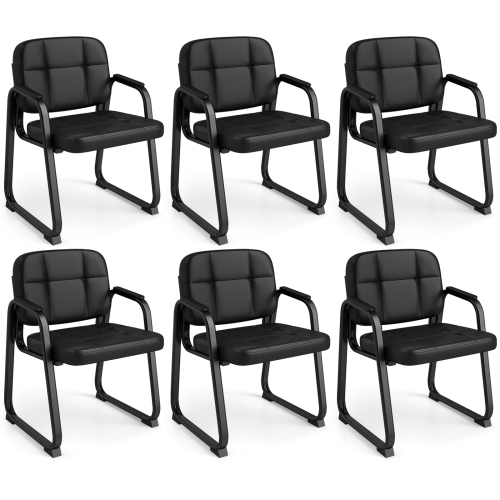
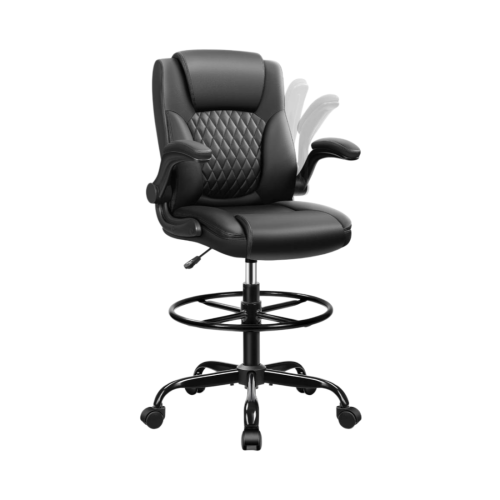
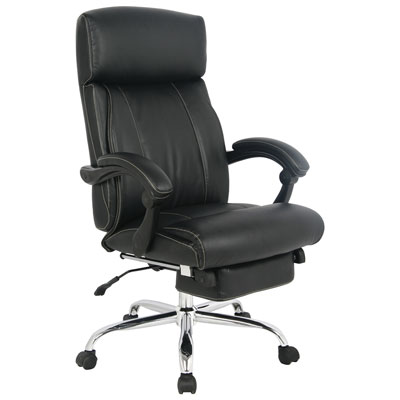
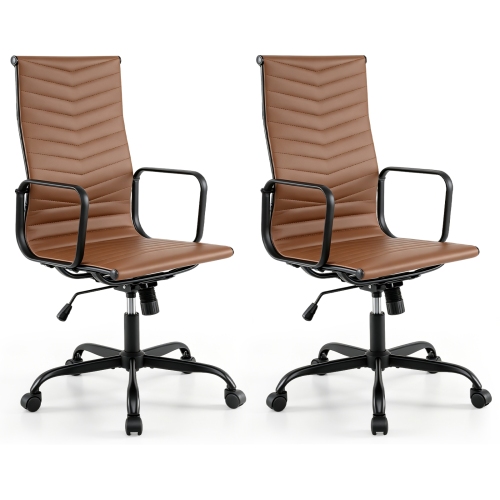
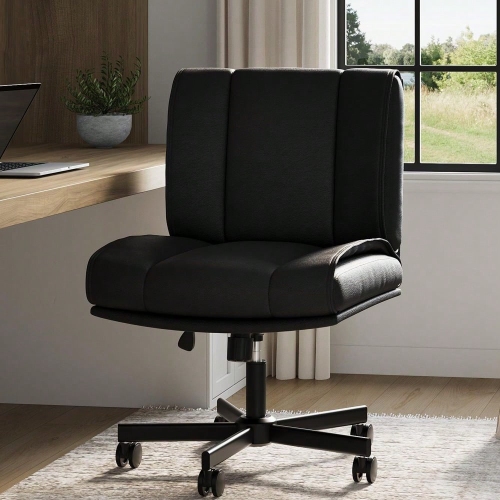
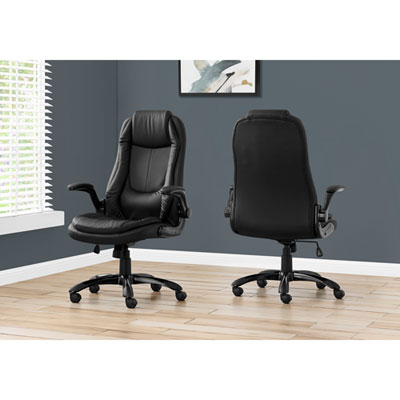
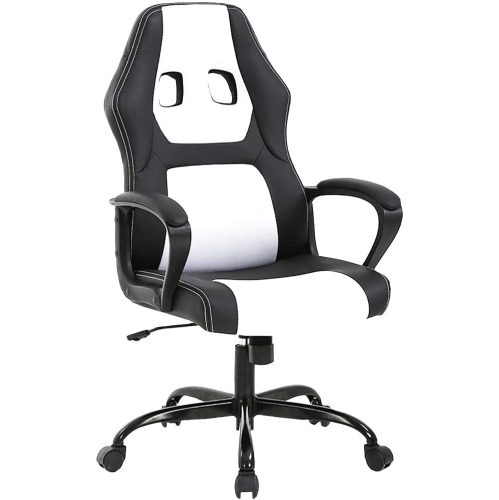
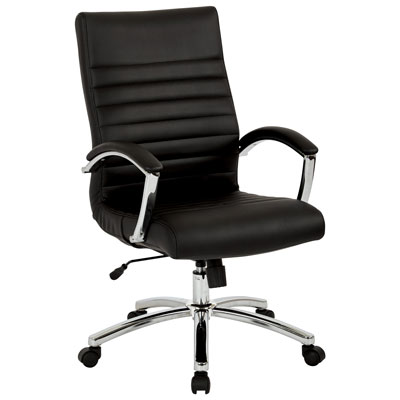
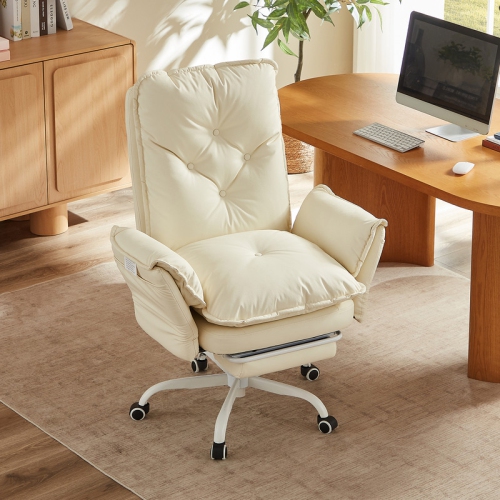
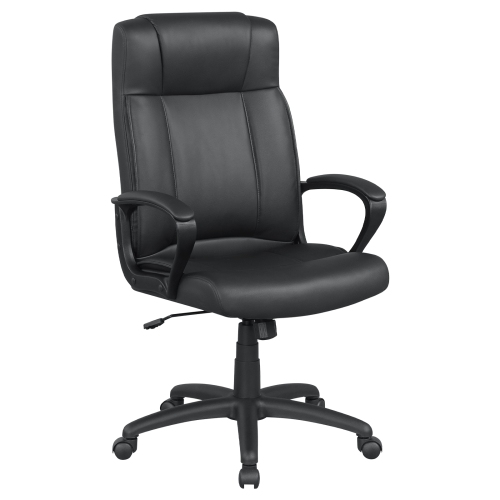
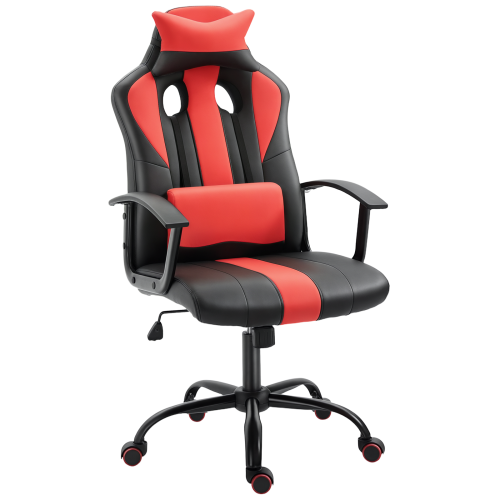
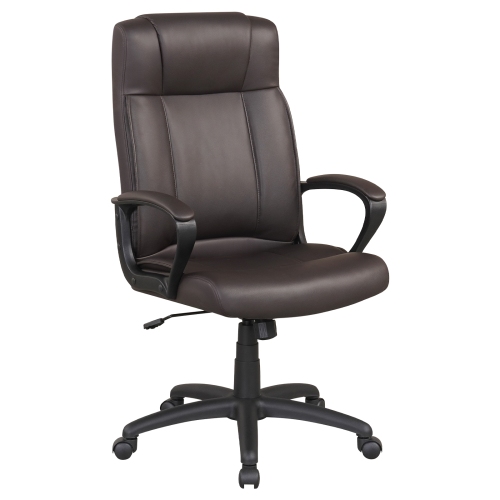
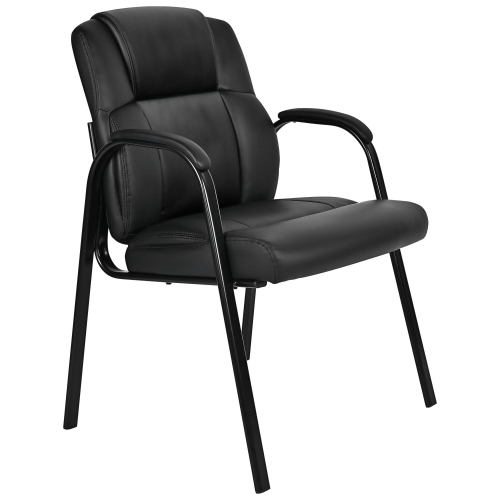
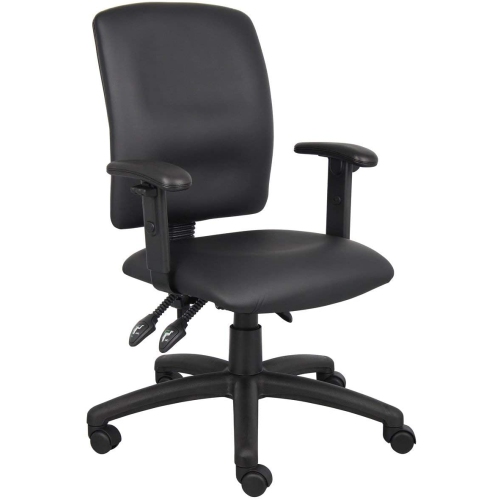
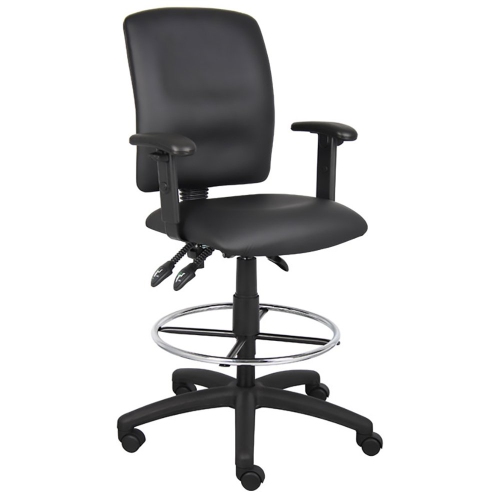
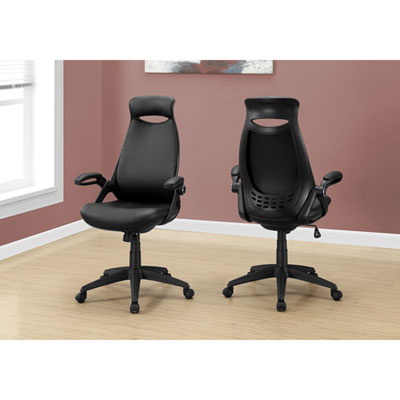
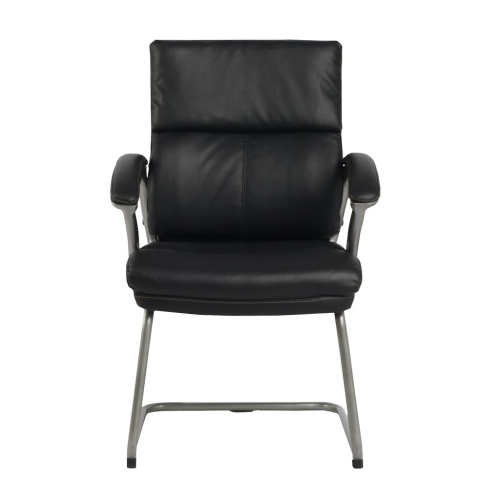
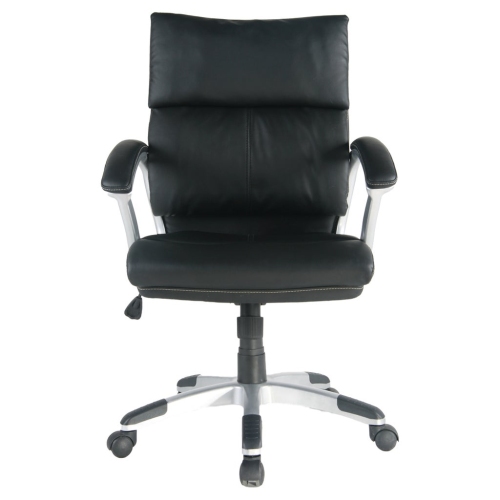
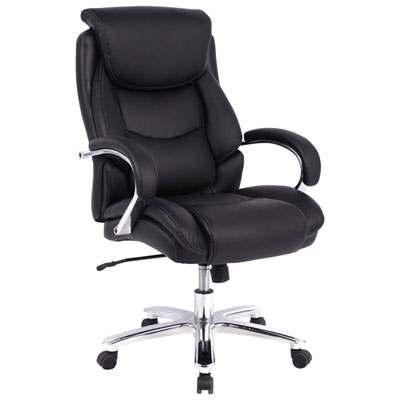
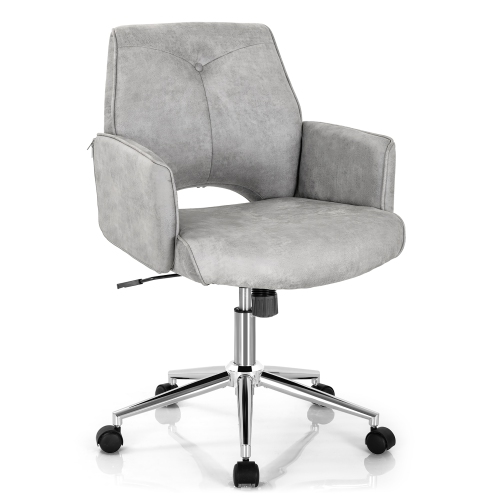
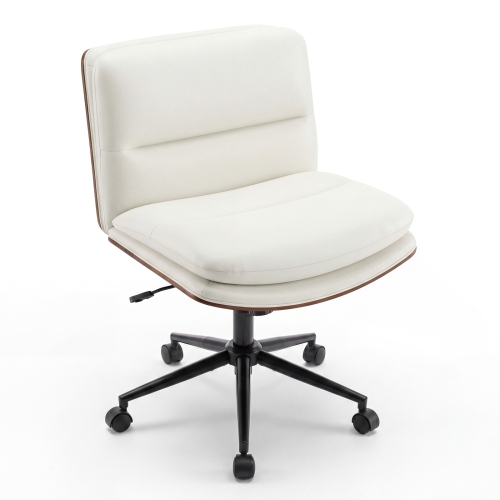
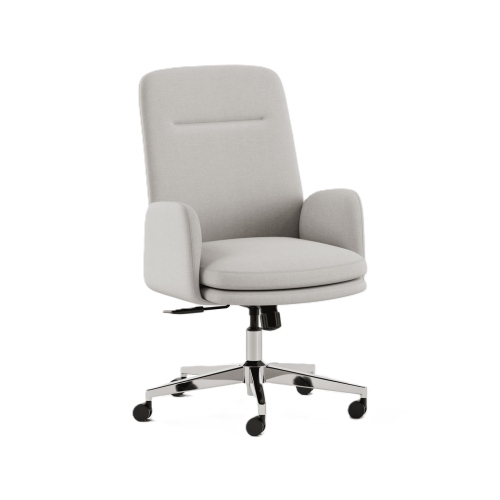
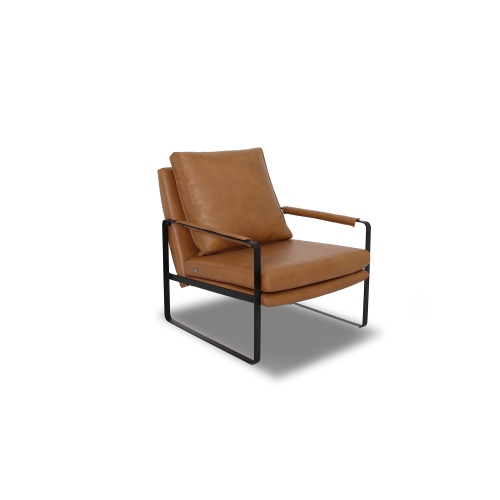
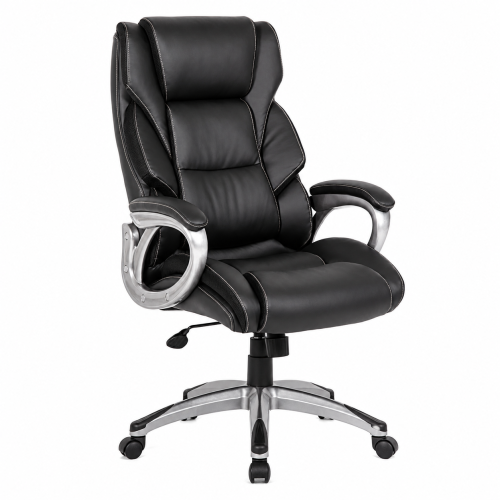
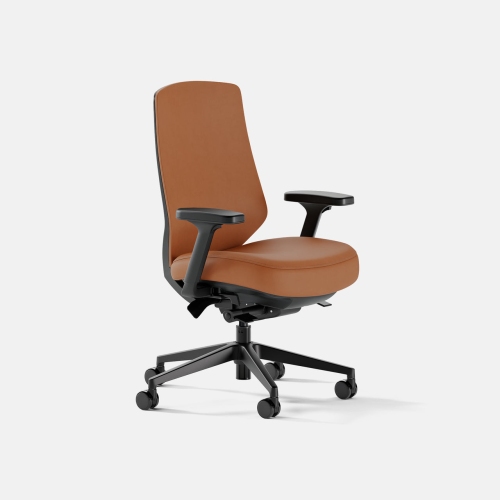
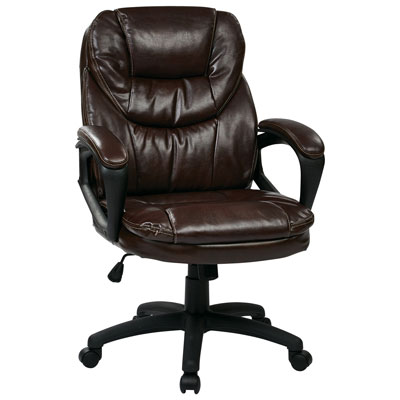
Contemporary leather office chairs combine clean-lined styling with upholstered seating designed for desk work, meetings, and home office use. Their appearance often centres on streamlined backrests, tailored stitching, and metal or matte-finished bases rather than ornate detailing. Black leather creates a crisp contrast against a light-coloured desk, while brown, cognac, and cream upholstery can soften a workspace with wood furniture or neutral walls. A slim chair can keep a compact office feeling open; a more generously padded design brings a substantial presence to a dedicated study. The upholstery deserves as much attention as the silhouette, since chairs with a similar appearance can use quite different materials. Genuine leather is made from animal hide, with texture, surface markings, and softness that vary according to its treatment and finish. Some leather develops a patina with use, while heavily coated finishes tend to maintain a more uniform appearance. Faux leather is a manufactured material, commonly made with a polyurethane or vinyl surface over a backing, and offers a leather-like look with different care requirements. Bonded leather combines leather fibres with binding materials and should not be confused with a continuous leather hide. Upholstery descriptions may also distinguish between leather on the seating surfaces and matching material on the outer back or sides. Those details help explain differences in feel, appearance, and wear without relying on colour or photographs alone. Smooth upholstery lends itself to a restrained, architectural look, while subtle channel stitching or lightly tufted cushions add texture without making the chair feel overly traditional. For a closely related look, Modern Leather Office Chairs offer another way to explore clean silhouettes and leather upholstery. Across these styles, the most useful distinction is how the chair’s proportions, materials, and features suit the space where it will be used.
Comfort depends on the relationship between the chair, the person sitting in it, and the desk—not simply on how thick the cushioning looks. For regular computer work, an adjustable seat height helps position the feet flat on the floor or on a footrest, with the shoulders relaxed and the forearms comfortably aligned with the work surface. Seat depth matters just as much: there should be some space between the front edge of the cushion and the backs of the knees when sitting against the backrest. A seat that is too deep can encourage perching forward, while one that is too shallow may provide less thigh support than expected. Seat width and armrest spacing also affect whether a chair feels comfortably supportive or restrictive. Lumbar support may be built into the shape of the backrest or adjustable on certain designs; its usefulness depends on where it meets the lower back. A high back can support more of the upper body, but it does not automatically provide a better fit than a mid-back chair. Likewise, a headrest is most useful when its height and angle suit the user rather than pushing the head forward. Tilt tension, recline settings, and locking positions can help accommodate changes between focused keyboard work and a more relaxed reading position. These features vary, so their presence should not be assumed from an executive-style appearance. Armrests can provide welcome support during calls, yet fixed arms may prevent the chair from sliding beneath a low desktop. In a smaller room, that clearance affects both working comfort and how neatly the chair tucks away afterwards. Someone who spends extended periods at a desk will generally benefit from more fit adjustments than someone furnishing a space for occasional correspondence. Even a well-fitted chair works best alongside changes in position and regular breaks from sitting. A polished appearance and practical adjustability can coexist, but neither replaces the need for dimensions that suit the user.
Construction and care influence how a contemporary leather office chair holds up to everyday routines. Cushioning that feels plush at first can respond differently over longer sitting periods, and its resilience depends on the foam, underlying support, and frequency of use. A sturdy frame, secure arm attachments, and a stable base are important considerations, along with the chair’s stated weight capacity and intended use. A chair designed for intermittent home use should not automatically be treated as suitable for shared, continuous-duty seating. Casters also deserve attention: wheels appropriate for carpet may behave differently on hard flooring, and a compatible chair mat can help protect the surface beneath a frequently used desk. Allow enough room behind the desk to roll back and stand without catching the chair against a cabinet or wall. Upholstery care should follow the manufacturer’s directions, because a cleaner intended for one leather finish may damage another. Regular dusting with a soft cloth helps remove particles that can collect along seams, while spills are best blotted promptly rather than rubbed into the surface. Genuine leather may require an approved conditioner, depending on its finish; faux and bonded leather generally need a different approach and should not be treated with leather oils unless specifically permitted. Abrasive cleaners, excessive moisture, and harsh solvents can damage upholstery or its protective coating. Direct sunlight can contribute to fading, and repeated contact with sharp objects or clothing hardware may mark the seat and arms. For a home office that doubles as a guest room or reading space, a restrained profile can help the chair sit comfortably alongside other furniture. In a shared workspace, easily understood adjustments make it simpler for different users to establish a suitable fit. As a gift for someone setting up a dedicated office, a chair is most practical when their measurements, desk clearance, and seating preferences are known. The strongest choice brings together an appealing finish, appropriate support, and construction suited to the way the workspace is actually used.
Top selling and popular products
-
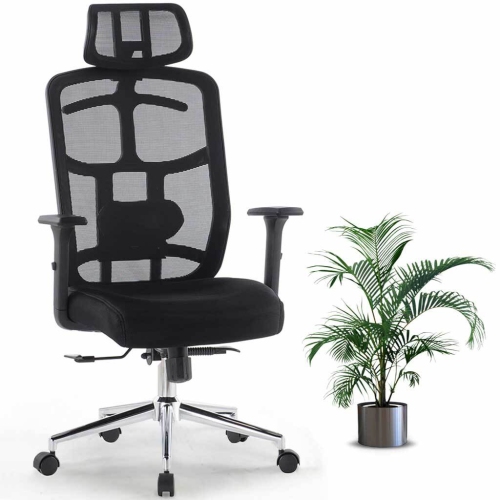 Your price for this item is $126.99
-
 Your price for this item is $599
-
 Your price for this item is $599
-
 Your price for this item is $599
-
 Your price for this item is $599
-
 Your price for this item is $649
-
 Your price for this item is $459.99
-
 Your price for this item is $429
Discover more categories related to Contemporary Leather Office Chairs

Top Collections:
Best Black Friday Deals This Year, Best Black Friday Deals On Electronics, Kindle Devices, Pokemon Centers, Best Black Friday Deals On Apple Products, Best Cameras for Sports Photography, Dyson Airwrap, Pokémon 30th Celebration Cards, Apple iPhone 17 Pro, Canon G7X Cameras
Some products may be subject to Environmental Handling Fees
(EHF) depending on your province.
Learn more about EHFs.