Contemporary Office Chairs
If you're looking for a chair that's both stylish and comfortable, consider a contemporary office chair. These chairs are designed to fit in with modern decor, but they also offer the support and ergonomics you need to get the most out of your day.
Sort

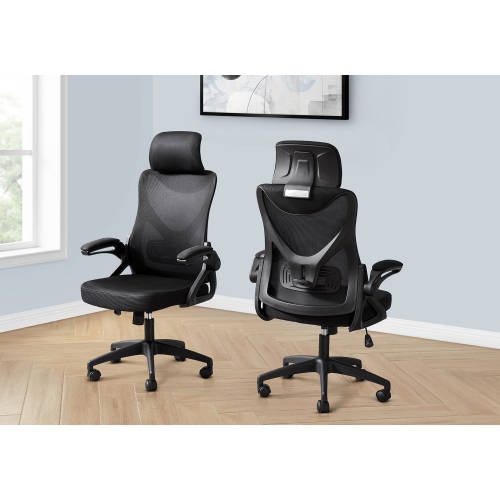
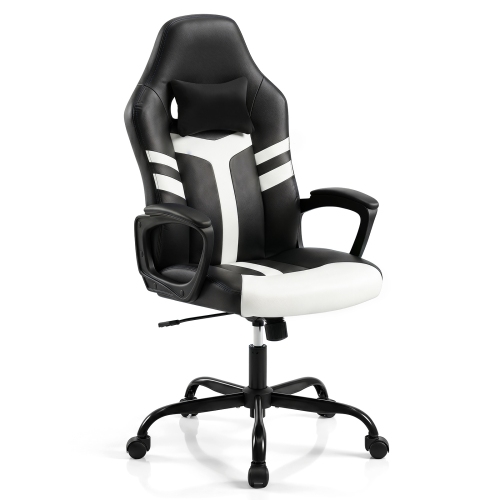
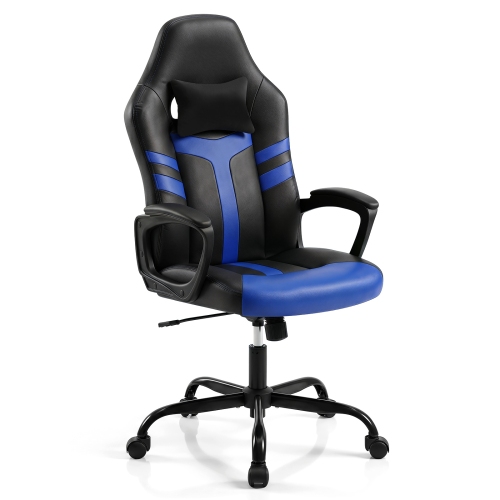


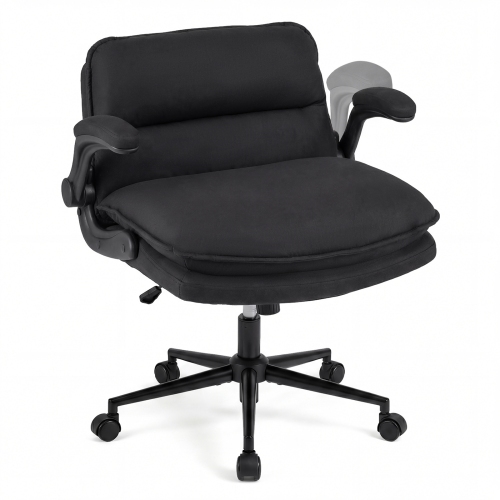
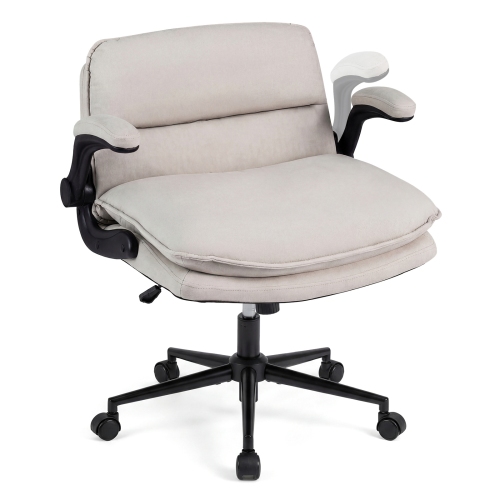
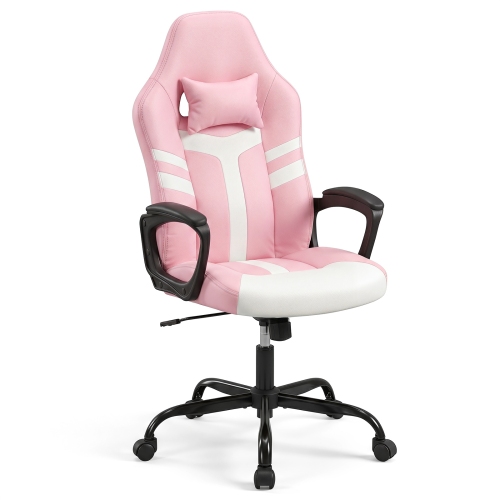


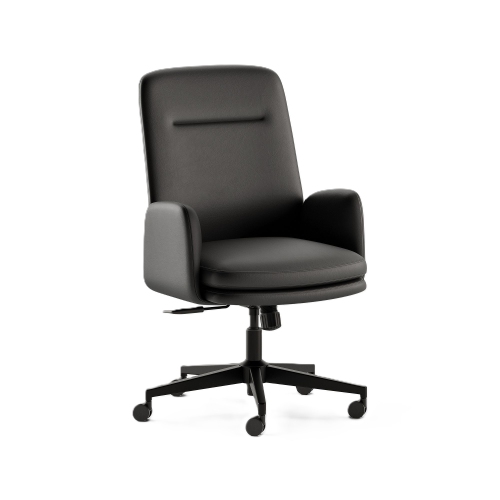
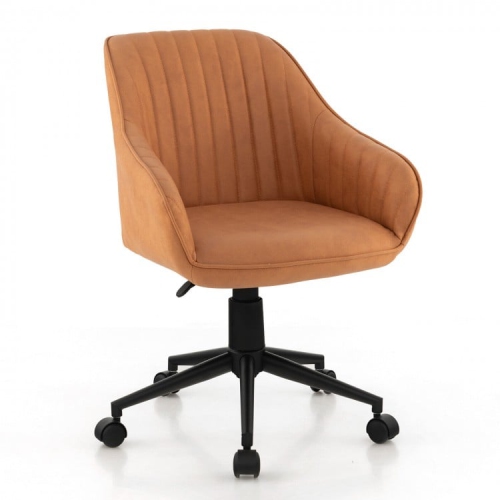
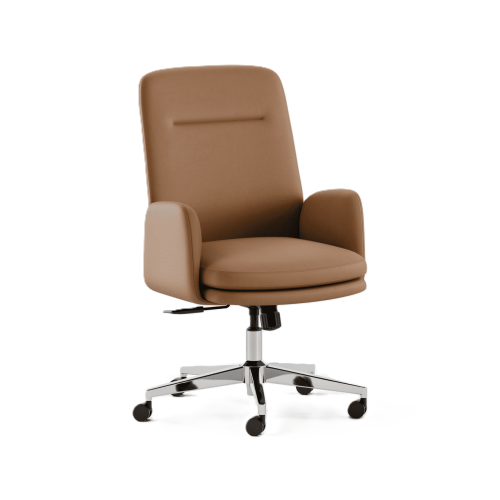
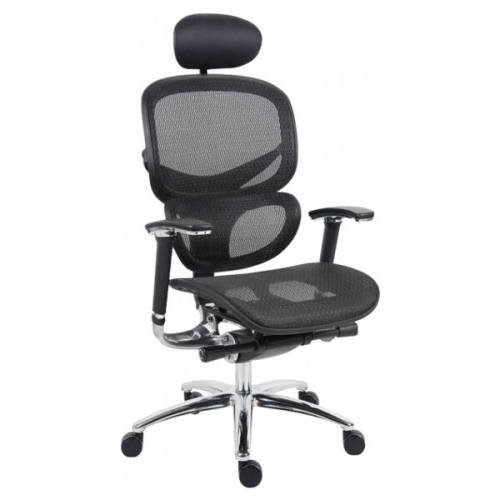
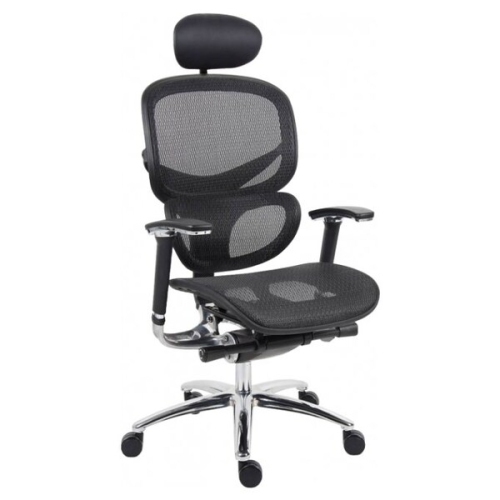

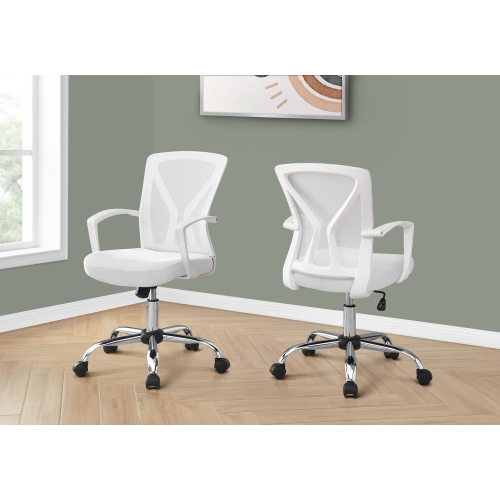
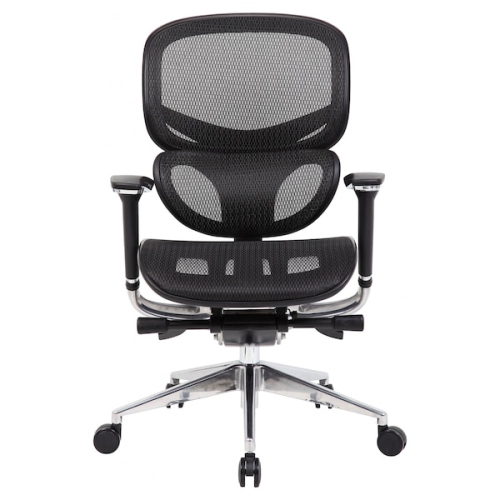

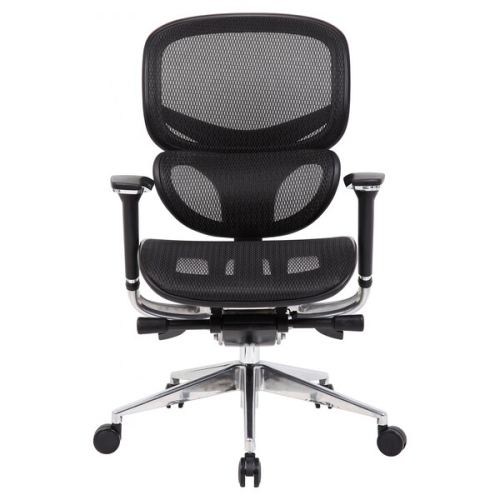
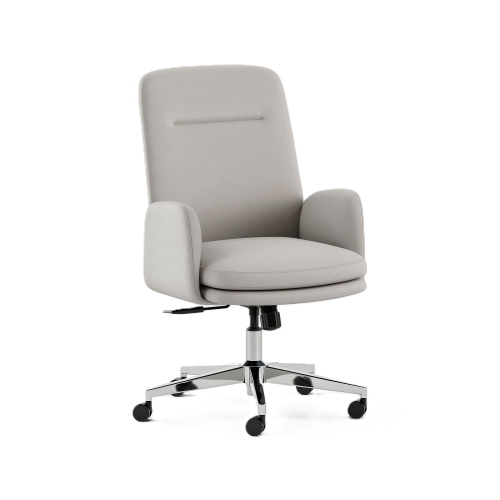
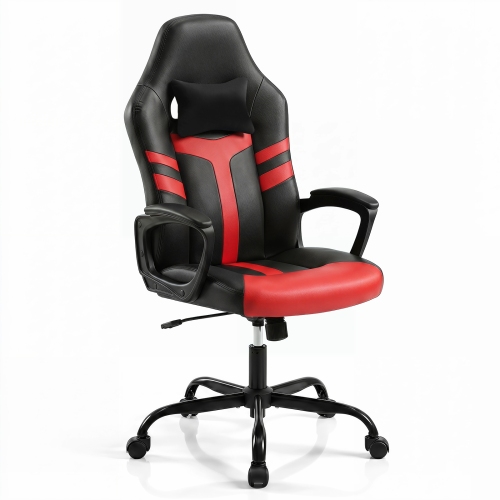

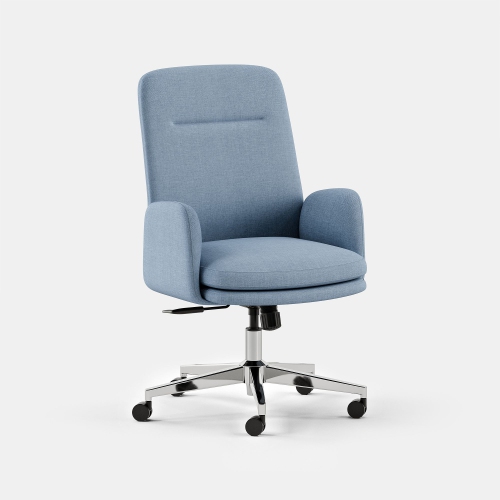
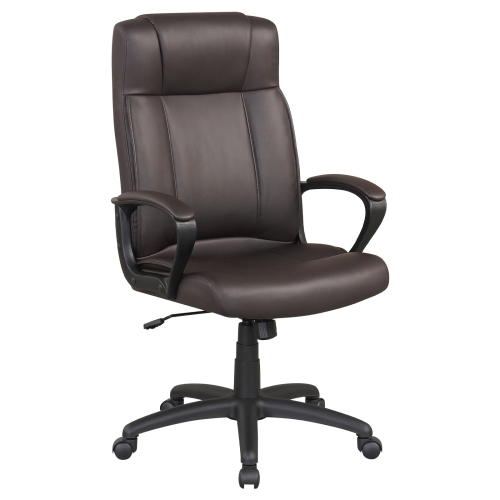
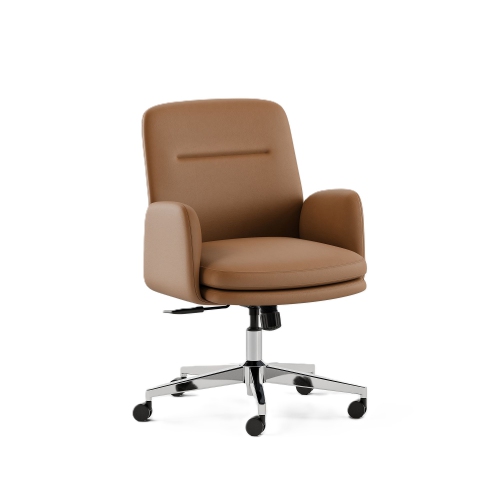
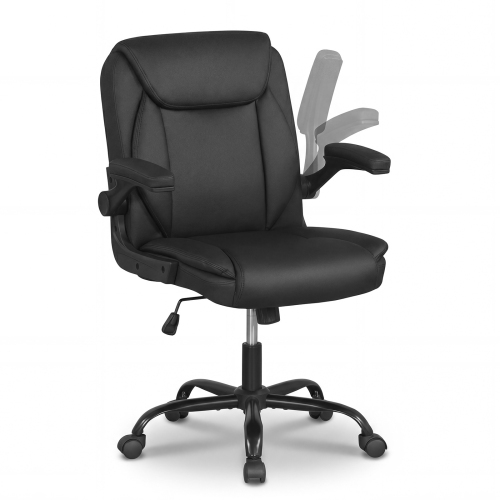
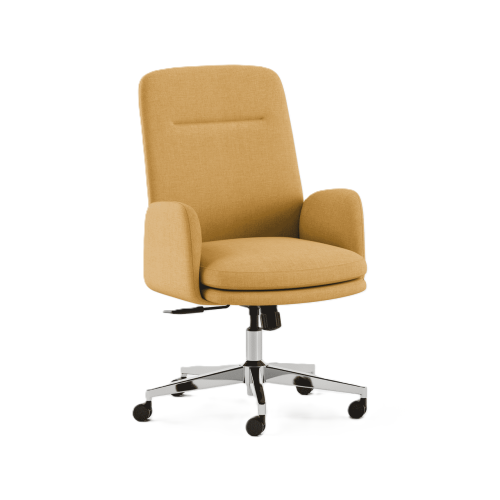
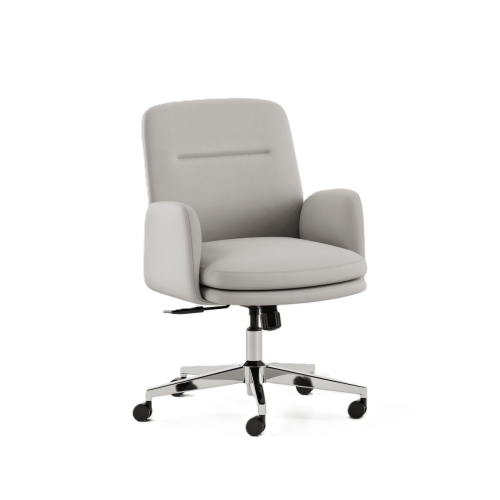
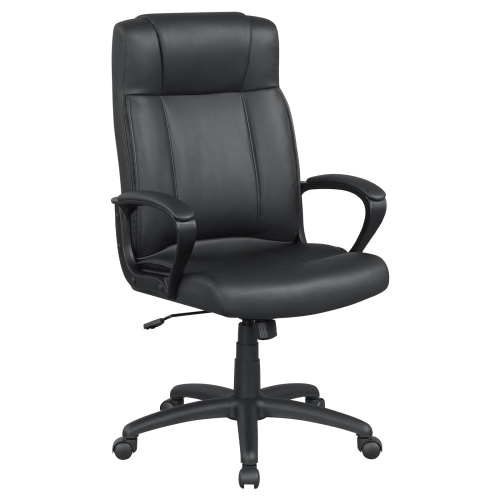
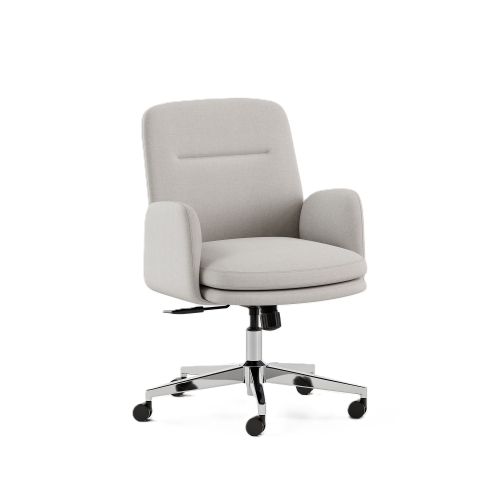
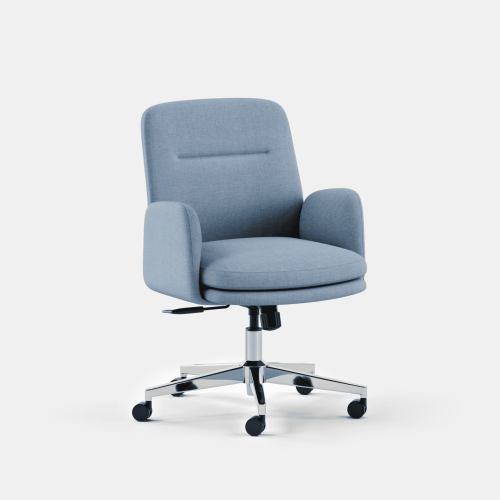
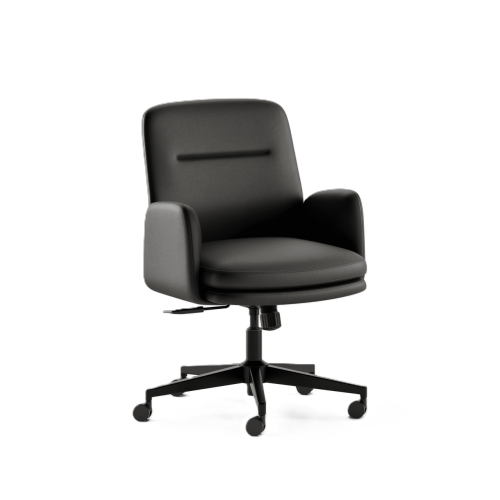
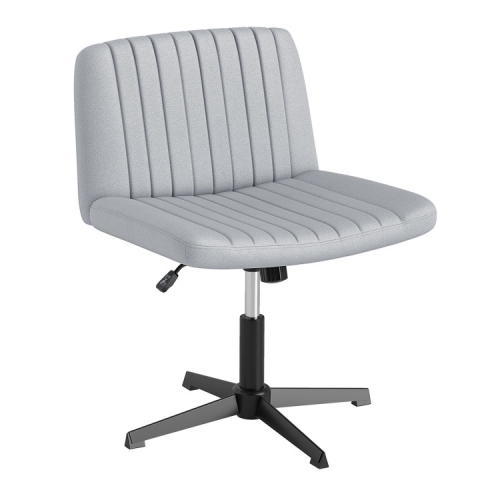
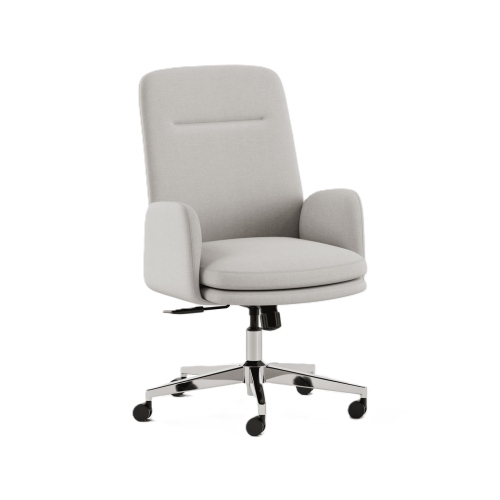
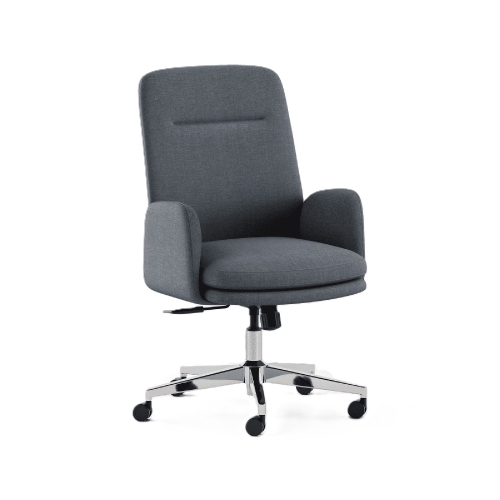
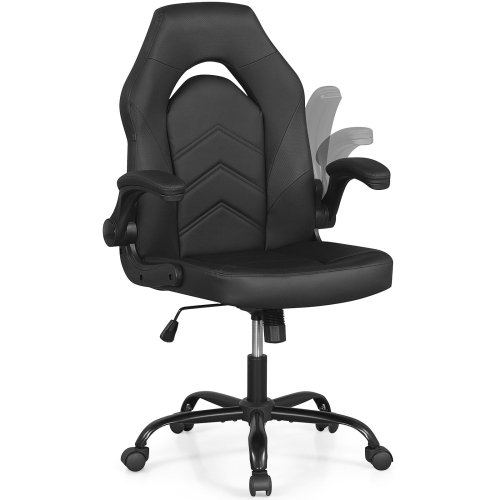

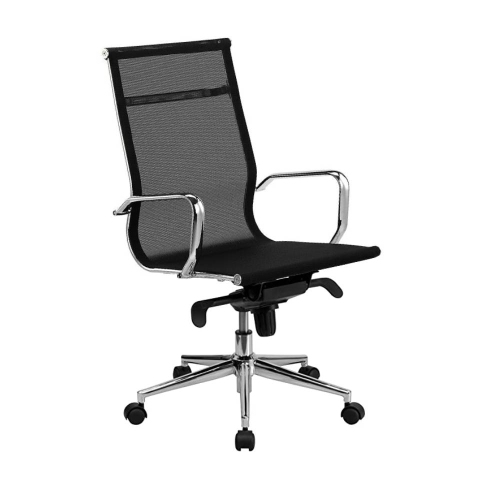
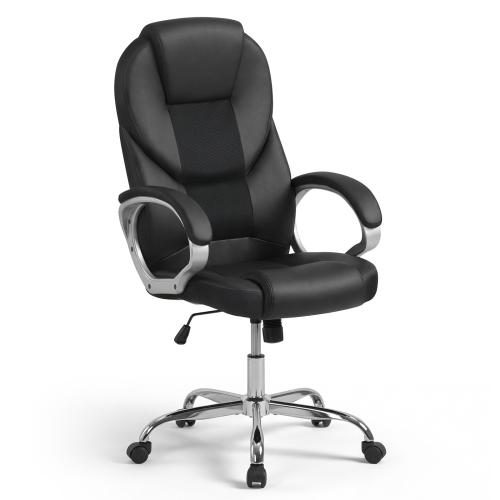
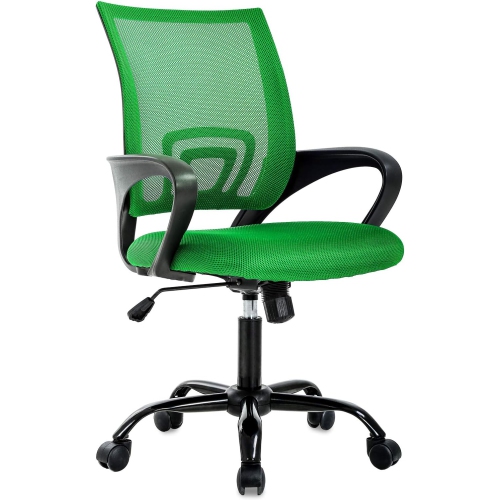
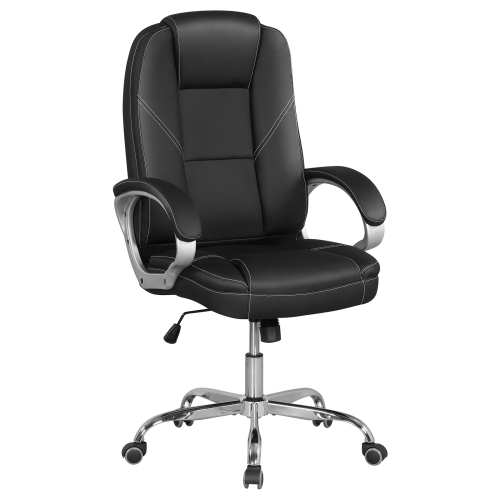
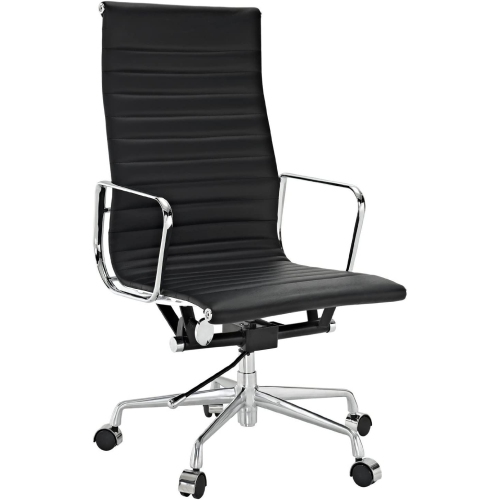
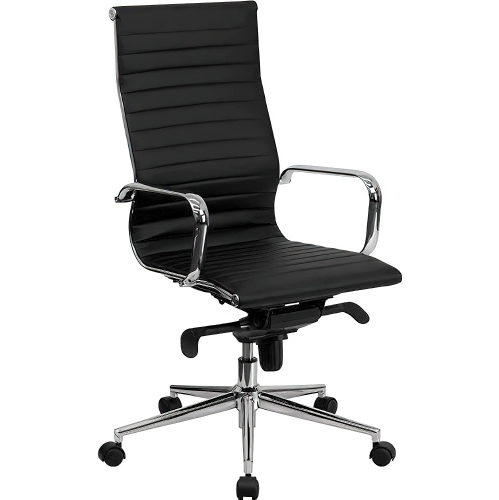
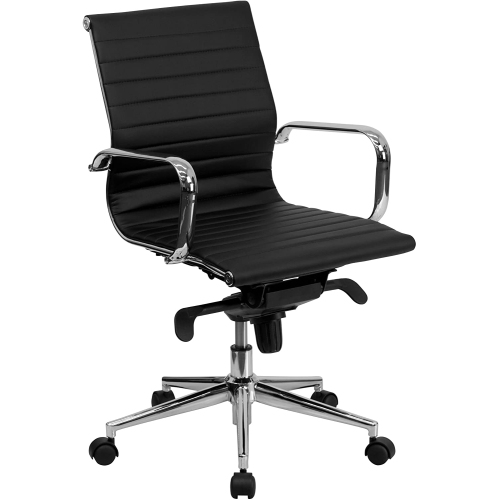
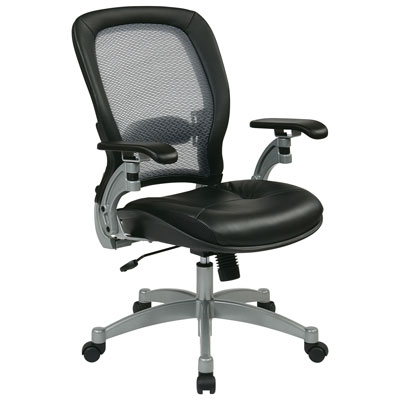
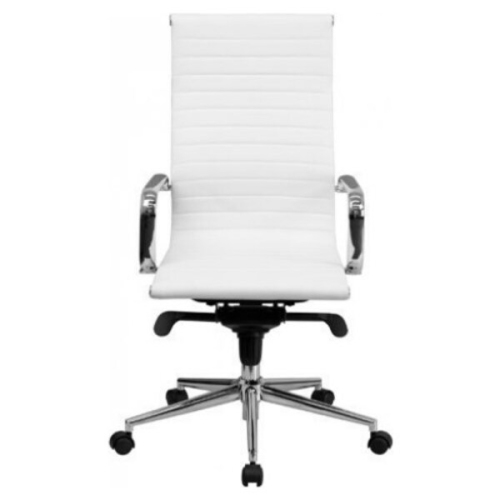
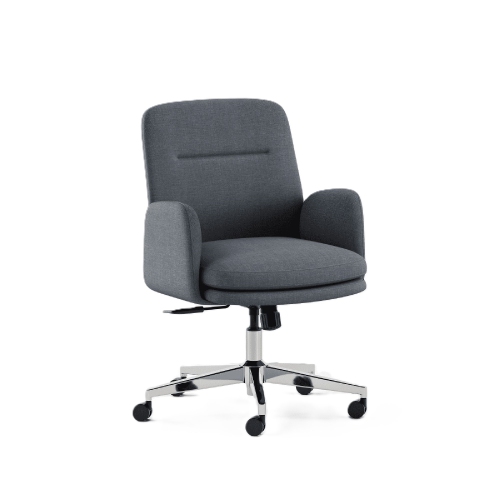
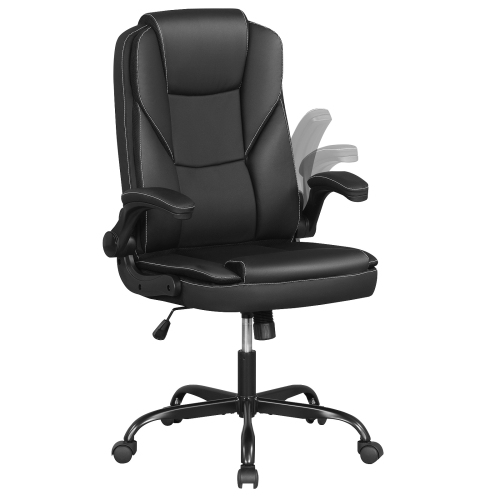
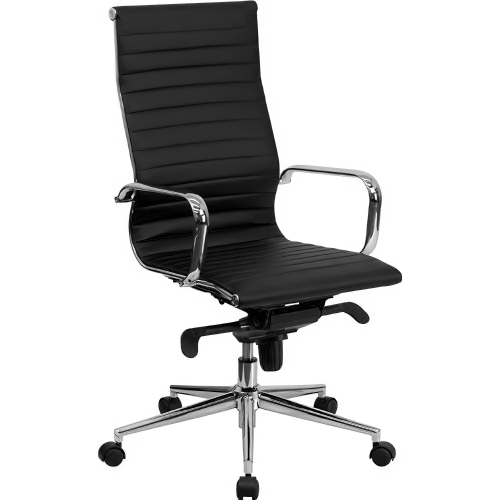
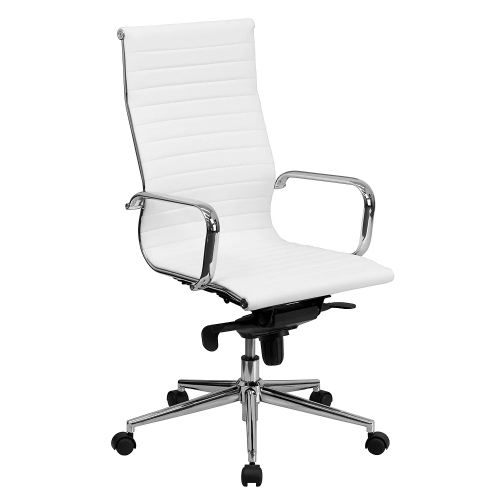
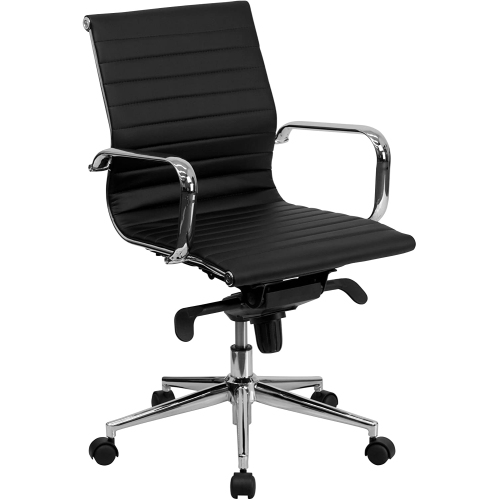
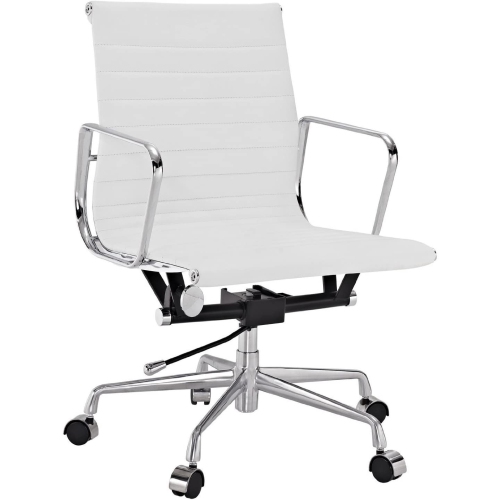
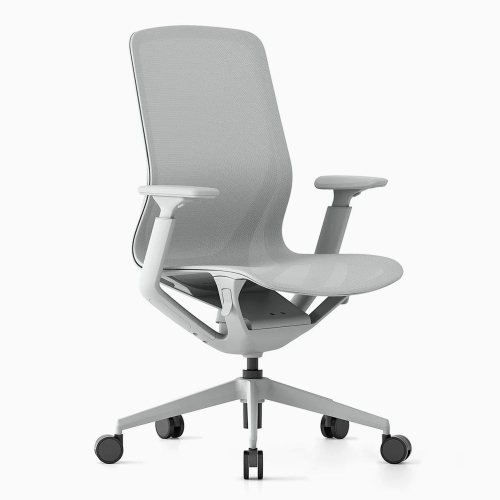
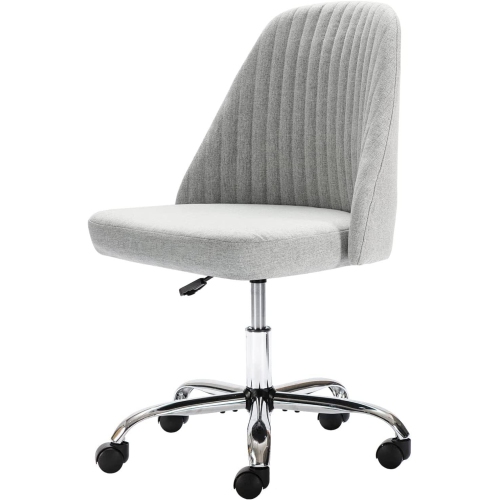
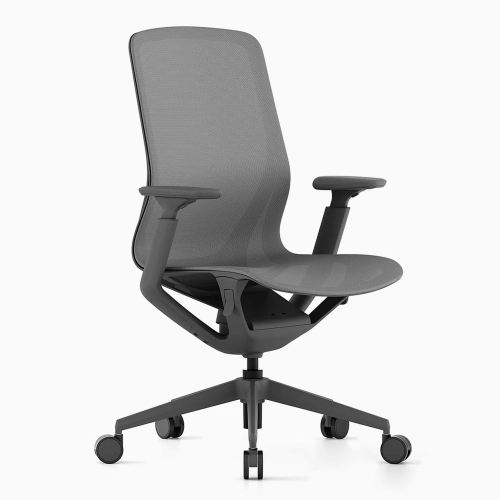


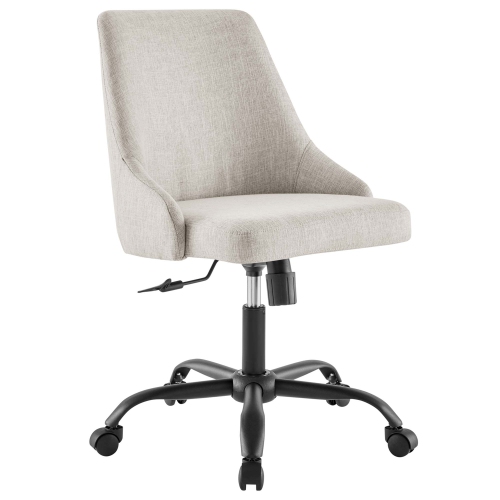
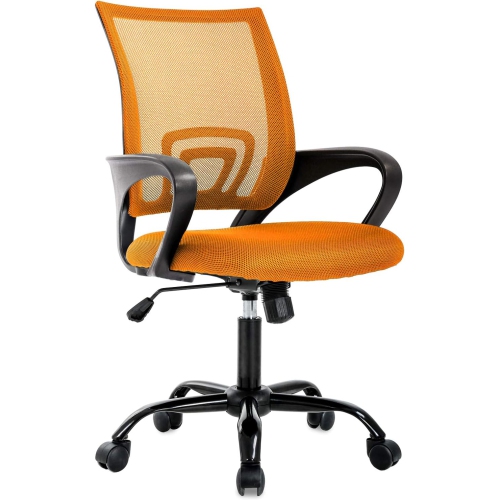
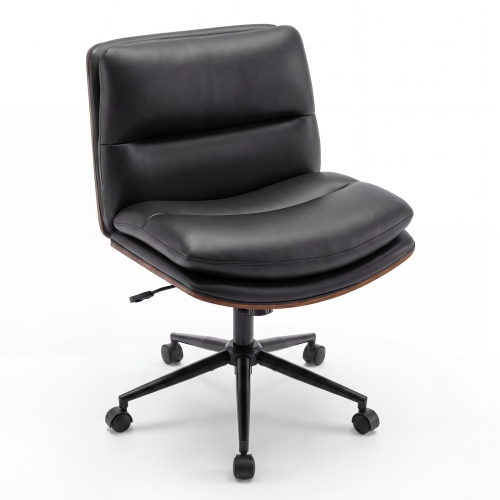
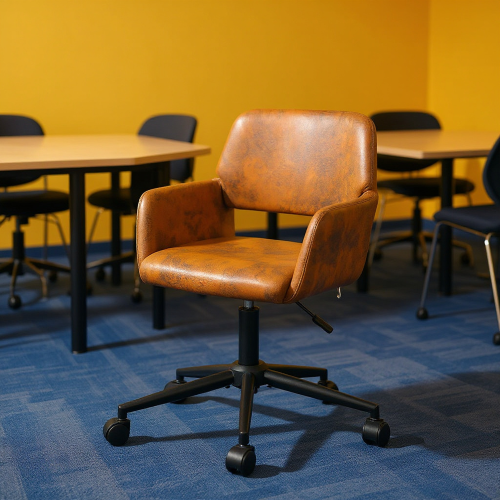
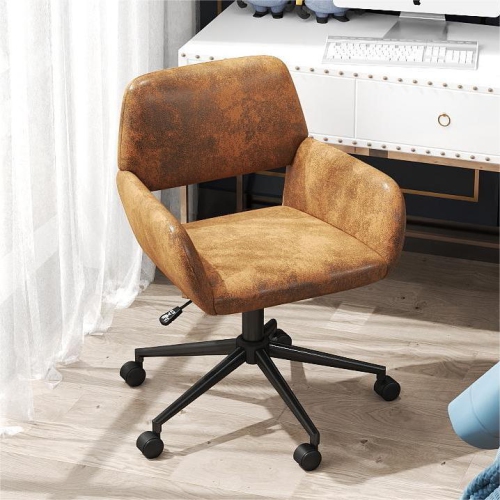
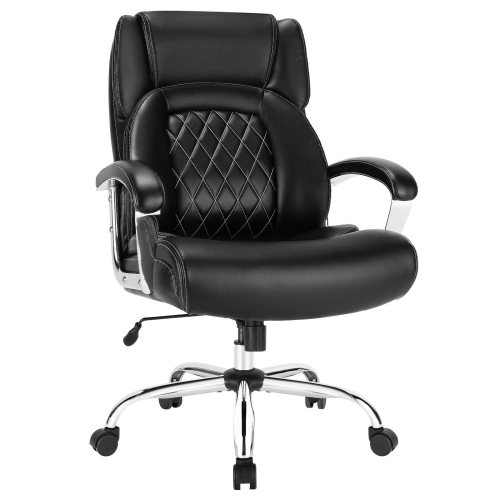
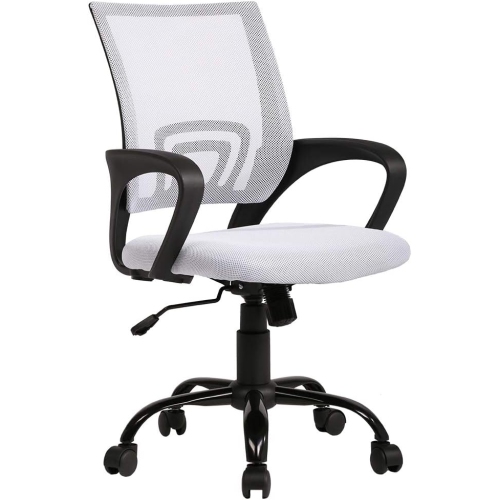
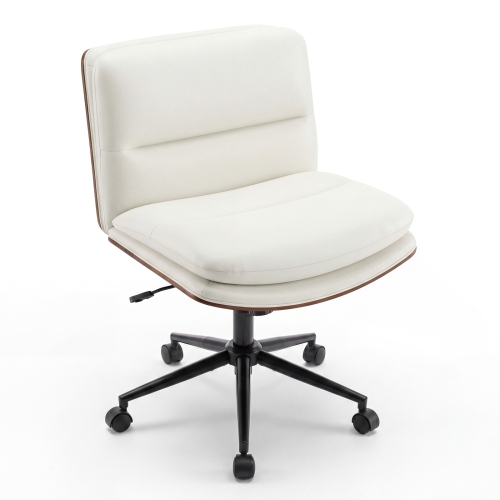
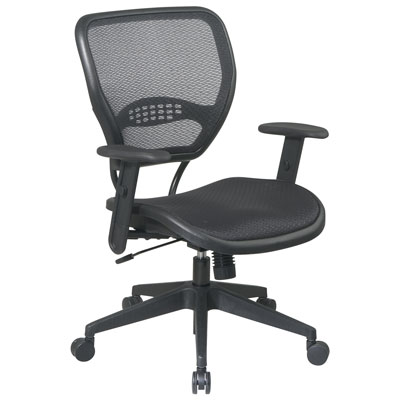
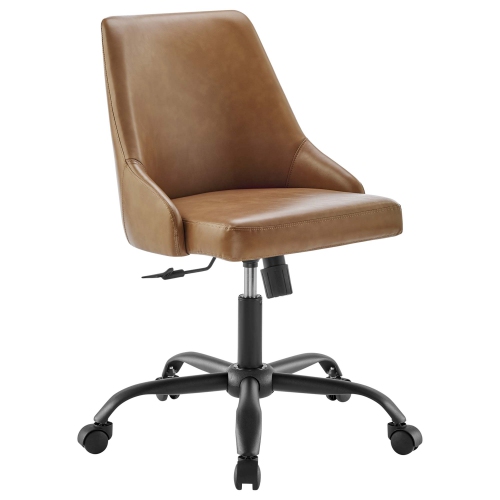
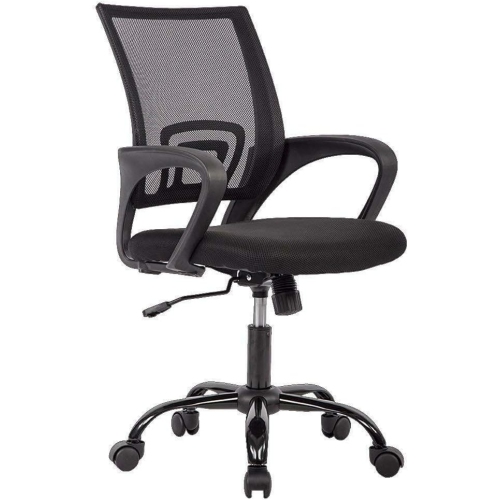
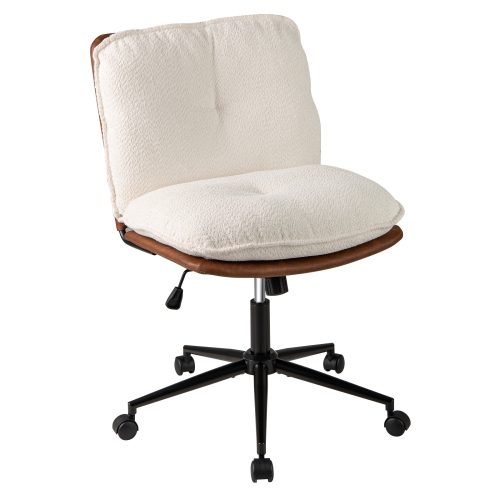
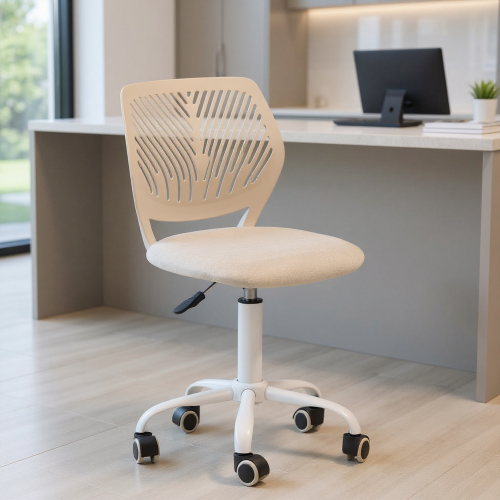
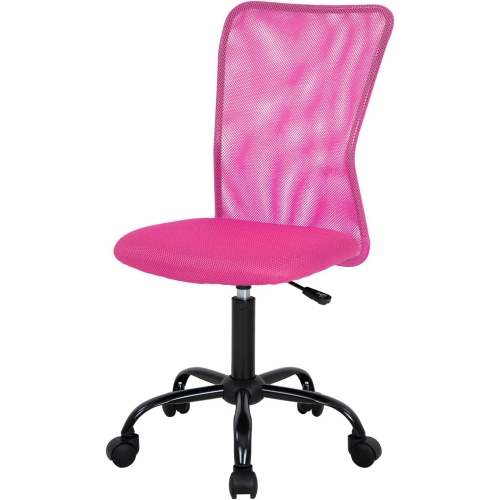
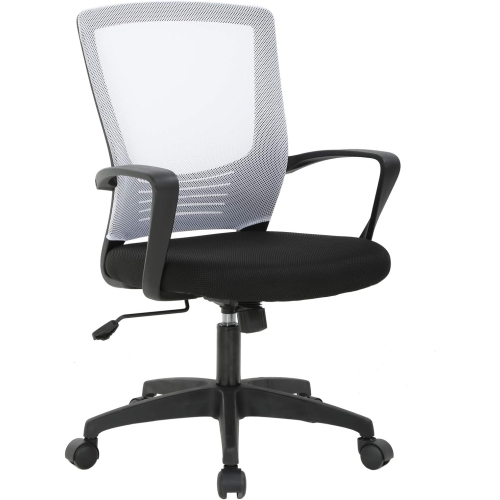
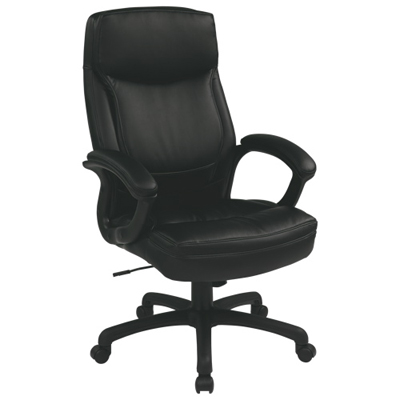
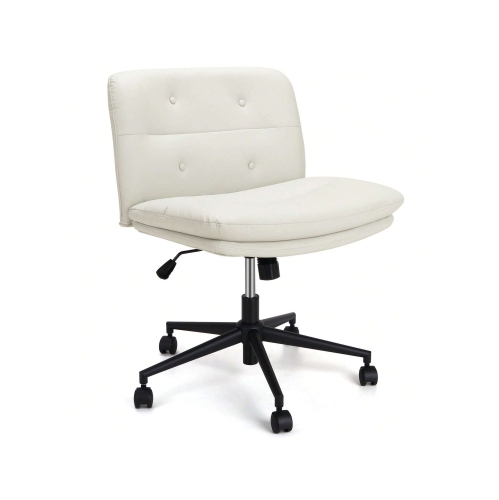
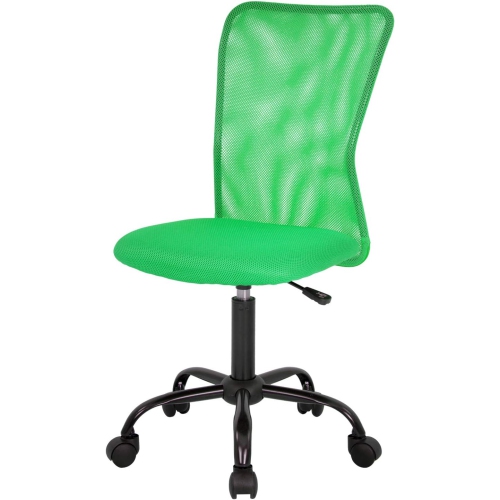
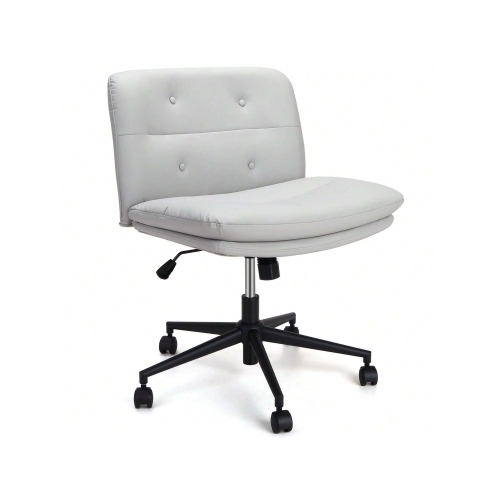
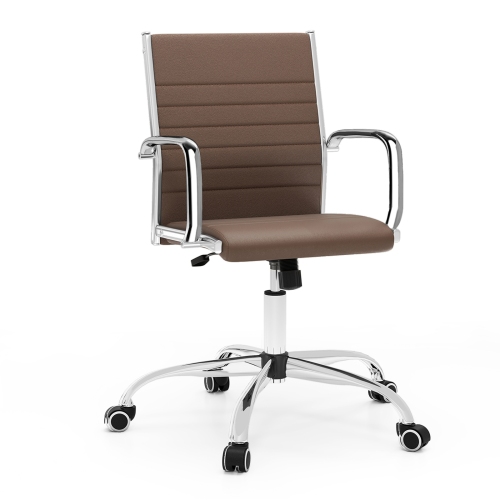
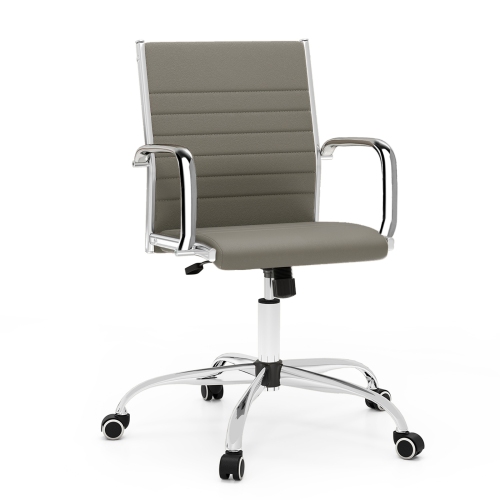
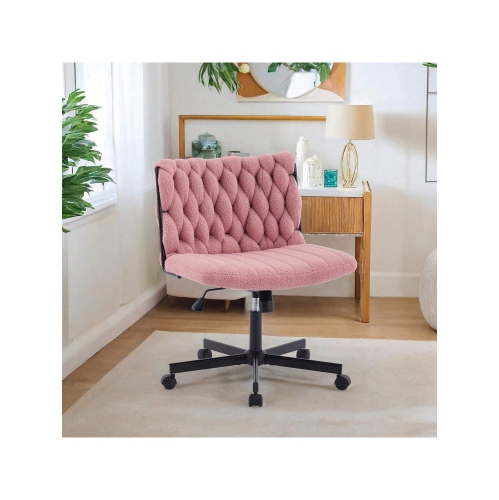
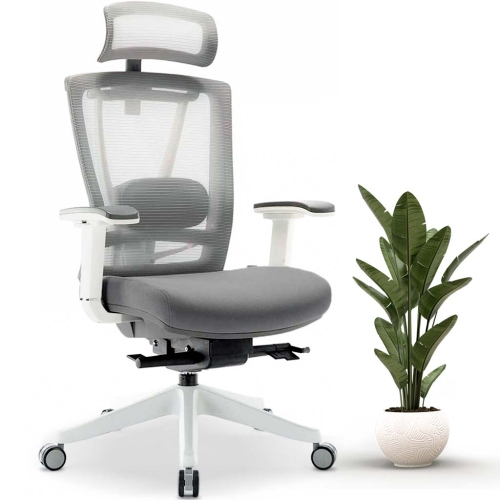

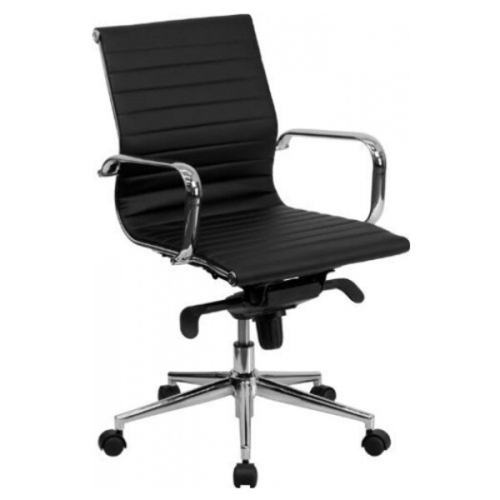
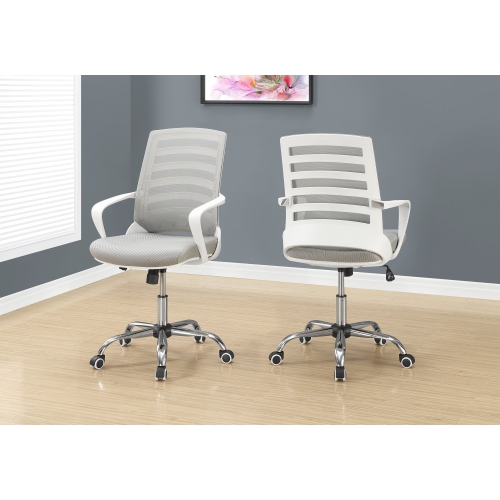

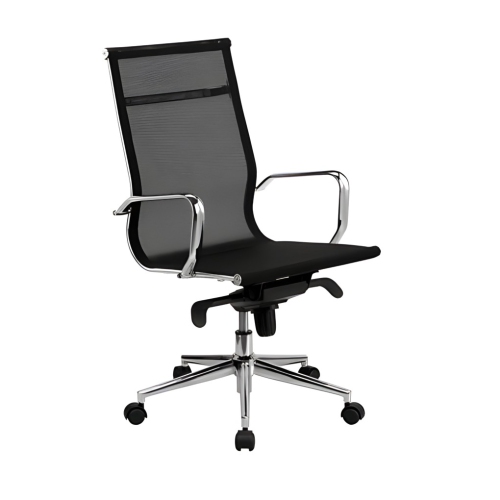
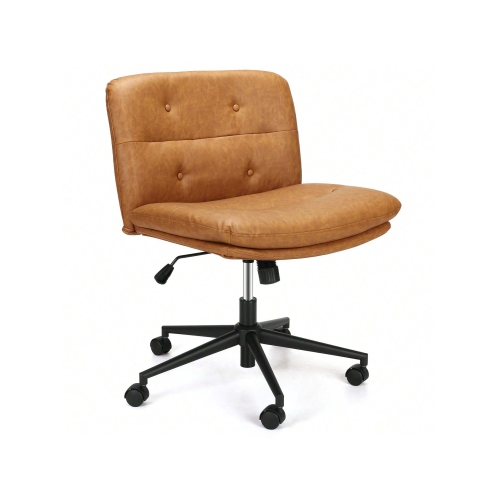
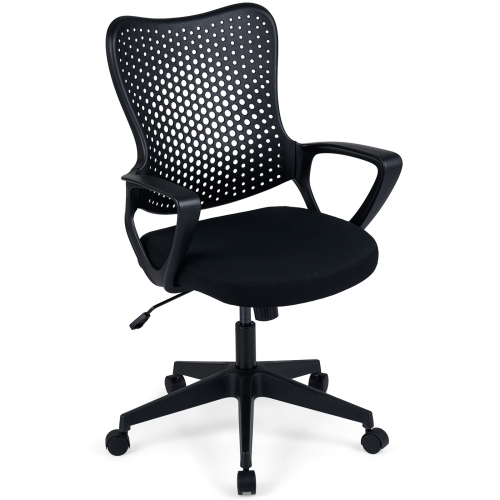

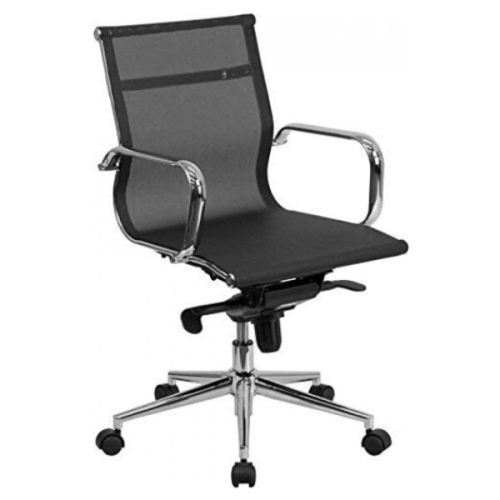

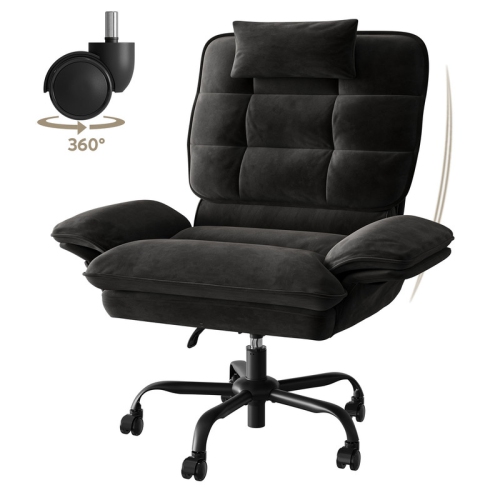
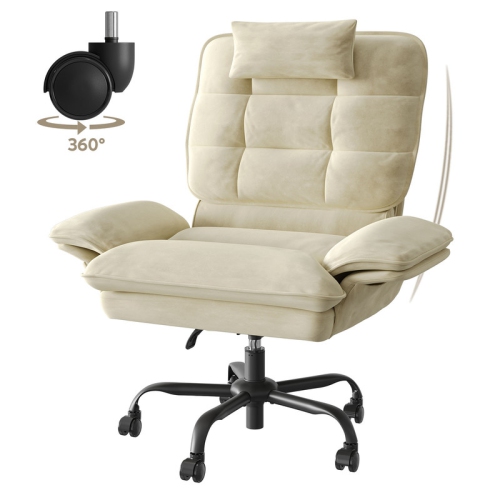

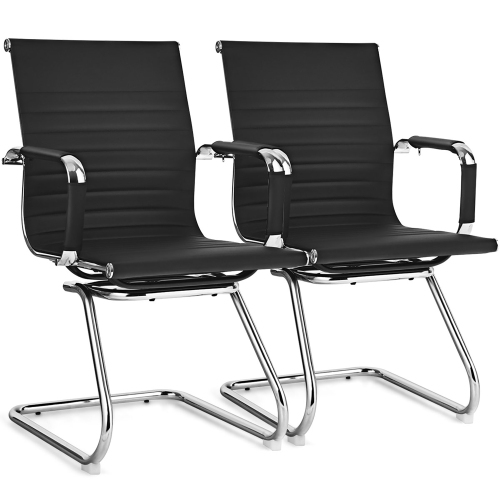
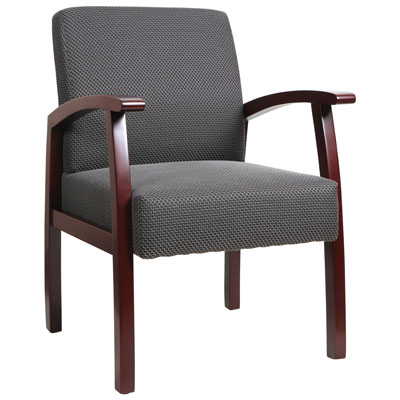


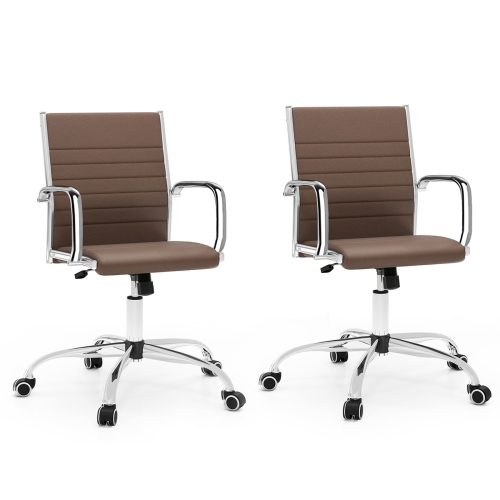
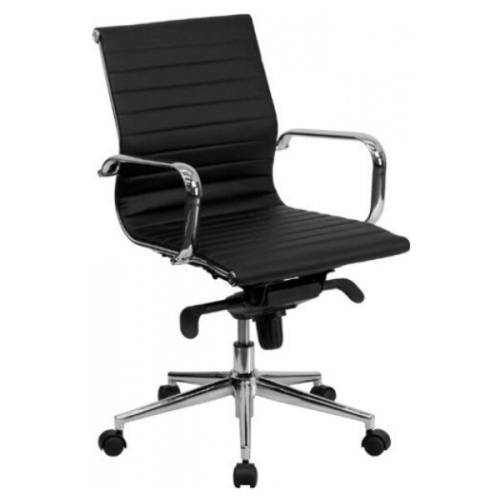


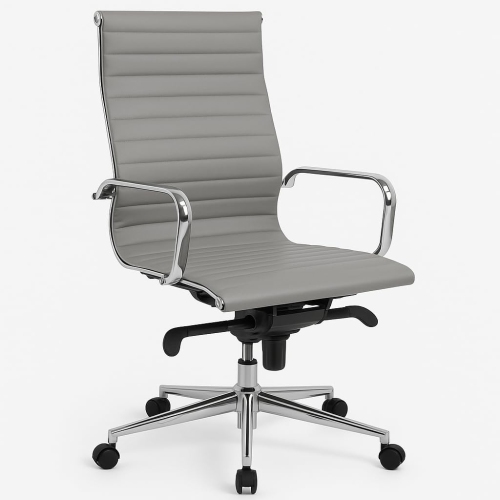


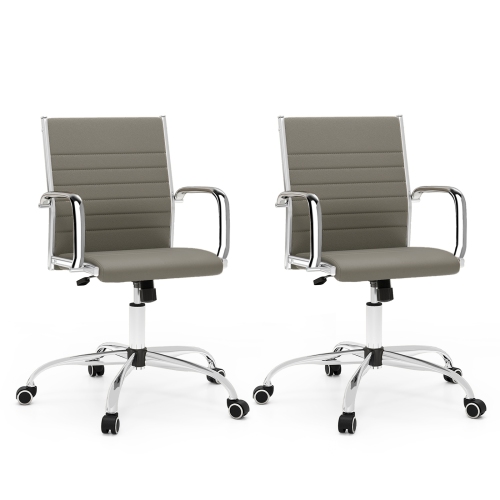


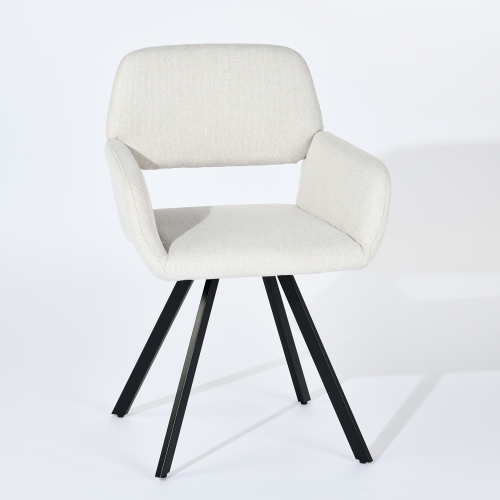
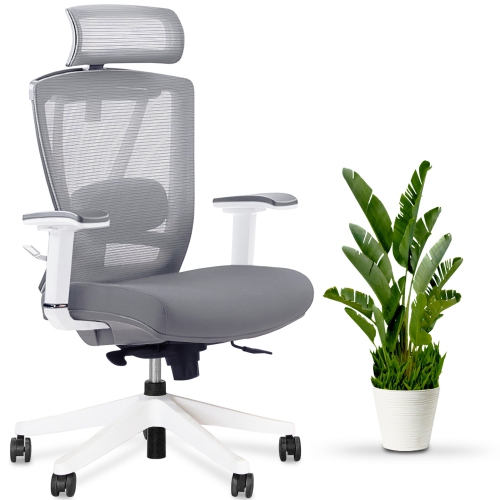
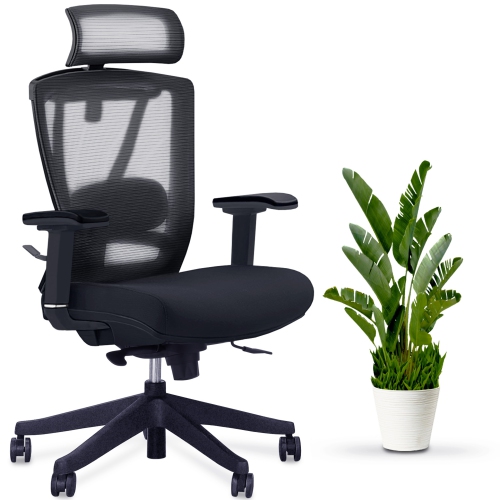


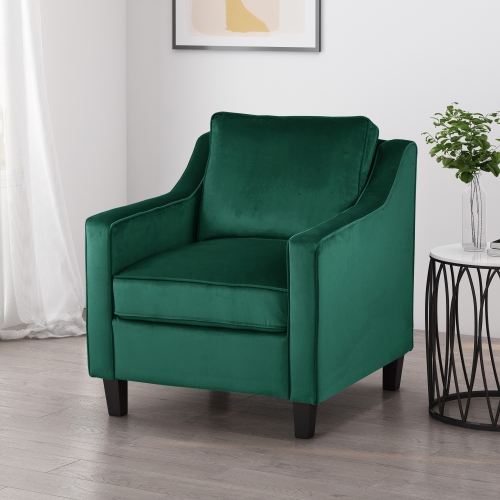
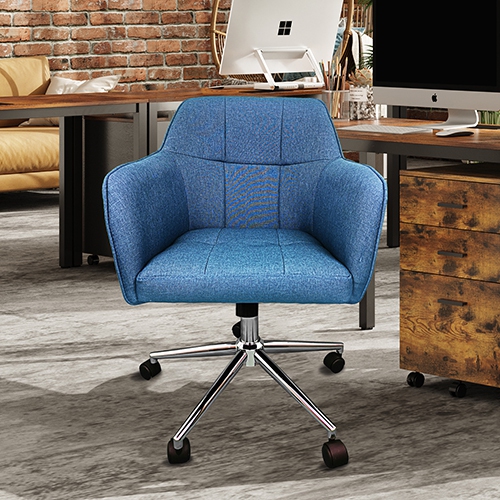
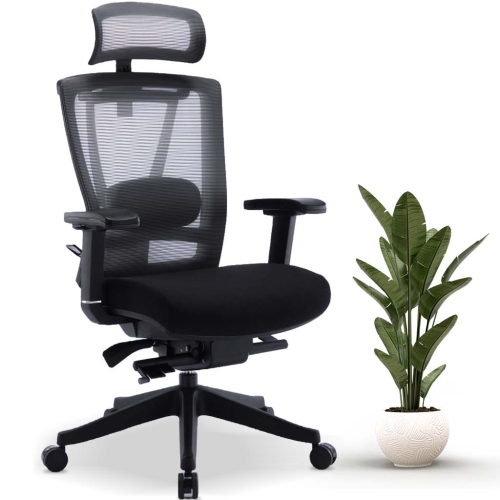


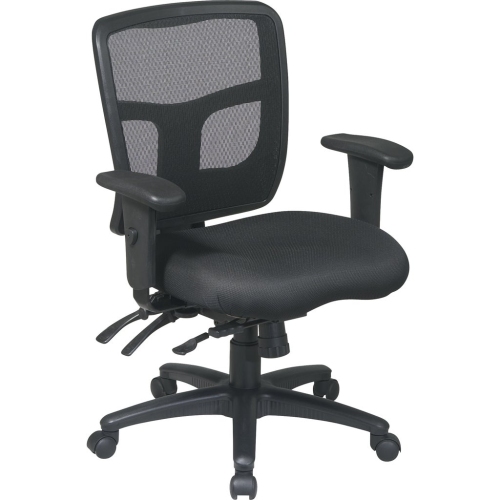





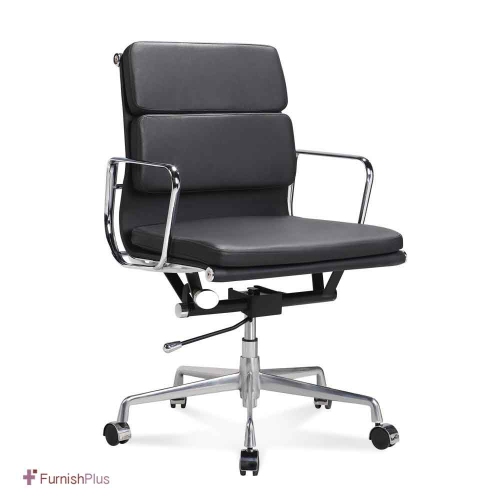

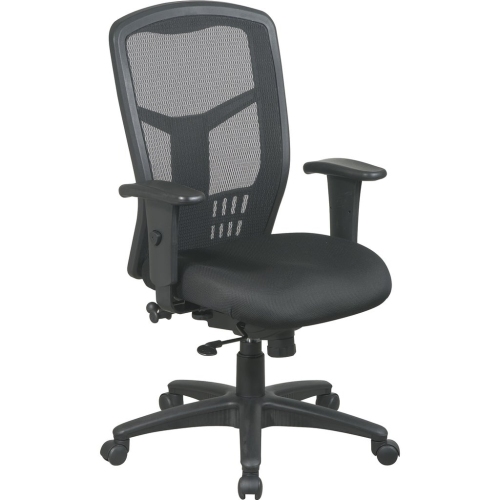


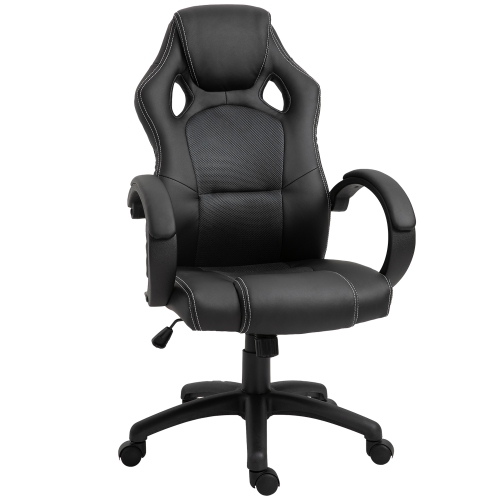

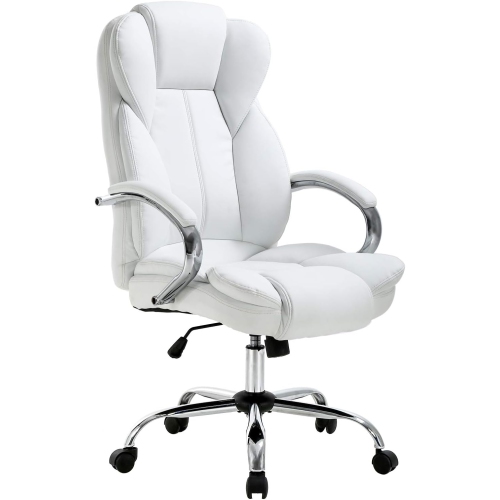






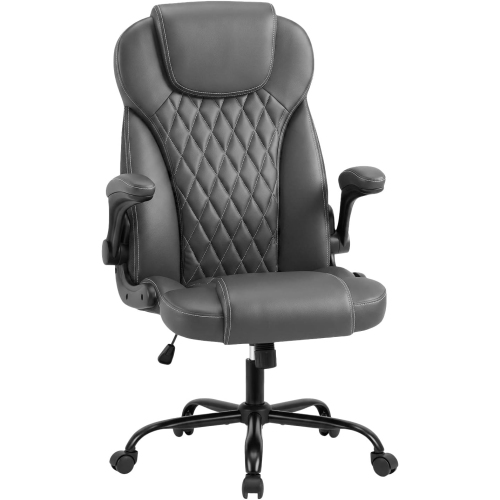

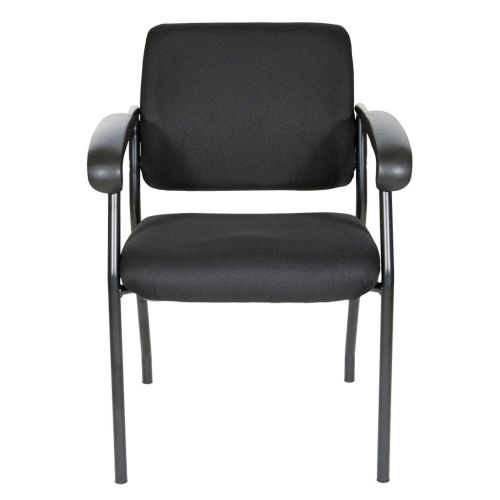

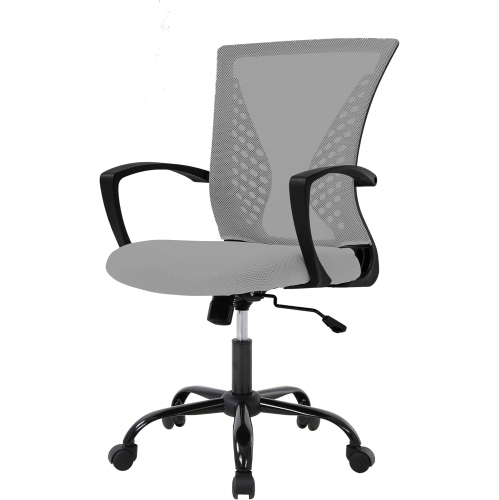


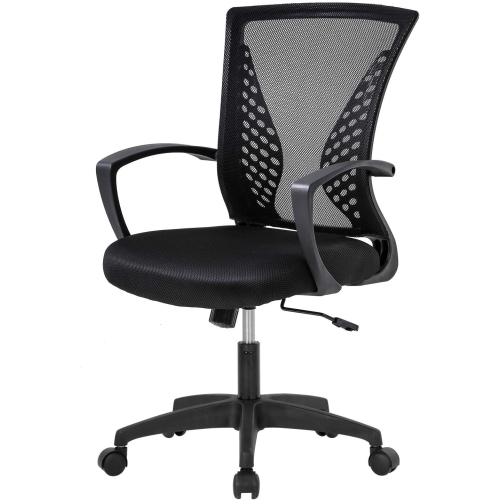

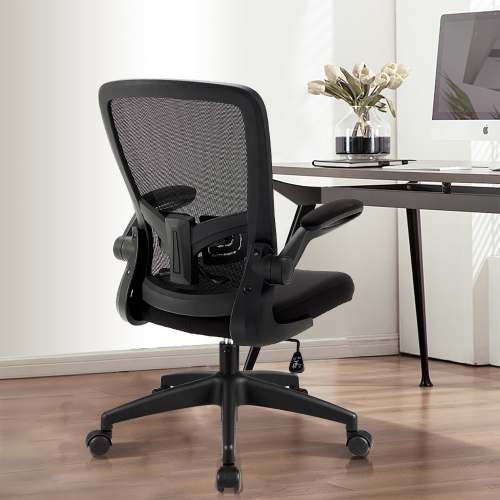


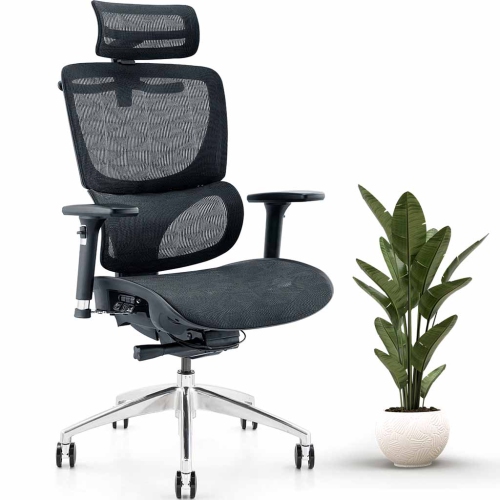
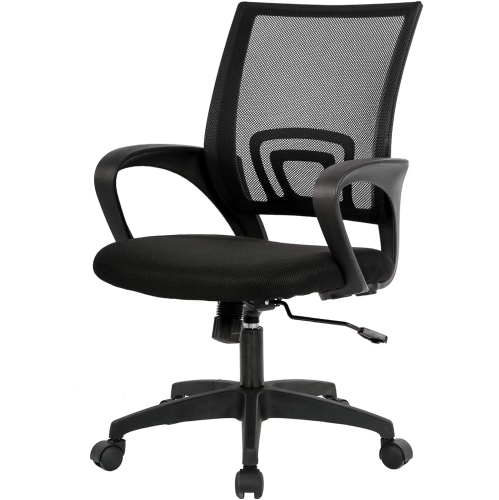


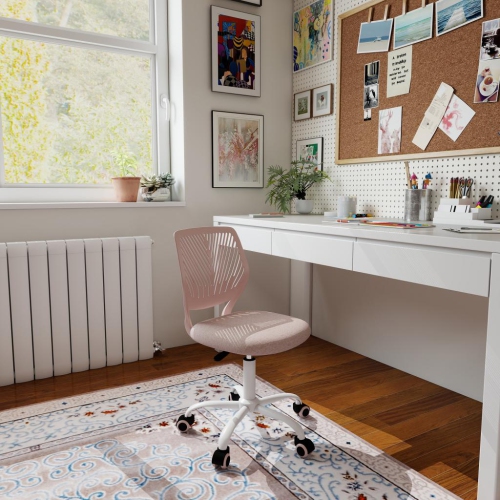

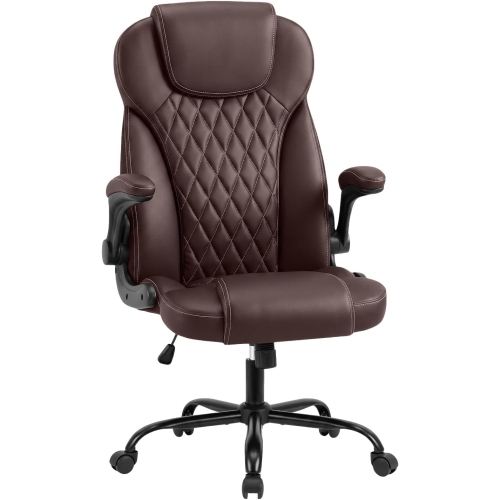
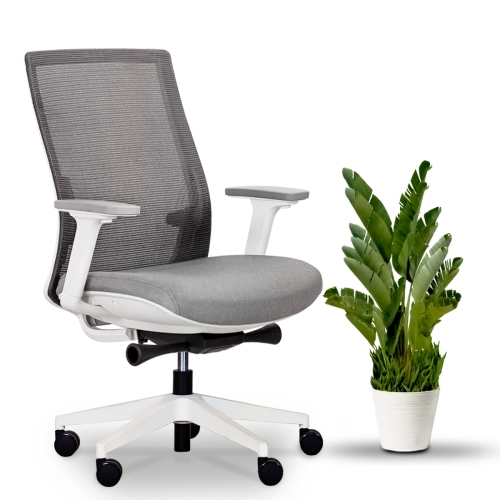


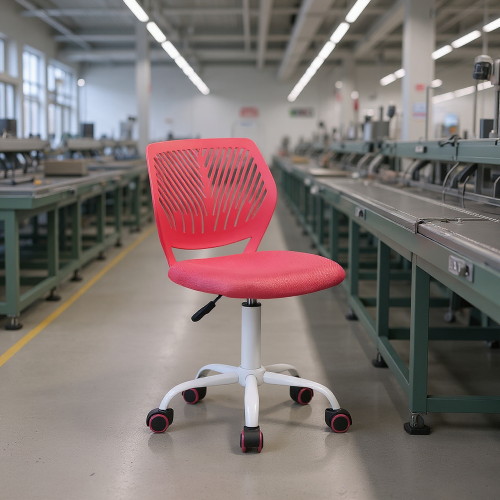

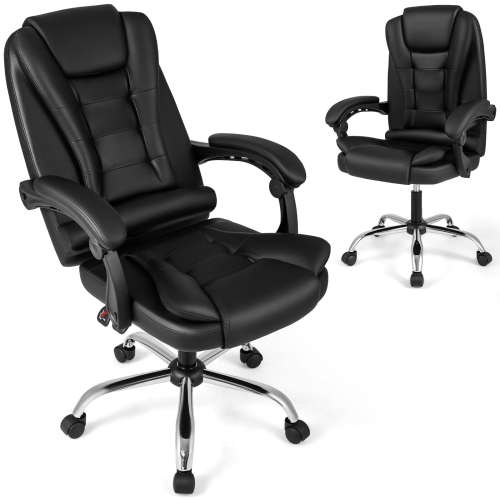
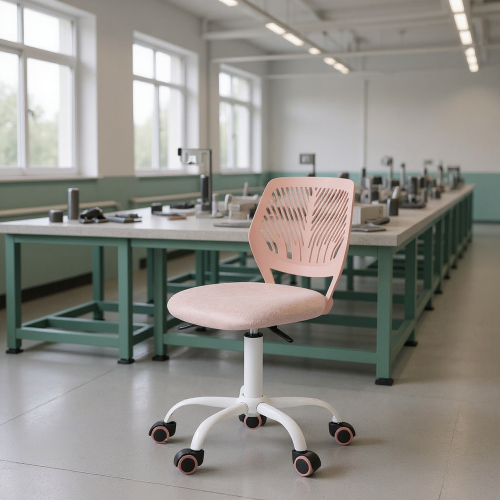
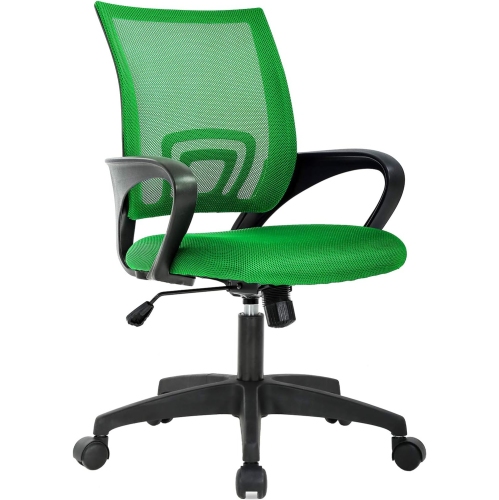
Clean lines meet practical support for everyday desk work
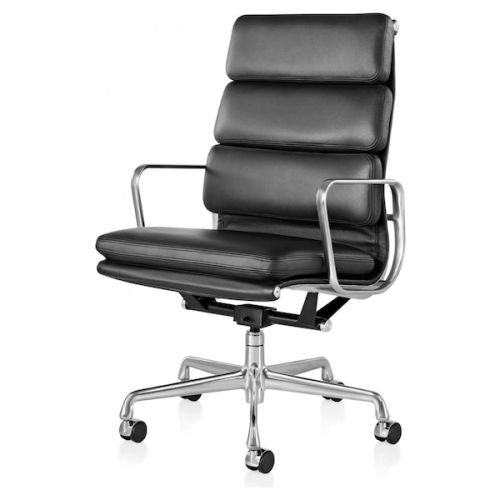
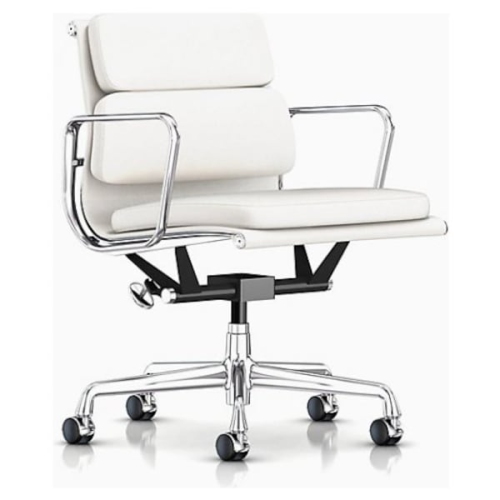
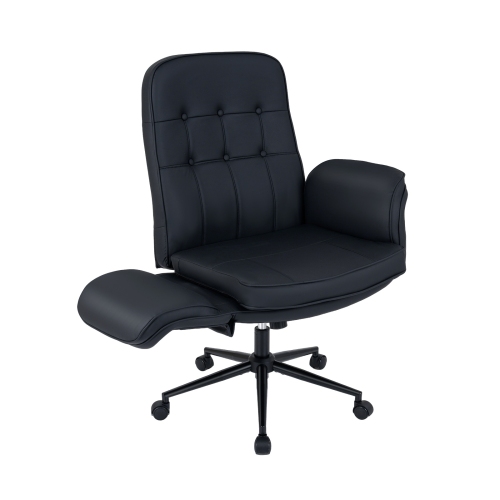
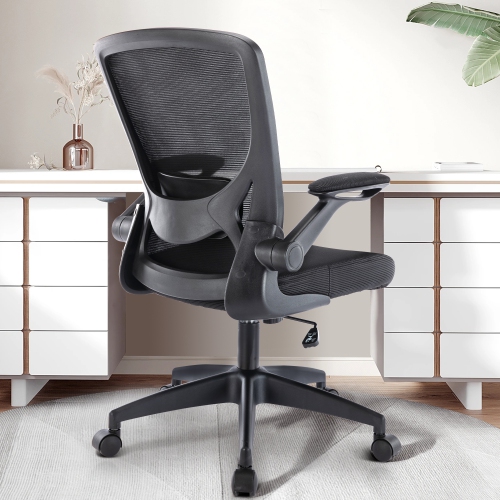
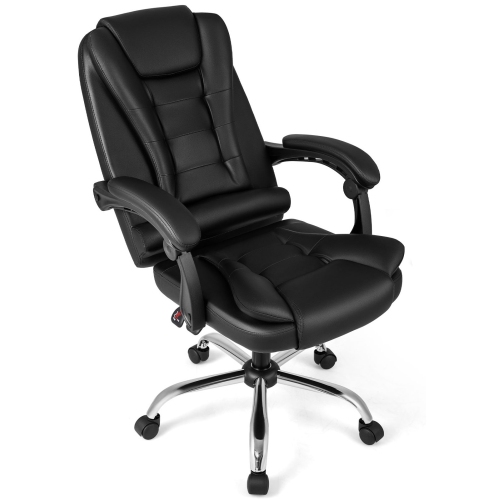
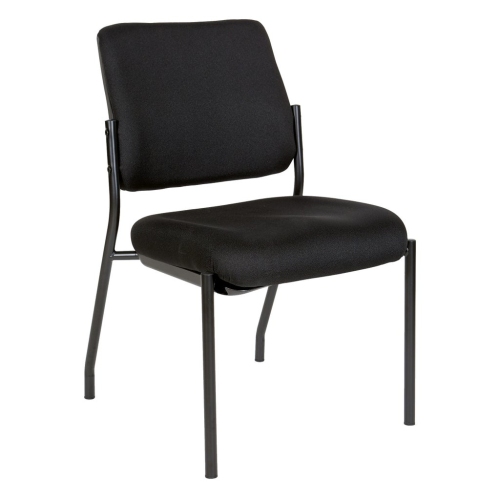
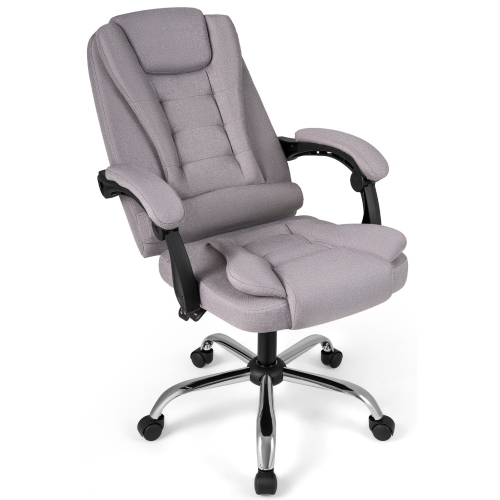
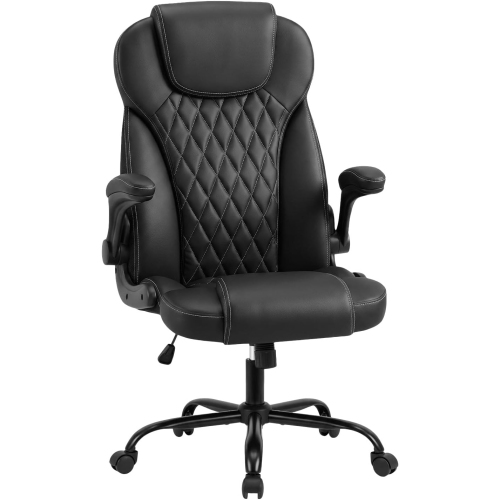
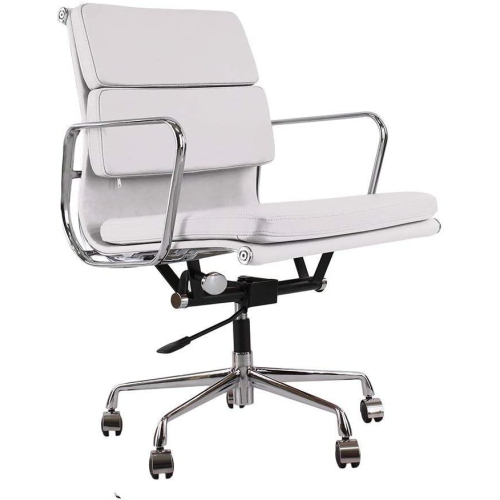
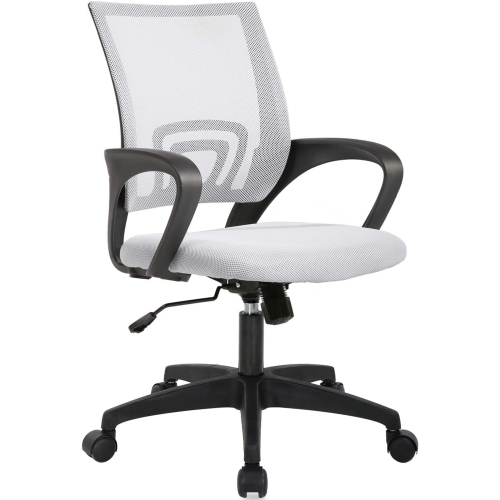
Contemporary office chairs combine clean lines, modern materials, and practical seating features for home offices, shared workspaces, and professional settings. Their appeal lies in the balance between appearance and everyday function: a chair can complement a carefully arranged room while providing the support and movement needed for desk work. Slim profiles, curved backrests, understated upholstery, and streamlined bases distinguish many contemporary designs, although the category includes everything from compact task seating to generously padded executive styles. A mesh back can give a small workspace a lighter visual presence, while an upholstered chair may blend more naturally with the furniture in a living room or bedroom office. Black, grey, and cream are versatile choices alongside wood desks and metal shelving; a richer colour can make the chair a deliberate focal point rather than something to hide when work is finished. Proportions matter as much as colour. A tall backrest can look balanced behind a substantial desk, whereas a lower profile may sit more comfortably within an open-plan room where the workspace remains visible from the sofa or dining table. Contemporary styling also allows room for mid-century influences, such as curved wood accents, alongside more technical designs with exposed adjustment controls and sculpted supports. Neither appearance alone nor a heavily padded seat establishes how well a chair will fit its user. A compact chair may be suitable for occasional paperwork, while someone spending much of the day at a computer is likely to value more adjustment options. For work areas arranged around a writing desk, Contemporary Desk Chairs offer a closely related seating category with the same emphasis on coordinating comfort and design. The most useful match reflects the actual setting: a dedicated study, a workstation tucked beside a bookcase, or a shared desk that needs to accommodate different people throughout the day. In each case, contemporary seating can help the work area feel intentional without making the rest of the room look like a corporate office.
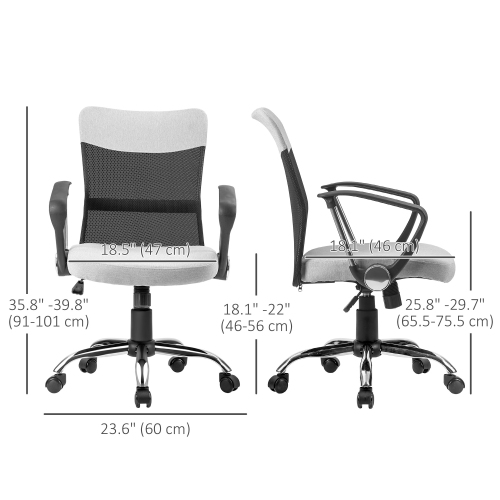
Fit is central to the everyday comfort of an office chair, particularly when the same seat is used for typing, video calls, reading, and focused project work. Seat height should work with both the user and the desk, allowing feet to rest on the floor or a suitable footrest without forcing the shoulders upward to reach the keyboard. Seat depth is another important distinction: enough space to support the thighs is helpful, but the front edge should not press firmly behind the knees. Adjustable seat depth can make a chair easier to adapt when users have different leg lengths. Backrest shape and lumbar support influence how comfortably the chair follows the lower back, and adjustable support offers more flexibility than a fixed contour. Armrests also need to suit the task. They can support the forearms between typing sessions, but arms that are too high or too wide may interfere with a relaxed position or prevent the chair from sliding beneath the desk. Height-adjustable or movable armrests can help address those differences, while armless designs keep the outline simple and may fit more easily into narrow work areas. A swivel base makes it easier to turn towards a nearby printer or storage unit without twisting through the torso. Tilt controls allow changes in sitting position, and adjustable tilt tension can help the backrest respond more appropriately to the person using it. A headrest may be useful during reclined breaks, though its position needs to suit the user’s height rather than push the head forward during computer work. For a shared household workstation, several independent adjustments can make the chair more adaptable than a fixed design. For a smaller study desk, overall width and the clearance beneath the desktop can be just as important as the seat itself. Even a well-fitted chair works best as part of a practical setup that includes an appropriately positioned screen, accessible desk tools, and opportunities to stand or move between tasks.
Materials affect how contemporary office chairs look, feel, and wear with regular use. Mesh allows airflow through the backrest and often creates a lighter silhouette, although its tension and underlying frame shape influence the feel of support. Fabric upholstery adds texture and can coordinate with curtains, rugs, or nearby lounge furniture; a tightly woven surface may be practical in a frequently used workspace, while textured weaves can require more attention to dust and crumbs. Leather and leather-look upholstery provide a smoother finish, but their care requirements differ, so cleaning should follow the manufacturer’s directions rather than relying on a general household cleaner. Genuine leather may develop visible character with use, while coated upholstery needs protection from products that could damage its surface. Padding should offer support as well as softness, since an overly yielding seat can feel different after several hours than it does during a brief sit. Durability also depends on the frame, base, adjustment mechanisms, and the chair’s stated weight capacity. Stable construction and controls that operate smoothly are particularly relevant when a chair is moved or adjusted frequently. Casters should suit the floor surface; wheels intended for carpet may behave differently on hardwood or tile, and a compatible chair mat can help protect flooring and support easier movement. Routine care can include vacuuming upholstery, wiping suitable surfaces with a soft cloth, and checking fasteners according to the care instructions. Direct sunlight may fade some fabrics or affect certain finishes, which matters for a desk beside a large window. Contemporary office chairs suit remote workers, students, creative professionals, and anyone who needs a dedicated place for household administration. They can also be a thoughtful gift for someone setting up a study or workspace, provided the recipient’s measurements, desk clearance, and preferences are known. A chair that fits the room and the person using it is more likely to remain comfortable, practical, and visually appealing through the ordinary routines of work and study.
Top selling and popular products
-
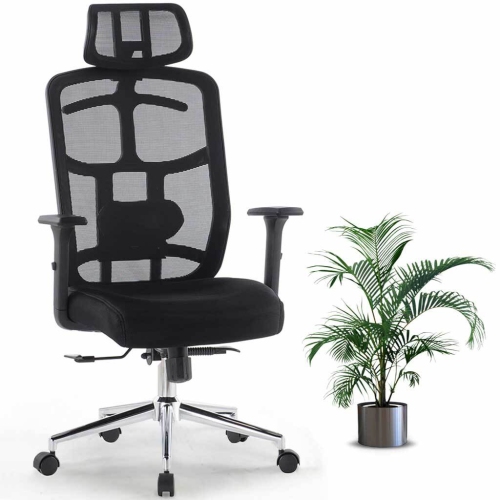 Your price for this item is $143.99
-
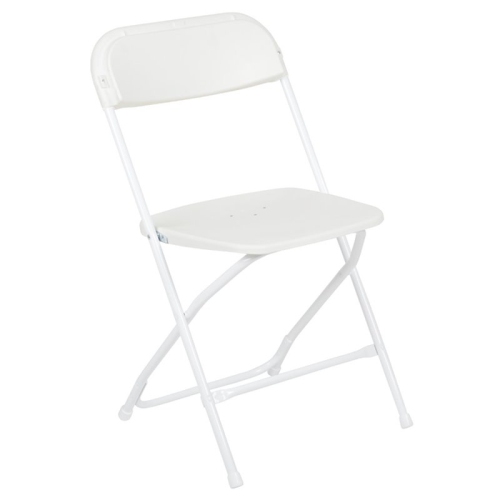 Your price for this item is $123
-
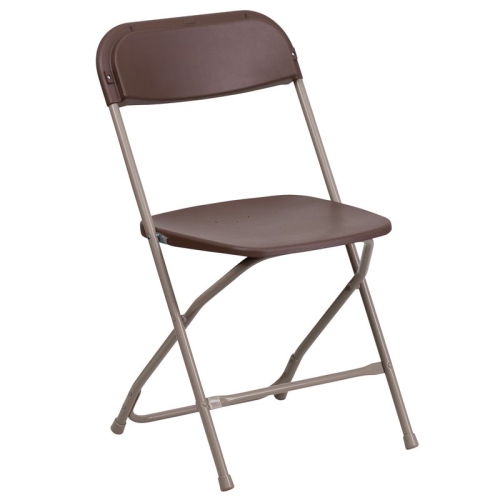 Your price for this item is $139.99
-
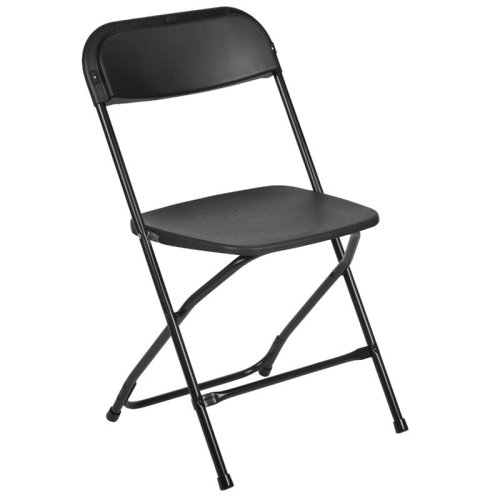 Your price for this item is $139.99
-
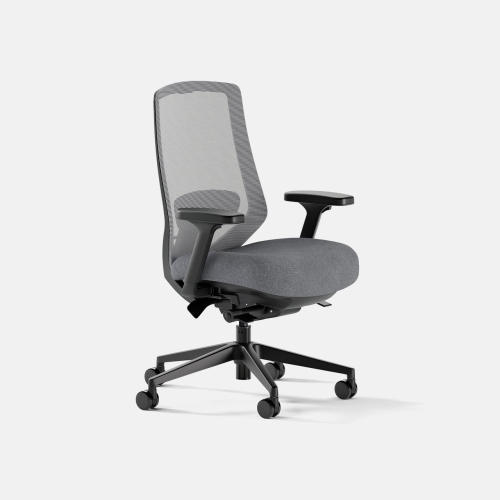 Your price for this item is $599
-
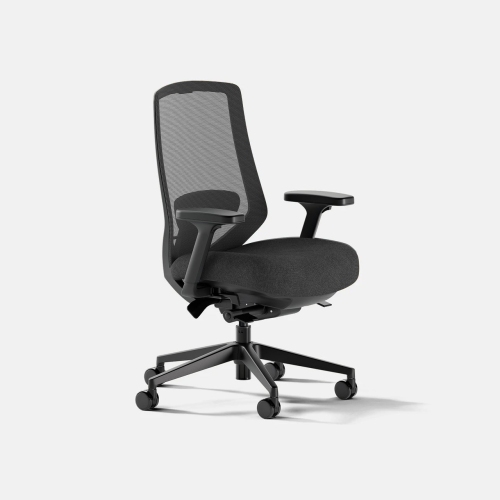 Your price for this item is $599
-
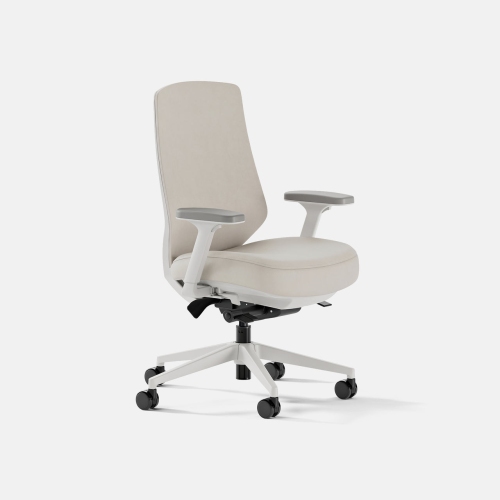 Your price for this item is $649
-
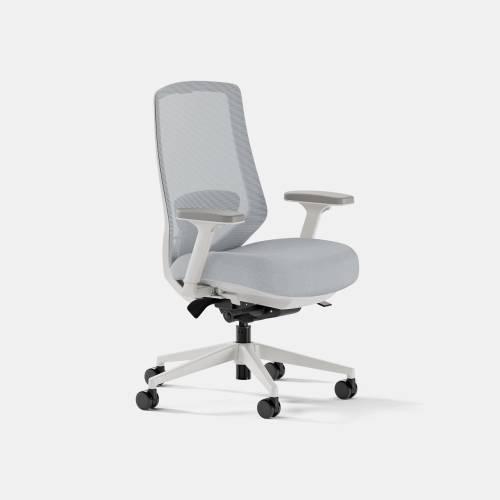 Your price for this item is $599
Discover more categories related to Contemporary Office Chairs
Top Collections:
Pokemon Centers, Kindle Devices, Best Cameras for Sports Photography, Pokémon 30th Celebration Cards, Canon G7X Cameras, Samsung Galaxy Phones, iPhone 15 Apple, Best Black Friday Deals On Electronics, Jackery Power Stations, Solar Generators for Home
Some products may be subject to Environmental Handling Fees
(EHF) depending on your province.
Learn more about EHFs.