Nonstick Skillets
Nonstick skillets are one of the most useful tools in almost any kitchen. They are made with high-quality, nonstick materials that make cooking and cleanup easier than ever before. Nonstick skillets are designed to be used with minimal oil or butter, allowing for healthier meals and faster cooking times. Here are some of the best options.
Sort


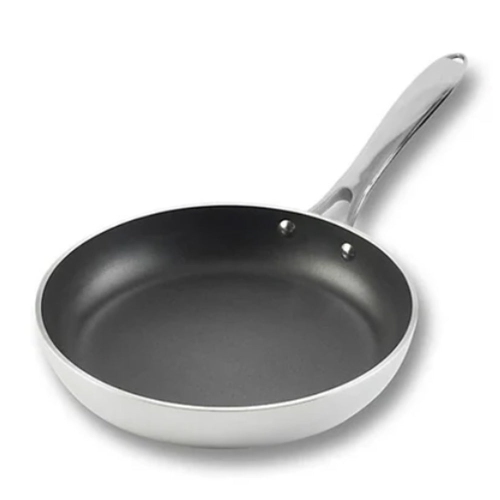
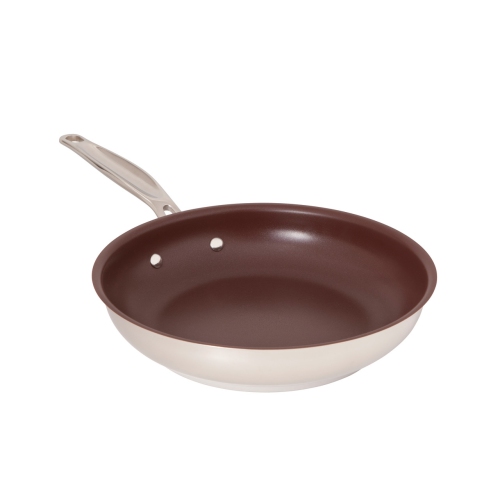



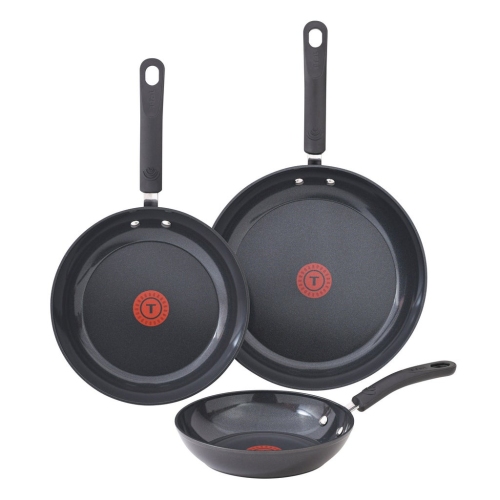


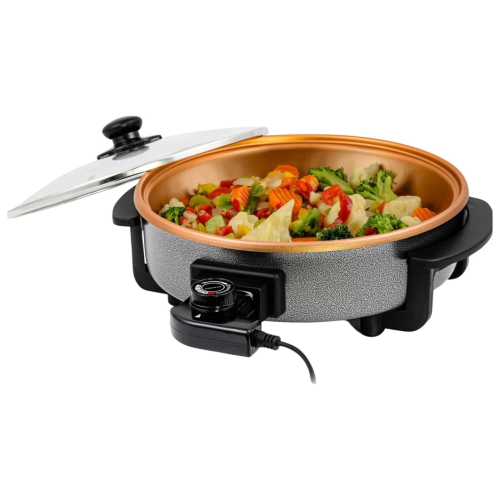

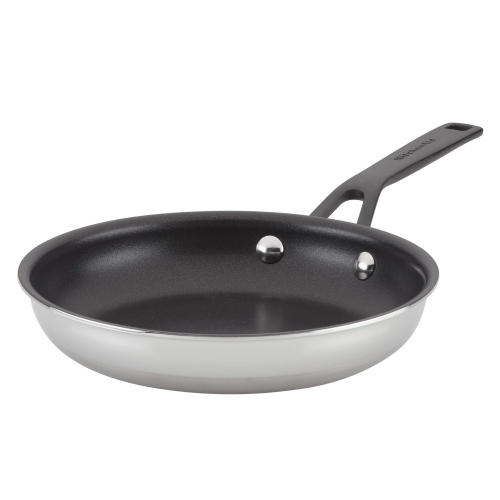
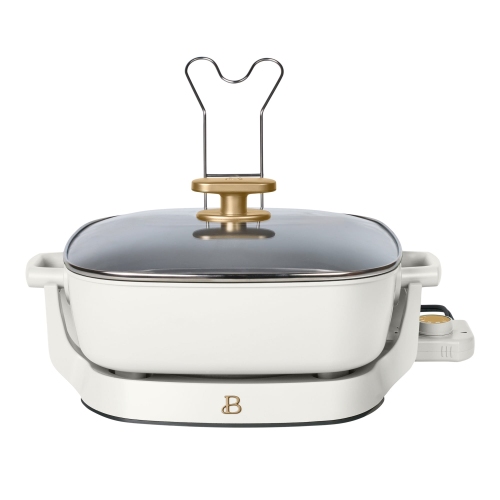
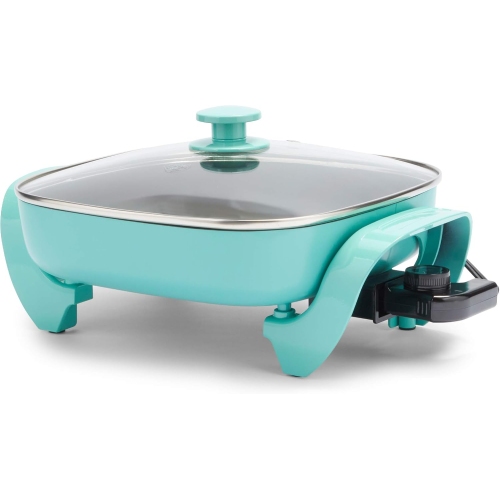


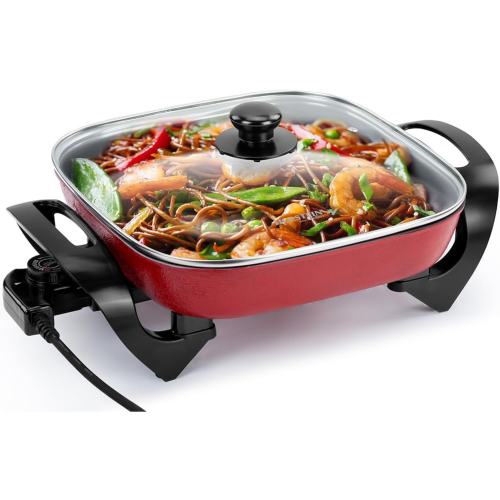
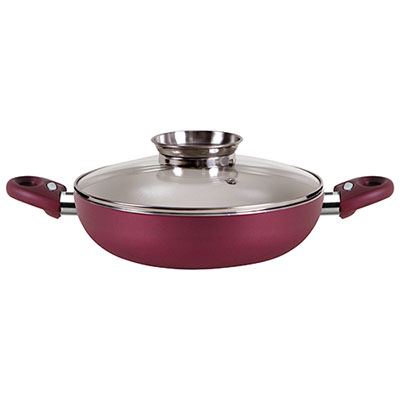

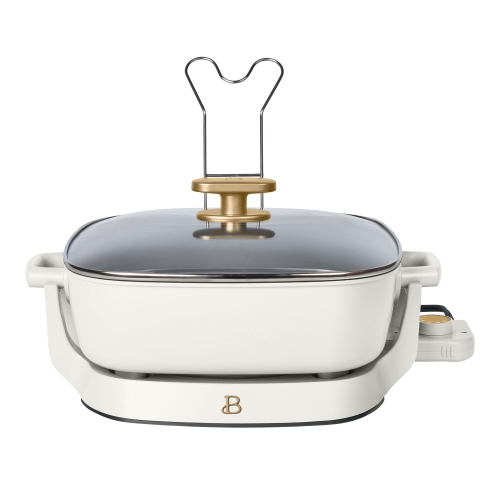
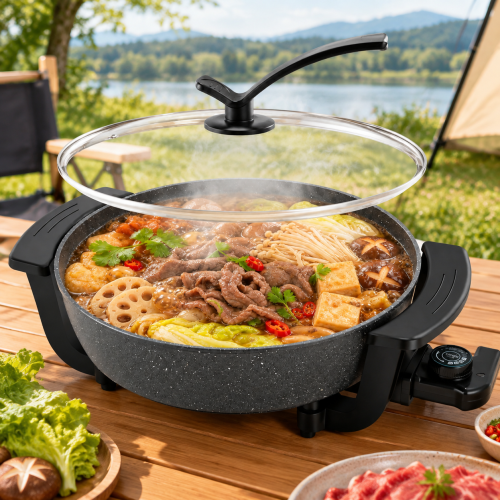
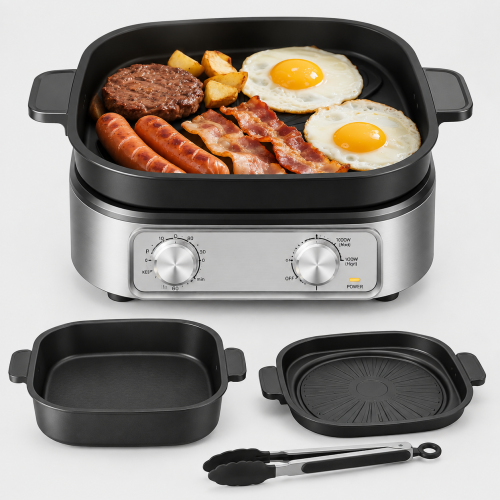


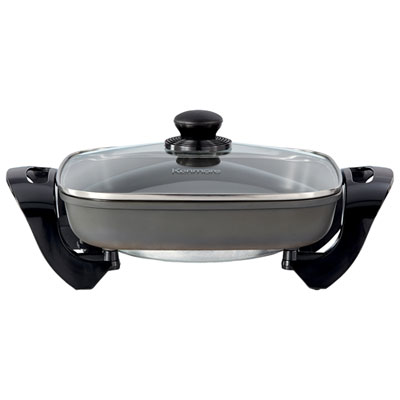
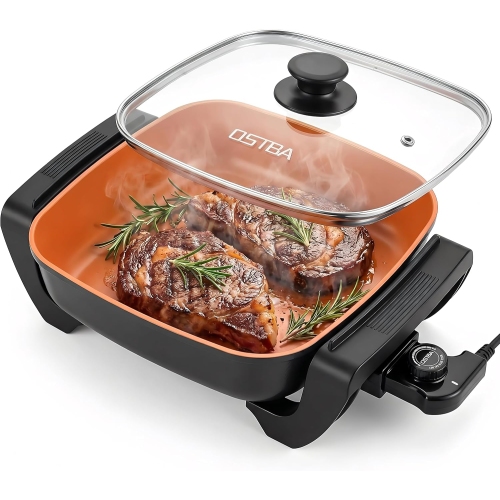
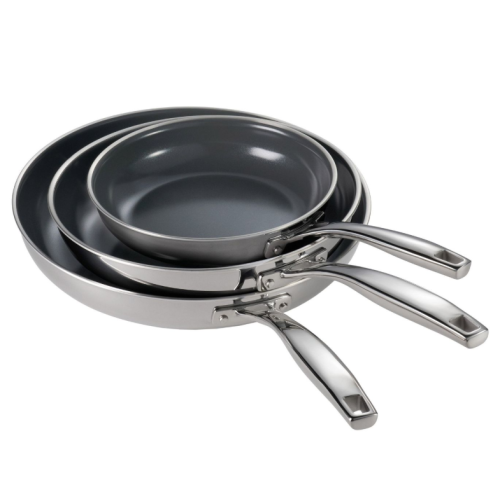


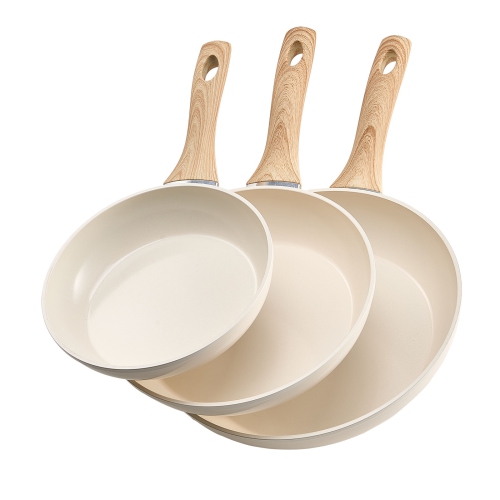

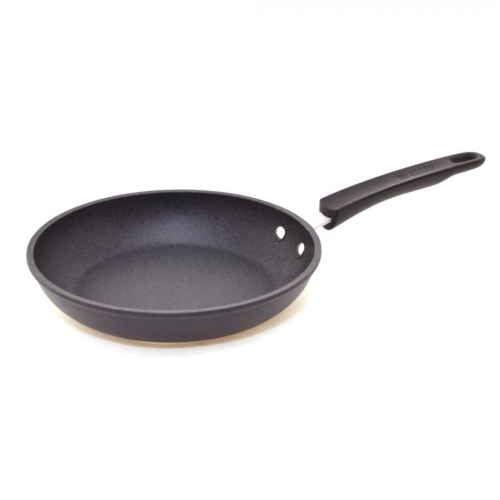
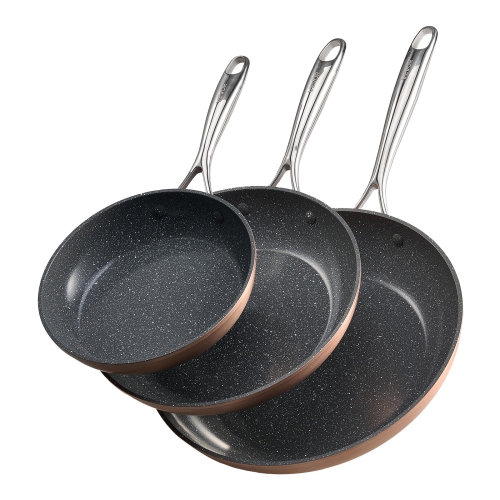

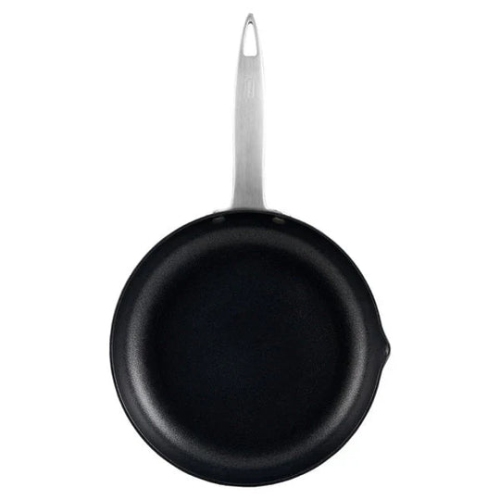

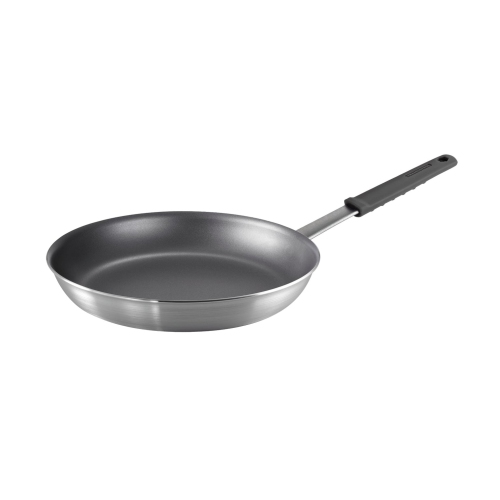
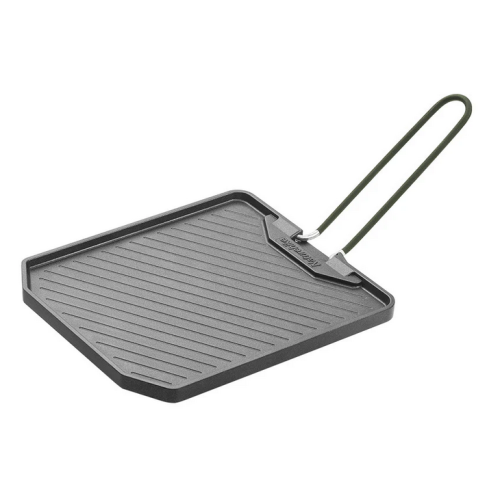


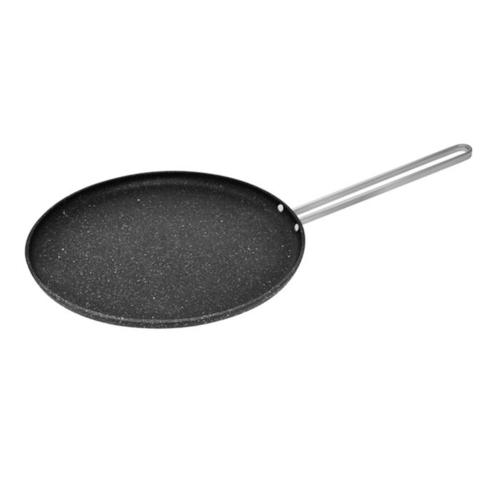
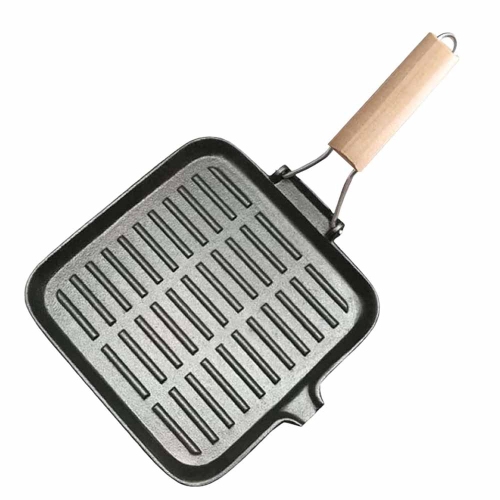
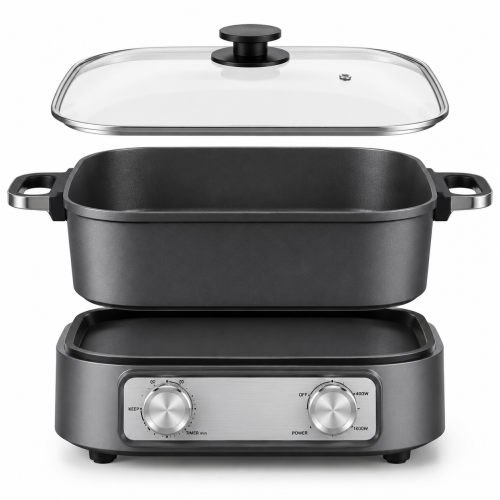

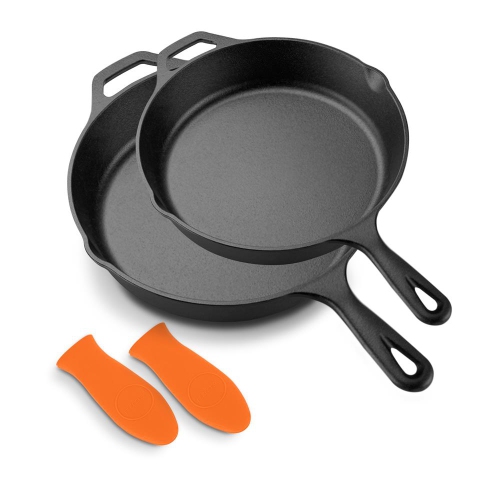

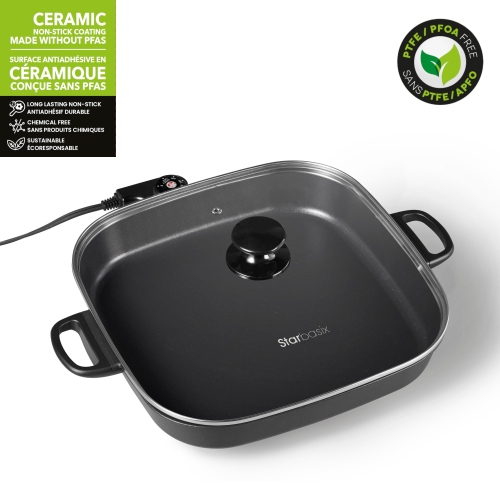
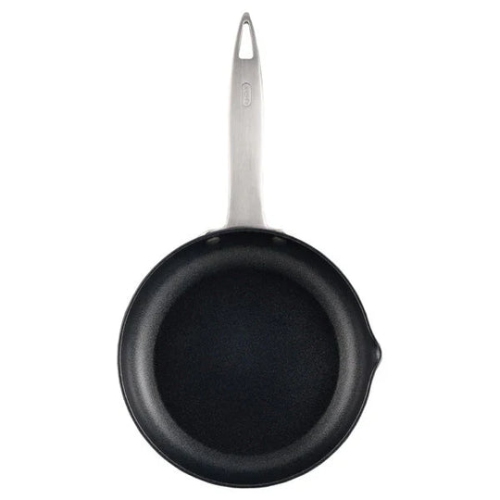
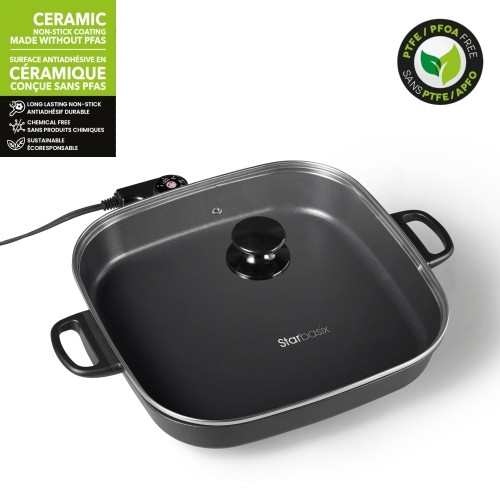
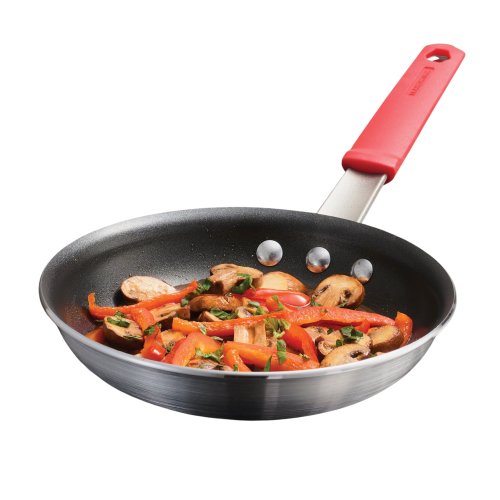
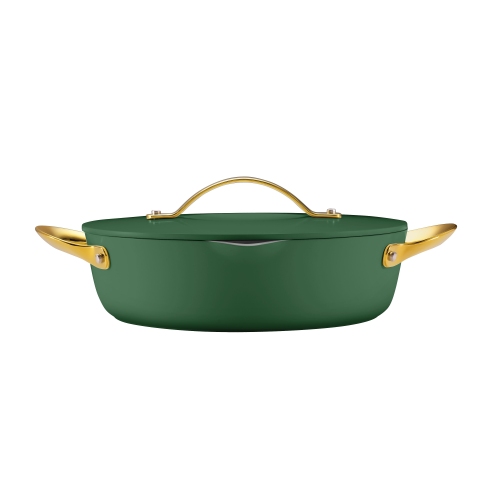

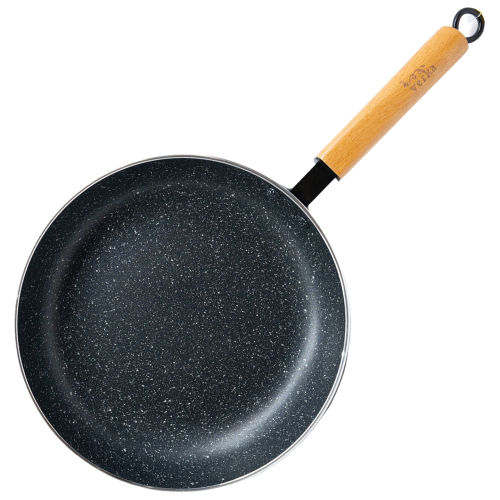


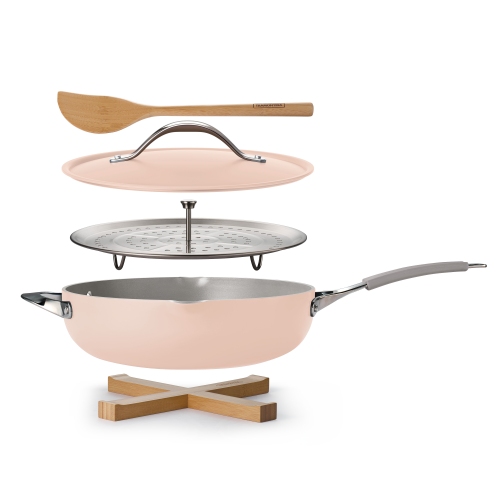
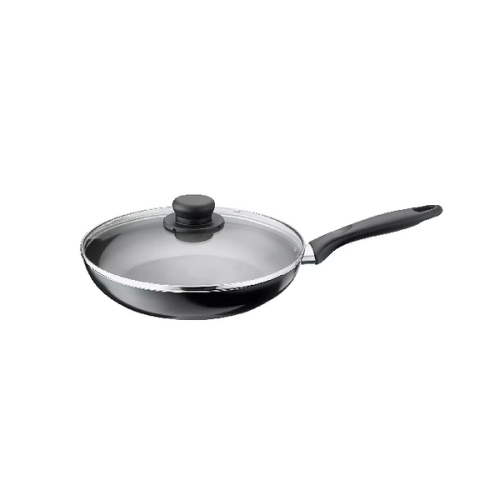
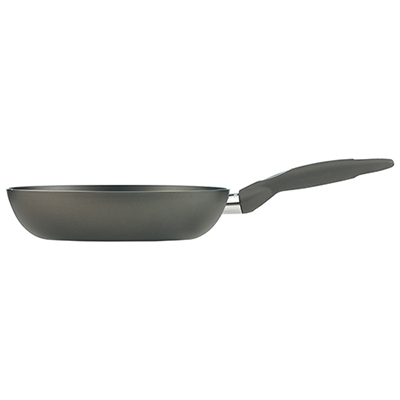
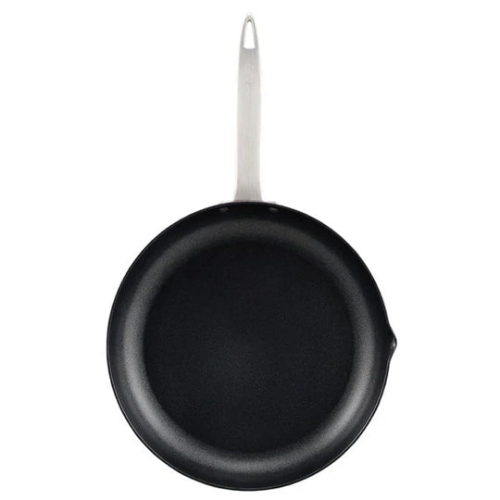
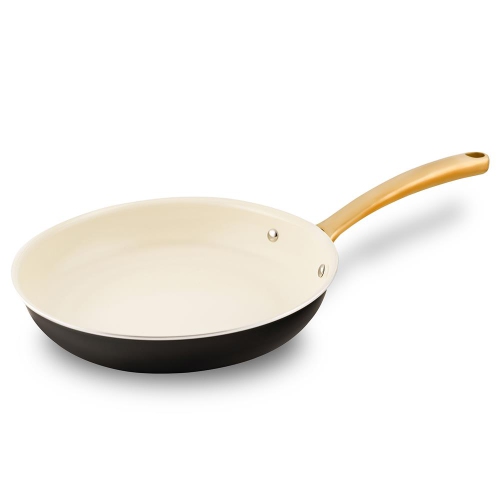
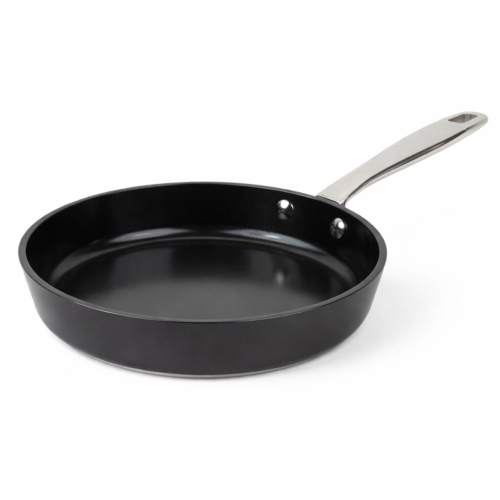
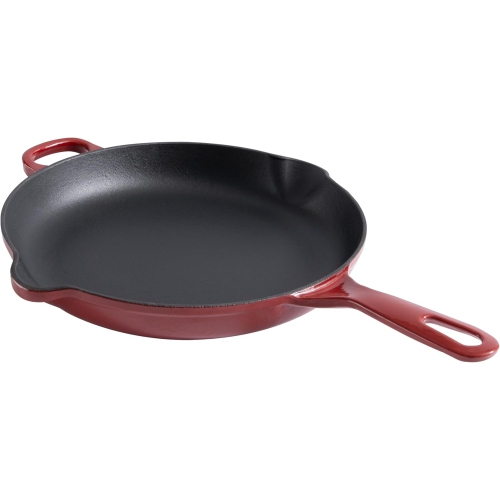
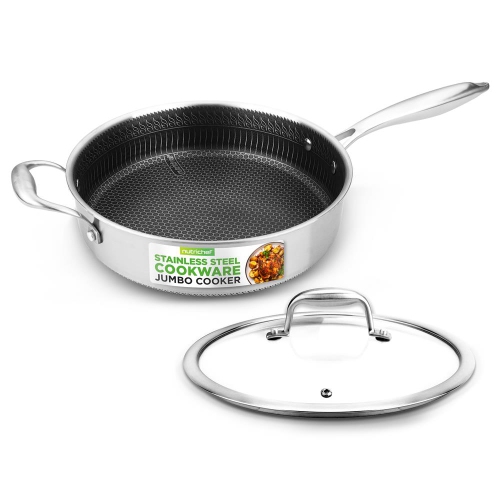
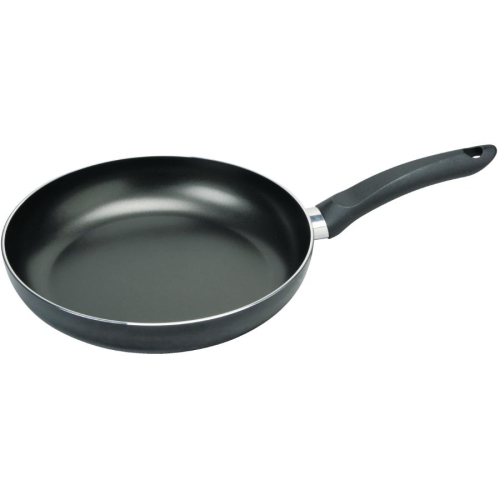
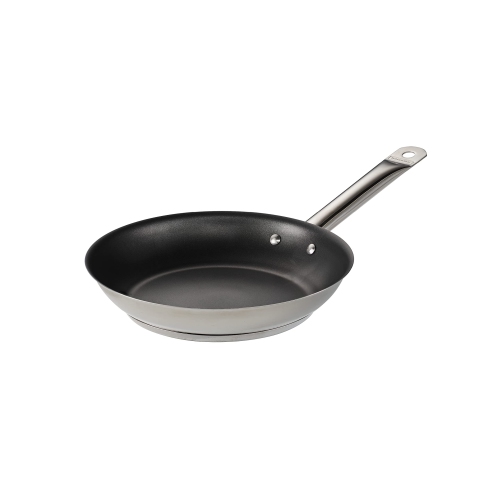
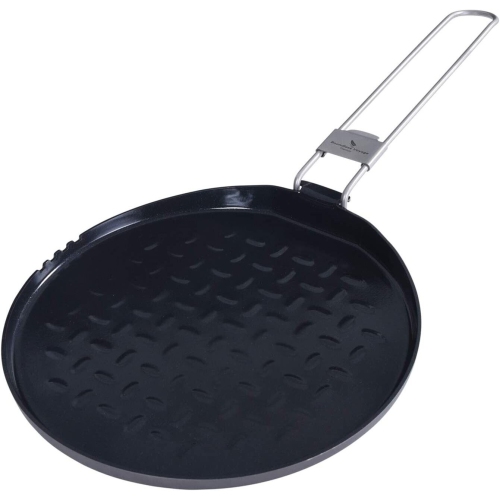


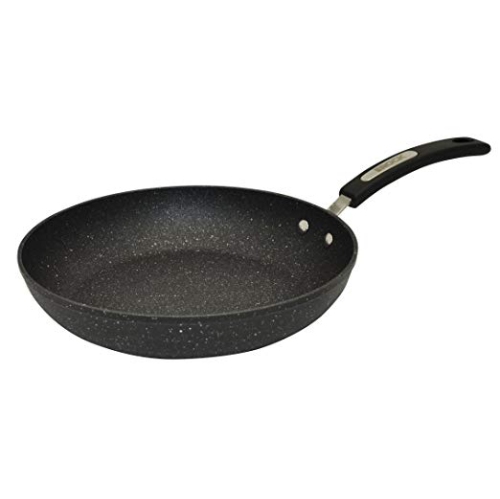
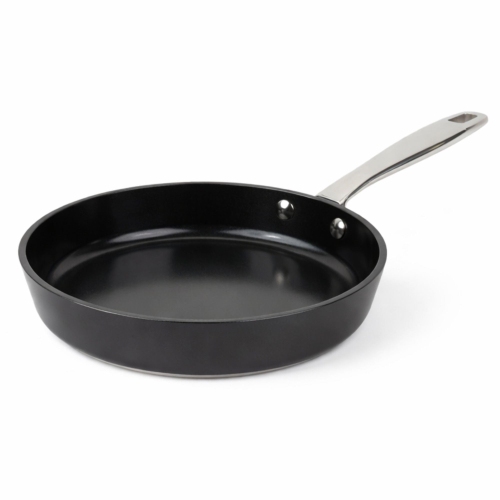

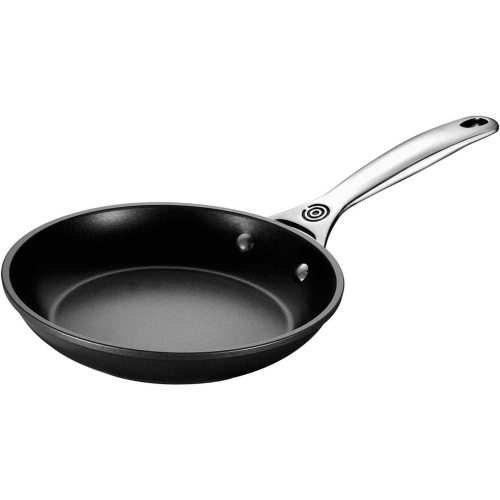
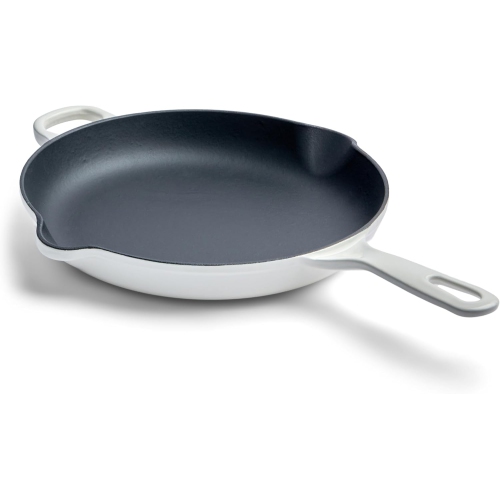
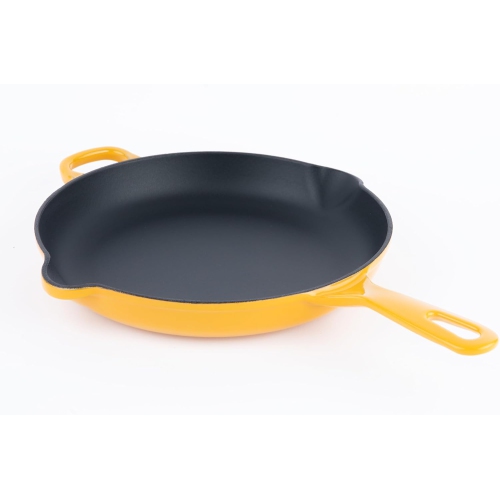
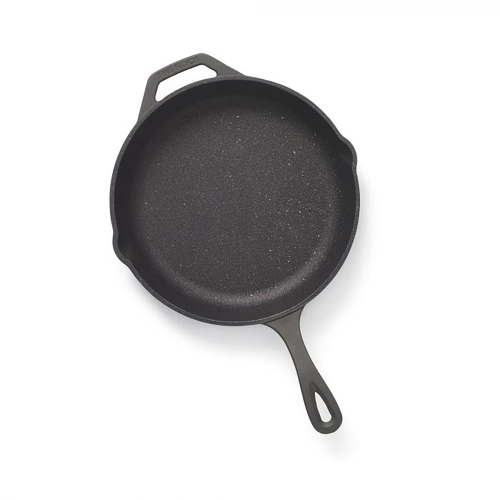
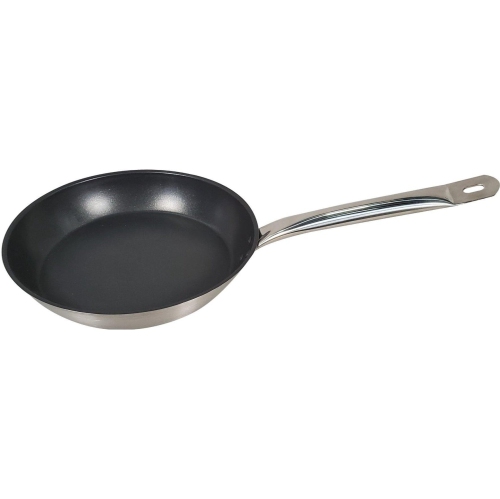


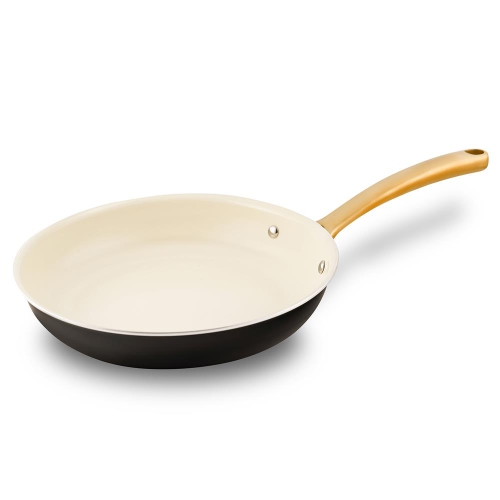


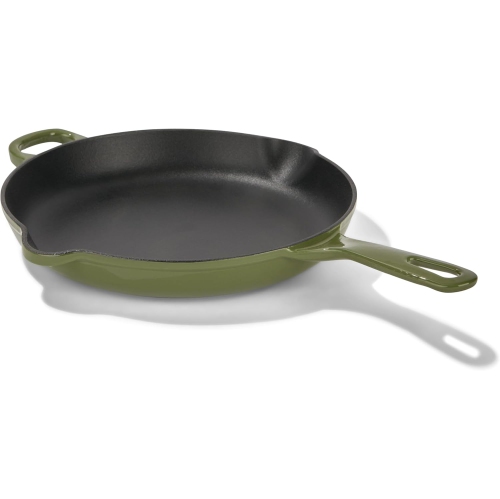
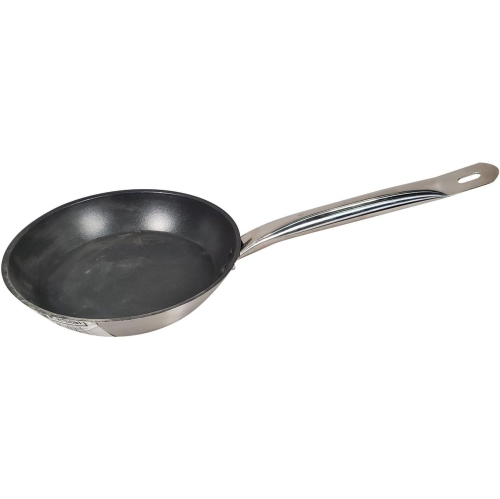


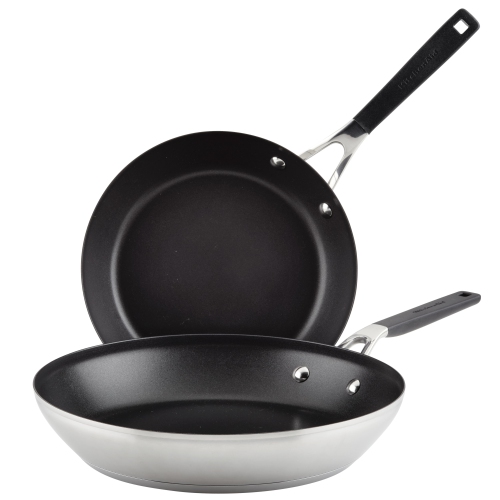
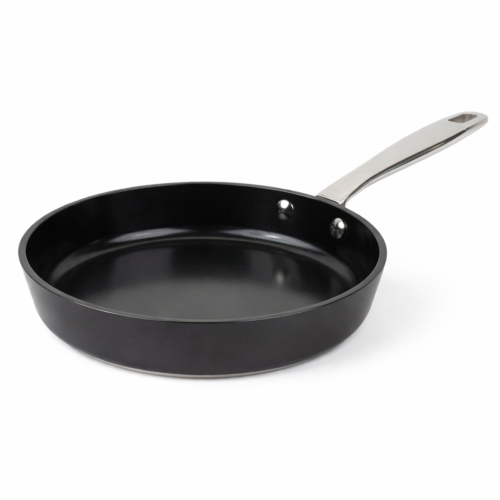

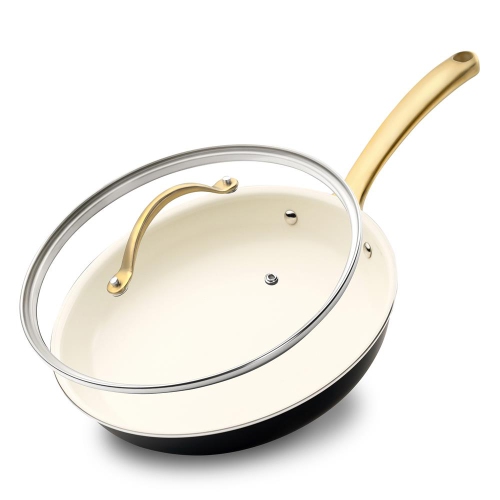
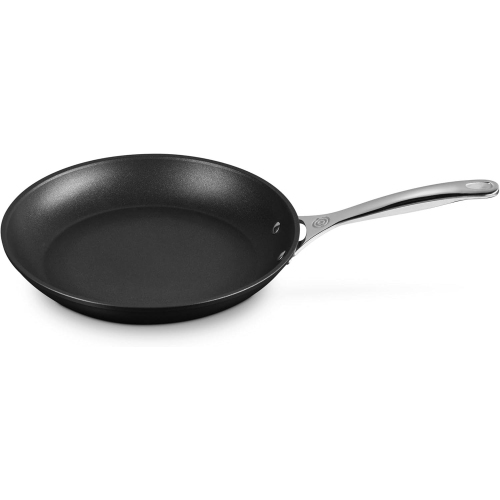


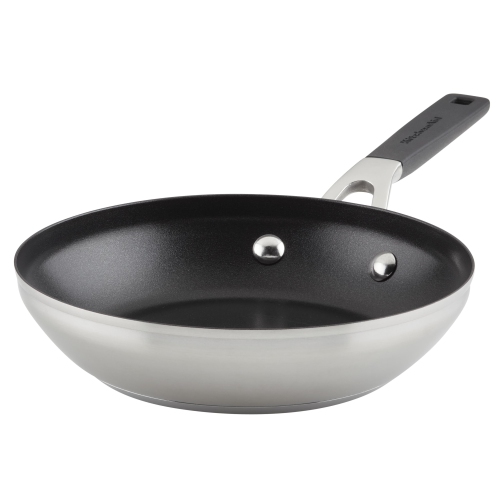

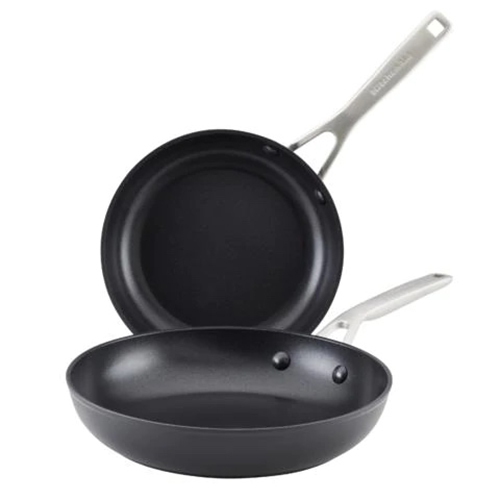

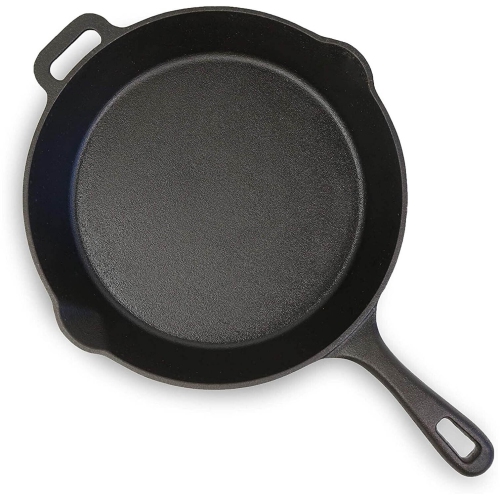


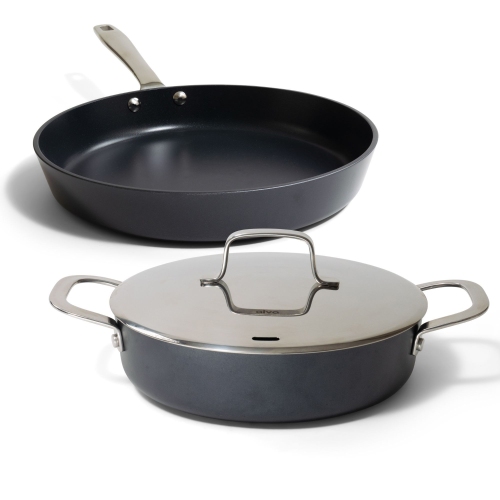
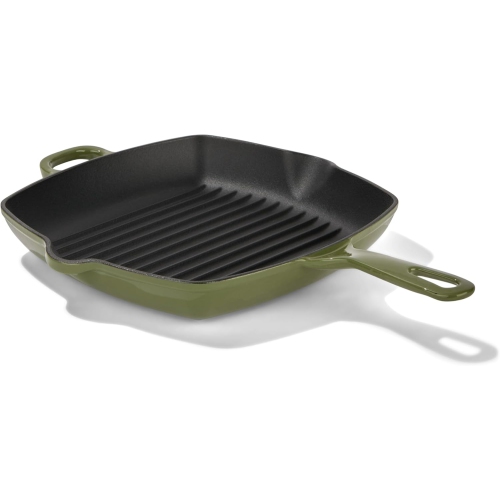

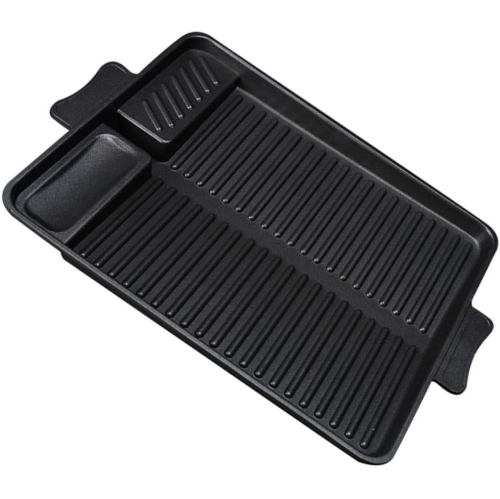

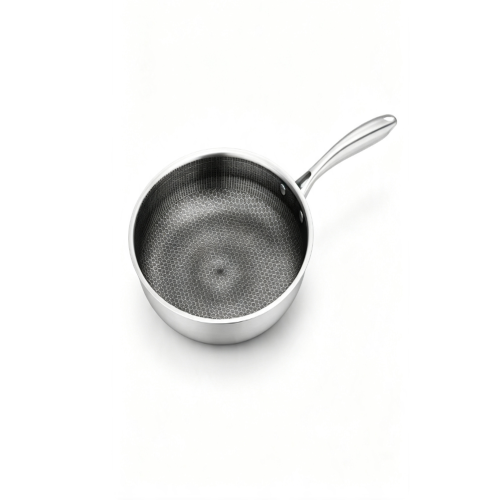

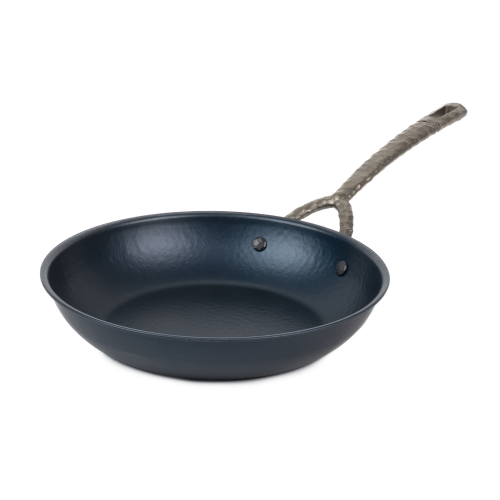

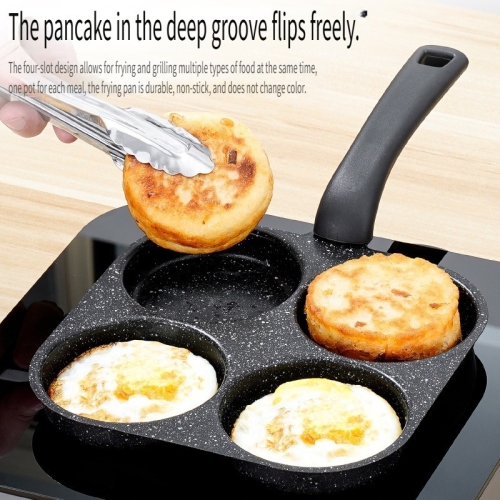
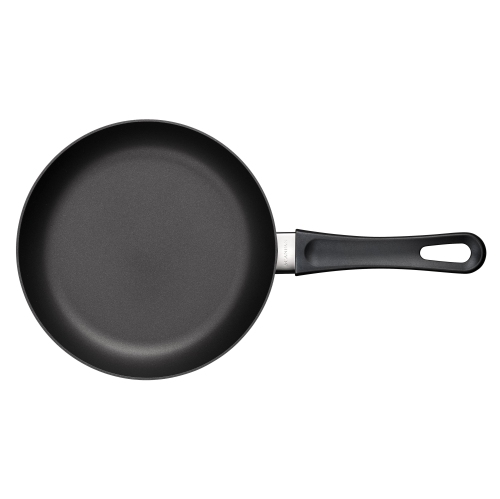


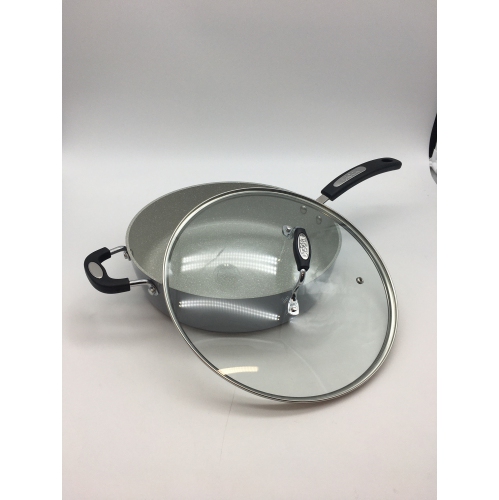

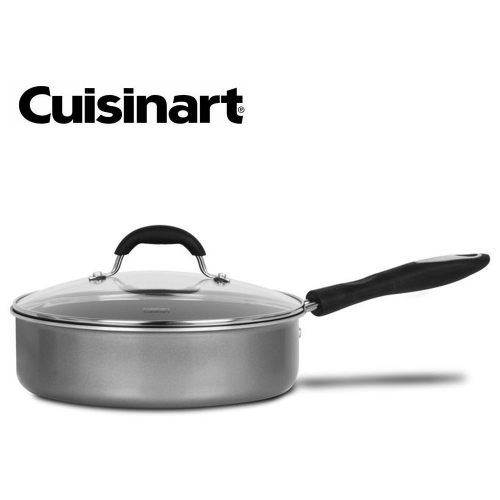

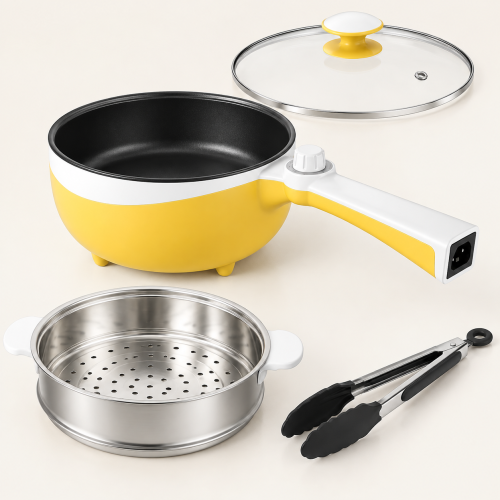
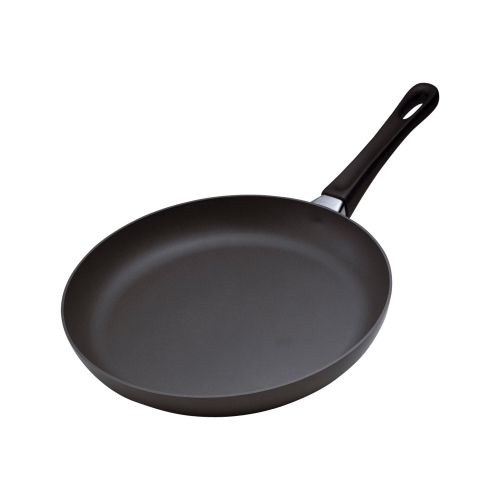
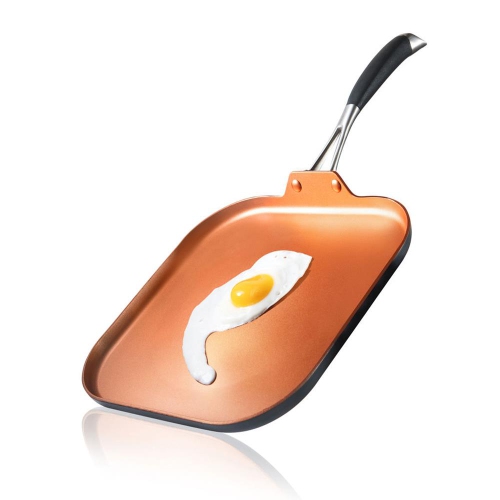

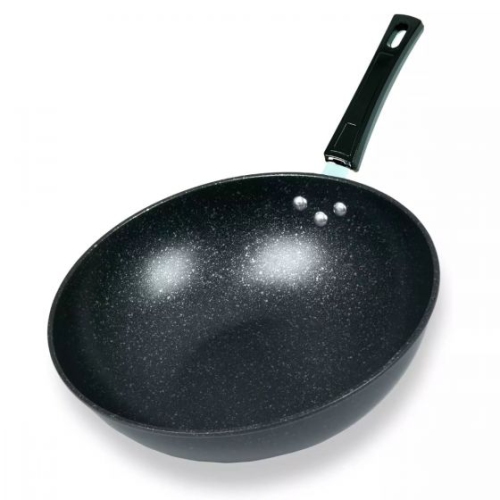


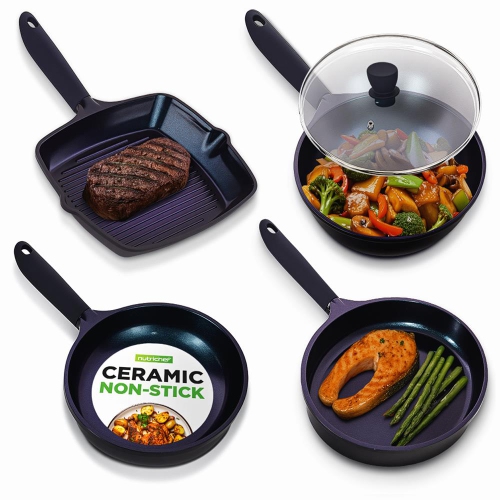
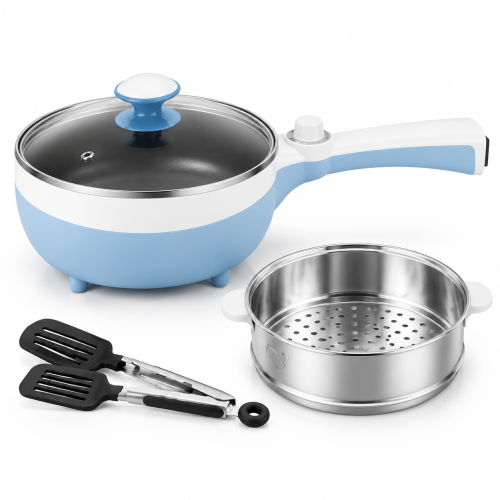

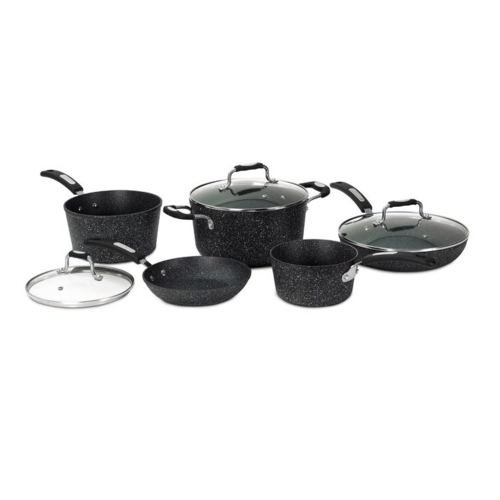


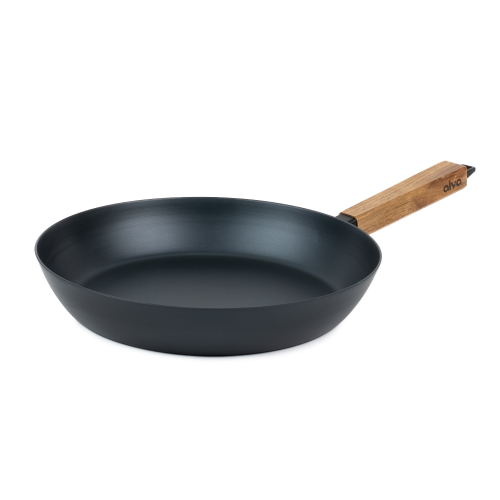
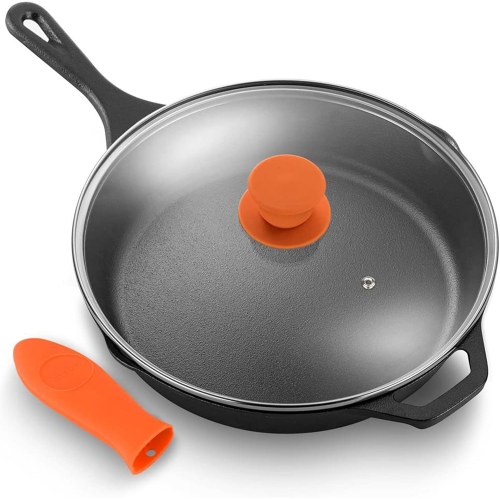


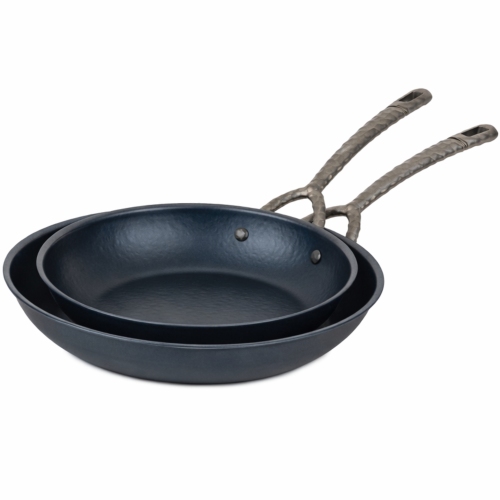
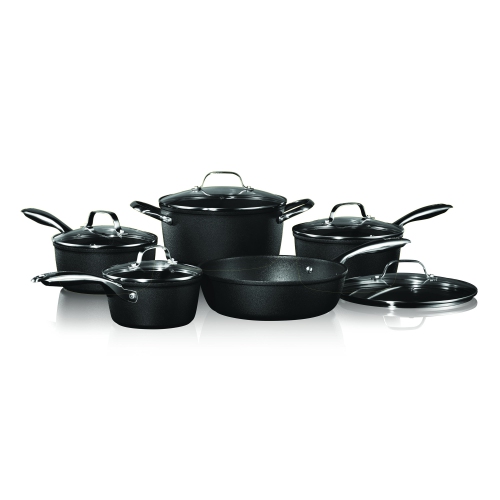
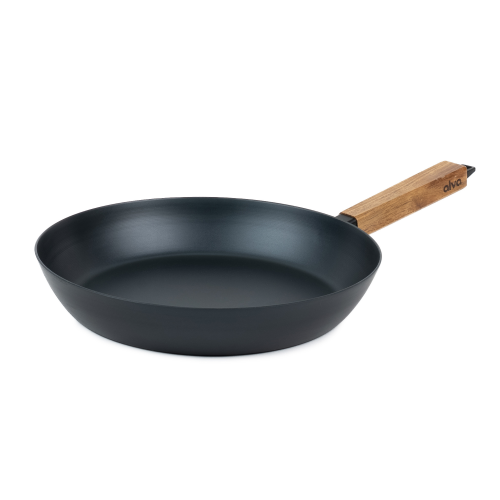


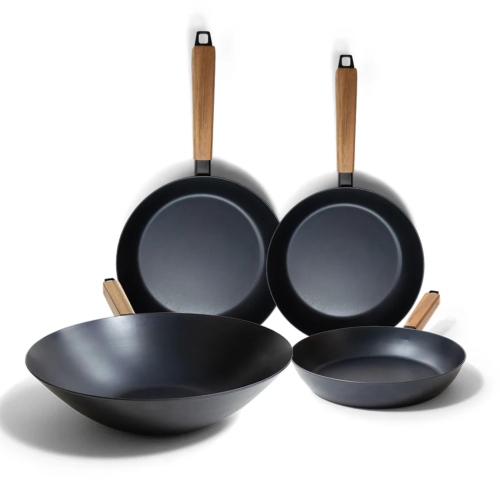


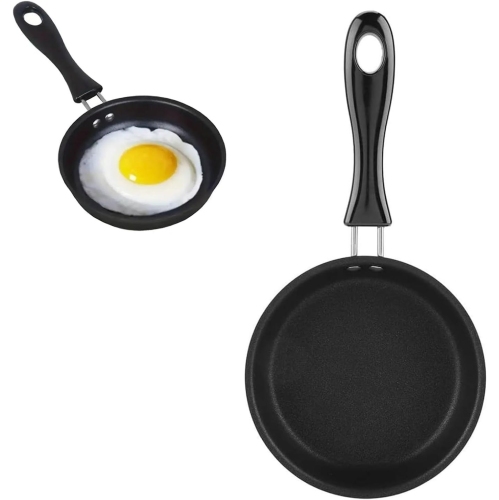
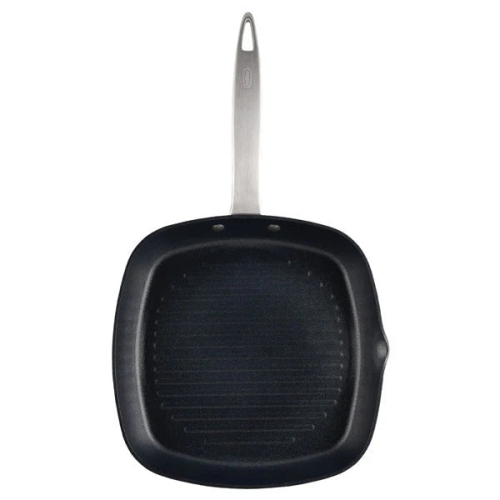



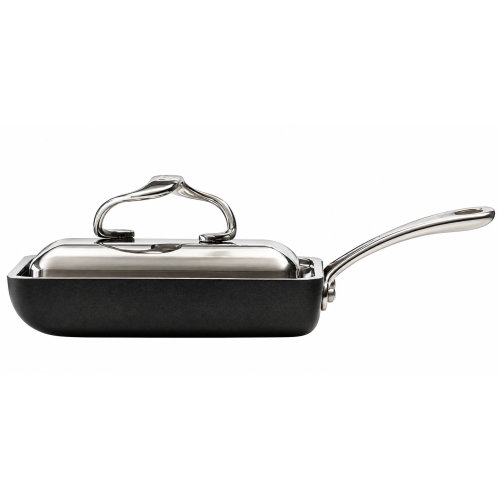


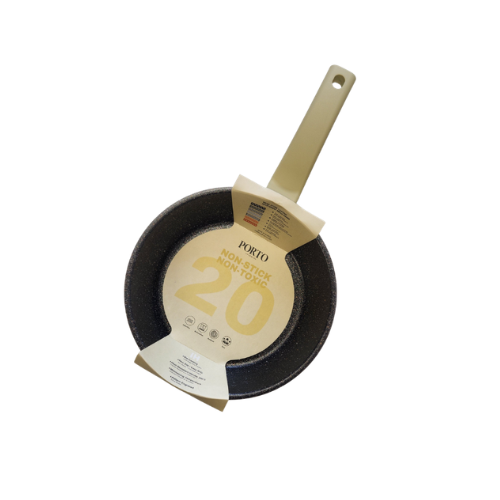
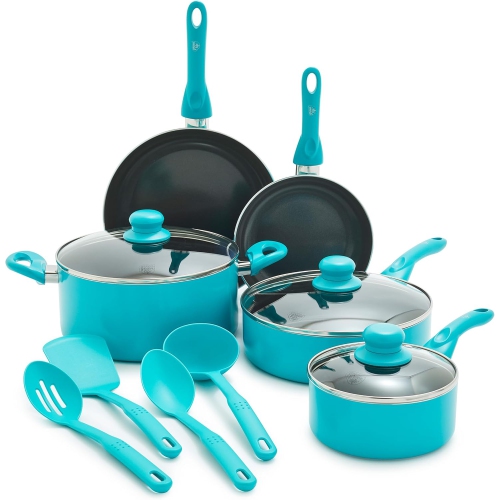
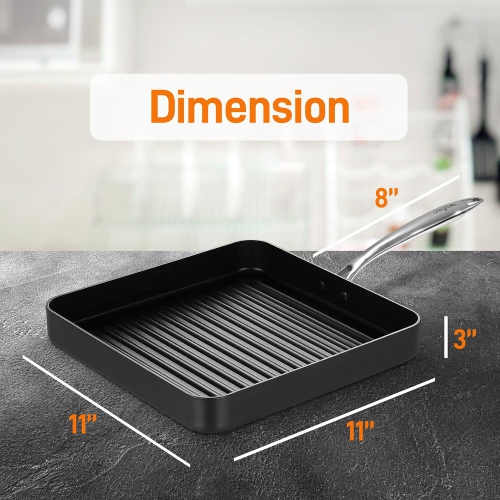


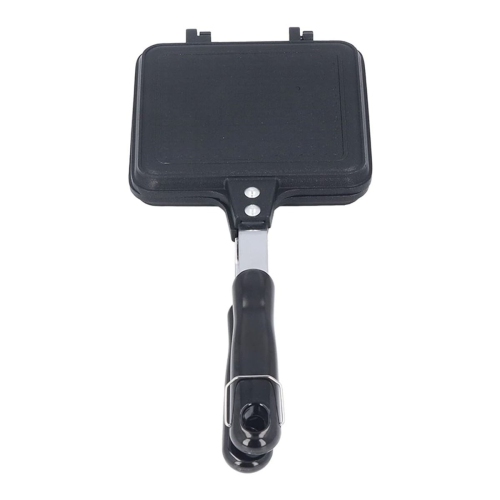
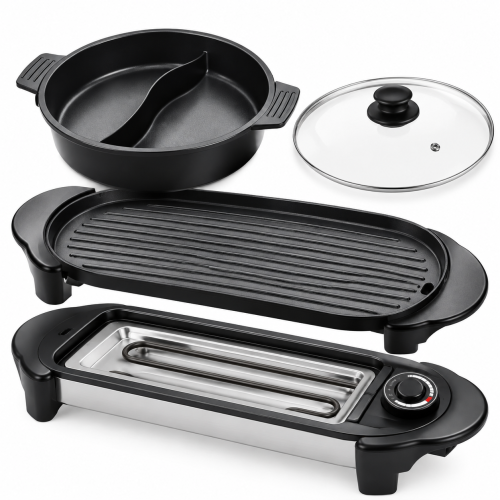
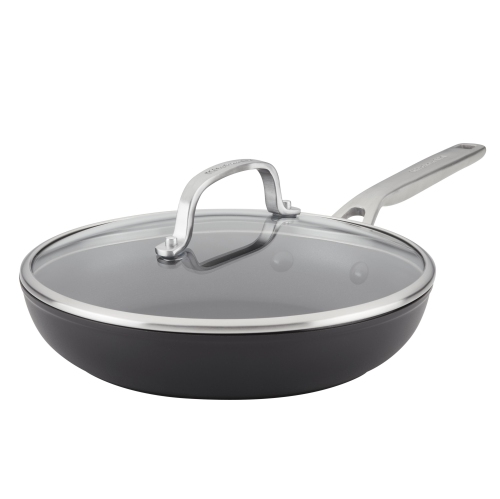

Easy food release for delicate dishes and simpler cleanup
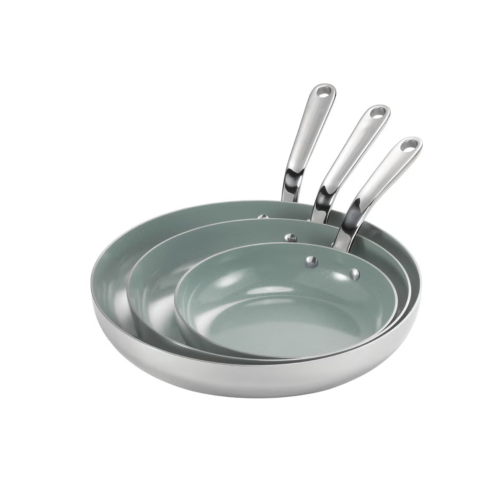
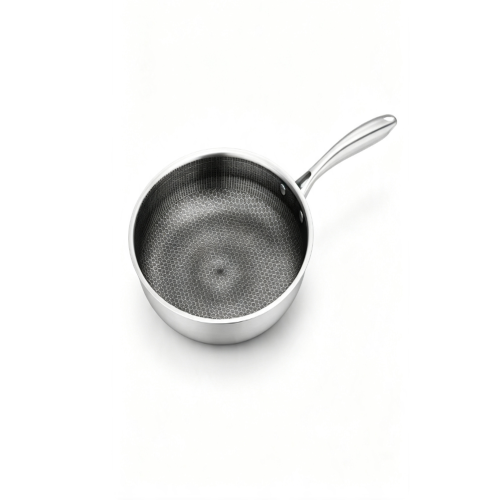
Nonstick skillets are frying pans with coated cooking surfaces that help food release easily, making them particularly useful for eggs, pancakes, delicate fish, and other dishes that can cling to an uncoated pan. Their gently sloped sides leave room for a spatula to slide beneath an omelette or turn a fillet without breaking it apart. For everyday cooking, that easy release can also mean less scrubbing after scrambled eggs or a quick vegetable sauté. A small amount of cooking oil or butter may still improve flavour and browning, even when the surface does not require much fat to prevent sticking. The material beneath the coating makes a meaningful difference to how a skillet feels and performs. Aluminium is relatively lightweight and conducts heat readily, while thicker aluminium bodies can help distribute heat more evenly across the cooking surface. Hard-anodized aluminium has a hardened surface, although the nonstick performance of a coated skillet still depends on its coating and care. Stainless steel constructions may incorporate an aluminium core or base to improve heat distribution, offering a different balance of weight, handling, and responsiveness. Traditional PTFE-based coatings and ceramic nonstick coatings are common options, with performance and care requirements varying by construction. Ceramic nonstick generally refers to a coating, not a skillet made entirely from ceramic. Neither type should be treated as a permanent, scratch-proof surface. A well-made body, a securely attached handle, and a smooth cooking surface all contribute to everyday usability, but careful handling remains important. Nonstick skillets have a distinct role alongside other cooking skillets: they are especially helpful when clean release and gentle cooking matter more than an intense, high-heat sear. For a kitchen that prepares everything from breakfast to simple dinners, a nonstick pan can be a practical companion to cookware used for heavier browning.
Size and stovetop compatibility help determine how comfortably a nonstick skillet fits into a kitchen routine. An 8-inch skillet often suits a couple of eggs, a small omelette, or a single serving, while a 10-inch skillet provides more room for everyday cooking without feeling oversized on many stovetops. A 12-inch skillet offers a broader surface for several pancakes, multiple portions of fish, or vegetables that need space rather than a crowded pile. These measurements usually describe the diameter across the upper rim; the flat cooking area is smaller, and its size varies with the shape of the sides. That difference matters when several portions need to lie flat. Food crowded into a small pan tends to release moisture faster than it can evaporate, making steaming more likely than browning. A larger skillet can help, provided its base is appropriate for the burner and its weight remains comfortable to lift. Compatibility deserves equal attention. Induction cooking requires a suitable magnetic base, so an aluminium skillet needs an induction-compatible construction to work on that type of cooktop. Gas, electric, and glass-ceramic stovetops also have their own cookware requirements, and a flat, stable base is particularly important on smooth surfaces. Handle shape affects daily comfort, especially when moving a pan containing food rather than testing it empty. A comfortable grip, balanced weight, and enough clearance around nearby cookware can make a difference in a compact kitchen. Larger skillets may have a helper handle that makes two-handed lifting easier. Handle materials also affect heat resistance, and even handles designed to stay relatively cool can become hot during cooking. For dishes that move from stovetop to oven, the stated oven-safe limit applies to the complete skillet, including its handle, and a lid may have a separate limit. A matching lid can be useful for setting the top of an egg dish, gently finishing thicker portions, or containing splashes, while storage space matters for anyone fitting cookware into a narrow cupboard.
Durability in a nonstick skillet depends on both construction and everyday treatment. Low to medium heat is generally appropriate for these pans, and prolonged high heat or heating an empty skillet can damage the coating. A pan intended for easy-release cooking is not necessarily the right surface for aggressive searing. Wooden or heat-resistant silicone utensils are gentler on coated interiors than metal tools, particularly when scraping beneath food or stirring around the sides. Cutting a portion directly in the pan can also leave scratches, even if the coating initially appears sturdy. Cleaning is usually simplest after the skillet has cooled enough to handle safely: mild dish soap, warm water, and a soft sponge help remove food without abrasive scrubbing. Even when a skillet is labelled dishwasher-safe, handwashing is often the gentler option for maintaining its finish. Sudden changes from a hot pan to cold water can stress the pan body, so allowing it to cool before washing helps protect its shape. Cooking sprays may leave stubborn residue on some coatings, making the manufacturer's care directions important. For stacked storage, a soft pan protector or cloth between cooking surfaces helps prevent marks from neighbouring cookware. A coating that is peeling, flaking, or no longer releasing food effectively is a reason to consider replacing the skillet rather than continuing to scrub it more forcefully. These practical details make nonstick cookware useful for a wide range of households, from someone cooking breakfast in a first apartment to a family preparing several separate portions at dinner. It can also be a thoughtful gift for someone setting up a kitchen, provided the size, stovetop compatibility, and weight suit the recipient. A smaller skillet may see daily use for quick lunches, while a larger one can support shared meals without requiring several batches. The most useful fit is not simply the biggest pan, but one that matches the meals being prepared, feels comfortable in the hand, and can be cared for without complicating the kitchen routine.
Top selling and popular products
-
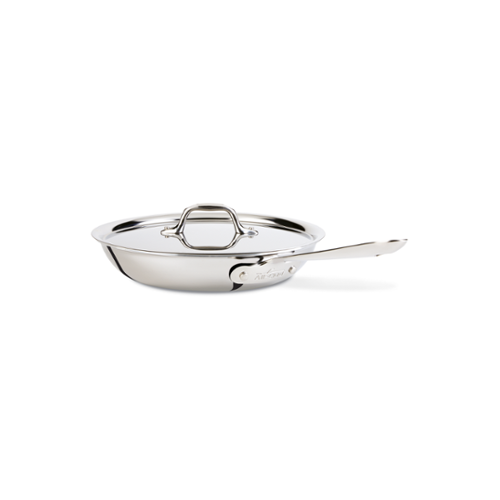 Your price for this item is $137.7
-
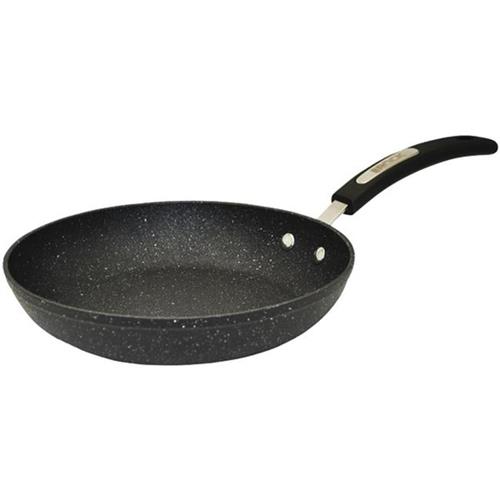 Your price for this item is $33.97
-
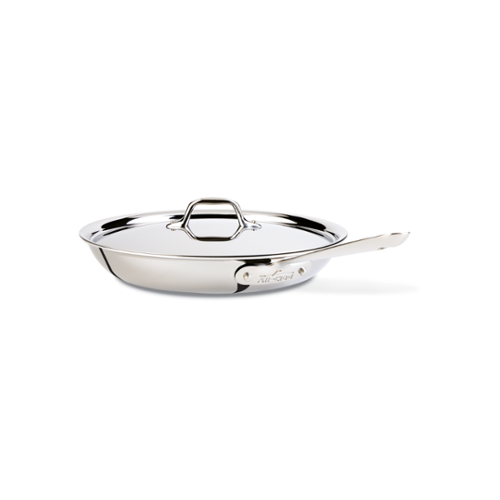 Your price for this item is $289.04
-
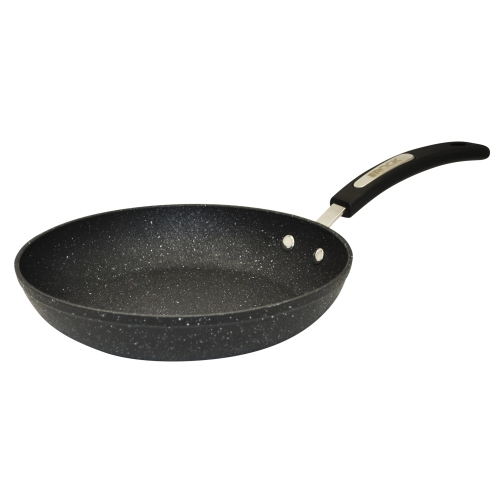 Your price for this item is $29.99
-
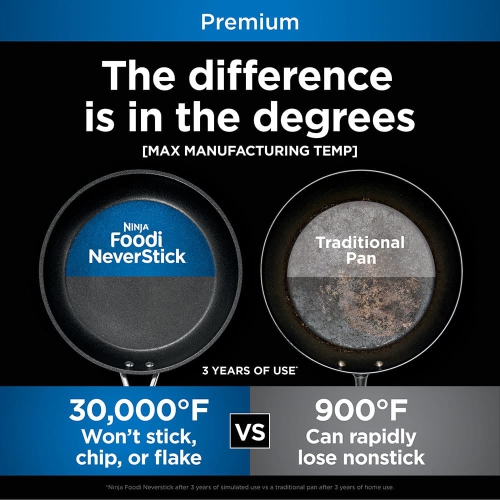 Your price for this item is $139.53
-
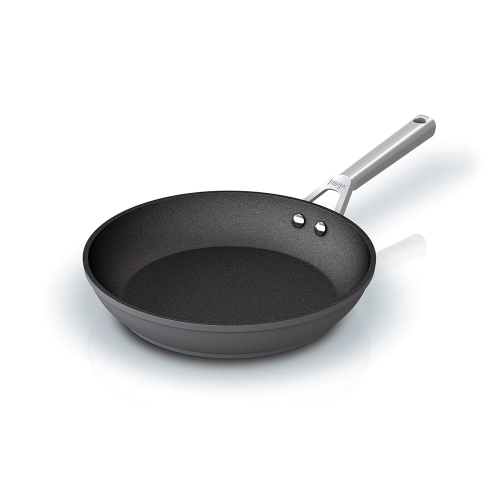 Your price for this item is $100.73
-
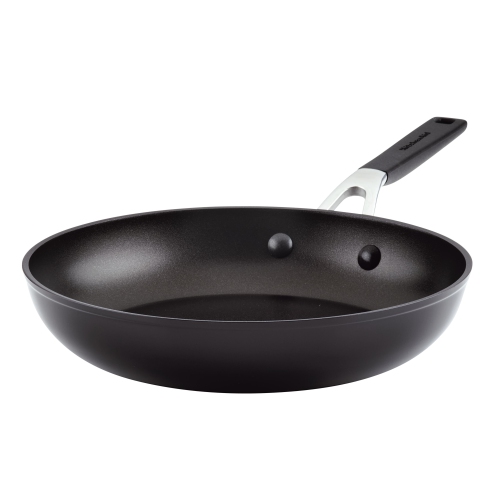 Your price for this item is $49.99
-
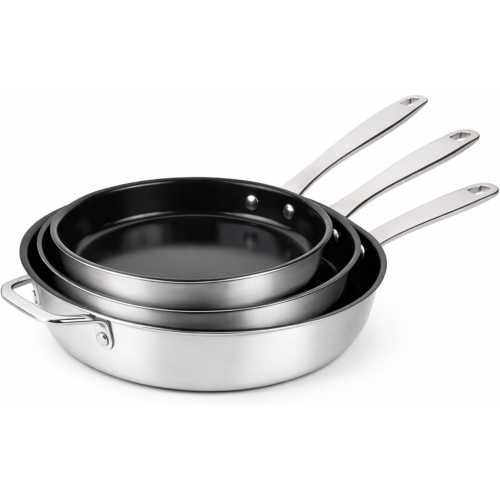 Your price for this item is $399
Discover more categories related to Nonstick Skillets


Top Collections:
Pokemon Centers, Best Cameras for Sports Photography, Kindle Devices, Samsung Galaxy Phones, Canon G7X Cameras, Pokémon 30th Celebration Cards, Refurbished Apple Laptops, iPhone 15 Apple, Laptops for Students, Budget Smartphones
Some products may be subject to Environmental Handling Fees
(EHF) depending on your province.
Learn more about EHFs.